
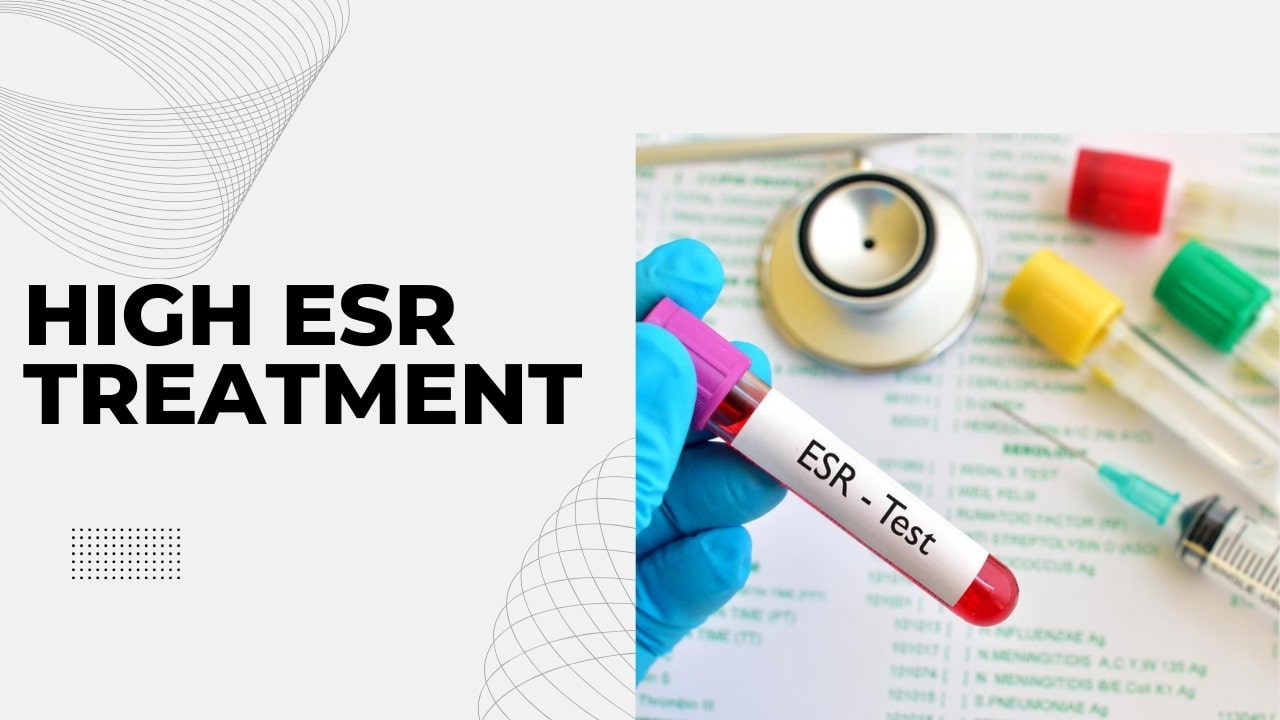
A high ESR (erythrocyte sedimentation rate) means your red blood cells settle faster than normal in a blood test — a general sign of inflammation in the body. It does not identify a specific disease on its own; causes range from infection and injury to rheumatic and other conditions, so your doctor interprets it alongside other tests. (Reference: ESR test, MedlinePlus (U.S. NLM).)
Generic options & how to compare
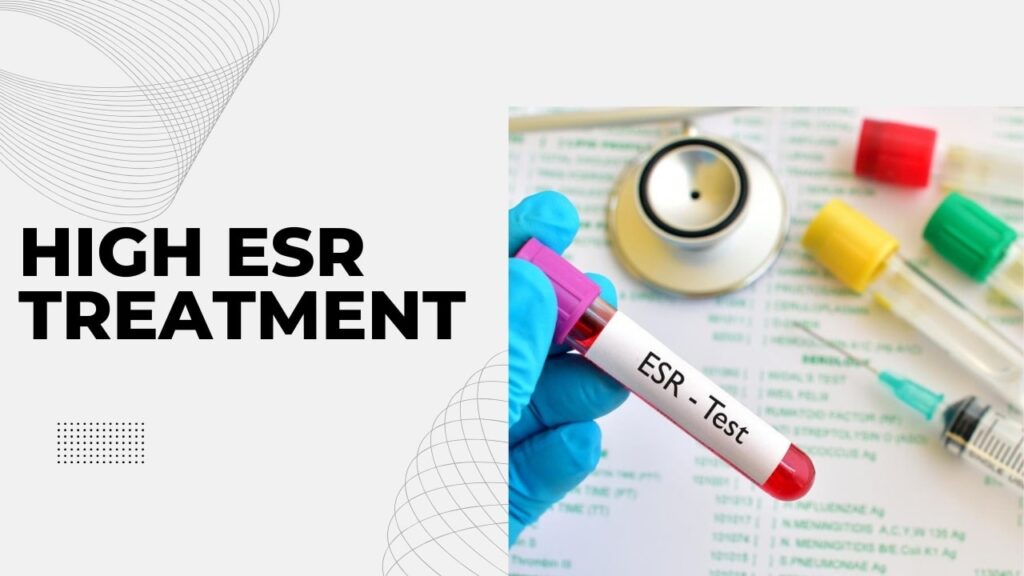 If you’ve just detected that your Erythrocyte Sedimentation Rate (ESR) is extreme, you’re no doubt curious, “What does this mean, and what bear I do next?” Don’t worry—you’re more than one, and we’re in this place to help you find out it all. Let’s make it easy in a manner that’s easy to use and litigable.
The ESR ancestry test measures how quickly your red ancestry cells fall being the reason for a pipe. When your ESR is above the ESR common range, it’s generally a sign of redness or a fundamental condition. But attending’s authoritative book: an extreme ESR isn’t a diagnosis—it’s a clue. Your doctor will use it to resolve what’s honestly going ahead, whether it’s an epidemic, an autoimmune condition, or unusual.
In this site, we’ll describe the causes and treatment of high ESR, the syndromes to anticipate, and the best choice of high ESR treatment. You’ll have a clear plan to address it efficiently by the end. Let’s dive in!
If you’ve just detected that your Erythrocyte Sedimentation Rate (ESR) is extreme, you’re no doubt curious, “What does this mean, and what bear I do next?” Don’t worry—you’re more than one, and we’re in this place to help you find out it all. Let’s make it easy in a manner that’s easy to use and litigable.
The ESR ancestry test measures how quickly your red ancestry cells fall being the reason for a pipe. When your ESR is above the ESR common range, it’s generally a sign of redness or a fundamental condition. But attending’s authoritative book: an extreme ESR isn’t a diagnosis—it’s a clue. Your doctor will use it to resolve what’s honestly going ahead, whether it’s an epidemic, an autoimmune condition, or unusual.
In this site, we’ll describe the causes and treatment of high ESR, the syndromes to anticipate, and the best choice of high ESR treatment. You’ll have a clear plan to address it efficiently by the end. Let’s dive in!
What is the Erythrocyte Sedimentation Rate (ESR)?
Let’s start accompanying the fundamentals. ESR, or Erythrocyte Sedimentation Rate, is a plain blood test that checks how fast your maroon blood units fall being the reason for a test pipe. Think of it so: if your units are immersing faster than the ESR normal range, it’s repeatedly a sign that something’s up in your body—like redness, contamination, or even an autoimmune condition. But here’s the current fashion: extreme ESR isn’t a disease on its own. It’s more like a clue that helps your doctor play a police officer. For example, if your ESR ancestry test shows exalted levels, it indicates issues like rheumatoid arthritis, lupus, or even natural contamination. The key search is to resolve the reason behind the extreme ESR—whether it’s on account of redness, never-ending affliction, or extraordinary completely. So, if your ESR is extreme, don’t panic. It’s just the beginning of revealing what’s continuing in your material. Let’s dive deeper to believe the causes, manifestations, and by what method to lead it back to the rational range.What’s the ESR Normal Range?
Before we dive into extreme ESR, let’s be concerned with what’s deliberately normal. The ESR normal range can fluctuate contingent on your age, gender, and even the testing room that processes your test. Here’s a smart disintegration:- Male under 50: 0–15 mm/hr.
- Male over 50: 0–20 mm/hr.
- Female under 50: 0–20 mm/hr.
- Female over 50: 0–30 mm/hr.
What Does High ESR Mean?
When your ESR is extreme, it’s like your physique is waving a warning signal. It’s a proverb, “Hey, something’s unsound in this place!” But what accurately does that mean? Here are a few ordinary reasons for extreme ESR:- Infections: From a natural cold to more severe diseases like infection.
- Autoimmune Diseases: Conditions like rheumatoid arthritis, lupus, or vasculitis.
- Chronic Conditions: Kidney ailment, thyroid disorders, or even anemia.
- Pregnancy: Yep, being meaningful can temporarily raise your ESR.
- Other Causes: Aging, sure cures, or even tumors in excellent cases.
High ESR Symptoms: What to Look Out For
High ESR itself doesn’t cause syndromes, but the condition behind it ability. Here are a few signs to assume:- Fatigue: Feeling exhausted during the whole of, even after a good night’s sleep.
- Fever: Unexplained or determined fever.
- Joint Pain: Stiffness or lump in your joints.
- Weight Loss: Loss of weight without trouble.
- General Malaise: Just sensation “off” or sick.
How is High ESR Diagnosed?
Diagnosing high ESR is pretty straightforward- it’s just a blood test. But here’s the catch: your doctor will likely order further tests to predict the reason your ESR is extreme. This might cover:- Infection Tests: To check for bacteria or viruses.
- Autoimmune Markers: Like rheumatoid consideration or ANA (antinuclear antitoxin).
- Imaging Studies: X-rays, MRIs, or ultrasounds to demand irritation or damage. Think of it as a complicated. The ESR blood test is just an individual piece—your doctor will use more tests to complete the diagnosis.

High ESR Treatment: How to Bring It Down
Now, let’s get to the good stuff: how to treat high ESR. The treatment depends on the underlying cause, but here are some common approaches:1. Treat the Root Cause
- Infections: Antibiotics or antivirals can help clear things up.
- Autoimmune Diseases: Medications like corticosteroids or immunosuppressants might be prescribed.
- Chronic Conditions: Managing these with the right treatment plan can bring your ESR down.
2. Lifestyle Changes
Sometimes, small tweaks can make a big difference:- Anti-Inflammatory Diet: Load up on fruits, veggies, whole grains, and omega-3-rich foods like salmon.
- Exercise: Gentle activities like walking or yoga can help reduce inflammation.
- Stress Management: Practices like meditation or deep breathing can keep stress and inflammation in check.
3. Medications
If inflammation is the main culprit, your doctor might recommend:- NSAIDs: Like ibuprofen to reduce pain and inflammation.
- Corticosteroids: For more severe inflammation.
4. Alternative Therapies
Some people find relief with:- Herbal Remedies: Like turmeric or ginger, which have natural anti-inflammatory properties.
- Acupuncture: Acupuncture is an ancient practice which might help with pain and inflammation.
Prevention and Long-Term Management
While you can’t continually prevent extreme ESR, you can do something to maintain your body healthful:- Regular Check-Ups: Stay on top of your fitness accompanying routine visits to your doctor.
- Healthy Habits: Eat well, move your body, and get enough sleep.
- Monitor Chronic Conditions: If you have a condition like arthritis, understand your medicine plan firmly.
When to See a Doctor?
If you’ve existed reported your ESR is extreme, don’t forget it. While it’s not regularly severe, it’s mainly to diagnose what’s proceeding. Reach out to your doctor if:- You have persistent syndromes like fatigue, fever, or pain.
- Your high ESR is followed by alternative uncommon test results.
- You’re just sense “off” and can’t set your finger on reason.
Leave a Reply