
Blog

  • Health Benefits of Coconut Oil: A Natural Wonder for Your Body and Mind

    Health Benefits of Coconut Oil: A Natural Wonder for Your Body and Mind

    benefits of coconut oil

    Coconut oil has been awarded for centuries for its many uses, from skincare to cooking. With growing popularity over the years, coconut oil has created a strong place in the daily routine of people all over the world. Be it to moisturize your skin, strengthen your hair, or improve your health, coconut oil works beautifully.

    Key Nutrients in Coconut Oil:

    There are several key nutrients in coconut oil:

    • Lauric acid- a powerful antimicrobial combatant that helps deal with bacteria and infection
    • Caprylic and Capric acid- helps with intestine health and enhances digestion capabilities.
    • Antioxidant- aids with reduction of inflammation and aging process.

    Coconut Oil Benefits

    1. Boosts Heart Health

    2. Aids in Weight Loss

    • MCTs in coconut oil promote metabolism and promote fat burning.
    • It helps in reducing abdominal fat and supports weight management.

    3. Improves Digestion

    • Coconut oil has antibacterial and antifungal properties, which help to balance intestine bacteria and reduce digestive issues.
    • It helps in the absorption of nutrients and calms the digestive system.

    4. Strengthens the Immune System

    • Coconut oil contains lauric acid, which has strong antiviral, antifungal and antibacterial properties.
    • It helps in fighting infection and increases immunity.

    5. Enhances Brain Function

    • MCTS in coconut oil is quickly converted to ketones, which provides an alternative energy source for the brain.
    • Can help improve memory and reduce the risk of neurodynative diseases such as Alzheimer’s.

    6. Balances Blood Sugar and Prevents Diabetes

    • Coconut oil improves insulin sensitivity and helps to regulate blood sugar levels.
    • It prevents energy crashes and keeps glucose levels stable.

    Coconut Oil Benefits for Hair

    Haircare is one of the most popular uses of coconut oil. The benefits of coconut oil for hair include deep nutrition, strengthening and protection against damage.

    How Does Coconut Oil Help Hair?

    • Prevents hair damage: Fatty acids in coconut oil enter the hair shaft deeply, preventing protein loss.
    • Fights dandruff: Coconut oil has antimicrobial properties that help reduce infection of dandruff.
    • Promotes hair growth: Regular scalp massage with coconut oil increases blood circulation, which has strong and healthy hair.
    • Acts as a natural hair conditioner: Coconut oil hydrates the hair and prevents the frizz, making it smooth and shiny.

    How to Use Coconut Oil for Hair?

    • Apply hot coconut oil on the scalp and hair before washing.
    • Leave it overnight as a deep conditioning treatment.
    • Mix with essential oils for additional nourishment of nutrition.

    How to Use Coconut Oil for Hair image

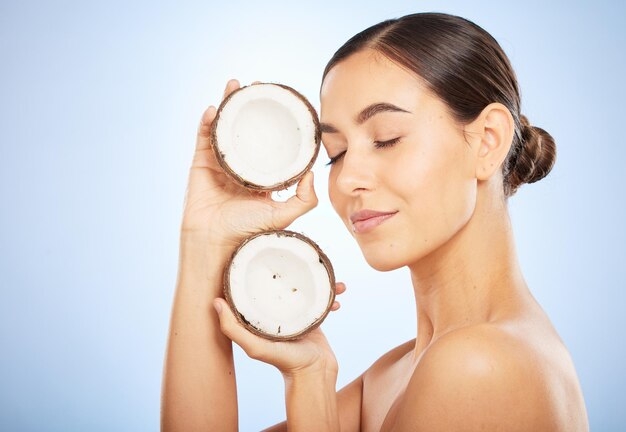
    Benefits of Coconut Oil On Face

    Coconut oil is a powerful natural moisturizer that provides many skin benefits.

    Benefits of Applying Coconut Oil on Face Overnight

    • Deep Hydration: Locks in coconut oil moisture, this overnight treatment makes an excellent.
      Fights acne and inflammation: its antibacterial properties help reduce acne and redness.
    • Anti-aging effects: Rich in antioxidants, coconut oil helps premature aging and prevent wrinkles.
    • Natural Makeup Remover: It nourishes the skin and gently removes makeup.

    How to use:
    Take a small amount of virgin coconut oil and apply equally to your face before bedtime. Use this for a wash in the morning to keep your skin soft and glowing.

    Benefits of Coconut Oil on Skin Everyday

    Applying coconut oil on the skin daily provides long-lasting hydration and nourishment.

    Why Should You Use Coconut Oil on Your Skin?

    • For dry skin: This oil helps in healing dry and cracked skin.
    • Relief from other irritations: Aiding in the treatment of various irritating skin conditions, such as eczema and psoriasis.
    • Acts as a natural sunscreen: Light protection from the sun while providing soothing relief to sunburned areas.
    • Reduces stretch-marks: When applied regularly, it can help against stretch marks during pregnancy.

    The Best Way To Use:
    Use coconut oil like a lotion on the body after the shower. Rub it on dry areas like the elbow and knees.
    benefits of coconut oil on face

    Coconut Oil In Navel Benefits

    The application of coconut oil in the navel is an age-old Ayurvedic custom adorned with plenty of health advantages.

    Why should you apply coconut oil to the navel?

    • Detox the body: It helps to remove toxins and improve digestion.
    • Skin glow improves: Applying coconut oil in the navel can increase the glow of your skin.
    • Relieves menstrual cramps: Massaging coconut oil around the navel can reduce the pain of duration.

    How to use:
    Heat some coconut oil and gently apply it to your navel before bedtime.

    Benefits Of Drinking Coconut Oil

    Consuming daily coconut oil can improve overall health.

    Health Benefits of Drinking Coconut Oil:

    • Promotes metabolism: Coconut oil contains medium-series triglycerides (MCT) that increase energy levels.
    • Heart health supports: It helps to increase good cholesterol (HDL) and lower bad cholesterol (LDL).
    • Increases digestion: Coconut oil has antimicrobial properties that help intestinal health.
    • Helps in weight loss: MCTs in coconut oil help burn fat rapidly.

    How to consume:

    • Add one teaspoon of virgin coconut oil to your morning coffee or smoothie.
    • Use it in a salad dressing or take it straight.

    Benefits Of Cooking With Coconut Oil

    Coconut oil is one of the healthy oils to cook due to its heat stability and many health benefits.

    Why should you cook with coconut oil?

    • Opposes high temperatures: unlike other oils, coconut oil remains stable at high heat.
    • Enhances the taste: It adds a subtle, delicious coconut taste to dishes.
    • Supports weight management: Healthy fat in coconut oil aid in fat loss.

    Best ways to use:

    • Use coconut oil for frying, sootting and baking.
    • Place it for butter in dishes.

    Benefits of Oil Pulling with Coconut Oil

    Oil pulling is an ancient practice that involves swinging coconut oil in the mouth to improve oral health.

    Coconut Oil pulling Benefits:

    • Kills harmful bacteria: reduces cavities and bad breath risk.
    • White the teeth: Naturally removes stains.
    • Gum improves health: inflammation and bleeding reduces gums.
    • Detoxifys to the body: pulls out toxins out of the mouth.

    How to do oil pulling:

    • Take a tablespoon of virgin coconut oil.
    • Swish in your mouth for 15-20 minutes.
    • Spit it out and rinse it with warm water.

    Conclusion

    Coconut oil is a natural miracle remedy that gives you infinite benefits. Be it for your hair, skin, digestion, or oral health, everyday use of coconut oil in your life is just good for you and for a healthier and brighter life. Choose virgin coconut oil for a maximum boost and enjoy this miracle of a superfood!

    FAQs About Coconut Oil

    1. Does coconut oil Darken skin?

    No, coconut oil does not blacken skin. Instead, it hydrates and nourishes the skin, giving it a natural glow. However, excessive use without proper cleaning can make buildups, which makes the skin look dull.

    2. Does Coconut Oil for Skin Whitening work?

    Coconut oil helps to brighten the skin by moisturizing and reduced pigmentation. Its antioxidants and vitamin E improve skin tone and are bang. For best results, mix it with lemon juice or turmeric and apply regularly.

    3. Is coconut oil good for oily skin?

    Coconut oil is comedogenic and can prevent pores, making it unsuitable for oily and acne-prone skin. However, when used in small amounts, it can balance oil production and reduce acne -causing bacteria. Always patch-test before applying on the face.

    4. Does coconut oil remove dark spots?

    Yes, coconut oil can help lighten black spots over time due to its vitamin E and antioxidant ingredients. Regular application reduces pigmentation and also promotes skin tone. Mixing it with lemon juice or turmeric can increase its effects.

    5. What is Virgin Coconut Oil?

    Coconut oil extracted from the milk of the tender coconut is called virgin coconut oil. It is very beneficial for human beings as it has its nutrient intact. Virgin Coconut Oil is generally used for the treatment of skin, hair, and also cooking.

    6. Is coconut healthy for weight loss?

    Coconut oil contains Medium-chain Triglycerides, which help boost metabolism and help to burn fat. It will be helpful in losing abdominal fat and curbing the desire to eat in small portions. It supports weight loss when used with a balanced diet.

    7. How to use coconut oil for skin?

    A small quantity is mixed gently into cleaned and moistened skin; then a massage follows. This can act as a moisturizer, makeup remover, or antidote to dryness and irritation. Added benefit is obtained by mixing with honey, turmeric, or essential oils.

    Related Links:

  • Neuron Anatomy 101: Diagrams & Simple Explanations

    Neuron Anatomy 101: Diagrams & Simple Explanations

    what is a neuron

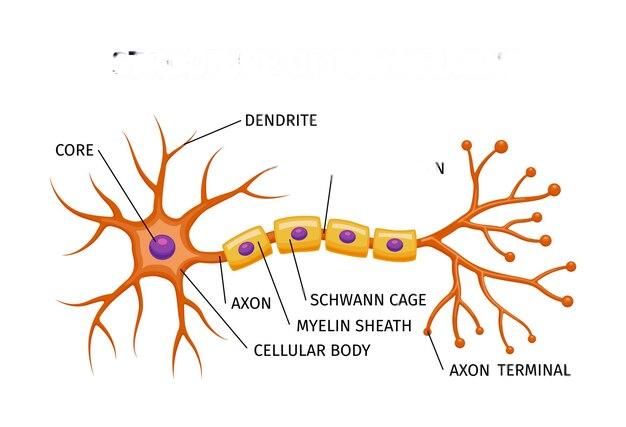
    Neurons constitute the basic part of our nervous system. They are a key element in the manner in which our body captures, analyzes, and gives response to any information. Knowing the anatomy of a neuron enables one to understand how our brain and nervous system function.

    What Is a Neuron?

    A neuron is also referred to as a nerve cell, and it serves to be the structural and functional unit of the nervous system. Its role includes receiving, processing, and sending chemical and electrical signals across the body. The basic unit of communication in the nervous system is synapse which allow for smooth action in movement, sensation, thinking, and other bodily functions working together seamlessly.
    What sets neuron apart is its inability to form anew as easily as other body cells. Therefore, it is imperative to case and earn our nervous system health.

    Neuron Structure and Function

    A neuron consists of several specialized structures that help it perform its function. Let’s explore the parts of a neuron and their roles:
    1. Dendrites

    • Short, branching extensions of the neuron
    • Receive incoming signals from other neurons
    • Transmit signals toward the cell body

    2. Cell Body (Soma)

    •  The central part of the neuron that contains the nucleus
    •  Processes incoming information from dendrites
    •  Responsible for cellular metabolism and maintenance

    3. Axon

    •  A long, tube-like extension that carries electrical signals away from the cell body
    •  Can be covered in a myelin sheath, which speeds up signal transmission

    4. Myelin Sheath

    •  A fatty layer that insulates the axon
    •  Speeds up nerve impulses, ensuring quick and efficient communication

    5. Axon Terminals

    •  The branching ends of the axon that connect with other neurons, muscles, or glands
    •  Release neurotransmitters, chemical messengers that cross the signals between neurons.

    A neuron diagram helps imagine these structures, making it easy to understand how they function together.

    neuron structure and function

    Types of neurons

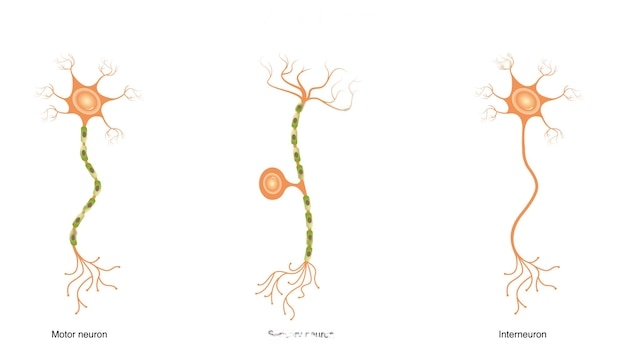
    Neurons come in different types, each is special for a unique function. There are three main types of neurons:

    1. Sensory Neurons

    • Found in peripheral nervous system.
    •  Find out external stimuli (eg: touch, temperature, pain) and send signals to the central nervous system (CNS)
    •  Example: Nerve endings in the skin which is a feeling of heat.

    2. Motor Neurons

    • Control muscle movements by transmitting signals from the CNS to muscles or glands
    •  Essential for voluntary and involuntary movements

    3. Interneurons

    •  Found in the CNS (brain and spinal cord)
    • Act as connectors, relaying signals between sensory and motor neurons

    A nerve cell diagram often distinguishes these types of neurons by showing their distinct structures and pathways.

    types of neurons,

    Nervous System Parts: How Neurons Fit In

    The nervous system is a huge network of neurons working together. It is divided into two main parts:

    1. Central nervous system (CNS)

    • Consists of Brain and spinal cord
    • Processes and explains sensory information
    • Sends signals to start action

    2. Peripheral nervous system (PNS)

    •  These consists of nerves outside the brain and spinal cord
    •  Further divided into somatic nervous system (voluntary movements) and autonomic nervous system (involuntary functions like heartbeat and digestion)

    The peripheral nervous system plays an important role in connecting the body to CNS, allowing movement, sensation and reactions to stimuli.

    Neuron Picture: A Visual Representation

    A neuron picture or diagram is an essential teaching tool that simplifies the understanding of the neuron anatomy. This clearly laces parts of a neuron, showing how to travel from signal dendrite to exon terminals. Looking at a neuron diagram makes it easy to understand how neurons interact within the nervous system.

    Neuron Function: How Neurons Work in the Nervous System

    Neurons communicate using electrical and chemical signals, causing rapid transmission of information across the body. His primary function is:

    1. Get information from sensory receptors or other neurons.
    2.  Process and integrate information within the central nervous system.
    3. Send signals to muscles, glands, or other neurons to generate reaction.

    This complex process ensures that we can think efficiently, move and react to our environment.

    Electrical Transmission: The Action Potential

    Neurons generate and transmit signals through electrical impulses, which are called action potential. This process takes place in several stages:

    1. Resting Potential: The Neuron at Rest

    • A neuron at rest has a slightly more negative charge inside than outside.
    • This charge is maintained by ion pumps that regulate sodium (NA⁺) and potassium (K⁺) levels.

    2. Stimulus & Threshold: The Triggering Event

    • When a neuron receives a strong enough signs, it reaches a threshold level.
    •  This causes an opening on sodium channels, allowing Na⁺ to rush in the neuron.

    3. Depolarization: The Action Potential Begins

    • The influx of Na⁺ changes the charge from negative to positive inside the neuron.
    • This electrical impulse takes the axon down like a wave.

    4. Repolarization: Resetting the Neuron

    • Potassium (K⁺) channels opens, allowing K⁺ to leave, the negative charge is restored.
    • Neuron returns to its rest position, which is ready for the next signal.

    5. Signal Transmission to the Next Neuron

    • Once the action potentials reach the axon terminals, it triggers the release of the neurotransmitters into the synapse.
    • These chemicals take the message to the next neuron or muscle cell.

    The entire process is only in the millisecond, which gives rapid reactions to stimuli.

    Chemical Transmission: The Role of Neurotransmitters

    While neurons use electrical impulses to carry signals with their length, they use chemical messengers to pass the signal to the next neuron or target cell. It occurs on special junctions called synapses.

    Steps in Chemical Transmission

    1. Electric signal reaches the Axon terminal.
    2. It triggers the release of neurotransmitters (chemical messengers).
    3. Neurotransmitters cross the synaptic gap and bind receptors on the next neuron.
    4. The obtained neuron generates a new electrical signal if stimulation is strong enough.

    Types of Neurotransmitters & Their Functions

    Neurotransmitter Function Example of Effect
    Acetylcholine (ACh) Muscle movement, learning Controls muscle contractions
    Dopamine Pleasure, reward, motivation Affects mood & voluntary movement
    Serotonin Mood regulation, sleep Linked to depression & happiness
    GABA (Gamma-Aminobutyric Acid) Inhibitory neurotransmitter Reduces brain activity, prevents overstimulation
    Glutamate Excitatory neurotransmitter Enhances learning & memory

    FAQs Neuron Anatomy 101: Diagrams & Simple Explanations

    1. What does a neuron look like?

    Answer: A neuron has a star -shaped cell body (Soma), with a branch -like dendrites that extend outwards. It also contains a long axon that ends the signal in axon terminals which connects to other neurons. Some axons are covered with a myelin sheath, which speeds up signal transmission. A neuron diagram represents these parts visually.

    2. How many neurons are there in the human body?

    Answer: The human body consists of about 86 billion neurons, which are mostly concentrated in the brain and spinal cord. There are also millions of neurons in the peripheral nervous system that connect the brain to muscles and organs. These neurons create giant networks enabling complex ideas, movements and sensations. The exact number differs slightly between individuals.

    3. How do neurons communicate with each other?

    Answer: Neurons communicate through electrical impulses (action potential) and chemical signals (neurotransmitters) on the synapses. Electrical signals move the axon down and trigger the release of the neurotransmitter. These chemicals cross the synaptic gap to stimulate the next neuron.

    4. What are different types of neurons?

    Three main types of neurons sensory neurons (carrying signs from sensory organs to brain), motor neurons (sending commands from brain to muscles), and interneurons (connect neurons within the brain and spinal cord). Each nervous system plays a unique role in function.

    5. Why is myelin sheath important?

    Answer: Myelin sheath is a fatty layer that insulations the axon, allowing nerve impulses to travel faster. This helps improve communication between neurons and prevents signal loss. Damage to myelin sheath, as seen in diseases such as multiple sclerosis, slows down nerve signaling.

  • Vajrasana: A Simple Pose with Powerful Health Benefits

    Vajrasana: A Simple Pose with Powerful Health Benefits

    vajrasana benefits, picture of vajrasana, supta vajrasana benefits, vajrasana position

    Yoga is an ancient practice known for deep effects on the mind, body and soul. Between many of its postures (pose), Vajrasana stands as an unreliable yet as an incredibly beneficial currency. This seated posture, also known as Thunderbolt Pose or Diamond Pose, is one of some yoga poses, which can be practiced immediately after meals.

    What is Vajrasana?

    Vajrasana is a knee -leaving yoga asana in which the body remains straight while the legs bends down. The name “Vajrasana” is derived from Sanskrit words:

    Vajra (per) – meaning “Thunderbolt” or “Diamond”

    Asana (Asana) – meaning “pose”.

    This yoga posture is asked to strengthen the body like diamonds, which is both physically and mentally. Unlike most yoga posture, which is practiced on an empty stomach, can be performed immediately after eating vajrasana, making it an excellent assistance for digestion.

    Vajrasana Position: Understanding the Posture

    The Vajrasana posture involves sitting on the heel with knees and legs bent while keeping the spine straight and resting on the thighs. This position promotes stability, mindfulness, and overall welfare.

    Here is the breakdown of Vajrasana position:

    • The knees are folded and placed together.
    • The legs are deployed under the buttocks, in which the soles are facing upward.
    • The back remains straight, relaxed shoulders, and the hands relax on the thighs.
    • Taking a deep breath, the body remains upright and relaxed.

    How to Sit in Vajrasana: Step-by-Step Guide

    For beginners, it is essential to follow the correct vajrasana steps to perform the pose effectively and reap its benefits. Here’s a simple guide on how to do vajrasana step by step:

    Step 1: Find a Comfortable Place

    • Choose a quiet and clean surface to practice. A yoga mat is recommended.

    Step 2: Kneel Down

    • Sit on your knees, keeping your legs close together.
    • Your feet should be flat on the floor with toes pointing backward.

    Step 3: Lower Your Body

    • Gently sit on your heels while keeping your back straight.
    • Ensure that the weight is evenly distributed between both legs.

    Step 4: Position Your Hands

    • Place your palms on your thighs with fingers pointing forward.
    • Keep your arms relaxed but firm.

    Step 5: Maintain an Upright Posture

    • Keep your spine straight, shoulders relaxed, and chin parallel to the ground.

    Step 6: Breathe and Hold the Pose

    • Close your eyes and take deep, slow breaths.
    • Hold the position for 5-10 minutes (or as long as comfortable).

    Step 7: Release the Pose

    • Slowly return to a kneeling position and then stretch your legs forward.
    • Shake your legs gently to relax them.

    vajrasana pose

    Practicing this pose regularly can help improve flexibility and strengthen muscles around the knees and thighs.

    Vajrasana Benefits: Why You Should Practice It Daily

    Vajrasana is a deceptively simple posture that has intensive benefits. Some major vajrasna benefits include:

    1. Boosts Digestion and Relieves Acidity

    One of the most famous Vajrasana benefits is the ability to aid in digestion. When you sit in this position, you experience soft compression, including your digestive organs, stomach and intestines, which helps:

    • Stimulate digestion and prevent inflammation.
    • Reduce acid reflux and heartburn.
    • Improve the absorption of nutrients from food.
    • Eliminates constipation by regulating intestinal movements.

    Unlike other yoga, those who require an empty stomach, Vajrasna is safe to practice after meals and can significantly increase digestion.

    2. Strengthens the Spine and Improves Posture

    Vajrasana posture promotes spinal alignment and strengthens the lower back, which is important to maintain good currency. Regular practice helps:

    • Reduce lower back pain.
    • Strengthen the spinal column and prevent sluting.
    • Reduce stress on the neck and shoulders.
    • Improve balance and body alignment.

    For those who spend longer sitting on a desk, Vajrasna can help correct poor posture and relieve stress in the back and shoulders.

    3. Enhances Blood Circulation

    Sitting in Vajrasana encourages better blood flow throughout the body, especially in pelvic and abdominal areas. Goes to better circulation:

    • Reduced risk of varicose veins.
    • Better oxygen supply, vigilance to the brain.
    • Healthy skin and hair due to the absorption of better nutrients.
    • Low risk of numbness or tingling in organs.
    • Increased blood flow also supports heart health and overall physical functions.

    4. Helps in Weight Loss and Metabolism Regulation

    Vajrasana practice regularly helps in promoting metabolism and supports weight management:

    • Increase digestion and absorption of nutrients.
    • Prevent fat accumulation in the abdominal area.
    • Regulating hunger and reducing tendency.
    • Activating the lower abdominal muscles, helping tone the stomach.

    While Vajrasana alone cannot burn a significant number of calories, when combined with a balanced diet and other exercises, it contributes to effective weight loss.

    5. Reduces Stress, Anxiety, and Promotes Mental Clarity

    Vajrasna is beneficial not only for the body but also for the mind. The attention of this posture helps:

    • Calm the nervous system and reduce the level of stress.
    • Low cortisol in the body (stress hormone).
    • Increase focus, concentration and mental clarity.
    • Improve emotional stability and mindfulness.

    By sitting in Vajrasana, by involving controlled breathing, one can achieve a deep position of relaxation, making it an excellent posture for meditation and mental welfare.

    6. Helps Manage Diabetes by Controlling Blood Sugar Levels

    Studies show that the practice of Vajrasana can be beneficial for diabetic persons. this is because:

    • It stimulates the pancreas, improves insulin production.
    • It increases digestion, prevents blood sugar spikes.
    • It improves overall metabolism, reduces insulin resistance.

    For diabetic patients, Vajrasana can be a valuable addition to its lifestyle, which naturally helps managing blood sugar levels.

    7. Alleviates Joint and Knee Pain (With Proper Practice)

    While Vajrasana involves kneeling, it can help improve joint health when actually practiced correctly. It benefits the knees, ankles and hip joints:

    • Increase flexibility and mobility.
    • Strengthen ligaments and muscles around the joints.
    • Reducing stiffness in the lower body.

    However, people with severe knee or ankle injuries should consult a yoga instructor or physiotherapist before practicing Vajrasana.

    8. Supports Women’s Health and Eases Menstrual Discomfort

    For women, Vajrasana provides specific benefits related to reproductive health. It helps:

    • Reduce menstrual cramps by improving pelvic blood flow.
    • Regulating hormonal balance, reducing the symptoms of PMS.
    • Strengthen pelvic muscles, beneficial for postpartum recovery.
    • Improve overall breeding organ function.

    Women who experience irregular periods or discomfort during menstruation can provide relief by practicing regular vajrasana.

    9. Improves Flexibility and Strengthens Lower Body Muscles

    Despite being a simple currency, Vajrasana works on many muscle groups in the lower body, including:

    • The thighs and quadriseps.
    • Glutes and hip flexors.
    • Ankle and calves.

    By sitting in this posture regularly, you improve flexibility, strengthen these muscles, and reduce the risk of hardness in the lower body.

    10. Aids in Detoxification and Internal Cleansing

    Vajrasana indirectly supports detoxification:

    • To increase digestion, promote intestinal movements, and eliminate toxins.
    • Improving kidney function and reducing water retention.
    • Stimulating the liver, helping fat metabolism and toxin break.

    By keeping digestive and emission systems healthy, Vajrasana plays an important role in the body’s natural toxic process.

    Supta Vajrasana Benefits: A Deeper Variation

    Supta Vajrasana, or reclined Thunderbolt pose, is an advanced variation of Vajrasana. In this posture, the body reclines the backward, rests on the back, while the legs are bent in the state.

    Key Benefits of Supta Vajrasana

    • The spinal cord deepens and strengthens the back.
    • Improves lung capacity and breathing efficiency.
    • Stimulates the abdominal organs, further enhances digestion.
    • Reduces the inconvenience of menstruation in women.
    • Increases overall flexibility in thighs and hips.

    supta vajrasana benefits

    Common Mistakes to Avoid in Vajrasana Yoga

    1. Slouching the back – Always keep your spine straight.
    2. Knees too far apart – Keep them close together for proper alignment
    3. Feet improperly placed – the soles should face upwards, touch the buttocks with the heel.
    4. Holding breath – Maintain slow, controlled breathing for maximum profit.

    Precautions and Contraindications

    While Vajrasna Yoga is safe for most people, avoid practicing it if you have:

    • Severe knee or ankle injuries.
    • Problems of sciatica or spinal disc.
    • Recent surgery in the feet or stomach.
    • Excessive stiffness in the legs (starting with short duration).

    If you experience discomfort, use a pillow under your buttocks or practice under specialist guidance.

    Conclusion

    Vajrasana is a simple but powerful yoga asana that increases digestion, improves posture, and promotes mental well-being. Whether you are a beginner or an experienced yogi, inclusion of this pose in your routine can lead to deep health benefits. By practicing vajrasna yoga with proper alignment and mindfulness, you can use its full potential for a healthy and more balanced life. Therefore, take a few minutes each day to sit in Vajrasana and experience changes in your body and mind!

    FAQs On Vajrasana: A Simple Pose with Powerful Health Benefits

    1.   How to do Vajrasana?

    Answer: Knee on the floor with your feet and point backwards to your feet. Sit on your heel, keeping your spine straight and hands are resting on your thighs. Close your eyes, take deep breaths, and hold the position for 5–10 minutes.

    2.   How to sit in vajrasana?

    Answer: Start together in the knee position with your knees and align the legs under your buttocks. Sit back on your heels, make sure that your back remains straight and your hands are resting on your thighs. To stay comfortable, keep a relaxed posture while breathing deeply.

    3.   How to Step Vajrasana?

    Answer: Step by Step Knee knees on a yoga mat with knees and flat the feet behind you. Sit on your heel, keep your back straight and place your hands on your thighs. Close your eyes, breathe slow deep, and hold for 5–10 minutes.

  • Health Benefits of Almonds: A Nutritional Powerhouse

    Health Benefits of Almonds: A Nutritional Powerhouse

    benefits of almonds, benefits of eating almonds, health benefits of almonds

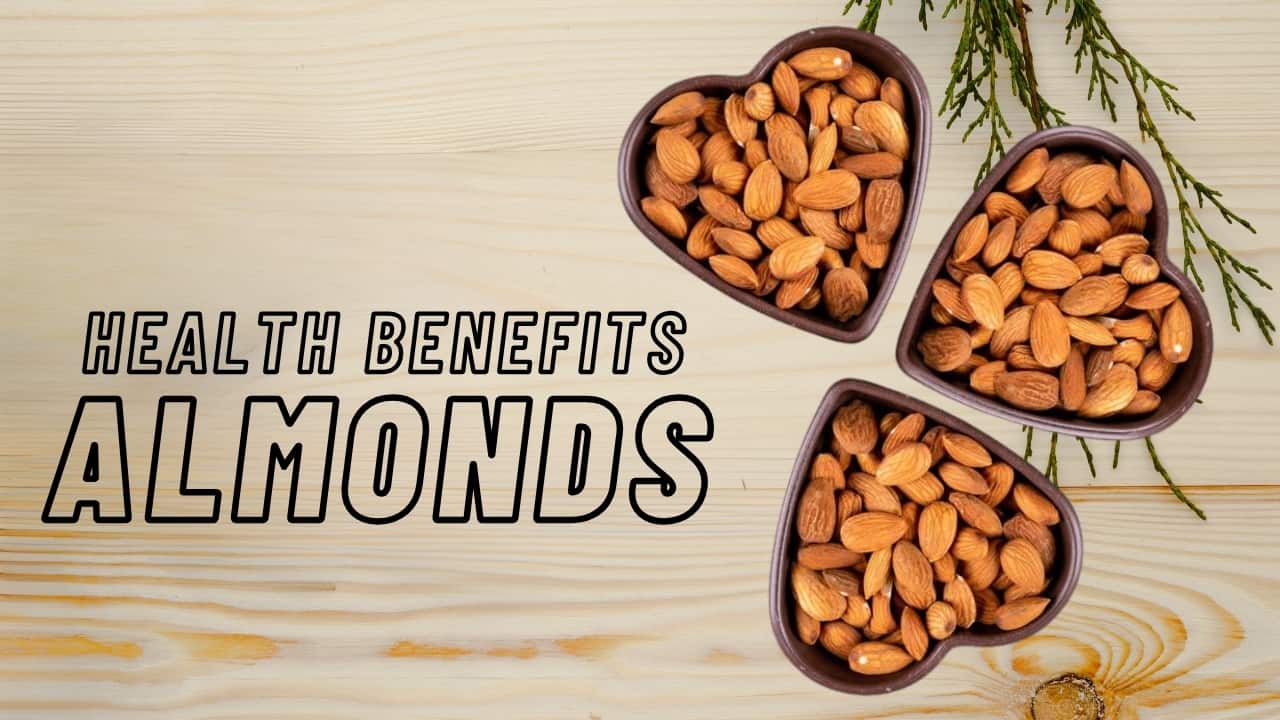
    Almonds are one of the most nutritious and flexible nuts available, offering a large type of health benefits. He was a predominant in human diet for years of mass mass, valued for his rich taste and modest nutritional materials. Whether raw, roasted, or in the shape of almond oil, these nuts provide an effective punch of important nutrients that contribute to specific welfare.

    Nutritional Value of Almonds

    Almonds are loaded with essential nutrients, making them a high quality snack for health-covered people. Here’s a quick look at the almonds nutrition profile:

    • Protein in almonds: Almond is a wonderful supply of plant-based protein, which makes them best for vegetarians and vegetarians. A handful of almonds let you meet your protein requirements every day.
    • Healthy fats: They are rich in monounsaturated and polyunsaturated fats, which supports coronary heart health.
    • Fiber: Almonds include dietary fiber that aid digestion and promotes intestine fitness.
    • Vitamins and minerals: They are packed with vitamin E, magnesium, calcium and antioxidants that contribute to high quality skin, more powerful bones and overall well -being.

    Calories in Almonds

    Understanding the calorie content of almonds is important for people who look at their weight. Here is the breakdown of calorie material:

    • 1 almond calories: About 7-8 Calories
    • 5 almonds calories: About 35-40 calories
    • 10 badam calories: Around 70-80 calories
    • Calories in one almond: A single almond contains about 7-8 calories, which becomes a great low calorie snack when consumed in moderation.

    Health Benefits of Almonds

    Almonds are not honestly delicious, but in addition to many health blessings. Let’s find out some major fitness benefits of almonds:

    1. Heart Health

    One of the biggest benefits of eating almonds is their ability to promote heart health.  Monounsaturated fat and antioxidants in almonds help to increase low cholesterol (HDL) at the same time. This coronary reduces the risk of heart diseases and stroke.

    2. Aids in Weight Management

    Despite being calorie-humor, careful consumption of almonds can cause a useful help in weight loss. Their high protein and fiber content continues to keep you full, reduces useless snacking and helps with potion control.

    3. Boosts Brain Function

    Almonds are often focused on “brain food” because they include riboflavin and L-carnitine, which improve cognitive features and reduce the risk of neurodegenerative diseases such as Alzheimer’s. Including a handful of almonds on your every day weight loss schedule can increase your memory and attention.

    4. Supports Bone Health

    The nutritional value of almonds includes high amounts of calcium, phosphorus and magnesium, which is possibly important to keep strong bones. Regular intake can save you osteoporosis and improve bone density.

    5. Improves Skin and Hair Health

    Almonds are rich in vitamin E and antioxidants, which help fight free radicals, reduce skin aging and damage. Additionally, almond oil blessings to moisturize the skin, reduce dark circles and strengthen hair follicles and promote hair bounce.

    Almonds are naturally rich in Vitamin E and magnesium. To complement such nutrient-rich foods, a multivitamin like Mibur Capsule, Geomax Plus 4g Tablet, and Nurokind Gold Sachet may support overall wellness.

    6. Regulates Blood Sugar Levels

    Almonds have a low glycemic index and helps in changing blood sugar levels, making them a remarkable snack for diabetic patients.

    Benefits of Almond Nuts in Daily Life

    Including almonds in your daily food can be beneficial in many techniques. Here are some smooth strategies that include almonds in your everyday diet:

    • As a snack: Eat a handful of raw or roasted almonds for a healthy snack.
    • In smoothie: mix almonds with fruits and milk for a smoothie rich in protein.
    • As almond butter: Spread almond butter on the entire grain toast for a nutritious breakfast.
    • In desserts: Add otmemil, curd, or chopped almonds to the dessert to bring crunch and vitamins.
    • Using almond oil: Apply almond oil benefits on skin and hair care or use it in cooking for distributed nutrients.

    Nutrition Tip: Almonds are nutrient-rich, but if your diet lacks variety or you’re unable to consume enough daily, a multivitamin like Briq Capsule can help. It’s packed with essential vitamins and minerals that support brain health, skin glow, and immunity—just like almonds do, from the inside out.

    Types of Almonds

    1. Sweet Almonds (Prunus Dulcis)

    Sweet almonds are most commonly consumed variations and are used in snacks, cooking and almond-based products such as almond butter and almond oil.

    Benefits of Sweet Almonds :

    • Rich in healthy fat – helps reduce bad cholesterol and improve heart fitness.
    • Good distribution of fiber – AIDS promotes digestion and intestine health.
    • High in protein in almonds muscles in protein in almonds support bounce and repair.
    • Food loaded with Rezimen E – improves skin and hair fitness.

    2. Bitter Almonds (Prunus Dulcis Var. Amara)

    Bitter almonds are usually not eaten without ripe because they contain emigalin, which can be poisonous in large amounts. They are mainly used to make almond oil and extracts.

    Benefits of Bitter Almonds:

    • Used in medicinal programs-the bitter almonds are known to their antibacterial and anti-inflammatory houses.
    • Almond oil is used for production – extracted oils are usually used in cosmetics and skin care.
    • Good for cleaning – when properly processed, they help clean the body of toxins.

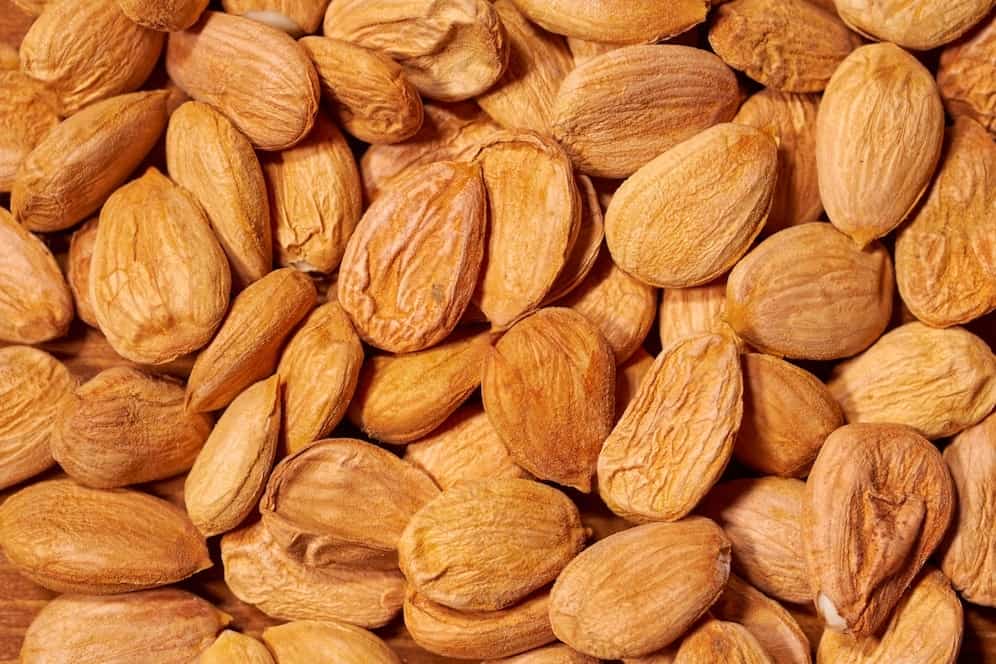
    3. Mamra Almonds

    Mamra almonds are a top price variety, generally grown in Iran and Afghanistan. They have a higher oil content and are considered one of the most exceptional almonds in terms of nutritional value.

    Benefits of Mamra Almonds :

    • Higher nutrient content – They consist of greater quantity of antioxidants, protein, and fiber than other almonds.
    • Boosts brain function – Rich in riboflavin and L-carnitine, they assist in improving memory and cognitive overall performance.
    • Good for coronary health – Helps adjust levels of cholesterol and decrease the risk of heart infection.
    • Natural energy booster – Due to their high-calorie content, they offer right away power.

    Benefits of Mamra Almonds

    4. California Almonds

    California almonds are the most substantially available variety, often found in supermarkets. They are machine-processed and are available in different forms, including raw, roasted, and blanched.

    Benefits of California Almonds:

    • Easily accessible and much less expensive – A remarkable possibility for every day intake.
    • Good for weight management – High in fiber and protein, they hold you full for longer.
    • Promotes skin health – Rich in vitamin E, which permits in decreasing symptoms and signs of aging.
    • Versatile usage – Used in baking, cooking, almond flour, and almond milk.

    5. Gurbandi Almonds

    Gurbandi almonds, furthermore called “Choti Giri,” are nearby to Afghanistan and are smaller in length in assessment to California almonds. They have a higher concentration of vitamins and vital fatty acids.

    Benefits of Gurbandi Almonds :

    • Rich in antioxidants – Helps combat unfastened radicals and prevents from cell damage.
    • Great for thoughts fitness – Contains excessive degrees of Omega-3 fatty acids and important vitamins.
    • Good for heart fitness – Helps in keeping a wholesome cholesterol balance.

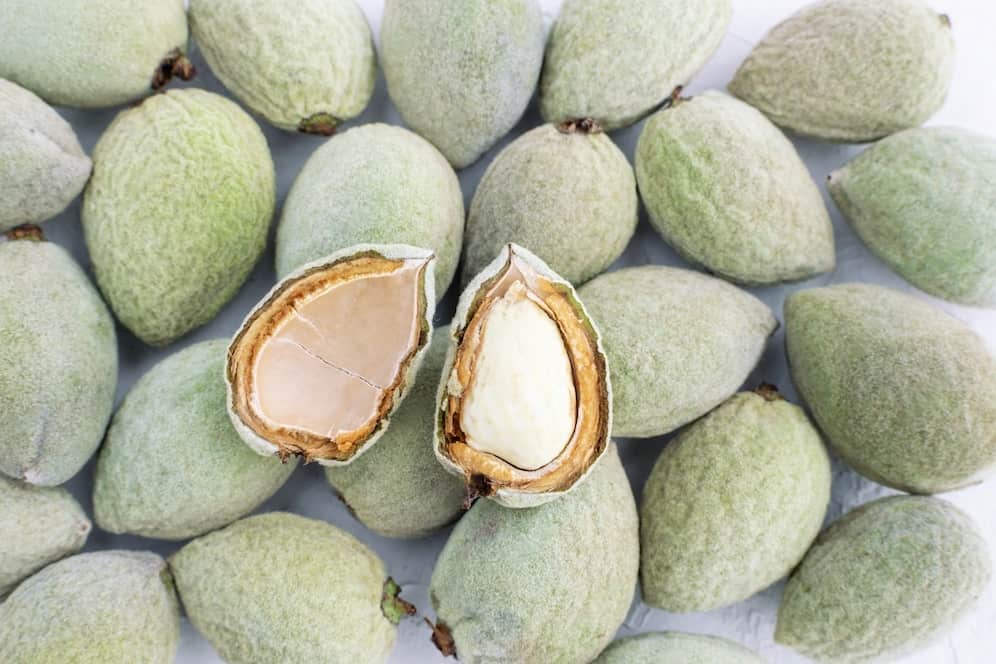
    6. Green Almonds

    Green almonds are unripe almonds which can be harvested before the outer shell hardens. They are commonly eaten glowing or applied in salads.

    Benefits of Green Almonds:

    • Rich in vitamin C – Supports the immune system and fights infections.
    • Low in calories– An outstanding snack for the ones looking their weight.
    • Good for digestion – Contains natural probiotics that support gut health.

    Benefits of Green Almonds

    Comparing Almond Types: Which One is Best for You?

    Type of Almond Best For Key Nutrients
    Sweet Almonds General health & nutrition Vitamin E, Protein, Fiber
    Bitter Almonds Medicinal & skincare uses Antioxidants, Essential Oils
    Mamra Almonds Brain function & energy Healthy Fats, Riboflavin
    California Almonds Everyday consumption Fiber, Vitamin E
    Gurbandi Almonds Heart & brain health Omega-3, Antioxidants
    Green Almonds Weight loss & digestion Vitamin C, Probiotics

    Conclusion

    The benefits of almonds pass beyond taste – they will be full of vitamins that help coronary heart health, brain function, weight management and skin health. Whether you eat them completely, in almond oil, or in the form of almond butter, include those nutrient-rich nuts in your weight-to-decrease plan can enhance your overall well-being. So, later you are looking for a nutritious snack, hold a handful of almonds and experience your top notch health benefits!

    FAQs On Health Benefits of Almonds: A Nutritional Powerhouse

    1. How many almonds to eat per day?

    It is suggested to consume 15-20 almonds continuously with the day for regular fitness benefits. This amount provides important nutrients like nutritious fat, protein and fiber without excessive calorie consumption. Soaking them overnight enhances nutrient absorption and digestion.

    2. How much protein in 1 almond?

    One almond includes about 0.26 grams of protein. Almonds are an awesome plant-based protein supply, making them ideal for muscle increase and restore. Eating a handful can help meet every day protein desires.

    3. How many almonds to eat per day for weight loss?

    For weight reduction, consuming 5-10 almonds regularly is right as they offer healthful fats, fiber, and protein and even helps in keeping you full longer. Almonds help manipulate cravings and prevent overeating. However, portion control is important because of their calorie content.

    4. How many calories in one almond?

    One almond includes about 7-8 calories, relying on its size. Despite being calorie-dense, almonds offer important vitamins and healthful fats, making them a nutritious snack. Eating quite guarantees you gain advantages without extra calorie intake.

    5. How to eat badam?

    Badam (almonds) can be eaten raw, soaked, roasted, or combined into smoothies. Soaking them overnight gets rid of phytic acid, enhancing digestion and nutrient absorption. They can also can be utilized in almond butter, almond milk, or added to salads and cakes.

    Related Links :

  • How to Reduce Melanin, Which Controls Pigmentation for Lighter Skin

    How to Reduce Melanin, Which Controls Pigmentation for Lighter Skin

    how to reduce melanin

    Melanin is the coloring pigment production coloring our skin, hair, and eyes. Melanin serves as a “parachute” which reduces the damage caused by UV light. Even though people want to limit the melanin that their skin produces to have a whiter skin, the truth is melanin is there to protect the skin against damage by UV light. For those who are interested in the matter of how to decrease melanin on skin, there are a number of dietary, medical, natural, and cosmetic methods to explore.

    What Is Melanin?

    Melanin is a phenomenon that occurs naturally as a result of melanocytes making the pigment in the skin. Melanin pigment absorbs the energy of the sunlight and then displaces it with thermal energy rather than letting the skin absorb it. Melanin is protective against high doses of Ultraviolet radiation and prevents the skin from burning. The darker your skin is, the more melanin your body will release. Nevertheless, an excessive production of melanin can be responsible for such issues as hyperpigmentation, dark spots, and an uneven complexion.

    The primary part of knowing how to decrease melanin is to get as much information as possible so that you can work along with your body instead of against it. Melanin partly relies on its sources; namely genetics issues, the sun, and hormone activities. Although melanin cannot be totally removed, it may be regulated or bleached through a variety of treatments.

    How to Reduce Melanin in Skin?

    Melanin lightening is a process that can occur through a combination of lifestyle modification, dietary alteration, and therapy. The most beneficial methods include:

    1. Avoiding Sun Exposure

    Because melanin is mostly excreted to protect the skin from the harmful effects of the sun’s UV radiation, the ba is ending sun exposure will produce melanin normally. Use sunscreen with a sun protection factor of 30 or higher, cover up with protective clothing, and avoid direct sunlight for extended periods.

    2. Skin-Lightening Treatments

    Medical procedures like chemical peels, laser therapy, and microdermabrasion can eliminate the build-up of melanin and provide a more uniform skin tone. The best medical treatments include:

    • Chemical Peels: Exfoliates the top layer of skin to eliminate excess pigmentation.
    • Laser Therapy: Aims at the melanin which is then destructed in the melanocyte cell.
    • Microdermabrasion: Exfoliates the top layer of skin to expose a smoother coloring.

    3. How to Reduce Melanin in Skin Permanently by Eating

    Your diet is the kind of the melanin produced. These foods have the nutrients that help block melanin production freeing your skin a lighter and glowing complexion.

    Best Drink to Reduce Melanin

    A healthy diet as well as hydration could be a potential treatment for melanin reduction. The top drinks are:

    • Lemon water: Rich in vitamin C, a melanin inhibiting substance.
    • Tomato juice: Contains lycopene, which is a depigmenting agent.
    • Green tea: High in antioxidants that counteract pigmentation.
    • Carrot juice: High in beta-carotene, which promotes even pigmentation of the skin.

    Melanin Reducing Foods

    A balanced diet that contains melanin-reducing foods provides a way to naturally lighten the skin. Some of the best foods include:

    • Vitamin C-containing foods: Oranges, lemons, strawberries, and bell peppers inhibit melanin production.
    • Vitamin A foods: Spinach, sweet potatoes, and carrots promote skin renewal.
    • Glutathione-rich foods: Avocado, walnuts, and tomatoes are depigmenting agents.
    • Antioxidant foods: Leafy green vegetables, fruits, and berries protect the skin against oxidative damage.

    How to Reduce Melanin in Face?

    Apply sunscreen (SPF 30+), Vitamin C serums, Kojic Acid, and Niacinamide to suppress melting formation and keep melanin levels in your face down. To get rid of darkened skin cells, exfoliate with BHAs or AHAs (glycolic acid). Furthermore beneficial are natural treatments like potato juice, turmeric, and aloe vera. Keep a diet high in Vitamin C, Glutathione, and antioxidants; think about laser therapy or chemical peels for resistant pigmentation.

    • Shield the skin from the sun.

    Did You Know? Certain fungal or bacterial skin infections can cause inflammation that triggers excess melanin production as a protective response. Treating the root cause is essential. 3D Skin Cream, with fluocinolone, miconazole, and neomycin, is often prescribed to manage mixed infections and inflammation before addressing pigmentation.

    How to Reduce Melanin in Eyes?

    Preventing additional darkening can be achieved using solar radiation protection since eye color is genetic and it is hard to lower melanin in the eyes. To help maintain good vision, wear UV blocking spectacles and consume antioxidant dense foods such spinach, carrots, and oranges. For undereye pigmentation, apply Vitamin C or retinol containing eye creams; experiment with cold compresses or green tea bags to naturally lighten dark circles.

    How to Reduce Melanin in Eyes

    How to Stop Melanin Production?

    Heritage makes it not possible to totally halt melanin generation, but by leading a better life, using cosmetics, getting treatments, and changing diet, it could be managed and somewhat lessened.

    1. Protect Skin from the Sun

    The sun being the principal source of melanin, confining its influence to UV exposure is more effective than anything else.

    Tips to Prevent Melanin from Sun Exposure:

    • Use Sunscreen: Apply a broad-spectrum sunscreen with SPF 30+ or above on your skin to avoid UV-induced pigmentation.
    • Wear Protective Clothing: Dress in long-sleeved shirts, wearing hats with a wide brim, and putting on sunglasses are to keep the rays away from the skin.
    • Avoid Peak Sun Hours: Do not go out from 10 AM to 4 PM when the sun is up.

    2. Skincare Ingredients That Reduce Melanin Production

    From lightening the skin to subjugating the synthesis of melanin, using the correct skincare products can result in the positive disintegration of the skin. Utilize products containing the following melanin-reducing ingredients:

    Best Skincare Ingredients to Stop Melanin Production:

    Ingredient How It Works Common Products
    Vitamin C Inhibits tyrosinase (an enzyme that produces melanin) Serums, creams, face masks
    Kojic Acid Reduces melanin synthesis Skin-lightening serums, creams
    Niacinamide (Vitamin B3) Blocks the transfer of melanin to skin cells Serums, moisturizers
    Glutathione Acts as an antioxidant and lightens skin over time Oral supplements, IV treatments
    Alpha Arbutin Inhibits melanin production without irritation Brightening serums
    Licorice Extract Blocks tyrosinase and reduces dark spots Face masks, lotions
    Retinoids (Vitamin A derivatives) Exfoliate and renew skin, reducing pigmentation Retinol serums, prescription creams
    Hydroquinone (2-4%) A powerful skin-lightening agent that reduces melanin Prescription creams (use under dermatologist guidance)

    3. How to Stop Melanin Production Naturally?

    Preferably staying away from pharmaceutical drugs, it is better to go for organic cure remedies, they usually take time but naturally restore the body functions and balance the melanin.

    Home Remedies to Reduce Melanin:

    1. Aloe Vera Gel – Aloin in Aloe is a natural melanin inhibitor. Use new aloe vera gel every day.
    2. Turmeric Paste – A pigment in turmeric face mask with milk or yogurt will help prevent dark spots.
    3. Lemon Juice – It’s a natural bleach for the pigmentation, white in color. (Dilute with water to prevent irritation.)
    4. Potato Juice – It has catecholase, an enzyme that will take away the darkness that you see.
    5. Papaya Enzymes – Chop and crush the Papayas after that smoothen over your skin.

    Melanin Reducing Tablets and Supplements

    For people who want more effective treatment, melanin-reducing tablets such as glutathione, vitamin C, and collagen supplements are available. These medicines play an important role in the liver detoxification and pigment lightening.

    Supplements like glutathione are widely used to support melanin reduction and promote even skin tone. Products such as the Eqoq Tablet 10s may help by providing antioxidant support that slows melanin production from within.

    Melanin Reducing Tablets

    How to Reduce Melanin Naturally?

    For those who are in favor of this, without question, the use of the following home remedies can also lessen melanin during time:

    • Aloe Vera: Supplying aloe through aloin is the means of depigmentation.
    • Licorice Extract: Strikes off the action of tyrosinase, the melanin-producing enzyme.
    • Potato Juice: It is widely used as a natural bleach and fades the spots.
    • Papaya Enzymes: Rubs out and bleaches the dull skin.

    Conclusion

    The processes causing melanin production need to be destroyed in order for the skin to be lightened. Their differences lie in skin type as well as the genetic composition of the human. Right skincare, healthy eating, and therapeutic epidermal disorders may result in a term that is better characterized by uniformity and good looks. If you have decided to go the route of melanin reduction, your first step would be to locate the best dermatologist to evaluate your skin type. You would see substantial changes only if you are regular in the use of the melanin-reducing foods and supplements or taking natural therapies.

    FAQs on Is It Possible to Decrease Melanin Production or Deposits for Lighter Skin ?

    1. How to reduce melanin in skin naturally?

    Melanin creation can be naturally reduced with daily exfoliations, sunscreen (SPF 30+), and skin creams such Vitamin C and Niacinamide. One could also use turmeric, aloe vera, and lemon juice at home to decrease pigmentation. An antioxidant wealthy diet also bleaches skin.

    2. How to reduce melanin in skin permanently by eating?

    Slowly by eating, one can permanently lower the level of melanin in skin. A diet that lowers melanin includes Glutathione sources (tomatoes, walnuts), vitamin C foods (bell peppers, oranges), and antioxidants (green tea, turmeric). Long term, these compounds inhibit melanin synthesis. Keeping the complexion even also results from hydration and consumption of detox drinks including carrot juice and lemon water.

    3. How to reduce body melanin effectively?

    To lower body melanin, use skin lightening creams with Kojic Acid and Niacinamide, follow sun protection, exfoliate the body with body scrubs. Melanin reducing foods and water intake spontaneously lighten skin. Under the direction of a professional, one may choose chemical peels or laser treatment for quicker effects.

    Releled Links : 

  • The Ketogenic Diet for Beginners: A Simple Guide to Starting Keto

    The Ketogenic Diet for Beginners: A Simple Guide to Starting Keto

    keto diet The keto diet has become very popular in recent decades because it is so effective at weight loss, boosting energy, and overall well-being. The diet was originally formulated as a treatment for epilepsy but has since become a mainstream lifestyle for many individuals.

    What is Keto Diet?

    The keto diet, or ketogenic diet, is a high-fat, low-carb diet that puts your body into a state of ketosis. When you consume fewer carbs, your body uses less glucose as its primary fuel source and starts to use fat as fuel, producing molecules called ketones.

    Key Principles of the Keto Diet:

    1. Low Carbohydrate Intake – Generally, 5-10% of the daily calorie is derived from carbohydrates (20-50g per day).
    2. High Fat Intake – Take in approximately 70-80% of your entire day’s calorie requirement through good fat.
    3. Moderate Protein Intake – Your diet consists of about 20-25% proteins.
    This essay places the body in ketosis, a state in which it uses fat as fuel, leading to weight loss and other metabolic benefits.

    Keto Diet Plan: How to Get Started

    Adjusting to a keto meal plan can be daunting at first, but using these steps, it is easy to do so:

    1. Calculate Your Macronutrients:

    Utilize a keto diet chart to approximate the right combination of fats, proteins, and carbs based on your body weight and goals.

    2. Plan Your Meals:

    Having a keto weight loss diet plan organized is beneficial as it keeps you in check and guarantees that you’re eating the right foods.

    3. Stay Hydrated & Maintain Electrolytes:

    In early phases of it, your body gets rid of excess water, and in doing so, it loses valuable minerals like sodium, potassium, and magnesium. Replenishing them prevents fatigue and headache.

    4. Monitor Your Ketosis Levels:

    You can use urine strips or bloodwork to determine whether your body is in ketosis.

    5. Prepare for the ‘Keto Flu’:

    You will have dizziness, tiredness, and hunger pangs during the initial few days. These vanish as your body gets acclimatized. During the initial stages of the ketogenic diet, many individuals experience dry mouth or bad breath due to reduced carb intake. In such cases, natural ayurvedic mouth fresheners like Kushal Kanthil Tablets can provide instant freshness and throat relief without affecting ketosis.

    What to Eat on Keto Diet?

    Choosing the right foods is the key to success. Following is the division of foods to eat on keto diet:

    Foods to Include:

    • Healthy Fats: Avocado, coconut oil, olive oil, ghee, butter
    • Proteins: Fish, eggs, chicken, tofu, paneer
    • Low-Carb Vegetables: Spinach, kale, zucchini, cauliflower
    • Nuts & Seeds: Almonds, walnuts, flaxseeds, chia seeds
    • Dairy: Greek yogurt (moderate), Cheese

    Foods to Avoid:

    • High-Carb Foods: Bread, wheat, rice, pasta, potatoes
    • Sweet Foods: Sweets, desserts, sodas
    • Legumes: Chickpeas, beans, lentils
    For vegetarians, keto diet for Indians can include replacing with other protein sources such as paneer, tofu, and nuts while maintaining a low carbohydrate content.

    Keto Diet for Weight Loss

    The majority of people use the keto diet weight loss technique because it can initiate rapid fat burning. The way keto operates when it comes to weight loss is that:
    • Reduced Insulin Levels: Lower insulin levels prevent fat storage.
    • Appetite Suppression: You feel fuller for longer after eating high-fat meals.
    • Increased Fat Burning: Your body becomes proficient at using stored fat as energy.
    Research has indicated that a keto diet weight loss regimen is capable of producing dramatic decreases in body fat, particularly in the abdominal area. keto diet weight loss

    Sample Keto Diet Plan

    A carefully planned keto diet plan maintains your body in ketosis and provides you with all the nutrients you require. But with smart substitutions, you can have a delicious and effective keto diet plan. Here is a 7-day keto diet chart that is ideal for Indian food.

    Day 1

    Breakfast: Paneer bhurji cooked in ghee with avocado slices Lunch: Butter chicken with cauliflower rice Snack: Almonds and cheese handful Dinner: Sautéed mushrooms with palak paneer

    Day 2

    Breakfast: Coconut chutney with masala omelet Lunch: Sautéed spinach with mutton curry Snack: Greek yogurt and flaxseed Dinner: Stir-fried bell peppers with tandoori fish

    Day 3

    Breakfast: Bulletproof coffee and almond flour dosa with coconut chutney Lunch: Egg curry and sautéed okra Snack: A fistful of walnuts and cheese cubes Dinner: Chicken tikka, mint chutney

    Day 4

    Breakfast: Scrambled eggs with spinach and butter Lunch: Paneer makhani with zucchini noodles Snack: Keto coconut ladoo (made with coconut flour and stevia) Dinner: Fish curry with stir-fried cabbage

    Day 5

    Breakfast: Keto poha (made with grated cauliflower) Lunch: Ground lamb (keema) in lettuce wraps Snack: A few pumpkin seeds Dinner: Stuffed bell peppers with cheese and mushrooms

    Day 6

    Breakfast: Coconut milk chia seed pudding Lunch: Low-carb dal makhani and paneer Snack: Boiled eggs with butter Dinner: Grilled prawns served with garlic butter sauce

    Day 7

    Breakfast: Almond flour pancakes topped with butter Lunch: Shahi paneer with mixed greens Snack: Handful of peanuts Dinner: Mutton seekh kebabs with mint chutney Tips for Success on an Indian Keto Diet Plan:
    • Employ healthy fats such as coconut oil, butter, and ghee.
    • Substitute grains (rice, wheat) for cauliflower rice or almond flour substitutions.
    • Include protein sources like eggs, meat, fish, and paneer.
    • Drink plenty of water and maintain electrolytes to avoid keto flu.
    This keto diet plan enables Indian food lovers to have delectable meals without ever stepping out of ketosis for best keto weight loss diet plan outcomes!

    Keto Diet for Epilepsy: A Medical Perspective

    The keto diet has been a well-established epilepsy treatment for over a century. Originally developed in the 1920s as a treatment diet for drug-resistant epilepsy, it remains a useful asset in the control of seizures, particularly in drug-resistant children.

    How Does the Keto Diet Help with Epilepsy?

    The ketogenic diet is a high-fat, moderate-protein, low-carbohydrate regimen that alters the body’s metabolism from the utilization of glucose to ketone production as a source of fuel. It supplies the brain with an alternate non-glucose energy source that renders the brain activity stable and lessens the occurrence of seizures. Researchers believe that ketones have neuroprotective actions, improving brain function and reducing abnormal electrical activity, which causes seizures. Different research has shown that 50% of epilepsy patients experience a dramatic reduction in seizures when on an epilepsy keto diet.

    Types of Ketogenic Diets for Epilepsy

    There are several types of the ketogenic diet used in the management of epilepsy:
    1. Classic Ketogenic Diet – A diet that consists of a strict 4:1 or 3:1 fat:total protein and carbohydrates ratio.
    2. Modified Atkins Diet (MAD) – A less stringent version, permitting more protein consumption while remaining in ketosis.
    3. Low Glycemic Index Treatment (LGIT) – Seeks to utilize low-GI carbohydrates in the control of blood sugar.

    Who Can Benefit?

    The ketogenic diet is primarily advised in children with drug-resistant epilepsy, but the diet also benefits adults with epilepsy. The diet is primarily utilized to manage conditions such as Dravet syndrome, Lennox-Gastaut syndrome, and other intractable epilepsies.

    Indian Keto Diet Plan: Adapting Keto to Indian Cuisine

    Indian cuisine is highly carb-rich, so keto is not easy, but with a well-planned Indian keto diet plan, it is certainly possible to stay on track.

    Indian Keto-Friendly Foods:

    • Paneer, ghee, coconut oil as healthy fats
    • Cauliflower, spinach, broccoli as low-carb vegetables
    • Chicken, fish, eggs, tofu for proteins
    • Almond flour, coconut flour for low-carb baking

    Sample Indian Keto Diet Plan:

    Breakfast: Paneer bhurji made in ghee with avocado slices Lunch: Butter chicken with cauliflower rice Snack: Almond serving and cheese Dinner: Palak paneer with mushrooms sautéed With the recipe adjustments and the substitution of low-carb ingredients, the Indian keto diet can be delicious and effective.

    Conclusion

    The ketogenic diet is a very powerful weight loss tool and benefit to health, but it must be properly planned and executed. Whether you are looking for the loss of excess weight, managing epilepsy, or simply wanting more energy, a properly planned ketogenic diet regimen can have remarkable results. If you are new to this kind of lifestyle, begin with a straightforward approach—identify what to eat on keto diet, monitor your progress, and gradually adapt to your taste buds. With self-discipline and the right decision, you can effectively start the keto diet weight loss journey!

    FAQs on The Ketogenic Diet for Beginners

    1. What is the ketogenic diet and how does it work?

    The keto diet is a high-fat, low-carbohydrate diet that puts your body into ketosis, where your body gets its fuel from fat rather than from glucose. It aids in weight loss, improved energy, and better mental acuity by having ketones be the main fuel.

    2. What can I eat on a keto diet?

    Try to stay on healthy fats (avocados, butter, olive oil), moderate proteins (chicken, fish, eggs), and low-carb vegetables (spinach, cauliflower, zucchini). Steer clear of high-carb foods such as rice, bread, pasta, and sweet foods to stay in ketosis.

    3. How long does it take to get into ketosis?

    It usually takes 2 to 7 days to place you in ketosis, depending on how much carb you’re consuming, your activity level, and your metabolism. You can have quicker results by lowering carb to 20g a day, upping healthy fats, and drinking plenty of water.

    4. Is the keto diet safe for everyone?

    The keto diet is safe for most healthy people but may not be best for patients with liver or kidney disease, or who are on specific medications. Always get clearance from a doctor first, particularly with pre-existing medical illness.
  • Health and Nutrition Benefits of Pears: A Super fruit for Wellness

    Health and Nutrition Benefits of Pears: A Super fruit for Wellness

    pear benefits, pear fruit benefitsPears are sweet, juicy fruits that are accompanied by a complete package of benefits for our health. This fruit is a treasure trove of important vitamins, minerals, and antioxidants, all of which are of great importance when it comes to keeping us healthy. Whether on a weight-loss diet, a requirement to keep the digestive flow going, or a boost to immunity, pears will be of immense use.

    Pear Fruit Nutrition: A Powerhouse of Nutrients

    Pears contain calories and nutrients that contribute bulk in a way that is beneficial to lower the overall calorie consumed; therefore, they are a great choice if you want a healthy diet. What you can look forward to in pear fruit nutrition in a medium-sized pear is listed below.

    • Calories: A medium pear has only 100 calories. It may be a good option if you need to find 1 pear calories as a low-calorie snack.
    • Fiber: Pears contain a lot of fiber, the material that facilitates digestion and prevents constipation.
    • Vitamins: Pears contain vitamin C, which fortifies the immune system, and vitamin K, which is used for bone growth.
    • Minerals: Pears contain a high amount of potassium, which is necessary for the proper functioning of the heart and muscles.
    • Antioxidants: Pears contain antioxidants such as polyphenols and flavonoids, which prevent the cells from oxidative damage.

    Benefits of Eating Pears: How They Promote Your Health

    A pear is actually more than a delicious, lovely fruit. They are certainly one of the fundamental nutrients that contribute greatly to overall good health. From digestion, immune function, and heart health, the benefits of eating pears are limitless. As a high-fiber, lower-calorie fruit, it can be a truly recommending component to all sorts of healthy diets. Pears actually have the absolute right to be called the superfruit of wellness.

    1. Supports Digestive Function and Prevents Constipation

    One of the most popular pear fruit health benefits is that it enhances digestion. They contain dietary fiber, which is one of the primary nutrients in maintaining healthy digestion in the body.

    • A medium pear has about 6 grams of fiber, which is worth as much as 24% of the daily value.
    • Pears, as either soluble or insoluble fiber, also helped in keeping the stool soft, hence promoting bowel movement and preventing constipation.
    • Fiber is a prebiotic that nourishes the good bacteria in the intestines and, in the process, helps digest.

    Eating pears can naturally help to support digestive health and treats common digestive disorders-bloating and IBS.

    2. Supports Heart Health and Lowers Cholesterol

    Heart disease is one of the world’s leading diseases that cause death; one of the ways of maintaining cardiovascular function is through the intake of dietary fiber and antioxidants. One of the benefits of pears is heart health.

    • The soluble fiber found in pears reduces your LDL level, or the “bad” cholesterol, because it traps the bioavailable cholesterol and helps you get rid of it.
    • Pears, through their potassium level, help maintain blood pressure by neutralizing sodium.
    • Pears contain rich amounts of flavonoids and antioxidants that prevent inflammation and artery damage.

    Adding pears to your daily diet can provide all these cardiovascular benefits, reducing instances of heart disease, stroke, and high blood pressure.

    3. Aids in Weight Management

    Pears are very low in calories and rich in fiber, and that makes them very useful if you’re trying to retain or even lose a small amount of weight.

    • One hundred-calorie pear is the perfect guilt-free snack.
    • The fiber and water in a pear promote satiety, leaving you feeling fuller for longer and keeping any calorie-gorging at bay.
    • Being low on glycemic index, pears will never cause a rise in blood sugar and therefore are perfectly suited for weight management and the prevention of diabetes.

    Even better, when one replaces pears with processed snacks, one is contributing to stabilized weight loss, while still enjoying a filling and healthy snack.

    4. Regulates Blood Sugar

    Pears are a perfect fruit for diabetics and people who like keeping energy levels constant.

    • Low GI value means pears are slowly digested and slowly release sugar into the blood, thereby preventing sudden increase of blood sugar which is harmful.
    • Pear fiber will likely slow the intake, improving the absorption of glucose and its regulation by the insulin hormone in the blood.
    • Some of the chemicals in the pears, like anthocyanins, have been found to reduce the worry of type 2 diabetes.

    If you are diabetic or have a tendency towards diabetes, you can replace pears with any of the high-sugar foods to keep your blood sugar at healthy levels.

    5. Improves Immunity and Reduces Inflammation

    Pears have powerful immune-stimulating vitamins, antioxidants, and phytochemicals.

    • One pear provides more than 10% of the daily needed vitamin C that functions in the body to kill viruses and thereby assist in keeping the immune system in good health.
    • For this purpose, antioxidants are able to quench cell oxidation damage while restricting inflammation and hence the potentiality of developing chronic disorders.
    • Pears are a source of copper in not excessively large quantities, a mineral essential to operating the immune system.

    If one eats pears regularly, the likelihood of falling ill during flu and cold seasons is significantly reduced.

    6. Promote Healthy Skin and Hair

    One benefit of eating pears that many people overlook is their positive impact on skin and hair health.

    • The vitamin C found in pears boosts collagen production, which helps firm and maintain youthful skin.
    • Pears are packed with antioxidants that protect against premature aging caused by oxidative stress.
    • Pears also help to hydrate the skin, making them essential for preventing dryness and flakiness.
    • Vitamin A and copper in pears contribute to hair strength and health, reducing the risk of hair loss.

    Incorporating pears into your diet can enhance your beauty and hair care routine, serving as a completely natural beauty remedy.

    7. Improves Bone Health

    Pears provide a combination of vitamins and minerals essential for building strong bones.

    • They are also a good source of vitamin K, which is necessary for bone mineralization and helps prevent osteoporosis.
    • The boron in pears aids the body in retaining calcium, promoting bone health.
    • Pears contain minerals like phosphorus and magnesium that support bone density.

    Regularly consuming pears can help maintain the health and strength of your bones, reducing the risk of osteoporosis and fractures in later years.

    8. Detoxifies the Body and Supports Kidney Function

    Pears possess natural cleansing properties that support detoxification and maintain kidney health.

    • Rich in fiber and water, pears assist in eliminating toxins and promoting liver function and good liver health.
    • They also contain sorbitol and malic acid, which are beneficial for normal kidney function and help prevent stone formation.
    • The natural diuretic properties of pears can alleviate fluid retention and bloating.

    Eating pears daily may enhance your body’s detoxification processes and help preserve kidney function.

    Pears Benefits

    Pear is Good for Pregnancy: Why Expecting Mothers Should Eat Pears

    Pregnant women can greatly benefit from including pears in their diet. Here’s why pears are a great choice during pregnancy:

    • Pears are high in folic acid, which supports the proper mental development of the fetus and helps prevent spinal abnormalities caused by improper neural tube formation.
    • With their high water content, pears contribute to hydration, which is crucial during pregnancy.
    • The fiber in pears helps restore normal bowel movements, effectively addressing constipation that often occurs during this time.
    • Pears are also packed with vitamins and minerals like vitamin C and potassium, which are essential for the mother’s health and the healthy development of her baby.

    Conclusion

    As highlighted above, pears offer numerous advantages. The benefits of eating pears range from improved digestion to enhanced heart health, boosted immunity, and support for a healthy pregnancy. They are incredibly versatile as well: whether eaten raw, added to fruit salads, blended into smoothies, or baked into desserts, pears can easily fit into your diet. So, if you’re looking for pear benefits to aid in weight loss, support digestion, or enhance your immune system, pears are the answer. Start enjoying the benefits of this nutritious superfruit today!

    FAQs On Health and Nutrition Benefits of Pears

    1. What are pear benefits that help the general health?

    Pears are rich in fiber, vitamins, and antioxidants that promote digestion, support cardiovascular health, and enhance immunity. They also help manage inflammation and obesity. Including one in your meals can be very beneficial.

    2. How do pear fruit benefits in digestion?

    Pears contain dietary fiber that encourages bowel movements and helps prevent constipation. They act as a prebiotic, nourishing beneficial gut bacteria to maintain a healthy digestive system. Eating pears regularly can naturally improve digestion.

    3. Are pears weight-loss- and calorie-friendly?

    Yes, one of the great benefits of pears is that they are low in calories and high in fiber, making them perfect for weight loss. A single pear contains about 100 calories, but they keep you feeling full longer, helping to prevent overeating. They also help with hydration and support a healthy metabolism.

    4. Do pears have any relation to heart health?

    One of the notable benefits of pears for heart health is their ability to help control cholesterol and blood pressure, thanks to their fiber and potassium content. They are also packed with antioxidants, which combat inflammation and reduce the risk of heart disease. Including pears in your diet can strengthen your cardiovascular system.

  • What Are the Benefits of Vitamin E?

    What Are the Benefits of Vitamin E?


    vitamin e capsule benefits, vitamin e benefits, vitamin e benefits for skin Vitamin E is a strong antioxidant and a gift to a healthy lifestyle. It is the fat-soluble vitamin of skin, hair, and immune health in the majority of nuts, seeds, and leafy greens. Whatever form it comes in – food, supplement, or topical cream – vitamin E is full of benefits for your health.


    Vitamin E Benefits for Overall Health

    1. Powerful Antioxidant Protection

    Perhaps, one of the morewella-known breast cancer awareness than other antioxidant benefits of vitamin E. Antioxidants are the ones that neutralize free radicals, which are unstable molecules that could damage cells and be involved in aging and in diseases such as cancer and cardiovascular diseases. The free radicals are born in the body due to environmental causes like pollution, UV radiation, and processed foods.

    Vitamin E is physiologically involved in reducing oxidative stress:

    • It stops premature aging of cells.
    • It lessens the risk of gaining life-threatening chronic illnesses, such as Alzheimer’s, Parkinson’s, and cardiovascular disease.
    • It lowers inflamed condition, which is typical of sliding with conditions such as arthritis and metabolic diseases.

    Daily consumption of food or vitamin form vitamin E will help in the recovery of the body’s oxidant balance over the long term.

    2. Supports a Healthy Immune System

    Vitamin E is needed for immune development. It begins the activation process of T-cells that are involved in fighting infection and disease. It’s especially great for elderly patients, whose immune systems decline anyway with age.

    Immune-boosting vitamin E benefits include:

    • Enhancing the immune system against infections: It aids the body to fight the common cold, flu, and other illnesses.
    • Wound healing: It aids in healing from injury or surgery and cuts.
    • Inflammation reduction: It reduces the impact of autoimmune diseases by controlling a body’s immune response.

    These patients can receive significant advantage from vitamin E supplements due to an untreated immune system.

    3. Promotes Heart Health

    Heart disease is currently one of the globe’s leading causes of death today. Vitamin E is required to maintain cardiovascular health through improved circulation, alleviation of the symptoms of inflammation, and significant reduction of oxidative stress in the blood vessels.

    Some key vitamin E benefits for the heart include:

    • Prevention of blood clots: Vitamin E keeps the blood fluid and prevents the formation of types of blood clots in veins or arteries and thus prevents heart attacks or strokes.
    • Low lipid peroxidation levels: Low-density lipoprotein (LDL) gets oxidized to a toxic form of cholesterol with increased risks of heart diseases through enhanced formation of plaques within blood vessels. Vitamin E prevents it from becoming oxidized.
    • Increased arterial flexibility: It maintains the blood vessels in ideal elasticity, leading to normal circulation, normal blood pressure, and reduced heart stress.

    Many studies have also demonstrated that natural food sources of vitamin E significantly reduce the risk of cardiovascular disease in the long run.

    4. Enhances Brain Function and Mental Health

    Vitamin E is associated with better cognitive function and better mental well-being, especially among the aged and elderly people. As neurodegenerative diseases are triggered by oxidative stress, vitamin E is an antioxidant that shields the brain cells against excessive oxidative stress.

    Cognitive benefits of vitamin E include:

    • Reduced risk of neurodegenerative diseases: Experience suggests that vitamin E retards progression of Alzheimer’s and other dementias.
    • Enhanced learning and memory capacity: The capacity to sustain cognitive capacity is also present, especially among older individuals.
    • Mood regulation: It can also prove to be useful for improving mood as well because it can reduce the influence of depression and anxiety on brain function.

    In addition to other nutrients that promote healthy brains such as omega-3 fatty acids, vitamin E supplement can enhance mental clarity, enhance concentration, and support extended brain development.

    5. Supports Eye Health

    With increasing age, progressive vision loss with etiologic causes inducing oxidative stress resulting in cataracts and macular degeneration takes place. Antioxidant vitamin E prevents oxidative and other free radical damage to the eyes.

    Key vitamin E benefits to the eyes are:

    • Lower risk of cataract: Keeps the eye lens free from obstruction, something that naturally occurs with advancing age.
    • Protection against macular degeneration: Prevents retinal cell degeneration due to oxidative stress, thereby avoiding vision loss.
    • Protection from UV damage: Counters against the excessive sun exposure effects on the eyes.

    Consume foods that are rich in vitamin E such as almonds, sunflower seeds, and spinach would also ensure long-term eye health.

    6. Aids Muscle Recovery and Strength

    Vitamin E is crucial for athletes and physically active individuals because its consumption can lead to the reduction of muscle soreness, enhanced recovery of muscles, and shielding muscles from oxidative stress damage.

    Key benefits include:

    • Reduced exercise-induced inflammation: Allows recovery from exercise-induced stiffness.
    • Increased Endurance: Helps to generate energy and endurance.
    • Protection against muscle wasting due to age: Safe for older persons to maintain strength in muscles.

    Perhaps a rigorous training program or optimal vitamin E supplementation can assist with possible muscle recovery.

    Vitamin E Benefits for Skin

    One of its many uses, vitamin E is the beauty favorite. When used in skincare products such as creams, serums, and moisturizers, vitamin E is said to impart healthy-looking skin with a sunny, golden radiance. Uses of vitamin E for skin are:

    • Deep Hydration: It hydrates the skin, which is beneficial with dry, flaky skin.
    • Anti-Aging: Being an antioxidant, it prevents wrinkles, fine lines, and age spots from forming by preventing the skin from being damaged by UV rays.
    • Healing and Repair: It allows for healing of wounds, burns, and scars through stimulation of cell renewal.

    Besides that, face vitamin E serum benefits also incorporate healthy skin and improved skin elasticity. Use of vitamin E serum in the evening recovers damaged skin and gives a youthful appearance.

    Vitamin E Benefits for Skin

    Vitamin E Benefits for Hair

    Because vitamin E is good for the skin, it is also good for hair and scalp. According to the advantages of vitamin E to hair:

    • Healthier, Shinier Hair: Vitamin E rejuvenates damaged hair follicles and brings back natural luster.
    • Less Hair Loss: Increases blood circulation to the scalp, which leads to improved hair growth as well as fewer instances of unnecessary hair loss.
    • Prevents Split Ends: Vitamin E conditions the hair, reducing dryness in a bid to prevent total breakage of hair.

    Vitamin E is also directly applied on the scalp through its usage combined with oils or mixed with conditioners and shampoos for delivering hair texture.

    Vitamin E Benefits for Hair

    Vitamin E Benefits for Women

    Vitamin E is a dietary supplement among healthy women as it gives well-being to the skin, hormonal balance, and reproductive health to women. Among the advantages of vitamin E for women are:

    • Menstrual Health: Relieves menstrual cramps and balances hormonal disharmony.
    • Fertilization Support: The basis of fetal growth and reducing pregnancy complications.
    • Decreases Risk of Breast Cysts: Vitamin E decreases the risk of breast cysts according to some studies.

    Vitamin E is great for women who want some natural ways of enhancing the hair and skin, and, as a part of a beauty routine, can be useful.

    Vitamin E Benefits for Men

    In the same way, in men, fertility, muscle strength, and the cardiovascular system fall under the health benefits of vitamin E. The benefits of vitamin E in men are:

    • Enhanced reproductive performance: The quality of the sperms and their motility are enhanced to maximize conception chances.
    • Muscle repair is supported: Vitamin E supports the repair of muscle and thus limits oxidative stress after training.
    • Improvement in the function of cardiovascular system: It facilitates normal operation of the heart but reduces the likelihood of clots.

    Bodybuilding males or males exercising daily or males who engage in daily sports can specifically be helped by muscle repair and strengthening offered by vitamin E.

    Vitamin E Capsule Benefits

    For individuals who have not been getting sufficient vitamin E through diet, then capsules and tablets are alternative options. The benefit of vitamin E capsule is:

    • Easier to absorb: It is one of the fast ways to get a day’s supply of vitamin E.
    • Improved skin and hair: Its consistent use makes the skin radiant and improves hair.
    • Antioxidant boost: Vitamin E enhances the body’s antioxidant defenses.

    Once more, vitamin E tablets benefits encompass overall good health maintenance, immune system regulation, and improved cardiovascular health. Vitamin E supplementation is thus to be consulted and possibly prescribed by a medical doctor best able to provide a sufficient dosage.

    If you’re considering supplementation, products like Evion LC Tablet 10’s combine Vitamin E with L-Carnitine, supporting not just antioxidant protection but also cellular energy and male fertility health. Always consult your doctor before starting any supplement.

    Conclusion

    Vitamin E is a healthy nutrient and today’s popular interest because of its use in hair and skin care, immunity, and cardiovascular health. These advantages can be derived by consuming vitamin E from food, supplements, or applying them on the skin-shortly, incorporating vitamin E into your routine can lead to improved overall health. Vitamin E is an essential nutrient for healthy hair, healthy skin, and a healthy immune system. Take vitamin E-containing foods or supplements on the advice of a doctor for some benefits.

    FAQs on What Are the Benefits of Vitamin E ?

    1. What are the health benefits of Vitamin E?

    Vitamin E is a potent antioxidant that protects body cells from oxidative stress, maintains cardiovascular and immune function, preserves brain health, nourishes the eyes, and protects against injury after muscle exhaustion. Other advantages are derived by taking daily food or supplements, which would contribute to general well-being.

    2. What are the main vitamin E capsule benefits?

    Vitamin E capsules are beneficial in the following way: skin hydration improvement, aging sign reduction, and hair strengthening. This will also be an easy way for immune function support, cardiovascular health immersion, and fertility development. Vitamin E capsules protect the body from oxidative stress and support quicker muscle recovery after your exercise.

    3. What is the role of Vitamin E in Skincare and Haircare?

    Vitamin E is famous for deep moisturizing of the skin. It stops fine lines as well as sun damage. It also fortifies hair follicles, stops baldness, and gives shine to dull hair. This vitamin E capsule is good for skin and hair if applied externally or taken orally.

  • What Is Shatavari? A Complete Guide to Its Uses and Health Benefits

    What Is Shatavari? A Complete Guide to Its Uses and Health Benefits

    shatavari health benefitsShatavari (Asparagus racemosus) is an ancient Ayurvedic herb, widely accepted for its rejuvenating needs and healing properties. Also known as the “Queen of Herbs,” Shatavari is recognized for its adaptogenic, aphrodisiac, and immune-enhancing properties. Enriched with its healing potential, Shatavari has been giving favors to Ayurvedic practitioners in ensuring general health and well-being, including balancing hormones and reproductive health in men and women.


    Shatavari has indisputable efficacy in all its forms-whether fresh roots or powder or supplements-when it comes to various health benefits.

    Shatavari Benefits

    Shatavari is revered for its wide range of health benefits, including:

    Hormonal Balance and Reproductive Health

    One of the major benefits of Shatavari is hormones’ balance. It is especially effective among women with menstrual irregularities, menopause symptoms, and fertility concerns. The phytoestrogens in Shatavari help in regulating estrogen levels, hence the herb acts as a major player in restoring hormonal health.

    Immunity Enhancement

    Shatavari is loaded with antioxidants and saponins, which, in turn, are a great help in boosting the immune system. Periodic intake can help the body fend off infections, relieve inflammation, and give overall strength.

    Improves Digestion

    The processing of digestive disorders is beneficial to this herb. It acts against acidity, indigestion, and gastric ulcers. The cooling effect calms down the digestive tract, promoting gut health.

    Shatavari Powder Benefits

    The benefits of Shatavari powder are variously explored as discussed below:

    1. Boosts Immunity and General Body Functions

    Shatavari is full of antioxidants said to help boost immunity and protect against infections.

    How Immunity is Supported by Shatavari Powder :

    • Rich in Antioxidants: Patently contains saponins that are important in fighting off free radicals and eradicating oxidative stress.
    • Assists the Respiratory System: By virtue of its function, Shatavari helps deal with respiratory ailments, such as cough and bronchitis, along with soothing inflammation.
    • Provides Relief against Stress and Anxiety: Adaptogenically, Shatavari aids the body in staying afloat amid stress, anxiety, and fatigue, thus providing support for emotional health.

    2. Improves Digestion and Gut Health

    Shatavari powder acts as an efficient tonic for digestion by improving gut health while curing common digestion disorders.

    The Digestive Benefits of Shatavari Powder are :

    • Soothing Acidity and Ulcers: Shatavari alleviating acidity in the stomach and healing gastric ulcers due to its cooling nature.
    • Relieving Constipation and Bloating: Shatavari is a mild laxative that will help promote bowel movement and act against bloating.
    • Gut Health Booster: Shatavari helps maintain a healthy gut microbiome by promoting beneficial gut bacteria.

    3. Promotes Healthy Skin and Hair

    Shatavari powder works not only internally but also enhances skin tone and hair growth.

    Skin Benefits :

    • Prevents Premature Aging: The antioxidants that Shatavari has in abundance protect the skin from free radicals that lead to wrinkle formation and fine lines.
    • Calming Effect on Skin Inflammation: It cures acne, irritation from eczema, and any other skin irritations thanks to its anti-inflammatory properties.

    Hair Benefits :

    • Strengthens Hair Follicles: Shatavari gives nourishment to the scalp, which lessens hair fall and increases the growth of hair.
    • Prevents Dryness and Dandruff: With its moisturizing properties, Shatavari helps keep the scalp healthy by preventing dryness and by fighting dandruff.

    4. Promotes Energy and Stamina

    Shatavari powder boosts energy, thus contributing to the fight against fatigue and increased stamina.

    • Improves Physical Endurance: Beneficial for athletes and persons involved in strenuous activities to actually boost their stamina.
    • Reduces Chronic Fatigue: By promoting proper functioning of your adrenal glands, Shatavari powder of chronic fatigue treatment may considerably help reduce mild tiredness and lethargy.
    • Cognitive Function: It is good for brain health, memory, and concentration, especially when students and working people need a help boost.

    5. Maintains Hormonal Balance Naturally

    Being an adaptogen, Shatavari balances bodily stress and hormones naturally.

    • Regulating Cortisol Levels: It helps in stress and lowers cortisol (stress hormone).
    • Thyroid Functions: People with hypothyroidism or some other hormonal imbalances may benefit from Shatavari powder.

    6. Detoxifying the Body

    The detoxifier qualities of Shatavari powder act naturally and may help cleanse the body of toxins.

    • Promotes Kidney Functions: It assists the body in effectively flushing out excess fluids and toxins.
    • Blood Purifier: This herb actively aids the removal of blood impurities, promoting clear skin and good health.

    shatavari powder benefits

    Shatavari Powder Uses

    Shatavari powder enjoys flexibility in terms of consumption and has many different applications:

    1. With Warm Milk

    • Mix 1 teaspoon of Shatavari powder in warm milk.
    • Add honey or a touch of cardamom for flavor, with honey being the best option.
    • This should be consumed right before sleeping for hormonal balance.

    2. As a Herbal Tea

    • Put 1 tsp of Shatavari powder to boil in 1 cup of water.
    • Cover and simmer for about 5-10 minutes, then drink warm.
    • This way is good in terms of digestion and boosting immunity.

    3. With Honey or Ghee

    • To enhance absorption purpose, Shatavari powder can be mixed with honey or ghee.
    • Taking this mixer in the morning helps with energizing.

    4. Smoothies or Juices

    • Pour Shatavari powder into your morning smoothie or fruit juice.
    • An easy method of taking it on board into a daily routine.

    Shatavari Benefits For Men

    Even though Shatavari is mainly linked to women’s health, it produces greater benefits for men as well.

    • Boosts Libido – A natural aphrodisiac, Shatavari facilitates improved sexual health and performance in men.
    • Supports Testosterone Levels – Shatavari assists in maintaining hormonal balance, supporting male reproductive health.
    • Increases Stamina and Strength – Shatavari benefits men engaged in hard physical labor and heavy workouts by promoting endurance and vitality.

    Shatavari Benefits For Women

    Shatavari is the best herb for women to use. The benefits of this herb are as follows:

    • Regulation of the Menstrual Cycle – It helps regulate the menstrual cycle and also reduces menstrual pain.
    • Menopausal Symptom Alleviation – Hot flashes, mood swings, and hormonal imbalances due to menopause can be alleviated by the use of Shatavari.
    • Fertility Improvement – Shatavari is said to be a very useful medicine in Ayurveda for improving fertility and aiding conception.

    Shatavari Kalpa Uses

    Shatavari Kalpa is a Shatavari preparation mixed with sugar, cardamom, and other herbs to enhance its taste and effect. Uses include:

    • Post-natal Recovery – Helps a person regain strength and energy after delivery.
    • Hydration and Cooling – Good for people with very high body heat and dehydrated.

    Shatavari Kalpa Benefits

    Benefits of Shatavari Kalpa are as follows:

    • Boosts Lactation – Beneficial for lactating mothers.
    • Reduces Acidity and Ulcers – Being soothing in nature, above its digestive tract.
    • Enhances the Body Health – Nourishes and strengthens the body for all.

    Shatavari Uses

    Now Shatavari can be consumed in all possible forms:

    • Capsules/Tablets – Simple for taking daily supplementation.
    • Powder – Mix into milk, honey, or water for enhanced absorption.
    • Juice/Extracts – Used for younger and quicker absorption and benefit.

    Side Effects of Shatavari

    Shatavari (Asparagus racemosus) is counted as one of the most beneficial Ayurvedic herbs and is considered by many as possessing good safety aspects; but like any natural supplement, it may also pose side effects for some individuals. However, in general, most do not suffer from it much, but few conditions and unique sensitivities may lead to some side reactions.

    1. Allergic Reactions

    Some people may tend to be allergic to Shatavari, especially to asparagus or to plants related to them. Symptoms could be itchiness and rash, swelling with difficulty in breathing, or development of hives. If any allergic action occurs, one should immediately stop taking it and consult a medical professional.

    2. Hormonal Effects

    As Shatavari has a tendency to influence estrogen levels, it may not be beneficial for sensitive conditions like polycystic ovary syndrome (PCOS), uterine fibroids, or estrogen-sensitive tumors/cancers. A medical professional should be referred to before using Shatavari if anyone is hormone-disordered.

    3. Digestive Problems

    In some cases, mild digestive disturbance, such as bloating and diarrhea, or upset stomach may occur after taking Shatavari. Initiate small doses and progressive dosage for best results in these cases.

    4. Low Blood Sugar (Hypoglycemia)

    Shatavari lowers blood glucose levels which can be quite problematic for a diabetic person or for a person on blood sugar-lowering drugs. Therefore, it is very imperative to monitor blood sugar levels while taking Shatavari.

    Conclusion

    As much as Shatavari has a rich history in Ayurvedic medicine, it is also a strong herb about this. It can help balance hormones or improve digestion, enhance immunity, and also assist reproductive health. There are many ways one can take it, and it is easy to include Shatavari in your daily wellness routine.

    Consult with a health professional before using Shatavari, particularly if you have any pre-existing conditions or are pregnant. Start with small doses and see how your body reacts to this magical herb.

    FAQs on Shatavari

    1. What are shatavari powder benefits ?

    Hormonal balance, better digestion, immunity enhancement, and reproductive health support- benefits of Shatavari powder. Particularly useful for women as it normalizes menstrual cycles, relieves symptoms of menopause, and promotes lactation. It also helps in relieving stress, increases body energy, and enhances skin and hair health.

    2. What Are the Common of Shatavari Powder Uses ?

    Uses include supporting female reproductive health, aiding male fertility, improving digestion, and enhancing immunity. The powder can also be termed a natural adaptogen helping the body cope up when a condition brings stress. Furthermore, consumption may also be on cooling properties that help ease acidity and inflammation in the body.

    3. How to use shatavari powder?

    Shatavari powder is generally mixed with warm milk or water and has to be taken daily for hormonal balance; brewed like herbal tea, boiled about a teaspoon of Shatavari powder in water; combined with honey or ghee to multiply absorption and energy-boosting effects; or made convenient by adding it to smoothies or juices.

    4. Is Shatavari Powder Safe for Daily Use?

    Shatavari powder is generally safe for daily use in moderate amounts. As would be expected, always check with a health professional before embarking on any new supplement, especially if testing during pregnancy, outstanding nursing, or existing health issues.

  • Normal Respiratory Rate for Adults and Children: A Complete Guide

    Normal Respiratory Rate for Adults and Children: A Complete Guide

    normal respiratory rate for adults & childrens

    Human respiration is a fundamental function that allows oxygen to reach the body’s organs and tissues while removing carbon dioxide. The normal respiratory rate is one of the main indicators of respiratory health, and it varies according to age, physical condition, and general health. Monitoring respiration rate per minute can help detect early signs of respiratory issues and guide timely medical intervention.

    Respiratory Rate Definition

    Respiratory rate is the number of breaths per minute, a measure that has been used to assess lung function and general respiratory health. This measurement varies from one age group to another, and the number of breaths per minute is affected by such factors as level of activity, illness, or stress.

    How Many Breaths Per Minute is Normal?

    The normal respiratory rate changes with age. Here is a general guideline:

    Normal Respiratory Rate for Adults

    For a healthy adult who is resting, the normal respiratory rate ranges between 12 and 20 breaths per minute. Athletes or individuals who have high levels of physical fitness may have lower rates because they have more efficient lung function.

    Normal Respiratory Rate for Children


    Children have a higher respiratory rate than adults because their lungs are still developing and they need more oxygen. The normal respiratory rate for children varies with age:

    • 1 to 5 years old: 20 to 30 breaths per minute
    • 6 to 12 years old: 18 to 25 breaths per minute
    • 13 to 18 years old: 12 to 20 breaths per minute, which is the same as adults

    normal respiratory rate for children

    Normal Respiratory Rate for Infants

    Newborns and infants breathe at a much higher rate than older children and adults. The normal respiratory rate for an infant is 30 to 60 breaths per minute. This high rate supports their rapid growth and metabolic needs.

    Normal Respiratory Rate by Age

    Age Group Normal Respiratory Rate (Breaths per Minute)
    Newborn (0-1 month) 30 – 60 bpm
    Infant (1-12 months) 30 – 50 bpm
    Toddler (1-3 years) 24 – 40 bpm
    Preschooler (3-5 years) 22 – 34 bpm
    School-age (6-12 years) 18 – 30 bpm
    Teenager (13-18 years) 12 – 20 bpm
    Adult (18+ years) 12 – 20 bpm
    Older Adults (60+ years) 12 – 25 bpm

    Important Points:

    • Newborns and infants have the highest respiratory rates because of their developing lungs and high metabolic demands.
    • As a child grows, the respiration normal range gradually decreases.
    • The normal respiratory rate for adults should range between 12 and 20 breaths per minute at rest. Older adults have a slightly increased rate, especially if they have respiratory conditions.

    This chart helps to refer how many breaths per minute are normal for the different age groups.

    Normal Pulse Rate of Human Body

    Besides the respiratory rate, another parameter of importance in checking the overall health of a human body is the normal pulse rate. The normal pulse varies according to age and activity level.

    • Adults: 60 to 100 beats per minute
    • Children (6-15 years): 70 to 100 beats per minute
    • Infants (0-1 year): 100 to 160 beats per minute

    If the pulse rate is beyond the ranges above, then it might be due to other medical conditions such as dehydration, fever, or heart problems.

    Here is a chart showing normal pulse rate (heart rate) based on the age of the patient:

    Normal Pulse Range by Age

    Age Group Normal Pulse Rate (Beats per Minute – bpm)
    Newborn (0-1 month) 100 – 180 bpm
    Infant (1-12 months) 100 – 160 bpm
    Toddler (1-3 years) 90 – 150 bpm
    Preschooler (3-5 years) 80 – 140 bpm
    School-age (6-12 years) 70 – 120 bpm
    Teenager (13-18 years) 60 – 100 bpm
    Adult (18+ years) 60 – 100 bpm
    Older Adults (60+ years) 60 – 100 bpm (may be slightly lower in healthy individuals)

    Key Points:

    • The normal pulse rate in the human body is the highest in newborns and infants, mainly because of their fast metabolic rate and smaller heart.
    • As the age advances, the normal pulse rate goes down.
    • Healthy adults and the elderly usually have an approximate pulse rate ranging from 60-100 bpm though well-trained athletes may even have it within 40-60 bpm, mainly because of increased efficiency of the heart.

    This chart shall assist in indicating if a particular patient’s heartbeat rate is indeed normal for age.

    How to Check Respiratory Rate

    Counting the respirations is basic and does not involve any complex instrumentation. Consider these steps:-

    1. Ensure he/she is on complete rest because an individual respires faster from exercises.
    2. Visual assessment of rib or abdominal raise. Each move counts as respiration.
    3. Count the breaths per minute – Use a stopwatch or clock with a second hand to count for 60 seconds.
    4. Record the measurement – Compare with the respiration normal range for their age – the individual.

    To be as accurate as possible, do not inform them that they are being counted. This can be distracting for them and alter their normal breathing pattern.

    When to Seek Medical Attention

    An abnormal respiratory rate may be a sign of an underlying health problem. Consult a doctor if:

    • The respiratory rate is persistently higher or lower than the normal range
    • There are signs of labored breathing, such as flaring nostrils or retractions
    • The person feels short of breath, dizzy, or experiences chest pain

    Conclusion

    Understanding the normal respiratory rate across different age groups is essential for monitoring respiratory health. Whether assessing the normal respiratory rate for adults, children, or infants, knowing the expected breaths per minute can help detect potential health concerns early. Additionally, tracking the normal pulse rate of the human body provides further insights into overall well-being.

    By learning to check the respiratory rate, you can take active involvement in keeping up the health of your respiratory system and seek timely medical intervention when required.

    FAQs on Normal Respiratory Rate for Adults and Children

    1. How many breaths per minute is the standard for different age groups?

    The normal respiratory rate varies by age. Newborns breathe 30-60 breaths per minute, infants 30-50, children 18-30, and adults 12-20. Higher or lower rates may indicate underlying health issues and should be monitored.

    2. How to check respiratory rate accurately at home?

    Measure the respiration rate per minute by having the patient sit quietly. Observe for chest movements and count the breaths per minute for 60 seconds, then compare with the respiration normal range for that patient’s age. Do not inform the patient so not to alter their breathing patterns.

    3. What factors can affect normal respiratory rate?

    Illness, fever, stress, exercise, and altitude can impact normal respiratory rate for adults and children. Conditions like asthma, lung infections, and heart disease may cause abnormal rates. Monitoring changes over time helps assess respiratory health.

    4. When should you seek medical attention for abnormal breathing rates?

    If breathing is consistently too fast or too slow, or if symptoms like shortness of breath, chest pain, or bluish skin occur, seek medical help. A respiratory rate outside the respiration normal range could indicate serious health issues requiring prompt evaluation.