
Blog

  • Normal Hemoglobin Level in Female

    Normal Hemoglobin Level in Female

    hemoglobin level in femaleNormal Hemoglobin Level in Female: The normal range of hemoglobin levels can vary slightly depending on factors such as age, altitude, and individual health conditions. However, for adult females, the typical range of hemoglobin levels is approximately 12 to 16 grams per deciliter (g/dL) of blood. This range may slightly vary in different laboratories and medical guidelines, but it serves as a general reference point for assessing hemoglobin levels in females.

    Hemoglobin, often abbreviated as Hb, is a vital protein found in red blood cells (RBCs) that carries oxygen from the lungs to tissues throughout the body. It plays a crucial role in maintaining overall health and well-being. In females, understanding the normal range of hemoglobin levels is essential as it can indicate various health conditions and help in preventive healthcare measures.

    Normal Hemoglobin Level in Female

    Normal hemoglobin levels can vary across different age groups due to physiological changes that occur throughout a woman’s life span. Here’s an elaboration on normal hemoglobin levels by age in females:

    Infancy and Childhood (0-12 years)

    In newborns, hemoglobin levels are typically higher, ranging from 14 to 20 g/dL shortly after birth, gradually decreasing to around 11 to 13 g/dL by the age of six months.

    During infancy and childhood, hemoglobin levels continue to decrease slightly, with the normal range being approximately 11 to 13 g/dL by the age of one year and stabilizing around 11 to 12 g/dL throughout childhood.

    Adolescence (13-18 years)

    During puberty, hemoglobin levels in females may increase due to growth spurts and changes in hormonal balance.

    The normal range of hemoglobin levels during adolescence is similar to that of adult females, ranging from approximately 12 to 16 g/dL.
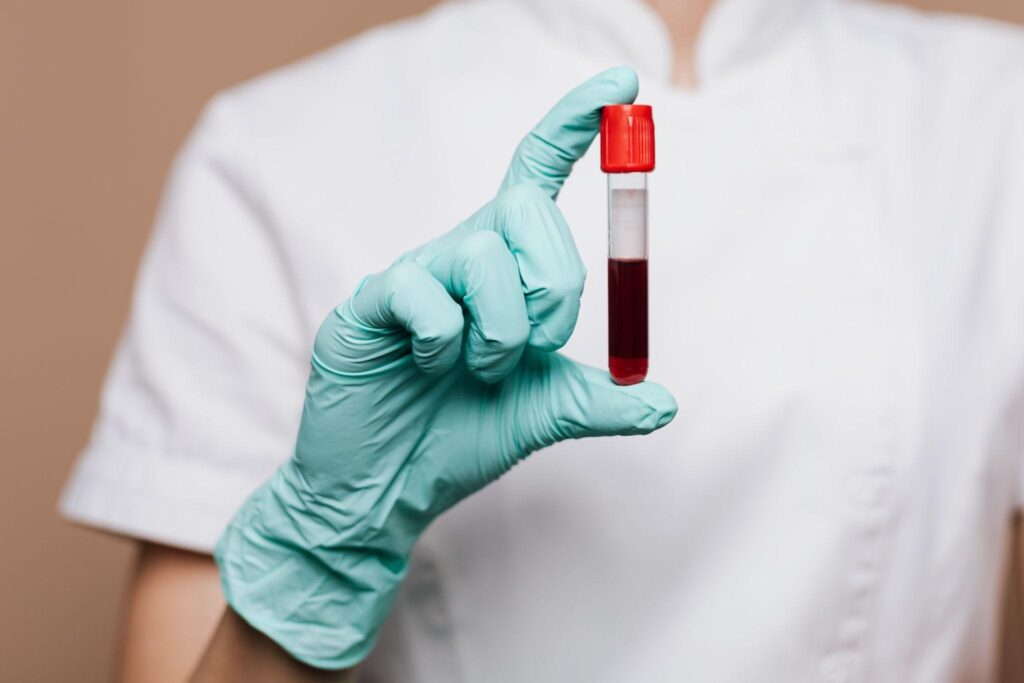
    Normal Hemoglobin Level in Female

    Reproductive Years (19-50 years)

    In reproductive-age females, hemoglobin levels can be influenced by factors such as menstrual blood loss, pregnancy, and hormonal fluctuations.

    The normal range of hemoglobin levels for adult females is typically between 12 to 16 g/dL, with variations depending on individual factors such as menstrual cycle regularity and iron status.

    Pregnancy

    During pregnancy, hemoglobin levels tend to decrease slightly due to hemodilution, where the plasma volume expands more rapidly than the increase in red blood cell mass.

    The normal range of hemoglobin levels during pregnancy is around 10.5 to 14 g/dL in the first trimester, 10 to 13.5 g/dL in the second trimester, and 10 to 13 g/dL in the third trimester.

    Perimenopause and Menopause (Late 40s to Early 50s)

    As women approach perimenopause and menopause, hormonal changes can affect hemoglobin levels.

    Hemoglobin levels may remain within the normal adult range of 12 to 16 g/dL during perimenopause and menopause unless influenced by other factors such as underlying health conditions or nutritional deficiencies.

    Postmenopausal Years (After 50 years)

    After menopause, hemoglobin levels typically stabilize and remain within the normal adult range, provided there are no underlying health issues.

    Regular monitoring of hemoglobin levels is recommended in postmenopausal women to detect and manage any abnormalities that may arise due to age-related changes or other health conditions.
    normal hemoglobin level in female

    Implications of Abnormal Hemoglobin Levels

    Abnormal hemoglobin levels can indicate various underlying health conditions or nutritional deficiencies. Here are some implications of abnormal hemoglobin levels in females:

    Anemia: Low hemoglobin levels (below the normal range) can indicate anemia, a condition characterized by a deficiency of red blood cells or hemoglobin in the blood. Anemia can result from nutritional deficiencies (such as iron, vitamin B12, or folate deficiency), chronic diseases, blood loss (due to menstruation or other causes), or bone marrow disorders. Symptoms of anemia may include fatigue, weakness, pale skin, dizziness, and shortness of breath.

    Polycythemia: High hemoglobin levels (above the normal range) can indicate polycythemia, a condition characterized by an excess of red blood cells in the blood. Polycythemia can be primary (due to bone marrow disorders) or secondary (resulting from factors such as chronic hypoxia, smoking, or certain medical conditions). Symptoms of polycythemia may include headache, dizziness, itching, and redness of the skin.

    Underlying Health Conditions: Abnormal hemoglobin levels may also be associated with underlying health conditions such as kidney disease, liver disease, thyroid disorders, or chronic inflammatory diseases. Monitoring hemoglobin levels can help identify and manage these underlying conditions effectively.

    > Consult a Doctor and Medkart will help you Order Medicines Online

    Conclusion:

    Understanding normal hemoglobin levels in females is essential for assessing overall health and identifying potential health issues. Regular monitoring of hemoglobin levels through blood tests can help detect abnormalities early and facilitate timely intervention and treatment.

    Maintaining a balanced diet rich in iron, vitamins, and minerals is crucial for supporting optimal hemoglobin levels and overall well-being. Consultation with healthcare professionals is recommended for proper evaluation and management of abnormal hemoglobin levels and associated health conditions.

    Read: What are Generic Medicines?

    FAQs on Normal Hemoglobin Level in Female

    Q1. What is the Normal Hemoglobin Level in Female?

    The normal range of hemoglobin levels for adult females is typically between 12 to 16 grams per deciliter (g/dL) of blood.

    Q2. What factors can influence hemoglobin levels in females?

    Hemoglobin levels can be influenced by factors such as age, altitude, menstrual cycle (due to blood loss during menstruation), pregnancy (hemodilution), nutritional status (iron deficiency), and underlying health conditions.

    Q3. What are the potential consequences of having abnormal hemoglobin levels?

    Abnormal hemoglobin levels can indicate health issues such as anemia (low levels) or polycythemia (high levels), which can lead to symptoms like fatigue, weakness, shortness of breath (anemia), or headache, itching (polycythemia). Monitoring and managing hemoglobin levels are crucial for maintaining overall health and well-being in females.

    Related Links:
  • How to use Menstrual Cups?

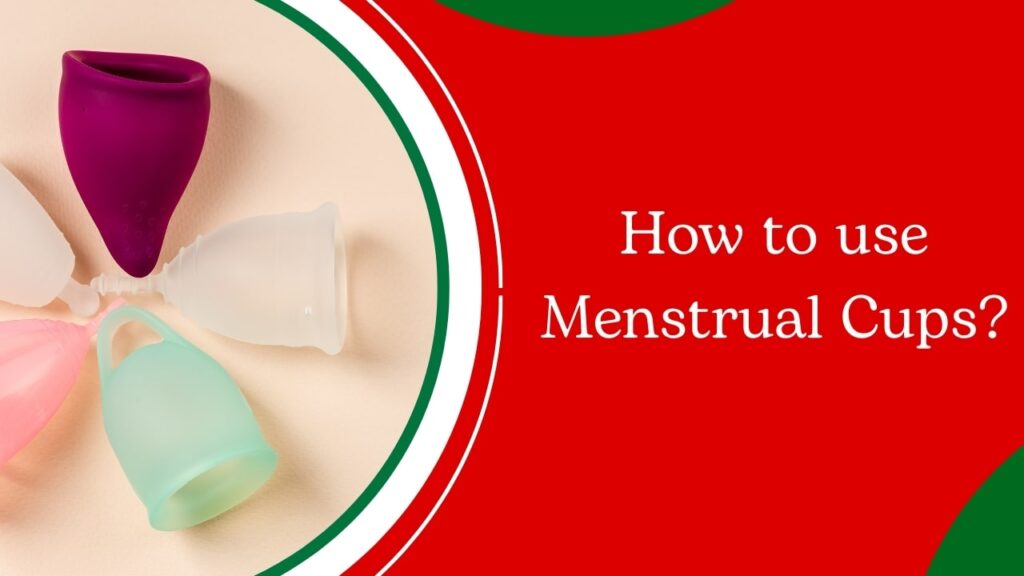
    How to use Menstrual Cups?

    how to use menstrual cupA menstrual cup is a flexible, bell-shaped device made of medical-grade silicone or latex rubber. It is designed to be inserted into the vagina during menstruation to collect menstrual fluid. Unlike tampons and pads, which absorb menstrual fluid, menstrual cups simply collect it, making them reusable and eco-friendly.
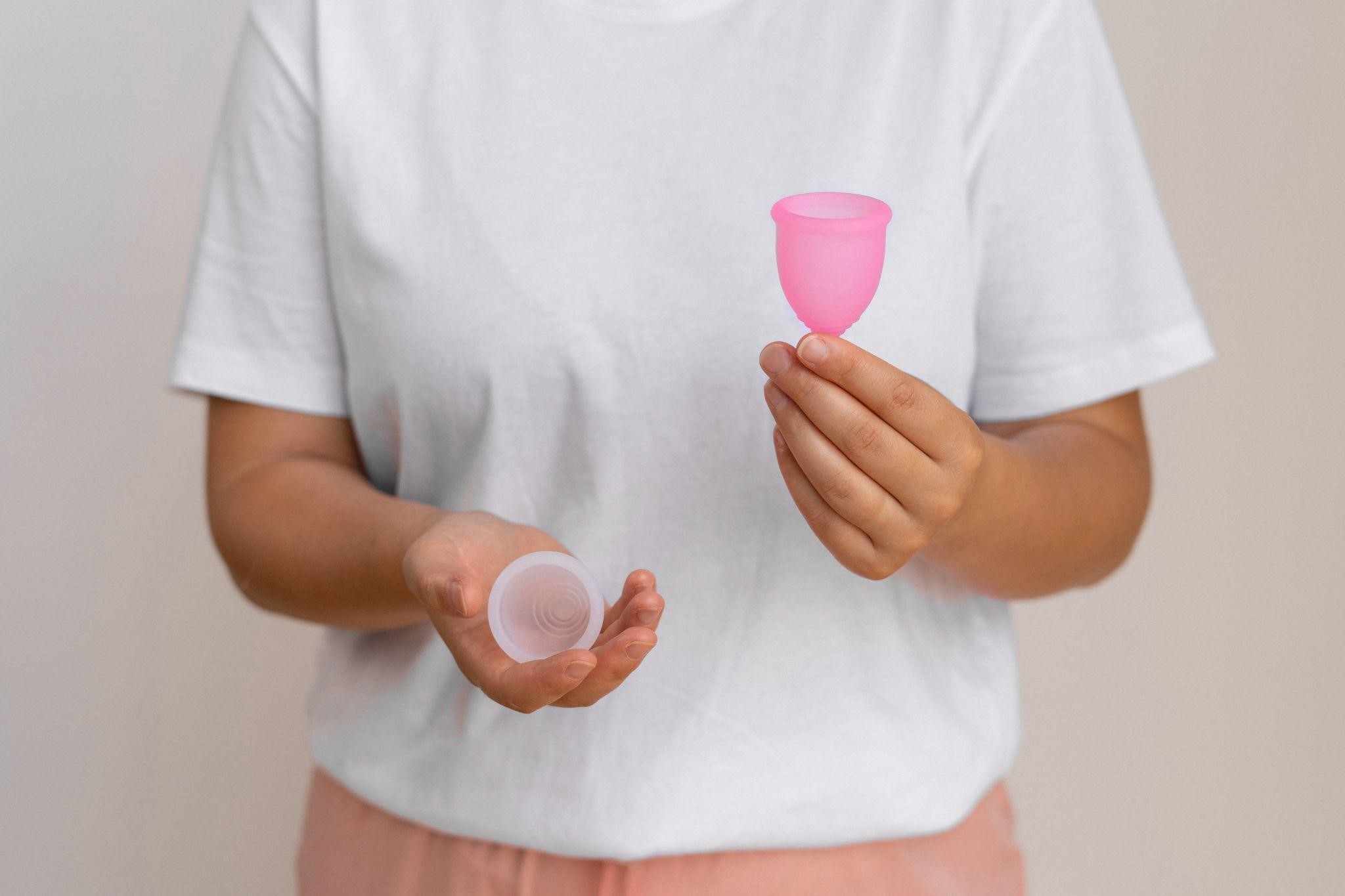
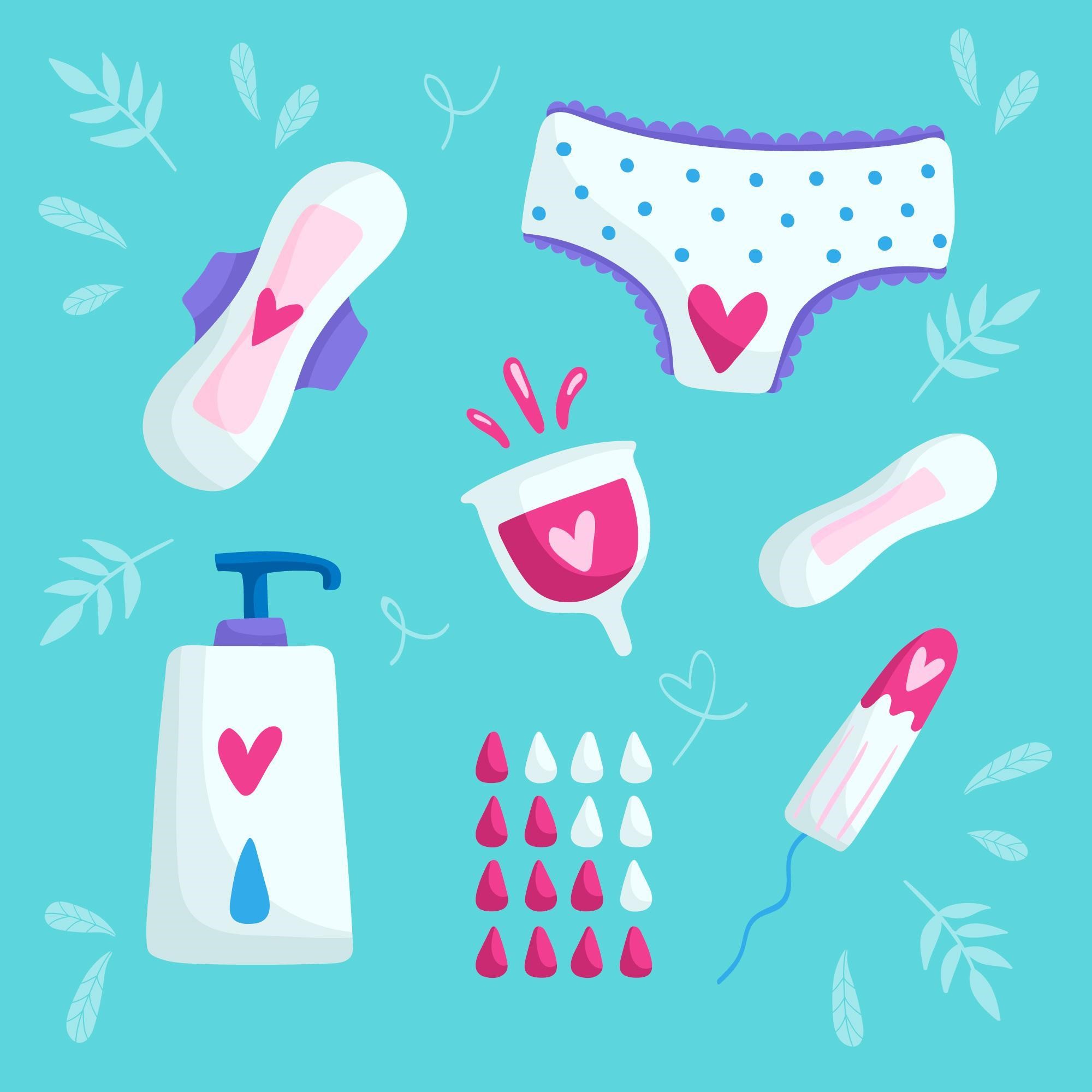

    Menstrual cups have gained immense popularity in recent years as an eco-friendly alternative to traditional menstrual products for their comfort, cost-effectiveness, and convenience. However, the idea of using menstrual cups might seem daunting for those new to menstrual cups.

    Why to Use Menstrual Cups?

    Eco-Friendly: Menstrual cups are reusable and can last for several years with proper care, reducing the environmental impact of disposable menstrual products.

    Cost-Effective: While the initial cost of a menstrual cup may seem high compared to pads or tampons, its durability means you’ll save money in the long run.

    Comfort: Menstrual cups are often more comfortable to wear than pads or tampons, as they don’t cause dryness or irritation.

    Longer Wear Time: Menstrual cups can typically be worn for up to 12 hours, depending on your flow, making them ideal for overnight use and busy lifestyles.

    How to Use Menstrual Cups

    How to use Menstrual Cup?

    Now, let’s walk through the step-by-step process of using a menstrual cup:

    • Wash Your Hands: Before handling your menstrual cup, always wash your hands thoroughly with soap and water to ensure cleanliness.
    • Fold the Cup: There are various folding techniques you can use to insert the menstrual cup. The most common folds include the C-fold, punch-down fold, and 7-fold. Experiment with different kinds of folds to find one that works best for you.
    • Relax: It’s important to relax your pelvic muscles before inserting the cup. Find a comfortable position, such as sitting on the toilet or maybe squatting.
    • Insert the Cup: Hold the folded menstrual cup firmly between your thumb and forefinger. Gently spread apart the folds of your labia using your spare hand, then carefully guide the cup into your vaginal canal at a slight downward angle. As it enters, the cup should unfurl and form a secure seal against the walls of your vagina.
    • Check the Seal: After inserting the cup, run your finger around the base to ensure it has fully opened and created a seal. You can also gently pull down on the stem to confirm that it is secure.
    • Wear the Cup: Once the cup is properly inserted and sealed, you can wear it for up to 12 hours, depending on your flow. You may need to empty it more frequently on heavier days.
    • Removal: To remove the menstrual cup, wash your hands and find a comfortable position. Gently grasp the bottom of the cup and squeeze gently to break the seal. Empty the contents into the toilet, wash the cup with mild soap and water, and reinsert it if needed.

    How to Use Menstrual Cups

    Tips for Using Menstrual Cups

    Practice Makes Perfect: It may take some time to get used to using a menstrual cup, so don’t be discouraged if it feels awkward at first. With practice, inserting and removing the cup will become easier.

    Choose the Right Size: Menstrual cups come in different sizes, so be sure to choose one that fits your body and flow. Many brands offer size guides to help you make the right choice.

    Keep It Clean: Proper hygiene is essential when using a menstrual cup. Be sure to wash your cup with mild soap and water before and after each use, and sterilize it between cycles by boiling it in water for a few minutes.

    Be Patient: It may take a few cycles to fully adjust to using a menstrual cup, so be patient with yourself and give your body time to adapt.

    > Consult a Doctor and Medkart will help you Order Medicines Online

    Conclusion:

    Menstrual cups provide a sustainable, economically sound, and supremely comfortable alternative to conventional menstrual products. By following the steps outlined in this guide and practicing proper hygiene, you can confidently use a menstrual cup and enjoy its many benefits. So why not make the switch today and experience the freedom and convenience that menstrual cups have to offer?

    Read: What are Generic Medicines?

    FAQs on Steps to use Menstrual Cups

    Q1. How to use menstrual cup?

    To use a menstrual cup, start by washing your hands thoroughly. Fold the cup and insert it into your vagina, ensuring it opens and creates a seal. Wear it for up to 12 hours, then remove, empty, wash, and reinsert as needed.

    Q2. How do I know if I’ve inserted the menstrual cup correctly?

    You can ensure proper insertion by feeling around the base of the cup to confirm it has fully opened and created a seal against the vaginal walls. You should also feel comfortable and not experience any leakage.

    Q3. Can I use a menstrual cup if I have a heavy flow?

    Yes, menstrual cups are suitable for all flow types, including heavy flow days. You may need to empty the cup more frequently on heavier days, but it can still provide leak-free protection for up to 12 hours.

    Q4. How do I clean and sterilize my menstrual cup?

    After each use, wash your menstrual cup with mild soap and water. To sterilize it between cycles, boil the cup in water for 5-10 minutes. Avoid using harsh chemicals or scented soaps, as they can damage the cup and cause irritation.

    Related Links:

  • How to Remove Gas from Stomach Instantly?

    How to Remove Gas from Stomach Instantly?

    how to remove gas from stomachWays to Remove Gas from Stomach Instantly: To quickly relieve gas from the stomach, try sipping on peppermint tea or chewing on fennel seeds, both known for their digestive benefits. Over-the-counter medications like simethicone can also provide rapid relief by breaking down gas bubbles in the digestive tract.
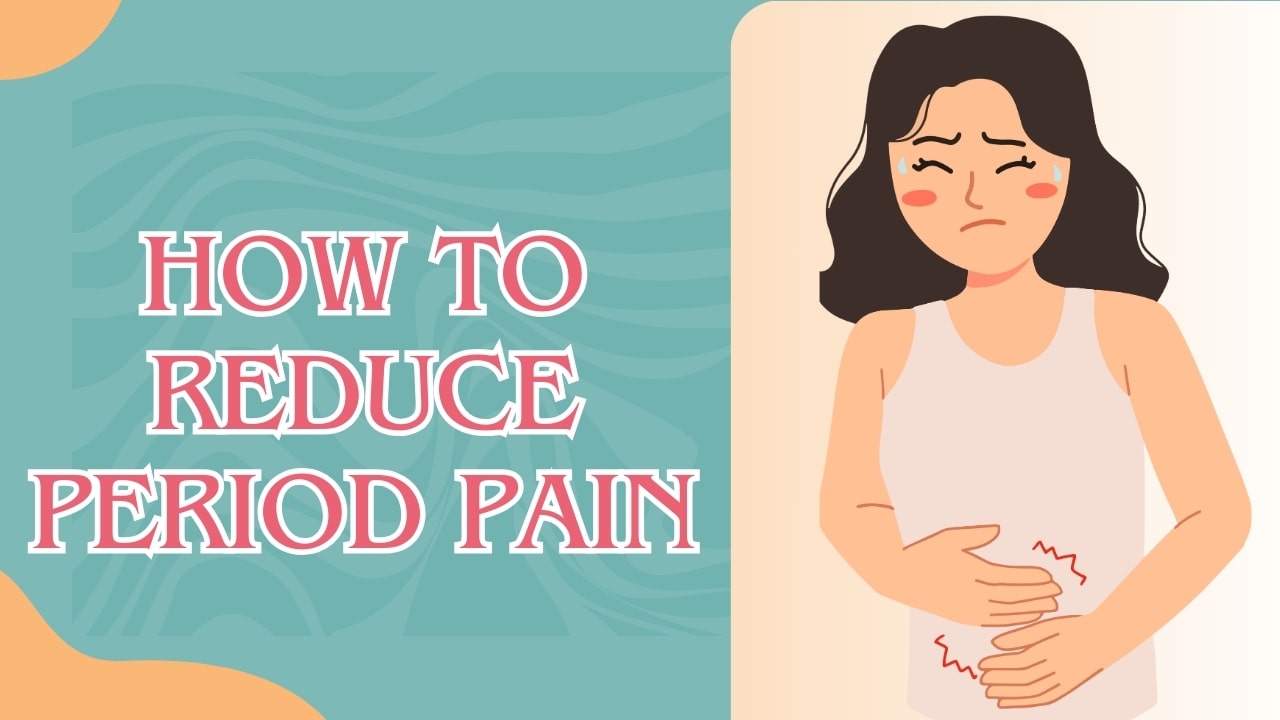
    Additionally, staying hydrated and engaging in gentle movements, such as walking, can help alleviate discomfort by promoting digestion and gas expulsion.

    Ways to Remove Gas From Stomach – Home Remedies

    Do you ever find yourself feeling bloated and uncomfortable due to excessive gas in your stomach? It can be a real nuisance, especially when you’re trying to focus on your daily tasks or enjoy a meal. Fortunately, there are several strategies you can employ to quickly alleviate this discomfort and remove gas from your stomach.

    1. Drink Warm Peppermint Tea

    Peppermint tea is well-known for its ability to soothe the digestive system and alleviate gas. The warm liquid helps relax the muscles in your digestive tract, allowing trapped gas to move more easily. Sipping on a cup of peppermint tea after a meal can help prevent gas buildup and provide quick relief if you’re already feeling bloated.

    2. Chew Fennel Seeds

    Fennel seeds have been used for centuries as a remedy for digestive issues, including gas. Chewing on a teaspoon of fennel seeds after meals can help prevent gas buildup and alleviate existing discomfort. Fennel seeds contain compounds that relax the muscles in the digestive tract, promoting smoother digestion.

    3. Activated Charcoal

    Activated charcoal is known for its ability to absorb toxins and gases in the digestive system. Taking activated charcoal capsules as soon as you feel gas discomfort can help absorb the gas and provide quick relief. However, it’s essential to follow the recommended dosage and consult with a healthcare professional before using activated charcoal, especially if you’re taking other medications.

    4. Ginger

    Ginger has anti-inflammatory properties and can help relax the gastrointestinal muscles, reducing gas and bloating. You can consume ginger in various forms, such as ginger tea, ginger chews, or simply chewing on a small piece of fresh ginger. Ginger not only provides quick relief but also aids in digestion.

    5. Simethicone

    Simethicone is an over-the-counter medication specifically designed to relieve gas and bloating. It operates by disintegrating gas bubbles within the digestive system, facilitating their smoother passage through the body.. Simethicone comes in various forms, including tablets, chewable tablets, and liquids.

    6. Warm Compress

    Applying a warm compress to your abdomen can help relax the muscles and ease gas pain. Simply soak a towel in warm water, wring out the excess water, and place it on your abdomen for 10-15 minutes. The warmth can help improve blood flow to the area and alleviate discomfort.

    7. Take Over-the-Counter Gas Relief Medication

    If you’re in need of immediate relief from gas pain, over-the-counter gas relief medications can be a helpful option. These medications typically contain simethicone, which works by breaking down gas bubbles in your stomach, making them easier to pass. Be sure to follow the dosage instructions on the packaging and consult with a healthcare professional if you have any underlying medical conditions or concerns.

    8. Engage in Gentle Exercise

    Light physical activity can help stimulate digestion and relieve gas. Taking a short walk, doing some gentle yoga poses, or stretching can all help move trapped gas through your digestive system and alleviate discomfort. Avoid vigorous exercise, as this may exacerbate your symptoms.

    9. Try Abdominal Massage

    Massaging your abdomen can help stimulate the muscles of your digestive tract and encourage the release of trapped gas. Using gentle, circular motions, massage your abdomen in a clockwise direction, starting at the lower right side and moving upward toward your ribcage, then across to the left side and down. Repeat this motion for a few minutes until you feel relief.

    10. Avoid Gas-Producing Foods

    Certain foods are known to cause gas and bloating in some individuals. If you’re prone to gas, try to limit your intake of gas-producing foods such as beans, broccoli, cabbage, onions, and carbonated beverages. Instead, opt for easily digestible foods such as lean proteins, cooked vegetables, and whole grains.

    How to Remove Gas from Stomach Instantly

    11. Practice Deep Breathing

    Deep breathing exercises can help relax your abdominal muscles and release trapped gas. Sit or lie down in a comfortable position, close your eyes, and take slow, deep breaths, focusing on expanding your diaphragm and filling your lungs with air. Hold each breath for a few seconds before exhaling slowly. Repeat this process for several minutes until you feel relief.

    12. Stay Hydrated

    Drinking plenty of water throughout the day can help prevent constipation and promote regular bowel movements, which can reduce the likelihood of gas buildup. Aim to drink at least eight glasses of water per day, and avoid consuming excessive amounts of caffeine or alcohol, as these can contribute to dehydration and worsen digestive issues.

    Consult a Doctor and Medkart will help you Order Medicines Online

    Conclusion

    There are several effective strategies for removing gas from your stomach quickly and alleviating discomfort. Whether you prefer natural remedies, over-the-counter medications, or lifestyle changes, finding the right approach for you can help you enjoy better digestive health and minimize gas-related discomfort in the future.

    If you experience persistent or severe gas pain, be sure to consult with a healthcare professional to rule out any underlying medical conditions.

    Read: What are Generic Medicines?

    FAQs on Ways to Get Rid of Gas from Stomach

    Q1. How to remove gas from stomach instantly?

    Answer : To instantly relieve gas from the stomach, consider sipping on peppermint tea or chewing on fennel seeds, both known for their ability to soothe digestion. Alternatively, over-the-counter medications like simethicone can effectively break down gas bubbles for quick relief. Additionally, gentle exercise and staying hydrated can help alleviate discomfort by promoting digestion and gas elimination.

    Q2. Can I use over-the-counter medications for instant relief from gas?

    Answer : Yes, over-the-counter medications like simethicone can provide quick relief by breaking down gas bubbles in the digestive tract, making them easier to pass.

    Q3. Is there a natural remedy I can try for immediate relief from stomach gas?

    Answer : Yes, chewing on fennel seeds or drinking peppermint tea can help alleviate gas quickly. These natural remedies can help relax the digestive muscles and reduce bloating.

    Related Links:

  • How to Reduce Period Pain? – Quick and Natural Ways to Stop Period Cramps

    How to Reduce Period Pain? – Quick and Natural Ways to Stop Period Cramps

    how to reduce period painWays to Reduce Period Pain: For many individuals, menstruation brings not only a monthly shedding of the uterine lining but also a slew of discomforts, among them, the dreaded period pain. While experiencing pain during menstruation is common, it doesn’t have to be an inevitable part of the menstrual cycle.

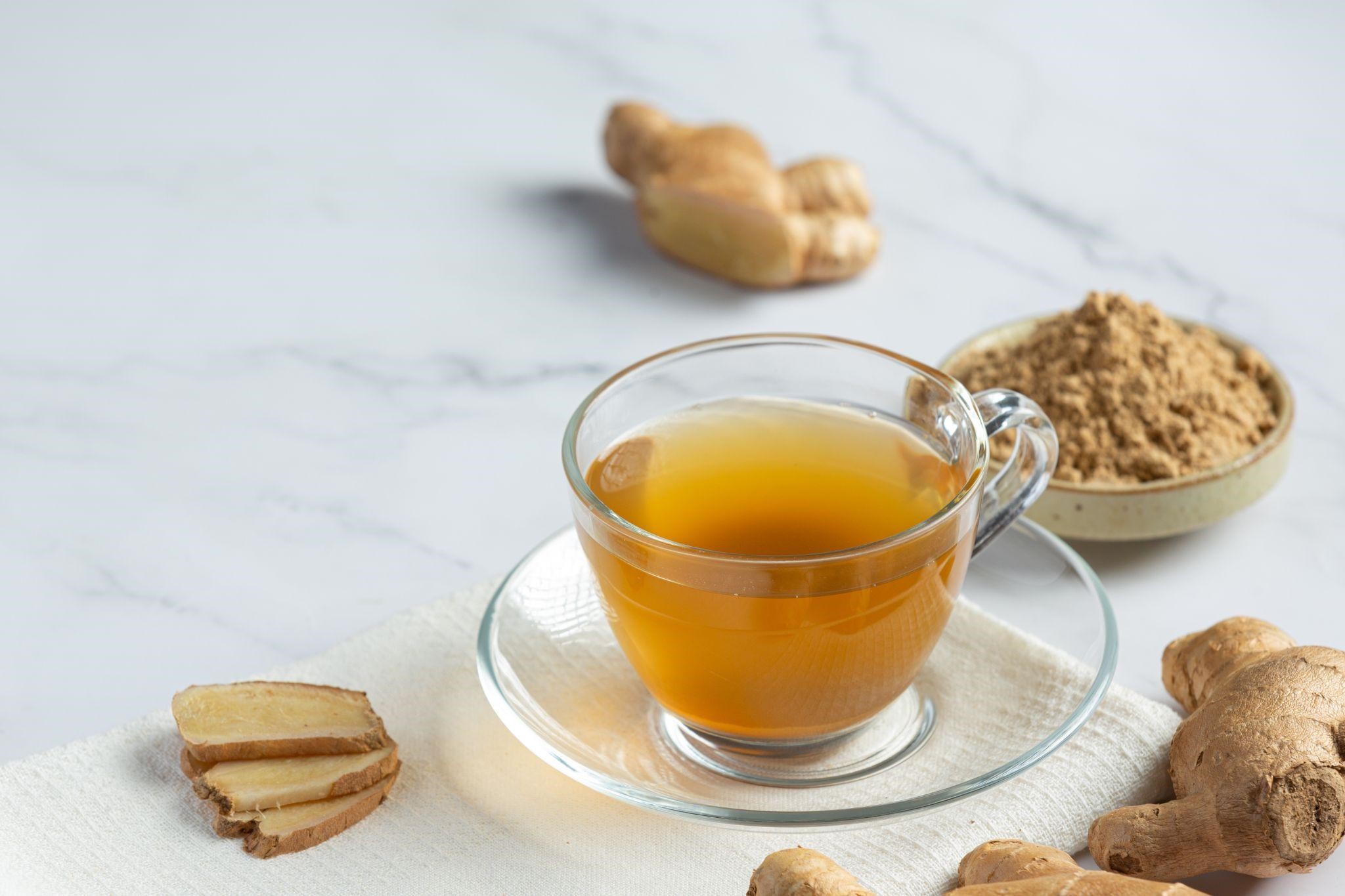

    Medically known as dysmenorrhea, period pain can manifest as cramping, aching, or sharp pains in the lower abdomen, back, and thighs. It typically occurs just before or during menstruation and can range from mild to severe, significantly impacting daily activities and overall well-being.

    While the exact cause of period pain isn’t fully understood, it’s believed to be primarily due to the release of prostaglandins—hormone-like substances that trigger uterine contractions to expel the uterine lining. Higher levels of prostaglandins can lead to stronger and more painful contractions, resulting in increased discomfort.

    How To Reduce Period Pain

    How to Reduce Period Pain?

    Now, let’s explore evidence-based strategies to reduce period pain and improve menstrual health:

    Lifestyle Modifications

    Regular Exercise: Engaging in physical activity can help reduce period pain by promoting blood circulation, releasing endorphins (natural painkillers), and reducing stress levels. Aim for at least 30 minutes of moderate exercise, such as walking, swimming, or yoga, several times a week.

    Healthy Diet: Incorporate foods rich in omega-3 fatty acids, such as fatty fish, flaxseeds, and walnuts, which possess anti-inflammatory properties and may help alleviate menstrual pain. Additionally, minimize consumption of caffeine, alcohol, and processed foods, as they can exacerbate inflammation and discomfort.

    Dietary Supplements

    Magnesium: Studies suggest that magnesium supplementation may help reduce period pain by relaxing uterine muscles and easing cramps. Consider adding magnesium-rich foods like leafy greens, nuts, and whole grains to your diet or taking a magnesium supplement under the guidance of a healthcare provider.

    Vitamin B6: Vitamin B6 has been shown to regulate hormonal activity and may alleviate premenstrual symptoms, including period pain. Include foods high in vitamin B6, such as poultry, fish, bananas, and chickpeas, in your diet.

    Heat Therapy

    Applying heat to the lower abdomen and back can provide quick and effective relief from menstrual cramps. Use a heating pad, hot water bottle, or warm towel and gently place it on the painful area for 15-20 minutes. Heat helps to relax the muscles, increase blood flow, and alleviate discomfort.

    Herbal Remedies

    Ginger: Known for its anti-inflammatory and analgesic properties, ginger may help reduce period pain and nausea associated with menstruation. Brew ginger tea by steeping fresh ginger slices in hot water or incorporate ginger into your meals and snacks.

    How To Reduce Period Pain

    Chamomile: Chamomile tea is prized for its calming effects and may help relieve muscle tension and menstrual cramps. Sip on a cup of chamomile tea throughout the day or before bedtime to promote relaxation and ease discomfort.

    Mind-Body Techniques

    Meditation and Deep Breathing: Practicing mindfulness meditation and deep breathing exercises can help reduce stress, promote relaxation, and alleviate menstrual pain. Find a quiet space, close your eyes, and focus on your breath, inhaling deeply through your nose and exhaling slowly through your mouth.

    Progressive Muscle Relaxation: This technique involves tensing and then relaxing different muscle groups in the body, promoting overall relaxation and reducing muscle tension. Start with your toes and work your way up to your neck and shoulders, releasing any tension as you go.

    Over-the-Counter Medications

    Nonsteroidal Anti-Inflammatory Drugs (NSAIDs): Ibuprofen, aspirin, and naproxen sodium are commonly used NSAIDs that can help relieve period pain by reducing inflammation and inhibiting prostaglandin production. Take these medications as directed on the package or as recommended by your healthcare provider.

    For moderate to severe menstrual cramps, some patients may benefit from combination pain relief medicines. In such cases, consulting a doctor about options like Ultracet Tablet, which combines paracetamol and tramadol, may offer effective relief.

    Hormonal Birth Control

    For individuals experiencing severe or persistent period pain, hormonal birth control methods, such as the pill, patch, or hormonal IUD, may be recommended. These methods work by regulating hormonal fluctuations, reducing the severity of menstrual cramps, and in some cases, eliminating periods altogether.

    > Consult a Doctor and Medkart will help you Order Medicines Online

    Conclusion:

    Period pain is a common yet manageable aspect of menstruation that affects individuals differently. By adopting a holistic approach that encompasses lifestyle modifications, dietary supplements, heat therapy, herbal remedies, mind-body techniques, over-the-counter medications, and hormonal birth control, individuals can find relief from menstrual discomfort and improve their overall quality of life.

    It’s essential to listen to your body, experiment with various remedies, and consult with a healthcare provider to develop a personalized plan that addresses your unique needs and preferences. Remember, menstrual health is an integral part of overall well-being, and prioritizing self-care during menstruation can lead to greater comfort, vitality, and empowerment.

    Read: What are Generic Medicines?

    FAQs on Ways to Reduce Period Pain

    Q1. How to reduce period pain?

    To reduce period pain, incorporate regular exercise into your routine, such as walking or yoga, to promote blood flow and release endorphins. Apply heat to the lower abdomen with a heating pad or hot water bottle to relax muscles and alleviate cramps.

    Additionally, consider incorporating magnesium-rich foods or supplements, like vitamin B6, into your diet to help regulate hormonal activity and ease discomfort.

    Q2. Can exercise help reduce period pain?

    Yes, regular exercise, such as walking, yoga, or swimming, can alleviate period pain by promoting blood circulation, releasing endorphins, and reducing stress levels.

    Q3. Is heat therapy effective for relieving menstrual cramps?

    Absolutely, applying heat to the lower abdomen and back with a heating pad or hot water bottle can relax muscles, increase blood flow, and provide quick relief from menstrual cramps.

    Q4. Are there any dietary supplements that can help ease period pain?

    Yes, supplements like magnesium and vitamin B6 have been shown to reduce period pain by relaxing uterine muscles and regulating hormonal activity. Incorporating magnesium-rich foods or taking a supplement under guidance can be beneficial.

    Related Links:

  • How to increase Testosterone Level? – Ways to Increase Testosterone Levels Naturally

    How to increase Testosterone Level? – Ways to Increase Testosterone Levels Naturally

    how to increase testosterone levelWays to increase Testosterone Level: Testosterone is a vital hormone for both men and women, although it’s often associated with masculinity and male traits. It plays a crucial role in various bodily functions, including muscle mass, bone density, libido, mood regulation, and overall energy levels. As individuals age, testosterone levels tend to decline naturally, leading to various health issues.


    Testosterone is a hormone primarily produced in the testes for men and in smaller quantities in the ovaries for women. In men, it regulates sperm production, libido, muscle mass, and bone density, while in women, it contributes to libido, bone health, and overall well-being.

    Factors Affecting Testosterone Levels

    • Several factors can influence testosterone levels, including age, genetics, lifestyle, diet, exercise, stress levels, sleep quality, and underlying health conditions.
    • By addressing these factors, individuals can naturally optimize their testosterone levels and improve their overall health and well-being.

    How to increase testosterone levels naturally?

    The best ways to increase testosterone levels naturally are mentioned below:

    Maintain a Healthy Diet

    • Consume a balanced diet rich in whole foods, including lean proteins, healthy fats, complex carbohydrates, fruits, and vegetables.
    • Incorporate foods known to support testosterone production, such as:
    • Zinc-rich foods like oysters, beef, poultry, nuts, and seeds.
    • Foods abundant in vitamin D, such as oily fish (like salmon and mackerel), egg yolks, and fortified food products, are excellent sources to ensure adequate intake of this essential nutrient.
    • Foods high in healthy fats like avocados, olive oil, coconut oil, and nuts.
    • Cruciferous vegetables like broccoli, cauliflower, and Brussels sprouts, which may help regulate estrogen levels.

    Exercise Regularly

    • Engage in both aerobic and resistance training exercises.
    • High-intensity interval training (HIIT) and weightlifting are particularly effective for boosting testosterone levels.
    • Aim for at least 150 minutes of moderate aerobic activity or 75 minutes of vigorous aerobic activity per week, along with strength training exercises at least twice a week.

    Maintain a Healthy Weight

    • Excess body fat, especially visceral fat, can contribute to lower testosterone levels.
    • Maintain a healthy weight through a combination of diet and exercise.
    • Aim for a balanced calorie intake and focus on reducing body fat through regular physical activity and a nutritious diet.

    Get Adequate Sleep

    • Make quality sleep your top priority, striving for a solid 7 to 9 hours of uninterrupted rest each night.
    • Poor sleep quality or insufficient sleep can negatively impact hormone production, including testosterone.
    • Create a relaxing bedtime routine, avoid electronic devices before bed, and ensure your sleep environment is conducive to rest.

    Manage Stress

    • Prolonged exposure to stress can result in heightened cortisol levels, potentially causing a decrease in the production of testosterone.
    • Incorporate stress-relief methods like mindfulness meditation, deep breathing exercises, yoga, or indulging in enjoyable hobbies and activities to cultivate relaxation.

    Limit Alcohol Consumption

    • Excessive alcohol consumption can impair testosterone production and lead to hormonal imbalances.
    • Moderate alcohol consumption is generally considered safe, but excessive or binge drinking should be avoided.

    Consider Supplements

    • Please seek advice from a qualified healthcare provider before incorporating any supplements into your regimen to confirm their safety and suitability for your individual needs.
    • Certain supplements like vitamin D, zinc, magnesium, and D-aspartic acid may help support healthy testosterone levels in individuals with deficiencies.

    Concerned About Sexual Performance Too?

    If low testosterone has also affected your sexual health, your doctor may recommend additional support. Vigora 100mg Tablet/Tadacip 20mg Tablet is a common prescription medication used for erectile difficulties and may be part of your treatment plan under proper guidance.

    > Consult a Doctor and Medkart will help you Order Medicines Online

    Conclusion:

    Optimizing testosterone levels naturally is achievable through a combination of lifestyle modifications, including dietary changes, regular exercise, adequate sleep, stress management, and maintaining a healthy weight.

    By implementing these strategies, individuals can not only enhance their testosterone levels but also improve their overall health, vitality, and well-being. It’s essential to approach testosterone optimization holistically and consult with healthcare professionals if necessary to ensure safe and effective results.

    Read: What are Generic Medicines?

    FAQs on How to increase Testosterone Level

    Q1. How to increase testosterone level?

    To naturally increase testosterone levels, focus on maintaining a balanced diet rich in protein, healthy fats, and essential nutrients like vitamin D and zinc. Regular exercise, including both resistance training and cardiovascular workouts, can stimulate testosterone production.

    Additionally, prioritizing quality sleep, managing stress levels, and avoiding unhealthy habits such as excessive alcohol consumption can support optimal hormone balance and overall well-being.

    Q2. Can certain foods help increase testosterone levels?

    Yes, certain foods can help increase testosterone levels. Foods rich in protein, such as lean meats, fish, eggs, and legumes, provide the building blocks for testosterone production. Additionally, incorporating healthy fats from sources like avocados, nuts, seeds, and olive oil can support hormone synthesis.

    Moreover, consuming foods high in vitamins and minerals like vitamin D, zinc, and magnesium can also positively impact testosterone levels.

    Q3. Is exercise important for boosting testosterone levels?

    Absolutely, regular exercise, particularly resistance training and high-intensity interval training (HIIT), has been shown to increase testosterone levels and promote overall hormonal balance.

    Q4. Are there any lifestyle habits that can negatively impact testosterone levels?

    Yes, several lifestyle habits can negatively impact testosterone levels. Poor sleep quality, chronic stress, excessive alcohol consumption, and a sedentary lifestyle are known to contribute to lower testosterone levels over time.

    Adopting healthier habits such as prioritizing quality sleep, managing stress effectively, moderating alcohol intake, and engaging in regular exercise can help support optimal testosterone production and overall well-being.

    Related Links:

  • How to Increase Sex Stamina? – Ways to Improve Sexual Stamina

    How to Increase Sex Stamina? – Ways to Improve Sexual Stamina

    how to increase sex staminaA good and healthy sexual life can be difficult to sustain in the fast-paced world of today. But you can improve your sexual stamina and have more satisfying relationships with your partner with some focused work and changes in your lifestyle. This guide will benefit all types of people: those who are in a relationship and want to rekindle their passion, those who are exercise enthusiasts who want to improve every element of their physical capabilities, and those who are healthy and want to be well-rounded.
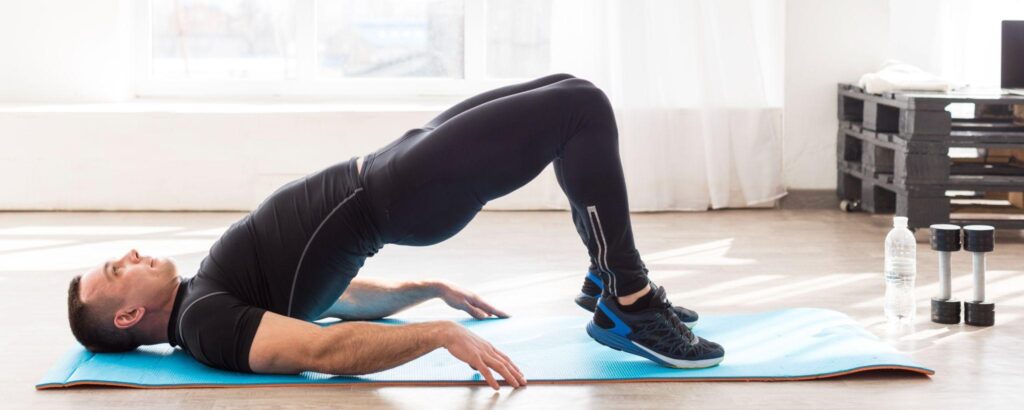
    We’ll look at a number of methods and advice on improving your sexual stamina in this blog article. We provide services for everything from stress relief and sexual wellness to physical exercise and healthy lifestyle choices. Continue reading to see how you may experience more passionate, longer-lasting interactions and take charge of your sexual health.

    How to Increase Sex Stamina?

    Sexual stamina refers to the ability to sustain sexual activity over an extended period while maintaining arousal and delaying ejaculation or reaching orgasm. It’s not solely about lasting longer but also about enhancing pleasure and intimacy for both partners.

    Factors such as physical fitness, mental focus, emotional connection, and sexual techniques all play a role in determining one’s sexual stamina.

    1. Physical Fitness and Exercise

    Why Exercise Matters for Sexual Stamina

    Improving sexual stamina requires a high level of physical conditioning. Regular exercise improves blood flow, boosts the heart, and increases energy, all of which increase one’s capacity to perform in the bedroom. You can develop the strength and stamina required for extended intimate sessions by including a range of workouts in your program.

    Cardio Exercises to Build Stamina

    Exercises that increase heart rate, such as walking, swimming, cycling, and fast walking are great for boosting stamina. These exercises improve the lungs, increase the heartbeat, and improve blood flow. Try to increase your sexual stamina by at least thirty minutes of moderate-intensity cardio exercise five times a week.

    Powerful Strength Training

    Exercises including strength training are just as important for increasing muscle and boosting general physical capacity as cardio ones. Pay attention to workouts that target many muscular groups at once, such as pull-ups, bench presses, deadlifts, and squats. At least twice or three times a week, add strength training to your exercise routine to build the muscle needed for stronger and enjoyable sex.

    2. Healthy Lifestyle Choices

    Nutrition and Hydration

    To maintain good sexual health, one must eat a balanced diet high in vitamins, minerals, and antioxidants. The nutrients required to support energy and stamina can be found in foods including fruits, vegetables, whole grains, lean meats, and healthy fats. Furthermore, it’s critical to maintain proper hydration because dehydration can cause weariness and poor performance. Reduce your consumption of sugar-filled or caffeinated beverages and try to drink eight glasses of water or more each day.

    Avoiding Harmful Substances

    Sexual stamina may be harmed by some medications. Smoking, binge drinking, and using drugs for enjoyment can all lower energy levels and impair blood flow. Reducing these bad behaviors is important if you want to increase your sexual stamina. If you require assistance in implementing these lifestyle adjustments, ask friends, family, or professional resources for support.

    Getting Quality Sleep

    For general health and wellbeing, including sexual activity, enough sleep is needed. Fatigue, stress, and decreased sexuality can result from little sleep. By adopting a regular sleep schedule and providing a peaceful sleeping environment, aim for seven to nine hours of excellent sleep every night. Making sleep a priority will guarantee you have the stamina and concentration required for fulfilling romantic meetings.

    3. Stress Management and Mental Focus

    Stress’s Effects on Sexual Stamina

    Problems with sexual performance are largely caused by stress. Anxiety, decreased sexual desire, and trouble staying energized can all result from high levels of stress. Your sexual health can benefit from proper stress management on both a mental and physical level.

    Both meditation and mindfulness

    You can maintain your focus and presence during private moments by engaging in mindfulness and meditation practices. These methods promote brain clarity, induce relaxation, and lower stress levels. To improve your mental focus and stamina, schedule regular meditation sessions or try mindfulness techniques like progressive muscle relaxation and deep relaxation.

    While healthy habits like exercise and stress control help, some men still face performance issues. In such cases, doctors may prescribe PDE5 inhibitors like Vigora 100mg Tablet/Tadacip 20mg Tablet to improve blood flow and support erections. It should be used only under medical supervision.

    Creating Emotional Closeness

    Strong attachments to your partner might improve your happiness and energy during sex. Building close relationships needs honesty, mutual trust, and support. Spend some time sharing your ideas, feelings, and experiences with your partner in order to build an emotional connection. More powerful and long-lasting sexual experiences will be built on this emotional connection.

    4. Sexual Techniques and Foreplay

    The Value of Pre-Play

    A vital part of sexual relationship, foreplay can greatly increase energy and enjoyment. Extended foreplay improves blood flow, increases like, and builds an increased emotional bond. Try out various foreplay techniques, like kissing, touching, and oral sex, to see what suits you and your partner the best.

    Changing Positions and Methods

    Extending sexual sessions and preserving excitement can be achieved by playing with different sexual positions and approaches. Try changing positions so that you can get greater control, slower movements, or deeper penetration. To guarantee a mutually enjoyable session, be honest and transparent with your partner about your preferences and desires.

    Engaging in Kegel Exercises

    Kegel exercises target the improvement of the pelvic floor muscles, which are important for successful sexual activity. Regular Kegel exercises are beneficial for both men and women. Kegel exercises involve engaging the muscles that stop pee flow, holding the position for a short while, and then releasing the contraction. To increase muscle tone and control and, eventually, sexual stamina, repeat this exercise multiple times a day.

    Sexual Techniques for exercise

    Conclusion

    It is possible to increase one’s sexual stamina by managing stress, maintaining a healthy lifestyle, learning new sexual techniques, and being physically active. You can have more satisfying sex life and improve your relationships by implementing these techniques into your daily practice.
    Recall that regularity and honest communication with your partner are essential for success. Seeking additional guidance or personalized counsel, think about speaking with a professional sex therapist or other medical expert.
    Get started on the path to increased sexuality now to bring back the passion in your relationship.

    FAQs on How to Increase Sex Stamina

    Q1. How to increase sex stamina?

    Answer: To boost sex stamina, focus on regular exercise, including cardio and pelvic floor exercises. Ensure a well-rounded diet comprising an abundance of fruits, vegetables, and lean sources of protein to support optimal health and nutrition. Prioritize relaxation techniques like deep breathing to reduce stress and improve endurance.

    Q2. Can certain supplements boost sex stamina?

    Answer: While some supplements claim to enhance sexual stamina, such as ginseng or L-arginine, their effectiveness varies. It’s essential to consult with a healthcare professional before trying any supplements to ensure safety and efficacy.

    Q3. Is there a quick fix to increase sex stamina?

    Answer: Increasing sex stamina typically requires consistent effort and lifestyle changes, such as regular exercise, a balanced diet, and stress reduction techniques. There’s no instant solution, but these practices can lead to long-term improvements.

  • How to eat Chia seeds? – Ways to Eat Chia Seeds for Healthy Benefits

    How to eat Chia seeds? – Ways to Eat Chia Seeds for Healthy Benefits

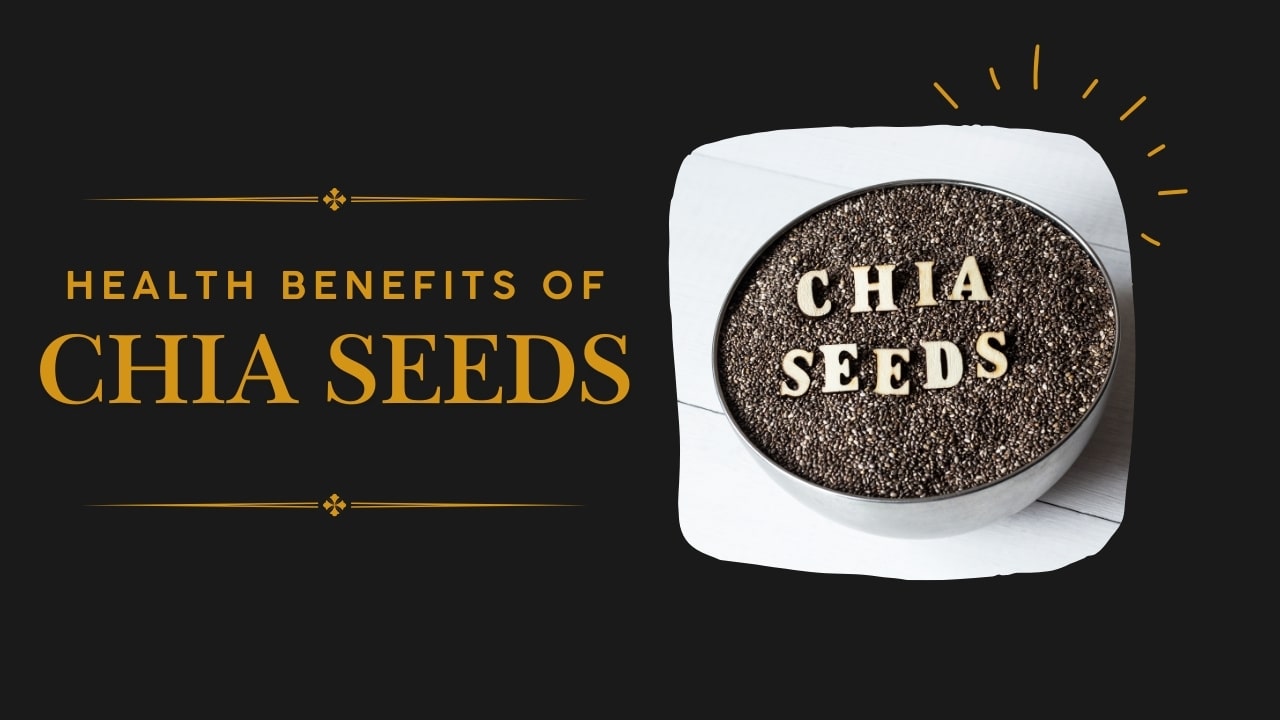
    benefits of chia seeds

    Why Chia Seeds?

    The tiny, black or white seeds from the Salvia hispanica plant are called chia seeds, and they are native to America. Their small size belies their richness in essential nutrients that might enhance your overall well-being.

    Tightly Containing Nutrition

    High in fibre, protein, omega-3 fatty acids, and a variety of minerals are chia seeds. An ounce, or about two tablespoons, contains four grams of protein, five grams of omega-3 fatty acids, and eleven grams of fiber. Magnesium, calcium, and phosphorus content is similarly very high.

    Many Health Advantages

    Chia seeds’ high fibre content aids in weight management by helping better digestion and maybe generating a fullness feeling. Because they cut cholesterol and reduce inflammation, omega-3 fatty acids are beneficial to heart health. Also, the antioxidants included in chia seeds attack free radicals, shielding your cells and lowering your chance of developing chronic illnesses.

    Flexibility in the Cooking Area

    Chia seeds are quite versatile, which is one of their best qualities. They can be easily used to a wide range of meals without controlling the other ingredients because of their minor, nutty flavor. They are therefore a great complement to spicy as well as sweet recipes.  

    How to eat Chia seeds

    How to Eat Chia Seeds

    In case you haven’t employed chia seeds previously, you might be wondering how to utilize them. These creative and delectable ways might help you include chia seeds into your diet.

    smoothies

    Making smoothies with chia seeds is one of the most popular ways to take advantage of their health advantages. Sprinkle in a handful of chia seeds and your preferred fruits, vegetables, and beverages in your blender. With no discernible flavour change, the seeds will blend in nicely to increase the protein, fibre, and omega-3s. 

    How to eat Chia seeds

    Dessert with Chia

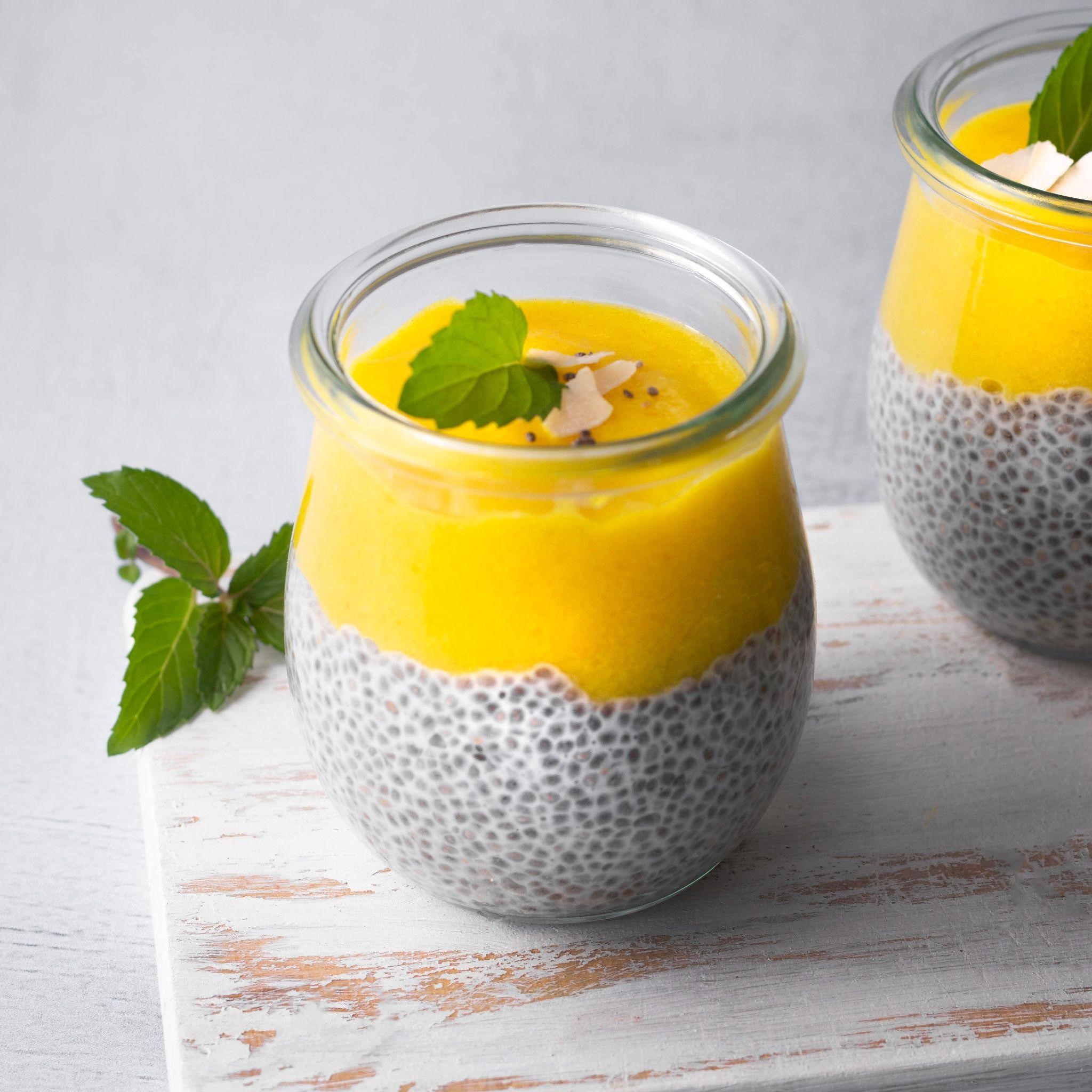
    An easy and wholesome breakfast or snack choice is chia yogurt. Chia pudding is made by mixing chia seeds with your preferred plant-based milk, plus a small amount of vanilla extract and an all-natural sweetener like honey or maple syrup. After giving it a complete shake chill it for a minimum of two hours or overnight. Delicious and filling custard will be produced when the seeds absorb the liquid and take on a gel-like consistency.

    Grains

    You may boost the nutritional value and texture of your salads using chia seeds. Season your protein, veggies, and greens with a spoonful of chia seeds. From creamy avocado to balsamic vinaigrette, they go nicely with a range of dressings.

    How to eat Chia seeds

    Tips for Eating Chia Seeds

    Chia seeds are obviously healthy, but to make the most of them, there are a few things to keep in mind.

    Make the Seeds Hydrated.

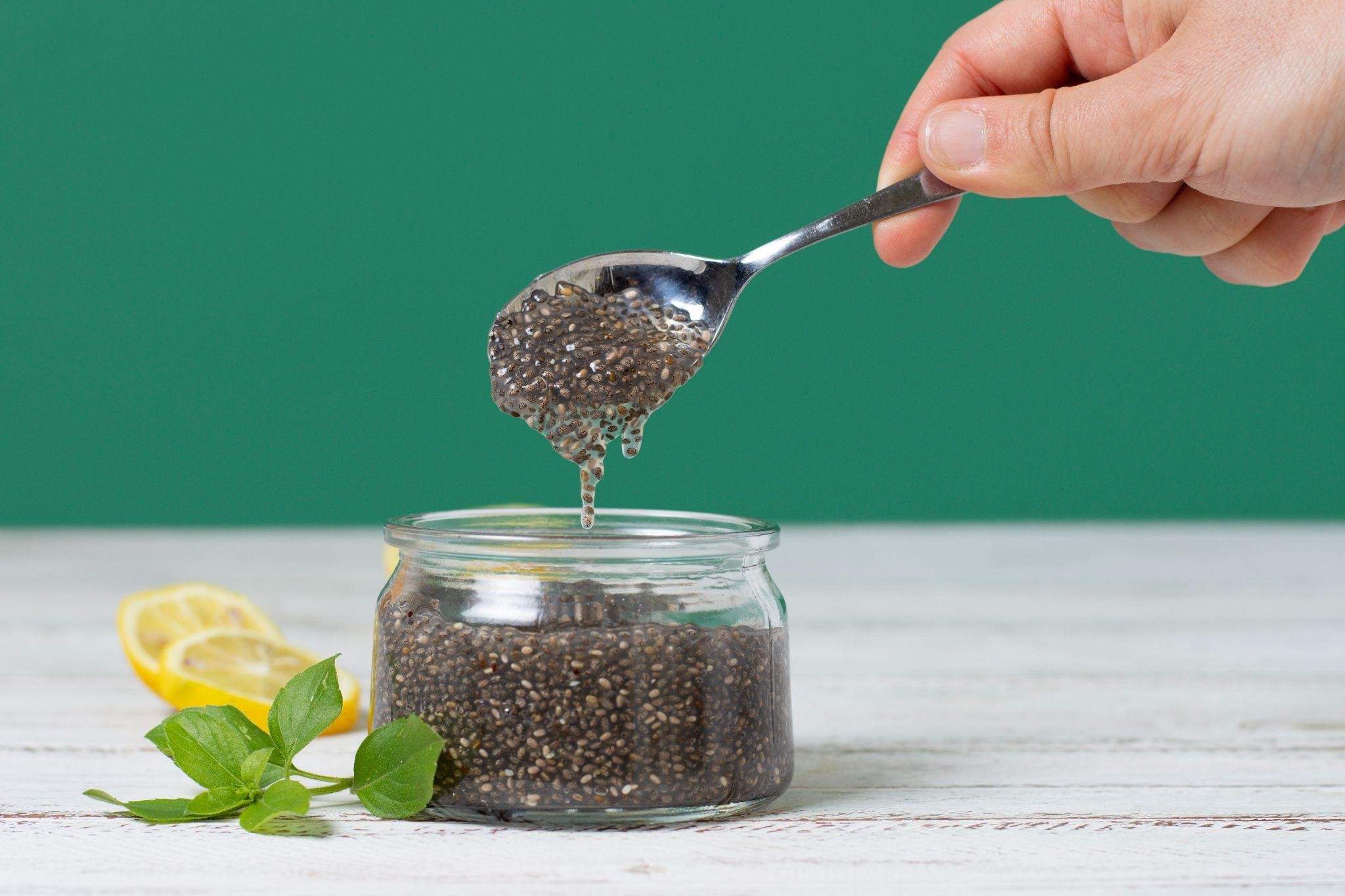
    Chia seeds must be hydrated before eating since they can absorb up to 12 times their weight in water. This facilitates their digestion and keeps them from collecting moisture from your digestive system, which could cause difficulty.

    Start Out Slowly

    Start with tiny amounts of chia seeds if you’ve never eaten any before, then slowly boost your consumption. If taken in large amounts without enough water, the high fibre level may create stomach problems. Work your way up to the suggested serving size by starting with one teaspoon each day. 

    Try Different Recipes

    Don’t be nervous to use chia seeds in inventive ways. Think about including them into yoghurt, baking items like bread and baked goods, or vegan recipes where you can use them in place of eggs. Enjoy experimenting with new ways to use chia seeds in your meals; the options are unlimited.

    Conclusion

    With so many health advantages and so many culinary applications, chia seeds are a little but powerful addition to any diet. These nutrient-dense seeds can improve your general health whether you add them to salads, smoothies, or chia pudding. 

    FAQs on How to Eat Chia Seeds

    1. Are chia seeds edible raw?

    Yes, uncooked chia seeds can be consumed. They go well with salads, yoghurt, and breakfast food because of their mild flavor. But washing them in liquid before eating increases their nutritional value and facilitates digestion

    2. What’s the recommended daily intake of chia seeds?

    It is suggested to take one to two teaspoons of chia seeds every day. Your digestive system will not be overloaded by this quantity, which offers a balanced dose of protein, fibre, and omega-3 fatty acids.

    3. How might you eat chia seeds to become in shape?

    Smoothies, yoghurt, and oatmeal can benefit from the additional protein and fibre that chia seeds bring. If you want to prevent digestive issues, stay hydrated because chia seeds absorb water. Start little and increase intake gradually to aid in appetite regulation. 


    Blog | Medkart Pharmacy - Generic Medicine Online

  • How to check Pregnancy at Home?

    How to check Pregnancy at Home?

    how to check pregnancy at homeChecking for pregnancy at home has become a common practice for women seeking convenience and privacy in determining their reproductive status. With the availability of over-the-counter home pregnancy test kits, the process has become straightforward and accessible. These tests rely on detecting the presence of human chorionic gonadotropin (hCG), a hormone produced by the placenta shortly after conception.

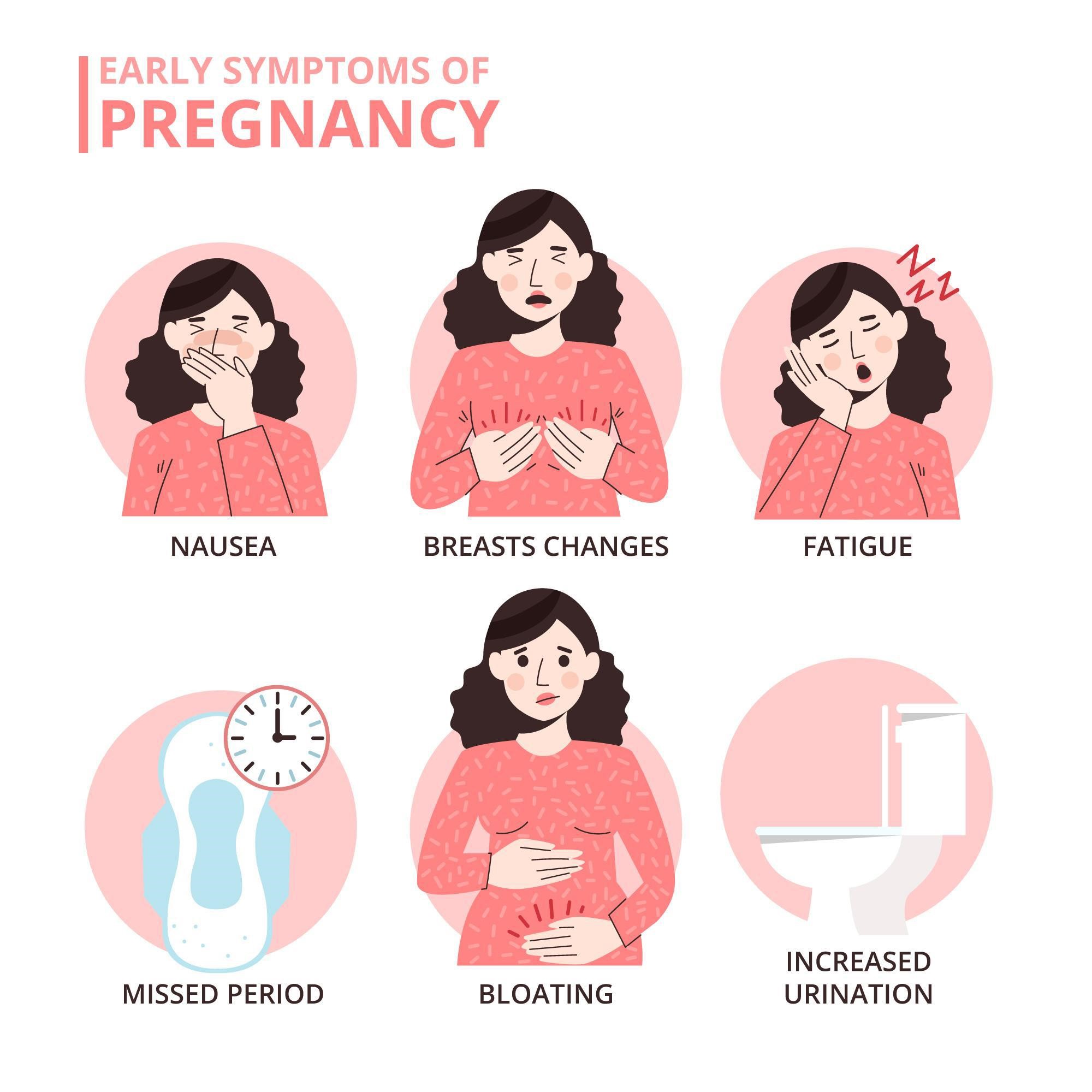

    Home pregnancy tests (HPTs) are designed to detect the presence of human chorionic gonadotropin (hCG), a hormone produced by the placenta shortly after a fertilized egg attaches to the uterine lining. Most HPTs are urine-based and come in various formats, including strips, midstream, and digital tests.

    When to Take a Home Pregnancy Test?

    The ideal time to take a home pregnancy test largely depends on the sensitivity of the test and your menstrual cycle. However, most tests recommend waiting until you’ve missed your period for the most accurate results.

    Some highly sensitive tests may be able to detect hCG levels even before your missed period, but it’s essential to follow the instructions carefully for reliable results.

    How to take a Home Pregnancy Test?

    Read the instructions carefully: Each home pregnancy test kit comes with specific instructions for use. Please ensure you thoroughly read and comprehend these guidelines before continuing.

    Collect a urine sample: Use a clean, dry container to collect your urine sample. Most tests recommend using the first urine of the day, as it tends to have the highest concentration of hCG.

    Perform the test: Depending on the type of test you’re using, you’ll either need to dip the test strip into the urine sample or hold the test stick under a stream of urine. Follow the instructions provided with your test kit for the correct procedure.

    Wait for the results: Most home pregnancy tests provide results within a few minutes. Avoid interpreting the results too early or too late, as this can lead to inaccurate readings.

    Interpret the results: Results are typically indicated by lines, symbols, or words. A positive result usually indicates pregnancy, while a negative result suggests that you’re not pregnant. In some cases, a test may produce an invalid result due to user error or a faulty test kit.

    How To Check Pregnancy At Home

    Natural ways to Check Pregnancy at Home

    Checking for pregnancy at home doesn’t always have to involve commercial test kits. Several natural methods can provide clues about pregnancy. While these methods are not as definitive as medical tests, they can offer initial indications worth exploring further. Here are some natural ways to check for pregnancy at home:

    Basal Body Temperature (BBT) Tracking

    Basal body temperature refers to your body’s temperature at rest, typically measured first thing in the morning before any activity.

    A sustained increase in basal body temperature over several days may indicate pregnancy, as it often remains elevated after ovulation when an embryo implants in the uterus.

    Observing Cervical Mucus Changes

    Changes in cervical mucus can provide insights into fertility and ovulation.

    Following ovulation, cervical mucus tends to become thick, sticky, and less abundant. However, if you’re pregnant, cervical mucus may remain abundant and have a thicker consistency due to increased blood flow to the cervix.

    Pregnancy Symptom Monitoring

    Pay attention to early pregnancy symptoms such as fatigue, nausea, breast tenderness, frequent urination, and heightened sense of smell.

    While these symptoms are not exclusive to pregnancy and can mimic premenstrual symptoms, experiencing several of them together might warrant further investigation.

    DIY Pregnancy Tests

    While not as reliable as commercial tests, homemade pregnancy tests using household ingredients like sugar, toothpaste, or vinegar have been used by some individuals.

    These tests involve mixing urine with the designated substance and observing any changes, such as color or fizzing. However, their accuracy is questionable, and they should not be solely relied upon for confirmation.

    Observing Physical Changes

    Changes in the appearance of the breasts, such as darkening of the nipples, enlargement, or increased sensitivity, can sometimes indicate pregnancy.

    Some individuals may also notice changes in skin appearance, such as the development of a linea nigra (a dark vertical line on the abdomen) or the appearance of stretch marks.

    Medical Termination of Pregnancy (MTP):

    If your pregnancy test result is positive and you are considering options for medical termination (after medical consultation), medications like Misoprost 200 mcg Tablet are sometimes prescribed by doctors. This medicine contains Misoprostol, which is used under medical supervision for early-stage medical abortion. Do not self-medicate. Always consult a qualified gynecologist before using any such medication.

    How To Check Pregnancy At Home

    > Consult a Doctor and Medkart will help you Order Medicines Online

    Conclusion:

    Home pregnancy testing offers a convenient and reliable way to confirm pregnancy in the comfort of your own home. By understanding how these tests work and following the instructions carefully, you can obtain accurate results quickly and easily.

    While natural methods of checking for pregnancy at home can provide preliminary indications, they are not as reliable as medical tests. If you suspect you may be pregnant based on these methods, it’s essential to confirm the pregnancy with a medical professional through urine or blood tests. Additionally, early prenatal care is crucial for the health and well-being of both the mother and the developing baby.

    Read: What are Generic Medicines?

    FAQs on How to check Pregnancy at Home

    Q1. How to check pregnancy at home?

    To check for pregnancy at home, use a urine-based home pregnancy test kit. Collect a urine sample and follow the instructions to perform the test, typically by dipping a test strip or holding a test stick in the urine. Wait for the indicated time, usually a few minutes, and interpret the results based on the appearance of lines, symbols, or words provided by the test.

    Q2. How soon can I take a home pregnancy test after a missed period?

    Most home pregnancy tests recommend waiting at least a week after your missed period for accurate results. However, some highly sensitive tests may detect pregnancy hormone (hCG) levels a few days before your expected period.

    Q3. What time of day is best to take a home pregnancy test?

    The first urine of the day, typically upon waking, is the most concentrated and ideal for testing as it contains higher levels of pregnancy hormone (hCG). However, you can take a test at any time of day, ensuring you haven’t consumed excessive liquids beforehand for accurate results.

    Related Links:

    Blog | Medkart Pharmacy - Generic Medicine Online

  • Home Remedies for Stomach Pain – Natural Treatment Upset Stomach

    Home Remedies for Stomach Pain – Natural Treatment Upset Stomach

    home remedies for stomach pain

    Introduction

    We have all experienced the feeling of cradling an aching stomach and wondered how to get better fast. There are many tried-and-true methods for relieving gas in the stomach, which is good news for people who prefer natural therapies. You’ll learn about some natural remedies for unsettled stomach discomfort in this blog post. To guarantee that even the youngest members of your family can find comfort, we’ll also look into cures designed specifically for kids. You’ll have an arsenal of natural remedies at the end of this article to assist you and your loved ones in feeling their best again.

    Understanding Stomach Pain

    Knowing what could be causing your stomach pain is essential before attempting any solutions. Vomiting, flatulence, gas, and even stress are common reasons. Selecting the best treatment depends on understanding the cause of your problem.

    Consisting of several symptoms such as nausea, vomiting, and diarrhea, stomach pain can vary in intensity from little discomfort to intense pains. That is why choosing a natural remedy can benefit from having a thorough understanding of your symptoms.

    It is always advisable to get advice from a healthcare provider if your stomach pain is severe or continuous. More serious diseases require medical attention; however, natural solutions work excellently for smaller concerns.

    Home Remedies For Stomach Pain

    Below we’ll explore a variety of effective home remedies that can help soothe stomach pain and promote digestive wellness:

    The Power of Ginger

    One popular treatment for nausea and stomach aches is ginger. It can help calm the lining of the stomach because it has natural anti-inflammatory qualities. You can feel better quickly by drinking ginger tea or by biting on a little piece of fresh ginger.

    For hundreds of years, traditional medicine has utilized ginger. It can also help with digestion and gas reduction, so its advantages go outside, and relieving only stomach pain. There are several different ways to find ginger: fresh, powdered, and as a supplement.

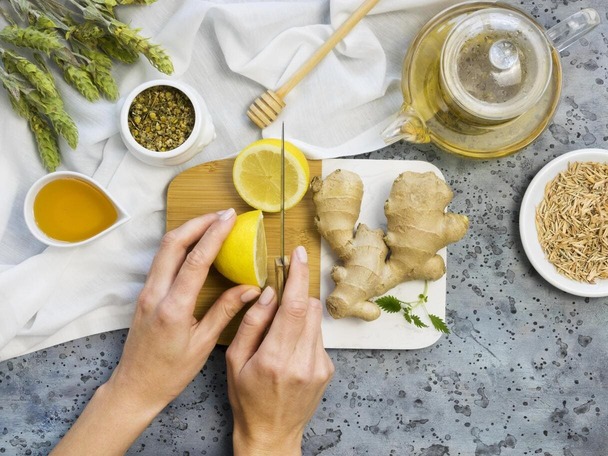
    All you have to do is cook thin slices of fresh ginger in hot water for approximately ten minutes to prepare ginger tea. To improve the flavour and comfort your upset stomach, add honey or lemon and drink carefully.

    The Power of Ginger Stomach Pain

    Chamomile Tea for Calmness

    Tea with chamomile is another excellent remedy for stomachaches. Its ability to relax muscle fibers due to its antispasmodic properties may help reduce stomach cramps. Furthermore, a cup of chamomile tea can help you relax if your stomach ache is caused by stress.

    It is simple to locate chamomile tea sachets and loose leaves. Steep the tea for at least five minutes to achieve the best results and reap the full benefits of the plant. Add a small amount of honey to taste it sweeter.

    You can calm upset stomachs and get better sleep with chamomile tea. Chamomile is a very changeable remedy because total well-being is dependent upon both a calm and relaxed body and mind.

    Peppermint for Instant Relief

    Because of its well-known calming and cooling qualities, peppermint is a useful treatment for stomach discomfort. The gastrointestinal tract’s muscles can be relaxed with the aid of peppermint oil, which can lessen cramps and twitches.

    Peppermint can be part of your routine in a number of ways. In addition to using peppermint oil capsules, you can chew on fresh peppermint leaves and enjoy peppermint tea. Any of these techniques can offer immediate relief from tummy pain.

    Peppermint is a win-win treatment because it also helps refresh your breath. But, peppermint can occasionally make acid reflux worse, so it’s best to stay away from it if you have it.

    The Healing Properties of Fennel Seeds

    Another excellent treatment for stomach pain is mustard seeds. A substance called a substance found in them, has the ability to ease stomach stress and enhance digestion. Bloating and gas can be relieved by consuming fennel tea or by chewing on fennel seeds.

    Indian cooking frequently uses fennel seeds, which are eaten after meals to facilitate digestion. Additionally, you can soak fennel seeds in hot water to create a calming tea. Your mood can significantly improve with this easy cure.

    Fennel seeds can aid with stomach ache and improve breath freshness. Regular use of them is enjoyable due to their subtle chocolate flavor.

    Apple Cider Vinegar for Digestive Health

    A common treatment for a variety of illnesses, including stomach pain, is apple cider vinegar (ACV). Its acidic qualities facilitate improved digestion by balancing the amount of stomach acid produced. To alleviate your discomfort, try combining a small amount of apple cider vinegar with a glass of warm water.

    Additionally well-known for its antibacterial qualities, ACV can aid in treating infections that might be the source of your stomach discomfort. A small amount of honey can enhance the flavor and have extra calming benefits.

    Because of its strong acidity, which can erode dental enamel and upset the throat if taken unflavored, it’s crucial to use ACV carefully and to dilute it appropriately.

    The Benefits of Baking Soda

    An effective natural solution for reducing stomach acid and sickness is baking soda. Treating acid reflux or heartburn-related stomach pain with a teaspoon of baking soda and a glass of water will help relieve symptoms quickly.

    Although very useful, baking soda should only be applied in little amounts. An excessive use may result in deficiency of electrolytes. Talking to a healthcare provider could be necessary if you find yourself depending on baking soda on a regular basis.

    The versatility and value of baking soda as a pantry staple are further enhanced by its many other wonderful uses around the house.

    The Magic of Warm Compresses

    External treatments are not always any less effective than internal ones. You can ease pain and relax your muscles by placing a warm compress or heating pad on your stomach. Heat has the effect of increasing blood flow to the area, hastening the healing process.

    For muscle spasms or menstrual cramps, this treatment works especially well. Just relax and apply a warm compress to your abdomen for ten to fifteen minutes. It’s an easy method to get relief that works well.

    Similar benefits, such as total body relaxation and relief from stomach discomfort, can also be obtained from warm baths.

    While most stomach aches resolve with simple home remedies like ajwain water or a warm compress, some types of pain—especially those caused by inflammation or muscle strain—may require medical attention. In such cases, pain relief medications like Ultracet Tablet are commonly prescribed by doctors to manage moderate to severe pain.

    Home Remedies For Stomach Pain

    Indian Home Remedies for Children

    It is imperative to utilize safe, compassionate medicines while dealing with youngsters. For years, children’s stomach ache has been relieved by using traditional Indian remedies.

    Carom seeds (ajwain) along with a small amount of salt is one common treatment. Due to its digestive qualities, ajwain is well-known for helping youngsters with indigestion and gas. All you have to do is combine a small quantity with warm water and give it to your kid.

    Putting hing (asafoetida) on the child’s navel after dissolving it in warm water is another efficient treatment. Gas and bloating are promptly and securely relieved with this.

    An additional mild tea made from boiled cumin seeds can help children with stomachaches. This is a simple to create cure that is quite effective.

    Tips for Preventing Stomach Pain

    Always choose prevention to treatment. Here are some suggestions to help you prevent stomach pain before it starts.

    Pay attention to your diet first. Steer clear of foods like spicy or fatty ones that are known to induce irritation. Another way to maintain a healthy digestive system is to eat smaller, more frequent meals.

    Secondly, remember to drink plenty of water. Staying hydrated and removing toxins from your body are two benefits of drinking lots of water throughout the day.

    In conclusion, engage in stress-reduction methods like yoga, meditation, or deep breathing exercises. It’s important to learn how to manage stress because it might have a negative impact on your digestive health.

    > Consult a Doctor and Medkart will help you Order Medicines Online

    Conclusion

    These natural cures provide you a range of possibilities to find relief from stomach pain, which can be rather uncomfortable. Everyone can find something they enjoy, be it chamomile tea, ginger tea, or a warm compress. Recall that small discomforts respond best to these therapies. Consult a physician if your symptoms worsen or continue.

    It is our aim that these herbal remedies prove to be beneficial and efficacious. Seek guidance from a medical practitioner or an authority on natural therapies for more pointers and tailored counsel. Keep yourself well and happy.

    FAQs on Home Remedies for Stomach Pain

    1. What is the most effective home cure for heartburn?

    Whatever the source of your stomach ache, there may be a better cure. For the majority of discomforts, peppermint and ginger tea work well.

    2. Are these treatments OK for kids to use?

    Yes, but in case of doubt, seek medical advice from a professional and always choose gentler therapies for kids, like ajwain water or cumin tea.

    3. How soon do these treatments take effect?

    Certain cures, such as peppermint tea, can start working right away in a matter of minutes. Others, like using a warm compress, work just as well but can take a little longer.

    Related Links:

    Blog | Medkart Pharmacy - Generic Medicine Online

  • Danger Level of SGPT and SGOT – SGPT & SGOT Test Normal Range

    Danger Level of SGPT and SGOT – SGPT & SGOT Test Normal Range

    the danger level of sgpt and sgotThe danger level of SGPT and SGOT in blood tests serves as critical indicators of liver health. Elevated levels of these enzymes beyond the normal range can signify liver damage or disease. While mild increases may suggest minor liver issues such as fatty liver disease or medication side effects, moderate elevations often point to more significant liver damage from conditions like viral hepatitis or chronic liver disease.
    Severe elevations in SGPT (alanine transaminase) and SGOT (aspartate transaminase) levels indicate acute liver injury, potentially stemming from acute hepatitis, liver cirrhosis, or liver failure, and require immediate medical attention. Monitoring these enzyme levels is essential for early detection and intervention to prevent further liver damage and manage underlying conditions effectively.

    What are SGPT and SGOT Test?

    In the realm of medical diagnostics, liver function tests are crucial indicators of one’s overall health. Among these tests, serum glutamic pyruvic transaminase (SGPT) and serum glutamic oxaloacetic transaminase (SGOT) are frequently monitored to assess liver health. Both SGPT and SGOT are enzymes found within liver cells, and when they leak into the bloodstream, their levels can indicate potential liver damage or disease.

    SGPT, also known as alanine transaminase (ALT), and SGOT, also known as aspartate transaminase (AST), are enzymes primarily found within liver cells. These enzymes play vital roles in various metabolic processes, including amino acid metabolism.

    Danger Level Of SGPT And SGOT Symptoms

    Recognizing the symptoms associated with elevated SGPT and SGOT levels is essential for early detection and management of potential liver issues. While these enzymes themselves don’t cause symptoms, the underlying conditions leading to their elevation can manifest various signs. Mild elevations may not present noticeable symptoms, but as levels increase, individuals might experience fatigue, abdominal discomfort, or nausea.

    Persistent or severe elevations could lead to jaundice, characterized by yellowing of the skin and eyes, dark urine, and clay-colored stools. Additionally, symptoms such as unexplained weight loss, swelling in the abdomen or legs, and easy bruising or bleeding may indicate more advanced liver damage or liver disease.

    It’s important to note that symptoms associated with elevated SGPT and SGOT levels can vary depending on the underlying cause. While liver-related symptoms are common, other systemic signs such as fever, joint pain, and muscle weakness may also occur, especially in cases of viral hepatitis or autoimmune liver diseases.

    Prompt medical evaluation is crucial if any concerning symptoms develop, as early detection and intervention can significantly improve outcomes and prevent further liver damage. Regular monitoring of liver function tests and awareness of potential symptoms are key components of maintaining liver health and overall well-being.

    Danger Level Of SGPT and SGOT test image

    Danger Level Of SGPT and SGOT

    1. Mild Elevation

    Slight increases in SGPT and SGOT levels may indicate minor liver damage or inflammation. This could be due to various factors such as excessive alcohol consumption, fatty liver disease, or medication side effects. While concerning, mild elevations may not immediately indicate severe liver damage but should prompt further investigation and lifestyle modifications.

    2. Moderate Elevation

    Moderate elevations in SGPT and SGOT levels suggest more significant liver damage or inflammation. Conditions such as viral hepatitis, autoimmune hepatitis, or chronic liver disease could be responsible for these elevations. At this stage, medical intervention and monitoring are crucial to prevent further liver damage and manage underlying conditions effectively.

    3. Severe Elevation

    Markedly elevated SGPT and SGOT levels signify severe liver damage or acute liver injury. This could be indicative of conditions like acute hepatitis, liver cirrhosis, or liver failure. In such cases, immediate medical attention is imperative, as severe liver damage can have life-threatening consequences if left untreated.

    Consult a Doctor and Medkart will help you Order Medicines Online

    Conclusion

    SGPT and SGOT levels serve as vital markers in assessing liver health and detecting potential liver damage or disease. While elevated levels can be concerning, they provide valuable insights that enable early intervention and appropriate management strategies.

    It’s essential to understand that SGPT and SGOT levels should be interpreted in conjunction with other clinical findings to accurately diagnose and address liver-related issues. Regular monitoring of liver function tests, along with a healthy lifestyle and medical guidance, is key to maintaining optimal liver health and overall well-being.

    If you suspect any abnormalities in your liver function tests, consult with a healthcare professional promptly for further evaluation and guidance.

    Read: What are Generic Medicines?

    FAQs on Danger Level of SGPT and SGOT

    Q1. What is dangerous level of SGPT and SGOT?

    Elevated levels of SGPT and SGOT in blood tests indicate potential liver damage or disease. Mild elevations may suggest minor liver issues, while moderate to severe elevations could signify more significant damage or acute liver injury, requiring immediate medical attention to prevent life-threatening complications. Regular monitoring and timely intervention are crucial for managing liver health effectively.

    Q2. What does it mean if my SGPT and SGOT levels are elevated?

    Elevated SGPT and SGOT levels indicate potential liver damage or disease. This could be due to various factors such as viral hepatitis, fatty liver disease, or medication side effects.

    Q3.Are mildly elevated SGPT and SGOT levels concerning?

    Mild elevations may signify minor liver issues, but they should prompt further investigation and lifestyle modifications to prevent progression to more severe liver damage.

    Q4. What should I do if my SGPT and SGOT levels are severely elevated?

    Severe elevations in SGPT and SGOT levels require immediate medical attention, as they may indicate acute liver injury or liver failure, necessitating prompt intervention and management strategies to prevent life-threatening complications.

    Related Links: