Blog

  • Montek LC Tablet: Indications, Dosage Guide & Safety Precautions

    Montek LC Tablet: Indications, Dosage Guide & Safety Precautions

    Seasonal changes, dust, or pollution often bring along allergies that can leave you sneezing, coughing, or struggling with a runny nose. For many people, even simple tasks feel difficult when symptoms like watery eyes or breathing troubles set in. This is where the Montek LC Tablet is often prescribed by doctors. Known for its effectiveness in managing allergies and asthma-related discomfort, it helps ease symptoms and improve daily comfort. In this article, we will guide you through the indications, correct dosage, and appropriate safety precautions of Montek LC Tablet, so you can be more educated about its role in improving respiratory health. Montek LC Tablet

    What is Montek LC Tablet?

    Montek LC Tablet is a commonly prescribed medicine used to manage allergies and respiratory symptoms. It is designed to help reduce sneezing, a runny nose, watery eyes, and other discomforts caused by allergic reactions or asthma-related conditions. The tablet combines two active components: Montelukast, which helps control inflammation in the airways and prevents breathing difficulties, and Levocetirizine, an antihistamine that reduces sneezing, itching, and watery eyes. These components, as a unit, collectively act as a full relief from allergy and respiratory symptoms. Since Montek-LC Tablet will affect the allergic response of the body, it is advised that this medication be used only with medical authority. If Montek-LC Tablet is taken outside of medical guidelines or the recommended dosage is exceeded, you are at risk of side effects or reduced effectiveness. Always use as directed by your doctor, or as directed on the packaging, to relieve allergy and respiratory conditions.

    Indications of Montek LC Tablet

    Montek LC Tablet is primarily prescribed for the treatment of various respiratory and allergy-related diseases. Here are some of the uses of this medicine:
    • Allergic Rhinitis causes inflammation of the nasal passage, resulting in nasal congestion, a runny nose, and sneezing.
    • Hay Fever causes a seasonal allergy and may cause a runny nose, itchy or irritated nose, and watery eyes or mild itch.
    • They work to decrease airway inflammation that can impair the ability to breathe.
    • Runny nose and watery eyes can be triggered by allergens such as dust, pollen, and animal dander.
    Skin allergies, such as itching and rashes, are caused by mild allergic events. The Montek LC Tablet serves to regulate the body’s allergic response. Montelukast reduces inflammation in the airways, and Levocetirizine strips away histamine, the chemical responsible for so many allergic reactions. It is important to emphasize that the Montek LC Tablet is not an inhaler, not for emergencies, or for acute treatment of severe asthma attacks. It is a prescribed maintenance therapy, recommended by doctors to help manage chronic allergy symptoms and respiratory distress. For reliable medicines and authentic health information, visit Medkart

    Montek LC Tablet Dosage & How to Take

    The correct Montek LC Tablet dosage is essential for effective allergy and respiratory symptom management. Dosage may vary depending on age, weight, and medical condition, so it is important to follow a doctor’s advice rather than self-medicating.
    • Adults: the tablet is taken once a day, usually in the evening.
    • Children: The dosage will be dependent on age and weight, and you will need to make sure that their doctor prescribes that dosage to take for their safety.
    You may take this tablet with or without food, and taking it after eating will decrease the chance it will upset your stomach. Another thing that is important is to take it at the same time each day, to maintain consistent effectiveness. You should not take Montek LC Tablet with other allergy pills, unless a health professional recommends it. Not all medications can be mixed safely. Following the Montek LC Tablet dose recommendation allows an individual to maximize their allergy and asthma symptoms while having minimal side effects. See your doctor if your allergy symptoms persist or worsen with your normal Montek LC tablet usage.

    Safety Precautions & Possible Side Effects

    Montek LC Tablet is normally safe when used correctly, but may cause some side effects in a few people. Most common side effects are mild and temporary, such as:
    • Drowsiness or sleepiness
    • Thirst or dry mouth or throat
    • Mild upset stomach
    Rare side effects are possible, such as a change in mood, extreme dizziness, or serious allergic reactions such as rash or swelling. Rare side effects should be taken seriously and require immediate medical attention. Some groups should use caution when taking Montek LC Tablet: Pregnant women, women breastfeeding, anyone with liver issues, and anyone with kidney problems should take Montek LC Tablet under strict supervision by a health care professional. Most side effects are tolerable and frequently become minimal as your body becomes accustomed to the medication. Stay safe by following your doctor’s instructions, taking the necessary Montek LC Tablet dose, and the appropriate medication. Also, do not mix medications unless your health professional advises otherwise. If you experience severe side effects, to the point of stopping the use of the tablet, or any side effects that are not improving over time, stop using the tablet completely, and consult your health professional. Use the medication responsibly; it should provide you with relief and very little risk.

    Conclusion

    The Montek LC Tablet is a great way to control headaches and respiratory issues. These tablets can benefit if you suffer from sneezing, a runny nose, coughing, and watery eyes, to improve mild asthma when taken as prescribed every day. If you are prescribed this product, then use it according to the prescribed dose and seek the advice of your doctor to verify how to take it appropriately. Medkart will provide you with trustworthy medicines and medical health experts for safe and easy healthcare management.

    FAQs 

    1. Can the Montek LC Tablet be taken as a daily medicine?
    Yes, it is often taken daily to treat chronic symptoms of allergies or asthma, but please follow what your doctor says.
    1. Is it safe for children?
    Dosage for children depends on age and weight. Only give Montek LC Tablet to kids under medical supervision.
    1. Can it be used for asthma?
    Yes, it can control mild asthma symptoms by decreasing airway inflammation, but it can’t replace an emergency inhaler.
    1. Will it cause drowsiness?
    Some people may experience mild drowsiness. If that happens, do not do things that require full alertness and consult your doctor if necessary.
  • Cheston Cold Tablet: Uses, Dosage, Benefits & Possible Side Effects Explained

    Cheston Cold Tablet: Uses, Dosage, Benefits & Possible Side Effects Explained

    Sneezing, coughing, wheezing, unpleasant sore throat, and malaise! Not fun! Well, folks, colds and flu can occur at any time. It’s time to do something about it now, but where should we turn? One of the most commonly used medicines for everyday cold symptoms is the multi-symptom Cheston Cold Tablet.

    By reading this blog, you will be able to identify the main purposes of Cheston Cold Tablet, its average dose that is prescribed, advantages, and possible side effects. Our objective is to provide you with all the information you need to make informed decisions in the treatment of a cold so that it can be used effectively yet prudently.

    Cheston Cold Tablet

    What is Cheston Cold Tablet?

    Cheston Cold Tablet is a widely used over-the-counter (OTC) medication for the temporary relief of common cold and flu symptoms. It is designed to alleviate nasal congestion, mild fever, cough, and headaches, helping individuals manage their symptoms while recovering.

    The tablet combines active ingredients such as antihistamines, decongestants, and mild analgesics. These components work together to:

    • Reduce inflammation and open nasal passages.
    • Relieve pain and reduce fever.
    • Suppress coughs.

    The combination gives fast-acting, multi-symptom relief that doesn’t require a prescription. But the dosing instructions on the package or the advice of a healthcare professional should be followed to use these products safely and effectively.

    It is a safe choice for symptom relief in the interim when used judiciously. Do not take more than the recommended dose. If symptoms are not alleviated within 7 days or are exacerbated, the product should not be used without the advice of a doctor.

    Cheston Cold Tablet Uses

    The Cheston Cold Tablet is often recommended for managing multiple discomforts that come with cold and flu. Its main uses include:

    • Relief from nasal congestion by clearing blocked airways.
    • Reducing cough and throat irritation.
    • Soothing a sore throat caused by infection or inflammation.
    • Bringing down mild fever and related body aches.
    • Easing headaches and sinus-related discomfort.

    Cheston Cold Tablet works by combining the actions of a decongestant, an antihistamine, and a pain reliever into a single dose. The decongestant reduces swelling in the nasal passages, which makes it easier to breathe. The antihistamine reduces the runny nose and irritation.  The pain reliever lowers the fever (if you have one) and reduces the aching overall.  All these benefits combined can provide good all-around relief so you can feel better while your body fights off the illness.

    The Cheston Cold Tablet does an effective job at treating symptoms connected with colds and flu, but unfortunately, it does not cure the common cold or flu.  If your symptoms persist for more than a few days or worsen, please seek care from an expert doctor related to your symptoms. Your trusted source for medicine and health advice. 

    Medkart delivers quality healthcare solutions and wellness tips straight to your door.

    Dosage & How to Take Cheston Cold Tablet

    Dosage information for Cheston Cold Tablet is essentially dependent on age, overall health, and the direction of your health care provider. In most circumstances:

    • Adults: Normally, you will take 1 tablet two to three times a day, depending on symptom severity.
    • Children: Dosage will vary according to age and weight. This medication should only be given to children when prescribed by a qualified health care provider.

    Cheston Cold Tablet can be taken with or without food. However, taking the tablet after meals may help reduce your chances of gastric upset. Always wait a sufficient amount of time in between doses (as indicated on the package or as directed by your qualified health care provider) in order to avoid taking too much.

    It is important that Cheston Cold Tablet is not given in conjunction with any other cold or flu medicine unless directed by your health care provider, as possible duplicate ingredients, and/or unwanted side effects may occur.

    Most importantly, follow the dosage information provided on the packaging or that which you were provided by your health care provider. Use of the tablet as directed will ensure that you will remain safe and will achieve effective relief!

    Benefits of Cheston Cold Tablet

    Cheston Cold Tablet is respected for its effectiveness and convenience. Some benefits include

    • Relieves multiple symptoms: addresses nasal congestion, cough, sore throat, mild fever, and headaches.
    • Fast acting: gets you comfortable again quickly, allowing you to get on with your day.
    • All-in-one solution: means less to remember and take for your common cold symptoms.
    • Convenience: easy to take and often available at your local pharmacy.
    • Safe as directed: safety and effectiveness are maximized through careful adherence to dosing.

    Combining multiple actions in a single tablet helps you better cope with cold and flu-like discomfort and helps your recovery.

    Possible Side Effects

    Like most medicines, the Cheston Cold Tablet may cause some side effects in certain individuals. These are usually mild and temporary, but it’s important to be aware. 

    Common side effects (mild):

    • Drowsiness or feeling sleepy
    • Mild stomach upset
    • Nausea
    • Dry mouth or throat

    Less common but serious side effects:

    • Allergic reactions such as rash, itching, or swelling
    • Severe dizziness
    • Difficulty breathing (rare)

    Most side effects are not harmful and may ease as your body adjusts. However, if you experience severe or persistent symptoms, stop taking the tablet and seek medical advice immediately.  Using it responsibly ensures both safety and relief.

    Conclusion

    Cheston Cold Tablet is a practical way to ease symptoms of the common cold and flu, such as congestion, sore throat, cough, and a mild fever. All medications, if taken at the correct doses and used as directed, can provide effective and safe relief.

    For trusted medicines and trustworthy health guidance, visit Medkart to find good options and explore health tips delivered straight to your door.

    FAQs

    1. Can Cheston Cold Tablet be taken during pregnancy?

    It is best to avoid taking medication during pregnancy. If you are pregnant, you should consult your doctor or pharmacist before taking Cheston Cold Tablet.

    1. Is it safe for children?

    The dosage for children depends on their age and weight and should only be given under medical supervision. 

    1. Can it be taken with other medications?

    Cheston Cold Tablet can interact with some medications, especially other cold, flu, and allergy medications. You should always check with your health professional if you are taking more than one medication, and it is also advisable to check if you are taking any medications before taking Cheston Cold Tablet.

    1. How long does it take to work?

    Generally, you will start to feel better in a few hours. But that depends on the person and how severe your symptoms are.

  • PCOS Symptoms & Remedies: Holistic Approach to Hormonal Balance

    PCOS Symptoms & Remedies: Holistic Approach to Hormonal Balance

    Have you experienced irregular periods, weight fluctuations, or sudden mood changes? Well, this might shock you, but PCOS (Polycystic Ovary Syndrome) is a common hormonal condition that many women experience at different times throughout their lives. Whether you have a few or many symptoms, there can be an impact on your menstrual cycles, energy, confidence, and well-being. The best part is that managing PCOS does not always require complex treatment approaches. You can create a holistic plan that incorporates mindful lifestyle habits, natural remedies, and self-care to safely and effectively support hormonal balance. The first step toward becoming empowered to take back your health is learning about your PCOS symptoms.

    PCOS Symptoms & Remedies

    Understanding PCOS

    Polycystic Ovary Syndrome (PCOS) is a medical disorder that affects hormones in women. The increase in hormones ultimately affects reproduction and causes the ovaries to create higher-than-normal levels of particular hormones and small cysts or sacs filled with fluid in the ovaries. In addition to causing hormonal imbalances, PCOS can affect multiple systems in the body, including metabolism, menstrual cycles, and reproductive health, often leading to significant discomfort.

    Women with PCOS may experience irregular periods, difficulty conceiving, or changes in weight and energy levels. It can also influence mood and skin, contributing to acne or hair growth in unexpected areas. PCOS is often misunderstood, yet it is so prevalent that it affects millions of women worldwide and is manageable with the right care.

    By identifying the signs early, you can manage PCOS effectively. Combining lifestyle strategies with proven remedies can help safely and gently promote hormonal balance naturally.

    Common PCOS Symptoms

    Identifying the early symptoms of PCOS will help you manage it. The symptoms of PCOS may be somewhat different for each individual, but common PCOS symptoms include: 

    • Irregular periods: Having missed periods, late periods, or periods that are unusually heavy are often the first signs. 
    • Weight gain: Weight gain is often unexplained, although many women recognize that it tends to be concentrated around their abdomen. 
    • Acne & Oily Skin: Hormones can cause either breakouts or consistently oily skin, especially when experiencing hormonal fluctuations. 
    • Excess hair growth (Hirsutism): Some women may notice dark, coarse hair growing on their face, near their chest, or on their back.
    • Thinning hair: Some women may notice that their hair on their scalp is thinning or that they have patches where hair falls out or does not grow back.

    It is prudent to consider how your body may be communicating some unusual changes that may be a sign of PCOS. These symptoms are common to many women, but it is advisable to consult a gynecologist so that you have a good understanding of your condition. They can help you take appropriate steps to manage your health effectively. Additional information and tools can be found at Medkart.

    Holistic PCOS Remedies

    For managing the symptoms associated with PCOS, it is often a combination of changing your lifestyle and getting supportive treatment. Here are just a few examples of holistic remedies for PCOS that can be beneficial in supporting hormonal health.

    Dietary Adjustments

    One of the most effective ways to manage symptoms of PCOS is to eat a balanced diet. Eating foods that lower the glucose index (GI), whole grain carbohydrates, lean proteins, and plenty of vegetables, will help! Consuming anti-inflammatory foods that are high in fish fat, nuts, and berries will help stabilize hormones due to better regulation of insulin resistance and even out energy levels. Eating on a more consistent basis and by avoiding processed or sugary foods will help individuals maintain steadier energy levels to achieve a healthy weight, if necessary.

    Activity

    Regular physical activity can help support hormone regulation, improve metabolism, and promote healthy weight management. The best variety of exercise comes from aerobic activity like brisk walking, swimming, and cycling, along with strength-training activities, which aid in building muscle and help improve insulin resistance. Gentle exercise and flexibility activities like yoga or pilates can help reduce stress and promote flexibility while fostering overall well-being.

    Stress Management

    Long-term stress can worsen PCOS because it can disrupt hormone levels. Mindfulness activities such as meditation, breathing exercises, or journaling can help with stress management. Even taking a short break, such as spending ten minutes focusing on deep breathing or enjoying fresh air outdoors, can help reset emotional balance and support hormonal health.

    Natural supplements & herbs

    Supplements can certainly augment lifestyle, and in certain cases, hormone levels can be off balance. For instance, inositol can help manage insulin, cinnamon can assist with blood sugar levels, and omega-3 fatty acids can support an anti-inflammatory function. These supplements are deemed generally safe but should be initiated in consultation with your doctor or dietitian before undertaking any method to ensure it is safe.

    Lifestyle Tips

    Consistent but small habits can be effective in lifestyle management of PCOS. Focus on getting good-quality sleep; staying away from smoking and excess alcohol; and, ultimately, reaching a healthy weight. Pay attention to your symptoms; be mindful of staying hydrated; and keeping a consistent daily routine will allow your body to function well and reduce the impact of hormone fluctuations.

    All of these lifestyle strategies for PCOS can help prioritize your symptoms and promote a slow and nurturing transition to natural health.

    Conclusion

    PCOS is a common condition, but it can become really manageable and effective when combined with a holistic lifestyle approach. By implementing lifestyle changes in conjunction with a healthy diet, consistent physical activity, stress management, and natural PCOS treatments. You can create an environment that supports not only hormonal balance but also overall health.

    Managing PCOS does not need to be complicated. When you put your health first and add sustainable habits, you can reclaim your health confidence and do it stress-free. MedKart is a service where you can order verified medicines, view smart comparisons, and have them delivered right to your home. 

    FAQs

    1. Is it possible to manage PCOS naturally?

    It is possible. Many women manage their PCOS very well through lifestyle changes, adoption of new habits, nutritional dietary approaches, regular physical activity, stress management, and natural remedies for PCOS.

    1. What types of foods are helpful with PCOS symptoms?

    Foods with a low glycemic index, such as whole grains, lean proteins, and vegetables, and anti-inflammatory foods such as berries and nuts, can help stabilize hormonal regulation and increase energy levels.

    1. Does PCOS affect fertility?

    Lack of ovulation with PCOS can make conceiving more difficult, but many women with PCOS have successful pregnancies when they manage their condition with help from health professionals. 

    1. When should I see a doctor about my PCOS?

    If you are experiencing irregular periods, weight changes, worsening acne, or difficulty becoming pregnant, you should seek advice from a doctor for a complete assessment and treatment recommendations.


  • Pigmentation Remedies: Natural Ways to Even Out Skin Tone

    Pigmentation Remedies: Natural Ways to Even Out Skin Tone

    Have you sometimes noticed a few uneven patches or darker areas on your skin, and wondered why? You aren’t the only one- pigmentation is something we all deal with at some point. Everyone’s skin contains melanin (the pigment that gives our skin its color), and it is not always produced evenly. This results in variations in skin tone that can make your skin tone look uneven. Although it is a natural process that is usually harmless, many people seek out simple ways to bring back evenness. The gentle way of doing that? Natural skin care. Natural skin care allows you to use tried and true remedies to promote your skin’s health in safe, cost-effective, and calming ways.

    Understanding Pigmentation

    Pigmentation simply refers to the color of your skin, which comes from a natural pigment called melanin. When melanin is produced evenly, the skin looks smooth and balanced. But when production becomes uneven, it can lead to patches or spots that appear darker than the surrounding skin. This is often what people mean when they talk about pigmentation.

    Hyperpigmentation shows up as darkened areas that can spread across larger sections of the skin. Sun spots, sometimes called age spots, are small, flat patches caused by years of sun exposure. Post-inflammatory hyperpigmentation refers to the spots that can remain after pimples, cuts, or other minor skin injuries heal.

    The causes of pigmentation are varied; sun exposure, hormonal changes, aging, and even skin trauma can all play a role.

    Why Choose Natural Remedies?

    For your skin care regimen, natural remedies can be the gentler alternative. They offer the following benefits:

    • Milder & less aggressive: Most natural ingredients are milder and less irritating, accommodating a variety of color tones.
    • Fewer adverse reactions: Natural skincare works with your skin, not against it, unlike harsh chemical treatments, which fundamentally change your skin’s behavior.
    • Simple & Practical: Many remedies are based on readily available household items, making them accessible and easy to apply at home.
    • Safe & Reliable: Provided you apply the simple remedy in the right manner, natural options actually offer steady care without any underlying risks.
    • Long Term, Gradual Results: Improvements will take time to develop, but by instilling them over time, they can help support healthier-looking skin in the long run.

    Natural skin care is not about avoiding certain habits, but about supporting your body through sustainable practices that promote overall well-being. For more information and helpful tools, visit Medkart.

    Natural Remedies for Pigmentation

    From nature, many mild ingredients can assist in restoring a more balanced skin tone. Although using natural remedies may take a bit longer, they can safely and simply become part of your skin care routine. Here are some good options:

    Aloe Vera

    Aloe vera is commonly praised for its soothing and hydrating properties. To use, simply apply fresh aloe vera gel directly to the area and leave it on for 20 – 30 minutes. Rinse. Utilize as often as needed to calm the skin while helping it gradually fade pigmentation.

    Turmeric

    Turmeric has been used as a method of natural skin care for centuries. The active ingredient in turmeric, curcumin, has anti-inflammatory and antioxidant properties, which may help lessen pigmentation as well as brighten the skin. Turmeric is a potent ingredient, so combine a small amount of turmeric powder with yogurt or honey to create a paste. Apply as a mask. Use as needed, as turmeric may leave a mild yellow stain.

    Green Tea Extract

    Green tea extract contains powerful antioxidants that can help reduce oxidative stress, which is one of the causes of pigmentation. The topical application of cooled green tea bags or commercial preparations that contain green tea extract as an ingredient may improve the appearance of the skin over time.

    Lemon & Honey

    Lemon is naturally rich in vitamin C, which has been shown to help reduce the appearance of dark spots, while honey provides moisture and soothes the skin. Together, they create a gentle, brightening treatment. Mix a few drops of lemon juice with honey and apply to the affected area for 10–15 minutes, and then rinse. Always perform a patch test before the first application. Furthermore, as lemon topical application increases sensitivity to the sun, do not apply it before sun exposure or near sources of UV light.

    Licorice Root

    Licorice root includes glabridin, which may help lighten dark spots and inhibit the development of new pigmentation. Licorice root extract can be found in many natural skin care products, or you can make a mask yourself using the powdered root. Using the product or mask regularly can help fade dark spots and pigmentation over time, and it is gentle enough to use on sensitive areas of the skin.

    Potato Extract or Cucumber

    Both potato and cucumber may have light bleaching and cooling properties. Potato juice may lighten dark patches, and cucumber can help hydrate and soothe irritation. The simplest approach is to grate a potato or slice a cucumber and apply it directly to the skin for 15–20 minutes. You will particularly enjoy these remedies on a hot day.

    Lifestyle & Preventive Tips

    While natural remedies can assist with pigmentation, daily behaviours are also essential to keeping skin tones balanced. All the positive choices we make in our day-to-day lifestyle can add up:

    • Use Sunscreen Daily: Exposure to sunlight is one of the primary causes of pigmentation. By using sunscreen daily (even indoors), you are protecting your skin from the damaging UV rays and will help prevent new dark spots from appearing.
    • Drink Water & Eat Healthy: Drinking enough water and consuming fruits and vegetables with high amounts of antioxidants (berries, leafy greens, nuts, etc) will help the skin stay healthy and radiant.
    • Do Not Pick the Skin: Picking or scratching dark spots or blemishes can aggravate pigmentation. Allow the skin to heal on its own.

    With patience and the proper habits, you can support clearer, healthier-looking skin safely and sustainably.

    Conclusion

    Pigmentation is a typical skin concern, and the good news is that it can be managed quite simply and safely. Natural skin care products are a gentle option to help you achieve a smoother skin tone with no nasty treatments. Remember that healthy skin does not happen overnight, but every little movement will help. Caring for your skin does not have to be complicated or expensive. With natural skin care and a little learning, you can feel empowered. You can find more information and tools from Medkart.

    FAQs

    1. Does pigmentation go away on its own? 

    If you care for it and practice sun protection, mild pigmentation can improve gradually over time. 

    1. How long does it take to see results from natural remedies? 

    Natural remedies are gradual and may take several weeks of consistent use to produce noticeable results. 

    1. Are natural remedies appropriate for all skin tones? 

    Generally, yes, but you can try a patch test first to ensure it’s suitable for you. 

    1. When should I consult with my dermatologist? 

    If the pigmentation spreads rapidly, changes suddenly, or causes discomfort, it’s important to consult a healthcare professional.

  • Protein Powders Guide: How to Pick the Right One for Your Lifestyle

    Protein Powders Guide: How to Pick the Right One for Your Lifestyle

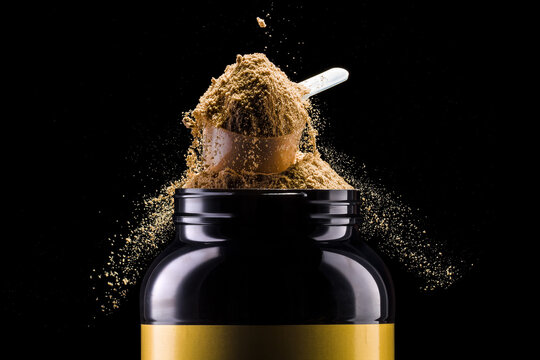
    Protein is an essential building block of your body that supports muscle growth, tissue repair, immunity, and energy. It is important to your health whether you are an athlete, a busy professional, or anyone else trying to live a healthy life. Getting enough protein every day is important whenever you are trying to achieve your goals. Most people can achieve their protein needs through a balanced diet; however, there are times when our food choices will not cover our overall protein requirement. Protein powders are often a great option to be reliable, dependable, easily available, and effective for filling nutritional gaps to help you meet your health goals. In this guide, you will learn why protein is important, the various types of protein powders, and how to choose the best protein powder for your lifestyle.

    Why Protein Matters?

    Protein is the key to helping maintain your body and make sure it’s working properly.  It builds, repairs, and strengthens your muscles, keeps your tissues and organs functioning, and plays a foundation role in your immune response.  When your body doesn’t have sufficient protein, it may have a harder time recuperating post-exercise, recovering from injuries, and allowing your energy levels to remain consistent throughout the day.

    Requirements for protein vary from person to person depending on their age, level of activity, and current health goals.  For example, children and teens require protein to support their growth and development, while adults who are physically active or looking to gain muscle require protein.  Older adults require protein too, to prevent age-related loss of muscle.

    The general recommendation for adults is 0.8 – 1g of protein per kilogram of body weight, but the same could likely be said for recovery from an illness, too – a physically active adult could have 85-95g of protein, recover from joint replacements, surgeries, etc, and just sustain overall wellness by taking way above the recommendations.

    When Should You Consider Protein Powder?

    Most people can meet protein requirements through their varied diets, but there are times when dietary protein might fall short. Protein powders can help safely and conveniently fill the gap.

    You might consider the possibility of using protein powder:

    •  If you are an athlete or very active, intense endurance or strength-based activity increases protein needs for muscle repair and recovery.
    • If you have a busy lifestyle, skipping meals or eating convenience foods can make it hard to meet daily protein requirements.
    • If you follow a vegetarian or vegan diet, plant-based eating can often miss certain sources of high-quality protein, so you may need to consider supplementation.
    • If you are an older adult, your appetite can change as you age, and you can also lose muscle mass. Protein can help to support strength and mobility.

    Types of Protein Powder

    Selecting the proper protein powder is dependent on what you want to achieve, your dietary restrictions, and your lifestyle. Here are the most common types of protein powder:

    1. Whey Protein

    Benefit: Whey protein is a quickly digested protein powder that is easily used immediately post-workout, or directly after a workout for muscle growth and recovery purposes.

    • Pros: Whey protein is a high-quality complete protein, available in many flavors, is very easy to mix, and is readily available at stores or online.
    • Cons: Whey powder is a dairy-based protein and is therefore not suitable for anyone who is lactose intolerant or following a vegan diet.
    1. Casein Protein

    Benefit: Casein is the slowest-digesting protein powder, dissolving steadily over several hours and providing a gradual release of amino acids. It is an ideal option for nighttime use.

    • Pro: Supports muscle repair and recovery while sleeping or resting, while keeping you fuller for longer after consuming.
    • Con: Casein protein powder is also dairy-based. Longer digestion times are not ideal for consumption directly after a workout.
    1. Plant-based protein powders:

    Example: Soy, pea, rice, hemp, or any combination of them.

    • Pros: A common pro for plant-based proteins is that they are suitable for vegetarians and vegans, and they are usually more easily digested compared to dairy-based proteins.
    • Cons: Some plant protein powders have lower quantities of certain essential amino acids when compared to dairy-based proteins.
    1. Collagen Protein

    Benefits: Supports joints, skin elasticity, and hair health.

    • Pros: Good for overall wellness and recovery.
    • Cons: Not a complete protein for building muscle; best used alongside other protein sources.

    Understanding these options helps you pick the best protein powder that fits your diet, goals, and daily routine.

    How to Pick the Best Protein Powder?

    With plentiful options, it may seem overwhelming, and there is no single best protein powder. In choosing your protein powder, you will have to consider dietary needs, activity levels, digestion, and taste. For instance, if you are vegan, you should consider a plant protein powder over whey or casein. 

    Some things to consider when choosing a protein powder are:

    • Flavor and Texture – Choose a protein powder that you like because chances are you are going to be consuming quite a few servings of it.
    • Your comfort digesting – Some protein powders can cause temporary bloating and gas. It can be useful to try small serving sizes to start if you are trying a new protein powder to gauge how your body will respond.
    • Quality and Transparency – Look for powders that have an ingredient list that specifies the ingredients. Avoid powders that have a long list of ingredients and have strange-sounding ingredients. 

    Tips for Safe and Effective Use

    When used safely, protein powder can help you get the most benefit from protein without unwanted side effects.

    • Recommended Daily Intake: The average adult requires between 0.8-1 g of protein per kg of body weight per day. The recommendations are higher for athletes and active individuals, but going over can actually prevent you from getting changes in performance.
    • Timing: Protein powder is a great option for post-workout recovery, as a meal alternative, or as a snack option when you require protein between meals.
    • Focus on Protein-Rich Whole Foods: Protein supplements are supposed to supplement your protein intake, not replace protein intake from whole foods such as eggs, dairy, legumes, and lean meats.
    • Read the label: Pay attention to the amount of added sugar, artificial flavouring, and allergens depending on your dietary needs.

    Conclusion

    Ensuring you are receiving adequate protein is important to keep your body working at its greatest potential, energized, and recovering from daily events or workouts.  Protein powders are an easily accessible option to increase protein in your diet with flexibility and convenience, whether you are a dedicated athlete, active professional, or someone who likes to focus on a healthy lifestyle.  When you educate yourself on your dietary habits, preferences, and lifestyle, you can select what is the best protein powder for you.   Doing this will allow you to have the right information to make the best decision for yourself in your health and fitness journey.

    FAQs

    1. How much protein powder should I take every day? 

    Most adults reasonably require between 0.8–1 gram of protein per kilogram of body weight. Being an athlete or active person may mean you require more. Stick to your product’s serving instructions and speak to a doctor if you’re unclear.


    1. Can I take protein powder if I’m not an athlete? 

    Yes. Protein powders can help anybody meet daily protein requirements, help with muscle maintenance, and be part of a balanced diet.


    1. Which is better: whey or plant-based protein? 

    Both are effective. Whey digests quickly and is great after a workout, plant-based is better for vegans and those with dairy sensitivities. Choose whey or plant-based based on your dietary needs and preferences.


    1. Are there side effects of protein powder?

    Excessive intake may cause bloating, gas, or digestive discomfort. Using the recommended serving and prioritizing whole foods reduces risk.


    1. Can children or older adults safely consume protein powder?

    Yes, with guidance. Children, teens, and older adults may gain from protein supplementation, but you should always check with a health professional for the appropriate type and amount.

  • Aloe Vera Health Benefits: From Skin Care to Digestive Support

    Aloe Vera Health Benefits: From Skin Care to Digestive Support

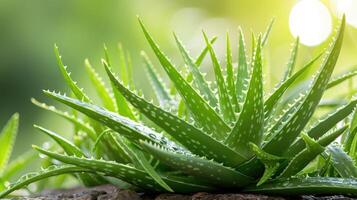
    For centuries, Aloe Vera has been known as “the plant of immortality”, at least for good reason. This tiny green plant, with all of its comforting, thick gel, has a small place in every kitchen and indigenous medicine cabinet around the world. Aloe Vera has been safely utilized for centuries to ease sunburns, nourish dry skin, and as a digestive aid, not to mention general well-being as a staple in indigenous medicine. Aloe Vera is appealing because of its safe and easy application either on your skin or ingested responsibly. In this guide, we will help you uncover some of the health benefits of Aloe Vera and support you in safely considering adding Aloe Vera to your everyday health and wellness.

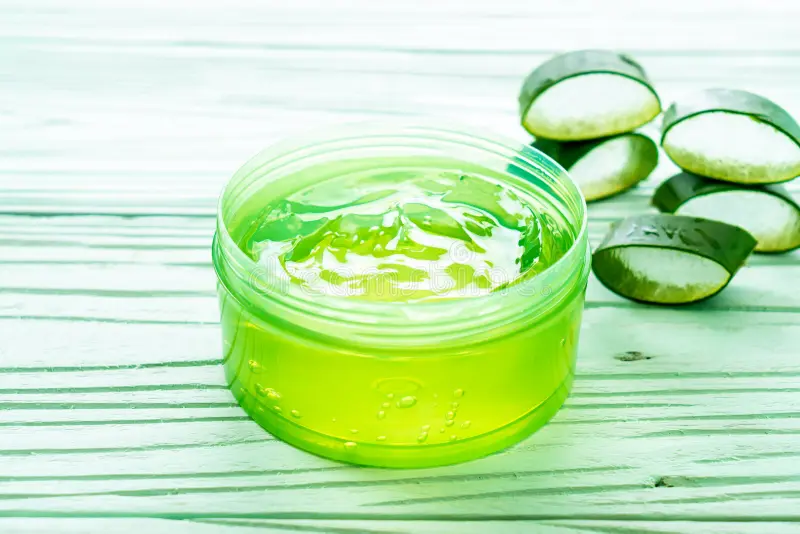
    aloe vera gel

    What Makes Aloe Vera Gel Special?

    Unlike most houseplants, which may or may not be useful, aloe vera is a natural superfood full of nutrients that your body can utilize. Inside aloe vera’s thick, clear leaves, you’ll find a gel containing over 75 active compounds, and the best known are vitamins, minerals, amino acids, and antioxidants.  All these nutrients work together to provide your skin, digestive system, and body with help! Aloe vera contains vitamins A, C, and E, which we already know are important for protecting and repairing the body. Aloe vera has enzymes for potentially supporting digestion, or enzymes for helping with inflammation or irritation.  So maybe it is no surprise that aloe vera has been used for millennia both topically and gently ingested. Aloe vera’s unique combination of nutrients not only makes it a refreshing gel, but it is also a natural support system, inside and outside your body.

    Aloe Vera for Skin Health

    Aloe Vera is probably most popularly used for skin care, and it’s not hard to see why. The cool gel found inside the leaves is naturally soothing, making aloe vera a great remedy for sunburns, minor cuts, and skin irritation. When applying, it makes a calming layer on the skin that reduces redness, pain, and dry skin.

    Aloe Vera is also a recognized moisturizer. Unlike thick creams, it hydrates without feeling greasy, which makes it endorsed for oily, dry, and sensitive skin types. The natural anti-inflammatory and antioxidant compounds help the skin to heal and repair. Because of this, aloe vera is commonly a key ingredient in face creams, body lotions, masks, and aftershave gels.

    Aloe Vera is safe for use for most people and is gentle on the skin. However, since every skin type is different, it’s a good idea to do a quick patch test before applying it widely, especially if you have very sensitive skin or allergies. With regular, mindful use, aloe vera can be a simple and natural way to keep your skin calm, soft, and refreshed.

    Aloe Vera Gel for Digestive Support

    In addition to skin care, aloe vera gel is showing value as a digestive aid. The gel inside the leaves is sourced from natural components that may help relieve the lining of the stomach and help support a healthy digestive system. Research is showing aloe vera juice may help relieve common issues such as indigestion, acidity, or milder cases of heartburn by reducing inflammation of the gut.

    Aloe vera may also have a mild laxative effect that would help individuals who occasionally experience constipation. However, it’s important to know that aloe vera gel (the clear inner part of the leaf) and aloe latex (the yellow part just below the skin) are two different things. Aloe latex can be viscous and, in larger doses, can create cramping or diarrhea, which is why almost all aloe drinks and supplements are made from the gel and not the latex!

    When sourced appropriately, prepared properly, and ingested intermittently, aloe vera can be a safe, natural method for supporting healthy digestion

    Other Health Benefits of Aloe Vera

    In addition to aiding your skin and digestive health, here are other aloe vera benefits:

    • Hydration: Aloe vera juice is made of mostly water and is therefore very replenishing. Hydration, through drinking water regularly, is essential to skin health, energy, and kidney health.
    • Detox: The natural qualities of aloe vera may help stimulate your body’s own processes that will help detoxify you, and this may even help you feel replenished.
    • Immune System Support: Aloe vera is rich in antioxidants, which are helpful in protecting cells from oxidative damage caused by free radicals, as well as aiding in your body’s immune system.
    • Blood Sugar Regulation (Preliminary Studies): Some studies indicate that after consuming aloe vera juice, some blood sugar regulation may be experienced, particularly to encourage Type 2 Diabetes management; however, much more research needs to be conducted before substantial recommendations can be made. 

    So, while having aloe vera juice in your wellness regime may keep you healthy, please keep in mind it is not a miracle drug. It’s best to consider this as gentle, natural support as part of a healthy diet, regular exercise, and treatment.

    How to Use Aloe Vera Gel Safely?

    Aloe vera has many uses and must be utilized appropriately and safely. Here are wise and safe ways to consume aloe vera gel:

    • Fresh Gel: The fresh gel from the leaf can be applied directly to the skin to treat burns, cuts, dryness, or irritation.
    • Juice: Aloe vera juice is good for hydration and digestion, but it must always come from something labeled as safe for human consumption.
    • Creams & Lotions: Commonly found in skin care, which can take many forms, such as moisturizers, after-sun gels, and daily use masks.
    • Supplements: These can also be purchased in capsule or powdered forms; always only take the recommended dose as prescribed by your physician. 

    Safety Precautions:

    • Always follow the label’s directions and use aloe vera in moderation. If too much aloe vera is consumed, it can cause stomach upset or diarrhea.
    • Be sure to read the label for ingredients to ensure quality and regulatory approval (i.e., DCGI, FDA, or equivalent).
    • Do not ingest aloe latex (the yellow sap underneath the skin of the leaf). Aloe latex may be irritating to our digestive systems.
    • Consult your doctor before using any aloe vera supplement for an extended period of time, especially if you are diabetic or have digestive conditions or are pregnant or breastfeeding.

    Conclusion

    Aloe vera is a versatile natural product that benefits various aspects of skin health and digestion, making it an effective and accessible home remedy for generations. The soothing, hydrating, and nutritious aspects can be a luxurious little add-on to your everyday life. Wise use of aloe vera as a gel, juice, or cream is typically safe for the vast majority of people. Moderation and product quality could easily be the difference between a good and a bad outcome for any product used as directed. You are able to safely and effectively discover the benefits of aloe vera while keeping your health and wellness in balance.

    FAQs

    1. Can I use fresh aloe vera gel directly on my skin?

    Generally, fresh aloe vera gel is safe for use by most people, and may help to relieve sunburn, cuts, and dryness. Just patch test first so you can check for any possible skin sensitivity.

    1. Is drinking aloe vera juice every day safe?

    Aloe vera juice can be a healthy thing to add in moderation for hydration and digestion. Look for products that are labeled for consumption that is safe, and ask your doctor if it is safe for you to use them on a daily basis.

    1. Does aloe vera help with constipation?

    Aloe vera may have mild laxative effects when used as a gel, but it can cause cramps or diarrhea with overuse. You should also avoid aloe latex, as this is harsher on the digestive system.

    1. Are there any side effects of aloe vera?

    Some people may experience skin irritation, stomach upset, or diarrhea with high intake. Using aloe in moderate amounts is generally safe.

    1. Who should avoid aloe vera supplements?

    Pregnant or breastfeeding women, children, and people with digestive disorders or diabetes should consult a doctor before taking aloe vera supplements.

  • Calcium Supplements Guide: How to Choose the Right One for Bone Health

    Calcium Supplements Guide: How to Choose the Right One for Bone Health

    Strong bones are the foundation of an active and healthy life. To keep them strong, your body needs enough calcium every day. While a balanced diet is the best way to get calcium, sometimes food alone may not be enough—this is where calcium tablets and supplements can help. With so many choices on the shelf, it can make you feel a little uncertain about which one is right for you. But don’t worry! Choosing a calcium supplement does not have to be difficult. In this guide, we will review what calcium does, when you may need a calcium supplement, and then how to pick the calcium supplement that best supports your bone health.

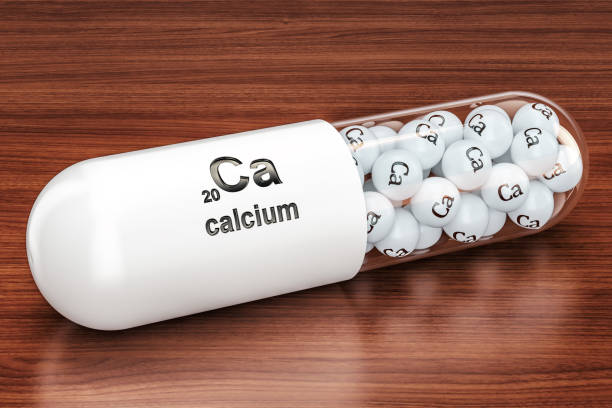
    calcium tablets

    Why Calcium Matters for Bone Health?

    Calcium is among the most critical minerals that your body needs every single day. Think of it as the building block that makes your bones and teeth strong. When your body needs extra calcium, it can borrow it from your “bank”. Calcium acts as the “state-of-the-art” mineral that is active in many of our systems: blood, heart, nerve, muscle, and bone (remember the key functions listed earlier in this article).

    When there isn’t enough calcium, your body will start borrowing from your bones. After several months, your bones will weaken. They can fracture, break, or develop holes (a process called osteoporosis) from everyday activities that you don’t even think about. You may experience muscle cramps or weakness because you do not have enough calcium to help your muscles. The good news is you can help protect your bones, maintain a strong physiology, and give your body what it needs to function properly as you age—by consuming non-dairy foods and/or getting your calcium from a supplement!

    When Do You Need Calcium Supplements?

    For most people, a balanced diet is the best way to get calcium. But sometimes, food alone may not provide enough, and that’s when calcium tablets or supplements can be helpful.

    You may need extra support if:

    • Your diet is low in calcium-rich foods like dairy, leafy greens, or fortified options.
    • You’re post-menopausal or an older adult, since natural calcium absorption decreases with age.
    • You may have medical conditions such as lactose intolerance, celiac disease, or digestive disorders that hinder your absorption of calcium from food.
    • You may be pregnant or nursing, both of which require higher calcium intake for you and your baby.

    In the right doses, supplements are safe and effective. The problem comes when there is too much calcium—then there is the potential for problems. This is why it’s important to see your doctor before you start so that you are on the right supplement and dose for your health. With proper supplementation, they can be an effective way to maximize bone health.

    Types of Calcium Supplements

    Not all calcium supplements are the same. Understanding the differences can help you choose one that fits your needs and lifestyle.

    Calcium Carbonate

    Contains the highest amount of elemental calcium, which means you get more calcium in a single pill. Best taken with food to improve absorption.

    • Pros: Affordable, widely available, fewer tablets needed.
    • Cons: Can cause gas or constipation if you have a sensitive tummy.

    Calcium Citrate

    It is easier for your body to absorb, even if you are not eating. It may also be recommended for older individuals or if you have less stomach acid.

    • Pros: Easy on the stomach, timing can be flexible (with meals or without)
    • Cons: Offers less calcium per pill, so more tablets may be needed daily

    Other Forms (Calcium Lactate, Gluconate, Phosphate)

    Provides calcium in smaller amounts. Less common, but may be considered in certain medical cases.

    Choosing the Right One

    Both calcium carbonate and calcium citrate are safe and effective when taken correctly. The best option depends on your digestion, diet, and doctor’s advice. Take your supplement as directed so your body gets the support it needs for strong bones.

    How to Choose the Right Calcium Tablets

    There are lots of variables to consider, like your body, your lifestyle, and your health needs when making the “right” choice. Here are a few things to consider:  Your doctor’s recommendation: Check with your doctor first. Your doctor will help advise you on the type and amount of calcium based on your condition. Your age & condition: Young adults can get away with a little less than their older counterparts, especially post-menopausal women or those with certain medical conditions. Absorption: Calcium carbonate is best taken with food, while calcium citrate can be taken anytime and is gentler on the stomach. Vitamin D: Your body requires vitamin D to absorb calcium properly. Some supplements combine calcium and vitamin D, which can be really helpful. Quality & Safety: Look for tablets that are approved by well-known regulators like the DCGI or FDA. Quality assurance begins with trusted regulatory approvals. You can rely on these organizations to ensure the products available at pharmacies and supermarkets are safe. The right calcium tablet is the one that meets your needs, feels easy to swallow, and will support you over time. You can have confidence in your choice with the right information, and you will be empowered to make a choice that is right for you.

    Tips for Safe Supplement Use

    Calcium supplements are helpful when used correctly, but a few simple precautions can keep you safe and comfortable.

    • Do not exceed daily limits: Consuming too much calcium can lead to smaller problems (kidney stones) or larger problems (as with cardiovascular disease, for example).
    • Take multiple doses if necessary: This is especially true if you have a high daily requirement. It is always better to take smaller amounts at different times for better absorption of the vitamins.
    • Check for side effects: Constipation, bloating, or mild stomach upset may occur for some individuals. If it happens, you can consult with your practitioner to discuss possible strategies for alleviation.
    • Consult your physician: First, consult with your doctor before beginning a long-term supplement. So you can ensure the dosage and the supplement are appropriate.
    • That’s it, now you are ready to safely support your bones, while still taking care of your overall health.

    Closing Thoughts

    Calcium is essential for strong bones, healthy muscles, and overall well-being. A balanced diet will always be your best choice, but calcium tablets and supplements can be used in positive ways when necessary. If it’s time for you to consider a calcium supplement, knowing your body’s needs, the types of supplements available, and safe ways to take them, you can make safe and informed use of these supplements if and when you need to. The best calcium supplement for you is the best one that is appropriate for your circumstances, helps fulfill your body’s essential health needs, and is recommended to you by your medical doctor. Remember… strong bones simply start with smart choices.

    FAQs

    1. Can you take calcium tablets every day?

    Yes, routine calcium is useful to help keep bones strong. Just make sure you follow the recommended dosage and do not go over the daily limit.


    1. Which is better, calcium carbonate or calcium citrate?

    They both work. Calcium carbonate should be taken with food, and calcium citrate can be taken any time, as it is more easily absorbed in the body. Which you pick should depend on how well you digest things and what your doctor recommends.


    1. Do I need vitamin D with the calcium supplement?

    Yes. Vitamin D is essential for your body to absorb calcium properly. Some products have both in one pill or the same dosage form, for convenience.


    1. Are calcium tablets safe to take long-term?

    Yes, when taken at the appropriate dosage, you are helped by a physician, and provided you follow the daily limit so that you do not build up side effects.


    1. Can children take calcium supplements?

    If children do not get enough calcium from food, they may need supplementation. Always check with a paediatrician before giving your child any kind of supplementation.

  • Eucalyptus Oil Benefits: From Sinus Relief to Skincare Applications

    Eucalyptus Oil Benefits: From Sinus Relief to Skincare Applications

    Introduction

    Eucalyptus oil has been used medicinally all over the world for centuries, with many beneficial and far-reaching applications. Extracted from the eucalyptus plant, eucalyptus oil is a rich source of natural components such as cineole, providing it with the distinct, refreshing, cooling scent and health benefits.

    Eucalyptus oil benefits can be traced in many spheres of wellness, as it can help you to overcome seasonal sinus congestion, find natural ways to support skin health, or even add a fresh touch to your home. So, now it is time to consider how this oil operates, what its most favorite applications are, and how it can be applied to your life on a day-to-day basis.

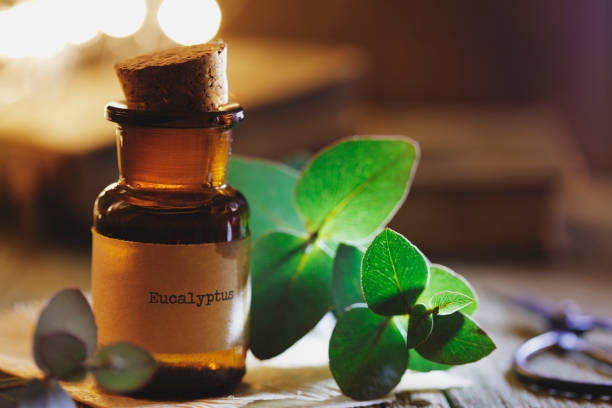
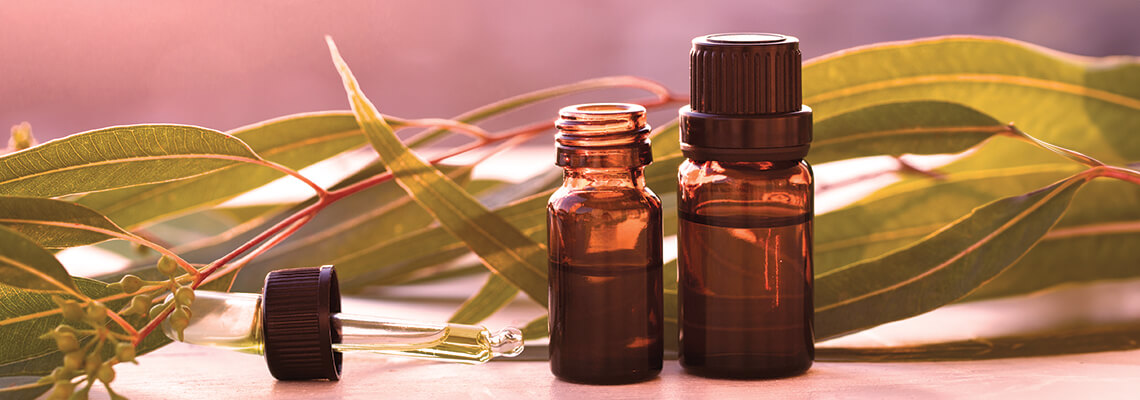
    eucalyptus oil

    Why Eucalyptus Oil Matters

    The current lifestyle leaves us vulnerable to pollution, stress, and environmental irritants, which upset our respiratory and skin health. There is a natural solution in Eucalyptus oil.

    Respiratory health-The oil is known to clear nasal congestion, as well as improve lung performance.

    • Skin support: soothes irritation, helps with acne, and aids in wound healing.
    • Immunity boosting- it counteracts common infections.
    • Mental refreshment – The refreshing scent combats fatigue and enhances focus.

    In conclusion, in short, eucalyptus oil provides prophylactic and curative care, hence its necessity in every home.

    The Function of Eucalyptus Oil

    The main components that make eucalyptus oil effective are the active ones, which are mostly 1,8-cineole (eucalyptol). This material has a decongestant, antibacterial and anti-inflammatory action.

    • Inhalation – Lowers the pressure of the sinuses, loosens the mucus, and opens the airways.
    • Topical application – Reduces skin irritation and helps heal minor wounds. 
    • Aromatherapy – Refreshes the mind, reduces stress, and boosts focus. 
    • Antiseptic action – Kills bacteria and fungi, making it useful in skin and scalp care.

    This multi-dimensional action explains why eucalyptus oil benefits cover everything from respiratory relief to skincare.

    Top Eucalyptus Oil Benefits

    1. Sinus and Breathing Relief

    The most common use of eucalyptus oil is to unblock sinuses. Adding a few drops of very hot water to steam can also help clear the congestion, soothe a sore throat, and open the air passages to breathe. Chest rubs and cold balms are also made using it.

    1. Natural Antimicrobial Agent

    Eucalyptus oil is a potent antibacterial and antifungal. It is a key component of natural cleaning agents and hand sanitisers, helping to combat bacteria.

    1. Skincare Applications

    The application of eucalyptus oil can be used to cure acne and minor cuts, among others:

    • Dries up pimples since it is antibacterial
    • Cures itchiness and redness
    • When used diluted at a given rate, it promotes faster wound healing
    1. Health Of The Hair And The Scalp

    Eucalyptus oil enhances circulation in the scalp, which potentially promotes normal growth of the hair. It also fights against dandruff and itch as it has antifungal properties.

    1. Pain Reliever and Anti-inflammatory

    A diluted form can be used to massage swollen and pain-stricken muscles and joints.

    1. Crisper Mind And Resting

    Its clean aroma dispels mental fatigue, boosts concentration, and eliminates stress migraines. The eucalyptus essential oil will immediately uplift the atmosphere in the house or any area where people gather.

    1. Insect Repellent (Natural)

    This product has a strong aroma that serves as both a mosquito and bug repellent, making it an alternative to repellent chemicals.

    1. Dental Aid

    Eucalyptus oil serves as a substitute for toothpaste and mouthwash, helping to prevent plaque and freshen breath due to its antibacterial properties.

    Benefits of Choosing Natural Eucalyptus Oil

    Pure eucalyptus oil is beneficial over synthetics in a number of ways:

    • No harmful chemicals- No harsh chemicals or decongestants.
    • Multi-use – Can be used as a respiratory aid, skin care, household cleanser, and in aromatherapy.
    • Economical – A small bottle can last a long time because only a few drops are required each time.
    • Holistic well-being – It takes into account both mind and body well-being.

    How to Use Eucalyptus Oil Safely

    Eucalyptus oil is highly beneficial, offering numerous advantages, but it is essential to exercise caution due to its high concentration. Tips on safe usage:

    • Always Dilute Before Use: Before applying eucalyptus oil on the skin, mix it with a carrier oil (such as coconut or almond oil) to avoid irritation.
    • Steam inhalation: Add 2- 3 drops of the essential oil to a hot bowl of water and cover your head with a towel and breathe in.
    • Use with a diffuser: Use in a diffuser to make your space fragrant.
    • Topical application: Diluted oil can be used on skin irritation, muscles, or the scalp.
    • Avoid digestion: Eucalyptus oil is not to be taken internally as it is toxic

    Final Thoughts

    Eucalyptus oil benefits make this natural product one of the most effective health care products available today. Looking to prevent respiratory discomfort, add natural antimicrobial protection, or skin-soothing relief, eucalyptus oil provides a variety of health benefits in a single container.

    Nevertheless, risk-taking with it is never the way to go, as it must be diluted and used in moderation. Used on a regular basis, eucalyptus oil may become a staple in your everyday wellness ritual, assuring both your body and mind.

    FAQs on Eucalyptus Oil

    Q1. Does eucalyptus oil treat sinus infections?

    The eucalyptus oil opens up the nose and lessens inflammation of the sinuses when used in a steam bath or a diffuser.

    Q2. Is eucalyptus oil dangerous to the skin?

    Yes, but it must always be diluted in a carrier oil first. Pure eucalyptus oil can cause irritation to sensitive skin

    Q3. Is eucalyptus oil applied to hair?

    When diluted, it can optimize scalp health, reduce dandruff, and promote stronger hair growth.

    Q4. Is eucalyptus oil safe during pregnancy?”

    Pregnant or nursing women should consult a physician before using essential oils, as even diluted forms may cause allergies in some cases.

    Q5. Is it possible to ingest eucalyptus oil?

    No, Eucalyptus oil can not be taken orally. It is for external and aromatic use only.

  • Vitamin D3 Deficiency: Signs, Causes, and How to Fix It

    Vitamin D3 Deficiency: Signs, Causes, and How to Fix It

    Introduction

    Vitamin D, also known as the sunshine vitamin, is one of the most significant nutrients to overall health. It promotes healthy bones, a proper immune system, a healthy mood, and even muscle health. Notably, vitamin D deficiency is a surprisingly widespread health concern across the world.

    The fact that vitamin D3 is the most productive form of the nutrient to be used by the body implies that its deficiency may affect the body in various ways. It is critical to be aware of the symptoms of deficiency in vitamin D3, their causes and how to remedy them over the long term.

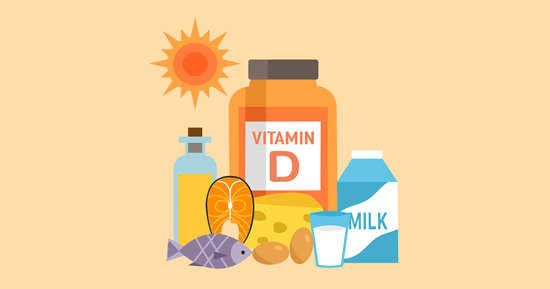
    vitamin D deficiency

    Why Vitamin D Matters

    Vitamin D has several roles in health maintenance. It acts more like a hormone in the body, affecting it in a way that differs from most vitamins. The major functions are:

    • Bone health – Aids in the absorption of calcium and phosphorus, which are important in bones and teeth.
    • Immunity boosting – Strengthens the body’s ability to fight against infections and autoimmunity.
    • Muscle strength reduces the likelihood of weakness and falling, particularly in the elderly.
    • Mood regulation- Low vitamin D has been linked with low moods and tiredness.
    • Anti-inflammatory effects – Regulates the body against inflammation.

    In the absence of sufficient vitamin D, these abilities are incapacitated, causing both short-term and chronic health problems.

    Signs of Vitamin D3 Deficiency

    The difficulty with vitamin D deficiency is that it may be a gradual process, and the symptoms are not always pronounced. Typical signs of deficiency of vitamin D3 are:

    • Proneness to diseases – Weakened immunity and frequent infections or colds.
    • Bone-related pain or weakness, such as knee pain, back pain, or low bone density.
    • Fatigue and low energy- Continual tiredness despite having rest.
    • Muscle weakness – Problems with climbing stairs, lifting objects, or frequent cramps.
    • Mood variations- Depression, aggression, or seasonal affective disorder.
    • Delayed wound healing-Wounds and bruises take longer to heal.
    • Hair loss- Acute deficiency has been associated with alopecia.
    • Delicate bones -High susceptibility to osteoporosis and fracture.

    These symptoms are similar to those of other diseases, and consequently, some people are taken by surprise when they are diagnosed with low vitamin D blood tests.

    Causes of Vitamin D Deficiency

    There are a number of causes of vitamin D deficiency, which include lifestyle, the environment, and health issues:

    • Too low sun exposure – Being out in the open or having too much sunscreen on all the time.
    • Geographic location – Residing in a low sunlight area, particularly in the winter months.
    • Skin tone-Dark skin contains more melanin, which blocks the production of vitamin D by sunlight.
    • Eating habits – Low consumption of vitamin D foods, such as fatty fish or eggs, and fortified dairy products.
    • Obesity -Excessive body fat decreases the availability of vitamin D in the blood.
    • Medical diseases, such as physiological diseases like kidney or liver diseases, may damage the activating role of vitamin D.
    • Old age – With age, the skin produces less vitamin D, and the body may also absorb it less efficiently

    Knowing the cause of the deficiency is central to the process of effectively countering the issue.

    How to Fix Vitamin D Deficiency

    Thankfully, vitamin D deficiency can usually be corrected through lifestyle changes and supplementation. Here are the best strategies:

    1. Increase Your Exposure to Sunlight
    • Several times per week, aim for 10 to 30 minutes of sunlight on the skin, depending on the region and skin tone.
    • Larger parts, such as the arms and legs, should be exposed, but not too much.
    1. Eat foods high in vitamin D.
    • Add more naturally vitamin D-rich foods, like fatty fish (mackerel, sardines, and salmon).
    • Egg Yolk
    • Plant-based or fortified dairy milk
    • Exposure of mushrooms to sunlight

    3. Vitamin D Supplements

    For most people, diet and sunlight alone may not be enough. Vitamin D supplements, especially D3 (cholecalciferol), are recommended since they are better absorbed and more effective than D2.

    • Mild deficiency – 1000–2000 IU daily may be sufficient.
    • Severe deficiency – Higher doses prescribed by doctors (sometimes weekly).
    • Supplements are available in capsules, tablets, drops, and sprays.

    4. Lifestyle Adjustments

    • Maintain a healthy weight to improve vitamin D availability.
    • Spend more time outdoors when possible.
    • Pair vitamin D with healthy fats (like nuts or olive oil) for better absorption.

    5. Regular Testing and Monitoring

    Since vitamin D is fat-soluble, excessive intake can be harmful. Regular blood tests ensure your levels stay within the healthy range of 30–50 ng/mL.

    Benefits of Correcting Vitamin D Deficiency

    Advantages of treating Vitamin D deficiency

    • Improving vitamin D deficiency is not limited to stronger bones. 

    Benefits include:

    • Less predisposition to breaking bones and osteoporosis
    • Positive mood and decreased risk of depression
    • Increased resistance to cold and flu
    • Improved functionality of the muscle and less fatigue
    • Sufficiently quick wound and injury healing time
    • Reduce inflammation and improve long-term health benefits

    Taking early action to mitigate vitamin D3 deficiency symptoms can help you feel more energized, improve your immune system, and enhance your overall quality of life.

    How to Use Vitamin D Supplements Safely

    Using vitamin D supplements requires one to be careful:

    • Always use dose recommendations; never take more than 4000 IU of Vitamin D in a day without a doctor’s recommendation.
    • In case of bone density, take supplements with Calcium.
    • Take it with a meal that contains fat to obtain better absorption.
    • Children, pregnant women, and seniors are advised to use it under the close care of a doctor.

    Regular consumption is more efficient than infrequent large doses unless prescribed

    Final Thoughts

    Vitamin D deficiency is widespread but often overlooked. Since vitamin D3 deficiency symptoms can be subtle, many people may not realize they are deficient until health issues arise. The good news is that with sunlight, diet, and supplementation, deficiency is easy to correct.

    By taking proactive steps—such as eating vitamin D-rich foods, using supplements when needed, and getting moderate sun exposure—you can restore healthy levels and protect your bones, muscles, and immune system.

    If you suspect you have vitamin D deficiency, it’s always best to get tested and work with a healthcare provider for the right treatment plan.

    FAQs on Vitamin D3 Deficiency

    Q1. How do I know if I have a vitamin D deficiency?
    A blood test measuring 25-hydroxyvitamin D levels is the most accurate way to confirm deficiency.

    Q2. Can I rely only on sunlight for vitamin D?
    Sunlight helps, but factors like skin tone, location, and lifestyle may limit vitamin D production. Supplements or fortified foods may still be needed.

    Q3. What’s the difference between vitamin D2 and D3?
    Vitamin D3 (cholecalciferol) is more effective at raising blood levels and is the preferred form of supplementation.

    Q4. How long does it take to correct a vitamin D deficiency?
    With proper supplementation, levels usually improve within 8–12 weeks, but monitoring is essential.

    Q5. Can too much vitamin D be harmful?
    Yes, excessive intake can cause toxicity, leading to nausea, kidney issues, and calcium buildup. Always follow medical advice for dosage.

  • Natural Antifungal Powders: Top Choices for Fungal Skin Protection

    Natural Antifungal Powders: Top Choices for Fungal Skin Protection

    Introduction

    This is a relatively common misconception among most people who do not know how prevalent fungal infections are. Skin diseases like ringworm, body rashes, jock itch, and athlete’s foot thrive in the warm, humid atmosphere. Fungal infections may induce chronic pain, redness, flaking, and itching that may hinder normal living, although they are mostly benign.


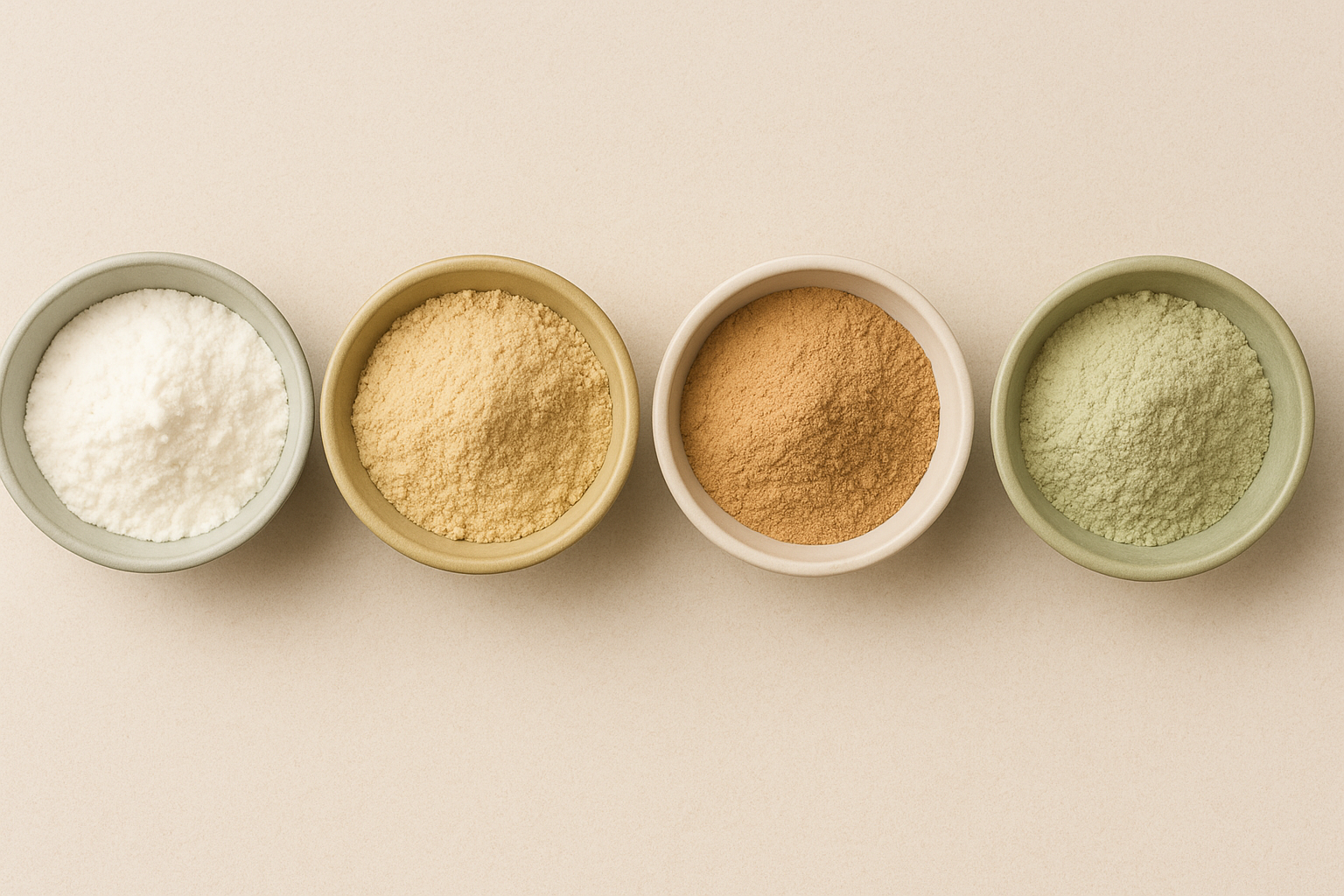
    Powdered antifungal is also among the best remedies. Unlike lotions and ointments, powders not only provide antifungal protection but also absorb excessively wet skin to keep it dry. Natural antifungal powders are extremely popular because they provide mild, plant-based protection that does not employ harsh chemicals.

    This paper will discuss the significance of the fungal guard, the best natural alternatives, the mechanism of action of the antifungal powders, as well as the safest ways of application to ensure long-term care of the skin.

    antifungal powder

    Why Fungal Protection Matters

    The surroundings, the air, and even our skin harbor fungi. The groin, foot, underarms, and skin folds are especially sensitive due to the rapid growth of the bacteria in warm, humid conditions. Fungal infections are contagious and can even come back after treatment if precautions are not taken.

    This explains the importance of protection regularly:

    • Day-to-day pain: Constant pain and itching may impair sleep and concentration.
    • Recurrent infections: Fungal infections can recur if preventative measures are not observed.
    • Secondary infections: The open cracks on the skin caused by the fungus destroyer may provide an entrance to bacteria.
    • Effect on emotions: The appearance of rashes and patches can hurt your confidence.

    Applying fungal infection powder regularly serves both medicinal and prophylactic purposes, promoting a healthy, pathogen-free skin that is not irritated.

    How Antifungal Powders Work

    The two ways that antifungal powders provide defense are as follows:

    • Moisture absorption: Powders absorb sweat, keeping skin dry and reducing the warm, humid environment needed for fungal growth.
    • The presence of active natural or pharmaceutical ingredients inhibits the growth of fungi, preventing the development of illnesses.
    • Calming comfort: They offer immediate relief from redness, irritation, and inflammation.
    • Preventive barrier: Regular use of antifungal powders can help prevent infections from recurring.

    The comfort and protection provided by antifungal powders make them an essential part of personal hygiene.

    Top Natural Choices for Fungal Skin Protection

    1. Neem Powder

    Neem has centuries-long value in traditional medicine because of its antifungal, antibacterial, and anti-inflammatory properties.

    • Has been found to act on more than one strain of fungus
    • Decreases the itching and irritability
    • Assists in the healing of damaged skin
    1. Turmeric Powder

    The yellow spice turmeric is loaded with the anti-inflammatory and natural antifungal curcumin.

    • This offers caring protection of sensitive skin
    • Lessens the redness and swelling
    • Introduces antifungal effect to antioxidant power
    1. Tea Tree Oil

    Tea tree oil has proven to be one of the best studied nature-based antifungal medicines. When used in powders, it is very effective in checking the overgrowth of fungus.

    • Prevents fungal infections of sweaty areas
    • Leaves a cool, refreshing feel
    • Particularly recognizable to athlete’s foot and sport-related fungal risks
    1. Aloe Vera

    Aloe vera alone is not antifungal, but it offers cooling and soothing properties when combined with antifungal agents.

    • Relieves itching and redness
    • Moisturizes and prevents dryness on the skin
    • Great to use in a hot climate and for sensitive skin
    1. Sandalwood and Herbal Mixes

    Sandalwood, camphor, and other herbal mixes are used in the preparation of powders that absorb moisture, smell, and have antiseptic properties.

    • Absorbs excess sweat well
    • Has a natural, relaxing aroma
    • Supplies complementary antifungal ingredients in order to achieve better outcomes

    They are natural antifungal powders that can be trusted daily, unlike many formulations that use chemicals.

    Benefits of Natural Antifungal Powders

    Application of natural antifungal powders is always advantageous in a number of ways.

    • Friendly to skin – Plant-based formulas are gentle and suitable to use even on sensitive skin.
    • Day-to-day prevention -This can be used on a day-to-day basis without the fear of side effects.
    • Twofold protection -Antifungicide and moisturizing.
    • Comfort of eliminating pain – Alleviates itching, redness, and irritation.
    • Increases skin health- Neem, turmeric, and aloe are the ingredients that promote healing.
    • Hygiene support – Helps keep patient odor- and freshness-free during the day.

    How to Use Antifungal Powders Safely

    To get the best results, it’s important to use antifungal powders correctly:

    • Wash and dry the skin prior to application.
    • Dust slightly on affected or moisture-prone areas; do not use heavily.
    • Look in the creases between toes, underarms, groin, and skin folds.
    • Apply regularly, preferably after showering or before extended periods in shoes.
    • Check the ingredients used and do a patch test in case you have sensitive skin.

    Regular and constant application guarantees maximum security against fungal infections.

    Final Thoughts

    Fungal infections are not rare, and by taking certain precautions, they can be dealt with and prevented. A natural antifungal powder is one of the easiest and most effective forms of skin protection. These powders treat infections due to their ingredients, such as neem, turmeric, and tea tree oil, but they also maintain skin health and comfort in the long run.

    To prevent the recurrence of fungal infections or maintain daily hygiene, high-quality fungal infection powder can become your go-to product. With an easy way of protection, antifungal powders ensure the skin remains dry, covered, and irritation-free.

    FAQs on Natural Antifungal Powders

    Q1. Are antifungal powders meant for timely use?

    Yes, natural antifungal powders can be used daily, especially in areas prone to sweat and moisture.

    Q2. Are the antifungal powders safe?

    The majority of herbal antifungal powders are child-friendly, although it is best to check the labeling and talk with a physician in case of doubt.

    Q3. How do antifungal powders compare to creams?

    Powders absorb moisture and prevent the growth of fungi, and creams treat active ailments. They can be combined to relieve pain faster.

    Q4. Will natural powders help in the complete treatment of fungal infections?

    Less serious infections can resolve with frequent use, but in cases of severity/persistent cases, medical antifungal creams or oral treatment may be needed.

    Q5. What is the best natural antifungal ingredient?

    Some of the most effective natural antifungal ingredients, commonly found in powders, include neem, turmeric, and tea tree oil.