Search results for: “all”

  • Why You Should Add Sweet Potatoes to Your Diet: Top Health Benefits

    Why You Should Add Sweet Potatoes to Your Diet: Top Health Benefits

    benefits of sweet potatoes

    Sweet potatoes are one of the most versatile and nutritious foods that have made their way into the hearts (and plates) of health enthusiasts around the world. Full of flavor and health benefits, this simple root vegetable is a powerhouse of nutrients. Whether you’re exploring sweet potato recipes Indian style or simply roasting them as a snack, there’s no denying their importance in a balanced diet.

    Sweet Potato for Weight Loss

    One of the most frequently asked questions is, “Is sweet potato good for weight loss?” The answer is an absolute yes! Sweet potatoes are high in dietary fiber, which makes you feel full for longer and reduces the total intake of calories. A 100-gram serving of sweet potato contains approximately 86 calories, making it a low-calorie yet very satisfying snack compared to others. The slow-releasing carbs in sweet potatoes are very sustaining for the body, keeping you active and burning calories throughout the day. The best part is that you get to match it with some rich and decadent sweet potato recipes for an added weight loss advantage.

    Sweet Potato Benefits for Skin

    Do you know that sweet potatoes can work magic on your skin? Sweet potatoes are rich in beta-carotene, the very compound responsible for the orange color of an orange sweet potato. Beta-carotene is an antioxidant protecting your skin from damage related to UV rays, reduces inflammation, and makes your skin look healthy, glowing. Vitamin C produced in these sweet potatoes works to promote the production of collagen in your skin that keeps your skin firm, youthful, and supple. Consuming sweet potatoes regularly can complement your skincare routine and provide a natural radiance.

    A Boon for Diabetics

    If you are managing diabetes or are likely to develop it, sweet potatoes can be a great addition to your diet. Sweet potatoes have a low glycemic index, ensuring that they slowly release sugar into the bloodstream, thus preventing spikes in blood sugar levels. This makes sweet potato diabetes management-friendly, offering a healthier alternative to regular potatoes. Try them in Indian curries or as part of hearty salads for a delicious and diabetes-friendly meal.

    Rich in Potato Protein

    Although sweet potatoes are highly known for their carbohydrate content, they also contain a small but very important amount of potato protein. The protein is very vital in the repair, growth, and overall functioning of the body’s muscles. Combine sweet potatoes with other protein-rich foods such as beans or lean meat for balanced meals that keep you energized and nourished.

    How to Eat Sweet Potato for Maximum Benefits

    Wondering how to eat sweet potato to maximize its health benefits? Here are some easy and scrumptious ideas:

    • Roasted Sweet Potatoes: Simply toss them with olive oil, salt, and spices for a crunchy snack.
    • Mashed Sweet Potatoes: A creamy side dish that really goes great with grilled chicken or fish.
    • Sweet Potato Salad: Add boiled sweet potatoes to a mix of greens, nuts, and a light dressing.
    • Indian Curries: Sweet potatoes are great for curries prepared with spices like cumin, turmeric, and coriander.

    Low in Calories but Rich in Nutrients

    When comparing 100 gm potato calories to sweet potatoes, the latter usually emerges as the healthier option. Sweet potatoes are replete with vitamins, minerals, and antioxidants and offer fewer calories per serving. Their nutrient density makes them a good option for those looking to stay fit or lose weight without compromising on flavor.

    • Vitamin A: Maintains good eye and immune functions.
    • Vitamin C: Increases collagen and gives healthy and beautiful skin.
    • Potassium: Relaxes blood pressure and adjusts fluid balance.

    The Magnificent Orange Sweet Potato

    It’s not only a feast to behold, but the vibrant orange sweet potato is also a nutritional powerhouse, containing high levels of beta-carotene, an important nutrient for eye health, immunity, and a smoother skin texture. Thus, this variety is often recommended for those looking for an alternative to regular white potatoes, which are nutrient deficient.

    orange sweet potato

    Other Sweet Potato Benefits

    Sweet potatoes are tasty and full of nutrients to help improve your health. Following are some more notable health benefits from consuming sweet potatoes.

    1. Enhances Digestion

    High fiber content in the sweet potato contributes to its beneficial role in the digestion process and prevents constipation. It helps establish a healthy gut microbiome and supports overall digestive health.

    2. Supports Eye Health

    Beta-carotene present in sweet potatoes is highly important for your eye and for vision purposes. Vitamin A deficiency might make your vision nightblind, along with other associated vision defects. Sweet potato inclusion can reduce those effects significantly.

    3. Promotes Immunity

    Beta-carotene and vitamin C from the antioxidants present within the sweet potatoes enhance and build immunity. It reduces the onset of infections, illnesses, and diseases and safeguards the body.

    4. Source of Energy

    Sweet potatoes have complex carbohydrates, which give one energy steadily. This is one reason why they are excellent for a pre- or post-workout snack.

    5. Versatility in Cooking

    Sweet potatoes can be taken in various forms—baked, roasted, mashed, or added to curries and salads. Whether it’s sweet potato recipes Indian style or international dishes, they are so versatile that they seamlessly integrate into any cuisine.

    Sweet Potato Recipes Indian Style

    Sweet potatoes, known as shakarkandi in Hindi, are widely used in Indian cuisine for their natural sweetness and versatility. Here are a few delicious and healthy Indian-style sweet potato recipes to try:

    1. Sweet Potato Chaat

    A tangy and spicy street-style snack that is easy to prepare and absolutely delicious.

    Ingredients:

    • 2-3 boiled sweet potatoes, cubed
    • 1 tsp chaat masala
    • 1/2 tsp red chili powder
    • 1/2 tsp roasted cumin powder
    • 1 tbsp lemon juice
    • Fresh coriander leaves, chopped
    • Pomegranate seeds (optional)

    Instructions:

    1. Toss the boiled sweet potato cubes with chaat masala, red chili powder, roasted cumin powder, and salt.
    2. Drizzle lemon juice and mix well.
    3. Garnish with fresh coriander and pomegranate seeds for extra flavor.
    4. Serve immediately as a quick snack or appetizer.

    2. Sweet Potato Curry

    A comforting and flavorful curry with a blend of Indian spices.

    Ingredients:

    • 2 medium sweet potatoes, peeled and diced
    • 1 onion, finely chopped
    • 2 tomatoes, pureed
    • 2-3 garlic cloves, minced
    • 1-inch ginger, grated
    • 1 tsp turmeric powder
    • 1 tsp red chili powder
    • 1 tsp garam masala
    • 1/2 tsp cumin seeds
    • 2 tbsp cooking oil
    • Fresh coriander leaves for garnish

    Instructions:

    1. Heat oil in a pan, add cumin seeds, and let them splutter.
    2. Sauté onion, garlic, and ginger until golden brown.
    3. Add tomato puree and cook until the oil separates.
    4. Mix in the spices—turmeric, red chili powder, and garam masala.
    5. Add the diced sweet potatoes and mix well.
    6. Pour water as needed and let it simmer until the sweet potatoes are tender.
    7. Garnish with fresh coriander leaves and serve with rice or roti.

    3. Sweet Potato Halwa (Dessert)

    A rich and creamy dessert perfect for festivals and special occasions.

    Ingredients:

    • 2 medium sweet potatoes, boiled and mashed
    • 2 tbsp ghee (clarified butter)
    • 1/4 cup sugar or jaggery
    • 1/2 tsp cardamom powder
    • 2 tbsp milk
    • Chopped nuts (almonds, cashews, pistachios) for garnish

    Instructions:

    1. Heat ghee in a pan and add the mashed sweet potatoes. Sauté for 5-7 minutes.
    2. Add sugar or jaggery and mix until it dissolves.
    3. Stir in milk and cook until the mixture thickens and leaves the sides of the pan.
    4. Add cardamom powder and mix well.
    5. Garnish with chopped nuts and serve warm.

    4. Sweet Potato Paratha

    A nutritious and flavorful flatbread made with sweet potatoes.

    Ingredients:

    • 2 boiled sweet potatoes, mashed
    • 2 cups whole wheat flour
    • 1/2 tsp cumin powder
    • 1/2 tsp red chili powder
    • Salt to taste
    • Ghee or oil for cooking

    Instructions:

    1. Mix mashed sweet potatoes, wheat flour, cumin powder, red chili powder, and salt to form a soft dough. Add water if needed.
    2. Divide the dough into equal portions and roll them into flat circles.
    3. Heat a tawa or skillet and cook the parathas on both sides, applying ghee or oil.
    4. Serve hot with yogurt, pickle, or curry.

    Conclusion

    Sweet potatoes are versatile, delicious, and packed with nutrients, and can change your diet. From helping you lose weight to improving your skin, they help manage diabetes, and their benefits are innumerable. Whether you’re savoring sweet potato recipes Indian style or enjoying a simple roasted snack, this root vegetable is a must-have in your kitchen.
    So, what are you waiting for? Add sweet potatoes to your diet today and reap the rewards of their incredible health benefits!

    FAQs On Why You Should Add Sweet Potatoes to Your Diet

    1. Are sweet potatoes good for weight loss?

    Yes, sweet potatoes are great for weight loss as they are low in calories, high in dietary fiber, and provide sustained energy, keeping you full for longer.

    2. How are sweet potatoes good for your skin?

    Sweet potatoes contain beta-carotene and vitamin C, which encourage healthy, glowing skin. They help protect the skin from damage by the sun and enhance the production of collagen.

    3. Can people with diabetes include sweet potatoes in their diets?

    Absolutely! Sweet potatoes have a low glycemic index. This makes it a diabetic-friendly foodstuff that will help keep your blood sugar levels stable.

    Related Links:

  • Fennel Seeds: A Comprehensive Guide to Health Benefits

    Fennel Seeds: A Comprehensive Guide to Health Benefits

    benefits of fennel seeds

    Fennel seeds are tiny, greenish-brown seeds having a sweet and aromatic flavor. They are very widely used in cooking, as well as in traditional medicine. It is also known for its variety of health benefits. It is helpful for digestion, balances hormonal functions, and has been used for centuries as a natural remedy for other health problems. Let’s dive deep into the benefits and uses of fennel seeds.

    What are Fennel Seeds?

    Fennel seeds are derived from the fennel plant, Foeniculum vulgare, which is a flowering herb belonging to the carrot family. Though fennel seeds are used as a spice in cooking, they are equally valued for their medicinal properties in Ayurveda and traditional Chinese medicine.


    Fennel Seeds Benefits

    1. Improves Digestive Health

    One of the well-known fennel seed benefits is the improvement of digestion. These seeds are packed with compounds like anethole, fenchone, and estragole, which enable them to exhibit carminative properties, thereby reducing bloating, gas, and indigestion.

    • Stimulates Digestive Enzymes: Fennel seeds stimulate the production of gastric enzymes that will effectively break down food that is digested.
    • Relieving Acidity and Heartburn: Chewing fennel seeds after meals is the age-old remedy for acid reflux and heartburn.
    • Treats Constipation: Thanks to their fiber, fennel seeds help with healthy bowel movements.

    2. Helps in Weight Loss

    Fennel seeds could be of help to anyone looking to lose weight. With better digestion, they naturally support weight loss by stopping hunger.

    • Boosts Metabolism: The seeds are efficient in increasing the metabolic rate of the body, thus burning calories in a better manner.
    • Zppetite Suppression: The water of fennel or chewing the seeds before time reduces the ones raising excessive hunger and overeating.

    3. Heart Health

    Fennel seed contains nutrients rich in heart health due to fiber, potassium, and antioxidants, thus keeping the heart healthy.

    • Cholesterol Regulation: The fiber binds to cholesterol in fennel seeds and reduces its absorption in the blood.
    • Improves Blood Pressure: Potassium in fennel seeds helps relax blood vessels that cause high blood pressure.

    4. Supports Respiratory Health

    Fennel seeds can be miraculous to help with respiratory problems. The expectorant qualities make them helpful in getting rid of coughs, colds, and bronchitis.

    • Clears Mucus: Loosens and expels mucus from the respiratory tract.
    • Soothes sore throats: The tea is usually taken for sore throats and less inflammation.

    5. Helps in Immunity

    Rich in antioxidants, fennel seeds boost the body’s defense against diseases.

    • Combat Free Radical: The fennel seeds fight oxidative stress, which prevents many chronic ailments.
    • Rich in Vitamin C: This vital nutrient in fennel seeds supports the improvement of the immune system and facilitates fighting infections.

    6. Balances Hormone and Benefits Women

    Fennel seeds offer significant benefits for hormonal health, particularly for women.

    • Regulates Menstrual Cycles: The phytoestrogens in fennel mimic estrogen, helping to regularize menstrual cycles and alleviate PMS symptoms.
    • Eases Menopause Symptoms: These natural compounds reduce hot flashes and mood swings during menopause.
    • Supports Lactation: Fennel seeds are believed to enhance breast milk production in nursing mothers.

    7. Skin and Hair Care

    Fennel seeds are a perfect enhancer for beauty. As they are rich in antioxidants and essential nutrients, skin and hair benefit in different ways.

    • Acne prevention: The antimicrobial helps kill the bacteria causing acnes.
    • Brightens Skin: Drinking fennel water hydrates the skin and detoxifies the body, leaving you with glowing skin.
    • Encourages Hair Growth: Fennel seeds fortify the roots of hair and reduces hair fall.

    8. Detoxification

    Fennel seeds naturally detoxify the body and remove all harmful toxins in the body.

    • Liver Functions Improved: The liver ability to filter and eliminate all kinds of waste products enhances due to regular consumption of fennel seeds.
    • Reduces Water Retention: Diuretic properties help reduce swelling due to fluid retention.

    9. Health Benefits of Fennel Seeds in Pregnancy

    Fennel seeds relieve some of the discomforting symptoms of pregnancy. Take them in moderation and as a prescription from a health care provider.

    • Eases Nausea: A well-known natural remedy for pregnant women to alleviate morning sickness.
    • Aids Digestion: They help decrease pregnancy-induced constipation.
    • Caution: Excessive intake may induce premature uterine contractions.

    10. Mental Health Boost

    Fennel seeds have mood-enhancing properties and can reduce stress and anxiety. Their natural compounds promote relaxation and better sleep quality.

    Fennel Seeds Benefits for Female Health

    Fennel seeds offer exceptional health benefits for women:

    • Hormonal Balance: Fennel contains phytoestrogens, which help regulate menstrual cycles and alleviate symptoms of menopause.
    • Relief from Menstrual Cramps: Consuming fennel tea or fennel water during menstruation can reduce cramps and bloating.
    • Breastfeeding Support: Breathing aid for lactating mothers, since it increases milk production

    Fennel Seeds in Pregnancy

    During pregnancy, pregnant women complain a lot of digestive issues. So saunf in pregnancy works great; moderation has to be done.

    • Fennel seeds benefits: Help overcome nausea, improve digestion, and reduce constipation-this is one of the primary conditions during pregnancy.
    • Caution: While fennel is generally safe, excessive consumption should be avoided as it might stimulate uterine contractions. Always consult a healthcare provider before adding fennel seeds to your diet during pregnancy.

    Fennel Water Benefits

    Saunf Water Benefits in a simple and effective way. It is the easiest way to harness the benefits of this versatile seed:

    • Detoxification: Fennel water flushes out toxins, improving skin health and overall vitality.
    • Weight Loss: Fennel water can help in weight loss as it reduces hunger and increases metabolism.

    How To Make Fennel Water:

    • Soak 1-2 teaspoons of saunf in a glass of water overnight.
    • Strain the saunf and drink the water in the morning.

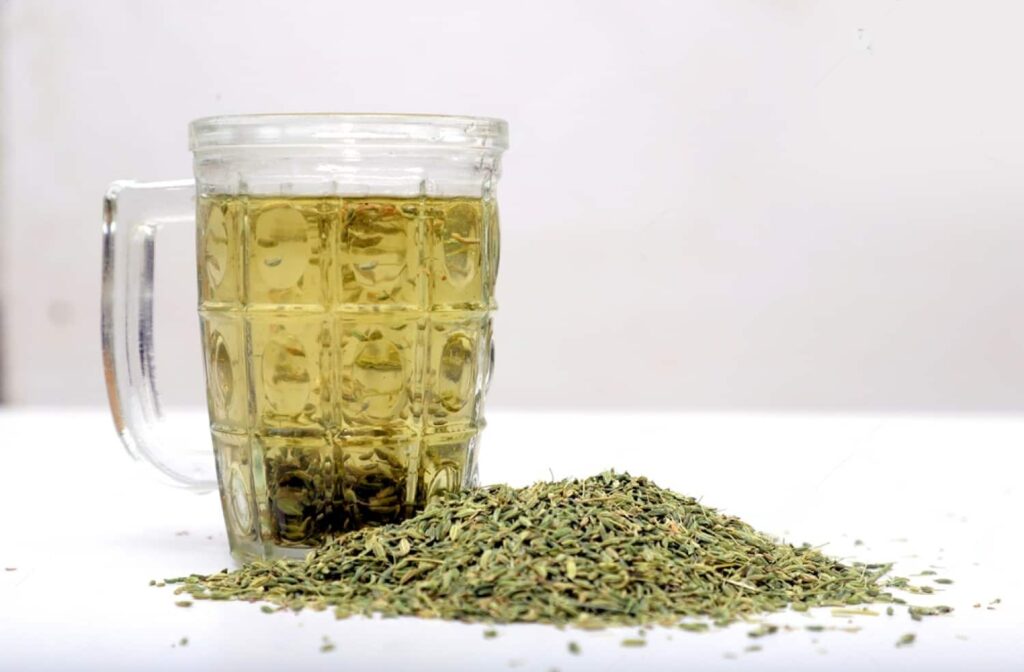
    fennel water benefits

    Fennel Seeds Soaked In Water Overnight Benefits

    Fennel seeds overnight soaking release essential oils and nutrients that make them easier to digest. The benefits are as follows:

    • Hydration and digestion are improved.
    • Acidity and bloating are reduced.
    • Its detoxifying property increases the skin clarity.

    Fennel Tea

    Fennel tea is a soothing drink that combines the goodness of fennel seeds with warm water. Its calming property is an excellent choice for unwinding at the end of a busy day.

    How to Make Fennel Tea

    • Boil 1 teaspoon of fennel seeds in one cup of water
    • Allow it to steep for 5-10 minutes.
    • Strain and have a fragrant cup of your tea.

    fennel tea


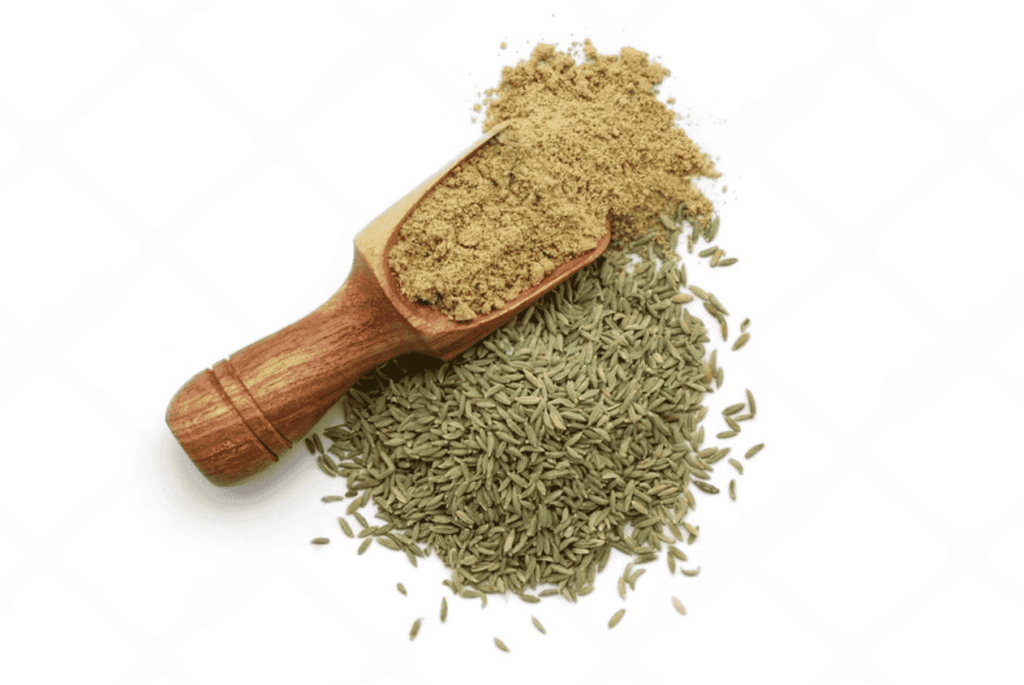
    Fennel Powder

    Fennel powder is an easy way to include fennel seeds in your diet. Sprinkle it on salads, mix it in smoothies, or use it as a spice in curries and soups for an added health boost.

    fennel powder

    Add Fennel Seeds to Your Daily Diet

    Fennel seeds can be very useful in several easy ways. They include:

    • Munch on one teaspoon of fennel seeds after your meal for efficient digestion.
    • Prepare fennel water or tea for hydrating and detoxifying the body.
    • You can use fennel powder in your recipe for cooking or baking and imparting a faint sweetness while benefiting from their healthy effects.

    Conclusion

    From digestion to hormonal balance and detoxification, fennel seeds are a powerhouse of nutrients with various benefits. Whether in the form of fennel water, tea, or powder, this ancient remedy remains a modern health ally. Incorporate fennel seeds into your diet today and see what changes they can make for your well-being.
    Let’s know how you use fennel seeds in your diet and what benefits you have experienced.

    FAQs on Fennel Seeds: A Complete Guide to Health Benefits

    1. What are the primary health benefits of fennel seeds?

    Fennel seeds help in digestion, support weight loss, and maintain heart health due to their fiber, antioxidants, and essential oils. They also enhance immunity, reduce bloating, and act as a natural detoxifier. Regular consumption helps improve overall well-being.

    2. Are fennel seeds good for women’s health?

    Yes, fennel seeds are particularly helpful for women because it helps to regulate menstrual cycles, PMS symptoms, and menopausal discomfort. Their phytoestrogens also have the tendency to balance out the levels of hormones within the female body and support lactation in nursing mothers.

    3. Can fennel seeds be taken by pregnant females?

    Fennel seeds can help in relieving nausea, improving digestion, and reducing bloating during pregnancy. However, they should be taken in moderation since excessive consumption may stimulate uterine contractions. Always consult a healthcare provider before adding them to your diet during pregnancy.

    4. How do I add fennel seeds to my diet?

    You can chew fennel seeds after meals, drink fennel water for detoxification, or have fennel tea for relaxation. You can use fennel powder as a seasoning to add to various curries, salads, or desserts with ease and enjoy your daily doses of health benefits.

  • Degloving Injury Symptoms, Causes, and Treatment

    Degloving Injury Symptoms, Causes, and Treatment

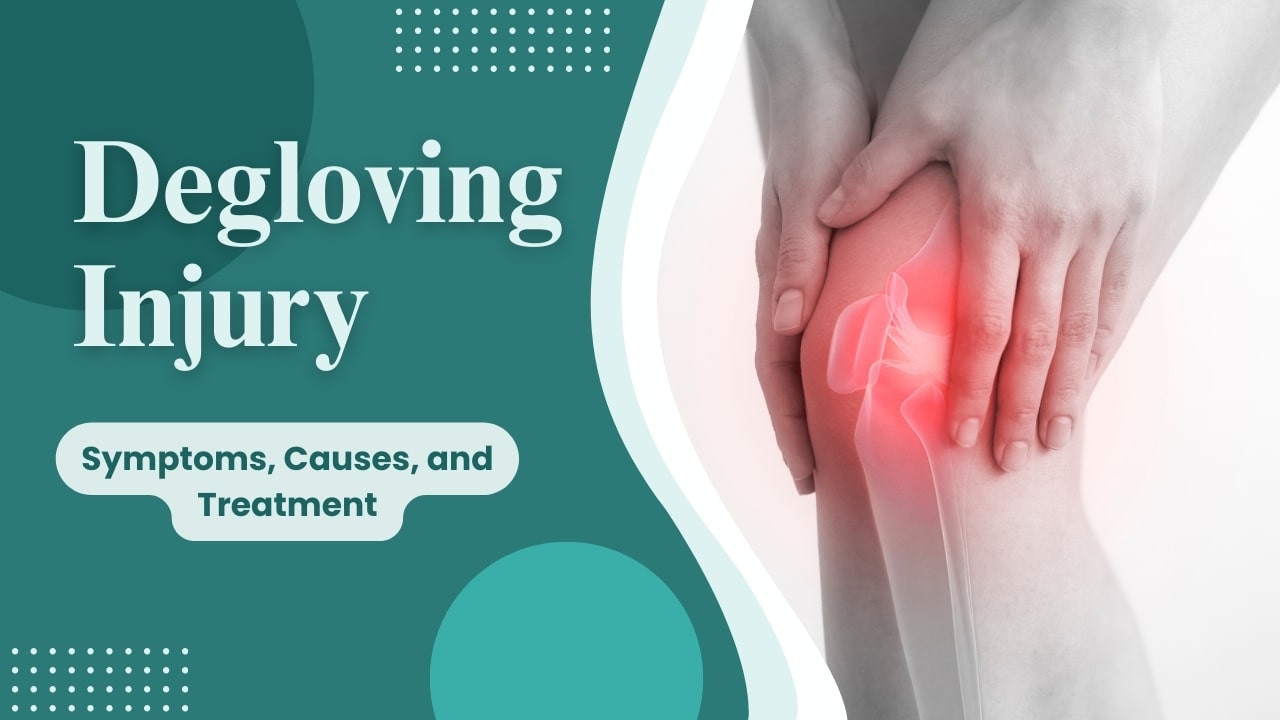
    degloving injury

    Degloving injuries are one of the most traumatic and severe types of trauma that can happen to a human body. It happens when the skin and the soft tissues are violently peeled off from the underlying muscles, bones, and tendons, like a glove. It is one of the rarest but most devastating kinds of injury that can lead to severe tissue damage, infection, and often permanent disfigurement. The extent of degloving injuries varies in severity with location and trauma extent, thus requiring urgent medical intervention to prevent complications from arising.

    What is a Degloving Injury? 

    A degloving injury occurs when the skin and subcutaneous tissue are torn away from the underlying muscle, fascia, or bone. “Degloving” refers to the skin being removed in a manner similar to peeling off a glove. These injuries may occur as a result of severe trauma such as car accidents, industrial accidents, or animal attacks. The most commonly affected areas include the hands, legs, and face.

    Types of Degloving Injuries

    Degloved Hand:

    This is one of the most common sites of injury, especially in an industrial or motor vehicle accident. It may result from a machinery, a motorbike crash, or severe crush injuries. The force can strip the skin, leaving the muscles and bones exposed, attached to the bones and tendons only.

    Degloved Face:

    A degloved face is one of the rarest and most severe injuries. This may occur during accidents such as a car crash or fall from a significant height, with complete or partial loss of tissue on the face. A degloved face can look dreadful since the skin can be pulled off from the skull with severe damage to facial structures, such as eyes, nose, and mouth.

    Mouth Larva Degloved:

    In extremely severe cases, especially those arising after significant facial trauma, “mouth larva degloved” conditions have been known to occur – a condition where tissue about the mouth is pulled from the bone. This situation would occur in massive facial trauma involving high-impact forces; secondary issues might include infections or necrosis.

    Ring Avulsion and Degloving:

    It is a special type of degloving that is created by the avulsion of the ring from a finger when forcibly torn due to pulling, taking up with it, a layer of skin. In industrial working settings, when a person’s ring caught between two or more mechanical things, including heavy objects or machine parts, it causes a very sore injury in a finger plus surrounding tissues.

    Symptoms of a Degloving Injury

    The symptoms of a degloving injury can vary depending on the location and severity of the trauma. Some common symptoms include:

    • Severe Pain: The skin and underlying tissues are often torn away, leading to excruciating pain.
    • Visible Tissue Damage: The skin may be visibly separated from the underlying muscles, bones, or tendons, and there may be visible exposure of bone or muscle.
    • Bleeding: Heavy bleeding is common, particularly where the main blood vessels are cut.
    • Swelling and bruising: Swelling of the injured area is normally accompanied by bruising
    • Loss of function: Any part of the hands or fingers and the face, would have an inability to be moved or controlled
    • Numbness: Damage to the nerves that lead to the injury might have the effects of numbness or even paresthesia.
      For example, a degloved face picture will often show extensive damage with exposed facial structures and sometimes disfigurement, making it a highly distressing condition.

    Causes of Degloving Injuries

    Degloving injuries occur as a result of blunt force trauma or shearing forces that pull the skin away from underlying tissues. Here are some common causes:

    • Motor Vehicle Accidents: The skin is often ripped off the body in high-speed crashes, especially when the body is dragged or hit by vehicles or debris.
    • Industrial Accidents: Machinery accidents, especially those involving rotating parts or conveyor belts, can easily cause a degloving injury, especially to the hands and arms.
    • Animal Attacks: Large animal bites, including those from dogs or wild animals, can cause degloving to the limbs, face, or neck.
    • Crush Injuries: Crushing forces, such as building collapses or industrial equipment malfunction, result in significant degloving injuries.
    • Burns and Electrical Injuries: It may happen in very rare instances, such as with major burns or electrical injuries that may cause the skin to detach from the muscles due to the severity of the burn.

    Treatment of Degloving Injuries

    The treatment for a degloving injury will depend on the extent of the injury and where the injury has occurred. Generally speaking, it includes several key steps:

    Emergency Care:

    • The first step in managing a degloving injury is to stop any bleeding. Applying direct pressure and elevating the injured limb can help control bleeding.
    • If the injury involves a degloved hand or face, the affected area should be protected with sterile bandages or a clean cloth.

    Surgical Intervention:

    • Debridement: Once the patient is stable, the injured area may need to be cleaned and debrided to remove dead or damaged tissue.
    • Reattachment or Grafting: In cases where the skin is still viable, it may be reattached surgically. However, if the skin is too damaged, skin grafts may be necessary to cover the wound. For a degloved face, reconstructive surgery is often required to restore the appearance and function of the face.
    • Bone and Tendon Repair: If the degloving injury involves damage to bones, tendons, or muscles, reconstructive surgery may also be required to repair these structures.

    Infection Control:

    • Degloving injuries are highly susceptible to infections due to the exposure of deep tissues. Antibiotics and careful wound care are essential to prevent infection.

    Rehabilitation:

    • Rehabilitation may involve physical therapy to regain function, especially in cases of degloved hands or limbs. For facial injuries, rehabilitation may focus on restoring facial movement and aesthetics.

    degloved hand

    Prognosis and Complications

    The prognosis of a degloving injury depends on the severity of the injury and the promptness of treatment. Early intervention, including proper wound care, infection control, and reconstructive surgery, can improve outcomes significantly.

    Complications include:

    • Infection: It can lead to sepsis if deep tissue infections are not properly treated.
    • Scarring and Disfigurement: Even after surgery, scarring and permanent disfigurement can be especially prominent in facial injuries.
    • Nerve Damage: It may result in the loss of sensation or movement in the affected area due to nerve damage.
    • Chronic Pain: Sometimes, long-term pain is caused by nerve damage or tissue loss.

    Conclusion

    Among the most severe and traumatic kinds of injury, degloving injuries usually result in considerable tissue, functional, and aesthetic loss. Whatever portion is involved, from the degloved hand to the degloved face, or other areas, immediate medical attention should be sought. With prompt and appropriate treatment-including debridement, surgical repair, and rehabilitation-many individuals will regain functionality and at least minimize disfigurement. However, these injuries often have long-term complications as they lead to scarring and chronic pain. There is an awareness of the causes, symptoms, and treatments for degloving injuries that can be used by individuals to prevent the injuries and obtain prompt care when necessary.
    If you have had a degloving injury or witnessed someone having it, you need to know how bad the situation is and act in time to minimize damage.

    FAQs on Degloving Injury Symptoms, Causes, and Treatment

    1. What are the typical symptoms of a degloving injury?

    Degloving injuries are accompanied by severe pain, massive bleeding, and obvious damage to tissues, including bare bones or muscles. Swelling, bruising, and loss of function in the affected area is common. Numbness may also occur if nerves are damaged.

    2. What causes degloving injuries?

    Such injuries are caused by impact trauma or shearing forces, usually resulting from auto accidents, industrial mishaps, or animal attacks. The strong force rips the skin and tissue, peeling it off from other interior structures such as bones and muscles, tearing it severely.

    3. How is a degloving injury treated?

    Treatment includes stopping bleeding, cleaning the wound, and surgical interventions like reattaching viable tissue or skin grafts. Antibiotics are used to prevent infection, and rehabilitation helps restore function, especially for hands or facial injuries.

    4. Can degloving injuries lead to long-term complications?

    Yes, complications consist of infection, scarring, chronic pain and numbness or paralysis caused due to nerve damage. There can be disfigurement in facial degloving injuries even after reconstructive surgeries. Early treatment makes for a much better prognosis.

  • Jackfruit Benefits : Explore Its Taste, Nutrition, and Must-Try Recipes

    Jackfruit Benefits : Explore Its Taste, Nutrition, and Must-Try Recipes

    benefits of jackfruit

    Jackfruit is the scientific term for Artocarpus heterophyllus and has been increasingly gaining popularity around the globe because of its various health benefits, flavor, and versatile usages. It has been known to enhance your well-being, impressive culinary applications, and so much more than a fruit-jackfruit is a nutrition powerhouse. In this blog, we shall unveil the incredible benefits of jackfruit, know its nutritional value, and some of these delicious recipes you just shouldn’t miss. Ripe or raw, small or big – jackfruit is a fruit you won’t want to miss!

    What Does Jackfruit Look Like?

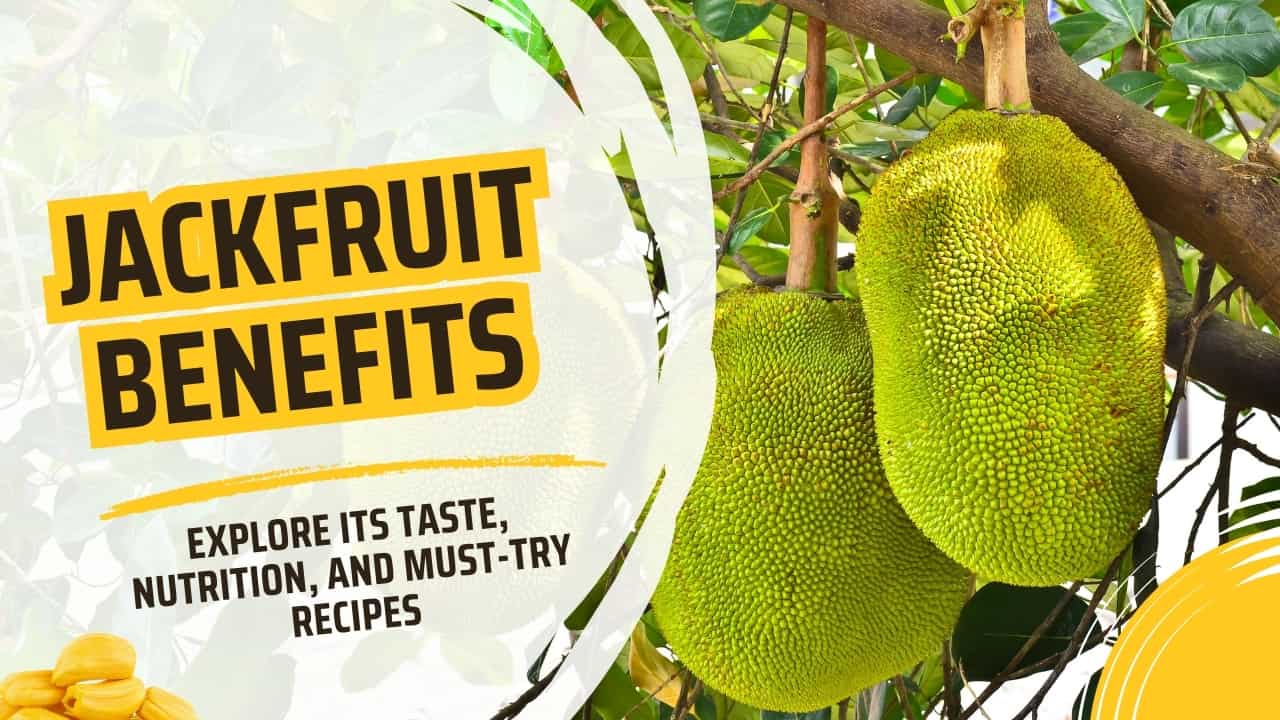
    Before we get started learning about the benefits of eating jackfruit, it’s time to familiarize ourselves with what the fruit looks like. A jackfruit has an unusual, thorny, greenish-yellow appearance and is one of the largest fruits that grow on trees. It can weigh up to 80 pounds and is called “Kathal Fruit” in India. Green jackfruits are very commonly used in savory dishes, whereas the ripe ones have a yellow color and sweet fragrance, thus being ideal for desserts.

    A “picture of jackfruit” typically depicts its large, oval shape, covered with a thick rind spiked all over. Inside is edible with soft, yellow flesh and seeds.

    Nutritional Profile Of Jackfruit

    Not only is jackfruit delicious, but it is also full of essential nutrients that can make it a great addition to your diet. The fruit is rich in vitamins and minerals such as vitamin C, potassium, magnesium, and fiber, among others. Jackfruit calories are relatively low, with about 95 calories per 100 grams of ripe fruit, making it a nutritious and filling snack option. Jackfruit is also rich in antioxidants and plant compounds that enhance overall health.

    The benefits of jackfruit seeds are equally impressive. While the seeds are most often discarded, they are rich in protein, fiber, and important minerals such as calcium, potassium, and iron. You can roast, boil, or grind them to use in a variety of dishes.

    Benefits of Eating Jackfruit

    1. Promotes Digestive Health

    Jackfruit is a good source of dietary fiber, which is very important for digestive health. It prevents constipation, improves gut health, and aids in the absorption of essential nutrients. Both ripe and raw jackfruit can help promote regular bowel movements and enhance your digestive function.

    2. Boosts Immune System

    The high vitamin C content in jackfruit helps strengthen your immune system. Vitamin C is known to increase white blood cell production, providing better protection against infections and illnesses. A diet rich in vitamin C can also help reduce the severity of common cold symptoms.

    3. Supports Healthy Skin and Hair

    Thanks to its high antioxidant content, including flavonoids and phenolic compounds, jackfruit helps protect your skin from free radicals and oxidative stress. It promotes healthy, glowing skin and can even help reduce the appearance of fine lines and wrinkles. The nutrients in jackfruit can also contribute to stronger, shinier hair.

    4. Helps in Managing Diabetes

    Did you know that jackfruit can be a good option for people with diabetes? While it is sweet, jackfruit has a low glycemic index and is packed with fiber, which helps regulate blood sugar levels. This makes it a better fruit choice for diabetics, compared to high-glycemic fruits. Additionally, jackfruit and diabetes can coexist in moderation, as long as you monitor your portions.

    Can I Eat Jackfruit In Pregnancy?

    During pregnancy, the woman’s body undergoes several changes. The importance of maintaining a healthy diet at this time is highly relevant. Due to its high nutritional value, jackfruit is a great food for pregnant women. Being a good source of fiber, vitamins, and minerals like potassium, calcium, and magnesium, it is very useful for the baby’s development and for relief from constipation, which is very common during pregnancy.

    However, as with everything one consumes, jackfruit must be eaten only in moderation during pregnancy. Can I eat jackfruit during pregnancy? Yes, but a health care provider is best consulted for advice to ensure that it really suits your diet and does not cause discomfort.

    Raw Jackfruit vs Ripe Jackfruit

    The jackfruit can be eaten raw or ripe; therefore, its flavors vary along with its usage.

    Raw Jackfruit

    Raw jackfruit, often referred to as “green jackfruit” has a mild, neutral taste with a firm texture. It’s commonly used as a meat substitute in vegetarian and vegan recipes, especially in curries, stir-fries, and tacos. Its ability to absorb flavors makes it a versatile ingredient for savory dishes.

    Ripe Jackfruit

    On being fully ripe, jackfruit comes golden yellow with the most sweet, fragrant flavor. These fruits can be used as their pulpy soft and fibrous bits would add well in a blender as one is creating smoothies, making great desserts or snack straight off. Often when completely riped, this fruit is processed for preparing very tasty jams and ice creams.

    The Small Jackfruit: New take on Classic

    If you encounter a small one, do not dismiss it! Smaller jackfruits are often sweeter, easier in handling, and ideal for those whose portion requirements are not as high. They can be consumed just the same as any other jackfruit, either raw or ripe, and are great for those with even smaller appetites or do not have enough storage area.

    small jackfruit benefit

    Must-Try Recipes with Jackfruit

    Find out some tasty recipes with Jackfruit here:

    1. Jackfruit Tacos

    For a healthy and tasty twist on tacos, use raw jackfruit instead of traditional meat. Simply sauté it with onions, garlic, and your favorite taco seasoning, then fill soft tortillas with the flavorful jackfruit mixture. Top with fresh avocado, salsa, and cilantro for a satisfying meal.

    benefits of eating jackfruit Tacos

    2. Ripe Jackfruit Smoothie

    Blend ripe jackfruit with coconut milk, a handful of spinach, and a bit of honey for a refreshing and nutritious smoothie. This drink is packed with vitamins and is perfect for a quick breakfast or snack.

    Ripe Jackfruit Smoothie

    3. Jackfruit Curry

    Cook green jackfruit in a rich, spiced curry sauce with coconut milk and your choice of vegetables. This vegan dish is a great way to enjoy the meaty texture of jackfruit, and it’s perfect for a hearty meal.

    picture of jackfruit curry benefits

    4. Jackfruit Chips

    Slice the raw jackfruit thinly, sprinkle some salt on it, and bake or fry until crispy. Such homemade chips are a far healthier option compared to store-bought potato chips, sure to curb any of your crunchy snack cravings.

    benefits of eating jackfruit chips

    Conclusion

    Jackfruit is one of the wonder fruits in this world. It has a rich profile for nutrition and numerous health benefits. This tropical giant should be included in everyone’s diet. Whether you like it raw, ripe, or in savory or sweet dishes, the advantages of jackfruit are diverse. It is a good choice for those looking to improve digestive health, boost immunity, manage diabetes, or just enjoy a delicious meal. With its impressive versatility, there are endless ways to incorporate jackfruit into your daily routine.
    If you haven’t tried jackfruit yet, what are you waiting for? Try out some of these recipes today and enjoy all the benefits of jackfruit seeds and the fruit itself!

    FAQs on Jackfruit Benefits: Explore Its Taste, Nutrition, and Must-Try Recipes

    1. What are the health benefits of eating jackfruit?

    It has vitamin A, minerals, and antioxidants; thereby assisting in the immune health system, digestive function, and skin health. It’s highly packed with fiber, which balances out sugar level regulation hence considered helpful in diabetes patients. It improves cardiovascular system well-being too and hydrates the human body with all that water content.

    2. Can I eat jackfruit during pregnancy?

    Yes, jackfruit for pregnant ladies may be helpful because it provides several essential nutrients such as dietary fiber, potassium, and vitamin C. It aids digestion, which can help alleviate constipation, a common problem during pregnancy. However, it should be consumed in moderation, and you should consult your healthcare provider if you are concerned.

    3. What does a jackfruit like appearance mean?

    A jackfruit-like appearance refers to a large, spiky, and oval-shaped fruit with a thick rind, similar to the jackfruit. This description is often used to compare other fruits or objects with a similar rough, textured exterior. It typically signifies something that’s large, somewhat unconventional in shape, and visually striking.

    Related Links:

  • Viral Infections : Herpes Simplex, Warts, and Shingles

    Viral Infections : Herpes Simplex, Warts, and Shingles

    viral infectionsViral infections are among the most common health concerns across the globe. Although some viral infections can be quite mild and self-limiting, others may present as chronic, thereby requiring proper medical attention. Among such infections are herpes simplex, warts, and shingles – three viral infections affecting millions of people worldwide. This blog delves into the depth of these infections, including their causes, symptoms, treatment options, and potential complications.

    Herpes Simplex Virus (HSV)

    Herpes simplex virus (HSV) is a viral infection that causes sores and blisters on the skin, mucous membranes, and sometimes internal organs. There are two main types of the herpes simplex virus: HSV-1 and HSV-2.

    • HSV-1 primarily causes oral herpes, leading to painful cold sores around the mouth and lips.
    • HSV-2 is usually associated with genital herpes, though HSV-1 can also cause genital outbreaks.

    herpes zoster

    Symptoms

    The symptoms of herpes simplex infections vary depending on the type of virus and location of the breakout. The most common viral infection symptoms include:

    1. Sores or blisters, which most of the times appear close to the mouth, mouth, genital region, and eyes.
    2. Pain or burning or itching sensations: Before the sores break out.
    3. Swollen lymph nodes due to the immune response the body has to the virus.

    Some people may also have fever, muscle aches, and fatigue during an outbreak.

    Treatment

    There is no cure for herpes simplex, but antiviral drugs can help control the symptoms and reduce the frequency of outbreaks. Some of the common antiviral drugs for herpes simplex are acyclovir, valacyclovir, and famciclovir.
    In the case of oral herpes, or HSV-1, antiviral medication reduces the severity and duration of outbreaks. In the case of genital herpes, or HSV-2, antiviral medications may reduce the shedding of the virus and the potential to transmit it to another person.
    Antiviral creams and ointments are also applied topically to provide relief from the pain and discomfort of herpes sores.

    Herpes Simplex Images

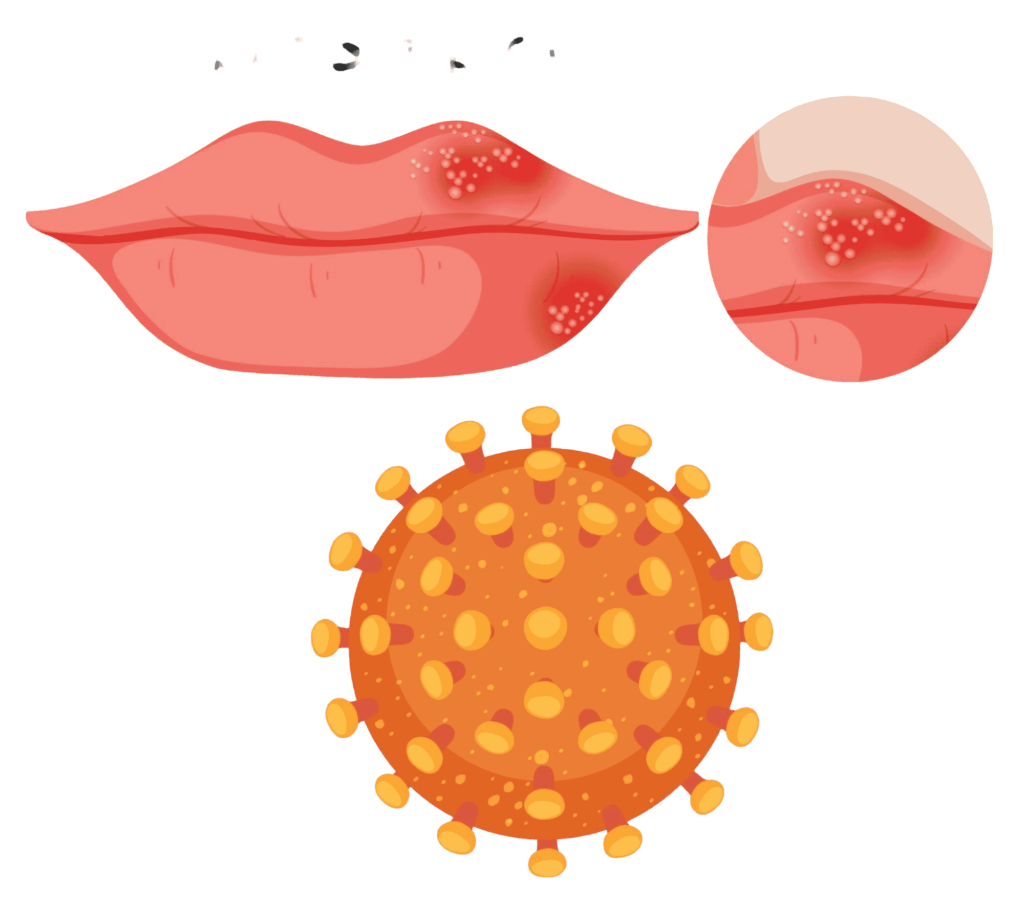
    • Herpes simplex pictures demonstrate small, fluid-filled blisters that break open and form painful ulcers.
    • Viral infection in mouth pictures often show the sores or blisters of cold sore caused by HSV-1 that appear on or around the lips.

    Warts

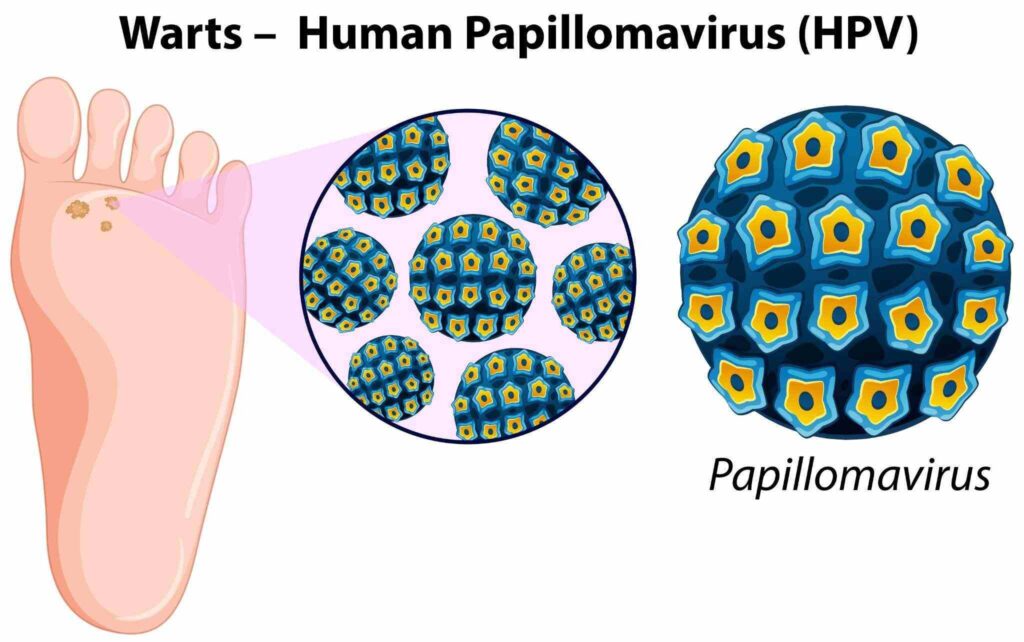
    Warts are benign epithelial growths that are due to human papillomavirus (HPV). Over 100 types of HPV are known, and it infects different parts of the body, leading to various types of warts.

    • Common warts are typically found on the hands and fingers.
    • Plantar warts appear on the soles of the feet.
    • Genital warts occur in the genital region.
    • Flat warts present as small, smooth growths, typically on the face or legs.

    Symptoms

    Warts are typically painless but may become uncomfortable or unsightly when they occur in areas that experience friction. Common symptoms include:

    • Elevated, papillated papules: These can be located on the skin and vary in size and shape.
    • Alterations in skin texture: Warts can be rough or smooth depending on the type
    • Pain/discomfort: Especially for plantar warts, which may cause pain when walking.

    Treatment

    Although warts can resolve on their own, medical treatment is required if the lesions are painful, spreading, or embarrassing. Several viral infection treatments are available, including

    • Topical treatments: Salicylic acid or freezing the wart can be bought in most drugstores over the counter.
    • Laser therapy: If the warts do not go away, a laser is used to burn out the tissue.
    • Surgical removal: Warts might need to be surgically removed.

    As the virus that causes warts is extremely contagious, proper hygiene and keeping hands away from touching warts is necessary to decrease the chance of infection spreading.

    Pictures of Warts

    Pictures of warts often showcase raised, rough bumps on the skin. Warts on the face are typically flat, small, and smooth in appearance, while plantar warts can be more calloused and painful.


    pictures of warts

    Shingles (Herpes Zoster)

    Shingles, also known as herpes zoster, is a viral infection caused by the reactivation of the chickenpox virus, varicella-zoster. It means that after a person has overcome chickenpox, the virus lies dormant in the nerve cells and reactivates later in life as shingles.
    Shingles mostly occurs in adults, especially those over 50 years of age. The pain and discomfort can be significant. The rash is often in the form of a band or strip of blisters on one side of the body.

    Symptoms

    The symptoms of shingles can be intense and varied between people. Common viral infection symptoms of shingles include:

    • Pain or tingling: Usually localized and sometimes preceding the rash by days.
    • Rash and blisters: The rash usually presents in a band-like distribution, often across the chest, back, or face.
    • Fever and fatigue: Many individuals have a mild fever, fatigue, and general unwellness.

    Sometimes, shingles can lead to complications, such as herpes zoster ophthalmicus, which affects the eye and can result in vision loss if not treated promptly.

    Treatment

    There is no cure for shingles, but antiviral drugs can be used to hasten recovery and reduce the severity of symptoms. Some common herpes zoster treatments are:

    • Acyclovir: It is one of the most commonly used antiviral drugs that can lessen the severity and duration of shingles.
    • Valacyclovir: This is another antiviral drug that works similarly to acyclovir but is easier to take.

    Pain management should be addressed, and drugs including corticosteroids or analgesics can be recommended to control the pain.
    For those at risk of developing shingles, the vaccines are provided to reduce the chance of getting the infection. The vaccine for the shingles virus, especially among those over 50, can reduce the chances of a person getting the infection by a great margin.

    Herpes Zoster Ophthalmicus

    This particular type of shingles impacts the eye and thus brings about pain, redness, and swelling. Lack of proper treatment leads to lifelong vision problems; this calls for early intervention.

    Shingles Pictures

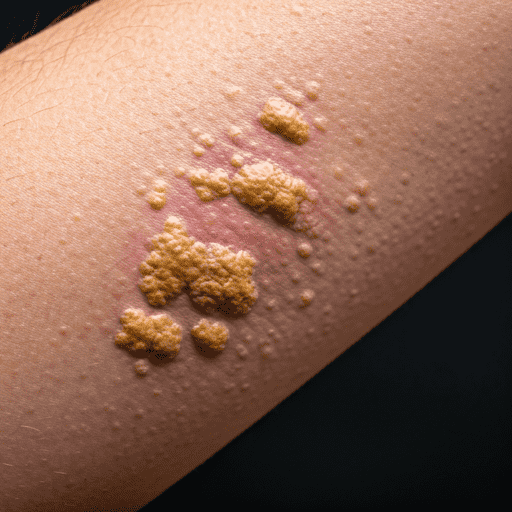
    These shingles pictures usually have an appearance of a band of rash usually on the torso and sometimes on the face which may be very painful and aesthetically unpleasing.

    Herpes Zoster and Harpist Disease

    While harpist disease is a relatively rare condition that can be related to herpes zoster in some cases, it generally refers to a particular neurological problem associated with shingles. This disease may involve nerve damage that affects the skin’s sensation and can cause chronic pain after the rash has healed. This condition is more commonly known as postherpetic neuralgia (PHN), which is one of the most common complications of shingles.

    Viral Infection Of Mouth

    A viral infection in the mouth is typically caused by viruses such as herpes simplex virus (HSV), which leads to cold sores or oral herpes, or the human papillomavirus (HPV), which can cause warts in the mouth. Symptoms of viral infections in the mouth include painful sores, blisters, swelling, redness, and sometimes fever or a sore throat. The infection can be contagious, often spreading through direct contact. Treatment focuses on antiviral medications to manage symptoms and prevent outbreaks, while maintaining good oral hygiene is essential to reduce irritation and prevent further complications.

    Difference Between Viral And Bacterial Infection

    The main difference between viral and bacterial infections lies in their causes and treatment. Viruses are microscopic agents that require a host cell to reproduce and cause disease, and they cannot be treated with antibiotics. Examples include the flu, cold sores, and COVID-19. Bacteria, on the other hand, are single-celled organisms that can reproduce on their own and are often treated with antibiotics. While some bacteria are harmful and cause infections like strep throat or tuberculosis, many are beneficial and live in the body, aiding in processes like digestion. Proper diagnosis is essential for appropriate treatment.

    Conclusion

    Viral infections like herpes simplex, warts, and shingles are problematic. However, appropriate treatment minimizes symptoms of these conditions and prevents further infection from spreading. It’s essential to recognize the signs of these infections early, follow the recommended treatment protocols, and take steps to prevent further outbreaks or complications. Whether you are dealing with cold sores, warts, or the painful rash of shingles, professional medical care can help you navigate the road to recovery.

    FAQs On Viral Infections: Herpes Simplex, Warts, and Shingles

    1. What is the difference between herpes simplex and shingles?

    Herpes simplex by the HSV-1 or HSV-2 virus is the usually oral or genital sores. Shingles is, caused by the varicella-zoster virus it is a reactivation of the chickenpox virus in the body and produces severe rash on one side of the body. Both are virus infections but different in their own symptoms and origin.

    2. How do I not let warts spread?

    Avoid touching or scratching warts and cover them to prevent the spread of warts. Maintain good hygiene by washing hands often and avoid sharing personal items such as towels or razors. Infected areas should be treated with over-the-counter medications or by a healthcare provider for proper removal.

    3. Can shingles be treated with antiviral medications?

    Yes, antiviral drugs such as acyclovir or valacyclovir can be used to treat shingles. This reduces the severity and duration of the infection. Treatment should be initiated within 72 hours of the onset of the rash to prevent postherpetic neuralgia complications. Pain relievers are also prescribed for relief.

    Related Links:

  • Bacterial Infections: Impetigo, Cellulitis, and Beyond

    Bacterial Infections: Impetigo, Cellulitis, and Beyond

    bacterial infections

    Bacterial infections are considered to be among the major causes of diseases associated with the skin, varying with the extent. It runs from relatively simple irritations of the skin up to serious infection cases, capable of posing trouble when untreated. Some well known types include impetigo, cellulitis and all such afflictions causing aesthetic changes along with physiological change. Let’s know more about some of the most common types of bacterial skin infections, their symptoms, and treatments, and understand even better how to handle them and prevent such infections from happening.

    What is a Bacterial Skin Infection?

    A bacterial skin infection is when harmful bacteria invade the skin or even the tissues below. Some of these infections can happen because of a cut or abrasion through the skin, or an insect bite. Some can be superficial, while others can advance rapidly and cause a serious disease if not taken care of immediately. Examples of causative bacteria are Staphylococcus aureus and Streptococcus species.

    Types of Bacterial Skin Infections

    Impetigo: A Highly Contagious Condition

    Impetigo is one of the most common bacterial skin infections in children. The disease appears as red sores or blisters, which eventually rupture and leave a yellowish-brown crust. Impetigo is caused mainly by Staphylococcus aureus or Streptococcus bacteria and can be transmitted directly through contact or by touching infected objects such as towels or toys. Early treatment is significant to avoid its spread to the rest of the body or to other people.

    impetigo pictures

    Symptoms of Impetigo

    • Red sores typically around the nose and the mouth
    • Blisters that break and leak with a yellowish liquid
    • Crusting and scabbing over the infected places
    • Itching and slight soreness

    If you are looking for impetigo pictures so that you know how it looks, there are numerous websites that can provide pictures of bacterial infections of the skin to help you diagnose the condition. These images can be useful in helping you recognize the condition early on and seek medical attention.

    Impetigo Treatment

    Impetigo treatment often involves:

    • Topical antibiotics: Applying an antibiotic ointment, such as mupirocin (Bactroban), can help clear the infection.
    • Oral antibiotics: Oral antibiotics would be given in the serious cases to get rid of the bacteria.
    • Good hygiene: Washing the infected area more frequently and not scratching reduces the spread.

    Visit your healthcare provider for serious cases or spread of impetigo for prevention of complications. Treatments for impetigo are also available at pharmacies and your doctor.

    Cellulitis: A Bacterial Infection Deeper Than the Skin

    Cellulitis is another common infection caused by bacteria, this time affecting the deeper skin layers and tissues beneath them. It often manifests as a red, swollen area that feels warm to the touch and is usually painful. Cellulitis is more common on the lower legs, arms, and face, but it can happen anywhere on the body.
    The most common bacteria responsible for cellulitis are Streptococcus and Staphylococcus aureus. Cellulitis, if not treated can lead to conditions like sepsis. So it is important to treat symptoms as soon as they arise.

    Symptoms of Cellulitis

    • Red, swollen, and painful skin
    • Warmth in the affected area
    • Fever and chills
    • Blisters or abscesses in extreme cases

    Pictures of cellulitis can be useful in providing a visual identification of this condition, since the color and swelling of the disease can look similar to so many other skin conditions. Comparing pictures of cellulitis with your symptoms is helpful in deciding whether you may need medical intervention.

    Types of Cellulitis

    Cellulitis can take on various degrees of seriousness and locations. Some classifications include:

    • Periorbital cellulitis: Infection around the eye, which is more common to children.
    • Facial cellulitis: Affecting the face; causes swelling and discomfort
    • Cellulitis of the leg: Common in patients suffering from diabetes or poor circulation.

    Cellulitis Home Treatment

    If you have observed that you are developing cellulitis, some home treatments might help reduce inflammation and pain:

    • Resting the area: Elevate the area to reduce swelling.
    • Application of warm compress: The warm compress will reduce inflammation and soothe pain.
    • Over-the-counter pain relievers: Ibuprofen or acetaminophen can be taken to help manage the pain and reduce fever.

    However, cellulitis antibiotics usually are needed because this infection is caused by bacteria. The most common antibiotics for cellulitis are oral ones like dicloxacillin, clindamycin, or cephalexin. However, for serious cases or in those that have complications, intravenous antibiotics might be used.

    Other Bacterial Skin Infections: Beyond Impetigo and Cellulitis

    While impetigo and cellulitis are the two most common bacterial infections of the skin, many other types can affect the skin:

    • Folliculitis: Bacterial infection of hair follicles, which is characterized by red bumps or pustules around the hair follicles.
    • Abscesses: Pockets of pus formed under the skin due to infection, which often needs to be drained and may be treated with antibiotics.
    • Boils: Large painful lumps under the skin caused by Staphylococcus bacteria.

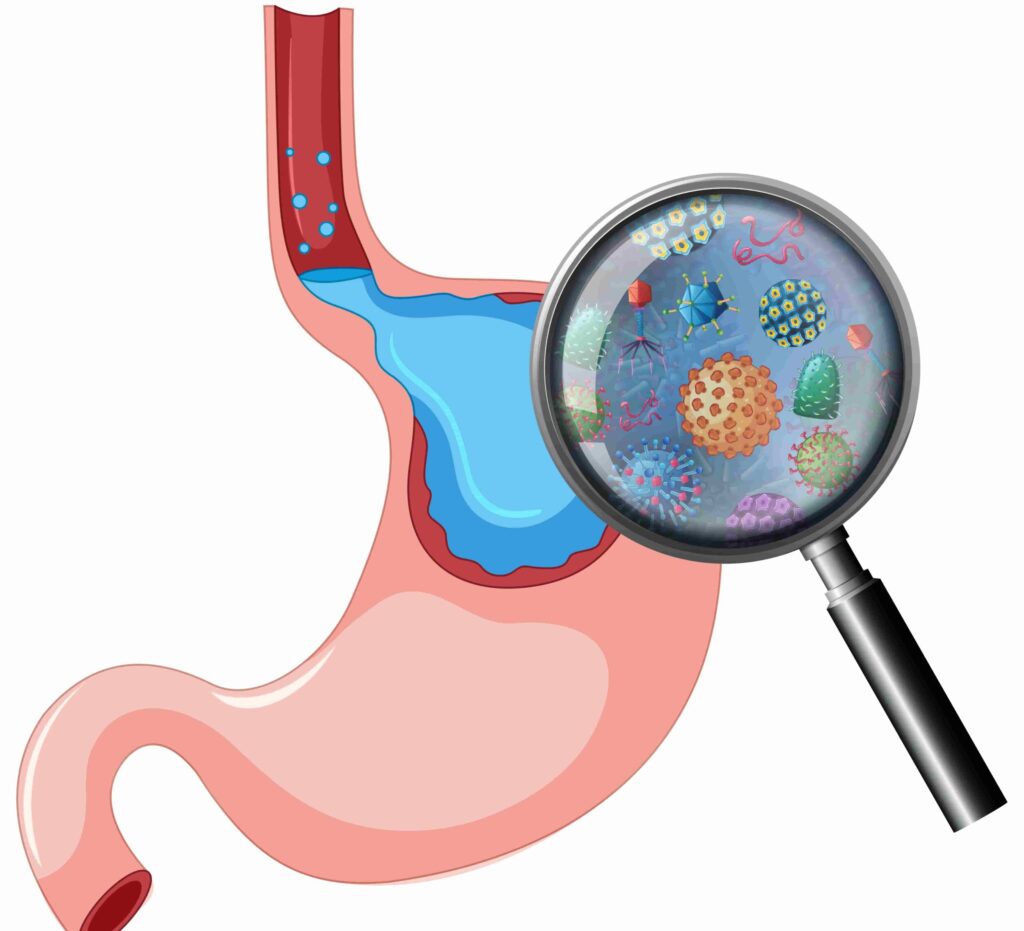
    Bacterial Infection in Stomach

    Invasion of the stomach lining by harmful bacteria is known as a bacterial infection in the stomach. These infections often cause digestive issues. Helicobacter pylori, or H. pylori, is a bacteria that causes stomach infections. It can lead to diseases such as gastritis and ulcers, and can even cause stomach cancer if it develops further and no treatment is sought. Most people get infected with this bacteria through contaminated food or water or through direct contact with infected individuals.
    The symptoms of the infection may vary, and in most cases, these include abdominal pain, bloating, nausea, and loss of appetite, plus vomiting. In more critical cases, ulcers formed due to infection may even lead to bleeding, black stools, or severe abdominal cramps.

    Treatment for a bacterial infection of the stomach generally takes the form of an array of antibiotics to eradicate bacteria and proton pump inhibitors in order to reduce acid that may be causing ulcers and promote healing in the stomach lining. Completion of the full course of antibiotics, such as Nole Tablet, must be ensured to clear all infection.
    Most of the infections in the stomach are treatable with drugs, but if left untreated, it may lead to complications like chronic gastritis or even gastric cancer. Preventing this infection is all about good hygiene, which is washing hands frequently and not taking contaminated food or water.

    If you suspect that your stomach is infected by a bacterium, seek medical advice for diagnosis and appropriate treatment.

    bacterial infection in stomach

    How to Prevent Bacterial Skin Infections

    Preventing bacterial skin infections is done through proper care of hygiene and the skin. Here are some few tips:

    • Frequent washing of hands: Hand hygiene will reduce the transfer of bacteria to the skin.
    • Covering of wounds: All cuts and abrasions should be covered by a clean bandage so that no bacteria can penetrate.
    • Avoid close contact with infected persons: Since the bacterial infection such as impetigo can easily spread, close contact with others should be avoided while the person is infected.
    • Good skincare habits: Moisturizing regularly and avoiding irritants keep the skin healthy and less prone to infection.

    Conclusion

    Bacterial infections of the skin, including impetigo, cellulitis, and others, can range from mild to severe; however, with early detection and proper treatment, most can be controlled. Seek information and take an impetigo treatment to learn about the symptoms of cellulitis, causes of the infection, and know the preventive measures that keep your skin safe. Whether it is on your skin or elsewhere in your body, if you suspect there may be a bacterial infection you need to get in contact with a health professional, so you receive proper treatment and care. Always remember that bacterial infection pictures and photos of bacterial skin infections can help identify the condition, but diagnosis and treatment should be left to medical experts.
    Staying informed and practicing good hygiene can reduce the risk of these infections and promote faster recovery when they occur.

    FAQs Bacterial Infections: Impetigo, Cellulitis, and Beyond

    1. What is impetigo and how is it treated?

    Impetigo is a highly contagious bacterial skin infection that causes red sores, usually around the nose and mouth. Treatment involves topical antibiotics like mupirocin, or oral antibiotics for more severe cases. Maintaining good hygiene and avoiding close contact with others helps prevent its spread.

    2. How can cellulitis be treated at home?

    Mild cellulitis can be managed at home by elevating the affected area and using warm compresses to reduce swelling and discomfort. However, antibiotics are necessary to treat the infection, so consulting a doctor is important for proper treatment.

    3. What are the common symptoms of bacterial skin infections?

    The common symptoms of bacterial infections of the skin include redness, swelling, pain, warmth in the affected area, and sometimes fever. Impetigo causes blisters and crusting, whereas cellulitis leads to significant swelling and discomfort. Prompt treatment is essential to avoid complications.

    Related Links: 

     

  • How Can Cloves Benefit Your Health and Wellness ?

    How Can Cloves Benefit Your Health and Wellness ?

    benefits of cloves

    From adding their warm fragrance to dishes that add spice, the buds from the Syzygium aromaticum tree, though tiny, have more up their sleeves. Packed full of essential nutrients and various health-boosting elements, cloves have been at the center of traditional healing practices for thousands of years. These include everything, right from healthy hair all the way to bettering sexual well-being. Let’s dig deeper into the incredible benefits of cloves and how their incorporation into your daily routine can transform your health and wellness.

    Nutritional Profile of Cloves

    Cloves are rich in vitamins, minerals, and antioxidants. The notable ones include vitamin C, vitamin K, manganese, and eugenol-a very potent antioxidant. All these components give way to the extensive range of benefits that cloves provide to the body.

    Benefits of Cloves for Hair

    Cloves are known for their medicinal properties and have amazing benefits for hair health. Here’s how cloves can change your hair care routine:

    1. Hair Growth

    Cloves stimulate blood circulation in the scalp, which helps to nourish hair follicles with essential nutrients.
    Eugenol, a key compound found in cloves, promotes stronger and healthier hair growth.

    2. Hair Fall

    The antifungal and antibacterial properties of cloves help fight scalp infections that may lead to hair loss.
    They strengthen hair roots so that breakage and shedding are minimized.

    3. Controls Dandruff

    Cloves help in scalp detoxification by removing fungi responsible for dandruff.
    Their anti-inflammatory properties help soothe the irritation and itching on the scalp.

    4. Gives Hair Shiny Appearance

    Clove oil deeply nourishes hair strands to restore natural shine and softness.
    Locks in moisture, avoiding dryness and dullness.

    5. Prevents Premature Graying

    Antioxidants in cloves fight free radicals, which delay the appearance of aging signs such as gray hair.

    6. Scalp Detoxification

    Cloves aid in detoxifying the scalp by removing excess oil, dirt, and product buildup.
    This gives a clean, healthy environment for hair growth.

    How to Use Cloves for Hair

    Massage Clove Oil : After diluting clove oil with a carrier oil massage it on your scalp.
    Clove Water Rinse: Boil your cloves in water, keep it cool, and later use it as a last rinse after shampooing on your hair.
    Incorporate cloves into your hair care routine to achieve healthier, shinier, and stronger hair!

    Benefits of Eating Cloves

    Consuming cloves can significantly benefit your health. Here are some of the top benefits of consuming cloves:

    1. Improves Digestion

    Cloves stimulate the production of digestive enzymes, reducing issues like bloating, gas, and constipation. They also help combat nausea and improve gut health.

    2. Boosts Immunity

    Packed with antioxidants, cloves help fight free radicals, reduce oxidative stress, and strengthen the immune system. Regular consumption can help prevent infections and diseases.

    3. Promotes Oral Health

    Cloves have antibacterial properties that combat oral bacteria, reduce bad breath, and prevent gum infections. Chewing cloves can also provide relief from toothaches.

    4. Regulates Blood Sugar

    Cloves improve the insulin sensitivity. It is good for diabetic patients or those who want stable blood sugar levels.

    5. Liver Health

    Cloves are detoxifying the liver, reducing inflammation, and thereby enhance the liver’s functioning.

    6. Bone Health

    Cloves are rich in manganese and help in increasing the strength of bones, thus it increases the density and lowers the chances of fractures.

    7. Reduces Inflammation

    Eugenol is an extract in cloves that has anti-inflammatory effects, which will cure joint pains, symptoms of arthritis, and any inflammatory disease.

    8. Improves Respiratory Health

    Cloves work as an expectorant; they remove the mucus and reduce respiratory-related issues such as coughing and colds.
    You can add cloves to your diet in moderation for enhanced health and wellness.

    Benefits Of Cloves Sexually

    The sexual benefits of cloves are well-documented, particularly in traditional medicine systems. Cloves are believed to enhance libido and improve general sexual performance. They increase blood flow, which might help in improving arousal and stamina.

    Clove Benefits for Men:

    For men, cloves are believed to support testosterone production, enhance sperm motility, and boost vitality.

    Benefits of Cloves to a Woman:

    Cloves help regulate hormones and ease menstrual cramps. Furthermore, its antioxidant quality improves reproductive health.

    Clove Water Benefits

    Clove water, which is prepared by keeping cloves in water overnight, is a natural remedy replete with health benefits. Some of the key benefits of clove water include the following:

    1  Boost Digestion

    • Improves digestive enzyme production to digest food properly.
    • Relieves conditions like bloating, gas, and constipation.

    2  Enhances Immunity

    • Rich in antioxidants, clove water helps fortify the immune system by combating free radicals.
    • The body is protected against infections and diseases.

    3  Weight Loss Support

    • Increases metabolism and thus burns calories effectively.
    • When accompanied by a healthy diet, it helps in the reduction of fat.

    4  Detoxifies the Body

    • It removes toxins from the body and cleanses the blood, thereby giving an individual good health.
    • Enhances better functioning of the liver and detoxifies.

    5  Oral Health

    • The antibacterial effects help kill off bad bacteria within the mouth.
    • Helps prevent bad breath, gum diseases, and tooth decay.

    6  Regulates Blood Sugar Levels

    • Clove water helps maintain healthy blood sugar levels, making it beneficial for people with diabetes.

    7  Boosts Energy and Reduces Fatigue

    • Drinking clove water can invigorate the body and improve focus.

    8  Relieves Menstrual Pain

    • Soothes menstrual cramps and reduces inflammation due to its anti-inflammatory properties.
    • Incorporating clove water into your daily routine is a simple yet effective way to enjoy these health benefits.

    clove water benefits


    Clove Oil Benefits

    Clove oil is a concentrated source of eugenol, a powerful compound known for its medicinal properties. Here are the top benefits of clove oil:

    1. Pain Relief

    Relieving Toothache: Widespread use in dentistry, clove oil serves as a natural analgesic and numbing agent for dental pain.
    Muscle and Joint Pain: Its anti-inflammatory properties help reduce soreness in muscles and joint discomfort due to arthritis.

    2. Skin Health

    Acne Treatment: The antimicrobial property of clove oil fights against bacteria that cause acne and reduces inflammation.
    Wound Healing: It heals wounds faster and prevents infections.

    3. Oral Health

    Fresh Breath: Clove oil is used in mouthwashes to remove bad breath and maintain oral hygiene.
    Gum Health: Reduces gum inflammation and prevents periodontal diseases.

    4. Respiratory Health

    Congestion Relief: Inhaling clove oil can help clear nasal passages and relieve symptoms of colds and bronchitis.

    5. Digestive Aid

    Reduces Bloating: Stimulates digestive enzymes, thereby digesting food properly and reducing gas in the stomach.
    Eases Stomach Pain: Acts as a natural medicine for cramps and indigestion.

    6. Stress Reducer

    Aromatherapy: Its soothing aroma is known to reduce stress, anxiety, and fatigue when used in diffusers.

    7. Hair Care

    Scalp Health: Clove oil fights dandruff and strengthens hair follicles, enhancing growth and shine.

    8. Antimicrobial Action

    Protects against bacterial, fungal, and viral infections; therefore, a versatile addition to first aid kits.
    Note: Clove oil must be diluted with a carrier oil before topical application as it may cause skin irritation.

    clove oil benefits

    Additional Cloves Uses

    Apart from the above benefits, there are some surprising uses of cloves in your daily routine:

    • Aromatherapy: Clove oil has a calming aroma, thus reduces stress and encourages relaxation.
    • Culinary Uses: Cloves impart flavor to a great range of dishes, ranging from curries to dessert recipes.
    • Insecticide: Its pungency makes it a good repellent that keeps bugs at bay.

    How to Add Cloves to Your Life

    • Preparation: Use cloves as whole or clove powder in teas, soups, and stews
    • Infused Water: Drinking clove water for detoxification and hydration 
    • External Application: Apply it with a diluted form in oils to the skin and scalp.
    • Supplements: Clove supplements can be taken after consulting a doctor.

    How to Use Cloves

    Precautions

    While the benefits of eating cloves are numerous, moderation is key. Excessive consumption may lead to digestive upset or allergic reactions. Pregnant women and individuals on medications should consult a doctor before using cloves regularly.

    Conclusion

    Cloves are a small spice that packs huge benefits for your health. Right from making hair healthier to enhancing sexual wellness, uses of cloves are just as diverse as they are effective. The health improvements obtained with the incorporation of cloves make them valuable additions on any wellness journey. This may be achieved through using clove water, applying clove oil, or by adding cloves to any food item; the effects of this age-old spice cannot be questioned.

    FAQs on How Can Cloves Benefit Your Health and Wellness

    1. What are the main health benefits of eating cloves?

    Cloves contain antioxidants, vitamins, and minerals which enhance immunity and digestion and lower inflammation levels. They help in promoting cardiovascular health besides improving dental health. This is when the consumption level is at moderate levels without causing further adverse effects.

    2. What are some of the hair health benefits of cloves?

    Cloves, in the form of clove oil or even clove-infused water, have been said to improve scalp health as dandruff is prevented while hair grows better. The presence of eugenol strengthens hair follicles and contributes to healthy shine with proper scalp health.

    3. Can cloves enhance sexual wellness?

    Yes, it is said that cloves enhance libido and sexual stamina in both men and women. They improve blood circulation, balance hormones, and support reproductive health. In men, it may enhance testosterone levels and help in fertility.

    4. How does clove water benefit general health?

    Clove water aids digestion, detoxifies the body, and boosts metabolism. It can also help control weight, hydrate a person, and boost up immunity due to its full content of antioxidants.

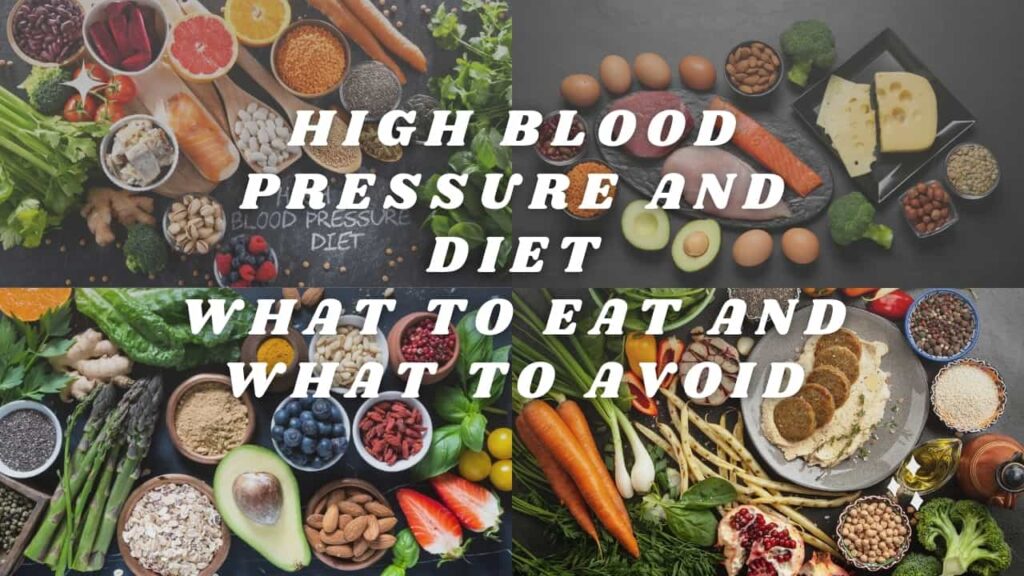
  • High Blood Pressure and Diet: What to Eat and What to Avoid

    High Blood Pressure and Diet: What to Eat and What to Avoid

    high blood pressure diet

    High blood pressure, also known as hypertension, is a common health condition that can lead to severe complications such as heart disease, stroke, and kidney problems if left untreated. While medication is usually necessary, proper diet is the most important factor in managing and even preventing hypertension. Knowing what to eat and what foods to avoid with high blood pressure can empower individuals to take control of their health.
    Diet plays a direct role in blood pressure. Consuming foods rich in sodium, unhealthy fats, and added sugars may elevate blood pressure. Conversely, an adequate diet rich in potassium, magnesium, and fiber may help keep it in check. A hypertension diet chart is what is needed to really make a difference in managing this condition.

    Top 15 Foods to Avoid with High Blood Pressure

    1. Salted Snacks

    Why Avoid: Chips, pretzels, and salted nuts are loaded with sodium, which directly contributes to water retention and increased blood pressure.
    Better Alternative: Unsalted or lightly salted nuts, air-popped popcorn without added salt.

    2. Processed Meats

    Why Avoid: Foods like bacon, sausages, and deli meats are cured, smoked, or salted, making them extremely high in sodium and preservatives.
    Better Alternative: Fresh, lean cuts of meat like chicken or turkey breast seasoned with herbs and spices.

    3. Pickles and Canned Vegetables

    Why Avoid: Pickled and canned products often contain high amounts of salt for preservation. Even “low-sodium” versions can add up if eaten frequently.
    Better Alternative: Fresh or frozen vegetables seasoned with garlic, herbs, or a splash of lemon juice.

    4. Fast Food

    Why Avoid: Burgers, fries, fried chicken, and other fast-food items are high in sodium, trans fats, and unhealthy oils. All of these lead to high blood pressure and clogged arteries.
    Better Alternative: Homemade food with fresh ingredients.

    5. Frozen Meals

    Why Avoid: Although frozen meals like lasagna, pizza, and TV dinners are convenient, they often contain high levels of sodium to flavor them and increase shelf life.
    Better Alternative: Prepare and freeze your own meals with controlled seasoning and fresh ingredients.

    6. Canned Soups

    Why Avoid: Canned soups are deceptively high in sodium, even those labeled “healthy” or “low-fat.”
    Better Alternative: Homemade soups using fresh vegetables, lean proteins, and herbs for flavor.

    7. Cheese

    Why Avoid: Many types of cheese, including cheddar, Parmesan, and feta, are high in salt and saturated fats.
    Better Alternative: Low-sodium or plant-based cheeses, or use smaller portions of flavorful cheese like goat cheese.


    foods to avoid with high blood pressure

    8. Sauces and Condiments

    Why Avoid: Soy sauce, ketchup, barbecue sauce, and salad dressings all contain hidden sodium and sugar.
    Better Alternative: Make your own condiments or choose low-sodium options. Use vinegar, olive oil, and spices to dress salads.

    9. Processed Snacks

    Why Limit/Avoid: Processed, packaged snack foods like instant noodles and crackers are high in sodium and often contain unhealthy trans fats.
    Healthier Alternative: Whole-grain crackers or fresh fruits and vegetables, such as carrot sticks or apple slices.

    10. Alcohol

    Why Limit/Avoid: Drinking too much alcohol elevates blood pressure and may interact with blood pressure medicines.
    Healthier Alternative: Try to limit intake to one drink per day for women and two for men; or do not consume it at all.

    11. Sugary Drinks

    Why Avoid: Soda, sweet tea, and sugary juices contain too many calories and sugar that lead to weight gain and are one of the top risk factors for developing high blood pressure.
    Better Alternative: Unsweetened tea, fruit-infused water, or natural coconut water.

    12. Energy Drinks

    Why Avoid: Energy drinks contain a significant amount of caffeine and sugar that can raise blood pressure for the moment and contribute to damage to the cardiovascular system over time.
    Better Alternative: Choose green tea or herbal teas for natural energy.

    13. Fatty Cuts of Meat

    Why Avoid: Red meat with high fat content like ribeye steaks and pork belly are rich in saturated fats, which may result in arterial stiffness and blood pressure.
    Better Alternative: Lean cuts of meat like chicken breast or fish rich in omega-3 fatty acids.

    14. Butter and Margarine

    Why Steer Clear Of: Both have saturated and trans fats that can increase cholesterol and worsen hypertension.
    Best Alternative: Use healthy heart oils such as olive or avocado oil for cooking and baking.

    15. Pastries

    Why Avoid: Cakes, cookies, pies, and other baked products tend to have high sodium levels due to baking soda and powder; sugars; and unhealthy fats.
    Better Alternative: Make your own treats using whole-grain flours, minimal sugar, and heart-healthy fats like almond butter or coconut oil.

    top 15 foods to avoid with high blood pressure

    Understanding the impact of these foods on your blood pressure can be very important for your long-term heart health. In order to manage high blood pressure, you will effectively avoid these 15 foods and replace them with much healthier alternatives. You may adopt a comprehensive hypertension diet chart that focuses on fresh, whole, and nutrient-rich foods.
    Small, consistent changes in your diet and lifestyle can make all the difference in managing and controlling hypertension and risk factors for complications.

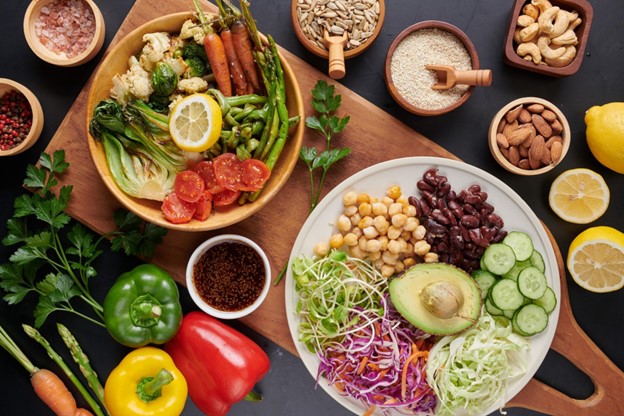
    What to Eat for High Blood Pressure

    The right foods help manage and lower high blood pressure. Here’s a guide “What to Eat for High Blood Pressure”:

    Fruits and Vegetables

    • Leafy Greens: Spinach, kale, and collard greens are rich in potassium, which helps balance sodium levels.
    • Berries: Blueberries, strawberries, and raspberries are rich in antioxidants that help improve blood circulation.
    • Bananas: The fruit is a good source of potassium, which has the effect of reducing sodium intake.
    • Citrus Fruits: Oranges, grapefruits, and lemons contain much vitamin C and are, therefore, good for health.

    Whole Grains

    • Oats: Fiber rich, oats help reduce the level of cholesterol.
    • Quinoa and Brown Rice: Rich in energy and fiber, these are whole grains that provide sustenance.

    Lean Proteins

    • Fish: Fatty fish like salmon and mackerel are rich in omega-3 fatty acids.
    • Legumes: Lentils, chickpeas, and black beans are sources of protein without added fats.
    • Nuts and Seeds: Almonds, flaxseeds, and chia seeds are good sources of healthy fats and magnesium.

    Low-Fat Dairy

    • Yogurt: A good source of calcium and low in fat.
    • Skim Milk: Good source of calcium and vitamin D with minimal fat content.

    Herbs and Spices

    • Use herbs like garlic, basil, and oregano to flavor your meals instead of salt.

    what to eat for high blood pressure

    Sample Diet Chart For Hypertension Patient

    Here’s a simple diet chart for high BP patients to help them maintain a healthy routine:

    Morning

    • Breakfast: A bowl of oatmeal with berries and a handful of almonds.
    • Beverage: Unsweetened green tea or a glass of skim milk.

    Mid-Morning Snack

    • A banana or a handful of unsalted nuts.

    Lunch

    • Main Dish: Grilled salmon or a lean chicken breast.
    • Sides: Steamed broccoli and quinoa.
    • Salad: A mix of spinach, cucumber, and tomatoes with a dash of olive oil.

    Evening Snack

    • Low-fat yogurt with some chia seeds added.

    Dinner

    • Meat/Lentil Main Dish: A bowl of brown rice with mixed veggies or lentil soup
    • Sides: A small helping of roasted sweet potatoes.

    Before Bed

    • Warm skim milk or herbal tea in a glass.

    Tips for Managing High Blood Pressure Through Diet

    • Monitor Sodium Intake : Aim for less than 2,300 mg per day, and ideally closer to 1,500 mg.
    • Hydrate : Drink plenty of water to maintain proper circulation.
    • Portion Control : Overeating, even healthy foods, can lead to weight gain, increasing blood pressure.
    • Cook at Home : This helps you control ingredients and reduce sodium.
    • Follow the DASH Diet : The Dietary Approaches to Stop Hypertension (DASH) diet emphasizes fruits, vegetables, lean proteins, and whole grains.

    Conclusion

    Balanced dietary recommendations for hypertension are critical in providing long-term health benefits. Avoiding harmful foods while incorporating nutrient-rich food sources can reduce blood pressure effectively and ensure overall wellness. Use a structured diet chart of hypertension patients as your reference guide, and incorporate one by one those changes to be included into your daily eating habit for a sustainable lifestyle. It all starts with your diet so think ahead of being healthy.

    FAQs on High Blood Pressure and Diet: What to Eat and What to Avoid

    1. What are the top foods to avoid with high blood pressure?

    Processed meats, salty snacks, canned soups, and sugary beverages are some foods to avoid with high blood pressure. These items are high in sodium, unhealthy fats, and sugars, which can raise blood pressure levels. Opt for fresh, whole foods as healthier alternatives.

    2. What is the best food for high BP management?

    The food with high potassium, magnesium, and fiber intake helps to manage high BP effectively. Some of the good foods for high BP include green leafy vegetables, fruits such as berries, bananas, and fatty fish.

    3. What to eat for high blood pressure control?

    Emphasize a diet rich in whole grains, fresh fruits, vegetables, lean proteins, and low-fat dairy. These foods contain essential nutrients that help decrease blood pressure efficiently while avoiding complications.

    4. What to eat when BP is high to bring it down quickly?

    When BP spikes, consume potassium-rich foods like bananas, oranges, and spinach. Hydrate with water or herbal teas, and include nuts or seeds as snacks to stabilize your levels while avoiding processed or salty foods.

    Related Links:

    Exercise for High Blood Pressure
    BP Normal Range for Female
    A Guide to Normal Sugar Levels Chart
    7 High Blood Pressure facts
    10 Ways to Prevent High Blood Pressure
    Different Types of Hypertension

  • What is a Calculus Bridge? A Simple Explanation

    What is a Calculus Bridge? A Simple Explanation

    what is a calculus bridge

    If you’ve ever heard the term “calculus bridge” during a dental appointment or while browsing oral health articles, you might have wondered what it means. Despite its scientific-sounding name, a calculus bridge is a common dental condition that can have serious consequences for your oral health if left untreated.

    What Is a Calculus Bridge?

    A calculus bridge refers to a hard, visible buildup of dental calculus that spans across multiple teeth, often forming a “bridge” of hardened plaque. This condition occurs when dental plaque—an invisible, sticky film of bacteria—hardens and mineralizes due to poor oral hygiene. Unlike soft plaque, calculus (or tartar) is solid and cannot be removed through regular brushing or flossing.

    What is calculus in teeth?

    Calculus teeth is essentially hardened dental plaque. Plaque forms when bacteria in your mouth mix with food particles and saliva, creating an environment that encourages bacterial growth. When plaque isn’t removed promptly, minerals in your saliva cause it to calcify, turning it into a solid substance that adheres tightly to your teeth.

    How Does a Calculus Bridge Form?

    • Bacteria Accumulation: Bacteria thrive on food particles and sugars left behind on your teeth. This creates dental plaque, which coats the surface of your teeth and gums.
    • Plaque Hardening: If plaque is not removed by daily brushing and flossing, it begins to harden within 24 to 72 hours, turning into dental calculus.
    • Bridge Formation: Over time, if the buildup of calculus is significant, it can spread across multiple teeth, creating a continuous, bridge-like formation that is easily visible.

    Why Is a Calculus Bridge a Problem?

    A calculus bridge is not just an aesthetic issue; it can significantly impact your oral health. The hardened surface of calculus provides an ideal habitat for harmful bacteria, leading to:

    • Gum Inflammation: Known as gingivitis, this is the first stage of gum disease.
    • Periodontitis: If left untreated, gum disease can progress, causing gum recession, tooth loss, and even damage to the jawbone.
    • Cavities and Bad Breath: Calculus harbors bacteria that produce acids, which erode tooth enamel and cause unpleasant odors.

    calculus bridge a Problem

    What is Dental Plaque?

    Dental plaque is a soft, sticky, colorless film that continuously forms on the surface of your teeth and along your gumline. It is composed of bacteria, food particles, and saliva. Although it is often invisible, dental plaque plays a significant role in oral health issues like cavities, gum disease, and bad breath.

    How Does Dental Plaque Form?

    Dental plaque forms naturally throughout the day as bacteria in your mouth interact with food and beverages. Here’s how it develops:

    • Food Residue: After eating or drinking, tiny food particles and sugars remain in your mouth.
    • Bacterial Growth: Oral bacteria feed on these food particles, especially sugars, and multiply, forming a biofilm on the tooth surface.
    • Plaque Formation: This biofilm combines with proteins in your saliva and other debris, creating a sticky layer that clings to your teeth.

    Why is Dental Plaque Harmful?

    Dental plaque is not inherently harmful, but if it is not removed regularly, it can lead to serious oral health problems, such as:

    • Cavities: The bacteria in plaque produce acids that erode tooth enamel, creating holes (cavities) in your teeth.
    • Gum Disease: Plaque that accumulates along the gumline can irritate your gums, causing inflammation (gingivitis). If untreated, it can progress to periodontitis, a severe form of gum disease that can lead to tooth loss.
    • Tartar (Calculus) Formation: Over time, plaque can harden into tartar (or dental calculus), a yellow or brown substance that requires professional cleaning to remove.
    • Bad Breath: The bacteria in plaque release foul-smelling gases, leading to persistent bad breath (halitosis).

    How to Remove Dental Plaque at Home?

    Dental plaque, the sticky, colorless film of bacteria that forms on your teeth, is the first stage in the development of oral health issues like cavities, gum disease, and bad breath. While hardened plaque (tartar) requires professional cleaning, soft plaque can and should be removed at home as part of your daily oral hygiene routine. Here’s how you can effectively remove dental plaque at home and keep your smile healthy and bright.

    1. Brush Your Teeth Effectively

    Brushing your teeth is the most basic and essential method for plaque removal. To maximize its effectiveness:

    • Use a Soft-Bristled Toothbrush: A soft-bristled brush is gentle on your gums but effective in removing plaque from tooth surfaces. Replace your toothbrush every 3-4 months or when the bristles are frayed.
    • Brush Twice a Day: Brush in the morning and before bed to ensure plaque does not accumulate overnight.
    • Follow Proper Technique: Hold the toothbrush at a 45-degree angle to your gums and use gentle, circular motions. Pay attention to all surfaces of your teeth: front, back, and chewing surfaces.
    • Use Fluoride Toothpaste: Fluoride helps strengthen tooth enamel and prevent decay caused by plaque.

    how to remove dental plaque at home

    2. Floss Daily

    Plaque often builds up in areas that a toothbrush cannot reach, such as between teeth and along the gumline. Flossing is crucial for removing plaque from these tight spaces.

    • How to Floss Correctly: Use about 18 inches of dental floss. Wrap it around your fingers, leaving a few inches to work with. Gently slide the floss between your teeth and curve it into a C-shape around each tooth, moving it up and down to clean thoroughly.
    • Consider Floss Alternatives: If traditional floss is difficult to use, try floss picks, interdental brushes, or water flossers, which can be more convenient.

    3. Rinse with an Antibacterial Mouthwash

    Antibacterial mouthwashes can kill plaque-causing bacteria and reduce the risk of plaque buildup.

    • Choose a Mouthwash with Active Ingredients: Look for mouthwashes containing chlorhexidine, cetylpyridinium chloride, or essential oils for maximum plaque-fighting power.
    • Rinse After Brushing and Flossing: Swish the mouthwash around your mouth for 30 seconds to ensure it reaches all areas.

    4. Maintain a Healthy Diet

    Your diet plays a significant role in plaque formation. Sugary and starchy foods feed the bacteria in plaque, leading to faster buildup.

    • Limit Sugary Foods: Avoid frequent snacking on candies, sodas, and other sugary treats.
    • Incorporate Crunchy Fruits and Vegetables: Foods like apples, carrots, and celery can help naturally scrub plaque from teeth.
    • Stay Hydrated: Drinking water throughout the day helps wash away food particles and bacteria, reducing plaque formation.

    5. Chew Sugar-Free Gum

    Chewing sugar-free gum, especially those containing xylitol, can help reduce plaque.

    • How It Helps: Chewing stimulates saliva production, which naturally cleans your teeth and neutralizes acids produced by plaque bacteria.

    6. Try Natural Remedies for Plaque Control

    Certain home remedies can complement your oral hygiene routine:

    • Baking Soda: Create a paste with baking soda and water, then brush with it once a week. Baking soda’s mild abrasiveness helps remove plaque without damaging enamel.
    • Oil Pulling: Swish a tablespoon of coconut or sesame oil in your mouth for 10-15 minutes before spitting it out. This traditional practice may help reduce bacteria and plaque.
    • Saltwater Rinse: Rinse your mouth with a mixture of warm water and salt to help reduce inflammation and bacteria.

    7. Avoid Smoking and Tobacco Use

    Smoking and tobacco use contribute to plaque buildup and make it harder to maintain good oral hygiene. Quitting smoking can significantly improve your oral health and reduce plaque accumulation.

    8. Monitor Your Oral Hygiene Progress

    Regularly check your teeth and gums for signs of plaque buildup, such as a sticky or fuzzy feeling on your teeth or a yellowish coating near your gumline. If plaque persists despite your efforts, it’s time to consult your dentist.

    What Happens if Plaque Isn’t Removed?

    If plaque is not adequately removed, it can harden into tartar within 24 to 72 hours. Tartar is much more challenging to remove and can only be addressed through professional dental cleaning. The presence of tartar increases your risk of gum disease and tooth decay, making it essential to prevent plaque buildup in the first place.

    Conclusion

    A calculus bridge is a severe form of tartar buildup that occurs when dental plaque isn’t effectively removed. While it may seem like a minor issue at first, the long-term effects on your oral health can be significant. Understanding what dental calculus is and how to prevent it is key to maintaining a healthy smile. With proper care and regular visits to the dentist, you can keep your teeth free from harmful plaque and bacteria, ensuring they remain strong and healthy for years to come.

    FAQs on What is a Calculus Bridge

    1. What is a calculus bridge?

    A calculus bridge is a thick, visible buildup of hardened dental plaque (dental calculus) that spans across multiple teeth. It forms when plaque is not removed and mineralizes over time. This bridge-like formation is often yellow or brown and cannot be removed by brushing or flossing alone.

    2. Can a calculus bridge be removed at home?

    No, a calculus bridge cannot be removed at home using regular brushing or flossing. It requires professional dental treatments such as scaling and root planing. Dentists use special tools to break down and remove the hardened tartar safely.

    3. How can I prevent a calculus bridge from forming?

    Prevent calculus bridges by maintaining good oral hygiene—brush twice daily, floss daily, and rinse with antibacterial mouthwash. Regular dental checkups and professional cleanings are also essential to catch and remove plaque before it hardens into calculus teeth.

    Related Links:

    What is Root Canal Treatment?
    Morning Mantras to Follow for a Healthy Life
    What is Rickets?
    Common symptoms of cerebral palsy
    5 Home Remedies for Tonsillitis
    you can take to avoid chronic illness?

  • Best 15 Protein Guide for Vegans and Vegetarians

    Best 15 Protein Guide for Vegans and Vegetarians

    high protein vegetarian foods

    Protein is an essential macronutrient that supports muscle repair, immune function, and overall health. For vegans and vegetarians, meeting protein needs might seem challenging, but with the right knowledge, it’s entirely achievable. Protein is composed of amino acids, which serve as building blocks for the body’s tissues and systems. Some amino acids, known as essential amino acids, must be obtained through diet. Even though many people get their protein sources from meat and fish, it is possible to source them from plants when considered responsibly.

    High Protein Vegetarian Foods

    1. Lentils

    Lentils contain 18 grams of protein per cooked cup. Other minerals present in lentils are iron, folate, and fibers which benefit a human by improving heart health and supporting digestion. Add lentils to soups, stews, or salads to serve as a filling meal.

    2. Chickpeas

    Chickpeas (garbanzo beans) contain 15 grams of protein per cooked cup. They can be used in hummus, roasted as a snack, or added to curries and salads.

    3. Tofu

    Tofu, made from soybeans, offers about 10 grams of protein per half-cup. It absorbs flavors well and is used in stir-fries, scrambles, and even desserts.

    4. Tempeh

    Tempeh, a fermented soybean product, contains 15 grams of protein per half-cup. Its firm texture makes it suitable for grilling, sautéing, or crumbling into dishes.

    5. Quinoa

    Quinoa is a pseudocereal that provides 8 grams of protein per cooked cup. It’s a complete protein, meaning it contains all nine essential amino acids. Use quinoa as a base for salads, bowls, or as a side dish.

    6. Edamame

    Edamame (young soybeans) has 18 grams of protein per cooked cup. They make an excellent snack or can be added to salads, soups, or stir-fries.

    7. Seitan

    Seitan, or wheat meat, is prepared from gluten and has 21 grams of protein per 3 ounces. It’s excellent for recreating the textures of meat in stir-fries, sandwiches, or stews.

    8. Greek Yogurt (Vegetarian)

    A vegetarian favorite, Greek yogurt provides up to 20 grams of protein per cup. Enjoy it with fruits or granola for a tasty and protein-rich snack or breakfast.

    9. Cottage Cheese (Vegetarian)

    Cottage cheese is another great vegetarian option, with 28 grams of protein per cup. It is versatile and goes well with both sweet and savory dishes.

    10. Chia Seeds

    Chia seeds contain 5 grams of protein for each 2 tablespoons; are rich in omega-3 fatty acids and fiber and can be added to puddings, smoothies or strewn over oatmeal.

    11. Hemp Seeds

    Hemp seeds contains a whopping 10 grams of protein per 3 tablespoons with its mild nutty flavor. Add these nuts to your smoothies or blend them into your salads and in baked goods.

    12. Almonds

    A serving of almonds, which is about 23 nuts, contains 6 grams of protein. They are also a good source of healthy fats, so they’re a great snack or added to oatmeal and smoothies.

    13. Spirulina

    Spirulina is a type of blue-green algae that offers 8 grams of protein per 2 tablespoons. Mix it into smoothies or sprinkle it on salads for a nutrient boost.

    14. Oats

    Oats provide 6 grams of protein per half-cup. They’re a hearty breakfast option and can be combined with nut butter or seeds for an extra protein punch.

    15. Black Beans

    Black beans deliver about 15 grams of protein per cooked cup. Use them in tacos, burritos, soups, or salads for a filling and nutritious meal.

    Tips for Meeting Protein Needs

    1. Combine Proteins for a Complete Amino Acid Profile

    Pairing foods such as beans and rice, lentils and whole-grain bread, or hummus and pita can ensure you get all essential amino acids.

    2. Include Protein at Every Meal

    Make sure each meal contains a good source of protein to distribute your intake throughout the day.

    3. Use a Protein-Rich Food Chart

    Track your protein intake with a chart that includes serving sizes and protein content for your go-to foods.

    High Protein Vegan Foods

    Vegans get all their protein from plant-based sources. Here are three great choices for vegan protein foods:

    1. Lentils

    Lentils contain around 18 grams of protein per cooked cup. They are also very rich in fiber and iron, making them a great addition to soups, salads, or curries.

    2. Chickpeas

    Chickpeas contain 15 grams of protein per cooked cup. Legumes are versatile and easily fit into dishes like hummus, salads, or roasted snacks.

    3. Tofu and Tempeh

    Made from soybeans, tofu contains 10 grams of protein per half-cup while tempeh contains 15 grams of protein in one half cup. Tofu and tempeh can take flavors and thus serve best in stir-fries, sandwiches, or when grilled.

    best high protein vegan foods sources

    Best Vegetarian Protein Sources

    Good sources of protein for vegetarians include lentils, chickpeas, and Greek yogurt, which are nutrient-rich and versatile. Paneer and cottage cheese are amongst the best high protein vegetarian foods, offering rich protein content and easy incorporation into meals. Pairing legumes with whole grains ensures a complete amino acid profile. These options make it simple for vegetarians to meet their protein needs. Vegetarians who consume dairy and eggs have additional protein options:

    1. Greek Yogurt

    In a serving of Greek yogurt, there are up to 20 grams of protein. Serve with fruits or nuts for a nutrient-rich snack.

    2. Eggs

    Eggs are an entire protein food source. For instance, one large egg holds 6 grams of protein, and they make excellent breakfast dishes or even bases for things like frittatas.

    3. Cottage Cheese

    Cottage cheese has about 28 grams of protein per cup. It is a great ingredient for both savory and sweet dishes.

    Protein Rich Food Chart

    Creating a protein rich food chart is an effective way to track intake. Here’s an example:

    Food Serving Size Protein Content
    Lentils 1 cup cooked 18g
    Quinoa 1 cup cooked 8g
    Seitan 3 ounces 21g
    Greek Yogurt 1 cup 20g
    Tofu ½ cup 10g

    Protein Rich Food for Pregnancy

    Protein needs increase during pregnancy to support fetal growth. High-protein options for vegetarians and vegans include:

    • Chia Seeds: high in omega-3s and protein (5 grams per 2 tablespoons).
    • Soy Milk: fortified cup provides 7 grams of protein.
    • Almonds: a handful of protein and healthy fats in the form of 6 grams

    Protein Rich Food for Weight Gain

    People who want to gain weight should combine protein with foods that are high in calories. Some of the most common include:

    • Nut Butters: peanut or almond butter provides about 8 grams of protein per 2 tablespoons.
    • Smoothies: Combine protein-rich foods such as tofu, bananas, and almond milk to create a calorie-dense drink.
    • Avocados: Although they are not high in protein, their healthy fats go well with protein sources for weight gain.

    Vegan Diet Plan for Weight Loss

    High protein vegan foods in diet can help in weight loss, due to it’s feeling of fullness. Here’s a sample meal plan:

    • Breakfast: Chia pudding with almond milk and berries.
    • Lunch: Quinoa salad with chickpeas, spinach, and tahini dressing.
    • Dinner: Stir-fried tofu with broccoli and brown rice.
    • Snacks: Roasted edamame or a protein smoothie with hemp seeds.

    Conclusion

    Meeting protein requirements as a vegan or vegetarian is entirely achievable with a well-balanced diet. By incorporating the foods and strategies mentioned, you can enjoy a nutritious, protein-packed lifestyle. Whether you’re looking to gain weight, support pregnancy, or include high protein vegan foods in your diet plan, plant-based proteins offer versatile, healthful solutions.

    FAQs on Best 15 Protein Guide for Vegans and Vegetarians

    1. What are the best vegan protein sources for a balanced diet?

    Some of the best vegan protein sources include lentils, chickpeas, quinoa, tofu, tempeh, and edamame. These foods are rich in essential amino acids and provide additional nutrients like fiber, iron, and vitamins. Combining different plant-based proteins ensures a complete nutrient profile.

    2. How can vegetarians obtain proteins for the day?

    Vegetarians can obtain their daily requirements by intake of foods like Greek yogurt, eggs, paneer, cottage cheese, and legumes. By combining them with whole grains and nuts, one obtains numerous nutrients. Including high protein vegetarian foods in each meal ensures an even distribution of protein intake throughout the day.

    3. Are plant-based proteins strong enough to build muscle?

    Yes, plant-based proteins such as seitan, tofu, and lentils can be used for muscle building if taken in sufficient amounts. It is essential to combine them with strength training and a balanced intake of all the essential amino acids. Vegan protein powders can also supplement the diet.

    Related Links:
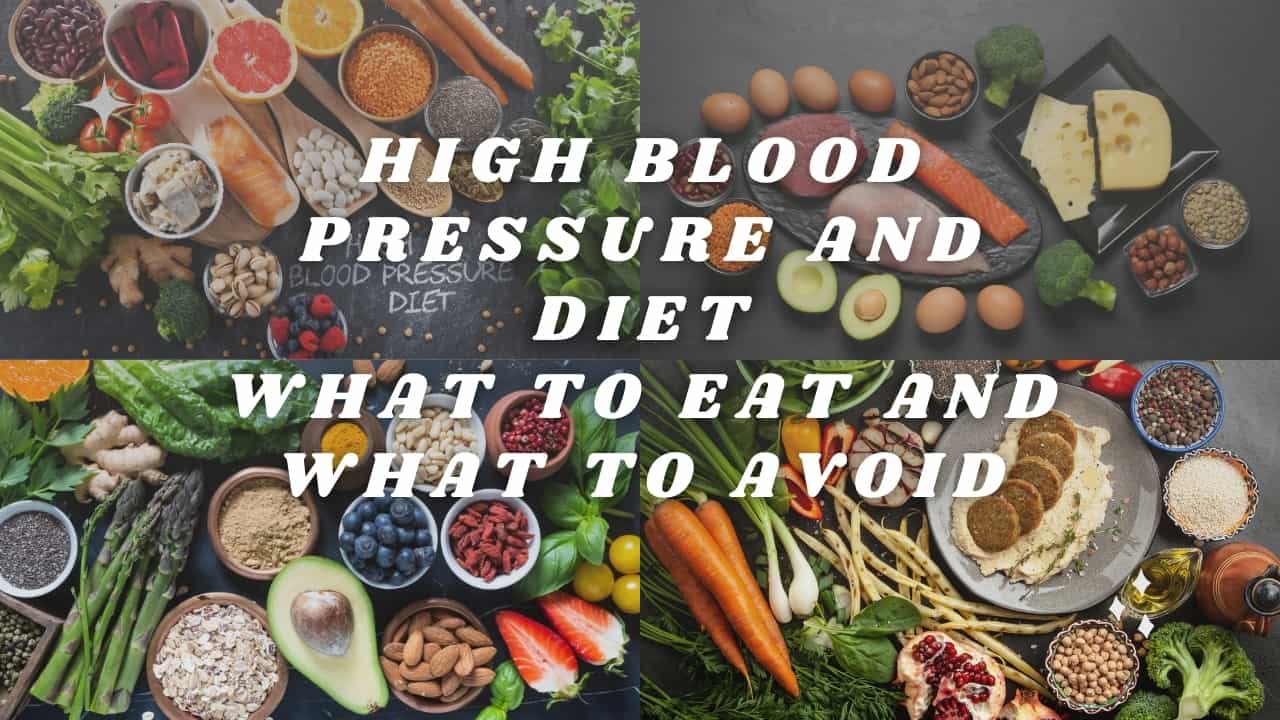
    12 High Protein Foods in Vitamin B12
    Best Protein Food For Muscle Gain
    Boost Your Health with Apricots
    How to Increase Calcium in the Body
    Top Dragon Fruit Benefits
    Flaxseed Benefits for Skin
    How to Gain Weight at Home