Search results for: “all”

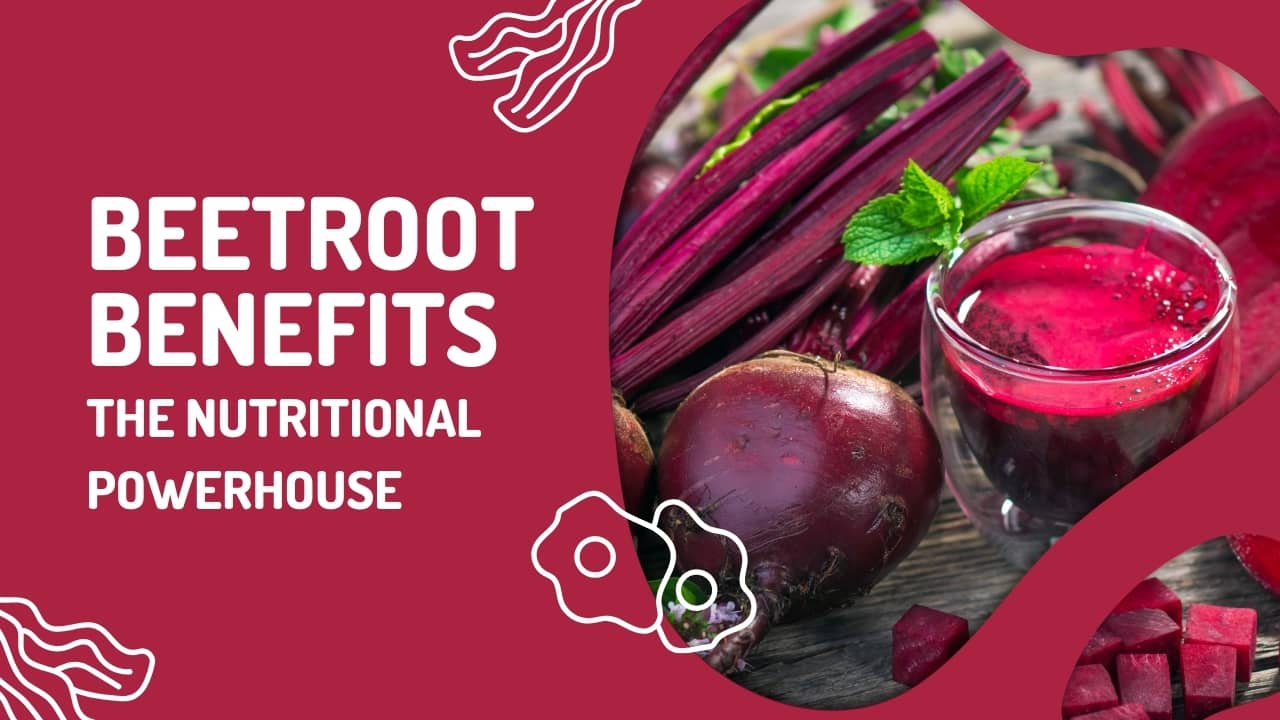
  • Beetroot Benefits: The Nutritional Powerhouse

    Beetroot Benefits: The Nutritional Powerhouse

    beetroot benefits

    Beetroot, the so-called “superfood,” is full of valuable nutrients and antioxidants that render it an essential part for good health and wellbeing. It can be eaten raw or juiced, powdered or as a skincare ingredient; no matter how it’s administered, beetroot holds countless benefits for men and women.

    Beetroot Health Benefits

    Beetroots are packed with vitamins, minerals, and nitrates that offer numerous health benefits:

    1. Improves Heart Health

    Beetroot is very rich in dietary nitrates. These get converted into nitric oxide in the human body. This compound relaxes blood vessels, improves blood circulation, and reduces blood pressure. Regular consumption of beetroot or beetroot juice can significantly reduce the risk of hypertension and other cardiovascular diseases.

    2. Boosts Physical Performance

    Athletes and fitness enthusiasts are in love with beetroot juice for its endurance-enhancing abilities. The nitrates present in beetroot increase oxygen supply to the muscles, which in turn increases stamina and reduces fatigue while working out.

    3. Supports Digestive Health

    Beetroot is rich in dietary fiber that ensures healthy digestion and prevents constipation. It also supports gut microbiota, aiding in nutrient absorption and reducing inflammation in the digestive tract.

    4. Detoxifies the Liver

    Beetroot contains powerful antioxidants known as betalains, which help cleanse the liver by flushing toxins out. It also aids in the production of bile, hence supporting the proper functioning of the liver and overall metabolic health.

    5. Boosts Immunity

    The vitamin C in beetroot strengthens the immune system, helping the body fight off infections. Its anti-inflammatory properties further contribute to overall immunity.

    6. Regulates Blood Sugar Levels

    Beetroot has a relatively low glycemic index, rendering it a great choice among those who manage their blood sugar intake. Its natural sweetness is enough for sugar cravings without spiking.

    Since beetroot can be easily put into juice, salads, or soups, it means that its various health advantages can be easily accessed through diet and nutrition.

    Beetroot Juice Benefits

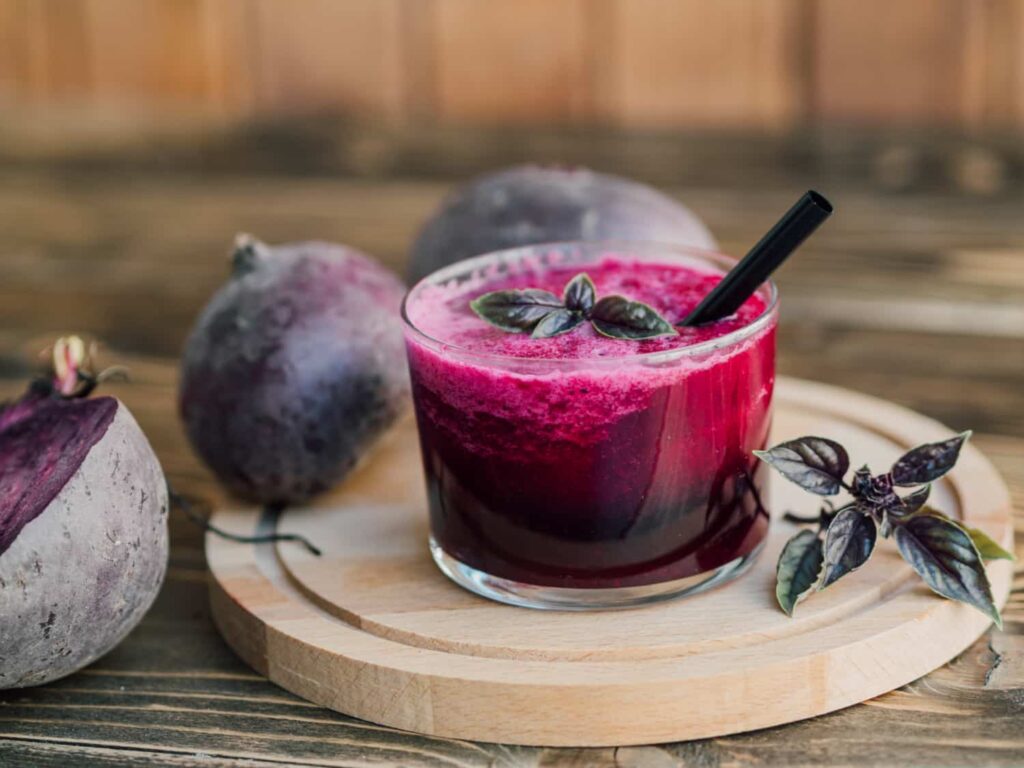
    Beetroot juice is one of the healthiest drinks you can add to your daily routine, as it is a powerhouse of nutrients and natural compounds. Being packed with essential vitamins, minerals, and antioxidants, it offers a wide range of health benefits that contribute to overall well-being.

    1. Improves Cardiovascular Health

    Beetroot juice contains nitrates that get converted into nitric oxide within the body. Nitric oxide assists in vasodilation and the dilation of blood vessels, thereby enhancing the flow of blood and lowering the pressure on the blood vessels. Such consumption will prevent diseases related to heart conditions and stroke.

    For those looking to support cardiovascular health more holistically, adding a supplement like Mibur Capsule along with beetroot can offer added benefits.

    2. Improves Athletic Performance

    A favorite among athletes, beetroot juice enhances endurance and stamina. The increased oxygen delivery to muscles during physical activity helps improve performance and reduce fatigue, making it a natural energy booster.

    3. Aids Detoxification

    Beetroot juice contains betalains, powerful antioxidants that support liver detoxification. By flushing out toxins and promoting healthy liver function, it enhances the body’s natural cleansing processes.

    4. Enhances Digestive Health

    Rich fiber in beetroot juice helps to support the proper digestion of food. Beetroot juice prevents constipation and maintains a healthy balance of gut microbiome for better nutrient absorption and the entire overall health.

    Additional support: While beetroot is naturally rich in iron and folate, some people may still need extra help to meet daily requirements. Supplements like Haem Up Syrup 200 ml provide iron and essential vitamins to support healthy haemoglobin levels, boost immunity, and promote overall well-being.

    5. Improves Glowing Skin

    Drinking beetroot juice benefits the skin by flushing out toxins and providing essential nutrients. Antioxidants contained in beetroot juice destroy free radicals, which cause wrinkles, thus reducing blemishes and giving the skin its natural glow.

    6. Supports Brain Function

    The increased blood flow from drinking beetroot juice also benefits the brain, enhancing cognitive function and reducing the risk of age-related mental decline.

    Preparation for enjoying these benefits is by blending peeled beets with water and a splash of lemon or ginger for added flavor. Drink it regularly to nourish your body from within!
    beetroot juice benefits

    Beetroot Benefits for Skin

    Beetroot is a skincare superfood because of its high antioxidant and vitamin C content.

    1. Improves Skin Glow

    Intake of beetroot juice can detoxify your body, which removes toxins causing dullness. Continuous intake can give glowing skin.

    2. Fights Acne and Blemishes

    Beetroot juice benefits for skin are one of the best ways to reduce inflammation and fight acne. It helps in eradicating blemishes because of its antimicrobial properties.

    3. Beetroot Face Pack Benefits

    A beetroot face pack made with Alps Goodness Beetroot Powder or fresh beetroot paste can revitalize your skin, lightening dark spots and pigmentation.

    4. Beetroot Powder for Skin

    Applying beetroot powder in homemade face masks can help to exfoliate dead skin cells, leaving your skin smooth and hydrated.

    Beetroot Benefits for Women

    Beetroot provides special benefits to female health:

    1. Improves Iron Levels

    Women are prone to iron deficiency, especially during menstruation. Beetroot is a natural source of iron, thus helping combat anemia and increasing energy levels.

    2. Regulates Hormonal Balance

    Antioxidants and phytonutrients in beetroot help in maintaining hormonal balance, thus improving the overall reproductive health.

    3. Enhances Skin Health

    Beetroot benefits for female skin include reduction in pigmentation, dark circles, and premature aging signs.

    Beetroot Benefits for Men

    Men can also benefit greatly by incorporating beetroot into their diet:

    1. Boosts Testosterone Levels

    Beetroot enhances blood flow that might increase testosterone levels and strength in general.

    2. Promotes Prostate Health

    Antioxidants in beetroot enhance prostate health and reduce inflammation

    3. Supports Muscle Recovery

    Post-exercise, beetroot juice reduces muscle soreness and enables men to gain strength faster.

    Beetroot for Hair

    Beetroot is a nutrient-dense vegetable that provides fantastic benefits to health. Being rich in valuable vitamins, minerals, and antioxidants, it reduces normal hair problems such as losing hair, dandruff, or dullness, and so naturally helps achieve healthy strong shinny locks.

    1. Prevents Hair Loss

    Beetroot is a rich source of iron, potassium, and folate. It strengthens hair follicles and improves blood circulation to the scalp, thus reducing hair fall and promoting healthy hair growth. Its silica content also helps support the structural integrity of hair strands, preventing breakage.

    2. Promotes Hair Growth

    With such a high content of vitamin C and carotenoids in beetroot, it ensures that your scalp is fed well while the hair starts growing as they encourage hair growth by enriching blood flow in the follicle areas to bring in sufficient oxygen and nutrients for them to grow fast.

    3. Treats Scalp Issues

    Beetroot is antimicrobial and anti-inflammatory, which can treat dandruff, an itchy scalp, and other scalp conditions. It soothes irritation and keeps the scalp clean, which will be helpful for healthy hair growth.

    4. Acts as a Natural Dye

    Natural Dye Beetroot’s vibrant red pigments can be used as a natural dye to add a reddish tint to dark hair. This chemical-free alternative also conditions the hair, leaving it soft and glossy.

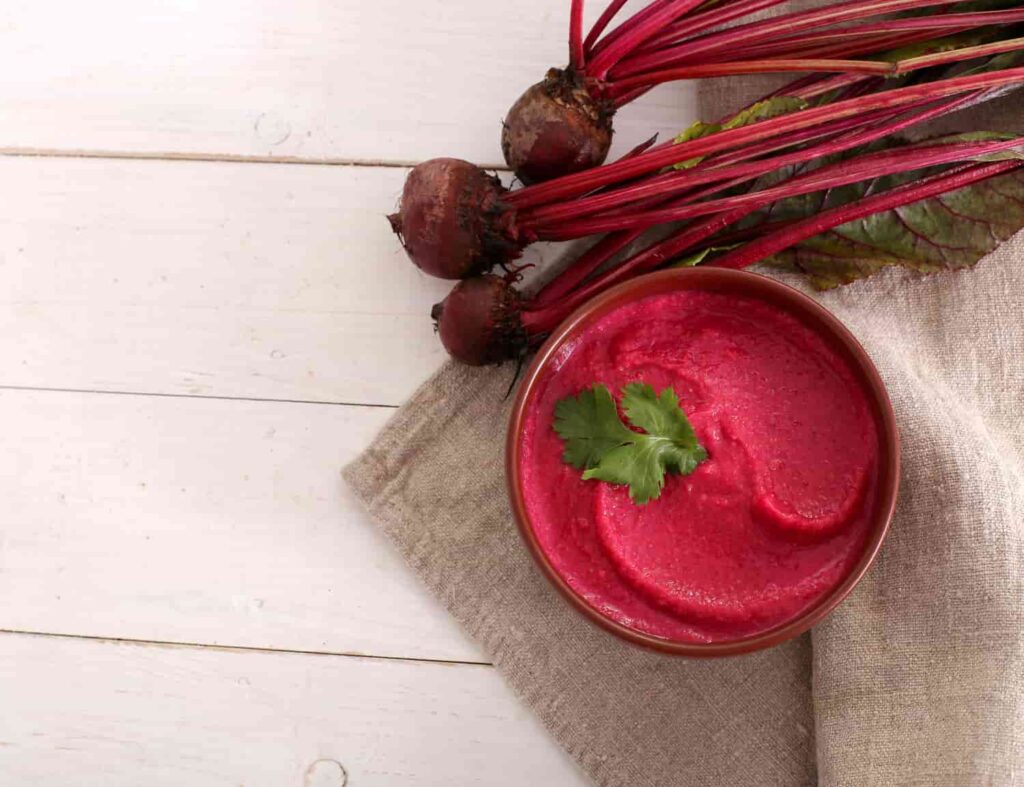
    To use beetroot for hair, blend fresh beetroot juice and apply it to the scalp and hair. Leave it on for 30 minutes before rinsing with a mild shampoo. Regular use can rejuvenate your hair, making it stronger, shinier, and healthier.
    beetroot for hair | beetroot benefits for female

    How to Make Beetroot Juice

    Making beetroot juice at home is simple and ensures you reap all its benefits:

    1. Peel and chop 1-2 fresh beets.
    2. Add them to a juicer along with a small piece of ginger or a squeeze of lemon for flavor.
    3. Blend until smooth and strain the juice for a silky consistency.
    4. Enjoy it fresh for maximum nutrition!

    Beetroot Seeds: Grow Your Own Superfood

    For those interested in gardening, beetroot seeds are a great way to grow this nutritious vegetable at home. They thrive in well-drained soil and require minimal maintenance. Freshly grown beets are not only cost-effective but also ensure you’re consuming pesticide-free produce.

    Incorporating Beetroot Into Your Routine

    • As a Supplement: Use Alps Goodness Beetroot Powder in smoothies, juices, or face masks.
    • In Meals: Add roasted beetroot to salads or blend it into soups.
    • For Skincare: Apply beetroot face packs for instant glow and hydration.

    Conclusion

    Beetroot is truly a nutritional powerhouse with its versatile health and beauty benefits. Whether you’re sipping beetroot juice, applying beetroot powder for skin care, or incorporating it into your diet, this vibrant vegetable has the potential to transform your well-being. Start adding beetroot to your daily routine to enjoy its incredible advantages for health, skin, and hair!

    FAQs on Beetroot Benefits: A Nutritional Powerhouse

    1. What are the key health benefits of beetroot?

    Beetroot is well endowed with vitamins, minerals, and antioxidants that enhance heart health, boost stamina, aid in digestion, and improve brain power. Its nitrates enhance blood circulation, while betalains detoxify the liver thus making it a good vegetable for overall wellness.

    2. How does beetroot enhance skin health?

    Beetroot is high in antioxidants that fight free radicals, which reduce acne, blemishes, and signs of aging. Drinking beetroot juice or applying beetroot face packs can brighten the skin, improve hydration, and promote a healthy glow by flushing out toxins.

    3. How to make beetroot juice at home?

    To prepare beetroot juice, peel and chop up fresh beets, then blitz them with water and a splash of lemon or ginger for added zing. Strain the resulting mixture to remove pulp. Enjoy it fresh to capture its full nutritional value.

    4. Can beetroot improve hair health?

    Yes, beetroot also strengthens hair follicles; it reduces hair fall by promoting growth through the better circulation of blood in the scalp. Its natural pigments can also be used without chemicals as a reddish hair dye while nourishing and conditioning the hair.

    Related Links:

    Flaxseed Benefits uses and recipes
    Castor Oil: 4 Essential Benefits and Uses
    Indigo Powder Benefits and Uses
    Neem Soap: Benefits and Uses 
     

  • Boost Your Health with Apricots: 9 Essential Nutrients

    Boost Your Health with Apricots: 9 Essential Nutrients

    apricot nutrients

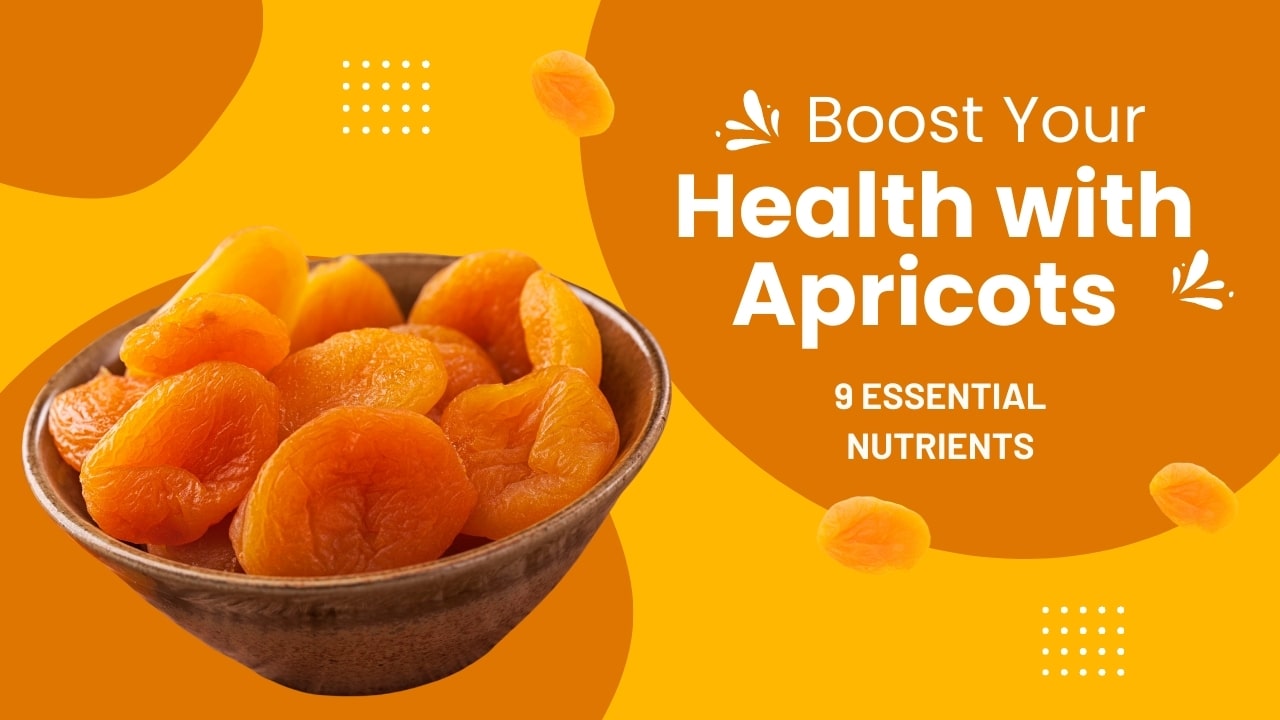
    Apricots, considered nature’s delight in golden orange, are full of great amounts of nutrients. Apricots, whether fresh or apricot dry fruit, prove to be a health powerhouse that must be added to one’s diet. Let us see how these essential nutrients can help in adding health benefits while eating them and the way to eat them for their maximum benefits.

    9 Essential Nutrients

    1. Rich in Vitamin A

    Apricots are high in Vitamin A, an important nutrient for the maintenance of eye health, skin vibrancy, and immune functioning. The beta-carotene in apricots is converted into Vitamin A by the body, preventing vision issues and skin problems.

    2. Loaded with Antioxidants

    Fresh and dried apricots are highly rich in antioxidants, such as flavonoids and polyphenols. These compounds help fight oxidative stress, thereby reducing the risk of developing chronic diseases like heart and cancer.

    3. High in Dietary Fiber

    The high fiber content in apricot dry fruits aids digestion, prevents constipation, and improves the gut health. Regularly consuming dried apricots helps regulate blood sugar and improves cholesterol profiles, making it an excellent heart-friendly food.

    4. Potassium Powerhouse

    Apricots are a rich source of potassium, an electrolyte that maintains heart health, nerve functions, and muscle contraction. Including this fruit in your diet balances sodium levels and can reduce the likelihood of developing hypertension.

    5. Packed with Iron

    For people suffering from anemia, dried apricots are an excellent natural remedy. It is a good source of non-heme iron, which is more beneficial for women and vegetarians or vegans. A combination of apricots with a source of Vitamin C can enhance iron absorption.

    6. Source of Vitamin C

    Fresh apricots and dried varieties give a boost of Vitamin C, which strengthens the immune system, aids collagen production, and promotes faster wound healing. This makes them an excellent choice for maintaining youthful skin and overall health.

    7. Calcium and Magnesium Combo

    The combination of calcium and magnesium in apricots supports strong bones and teeth. For the people who want to prevent osteoporosis or maintain healthy joints, it is essential to incorporate the dry apricot benefits in your routine.

    8. Natural Energy Booster

    They provide the body with natural sugars and become an easily accessible source of quick energy. This can come in very handy for athletes or those in need of an afternoon boost in energy. For a deliciously healthy treat, consider making an apricot delight- apricots coated with dark chocolate or included in a trail mix.

    9. Healthy Fats from Apricot Seeds

    Apricot seeds are often neglected but are a treasure trove of nutrients. They are rich in healthy fats, Vitamin B17 (amygdalin), and antioxidants. These seeds may support immune health and provide anti-inflammatory benefits. However, moderation is key because they contain small amounts of cyanogenic compounds.

    How to Eat Apricot Dry Fruit

    Apricot dry fruit is very delicious and versatile, as well as nutrient-rich, to add to your diet. Dried apricots are full of all the essential vitamins, minerals, and fiber, which can be enjoyed in a variety of ways, making them suitable for different meals and occasions.

    1. As a Healthy Snack

    Dried apricots are a very convenient, portable snack. Simply eat them as they are for an instant energy boost. Their natural sweetness satisfies sugar cravings without added guilt, and their chewy texture makes them a satisfying treat.

    2. In Breakfast Dishes

    Add chopped dried apricots to oatmeal, granola, or yogurt and raise the level of your breakfast. The natural sweetness of the fruit goes perfectly well with nuts and seeds. Your meal is going to become nutrient-dense and tasty. Blend into smoothies for a fruity twist.

    3. As a Part of Trail Mix

    Mix dried apricots with nuts, raisins, and seeds to make a healthy trail mix. This is one of the best on-the-go snacks that provides a balance of carbohydrates, protein, and healthy fats, making it great for hiking or busy days.

    4. In Baking and Cooking

    Dried apricots add sweetness and texture to baked goods such as cookies, muffins, and cakes. In savory dishes, they bring a delightful contrast of flavor to stews, tagines, and pilafs. Their soft, chewy texture complements rich and hearty ingredients like meats and grains.

    5. As a Garnish or Dessert

    Use dried apricots as a garnish for desserts, or pair them with cheese and crackers for a sophisticated snack. For an indulgent treat, dip them in dark chocolate or stuff them with nuts. With their rich nutritional profile and versatile usage, apricot dry fruit can easily become a staple in your diet. Enjoy them plain or get creative with recipes to maximize their health benefits.

    apricot dry fruit

    Apricot During Pregnancy

    Pregnancy is a period of time when nutritional support is extremely important for the well-being of both the mother and the baby. Of all fruits, fresh as well as dried, apricots are amongst the most nutritional fruits that need to be a part of a pregnant woman’s diet. They provide essential amounts of iron, fiber, calcium, and vitamins needed by an expecting mother.

    Rich in Iron to Combat Anemia

    During pregnancy, the body requires much more iron to facilitate the production of additional blood to support the growing baby and placenta. Iron deficiency is very common in pregnant women, and they are prone to fatigue and complications. Apricots, especially dried apricots, are a rich source of non-heme iron, which helps prevent anemia. Apricots consumed with Vitamin C-rich foods, such as oranges, improve iron absorption for better outcomes.

    Helps Support Digestive Health

    One of the most common conditions pregnant women face is digestive problems due to hormonal changes and a swelling uterus putting pressure on the digestive system. Apricots, particularly dried apricots, are full of dietary fiber that supports a healthy digestive system and aids in treating constipation. So regular consumption of apricots would enhance bowel movements and provide comfort from such problems.

    Provides Essential Vitamins and Minerals

    Apricots contain a treasure of vitamins and minerals that are essential for the pregnant body. Vitamin A, gotten from beta-carotene in apricots, is important for a baby’s developing vision and immune system. Potassium, another key nutrient in apricots, helps to maintain healthy blood pressure levels and prevents muscle cramps, a common issue during pregnancy.

    Source of Natural Energy

    The natural sugars in apricots give instant energy, making them a great snack for pregnant women who are constantly tired. Adding a few dried apricots to your diet can help maintain energy levels throughout the day.

    Are Apricots Safe During Pregnancy?

    Yes, apricots are typically non-toxic during pregnancy, unless it is consumed excessively. Washing fresh apricots is of particular importance, and the intake should be unsweetened dried fruits to avoid consuming large quantities of sugar. Caution when using apricot seeds that contain amygdalin compound, which is able to release cyanide in higher quantity.

    apricot during pregnancy, dry apricot benefits

    Conclusion

    Apricots, whether fresh, dried, or as apricot delight, offer a wide range of health benefits. With nutrients like Vitamin A, potassium, and iron, they support eye health, heart function, and immunity. Incorporate dried apricots and apricot seeds into your daily routine to harness these benefits. Whether as a snack, in recipes, or as part of a healthy pregnancy diet, apricots are truly a gift of nature.

    FAQs on Boost Your Health with Apricots: 9 Essential Nutrients

    1. What are the main nutrients in apricots that help in health improvement?

    Apricots contain Vitamin A, dietary fiber, potassium, iron, and antioxidants. These nutrients contribute to maintaining eye health, aid digestion, control blood pressure, prevent anemia, and protect the body from oxidative stress. It also includes Vitamin C and calcium.

    2. Are dried apricots just as nutritious as fresh apricots?

    Dried apricots contain most of the nutrient components of fresh apricots, such as fiber, iron, and antioxidants. But they are more calorie-dense and may have added sugars or preservatives. Instead, choose unsweetened organic dried apricots for their benefits without the unwanted additives.

    3. How do I add apricot dry fruit to my diet?

    You can snack on dried apricot fruit alone, mix it with trail mixes, or chop it into salads and cereals. They also go well in baked goods, smoothies, or as a topping for yogurt. For savory dishes, dried apricots add a sweet contrast to stews and couscous.

    4. Can pregnant women eat apricots and dried apricots?

    Absolutely! Apricots are beneficial during pregnancy as they contain iron, fiber, potassium, and vitamins necessary for the mother and baby. They help to combat anemia, improve digestion, and regulate blood pressure. However, consume them in moderation and avoid apricot seeds, which can be harmful in large quantities.

    Related Links:

    10 Calcium Rich Foods
    Castor Oil: 4 Essential Benefits and Uses
    Amazing Benefits of Dragon Fruit
    Ultimate Flaxseed Benefits
    Best High Protein Foods for Muscle Growth
    How to Gain Weight Fast and Naturally
    5 Tips for Healthy Skin


  • 10 Calcium Rich Foods : A Comprehensive Guide

    10 Calcium Rich Foods : A Comprehensive Guide

    calcium rich foods

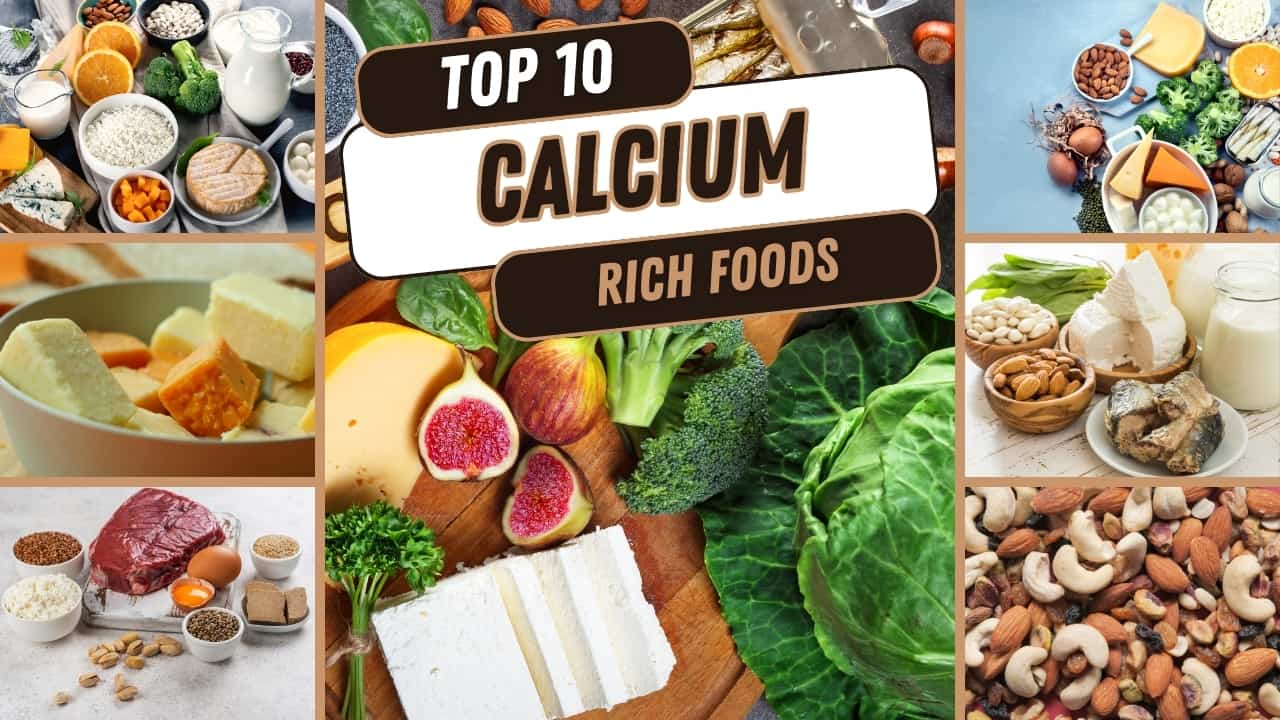
    Calcium is essential for building and maintaining strong bones and teeth, aiding muscle function, and supporting the nervous system. Including foods high in calcium in your diet is crucial for overall well-being. Here’s a detailed guide on the top 10 calcium rich foods that can help you meet your daily calcium needs.

    Top 10 calcium rich Foods

    1. Dairy Products

    Dairy products like milk, yogurt, and cheese are some of the best calcium foods available. A single cup of milk provides about 300 mg of calcium. Yogurt, especially Greek yogurt, is an excellent option, offering probiotics alongside calcium.

    Tip: Use milk in smoothies or cereals to increase calcium in the body effectively.

    2. Leafy Green Vegetables

    Vegetables such as spinach, kale, collard greens, and broccoli are excellent calcium rich vegetarian foods. One cup of cooked spinach contains about 245 mg of calcium.

    Tip: Combine these greens with other ingredients to make soups or stir-fries for a wholesome meal.

    3. Almonds

    Almonds are among the best calcium rich dry fruits. A handful of almonds (about 23 nuts) provides 76 mg of calcium, along with healthy fats, protein, and fiber.

    Tip: Include almonds in your snacks or grind them into almond butter for a calcium boost.

    4. Sesame Seeds

    Sesame seeds are a traditional calcium rich Indian food. Just one tablespoon of sesame seeds contains 88 mg of calcium. They are also rich in magnesium, which complements calcium absorption.

    Tip: Sprinkle sesame seeds on salads, curries, or flatbreads for added nutrition.

    5. Tofu and Soy Products

    Tofu is a powerhouse among foods high in calcium. Half a cup of calcium-set tofu can provide as much as 861 mg of calcium. Soy milk is another fortified option for those who avoid dairy.

    Tip: Use tofu in stir-fries or curries to enhance your intake of calcium rich foods vegetarian.

    6. Ragi (Finger Millet)

    Ragi is an essential calcium rich Indian food, commonly consumed in South India. It contains 344 mg of calcium per 100 grams and is gluten-free.

    Tip: Prepare ragi porridge, dosa, or roti to include it in your diet.

    7. Oranges

    Among calcium fruits, oranges are a tasty and nutritious choice. A medium-sized orange provides 65 mg of calcium. Additionally, they are high in vitamin C, which improves calcium absorption.

    Tip: Snack on fresh oranges or include them in your salads and smoothies.

    8. Chickpeas and Lentils

    Chickpeas, black-eyed peas, and lentils are staples in Indian cuisine and good sources of calcium. A cup of cooked chickpeas provides 80 mg of calcium.

    Tip: Include them in curries, stews, or salads for a high calcium foods chart addition.

    9. Figs

    Figs, both fresh and dried, are excellent sources of calcium. Just two dried figs provide 65 mg of calcium, making them a top choice among calcium rich dry fruits.

    Tip: Add figs to your breakfast bowl or desserts for a naturally sweet calcium boost.

    10. Amaranth (Rajgira)

    Amaranth is a nutrient-dense calcium rich Indian food that contains 116 mg of calcium per cooked cup. It is also high in protein and iron.

    Tip: Use amaranth in porridge, chapati, or as a grain substitute for rice.

    How to Increase Calcium in the Body

    • Diverse Diet : Incorporate a variety of items from the calcium foods list to meet your daily requirements.
    • Pair with Vitamin D : Ensure adequate vitamin D intake, as it aids calcium absorption.
    • Avoid Excessive Sodium : Too much salt can cause calcium loss through urine.
    • Fortified Foods : Choose calcium-fortified cereals, juices, and plant-based milk.

    High Calcium Foods Chart

    Food Item Calcium (mg) per Serving
    Milk (1 cup) 300
    Yogurt (1 cup) 245
    Almonds (23 nuts) 76
    Spinach (1 cup) 245
    Sesame Seeds (1 tbsp) 88
    Ragi (100 g) 344
    Oranges (1 medium) 65
    Figs (2 dried) 65
    Tofu (½ cup) 861
    Chickpeas (1 cup) 80

    Including these items ensures a well-rounded intake of calcium rich foods vegetarian, helping you maintain strong bones and a healthy lifestyle.

    Calcium Fruits

    Fruits are often recognized for their vitamins, fiber, and antioxidants, but certain fruits also contribute to calcium intake, supporting bone health, muscle function, and overall wellness. While not as calcium-dense as dairy products or leafy greens, calcium fruits are an excellent addition to a balanced diet, especially for vegetarians and those seeking plant-based sources.

    Top Calcium rich Fruits

    Top Calcium rich Fruits

    1. Oranges and Orange Juice

    Oranges, a citrus favorite, provide around 60 mg of calcium per medium fruit. Fortified orange juice is an even better source, offering up to 300 mg of calcium per glass. This makes oranges one of the most accessible and versatile calcium rich foods vegetarian options.

    2. Kiwi

    With about 34 mg of calcium per 100 grams, kiwis are a refreshing and nutritious choice. They’re also rich in vitamin C, which supports calcium absorption in the body.

    3. Berries

    Blackberries, raspberries, and strawberries are fruits with moderate calcium content. For example, blackberries offer approximately 29 mg per cup. These berries can be added to smoothies, yogurts, or salads.

    4. Guava

    This tropical fruit contains about 18 mg of calcium per 100 grams. Guava is also a fantastic source of vitamin C and dietary fiber.

    5. Papaya

    Papaya provides around 20 mg of calcium per cup. It’s a versatile fruit that can be consumed fresh, in smoothies, or as part of fruit salads.

    Benefits of Calcium Fruits

    • Natural and Refreshing : These fruits provide calcium alongside other essential nutrients like vitamins A and C, potassium, and antioxidants.
    • Easily Digestible : Fruits are gentle on the stomach, making them a great option for those with dietary restrictions or sensitive digestion.
    • Versatile : calcium rich fruits can be eaten fresh, blended into smoothies, or added to desserts and salads, offering flexibility in meal planning.

    How to Incorporate Calcium Fruits into Your Diet

    • Breakfast Boost : Add oranges, or papayas to your morning meal.
    • Snacks : Munch on guava slices as a healthy midday snack.
    • Smoothies : Blend berries, kiwi, or fortified orange juice into a nutrient-packed smoothie.
    • Desserts : Use fruits like figs or oranges in fruit salads, yogurt parfaits, or as a topping for oatmeal.

    While fruits may not be as calcium rich as some other foods, their nutritional benefits and natural sweetness make them an essential part of a calcium-focused diet. Pairing calcium fruits with other high-calcium foods, like leafy greens or fortified products, can help meet daily requirements while keeping meals enjoyable and diverse.

    Calcium Rich Dry Fruits

    Dry fruits, or dried fruits and nuts, are concentrated sources of nutrients, including calcium, fiber, healthy fats, and antioxidants. They provide a convenient way to increase your calcium intake, especially for those who prefer plant-based sources or need portable, easy-to-consume snacks. Calcium rich dry fruits are an excellent addition to any diet, offering both nutritional value and taste.

    Top calcium rich Dry Fruits

    Top calcium rich Dry Fruits

    1. Almonds

    Almonds are one of the best calcium rich dry fruits, offering around 76 mg of calcium per 28 grams (about 23 almonds). Almonds are not only a great source of calcium but also provide healthy fats, fiber, and vitamin E. Eating almonds regularly helps promote bone health and supports overall well-being.

    How to Use: Snack on raw or roasted almonds, add them to smoothies, or sprinkle them over salads and cereals.

    2. Sesame Seeds

    Sesame seeds are packed with calcium, providing about 975 mg per 100 grams. These tiny seeds are often overlooked, but are among the richest plant-based sources of calcium. Sesame seeds are also high in magnesium, iron, and healthy fats, making them a superfood for bone strength.

    How to Use: Incorporate sesame seeds into your diet by sprinkling them on salads, adding them to baked goods, or using them in tahini (a paste used in many Middle Eastern dishes). Indian sweets like til ladoo are also a great way to enjoy sesame seeds.

    3. Figs (Anjeer)

    Dried figs are a delicious and calcium-dense fruit, offering approximately 162 mg of calcium per 100 grams. In addition to calcium, figs provide fiber, potassium, and antioxidants, contributing to digestive and heart health.

    How to Use: Figs can be eaten as a snack, added to oatmeal or salads, or blended into smoothies. They also make a wonderful addition to baked goods and desserts.

    4. Apricots

    Dried apricots contain about 55 mg of calcium per 100 grams. They are also rich in vitamins A and C, which support immune health, and iron, which aids in red blood cell production.

    How to Use: Dried apricots can be eaten as a snack, added to trail mixes, or included in fruit salads.

    5. Dates

    Dates are not only a great source of natural sugars and energy but also provide a modest amount of calcium—around 39 mg per 100 grams. Dates are also rich in potassium, magnesium, and fiber, making them a beneficial food for heart health and digestion.

    How to Use: Dates can be eaten on their own, chopped into salads, or blended into energy balls and smoothies.

    Conclusion

    Calcium rich dry fruits provide a healthy, natural way to increase your calcium intake without resorting to dairy or supplements. They are nutrient-dense, versatile, and easy to incorporate into a variety of meals and snacks. By including a combination of calcium rich dry fruits like almonds, sesame seeds, and figs, you can enjoy not only strong bones and teeth but also improved digestion, heart health, and overall well-being.

    FAQs On 10 Calcium Rich Foods: A Comprehensive Guide

    1. What are the top 10 calcium-rich foods for better health?

    The top 10 calcium-rich foods include dairy products like milk, cheese, and yogurt, leafy greens like spinach and kale, nuts like almonds, seeds such as sesame, tofu, fortified plant-based milks, beans, figs, oranges, and ragi.

    2. Can vegetarians get enough calcium from plant-based foods?

    Yes, vegetarians can easily meet their calcium needs by including plant-based options like leafy greens, tofu, ragi, sesame seeds, and fortified plant milks. Calcium-rich vegetarian foods are abundant and offer various choices for a balanced diet.

    3. How can I increase calcium absorption from foods?

    To increase calcium absorption, include vitamin D-rich foods like fortified cereals or sunlight exposure in your diet, and avoid excessive caffeine or salt. Pairing calcium-rich foods with magnesium and vitamin K can further enhance calcium utilization in the body.

    Related Links: 

    Ways to Eat Chia Seeds for Healthy Benefits
    Best High Protein Foods for Muscle Growth
    What Are the Amazing Benefits of Dragon Fruit?
    12 High Protein Foods in Vitamin B12
    The Ultimate Flaxseed Benefits
    How to Gain Weight Fast and Naturally


  • Castor Oil: 4 Essential Benefits and Uses

    Castor Oil: 4 Essential Benefits and Uses

    castor oil benefits

    Castor oil, derived from the seeds of the castor plant (Ricinus communis), is a versatile and natural remedy with a rich history of use in traditional medicine and modern wellness practices. Packed with essential fatty acids, vitamins, and nutrients, castor oil offers numerous benefits for hair, skin, digestion, and overall health. Here’s an in-depth look at four of its most essential benefits and uses.

    Castor Oil benefits for Hair: Growth and Thickness

    Castor oil is a time-tested solution for achieving thicker, longer, and healthier hair. Rich in ricinoleic acid, an omega-9 fatty acid, it helps to nourish the scalp, promote blood circulation, and stimulate hair follicles.

    1. Stimulates Hair Growth

    Castor oil is widely recognized for its ability to stimulate hair growth. The high concentration of ricinoleic acid, an omega-9 fatty acid, improves blood circulation to the scalp, ensuring that hair follicles receive more oxygen and nutrients.

    How It Works:

      • Boosts blood flow to hair follicles, encouraging growth.
      • Provides essential nutrients that support healthy hair development.
      • Prolongs the anagen phase (growth phase) of the hair cycle.

    How To Use Castor Oil For Hair Growth:

      • Warm castor oil slightly and massage it into your scalp for 5–10 minutes.
      • Leave it on overnight or for a few hours before washing it out with a mild shampoo.
      • Repeat 1–2 times a week for noticeable results.

    castor oil benefits

    2. Thickens Hair and Adds Volume

    If you’re struggling with thinning hair or bald spots, castor oil can help restore volume and thickness. Its nourishing properties strengthen the hair shaft, making each strand appear fuller.

    Why It Works :

      • Promotes the growth of thicker, stronger hair strands.
      • Prevents hair breakage, reducing overall thinning.

    How To Use Castor Oil For Hair Growth And Thickness:

      • Mix castor oil with coconut or almond oil for easier application.
      • Apply the mixture to your scalp and hair, focusing on areas of thinning.
      • Use consistently for a few months to see improved thickness.

    3. Prevents Hair Loss

    Hair loss can result from various factors, including poor scalp health, weak hair roots, and breakage. Castor oil tackles these issues by strengthening the roots, improving scalp health, and preventing breakage.

    Key Benefits

      • Ricinoleic acid has anti-inflammatory properties that reduce scalp irritation, a common cause of hair loss.
      • Its antibacterial and antifungal properties protect the scalp from infections that can lead to shedding.

    How to Use:

      • Apply castor oil directly to the scalp and massage gently to improve circulation.
      • Leave it on for at least 2 hours or overnight, then wash it out thoroughly.

    4. Moisturizes and Conditions Hair

    Castor oil acts as a natural conditioner, leaving hair soft, smooth, and shiny. Its emollient properties lock in moisture and prevent dryness, making it an excellent treatment for frizzy or damaged hair.

    Benefits:

      • Hydrates dry hair and prevents split ends.
      • Improves manageability and reduces frizz.
      • Adds a natural shine and luster to dull hair.

    How to Use:

      • Combine castor oil with olive oil or argan oil for a hydrating hair mask.
      • Apply the mixture from roots to tips and leave it on for 30 minutes before rinsing.
      • For deeper conditioning, wrap your hair in a warm towel after applying the oil.

    5. Treats Scalp Conditions

    A healthy scalp is essential for healthy hair growth, and castor oil is effective in treating common scalp issues such as dandruff, itchiness, and flakiness.

    How It Helps:

      • Its antifungal and antibacterial properties combat scalp infections.
      • Moisturizes the scalp to reduce dryness and flaking.
      • Soothes inflammation caused by conditions like eczema or psoriasis.

    How to Use:

      • Mix castor oil with tea tree or peppermint oil, which also have antifungal properties.
      • Massage into the scalp, leave for an hour, and then wash with a gentle shampoo.
      • Repeat weekly for best results.

    6. Reduces Split Ends and Breakage

    Split ends and breakage can make hair appear unhealthy and impede growth. Castor oil strengthens hair strands, reducing the occurrence of split ends and brittleness.

    Why It Works:

      • Provides deep hydration to the hair shaft, making it more resilient.
      • Seals in moisture, preventing dryness that leads to breakage.

    How to Use:

      • Apply a small amount of castor oil to the ends of your hair after washing.
      • Use it as a leave-in treatment to repair damaged ends over time.

    7. Protects Hair from Damage

    Environmental factors such as pollution, UV rays, and heat styling can damage hair. Castor oil creates a protective layer around the hair shaft, shielding it from external aggressors.

    Benefits:

      • Prevents damage caused by exposure to harsh weather or pollutants.
      • Acts as a natural barrier against heat damage when used sparingly before styling.

    How to Use:

      • Rub a few drops of castor oil between your palms and lightly coat your hair before styling.

    8. Enhances Eyebrows and Eyelashes

    Castor oil benefits for hair isn’t just on your head—it’s also a great remedy for sparse eyebrows and eyelashes. Its nutrient-rich composition stimulates growth and thickens the hair in these areas.

    How to Use:

      • Dip a clean mascara wand or cotton swab into castor oil.
      • Apply to your eyebrows and eyelashes before bed.
      • Wash off in the morning with a gentle cleanser.

    Precautions When Using Castor Oil

    • Patch Test : Always do a patch test before applying castor oil to ensure you’re not allergic.
    • Moderation : Use castor oil sparingly, as its thick consistency can be difficult to wash out and may weigh down your hair.
    • Dilution : Mix with lighter oils like coconut, almond, or argan oil for easier application.

    Castor Oil Benefits for Skin: Hydration and Healing

    Castor oil is a potent moisturizer and skin healer, ideal for treating dryness, irritation, and minor wounds. Its rich composition of fatty acids and antioxidants makes it an excellent natural remedy for various skin concerns.

    Castor Oil Benefits for Skin:

    • Deep Moisturization : Penetrates deep into the skin, locking in moisture and making it ideal for dry or sensitive skin.
    • Anti-Aging Properties : Reduces fine lines and wrinkles by boosting collagen and elastin production.
    • Soothes Inflammation : Alleviates redness, irritation, and swelling caused by conditions like eczema or psoriasis.
    • Heals Minor Cuts and Wounds : Its antibacterial properties promote faster healing of small injuries.

    How to Use for Skin:

    • As a Moisturizer : Apply a few drops to clean skin, focusing on dry areas or using it as a night treatment.
    • For Acne Treatment : Apply a thin layer of castor oil to acne-prone areas; its anti-inflammatory properties can help reduce breakouts.
    • For Healing : Dab a small amount onto cuts, wounds, or irritated skin for faster recovery.

    castor oil benefits for skin

    Castor Oil Benefits for Stomach: Digestive Health

    Known as a natural laxative, castor oil has long been used to support digestive health and relieve occasional constipation.

    Benefits for Stomach:

    • Relieves Constipation : Stimulates the bowel muscles to promote natural movement.
    • Detoxifies the Gut : Helps cleanse the digestive tract, removing waste and toxins.
    • Reduces Bloating : Can alleviate discomfort caused by trapped gas or indigestion.

    How to Use:

    • For Constipation : Take 1–2 teaspoons of castor oil on an empty stomach. It typically works within 6 hours, so plan accordingly.
    • Precaution : Use sparingly and consult a healthcare professional if you have chronic digestive issues, as overuse can lead to dependency.

    castor oil benefits for stomach

    General Health Benefits of Drinking Castor Oil

    In addition to its topical uses, drinking castor oil in small, recommended doses can provide a range of internal health benefits.

    Benefits:

    • Boosts Immunity: The ricinoleic acid in castor oil helps improve lymphatic drainage and supports overall immunity.
    • Improves Joint Health: Its anti-inflammatory properties may help reduce symptoms of arthritis and joint pain.
    • Enhances Detoxification: Aids the body in flushing out toxins, supporting liver and kidney health.

    Caution: Always follow recommended doses and consult a healthcare provider before consuming castor oil, especially during pregnancy or if you have pre-existing conditions.

    Choosing the Best Castor Oil

    To reap the full benefits of castor oil, quality matters:

    • Cold Pressed Castor Oil : Retains the maximum nutrients and is free from additives.
    • Organic Variants : Certified organic options ensure purity and safety.
    • Hexane-Free Formulations : Avoid oils processed with chemicals like hexane.
    • Jamaican Black Castor Oil: Popular for its thicker consistency and additional nutrients from roasted castor beans makes it the best castor oil for hair.

    Conclusion

    Castor oil is a multi-purpose natural remedy that benefits hair, skin, stomach health, and so much more. Its uses and versatility make it an important part of holistic wellness practices. Topically or orally with guidance, castor oil can enhance your overall health and beauty practice. Look for cold-pressed varieties in high quality. Drinking castor oil benefits include relief from constipation, improved digestion, and detoxification of the gut. As a natural laxative, it stimulates bowel movements and helps cleanse the digestive tract. Additionally, its anti-inflammatory properties support overall digestive health when taken in moderation under professional guidance.

    FAQs on Castor Oil: 4 Essential Benefits and Uses

    1. How does castor oil promote hair growth and thickness?

    Castor oil is a rich source of ricinoleic acid, which boosts blood circulation to the scalp and nourishes hair follicles, thereby promoting hair growth and thickness. Scalp massages with castor oil can also strengthen roots and reduce hair loss.

    2. Can castor oil help with acne and skin hydration?

    Yes, castor oil’s antibacterial properties fight acne-causing bacteria, and its fatty acids deeply moisturize the skin. It also calms inflammation, so it can be used on sensitive or irritated skin.

    3. Is drinking castor oil safe for digestive health?

    Drinking small, recommended amounts of castor oil can ease constipation and help detoxify by stimulating bowel movements. Always consult a healthcare professional before taking it, especially for extended periods.

    Related Links:

    How to Grow Hair Faster?
    Skin Care: 5 Tips for Healthy Skin
    Neem Soap: Benefits and Uses for Skincare

    The Natural Solution for Healthy Hair Growth

  • What Are the Amazing Benefits of Dragon Fruit ?

    What Are the Amazing Benefits of Dragon Fruit ?

    benefits of dragon fruits

    Dragon fruit, or pitaya, is a brightly coloured tropical fruit with its interesting appearance and health benefits. Different colours of the fruit make it red dragon fruit, pink dragon fruit, or yellow dragon fruit. Due to its rich nutrient content and the presence of antioxidants, the fruit has emerged as one of the most coveted superfoods.
    Below is a dragon fruit photo.

    Nutritional Value of Dragon Fruit

    Dragon fruit boasts a rich nutritional profile, making it a powerhouse of health benefits. A typical serving (100 grams) of dragon fruit contains:

    • Calories : 50–60
    • Carbohydrates : 11–13 grams
    • Fiber : 3–4 grams
    • Vitamin C : 10–25% of the daily recommended intake
    • Iron : 4–5% of the daily recommended intake
    • Magnesium : 10% of the daily recommended intake
    • Antioxidants : Betalains, flavonoids, and phenolic acids

    Top Dragon Fruit Benefits

    Here’s an in-depth look at the top benefits of eating dragon fruit.

    1. Rich in Nutrients

    The nutritional value of dragon fruit makes it a powerhouse of essential vitamins and minerals. It is an excellent source of:

    • Vitamin C : Strengthens the immune system and promotes glowing skin.
    • Magnesium : Supports muscle and nerve function.
    • Iron : Enhances oxygen transport in the blood.
    • Fiber : Aids in digestion and keeps you full.

    These nutrients collectively contribute to better health and vitality.

    2. Loaded with Antioxidants

    Dragon fruit is known to be a rich source of antioxidants like betalains, flavonoids, and phenolic acids. These antioxidants help protect the body from oxidative stress, which occurs when free radicals attack healthy cells, and can contribute to chronic diseases like heart disease and cancer. Therefore, the vibrant colors of red dragon fruit and pink dragon fruit are due to these antioxidants.

    3. Boosts Immune System

    Thanks to its high vitamin C content, dragon fruit fortifies the immune system by strengthening the body’s ability to fight infections. The antioxidants also reduce inflammation, adding further protection against illnesses.

    4. Promotes Digestive Health

    A healthy diet rich in dietary fiber promotes a well-functioning digestive system. It does not allow constipation and regularizes bowel movement, besides nurturing friendly gut bacteria. Consumption of dragon fruit on a daily basis would maintain an even, balanced digestive system that operates at a good rate.

    5. Good for Heart Health

    Heart Health Dragon fruit offers significant benefits to the heart. The seeds in dragon fruit contain rich sources of omega-3 and omega-6 fatty acids, which help to lower bad cholesterol (LDL) levels and increase good cholesterol (HDL). Its low content of cholesterol and nutrient profile helps in maintaining a healthy heart.

    6. Supports Healthy Skin

    If you’re looking for glowing, youthful skin, dragon fruit is a great choice. The antioxidants and vitamin C content offer multiple dragon fruit benefits for skin, including:
    Reducing signs of aging by fighting free radicals.
    Promoting collagen production for firm and supple skin.
    Hydrating and soothing the skin, especially after sun exposure.
    You can also use dragon fruit pulp as a natural face mask for a quick skincare boost.

    7. Aids in Weight Management

    Dragon fruit benefits include managing weight. It is very low in calories but rich in fiber, making it a more filling snack that keeps you longer. The addition of dragon fruit to your diet will curtail unhealthy cravings and help one lose weight.

    8. Regulates Blood Sugar Levels

    Dragon fruit helps regulate blood sugar through improvement in the sensitivity of the insulin, making it a suitable option for type 2 diabetics or those who might eventually develop the condition. It has a high fiber content, which also slows the rate of sugar absorption thereby reducing sudden peaks in blood sugar levels.

    9. Beneficial for Pregnancy

    Pregnant women can benefit immensely from this fruit. Dragon fruit is good for pregnancy due to its nutrient density:
    Iron prevents anemia by increasing hemoglobin levels.
    Calcium and magnesium aid in fetal bone development.
    Vitamin C boosts immunity and aids in the absorption of iron.
    The high fiber content helps alleviate pregnancy-related constipation.

    10. Enhances Energy and Reduces Fatigue

    Magnesium is found in dragon fruit, and it is necessary for the production of energy. Frequent consumption helps in fighting off fatigue and overall energy level, keeping you active throughout the day.

    11. Supports Bone Health

    Calcium and magnesium in dragon fruit also contribute to stronger bones and teeth. These minerals are important for maintaining bone density and reducing the risk of osteoporosis as age progresses.

    How to Eat Dragon Fruit

    Step 1: Choosing the Perfect Dragon Fruit

    When selecting dragon fruit, look for the following indicators of ripeness:

    • Color: The skin should be vibrant and evenly colored. For example:
      • Red dragon fruit and pink dragon fruit should have bright, rich hues.
      • Yellow dragon fruit should be a vivid yellow with minimal green patches.
    • Texture: The skin should be smooth and slightly soft to the touch, like a ripe avocado. Avoid fruits with too many blemishes, cracks, or overly soft spots.

    yellow dragon fruit benefits

    Step 2: Preparing the Dragon Fruit

    Once you have your perfect dragon fruit, follow these steps to prepare it:

    1. Wash the Fruit : Rinse the dragon fruit under cool running water to remove any dirt or debris from the skin.
    2. Slice the Fruit : Use a sharp knife to cut the dragon fruit in half lengthwise. You will see the soft, speckled flesh inside, which can be white, red, or deep pink depending on the variety.
    3. Scoop Out the Flesh : Use a spoon to scoop the flesh out of the skin. The flesh comes away easily, leaving behind the colorful outer peel.

    pink dragon fruit benefits

    Step 3: Eating Fresh Dragon Fruit

    The simplest and most popular way to enjoy dragon fruit is fresh. Its mildly sweet flavor and juicy texture make it a refreshing snack. Here are a few tips:

    • Cut the flesh into cubes or scoop it out directly with a spoon.
    • Serve it chilled for a more refreshing experience, especially during summer.

    Step 4: Creative Ways to Eat Dragon Fruit

    Dragon fruit’s versatility allows it to be incorporated into a variety of dishes and drinks. Here are some creative ways to enjoy it:

    1. Smoothies and Smoothie Bowls

    Blend dragon fruit with your favorite fruits, such as bananas, berries, or mangoes, for a vibrant smoothie. For a smoothie bowl, top with granola, seeds, and fresh fruit for added texture.

    nutritional value of dragon fruit | Creative Ways to Eat Dragon Fruit

    2. Salads

    Add cubed dragon fruit to fruit salads or green salads. Its sweetness pairs well with greens like spinach and arugula, as well as citrus fruits, kiwi, and nuts.

    3. Desserts

    Dragon fruit is an excellent addition to desserts like sorbets, ice creams, or yogurt parfaits. It can also be used as a decorative topping for cakes and cupcakes due to its striking appearance.

    4. Salsas and Savory Dishes

    Combine diced dragon fruit with chopped onions, cilantro, lime juice, and chili for a refreshing salsa. This pairs well with grilled fish, chicken, or tortilla chips.

    5. Drinks

    Dragon fruit can be blended into juices, cocktails, or mocktails. It also adds a beautiful color and subtle sweetness to beverages.

    6. Frozen Treats

    Freeze dragon fruit cubes or puree them to make popsicles, slushies, or ice cubes that add a tropical twist to drinks.

    Step 5: Eating the Skin (Optional)

    While the skin of dragon fruit is generally not consumed due to its tough and leathery texture, it can be used creatively:

    • Blend it into a smoothie for added fiber after ensuring it’s thoroughly cleaned.
    • Use the outer peel as a decorative bowl for serving the fruit or salads.

    Step 6: Storing Dragon Fruit

    If you’re not eating the dragon fruit immediately:

    • Whole Fruit : Store at room temperature for a couple of days, or refrigerate to extend its shelf life.
    • Cut Fruit : Store in an airtight container in the refrigerator and consume within a day or two for optimal freshness.

    Conclusion

    The benefits dragon fruit has, make it highly essential in your diet, as it promotes heart health and skin health, works to improve digestion, and enhances immunity – all this from a great superfood that meets such a variety of health needs. Taste aside, the many uses of dragon fruit make it all the more perfect for healthy lifestyles so, the next time you see this colorful fruit just add it to your diet and enjoy!

    FAQs on What Are the Amazing Benefits of Dragon Fruit?

    1. What are the benefits of dragon fruit?

    Dragon fruit is rich in antioxidants, vitamins, and minerals, which boost immunity, improve heart health, and promote digestion. Its high fiber content supports gut health, while its vitamin C helps combat free radicals and enhance skin health. It’s also low in calories, making it ideal for weight management.

    2. How does dragon fruit benefit the skin?

    Dragon fruit benefits the skin by providing antioxidants and vitamin C, which fight aging and promote collagen production for elasticity. Its hydrating properties soothe irritation, while its nutrients help repair damaged skin, leaving it radiant and healthy-looking.

    3. Is dragon fruit good for pregnancy?

    Yes, dragon fruit is excellent for pregnancy due to its high nutrient content. It provides essential vitamins, iron, and magnesium for fetal development, prevents anemia, and helps relieve constipation. Its antioxidants also boost immunity, making it a healthy choice for expectant mothers.

    Related Links: 

    12 High Protein Foods in Vitamin B12
    5 Tips for Healthy Skin Care
    How to Cleanse Your Body with Home Remedies
    Sun Safety and Skin Cancer Prevention
    Best High Protein Foods for Muscle Growth
    How to Gain Weight Fast and Naturally?

  • The Ultimate Flaxseed Guide: Benefits, Uses, and Recipes

    The Ultimate Flaxseed Guide: Benefits, Uses, and Recipes

    benefits of flaxseeds, uses of flaxseeds

    Flaxseed, also known as linseed or “jawas seeds” in many regions, is a tiny powerhouse packed with nutrients. These seeds have been used for centuries due to their exceptional health benefits, versatility, and ease of incorporation into daily diets.

    What is Flaxseed?

    Flaxseed comes from the flax plant (Linum usitatissimum), a blue-flowered crop that has been cultivated since ancient times. These small, brown or golden seeds are rich in omega-3 fatty acids, lignans (plant compounds with antioxidant properties), and dietary fiber. Their nutritional profile makes them a go-to superfood for people seeking to improve their health naturally.

    Flaxseed Benefits

    Heart Health

    Flaxseeds are abundant in alpha-linolenic acid (ALA), a type of omega-3 fatty acid that supports heart health. Consuming flaxseeds regularly can help reduce bad cholesterol levels (LDL) and lower blood pressure, decreasing the risk of cardiovascular disease.

    Digestive Health

    Rich in soluble and insoluble fiber, flaxseeds promote healthy digestion and prevent constipation. The fiber content supports gut bacteria, improving overall gut health.

    Weight Management

    Flaxseeds are ideal for weight loss due to their high fiber and healthy fat content, which keep you feeling full longer. Learn how to eat flax seeds for weight loss by adding them to smoothies, salads, or oatmeal.

    Hormonal Balance

    The lignans in flaxseeds have estrogen-like properties, making them beneficial for balancing hormones, particularly during menopause.

    Flaxseed Benefits for Skin

    Flaxseed, a small yet mighty superfood, is a treasure trove of nutrients that can transform your skincare routine. Packed with omega-3 fatty acids, lignans, antioxidants, and essential vitamins, flaxseeds nourish the skin from within and can also be used topically for radiant, healthy skin. Here’s a detailed look at how flaxseed benefits the skin and why they deserve a place in your beauty regimen.

    1. Deep Hydration and Moisture Retention

    Flaxseeds are rich in omega-3 fatty acids, which are essential for maintaining the skin’s natural lipid barrier. This barrier locks in moisture and keeps the skin hydrated, soft, and supple. Regular consumption of flaxseeds helps combat dryness and prevents flaky or scaly skin. Additionally, applying flaxseed gel topically can provide an instant boost of hydration.
    How to Use:

    • Mix 1 tablespoon of ground flaxseed into smoothies or oatmeal to hydrate the skin from within.
    • Apply homemade flaxseed gel as a facial mask for immediate hydration.

    2. Reduces Fine Lines and Wrinkles

    The antioxidants in flaxseeds fight free radicals, which are responsible for premature aging. Flaxseeds are also a source of lignans, plant compounds with estrogen-like effects that improve skin elasticity and reduce the appearance of fine lines and wrinkles. Incorporating flaxseeds into your diet can help slow the signs of aging while promoting a youthful glow.
    DIY Flaxseed Anti-Aging Mask:

    1. Boil 1 tablespoon of flaxseeds in 2 cups of water until it forms a gel-like consistency.
    2. Strain and let the gel cool.
    3. Apply the gel to your face, leave it on for 20 minutes, and rinse with lukewarm water.

    3. Soothes Inflammation and Redness

    Flaxseeds possess anti-inflammatory properties that are particularly beneficial for people with sensitive or irritated skin. They can help calm redness, swelling, and skin conditions such as eczema, rosacea, or psoriasis. The omega-3s in flaxseeds play a key role in reducing skin inflammation and improving overall skin health.
    How to Use:

    • Consume 1-2 tablespoons of ground flaxseed daily to reduce inflammation.
    • Apply flaxseed oil to irritated areas for a soothing effect.

    4. Prevents Acne and Breakouts

    Flaxseeds help regulate sebum production due to their high content of essential fatty acids, preventing clogged pores and breakouts. They also have a cleansing effect on the body, aiding in the elimination of toxins that can cause acne. Furthermore, the anti-inflammatory properties of flaxseeds reduce the redness and swelling associated with acne.
    Flaxseed Acne Spot Treatment:

    • Mix flaxseed powder with honey to create a thick paste.
    • Apply the paste to acne-prone areas.
    • Leave it on for 15-20 minutes before rinsing off with cool water.

    5. Promotes Even Skin Tone

    Regular consumption of flaxseeds can improve blood circulation, thus bringing oxygen and nutrients to the skin. This enhanced circulation fades dark spots, pigmentation, and uneven skin tone over time. The lignans in flaxseeds also increase collagen production, which repairs damaged skin and brings a smoother complexion.
    How to Use:

    • Mix ground flaxseed into your diet through smoothies, cereals, or baked goods.
    • Apply flaxseed gel as a natural toner to brighten your skin.

    Flaxseed Benefits for Skin

    6. Detoxifies and Protects Against Environmental Damage

    Flaxseeds are rich in antioxidants, particularly vitamin E, that protect the skin from UV radiation and environmental pollution. Vitamin E acts as an antioxidant that neutralizes free radicals, decreases oxidative stress, and protects the skin from damage-causing dullness and premature aging.
    Flaxseed Detox Water Recipe:

    • Add 1 tablespoon of whole flaxseeds to a glass of water.
    • Let it sit overnight and drink it first thing in the morning.

    7. Heals and Repairs Damaged Skin

    Flaxseeds are an excellent source of nutrients like zinc, magnesium, and B vitamins, all of which are essential for skin repair. They help heal wounds, reduce scarring, and regenerate skin cells, making your skin look fresher and healthier.
    Flaxseed Healing Gel:

    • Prepare flaxseed gel and store it in the refrigerator.
    • Apply the gel to cuts, burns, or scars to speed up the healing process.

    Flaxseed Benefits for Hair

    Flaxseeds offer incredible benefits for hair health due to their nutrient-dense profile.

    Flaxseed for Hair Growth

    The omega-3 fatty acids in flaxseeds nourish hair follicles, promoting healthy hair growth. Vitamin E, also present in flaxseeds, strengthens the hair shaft, reducing breakage.

    Improves Scalp Health

    Flaxseed gel can be applied directly to the scalp to reduce dryness, inflammation, and dandruff, creating an optimal environment for hair growth.

    Adds Shine and Reduces Frizz

    Using flaxseed oil or gel on your hair can leave it smooth, shiny, and frizz-free, making it a natural alternative to chemical-laden products.

    Flaxseed in Pregnancy

    Pregnant women can benefit from flaxseeds due to their high content of omega-3 fatty acids and fiber. Omega-3s support fetal brain development, while fiber helps prevent constipation, a common pregnancy concern. However, due to their estrogen-like effects, it’s crucial to consult a healthcare provider to ensure safe consumption during pregnancy.

    How to Eat Flax Seeds

    Incorporating flaxseeds into your diet is simple. Here are a few tips:

    1. Ground Flaxseeds vs. Whole Seeds
      While whole flaxseeds are nutritious, grinding them allows for better nutrient absorption. Use a coffee grinder or purchase pre-ground flaxseed.
    2. Add to Breakfast
      Sprinkle ground flaxseeds on yogurt, oatmeal, or smoothies for a nutritional boost.
    3. Baking
      Replace eggs in baking recipes with flaxseed: mix one tablespoon of ground flaxseed with three tablespoons of water and let it sit for a gel-like consistency.
    4. Weight Loss
      To use flaxseeds for weight loss, consume them with water or mix them into meals that are high in protein to promote satiety and curb cravings.

    Recipes with Flaxseeds

    1. Flaxseed Smoothie
      Blend 1 tablespoon of ground flaxseed with a banana, almond milk, and a handful of berries for a delicious and healthy drink.
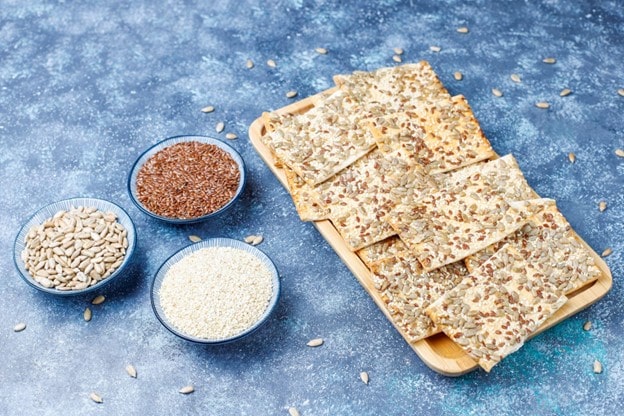
    2. Flaxseed Crackers
      Mix ground flaxseeds with water, herbs, and spices. Spread the mixture thinly on a baking sheet and bake until crisp.
    3. Flaxseed Pudding
      Combine 2 tablespoons of ground flaxseeds with a cup of almond milk, sweeten with honey, and refrigerate overnight for a creamy, nutrient-packed pudding.

    how to eat flax seeds pudding

    Conclusion

    Flaxseed is a versatile, nutrient-rich food that can enhance your diet in numerous ways. From promoting heart health and aiding weight loss to improving skin and hair, its benefits are endless. Whether you’re consuming jawas seeds in their raw form or incorporating them into recipes, the possibilities are vast. Embrace flaxseeds and unlock the full potential of this ancient superfood!

    FAQs on The Ultimate Flaxseed Guide: Benefits, Uses, and Recipes

    1. What are the main flaxseed benefits?

    Flaxseeds are packed with omega-3 fatty acids, fiber, and antioxidants, making them excellent for heart health, digestion, and hormonal balance. They help lower cholesterol, manage weight, and improve skin and hair health. Additionally, their lignans provide powerful anti-inflammatory and anti-cancer properties, promoting overall well-being.

    2. How can I incorporate flaxseeds into my diet?

    Flaxseeds can be added to smoothies, oatmeal, salads, or baked goods. For better absorption, grind the seeds before use or buy pre-ground flaxseed. You can also consume them as flaxseed oil or mix them with water to replace eggs in recipes, offering a simple way to boost nutrition.

    3. How to eat flax seeds for weight loss?

    To aid weight loss, consume 1-2 tablespoons of ground flaxseeds daily. Mix them into smoothies, oatmeal, or yogurt, or drink with water for a fiber boost. Their high fiber content keeps you feeling full, reducing hunger and preventing overeating. Avoid heating flaxseeds excessively, as it may reduce their nutritional value.

    4. Can flaxseeds improve skin and hair health?

    Flaxseeds are rich in omega-3 fatty acids and antioxidants, which hydrate the skin, reduce wrinkles, and combat acne. For hair, they promote growth, reduce frizz, and improve scalp health. Use them in your diet or apply flaxseed gel topically for glowing skin and shiny, healthy hair.

    Related Links:

    How to eat Chia seeds?
    Best High Protein Foods for Muscle Growth
    Stress Management for High Blood Pressure
    Which food is best for pregnancy?
    Indian Pregnancy Diet Plan For Women

  • 12 High Protein Foods in Vitamin B12

    12 High Protein Foods in Vitamin B12

    high protein foods with vitamin b12

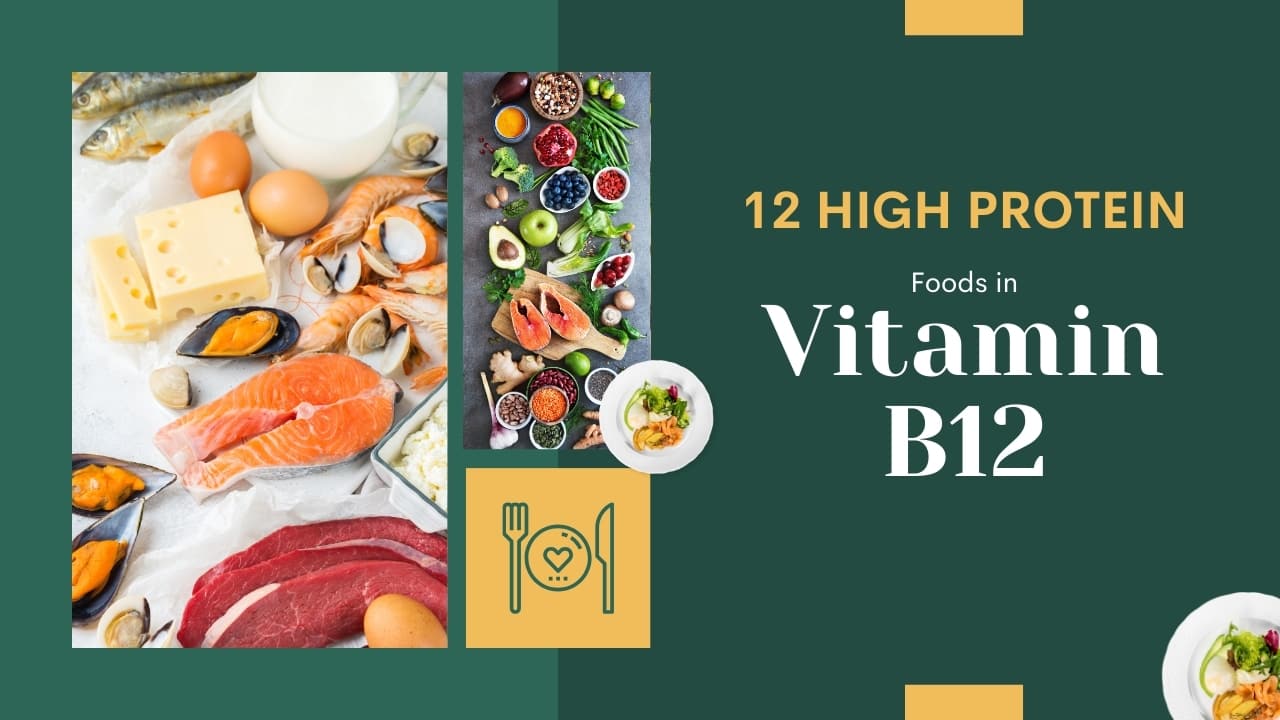
    Vitamin B12, or cobalamin, is a vital nutrient involved in the maintenance of healthy nerve cells, production of DNA, and facilitation of red blood cell formation. It is important for energy metabolism and brain function. Though vitamin B12 is naturally found in more abundant amounts in animal-based food products, vegetarians and vegans may often lack enough.

    Animal-Based Vitamin B12 Foods

    Eggs

    Eggs are an excellent source of protein and vitamin B12, particularly the yolk. They are versatile and can be included in various meals, from breakfast omelets to salads.
    B12 Content: 1.4 mcg per two large eggs (~25% of the daily requirement).

    Dairy Products

    Milk, cheese, and yogurt are among the best sources of vitamin B12 for vegetarians. Paneer (Indian cottage cheese) is a popular protein-rich choice in Indian diets.
    B12 Content: 1 cup of milk provides ~1.2 mcg of B12.

    Fish

    Fatty fish like salmon, trout, and tuna are rich in both protein and vitamin B12.
    B12 Content: A 3-ounce serving of salmon provides ~4.9 mcg of B12 (~200% of the daily value).

    Meat and Poultry

    Lean cuts of beef, chicken, and turkey offer significant amounts of protein and vitamin B12.
    B12 Content: A 3-ounce serving of beef liver has a whopping 70 mcg of B12 (~2,900% of the daily requirement).

    Shellfish

    Clams, mussels, and oysters are among the richest sources of B12.
    B12 Content: A 3-ounce serving of clams contains ~84 mcg of B12 (~3,500% of the daily value).

    Vitamin B12 Veg Foods and Plant-Based Options

    Fortified Foods

    Many plant-based milk alternatives (like soy, almond, and oat milk) and breakfast cereals are fortified with vitamin B12.
    B12 Content: A cup of fortified soy milk contains ~2.5 mcg of B12.

    Vitamin B12 Veg Foods

    Nutritional Yeast

    Popular among vegans, nutritional yeast is often fortified with vitamin B12 and provides a cheesy flavor to dishes.
    B12 Content: 2 tablespoons can provide up to 6 mcg of B12.

    Fermented Foods

    Certain fermented foods, like tempeh and miso, may contain trace amounts of B12 due to bacterial action, though they are not reliable sources.

    Seaweed and Algae

    Nori (used in sushi) and spirulina have some B12-like compounds. However, these are not biologically active forms suitable for human absorption.

    Vitamin B12 Rich Dry Fruits

    While dry fruits like almonds and walnuts are rich in protein, they are not natural vitamin B12 food sources. Pairing them with fortified foods can help maintain a balanced diet.

    vitamin b12 rich dry fruits

    Vitamin B12 Foods Vegetarian Indian Options

    Paneer and Yogurt

    These dairy products are staples in vegetarian Indian diets, offering protein and B12 in a culturally relevant way.

    Fortified Indian Staples

    Fortified wheat flour, rice, and nutritional supplements like malt-based health drinks are becoming common in India.

    How to Increase B12 Levels

    Vitamin B12 is essential for red blood cell production, nerve health, and DNA synthesis. Deficiency in B12 can lead to fatigue, memory issues, and anemia. Here’s how you can effectively boost your B12 levels:

    Incorporate B12-Rich Foods

    The best sources of vitamin B12 are animal-based foods like meat (especially liver), fish, eggs, and dairy products. For vegetarians, fortified foods such as plant-based milks, breakfast cereals, and nutritional yeast are excellent alternatives.

    Choose Supplements

    If your dietary intake is insufficient, vitamin B12 supplements in the form of tablets, sublingual drops, or sprays can help. These are particularly useful for vegans, older adults, or those with absorption issues.

    Consider Injections

    For severe deficiencies, especially in individuals with conditions like pernicious anemia or gastrointestinal disorders, doctors may recommend B12 injections for immediate replenishment.

    Focus on Gut Health

    A healthy digestive system is crucial for absorbing B12. Probiotics, fiber-rich foods, and addressing gut issues like IBS or gastritis can enhance absorption.

    Monitor Underlying Conditions

    Certain health problems, like Crohn’s disease, celiac disease, or prolonged use of antacids, can hinder B12 absorption. Addressing these conditions with medical guidance is essential.

    Regular Testing

    Regular blood tests to monitor B12 levels help ensure timely action if levels drop. The normal range for B12 is 190–950 pg/mL.

    Vitamin B12 Normal Range

    Vitamin B12 normal range is from 190 to 950 picograms per milliliter (pg/mL). Levels below 200 pg/mL indicate a deficiency.

    Vitamin B12 Fruits List

    Vitamin B12 is primarily found in animal-based food products, fortified foods, and little in fruits. Fruits do not produce vitamin B12 naturally because this is a nutrient synthesized by bacteria found in large amounts only in animal-derived or fortified products. However, some of these fruits can indirectly help in vitamin B12 management through general health conditions and better nutrient absorption.

    Fruits to Pair with Vitamin B12-Rich Foods

    Bananas

    Bananas are a rich source of folate, potassium, and fiber, supporting digestion and nutrient absorption. Pairing bananas with fortified cereals or plant-based milk enriched with vitamin B12 can create a balanced meal.

    Oranges

    Packed with vitamin C, oranges aid in iron absorption, which indirectly supports red blood cell production—a process linked to vitamin B12. Fortified orange juice can also provide B12, depending on the product.

    Apples

    High in antioxidants and fiber, apples are excellent for maintaining digestive health, which is crucial for absorbing vitamin B12 from food.

    Avocados

    Though technically a fruit, avocados are rich in healthy fats and B-complex vitamins, including small amounts of folate, complementing B12 in fortified foods.

    Berries (Strawberries, Blueberries, Raspberries)

    Berries are rich in antioxidants and vitamins like vitamin C. Consuming them with fortified breakfast cereals or yogurt can enhance the nutritional value of your diet.

    Fortified Fruit Juices: A Source of Vitamin B12

    Some fruit juices, particularly those targeted at health-conscious consumers, are fortified with vitamin B12. Examples include:

    • Fortified orange juice
    • Fortified apple juice
    • Fortified mixed fruit juices

    Always check the product label to confirm the addition of vitamin B12.

    Why Fruits Are Important in a Vitamin B12 Diet

    While fruits do not contain vitamin B12, they offer numerous benefits that indirectly support its absorption and utilization:

    Improved Digestion

    The fiber content in fruits like apples, bananas, and berries helps maintain a healthy digestive system, enabling efficient absorption of vitamin B12 from food.

    Antioxidant Support

    Fruits rich in antioxidants (like berries and oranges) protect the body from oxidative stress, supporting overall metabolic health.

    Enhanced Nutrient Synergy

    Vitamin C in fruits boosts iron absorption, which can help optimize red blood cell health alongside vitamin B12.

    Tips to Incorporate Fruits into a Vitamin B12-Rich Diet

    Smoothies with Fortified Milk

    Blend fruits like bananas, strawberries, and mangoes with fortified plant-based milk to create a B12-enriched smoothie.

    Fruit Salads with Yogurt

    Combine a variety of fruits with fortified yogurt for a nutritious snack.

    Fortified Juices as Refreshers

    Include fortified fruit juices in your daily routine to supplement your B12 intake.

    Fruits with B12 Supplements

    Take fruits alongside B12 supplements or fortified foods to create a balanced nutrient profile.

    Vitamin B12-Rich Diet

    Conclusion

    While there is no definitive “vitamin B12 fruits list,” fruits play an essential supporting role in maintaining overall health, aiding in nutrient absorption, and complementing a B12-rich diet. For those relying on vegetarian or vegan diets, fortified fruit juices and plant-based milk are valuable sources of vitamin B12. By pairing these fortified options with fresh fruits, you can enhance your diet and help maintain optimal levels of this vital nutrient.
    For individuals with confirmed vitamin B12 deficiency, consult a healthcare professional for appropriate supplementation and dietary adjustments to meet your nutritional needs.

    FAQs On 12 High-Protein Foods High in Vitamin B12

    1. Can Vitamin B12 Deficiency Be a Sign of Cancer?

    Vitamin B12 deficiency itself is not directly linked to cancer but may indicate underlying conditions like pernicious anemia, which is associated with stomach cancer. Persistent deficiency should be evaluated by a healthcare provider. Maintaining adequate vitamin B12 levels is essential for overall health. Whether through animal-based sources, fortified products, or supplements, ensure you meet your daily requirements to avoid potential health complications.

    2. Can Fruits Contain Vitamin B12?

    Fruits themselves do not naturally contain vitamin B12, but some fortified fruit juices and products may have added B12 to meet dietary needs. These fortified options are especially helpful for vegetarians, vegans, and individuals seeking plant-based alternatives.

    3. Which high-protein foods are the best sources of vitamin B12?

    Animal-based foods like fish (salmon, trout), meat (beef liver, chicken), eggs, and dairy products are excellent high-protein and B12-rich options. Fortified plant-based foods like soy milk and nutritional yeast are great for vegetarians.

    4. Are there any vitamin B12-rich foods for vegetarians?

    Yes, vegetarians can get vitamin B12 from dairy products like milk, yogurt, and paneer, as well as fortified foods like cereals and plant-based milks. Nutritional yeast is another vegetarian-friendly option.

    Related Links: 

    Monsoon season diet guide
    14 Healthy foods for healthy diet
    Top 7 Foods Good for Liver Health
    How to Gain Weight Fast and Naturally
    How to Cleanse Your Body with Home Remedies
    What foods should you avoid from cholesterol

  • Best High Protein Foods for Muscle Growth

    Best High Protein Foods for Muscle Growth

    high protein foods for muscle growth

    Building muscle is a science that takes dedication, proper training, and the right diet. In this equation, protein is an important pillar; it’s often referred to as the building block of muscle. Whether you’re a fitness enthusiast, an athlete, or someone trying to strengthen your muscles, knowing what the best high protein foods are is vital to helping fuel your muscle growth.
    Protein has a very important role in muscle repair and growth. When you do resistance training or intense exercise, your muscles tear microscopically. Protein gives you amino acids to repair these muscles, making them stronger and larger over time. This means that if you eat more protein foods, your body will have a constant flow of these essential nutrients.

    The other benefits of protein are the following:

    • Satiety: Protein keeps you full longer, so you do not overeat.
    • Metabolic Increase: Protein digestion requires much more energy, which increases the metabolic rate.
    • Support for Other Functions: Protein helps maintain hormone regulation, immune function, and overall recovery.

    Importance of Balanced Diet

    A balanced diet is the building block of good health. It plays a critical role in muscle growth, maintenance of energy, and prevention from diseases. It ensures that all the essential nutrients your body needs to function at optimum levels are received. In other words, a well-balanced diet is about not only the right quantity of food but also its quality and variety.

    Key Components of a Balanced Diet

    1. Macronutrients: A balanced diet should have the right amount of carbohydrates, proteins, and fats. Carbohydrates are energy providers, proteins are used to repair and build muscles, and fats are important for hormonal balance and general cell functions.
    2. Micronutrients: Vitamins and minerals such as iron, calcium, and vitamin D are important for immunity, bone health, and other physiological processes. Fruits, vegetables, and nuts are excellent sources of these.
    3. Hydration: Water is an essential part of a well-balanced diet. It helps hydrate the digestive system, absorb nutrients and maintain cellular health.

    Benefits of a Balanced Diet

    • Increased Energy: A balanced diet is rich in nutrient-dense foods that keep energy stable throughout the day, enabling productivity and performance.
    • Stronger Muscle Building and Recovery: Good quality protein with adequate carbohydrate intake supports muscle repair and building, especially for athletes and fitness enthusiasts.
    • Prevention of diseases: Balanced diets help decrease chronic conditions, such as diabetes and heart diseases, obesity by intake of proper nutrients while decreasing the negative components of added sugars and trans fats.

    Nutritional food leads to a better brain functioning capability and keeps mood stable without risk of mental disorder conditions.

    Balanced Diet Keeping Tips

    1. Incorporate Whole Foods: Focus on fresh fruits, vegetables, whole grains, and lean proteins instead of processed and packaged foods.
    2. Practice Portion Control: Balance your plate with appropriate portions of proteins, carbs, and fats.
    3. Plan Meals: Prepare meals in advance to avoid unhealthy snacking and ensure consistent nutrient intake.
    4. Stay Consistent: While occasional indulgence is fine, maintaining balance over the long term is key to reaping the full benefits.

    Best Protein Food For Muscle Gain

    Below, we are discussing the top 10 protein foods along with its content.

    1. Chicken Breast

    A staple in many diets, chicken breast is lean and loaded with protein. It’s a go-to option for those aiming to build muscle while keeping fat intake low.
    Protein Content: 31g per 100g

    2. Eggs

    Eggs are a complete protein source, meaning they contain all nine essential amino acids. The yolk also provides healthy fats and vitamins.
    Protein Content: 6g per large egg

    best protein food for muscle gain Eggs

    3. Greek Yogurt

    Packed with protein and probiotics, Greek yogurt is an excellent option for muscle recovery.
    Protein Content: 10g per 100g

    4. Fish (Salmon, Tuna)

    Fish like salmon and tuna not only provide protein but also omega-3 fatty acids, which reduce inflammation and improve recovery.
    Protein Content: 20-25g per 100g

    5. Lentils

    Lentils are among the best protein-rich foods for vegans and vegetarians. They’re also rich in fiber, which aids digestion.
    Protein Content: 9g per 100g (cooked)

    6. Paneer (Indian Cottage Cheese)

    Paneer is a high-protein Indian food that’s versatile and easy to prepare in various dishes.
    Protein Content: 18g per 100g

    7. Quinoa

    A complete protein and a gluten-free grain, quinoa is an excellent choice for those looking for plant-based protein sources.
    Protein Content: 4g per 100g (cooked)

    8. Chickpeas

    Rich in protein and fiber, chickpeas are a great option for vegans and vegetarians.
    Protein Content: 7g per 100g (cooked)

    9. Nuts and Seeds (Almonds, Chia Seeds, Flaxseeds)

    Nuts and seeds provide plant-based protein along with healthy fats.
    Protein Content:

    • Almonds: 21g per 100g
    • Chia Seeds: 17g per 100g
    • Flaxseeds: 18g per 100g

    10. Milk

    A simple yet effective source of protein, milk is also rich in calcium and vitamin D.
    Protein Content: 3.4g per 100ml

    High Protein Indian Foods

    India offers a treasure trove of high protein foods, suitable for vegetarians and non-vegetarians alike. Here’s a list of high protein Indian foods:

    1. Dal (Lentils) : Moong dal, toor dal, and masoor dal are rich in protein and widely consumed.
    2. Chana (Chickpeas) : Roasted chana is a high-protein snack.
    3. Paneer : A versatile ingredient used in many Indian dishes.
    4. Curd (Yogurt) : An excellent source of protein and probiotics.
    5. Sprouts : A nutrient-dense and high-protein option.
    6. Chicken Curry : Traditional Indian chicken curry combines protein with flavorful spices.
    7. Fish Curry : Coastal regions offer protein-rich fish-based dishes.
    8. Tempeh and Tofu : Used in fusion Indian dishes for vegans.

    High Protein Indian Food Chart

    Food Item Protein Content (per 100g)
    Moong Dal 24g
    Paneer 18g
    Chickpeas (Chana) 7g
    Sprouts 9g
    Fish 20-25g
    Chicken 31g
    Milk 3.4g
    Eggs 6g per egg

    High Protein Vegan Foods

    Vegans have numerous options to meet their protein needs, many of which are easy to incorporate into an Indian diet:

    1. Soy Products (Tofu, Tempeh, Edamame)
    2. Lentils and Legumes
    3. Chia Seeds and Flaxseeds
    4. Quinoa
    5. Nutritional Yeast : A unique vegan ingredient with a cheesy flavor.
    6. Oats : Excellent for breakfast or smoothies.
    7. Seitan : A high-protein meat substitute made from wheat gluten.
    8. Spirulina : A superfood loaded with protein and nutrients.

    Sample High Protein Meal Plan for Muscle Growth

    Breakfast

    • Scrambled eggs or tofu with whole-grain toast
    • A side of Greek yogurt or almond butter smoothie

    Mid-Morning Snack

    • Roasted chana or a handful of almonds and walnuts

    Lunch

    • Grilled chicken breast or paneer curry
    • Brown rice or quinoa with a side of green vegetables

    Evening Snack

    • Boiled eggs or sprout salad

    Dinner

    • Fish curry or lentil soup
    • Whole wheat roti or millets

    Post-Workout

    • A protein shake or a glass of milk with a banana

    high protein indian food chart | high protein vegan foods

    Conclusion

    Muscle growth relies on a consistent intake of high protein foods, coupled with the right training and recovery strategies. Whether you’re consuming high protein Indian foods or exploring vegan options, the key is to diversify your sources to ensure you’re getting all essential amino acids.
    Remember, a balanced diet that includes adequate carbohydrates, fats, and micronutrients is just as important as protein. With proper planning and commitment, you can achieve your muscle-building goals while enjoying a variety of delicious and nutritious meals.

    FAQs on Best High Protein Foods for Muscle Growth

    1. What are the best high-protein foods for muscle growth?

    The best high-protein foods for muscle growth include chicken breast, eggs, fish, Greek yogurt, lentils, paneer, and quinoa. These foods provide essential amino acids that repair and build muscle tissue effectively.

    2. Are there high-protein vegan foods suitable for muscle gain?

    Yes, vegans can build muscle with high-protein foods like tofu, tempeh, lentils, chickpeas, quinoa, chia seeds, and nutritional yeast. Combining these ensures a complete amino acid profile for optimal muscle repair.

    3. How much protein is needed daily for muscle growth?

    The recommended protein intake for muscle growth ranges from 1.6 to 2.2 grams of protein per kilogram of body weight. This can vary based on activity level and individual fitness goals.

    4. Can high-protein Indian foods support muscle gain?

    Absolutely, high-protein Indian foods like paneer, dals, chickpeas, and fish curry are excellent for muscle gain. Pairing them with whole grains and vegetables ensures a balanced diet for sustained energy and recovery.

    Related Links:

    Types of Cardio exercises
    9 Positive lifestyle changes for healthy life
    Role of sleep and workout in living a healthy life
    How to Gain Weight Fast and Naturally

  • Skin Care : 5 Tips for Healthy Skin

    Skin Care : 5 Tips for Healthy Skin

    healthy skincare tips

    Achieving radiant and healthy skin is not just about vanity—it’s a reflection of your overall well-being. Whether you’re crafting the perfect skin care routine or troubleshooting concerns like skin allergy, it’s essential to know what works for you. This blog will explore simple skin care strategies and share expert-backed healthy skin care tips that suit everyone, including skin care for men. So, let’s dive into the five pillars of healthy skin.

    1. Stay Hydrated Inside and Out

    Water is the foundation of life—and your skin’s best friend. Hydration plays a critical role in maintaining skin elasticity, texture, and radiance. Without adequate hydration, your skin can appear dull, feel dry, and even become prone to premature aging.

    Internal Hydration

    • Drink Adequate Amounts of Water : Try to drink at least 8 glasses of water a day. If plain water is boring, add some lemon, cucumber, or mint to it to make it more interesting. Herbal teas and water-rich fruits such as watermelon and cucumber also help increase hydration.
    • Reduce Dehydrating Drinks : Limit your intake of alcohol, coffee, and other sugary drinks since they dehydrate your body.

    Stay Hydrated Inside and Out for skin care

    External Hydration

    • Use a Good Moisturizer: Choose a moisturizer suited to your skin type. For oily skin, opt for a lightweight, non-comedogenic gel. If your skin is dry, look for rich creams or balms containing hydrating ingredients like hyaluronic acid, glycerin, and ceramides.
    • Incorporate Hydrating Masks: Weekly hydration masks can be a wonderful addition to your routine, especially during harsh weather conditions.

    Proper hydration creates a plump, smooth, and glowing complexion that resists environmental stressors and premature aging.

    2. Protect Against Environmental Aggressors

    The environment plays a significant role in skin health, and protecting your skin from external aggressors is non-negotiable. Here’s how:

    Sunscreen: Your Best Friend

    Sunscreen is the cornerstone of any skin care routine. It prevents premature aging, hyperpigmentation, and even skin cancer. Apply it generously and reapply every two hours, especially if you’re outdoors.

    Pollution Protection

    Air pollution can cause clogged pores and dullness. Antioxidant serums and consistent cleaning will counteract the damage.
    Seasonal Care

    • Winter : Use heavy moisturizers and hydrating masks to counteract dryness.
    • Summer : Use light products, and never skip sunscreen.

    Even for men, who are often outdoors more for work or other activities, this is a critical step. The skin does not discriminate between damage caused by the environment.

    3. Feed Your Skin with Nutrition

    What you eat has a huge impact on your skin. A diet rich in nutrients promotes collagen production, fights inflammation, and repairs cells.

    Supplements like Eqoq Tablet, Mibur Capsule, Nurokind Gold sachet, and Nurewire Capsule 10s rich in essential vitamins, can help maintain a healthy glow from within.

    Skin-Friendly Foods

    • Antioxidants : Berry, green tea, spinach, and nuts are filled with antioxidants that neutralize free radicals and slow signs of aging.
    • Omega-3 Fatty Acids : In fatty fish, such as salmon, chia seeds, and walnuts, omega-3s prevent water loss and keep the skin moist and pliable.
    • Vitamin C : Citrus fruits, strawberries, and bell peppers are rich in vitamin C, a critical nutrient for collagen synthesis.
    • Hydrating Foods : Watermelon, cucumber, and celery provide hydration and essential vitamins.

    Foods to Avoid

    • Processed Sugars and Refined Carbs : These can cause spikes in insulin levels, potentially leading to breakouts and inflammation.
    • Excess Dairy : For some, dairy may contribute to acne. Experiment to see if cutting back improves your skin.

    A balanced diet isn’t just great for your skin—it promotes overall wellness and vitality.

    Skin Tip: A balanced diet supports healthy skin, but if you’re missing key nutrients, a supplement like Briq Capsule/Haem UP Syrup can help. It provides essential vitamins and minerals to boost skin health, immunity, and overall wellness.

    4. Build a Consistent Skin Care Routine

    A structured skin care routine tailored to your skin type can address specific concerns and improve overall skin health.

    Basic Steps for All Skin Types

    • Cleansing : Use a gentle cleanser that will remove dirt, oil, and makeup without stripping the natural moisture barrier of your skin.
    • Toning : A toner balances the pH of your skin and readies it for other products. Look for alcohol-free options.
    • Treatment : Add serums or treatments that address specific concerns-such as vitamin C for brightening, retinol for anti-aging, or salicylic acid for acne.
    • Moisturizing : Seal in moisture with a moisturizer compatible with your skin type.
    • Sunscreen : Top off in the daytime with SPF.

    Tailoring Your Regimen

    • For Dry Skin : Emphasize hydrating and moisturizing products. Avoid abrasive cleansers or exfoliants.
    • For Oily Skin : Use lightweight, non-comedogenic products and may incorporate exfoliation to reduce sebum overproduction.
    • For Sensitive Skin : Use only fragrance-free and hypoallergenic products to not cause irritation if having sensitive skin.

    5. Don’t Neglect Rest and Stress Management

    Stress and lack of sleep can wreak havoc on your skin, leading to breakouts, dullness, and puffiness. Caring for your mind and body is an integral part of skin care.

    Prioritize Quality Sleep

    • Get 7-9 Hours of Sleep : During deep sleep, your body repairs itself, boosting collagen production and reducing inflammation.
    • Create a Bedtime Routine : Dim the lights, avoid screens an hour before bed, and practice relaxation techniques to improve sleep quality.

    Manage Stress Levels

    • Practice Mindfulness : Meditation, yoga, and deep breathing exercises can help lower stress levels.
    • Stay Active : Regular exercise promotes circulation, which nourishes your skin cells and gives your complexion a healthy glow.
    • Make Time for Hobbies : Engaging in activities you love can be an excellent stress reliever.

    When your body is well-rested and your stress levels are in check, your skin will thank you with a natural radiance.

    Bonus Skin Care Tips for Healthy Skin

    • Exfoliate Regularly : Exfoliation removes dead skin cells, allowing your other products to penetrate deeper. However, avoid over-exfoliating as it can irritate the skin.
    • Avoid Smoking : Smoking accelerates aging and depletes the skin’s oxygen and nutrients, leading to a dull complexion.
    • Stay Clean : Wash your makeup brushes regularly, change your pillowcases frequently, and avoid touching your face to reduce bacteria transfer.

    skin care routine

    Skin Care Routine

    Your skin care routine is the foundation for maintaining glowing, youthful skin. If you’re looking for a balanced supplement that supports skin health, Geomax Plus 4G Tablet offers a combination of omega-3, antioxidants, and multivitamins that help improve skin texture, reduce oxidative damage, and promote overall skin wellness.

    It doesn’t need to be complicated; even a simple skin care regimen, when done consistently, can yield impressive results. Here’s how to structure your routine effectively:

    Morning Skin Care Routine

    The morning routine is all about protection. Here’s a breakdown:

    1. Cleanse : Use a gentle cleanser to remove oil and sweat accumulated overnight.
    2. Tone : A toner balances the skin’s pH and prepares it for other products.
    3. Serum : Opt for a vitamin C serum for antioxidant protection.
    4. Moisturize : Hydrate your skin with a lightweight, non-greasy moisturizer.
    5. Sunscreen : Apply a broad-spectrum sunscreen (SPF 30 or higher) to shield against UV rays.

    Night Skin Care Routine

    At night, the focus shifts to repair and rejuvenation:

    1. Double Cleanse : Remove makeup and pollutants with an oil-based cleanser, followed by a water-based cleanser.
    2. Exfoliate : Use a chemical exfoliant 2-3 times a week to remove dead skin cells.
    3. Treat : Incorporate treatments like retinol or niacinamide for targeted concerns like acne or aging.
    4. Moisturize : Use a richer moisturizer or night cream to lock in hydration.
    5. Eye Cream : Don’t forget the delicate skin around your eyes—it needs extra care!

    Consistency is key. Skipping steps or neglecting your routine can hinder your progress, so stick to it for visible, long-lasting results.

    Address Skin Conditions Proactively

    Common skin conditions, such as acne, eczema, or skin allergy, require special attention. Ignoring these issues can lead to further complications.

    Acne Management

    • Use salicylic acid or benzoyl peroxide-based cleansers.
    • Incorporate non-comedogenic products to prevent clogged pores.
    • Avoid picking at acne to prevent scarring.

    Eczema and Allergies

    • Stick to fragrance-free and hypoallergenic products.
    • Moisturize frequently to maintain the skin barrier.
    • Consult a dermatologist if over-the-counter remedies don’t work.

    Anti-Aging Tips

    • Introduce retinol gradually into your routine.
    • Stay consistent with sunscreen and antioxidants.

    Early intervention can save time, money, and effort down the road. If you notice persistent issues, seek professional guidance rather than self-medicating.

    Skin Care for Men – Breaking Stereotypes

    Skin care for men has often been overlooked, but the tides are changing. Male skin is unique in its structure and needs:

    • Thicker Skin : Men’s skin is about 20% thicker and can tolerate stronger products.
    • Shaving Aftercare : Shaving can irritate the skin, so use soothing aftershave balms and moisturizing creams.
    • Simplified Routines : A simple skin care regimen can include cleansing, moisturizing, and sunscreen.

    Men should embrace a daily routine that fits their lifestyle, just as women do. The results are worth it.

    Skin Care for Men

    Conclusion

    Healthy skin is within the reach of everyone if approached properly. With a proper skincare routine, suitable products, and protection from external stressors, you will be able to enjoy radiant skin. Whether it’s men’s skin care, troubleshooting skin allergy, or healthy skin tips, it all starts with informed choices.
    Remember, healthy skin isn’t a luxury but a reflection of your care for yourself. Start today, stick to the basics, and watch your skin thrive!

    FAQs On Skin Care: 5 Tips for Healthy Skin

    1. How much water should I drink daily for healthy skin?

    Aim for at least 8 glasses (around 2 liters) of water per day to maintain skin hydration and elasticity. Staying hydrated helps prevent dryness and supports a glowing complexion. If plain water feels boring, try infused options or hydrating foods like watermelon and cucumber.

    2. Why is sunscreen important even on cloudy days?

    UV rays can penetrate clouds and cause skin damage, premature aging, and increase the risk of skin cancer. Applying a broad-spectrum sunscreen daily, even when it’s cloudy, ensures your skin is protected from these harmful rays. Make it a part of your morning skin care routine for consistent protection.

    3. How can I manage stress to improve my skin?

    Stress can lead to breakouts, dullness, and inflammation due to hormonal fluctuations. Practice mindfulness techniques like meditation, yoga, or deep breathing exercises, and ensure you get enough sleep. Engaging in enjoyable activities and regular exercise also helps maintain healthy, radiant skin.

    Related Links :

    Homemade Face Masks for Every Skin Type
    Caring for Sensitive Skin
    Sun Safety and Skin Cancer Prevention
    Oily Skin Cleanser right for you?
    Benefits of using Neem Soap
    Best Face Cream With Vitamin C
    Best Skin Whitening Treatment at Home
    Homemade Lip Care

  • Preventing Skin Infections: Tips for Healthy Skin

    Preventing Skin Infections: Tips for Healthy Skin

    how to prevent skin infection

    Our skin, the body’s largest organ, plays a critical role in protecting us from external threats. However, this vital barrier is also vulnerable to various infections caused by bacteria, viruses, fungi, and allergens. Maintaining healthy skin is essential not only for aesthetics but also for overall well-being. It’s important to know the types of skin infections, their causes, and effective strategies to prevent them, to address popular concerns such as skin allergies, fungal skin infections, and common skin diseases.
    Below is an image of types of skin infections with pictures

     types of skin infections with pictures

    Understanding Types of Skin Infections

    Skin infections can be broadly classified into four main categories :

    1. Bacterial Skin Infections

    Bacterial skin infections occur when bacteria enter the skin through cuts, scratches, or open wounds. Common examples include:

    • Impetigo : A contagious infection, often seen in children, characterized by red sores or blisters.
    • Cellulitis : A painful infection of deeper skin layers, causing redness and swelling.
    • Folliculitis : Inflammation of hair follicles, resulting in red, bumpy patches.

    Photos of bacterial skin infections often show redness, swelling, and pus-filled blisters. These symptoms require immediate medical attention.

    photos of bacterial skin infections

    2. Viral Skin Infections

    Viral infections are caused by viruses and can range from mild to severe. Examples include:

    • Warts: Caused by the human papillomavirus (HPV), warts are rough, raised bumps on the skin.
    • Herpes Simplex Virus (HSV): Known for causing cold sores or genital sores.
    • Chickenpox and Shingles: Resulting from the varicella-zoster virus, these conditions lead to itchy rashes and blisters.

    These infections are often contagious, highlighting the need for preventive measures like vaccination and hygiene practices.

    3. Fungal Skin Infections

    Fungi thrive in warm, moist environments, making areas like the feet and groin particularly vulnerable. Common fungal infections include:

    • Athlete’s Foot (Tinea Pedis) : Characterized by itching, burning, and peeling skin between the toes.
    • Ringworm (Tinea Corporis) : A circular, red, scaly rash with clear edges.
    • Candidiasis : A yeast infection that affects moist areas, such as the mouth or under the breasts.

    Regularly inspecting areas prone to moisture and maintaining cleanliness are key to preventing fungal skin infections.

    4. Allergic and Other Skin Conditions

    Allergic reactions can trigger skin issues ranging from mild irritation to severe rashes. Examples include:

    • Eczema (Atopic Dermatitis): A chronic condition leading to itchy, inflamed patches.
    • Contact Dermatitis: A reaction caused by allergens or irritants, such as cosmetics or poison ivy.
    • Hives (Urticaria): Raised, itchy welts often caused by food, medications, or environmental factors.

    Types of Skin Problems and Their Symptoms

    Understanding types of skin problems can help in identifying and addressing issues promptly. Below is a table summarizing some skin diseases names, their causes, and symptoms :

    Skin Disease Name Cause Symptoms
    Psoriasis Autoimmune Red, scaly patches
    Acne Bacterial/Hormonal Pimples, blackheads, cysts
    Scabies Parasitic Infestation Intense itching, rash
    Vitiligo Loss of pigment White patches on the skin

    Skin infections pictures can be helpful in visually recognizing these conditions, but always consult a dermatologist for an accurate diagnosis.

    types of skin infections with pictures

    Tips for Preventing Skin Infections

    Preventing skin infections is an essential part of maintaining overall health. Since your skin acts as a shield against harmful microbes, keeping it clean and healthy minimizes the risk of infections caused by bacteria, viruses, fungi, and allergens. Here’s an in-depth look at effective ways to protect your skin from infections and keep it functioning at its best.

    1. Prioritize Good Hygiene

    Hygiene is the cornerstone of preventing skin infections. Proper cleaning habits reduce the risk of bacteria and other microorganisms accumulating on your skin.

    • Wash Your Hands Frequently : Use soap and warm water to wash your hands for at least 20 seconds, especially after using the restroom, before eating, and after touching shared surfaces.
    • Shower Daily : Regular showers eliminate dirt, sweat, and bacteria. Shower within an hour after working out or having heavy sweating to avoid microbial multiplication.
    • Change your linen and towel frequently : Bacteria and fungi are left on damp or dirty fabric. Change your towels, pillowcases, and bedding regularly to limit exposure

    2. Keep your skin clean and dry

    Extra moisture in the skin makes a good setting for fungal infections like athlete’s foot and candidiasis.

    • Dry Thoroughly : Dry areas that are prone to moisture, such as between your toes, under your arms, and in skin folds, after bathing.
    • Wear Breathable Fabrics : Wear loose, moisture-wicking clothing made from cotton or synthetic materials designed to keep skin dry.
    • Avoid Prolonged Dampness : Change out of wet clothing or swimsuits as soon as possible to prevent fungal growth.

    3. Protect the Skin Barrier

    The skin barrier is one way to shield, and an impaired skin barrier increases infection.

    • Intact prevention : The importance is maintaining its integrity.
    • Moisturize regularly : Dry skin becomes prone to cracking for bacterial invasion. Use fragrance-free moisturizer daily to keep hydrated.
    • Use Sunscreen : Ultraviolet (UV) rays can weaken your skin’s defenses. Use broad-spectrum sunscreen with at least SPF 30 on exposed skin each day, even on cloudy days.
    • Avoid Over-Cleansing : Frequent washing or using harsh cleansers can strip your skin of its natural oils, compromising the protective barrier. Use gentle cleansers.

    4. Avoid Skin Injuries

    Open wounds are an entry route for bacteria and viruses. Take precautions for your skin against accidental injuries.

    • Be Careful with Sharp Instruments : While shaving or using tools, take your time to avoid cuts.
    • Wear Protective Clothing : Wearing gloves or proper clothing while gardening, cooking, or performing work that could cause scrapes or burns is advisable.
    • Treat minor injuries immediately : clean cuts and scrapes with soap and water, apply an antiseptic, and cover with a clean bandage to prevent infection.

    5. Manage Skin Allergies Proactively

    Allergic reactions can weaken the skin and lead to infections, especially if scratching occurs.

    • Identify Triggers : Common allergens include certain fabrics, fragrances, dyes, and cleaning products. Keep a diary to pinpoint and avoid irritants.
    • Perform Patch Tests : When using new skincare products or detergents, test them on a small patch of skin to check for allergic reactions before full use.
    • Use Hypoallergenic Products : Choose gentle, dermatologically tested products to minimize the risk of skin irritation.

    6. Healthy Lifestyle

    Your lifestyle goes a long way in supporting the immunity of your skin to disease.

    • Nutrient-Rich Diet : Eat foods rich in vitamins A, C, D, and E, along with zinc and omega-3 fatty acids, to help repair and defend your skin.
    • Hydrate : Drink plenty of water to keep your skin elastic and remove toxins.
    • Exercise Frequently : Exercise keeps the blood flow active, improving the transport of nutrients to skin and elimination of toxins.

    7. Do Not Share Personal Goods

    Microorganisms are quickly spread by sharing personal stuff. The following is to minimize the possibility:

    • Do Not Share Towel or Razor : These can be infected with bacteria and fungus. Use your own and regularly clean them.
    • Use Your Own Footwear : Avoid borrowing shoes, socks, or slippers to prevent fungal infections like athlete’s foot.
    • Carry Personal Items : If you’re visiting communal areas like gyms or pools, bring your own mat, towel, and toiletries.

    8. Be Mindful of Communal Environments

    Places like gyms, locker rooms, and swimming pools are breeding grounds for microbes.

    • Wear Foot Protection : Always wear flip-flops or shower shoes in communal areas to avoid fungal infections.
    • Clean Shared Equipment : Use disinfectant to clean gym equipment before and after use.
    • Do not Sit on Wet Surfaces : Have a clean towel or clothing barrier when sitting on public benches or chairs.

    9. Boost Your Immune System

    A strong immune system helps your body fight off infections effectively.

    • Get Enough Sleep : Aim for 7–9 hours of quality sleep each night to allow your body time to repair itself.
    • Reduce Stress : Chronic stress weakens the immune system. Practice mindfulness, yoga, or meditation to manage stress levels.
    • Stay Vaccinated : Vaccines like those for chickenpox or HPV can prevent certain viral skin infections.

    10. Know When to Seek Medical Help

    Despite your best efforts, some skin infections may still occur. Recognizing early signs of infection can prevent complications.

    • Watch for Symptoms : Redness, swelling, pain, warmth, and pus are common indicators of infection.
    • Seek Timely Treatment : If an infection worsens or spreads, consult a dermatologist or healthcare provider promptly.
    • Follow Medical Advice : Complete prescribed treatments, such as antibiotics or antifungal medications, to ensure full recovery.

    In cases where skin infections become chronic or cause severe inflammation, corticosteroids like Omnacortil Oral Solution may be prescribed to manage symptoms and reduce immune response. However, such medicines should be taken only under medical supervision.

    Also, in certain cases, infections are due to a weakened immune system or specific health conditions. EQOQ Tablet 10s can help support the immune response when recommended by a healthcare provider.

    Conclusion

    Skin infections are common but preventable with the right care and attention. By understanding the types of skin infections—whether viral, bacterial, or fungal—and adopting healthy habits, you can keep your skin radiant and infection-free.
    Preventing skin infections is about adopting consistent hygiene practices, protecting your skin barrier, and fostering a healthy lifestyle. By being proactive and attentive, you can minimize your risk and enjoy healthy, resilient skin. Your skin is your body’s first line of defense—give it the care it deserves !

    FAQs On Preventing Skin Infections: Tips for Healthy Skin

    1. How can I prevent skin infections caused by bacteria?

    Prevent bacterial skin infections by maintaining good hygiene, such as washing your hands regularly and keeping wounds clean and covered. Avoid sharing personal items like towels or razors, and treat cuts or scrapes promptly with antiseptic. Keeping your skin moisturized can also help maintain its natural barrier against bacteria.

    2. What steps can I take to avoid fungal skin infections?

    To prevent fungal infections, keep your skin clean and dry, especially in areas prone to moisture like between the toes or under skin folds. Wear breathable clothing and change out of sweaty or wet clothes promptly. Use antifungal powders or sprays in areas like your feet if you’re prone to fungal infections.

    3. How can I protect my skin if I have allergies or sensitive skin?

    Identify and avoid known allergens or irritants, such as certain fabrics, fragrances, or cleaning products. Use hypoallergenic, dermatologist-recommended skincare products and perform patch tests before trying anything new. Moisturize daily to strengthen your skin’s barrier and prevent cracking or irritation.

    Related Links : 

    Common Skin Infections
    Anti Allergy Medicine for Skin
    Home Remedies and Chickenpox Medication