Search results for: “all”

  • Treatment for GERD – Gastroesophageal Reflux Disease Treatment, GERD Treatment

    Treatment for GERD – Gastroesophageal Reflux Disease Treatment, GERD Treatment

    Gastroesophageal Reflux Disease Treatment, GERD Treatment

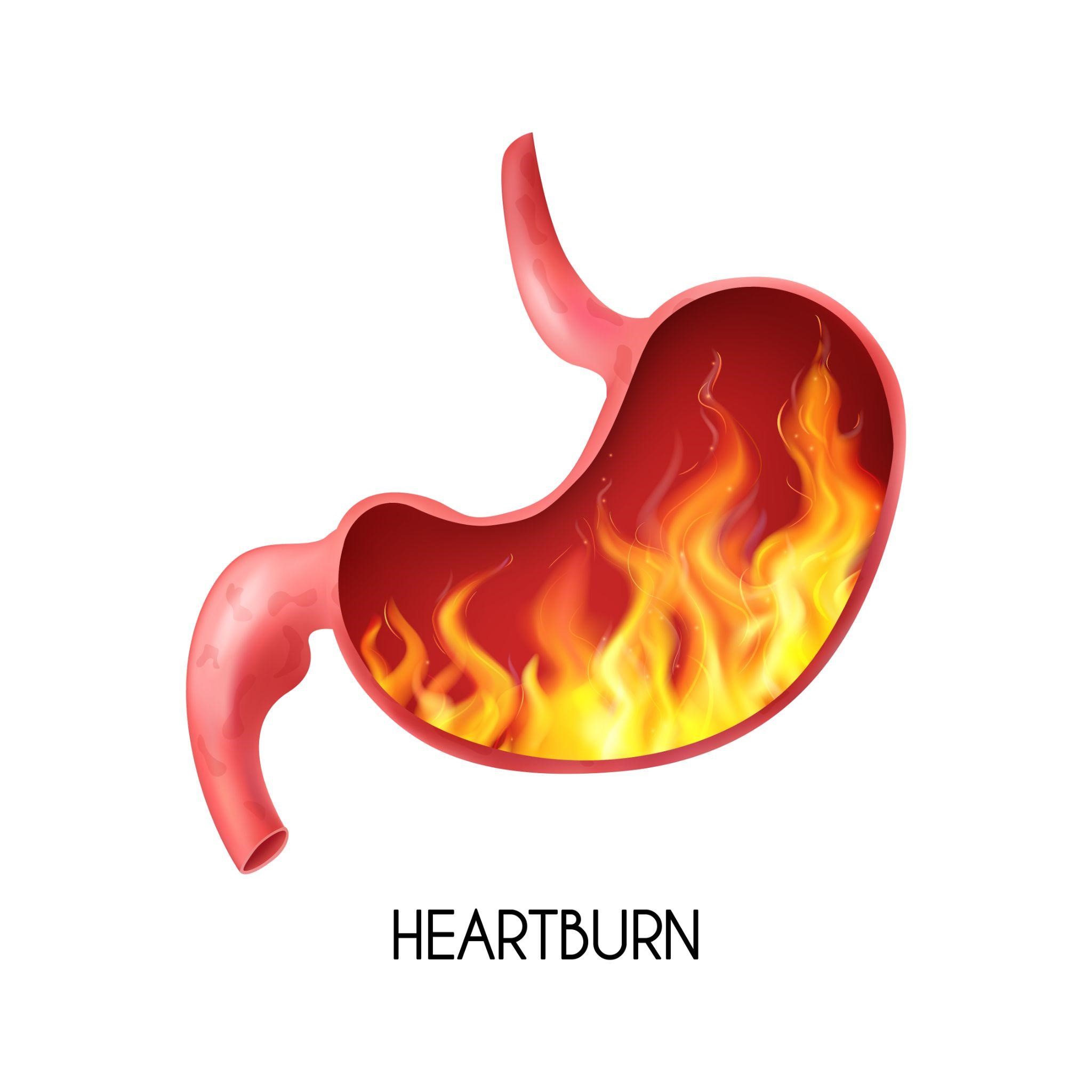
    Gastroesophageal reflux disease (GERD) is a chronic condition caused by stomach contents refluxing back into the esophagus and causing severe pain. Millions of people worldwide are commonly affected by issues like acid reflux and heartburn that are frequently caused by it. This blog post looks at possible GERD therapies in addition to offering sensible guidance and insights to help patients and healthcare providers manage the condition appropriately.

    Understanding GERD: Symptoms and Treatment Options

    What does GERD mean?

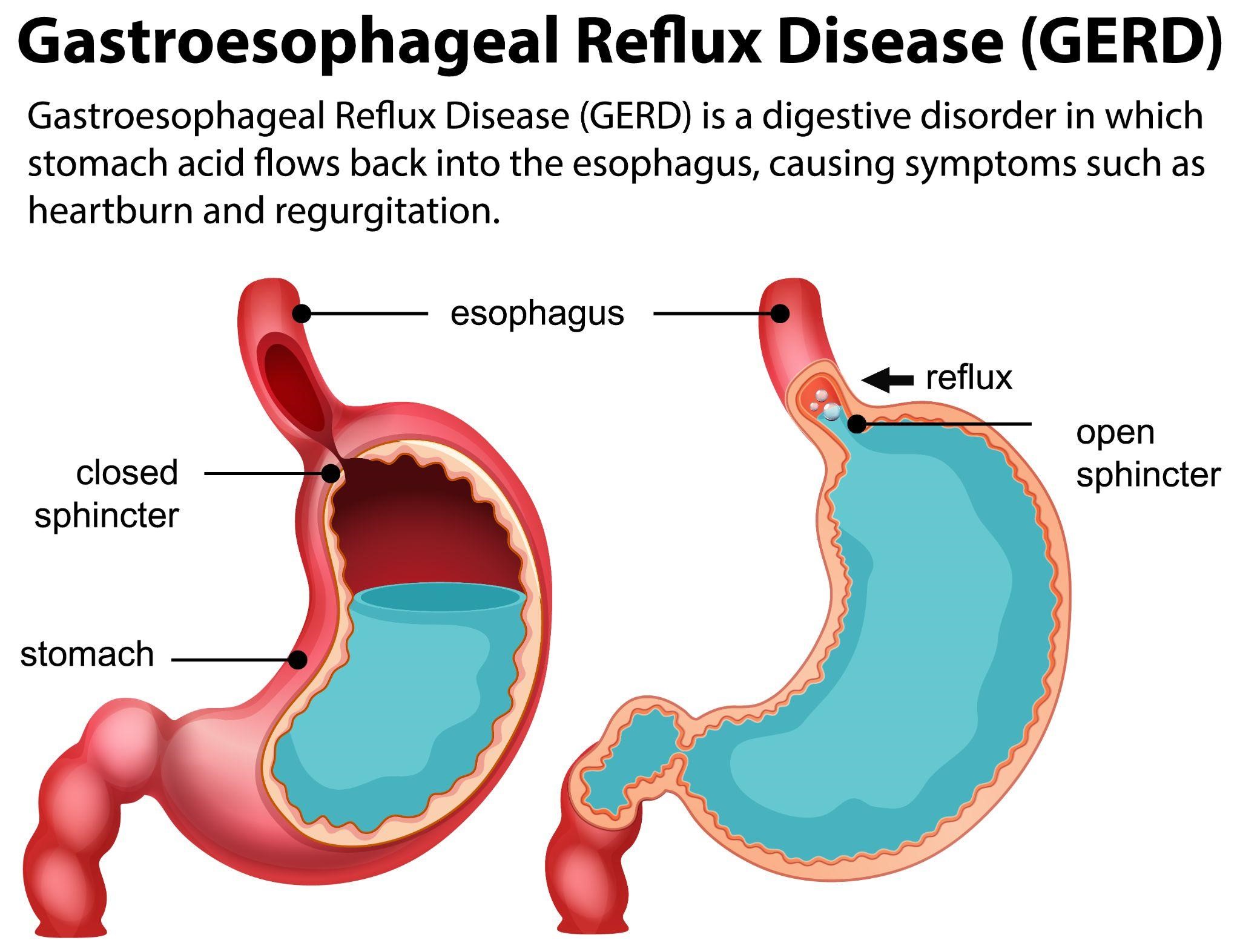
    A persistent digestive condition is known as gastroesophageal reflux disease or GERD. It happens as a result of stomach acid constantly running back into the esophageal tube, which connects your mouth to your stomach. Your esophageal lining may get irritated by this backwash, often known as acid reflux.

    Gastroesophageal reflux disease (GERD) is a chronic condition caused by stomach contents refluxing back into the esophagus and causing severe pain. Millions of people worldwide are commonly affected by issues like acid reflux and heartburn that are frequently caused by it. This blog post looks at possible GERD therapies in addition to offering sensible guidance and insights to help patients and healthcare providers manage the condition appropriately.

    Common Symptoms of GERD

    Early diagnosis of GERD symptoms can result in better treatment. Typical signs and symptoms include of :

    1. Heartburn is a burning sensation that can travel up your esophagus and from your stomach to your chest, abdomen, or possibly both 
    2. This condition is the sensation of an acidic or bitter taste backing up into your mouth or throat.
    3. Chest Pain: Severe, unexpected chest pain is another possible sign.
    4. Challenges Dysphagia: Damage to the esophagus can make swallowing challenging.
    5. Acid Reaction: Chronic inflammation of the throat can cause chronic coughing and sore throats.

    Medical Treatment for GERD

    There are different treatment methods available for the management of GERD. The ones that medical professionals advise the most frequently are as follows :

    • Antacids, which are available over-the-counter, neutralize stomach acid and provide quick relief.
    • H2 Blockers: These medications lessen acid production, which makes them less painful for a longer amount of time but take longer to take effect.
    • PPIs, or regulators of the proton pump: Stronger than H2 blockers, PPIs reduce acid production and promote esophageal repair.
    • Prokinetics: By strengthening the lower esophageal sphincter, these drugs enable a faster discharge of the stomach.
    • Surgery: Under serious circumstances, fundoplications and other such procedures may be recommended.
    GERD Treatment in Hindi

    Exploring Holistic Approaches to GERD Treatment

    Ayurvedic Treatment for GERD

    Comprehensive methods for treating GERD are provided by the traditional Indian medicinal system Ayurveda:

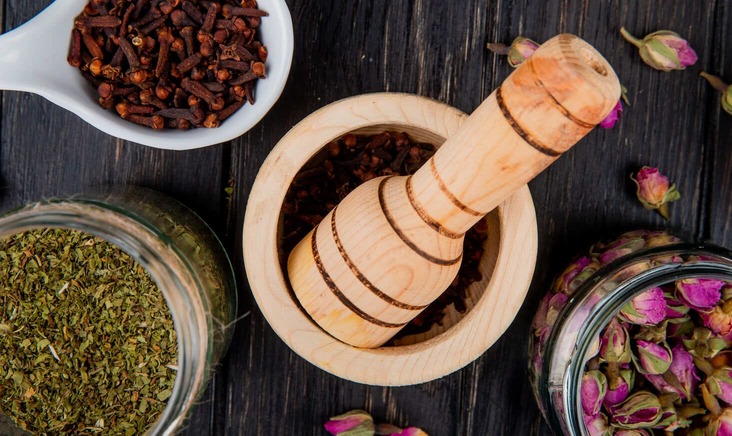
    • Natural Therapies: Herbs that help relax the gastrointestinal tract and lessen acid reflux include ginger, liquorice root, and amla.
    • Ayurveda advocates for a balanced diet that steers clear of meals that are hot or acidic and instead favour foods that are cooling and alkaline.
    • Changes to Your Lifestyle: Stress reduction and better digestion can be achieved by routine exercise, yoga, and meditation.

    Home Remedies for GERD

    GERD symptoms can be reduced with many home treatments. GERD can be successfully treated at home with these strategies:

    As you sleep, elevating the head of your bed can help stop stomach acid from refluxing back into your throat.

    • Eat Smaller Meals: Overindulgent eating can exacerbate acid reflux and raise stomach pressure. Eat more often and in fewer bites.
    • Avert Foods That Trigger: Chocolate, coffee, wine, and spicy or fatty foods are common triggers. Know these triggers and stay away from them.
    • Remain Seated Following Meal: Stomach acid reflux can be avoided by not lying down right after eating.
    • Chew gum: Gum can stimulate the production of saliva, which reduces stomach acidity.
    GERD Treatment in Hindi

    Conclusion

    The Role of Generic Medicines in GERD Treatment

    While offering comparable therapeutic benefits to name-brand medications, generic medications are more affordable :

    1. Accessibility to long-term care is facilitated by the lower cost of generic medications.
    2. The effectiveness of these drugs must be equivalent to that of their branded counterparts, meaning they must contain the same active components.
    3. The accessibility of generics guarantees that patients will always be able to obtain the GERD drugs they require.

    FAQs on GERD Treatment

    1. What improvements to lifestyle can help control GERD?

    Losing weight, giving up smoking, eating smaller meals, staying away from trigger foods, staying up rather than lying down after eating, and raising the head of your bed are all strategies for managing GERD symptoms.

    2. Are GERD drugs linked to any long-term risks?

    Infections, bone fractures, and nutritional deficits can result from long-term usage of H2 blockers and PPIs. These drugs must be taken under a doctor’s supervision at all times.

    3. To what extent do home cures for GERD work?

    Though they shouldn’t be used in place of medical care, home cures can offer extra comfort. Herbal teas, baking soda, and apple cider vinegar can support other medical interventions.

    4. Does Ayurveda treat GERD?

    Natural methods such as Ayurveda can considerably lessen the symptoms of GERD. It is suggested to employ these techniques in conjunction with traditional treatments and under a physician’s supervision.

    5. When is the right time to seek GERD surgery?

    Usually, surgery is the final option left when trying to manage symptoms with medicine and changes in lifestyle don’t work. See a gastroenterologist to learn more about your surgical alternatives.

    Blog | Medkart Pharmacy - Generic Medicine Online

  • Fistula Treatment: Best Ayurvedic Medicine for Fistula

    Fistula Treatment: Best Ayurvedic Medicine for Fistula

    Fistula Treatment: Best Ayurvedic Medicine for Fistula

    Fistulas can be excruciating and severely interrupt one’s life, but there is hope and natural cure available through the ancient Ayurvedic tradition. Knowing the underlying causes and remedies of fistulas will help Ayurvedic and health enthusiasts make well-informed, holistic decisions for their well-being. We’ll discuss the several kinds of fistulas in this post, along with efficient Ayurvedic therapies and do-at-home solutions to assist you manage this illness.

    What is a Fistula?

    It’s important to comprehend what a fistula is before we begin any treatment. An improper connection between two body parts, like a conduit or organ, is called a fistula. They frequently result from surgery, illness, or injury. If treatment is not received, these aberrant connections may result in discomfort and serious consequences.

    Types of Fistulas

    There are many kinds of fistulas, and each one needs to be treated differently. You can choose the most effective treatment plan by being aware of these categories.

    1. Fistulas anal

    One of the most prevalent kinds is an anal fistula. Between the bowel’s end and the skin close to the anus, they form. Pain, edema, and pus discharge are among the symptoms. Infection and prolonged discomfort might result from treatment neglect.

    2. Female Rectal Fistulas

    The rectum and the vagina can get infected with recto-vaginal fistulas. This type is more common in women and may be the consequence of surgical procedures or difficult deliveries. Pain, drainage, and recurring UTIs are among the symptoms.

    3. Fistulas in the Intestines

    Diverse sections of the intestines or the intestines to other organs are joined by intestinal fistulas. They may cause serious nutritional deficits and infections by complicating digestion processes.

    4. Urinary fistulas

    urine fistulas connect various organs to the urine tract. These can raise the risk of bladder infections and result in constant urine leaks.

    Modern Fistula Treatment Options

    Many treatments are available in contemporary medicine, but before selecting a course of action, it is important to weigh the benefits and drawbacks of each.

    1. Surgery

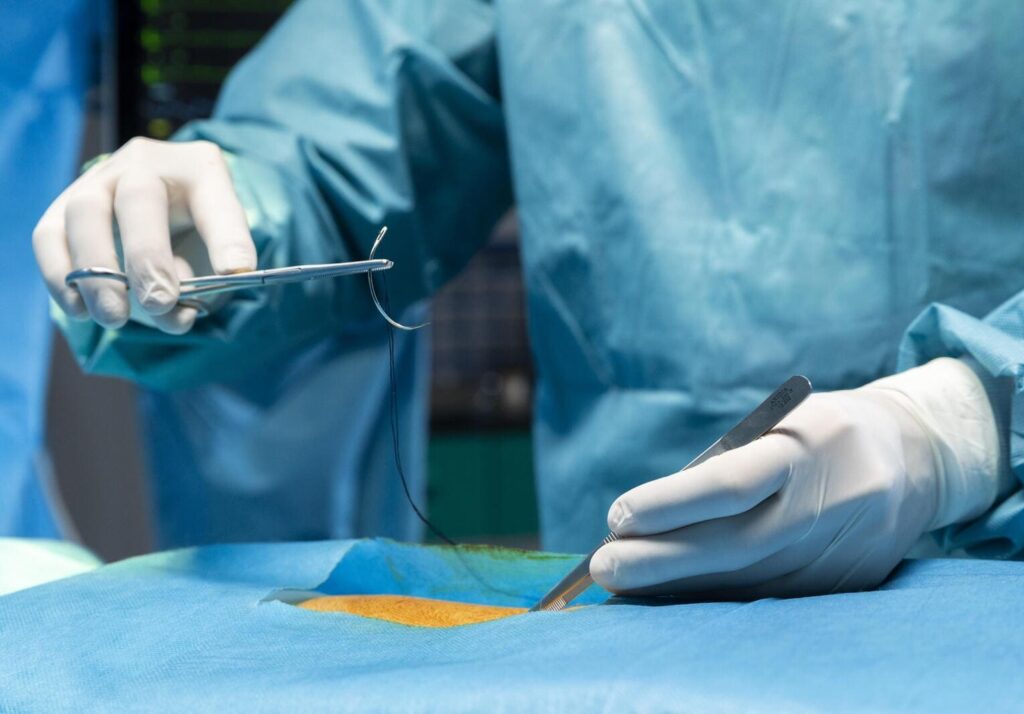
    Procedures for surgery include seton implantation and fistulotomy. These operations, although effective, carry some hazards, such as the possibility of infection and extended recovery periods.

    Surgery for Fistula

    2. Antibiotics

    Though they don’t treat the underlying cause, antibiotics aid in the management of infections. Antibiotic resistance can result from prolonged use, which reduces the efficacy of subsequent treatments.

    How to Drain a Surface

    Pus removal and irritation reduction frequently require drainage. That takes several sessions, though, and offers only short-term relief.

    Also Read: Fistula Treatment in Hindi

    Best Ayurvedic Medicine for Fistula

    With none of the negative effects of contemporary medicine, Ayurveda provides a variety of natural remedies.

    1. Therapy with Kshar Sutra

    Treatment for fistulas with a medicated thread is known as Kshar Sutra, an Ayurvedic method. With less difficulties than traditional surgery, this approach is highly successful and minimally invasive.

    2. (Terminalia Chebula) Haritaki

    Renowned for its medicinal qualities, haritaki is a potent herb. It contributes to tissue repair, immunity building, and inflammation reduction. Haritaki powder taken internally and diluted with warm water might hasten the recovery process.

    3. Curcuma longa, the spice

    Turmeric, which has antibacterial and anti-inflammatory qualities, can help treat the symptoms of fistulas. Turmeric paste applied topically or as part of your diet can help alleviate symptoms.

    Ayurvedic Medicine for Fistula

    Fistula Treatment at Home

    Several at-home treatments can enhance your treatment regimen in addition to Ayurvedic therapy.

    1. Sitz Spa

    Soaking the afflicted area in warm water is the process of a sitz bath. This easy cure can help heal wounds and lessen discomfort and swelling. The effectiveness can be increased by adding neem leaves or Epsom salts.

    2. Nutritional Adjustments

    A well-balanced, high-fibre diet helps ease the symptoms of a fistula by preventing constipation and lessening the strain during bowel movements. Make sure your daily intake consists of entire grains, fruits, veggies, and lots of water.

    3. Medicinal Teas

    Teas made from herbs, such as peppermint and chamomile, have calming qualities that can help lessen pain and swelling. Regularly consuming these teas can help promote general healing.

    Medkart Pharmacy Offer

    Read: What are Generic Medicines?

    Conclusion

    Your quality of life may be considerably impacted by fistulas, but you can control and even conquer this problem if you have the correct information and treatment plan. Natural and comprehensive solutions that cure the underlying cause as well as the symptoms are provided by Ayurveda. Fistulas can be efficiently treated and your health and vigor restored by combining Ayurvedic therapies, DIY remedies, and lifestyle modifications.

    Difference Between Generic And Branded Medicine

    When choosing pharmacological treatments, recognizing the difference between generic and branded solutions is vital.

    1. Effectiveness

    The active components in branded and generic medications are the same. On the other hand, branded drugs go through extensive testing and typically produce consistent results.

    2. Price

    Because generic medications are typically less expensive than their branded equivalents, a wider range of people can obtain them.

    3. Accessible

    In some areas, branded medications could be easier to find, while generic alternatives might take more work to find.

    FAQs on Fistula Treatment

    1. Which symptoms are typical for a fistula?

    The typical signs and symptoms include discomfort, edema, pus leakage, and recurring infections. Additionally, you can encounter fecal or urine leaks, depending on the type.

    2. Does Ayurveda offer a full cure for fistulas?

    Long-term alleviation and addressing the underlying causes are the goals of ayurvedic therapy. Despite their great effectiveness, the success rate could differ depending on certain circumstances.

    3. How long does an Ayurvedic treatment take to start showing results?

    The length of time varies based on how severe the illness is and how well the treatment plan is followed. While some people experience benefits in a matter of weeks, others could require more time.

    4. Do herbal remedies for fistulas have any negative effects?

    Comparing Ayurvedic medications to conventional therapies, they are often less harmful and have less side effects. For individualized guidance, it is imperative to speak with an Ayurvedic physician, however.

    5. Can altering one’s lifestyle aid in the management of fistulas?

    Yes, maintaining a healthy lifestyle with a balanced diet, frequent exercise, and stress reduction can greatly help with fistula care and recurrence prevention.

    You can take charge of your health and well-being by remaining knowledgeable and proactive. Discover the best course of action for your needs by investigating home remedies and Ayurvedic therapies. Never forget that mending starts with one step—take yours now.

    Blog | Medkart Pharmacy - Generic Medicine Online

  • Epilepsy Treatment and Diagnosis: Medication, Drugs

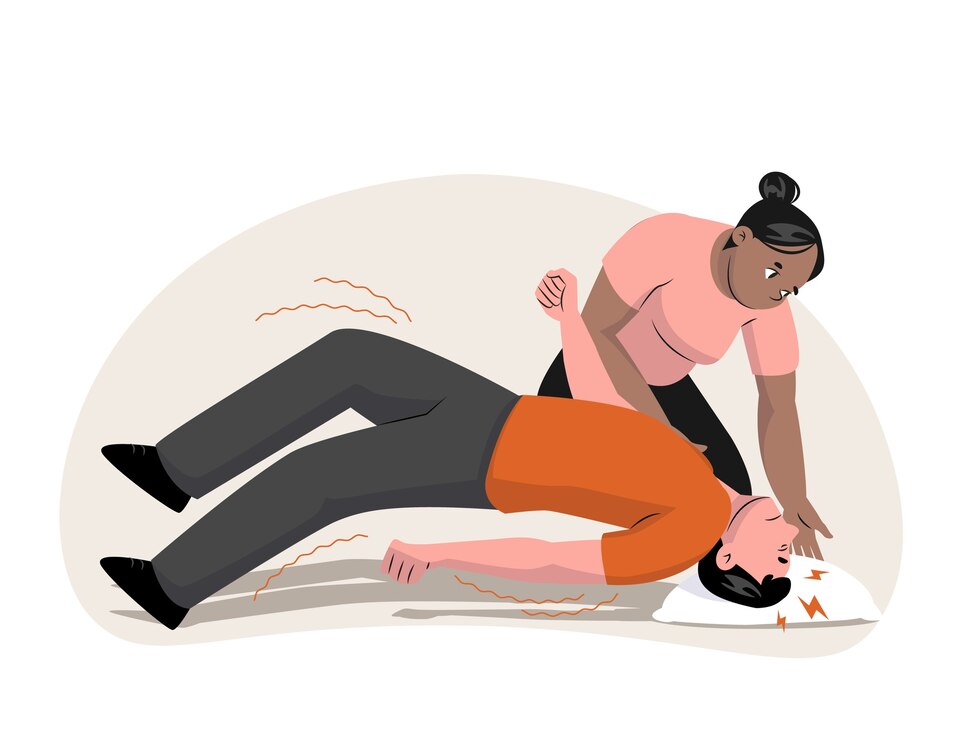
    epilepsy treatmentEpilepsy treatment encompasses a range of medical interventions aimed at managing and reducing the frequency of seizures in individuals with epilepsy. The primary approach involves the use of antiepileptic drugs (AEDs) to control abnormal electrical activity in the brain.

    Treatment plans may also include surgical options, dietary changes (such as the ketogenic diet), lifestyle modifications, and emerging therapies like neurostimulation or gene therapy, tailored to the patient’s specific condition and needs. The goal of epilepsy treatment is to improve the individual’s quality of life by minimizing the impact of seizures.

    Epilepsy stands as a neurological condition marked by the occurrence of recurring, unprovoked seizures. The exact causes of epilepsy vary, but they often include brain injuries, genetic factors, infections, developmental abnormalities, or neurological disorders. Identifying the underlying cause is crucial for effective epilepsy treatment and management.

    Epilepsy Diagnosis and Treatment

    It typically involves a comprehensive evaluation, including a detailed medical history, physical examination, EEG (Electroencephalogram) to record brain activity, and sometimes neuroimaging like MRI or CT scans.

    Epilepsy Treatment

    The quest for effective epilepsy treatment has led to significant advancements in medical science and care. The treatment landscape is continually evolving, with advancements in medical research and technology opening new avenues for those living with this condition.

    From antiepileptic drugs and surgical interventions to lifestyle modifications and emerging therapies, understanding these options is crucial for those living with epilepsy and their caregivers.

    The journey to epilepsy management is multifaceted and complex, as no single treatment approach fits all. Each individual’s experience with epilepsy is unique, as is their response to treatment. Below are different aspects of epilepsy treatment, including medication, lifestyle adjustments, and alternative therapies.

    Epilepsy Treatment Drugs

    Epilepsy treatment drugs are as follows:

    1. Antiepileptic Drugs (AEDs):

    The cornerstone of epilepsy treatment is medication. Antiepileptic drugs (AEDs) are designed to reduce the frequency and severity of seizures. These drugs function by enhancing the stability of electrical impulses within the brain. Some common AEDs include carbamazepine, valproic acid, and levetiracetam. The selection of AEDs depends on the type of epilepsy and individual patient factors.

    2. Personalized Medicine:

    Advances in pharmacogenomics have enabled a more personalized approach to medication. Genetic testing can help identify the most effective AED for a particular individual while minimizing potential side effects.

    Surgical Options

    A few of the major surgical options for epilepsy are:

    1. Epilepsy Surgery:

    In cases where medication alone is ineffective, epilepsy surgery may be considered. This involves removing or disconnecting the brain tissue responsible for seizures. Before surgery, thorough testing, including electroencephalograms (EEG) and neuroimaging, helps pinpoint the exact location of abnormal brain activity.

    2.  Vagus Nerve Stimulation (VNS):

    VNS therapy involves implanting a device that stimulates the vagus nerve, helping to reduce the frequency and intensity of seizures. This option is often considered for individuals who are not surgical candidates or have not responded to other treatments.

    > Consult a doctor and Order Medicine Online

    Lifestyle Modifications

    Here are some key lifestyle adjustments that individuals with epilepsy can consider:

    1. Ketogenic Diet:

    The ketogenic diet represents a dietary approach characterized by its high-fat, low-carbohydrate composition, and it has demonstrated considerable potential in mitigating seizures, particularly among pediatric patients grappling with epilepsy. It is believed to alter brain metabolism and reduce seizure activity.

    2. Stress Management:

    Stress and lack of sleep can trigger seizures in some individuals. Managing stress through relaxation techniques, regular sleep patterns, and stress-reduction strategies can help in seizure control.

    Emerging Therapies

    1. Responsive Neurostimulation (RNS):

    RNS is an implantable device that continuously monitors brain activity and delivers electrical stimulation when abnormal patterns are detected. It is an evolving option for individuals with drug-resistant epilepsy.

    2. Gene Therapy:

    Research in gene therapy is advancing rapidly, offering the potential to target the genetic causes of epilepsy. By correcting or modifying specific genes associated with epilepsy, this approach holds promise for more precise cure.

    3. Cannabidiol (CBD):

    CBD, a non-psychoactive compound derived from the cannabis plant, has gained attention for its potential to reduce seizures, particularly in individuals with treatment-resistant epilepsy. The FDA has approved CBD-based medications for specific types of epilepsy.

    Conclusion:

    Epilepsy treatment has come a long way, offering a range of options for individuals with this condition. While medication remains the primary approach, surgical interventions, lifestyle changes, and emerging therapies provide hope for those who do not respond well to traditional treatments.

    As research continues to advance, we can expect even more effective and personalized remedy options to emerge, improving the quality of life for people living with epilepsy. It is essential for individuals with epilepsy to work closely with healthcare professionals to develop a therapy plan tailored to their unique needs and circumstances. With ongoing research and innovation, the future of epilepsy treatment looks promising.

    Read: What are Generic Medicines?

    Are Generic drugs as safe as brand name drugs?

    Generic drugs are typically as safe and effective as brand name drugs. They contain the same active ingredients, undergo rigorous CDSCO testing, and meet strict quality standards. The main difference is in pricing, as generics are more affordable due to lower research and marketing costs.

    Patients can confidently choose generic drugs to save money without compromising safety or efficacy. However, it’s essential to consult with a healthcare professional to ensure the right medication and dosage for individual health needs.

    FAQ on Epilepsy Treatment

    Q1. What is epilepsy treatment?

    Epilepsy treatment typically involves the use of antiepileptic medications to control and reduce seizures. The choice of medication and dosage depends on the type of epilepsy and the individual’s response. In cases where medications are ineffective, surgical options or other therapies may be considered.

    Q2. What is the best epilepsy treatment in India?

    The best epilepsy treatment in India depends on the individual’s specific condition and needs. Generally, a combination of antiepileptic medications tailored to the patient’s seizure type and frequency, along with access to neurologists and epileptologists for expert guidance and potential surgical evaluation, can provide effective treatment.

    Q3. Can epilepsy be cured with treatment?

    Epilepsy is a chronic condition, and while treatment can help control seizures effectively in many cases, it is typically not considered curable. The goal is to manage symptoms and improve the quality of life.

    Q4. Are there any natural remedies or alternative therapies for epilepsy treatment?

    While medication and medical interventions are the primary treatments for epilepsy, some individuals explore complementary therapies like relaxation techniques, dietary changes (e.g., ketogenic diet), or stress management to complement their medical treatment. However, it’s crucial to discuss these options with a healthcare provider for safety and effectiveness.

    Related Links:

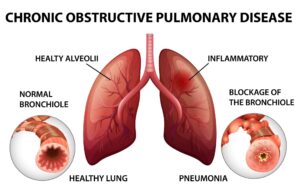
  • Chronic Obstructive Pulmonary Disease Treatment – COPD Treatment

    Chronic Obstructive Pulmonary Disease Treatment – COPD Treatment

    Chronic Obstructive Pulmonary Disease Treatment

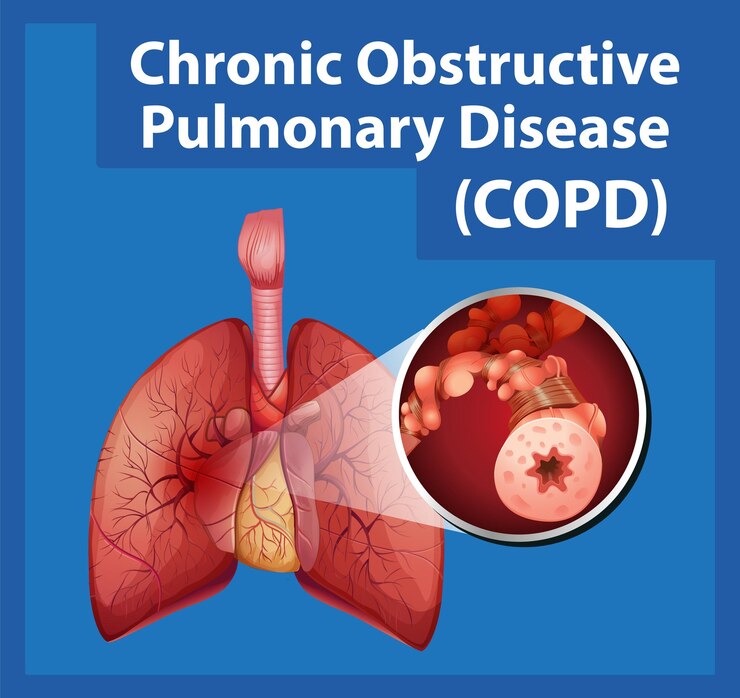
    COPD treatment encompasses a range of strategies aimed at managing the symptoms, slowing disease progression, and improving the overall quality of life for individuals living with COPD. COPD is a chronic lung condition that includes conditions like chronic bronchitis and emphysema, which are characterized by persistent airflow limitation and symptoms such as breathlessness, chronic cough, and excessive mucus production.

    While COPD is not currently curable, appropriate treatment can help individuals effectively manage the disease. COPD is characterized by symptoms such as breathlessness, chronic cough, and excessive production of mucus. Though it can significantly impact the quality of life, with proper Chronic Obstructive Pulmonary Disease treatment (COPD) and lifestyle changes, individuals can manage the condition effectively.

    The primary causes of COPD are long-term exposure to tobacco smoke, environmental pollutants (such as air pollution and workplace dust), and genetic factors.

    COPD Treatment

    The best treatments for COPD are as follows:

    1. COPD Treatment Medications

    Short-acting bronchodilators: These are used on an as-needed basis to provide quick relief from symptoms. Examples include albuterol (Proventil, Ventolin) and ipratropium (Atrovent).

    Long-acting bronchodilators: These are taken regularly to keep the airways open over a longer duration. Common long-acting bronchodilators include tiotropium (Spiriva), formoterol (Foradil), and salmeterol (Serevent).

    Inhaled Corticosteroids: These are used to reduce airway inflammation and are often combined with long-acting bronchodilators in one inhaler. Certainly, here’s a unique version of the information: Examples of combination medications used to treat respiratory conditions include fluticasone/salmeterol (commonly known as Advair) and budesonide/formoterol (often prescribed as Symbicort).

    Combination Medications: Some COPD patients may require both bronchodilators and corticosteroids to control their symptoms. Combination inhalers are available, which contain both types of medication.

    When a cough with mucus is part of COPD, Ascoril LS Syrup/Relent Plus Syrup can provide symptomatic relief by loosening phlegm.

    2. Oxygen Therapy

    In severe cases of COPD, oxygen therapy is essential to provide the body with enough oxygen. Oxygen can be administered through nasal cannulas or face masks. This treatment aims to increase oxygen levels in the blood, improve energy levels, and reduce the strain on the heart.

    > Consult a doctor and Order Medicine Online

    3. Pulmonary Rehabilitation

    Pulmonary rehabilitation programs are designed to help COPD patients improve their lung function, reduce symptoms, and enhance their overall quality of life. These programs typically include exercise routines, education about the disease, breathing techniques, and nutritional guidance.

    4. Lifestyle Modifications

    Smoking Cessation: Quitting smoking is the most critical step in managing COPD. Smoking cessation can slow the progression of the disease and significantly improve lung function.

    Diet: A balanced diet rich in fruits, vegetables, and lean proteins can help maintain a healthy weight and provide essential nutrients for lung health.

    Exercise: Regular physical activity can strengthen respiratory muscles, improve lung function, and enhance overall endurance. It can also help in managing weight and reducing the risk of complications.

    Avoiding Lung Irritants: Individuals with COPD should avoid exposure to secondhand smoke, air pollutants, and other lung irritants, which can exacerbate symptoms.

    "</p

    5. Vaccinations

    COPD patients are at higher risk of respiratory infections. Therefore, they should receive annual flu vaccines and the pneumonia vaccine to reduce the likelihood of infections that can worsen their condition.

    6. Medication Management

    It is of utmost importance to adhere rigorously to the recommended medication schedule. Keep track of when to take your medications and ensure you have an adequate supply on hand. Discuss any side effects with your healthcare provider promptly.

    7. Regular Medical Check-ups

    COPD is a progressive disease, and its severity can change over time. Regular check-ups with your healthcare provider can help monitor your condition, adjust treatment plans, and address any emerging issues.

    Conclusion:

    COPD treatment is multifaceted and requires a combination of medications, lifestyle changes, and support to manage effectively. With the right treatment plan and a commitment to a healthier lifestyle, individuals with COPD can lead fulfilling lives and reduce the impact of this chronic lung condition on their daily activities.

    If you or a loved one has COPD, consult with a healthcare provider to create a personalized treatment plan that best suits your needs. Remember that early intervention and proactive management are key to living well with COPD.

    Read: What are Generic Medicines?

    What is Generic Medicine?

    A generic medicine is a medication that contains the same active ingredients as a brand-name drug, with the same safety, quality, and effectiveness. However, it is typically sold under its chemical name, not a brand name, and is often more affordable because generic manufacturers don’t have to spend on research and marketing.

    Regulatory authorities ensure that generic drugs meet stringent standards for quality and efficacy, making them a cost-effective and equally reliable option for consumers while promoting competition in the pharmaceutical market.

    FAQs for COPD Treatment

    Q1. What is COPD treatment?

    COPD treatment includes medication, pulmonary rehabilitation, and lifestyle changes. Medications like bronchodilators and inhaled corticosteroids help manage symptoms. Pulmonary rehabilitation focuses on exercise and education, while lifestyle changes such as quitting smoking and avoiding irritants are crucial for COPD management.

    Q2. Can COPD be completely cured with treatment?

    No, COPD is a chronic condition, and there is no known cure. However, proper treatment can effectively manage symptoms, slow disease progression, and improve the patient’s quality of life.

    Q3. What is the best treatment for COPD?

    The best treatment for COPD often involves a combination of strategies tailored to the individual’s specific needs. This typically includes bronchodilator medications, inhaled corticosteroids if necessary, pulmonary rehabilitation, oxygen therapy for severe cases, and lifestyle changes such as smoking cessation and regular exercise. A comprehensive approach, guided by a healthcare provider, provides the most effective COPD management.

    Q4. Are all COPD treatments medication-based?

    No, COPD treatment involves a holistic approach. While medications like bronchodilators and corticosteroids are common, pulmonary rehabilitation, oxygen therapy, lifestyle changes, and vaccinations also play crucial roles in managing COPD.

    Related Links:

  • Best Chiropractic Treatment: Chiropractic Adjustment, Benefits

    Best Chiropractic Treatment: Chiropractic Adjustment, Benefits

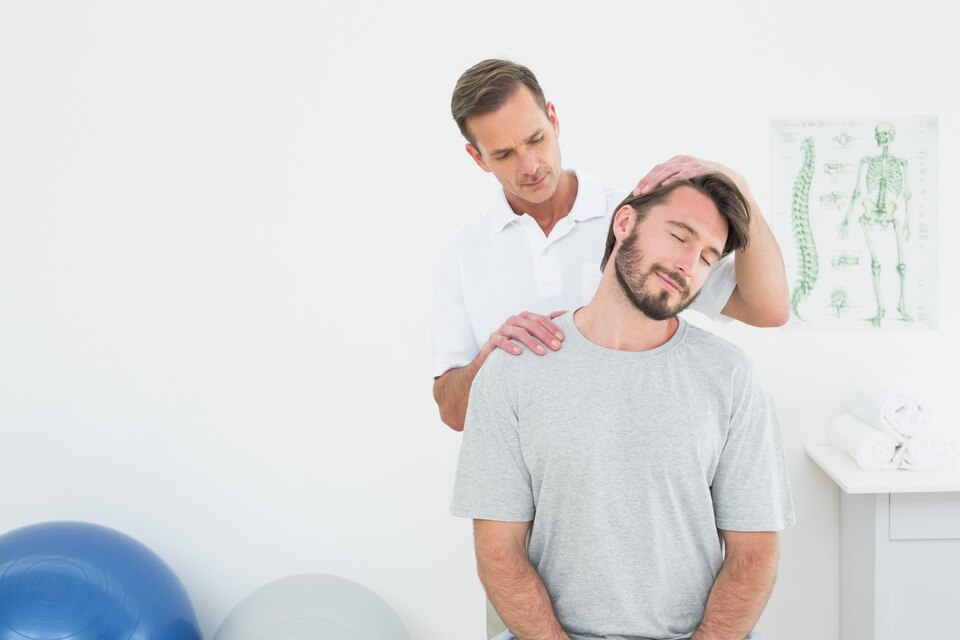
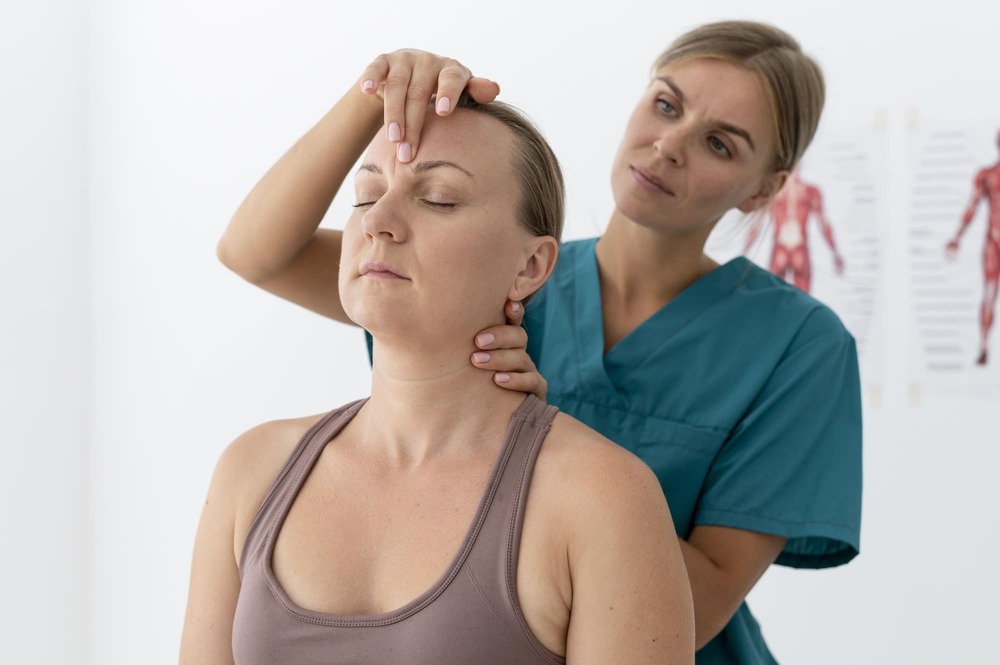
    chiropractic treatmentChiropractic treatment is a holistic healthcare discipline that focuses on diagnosing and treating musculoskeletal disorders, primarily those related to the spine. Chiropractors are trained healthcare professionals who specialize in spinal adjustments and manipulation techniques to alleviate pain and improve the body’s natural ability to heal itself.

    The central idea behind chiropractic treatment is that a properly functioning spine can positively impact the nervous system, which, in turn, can promote optimal health and well-being.

    Principles of Chiropractic Treatment

    The primary principles of treatment of Chiropractic are as follows:

    • The Spinal Adjustment: The cornerstone of chiropractic care is the spinal adjustment, also known as spinal manipulation. Chiropractors use their hands or specialized instruments to apply controlled force to the spine, correcting misalignments or subluxations. This adjustment aims to restore proper spinal function, reduce pain, and enhance mobility.
    • Holistic Approach: Chiropractic care emphasizes the interconnectedness of the body’s systems. Chiropractors consider how lifestyle, diet, exercise, and mental health affect a patient’s overall well-being. They work with patients to create customized treatment plans that address these factors.
    • Patient-Centered Care: Chiropractors take a patient-centered approach, considering individual needs, goals, and preferences. Treatment plans are tailored to each patient, and the emphasis is on natural healing without resorting to medication or surgery whenever possible.


    benefits of chiropractic treatmentBenefits of Chiropractic Treatment

    The advantages and benefits of treatment of Chiropractic are listed below:

    • Pain Relief: Chiropractic adjustments can effectively alleviate pain, especially in the back, neck, and joints. Many patients find relief from conditions such as sciatica, migraines, and chronic lower back pain through regular chiropractic care.
    • Improved Mobility: Chiropractic adjustments can enhance joint mobility and flexibility, allowing patients to regain their range of motion and improve their quality of life.
    • Enhanced Nervous System Function: Correcting spinal misalignments can optimize nervous system function, which may positively impact various bodily functions, including immune response and organ function.
    • Drug-Free and Non-Invasive: Chiropractic care emphasizes natural healing and minimizes the need for prescription medications or invasive surgeries, reducing the risk of side effects and complications.
    • Wellness Promotion: Chiropractors often encourage healthy lifestyle choices, such as proper nutrition, exercise, and stress management, to help patients achieve long-term wellness goals.

    > Consult a doctor and Order Medicine Online

    Common Misconceptions in Chiropractic Treatment

    The major common misconceptions in chiropractic treatment are listed below:

    • Chiropractors Are Not Real Doctors: Chiropractors undergo rigorous education and training, including a doctoral-level program, to become licensed healthcare professionals. They are trained to diagnose, treat, and manage various musculoskeletal conditions.
    • Chiropractic Care Is Only for Back Pain: While chiropractic care is known for its effectiveness in treating back pain, it can also address a wide range of conditions, including headaches, migraines, sports injuries, and even pediatric issues like colic.
    • Chiropractic Adjustments Are Dangerous: When performed by a qualified chiropractor, spinal adjustments are generally safe and well-tolerated. Chiropractors are trained to assess a patient’s medical history and suitability for treatment.


    Conclusion:

    Chiropractic treatment offers a holistic and drug-free approach to healthcare, focusing on improving overall well-being by enhancing spinal health and optimizing nervous system function.

    It has gained recognition as a valuable complementary therapy alongside conventional medical care. However, it’s essential to consult with a licensed chiropractor to determine the suitability of chiropractic care for your specific health concerns.

    By working together with healthcare professionals, patients can make informed decisions about their well-being and explore the benefits of chiropractic treatment as part of their healthcare journey.

    Read: What are Generic Medicines?

    Advantages Of Generic Medicines

    Generic medicines offer several advantages, including cost-effectiveness, as they are typically more affordable than brand-name equivalents. They are rigorously tested for safety and efficacy, ensuring their quality and reliability.

    Generic drugs also promote healthy competition in the pharmaceutical market, leading to lower prices and increased accessibility for patients.

    Additionally, they are often interchangeable with brand-name drugs, providing patients with more treatment options while maintaining the same therapeutic benefits, which can enhance patient choice and healthcare affordability.

    FAQs On Chiropractic Treatment

    Q1. What is chiropractic treatment?

    Chiropractic treatment is a holistic healthcare approach focused on diagnosing and treating musculoskeletal disorders, primarily related to the spine. Chiropractors use spinal adjustments and manipulation techniques to correct misalignments, alleviate pain, and improve the body’s natural healing abilities. It emphasizes a drug-free, patient-centered approach to promote overall well-being.

    Q2. Is chiropractic treatment safe?

    Chiropractic treatment is generally regarded as safe when conducted by a licensed and trained chiropractor. However, like any medical intervention, there may be risks and contraindications, so it’s crucial to consult with a qualified professional and discuss your specific health concerns before starting treatment.

    Q3. What is the best chiropractic treatment?

    The best chiropractic treatment involves a thorough assessment of the patient’s condition, personalized care plans, and skilled, gentle spinal adjustments to address musculoskeletal issues, alleviate pain, and enhance overall well-being. The effectiveness of treatment depends on the chiropractor’s expertise and the patient’s active participation in their care.

    Q4. Is chiropractic treatment suitable for all ages?

    Chiropractic care can help individuals of all ages, from newborns to seniors. Chiropractors adapt their techniques to suit the patient’s age and condition, making it a versatile option for family healthcare.

    Related Links:

  • Cellulitis Treatment: Antibiotic Cream, Cellulitis Treatment at Home

    Cellulitis Treatment: Antibiotic Cream, Cellulitis Treatment at Home

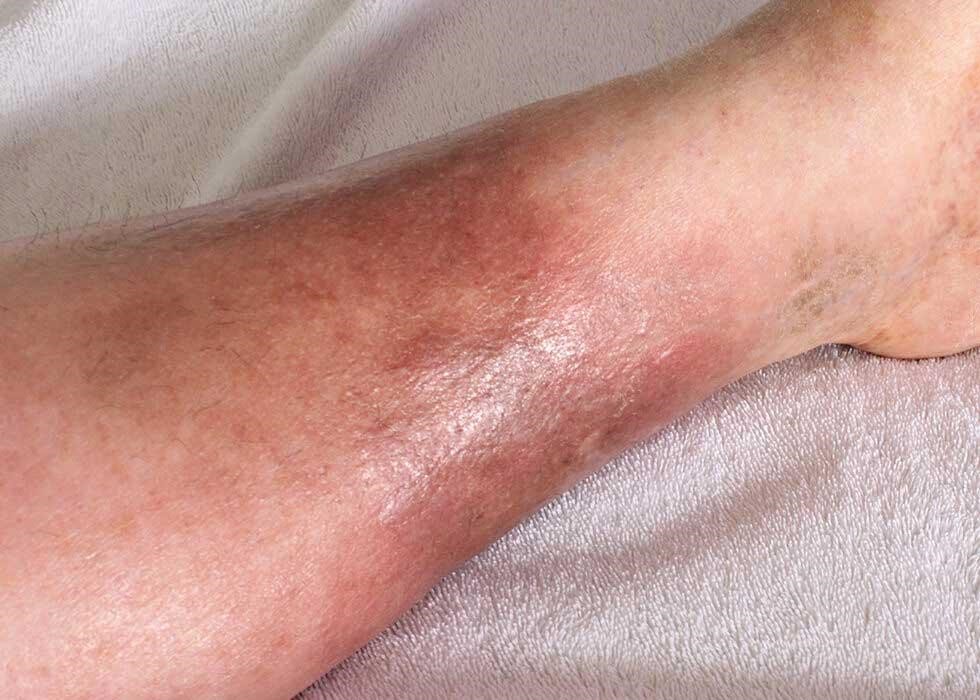
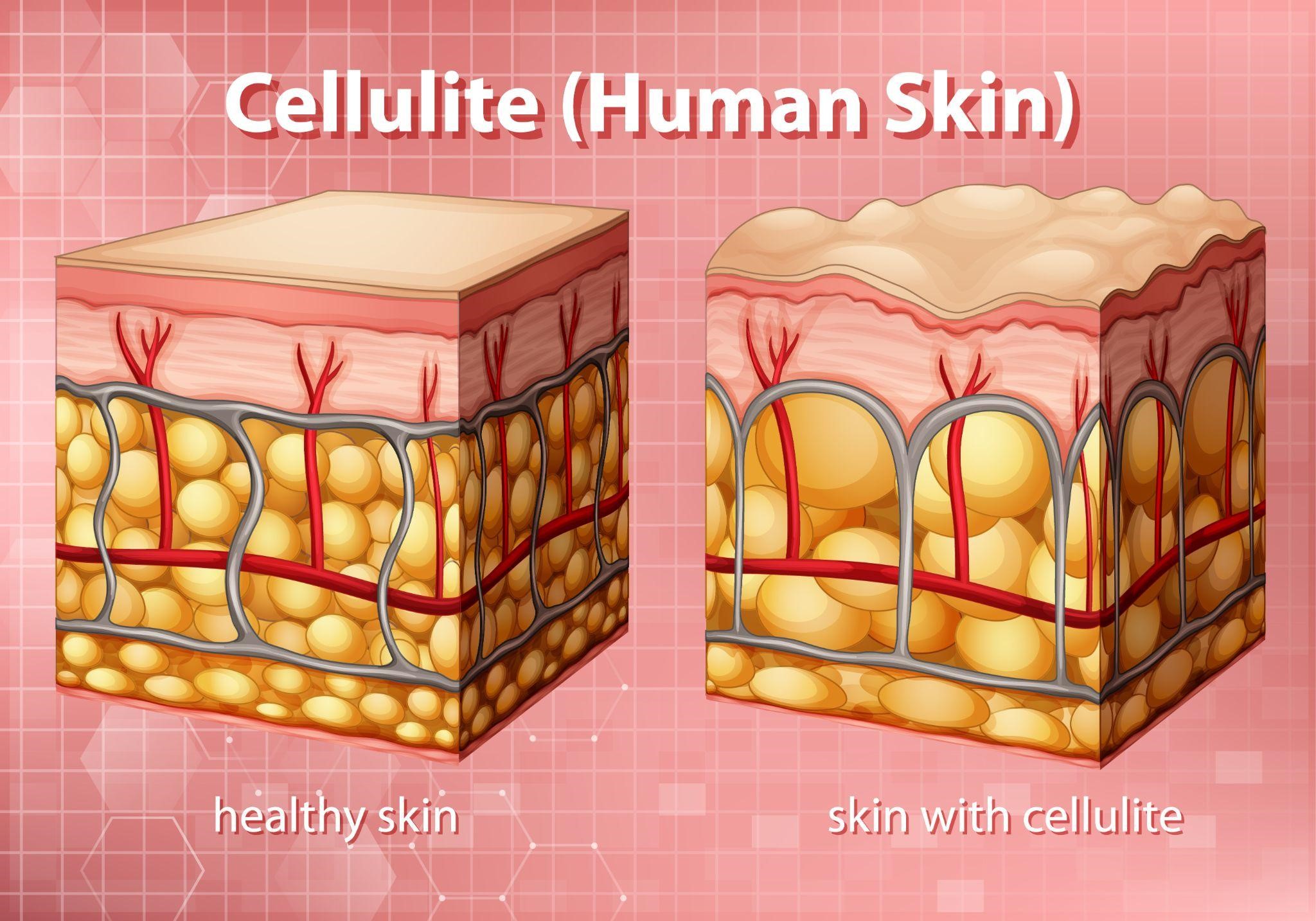
    Cellulitis treatment primarily involves antibiotics to combat the bacterial infection. Cellulitis is a bacterial skin infection that can affect any part of your body, although it most commonly occurs on the legs and face. It typically begins as a red, swollen area that feels warm to the touch. As the infection progresses, it can cause fever, chills, and pain.

    Cellulitis is usually caused by streptococcus or staphylococcus bacteria, which can enter your body through a break in the skin, such as a cut, scrape, or insect bite. The choice of antibiotic depends on the severity and causative bacteria. Pain relievers may be used for comfort for cellulitis treatment. Elevating the affected area can reduce swelling. Rest, hydration, and wound care are essential.

    In instances of extreme severity, hospitalisation and the administration of intravenous antibiotics may become imperative. Prompt treatment is crucial to prevent complications. Always follow your healthcare provider’s recommendations for effective cellulitis treatment.

    Cellulitis Diagnosis and Treatment

    Cellulitis diagnosis typically involves a thorough physical examination by a healthcare provider who assesses the affected skin area for redness, warmth, tenderness, and swelling. Medical history, including recent skin injuries or infections, is also considered.

    In some cases, a culture of the affected skin may be taken to identify the specific bacteria responsible. Imaging tests like ultrasounds or MRIs might be ordered to assess the extent of infection or rule out other underlying conditions.

    Prompt and accurate diagnosis is essential to initiate appropriate treatment promptly and prevent cellulitis from worsening or leading to complications.

    Cellulitis Treatment

    Cellulitis Treatment

    The Treatment of Cellulitis is as follows:

    Antibiotics

    Antibiotics are the cornerstone of cellulitis treatment. Your doctor will prescribe antibiotics to combat the bacterial infection. The choice of antibiotic may vary depending on the severity of the infection and the type of bacteria responsible.

    It’s crucial to complete the entire course of antibiotics, even if you start feeling better before you finish the medication. Stopping antibiotics prematurely can allow the bacteria to become resistant to the drugs.

    Pain Management

    Over-the-counter pain relievers, such as ibuprofen or acetaminophen, can help alleviate the discomfort associated with cellulitis.

    Elevation

    Elevating the affected limb, such as your leg or arm, can help reduce swelling and discomfort. Keep the area elevated whenever possible, especially when resting.

    Rest and Hydration

    Resting and staying hydrated can aid in your body’s recovery process. Adequate rest allows your immune system to work efficiently, while hydration helps flush toxins from your body.

    Wound Care

    Proper wound care is essential to prevent cellulitis from recurring. Keep any cuts, scrapes, or other skin injuries clean and covered with a sterile dressing. Follow your healthcare provider’s instructions for wound care, which may include cleaning the area with mild soap and water, applying antibiotic ointment, and keeping it covered with a bandage.

    Surgical Drainage (in some cases)

    If an abscess forms within the infected area, your doctor may need to drain it surgically to remove the pus and alleviate pressure.

    > Consult a Doctor and Medkart will help you Order Medicines Online

    Cellulitis Treatment at Home – Cellulitis Leg Treatment

    Cellulitis of the leg is typically treated with a course of oral antibiotics, with a specific choice of antibiotic depending on the severity and causative bacteria. Elevating the affected leg, maintaining good hygiene, and keeping the area clean and covered are essential steps.

    Pain management may include over-the-counter or prescription pain relievers. In severe cases, hospitalization and intravenous antibiotics might be necessary. Prompt treatment is vital to prevent complications and ensure a full recovery. Always follow your healthcare provider’s recommendations for the most effective cellulitis leg treatment.

    Cellulitis Treatment

    Cellulitis Home Treatment

    While cellulitis often requires medical intervention, certain home-care practices can complement treatment. Rest and elevation can reduce swelling and discomfort. Over-the-counter pain relievers help manage pain and fever.

    Keep the affected area clean, apply antibiotic ointment, and cover it with a sterile bandage. Staying well-hydrated and completing prescribed antibiotics are essential.

    However, home treatment should not replace professional medical care, and seeking prompt medical attention is crucial for proper cellulitis management and prevention of complications.

    Conclusion:

    Cellulitis is a treatable skin infection that should not be ignored. Timely medical intervention, including antibiotics and proper wound care, is key to a successful recovery and preventing complications. If you suspect you have cellulitis or notice any signs of infection, consult a healthcare professional promptly.

    Remember that prevention is just as important as treatment. Take steps to protect your skin from injuries and practice good hygiene to reduce your risk of developing cellulitis in the first place. With the right treatment and care, you can quickly overcome cellulitis and get back to enjoying a healthy, active life.

    Read: What are Generic Medicines?

    Do Generic Medicines work the same?

    Yes, generic medicines work the same as brand-name counterparts in terms of safety, efficacy, and quality. They contain the same active ingredients, have the same intended use, and meet the same rigorous standards set by regulatory authorities.

    Generic drugs may have slight differences in non-active ingredients, such as fillers or binders, which do not affect their performance. These cost-effective alternatives provide the same therapeutic benefits, making them a reliable option for many patients.

    Always consult your healthcare provider or pharmacist for advice on switching to generics.

    FAQs on Cellulitis Treatment

    Q1. What is cellulitis treatment?

    Cellulitis home treatment involves prescribed oral antibiotics, rest, and elevation of the affected area. Keep the area clean, apply antibiotic ointment, and cover it with a sterile bandage. However, it’s crucial to consult a healthcare professional for proper guidance and to ensure the infection doesn’t worsen.

    Q2. Can cellulitis be treated at home?

    Mild cases may be managed at home with prescribed antibiotics and proper wound care, but it’s crucial to consult a healthcare professional for guidance.

    Q3. How long does cellulitis treatment typically last?

    The duration of cellulitis treatment with antibiotics is typically 7 to 14 days, but it can vary depending on the severity and individual response to medication.

    Q4. What should I do if my cellulitis doesn’t improve with treatment?

    If you see no improvement or experience worsening symptoms, contact your healthcare provider immediately, as it may require a change in antibiotics or further evaluation for complications.

    Related Links:

  • Bell’s Palsy Therapies – Facial Paralysis Treatment at Home

    Bell’s Palsy Therapies – Facial Paralysis Treatment at Home

    Bells Palsy Treatment image

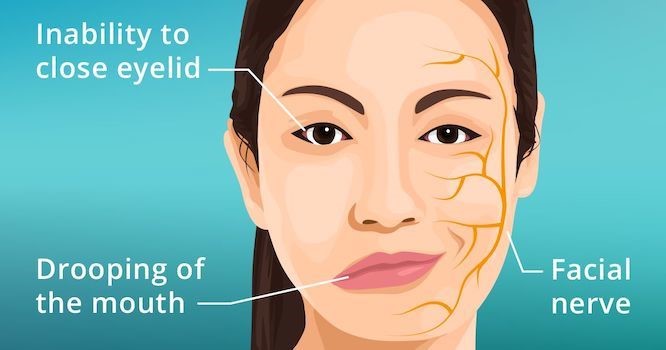
    Bells Palsy treatment aims to alleviate the symptoms, promote recovery, and prevent complications associated with this condition, which causes sudden paralysis or weakness in the facial muscles, typically on one side of the face.

    Bell’s Palsy is a sudden, unexplained weakness or paralysis of the facial muscles, typically on one side of the face. It can cause facial drooping, difficulty closing one eye, and impaired ability to smile or make facial expressions. Although it can be alarming, Bell’s Palsy is usually temporary and, in most cases, resolves on its own over weeks to months.

    Bells Palsy Treatment

    The treatment for Bells Palsy is as follows:

    1. Corticosteroids

    Corticosteroids like prednisone are often prescribed to reduce inflammation and swelling of the facial nerve. These medications can help speed up the recovery process and improve outcomes. Early administration is crucial, so seeking medical attention promptly is essential.

    2. Antiviral Medications

    In some cases, antiviral medications such as acyclovir may be prescribed if there is suspicion of a viral infection contributing to Bell’s Palsy. However, the efficacy of antivirals in Bell’s Palsy treatment remains a topic of debate among medical professionals.

    3. Eye Care

    Proper eye care is crucial, as the inability to close one eye fully can lead to dryness and potential damage. Lubricating eye drops, eye patches, or protective glasses may be recommended to prevent complications.

    Bell’s Palsy Physiotherapy Treatment

    Bell’s Palsy Physiotherapy Treatment – Complementary Therapies

    1. Physical Therapy

    Physical therapy can play a significant role in Bell’s Palsy recovery. Exercise and massage techniques can help maintain muscle tone and improve facial mobility.

    2. Acupuncture

    Some individuals with Bell’s Palsy have reported positive outcomes with acupuncture. This traditional Chinese therapy involves inserting thin needles into specific points on the body to stimulate healing and improve nerve function.

    3. Electrical Stimulation

    In certain cases, electrical stimulation devices may be prescribed by a healthcare provider. These devices send electrical impulses to the affected facial muscles, which can help improve muscle strength and control.

    4. Relaxation Techniques

    Stress and anxiety can exacerbate symptoms of Bell’s Palsy. Relaxation techniques such as meditation and deep breathing exercises can help reduce stress and support the body’s natural healing processes.

    Consult a Doctor and Medkart will help you Order Medicines Online

    Home Remedies for Bell’s Palsy Treatment

    Home remedies can complement medical treatments for Bell’s Palsy by promoting relaxation, reducing inflammation, and supporting overall well-being during recovery. Here are some effective home remedies:

    1. Facial Massage

    Gently massaging the affected side of the face can help improve blood circulation and muscle tone. Use a mild, natural oil like coconut or olive oil to avoid skin irritation.

    2. Heat Therapy

    Applying a warm compress to the paralyzed side of the face for about 15-20 minutes several times a day can help alleviate pain and relax facial muscles.

    3. Eye Care

    To prevent eye dryness and irritation, use lubricating eye drops and cover the affected eye with a patch or protective eyewear, especially during sleep.

    4. Diet and Nutrition

    Consume a balanced diet rich in vitamins and minerals, particularly those that support nerve health, such as B vitamins and antioxidants. Stay hydrated to aid in overall recovery.

    5. Stress Reduction

    High stress levels can exacerbate Bell’s Palsy symptoms. Practice relaxation techniques like meditation, deep breathing exercises, and yoga to manage stress effectively.

    6. Herbal Supplements

    Some individuals find relief from Bell’s Palsy symptoms by taking herbal supplements like ginseng or turmeric. However, consult with a healthcare specialist before beginning any new supplements.

    7. Facial Exercises

    Gentle facial exercises, like smiling, frowning, and puffing out your cheeks, can help maintain muscle tone and promote facial symmetry.

    Remember that while these home remedies can be beneficial, they should complement medical treatment, not replace it. Always consult with a healthcare provider to ensure you’re following the most appropriate and effective treatment plan for your specific condition.

    Bells Palsy Physiotherapy

    Bell’s Palsy physiotherapy treatment involves targeted exercises and techniques to improve facial muscle strength and mobility. Physiotherapists design customized regimens to help patients regain control over their facial expressions and functions.

    These exercises may include facial massages, muscle stretches, and electrical stimulation to stimulate nerve recovery. By working closely with a physiotherapist, individuals with Bell’s Palsy can enhance their chances of a quicker and more complete recovery, ultimately restoring their facial symmetry and function.

    Conclusion

    While a Bell’s Palsy diagnosis can be unsettling, the good news is that most individuals with this condition experience a full recovery over time. Seeking prompt medical attention and following a treatment plan, which may include corticosteroids, antiviral medications, and physical therapy, can significantly improve outcomes. Complementary therapies and emotional support also play essential roles in the healing process.

    Remember that each person’s journey with Bell’s Palsy is unique. Maintaining a positive outlook, staying informed, and seeking support can help you navigate this temporary challenge and look forward to regaining full facial function. With the right treatment and care, there is hope for a bright and smile-filled future.

    Why do Generic and Brand-name drugs look different?

    Generic and brand-name drugs can look different primarily due to trademark laws and regulations. While the active ingredients in both versions are the same, manufacturers of generic drugs are not allowed to copy the exact appearance of the brand-name medication.

    This distinction helps consumers and healthcare professionals differentiate between the two and prevents confusion. However, the quality, safety, and effectiveness of generic drugs are rigorously tested and regulated to ensure they are equivalent to their brand-name counterparts.

    Read: What are Generic Medicines?

    FAQs on Bells Palsy Treatment

    Q1. What is Bells Palsy treatment?

    Bell’s Palsy treatment typically involves corticosteroids to reduce inflammation, antiviral medications if infection is suspected, and supportive measures like eye care. Physical therapy and complementary therapies may be used to enhance facial muscle recovery.

    Q2. What is the best bell’s palsy treatment?

    The best Bell’s Palsy treatment typically involves early administration of corticosteroids and, if appropriate, antiviral medications, along with eye care. Consulting a healthcare professional for a tailored treatment plan is essential for the best outcomes.

    Q3. Can Bell’s Palsy be treated at home without medical intervention?

    While home remedies like facial exercises and warm compresses can help, it’s crucial to consult a healthcare provider for proper diagnosis and treatment, which often includes corticosteroids and eye care.

    Q4. Is surgery required for Bells Palsy treatment?

    Surgery is rarely necessary for Bell’s Palsy. Medical treatments, physical therapy, and complementary therapies are usually sufficient to promote recovery. Surgery may be considered in exceptional cases with severe complications.

    Related Links:

  • Best Ayurvedic Treatment: Home Remedies and List of Ayurvedic Treatments

    Best Ayurvedic Treatment: Home Remedies and List of Ayurvedic Treatments

    Ayurvedic treatment is a holistic and traditional system of healing that originated in India over 5,000 years ago. Rooted in ancient Vedic texts, Ayurveda views health and wellness as a state of balance between an individual’s physical, mental, and spiritual aspects. The core principle of Ayurvedic treatment is to promote and maintain this balance, which is believed to be essential for overall well-being.

    Ayurvedic Treatment

    The best treatment of Ayurvedic are as follows:

    • Diet and Nutrition: Ayurveda places immense importance on food as medicine. Dietary recommendations are tailored to an individual’s dosha, ensuring that they eat foods that maintain or restore balance. For example, a person with excess Vata may be advised to consume warm, nourishing foods, while someone with excessive Pitta should opt for cooling and calming foods.
    • Herbal Medicine: Ayurveda boasts an extensive pharmacopoeia of herbs and plants. Herbal remedies are prescribed to address specific health issues and balance doshas. Common Ayurvedic herbs include turmeric, ashwagandha, triphala, and holy basil.
    • Yoga and Meditation: Yoga and meditation are integral components of Ayurvedic treatment. These practices help align the body, mind, and spirit, reducing stress and promoting overall wellness. Different yoga poses and meditation techniques may be recommended based on an individual’s constitution.
    • Ayurvedic Massage (Abhyanga): Ayurvedic massage involves the use of warm, herbal oils specifically chosen for an individual’s dosha. This therapeutic massage not only relaxes the body but also helps detoxify and rejuvenate.
    • Panchakarma: Panchakarma is an intensive detoxification process in Ayurveda. It involves a series of therapies like Virechana (purgation), Basti (enema), and Nasya (nasal administration of oils) to remove toxins from the body and restore balance.
    • Acupuncture and Acupressure: Ayurveda also includes practices similar to acupuncture and acupressure to stimulate specific energy points in the body and balance doshas.
    • Lifestyle Recommendations: Ayurvedic practitioners guide daily routines, including sleep patterns, exercise, and mental wellness practices, to maintain a balanced and harmonious life.

    Ayurvedic Treatment

    Advantages of Ayurvedic Treatment

    Ayurveda focuses on addressing the root causes of ailments rather than merely treating symptoms. This approach leads to long-lasting relief and improved overall health.

    Ayurvedic therapies and remedies are typically natural and derived from herbs and plants. This means they have minimal side effects compared to synthetic drugs. Another advantage is personalization. Ayurvedic practitioners tailor treatments to an individual’s unique constitution, ensuring that they receive customized care that aligns with their specific needs.

    Ayurvedic Treatment

    Furthermore, Ayurveda emphasizes prevention, helping individuals maintain good health through lifestyle and dietary recommendations. It enables individuals to proactively assume control of their well-being.

    Ayurveda fosters balance not only in the body but also in the mind and spirit. Through practices like yoga and meditation, it promotes mental clarity, emotional stability, and spiritual growth, fostering a holistic sense of wellness.

    Medkart Pharmacy Offer

    List of Ayurvedic Treatments

    The list of treatments of ayurvedic are as follows:

    • Abhyanga: Ayurvedic oil massage, using specific herbal oils tailored to an individual’s dosha.
    • Shirodhara: A calming therapy involving a continuous stream of warm oil poured onto the forehead to relax the nervous system.
    • Panchakarma: A comprehensive detoxification process that includes therapies like Virechana (purgation), Basti (enema), and Nasya (nasal administration of oils).
    • Ayurvedic Herbal Remedies: The use of specific herbs and herbal formulations to address various health issues.
    • Dietary Counseling: Personalized dietary recommendations based on an individual’s dosha to promote balance and well-being.
    • Yoga and Pranayama: Tailored yoga postures and breathing exercises to balance doshas and enhance overall health.
    • Meditation and Mindfulness: Practices to calm the mind, reduce stress, and improve mental clarity.
    • Udvartana: A therapeutic massage using herbal pastes and powders to exfoliate and revitalize the skin.
    • Neti: Nasal cleansing using a saline solution to alleviate sinus issues.
    • Dhara: A therapy involving the continuous pouring of herbal liquids or decoctions over the body to promote relaxation.
    • Kati Basti: A localized treatment where warm herbal oil is pooled on the lower back to alleviate back pain.
    • Gandusha and Kavala: Mouth rinsing and oil pulling for oral health and detoxification.
    • Nadi Pariksha (Pulse Diagnosis): An Ayurvedic practitioner assesses an individual’s health by analyzing the pulse.
    • Marma Therapy: Gentle pressure on specific energy points to release blocked energy and promote healing.
    • Swedana: Herbal steam therapy to induce sweating and eliminate toxins.
    • Lifestyle and Daily Routine Guidance: Recommendations for daily routines, sleep patterns, and exercise regimens.
    • Herbal Steam Inhalation (Nasya): Inhaling herbal steam to clear the nasal passages and promote respiratory health.
    • Rasayana: Rejuvenation therapy aimed at enhancing vitality and longevity.
    • Karna Purana: Ear oiling to improve ear health and balance.
    • Aromatherapy: The use of aromatic oils and herbs for therapeutic purposes.

    Best Ayurvedic Treatment

    Conclusion:

    Ayurvedic treatment offers a holistic approach to health and wellness, addressing not only physical but also mental and spiritual well-being. By understanding and balancing the doshas, individuals can achieve optimal health and vitality.

    While Ayurveda may not replace modern medicine for all ailments, it can complement it by promoting preventive health practices and addressing chronic conditions from a holistic perspective.

    Embracing Ayurvedic principles can lead to a more balanced and harmonious life, in tune with the rhythms of nature and the wisdom of the ages.

    Read: What are Generic Medicines?

    Difference Between Generic and non-generic Medicine

    Generic and non-generic medicines differ in their branding and pricing. Non-generic, often brand-name drugs, are developed and marketed by pharmaceutical companies, featuring a patented name and higher cost due to research and development expenses.

    Generics contain the same active ingredients but are produced by different manufacturers and sold under their chemical names. They are typically more affordable due to reduced marketing costs. Both types must meet the same safety and efficacy standards, providing consumers with options based on budget and brand preference.

    FAQs on Ayurvedic Treatment

    Q1. What is Ayurvedic treatment?

    Ayurvedic treatment is a holistic system of natural medicine rooted in ancient Indian wisdom. It aims to balance the body, mind, and spirit by addressing individual doshic imbalances using herbal remedies, dietary adjustments, lifestyle changes, and therapeutic practices, fostering overall health and well-being.

    Q2. How does Ayurvedic treatment work?

    Ayurvedic treatment works by identifying and balancing an individual’s doshas (Vata, Pitta, and Kapha) to harmonize the body’s natural energies, utilizing personalized herbal remedies, dietary adjustments, and lifestyle changes to promote holistic well-being and health.

    Q3. How long does it take to see results from Ayurvedic treatment?

    The timeline for experiencing the benefits of Ayurvedic treatment varies depending on individual factors, the nature of the health issue, and the specific therapies used. Some people may notice improvements in a matter of weeks, while chronic conditions may require longer treatment periods.

    Related Links:

    Blog | Medkart Pharmacy - Generic Medicine Online

  • Alopecia Areata Treatment – Ayurvedic Medicine for Alopecia Areata

    Alopecia Areata Treatment – Ayurvedic Medicine for Alopecia Areata

    alopecia areata treatment image

    Are you looking for secure and successful natural treatments for Alopecia Areata? You’re not by yourself. Millions of people worldwide are afflicted by this chronic illness, which results in unexpected hair loss. However, trust continues! Natural, holistic treatments are available in Ayurvedic medicine that may aid in the treatment of Alopecia Areata. We’ll go over Ayurvedic treatments, do-at-home solutions, and frequently asked concerns regarding Alopecia Areata in this blog. Together, we will take a step toward unlocking the potential of your hair.

    Conditions of Alopecia Areata

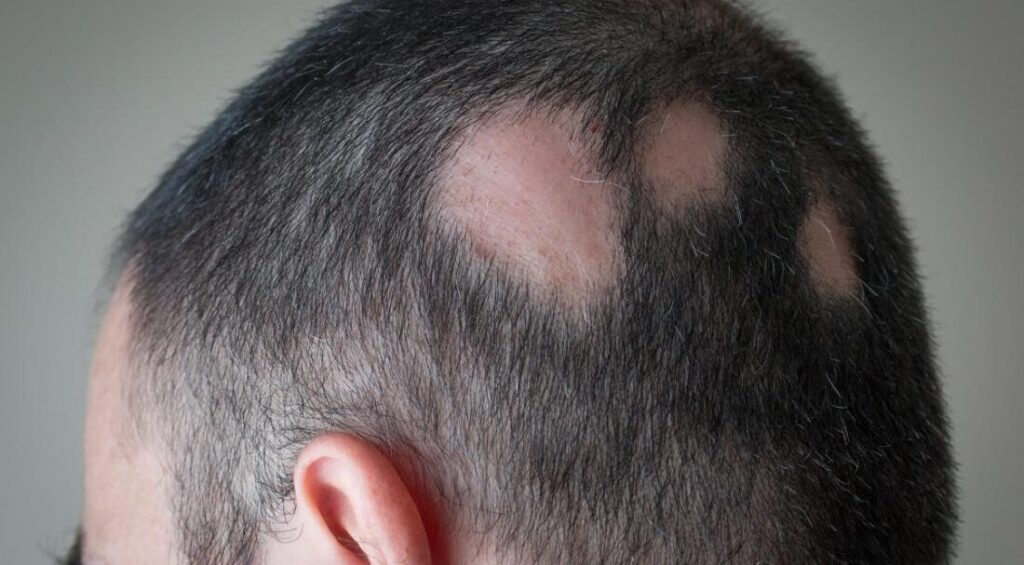
    In autoimmune conditions like alopecia areata, hair follicles are incorrectly attacked by the immune system, leading to hair loss. Anybody, regardless of age or gender, can be impacted by the illness. It normally starts sudden hair loss in small, circular areas on the scalp, but it can also develop to whole body hair loss (Alopecia Universalis) or total scalp hair loss (Alopecia Totalis).

    Alopecia Areata is thought to be caused by a combination of immunological, environmental, and biological variables, while the precise reason is yet unknown. Studies reveal that the condition may be brought on by or made worse by stress and trauma. For management and treatment to be effective, it is essential to understand these root causes.

    Smooth, round patches of hair loss, feeling or itching in the affected areas, and changes in the texture or appearance of the nails are all signs of alopecia areata. In order to stop additional deterioration and encourage hair regrowth, early identification and therapy are essential.

    Conditions of Alopecia Areata image

    Alopecia Areata Treatment

    Alopecia Areata treatment is multidisciplinary, covering the root of the problem as well as the symptoms. Typically, topical vaccinations, minoxidil, and corticosteroids are used as conventional treatments. Although these treatments have a high rate of success, they frequently have negative side effects and might not treat the underlying cause of the condition.
    An complete option, ayurvedic treatments for alopecia aretatia stress regulating the body’s energies (Pitta, Kapha, and Vata) to improve general health. Ayurveda is a holistic approach to solving Alopecia Areata since it treats the patient as a whole, not just the symptoms.

    Alopecia Areata can be successfully controlled with a combination of medical treatments and changes in lifestyle such regular exercise, a balanced diet, and stress management. Combining these methods can increase overall wellbeing and boost the results of treatments.

    Alopecia Areata Treatment

    Alopecia Areata Treatment Cream

    Alopecia Areata is frequently managed with topical treatments like lotions and lotions and creams These treatments seek to improve the scalp’s health, boost hair growth, and lessen irritation. Minoxidil, immunomodulators, and corticosteroid creams are a few of the most widely used alternatives.

    Creams containing corticosteroids help in reducing irritation and immune response suppression, which in certain situations might encourage hair growth. Long-term usage of these lotions, however, may cause severe negative effects, including skin thinning. It’s important to heed the advice of a medical professional and keep a careful eye on your development.

    Hair regrowth is promoted and the immune response is modified by immunomodulators such dinitrochlorobenzene (DNCB) and anthralin. Although there’s a chance of skin irritation and other adverse effects, some therapies can be somewhat successful. Before beginning any new treatment, always get advice from a medical practitioner.

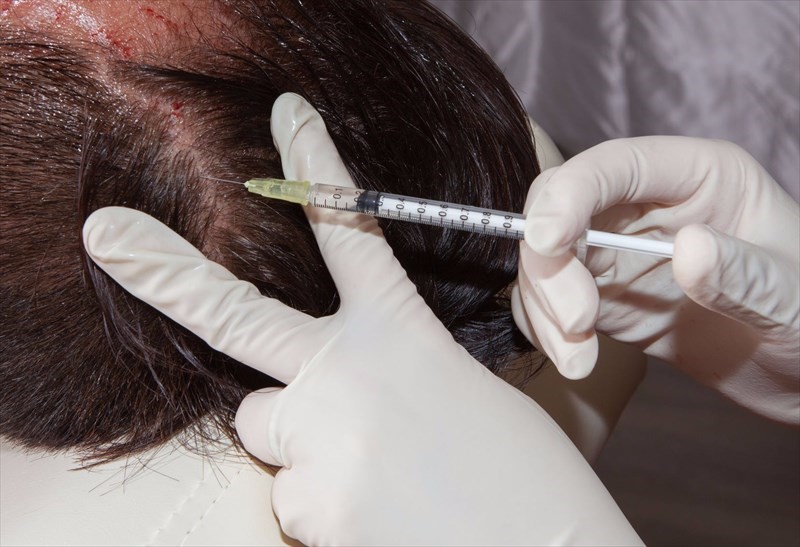
    Reducing blood flow to the hair follicles is how minoxidil, a common over-the-counter medication, promotes hair growth. Though outcomes may vary and changes may not be seen for several months, it can be beneficial for certain people. Minoxidil use requires persistence and patience.

    Ayurvedic Medicine for Alopecia Areata

    Alopecia Areata can be managed naturally and comprehensively with the use of Ayurvedic medication. Ayurveda seeks to address the underlying cause of the issue and stimulate hair development by emphasizing the balancing of the body’s doshas and the promotion of general wellness. Herbal therapies, dietary adjustments, and lifestyle alterations are important aspects of Ayurvedic treatment.

    An important part of the Ayurvedic treatment for Alopecia Areata is the use of herbal treatments. A few of the best herbs are Amla, Brahmi, and Bhringraj. These herbs have a reputation for fortifying hair follicles, encouraging hair development, and enhancing scalp health. They can be utilized as supplements, oils, or powders, among other forms.

    In Ayurvedic treatment, changes in diet are also important. Hair growth and general health can be supported by a well-balanced diet high in vitamins, minerals, and antioxidants. Your regular meals should include foods like fruits, nuts, seeds, and leafy greens. Also, keeping a good balance of doshas can be achieved by avoiding processed foods, extra sugar, and harmful fats.

    Making lifestyle changes, such as exercising less stress as well as regular exercise, is essential for controlling alopecia areata. Stress reduction and general well-being can be improved by engaging in activities like yoga, meditation, and deep breathing. Ayurvedic treatments can be more effective if you include these techniques into your regular routine.

    Alopecia Areata Home Treatment

    Alopecia Areata home remedies might supplement Ayurvedic and conventional methods in controlling the problem. Hair growth and general health can be greatly enhanced by easy cures and lifestyle changes.

    Warm oil, such as castor, coconut, or almond oil, massaged into the scalp is a useful at-home remedy. Massaging nourishes the scalp, encourages hair development, and helps increase blood flow to the hair follicles. The advantages of the massage can be increased by adding essential oils like peppermint, lavender, or rosemary.
    Natural hair masks are another helpful at-home cure that you should try. We can supply vital nutrients and hydration to the scalp and hair with foods like yogurt, honey, aloe vera, and eggs. The health, strength, and gloss of hair can all be enhanced by regular use of these masks.

    For at-home management of Alopecia Areata, maintaining a healthy lifestyle is also essential. Make sure to maintain proper hydration, obtain adequate sleep, and exercise on a daily basis. The efficacy of various treatments can be enhanced and general well-being can be supported by these behaviors.

    Conclusion

    Even though Alopecia Areata can be difficult to manage, there are ways to encourage hair growth and enhance general health. Balancing the body’s doshas and treating the underlying cause of the ailment are the main goals of Ayurvedic medicine, which provides a comprehensive and natural alternative to traditional treatments.
    You may improve the health of your hair and your life by implementing Ayurvedic treatments, DIY cures, and lifestyle modifications. Remain dedicated to your selected course of action and don’t forget to get medical advice before beginning any additional treatments.

    Please schedule a consultation with an Ayurvedic practitioner if you would want to learn more about Ayurvedic therapies. As you travel the path to improved hair health, they may offer you individualized advice and assistance. Using Ayurvedic therapies for Alopecia Areata, rediscover the potential of your hair.

    Examples of Generic Medicines

    Generic medicines are cost-effective alternatives to brand-name drugs, containing the same active ingredients and offering similar therapeutic effects. Examples are

    1. Ibuprofen: A generic of Advil, used for pain relief and reducing inflammation.
    2. Metformin: A generic alternative to Glucophage, prescribed for managing type 2 diabetes.
    3. Amoxicillin: A generic form of Amoxil, used to treat bacterial infections.
    4. Simvastatin: A generic counterpart of Zocor, employed to lower cholesterol levels.
    5. Omeprazole: A generic of Prilosec, used to reduce stomach acid and treat acid-related conditions.

    FAQS on Alopecia Areata Treatment

    Q1. What is alopecia areata treatment?

    Answer: Alopecia areata treatment involves various approaches to manage hair loss caused by autoimmune reactions. Options include corticosteroids (topical or injections), minoxidil, JAK inhibitors, and platelet-rich plasma therapy. Treatment choice depends on individual factors, and consultation with a healthcare provider is essential.

    Q2. What is the best treatment for alopecia areata?

    Answer: The best treatment for alopecia areata varies from person to person, depending on the severity and individual response. Dermatologist-recommended options include corticosteroids (topical or injections), JAK inhibitors, and topical immunotherapy.

    Q3. Is there a cure for alopecia areata?

    Answer: There is no guaranteed cure for alopecia areata, but various treatments can help manage and stimulate hair regrowth.

    Q4. Are there any natural remedies for alopecia areata?

    Answer: Some individuals explore natural remedies like essential oils and dietary changes, but their effectiveness varies, and it’s essential to consult a healthcare professional for a comprehensive treatment plan.

  • Home Remedies for Vertigo: Ayurvedic Treatment for Vertigo

    Home Remedies for Vertigo: Ayurvedic Treatment for Vertigo

    Vertigo treatment refers to the medical or therapeutic approaches used to alleviate the symptoms of vertigo, a condition characterized by a false sensation of spinning or movement. It can strike suddenly, causing a spinning sensation that makes even simple tasks like standing or walking a challenge.

    While vertigo can be caused by various underlying conditions, the good news is that there are effective treatments available to help alleviate its symptoms and improve your quality of life.

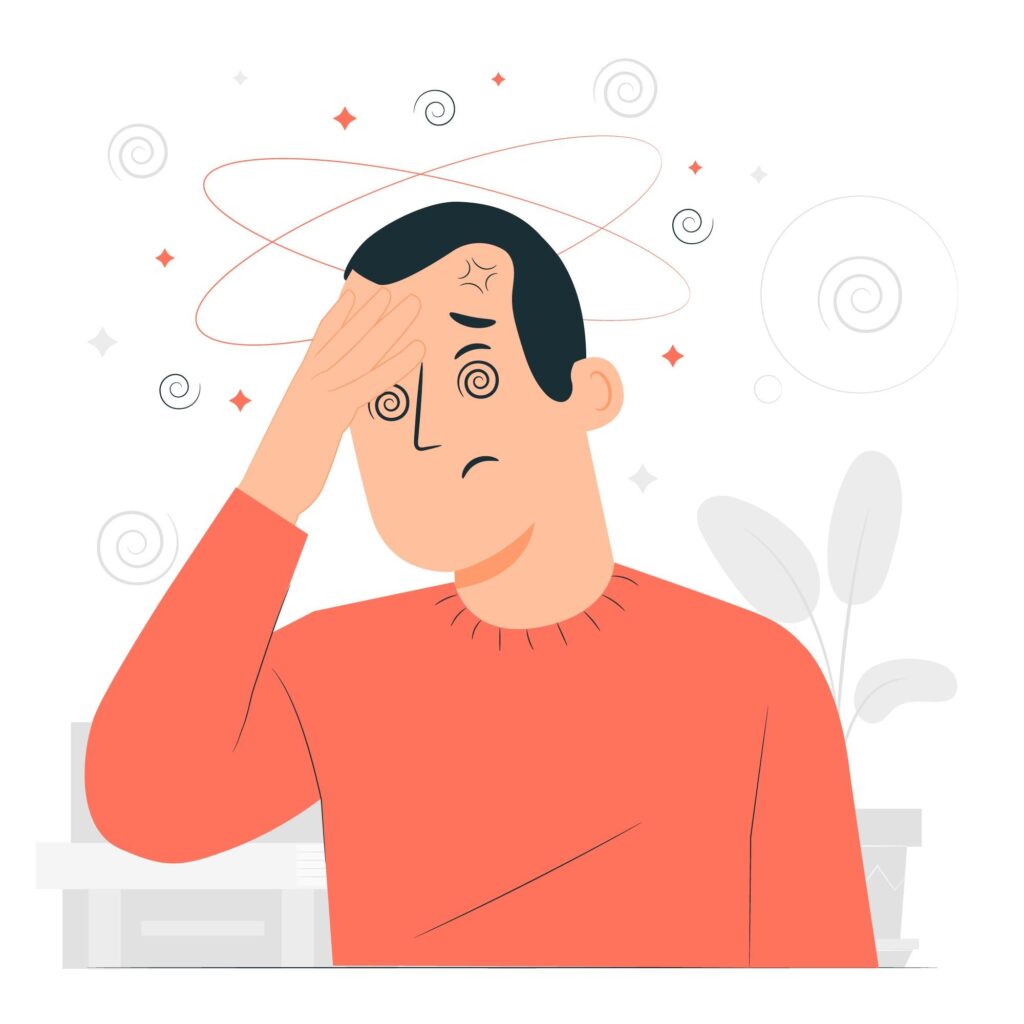
    Vertigo is not a disease in itself, but rather a symptom of an underlying issue. It is often described as a spinning or whirling sensation as if the world around you is in motion when it’s not. This false sensation of movement can lead to dizziness, nausea, and a sense of unsteadiness.

    Types of Vertigo

    The two most common types of vertigo are:

    1. Peripheral Vertigo: This type of vertigo is typically caused by problems within the inner ear, such as benign paroxysmal positional vertigo (BPPV), Meniere’s disease, or vestibular neuritis.
    2. Central Vertigo: Central vertigo is usually the result of issues within the central nervous system, such as a brain injury, tumour, or multiple sclerosis.

    Vertigo Treatment

    Vertigo Treatment

    Treatment for vertigo depends on its underlying cause. Here are some of the most common vertigo treatment options:

    • Vestibular Rehabilitation: This is a specialized form of physical therapy that focuses on exercises and movements designed to improve your balance and reduce vertigo symptoms. A trained therapist can guide you through exercises that help your brain adapt to the false signals causing vertigo.
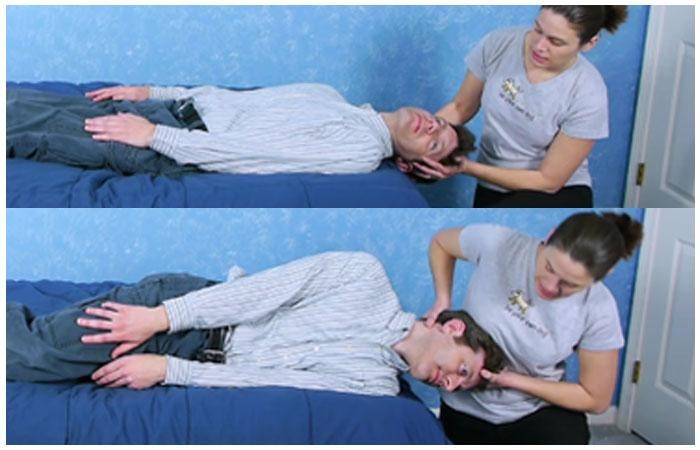
    • Epley Maneuver: If your vertigo is due to BPPV, a healthcare provider may perform or teach you the Epley manoeuvre. This series of head movements can reposition the displaced inner ear crystals, relieving vertigo symptoms.
    • Medications: In some cases, medications may be prescribed to alleviate vertigo symptoms or treat underlying causes. These medications can include antihistamines, antiemetics, and steroids.
    • Surgery: Surgery is typically considered a last resort for vertigo treatment and is reserved for cases where other treatments have been unsuccessful. Surgical options may include procedures to repair the inner ear, remove tumours, or alleviate pressure on the vestibular nerve.
    • Lifestyle and Dietary Changes: For conditions like Meniere’s disease, lifestyle modifications, such as reducing salt intake, may help manage symptoms. Avoiding known triggers, like caffeine and alcohol, can also be beneficial.
    • Vertigo Treatment at Home: Some people find relief from vertigo symptoms through home remedies like the Brandt-Daroff exercises, which can help with habituation to the false sensations of motion.

    Vertigo Treatment

    Benign Paroxysmal Positional Vertigo

    Benign Paroxysmal Positional Vertigo (BPPV) is a common and often unsettling vestibular disorder that results from the displacement of tiny calcium crystals (otoconia) within the inner ear’s semicircular canals. This displacement can lead to brief but intense vertigo episodes triggered by specific head movements, such as rolling over in bed or looking up.

    > Consult a doctor and Order Medicine Online

    Benign Paroxysmal Positional Vertigo Treatment

    Benign Paroxysmal Positional Vertigo treatment is available and the choice of treatment depends on factors such as the severity of your symptoms and the underlying cause. Here are some of the most common benign paroxysmal positional vertigo treatment approaches:

    • Epley Maneuver (Canalith Repositioning Procedure): This is the most widely recognized and successful Benign Paroxysmal Positional Vertigo treatment. A healthcare provider or physical therapist performs a series of carefully controlled head and body movements to guide the displaced otoconia back into the utricle of the inner ear. This manoeuvre helps to reduce or eliminate vertigo symptoms in a matter of minutes. In many cases, patients experience immediate relief, though some may require multiple sessions.
    • Semont Maneuver: Similar to the Epley manoeuvre, the Semont manoeuvre is designed to move displaced otoliths out of the semicircular canals. This manoeuvre involves a quick change in body position while sitting on the edge of a bed.
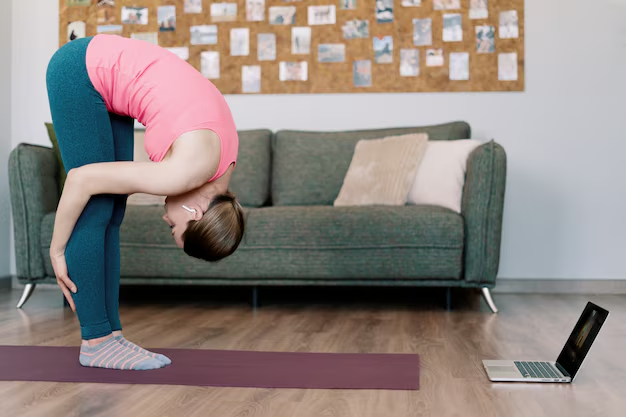
    • Home Exercises: In some cases, healthcare providers may teach patients how to perform certain BPPV exercises at home, such as the Brandt-Daroff exercises. These exercises can help habituate your brain to the unusual signals from the inner ear and reduce the frequency and intensity of vertigo episodes.
    • Medication: Medications are not typically the first-line treatment for BPPV, but they may be prescribed in cases where other treatments are not effective or if the vertigo is severe. These medications are often used to control nausea and dizziness symptoms.

    Home Exercises

    Conclusion:

    Vertigo can be a debilitating condition, but with the right treatment, it’s often manageable. If you experience recurring or severe vertigo symptoms, it’s crucial to seek medical attention to determine the underlying cause and explore appropriate treatment options.

    Whether it’s physical therapy, medication, or lifestyle changes, finding the right approach to manage your vertigo can help you regain your balance and improve your overall quality of life.
    Read: What are Generic Medicines?

    Definition of Generic Medicine

    Generic medicine refers to a pharmaceutical product that is equivalent to a brand-name medication in terms of its active ingredients, dosage, strength, route of administration, and intended use.

    While brand-name drugs are developed and patented by pharmaceutical companies, generic medicines are produced and sold after the patent expires. They are often more affordable than their brand-name counterparts and must meet strict regulatory standards to ensure safety, quality, and effectiveness.

    FAQs on Vertigo Treatment

    Q1. What is vertigo treatment?

    Vertigo treatment involves addressing the underlying cause and managing its symptoms. Common treatments include the Epley manoeuvre to reposition inner ear crystals, medication for symptom relief, and vestibular rehabilitation exercises to improve balance and reduce dizziness. The choice of vertigo treatment depends on the type and severity of vertigo.

    Q2. What is vertigo treatment at home?

    Vertigo treatment at home includes specific exercises like Brandt-Daroff manoeuvres, maintaining hydration, and minimizing triggers. While effective for some, it’s crucial to consult a healthcare professional for a proper diagnosis.

    Q3. What is cervical vertigo treatment?

    Cervical vertigo treatment focuses on addressing neck-related issues causing dizziness. Physical therapy and exercises to improve neck mobility and strength are often employed. Pain management techniques and lifestyle adjustments may also be recommended to alleviate symptoms.

    Q4. What is the Ayurvedic treatment for vertigo?

    Ayurvedic treatment for vertigo emphasizes herbal remedies, dietary adjustments, and holistic therapies to balance doshas and alleviate vertigo symptoms, tailored to individual constitution and causes.

    Related Links: