Search results for: “all”

  • Diarrhea Treatment – 5 Best Home Remedies for Diarrhea

    Diarrhea Treatment – 5 Best Home Remedies for Diarrhea

    diarrhea treatmentDiarrhea treatment refers to the medical and self-care measures used to alleviate the symptoms of diarrhea, including rehydration, dietary adjustments, and, if necessary, medications to manage the underlying cause or symptoms.

    Diarrhea can strike suddenly and disrupt your daily life. Diarrhea is characterized by frequent, loose, and watery stools, often accompanied by abdominal cramps and discomfort.

    Diarrhea Symptoms

    Diarrhea can result from a wide range of factors, including:

    • Infections: Many cases of diarrhea are caused by infections from bacteria, viruses, or parasites. Common culprits include E. coli, rotavirus, norovirus, Salmonella, and Giardia.
    • Dietary Factors: Certain foods and beverages can irritate the gastrointestinal tract and lead to diarrhea. Spicy foods, excessive caffeine, alcohol, and artificial sweeteners are known triggers for some individuals.
    • Medications: Some medications, such as antibiotics, laxatives, and antacids containing magnesium, can disrupt the natural balance of gut bacteria, leading to diarrhea as a side effect.
    • Food Poisoning: Consuming contaminated or undercooked food can result in food poisoning, which often manifests as diarrhea nausea and vomiting.
    • Chronic Conditions: Chronic conditions like irritable bowel syndrome (IBS), Crohn’s disease, ulcerative colitis, and celiac disease can cause recurrent or chronic diarrhea.


    Diarrhea Treatment

    Diarrhea, characterized by frequent, loose, and watery stools, is a common digestive issue that can range from mild to severe. While it’s often a self-limiting condition that resolves on its own, it can be quite uncomfortable and potentially dangerous if left untreated, particularly if it leads to dehydration. Let’s explore various treatments for diarrhea, from home remedies to medical interventions.

    1. Fluid Replacement:

    One of the primary goals of diarrhea treatment is to prevent or treat dehydration, which can be a serious consequence of frequent loose stools. Rehydration is crucial for maintaining the body’s electrolyte balance. To achieve this:

    • Oral Rehydration Solution (ORS): Commercial ORS solutions are available over-the-counter and can be highly effective in replacing lost fluids and electrolytes. These solutions contain a precise balance of salt and sugar that aids in absorption and rehydration.
    • Clear Fluids: In addition to ORS, clear fluids like water, clear broths, and herbal teas should be consumed in abundance to keep the body hydrated.
    • Avoid Dehydrating Beverages: Steer clear of caffeinated drinks (coffee, tea, cola), alcohol, and sugary beverages, as they can exacerbate dehydration.

    > Consult a doctor and Order Medicine Online

    2. BRAT Diet:

    The BRAT diet, consisting of Bananas, Rice, Applesauce, and Toast, has long been recommended for individuals with diarrhea. These foods are considered easy to digest and can help bulk up stools. However, it’s important to note that the BRAT diet is not as widely endorsed as it once was because it lacks some essential nutrients. It may be appropriate for short-term relief, but a more balanced diet should be resumed as soon as tolerated.


    3. Probiotics:

    Probiotics are beneficial bacteria that can help restore the balance of your gut microbiota, potentially reducing the duration and severity of diarrhea. They are available in various forms, including supplements and probiotic-rich foods like yoghurt with live cultures. Probiotics like Lactobacillus and Bifidobacterium strains are commonly used for diarrhea management.

    4. Dietary Adjustments:

    While the BRAT diet can provide temporary relief, it’s important to transition back to a more balanced diet once your symptoms improve. Gradually reintroduce foods like lean proteins, fruits, and vegetables, which can provide essential nutrients and help your digestive system return to normal.

    5. Avoid Trigger Foods:

    Identify and avoid all the foods and beverages that worsen your diarrhea symptoms. Common triggers include spicy foods, dairy products (for those with lactose intolerance), high-fiber foods, and artificial sweeteners. It’s essential to listen to your body and adapt your diet accordingly.

    6. Rest and Stress Management:

    Rest is crucial during diarrhea recovery, as physical and emotional stress can exacerbate symptoms. Finding relaxation techniques, such as deep breathing exercises or meditation, can help reduce stress and promote healing.
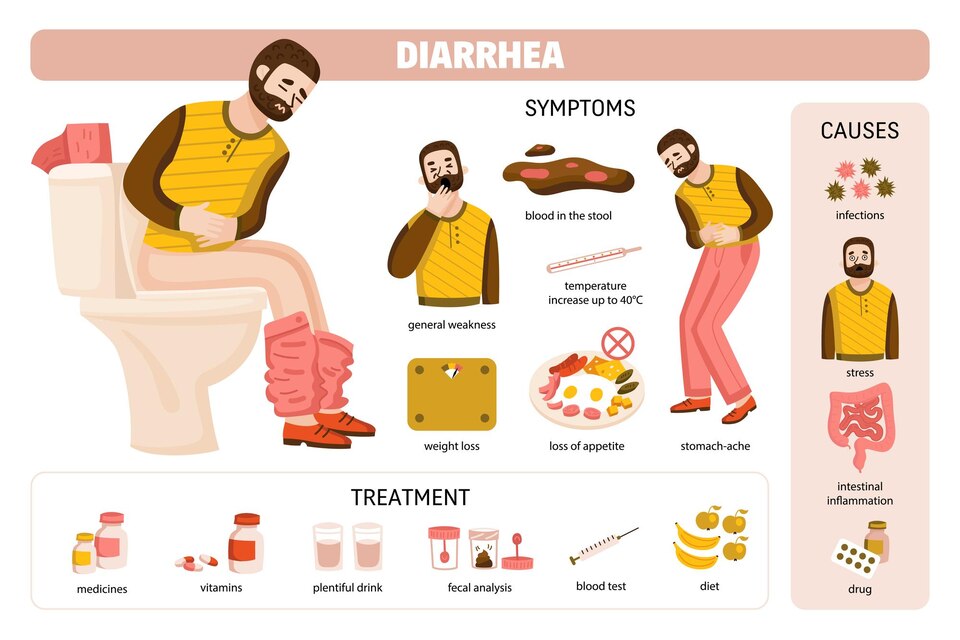
    diarrhea symptoms and treatmentMedications of Diarrhea

    In some cases, healthcare providers may recommend medications to address specific causes of diarrhea:

    • Antibiotics: If a bacterial infection is responsible for your diarrhea, antibiotics may be prescribed to target and eliminate the offending bacteria.
    • Anti-diarrheal Medications: Over-the-counter medications like loperamide (Imodium) can help slow down bowel movements and reduce the frequency of loose stools. However, they are not recommended for individuals with fever or bloody diarrhea, as they can worsen the underlying condition in some cases

    Conclusion:

    Diarrhea is a common condition that can affect individuals of all ages and backgrounds. While it can be uncomfortable and disruptive, understanding its causes and following appropriate diarrhea treatment strategies can alleviate discomfort and help you return to your daily activities more quickly. Always seek medical attention when necessary, and remember that proper prevention measures can go a long way in avoiding this inconvenient digestive woe.

    Do Generic Medicine Work the Same as Branded Medicine

    Generic medicines are designed to be equivalent to their brand-name counterparts in terms of safety, quality, and efficacy. They contain the same active ingredients and meet strict regulatory standards.

    Read: What are Generic Medicines?

    Generic drugs work in the same way as brand-name drugs and have the same therapeutic effects. The main difference is the cost, as generics are typically more affordable. However, it’s important to consult with a healthcare professional before switching between brand-name and generic medications to ensure they are suitable for your specific condition.

    FAQs on Diarrhea Treatment

    Q1. What is Diarrhea treatment?

    Diarrhea treatment involves rehydration to replace lost fluids and electrolytes, dietary adjustments, and, in some cases, medications to address underlying causes or symptoms.

    Q2. Can I treat diarrhea with antibiotics?

    Antibiotics are typically prescribed for bacterial infections causing diarrhea, but they may not be suitable for viral or non-infectious cases. Seek guidance from a medical professional for a precise assessment of your condition.

    Q3. Is it safe to give anti-diarrheal medications to children?

    Anti-diarrheal medications should be used cautiously in children and only under a doctor’s guidance. It’s essential to determine the cause of diarrhea and follow pediatric dosing instructions if recommended.


  • Cancer Treatment: Types and Treatment of Cancer

    Cancer treatment refers to a wide range of medical interventions and therapies aimed at diagnosing, managing, and potentially curing cancer. These cancer treatments can include surgery, chemotherapy, radiation therapy, immunotherapy, targeted therapy, hormone therapy, and palliative care.

    Cancer is characterized by the uncontrolled growth and spread of abnormal cells in the body. It can occur in virtually any part of the body and has numerous types, each with distinct characteristics. Cancer can be caused by various factors, including genetic mutations, environmental exposures, and lifestyle choices like smoking or poor diet.

    Cancer Treatment

    Over the decades, cancer treatment has undergone a metamorphosis. Historically, the standard approaches include surgery to remove tumours, chemotherapy to kill cancer cells, and radiation therapy to destroy malignant tissue. While these methods have saved countless lives, they often come with harsh side effects and limited effectiveness.

    In recent years, precision medicine has emerged as a game-changer in the world of cancer treatment. This approach, also known as personalized or targeted therapy, tailors treatment plans to an individual’s unique genetic makeup and the specific characteristics of their cancer. By identifying genetic mutations and other molecular abnormalities driving the cancer’s growth, oncologists can prescribe medications that target these specific vulnerabilities, sparing healthy cells and minimizing side effects.

    In certain cases, corticosteroids like Omnacortil Oral Solution 60 ml are prescribed to help manage inflammation, reduce allergic reactions during chemotherapy, or support treatment-related side effects.

    Immunotherapy is another groundbreaking development in the fight against cancer. This approach harnesses the power of the patient’s own immune system to recognize and attack cancer cells. Drugs like immune checkpoint inhibitors and CAR-T cell therapy have demonstrated remarkable success in treating various forms of cancer, offering new hope to patients who had exhausted traditional treatment options.

    Read: What are Generic Medicines?

    Prostate Cancer Treatment

    Prostate cancer stands out as a prevalent malignancy affecting men worldwide. The choice of treatment for prostate cancer depends on various factors, including the cancer’s stage, the patient’s overall health, and individual preferences. Here are some of the primary prostate cancer treatment options:

    • Active Surveillance: In cases of low-risk prostate cancer, doctors may recommend active surveillance, where the cancer is closely monitored, but treatment is deferred unless it progresses.
    • Surgery (Prostatectomy): Radical prostatectomy involves the surgical removal of the prostate gland. This can be accomplished using conventional open surgical procedures or through minimally invasive methods such as robotic-assisted surgery.
    • Radiation Therapy: Radiation therapy harnesses the formidable power of high-energy beams to pinpoint and obliterate cancerous cells, a medical marvel administered through two primary methods: external beam radiation and brachytherapy, each offering unique approaches to combatting cancer’s relentless advance.
    • Hormone Therapy: Hormone therapy aims to reduce the levels of male hormones (androgens) in the body, which fuel prostate cancer growth. Frequently, it is employed in conjunction with various other therapies.
    • Chemotherapy: While less commonly used for prostate cancer, chemotherapy may be recommended in advanced cases or when other treatments have not been effective.
    • Immunotherapy: Emerging as a promising option, immunotherapy drugs are being studied for their potential to stimulate the immune system to attack prostate cancer cel

    > Consult a doctor and Order Medicine Online

    Bowel Cancer Treatment (Colorectal Cancer)

    Bowel cancer, also known as colorectal cancer, affects the colon or rectum. It for depends on the cancer’s stage, location, and the patient’s overall health:

    • Surgery: Surgery is the primary bowel cancer treatment. It involves removing the cancerous tissue along with surrounding lymph nodes.
    • Chemotherapy: Chemotherapy may be used before surgery to shrink tumours (neoadjuvant therapy) or after surgery to eliminate any remaining cancer cells (adjuvant therapy). It can also be used to treat advanced stages of the disease.
    • Radiation Therapy: Radiation therapy is primarily used for rectal cancer and may be combined with chemotherapy (chemoradiotherapy) to improve the effectiveness of treatment.
    • Targeted Therapy: Targeted therapies, like bevacizumab and cetuximab, target specific molecules involved in cancer growth and can be used in advanced colorectal cancer treatment cases.

    "</p

    Lung Cancer Treatment

    Lung cancer stands as a foremost contributor to global cancer-related fatalities. The options vary based on factors such as type, stage, and the patient’s health:

    • Surgery: Surgical removal of the tumour or part of the lung (lobectomy) is a common lung cancer treatment at an early stage.
    • Radiation Therapy: Radiation therapy can be used as a standalone lung cancer treatment at an early stage or in combination with surgery and/or chemotherapy.
    • Chemotherapy: Chemotherapy employs medication to eliminate cancer cells or impede their proliferation. It can be given before surgery (neoadjuvant), after surgery (adjuvant), or for advanced stages of lung cancer.
    • Targeted Therapy: Targeted therapies, such as EGFR inhibitors or ALK inhibitors, are used for certain types of non-small cell lung cancer with specific genetic mutations.
    • Immunotherapy: Immunotherapy drugs, like PD-1/PD-L1 inhibitors, boost the body’s immune system to fight cancer cells and are increasingly used in advanced-stage.
    • Palliative Care: In advanced cases where a cure is not possible, palliative care focuses on managing symptoms, improving quality of life, and providing emotional support.

    Each of these cancer treatments is tailored to the individual patient’s needs and the specifics of their cancer diagnosis. It’s crucial for patients to work closely with their healthcare team to make informed decisions about the most appropriate treatment plan. Advances in cancer research continue to expand treatment options and improve outcomes for individuals facing these challenging diagnoses.

    Conclusion:

    The treatment landscape for cancer is diverse, offering a range of options tailored to individual patient needs and the specific characteristics of the disease. Treatment decisions are often made based on factors like cancer type, stage, and the patient’s overall health. Ultimately, the best approach is often a multi-modal strategy that combines various therapies to achieve the best possible results.

    Difference Between Generic and Non Generic Medicine

    Generic medicines are identical in active ingredients, dosage, strength, and intended use as their brand-name counterparts. They are typically more affordable as they don’t require extensive marketing and research costs.

    Non-generic or brand-name medicines are patented drugs introduced by pharmaceutical companies, often at a higher cost due to the investment in research, development, and marketing. While both types are equally safe and effective, the choice between them often depends on affordability and individual preferences.

    FAQs on Cancer Treatment

    Q1. What is Cancer Treatment?

    Cancer treatment encompasses a range of medical interventions aimed at controlling or eliminating cancerous cells and tumours in the body, with the goal of achieving remission or managing the disease. These interventions may include surgery, chemotherapy, radiation therapy, immunotherapy, targeted therapy, and palliative care, depending on the type and stage of cancer.

    Q2. Can cancer treatment completely cure the disease?

    Not always. The outcome depends on the type and stage of cancer. Some patients achieve complete remission, while others may manage the disease as a chronic condition.

    Q3. Do cancer treatments have side effects?

    Yes, many cancer treatments can cause side effects such as nausea, fatigue, and hair loss. However, advances in medicine aim to minimize side effects and improve the overall quality of life during treatment.

    Related Links:

  • Anemia Treatment: Iron Deficiency Anemia Diagnosis and Treatment

    Anemia Treatment: Iron Deficiency Anemia Diagnosis and Treatment

    Anemia Treatment

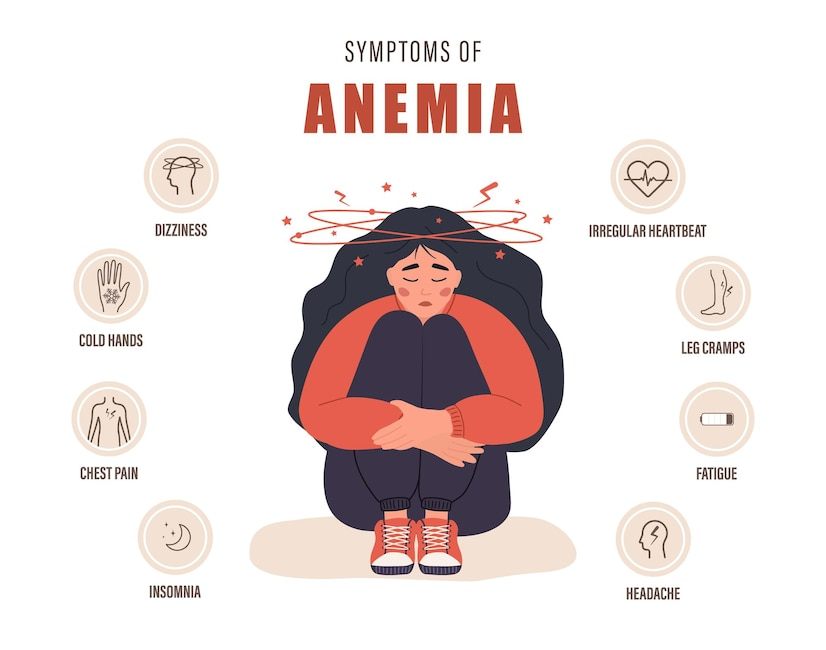
    Anemia treatment refers to the medical interventions and strategies employed to address anemia, a condition characterized by a deficiency in red blood cells or insufficient hemoglobin to effectively transport oxygen throughout the body. Anemia treatment options vary depending on the specific type and underlying cause of anemia, and they can include dietary changes, iron or vitamin supplements, medications, blood transfusions, or addressing the root cause of the condition.

    The goal of anemia treatment is to restore healthy red blood cell levels and alleviate symptoms like fatigue and weakness, ultimately improving the patient’s overall health and well-being.

    Types and Causes of Anemia

    Types of anemia and their causes can be categorized into several forms, including:

    • Aplastic Anemia: A rare form of anemia, aplastic anemia occurs when the bone marrow fails to produce an adequate number of blood cells, including red blood cells.
    • Hemolytic Anemia: This type of anemia arises when red blood cells are destroyed faster than they can be produced, often due to autoimmune disorders or inherited conditions.
    • Vitamin-Deficiency Anemia: Deficiencies in essential vitamins, such as vitamin B12 or folate, can result in anemia. These vitamins play crucial roles in red blood cell production.
    • Iron-Deficiency Anemia: Iron-deficiency anemia stands as the prevailing form of anemia, arising from a shortage of iron within the body, hampering its ability to generate a requisite quantity of red blood cells. Iron is a vital component of haemoglobin, the oxygen-carrying protein in red blood cells.
    • Chronic Disease Anemia: Certain chronic diseases, like chronic kidney disease or inflammatory disorders, can interfere with the body’s ability to produce red blood cells.

    Types and Causes of Anemia

    Read: What are Generic Medicines?

    Anemia Treatment

    The treatment for anemia varies based on its underlying cause. Here are the primary anemia treatment strategies:

    Vitamin-Deficiency Anemia Treatment

    Vitamin Supplements: For anemia caused by deficiencies in vitamin B12 or folate, vitamin supplements are prescribed. These supplements help restore normal red blood cell production.

    Hemolytic Anemia Treatment

    Medications: In cases of autoimmune hemolytic anemia, medications like corticosteroids may be used to suppress the immune system’s attack on red blood cells. In severe cases, more potent immunosuppressive drugs or even splenectomy (removal of the spleen) may be recommended.

    Aplastic Anemia Treatment

    Bone Marrow Transplantation: In severe cases of aplastic anemia, a bone marrow transplant may be necessary to replace the dysfunctional bone marrow with healthy stem cells.

    Chronic Disease Anemia Treatment

    Managing the Underlying Condition: Effective treatment of the chronic disease responsible for anemia is crucial. For instance, in chronic kidney disease, addressing the kidney problem may help improve red blood cell production.

    Lifestyle Modifications

    • Blood Loss Management: In cases where chronic blood loss contributes to anemia, managing the source of bleeding is essential. This may involve surgery, medications, or lifestyle changes.
    • Dietary Adjustments: Adopting a balanced diet rich in iron, vitamins, and other essential nutrients can be a valuable long-term strategy for managing anemia.

    Blood Transfusions

    In severe cases of anemia, especially when there is a significant risk to the patient’s health, a blood transfusion may be necessary to rapidly increase hemoglobin levels. This is typically reserved for urgent circumstances.

    Medications to Enhance Red Blood Cell Production

    In some cases, medications like erythropoietin-stimulating agents (ESAs) may be prescribed to stimulate the bone marrow to produce more red blood cells.

    > Consult a doctor and Order Medicine Online

    Iron-Deficiency Anemia Treatment

    • Oral Iron Supplements: The most common and effective treatment for iron-deficiency anemia is oral iron supplements. These supplements, available over the counter or as prescription medications, replenish the body’s iron stores gradually.
    • Intravenous (IV) Iron Therapy: In cases of severe iron deficiency or when oral supplements are not well tolerated, healthcare providers may administer iron intravenously. This method delivers iron directly into the bloodstream, leading to faster improvement in iron levels.
    • Dietary Changes: Incorporating iron-rich foods into your diet is a proactive way to manage mild iron-deficiency anemia. Foods like red meat, poultry, fish, beans, lentils, leafy green vegetables, and fortified cereals can boost iron intake.

    Conclusion:

    Anemia particularly iron-deficiency anemia treatment, is manageable with various options. The choice of treatment depends on the underlying cause and the severity of the anemia. It is crucial to consult a healthcare provider for proper diagnosis and guidance on the most appropriate treatment plan. Whether through iron supplements, dietary changes, or addressing underlying conditions, effective management of anemia can significantly improve one’s quality of life and overall health.

    Why Do Generic And Brand Name Drugs Look Different?

    Generic and brand name drugs can appear different due to variations in their inactive ingredients, such as colours, fillers, and coatings. These differences are permissible as long as the generic medication contains the same active ingredient in the same quantity as the brand name counterpart, ensuring equivalent therapeutic effects.

    The distinct appearance serves to distinguish between the two, but their safety and effectiveness remain consistent when manufactured to regulatory standards. This allows patients to choose based on aesthetics or cost, while still receiving the same medical benefits.

    FAQs on Anemia Treatment

    Q1. What is anemia treatment?

    Anemia treatment involves replenishing iron or addressing underlying causes, such as vitamin deficiencies, to restore healthy red blood cell production and alleviate symptoms like fatigue and weakness. The choice of treatment depends on the specific type and severity of anemia.

    Q2. Can I treat iron-deficiency anemia with dietary changes alone?

    While dietary changes can help manage mild cases, most individuals with iron-deficiency anemia require iron supplements or other medical interventions for effective treatment.

    Q3. What’s the difference between oral and intravenous iron therapy?

    Oral iron supplements are taken by mouth and work gradually, while intravenous iron therapy delivers iron directly into the bloodstream for quicker results, often used in severe cases or when oral supplements are poorly tolerated.

    Q4. Are blood transfusions a common treatment for anemia?

    Blood transfusions are reserved for severe cases of anemia with life-threatening symptoms or when other treatments are ineffective, making them a less common but crucial option when needed.

    Related Links:

  • Tuberculosis Treatment: Best Treatment for TB Disease

    Tuberculosis treatment stands as a beacon of hope in the relentless fight against one of the world’s oldest and deadliest infectious diseases. Tuberculosis, often abbreviated as TB, is a bacterial infection caused by Mycobacterium tuberculosis that primarily affects the lungs but can also target other parts of the body.

    While TB is a potentially life-threatening disease, it is curable, and timely tuberculosis treatment plays a pivotal role in its management.

    What is Tuberculosis?

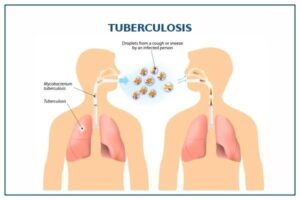
    Tuberculosis is primarily transmitted through the air when an infected person coughs or sneezes, releasing tiny droplets containing the bacteria. Once inhaled, these bacteria can establish an infection in the lungs. However, not everyone infected with TB bacteria becomes ill; some may develop latent TB, a condition where the bacteria remain dormant in the body without causing symptoms.

    On the other hand, active TB manifests as a range of symptoms such as persistent cough, chest pain, fatigue, weight loss, and fever. This is the stage where tuberculosis treatment is crucial.

    Role of Tuberculosis Treatment

    Treatment for tuberculosis serves two primary purposes: curing the individual who is sick and preventing the spread of the disease to others. An effective treatment plan is not only a lifesaver but also a cornerstone in the global efforts to control the spread of the disease.

    Without appropriate treatment for tuberculosis, it can become drug-resistant, making it even more challenging to manage.

    Read: What are Generic Medicines?

    Treatment of Tuberculosis

    One of the fundamental elements is the use of antibiotics to target and eliminate the Mycobacterium tuberculosis bacteria. The standard treatment of tuberculosis  regimen for drug-susceptible TB typically includes four essential medications:

    Isoniazid (INH): This antibiotic is highly effective against TB bacteria and is a cornerstone of the treatment of tuberculosis.

    Rifampin (RIF): Rifampin is another potent antibiotic that, when combined with INH, helps prevent the development of drug resistance.

    Pyrazinamide (PZA): PZA is typically included in the initial phase of tuberculosis treatment to quickly reduce the bacterial load in the body.

    Ethambutol (EMB): EMB is often used alongside other medications to further enhance treatment efficacy.

    The specific combination of these drugs and the treatment duration may vary depending on factors such as the patient’s age, drug sensitivity of the bacteria, and the presence of any underlying health conditions.

    Tuberculosis Treatment

    What is the Treatment Plan for Tuberculosis

    Developing a successful treatment plan for tuberculosis involves several key components:

    1. Diagnosis: The first step is accurate diagnosis, which often includes a chest X-ray, sputum smear microscopy, and molecular tests. Identifying the strain’s drug sensitivity is crucial for selecting the most effective medications.
    2. Medication: It usually involves a combination of antibiotics taken over several months. The most common drugs include isoniazid, rifampin, pyrazinamide, and ethambutol. Treatment must be consistent and complete even if symptoms subside before the prescribed course ends.
    3. Directly Observed Therapy (DOT): To ensure compliance with the treatment plan, healthcare providers often employ Directly Observed Therapy. In this approach, patients take their medications under the supervision of a healthcare worker or designated observer.
    4. Monitoring: Regular monitoring is vital to assess treatment progress and detect any adverse effects. Blood tests and follow-up appointments help in this regard.
    5. Nutritional Support: Adequate nutrition plays a crucial role in the body’s ability to fight off TB. Patients are often encouraged to maintain a balanced diet to aid in recovery.
    6. Infection Control: TB is highly contagious, and individuals undergoing treatment need to take precautions to prevent transmission. Good respiratory hygiene, such as covering the mouth and nose when coughing or sneezing, is essential.

    > Consult a doctor and Order Medicine Online

    Challenges in the Treatment

    Despite the availability of effective treatment for tuberculosis, several challenges persist:

    • Drug Resistance: Drug-resistant TB strains, such as multidrug-resistant TB (MDR-TB) and extensively drug-resistant TB (XDR-TB), have emerged. These strains are harder to treat and require more extended, more complex treatment regimens.
    • Stigma: The social stigma associated with TB can discourage individuals from seeking treatment promptly, thereby exacerbating the problem.
    • Access to Healthcare: Inadequate access to healthcare facilities, particularly in underserved regions, can hinder early diagnosis and treatment.
    • Socioeconomic Factors: Poverty, malnutrition, and overcrowded living conditions contribute to the prevalence of TB, making it harder for affected individuals to adhere to treatment plans.

    Tuberculosis Treatment

    Conclusion:

    Tuberculosis treatment is a complex process that requires a well-crafted treatment plan, dedication, and a multi-faceted approach. With timely diagnosis, appropriate medication, and support systems in place, individuals with TB can not only recover but also contribute to the global goal of eradicating this ancient disease. It is our collective responsibility to ensure that the fight against tuberculosis continues until we achieve a TB-free world.

    FAQs on Tuberculosis Treatment

    Q.1 What is tuberculosis treatment?

    Tuberculosis treatment is a medical regimen aimed at curing the bacterial infection caused by Mycobacterium tuberculosis. It typically involves a combination of antibiotics taken over several months to ensure the complete eradication of the bacteria and prevent the development of drug resistance. Treatment for tuberculosis is essential for the patient’s health and to reduce the risk of transmission to others.

    Q.2 How long does tuberculosis treatment typically last?

    It usually lasts for six to nine months for drug-sensitive TB. However, drug-resistant TB may require treatment for up to 24 months, depending on the specific drug regimen and the patient’s response to therapy.

    Q.3 Can tuberculosis be cured completely with treatment?

    Yes, tuberculosis can be cured with proper treatment. Timely and consistent adherence to the prescribed medication regimen is crucial to ensure complete recovery and prevent the development of drug-resistant strains.

    Q.4 Are there any side effects associated with tuberculosis medications?

    Yes, some common side effects of TB medications include nausea, vomiting, and liver function abnormalities. However, healthcare providers closely monitor patients and can adjust the treatment plan if severe side effects occur. It’s essential to communicate any side effects promptly to your healthcare team.

    Related Links:

  • Tonsillitis Treatment: 5 Home Remedies for Tonsillitis

    Tonsillitis Treatment: 5 Home Remedies for Tonsillitis

    Tonsillitis treatment

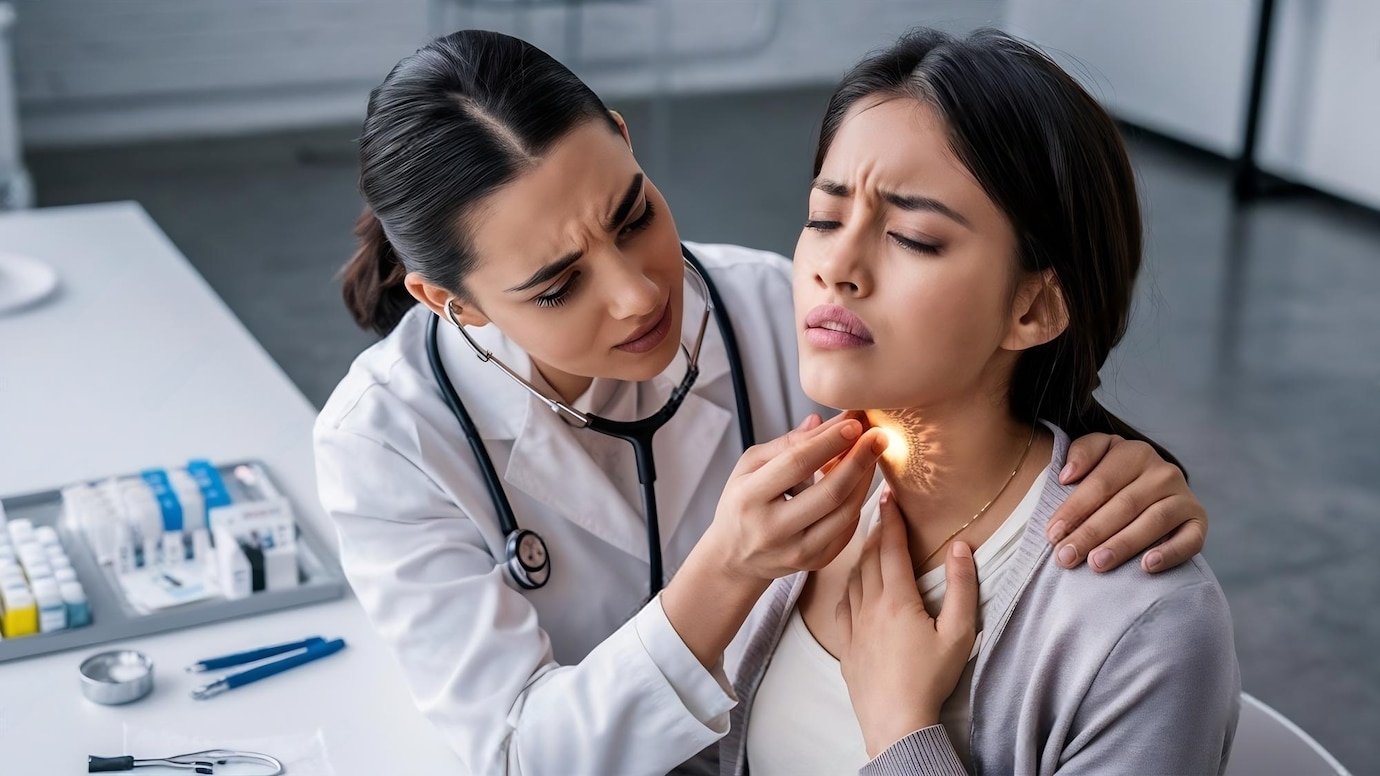
    Tonsillitis treatment encompasses a range of therapeutic approaches aimed at alleviating the discomfort and pain caused by inflamed tonsils, those small but vital clusters of tissue located at the back of the throat.

    Whether you’re a child or an adult, when tonsillitis strikes, it can significantly disrupt your daily life. However, the good news is that various effective tonsillitis treatment options exist, tailored to the severity and underlying cause of the condition.

    Symptoms for Tonsillitis

    Tonsillitis can be caused by either bacterial or viral infections. The most common culprits are the Streptococcus bacteria, leading to what is commonly known as “strep throat.”

    Viral tonsillitis is often associated with the common cold or the flu. Symptoms of tonsillitis include a sore throat, difficulty swallowing, fever, and swollen, red tonsils with white or yellow spots.

    Read: What are Generic Medicines?

    Tonsillitis Treatment

    A list of important treatments for tonsillitis are as follows:

    1. Home Remedies

    Rest: Give your body enough rest that it needs to fight off the infection. Avoid strenuous activities that can worsen your condition.

    Hydration: Stay well-hydrated by drinking plenty of water, warm tea, and clear broths. Hydration helps soothe the throat and keeps the body well-nourished.

    Saltwater Gargles: Gargling with warm salt water can help alleviate throat pain and reduce inflammation. Dissolve one teaspoon of salt in a warm glass of water and perform frequent gargles throughout the day.

    Humidifier: Utilize a room humidifier to introduce moisture into your living space. This can help ease throat discomfort, especially if the air is dry.

    Over-the-counter (OTC) Medications: Pain relievers like acetaminophen or ibuprofen can help reduce pain and fever. Ensure that you adhere strictly to the suggested dosage guidelines.

    2. Antibiotics (for Bacterial Tonsillitis)

    If your tonsillitis is caused by bacteria, your healthcare provider may prescribe antibiotics like penicillin or amoxicillin to help clear the infection. It’s crucial to complete the entire course of antibiotics, even if you start feeling better before it’s finished.

    3. Tonsillectomy (Surgical Removal of Tonsils)

    In severe cases of recurrent tonsillitis or when complications arise, such as difficulty breathing or swallowing due to enlarged tonsils, surgical removal (tonsillectomy) may be recommended. This procedure is more common in children but can be performed on adults as well.

    4. Corticosteroids

    Sometimes, a healthcare provider may prescribe corticosteroids to reduce inflammation and alleviate symptoms. These are usually in the form of lozenges or sprays.

    5. Throat Culture and Testing

    In some cases, your healthcare provider may perform a throat culture or rapid strep test to determine the specific cause of your tonsillitis. This information helps tailor treatment to the underlying infection.

    6. Pain Management

    Over-the-counter throat lozenges, numbing sprays, or prescribed pain medications may be recommended to ease throat discomfort during recovery.

    > Consult a doctor and Order Medicine Online

    Tonsil Stones Treatment

    Tonsil stones, medically known as tonsilloliths, are small, calcified formations that can develop in the crevices of your tonsils. They can cause discomfort, bad breath, and even a sore throat. Fortunately, there are several effective tonsil stone treatment options available.

    Tonsil stones typically consist of a mixture of bacteria, debris, and mucus that become trapped in the pockets or crypts of the tonsils. Over time, these substances calcify or harden, forming small, whitish or yellowish stones. They can vary in size from tiny grains to larger, more noticeable formations.

    List of Treatments for Tonsil Stones

    The major treatments for tonsil stones are as follows:

    1. At-Home Remedies

    Gargling with Saltwater: Rinse your mouth with warm saltwater to help dislodge and dissolve smaller tonsil stones.

    Oral Irrigation: Use a water flosser or syringe to gently flush out debris from the tonsil crypts.

    Manual Removal: If you can see the tonsil stones near the surface, you can attempt to remove them using a cotton swab or a clean, soft instrument. Be gentle to avoid damaging the tonsils.

    2. Antibiotics

    If you experience persistent tonsil infections or recurrent tonsil stones, your healthcare provider may prescribe antibiotics to address any underlying bacterial issues.

    3. Tonsillectomy

    In severe cases of chronic tonsil stone formation or when tonsil stones are causing significant discomfort, a tonsillectomy (surgical removal of the tonsils) may be recommended. This course of action is generally employed as a final option.

    4. Laser Tonsil Cryptolysis

    A minimally invasive procedure, laser tonsil cryptolysis uses laser technology to reshape the tonsil surface and reduce the depth of the tonsil crypts, preventing future tonsil stone formation.

    5. Maintain Good Oral Hygiene

    Regularly brushing your teeth and tongue, flossing, and using an antibacterial mouthwash can help reduce the risk of bacterial growth and the formation of tonsil stones.

    Conclusion:

    Tonsillitis can be a painful and uncomfortable condition, but with the right treatment and care, relief and recovery are within reach. Whether you opt for home remedies, antibiotics, or a tonsillectomy, it’s essential to follow your healthcare provider’s guidance. Remember to prioritize your health, and if you suspect tonsillitis, seek medical attention promptly. With the appropriate treatment and preventive measures, you can minimize the impact of tonsillitis on your life and well-being.

    FAQs on Tonsillitis Treatment

    Q.1 What is Tonsillitis Treatment?

    Tonsillitis treatment involves addressing throat inflammation, typically through rest, antibiotics for bacterial infections, and pain relief measures for symptom relief. In cases of severe or frequently recurring symptoms, surgical removal of the tonsils may become a necessary intervention.

    Q.2 Can I treat viral tonsillitis with antibiotics?

    No, antibiotics are ineffective against viral tonsillitis; they are only prescribed for bacterial tonsillitis.

    Q.3 Are home remedies like gargling with saltwater effective for tonsillitis?

    Yes, saltwater gargles can help soothe symptoms and reduce throat inflammation in tonsillitis.

    Q.4 When is a tonsillectomy recommended for tonsillitis treatment?

    Tonsillectomy is considered when tonsillitis becomes chronic, causes breathing difficulties, or recurs frequently despite other treatments.

    Related Links:

  • Malaria Treatment: Best Treatment at Home

    Malaria Treatment: Best Treatment at Home

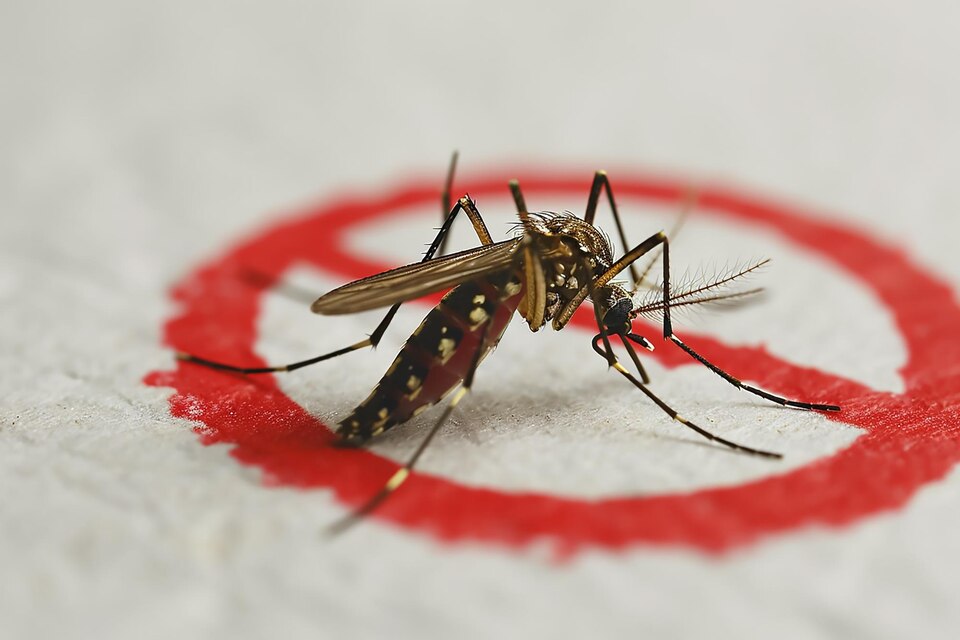
    malaria treatmentMalaria treatment represents a multidimensional challenge in the realm of global health, a challenge that has persisted for centuries. This mosquito-borne disease, caused by the Plasmodium parasite, continues to take a heavy toll on humanity, particularly in regions where it is endemic.

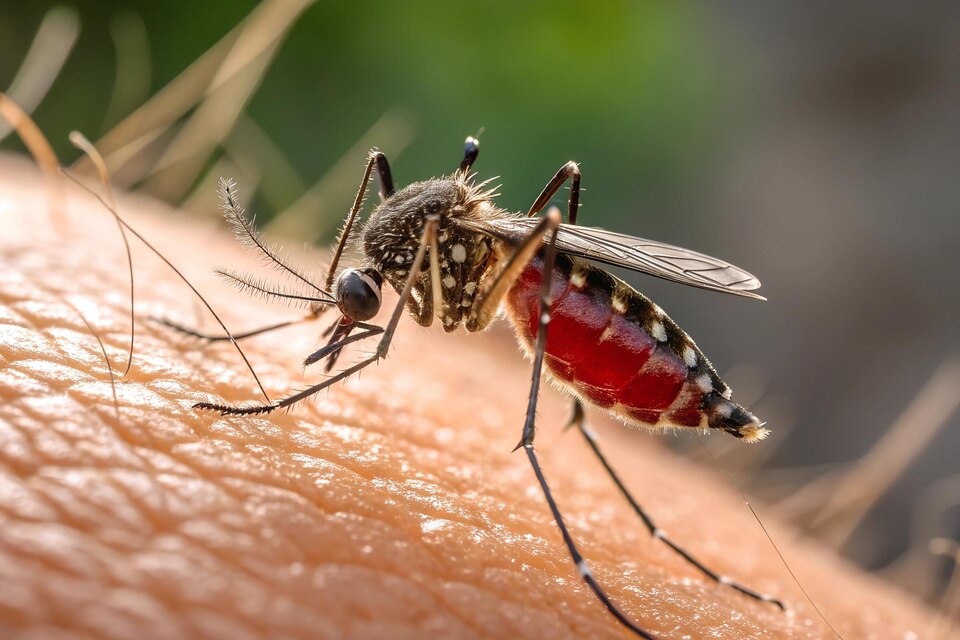
    Malaria is transmitted to humans through the bite of infected mosquitoes called Anopheles mosquitoes. Despite substantial progress in recent years, malaria remains a major cause of illness and death, particularly in tropical and subtropical regions.

    Malaria Symptoms

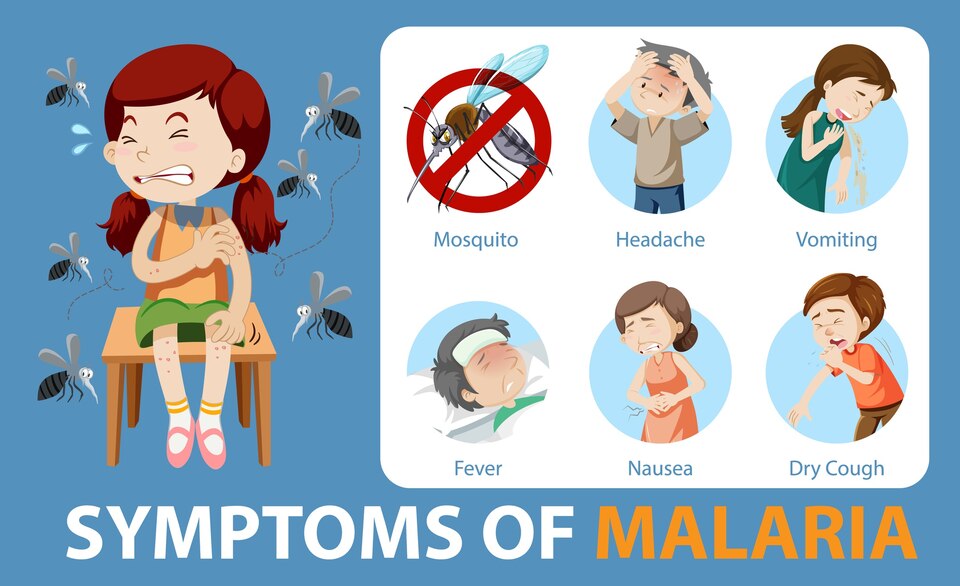
    Malaria manifests with a range of symptoms that can vary in severity. The presentation of symptoms depends on factors such as the specific Plasmodium species responsible for the infection, the individual’s immune response, and the presence of any underlying health conditions. Common malaria symptoms include:

    1. Fever:

    A high fever is one of the hallmark symptoms of malaria. It often follows a cyclical pattern, with chills and shivering during the fever episodes.

    2. Chills and Sweats:

    Patients with malaria often experience intense cold chills, followed by profuse sweating during fever episodes.

    3. Headache:

    Persistent headaches are a common symptom, and they can range from mild to severe.

    4. Muscle and Joint Pain:

    Many individuals with malaria report muscle and joint pain, which can be quite debilitating.

    5. Fatigue:

    Malaria can cause profound fatigue and weakness, often lasting for an extended period.

    6. Nausea and Vomiting:

    Nausea and vomiting are common gastrointestinal symptoms associated with malaria.

    7. Anemia:

    Severe malaria can lead to anemia due to the destruction of red blood cells by the parasite. Anemia may result in pale skin and fatigue.

    8. Enlarged Spleen and Liver:

    In some cases, the spleen and liver may become enlarged, leading to abdominal discomfort.

    9. Cerebral Malaria:

    In severe cases, particularly with P. falciparum infections, cerebral malaria can occur. This condition can lead to seizures, impaired consciousness, and coma.

    Read: What are Generic Medicines?

    symptoms of malariaMalaria Treatment

    A range of effective treatments for malaria exists. Let’s explore the various options available for malaria treatment, focusing on the drugs and strategies that healthcare providers use to save lives and mitigate the impact of this deadly infection.


    Malaria Treatment Drugs

    Antimalarial drugs are the cornerstone of malaria treatment. They work by targeting and eliminating the Plasmodium parasites responsible for the disease. The choice of malaria treatment drugs depends on several factors, including the specific Plasmodium species causing the infection, the severity of the illness, and the patient’s age and overall health. Here are some key antimalarial drugs:

    1. Artemisinin-Based Combination Therapies (ACTs):

    ACTs are the most widely used and effective treatment for uncomplicated malaria, particularly for Plasmodium falciparum infections. They combine an artemisinin derivative (such as artemether or artesunate) with another antimalarial drug (usually a partner drug like lumefantrine or mefloquine). ACTs are known for their rapid parasite clearance and reduced risk of drug resistance.

    2. Chloroquine:

    Although resistance to chloroquine has become prevalent in many regions, it is still used to treat some forms of malaria, such as chloroquine-sensitive P. vivax and P. ovale infections. Chloroquine is typically taken as a tablet or syrup.

    3. Primaquine:

    Primaquine is used to treat P. vivax and P. ovale infections. It is unique in its ability to target the dormant liver forms of the parasite (hypnozoites) and prevent relapses.

    4. Quinine and Quinidine:

    These drugs are used in cases of severe malaria when the patient cannot tolerate oral medications. They are administered intravenously and have a role in treating life-threatening malaria.

    5. Atovaquone-Proguanil (Malarone):

    This combination drug is used for both the prevention and treatment of malaria. It is effective against P. falciparum and P. vivax but is less commonly used due to cost and potential side effects.

    > Consult a doctor and Order Medicine Online

    malaria home remediesMalaria Treatment Drugs Resistance

    To combat the emergence of drug resistance, combination therapies like ACTs are preferred over single-drug treatments. This strategy involves using two or more drugs with different mechanisms of action. By attacking the parasite in multiple ways, combination therapies reduce the likelihood of resistance development and increase treatment effectiveness.

    However, malaria treatment drug resistance remains a significant concern in some regions, particularly for artemisinin-based drugs. Ongoing research and surveillance efforts are essential to monitor resistance patterns and adjust treatment strategies accordingly.

    Conclusion:

    Malaria treatment has evolved significantly over the years, with the development of effective antimalarial drugs and improved diagnostic tools. The choice of treatment depends on the specific circumstances of each case, such as the Plasmodium species involved, the patient’s condition, and the availability of drugs.

    Early diagnosis and prompt treatment remain critical in saving lives and reducing the global burden of malaria. Continued research and collaborative efforts are vital to stay ahead of drug resistance and work towards a future where malaria is a rare and treatable disease.

    FAQs on Malaria Treatment

    Q.1 What is Malaria treatment?

    Malaria treatment involves the use of antimalarial drugs to eliminate the Plasmodium parasites causing the disease, along with supportive care to manage symptoms and complications. Early diagnosis and appropriate treatment are essential for a successful outcome in malaria cases.

    Q.2 Are there specific drugs for treating different types of malaria?

    Yes, the choice of antimalarial drug depends on the Plasmodium species causing the infection, with different drugs used for P. falciparum, P. vivax, and other species.

    Q.3 Can you treat malaria at home?

    In some cases of uncomplicated malaria, antimalarial medications may be prescribed for home treatment, but severe cases require hospitalization.

    Q.4 Is drug resistance a concern in malaria treatment?

    Yes, drug resistance, particularly against artemisinin-based drugs, is a significant challenge in malaria treatment, necessitating ongoing research and surveillance efforts.

    Related Links:

  • Fungal Infection Treatment: Home Remedies for Fungal Infections

    Fungal Infection Treatment: Home Remedies for Fungal Infections

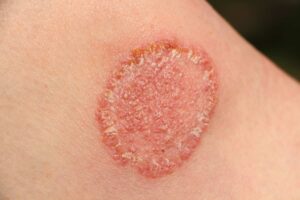
    Fungal infection treatment encompasses a wide range of approaches and therapies aimed at combating fungal invaders that can affect various parts of the body. Fungal infections are a common concern affecting millions of people worldwide.

    Two of the most prevalent forms of fungal infections are fungal nail infections and fungal skin infections. These conditions can be both uncomfortable and unsightly, but the good news is that effective fungal infection treatment treatments are available.

    Fungal Infection Treatment

    Fungal Infection Treatment

    The choice of treatment for fungal infections depends on several factors, including the type and severity of the infection, the affected body part, and the patient’s overall health. Here are common approaches to fungal infection treatment:

    Topical Antifungal Medications: For superficial skin infections like athlete’s foot and ringworm, over-the-counter (OTC) antifungal creams, ointments, and powders can be effective. Apply these as directed until the infection clears.

    Prescription-Strength Topical Medications: In cases of severe or persistent infections, a healthcare provider may prescribe stronger topical antifungal medications. These are typically required for nail infections or when OTC treatments are ineffective.

    Oral Antifungal Medications: For systemic infections or severe cases, oral antifungal medications are often necessary. Common oral antifungals include terbinafine, itraconazole, and fluconazole. These medications may require several weeks or even months of treatment.

    Home Remedies: Some people explore natural remedies like tea tree oil, apple cider vinegar, or yoghurt for fungal infections. While these remedies may provide relief, they are not a substitute for medical treatment and should be used with caution.
    Read: What are Generic Medicines?

    Fungal Nail Infection Treatment

    Fungal nail infections, also known as onychomycosis, occur when fungi invade the nails, leading to discolouration, thickening, and brittleness. This condition can affect both the toenails as well as fingernails. Prompt fungal infection treatment is essential to prevent further complications as they can be persistent.

    Topical Antifungal Medications: Over-the-counter (OTC) topical antifungal creams, ointments, and nail lacquers are available to treat mild fungal nail infections. For more severe cases, prescription-strength topical medications may be necessary, often requiring long-term use.

    Oral Antifungal Medications: In cases of severe or stubborn fungal nail infections, oral antifungal medications prescribed by a healthcare professional may be necessary. These medications are typically taken for several months to promote the growth of healthy nails.

    Laser Therapy: Laser treatment is an emerging option for fungal nail infection treatment, offering a non-invasive approach to destroy the fungus.

    Surgical Intervention: In extreme cases, surgical removal of the affected nail may be considered.

    Fungal Infection Treatment

    Fungal Skin Infection Treatment

    Fungal skin infections encompass a wide range of conditions, including athlete’s foot, ringworm, jock itch, and yeast infections. These infections typically manifest as red, itchy rashes and can affect various parts of the body.

    Topical Antifungal Creams: Over-the-counter antifungal creams and ointments are effective for treating most fungal skin infections. These products usually contain active ingredients such as miconazole, clotrimazole, or terbinafine.

    Prescription Medications: For severe or resistant fungal skin infections, a healthcare provider may prescribe stronger topical medications or oral antifungal drugs.

    > Consult a doctor and Order Medicine Online

    Keeping the Affected Area Clean and Dry: Good hygiene practices, such as keeping the infected area clean and dry, can aid in the recovery process and prevent recurrence.

    Avoiding Irritating Substances: Individuals with fungal skin infections should avoid using harsh soaps or wearing tight, non-breathable clothing, as these can exacerbate the condition.

    Prevention: Reducing the risk of fungal skin infections involves maintaining good personal hygiene, wearing breathable clothing, and avoiding sharing personal items.

    Conclusion:

    Fungal infections can be both uncomfortable and unsightly, but the good news is that effective treatments are available for fungal nail and skin infections. Whether you’re dealing with a stubborn nail fungus or an itchy skin rash, seeking prompt treatment and following your healthcare provider’s recommendations are crucial for a successful recovery.

    Remember that prevention is often the best approach. Maintaining good hygiene practices, wearing breathable clothing, and being cautious in communal areas like locker rooms can help reduce your risk of fungal infections. If you suspect you have a fungal infection, consult a healthcare professional for a proper diagnosis and treatment plan tailored to your specific condition. With the right approach, you can regain healthy nails and skin, free from the discomfort of fungal infections.

    FAQs on Fungal Infection Treatment

    Q.1 What is fungal infection treatment?

    Fungal infection treatment refers to the medical interventions and remedies employed to combat fungal infections caused by various types of fungi. These treatments can include topical or oral antifungal medications, surgical interventions, and preventive measures to alleviate and eliminate fungal infections in different parts of the body.

    Q.2 How long does it typically take to treat a fungal nail infection?

    Fungal nail infections can be stubborn and may require several months of treatment, whether using topical antifungal agents or oral medications. Consistency and patience are key to successful resolution.

    Q.3 Are there any natural remedies that can help with fungal skin infections?

    Some natural remedies like tea tree oil or garlic may offer relief for mild fungal skin infections, but they are not a substitute for prescribed antifungal treatments, especially for severe infections.

    Q.4 Can over-the-counter antifungal creams treat all types of fungal infections?

    Over-the-counter antifungal creams are effective for superficial skin infections like athlete’s foot and ringworm. However, more severe or nail infections often require prescription-strength treatments for complete eradication.

    Related Links:

  • Eczema Treatment: Natural Remedies for Eczema Relief

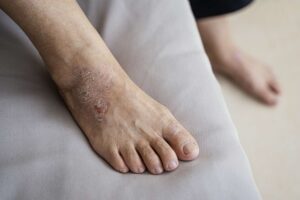
    Eczema treatment encompasses a diverse array of approaches aimed at managing the symptoms of this chronic skin condition. Eczema, also known as atopic dermatitis, is a skin condition that affects millions of people worldwide. Characterized by redness, itching, and inflammation, eczema can be uncomfortable and, at times, debilitating.

    While there is no cure for eczema, there are numerous eczema treatment options available to help manage symptoms and improve the quality of life for those living with this condition.

    Eczema Symptoms

    Eczema is a multifactorial condition influenced by genetics, immune system dysfunction, and environmental triggers. Common symptoms include:

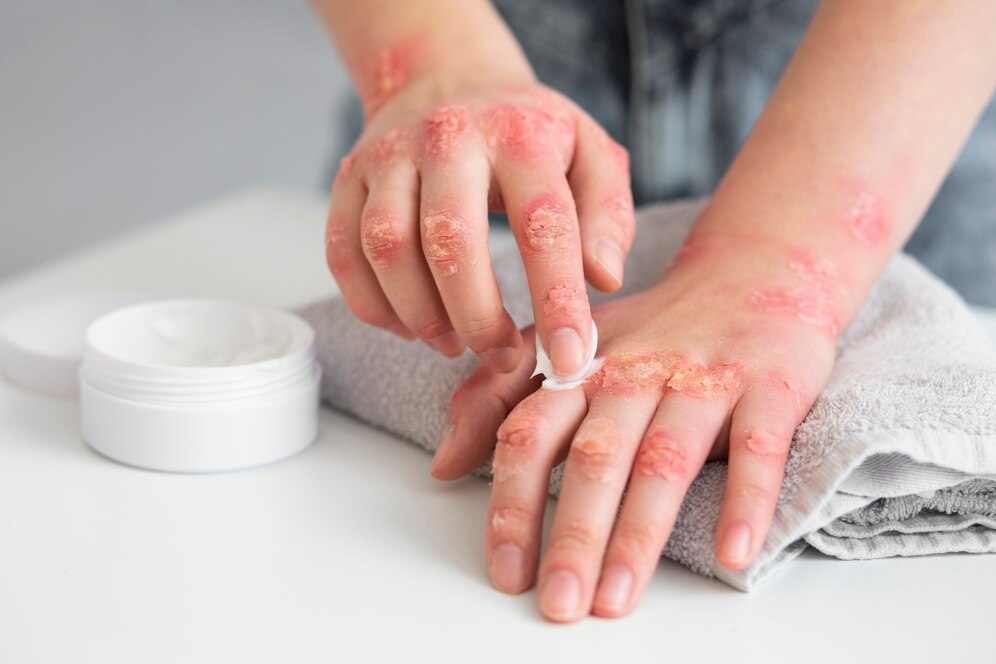
    • Itchy, red, and inflamed skin
    • Dry, sensitive skin
    • Rash or blisters
    • Cracked or scaly skin
    • Oozing or weeping sores

    Eczema can occur at any age, but it often develops in childhood and may persist into adulthood. Flare-ups can be triggered by various factors such as stress, allergens, irritants, climate, and even certain foods. Eczema treatment and management strategies aim to reduce symptoms, prevent flare-ups, and improve the overall quality of life.
    Read: What are Generic Medicines?

    Conventional Eczema Treatment

    The best treatments for conventional eczema are mentioned below:

    • Topical Steroids: These are the most common treatment for eczema. Topical corticosteroids reduce inflammation and relieve itching. They are available in different strengths, and your dermatologist will prescribe the appropriate one for your condition.
    • Moisturizers: Keeping the skin hydrated is essential. Apply fragrance-free, hypoallergenic moisturizers regularly, especially after bathing, to prevent dryness and itching.
    • Topical Calcineurin Inhibitors: These non-steroidal creams, such as tacrolimus and pimecrolimus, are used for mild to moderate eczema. They work by suppressing the immune response in the skin.
    • Oral Medications: In severe cases, oral medications like antihistamines (to relieve itching) or immunosuppressants (like cyclosporine) may be prescribed.
    • Phototherapy: Controlled exposure to UVB light can help manage eczema symptoms. It is typically done under medical supervision.

    Eczema Treatment

    Holistic Approaches

    While conventional eczema treatments are effective, some people seek holistic or complementary therapies to manage eczema. It’s essential to consult with a healthcare professional before trying these approaches, as they may not be suitable for everyone. Some holistic options include:

    • Probiotics: Some studies suggest that probiotics can help balance the gut microbiome and potentially reduce eczema symptoms.
    • Dietary Changes: Identifying and eliminating trigger foods can be beneficial for some individuals. Typical triggers contain dairy, gluten, and certain nuts.
    • Natural Remedies: Aloe vera, coconut oil, and chamomile can provide relief for some people. However, it’s essential to test these remedies on a small patch of skin to ensure they do not worsen the condition.
    • Stress Management: Stress can trigger eczema flare-ups. Techniques like yoga, meditation, and deep breathing exercises may help reduce stress and improve skin health.
    • Wet Wrap Therapy: This involves applying moisturizer or medication to the skin, followed by wrapping the affected area in damp bandages or clothing. It can provide significant relief during flare-ups.

    > Consult a doctor and Order Medicine Online

    Eczema on Face Treatment

    Eczema on the face can be particularly distressing, as it not only affects your skin’s appearance but can also lead to discomfort and self-consciousness. Facial eczema, like eczema elsewhere on the body, is characterized by redness, itching, and inflammation. However, eczema on the face treatment requires extra care and attention due to the sensitivity of this area. The Face Treatments for Eczema are mentioned below:

    • Topical Steroids: Topical corticosteroid creams or ointments are often prescribed to reduce inflammation and itching. However, these should be used sparingly on the face, as the skin is thinner and more sensitive in this area.
    • Non-Steroidal Topical Medications: For milder cases of facial eczema, non-steroidal creams like tacrolimus and pimecrolimus can be effective in reducing inflammation without the side effects associated with steroids.
    • Emollients and Moisturizers: Keeping the skin well-hydrated is crucial in managing facial eczema. Use fragrance-free, hypoallergenic moisturizers specifically designed for sensitive skin. Apply moisturizer to the face multiple times a day, especially after washing.
    • Avoid Irritants: Identify and avoid skincare products that contain fragrances, dyes, alcohol, or other potential irritants. Use gentle, soap-free cleansers designed for sensitive skin.
    • Warm Compresses: Applying a warm, damp cloth to the affected area can help soothe itching and reduce inflammation. Ensure the cloth is not too hot, as excessive heat can worsen eczema.
    • Oral Antihistamines: Over-the-counter or prescription antihistamines can help alleviate itching and discomfort. Before using any medication consult with a healthcare professional.
    • Sun Protection: Protect your face from the sun’s harmful UV rays by wearing a wide-brimmed hat and applying a broad-spectrum sunscreen with SPF 30 or higher. Sunburn can exacerbate eczema symptoms.
    • Avoid Hot Water: Hot water can strip the skin of its natural oils and exacerbate eczema. Use lukewarm water for washing your face and pat it dry gently with a soft towel.
    • Prescription Medications: In severe cases, a dermatologist may prescribe oral medications or recommend phototherapy (light therapy) to manage facial eczema.

    Eczema Treatment

    Eyelid Eczema Treatment

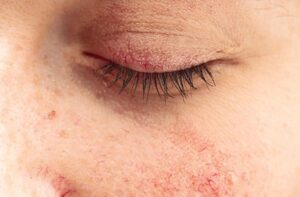
    Eczema on the eyelids, often referred to as eyelid dermatitis, can be particularly uncomfortable and challenging to manage due to the delicate nature of the skin around the eyes. Factors like allergens, irritants, or even eye makeup can trigger flare-ups. Let’s explore the specific treatment of eyelid eczema:

    • Avoid Eye Makeup: While experiencing an eyelid eczema flare-up, avoid using eye makeup products, as they can worsen irritation. Choose hypoallergenic, fragrance-free alternatives when you do use makeup.
    • Cool Compresses: Applying a cool, damp cloth to the affected eyelids can help reduce itching and inflammation.

    Conclusion:

    Eczema is a challenging condition to manage, but with the right treatment plan and lifestyle adjustments, you can find relief and improve your skin’s health. Consult with a dermatologist or healthcare professional to create a personalized treatment strategy that works for you. Remember that managing eczema is an ongoing process, and with patience and persistence, you can lead a more comfortable and itch-free life.

    FAQs on Eczema Treatment

    Q.1 What is Eczema Treatment?

    Eczema treatment typically involves the use of topical corticosteroid creams or ointments to reduce inflammation and itching, along with moisturizers, skincare adjustments, and, in some cases, non-steroidal medications.

    Q.2 What’s the best approach for eczema on the face treatment?

    The treatment for eczema on the face typically involves gentle skincare, non-steroidal creams like tacrolimus, and avoiding irritants like fragrances in cosmetics.

    Q.3 How can I manage eyelid eczema effectively?

    Eyelid eczema treatment often includes cool compresses, avoiding eye makeup during flare-ups, and, in severe cases, under the guidance of a dermatologist, low-potency topical steroids for short-term use.

    Related Links:

  • Best Hair Botox Treatment – Process, Benefits, Cost

    Best Hair Botox Treatment – Process, Benefits, Cost

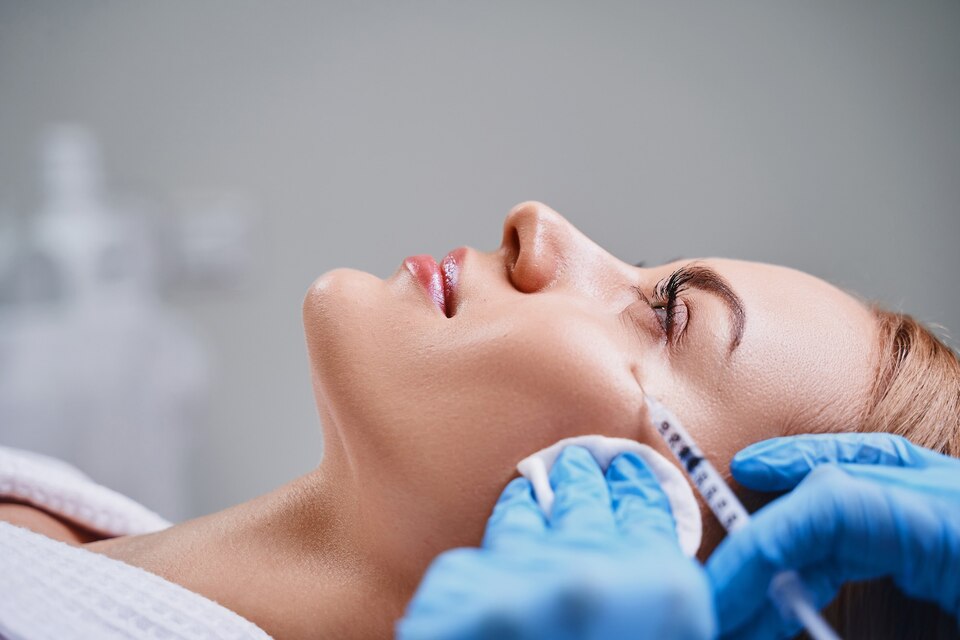
    botox treatmentBotox Treatment has become a household name, in the realm of aesthetic enhancement and anti-aging solutions. From smoothing out wrinkles to treating medical conditions, Botox treatment has proven its versatility and efficacy. Botox, which is the short form for botulinum toxin, is a purified protein derived from the bacterium Clostridium botulinum.

    While it may sound intimidating, when administered by a qualified medical professional, treatment of Botox can yield remarkable results with minimal risks. It works by temporarily paralyzing or relaxing muscles in specific areas of the body, which can help reduce the appearance of fine lines, and wrinkles, and provide therapeutic relief.

    Botox Treatment

    The primary treatments of Botox are as follows:

    • Smoothing Out Wrinkles: The most well-known use of treatment is in the realm of cosmetic enhancement. Botox injections are a popular choice for individuals looking to soften the appearance of crow’s feet, forehead lines, and frown lines. By targeting specific muscles, Botox helps relax them, resulting in a smoother, more youthful complexion.
    • Non-Invasive Nature: Botox injections are minimally invasive and often referred to as a “lunchtime procedure.” They require no downtime, making them a convenient choice for those with busy schedules.
    • Natural-Looking Results: When administered by a skilled practitioner, Botox injections can yield natural-looking results. The subtle improvement in your appearance allows you to look refreshed and rejuvenated without looking “overdone.”


    Botox Injections for Medical Conditions

    It isn’t just about aesthetics; it has several medical applications as well:

    • Migraine Relief: Botox has been approved by the FDA as a treatment for chronic migraines. By injecting Botox into specific head and neck muscles, it can help reduce the frequency and severity of migraine attacks.
    • Excessive Sweating: Botox can be used to treat hyperhidrosis, a condition characterized by excessive sweating. When injected into the sweat glands, it temporarily blocks the release of a chemical that stimulates sweating.
    • Muscle Spasms: Conditions like cervical dystonia and blepharospasm can cause painful muscle spasms. Botox injections can provide comfort by relaxing the affected muscles.

    > Consult a doctor and Order Medicine Online

    Botox Hair Treatment

    Botox hair treatment is not the same as the traditional Botox injections used for cosmetic purposes. Instead, it involves the application of a specially formulated hair treatment product to the hair and scalp. This product typically contains key ingredients such as hyaluronic acid, peptides, vitamins, and natural oils, along with a minimal amount of botulinum toxin (Botox).

    The use of botulinum toxin in hair treatments is safe because it is applied topically and does not enter the bloodstream or affect the muscles.


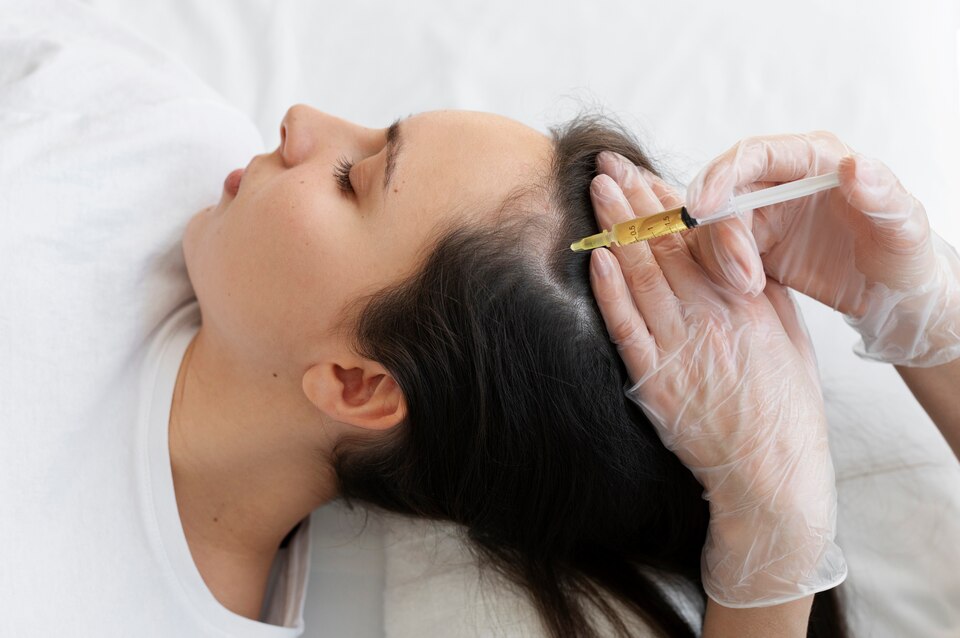
    botox hair treatmentHow Does Botox Hair Treatment Work?

    The primary goal of Botox hair treatment is to rejuvenate and revitalize hair that has been damaged by various factors, including heat styling, chemical treatments, environmental stressors, and ageing. Here’s how the process works:

    • Cleansing: The hair is first thoroughly cleansed to remove any buildup of dirt, oils, or styling products.
    • Application: The Botox hair treatment product is applied to the hair and scalp. It is evenly distributed from the roots to the tips, ensuring complete coverage.
    • Absorption: The treatment is left on the hair for a specified period, allowing the ingredients to penetrate the hair cuticle. The botulinum toxin works to relax the hair shaft, reducing frizz and promoting a smoother texture.
    • Heat Activation: In some cases, heat may be applied to activate and enhance the treatment’s effectiveness. Heat helps the ingredients penetrate deeper into the hair, providing more lasting results.
    • Rinse and Styling: After the treatment period, the product is thoroughly rinsed out, and the hair is styled as desired. You can immediately notice a difference in the texture and appearance of your hair.

    Read: What are Generic Medicines?

    Benefits of Botox Hair Treatment

    • Hair Repair
    • Frizz Reduction
    • Improved Texture
    • Enhanced Shine
    • Longer-Lasting Results
    • Non-Toxic

    Considerations and Aftercare

    After the treatment, it’s advisable to use sulfate-free shampoos and conditioners to maintain and prolong the results. Additionally, avoiding excessive heat styling and using heat protectants can help maintain the health and integrity of your hair.

    Botox hair treatment offers a transformative solution for those seeking to repair and rejuvenate damaged hair. With its range of benefits, it has become a go-to option for achieving smoother, shinier, and healthier locks. If you’re looking to revitalize your hair and enhance its overall appearance, Botox hair treatment may be the perfect choice for you, offering a path to gorgeous, revitalized tresses.

    Conclusion:

    Botox treatment has emerged as a versatile solution, offering both cosmetic enhancement and therapeutic benefits. Whether you’re interested in smoothing out wrinkles, seeking relief from migraines, or looking to rejuvenate your hair, Botox offers a range of options. Remember to prioritize safety and seek out licensed professionals to ensure the best possible results. With the right guidance and treatment, you can unlock the magic of Botox and embrace a more confident and youthful you.

    While Botox is increasingly explored for its potential in scalp treatments, many people still prefer clinically approved topical solutions for hair loss. One such option is Mintop Forte 2% Solution, a dermatologist-recommended product containing Minoxidil, which helps stimulate hair regrowth in cases of androgenetic alopecia.

    It’s a non-invasive, affordable approach for those looking to improve hair volume and density over time.

    FAQs on Botox Treatment

    Q1. What is Botox Treatment?

    Botox treatment involves injecting a purified form of botulinum toxin into specific muscles to temporarily relax them, reducing the appearance of wrinkles and fine lines.

    Q.2 What is Botox treatment, and how does it work?

    Treatment of Botox involves injecting a purified protein into specific muscles to temporarily relax them, reducing the appearance of wrinkles by preventing muscle contractions.

    Q.3 What is Botox Hair Treatment?

    It is also known as “hair Botox,” a non-surgical hair rejuvenation procedure that uses a specialized formula to repair and revitalize damaged hair, reduce frizz, and improve hair texture without injecting the actual Botox toxin.*

    Q.4 How long do Botox results last?

    Botox results typically last 3 to 6 months, but the duration can vary depending on individual factors and the treated area.

    Related Links:

  • Vitiligo Treatment: Diagnosis, Treatment and Recovery

    Vitiligo Treatment: Diagnosis, Treatment and Recovery

    Vitiligo Treatment

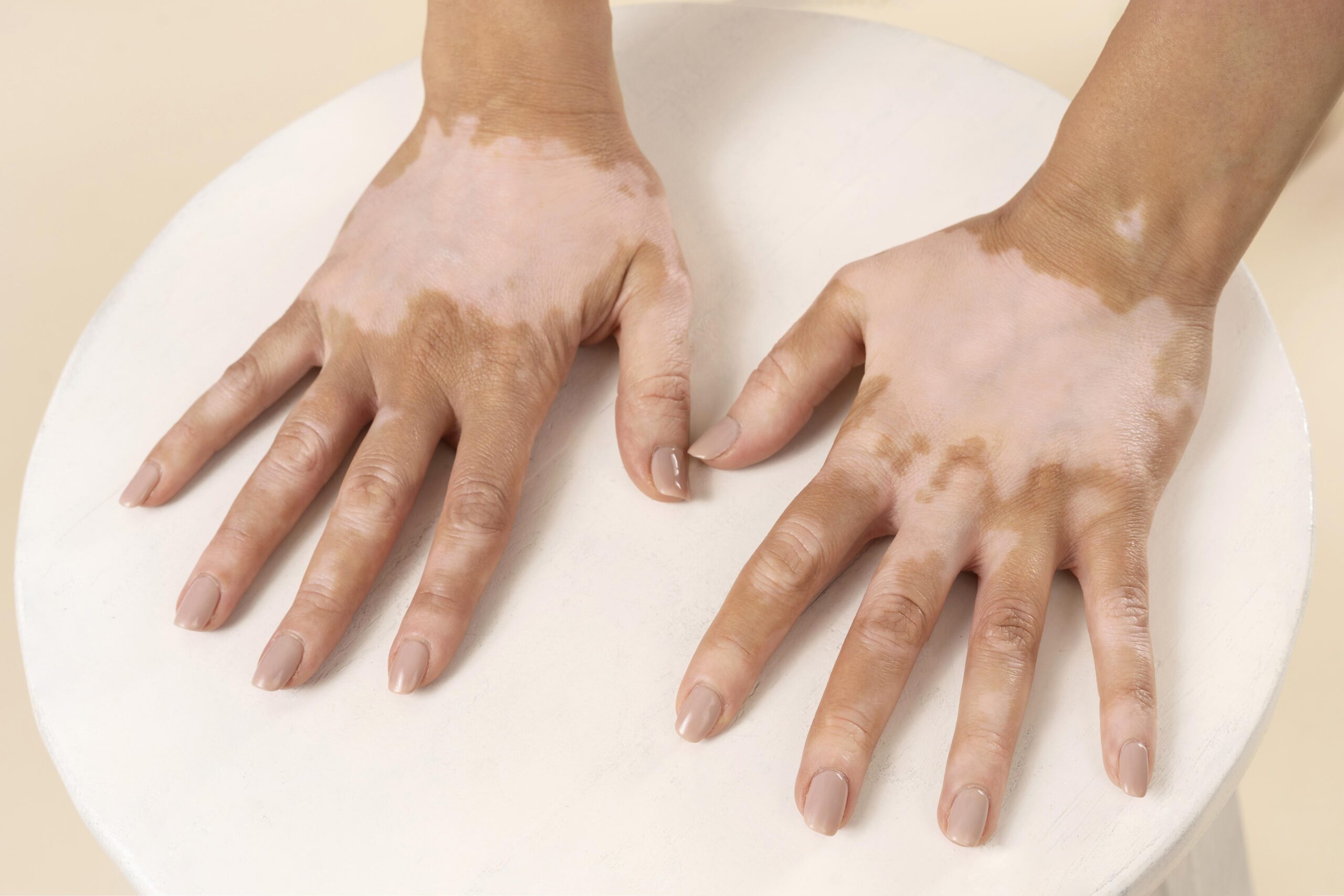
    Vitiligo Treatment – Vitiligo is a skin condition characterized by the loss of pigment-producing cells (melanocytes), resulting in white patches on the skin. While it’s not a life-threatening condition, it can have a significant impact on a person’s self-esteem and quality of life. Fortunately, there are several vitiligo treatment options available that can help manage it and improve the appearance of the skin.

    Medical Vitiligo Treatment

    Medical vitiligo treatments aim to either repigment the white patches or prevent the spread of the condition. Here are some used medical treatments:

    a) Topical Corticosteroids: These are anti-inflammatory creams or ointments that can help reduce inflammation and promote repigmentation. They are often the first-line vitiligo treatment option.

    b) Topical Calcineurin Inhibitors: These drugs, such as tacrolimus and pimecrolimus, work by suppressing the immune response in the skin and can be used on sensitive areas like the face and genitals.

    c) Psoralen Plus Ultraviolet A (PUVA) Therapy: PUVA therapy involves taking psoralen, a medication that makes the skin more sensitive to ultraviolet A (UVA) light, followed by exposure to UVA light. This combination stimulates melanocyte activity and repigmentation.

    Read: What are Generic Medicines?

    d) Narrowband Ultraviolet B (NB-UVB) Therapy: NB-UVB therapy uses a specific wavelength of ultraviolet light to stimulate melanocytes in the skin and promote repigmentation.

    e) Excimer Laser: This targeted laser therapy can be used to treat smaller areas of vitiligo, delivering high-energy UVB light to stimulate melanocyte production.

    f) Oral Medications: In some cases, oral medications like corticosteroids or immunosuppressants may be prescribed to manage vitiligo, especially if it’s widespread.

    Vitiligo Treatment

    Surgical Vitiligo Treatment

    When medical treatments don’t provide the desired results, surgical options may be considered. These procedures involve transplanting melanocytes or pigment from one part of the body to the affected areas. Some common surgical for vitiligo treatments include:

    a) Autologous Melanocyte Transplantation: In this procedure, melanocytes are harvested from a patient’s skin, cultured in a lab, and then transplanted onto the depigmented areas.

    b) Microskin Grafting: This involves removing small sections of normally pigmented skin and grafting them onto vitiligo-affected areas.

    c) Tattooing (Micropigmentation): Tattooing can be used to implant pigment into the depigmented skin, creating a more consistent and even appearance.

    > Consult a doctor and Order Medicine Online

    Complementary and Alternative Therapies Vitiligo Treatment

    In addition to medical and surgical treatments, some individuals with vitiligo turn to complementary therapies to manage their condition. Some of these therapies include:

    a) Topical Herbal Remedies: Some natural products, such as khellin or ginger extract, have been explored for their potential to repigment the skin.

    b) Diet and Nutrition: Certain diets rich in antioxidants, vitamins, and minerals may help support melanocyte health. Additionally, some individuals with vitiligo try gluten-free or dairy-free diets, as there is anecdotal evidence of symptom improvement.

    c) Psychological Support: Living with vitiligo can be emotionally challenging. Counselling and support groups can help individuals cope with the psychological impact of the condition.

    Vitiligo Treatment Creams

    Vitiligo treatment creams, also known as topical medications, are a common choice for managing this skin disorder. These creams are applied directly to the affected areas, where they work to stimulate melanocyte activity and promote repigmentation. The key components of these creams include:

    • Corticosteroids: Topical corticosteroids are anti-inflammatory agents that help reduce inflammation in the skin and suppress the immune response that attacks melanocytes. These creams are often prescribed as a first-line treatment for vitiligo.
    • Calcineurin Inhibitors: Topical calcineurin inhibitors, such as tacrolimus and pimecrolimus, are used to inhibit the immune system’s response in the skin, ultimately preventing the further spread of vitiligo and promoting repigmentation.
    • Psoralen: Psoralen-containing creams are often used in combination with UVA or sunlight exposure, a treatment approach known as PUVA therapy. Psoralen makes the skin more sensitive to UVA light, allowing for targeted repigmentation.

    Effectiveness of Vitiligo Treatment Creams

    The effectiveness of vitiligo treatment creams varies from person to person and depends on several factors, including the extent of vitiligo, the location of the white patches, and the individual’s response to treatment.

    Conclusion:

    Vitiligo treatment options vary depending on the extent and severity of the condition. Individuals with vitiligo need to consult a dermatologist who can assess their specific situation and recommend the most appropriate treatment plan. While there is no cure for vitiligo, medical, surgical, and complementary therapies can help manage the condition, improve skin appearance, and enhance the quality of life for those affected. Ultimately, the goal of vitiligo treatment is to empower individuals to embrace their unique beauty and feel confident in their skin.

    FAQs on Vitiligo Treatment

    Q.1 What is Vitiligo Treatment?

    Vitiligo treatment refers to a set of medical, surgical, and sometimes complementary therapies aimed at managing and improving the skin condition known as vitiligo. Vitiligo is characterized by the loss of melanocytes (the cells responsible for producing skin pigment), resulting in white or depigmented patches on the skin. The primary goal of vitiligo treatment is to either repigment the affected areas or prevent the condition from spreading further.

    Q2. Are there any surgical options available for vitiligo treatment?

    Yes, there are surgical treatments for vitiligo when medical therapies do not yield satisfactory results. Surgical options include autologous melanocyte transplantation, where melanocytes are harvested from the patient’s skin, cultured, and then transplanted onto depigmented areas.

    Microskin grafting, which involves transplanting small sections of normally pigmented skin to vitiligo-affected areas. Tattooing (micro pigmentation), where pigment is implanted into the depigmented skin to create a more consistent appearance. These surgical procedures are typically considered for localized or stubborn cases of vitiligo.