Search results for: “all”

  • Scabies Treatment: Medication, Cream, Prevention

    Scabies Treatment – Scabies is a highly contagious skin infestation caused by the Sarcoptes scabies mite. These tiny mites burrow into the upper layer of the skin, where they lay eggs, causing intense itching and discomfort. Scabies spread through close personal contact with an infected individual.

    It can also be transmitted through infested clothing, bedding, or furniture. Scabies are a common skin condition that can affect anyone, but with the right scabies treatment, relief is within reach. Timely treatment for scabies is crucial in managing this condition effectively.

    Best Scabies Treatment

    The primary treatments for scabies are as follows:

    1. Prescription Medications

    Topical Creams: Permethrin cream is a widely used prescription treatment. It’s applied to the entire body and left on for a specified time before washing off.

    Oral Medications: In severe cases, oral medications like ivermectin may be prescribed.

    2. Scrupulous Hygiene

    Wash Bedding and Clothing: To prevent reinfection, wash all bedding, clothing, and towels in hot water and dry them on high heat.

    Isolation: Avoid close contact with others until treatment is complete to prevent the spread of the mites.

    3. Household Cleaning

    Deep Cleaning: Thoroughly clean and vacuum your home, paying special attention to furniture and carpets.

    4. Treating Close Contacts

    Notify Contacts: Inform close contacts so they can seek treatment if necessary.

    > Consult a doctor and Order Medicine Online

    Preventing Scabies Reinfestation

    Preventing scabies from coming back is just as crucial as treating it.

    • Maintain Good Hygiene: Regularly wash your hands and keep your nails short to reduce the risk of mites taking hold.
    • Avoid Sharing Personal Items: Do not share clothing, towels, or bedding with infected individuals.
    • Treat Infested Contacts: Ensure that anyone in close contact with an infected person receives treatment.
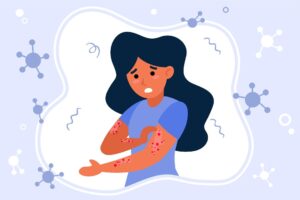
    Scabies Treatment

    Post Scabies Treatment Spots

    • Healing Process: After scabies treatment, it’s possible to experience residual itching and the appearance of spots. This is often due to the body’s healing process. The rash and damage caused by the mites can take some time to completely disappear, even after the mites are gone.
    • Recovery Time: The duration of these post-treatment symptoms can vary from person to person. For some, it may take a few days, while for others, it can persist for a few weeks.
    • Reinfestation: In some cases, spots may reappear if there has been reinfestation. It’s crucial to rule out this possibility by ensuring that you have followed all preventive measures and that close contacts have been treated as well.

    What to Do If Spots Persist

    • Consult Your Doctor: If you’re concerned about spots or lingering symptoms after scabies treatment, it’s advisable to consult your healthcare provider. They can assess your condition and determine whether additional treatment or evaluation is necessary.
    • Follow-Up Appointments: Continue with any scheduled follow-up appointments with your doctor. They will monitor your progress and ensure that the treatment has been effective.
    • Avoid Self-Medication: Resist the temptation to use over-the-counter creams or remedies without professional guidance, as these can sometimes exacerbate the problem.
    • Maintain Good Hygiene: Continue practising good hygiene, including washing your hands regularly and keeping your nails short to minimize the risk of re-infestation.
    • Patience Is Key: Remember that post-treatment spots and itching are not uncommon and usually resolve over time. While it can be frustrating, maintaining patience and following medical advice is essential.

    Read: What are Generic Medicines?

    Top Scabies Treatment Creams

    Scabies treatment creams are topical medications specifically formulated to kill the scabies mites and relieve the associated itching and rash. They are typically prescribed by healthcare professionals and can be highly effective when used correctly.

    Types of Scabies Treatment Creams

    Permethrin Cream:

    • Permethrin is one of the most commonly prescribed scabies treatment creams.
    • It is considered a first-line treatment and is available by prescription.
    • Permethrin cream is applied to the entire body, usually from the neck down, and left on for a specified period before being washed off.
    • It is generally well-tolerated and has a high success rate in eradicating scabies mites.

    Ivermectin Cream:

    • Ivermectin is available in both oral and topical forms.
    • The topical version is applied directly to the affected areas.
    • It may be recommended for individuals who cannot tolerate or are resistant to other treatments.
    • Ivermectin works by paralyzing and killing the mites.

    Conclusion:

    Scabies can be a challenging and uncomfortable condition, but with prompt diagnosis and the right treatment, relief is attainable. Remember, seeking professional medical advice is essential for an accurate diagnosis and treatment plan. By following recommended treatments and preventive measures, you can effectively manage and overcome scabies, restoring comfort and peace of mind to your life.

    FAQs on Scabies Treatment

    Q.1 What is Scabies Treatment?

    Scabies treatment is a medical approach designed to address scabies infestations, a contagious skin condition caused by the Sarcoptes scabies mite. Scabies infestations are characterized by intense itching, rashes, and sometimes small, thread-like burrows on the skin. Effective treatment aims to eliminate the mites, relieve symptoms, and prevent the spread of the infestation to others.

    Q.2 What is the most common treatment for scabies?

    The most common and widely prescribed treatment for scabies is a topical cream containing permethrin. Permethrin cream is considered a first-line treatment for scabies and is highly effective in killing scabies mites. It is usually applied to the entire body, excluding the face, left on for a specific duration, and then washed off. This treatment is available by prescription and is known for its success in eradicating scabies infestations.

    Related Links:
  • Pneumonia Treatment – Home Remedies Treatment for Pneumonia

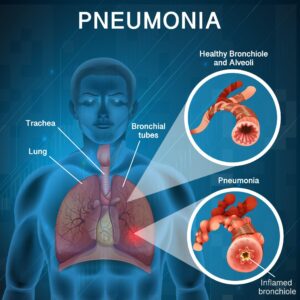
    Pneumonia Treatment – When it comes to respiratory infections, pneumonia is a formidable adversary. Characterized by inflammation of the lung tissue, this condition can be mild or severe, but one thing is clear – timely and effective treatment of pneumonia is crucial for a swift recovery. Pneumonia, a common and potentially serious respiratory infection, demands comprehensive and effective treatment to ensure a full recovery.

    Pneumonia Treatment

    Prompt diagnosis is the cornerstone of successful treatment of pneumonia. As soon as symptoms such as high fever, cough with mucus production, chest pain, and difficulty breathing manifest, seeking medical attention is imperative.

    Healthcare professionals employ a combination of physical examinations, chest X-rays, and, in some cases, blood tests to confirm the diagnosis and determine the severity of the condition.

    Pneumonia Treatment Medication

    The majority of pneumonia cases are caused by bacteria, such as Streptococcus pneumoniae or Haemophilus influenzae. For bacterial pneumonia, antibiotics are the primary treatment modality. These medications work to eliminate the invading bacteria, allowing the body’s natural defences to regain control of the infection.

    Tailored Antibiotics:

    One crucial aspect of the treatment of pneumonia is selecting the appropriate antibiotics. The choice depends on several factors, including the patient’s age, overall health, and the suspected or identified bacteria causing the infection. Healthcare providers prescribe antibiotics specific to the type of bacteria present to ensure the highest efficacy and prevent antibiotic resistance.

    Patients need to complete the entire prescribed course of antibiotics, even if symptoms improve before the medication is finished. This helps prevent the resurgence of the infection and ensures that all bacteria are eradicated.

    Read: What are Generic Medicines?

    Treatment of Pneumonia Therapies

    Beyond antibiotics, various supportive therapies play pivotal roles:

    Oxygen Therapy: In severe cases of pneumonia, where oxygen levels in the blood are significantly reduced, supplemental oxygen may be necessary. Oxygen therapy ensures the body receives sufficient oxygen to function properly, allowing the patient to recover more effectively.

    Intravenous (IV) Fluids: Dehydration is a common concern during pneumonia due to fever, reduced fluid intake, and increased respiratory effort. Intravenous fluids can help maintain hydration levels, support the immune system, and facilitate the body’s recovery.

    Chest Physiotherapy: This technique involves specialized manoeuvres to help clear mucus from the airways, making breathing easier. Chest physiotherapy is particularly beneficial for patients with excessive mucus production or difficulty expelling it.

    Pneumonia – Hospitalization in Severe Cases

    While many cases of pneumonia can be managed on an outpatient basis, severe pneumonia or complications may necessitate hospitalization. Hospital care offers closer monitoring, more intensive treatments, and access to respiratory support, including mechanical ventilation if needed.

    > Consult a doctor and Order Medicine Online

    Personalized Care Plans for Pneumonia

    Every patient’s response to the treatment of pneumonia varies, necessitating individualized care plans. Healthcare providers consider factors like:

    • Age
    • Overall health
    • Underlying conditions when tailoring treatment approaches.

    "</p

    Pneumonia Treatment at Home

    Follow Medication Instructions: It’s crucial to adhere to your prescribed medication regimen. Finish the full course of antibiotics, even if you start feeling better before it’s completed. This helps ensure that all bacteria are eradicated, reducing the risk of recurrence.

    Manage Symptoms: Pneumonia can cause uncomfortable symptoms such as fever, cough, and chest pain. Over-the-counter medications and pain relievers can help alleviate these discomforts. Constantly, consult with your healthcare provider before accepting any new medications.

    Isolation and Rest: During your recovery, it’s advisable to isolate yourself to prevent spreading the infection to others. Rest is paramount – it allows your body to heal and regenerate.

    Post-Treatment Care and Prevention

    Once the acute phase of treatment of pneumonia is completed, post-treatment care becomes crucial. This phase includes:

    Follow-Up Appointments: Regular check-ups with healthcare providers to monitor progress, assess lung function, and address any lingering symptoms or concerns.

    Reinforcing Preventive Measures: To reduce the risk of pneumonia recurrence, healthcare providers may recommend vaccinations, lifestyle changes (such as smoking cessation), and preventive medications in some cases.

    Conclusion:

    Pneumonia treatment is a multifaceted endeavour, aiming not only to eliminate the infection but also to support the patient’s overall health and recovery. The timely use of antibiotics, coupled with supportive therapies, can significantly improve outcomes. Additionally, post-treatment care and preventive measures are essential to minimize the risk of future pneumonia episodes.

    By seeking medical attention promptly, adhering to treatment plans, and embracing preventive strategies, individuals can overcome pneumonia and regain their respiratory health. Pneumonia may be a formidable foe, but with the right treatment and support, victory is within reach.

    FAQs on Pneumonia Treatment

    Q.1 What is Pneumonia Treatment?

    Pneumonia treatment typically involves antibiotics for bacterial cases, rest, hydration, and supportive therapies like oxygen and chest physiotherapy. It’s crucial to complete the prescribed antibiotic course and consult a healthcare provider for personalized care.

    Q2. What is the typical duration of treatment of pneumonia with antibiotics?

    The duration of treatment of pneumonia with antibiotics can vary depending on the individual and the severity of the infection. In most cases, healthcare providers prescribe antibiotics for a period of 5 to 10 days. It’s important to complete the full course of antibiotics, even if symptoms improve before the medicine is finished. This helps ensure that all bacteria causing the infection are eradicated and reduces the risk of recurrence.

    Related Links:

  • Jaundice Treatment – Home Remedies for Jaundice

    Jaundice Treatment – Home Remedies for Jaundice

    Jaundice treatment encompasses a range of medical interventions aimed at addressing the underlying causes of this condition and alleviating its associated symptoms. When it comes to jaundice treatment, the approach depends on the specific diagnosis, severity, and individual patient factors.

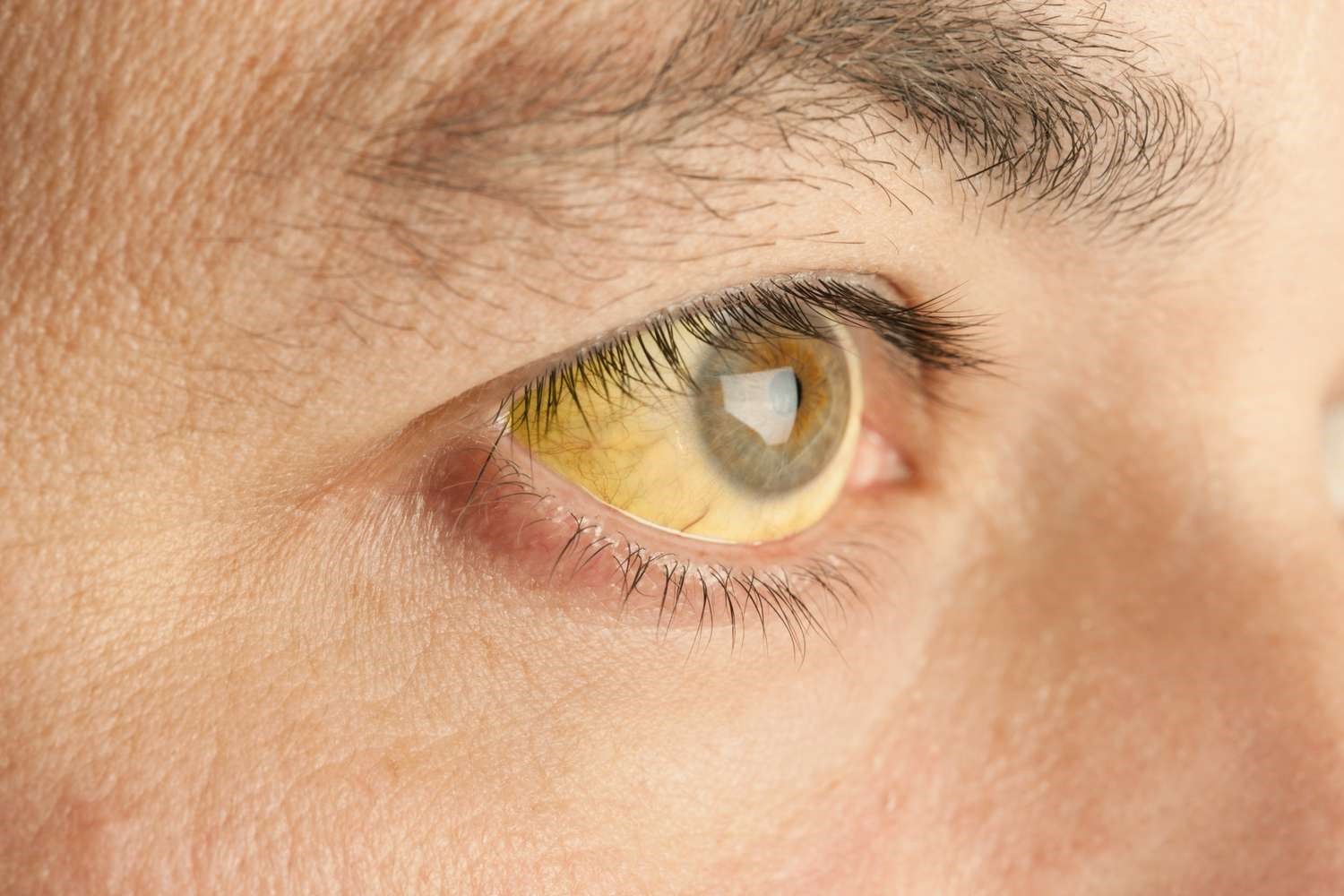
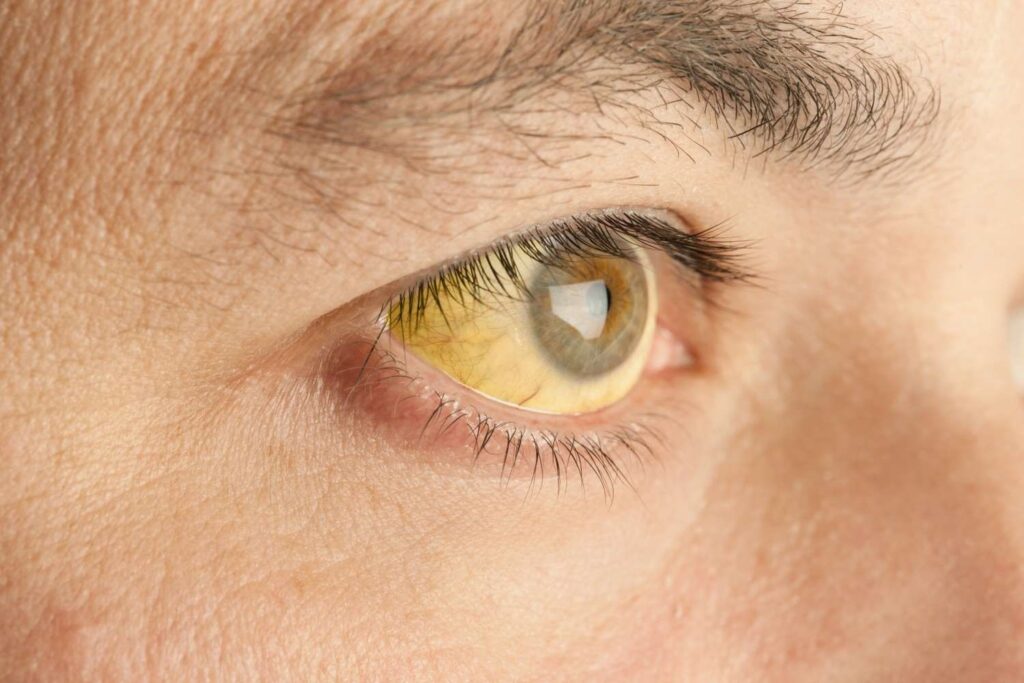
    Jaundice, medically known as icterus, is a condition characterized by the yellowing of the skin and the whites of the eyes due to an elevated level of bilirubin in the blood. Bilirubin, a vibrant yellow pigment, emerges as a byproduct of the breakdown of red blood cells.

    What is Jaundice?

    Jaundice arises when an abundance of bilirubin accumulates in the bloodstream. Jaundice can be caused by various underlying medical conditions, such as liver disease, hemolytic anemia, or bile duct obstruction.

    Effective treatment of jaundice depends on identifying and addressing the root cause. Bilirubin, a yellow pigment, is generated as a result of the breakdown of red blood cells. Numerous factors that can contribute to the onset of jaundice are :

    1. Liver Dysfunction

    The liver plays a crucial role in processing bilirubin and removing it from the body. Any dysfunction in the liver can disrupt this process, leading to jaundice. Common liver conditions include hepatitis, cirrhosis, and alcoholic liver disease.

    2. Hemolytic Anemia

    In cases where red blood cells break down rapidly, such as in hemolytic anemia, the body may struggle to eliminate bilirubin efficiently. This can result in jaundice.

    3. Bile Duct Obstruction

    A blockage in the bile ducts can prevent the flow of bile, causing bilirubin to accumulate in the bloodstream. Gallstones and tumours can lead to such obstructions.

    Now that we understand the causes let’s delve into the essential aspects of jaundice treatment.

    Read: What are Generic Medicines?

    Jaundice Treatment

    Jaundice Treatment

    When it comes to treating jaundice, several approaches can help alleviate symptoms and address the underlying causes:

    1. Medical Intervention

    In cases of severe jaundice or when it is caused by an underlying medical condition, medical intervention is essential. This may involve hospitalization, where doctors can provide treatments such as blood transfusions, medication, or surgery to address the root cause.

    Specific medications may be prescribed:

    • Antiviral drugs: For hepatitis-related jaundice.
    • Corticosteroids: In some autoimmune liver diseases.
    • Ursodeoxycholic acid: To dissolve gallstones in cases of gallstone-related jaundice.

    Surgery or Procedures: In certain cases, surgical interventions or procedures may be necessary:

    • Liver Transplant: When liver disease is advanced and irreversible.
    • Endoscopic Retrograde Cholangiopancreatography (ERCP): To remove bile duct obstructions.
    • Gallbladder Removal: If gallstones are causing bile duct blockage.

    > Consult a doctor and Order Medicine Online

    2. Phototherapy

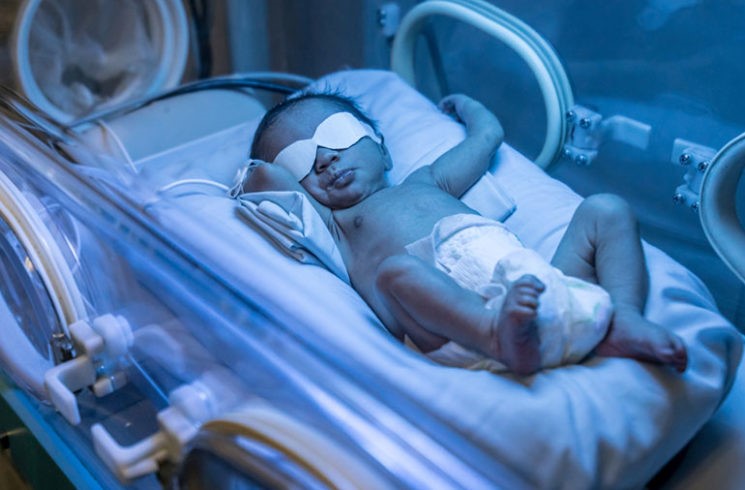
    For newborns with jaundice, phototherapy is a common treatment method. Special lights are used to help break down excess bilirubin in the baby’s body. It’s a safe and effective way to manage jaundice in infants.

    Treating the Underlying Cause:

    The primary focus of jaundice treatment is to address the underlying condition responsible for the elevated bilirubin levels. Common causes of jaundice and their respective treatments include:

    • Liver Disease: Treatment may involve lifestyle changes, medications, or even a liver transplant in severe cases.
    • Hemolytic Anemia: Managing the underlying anaemia with blood transfusions, medications, or spleen removal.
    • Bile Duct Obstruction: Surgical intervention or endoscopic procedures to remove obstructions or relieve blockages.

    Jaundice Treatment

    3. Dietary Adjustments

    • A well-balanced diet plays a crucial role in jaundice treatment, especially for patients with liver conditions. The diet should be low in fat and alcohol and should focus on providing essential nutrients.
    • In cases of obstructive jaundice, a low-fat diet can help reduce the workload on the liver and improve digestion.
    • Hydration is essential to prevent dehydration and promote overall well-being.

    Symptoms for Jaundice

    A few of the symptoms of jaundice are discussed below:

    • Yellowing of the Skin and Eyes: The most noticeable sign, causes the skin and the whites of the eyes to turn yellow.
    • Dark Urine: Urine can appear dark or brownish in colour due to increased bilirubin levels.
    • Pale Stool: The stool may become pale or clay-coloured as bilirubin is not properly excreted into the digestive tract.
    • Fatigue: Jaundice can lead to tiredness and weakness.
    • Itching (Pruritus): Some individuals experience itching, which is often a result of bilirubin accumulation in the skin.
    • Abdominal Pain: In cases of underlying liver or gallbladder issues, abdominal discomfort or pain may occur.
    • Nausea and Loss of Appetite: Jaundice can lead to feelings of nausea, and individuals may lose their appetite.

    It’s important to note that the severity and combination of these symptoms can vary depending on the underlying cause of jaundice. If you or someone you know is experiencing these symptoms, it’s essential to seek medical evaluation and diagnosis to determine the cause and appropriate treatment.

    Jaundice Treatment

    Diagnosis of Jaundice

    The diagnosis of jaundice typically involves the following:

    • Physical Examination: A physical examination will be conducted to assess the extent of jaundice and check for any underlying causes, such as liver or gallbladder issues.
    • Blood Tests: Blood tests, including liver function tests and bilirubin levels, are essential for diagnosing jaundice. Elevated bilirubin levels in the blood confirm the presence of jaundice.
    • Imaging Studies: In some cases, imaging studies like ultrasound, CT scans, or MRI scans may be performed to visualize the liver, gallbladder, and bile ducts to identify any structural abnormalities or blockages.
    • Liver Biopsy: In certain situations, a liver biopsy may be recommended to assess the extent of liver damage and help determine the underlying cause, especially if liver disease is suspected.

    The combination of these diagnostic methods helps healthcare professionals identify the underlying cause of jaundice and develop an appropriate treatment plan. Early diagnosis is crucial to address the root cause and manage jaundice effectively.

    Preventing Jaundice

    Prevention is always better than cure. Here are some tips to reduce the risk of developing jaundice:

    • Maintain a healthy lifestyle by eating a balanced diet and exercising regularly.
    • For protection of the liver, limit alcohol consumption.
    • Practice safe sex and get vaccinated for hepatitis to reduce the risk of liver infections.
    • Be cautious with over-the-counter medications and follow recommended dosages.

    Conclusion:

    Jaundice is a condition that should not be taken lightly. Understanding its causes and seeking appropriate treatment is essential for a speedy recovery. Whether it’s through medical intervention, phototherapy, or addressing underlying conditions, managing jaundice effectively is possible. Additionally, adopting a healthy lifestyle and taking preventive measures can help reduce the risk of developing jaundice in the first place.

    Remember, if you suspect you or a loved one may have jaundice, consult a healthcare professional for a proper diagnosis and treatment plan. Timely intervention plays a pivotal role in ensuring a triumphant path towards recovery.

    FAQs On Jaundice Treatment

    Q.1 What is Jaundice Treatment?

    Jaundice treatment refers to the medical interventions and strategies employed to address the underlying causes of jaundice and alleviate its symptoms. Jaundice is a medical condition distinguished by the manifestation of a yellow hue in both the skin and the sclera (the whites of the eyes).

    Q.2 What is the primary aim of jaundice treatment?

    The jaundice treatment aims to:

    1. Identify and Address the Underlying Cause
    2. Symptomatic Relief
    3. Dietary Adjustments
    4. Medications
    5. Surgical Procedures
    6. Monitoring and Follow-up

    Q3. What is the typical duration of jaundice treatment?

    The duration of jaundice treatment varies depending on the underlying cause and its severity. In some cases, jaundice may resolve within a few weeks with appropriate treatment, while chronic conditions might require long-term management. For instance, viral hepatitis-related jaundice can improve within a few weeks to months, whereas liver diseases may necessitate ongoing treatment and monitoring.

    Related Links:

  • What is the Best Dandruff Treatment?

    What is the Best Dandruff Treatment?

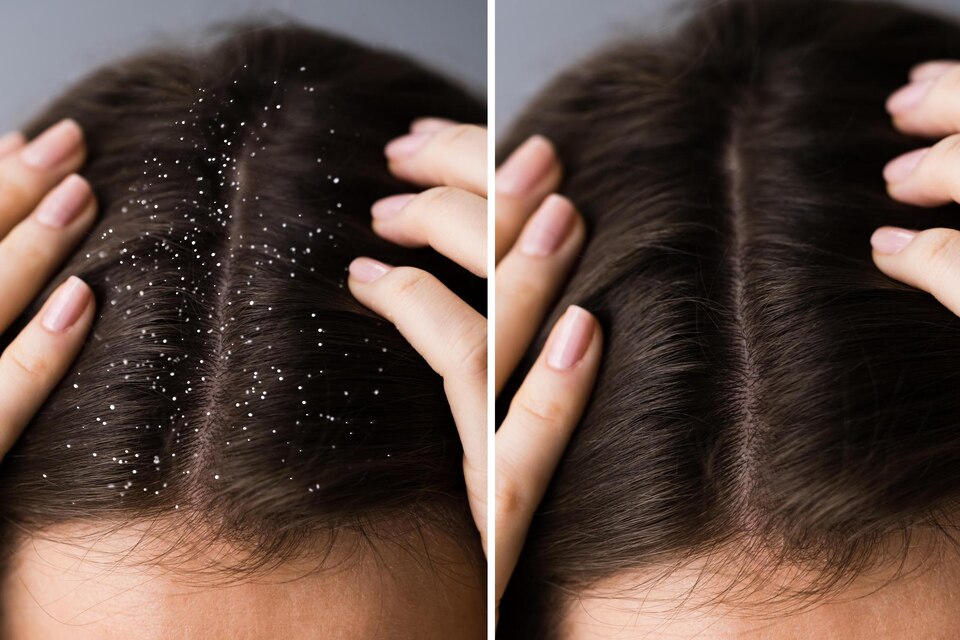
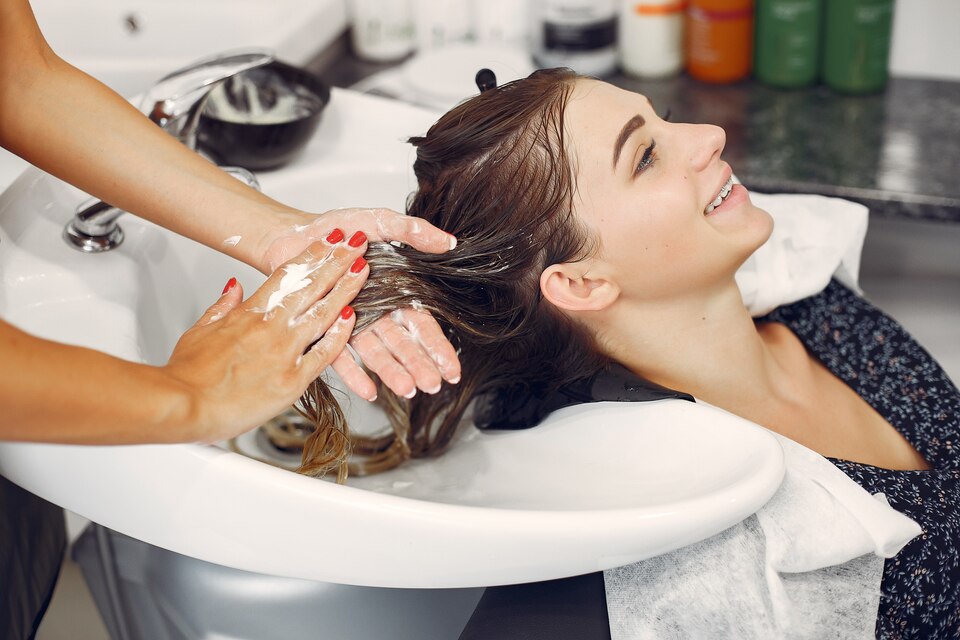
    best dandruff treatmentDandruff Treatment – Dandruff can be an annoying problem. Dandruff is a common scalp condition characterized by the shedding of dead skin cells in the form of white flakes. It can be caused by various factors, including dry skin, fungal infections, or even sensitivity to hair care products.

    Best Dandruff Treatment

    Achieving a dandruff-free scalp is a significant accomplishment, but it’s equally important to maintain your newfound clarity and comfort. Here are some tips that would help you to keep dandruff at bay:

    1. Medicated Shampoos

    Medicated shampoos are a popular and effective choice for treating dandruff. Use shampoos that contain active ingredients such as:

    • Salicylic Acid: This exfoliating agent helps remove dead skin cells from the scalp.
    • Ketoconazole: It is effective in treating dandruff caused by fungal infections.
    • Zinc Pyrithione: It helps in controlling the growth of yeast on the scalp.

    When using medicated shampoos, follow the instructions on the label for best results.

    2. Natural Remedies

    If you prefer a more natural approach, several home remedies can also help combat dandruff. Some options include:

    • Tea Tree Oil: Known for its antifungal properties, tea tree oil can be diluted and applied to the scalp to reduce dandruff.
    • Aloe Vera: Aloe vera gel can soothe an itchy scalp and reduce flakiness.
    • Apple Cider Vinegar: Mixing apple cider vinegar with water and using it as a rinse may help balance the pH of your scalp.

    3. Diet and Lifestyle Changes

    Believe it or not, your diet and lifestyle play a significant role in dandruff management. Ensure you:

    • Stay hydrated and drink plenty of water each day.
    • Consume foods rich in Omega-3 fatty acids, such as salmon and flaxseeds, to nourish your scalp.
    • Stress can exacerbate dandruff, so manage your stress levels.
    • Avoid excessive use of hair styling products that may irritate the scalp.

    4. Professional Treatment

    In severe cases of dandruff that do not respond to over-the-counter treatments, consider consulting a dermatologist. They can prescribe stronger medicated shampoos or recommend other specialized treatments tailored to your condition.

    Read: What are Generic Medicines?

    5. Regular Scalp Massage

    Gently massaging your scalp can stimulate blood circulation and promote a healthier scalp environment. Use your fingertips to apply light pressure in a circular motion during your shower or before bedtime. This practice not only helps with dandruff but also promotes relaxation.

    6. Hair Brushing

    Regularly brushing your hair with a clean, soft-bristle brush can distribute natural oils from your scalp to the hair strands. This helps prevent dryness and flakiness. Just be sure to clean your brush regularly to avoid reintroducing old flakes.

    7. Sun Exposure

    Sunlight can be a natural remedy for dandruff. Spend some time outdoors to expose your scalp to sunlight, which can inhibit the growth of the Malassezia fungus. However, be mindful of sun protection for your skin, especially in hot weather.

    8. Consistency

    Consistency is key when it comes to dandruff treatment and prevention. Stick to your chosen dandruff management routine and be patient. It may take some time to see significant improvements, but your efforts will pay off.

    dandruff treatment

    Dandruff Treatment Prevention Tips

    Preventing dandruff is just as important as treating it. Here are some tips to maintain a dandruff-free scalp:

    • Regular Hair Washing: Wash your hair regularly to prevent the buildup of oil and dead skin cells.
    • Use a Mild Shampoo: Opt for a mild, sulfate-free shampoo to avoid irritating your scalp.
    • Avoid Hot Water: Washing your hair with hot water can strip it of natural oils, leading to dryness and dandruff.
    • Maintain a Healthy Diet: Eat a balanced diet rich in vitamins and minerals to promote scalp health.

    > Consult a doctor and Order Medicine Online

    dandruff preventionBest Dandruff Treatment at Home

    Dandruff can be an annoying and sometimes embarrassing scalp condition, but it’s not something you have to live with. With a variety of treatment options available, both over-the-counter and natural remedies, you have the power to combat dandruff effectively. Remember that what works for one person may not work for another, so don’t be discouraged if you need to try different approaches before finding the one that suits you best.

    Incorporate a balanced diet, stress management, and proper hair care into your lifestyle to promote overall scalp health. And if your dandruff persists despite your efforts, don’t hesitate to seek professional advice from a dermatologist. They can provide personalized solutions to address your specific needs.

    With dedication and the right approach, you can bid farewell to dandruff and enjoy the confidence that comes with a healthy, flake-free scalp. Say hello to a new chapter of comfort and self-assurance, knowing that you have the knowledge and tools to keep dandruff at bay for good.

    Conclusion:

    Dandruff can be a nuisance, but with the right treatment and preventive measures, you can bid farewell to those irritating flakes. Whether you opt for medicated shampoos, natural remedies, or lifestyle changes, consistency is key to achieving a dandruff-free scalp. Say a very goodbye to dandruff and hello to confidence!

    FAQs on Dandruff Treatment

    Q1. What is Dandruff Treatment?

    Dandruff treatment refers to the various methods and products used to address the common scalp condition known as dandruff. Dandruff is characterized by the shedding of dead skin cells from the scalp in the form of white flakes and can be accompanied by itching and irritation. Dandruff treatment involves a range of approaches, including the use of medicated shampoos, natural remedies, lifestyle adjustments, and, in some cases, consultation with a dermatologist. The goal of dandruff treatment is to reduce or eliminate flakiness, itching, and discomfort, leading to a healthier and more comfortable scalp.

    Q2. What Causes Dandruff in the First Place?

    Dandruff can be caused by various factors, including dry scalp, fungal overgrowth, sensitivity to hair care products, and even stress. Understanding the root cause of your dandruff is crucial for effective treatment.

    Q3. Are Natural Remedies as Effective as Medicated Shampoos for Dandruff Treatment?

    Natural remedies like tea tree oil and aloe vera can be effective for some individuals with mild dandruff. However, in cases of severe dandruff or fungal infections, medicated shampoos prescribed by a dermatologist may be more effective. The choice between natural remedies and medicated shampoos often depends on the severity of the condition.

    Related Links:

  • What is the Asthma Treatment? – Step wise Asthma Treatment Process

    What is the Asthma Treatment? – Step wise Asthma Treatment Process

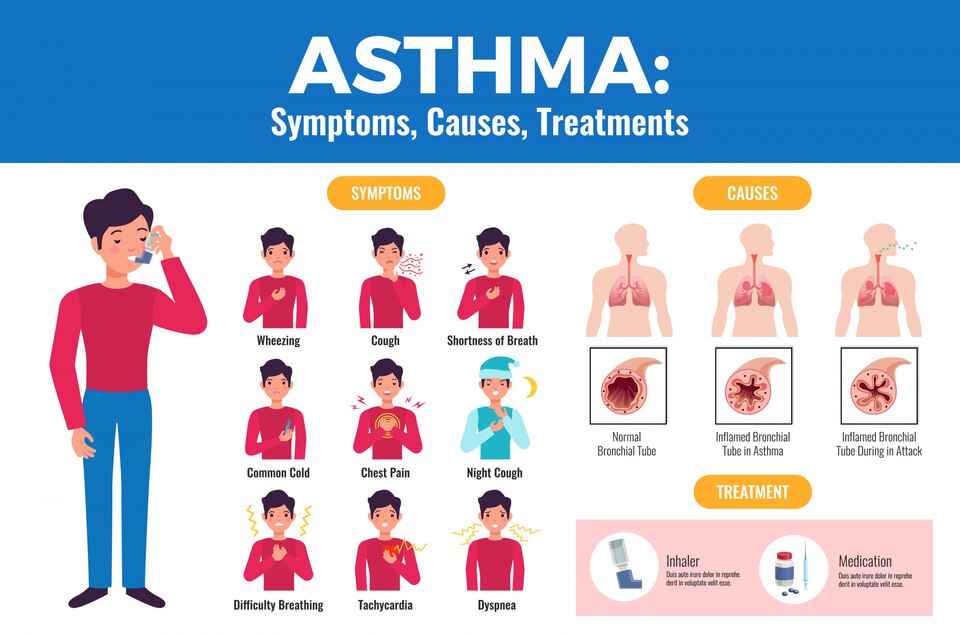
    asthma treatmentAsthma is a chronic respiratory condition indicated by inflammation and narrowing of the airways, impacting millions of people worldwide. Managing and treating bronchial asthma is crucial to ensure a high quality of life for those afflicted with the condition. In this article, we will explore the various aspects of bronchial asthma treatment, from medications to lifestyle changes, with a focus on promoting respiratory wellness.

    Asthma Treatment Medications

    1. Bronchodilators:

    These drugs help relax and open the airways, providing quick relief during asthma attacks. Short-acting bronchodilators like albuterol are used for acute symptoms, while long-acting bronchodilators are employed for long-term control.

    2. Inhaled Corticosteroids:

    These anti-inflammatory medications help reduce airway inflammation, preventing asthma symptoms. Common examples include fluticasone and budesonide.

    3. Leukotriene Modifiers:

    These medications block the action of leukotrienes, which contribute to airway inflammation. Montelukast is a well-known leukotriene modifier.

    4. Combination Inhalers:

    Some medications combine both bronchodilators and corticosteroids to provide comprehensive asthma control. Examples include Advair and Symbicort.

    Read: What are Generic Medicines?

    5. Allergen Management

    Identifying and avoiding asthma triggers is vital. Allergens such as dust mites, pollen, pet dander, and mould can exacerbate bronchial asthma symptoms. Reducing exposure to these allergens through measures like allergen-proof covers, air purifiers, and regular cleaning can be beneficial.

    6. Lifestyle Adjustments

    • Smoking Cessation: Smoking is a major asthma trigger and should be avoided. Smoking cessation programs and support are essential for individuals with bronchial asthma who smoke.
    • Exercise and Physical Activity: Regular exercise can improve lung function and overall health. However, individuals with bronchial asthma should work with their healthcare providers to develop an exercise plan that suits their condition and may require pre-exercise bronchodilator use.
    • Stress Management: Stress can exacerbate asthma symptoms. Techniques like deep breathing, meditation, and yoga can help manage stress and potentially reduce asthma flare-ups.

    asthma symptoms, causes, & treatmentBronchial Asthma Action Plan

    Patients with bronchial asthma should work closely with their healthcare providers to develop a personalized asthma action plan. This plan outlines medication use, asthma triggers, and steps to take during an asthma attack.

    1. Monitoring and Regular Check-ups

    • Regular monitoring of lung function through peak flow meters or spirometry is crucial to assess asthma control.
    • Follow-up appointments with healthcare providers ensure that treatment plans are adjusted as needed to maintain optimal asthma control.

    2. Emergency Treatment

    In severe cases or during asthma exacerbations, immediate medical attention may be required. Hospitals are equipped to administer oxygen, intravenous medications, and other treatments to alleviate severe symptoms.

    Childhood Asthma Treatment

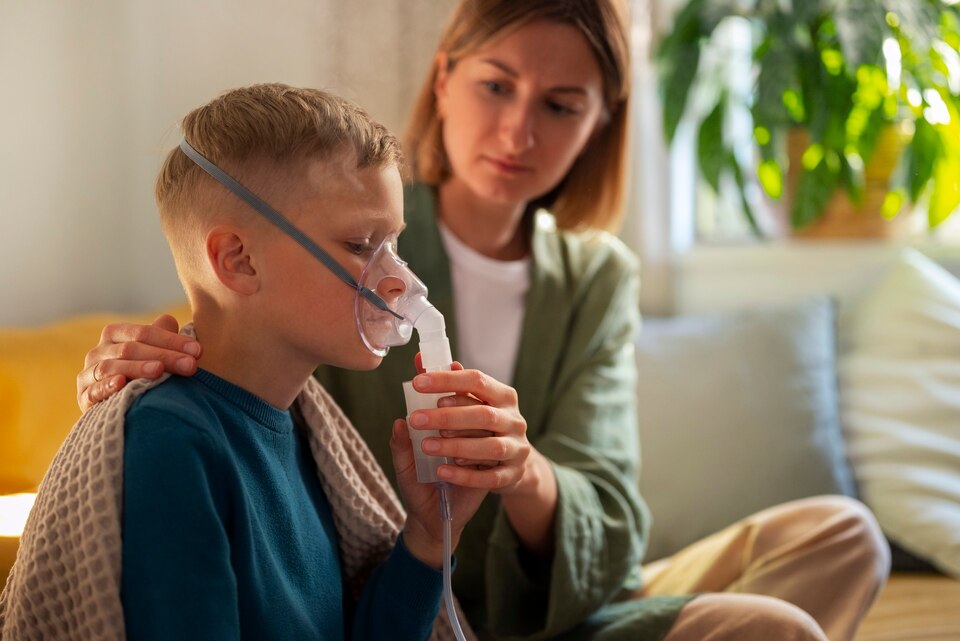
    Childhood asthma is a common chronic respiratory condition that affects millions of children worldwide. Effective management and treatment of childhood asthma are essential to ensure that young ones can lead active, healthy lives.

    1. Medications

    • Quick-Relief Medications: Short-acting bronchodilators, such as albuterol, are often prescribed to provide immediate relief during asthma attacks or when symptoms worsen suddenly.
    • Long-Term Control Medications: Inhaled corticosteroids, leukotriene modifiers, and long-acting bronchodilators are commonly used to reduce airway inflammation and prevent asthma symptoms from occurring in the first place.
    • Combination Inhalers: Some medications combine both bronchodilators and corticosteroids to provide comprehensive asthma control, which can be particularly useful in children with moderate to severe asthma.

    If asthma symptoms are accompanied by a wet cough or mucus build-up, supportive syrups like Ascoril LS Syrup/Relent Plus Syrup may be recommended to loosen phlegm and improve breathing comfort.

    > Consult a doctor and Order Medicine Online

    2. Allergen Management

    Identifying and avoiding allergens that trigger asthma in children is crucial. Common allergens include dust mites, pollen, pet dander, mould, and tobacco smoke. Parents should take steps to minimize exposure to these triggers, such as using allergen-proof bedding and maintaining a smoke-free environment.

    3. Lifestyle and Environmental Adjustments

    • Encouraging Physical Activity: Physical activity is important for children’s overall health. Parents should work with healthcare providers to create an exercise plan that accommodates the child’s asthma and ensure they have a rescue inhaler available during activities.
    • Healthy Diet: Proper nutrition supports lung development and immune function. A well-balanced diet can help children with asthma stay healthier.
    • Managing Stress: While it may not be as pronounced in children as in adults, stress can still affect asthma symptoms. Creating a calm and supportive environment can help reduce stress for children with asthma.

    4. Asthma Action Plan

    Parents, caregivers, and schools should work together to create a personalized asthma action plan for each child with asthma. This plan outlines medication usage, asthma triggers, and steps to take in case of an asthma attack. It is crucial that teachers and school staff are aware of these plans to provide appropriate support.

    5. Regular Monitoring and Check-ups

    Parents should monitor their child’s lung function using peak flow meters or other tools recommended by their healthcare provider. Regular check-ups with the paediatrician or asthma specialist are essential to assess asthma control and make necessary treatment adjustments.

    6. Education and Support

    Providing children with age-appropriate information about their asthma and how to manage it empowers them to take an active role in their treatment.

    Support groups and resources are available to help parents and children better understand asthma and connect with others facing similar challenges.

    Childhood asthma treatment is a collaborative effort involving parents, caregivers, healthcare providers, and schools. By following a comprehensive treatment plan that includes medication management, allergen control, lifestyle adjustments, and regular monitoring, children with asthma can thrive and enjoy a healthy, active childhood. It’s essential for parents and caregivers to be well-informed about childhood asthma and work closely with healthcare professionals to provide the best care for their young ones’ growing lungs.

    childhood asthma treatment

    Conclusion:

    Bronchial asthma treatment is a multifaceted approach that combines medications, allergen management, lifestyle adjustments, and regular monitoring. By working closely with healthcare providers and following a personalized asthma action plan, individuals with bronchial asthma can effectively manage their condition, reduce symptoms, and enjoy an improved quality of life. It is essential to stay informed about the latest developments in asthma treatment to ensure the best possible care for this chronic respiratory condition.

    FAQs On Asthma Treatment

    Q.1 What is Asthma Treatment?

    Asthma treatment refers to the medical interventions and strategies used to manage and alleviate the symptoms of asthma, a chronic respiratory condition characterized by inflammation and narrowing of the airways. The primary goals of asthma treatment are to control symptoms, prevent asthma attacks, improve lung function, and enable individuals with asthma to lead a normal, active life.

    Q2. Can asthma be cured with treatment, or is it a lifelong condition?

    Asthma is a chronic condition, which means it is typically not curable. However, with proper treatment and management, most individuals with asthma can lead normal, symptom-free lives. Treatment aims to control symptoms, prevent asthma attacks, and improve lung function, allowing individuals to live without significant limitations.

    Q3. What lifestyle changes can complement asthma treatment?

    Lifestyle adjustments play a crucial role in asthma management. Some recommended changes include avoiding known asthma triggers (e.g., allergens like pollen, dust mites, and pet dander), quitting smoking, maintaining a healthy diet, engaging in regular physical activity (with appropriate precautions), and managing stress. These changes can help reduce the frequency and severity of asthma symptoms and improve overall lung health.

    Related Links:

  • Migraine Treatment – Ayurveda and Home Remedies, Headache Symptoms

    Migraine Treatment – Ayurveda and Home Remedies, Headache Symptoms

    migraine treatmentMigraine Treatment – Migraine is a neurological disorder characterized by intense, throbbing headaches, often accompanied by other symptoms such as nausea, vomiting, and sensitivity to light and sound. These debilitating headaches can last for hours or even days, significantly affecting a person’s quality of life.

    If you or someone you know suffers from migraines, you understand the debilitating pain, sensitivity to light and sound, and often, the need to retreat to a quiet, dark room until the storm passes.

    Fortunately, there are various migraine treatment options available that can help alleviate symptoms and improve the overall quality of life for migraine sufferers.

    Symptoms of Migraine

    Migraine symptoms can be different for each person, but some common indicators include:

    1. Intense Headache

    The hallmark of a migraine is a severe, pulsating headache that typically affects one side of the head. This pain can be so intense that it interferes with daily activities.

    2. Aura

    Some individuals experience an “aura” before the headache sets in. Auras are visual disturbances, such as flashing lights or zigzag lines, and can serve as a warning sign that a migraine is imminent.

    3. Nausea and Vomiting

    Many migraine sufferers experience nausea and may vomit during an attack, further adding to their discomfort.

    4. Sensory Sensitivity

    Sensitivity to light (photophobia) and sound (phonophobia) is common during a migraine episode. Even mild light or noise can exacerbate the pain.

    5. Tingling or Numbness

    Some individuals may experience tingling or numbness in their face, hands, or other parts of the body during a migraine attack.
    Read: What are Generic Medicines?

    What triggers the Migraine Headache?

    Migraines can be triggered by different factors, and these triggers can differ from person to person. Common migraine triggers include:

    1. Hormonal Changes.
    2. Certain Foods.
    3. Stress.
    4. Environmental Factors such as bright lights, loud noises, and strong odors.
    5. Irregular Sleep Patterns.

    Migraine Headache Treatment

    Migraines are believed to result from complex interactions between genetic, environmental, and neurological factors. While there is no cure for migraines, various migraine treatment approaches can help manage and reduce their frequency and intensity.

    1. Lifestyle Modifications

    • Identify Triggers: Keep a migraine diary to track potential triggers, such as certain foods, stress, hormonal changes, or sleep patterns. Identifying triggers can be helpful to avoid or manage them effectively.
    • Dietary Changes: Some people find relief by making dietary changes, such as avoiding specific foods known to trigger migraines, like caffeine, alcohol, artificial sweeteners, and aged cheeses.
    • Regular Sleep Patterns: Ensure you get enough sleep and maintain a regular sleep schedule. Both sleep poverty and excessive sleep can trigger migraines.
    • Stress Management: Stress is a common migraine trigger. Practice stress-reduction techniques for example deep breathing, meditation, yoga, or mindfulness.

    2. Over-the-counter (OTC) Medications

    Over-the-counter medications can be effective for mild to moderate migraines headaches:

    • Pain Relievers: Non-prescription pain relievers like ibuprofen, naproxen sodium, or aspirin can help relieve pain if taken early in the migraine attack.
    • Combination Medications: Some OTC medications combine pain relievers with caffeine, which can enhance their effectiveness in treating migraines.

    For those dealing with recurring headaches and mild body aches, Rumanil Tablets and Ibugesic plus suspension are often recommended as a gentle anti-inflammatory option.

    3. Prescription Medications

    When OTC medications are ineffective or if migraines are severe, prescription medications may be necessary. These include:

    • Triptans: Triptans are a class of medications designed to relieve migraine symptoms by constricting blood vessels and reducing inflammation in the brain.
    • Preventive Medications: If migraines are frequent or severe, your doctor may recommend preventive medications such as beta-blockers, anticonvulsants, or antidepressants. These medications aim to minimize the frequency and severity of migraines.
    • Botox Injections: Botox injections have been approved for the prevention of chronic migraines. They are administered approximately every 12 weeks and can reduce the frequency of migraines.
    • CGRP Monoclonal Antibodies: Calcitonin gene-related peptide (CGRP) monoclonal antibodies are a newer class of drugs specifically designed for migraine prevention. They target CGRP, a protein implicated in migraine attacks.

    > Consult a doctor and Order Medicine Online

    best migraine treatmentMigraine Alternative Therapies

    Some individuals find relief from migraine headaches through alternative therapies, although results can vary:

    • Acupuncture: Acupuncture involves the insertion of thin needles into specific points of the body to promote pain relief and relaxation.
    • Biofeedback: Biofeedback teaches individuals to control physiological responses like muscle tension and heart rate, which can help reduce migraine frequency and intensity.
    • Herbal Remedies: Certain herbs, such as butterbur and feverfew, have shown promise in reducing migraine frequency and severity. However, before using any herbal remedies, consult with a healthcare professional.


    Migraine Treatment at Home

    Not everyone wants to rely solely on medication to manage their symptoms. Home remedies can complement medical treatments or be used as a first-line approach for those with milder migraine attacks. A range of home remedies for migraine headache treatment are discussed below.

    1. Hydration and Diet

    • Stay Hydrated: Ensure you’re drinking enough water throughout the day as dehydration can trigger migraines.
    • Regular Meals: Skipping meals can also lead to migraines. Maintain a consistent eating schedule and avoid long gaps between meals.
    • Dietary Changes: Some people find relief by identifying and avoiding trigger foods, such as caffeine, alcohol, chocolate, processed meats, and aged cheeses.

    2. Relaxation

    • Sleep Hygiene: Maintain a regular sleep schedule and create a calm, dark sleeping environment.
    • Relaxation Techniques: Practice relaxation methods like deep breathing, meditation, or progressive muscle relaxation to reduce stress, which is a common migraine trigger.

    3. Hot and Cold Therapy

    • Cold Compress: Applying a cold compress or ice pack to your forehead or the back of your neck can help numb the pain and reduce inflammation during a migraine attack.
    • Warm Compress: Some individuals find relief from tension-type headaches with a warm compress on their neck or shoulders.

    4. Aromatherapy

    • Essential Oils: Certain essential oils, such as lavender, peppermint, and eucalyptus, may provide migraine relief when inhaled or applied topically. Use a diffuser or diluted oil for massage.

    5. Ginger

    • Ginger Tea: Ginger has anti-inflammatory properties and can help alleviate nausea associated with migraines. Sip on ginger tea during an attack.

    6. Scalp and Neck Massage

    • Self-Massage: Gently massaging your scalp, neck, and shoulders can help relax tense muscles and ease migraine-related tension.

    7. Hydrotherapy

    • Hot Shower or Bath: Soaking in a warm bath or standing under a hot shower can promote relaxation and relieve tension.

    8. Dark and Quiet Environment

    • Create a Retreat: When a migraine hits, find a quiet, dark room to rest in. Sensory deprivation can help reduce sensitivity to light and sound.

    9. Mindful Breathing and Visualization

    • Deep Breathing: Practice slow, deep breathing exercises to calm your nervous system and reduce stress.
    • Visualization: Close your eyes and visualize a calm, soothing place to escape the pain and stress.

    migraine treatment at homeConclusion:

    Migraines are a complex and often debilitating condition, but with the right approach, they can be managed effectively. It’s crucial to work closely with a healthcare provider to develop a personalized migraine treatment plan tailored to your specific needs and triggers.

    Lifestyle modifications, OTC and prescription medications, and alternative therapies can all play a role in reducing the impact of migraines on your life. Remember that there is hope for migraine sufferers, and relief is possible with the right treatment plan.

    FAQs On Migraine Treatment

    1. Are there any lifestyle changes that can help manage migraines?

    Yes, lifestyle modifications can be an essential part of migraine management. Identifying and avoiding trigger factors, maintaining regular sleep patterns, managing stress through relaxation techniques, and staying hydrated are some lifestyle changes that can help reduce the frequency and severity of migraine attacks.

    2. What over-the-counter (OTC) medications are effective for treating migraines?

    Over-the-counter pain relievers like ibuprofen, naproxen sodium, and aspirin can be effective for mild to moderate migraine relief when taken early during an attack.

    3. What are the options for preventing migraines if they occur frequently?

    If migraines are frequent or severe, preventive medications may be recommended. These can include beta-blockers, anticonvulsants, or antidepressants. Additionally, there are newer treatments like Botox injections and CGRP monoclonal antibodies specifically designed for migraine prevention. Your healthcare provider will determine the most appropriate preventive strategy based on your individual needs.

    Related Links:

  • Kidney Stones Treatment – Laser, Ayurvedic Treatment, Side Effects and Home Remedies

    Kidney Stones Treatment – Laser, Ayurvedic Treatment, Side Effects and Home Remedies

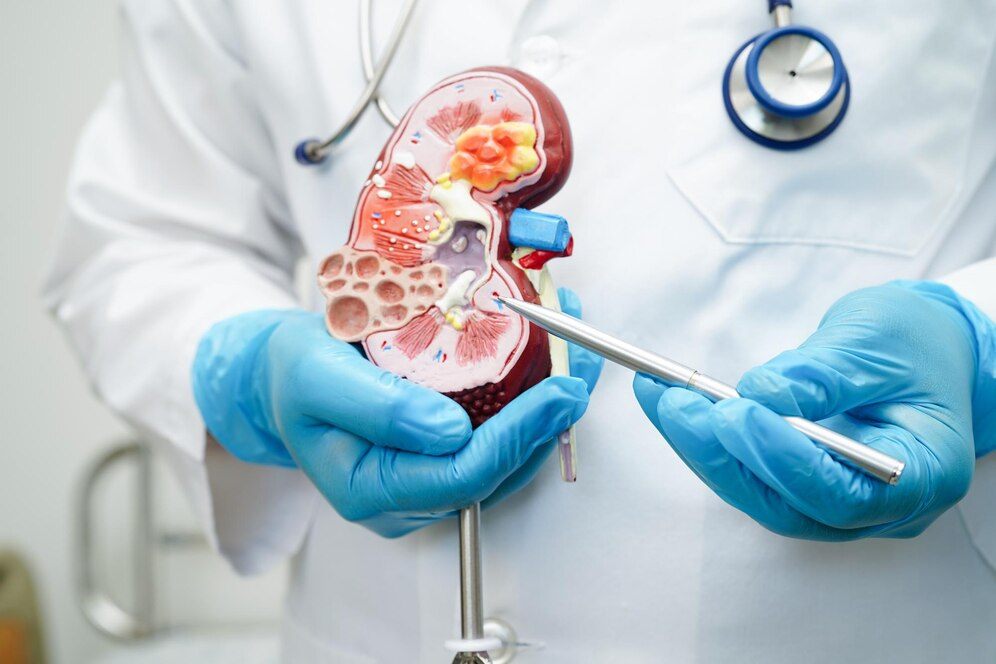
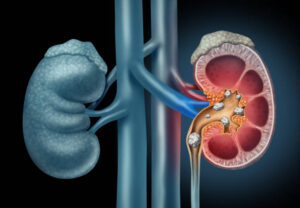
    Kidney Stones Treatment – Kidney stones, medically known as nephrolithiasis or renal calculi, are hard mineral and salt deposits that form in the kidneys or urinary tract. These small, crystalline structures can cause intense pain and discomfort when they obstruct the normal flow of urine.

    Kidney stones can be excruciatingly painful, and finding the right treatment is crucial for those who suffer from them.

    Kidney Stones Treatment

    Kidney Stones Treatment

    The choice of kidney stone treatment depends on factors such as the stone’s size, type, location, and overall health. Here are the primary treatment approaches:

    Watchful Waiting: This approach is often recommended for small kidney stones (less than 4mm) that are asymptomatic or cause only mild discomfort. Your doctor may advise increasing fluid intake and prescribing pain management medications. The goal is to allow the stone to pass naturally through the urinary tract.

    Conventional Kidney Stone Treatment

    When it comes to addressing kidney stones, conventional treatments are often the first line of defence. These methods include:

    Medications

    Medications can help manage pain and assist in the passage of smaller stones. Common medications include:

    Pain Relievers: Over-the-counter or prescription pain medications can provide relief during stone passage.

    Alpha-Blockers: These drugs relax the muscles in the ureter, making it easier for stones to pass.

    Thiazide Diuretics: If calcium oxalate stones are recurrent, your doctor may prescribe diuretics to reduce calcium levels in the urine.

    Extracorporeal Shock Wave Lithotripsy (ESWL)

    ESWL is a non-invasive procedure that uses shock waves to break large stones into smaller fragments, making them easier to pass through urine. It is typically suitable for stones located in the kidney or upper ureter.

    Ureteroscopy

    Ureteroscopy is a minimally invasive procedure in which a thin, flexible tube is passed through the urinary tract to reach the stone. Specialized tools are used to break the stone into smaller pieces, which can then be removed or allowed to pass naturally.

    Percutaneous Nephrolithotomy (PCNL)

    PCNL is a surgical procedure reserved for large stones or those that cannot be effectively treated with less invasive methods. It involves making a small incision in the back to access the kidney and remove or break down the stone.

    > Consult a doctor and Order Medicine Online

    Kidney Stone Laser Treatment

    A more advanced approach to kidney stone treatment involves laser technology. Laser treatment offers precise targeting and minimal invasiveness. Here’s how it works:

    Laser Lithotripsy: This procedure utilizes laser technology to precisely target and break kidney stones into smaller fragments. Laser lithotripsy is particularly effective for hard stones and can be performed through a ureteroscope.

    Kidney Stones Treatment

    Kidney Stone Laser Treatment Side Effects

    While kidney stone laser treatment is generally safe, it’s essential to be aware of potential side effects:

    Minimal Side Effects: Unlike some traditional methods, kidney stone laser treatment often results in fewer side effects, making it an attractive option for many patients.

    Temporary Discomfort: Some patients may experience mild discomfort or pain after the procedure.

    Bleeding: Minimal bleeding in the urine is possible but usually resolves within a few days.

    Infection Risk: As with any medical procedure, there is a slight risk of infection, but this is relatively rare.

    Shock Wave Lithotripsy (SWL): SWL is a variation of ESWL that uses fewer shock waves but over a more extended period. It can be a suitable option for certain patients.

    Read: What are Generic Medicines?

    Kidney Stone Ayurvedic Treatment

    In Ayurvedic terms, kidney stones are often associated with an imbalance in the “doshas,” which are the fundamental energies that govern an individual’s physical and mental well-being.

    Kidney stones are believed to result from an excess of certain doshas, particularly “Vata” and “Pitta,” along with the accumulation of toxins or “ama” in the body. These imbalances can lead to the formation of stones in the kidneys. Here are key aspects of kidney stone Ayurvedic treatment:

    1. Balancing the Doshas

    Ayurvedic practitioners work to balance the doshas, primarily Vata and Pitta, through dietary recommendations and lifestyle adjustments. These may include the incorporation of warm, nourishing foods and spices to calm Vata and cool Pitta.

    2. Hydration

    Proper hydration is emphasized in Ayurveda to help flush out toxins and prevent stone formation. Drinking warm water with lemon or herbal infusions is often recommended.

    3. Herbal Remedies

    Ayurvedic herbs play a significant role in kidney stone treatment. Some commonly used herbs include:

    Punarnava: Known for its diuretic properties, it helps in reducing swelling and inflammation.

    Gokshura: A natural tonic for the urinary system, it can help prevent stone formation.

    Varuna: It is believed to dissolve kidney stones and promote their elimination.

     4. Dietary Modifications

    Ayurvedic dietary guidelines emphasize the consumption of foods that are easy to digest and gentle on the kidneys. This includes incorporating fresh fruits, vegetables, and whole grains while avoiding excessive intake of animal proteins, spicy foods, and foods high in oxalates.

    5. Yoga and Meditation

    Yoga and meditation are considered integral to Ayurvedic kidney stone treatment. These practices help reduce stress, improve overall health, and support the balance of doshas.

    6. Panchakarma Therapy

    Panchakarma is a detoxification therapy in Ayurveda that may be recommended for individuals with kidney stones. This process involves various cleansing procedures to eliminate toxins from the body.

    Caution and Consultation

    While Ayurvedic kidney stone treatment can be effective and safe, it is essential to consult with a qualified Ayurvedic practitioner before beginning any treatment plan. They will assess your specific constitution (Prakriti) and the nature of your kidney stones to create a personalized treatment approach.

    Kidney Stone Treatment Without Surgery

    Surgery can be daunting, but there are non-surgical options to explore:

    High Fluid Intake: Drinking plenty of water can help flush out small kidney stones naturally.

    Prescription Medications: Your doctor may prescribe medications that encourage the passage of kidney stones without surgery.

    Kidney Stone Treatment at Home

    Taking care of your kidneys at home can complement medical treatments. Here’s how:

    Hydration: Maintain proper hydration by drinking water regularly throughout the day.

    Dietary Choices: Opt for a kidney-friendly diet, which includes foods low in oxalates and sodium.

    Kidney stones can be excruciatingly painful, making prompt and effective treatment essential. Fortunately, there are various kidney stone treatment options available, ranging from conservative measures to medical procedures.

    Conclusion:

    Dealing with kidney stones can be challenging, but with the right treatment approach, you can alleviate the pain and discomfort they bring. Whether you opt for a conventional method, Ayurveda, laser treatment, or home remedies, it’s essential to consult with a healthcare professional who can guide you toward the best solution for your specific situation.

    Remember that early intervention and lifestyle modifications can also play a significant role in preventing kidney stones from forming in the first place. For a healthier future, explore your options and take steps to protect your kidneys.

    FAQs on Kidney Stone Treatment

    Q1. What Are the Common Symptoms of Kidney Stones?

    Kidney stone symptoms can vary, but common signs include severe lower back or abdominal pain, pain radiating to the groin, frequent urination, blood in the urine (hematuria), nausea, and vomiting. If you undergo these symptoms, it’s essential to seek medical attention promptly.

    Q2. Is Surgery Always Necessary to Remove Kidney Stones?

    No, surgery is not always necessary. Many kidney stones can pass naturally with appropriate hydration and pain management. Medical treatments like extracorporeal shock wave lithotripsy (ESWL) and ureteroscopy can also be effective in breaking down and removing stones without surgery. The choice of treatment depends on factors such as stone size, location, and composition.

    Q3. How Can I Prevent Kidney Stones from Recurring?

    Preventing the recurrence of kidney stones involves making dietary and lifestyle changes. Some key steps include:

    • Drinking plenty of water to stay well-hydrated.
    • Reducing the intake of foods high in oxalates, sodium, and animal proteins.
    • Monitoring your calcium intake to ensure it’s within recommended limits.

    Following your healthcare provider’s recommendations, including any prescribed medications, to manage underlying conditions that contribute to stone formation.

  • What is IVF Treatment? IVF Treatment Process

    In-vitro fertilisation or IVF Treatment is a groundbreaking medical procedure that has transformed the lives of countless couples around the world. This revolutionary treatment offers hope and a pathway to parenthood for those facing infertility issues.

    In-vitro fertilisation, commonly known as IVF, is a medical procedure that assists couples in overcoming infertility issues. IVF affects the fertilization of an egg by sperm outside the body, in a laboratory environment. Once fertilized, the embryo is then transferred into the woman’s uterus, where it has the potential to develop into a healthy pregnancy.

    IVF Treatment Process

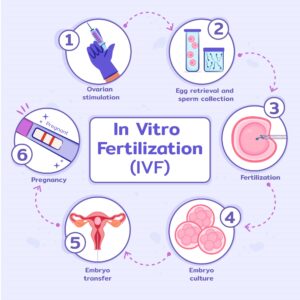
    In-vitro fertilisation (IVF) is a comprehensive and multi-stage fertility treatment that offers hope to individuals and couples struggling with infertility. It involves a series of meticulously coordinated steps to facilitate the creation of a viable embryo outside the human body and its subsequent transfer into the uterus for a chance at pregnancy. Here is a detailed overview of the IVF treatment process:

    Step 1: Ovulation Induction

    The IVF journey typically begins with the administration of hormonal medications to the woman undergoing treatment. These medications serve to stimulate her ovaries to produce multiple eggs, rather than the single egg that naturally matures during a menstrual cycle. The goal is to maximize the chances of obtaining multiple healthy eggs for fertilization.
    Read: What are Generic Medicines?

    Step 2: Egg Retrieval

    Once the ovarian follicles containing mature eggs are deemed ready, a minor surgical procedure known as egg retrieval is performed. This procedure is conducted under anaesthesia to ensure the patient’s comfort. Using a thin needle, the fertility specialist retrieves the mature eggs from the ovaries, one by one. The collected eggs are immediately placed in a special solution for preservation.

    Step 3: Sperm Collection

    Concurrently, a sperm sample is collected. This sample can come from the male partner or a chosen sperm donor. The collected sperm is then processed and prepared in the laboratory to ensure its optimal quality and readiness for fertilization.

    Step 4: Fertilization

    In the laboratory, the collected eggs and prepared sperm are brought together in a controlled environment. Fertilization typically occurs as the sperm naturally penetrates and fertilizes the egg. This process mirrors the initial stages of conception that normally take place within the female reproductive system, albeit in a more controlled setting.

    Step 5: Embryo Cultivation

    Following fertilization, the resulting embryos are cultured in a carefully monitored incubator. Here, they are provided with the ideal conditions for continued growth and development. The embryologists assess the embryos regularly to ensure they are progressing as expected.

    Step 6: Embryo Transfer

    Once one or more healthy embryos reach the appropriate stage of development, typically around three to five days after fertilization, it’s time for embryo transfer. This is a somewhat simple and painless process that does not require anaesthesia. Using a thin catheter, the fertility specialist carefully transfers the selected embryos into the woman’s uterus. The number of embryos transferred is determined based on factors such as the woman’s age and the embryo’s quality.

    Step 7: Pregnancy Test

    Approximately two weeks after the embryo transfer, a pregnancy test is performed to determine whether the IVF procedure was successful. A positive outcome indicates that implantation has happened, and the woman is pregnant. Further monitoring and care will be provided to ensure a healthy pregnancy.

    IVF Treatment

    IVF Journey

    It’s important to note that the IVF journey may vary from person to person, and not all cases progress exactly the same way. Some individuals may require additional steps or treatments, such as pre-implantation genetic testing or frozen embryo transfers. Additionally, the emotional and psychological aspects of IVF can be challenging, and support from healthcare professionals and loved ones is essential.

    The IVF treatment process is a carefully orchestrated series of steps designed to overcome infertility challenges and offer the possibility of parenthood to those who face difficulties conceiving naturally. With advancements in reproductive medicine, IVF continues to bring hope and joy to countless individuals and couples around the world.

    > Consult a doctor and Order Medicine Online

    How many injections are required for IVF treatment?

    The number of injections required during IVF treatment varies from person to person. On average, most women can expect to administer a series of hormone injections over several weeks to stimulate egg production. The exact dosage and duration will be determined by the fertility specialist based on individual circumstances.

    IVF treatment offers renewed hope to countless couples who yearn to experience the joys of parenthood. It’s a medical marvel that has brought happiness to many households across the globe.

    Who benefits from IVF treatment?

    IVF is a versatile treatment that can help various individuals and couples facing fertility challenges:

    • Couples with Unexplained Infertility: When no clear cause for infertility is identified, IVF can be a viable option.
    • Women with Blocked or Damaged Fallopian Tubes: IVF bypasses the need for the fallopian tubes, making it effective for women with tubal issues.
    • Male Infertility: IVF can assist couples where the male partner has low sperm count or motility issues.
    • Same-Sex Couples: IVF provides an avenue for same-sex couples to have biological children, with the help of donor sperm or eggs if needed.
    • Single Parents: Individuals who wish to become single parents can use IVF with donor sperm or eggs.
    • Genetic Disorders: IVF can be coupled with pre-implantation genetic testing to screen embryos for genetic disorders, reducing the risk of passing them on to the child.

    Conclusion:

    IVF treatment has opened up a world of possibilities for couples struggling with infertility. It offers a glimmer of hope and the chance to experience the joys of parenthood. If you are considering IVF treatment, consult with a fertility specialist to explore your options and embark on this remarkable journey toward building your family. Remember, the path to parenthood may have hurdles, but with IVF, those hurdles can be overcome.

    FAQs on IVF Treatment

    Q1. What is IVF Treatment?

    IVF (In-Vitro Fertilization) is a fertility treatment that involves combining an egg and sperm outside the body in a laboratory to facilitate conception and subsequent embryo transfer into the uterus for pregnancy.

    Q2. What is the success rate of IVF treatment?

    The success rate of IVF treatment can vary significantly based on several factors, including the woman’s age, overall health, and the specific circumstances of the case. On average, IVF success rates are higher for women under 35, with approximately 40% achieving a successful pregnancy. It’s essential to consult with a fertility specialist to assess individual chances of success.

    Q3. Are there any risks or side effects associated with IVF treatment?

    IVF does have some risks and potential side effects, like any medical procedure. These may include multiple pregnancies (e.g., twins or triplets), ovarian hyperstimulation syndrome (OHSS), and the possibility of the treatment not resulting in a successful pregnancy. It’s crucial to discuss potential risks and side effects with your healthcare provider and carefully consider them before proceeding with IVF treatment.

    Related Links:

  • Varicose Veins Treatment – Laser and Ayurveda Varicose Veins Treatment

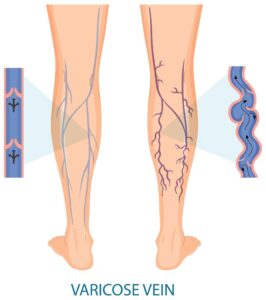
    Varicose veins are swollen, enlarged, and often twisted veins that typically occur in the legs. They develop when the valves within the veins fail to function properly, causing blood to flow backwards and pool in the veins. This pooling of blood leads to the veins becoming swollen and distorted, which results in the characteristic appearance of varicose veins.

    Varicose veins are a typical vascular condition that impacts millions of people worldwide. They are often characterized by twisted, enlarged veins, most commonly occurring in the legs. While they are generally not life-threatening, they can cause discomfort, pain, and cosmetic concerns for those who suffer from them. Fortunately, there are various treatment options available to manage varicose veins, including Ayurveda, laser therapy, home remedies, and homoeopathy.

    Varicose Veins Treatment in Ayurveda

    Ayurveda, a traditional system of medicine that originated in India, offers holistic approaches to treating varicose veins. Ayurvedic treatments focus on improving blood circulation, reducing inflammation, and strengthening the veins. Here are some key aspects of varicose veins treatment in Ayurveda:

    Herbal Remedies

    Ayurveda utilizes various herbal remedies known for their efficacy in treating varicose veins. Some commonly used herbs include:

    • Triphala: This herbal mixture of three fruits (amla, haritaki, and bibhitaki) is renowned for its ability to promote healthy circulation and strengthen blood vessels.
    • Gotu Kola (Centella asiatica): Gotu kola is known to enhance blood flow, reduce inflammation, and improve vein health. It’s often recommended for varicose veins.
    • Aloe Vera: Aloe vera gel is used topically to soothe and cool the affected area, providing relief from pain and itching.

    > Consult a doctor and Order Medicine Online

    Dietary Recommendations

    Ayurveda emphasizes the importance of a balanced diet in supporting overall vascular health. Some dietary tips include:

    • They are consuming foods rich in antioxidants, such as fresh fruits and vegetables, to reduce oxidative stress and inflammation.
    • We are reducing the intake of salty and spicy foods, which can contribute to water retention and aggravate varicose veins.

    Lifestyle Modifications

    Ayurveda encourages individuals with varicose veins to make specific lifestyle changes:

    • Yoga and Exercise: Yoga poses that involve elevating the legs, like Viparita Karani (Legs Up the Wall Pose), are beneficial. Gentle exercises can help improve blood flow and relieve symptoms.
    • Hydration: Drinking an adequate amount of water is crucial to maintain proper circulation and prevent dehydration, which can exacerbate varicose veins.

    Read: What are Generic Medicines?

    Ayurvedic Therapies

    Ayurvedic practitioners may recommend specific therapies like Panchakarma, which involves detoxification and purification processes to remove toxins from the body. These therapies aim to balance the doshas and promote overall health, which can indirectly benefit varicose veins.

    External Treatments

    Ayurvedic treatments may involve external applications such as herbal pastes, medicated oils, and poultices to relieve pain and reduce inflammation in the affected areas.

    It’s important to note that Ayurvedic treatments are typically individualized to suit each person’s unique constitution and symptoms. Therefore, consulting with a qualified Ayurvedic practitioner is crucial to receive personalized guidance and treatment plans.

    Varicose Veins Treatment

    Laser Treatment for Varicose Veins

    Laser therapy, also known as endovenous laser treatment (EVLT), is a minimally invasive medical procedure that has gained popularity for treating varicose veins. During this procedure, a laser fibre is inserted into the affected vein, and laser energy is used to heat and close the vein. Here are some key benefits of laser treatment for varicose veins:

    • Minimally Invasive: Laser therapy requires only a small incision, resulting in minimal scarring and a shorter recovery time compared to traditional surgery.
    • High Success Rate: Laser treatment has a high success rate in closing off problematic veins, relieving symptoms, and improving the appearance of varicose veins.
    • Outpatient Procedure: Most laser treatments for varicose veins are performed on an outpatient basis, allowing patients to return home the same day.

    Varicose Veins Treatment in Homeopathy

    Homoeopathy is another alternative treatment option for varicose veins. Homeopathic remedies are selected based on individual symptoms and characteristics, making it a personalized approach. Some generally used homoeopathic cures for varicose veins include:

    • Aesculus hippocastanum: This remedy is often recommended for varicose veins with dull, aching pain and a feeling of fullness in the legs.
    • Hamamelis virginiana: When varicose veins are associated with bleeding and bruising, Hamamelis is a common choice.
    • Pulsatilla: Pulsatilla may be prescribed when varicose veins are accompanied by itching and a burning sensation.

    Varicose Veins Home Treatment

    Home remedies can be used to manage varicose veins and alleviate symptoms. These methods are particularly helpful for those with mild cases or as complementary treatments alongside other medical interventions. Here are some effective varicose veins home treatments:

    • Compression Stockings: Wearing compression stockings can help improve blood circulation and reduce swelling in the legs.
    • Elevation: Elevating your legs whenever possible can reduce blood pooling in the veins and alleviate discomfort.
    • Regular Exercise: Engaging in low-impact exercises like walking and swimming can strengthen leg muscles and improve blood flow.
    • Dietary Changes: A diet rich in fibre, antioxidants, and flavonoids can support vascular health.

    Conclusion:

    Varicose veins can be a source of discomfort and cosmetic concern, but there are several treatment options available, ranging from Ayurveda and laser therapy to home remedies and homoeopathy. The right choice of treatment depends on the severity of your situation and your individual preferences.

    It’s important to consult with a healthcare professional to determine the most suitable treatment plan for you. Additionally, adopting a healthy lifestyle, including regular exercise and a balanced diet, can play a significant role in managing varicose veins and preventing their recurrence.

    FAQs On Varicose Veins Treatment

    Q1. What are the Varicose vein treatments, and how do I choose the right one for me?

    There are several treatment options for varicose veins, including lifestyle modifications, compression stockings, laser therapy, sclerotherapy, and surgery. The choice of treatment depends on factors such as the severity of your condition, your overall health, and your personal preferences. It’s crucial to consult with a healthcare professional who can assess your case and recommend the most suitable treatment plan.

    Q2. Is laser treatment for varicose veins painful, and what can I expect during the procedure?

    Laser treatment for varicose veins, also known as Endovenous Laser Treatment (EVLT), is generally well-tolerated and minimally painful. Local anaesthesia is used to numb the area around the affected vein, which helps reduce discomfort. During the procedure, you may feel sensations like heat or mild discomfort as the laser energy is applied, but it is typically well-managed. Most patients can return home the same day and resume normal activities shortly after the procedure.

    Q3. Are there any natural or alternative treatments for varicose veins, and do they work?

    Yes, there are natural and alternative treatments for varicose veins, including dietary changes, exercise, herbal remedies, and practices like Ayurveda and homoeopathy. While these approaches may offer relief for mild cases or complement medical treatments, their effectiveness can vary from person to person. It’s essential to consult with a qualified healthcare provider before pursuing alternative therapies to ensure they are safe and suitable for your specific condition.

    Related Links:

  • PCOS Treatment – Symptoms, Medication, Diet, PCOS Treatment for unmarried

    PCOS Treatment – Symptoms, Medication, Diet, PCOS Treatment for unmarried

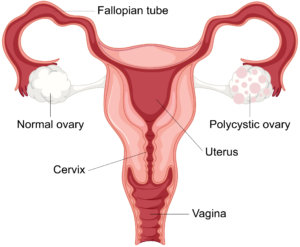
    PCOS Treatment Polycystic Ovary Syndrome (PCOS) is a complex hormonal disorder that affects millions of individuals, especially women of reproductive age. Managing PCOS requires a multifaceted approach that addresses various aspects of the condition. In this article, we delve into PCOS symptoms and treatment, including PCOS treatment for unmarried individuals, dietary strategies, and medication options. Let’s embark on a journey towards understanding and effectively managing PCOS.

    PCOS Treatment – Symptoms, Medication, Diet, PCOS Treatment for unmarried

    PCOS Symptoms

    PCOS often presents with a range of symptoms, which can vary in severity among individuals. Common signs of PCOS include irregular periods, excessive hair growth (hirsutism), acne, and weight gain. These symptoms can be distressing, but early recognition is crucial for effective management. Here are the symptoms of PCOS:

    • Irregular Menstrual Cycles: One of the hallmark symptoms of PCOS is irregular periods. This can include infrequent menstruation, heavy bleeding, or unpredictable cycles. These irregularities are often caused by hormonal imbalances.
    • Excessive Hair Growth (Hirsutism): PCOS can lead to hirsutism, a condition characterized by excessive hair growth in areas where men typically grow hair, such as the face, chest, and back. This occurs due to elevated levels of male hormones called androgens.
    • Acne and Oily Skin: Hormonal imbalances in PCOS can trigger acne and excessive oil production on the skin. Managing these skin issues often requires a combination of topical treatments and hormonal regulation.
    • Weight Gain and Difficulty Losing Weight: Many individuals with PCOS struggle with weight management. Insulin resistance, a common feature of PCOS, can make it challenging to lose weight, leading to obesity in some cases.
    • Fertility Problems: A leading cause of infertility in women is PCOS. Irregular ovulation or the absence of ovulation can make it difficult to conceive. However, fertility treatments are available to help those who wish to start a family.

    Approaches to PCOS Treatment

    The primary approaches to treatment for PCOS for unmarried are as follows:

    1. Lifestyle Modifications

    Lifestyle changes are often the first line of defence in managing PCOS. These include:

    • Regular Exercise: Engaging in physical activity improves insulin sensitivity, regulates hormones, and aids in weight management.
    • Dietary Changes: A balanced diet with an emphasis on whole grains, lean proteins, fruits, and vegetables can help control insulin levels and reduce symptoms.
    • Stress Management: Stress reduction techniques such as meditation, yoga, and deep breathing can help balance hormones and alleviate PCOS symptoms.

    Lifestyle Modifications in PCOS

    2. Hormonal Therapy

    For individuals with PCOS, hormonal therapy is frequently employed to regulate menstrual cycles and manage symptoms. Common treatments include:

    • Birth Control Pills: Oral contraceptives can regulate menstruation and reduce androgen levels, which helps control hirsutism and acne.
    • Anti-Androgen Medications: These medications block the effects of androgens and can help reduce hair growth and acne.

    3. Insulin-Sensitizing Medications

    In cases where there is insulin resistance, some medications like Metformin may be prescribed. These medications improve insulin sensitivity, helping to regulate blood sugar levels and reduce the risk of diabetes.

    4. Fertility Treatments

    For individuals struggling to conceive due to PCOS-related infertility, fertility treatments like ovulation induction and in vitro fertilization (IVF) may be recommended. These interventions increase the chances of successful pregnancy.

    > Consult a doctor and Order Medicine Online

    PCOS and Fertility

    It’s crucial to understand that PCOS affects each person differently. The symptoms can vary in type and severity, and what works for one individual may not be suitable for another. Therefore, PCOS treatment should be highly individualized and guided by a healthcare provider’s expertise.

    One of the significant concerns for unmarried individuals with PCOS is its impact on fertility. It can be challenging to conceive in irregular ovulation. Fortunately, various fertility treatments are available to help those who wish to start a family.

    PCOS Treatment

    PCOS Treatment for Unmarried Individuals

    • Lifestyle Modifications: Lifestyle changes play a pivotal role in managing PCOS, especially for unmarried individuals. Incorporating regular exercise, maintaining a balanced diet, and managing stress can help alleviate symptoms and improve overall well-being.
    • Support and Counseling: Dealing with PCOS can be emotionally taxing. Seeking support and counselling can provide invaluable assistance in coping with the condition, managing stress, and building resilience.

     Diet

    • Balanced Nutrition: A well-balanced diet is essential in PCOS management. Focus on whole grains, lean proteins, fruits, and vegetables. Avoid excessive consumption of processed foods and sugar, as they can exacerbate insulin resistance—a common feature of PCOS.
    • Importance of Hydration: Adequate hydration is often underestimated but is crucial in PCOS treatment. Water helps flush poisons from the body and sustains metabolic processes. Aim to drink at least eight glasses of water every day.

    Medication

    • Hormonal Therapy: Hormonal contraceptives are commonly prescribed to regulate menstrual cycles and manage symptoms like acne and hirsutism. Your healthcare provider will recommend the most suitable option based on your specific needs.
    • Insulin-Sensitizing Medications: For individuals with insulin resistance, medications like Metformin may be prescribed to improve insulin sensitivity and regulate blood sugar levels.

    PCOS Treatment

    PCOS Treatment at Home

    • Regular Exercise: Physical activity plays a vital role in controlling PCOS symptoms. Engaging in regular exercise helps improve insulin sensitivity, regulate hormones, and support weight management. Aim for at least 150 minutes of moderate to intensity exercise every week.
    • Stress Management: Stress can exacerbate PCOS symptoms. Practice stress-reduction techniques like mindfulness, meditation, or yoga to promote emotional well-being and hormonal balance.

    Read: What are Generic Medicines?

    Long-term Impact of PCOS

    • Risk of Complications: Untreated or poorly managed PCOS can lead to long-term health issues such as diabetes, cardiovascular disease, and endometrial cancer. Regular check-ups and adherence to treatment plans are essential to mitigate these risks.
    • Lifelong Management: PCOS is a lifelong condition, but with consistent management, individuals can lead healthy lives. It’s essential to stay informed, work closely with healthcare providers, and adapt your treatment plan as needed.

    Embracing a Positive Outlook

    • Self-Care and Self-Love: PCOS can challenge self-esteem, but remember that your worth is not defined by this condition. Engage in self-care activities that promote self-love and boost confidence.
    • Celebrating Small Victories: Every achievement in managing PCOS, no matter how small, deserves celebration. Recognize your efforts and progress along the way.

    The Future of PCOS Treatment

    • Ongoing Research: Advancements in medical research continue to shed light on PCOS. Stay informed about new treatment options and emerging therapies by consulting with your healthcare provider and keeping up with the latest developments in the field.
    • Advocacy and Awareness: As awareness of PCOS grows, advocacy efforts are gaining momentum. Support organizations and initiatives that aim to improve PCOS diagnosis, treatment, and public understanding.

    Conclusion

    PCOS is a complex condition that requires a multifaceted approach to treatment. By recognizing its symptoms, implementing lifestyle changes, considering medication options, and prioritizing mental and emotional well-being, individuals with PCOS can lead fulfilling lives. Remember that you are not alone in your PCOS journey, and seeking support from healthcare professionals, loved ones, and the PCOS community can make a significant difference.

    Embrace a positive outlook, stay informed, and never underestimate the power of self-care in managing PCOS effectively. The future holds promise for continued advancements in PCOS treatment, giving hope to those affected by this condition.

    FAQs on PCOS Treatment

    Q.1 What is PCOS treatment?

    PCOS treatment involves a multifaceted approach that includes lifestyle modifications like exercise and dietary changes to manage symptoms. Hormonal therapy, such as birth control pills and anti-androgen medications, can help regulate menstrual cycles and control hirsutism and acne. Doctors may prescribe insulin-sensitizing medications to treat insulin resistance, while fertility treatments can help those struggling with infertility due to PCOS.

    Q.2 Can PCOS be Cured?

    PCOS cannot be completely cured, but its symptoms can be effectively managed through lifestyle changes and medical interventions.

    Q.3 Is PCOS Treatment Effective for Everyone?

    The effectiveness of PCOS treatment can vary from person to person. It’s essential to work closely with a healthcare provider to find the right approach for your individual needs.

    Q.4 Can Unmarried Individuals with PCOS Have Children?

    Yes, with the appropriate medical interventions and fertility treatments, unmarried individuals with PCOS can conceive and have children.

    Related Links: