

Tag: omega 3 fish oil benefits

  • Omega-3 Capsules: Why Your Body (and Brain) May Need Them More Than You Think

    Omega-3 Capsules: Why Your Body (and Brain) May Need Them More Than You Think

    Introduction

    Nutrition does not consist only of vitamins and minerals–the healthy fats are also essential. These include omega-3 fatty acids, which are necessary for the health of the heart, the brain, and the whole body. They can be found naturally in foods, such as fish, flaxseed, and walnuts; however, most people find it difficult to get enough through foods alone. This is why omega-3 and fish oil supplements are beneficial. Omega-3s remain one of the most important nutrients and are best consumed as such: with omega-3, DHA, and EPA supplements, you can easily and consistently supplement with the nutrients you need to maintain a healthy body and keep your brain at its best.

    omega 3

    What are Omega-3 Fatty Acids?

    Omega-3s are a type of polyunsaturated fatty acids (PUFAs) characterized by their chemical structure. The three most important forms are:

    • Alpha-linolenic acid (ALA): Found in flaxseeds, walnuts, and soybean oil.
    • Eicosapentaenoic acid (EPA): Found in oily fish and fish oil supplements.
    • Docosahexaenoic acid (DHA): Found in fish and algae, especially vital for brain and eye health.

    The body can transform ALA into EPA and DHA, but at a rate of less than 15 percent. This is why the direct approach through fish or supplements has the best means of achieving your needs.

    Why Your Body Needs Omega-3, Essentially?

    Omega-3 is essential to sustaining general body health, as it plays a pivotal role in sustaining heart activity, as well as brain power.

    Cell structure: Omega-3s are components in cell membranes, especially those in the brain, the retina, and sperm, where they regulate cell-to-cell communication and functions.

    Eicosanoid production: The fatty acids also facilitate the production of eicosanoids–significant signaling molecules that coordinate essential activities such as blood pressure, immune responses, and inflammatory activity.

    Inflammation balance: DHA and EPA naturally compete with omega-6 fatty acids, shifting the balance back toward a reduced inflammatory state, which is advantageous for cardiovascular health and joint function.

    A lack of omega-3s has been associated with cardiovascular issues, poor cognitive function, eye problems, poor skin health, and impaired mood regulation. Adequate intake in regular portions by diet or fish oil capsules maintains the body and the brain with optimum functionality.

    Omega-3 in Diet vs. Supplements

    Food sources of omega-3s include:

    • Plant oils: flax and chia seeds, canola oil (ALA).
    • Fatty fish: salmon, mackerel, sardines (high content of EPA and DHA).
    • Fortified foods: A limited amount of eggs and dairy products.

    Supplemental sources include:

    • Fish oil supplements: Contain both EPA and DHA, which have been widely researched in areas of heart and brain health.
    • Algal oil capsules: These supplementary capsules are an option, especially for vegan people, and they provide direct DHA.

    Omega-3 supplements are a simple and consistent method of ensuring that they have sufficient amounts of these substances.

    Benefits of Omega-3 Capsules

    The benefits of taking omega-3 supplements regularly include: Heart: Reducing the risk of cardiovascular diseases, lowering triglycerides, and promoting normal circulation.

    • Brain Support: DHA supports concentration, memory, and long-term brain health.
    • Eye Function: DHA prevents degeneration of the eye and is known to be the most important factor in eye health.
    • Joint Health: EPA relieves swelling and pain by reducing stiffness and improving joint mobility.
    • General Wellness: Boosts the immune system, fetal development, and skin hydration.

    Recommended Dose & Guidelines

    The National Academy of Medicine provides Adequate Intakes (AI) (agreement levels) of omega-3s:

    • Infant 012 months: 0.5g/day
    • Children of age 1 -8: 0.7-0.9 g/day
    • Boys between 9 and 13 years: 1.2 grams a day
    • Girls 9- to 13 years of age: 1.0 g daily
    • Aged 14-plus men: 1.6 g/daily
    • Females 14 years and above: 1.1 g/day

    The priorities of these regulations are ALA. The conversion to EPA and DHA is inefficient, so most experts recommend intake of EPA+DHA in the range 250 500 mg per day.

    Trends in Including Omega-3

    The demand for omega-3 supplements is increasing globally. Some of the tendencies are as follows:

    • Vegan substitutes: The use of algae oil capsules by plant-based consumers is growing in popularity.
    • Concentrated formulas: More EPA and DHA are included in each pill of high-strength fish oil supplements.
    • Individualized diet: People can monitor their fatty acid levels and adjust their consumption by using omega-3 index testing.
    • Foods fortified: For convenience, more foods, such as milk and eggs, are fortified with omega-3 fatty acids.

    Growing knowledge of the vital role omega-3 fatty acids play in long-term health is the cause of this shift.

    Conclusion

    Omega-3 fatty acids are essential for human health, from cell structure to heart protection. However, omega-3 supplements, such as fish and algae oil supplements, are helpful allies in preserving health because many diets lack enough amounts of this fatty acid. By incorporating them into your everyday routine, you can improve your brain health and general quality of life.

    FAQs

    Q1: Is it possible to obtain adequate omega-3 from plant-based diets?

    ALA is found in plant diets; however, it is not efficiently converted to EPA and DHA. For straight DHA, think about taking algal oil supplements if you don’t eat fish.

    Q2: What distinguishes flaxseed oil from fish oil supplements?

    Flaxseed oil solely contains ALA, whereas fish oil directly contains EPA and DHA. Both are good, but supplements with fish oil are better for heart and brain health.

    Q3: Can anyone safely take omega-3 supplements?

    Yes, as long as the correct dosage is followed. However, before beginning fish oil supplements, speak with your doctor if you are using blood thinners.
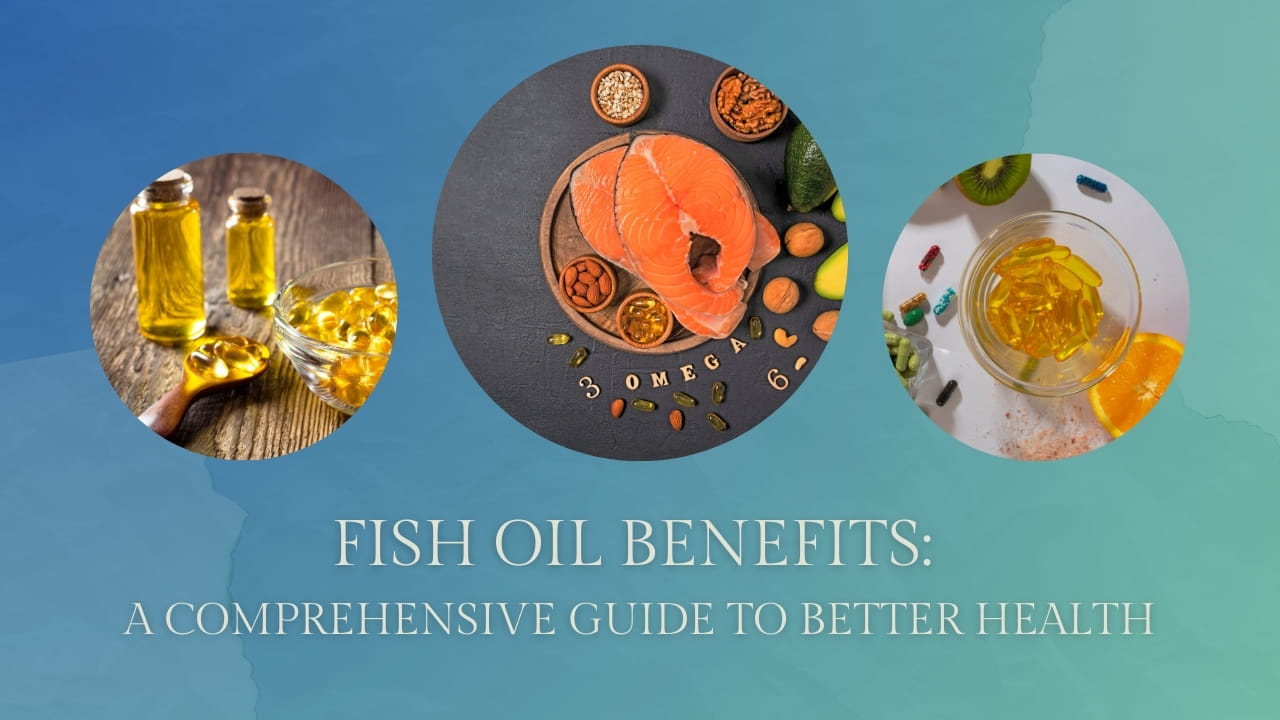
  • Fish Oil Benefits: A Comprehensive Guide to Better Health

    Fish Oil Benefits: A Comprehensive Guide to Better Health

    fish oil benefits

    Fish oil is a natural oil extracted from the tissues of fatty fish, such as salmon, mackerel, sardines, tuna, herring, and anchovies. This oil is rich in omega-3 fatty acids, a type of polyunsaturated fat essential for various bodily functions but cannot be synthesized by the human body. Due to its many health benefits, fish oil is a popular dietary supplement available in capsules, liquid form, and even added to certain fortified foods.

    What Makes Fish Oil Special?

    Fish oil is a rich source of omega-3 fatty acids, especially EPA and DHA. These are very important in heart health and brain function. Omega-3 also prevents inflammation in the body. These nutrients, which can be obtained through either dietary sources or fish oil supplements, have improved numerous health issues once taken.

    omega 3 fish oil benefits

    Benefits of Fish Oil

    1. Cardiovascular Health

    The most important fish oil benefits are associated with heart health. Omega-3 fatty acids in fish oil contribute to the following:

    • Triglycerides: High levels of triglycerides are linked with an increased risk of heart disease. Intake of fish oil can reduce these levels.
    • Blood Pressure: Fish oil helps dilate blood vessels, improving blood flow and reducing hypertension.
    • Preventing Arrhythmias: Omega-3s help in maintaining heart rhythms; thereby reducing the incidence of sudden cardiac events.
    • Inhibition of Plaque Formation: Fish oil prevents the accumulation of plaques within arteries and decreases the chances of developing atherosclerosis.

    2. Anti-Inflammatory Action

    Fish oil possesses high anti-inflammatory properties, which can benefit all the diseases linked to chronic inflammation. This includes:

    • Arthritis and Joint Pain: EPA and DHA alleviate stiffness, swelling, and pain in the joints, thus making fish oil an excellent supplement for patients suffering from rheumatoid arthritis or osteoarthritis.
    • Autoimmune Diseases: Lupus, psoriasis, and inflammatory bowel disease may respond well to fish oil’s ability to reduce inflammation.

    3. Brain and Mental Health

    Omega-3 fatty acids play a vital role in brain functions and mental health. Fish oil provides

    • Improved Brain Activity: DHA is an essential part of brain cells; it improves memory, concentration, and learning.
    • Decreased Neurodegenerative Diseases: Fish oil slows down the progression of Alzheimer’s and other forms of dementia.
    • Mood and Mental Well-being: The research shows that fish oil could help alleviate depression, anxiety, and bipolar disorders by controlling the neurotransmitter.

    4. Is Fish Oil Good for the Liver?

    Fish oil is good for liver health. It helps:

    • Decrease Liver Fat: Especially for people with NAFLD, fish oil reduces the amount of fat in the liver.
    • Enhance Liver Function: By reducing inflammation, fish oil improves the overall health and function of the liver.

    5. Eye Health

    DHA is a significant component of the retina and is essential for maintaining vision. Fish oil:

    • Reduces the risk of AMD.
    • Prevents dry eyes by enhancing tear production and eye lubrication.

    6. Weight Management

    This fish oil helps people lose and maintain weight through;

    • Enhanced Fat Breakdown: Omega-3 helps in breaking down reserve fat.
    • Appetite Regulation: Fish oil helps regulate hunger hormones that minimize cravings and over-eating.

    7. Immunity

    Fish oil helps boost the immune system by reducing inflammation and working on white blood cells. This gives the body an easy time dealing with infections and experiencing recovery from diseases.

    8. Bone and Joint Health

    Omega-3 improves bone density and reduces fractures by increasing the absorption of calcium. They also ease joint stiffness and pain; that’s why fish oil is great for people with arthritis.

    Benefits of Fish Oil to the Skin

    Fish oil, rich in omega-3 fatty acids such as eicosapentaenoic acid (EPA) and docosahexaenoic acid (DHA), is a powerhouse for improving skin health. Its ability to nourish, protect, and repair the skin makes it an essential component of any skincare routine. Whether consumed as a supplement or applied topically, fish oil benefits skin from the inside out.

    1. Deep Hydration for Dry Skin

    Fish oil is a natural moisturizer that works from within to keep the skin hydrated. Omega-3 fatty acids strengthen the skin’s barrier, reducing water loss and ensuring that the skin remains soft, supple, and well-moisturized. This is especially beneficial for individuals dealing with:

    • Chronic dryness or flaky skin.
    • Seasonal dryness during colder months.

    2. Soothes Inflammatory Skin Conditions

    Some of the significant advantages of fish oil for the skin relate to its properties as a potential anti-inflammatory compound, rich in EPA. So, if one suffers from inflammation, it means that the cause and effect will likely be fought out by the administration of fish oil, especially among patients suffering from:

    • Eczema: it calms itchiness, redness, and irritation of the skin.
    • Psoriasis: scaling and flare-ups that characterize this disease are decreased
    • Rosacea: This skin disorder also reduces inflammation due to its reduced redness and swelling.

    3. Fights Acne and Breakouts

    The anti-inflammatory properties of fish oil also prevent acne. Usually, acne results from inflamed pores and the overproduction of sebum, which clogs them. Omega-3s in fish oil work to:

    • Reduce inflammation in the sebaceous glands.
    • Regulate oil production, preventing clogged pores.
    • Speed up healing of the skin, avoiding long-term scarring from acne.

    4. Protects Against Premature Aging

    Aging skin often presents with loss of elasticity, fine lines, and wrinkles. Fish oil fights these lines of ageing in the following ways:

    • Collagen Production: Omega-3 helps improve the skin’s elasticity and firmness through the stimulation of collagen synthesis.
    • Neutralizing Free Radicals: Antioxidants found in fish oil protect the skin from oxidative stress induced by UV rays and pollution.
    • Improvement in Skin Texture: The regular application of fish oil makes the skin smoother and more evenly toned.

    5. Helps to Reverse Sun Damage

    UV radiation is one of the major causes of early skin ageing and damage. Fish oil protects the skin in the following ways:

    • Inhibiting UV-Induced Inflammation: EPA diminishes the detrimental effects of UV exposure, which include redness and swelling.
    • Repairing Damaged Skin Cells: Omega-3s improve faster healing and regeneration of the skin affected by sunburn or prolonged sun exposure.

    6. Gives the Skin an Overall Glowing Appearance

    Fish oil enhances blood circulation, ensuring that nutrients and oxygen reach the skin cells. This makes the skin glow naturally and gives it a radiant look. Omega-3s also enhance the ability of the skin to retain nutrients, making it healthier and more vibrant over time.

    Fish Oil Benefits for Hair

    If you want to have luscious locks, fish oil could be your new best friend. Fish oil benefits for hair include:
    Nourished Scalp
    Omega 3 fish oil benefits by enhancing blood flow to the scalp, and hair follicles get all the nutrients they require.

    Reduced Hair Fall

    Fish oil decreases inflammation, and thus, the hair follicles get less damage; hence, hair falls out less and becomes healthier.

    Improved Hair Texture

    Fish oil for hair growth enhances the shine and strength of hair, making it less prone to breakage. Regular intake ensures hair remains silky and manageable.

    Fish Oil Benefits for Men

    Fish oil offers numerous benefits for men, enhancing overall health and well-being. Rich in omega-3 fatty acids, it supports heart health by lowering triglycerides, reducing blood pressure, and preventing heart disease. For men’s reproductive health, omega-3s improve sperm quality, motility, and fertility. Fish oil also aids in muscle recovery by reducing inflammation, making it a valuable supplement for active men and athletes. Additionally, it promotes mental clarity and reduces stress, contributing to better focus and productivity. Regular intake can improve joint health, boost immunity, and even support prostate health, making fish oil an essential addition to men’s wellness routines.

    fish oil benefits for men

    Fish Oil Benefits for Women

    Fish oil offers numerous health benefits, specifically for women. Rich in omega-3 fatty acids, it supports hormonal balance, reducing symptoms of PMS and easing menopausal discomforts like hot flashes and mood swings. During pregnancy, fish oil promotes fetal brain and eye development while reducing the risk of preterm labor. It also improves bone health by enhancing calcium absorption, crucial for preventing osteoporosis in postmenopausal women. Additionally, fish oil nourishes skin and hair, providing hydration and promoting growth. Its anti-inflammatory properties support joint health and reduce the risk of chronic conditions like heart disease, making it an essential supplement for women’s well-being.

    Fish Oil Benefits for Women


    Selecting Good Fish Oil Supplements

    Quality counts in selecting a good fish oil supplement. Therefore, choose supplements that are:

    • Molecularly Distilled: Removes impurities and heavy metals
    • High in EPA and DHA: Ensure your supplement contains at least 500 mg of combined EPA and DHA per serving
    • Third-Party Tested: It should pass all the contaminants tests and standards.

    Conclusion

    From healthy glowing skin and hair to healthy liver and robust heart, omega-3 fish oil benefits cannot be denied. For a man seeking to fit himself up or for a woman to attain overall well-being, using fish oil supplements would make the world of a difference. Keep in mind that this only becomes a reality through daily consistency; think about it today and try adding fish oil to your daily health routine.

    FAQs on Fish Oil Benefits

    1. What are the main health benefits of fish oil?

    Fish oil is rich in omega-3 fatty acids, which support heart health, reduce inflammation, improve brain function, and promote healthy skin and hair. It also benefits mental health and boosts immunity, making it a versatile supplement for overall well-being.

    2. Can fish oil improve skin and hair health?

    Yes, fish oil deeply hydrates the skin, reduces inflammation, and promotes a radiant complexion. Fish oil benefits for hair include strengthening of strands, growth stimulation, nourishing of the scalp, reduction in dryness and hair loss.

    3. Are there any side effects of taking fish oil supplements?

    While fish oil is generally safe, excessive intake may cause digestive discomfort, fishy burps, or thinning blood. Always consult a healthcare professional before starting supplementation, especially if you are on medication.