Tag: type 2 diabetes

  • What is Diabetes? – Types of diabetes, Symptoms ,Treatment | Diabetes Guide

    What is Diabetes? – Types of diabetes, Symptoms ,Treatment | Diabetes Guide

    what is diabetes?

    What is diabetes mellitus?

    Diabetes mellitus, commonly referred to as diabetes, is a chronic disorder that affects the body’s ability to metabolise glucose. Glucose is a type of sugar that the body uses for energy.

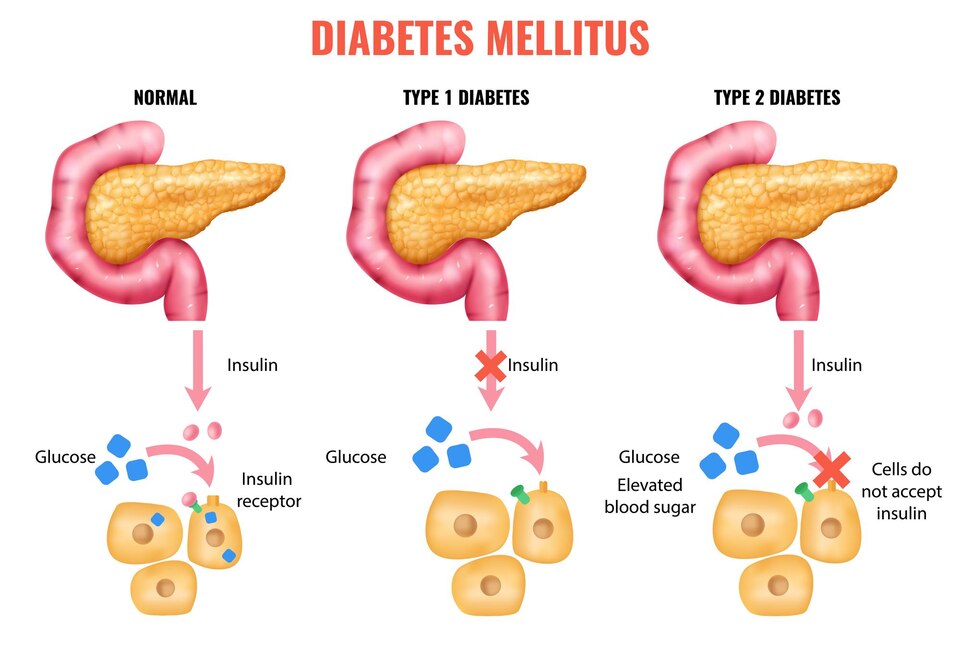
    Insulin, a hormone produced by the pancreas, helps the body use glucose for energy. People with diabetes either do not produce enough insulin or their bodies do not respond appropriately to insulin. As a result, glucose builds up in the blood, leading to serious health problems.

    The food you eat is digested by enzymes and converted into glucose. Insulin is required for glucose uptake by the cells, which in turn provides energy to your body. Lack of insulin or insulin resistance causes the blood sugar levels to rise, leading to hyperglycemia (high blood sugar).

    In the long run, untreated diabetes can lead to kidney failure, heart disease, and other ailments.

    ​5 rules Diabetic patients must follow – Diabetes care guide

    Types of diabetes

    There are three main types of diabetes: Type 1, Type 2, and gestational diabetes.

    1. Type 1 diabetes

    Type 1 diabetes, also known as juvenile diabetes, is an autoimmune disease that occurs when your body’s immune system attacks and destroys the cells that produce insulin in your pancreas. It usually develops in children and young adults, but can occur at any age. Type 1 diabetes accounts for only 5-10% of all diabetes cases.

    2. Type 2 diabetes

    Type 2 diabetes is the most common type of diabetes, accounting for 90-95% of all diabetes cases. It usually develops in people over the age of 40, but it can occur at any age. In Type 2 diabetes, your body becomes resistant to the effects of insulin, or your pancreas does not produce enough insulin to regulate your blood sugar levels.

    3. Gestational diabetes

    Gestational diabetes is a type of diabetes that occurs during pregnancy. It usually develops in the second or third trimester and goes away after delivery. However, women with gestational diabetes are at higher risk of developing Type 2 diabetes later in life.
    types of diabetesSymptoms of diabetes

    The symptoms of diabetes can vary depending on the type of diabetes and the severity of the condition. However, some common symptoms include the following:

    • Frequent urination
    • Increased thirst
    • Extreme hunger
    • Fatigue
    • Blurry vision
    • Slow-healing sores or cuts
    • Tingling or numbness in the hands or feet

    If you are experiencing any of these symptoms, it is essential to see a doctor immediately for a proper diagnosis.

    Diagnosing diabetes

    Diabetes can be diagnosed through a simple blood test that measures blood glucose levels. If your blood glucose level exceeds normal, your doctor may recommend further tests to confirm the diagnosis. If you are diagnosed with diabetes, your doctor will work with you to develop a treatment plan to manage your blood glucose levels and prevent complications.

    Reference range for Diabetes

    The normal fasting blood sugar level range is between 70 and 100 mg/dL.

    Fasting blood sugar levels of 100-125mg/dL indicate the onset of prediabetes. It means that your blood sugar levels are higher than the normal range. However, this level is not high enough to be diagnosed as type 2 diabetes

    A higher than 126mg/dL indicates a high blood sugar level. This can lead to several health problems, including diabetes.

    Treatment and management of diabetes

    There are several treatments available for diabetes, which include:

    1. Lifestyle changes:

    This includes making changes in your diet and exercising regularly. Eating a healthy and balanced diet with low amounts of sugar and carbohydrates can help manage blood sugar levels. Regular physical activity can also improve insulin sensitivity and lower blood sugar levels.

    2. Medications:

    There are various medications available for diabetes, including insulin, oral medications such as Sitamet 50/500mg Tablet/Empaone 25mg Tablet/Linares E Tablet, as well as injectable medications. These medications work by lowering blood sugar levels and helping the body use insulin more effectively.

    Managing diabetes often includes addressing related conditions such as high blood pressure. Medications like Prestel 40mg Tablet are commonly used to support heart and kidney health in diabetic patients with hypertension.

    3. Insulin therapy:

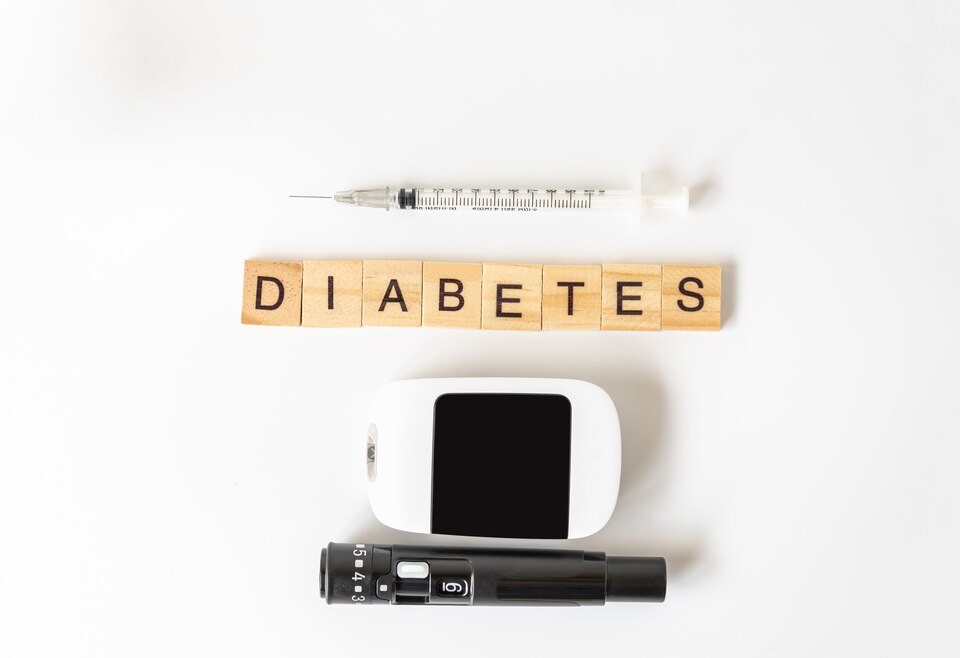
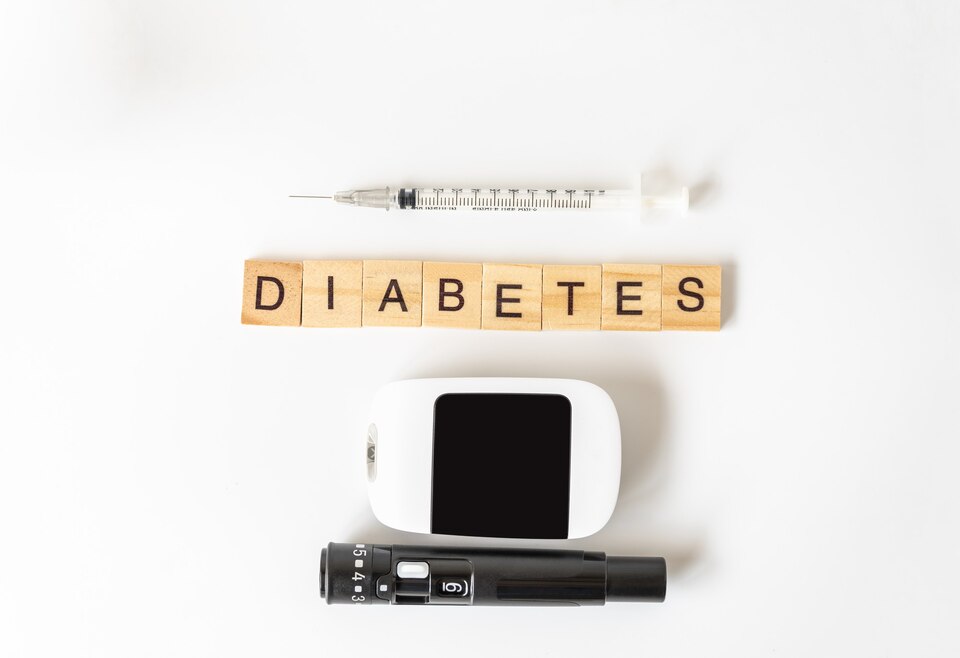
    Insulin therapy is a treatment option for people with type 1 diabetes or type 2 diabetes who require insulin to manage their blood sugar levels. Insulin is usually injected into the body, but there are also insulin pumps available that can deliver insulin continuously.

    4. Blood sugar monitoring:

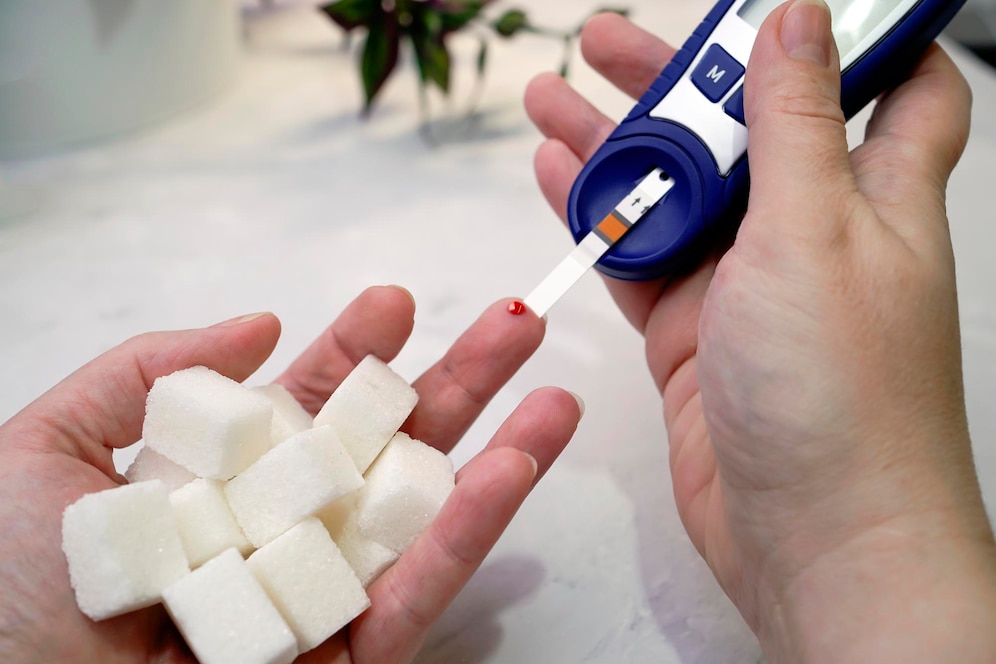
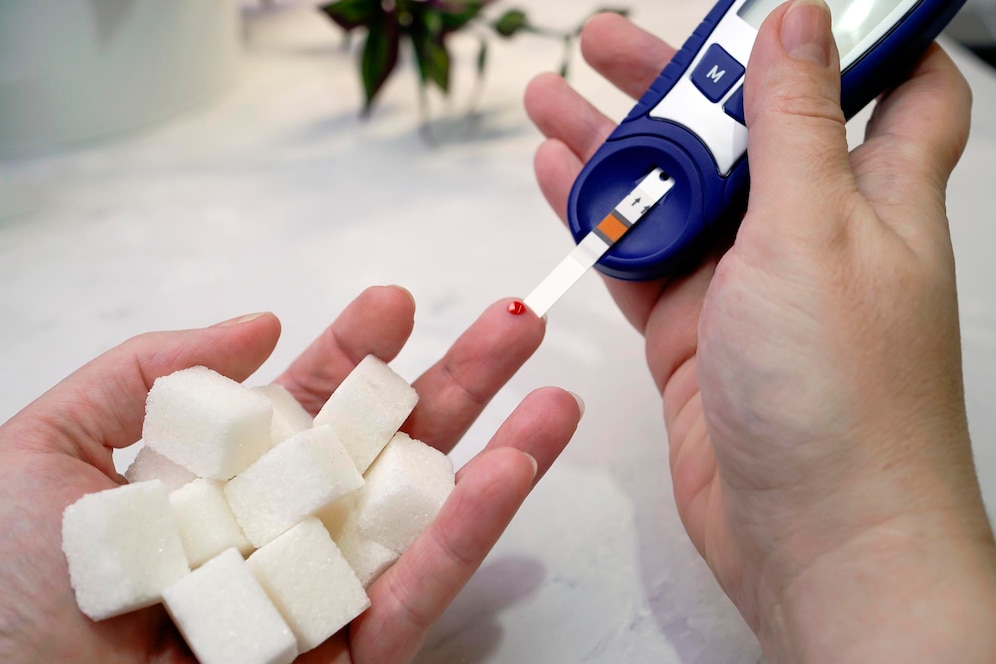
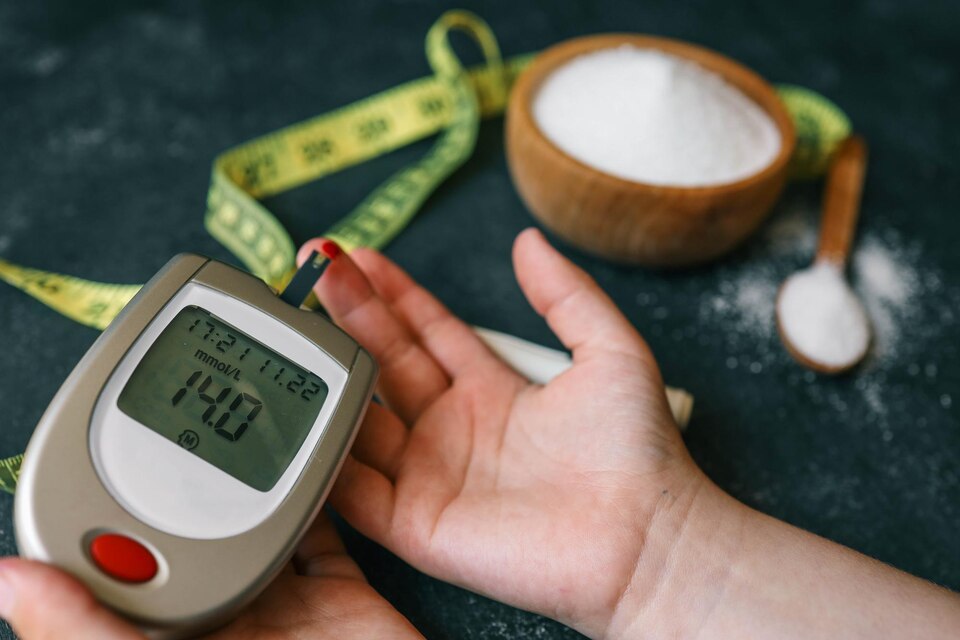
    Regular monitoring of blood sugar levels is essential in managing diabetes. Self-monitoring of blood glucose can help people with diabetes adjust their treatment plan to keep their blood sugar levels within a target range.

    5. Bariatric surgery:

    This is an option for individuals with obesity and type 2 diabetes who have not achieved good blood sugar control with other treatments. Bariatric surgery can lead to weight loss and improved blood sugar control.

    It is important to work closely with your healthcare provider to determine the best treatment plan for your individual needs.
    diabetes treatmentSumming up

    Do not let diabetes scare you. Making healthy lifestyle changes is one of the best ways to manage this disorder. So, aspire to achieve an overall healthy lifestyle. This will help drastically reduce the progression of diabetes and allow you to live your life to the fullest.

    If you have any doubts, consult a healthcare professional. A doctor will help you figure out the best treatment and medication options for you.

    Know more about your medicines at Medkart, an online pharmacy platform that makes buying medicines convenient and cost-effective. To place your orders, download the app today!

    FAQs Related to Diabetes

    1. Are fruits good for people with diabetes?

    Fruits are an essential part of a healthy diet. People with diabetes should choose fruits with a low glycemic index, such as apples, and control the portion size to stabilise their blood glucose levels.

    2. What foods should you avoid?

    People with diabetes should stay away from sugar-rich and processed foods. Also, avoid simple carbohydrates such as white flour, potatoes, and white rice.

    3. How to manage diabetes?

    One of the most effective ways to manage diabetes is through lifestyle changes. Eat nutritious, low glycemic index foods and have a consistent exercise regimen.
  • Are You at Risk for Diabetes? This Simple Test Can Tell

    Are You at Risk for Diabetes? This Simple Test Can Tell

     Risk for Diabetes

    Diabetes Risk

    Knowing whether you are at risk of diabetes helps you to take the necessary steps early on. You can make the required changes in your lifestyle, like eating healthy, losing weight, exercising etc., and prevent this illness and other risks like stroke, heart disease, kidney disorders or nerve damage. To confirm whether you are at risk, doctors recommend the HbA1c test.

    What is HbA1c?

    The HbA1c test shows your average blood sugar levels for the last 2-3 months. It is the main test used for diagnosing diabetes.

    Sugar enters your blood from the food you eat. Your cells use it for energy. But if your sugar levels increase in the blood when it is not used by your cells or when your body makes less insulin, they stick to the haemoglobin in your blood. When the blood sugar levels increase, more haemoglobin is attached to sugar. The HbA1c test measures these sugar-coated haemoglobin levels.

    How is this test done?

    It is a simple test where a blood sample is taken from your finger or arm. You do not need to fast for this test. It would help if you have got this test done by a registered practitioner.

    What do the test results say?

    The below table mentions the test result ranges and what they mean.

    HbA1c test result range Interpretation Significance

    Below 5.7% Normal It means your blood sugar is normal and you do not have any risk of developing diabetes

    5.7 to 6.4% Prediabetes This means that you have slightly high blood sugar levels and you are at risk of developing diabetes

    6.5% or more Diabetes This result means you have diabetes and you need to follow your doctor’s recommendations

    How often should this test be done?

    Based on your condition, the frequency of this test varies.

    Condition Frequency of test

    Prediabetes About once every year

    Type 2 diabetes with blood sugar levels in a healthy range and no requirement for insulin About two times a year

    Effective medicine for prediabetes & type 2 diabetes 👉 Sitamet 50/500 mg tablet/Empaone 25mg Tablet/Linares E Tablet.

    Type 1 diabetes 3-4 times every year

    In case of a change of medication or other treatment As required

    Who needs to take this test?

    There are conditions that put you at high risk of diabetes and require you to take this test

    at regular intervals. These conditions are:

    • A family (parents or siblings) history of type 2 diabetes

    • High blood pressure or high cholesterol

    • Obesity

    • Stroke or heart problems

    • Less physical activity, exercising less than three times a week

    • A history of gestational diabetes (diabetes at the time of pregnancy)

    • Polycystic ovarian syndrome

    • Sleep disorders

    • Hormonal conditions

    Conditions that affect the results of this test

    The HbA1c test could give false results in the case of the following:

    • Anaemia or other haemoglobin-related diseases

    • Few medicines like vitamins C and E supplements, pain killers like opioids etc.

    • Kidney disorders

    • Liver disorders

    • Pregnancy

    • High cholesterol levels

    • Loss of blood or transfusion

    Diabetes is a serious condition that could cause other complications like heart problems, kidney disorders or nervous disorders. It is necessary to know whether you are at risk of diabetes. A simple HbA1c test can help you and your healthcare provider to decide on your treatment plans and medications. Know more about your Medicines at Medkart, which is an online pharmacy platform that makes buying medicines convenient & cost-effective. To place your orders, download the app today!

    FAQs

    1. Is there a test that tells if you are at risk of having diabetes?

    Yes. HbA1c is a basic test that helps to determine if you are at risk of diabetes or if you have prediabetes or diabetes.

    2. Can I do HbA1c test at home?

    No. You need to get this test done with a registered medical practitioner.

    3. Does this test require fasting?

    No. The HbA1c test does not require you to fast, but if you are taking any other test along with it, you might need to fast. Please consult your doctor about this.

    4. When can you say your result is normal?

    If your HbA1c test results are below 5.7%, then your result is normal, and you are not at risk of having diabetes.

  • The Dos and dont’s of a Diabetic

    The Dos and dont’s of a Diabetic

    The Dos and dont's of a Diabetic

    Diabetes: why it matters

    Diabetes is a chronic disease that occurs when there is a high level of sugar in the blood. It can be caused by either too much sugar in the diet, or the body not producing enough insulin to properly metabolise the sugar. Over time, diabetes can lead to serious health complications like heart disease, stroke, kidney disease, and blindness.

    There are 537 million adults living with diabetes around the world. In India, there are 77 million people who have diabetes. So, let’s understand the dos and don’ts if you are a diabetic.

    Meal Timings

    DO understand the importance of meal timings

    For a diabetic, food timing is as important as the food they eat. Eating food at the right time boosts immunity, regulates sleep, aids digestion, and controls weight. Research suggests eating at regular intervals helps to maintain the blood sugar level. This helps avoid complications arising from diabetes.

    DON’T skip your meals

    Skipping meals tends to alter the balance between food intake and the production of insulin. This can lead to a dip in blood glucose levels, leading to conditions like hypoglycemia. Skipping meals also result in gastrointestinal side effects like nausea. Thus, this should be avoided at all costs if you are a diabetic.

    Lifestyle Habits

    DO exercise regularly

    Regular exercise improves blood sugar levels in those with type 2 diabetes. It promotes weight loss, which improves your overall well-being and keeps your blood glucose under control. It also reduces the chances of any cardiovascular complications as a result of uncontrolled sugar levels. Exercise boosts the body’s sensitivity to insulin, countering insulin resistance and other signs of diabetes.

    DON’T smoke and drink

    Smoking increases the chances of getting type 2 diabetes and its complications such as heart disease, eye disease, infections, stroke, and nerve damage. Alcohol can also interfere with your blood sugar levels.

    Parameters in control

    DO keep blood pressure under control

    Hypertension can damage your blood vessels, and when you team that up with uncontrolled diabetes, it can result in a heart attack or stroke. Switch to a healthy, low-fat, low-sodium diet. It can help control both your sugar levels and blood pressure. Checking your blood sugar levels daily also helps.

    DON’T miss regular check-ups

    Schedule regular diabetes checkups a year to ensure that your blood sugar levels are in control. Also, schedule yearly master health checkups and eye examinations. This helps you put the brakes on diabetes and its complications and get your health back on track.

    Pay Attention

    DO care for your eyes, teeth, and feet

    Diabetes may cause gum and foot infections as well as eye damage. Consult your dentist if your gums bleed or look red or swollen. Similarly, pay attention to your feet. High blood sugar can damage the nerves in your feet. If you notice any cuts or sores, speak to your doctor to prevent serious infections.

    DON’T lose sleep

    Lack of sleep can increase insulin resistance, which can in turn make it harder to control the blood sugar levels in a diabetic. If you have trouble sleeping, talk to your doctor about ways to improve your sleep habits.

    Meal choices

    DO develop healthy eating habits

    Get on a healthy-eating plan to control blood sugar, manage weight, and control heart disease and high blood pressure.

    Choose healthy carbohydrates, fibre-rich foods, and “good” fats. Stick to whole grains, legumes, low-fat milk and cheese, vegetables, nuts, and fruits, as these are some of the best foods for diabetes control. Salmon and mackerel must also be included on a diabetic food chart as these are rich sources of omega-3 fatty acids, which may prevent heart disease.

    DON’T eat unhealthily

    Avoid saturated fats such as those found in butter, beef, hot dogs, and palm oil; trans fats such as those found in processed snacks and baked goods; and foods with high sodium levels such as processed food.

    Conclusion

    Keeping your blood sugar levels under control can delay or prevent long-term, serious health problems, such as heart disease, kidney failure, and loss of vision. Diabetes is a lifelong condition. Although it cannot be cured, it can be managed with a positive attitude, a healthy diet, and regular exercise.

    Managing diabetes occasionally requires medical intervention. With the right lifestyle choices and safe medications, you can manage diabetes with ease. For the best generic medicines at competitive prices, visit the Medkart website today!

    FAQs

    1. What foods and drinks should I avoid if I have diabetes?

    Diabetics should avoid processed and fried foods and foods high in saturated fat, trans fat, and sodium. Also, avoid beverages with added sugars, such as soda, sweetened fruit juice, and sports, or energy drinks.

    2. What are the signs of diabetes?

    Frequent urination, increased thirst, unexplained weight loss, blurry vision, tingling in the hands or feet, fatigue, and dry skin are some of the signs of diabetes.

    3. Which breakfast is good for diabetics?

    Eggs, Greek yoghurt, oatmeal, whole grain toast, cottage cheese, fruits, and nuts make for a good nutritious breakfast in a diabetic food chart.

    4. What is the difference between diabetes mellitus and diabetes insipidus?

    Diabetes mellitus is a condition that occurs when the body does not regulate blood sugar levels. Diabetes insipidus occurs when the body cannot regulate fluids. The condition is caused by an imbalance of hormones and is not necessarily related to type 1 or 2 diabetes.

    5. Is potato good for diabetes?

    A diabetic can consume potatoes in moderation. Potatoes contain starch which takes a longer time to be broken down.