
Prescription Required


Authentic Product

India's Leading Generic Pharmacy

Secure Payment

By CADILA PHARMACEUTICALS PRIVATE LIMITED
MRP
₹
65.48
₹20
69.46 % OFF
₹2 Only /
Tablet
Check Delivery
--

Content Reviewed By:
Dr. Manoj Shah
, (MBBS)
Written By:
Ms. Priyanka Shah
, (B.Pharm)
Common side effects of Acenext P Tablet may include nausea, vomiting, stomach pain, heartburn, loss of appetite, and diarrhea. Some individuals might experience dizziness, drowsiness, headache, or skin rash. Less common but potentially serious side effects include liver damage, allergic reactions (such as swelling of the face, lips, or tongue; difficulty breathing), and gastrointestinal bleeding (indicated by black, tarry stools or vomiting blood). Long-term use of Acenext P may increase the risk of kidney problems or other complications. Consult your doctor immediately if you experience any severe or persistent side effects.

Gastrointestinal
Use with caution, especially in high-risk patientsAceclofenac, as an NSAID component of Acenext P, can increase the risk of gastrointestinal irritation, ulcers, and bleeding.
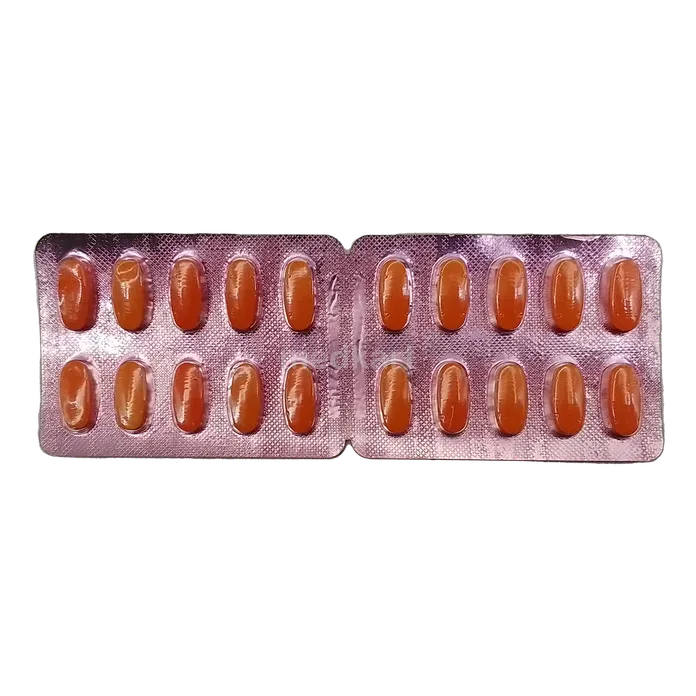
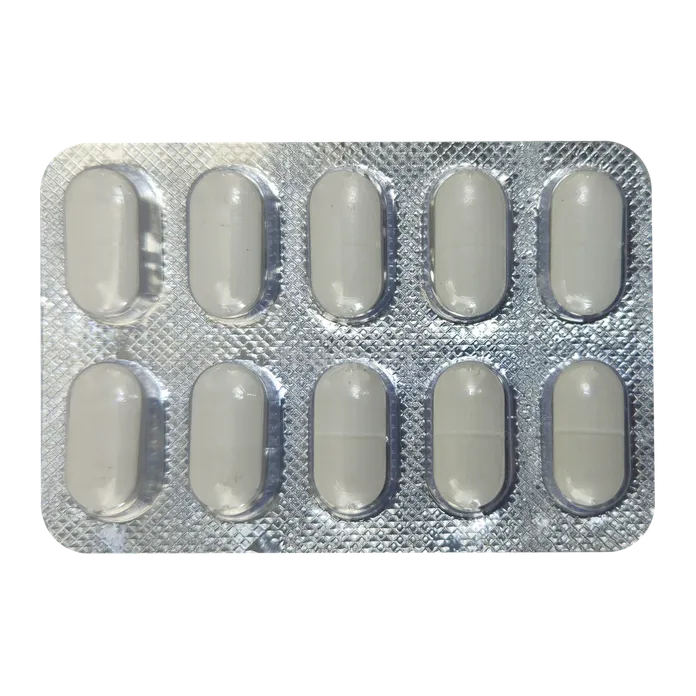
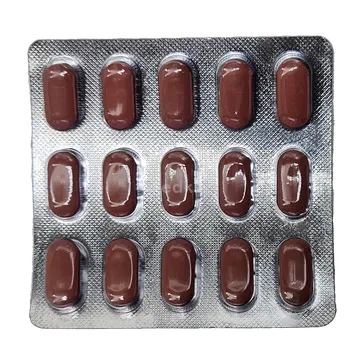
ACENEXT P Tablet is a pain reliever used to relieve fever, headache, toothache, body aches, and menstrual pain.
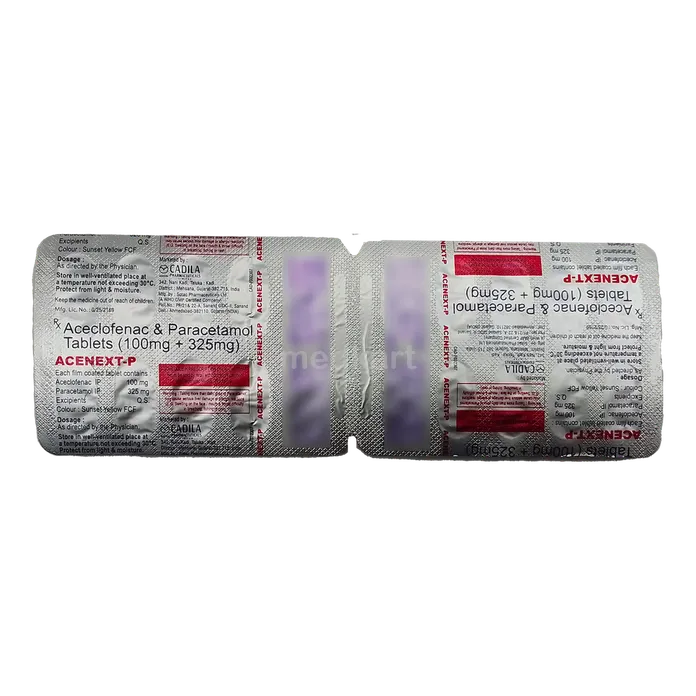
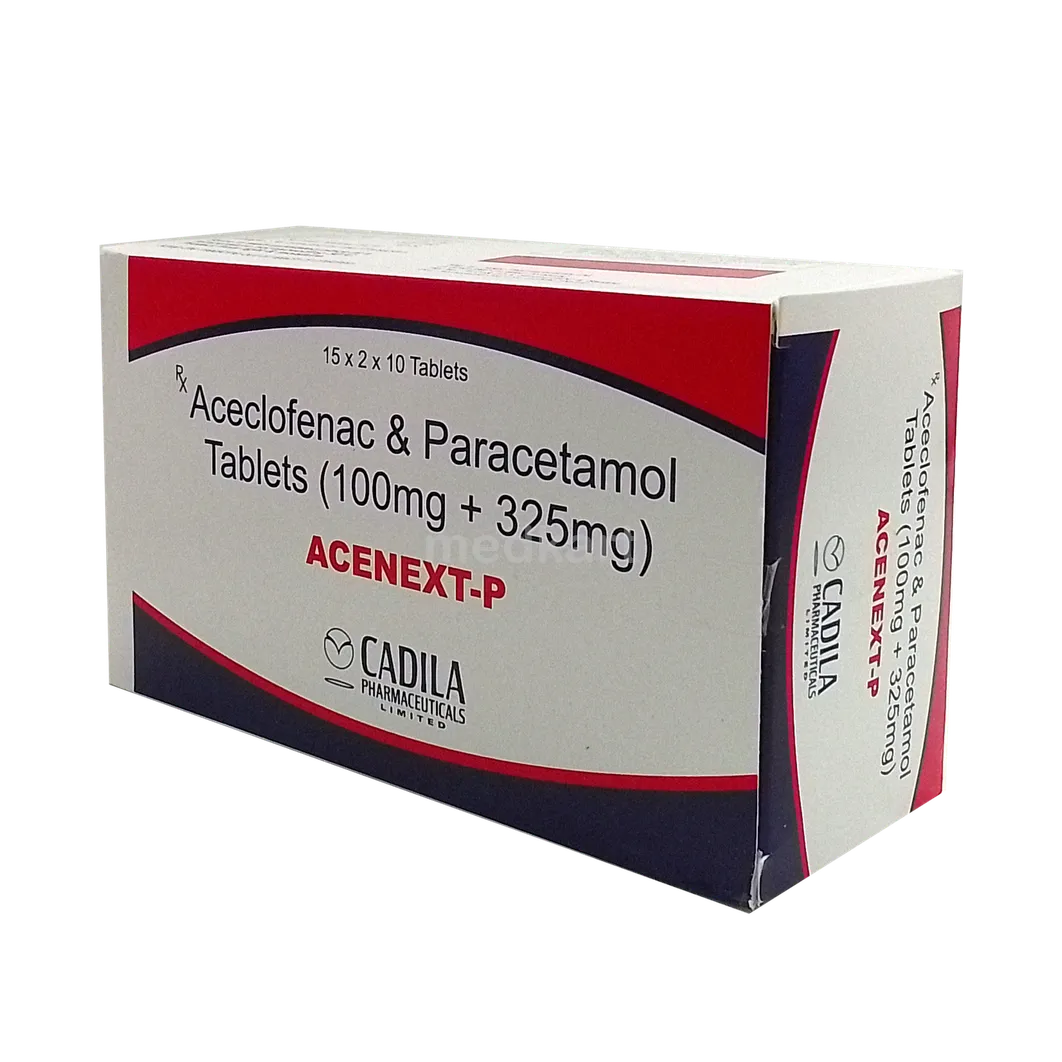
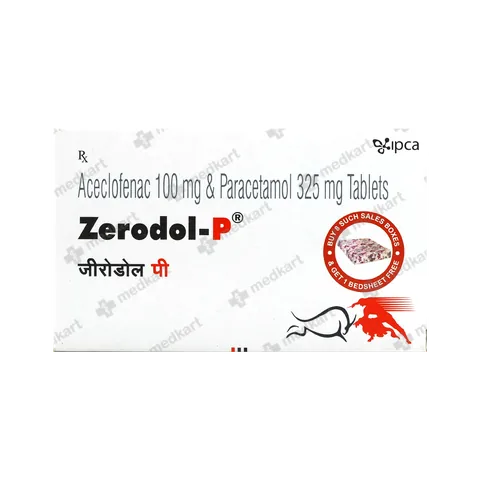
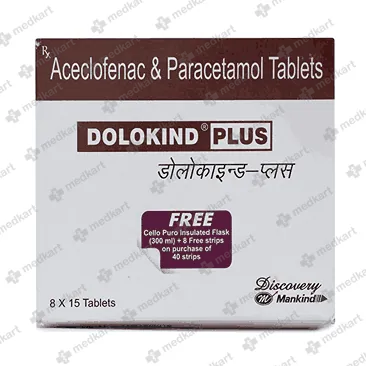
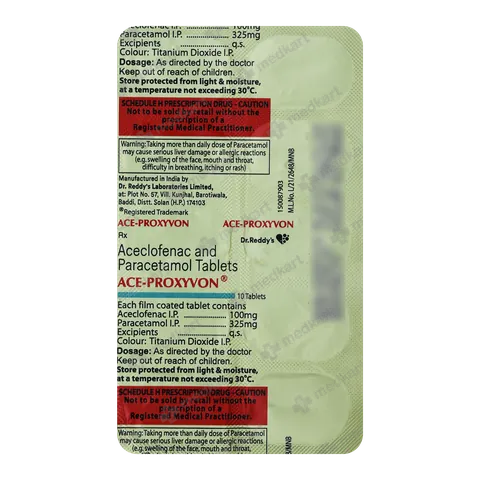
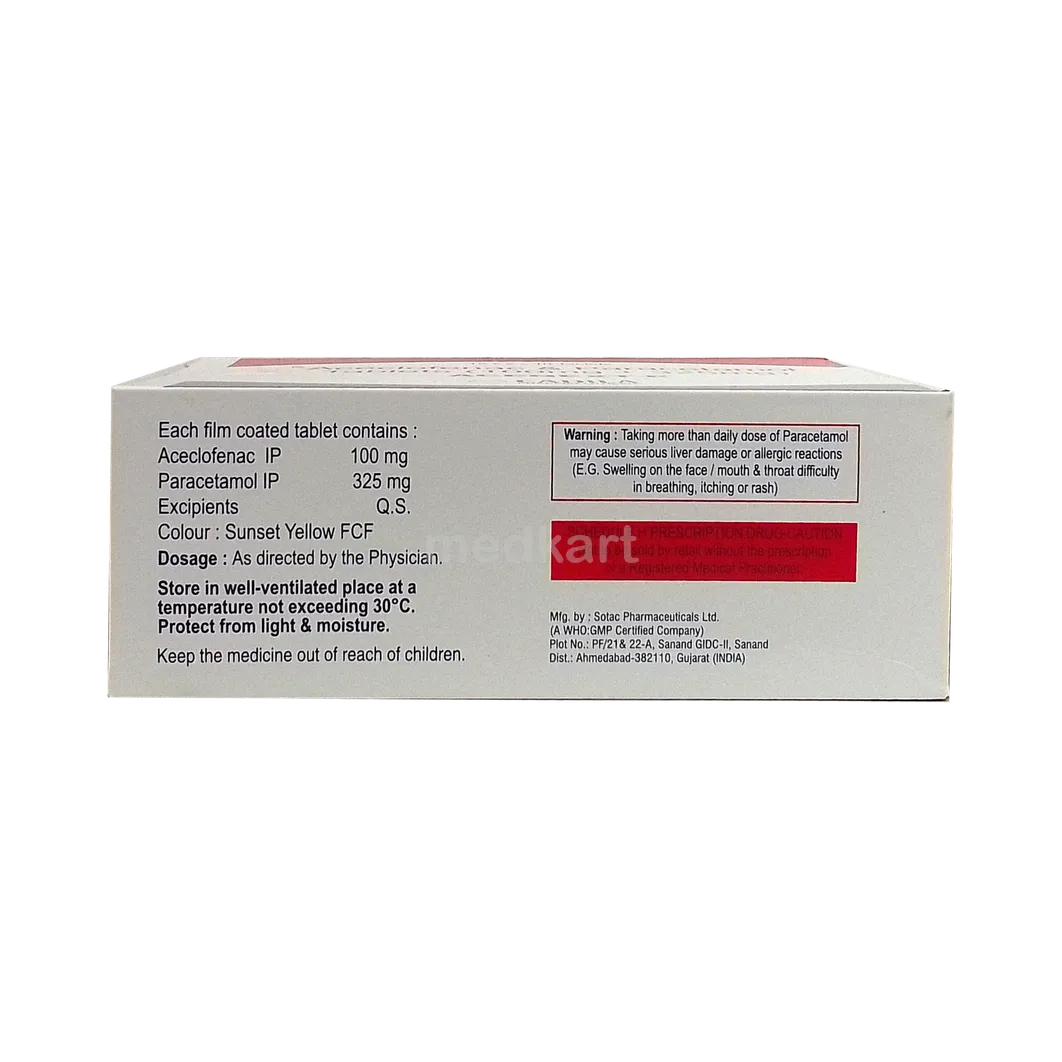
ACENEXT P Tablet contains Aceclofenac and Paracetamol.
Common side effects of ACENEXT P Tablet include nausea, vomiting, stomach pain, loss of appetite, and heartburn.
It is advisable to take ACENEXT P Tablet with or after food to avoid stomach upset.
The recommended dosage of ACENEXT P Tablet is usually one tablet twice a day as needed. Always consult your doctor for dosage instructions.
It is important to consult a doctor before using ACENEXT P Tablet during pregnancy.
ACENEXT P Tablet can interact with other medications, so it's important to inform your doctor about all your medications before starting any new medication.
Store ACENEXT P Tablet at room temperature, away from direct sunlight and moisture.
No, ACENEXT P Tablet is not an addictive drug and is not habit-forming.
Some people may experience drowsiness after taking ACENEXT P Tablet. Avoid driving or operating machinery if you feel dizzy or drowsy.
It is important to consult a doctor before giving ACENEXT P Tablet to children.
Symptoms of an ACENEXT P Tablet overdose may include nausea, vomiting, stomach pain, and in severe cases, liver damage.
If you miss a dose of ACENEXT P Tablet, take it as soon as you remember. However, if it is almost time for your next dose, skip the missed dose and continue with your regular dosing schedule.
ACENEXT P Tablet should not be taken for a long time unless directed by a doctor. Long-term use may increase the risk of side effects.
ACENEXT P Tablet contains the same active ingredients, Aceclofenac and Paracetamol, as other brands. However, the strength of the ingredients and other inactive ingredients may vary.
Acenext P is generally used for the short-term relief of pain and inflammation. Typical indications include musculoskeletal pain, joint pain due to osteoarthritis or rheumatoid arthritis, low back pain, sprains and strains, dental pain, and other painful inflammatory conditions as assessed by a doctor. It may also help reduce associated fever because it contains paracetamol. The exact indication for you should be determined by your prescribing clinician based on your symptoms and medical history.
Acenext P usually contains aceclofenac and paracetamol. Aceclofenac is a non-steroidal anti-inflammatory drug (NSAID) that inhibits cyclo-oxygenase (COX) enzymes, leading to reduced synthesis of prostaglandins, which are responsible for pain, inflammation, and swelling. Paracetamol acts mainly in the central nervous system to increase the pain threshold and reduce fever by influencing thermoregulatory centers in the brain. Together, these actions provide analgesic (pain-relieving) and antipyretic (fever-reducing) effects, with additional anti-inflammatory benefit from aceclofenac.
Acenext P is a prescription-only medicine in many regions because it contains an NSAID (aceclofenac) combined with paracetamol. It should not be used without medical supervision, especially in people with underlying liver, kidney, heart, or gastrointestinal conditions. Self-medication with such combinations can increase the risk of side effects, drug interactions, and unrecognized overdose of paracetamol. Always consult a registered medical practitioner before starting or continuing this medicine.
Acenext P is generally intended for short-term use at the lowest effective dose. Long-term or continuous use of aceclofenac-containing products can increase the risk of gastrointestinal bleeding or ulcers, kidney impairment, cardiovascular events, and other NSAID-related adverse effects. Prolonged or high-dose use of paracetamol can cause serious liver damage. If you require pain relief for more than a few days, or for chronic conditions such as arthritis, your doctor may reassess your treatment plan, monitor you periodically, and consider alternative or additional therapies.
Common side effects associated with aceclofenac and paracetamol combinations include nausea, vomiting, abdominal pain, indigestion, heartburn, diarrhea, constipation, dizziness, headache, and mild skin rash. Most of these are usually mild and transient. However, serious side effects can occur, such as gastrointestinal bleeding or ulcer (manifesting as black or bloody stools, vomiting blood), severe allergic reactions (swelling of face or throat, difficulty breathing, severe rash), liver injury (yellowing of skin or eyes, dark urine), or kidney problems (reduced urine output, swelling of legs). Seek immediate medical attention if you experience any alarming symptoms.
You should not take Acenext P together with other medicines that contain paracetamol or other NSAIDs (such as ibuprofen, diclofenac, naproxen, or high-dose aspirin) unless specifically advised by your doctor. Combining such products increases the risk of liver toxicity, kidney damage, and gastrointestinal bleeding. Many over-the-counter cold and flu preparations also contain paracetamol or NSAIDs, so labels should be checked carefully. Always inform your doctor and pharmacist about all prescription, over-the-counter, and herbal products you are using before starting Acenext P.
Use of aceclofenac-containing products, including Acenext P, is generally not recommended during pregnancy, particularly in the third trimester, because NSAIDs can affect the fetal cardiovascular system (for example, premature closure of the ductus arteriosus), reduce amniotic fluid, and increase the risk of complications during delivery. Paracetamol alone is often considered safer when used intermittently at recommended doses in pregnancy, but the combination with aceclofenac changes the risk profile. Pregnant women or those planning pregnancy should consult their obstetrician before using this medicine, and alternative options may be preferred.
Paracetamol passes into breast milk in small amounts and is generally considered compatible with breastfeeding at usual doses. However, aceclofenac, as an NSAID, may also pass into breast milk to some extent, and safety data in lactating women are limited. Therefore, the use of Acenext P during breastfeeding should be based on a careful risk–benefit assessment by a doctor. If it is prescribed, the lowest effective dose for the shortest possible duration should be used, and the infant should be monitored for any unusual symptoms such as irritability, feeding difficulties, or rash.
Both aceclofenac and paracetamol are metabolized or excreted through the liver and kidneys. In patients with pre-existing liver disease (such as hepatitis, cirrhosis, or heavy alcohol use) or kidney impairment, the risk of toxicity is higher. Such patients may require dose adjustment, closer monitoring, or selection of alternative therapies. They should never exceed the prescribed dose and should avoid alcohol. Symptoms such as fatigue, loss of appetite, dark urine, yellowing of the skin or eyes, reduced urine output, or swelling of the legs should be reported immediately to a healthcare professional.
If you miss a dose of Acenext P and it is almost time for your next scheduled dose, skip the missed dose and take the next one at the regular time. Do not double the dose to make up for a missed dose. If you accidentally take more than the prescribed amount, especially if multiple tablets are taken together or within a short period, seek medical attention immediately, even if you feel well. Paracetamol overdose can cause serious liver damage that may not show symptoms for several hours. Bring the medicine strip or container with you to the healthcare facility to assist in assessment and management.


Quick service, getting discounts on medicines on regular basis
Harshit Patel
•
Reviewed on 12-02-2024

(5/5)
Geniune medicines available at good discounts
Vaishali Parikh
•
Reviewed on 05-12-2022
(5/5)
Reliable and accessible pharmacy. Courteous and helpful people.
Jigar Jani
•
Reviewed on 29-08-2023
(5/5)
Great experience at medkart pharmacy, medicines are available at very affordable rate
Rajesh Nair
•
Reviewed on 17-01-2024
(5/5)
Good Service and Price
Pranit Parmar
•
Reviewed on 22-11-2022
(5/5)
CADILA PHARMACEUTICALS PRIVATE LIMITED
Country of Origin -
India
MRP
₹
65.48
₹20
69.46 % OFF
Quick Links

Medkart's sole intention is to ensure that its consumers get information that is expert-reviewed, accurate and trustworthy. However, the information contained herein should NOT be used as a substitute for the advice of a qualified physician. The information provided here is for informational purposes only. This may not cover everything about particular health conditions, medicines, generic alternatives, all possible side effects, drug interactions, warnings, alerts, lab tests, etc. Please consult your doctor and discuss all your queries related to any disease or medicine. We intend to support, not replace, the doctor-patient relationship.
10 Lakh+
Happy customers
35000+
Pin-codes Covered
75 Lakh+
Orders Delivered

Authentic Products
All WHO-GMP Certified Medicines






©2025 Medkart Pharmacy. All Rights Reserved