
Authentic Product

India's Leading Generic Pharmacy
Secure Payment

By BECTON DICKINSON INDIA PRIVATE LIMITED
MRP
₹
2.81
₹2
28.83 % OFF

Check Delivery
--

Content Reviewed By:
Dr. Manoj Shah
, (MBBS)
Written By:
Ms. Priyanka Shah
, (B.Pharm)
While alcohol swabs are generally safe, some possible side effects include: * **Skin irritation:** Redness, itching, burning, or stinging at the application site. * **Dryness:** Alcohol can dry out the skin, leading to flaking or cracking. * **Allergic reaction:** Although rare, some individuals may experience an allergic reaction, causing a rash, hives, or swelling. * **Skin discoloration:** Prolonged or repeated use may lead to changes in skin pigmentation. * **Eye irritation:** Avoid contact with eyes. Alcohol fumes can cause irritation. * **Inhalation:** Inhaling alcohol vapors can cause dizziness, headache, or nausea, especially in poorly ventilated areas. * **Flammability:** Alcohol is flammable; keep away from open flames or sparks.

General Use and Handling
External use only and proper disposalAlcohol swabs are for external use on intact skin only and should not be applied to eyes, inside the mouth, inside the nose, or on large open wounds unless specifically directed by a healthcare professional.
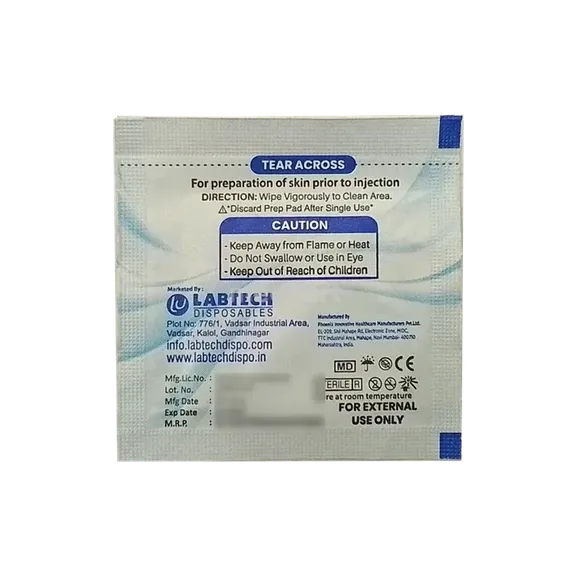
Alcohol swabs are primarily used to disinfect skin before an injection or incision. They help kill bacteria and reduce the risk of infection.
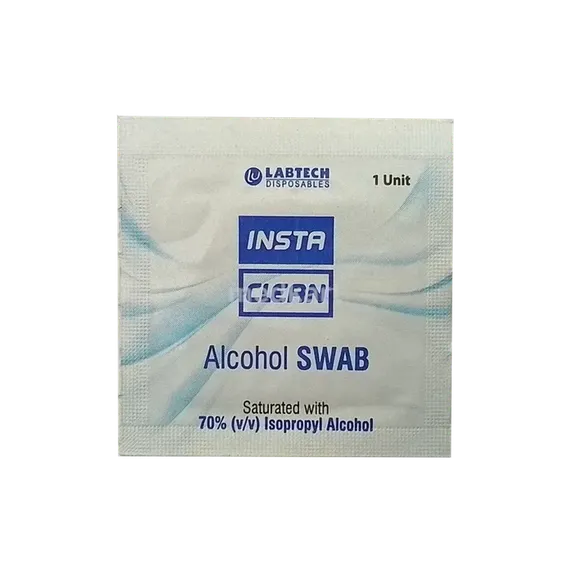
Most alcohol swabs contain around 70% isopropyl alcohol, which is an effective concentration for disinfection.
It is not recommended to use alcohol swabs on open wounds as it can cause irritation and delay the healing process. Use a sterile saline solution for open wounds instead.
Alcohol swabs should be stored in a cool, dry place away from direct sunlight. Ensure the packets are sealed when not in use.
Alcohol swabs can be used on children, but with caution. Ensure the alcohol does not get into the child's eyes or mouth. For infants, consult a doctor.
No, alcohol swabs are intended for single use only. Reusing them can cause contamination and reduce disinfection effectiveness.
Alcohol swabs can be used to clean small surfaces, such as thermometers, cell phone screens, or to disinfect other personal items.
Alcohol swabs are effective against many types of bacteria, viruses, and fungi, but they do not kill all types of microorganisms.
Yes, alcohol swabs can dry out the skin due to the alcohol content. Consider using a moisturizer if you are using alcohol swabs frequently.
Common side effects of alcohol swab use include dryness, irritation, and redness of the skin. Discontinue use and seek medical advice if you experience severe irritation.
Alcohol swabs can be used to disinfect small, non-critical medical equipment, but they may not be sufficient for all equipment. Use a high-level disinfectant for critical medical devices.
If alcohol swabs are not available, you can use soap and water or an antiseptic wipe to disinfect the skin.
Ensure the area is clean and dry. Avoid using alcohol swabs on broken skin or open wounds.
Yes, alcohol swabs have an expiration date. Make sure to check the expiration date before using them. Expired swabs may not be effective.
Different brands of alcohol swabs may vary in alcohol content, swab size, and packaging material. It's important to choose a reputable brand to ensure quality and effectiveness.
Alcohol swabs are used to disinfect small areas of intact skin before minor procedures such as injections, vaccinations, finger-prick blood tests, and venipuncture. They help reduce the number of microorganisms on the skin surface and lower the risk of introducing bacteria into deeper tissues when a needle or lancet is used. They may also be used to clean small medical device surfaces that contact intact skin, following manufacturer instructions.
Open the packet immediately before use and remove the swab without touching the part that will contact the skin. Wipe the intended area in one direction, starting from the center and moving outward, without scrubbing back and forth. Allow the area to air-dry completely before inserting a needle or performing the procedure. Do not blow on the area or wipe it dry with another material, as this can reintroduce microorganisms. Discard the swab after a single use.
Alcohol swabs are generally intended for use on intact skin. Applying them directly to large open wounds, deep cuts, or extensively damaged skin can cause significant stinging, delay healing, and may not be the most appropriate antiseptic choice. For wound cleaning, other solutions such as normal saline or specific wound antiseptics may be preferred. Use on minor superficial nicks may be acceptable, but you should follow medical advice for wound care.
Many people tolerate alcohol swabs well, but those with very sensitive skin, eczema, or a known allergy to isopropyl or ethyl alcohol may experience redness, burning, or rash. Some products may also contain additional antiseptics such as chlorhexidine, which can cause allergic reactions in rare cases. If you notice itching, swelling, blistering, or a widespread rash after use, stop using the product and seek medical advice. A healthcare professional can recommend alternative skin antiseptics if needed.
Alcohol swabs are commonly used on intact skin in children for procedures such as vaccinations or blood tests, following standard clinical practice. However, in newborns, especially premature or very low birth weight infants, the skin is more fragile and more easily irritated. In such cases, the decision to use alcohol swabs, and the area and frequency of application, should follow local clinical guidelines and the judgment of a healthcare professional. Avoid repeated or extensive application on infant skin without medical supervision.
Alcohol swabs do not sterilize the skin; they act as antiseptics that significantly reduce, but do not eliminate, microorganisms on the skin surface. They are effective against many bacteria and some viruses and fungi, but they may not fully eradicate bacterial spores or certain non-enveloped viruses. For most routine procedures such as injections or finger-prick testing, this level of disinfection is considered adequate when combined with proper technique and single-use needles or lancets.
No. Alcohol swabs are designed for single use only. Reusing a swab on the same person or using it on multiple people increases the risk of contamination and infection. Once a swab has contacted skin or another surface, it should be discarded. In clinical and home settings, each injection or finger-prick site should be prepared with a new, individually packaged swab if skin antisepsis is required.
Yes. Because they are saturated with alcohol, alcohol swabs are flammable. They should be kept away from open flames, lit cigarettes, heat sources, and sparks. After use, allow the cleaned skin to dry fully before using any device that could generate heat or sparks near the area. Store swabs in their original, sealed packaging in a cool, dry place, away from direct sunlight and out of reach of children. Do not use them if the packaging is damaged, dried out, or past the expiry date.
Alcohol swabs are not intended to replace proper handwashing or alcohol-based hand rubs. They are small and designed for targeted skin preparation rather than full hand hygiene. For routine hand cleaning, washing with soap and water or using an appropriate alcohol-based hand sanitizer is more effective and practical. Alcohol swabs may be used to clean a small area of the hand before a finger-prick test, but they should not be relied on as the sole method of hand hygiene.
Most people experience only mild, brief stinging or a cooling sensation when an alcohol swab is applied. Possible side effects include dryness, redness, irritation, or a burning feeling, especially with frequent use on the same area. Rarely, allergic reactions can occur, with symptoms such as intense itching, swelling, blistering, or rash. If the product accidentally contacts the eyes or mucous membranes, it can cause irritation and should be rinsed out thoroughly with water. Any persistent or severe reaction should be assessed by a healthcare professional.
Alcohol swabs are sometimes used to wipe external surfaces of small medical devices that contact intact skin, such as certain thermometer tips or glucometer surfaces, but you should always follow the device manufacturer’s cleaning and disinfection instructions. Some materials can be damaged by repeated alcohol exposure, and some devices require specific disinfectants to ensure adequate decontamination. Alcohol swabs should not be used inside devices or on components not specified as compatible by the manufacturer.


People who works there are just amazing very friendly and supportive
Daxesh Patel
•
Reviewed on 15-02-2024

(5/5)
Discount on medicine is good But OTC discount is zero and very low
Abhishek Solanki
•
Reviewed on 05-12-2022

(3/5)
It is very quickly & Fast process . Nice guidance
Dharmesh Patel
•
Reviewed on 26-01-2024
(5/5)
Best and cheapest medicine.
Shubham Jain
•
Reviewed on 23-11-2022
(5/5)
Generic medicines at reasonable rates.
Narmawala Anzar Mo.Ilyas
•
Reviewed on 22-04-2024
(5/5)
BECTON DICKINSON INDIA PRIVATE LIMITED
Country of Origin -
India
MRP
₹
2.81
₹2
28.83 % OFF
Quick Links

Medkart's sole intention is to ensure that its consumers get information that is expert-reviewed, accurate and trustworthy. However, the information contained herein should NOT be used as a substitute for the advice of a qualified physician. The information provided here is for informational purposes only. This may not cover everything about particular health conditions, medicines, generic alternatives, all possible side effects, drug interactions, warnings, alerts, lab tests, etc. Please consult your doctor and discuss all your queries related to any disease or medicine. We intend to support, not replace, the doctor-patient relationship.
10 Lakh+
Happy customers
35000+
Pin-codes Covered
75 Lakh+
Orders Delivered
Authentic Products
All WHO-GMP Certified Medicines






©2025 Medkart Pharmacy. All Rights Reserved