Prescription Required

Authentic Product

India's Leading Generic Pharmacy

Secure Payment
By TORRENT PHARMACEUTICALS LIMITED
MRP
₹
110.6
₹94.01
15 % OFF
₹6.27 Only /
CAPSULECheck Delivery
--
Composition
Content Reviewed By:
Dr. Manoj Shah
, (MBBS)
Written By:
Ms. Priyanka Shah
, (B.Pharm)
Like all medicines, Ampoxin 500mg Capsule can cause side effects, although not everybody gets them. **Common Side Effects (May affect up to 1 in 10 people):** * Nausea * Vomiting * Diarrhea * Abdominal pain * Skin rash * Itching **Uncommon Side Effects (May affect up to 1 in 100 people):** * Hives (urticaria) * Angioedema (swelling of the face, lips, tongue, or throat) **Rare Side Effects (May affect up to 1 in 1,000 people):** * Anaphylaxis (severe allergic reaction) * Stevens-Johnson syndrome (a serious skin disorder) * Toxic epidermal necrolysis (a severe skin disorder) * Serum sickness-like reaction * Interstitial nephritis (kidney inflammation) * Blood disorders (such as hemolytic anemia, thrombocytopenia, eosinophilia, leukopenia, agranulocytosis) * Elevated liver enzymes * Seizures (convulsions) * Clostridium difficile-associated diarrhea (CDAD) – causing watery or bloody stools, stomach cramps, and fever **Very Rare Side Effects (May affect up to 1 in 10,000 people):** * Black hairy tongue **Other possible side effects:** * Yeast infection (candidiasis) **If you experience any of the following, stop taking Ampoxin and seek immediate medical attention:** * Severe allergic reaction (difficulty breathing, swelling of the face, lips, tongue, or throat) * Severe skin reaction (blistering, peeling, or severe rash) * Severe diarrhea (watery or bloody stools) with stomach cramps and fever * Seizures

Allergies
Contraindicated in penicillin allergyAmpoxin 500 should not be used in individuals with a known allergy to penicillins, cephalosporins, or any component of the formulation.
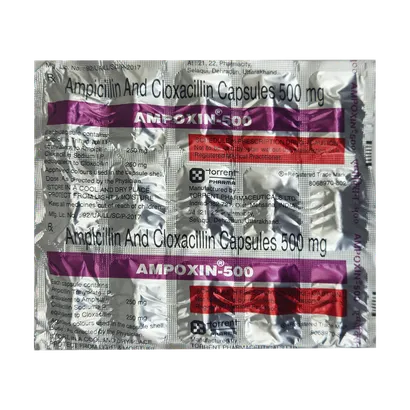
AMPOXIN 500MG Capsule is an antibiotic used to treat a variety of bacterial infections, such as respiratory tract infections, urinary tract infections, skin infections, and soft tissue infections.
AMPOXIN 500MG Capsule works by inhibiting the synthesis of the bacterial cell wall. This prevents the bacteria from growing and multiplying, thus eliminating the infection.
The usual dosage of AMPOXIN 500MG Capsule depends on the severity of the infection and the patient's response. It is typically taken every 6-8 hours. It is important to follow the dosage instructions provided by your doctor.
Common side effects of AMPOXIN 500MG Capsule may include nausea, vomiting, diarrhea, abdominal pain, and allergic reactions. Consult a doctor if any side effects become severe.
AMPOXIN 500MG Capsule can be taken with or without food. However, it is best to take it at regular intervals.
If you miss a dose of AMPOXIN 500MG Capsule, take it as soon as you remember. If it is almost time for your next dose, skip the missed dose and continue with your regular schedule. Do not double the dose to catch up.
AMPOXIN 500MG Capsule may interact with certain medications, such as anticoagulants and probenecid. Inform your doctor if you are taking any other medications.
Store AMPOXIN 500MG Capsule at room temperature, away from direct sunlight and moisture. Keep it out of reach of children and pets.
Pregnant or breastfeeding women should consult their doctor before taking AMPOXIN 500MG Capsule.
Drowsiness is not a common side effect of AMPOXIN 500MG Capsule. Contact your doctor if you experience drowsiness.
It is not recommended to drink alcohol while taking AMPOXIN 500MG Capsule, as it may increase the risk of side effects.
The duration of a course of AMPOXIN 500MG Capsule depends on the type and severity of the infection. It is important to take the medication for the full duration prescribed by your doctor, even if you start to feel better.
Overdosing on AMPOXIN 500MG Capsule can cause side effects such as nausea, vomiting, diarrhea, and abdominal pain. Contact a doctor immediately if you suspect you have overdosed.
AMPOXIN 500MG Capsule should be used in children only as directed by a doctor. The dosage varies depending on the child's weight and the severity of the infection.
AMPOXIN 500MG Capsule contains ampicillin as the active ingredient. Always consult with a doctor or pharmacist if you are considering substituting it with another brand, to ensure it is appropriate and safe.
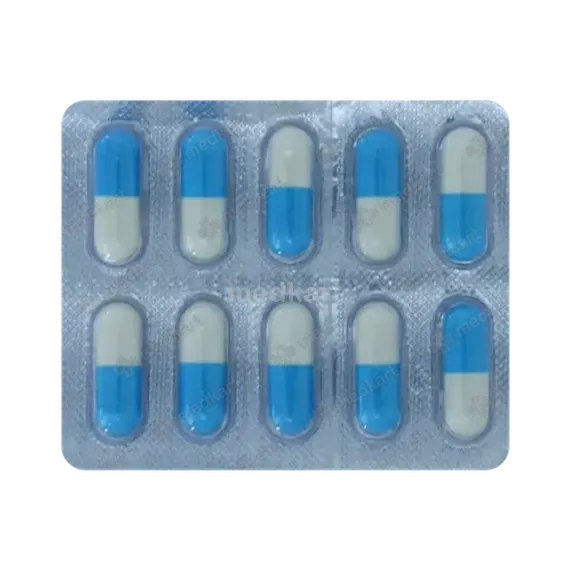
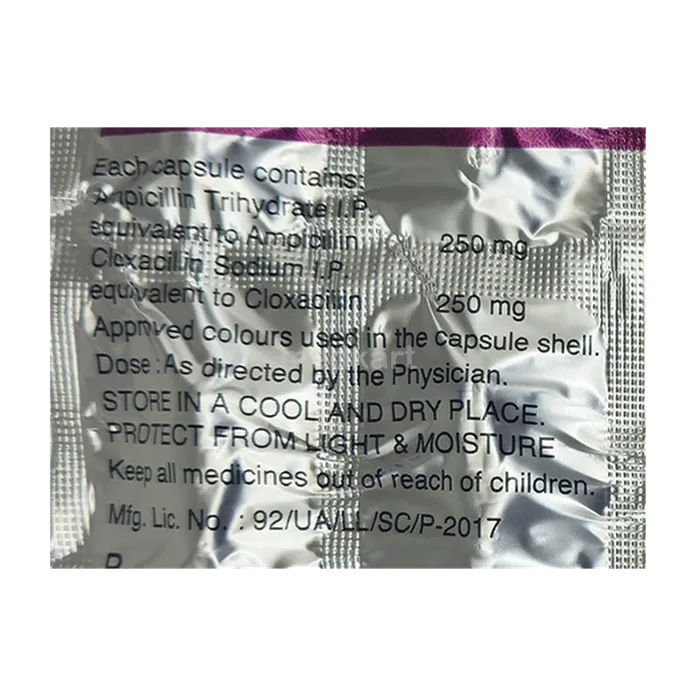
Ampoxin 500 is an antibiotic medicine generally used to treat bacterial infections such as respiratory tract infections (like bronchitis, pneumonia), ear, nose and throat infections, skin and soft tissue infections, bone and joint infections, and certain urinary and gastrointestinal infections caused by susceptible bacteria. It contains a combination of ampicillin and cloxacillin, which work together to kill or inhibit the growth of bacteria. It should only be used when prescribed by a doctor and is not effective against viral illnesses such as colds or flu.
Ampoxin 500 usually contains ampicillin and cloxacillin, both of which are penicillin‑class antibiotics. They work by inhibiting the synthesis of the bacterial cell wall, an essential structure that maintains the integrity of the bacteria. Without a proper cell wall, bacteria become weak and eventually die. Ampicillin provides broad‑spectrum coverage, while cloxacillin is particularly effective against penicillinase‑producing staphylococci. This combination helps treat mixed infections and reduces the risk of treatment failure due to resistant staphylococcal strains.
Use of Ampoxin 500 during pregnancy should be based on a careful assessment by your doctor. Penicillin‑class antibiotics, including ampicillin and cloxacillin, have been used in pregnancy for many years and are generally considered relatively safe when clearly needed. However, no medicine is completely risk‑free. Your doctor will weigh the potential benefits of treating the infection against any possible risks to the developing baby. Do not start or stop Ampoxin 500 on your own during pregnancy; always consult your obstetrician or treating physician.
Ampicillin and cloxacillin can pass into breast milk in small amounts. In many cases, penicillin‑class antibiotics are considered compatible with breastfeeding, but there is a possibility of side effects in the nursing infant, such as diarrhea, thrush (oral fungal infection), or rash. If you are breastfeeding, inform your doctor before starting Ampoxin 500. Your doctor will decide whether to continue breastfeeding, adjust the medicine, or monitor the baby for any adverse effects. If your baby develops persistent diarrhea, rash, or unusual irritability, seek medical advice promptly.
There is no well‑documented direct interaction between moderate alcohol intake and the active ingredients of Ampoxin 500 (ampicillin and cloxacillin). However, alcohol can increase the risk of stomach upset, may worsen side effects like dizziness or weakness, and can impair your immune response and overall recovery. In addition, heavy alcohol use can affect liver function, which may influence how medicines are processed. It is generally advisable to limit or avoid alcohol while taking antibiotics, and you should follow your doctor’s specific advice regarding alcohol use during treatment.
Patients with liver disease should use Ampoxin 500 cautiously and only under close medical supervision. Cloxacillin, in particular, has been associated with rare cases of liver‑related side effects such as cholestatic jaundice or hepatitis. If you have a history of liver disease, jaundice, hepatitis, or abnormal liver tests, inform your doctor before starting Ampoxin 500. Your doctor may adjust the regimen, choose an alternative antibiotic, or monitor your liver function during treatment. Seek immediate medical attention if you develop yellowing of the skin or eyes, dark urine, severe fatigue, or persistent nausea.
Ampicillin and cloxacillin are eliminated partly through the kidneys, so impaired kidney function can affect their levels in the body. If you have mild, moderate, or severe kidney disease, your doctor will assess your kidney function and may adjust the dosing schedule or choose an alternative antibiotic. Do not alter your treatment on your own. Inform your doctor about any history of chronic kidney disease, dialysis, or recent changes in urine output. During therapy, report symptoms such as swelling of the legs, unusual tiredness, or changes in urination, as these may indicate kidney‑related issues or fluid imbalance.
Yes, Ampoxin 500 can cause allergic reactions, especially in people who are allergic to penicillins, cephalosporins, or other beta‑lactam antibiotics. Allergic reactions can range from mild skin rashes, itching, and hives to severe reactions such as angioedema (swelling of the face, lips, tongue, or throat), difficulty breathing, wheezing, or anaphylaxis, which is a medical emergency. If you have ever had an allergic reaction to any antibiotic, particularly penicillins, inform your doctor before taking Ampoxin 500. Stop the medicine and seek urgent medical care if you notice signs of a severe allergic reaction.
Ampoxin 500 does not usually cause significant drowsiness or impairment of alertness in most people. However, some individuals may experience side effects such as dizziness, fatigue, or confusion, especially if they are unwell due to the infection itself or are taking other medicines. Until you know how Ampoxin 500 affects you, it is prudent to be cautious when driving, operating machinery, or performing tasks that require full concentration. If you feel dizzy, light‑headed, or unwell, avoid such activities and consult your doctor if these symptoms persist or worsen.
If you miss a dose of Ampoxin 500, take it as soon as you remember, unless it is almost time for your next scheduled dose. If it is close to the next dose, skip the missed dose and resume your regular dosing schedule. Do not take a double dose to make up for the missed one, as this may increase the risk of side effects without improving effectiveness. Maintaining consistent dosing intervals helps keep the antibiotic level steady in your body, which is important for successful treatment. If you frequently forget doses, speak with your doctor or pharmacist about strategies to improve adherence.
You should not stop taking Ampoxin 500 on your own, even if you start feeling better after a few doses. Stopping treatment too early can allow some bacteria to survive, which may lead to a return of the infection and contribute to the development of antibiotic‑resistant bacteria. Always complete the full course prescribed by your doctor, unless you are advised to stop due to side effects or other medical reasons. If you experience troublesome side effects or have concerns about continuing the medicine, contact your doctor rather than discontinuing it abruptly.
Good services, rates are competitive!
Geetika Purohit
•
Reviewed on 16-01-2024
(5/5)
Genuine handling person
Naresh Jangid
•
Reviewed on 30-03-2024
(5/5)
Good service , great discount, I am regular customer
Gohil Aadityaraj
•
Reviewed on 27-07-2023
(5/5)
Discount on medicine is good But OTC discount is zero and very low
Abhishek Solanki
•
Reviewed on 05-12-2022
(3/5)
Good series, satisfied customer
Sameer Jadhav
•
Reviewed on 06-01-2024
(5/5)
TORRENT PHARMACEUTICALS LIMITED
Country of Origin -
India
Medkart's sole intention is to ensure that its consumers get information that is expert-reviewed, accurate and trustworthy. However, the information contained herein should NOT be used as a substitute for the advice of a qualified physician. The information provided here is for informational purposes only. This may not cover everything about particular health conditions, medicines, generic alternatives, all possible side effects, drug interactions, warnings, alerts, lab tests, etc. Please consult your doctor and discuss all your queries related to any disease or medicine. We intend to support, not replace, the doctor-patient relationship.
10 Lakh+
Happy customers
35000+
Pin-codes Covered
75 Lakh+
Orders Delivered

Authentic Products
All WHO-GMP Certified Medicines

©2025 Medkart Pharmacy. All Rights Reserved