
Authentic Product

India's Leading Generic Pharmacy

Secure Payment

By -
MRP
₹
365
₹98
73.15 % OFF

Check Delivery
--

Composition

Content Reviewed By:
Dr. Amit Patel
, (MBBS)
Written By:
Ms. Kavita Desai
, (B.Pharm)
While lancet needles are generally safe, potential side effects include: * **Pain or Discomfort:** A brief stinging or pinching sensation at the puncture site is common. * **Bleeding:** Minor bleeding is normal and usually stops quickly. Apply pressure if needed. * **Bruising:** Some bruising around the puncture site may occur, especially with frequent use. * **Infection:** Although rare, infection is possible if the skin is not properly cleaned before and after the puncture. Signs include redness, swelling, pus, or increased pain. * **Scarring:** Repeated punctures in the same area can potentially lead to minor scarring. * **Nerve Damage:** Very rare, but possible if the lancet punctures a nerve. This could cause temporary or permanent numbness, tingling, or pain. * **Allergic Reaction:** Very rare, but an allergic reaction to the needle material (usually nickel) could occur. Symptoms include rash, itching, or swelling. * **Hematoma:** A collection of blood under the skin, causing swelling and discoloration.

General precautions and infection risk
Single use and sharps safetyAlways use a new, sterile lancet needle for each puncture to minimize pain, maintain accuracy of test results, and reduce infection risk.
A lancet needle is typically used to obtain a small blood sample from the fingertip, such as for monitoring blood glucose levels.
Lancet needles can be used by healthcare professionals and individuals with diabetes for home blood glucose monitoring.
Used lancet needles should be disposed of in a sharps container. If you do not have a sharps container, you can use a heavy-duty plastic container with a tight-fitting lid.
No, lancet needles should never be reused. Use a new, sterile needle for each use to minimize the risk of infection.
Lancet needles should be stored in a cool, dry place, away from children and pets.
Risks associated with using lancet needles may include infection, bleeding, or bruising. Always maintain proper hygiene to minimize the risk of infection.
Using a lancet needle may cause a slight stinging sensation. To minimize pain, you can wash your finger with warm water before pricking.
If the puncture site won't stop bleeding, apply pressure to the area with a clean cloth or cotton ball until the bleeding stops.
Lancet needles come in many different gauges (thicknesses). The best gauge for you will depend on your skin type and your blood glucose meter.
To choose the right size lancet needle for you, talk to your healthcare provider or diabetes educator. They can make recommendations based on your skin type and your blood glucose meter.
Some lancet devices work better with certain brands of lancet needles. For best results, use the brand recommended by the manufacturer of your lancet device.
In cold weather, skin can become tougher, making it harder to obtain a blood sample. Warming your fingers before pricking can help.
To prevent infection and minimize pain, the lancet needle should be changed with each test.
To reduce pain when pricking, prick the side of your finger, change the lancet device setting between pricks, and warm your hands before pricking.
Lancet needles may not be universally compatible. It is best to use the lancets recommended by your glucose meter manufacturer to ensure compatibility.
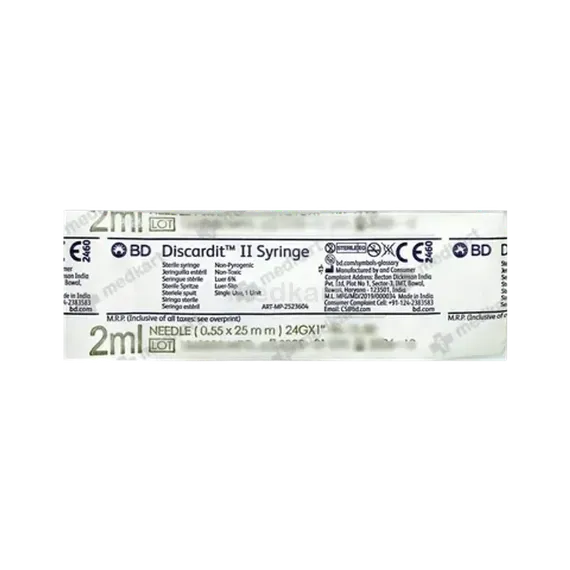
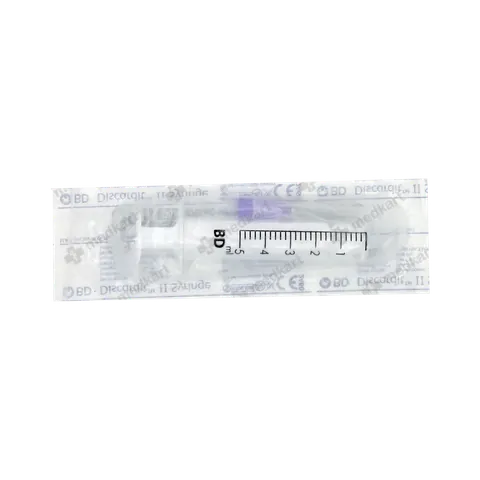
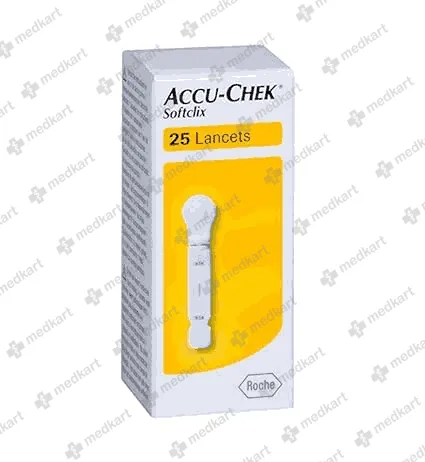
A lancet needle is a small, sterile, single-use needle designed to puncture the skin to obtain a capillary blood sample. It is most commonly used for self-monitoring of blood glucose in people with diabetes, but it is also used for other point-of-care tests such as hemoglobin, lipid profiles, and certain rapid diagnostic tests. The lancet creates a controlled, superficial puncture that produces a small drop of blood suitable for application to a test strip or collection device.
Wash and dry your hands thoroughly before testing. Load a new sterile lancet needle into the compatible lancing device according to the manufacturer’s instructions. Adjust the depth setting based on your skin thickness. Choose the side of a fingertip rather than the center to reduce discomfort. Clean the site with soap and water or an alcohol swab and let it dry completely. Press the lancing device firmly against the skin and activate it to puncture. Gently squeeze near the puncture to obtain a drop of blood and apply it to the test strip as directed. Dispose of the used lancet immediately in a sharps container.
Lancet needles are intended strictly for single use and should not be reused. Reusing a lancet can cause the needle to become dull or bent, leading to increased pain, tissue trauma, and a higher risk of local infection. In addition, even if the lancet appears clean, microscopic blood residues can remain and may transmit blood-borne infections. For safety and accuracy of results, a new sterile lancet should be used for each puncture.
Lancet needles must never be shared between individuals. Sharing lancets can transmit blood-borne pathogens such as hepatitis B, hepatitis C, and HIV. Lancing devices are also best kept for single-person use, even if the lancet is changed, because blood contamination of internal surfaces is possible. Each person should have their own lancing device and use a new sterile lancet for every test to minimize infection risk.
Lancet needles are designed to minimize pain by using very fine, sharp tips and controlled penetration depth. Most users experience only brief, mild discomfort. Pain perception can vary depending on needle gauge, depth setting, puncture site, and individual sensitivity. Using a higher gauge (thinner) lancet, selecting the side of the fingertip, and avoiding repeated punctures at the same site can help reduce discomfort. If pain is persistent or severe, discuss alternative sites or device settings with a healthcare professional.
Lancet gauge refers to the thickness of the needle; higher gauge numbers indicate thinner needles. Thinner lancets (for example, 30G or higher) are generally less painful but may produce smaller blood drops, which may be sufficient for most modern glucose meters. Thicker lancets (lower gauge numbers) may be needed for individuals with calloused or thick skin or when a larger blood sample is required. The choice should be based on your device’s requirements, your skin characteristics, and your comfort, ideally in consultation with a healthcare provider.
When used correctly, lancet needles are generally safe and well tolerated. Possible local side effects include transient pain, minor bleeding, bruising, or small hematomas at the puncture site. Rarely, skin infection can occur, presenting as redness, warmth, swelling, tenderness, or pus. Repeated punctures at the same site may cause callus formation or thickening of the skin. Very rarely, individuals may experience allergic reactions to materials in the lancet or device, such as latex in certain components. Proper hygiene, site rotation, and single use of sterile lancets reduce these risks.
Used lancet needles should be placed immediately into a puncture-resistant, leak-proof sharps container with a secure lid. Do not throw loose lancets into household trash, recycling bins, or toilets, and do not recap them by hand, as this increases the risk of needlestick injury. When the sharps container is about three-quarters full, follow local regulations or healthcare provider guidance for disposal, which may include returning it to a pharmacy, clinic, or designated collection point.
Lancet needles can be used safely in children and older adults when appropriate supervision, training, and device selection are in place. For children, caregivers should usually perform or closely supervise lancing, using the lowest effective depth and a suitable gauge to minimize pain. For older adults, especially those with visual impairment, reduced dexterity, or cognitive decline, simplified devices and caregiver assistance may be necessary. In all age groups, education on hygiene, site rotation, and sharps disposal is essential.
Lancet needles are mechanical devices and do not have pharmacological interactions with medications. However, certain health conditions and treatments can influence how lancets should be used. People taking anticoagulants or antiplatelet agents may experience more prolonged bleeding and should apply firm pressure after lancing. Individuals with peripheral neuropathy may have altered pain perception and should visually inspect puncture sites for injury or infection. Those with compromised immunity or poor circulation should be particularly careful with hygiene and monitoring of the skin.
It is advisable to rotate puncture sites with each test to reduce local trauma, pain, and callus formation. For fingertip testing, alternate between different fingers and use different areas on each finger, preferably the lateral sides. Avoid repeatedly using the same exact spot. In people who test frequently, such as those with intensive insulin regimens, structured site rotation can help maintain skin integrity and improve comfort over time.


Generic medicines at reasonable rates.
Narmawala Anzar Mo.Ilyas
•
Reviewed on 22-04-2024

(5/5)
Best medicines at best prices, thanks medkart
Ajay Varghese
•
Reviewed on 05-08-2023
(5/5)
Medicines at affordable and discounted rates... Good service...
George Thomas
•
Reviewed on 24-01-2024
(5/5)
Great experience👍🏻
PRASHANT KATARIYA
•
Reviewed on 29-01-2024
(5/5)
Excellent service and support 24/7 Supportive and co operative staff.
Ajay Nayak Dhadkan
•
Reviewed on 13-01-2024
(5/5)
-
Country of Origin -
India
MRP
₹
365
₹98
73.15 % OFF
Quick Links

Medkart's sole intention is to ensure that its consumers get information that is expert-reviewed, accurate and trustworthy. However, the information contained herein should NOT be used as a substitute for the advice of a qualified physician. The information provided here is for informational purposes only. This may not cover everything about particular health conditions, medicines, generic alternatives, all possible side effects, drug interactions, warnings, alerts, lab tests, etc. Please consult your doctor and discuss all your queries related to any disease or medicine. We intend to support, not replace, the doctor-patient relationship.
10 Lakh+
Happy customers
35000+
Pin-codes Covered
75 Lakh+
Orders Delivered

Authentic Products
All WHO-GMP Certified Medicines






©2025 Medkart Pharmacy. All Rights Reserved






 10's_1.webp)