
Authentic Product

India's Leading Generic Pharmacy

Secure Payment

By -
MRP
₹
1649
₹1190
27.84 % OFF

Check Delivery
--

Content Reviewed By:
Dr. Sanjay Mehta
, (MBBS)
Written By:
Ms. Kavita Desai
, (B.Pharm)
While nebulizer machines are generally safe, some potential side effects can occur. These may include: * **Sore throat or hoarseness:** The mist can sometimes irritate the throat. * **Coughing or wheezing:** In some individuals, the treatment may trigger coughing or wheezing. * **Dizziness or lightheadedness:** This can happen if the medication is absorbed too quickly. * **Increased heart rate:** Certain medications administered through a nebulizer can increase heart rate. * **Nervousness or anxiety:** Some medications may cause feelings of nervousness or anxiety. * **Tremors:** Certain medications can cause shakiness or tremors. * **Upset stomach or nausea:** In rare cases, some users may experience stomach upset or nausea. * **Fungal infection of the mouth (thrush):** This is more common with inhaled corticosteroids; rinsing the mouth after each use can help prevent it. * **Allergic reactions:** Although rare, allergic reactions to the medication can occur, with symptoms like rash, itching, swelling, or difficulty breathing. Seek immediate medical attention if this occurs. * **Paradoxical Bronchospasm:** (rare) Nebulizer use can, in rare instances, cause the airways to narrow (bronchospasm). If you experience trouble breathing immediately after using the nebulizer, discontinue use and seek immediate medical attention.

General safety and infection control
Follow instructions carefullyAlways use the nebuliser according to the manufacturer’s instructions and your healthcare professional’s guidance to ensure effective and safe treatment.
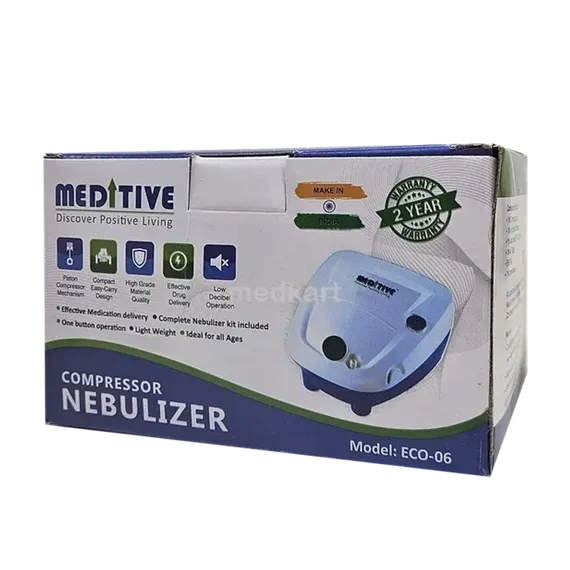
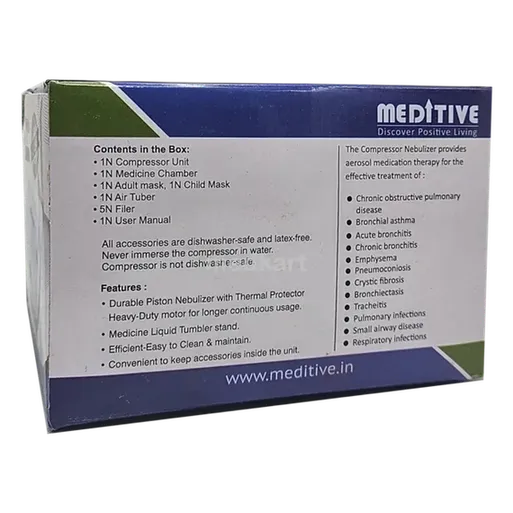
A nebulizer machine is a device that turns liquid medicine into a fine mist that can be inhaled. It's primarily used to treat respiratory conditions like asthma, COPD, and bronchitis.
Nebulizer machines deliver medication directly to the lungs, allowing for faster relief. They are also easy to use, especially for children and elderly individuals who may have difficulty using inhalers.
Start by washing your hands. Pour the medication into the nebulizer cup. Attach the mask or mouthpiece, and turn on the machine. Breathe normally until the medication is gone, usually 10-15 minutes.
After each use, you should rinse the nebulizer cup and mouthpiece with warm, soapy water and let them air dry. Once a week, disinfect them.
Do not mix different types of medication unless specifically instructed by your doctor. Some medications can become ineffective or cause side effects when mixed.
Yes, nebulizer machines are safe to use for children, as long as they are used as directed by your pediatrician. They are an effective way to treat respiratory conditions in young children.
Store the nebulizer machine in a clean, dry place away from direct sunlight and extreme temperatures. Ensure it's out of reach of children.
Yes, most nebulizer machines are portable and can be used while traveling. Ensure you have a power source, such as batteries or an adapter.
Side effects of using a nebulizer machine may include tremors, nervousness, increased heart rate, and coughing. Contact your doctor if you experience any severe side effects.
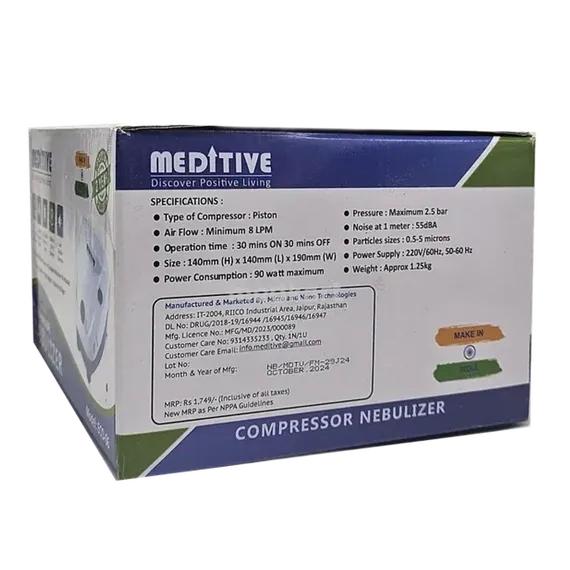
Yes, there are different types of nebulizers available, such as compressor nebulizers, ultrasonic nebulizers, and mesh nebulizers. Each type has its own advantages and disadvantages.
You can get medication for your nebulizer machine from any pharmacy with a prescription from your doctor.
The lifespan of a nebulizer machine varies depending on usage and maintenance. On average, a well-maintained nebulizer machine can last for several years.
Nebulizer machines cannot cure asthma, but they can help manage symptoms and improve breathing.
Yes, you can buy a nebulizer machine without a prescription, but you will need a prescription to get the medication.
First, ensure the machine is properly plugged in and turned on. If it's still not working, contact the manufacturer or consult a professional for repair.
A nebuliser is a device that converts liquid medicine into a fine mist that can be inhaled into the lungs. The device uses compressed air, ultrasonic waves, or a vibrating mesh to break the liquid into tiny particles. The patient inhales the aerosol through a mouthpiece or face mask, allowing the medicine to reach the airways directly. This can be particularly useful for people who have difficulty using handheld inhalers or who require higher or more prolonged doses of inhaled medication as prescribed by a healthcare professional.
Nebulisers are commonly used in the management of asthma, chronic obstructive pulmonary disease (COPD), bronchiectasis, cystic fibrosis, and acute or chronic bronchitis when inhaled therapy is indicated. They may also be used for delivering certain inhaled antibiotics, hypertonic saline, or other specialised solutions in selected patients, particularly those with chronic lung disease. The decision to use a nebuliser and the choice of medicine should always be made by a healthcare professional based on the individual’s diagnosis and treatment goals.
A nebuliser may be beneficial for people who cannot coordinate the use of a metered-dose inhaler or dry powder inhaler, such as very young children, some older adults, or individuals with severe breathlessness, neuromuscular weakness, or cognitive impairment. It may also be used when higher or more frequent doses of inhaled medication are required under medical supervision. However, many patients can be effectively managed with inhalers when they are taught correct technique, so the need for a nebuliser should be assessed individually by a healthcare professional.
Medicines used in nebulisers include bronchodilators, inhaled corticosteroids, hypertonic saline, mucolytics, and certain inhaled antibiotics or other specialist preparations, depending on the condition being treated. Only sterile solutions specifically formulated and prescribed for nebulisation should be used. It is unsafe to nebulise essential oils, undiluted over-the-counter products, crushed tablets, or any solution not intended for inhalation, as these may damage the lungs or the device and increase the risk of infection or other complications.
Use the nebuliser exactly as instructed by your healthcare professional and according to the manufacturer’s manual. Typically, you should wash your hands, assemble the device, measure the prescribed medicine (and diluent if instructed) into the nebuliser chamber, sit upright, and place the mouthpiece in your mouth or the mask over your nose and mouth. Breathe slowly and deeply through the mouth, with occasional breath holds if tolerated, until the mist stops or for the duration advised. After use, switch off the device, disassemble the parts, and clean them as recommended.
After each treatment, the nebuliser chamber and mouthpiece or mask should usually be washed with warm soapy water, rinsed thoroughly with clean water, and allowed to air-dry on a clean surface. Some manufacturers recommend periodic disinfection using specific methods, such as boiling certain parts or using a disinfectant solution, while others may advise against high heat. Tubing and filters should not be washed unless the manufacturer specifically allows it and should be replaced at the recommended intervals. Always follow the cleaning and maintenance instructions provided with your specific device to minimise the risk of contamination and infection.
Side effects are usually related to the medicine being nebulised rather than the device itself. Possible effects may include tremor, palpitations, cough, throat irritation, hoarseness, or oral thrush, depending on the drug class. Some patients may experience a temporary increase in wheeze or bronchospasm. Systemic side effects can occur if high doses or frequent treatments are used. If you notice chest pain, severe breathlessness, allergic symptoms, or any unexpected reaction during or after nebuliser use, stop the treatment and seek medical advice promptly. Your healthcare professional can review your regimen and adjust therapy if needed.
Yes, nebulisers are widely used in children when prescribed by a paediatrician, particularly for conditions such as asthma or certain infections requiring inhaled therapy. A well-fitting paediatric mask or mouthpiece should be used, and an adult should supervise every treatment to ensure correct positioning, calm breathing, and adherence to the prescribed regimen. The dose and type of medicine must be specifically determined for the child by a healthcare professional. Careful cleaning and maintenance of the device are especially important to reduce infection risk in paediatric patients.
The duration of a nebuliser treatment depends on the device type, the volume of solution, and the flow rate, but many treatments take approximately 5 to 15 minutes. Some solutions or devices may require longer or shorter times. You should continue the treatment until the nebuliser begins to sputter and the mist output significantly decreases, or for the time specified by your healthcare professional or the product instructions. Do not stop early unless you are advised to do so or you experience concerning symptoms that require you to interrupt the session and seek medical advice.
Many nebulisers are designed to be portable and can be used during travel. Battery-operated or compact mesh nebulisers are often preferred for this purpose. When travelling, carry the device, medicines, and necessary accessories (such as masks, mouthpieces, and spare filters) in your hand luggage, along with a copy of your prescription or a letter from your healthcare professional if flying. Check the power requirements and plug adapters if travelling internationally. Ensure that you can maintain your cleaning routine while away from home and store medicines according to their recommended temperature conditions.
You should seek urgent medical attention if your breathing worsens despite using the nebuliser as prescribed, if you develop severe shortness of breath, chest pain, bluish lips or fingers, confusion, or difficulty speaking in full sentences. You should also contact a healthcare professional if you need to use rescue treatments more frequently than advised, if you suspect an infection related to the device (such as fever, increased cough, or discoloured sputum), or if you notice device malfunction that affects medicine delivery. Regular follow-up with your doctor is important to review your treatment plan and ensure that nebuliser therapy remains appropriate for your condition.
Very good medkart and pharmacy and good discount for medicine
ASHOK MAKWANA
•
Reviewed on 14-02-2024

(5/5)
Very cheap, helpful, friendly service
Milind Patel
•
Reviewed on 10-02-2023
(5/5)
Nice service All required drugs are available 😊
Meet Dobariya
•
Reviewed on 13-01-2024
(5/5)
It is very quickly & Fast process . Nice guidance
Dharmesh Patel
•
Reviewed on 26-01-2024
(5/5)
Should display more medical verities.
Ronak Ankola
•
Reviewed on 25-07-2023

(2/5)
-
Country of Origin -
India
MRP
₹
1649
₹1190
27.84 % OFF
Quick Links

Medkart's sole intention is to ensure that its consumers get information that is expert-reviewed, accurate and trustworthy. However, the information contained herein should NOT be used as a substitute for the advice of a qualified physician. The information provided here is for informational purposes only. This may not cover everything about particular health conditions, medicines, generic alternatives, all possible side effects, drug interactions, warnings, alerts, lab tests, etc. Please consult your doctor and discuss all your queries related to any disease or medicine. We intend to support, not replace, the doctor-patient relationship.
10 Lakh+
Happy customers
35000+
Pin-codes Covered
75 Lakh+
Orders Delivered

Authentic Products
All WHO-GMP Certified Medicines






©2025 Medkart Pharmacy. All Rights Reserved






 10's_1.webp)