
Authentic Product

India's Leading Generic Pharmacy

Secure Payment

By -
MRP
₹
3280.31
₹2100
35.98 % OFF

Check Delivery
--

Content Reviewed By:
Dr. Manoj Shah
, (MBBS)
Written By:
Ms. Priyanka Shah
, (B.Pharm)
Pulse oximeters are generally safe, but potential issues can arise from improper use or prolonged application. These are not direct side effects of the device itself, but rather consequences of its use. * **Skin Irritation/Pressure Sores:** Prolonged use of the probe, especially with adhesive types, can cause skin irritation or pressure sores, particularly in individuals with sensitive skin or poor circulation. This is more common with continuous monitoring. * **Inaccurate Readings:** Factors such as poor circulation, cold extremities, nail polish (especially dark colors), dirt, or ambient light interference can lead to inaccurate readings. This isn't a side effect, but a limitation affecting reliability. * **False Sense of Security:** Relying solely on pulse oximeter readings without considering other symptoms or seeking professional medical advice can be dangerous. A normal reading doesn't always guarantee good health. * **Allergic Reactions:** Rarely, some individuals might experience allergic reactions to the adhesive used in disposable pulse oximeter probes. * **Burns:** Very rarely, malfunctioning or damaged pulse oximeters could potentially cause burns, but this is an equipment failure issue, not a typical side effect. This is especially a risk with older or poorly maintained devices. * **Anxiety:** Over-reliance on the device, particularly in health-anxious individuals, can lead to increased anxiety and unnecessary medical consultations due to misinterpreted readings.

General safety and limitations
GeneralPulse oximeters provide estimates of oxygen saturation and pulse rate and are intended as monitoring tools, not as sole diagnostic or decision-making devices.
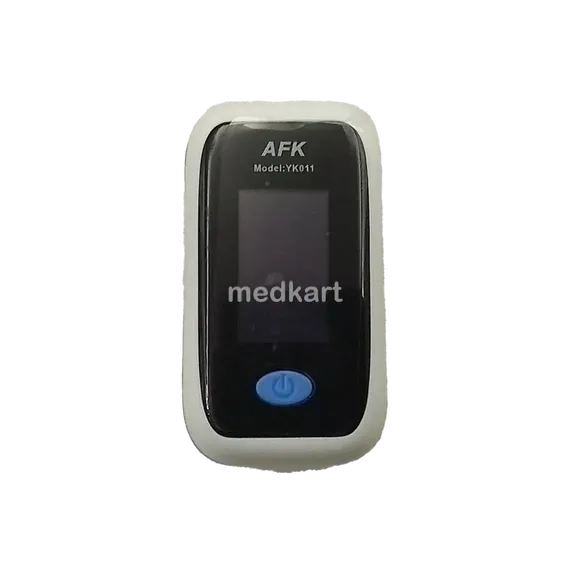
A pulse oximeter is a medical device that measures the oxygen saturation level in your blood. It clips onto your finger, toe, or earlobe and uses light to determine the percentage of oxygen in your blood.
Pulse oximeters are used to monitor various conditions, such as asthma, pneumonia, COPD, sleep apnea, and COVID-19. It is also useful for monitoring patients under anesthesia.
A normal oxygen saturation level for healthy individuals is typically between 95% and 100%.
Several factors can affect pulse oximeter readings, including poor circulation, cold hands, nail polish, and certain medical conditions.
A pulse oximeter cannot detect COVID-19, but it can help detect a drop in blood oxygen levels, which is a common symptom of COVID-19.
To use a pulse oximeter, clip it onto your finger, toe, or earlobe. Make sure your skin is clean and dry. Turn on the device and wait a few seconds for the reading to stabilize.
Yes, you can use a pulse oximeter at home. This is especially helpful for people who have respiratory problems or are recovering from COVID-19.
The cost of a pulse oximeter varies depending on the brand and features. Typically, they can range from ₹500 to ₹5000.
Slight variations in readings are common. However, if you see significant variations, ensure the device is correctly positioned, and your finger is still. Seek medical advice for consistently low readings.
Yes, a pulse oximeter can be used on children. There are specific pulse oximeters designed for pediatric use.
To clean a pulse oximeter, wipe it down with a soft cloth lightly dampened with an alcohol-based disinfectant.
Store the pulse oximeter in a cool, dry place away from direct sunlight.
Ensure the device is functioning correctly, the battery is charged, and your finger is clean. If the issue persists, contact a medical professional.
There can be differences between brands in terms of accuracy, durability, and additional features. Always buy from reputable manufacturers.
Consider factors like accuracy, ease of use, screen visibility, battery life, and reputable brand.
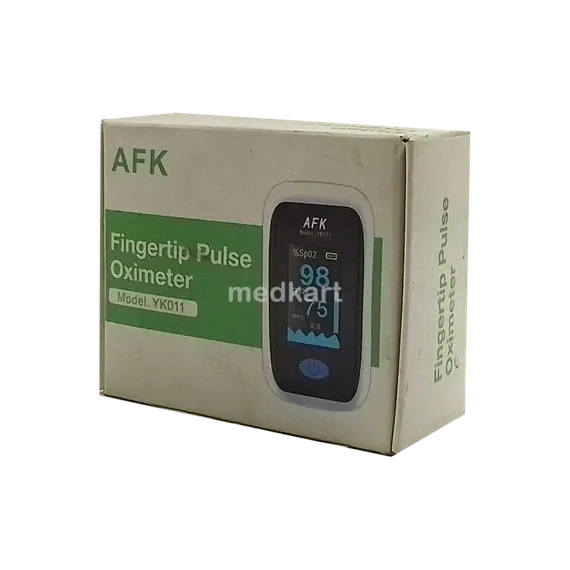
An oxymeter, or pulse oximeter, is a small non-invasive device that estimates the oxygen saturation level (SpO2) of arterial blood and measures pulse rate. It uses light sensors to detect how much oxygen is bound to hemoglobin in the blood and displays the result as a percentage, along with the heart rate in beats per minute.
For most healthy adults at sea level, a normal oxygen saturation reading is typically between about 95% and 100%. Some individuals with chronic lung or heart disease may have lower baseline values, as determined by their healthcare provider. Any reading that is persistently below the range recommended by your clinician, or a sudden drop from your usual level, should prompt medical advice, especially if accompanied by symptoms such as shortness of breath or chest discomfort.
To use a fingertip pulse oximeter, sit or lie down and rest for a few minutes. Ensure your hands are warm and relaxed. Remove nail polish or artificial nails from the finger you will use. Place the device on the fingertip (usually the index or middle finger) so that the sensor fully covers the finger. Keep your hand still and at heart level. Wait several seconds until the reading stabilizes, then note the SpO2 and pulse rate. Follow the manufacturer’s instructions for cleaning and battery replacement.
Pulse oximeters are generally accurate within a few percentage points of the true arterial oxygen saturation when used correctly in stable conditions. However, accuracy can be reduced by poor circulation, cold extremities, movement, dark nail polish, artificial nails, strong ambient light, skin pigmentation, low perfusion states, or incorrect placement. They are screening and monitoring tools, not definitive diagnostic instruments. If readings do not match how you feel, or if you have concerning symptoms, seek medical assessment regardless of the device value.
You should not rely solely on an oxymeter to decide when to seek emergency care. The reading is only one piece of information. Symptoms such as severe or worsening shortness of breath, chest pain, confusion, inability to speak full sentences, bluish lips or face, or difficulty staying awake require urgent medical attention, even if the SpO2 reading appears acceptable. Conversely, a low reading without symptoms should still be discussed with a healthcare professional to determine the appropriate next steps.
People with chronic respiratory conditions such as COPD, severe asthma, interstitial lung disease, or sleep-related breathing disorders, as well as some patients with heart failure or those recovering from significant respiratory infections, may benefit from home pulse oximetry as advised by their clinician. It can help track trends in oxygen saturation and guide when to seek medical review. However, routine use in otherwise healthy individuals is usually not necessary and can sometimes cause unnecessary anxiety if readings are misinterpreted.
Yes, dark-colored nail polish and some artificial nails can interfere with the light transmission used by pulse oximeters, potentially leading to inaccurate readings. If possible, remove nail polish or use a finger without polish or artificial nails. If removal is not feasible, try a different finger or, if the device allows, an alternative site such as the toe or earlobe, and interpret results with caution.
Pulse oximeters are generally safe for both children and older adults when used as directed. For infants and small children, appropriately sized pediatric probes or devices specifically designed for pediatric use are preferred to improve accuracy and comfort. In older adults, factors such as poor circulation, cold hands, or thickened nails may affect readings, so careful placement and adequate warming of the extremity are important. In all age groups, readings should be interpreted by or in consultation with a healthcare professional.
The frequency of checking oxygen saturation depends on your underlying health condition and your clinician’s advice. Some patients with chronic lung disease or acute respiratory infections may be advised to check several times a day or when symptoms change. Others may only need occasional checks. Excessive or unsupervised monitoring can lead to anxiety or misinterpretation, so it is best to follow a plan agreed with your healthcare provider rather than checking arbitrarily.
If your reading is lower than the range recommended by your healthcare provider, first ensure the device is used correctly: warm your hands, remove nail polish, keep still, and repeat the measurement on a different finger. If the reading remains low or is falling, or if you have symptoms such as shortness of breath, chest pain, confusion, or bluish lips or face, seek urgent medical attention. Do not increase or start oxygen therapy, or change prescribed treatment, without professional guidance unless you have a specific emergency plan from your clinician.
No, a pulse oximeter does not replace arterial blood gas analysis or a full clinical examination. It provides an estimate of oxygen saturation but does not measure carbon dioxide levels, blood pH, or other important parameters. In many clinical situations, especially when precise assessment of respiratory or metabolic status is needed, arterial blood gas testing and a thorough clinical evaluation are essential. Pulse oximetry is best used as an adjunct to, not a substitute for, professional medical assessment.


So good it's give information with medicine
sunil Nayi
•
Reviewed on 21-04-2024

(5/5)
Best Medical .... Low price... Best Company's...... Good nature.....
Sunita Sain
•
Reviewed on 30-11-2022
(5/5)
Awesome
Pankaj Patel
•
Reviewed on 13-06-2023
(5/5)
Reliable and accessible pharmacy. Courteous and helpful people.
Jigar Jani
•
Reviewed on 29-08-2023
(5/5)
Have a great place to purchase medicine.
Bipin Lathiya official
•
Reviewed on 14-12-2022
(5/5)
-
Country of Origin -
India
MRP
₹
3280.31
₹2100
35.98 % OFF
Quick Links

Medkart's sole intention is to ensure that its consumers get information that is expert-reviewed, accurate and trustworthy. However, the information contained herein should NOT be used as a substitute for the advice of a qualified physician. The information provided here is for informational purposes only. This may not cover everything about particular health conditions, medicines, generic alternatives, all possible side effects, drug interactions, warnings, alerts, lab tests, etc. Please consult your doctor and discuss all your queries related to any disease or medicine. We intend to support, not replace, the doctor-patient relationship.
10 Lakh+
Happy customers
35000+
Pin-codes Covered
75 Lakh+
Orders Delivered

Authentic Products
All WHO-GMP Certified Medicines






©2025 Medkart Pharmacy. All Rights Reserved







 10's_1.webp)