Category: Generic Medicine

  • Consider Switching to Generic Medicine for Therapies: Here’s Why!

    Consider Switching to Generic Medicine for Therapies: Here’s Why!

    Generic Medicine for Therapies

    What is Generic medicines

    A generic medicine is a pharmaceutical identical to an already-marketed brand-name drug. Moreover, dosage, efficacy, effectiveness, quality, and safety remain the same. Moreover, generic pharmaceuticals are just as effective, quality, and safe as their brand-name counterparts.

    To stay effective, generic versions of medications must demonstrate bioequivalence to their brand-name counterparts via Abbreviated New Drug Applications (ANDAs). Its inactive components may change, but any variations must be shown not to influence the drug’s efficacy.

    The Central Drugs Standard Control Organisation (CDSC)) oversees the production of generic medications. To guarantee the public’s safety, it is necessary to test how well the drugs work, and these should adhere to GMP standards.

    Generic drugs for chronic conditions have the same clinical effectiveness as their brand-name counterparts but are much less expensive, which may increase patient acceptance. These medicines address common illnesses and diseases like diabetes, arthritis, Parkinson’s, etc.

    Effectiveness of Generic Drugs

    The active chemicals in generic medications are similar to those in their brand-name counterparts, but the inactive ingredients may differ. Inactive components are introduced to the medicine during production but do not contribute to its chemical action. These may include preservatives, fillers, or diluents.

    When it comes to creating compositions to treat a certain drug, for instance, the FDA in the United States will only green-light generic versions of medicine if such tests show the drug is safe, pure, and effective. Therefore, it is true that generic drugs may be safely substituted for their brand-name counterparts. The researchers discovered no statistically significant differences when generic cardiac medicines were compared to their brand-name equivalents. The medical content to treat cardiac medicines remains the same, generic or branded.

    Generic drug therapies are much less expensive than their branded counterparts while being chemically equivalent and need less testing since the same formula is proven in branded. However, testing is still necessary since biosimilars differ from their brand-name equivalents and are derived from real content. Their price is higher than that of generics but lower than that of the name brand biologic.

    Overall, generic drugs cost 40%-50% less than brand products. Biosimilars, in contrast, are 15%- 20% cheaper because of the amount the drug manufacturer has to spend on testing. Since there are potential cost savings for the drug industry, there might be a slow-moving shift toward using biosimilars.

    Treatments by generic medicines 

    Adhering to treatment can drive better health outcomes. Several variables, including age, co-occurring conditions, and medications, may impact the success of therapy. For instance, a patient’s adherence to their diabetic medications remains unaffected by switching to generic medicine. Adherence is defined as dispensing two distinct items of the same ingredient in a sequence of two prescriptions.

    Similarly, switching to generic antihypertensive medications and alendronate had little effect on adherence in the cardiovascular environment or postmenopausal women with osteoporosis. However, a look at how generic replacement affects oral bisphosphonates’ persistence (days on therapy) found that it lowered persistence.

    There is still some uncertainty about how generic substitution will play out in settings like those dealing with psychiatric and neurological conditions. A research found the impact of generic substitution of antiepileptics (lamotrigine and topiramate, respectively) on a clinical outcome (i.e., the rate of hospitalization) and came out with contradictory results.

    The approach for switching to generics for a particular treatment

    The patient, doctor, and pharmacists — all have a role to play in ensuring patients stick with their treatment plans. Patients need the necessary information, mindset, and abilities to follow their treatment plans successfully.

    Similarly, doctors must stick to a standard treatment plan and explain to patients why they need to take prescribed drugs and what generic substitutes they can have. They should know how to take them (including any possible side effects or drug interactions) and ensure the treatment plan is as simple as possible.

    The patient should be informed of the rationale and support for converting to a generic version of a brand-name prescription. The onus is on doctors and pharmacists to inform customers about switching to generic treatments.

    Can you buy generic drugs for every branded one?

    The U.S. patent law grants protection to patented medicine formulas for 20 years. This patent protection began from the date when an application was submitted bearing a certain brand-name pharmaceutical product. This safeguards investments in discovering, developing, and promoting a new pharmaceutical product.

    Because of the patent, no other firm can legally produce or sell the medicine. After the patent has expired, other pharmaceutical firms may, subject to FDA approval, begin manufacturing and marketing a generic version of the medicine. And since generic medicines do not involve such costs, they are cheaper than branded ones.

    Due to the patent system, there is no generic counterpart to drugs that have been on the market for less than 20 years. However, your doctor may recommend an alternative drug for your illness that does have a generic equivalent.

    The same generic medicine may be manufactured by many firms, each of which may utilize a slightly different set of filler chemicals. This means that the two people taking the same medicine may have different absorption rates or distinct adverse effects.

    If a generic medicine works well for you, research the company that makes it. This data might be printed on the bottle of your prescription medication, depending on the law in your state. If you need more clarification, consult your pharmacist and when you need a certain formulation, specify it to doctors when you want to buy generics based on prescription.

    Switching to generic medicines from branded

    Many nations have witnessed significant price reductions in generic ones as many patents are expiring. However, there is still a wide range in the cost of therapy (as assessed by Defined Daily Dose) for the same seven therapeutic categories.​

    Drug labels should provide information on both active and inactive substances. Many drug manufacturers may market their products under a different brand name, and it is possible to identify the medicine by its generic name, which is shorthand for the drug’s active component.

    Different nations may use a different brand name for the same active component. The legal requirement worldwide is that the active drug should have the same active component and quality. If you are unsure of switching to generics, consult your healthcare provider or local pharmacy store.

    The next step

    The next step in switching to generics includes raising awareness to treat some existing diseases that need regular medications. Ideally, it should include changing the perception of generic medicines in India. Doctors can benefit from visiting factories producing generic drugs to learn more about the process and ensure quality control.

    Moreover, it also helps people feel more comfortable using products right away, increasing the likelihood that they will purchase them regularly. Also, consistently consuming generic medicines can help build trust among patients. It all begins with keeping confidence in quality and efficacy. Moreover, when generic medicines are licensed in a controlled market with specific directions for research and approval of these medications, doctors may feel more confident about the product’s safety. And this can also promote them to prescribe more generics.

    Medkart is creating the difference

    At Medkart, we offer people the right knowledge to buy generic medicines for all treatments. You can also check out Medkart.in website and order generic medicine online. Alternatively, you can download our android and iOS applications and order medicines. If you are consuming any branded medicine as a part of an ongoing treatment, speak to our qualified pharmacists at any of our 107 stores. Compare, decide, and buy generic as a part of your treatment plan.


  • मैं एक ब्रांड नाम वाली दवा और एक जेनरिक दवा के बीच उसके आवरण को देखकर कैसे अंतर कर सकता हूँ?

    एक जेनरिक दवा एक ब्रांडेड दवा की प्रतिकृति होती है। जेनरिक दवा में ब्रांडेड दवा की तरह ही सक्रिय संघटक, दक्षता, शक्ति, विश्वसनीयता, खुराक, प्रशासन का तरीका, सुरक्षा, गुणवत्ता और समाप्ति तिथि होती है। उनमें जो अन्तर होता है वह उसमें प्रयुक्त निष्क्रिय सामग्री या भराव का होता है। ये सभी आंतरिक परिवर्तन हैं, लेकिन केवल एक पैकेज को देखकर कोई जेनरिक और ब्रांडेड के बीच अंतर कैसे कर सकता है?

    इसलिए, पहला और सबसे महत्वपूर्ण अंतर कीमत है। जेनरिक दवाएं हमेशा ब्रांडेड दवाओं से सस्ती होती हैं। उदाहरण के लिए, Crocin 500mg (पैरासिटामोल का ब्रांड नाम) टैबलेट 15 गोलियों के लिए 30 रुपये में उपलब्ध है, जबकि पैरासिटामोल 500mg (जेनरिक दवाएं) 14 रुपये में उपलब्ध हैं। इस प्रकार, कीमत देखकर कोई भी यह समझ सकता है कि यह एक जेनरिक या ब्रांडेड दवा है या नहीं। दूसरा अंतर औषधि के नाम का है। जेनरिक दवा के लिए, दवा का नाम उत्पाद का नाम/घटक का नाम होगा। लेकिन, एक ब्रांडेड दवा में, ब्रांड का नाम उत्पाद का नाम नहीं होता है। उदाहरण के लिए, वोवेरन 100 मिलीग्राम डिक्लोफेनाक सोडियम 100 का ब्रांड नाम है। इसके विपरीत, जेनरिक रूप डिक्लोफेनाक सोडियम 50/100 ग्राम के रूप में उपलब्ध होगा। इसके अलावा, जेनरिक गोलियों के ब्रांडेड की तुलना में अलग-अलग आकार, आकार और रंग होते हैं क्योंकि निष्क्रिय अवयवों में अंतर होता है। ब्रांडेड और जेनरिक के बीच अंतर देखने के ये तरीके हैं। 

  • डॉक्टर जेनरिक दवा क्यों नहीं लिखते?

    डॉक्टर जेनरिक दवा क्यों नहीं लिखते?

    डॉक्टर जेनरिक दवा क्यों नहीं लिखते

    जब भी संभव हो, डॉक्टरों को दवाओं की बढ़ती लागत को नियंत्रित करने में मदद करने के लिए और रोगियों को उनके उपचारों का पालन करने की संभावना बढ़ाने के लिए जेनरिक दवाओं को निर्धारित करने में अधिक सतर्क रहना चाहिए। प्रधान मंत्री नरेंद्र मोदी ने 2017 में उल्लेख किया था कि सरकार यह गारंटी देने के लिए “कानूनी प्रक्रियाएं” बनाएगी कि फिजीशियन जेनरिक दवाई लिखेंगे।

    हालांकि जेनरिक दवाई समय के साथ बढ़ी हैं, लेकिन ब्रांडेड दवाओं की तुलना में जेनरिक दवाई कम लोकप्रिय हैं
     और डॉक्टर अभी भी अक्सर अधिक महंगी, ब्रांडेड दवाई लिखते हैं। लेकिन जेनरिक समान रूप से प्रभावी, अच्छी तरह से रीसर्च्ड और कम खर्चीले ब्रांडेड हैं।

    एक बड़ी बाधा यह है कि कुछ रोगी, और यहाँ तक कि कुछ डॉक्टर, कम खर्चीली जेनरिक दवाओं को घटिया मानते हैं और उन्हें कम प्रभावकारिता से जोड़ते हैं।

    इसके अतिरिक्त, सर्वे में पाया गया कि कई डॉक्टर किसी दवा के मूल ब्रांड नाम का उपयोग करना जारी रखते हैं, भले ही जेनरिक विकल्प आसानी से उपलब्ध हों। नतीजतन, वे अनजाने में अधिक महंगी दवाई लिख सकते हैं।

    एक मरीज के अनुरोध के परिणामस्वरूप, कई डॉक्टरों ने अपने जेनरिक विकल्पों के बजाय, नाम वाले ब्रांडों को निर्धारित करने की बात स्वीकार की है। इस गतिविधि की संभावना डॉक्टरों के बीच काफी अधिक थी, जिन्होंने अतिरिक्त रूप से कंपनी से भोजन और सैम्प्ल्स प्राप्त करने या [ब्रांड नाम] के प्रतिनिधियों के साथ बैठक करने की बात कही थी। एक ग्राहक के रूप में, आप प्रिस्क्रिप्शन को जेनरिक दवा वेबसाइटों  पर अपलोड कर सकते हैं और पैसे बचाने के विकल्प खोज सकते हैं।

    जब ऐसा करना मेडिकल रूप से आवश्यक हो, तो नए स्टडि के लेखकों का दावा है कि अधिक बार जेनरिक दवाओं की ओर रुख करने से देश की स्वास्थ्य प्रणाली को अतिरिक्त तरीकों से लाभ हो सकता है। लंबे समय में, यह कुछ रोगियों को उनके उपचार के नियमों का बेहतर पालन करने में भी मदद कर सकता है।

    ब्रांड-नाम के प्रिस्क्रिप्शन “अबैन्डन” (अर्थात् भरे जाने के बाद कभी नहीं उठाए गए) होने की संभावना से दोगुनी होती है। इस प्रकार, जेनरिक दवाओं के बढ़ते उपयोग से आवश्यक उपचारों का लंबे समय तक पालन हो सकता है।

    रीसारचर्स ने यह भी प्रस्तावित किया कि सार्वजनिक जागरूकता या विज्ञापन अभियान, साथ ही डॉक्टरों को अपने मरीजों के लिए जेनरिक दवाओं के मुफ्त सम्प्ल देने से जेनरिक दवाओं के प्रति दृष्टिकोण बदलने और उनके उपयोग को बढ़ावा देने में मदद मिल सकती है। हालांकि, उन्होंने माना कि इस तरह के तरीके सफल हैं या नहीं, यह निर्धारित करने के लिए और अधिक रीसर्च की आवश्यकता है। सुझाव तब दिए जाते हैं जब डॉक्टर के प्रिस्क्रिप्शन वाली दवाओं की उच्च लागत ने व्यापक ध्यान आकर्षित किया है।

    जेनरिक दवाई ब्रांडेड दवाओं से अलग नहीं होती हैं

    वैज्ञानिकों ने जांच की कि कितनी बार ब्रांड-नाम के प्रिस्क्रिप्शन निर्धारित किए जाते हैं और पता चला है कि, जैसा कि उम्मीद की जा रही थी, डॉक्टर जेनरिक विकल्पों पर ब्रांड-नाम वाली दवाओं का पक्ष लेते हैं।

    डॉक्टरों के अनुसार, कुछ डॉक्टरों की चिंताओं के बावजूद कि जेनरिक उपचार कम प्रभावी हैं या अधिक गंभीर दुष्प्रभाव हैं, अधिकांश सहकर्मी-समीक्षा से किए गए रीसर्च से पता चला है कि ब्रांड-नाम वाली दवाओं के जेनरिक वर्शन समान क्लिनिकल परिणाम उत्पन्न करते हैं।

    हालांकि, कुछ लोग कुछ ऐसी परिस्थितियों को स्वीकार करते हैं जिनमें एक ब्रांड-नाम वाली दवा अपने जेनरिक विकल्प की तुलना में क्लिनिकल रूप से अधिक उपयुक्त हो सकती है या ऐसे मामले जिनमें विकल्प निर्धारित करना एक ऑप्शन नहीं है।

    वैज्ञानिकों ने पाया कि अधिक जेनरिक दवाओं को निर्धारित करने से उपचार के लिए लंबे समय तक पालन में वृद्धि हो सकती है, यह देखते हुए कि ब्रांड-नाम के प्रिस्क्रिप्शन जेनरिक के रूप में पूरा होने के बाद लगभग दुगुने होने की संभावना है।

    यह संभावना है क्योंकि नाम-ब्रांड की दवाई जेनरिक दवाओं की तुलना में बहुत अधिक महंगी हैं, भले ही लेखक बताते हैं कि जेनरिक दवाओं की कीमत हाल ही में बढ़ रही है।

    सुरक्षा की चिंता

    जेनरिक दवाई लंबे समय से सुरक्षा और प्रभावकारिता के मामले में चिंता का विषय रही हैं। दवा उद्योग ने बड़े पैमाने पर दवा उद्योग की आक्रामक मार्केटिंग रणनीति के कारण इस मिथक को कायम रखा है, जिसने जेनरिक दवाओं के बारे में गलत धारणा बनाई है। आमतौर पर, जेनरिक दवाओं और ब्रांडेड दवाओं की दिखावट में अंतर होता है। जेनरिक के लिए रंग कोडिंग के कारण ये अंतर गैर-पालन की अधिक दरों से जुड़े हुए हैं।

    सच्चाई यह है कि जेनरिक दवाई अपने ब्रांड-नाम विकल्पों की तरह ही सुरक्षित और प्रभावी हैं, ब्रांड-नाम वाली दवाओं के समान सुरक्षा, प्रभावकारिता और क्वालिटी मानकों को पूरा करती हैं। ब्रांडेड दवाओं की तुलना में जेनरिक दवाई बहुत अधिक सस्ती हैं, जिससे वे कई उपभोक्ताओं के लिए एक आकर्षक विकल्प बन जाती हैं, जिससे लागत बचत होती है। इसके बावजूद, जेनरिक दवाओं को लेकर मिथक कायम है।

    वास्तव में, जेनरिक दवाई सुरक्षित, प्रभावी और सस्ती हैं और ब्रांड-नाम वाली दवाओं के समान क्वालिटी वाली देखभाल प्रदान करने के लिए उन पर भरोसा किया जा सकता है। जेनरिक दवाओं के बारे में यह मिथक केवल लोगों को उनकी ज़रूरत की स्वास्थ्य देखभाल तक पहुँचने से रोकता है, जो ब्रांडेड दवा के लिए एक किफायती विकल्प के रूप में काम करता है।

    जेनरिक या ब्रांडेड?

    यदि आपका डॉक्टर या फार्मासिस्ट इसे प्रदान करता है तो क्या आपको अपनी मौजूदा दवा के जेनरिक संस्करण को स्वीकार करना चाहिए? ज्यादातर स्थितियों में, संक्षिप्त प्रतिक्रिया “हाँ” है। जब तक डॉक्टर प्रिस्क्रिप्शन में “नो सब्स्टीट्यूट” नहीं लिखता है।

    लगभग सभी ब्रांडेड दवाई जेनरिक से महंगी होती हैं। और, अगर आपको चुनना है, तो जेनरिक दवा के साथ जाना सबसे अच्छा है।

    अधिकांश उपलब्ध शोधों से पता चलता है कि जेनरिक दवा का उपयोग करने से आपके पैसे की बचत होती है और आपको एक ऐसी दवा मिलती है जो मूल के समान ही प्रभावी होती है। जेनरिक दवा स्टोरों की सरकार की पहल और मेडकार्ट जैसी कंपनियों द्वारा इसके उपयोग को बढ़ावा देने के साथ ऑनलाइन जेनरिक दवा खोजना बहुत आसान हो गया है।

    मेडकार्ट कैसे मदद करता है?

    मेडकार्ट भारत की उच्च फार्मेसी डिस्ट्रिब्यूशन कंपनियों
     में से एक है जो सस्ती कीमतों पर जेनरिक दवाओं की एक विस्तृत श्रृंखला पेश करती है। मरीज मेडकार्ट.इन या इसके स्टोर्स से ऑनलाइन जेनरिक दवाई खरीद सकते हैं । मेडकार्ट मरीजों को अपने एंड्रॉइड और iOS एप्लिकेशन के माध्यम से अपनी दवाई खरीदने के लिए एक परेशानी मुक्त और सुविधाजनक तरीका प्रदान करता है ।

  • Are Generics Available for Cancer Treatment? | know about Generic Medicines for Cancer

    Are Generics Available for Cancer Treatment? | know about Generic Medicines for Cancer

    Contents

    Generic Medicines for Cancer

    Introduction to generic medicines

    A branded drug possesses 20 years of patent protection from the original maker. Only the firm in possession of a patent is permitted to manufacture and promote the drug during this time. They are also permitted to set the price to recoup their costs for the new drug’s development, production, and marketing.

    When the patent on the drug expires, other pharmaceutical companies are free to begin manufacturing and distributing the generic equivalent. The drug’s generic equivalent must adhere to the same safety and quality requirements as per WHO-GMP, and must have the same active ingredient. Since other businesses can create generic versions and do not need to engage in R&D, generic medications are less expensive.

    Are Generics Available for Cancer Treatment?

    Cancer is a major problem in terms of public health all around the world. Cancer has a multiple disease profile and consists of a “cluster” of diseases with vastly different syndromes and progression. Millions of individuals are diagnosed with cancer every year throughout the globe.

    The International Agency for Research on Cancer (IARC) forecasts that by 2040 there will be 29.5 million cases of cancer and 16.4 million deaths due to cancer globally , an increase of around 1.6–1.7 times over 2018 predictions.

    Different countries have different laws regarding marketing exclusivity for medications, such as orphan drugs (for uncommon disorders), creating biosimilar medicines, etc. Drug patents have been directly challenged in India, with Imatinib being India’s most noteworthy example of generic drug medicine. Its branded version was named Glivec.

    The following studies concluded that switching from brand-name to generic Imatinib was typically safe and did not compromise effectiveness.

    • Read Article 1
    • Read Article 2 
    • Read Article 3

    A larger sample size with a longer follow-up period is needed to confirm these conclusions further.

    Developing generics for cancer

    The price of generating generics is another factor. One of the causes of the well-publicized shortages of cancer medications in recent years is that incentives to continue production can diminish when costs for some therapies are dropped to only a few cents per dose.

    Small-molecule medications, such as tyrosine kinase inhibitors (TKIs) like imatinib and chemotherapy, such as cisplatin, differ from large-molecule “biologics,” like monoclonal antibodies. The latter is part of a developing industry for “biosimilars,” which have stricter regulatory requirements and cannot be reproduced similarly to small-molecule drugs.

    ​Are Generics available for cancer?​

    A developing subcategory of medications, complicated non-biological pharmaceuticals (NBCDs), cannot be regulated like traditional generic medications. Doxil, a 1995-released nanotechnology-based doxorubicin formulation used in chemotherapy, is a suitable illustration in the context of Cancer.

    Here, the medicine is contained in nano-sized liposomes, making it difficult to determine how well a generic version would compare in terms of particle size and behavior.

    Top available generic medicine for cancer treatment

    1) Cisplatin

    The chemotherapy medication cisplatin is used to treat a variety of cancers, including blood cancer, cervix and uterine cancer, bladder cancer, ovarian Cancer, testicular Cancer, breast cancer, Cancer of the lip and oral cavity, and lung, oesophageal, stomach, and lip cancer. It is administered intravenously, alone or in conjunction with other drugs. This medicine inhibits the growth of cancer cells by altering their genetic makeup.

    2) Docetaxel

    Docetaxel is used to treat malignancies of the lungs, esophagus, uterus, cervix, oral cavity, stomach, ovary, prostate, head, and neck, among other cancers. It is administered intravenously and may be combined with anti-cancer medications. The cellular microtubules are suppressed by docetaxel. Tumor cell proliferation is slowed by the suppression of microtubule structures, which aid in the division and multiplication of tumor cells.

    3) Carboplatin

    Cancers of the breast, cervix, uterus, lungs, esophagus, ovaries, blood, lips and oral cavity can all be treated with carboplatin, a chemotherapy medication. Although often administered intravenously, this medicine can also be administered intraperitoneally (into the peritoneal cavity of the abdomen). Carboplatin creates reactive compounds that alter the structure of DNA (genetic material), prevent DNA synthesis, and halt the growth of tumor cells.

    4) Cyclophosphamide

    Breast cancer, blood cancer, ovarian cancer, eye cancer, and blood cancer are all treated with cyclophosphamide. Depending on the dosage and illness being treated, this medicine can be administered through various methods. It is typically administered intravenously or as tablets. Cyclophosphamide stops the growth of cancer cells by harming their RNA and DNA genetic makeup.

    5) Paclitaxel

    In addition to Kaposi’s sarcoma, paclitaxel is used to treat stomach, ovarian, oesophageal, lung, cervix-uterine, breast, and oral Cancer. Paclitaxel, like docetaxel, inhibits the cell’s microtubule structures to retard the growth of cancer cells. It may be taken along with other cancer medications and is administered as an injection or infusion into the vein.

    6) Irinotecan

    Colorectal cancer, uterine Cancer, cervix cancer, lung cancer, and stomach and esophageal Cancer are among the conditions for which irinotecan is prescribed. It can be given alone or along with other medications and is given intravenously. Irinotecan inhibits the enzyme topoisomerase, which prevents cancer cells from multiplying and spreading. Enzymes called topoisomerases regulate the modification of the DNA structure required for replication.

    7) 5-Fluorouracil

    This anti-cancer drug is used to treat a variety of cancers, including oesophageal, colorectal, stomach, oral, and breast cancers and many other common tumors. Depending on the disease and diagnosis, this drug may be administered as a topical ointment or as an injection into a vein. After being administered, the drug 5-fluorouracil creates a compound that obstructs the synthesis and operation of genetic material. This prevents the spread of cancer cells, which multiply quickly.

    Conclusion

    You can deal better and choose the best solutions if you understand the disease and the available treatments.

    At Medkart, we offer generic cancer medicines that benefit patients with reduced costs. We recommend bringing in the prescription of your cancer drug to avail its generic version unless recommended by the doctor — “Not to Substitute”.

    Our pharmacists will help you with generic drugs for cancer treatment that will be as effective as branded drugs. Once you are satisfied, order generic drugs for cancer online from www.medkart.in/blog or download our applications — iOS and Android.​

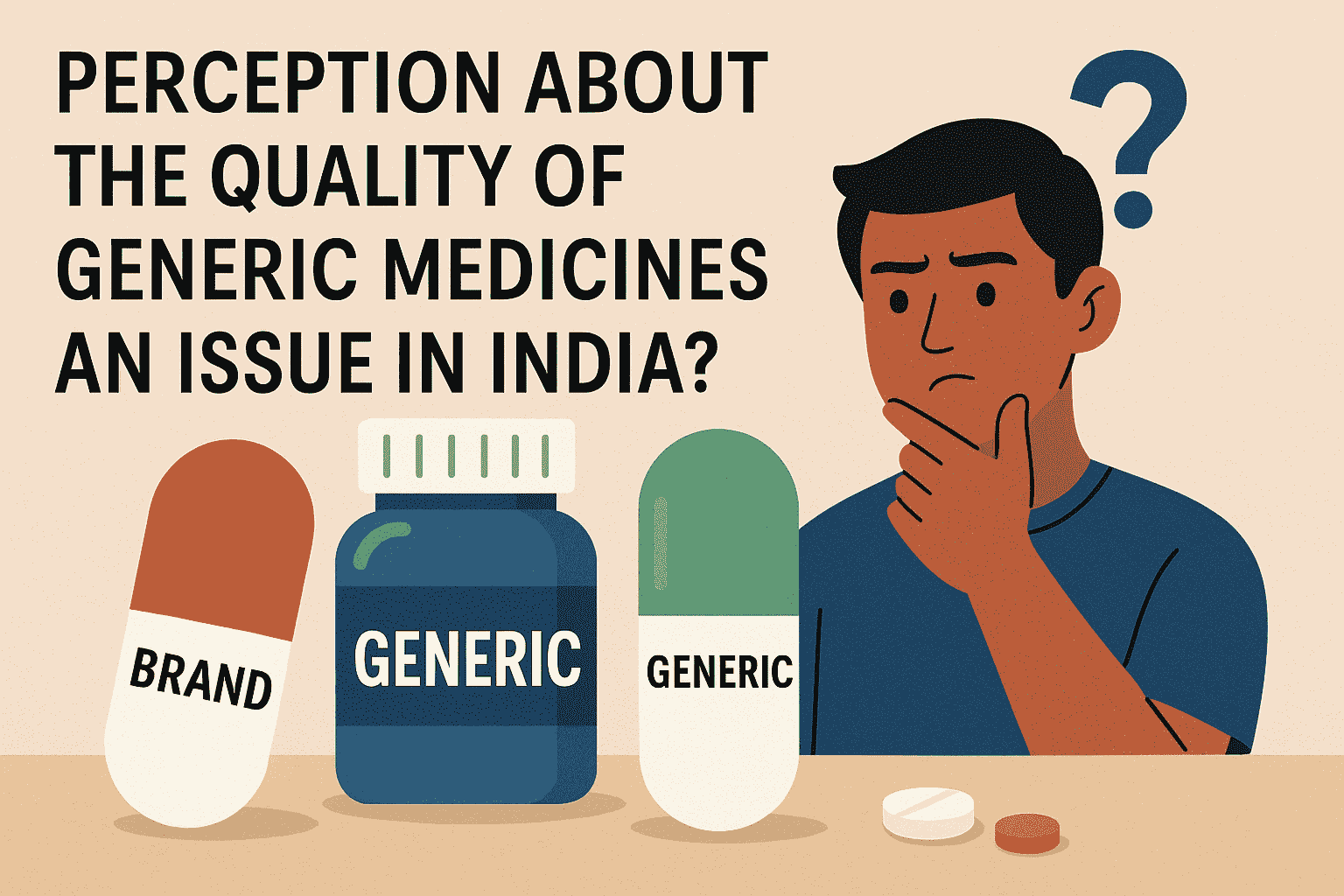
  • Perception about the quality of generic medicines an issue in India?

    Perception about the quality of generic medicines an issue in India?

    Perception about the quality of generic medicines an issue in India

    Patients in India are often trapped in the vicious circle of getting prescribed expensive, branded medicines and buying those regularly. This is true for patients on regular medication for diabetes, blood pressure, cholesterol, etc.

    Often, these branded medicines (which are expensive) are bought regularly. The cost of universal healthcare delivery in India would be around INR 1713 per person per annum in India. But, the cost would increase by 24% if branded medicines are used.

    ​Studies have compared generic and branded pharmaceuticals, concluding that generics are just as effective and contain the same high-quality components. Let’s look into the reasons for the widespread disapproval of the latter.

    – Medicine dispensers in India are usually selling fast-running medicines that are usually branded.

    – Doctors have tie-up with these medical dispensers who get their split share when patients buy their prescribed medicine.

    – Pharmaceutical companies have invested in patenting and advertising branded medicines. They create clout around such medicines, which makes patients skeptical of buying generics.

    Dispensing of medications is mostly handled by pharmacists and drug sellers or salespeople in India. The worldwide use of generic medications to lower drug prices benefits patients and their communities. Low-cost price is one of the key advantages of generic medicines, and replacing them with branded ones can bring down the burden of medical costs on India’s poor. Let’s understand the role of pharmacists dispensing medicines and doctors recommending the same.

    Role of pharmacists and doctors

    People working in a retail medical store must have the qualifications and education (as a pharmacist). But that’s not the case in India. These personnel rely on ERP systems and databases to pick up medicines and essentially work to distribute prescriptions properly.

    Visiting any local pharmacy store would let you discover that you can get medicine without a prescription for your ailments. Often, such retail pharmacy shops play a crucial role in facilitating the appropriate use of generic pharmaceuticals. Instead of distributing generics, they usually sell branded medicine.

    While the production of generic drugs is more, it was researched that many healthcare providers still have a poor perception of generics and are reluctant to prescribe them.

    Many medical professionals are against generic drug replacement because they think generic drugs are unsafe or ineffective. Plans to use generic substitution in primary care in the United Kingdom were met with significant resistance. The use of generic antiepileptic drugs and generic pregabalin for pain relief is also controversial.

    Buyers question the generic drug quality since medical professionals and pharmacists do not widely endorse it. They do not push for generic medicine because they benefit from the margin. Often, pharmaceutical companies produce branded and generic medicines. Still, they are pushed through a sales channel that benefits both — doctors get their share to prescribe branded medicines, and pharma stores get more sales margin.

    Another reason for such a perception of generic medicines in India is the lack of available information. Therefore, healthcare providers and governments need to educate the public and patients about the safety and efficacy of generic drugs.

    The Road Ahead

    As mentioned, the negative perception of generic medicines in India and the pharmaceutical lobby promoting branded medicines is already an issue. The patients are forced to pay more for lack of awareness, misinformation, and negative perception.

    Removing such a perception of generic medicine in India requires conducting programs with investments in information about the quality of medicines. The government, generic medicine sellers or non-government organizations should do this. The aim should be to build trust amongst the buyers that generic medicines in India are just as safe and effective as branded ones.

    This requires interventions addressing the general public and health professionals to combat the false belief that generic versions of a drug are not up to the mark. The Indian market also has another misconception that generics are only for the poor, partly because government initiatives promote generic drugs as cost-effective alternatives for marginalized populations. This makes the ones who can afford branded medicine believe that generic medicines’ quality could be better.

    The customers should rather be informed about —

    ● Bioequivalence of generic medicines

    ● The QA process that every generic medicine goes through, including GMP, as laid out by WHO

    ● Branding companies that are producing generic ones.

    Creating a level-playing field for generic and branded medicines requires publishing reports in the media. This includes showing a comparison between variants of branded and generic medicines.

    Here are some of the key researches that were carried out to show that generic medicines are equivalent to branded —

    ●https://www.nature.com/articles/s41598-020-62318-y

    ●https://www.ncbi.nlm.nih.gov/pmc/articles/PMC6415809/

    ●https://bmcpharmacoltoxicol.biomedcentral.com/articles/10.1186/2050-6511-14-1

    When discussing medical health reform, it is important to win customer trust. This begins by changing how the government operates Janaushadi stores and other healthcare initiatives to provide affordable generic medicines. Instead, it should improve the image and credibility of generic medicines. This requires allocating resources to foster customer trust and create an impact.

    Branded drug companies actively promote their branded products to Indian doctors and pharmacists. Regarding marketing, generic versions of popular brands get less attention. That’s why you need an expert to talk about generic drugs. Consider the impact of celebrity endorsements on mutual funds (AMFEE) or Mr. Amitabh Bachchan giving transaction security tips as provided by RBI on a show Kaun Banega Crorepati (KBC).

    How is Medkart creating a difference?

    We are against the long-known practice of health professionals receiving commissions for boosting prescriptions of expensive branded medicines. That’s why we provide generic alternatives to prescribed branded medicines. Even if you are prescribed medicines by your doctor, bring us the prescription and we will offer you its equivalent generic medicines — pocket-friendly and uncompromised quality.

    Walk into any of our 107 generic medical stores in India with a prescription to use generics and tap into effective cost savings.

    ​Click here to explore Medkart website and order generic medicines.

    Alternatively, you can use ourAndroid or iOS application for the same.

  • How to differentiate between generic and branded medicines in India

    How to differentiate between generic and branded medicines in India

    How to differentiate between generic and branded medicines in India

    What are generic drugs?

    Let’s start with the difference between generic and branded in terms of dose form, safety, strength, mode of administration, quality, and performance traits, approved generic medications are comparable to those brand-name medications. And you might be aware of popular genetic medicine as well.

    The amount to which the two medications would be absorbed into your body differs not noticeably. It may function just as well as a branded medication.

    Unlike branded medications, any medication marketed under its chemical name without advertising is also referred to as a generic drug. With the passing of the Patents Act in 1970, the Indian government started the domestic production of medicines by Indian businesses in the early 1960s.

    Except for composition patents for foods and medicines, the Patents Act covered the process patent, which was shortened to five to seven years. Low-cost drugs were produced as a result of this. The Medical Council of India’s 2002 code of ethics advises doctors only to prescribe drugs by their generic names. There are plenty of generic medical stores online where you can get popular generic drugs.

    ​Generic Medicines – Frequently Asked Questions | Trusted Generic Provider – Medkart​

    What are branded drugs?

    is there any difference between generic and branded medicines? Branded drugs are precisely what they sound like: drugs marketed as a certain brand. A business that specializes in developing generic medications or the corporation that produced the original product will produce these drugs after the patent on the original drug has expired. The corporation may only use the brand name.

    The branded medicine needs to be biologically original. The branded drug must therefore have the same impact on the body as the generic. Numerous businesses manufacture generic birth control pills under various brand names.

    Difference between generic and branded

    The conditions under which medications are produced differ between brand-name and generic drugs. While a generic drug is made using the same active ingredient as a brand name drug, a brand name drug refers to the name provided by the producing business. Although they are sold with numerous names, generic drugs will share the same active ingredients as their branded counterparts.

    However, generic medications in India and elsewhere in the world have the same high-quality active component as brand-name medications in terms of efficacy. All medications must adhere to the tight regulations and oversight of the Food and Drug Administration (FDA) in the US and comparable organizations in other nations.

    These distinctions are between brand-name and generic medications and within generic medications. It implies that you will receive many medications with the same active ingredients; this active ingredient denotes the generic medication.

    1. Different inactive ingredients

    The distinction between brand-name and generic medications is the inactive ingredient that each drug contains. Since the FDA only pays attention to the active ingredients, there are differences between the inactive ingredients of generic and brand-name medications. It is crucial to check the drug’s component list to discover whether any ingredients are bad for you.

    2. Different manufacturer

    Various companies produce generic medications, and the manufacturer your local pharmacy chooses will determine the kind of medication you receive.

    3. Price

    Usually, the cash price and insurance co-pay are less high. Cost savings of 20% to 80% are possible. It is intended to be this way since manufacturers under generic medicine names do not incur the same capital expenses as brand-name manufacturers. Generic medicine shops online sell drugs at cheap prices.

    4. Different colors and flavors of generic drugs

    Trade regulations prohibit identically branded generic medicines, but they must all contain the same active ingredients to produce the same therapeutic benefits. These variations are frequently caused by non-active components like dyes, fillers, and preservatives that influence size, shape, and color.

    This is the rationale behind the advice given to patients to abide by their doctor’s prescription: only your doctor can match your medical history to certain inactive ingredients in a given generic drug that may result in an unfavorable reaction in your body, as opposed to another generic or branded version of the same drug. You can get cheap drugs from generic drug stores.

    The active component will be listed on the drug label if your doctor allows generic replacement, even though your prescription is for a brand-name product. As a result, the active components in brand-name and generic medications are identical. Market is full of online generic medicine stores.

    However, seeing your doctor before filling out your medication list helps ensure you receive the correct medication. You should only assume a drug is the same by looking at it; making a decision requires knowing the active ingredient composition.

    5. Quality of generic drugs

    You are not alone if you worry that generic medications are less expensive and could have lower quality. But the reality is that it won’t! The regulator strives to make generic medications as secure and efficient as brand-name medications. Imagine a world without sufficient access to inexpensive basic medications. The availability of more drugs at lower costs to those who need them is why generic medications are permitted.

    Since brand-name medicine development and marketing expenses are not included in the product price, generic medications are less expensive. New drugs will include the research, development, patent, marketing, and selling costs. Buying generic medications doesn’t have any of these costs. For this reason, before enabling generic drug manufacturers to create and market the same medication, the legislation first allows the brand-name firm to recoup its investment.

    Legalizing generic medications lowers costs and increases access to inexpensive medication for more individuals.

    How to differentiate between generic and branded medicines in India

    Does every branded drug have a generic counterpart?

    Originally, no. The development of new drugs is protected by patents, which typically last for 20 years after approval. However, developing and marketing the branded medication might take a long time. As the medicine’s patent expires, more pharmaceutical companies apply to get approval to sell the generic drug.

    Before the patent on the brand-name medication expires, the authority can give “tentative approval” to a generic version. Numerous businesses may produce and market generic versions of the same product under different brand names. However, it’s feasible that some drugs will never have a generic alternative. Because producing them is either too difficult or too expensive for their original creators.

    Conclusion

    Generic medications cost less than branded medications. Without brand names, generic medications are identified by their chemical names. Generic medications are given brand names to aid with patient identification. Patients, as a result, frequently utilize the same branded generic drugs.

  • જેનરિક દવાઓ કેટલી અસરકારક છે?

    જેનરિક દવાઓ બ્રાન્ડેડ દવાઓ કરતાં સસ્તી હોવાથી, તેની ગુણવત્તા, અસરકારકતા અને વિશ્વસનીયતા પર પ્રશ્નો ઉભા થાય છે. પરંતુ, સત્ય એ છે કે – બંને પ્રકારની દવાઓ વચ્ચે કોઈ તફાવત નથી.


    તમારે એ સમજવાની જરૂર છે કે જેનરિક દવાઓ બ્રાન્ડેડ દવાઓ અથવા કંપનીના નામની દવાઓના કોષ છે. તેથી જેનરિક દવાઓ બ્રાન્ડેડ દવાઓ જેટલી જ અસરકારક છે. તેથી બ્રાન્ડેડ દવાઓ જેનરિક દવાઓ કરતાં મોંઘી (આશરે 80-85%) બનાવવામાં આવે છે કારણ કે ઉત્પાદકો પાસે ફાર્મા નેટવર્ક છે જે સિંગલ સ્ટ્રીપ અથવા દવામાંથી મોટી ટુકડોખાય છે, અને તેઓ જાહેરાતો પણ ચલાવે છે અને ચિકિત્સકોને મફત નમૂનાઓનું વિતરણ કરે છે. આવા ખર્ચને આવરી લેવા માટે, બ્રાન્ડેડ દવાઓની કિંમત ઊંચી હોય છે. જેનરિક દવાની અસરકારકતાને સમજવા માટે, તમારે બ્રાન્ડેડ દવાના ગેમપ્લાનને સમજવાની જરૂર છે કારણ કે તેઓ દવાના વિજ્ઞાન, ઉત્પાદન, જાહેરાત અને પ્રમોશનમાં નોંધપાત્ર રોકાણ સાથે બજારમાં નવી પ્રોડક્ટ લોન્ચ કરે છે. કદાચ, સમાન યોજનામાં, તેઓ સમાન ઘટકો સાથે સમાન દવાનું ઉત્પાદન કરી શકે છે, પરંતુ જેનરિક નામ સાથે અને ગુણવત્તાનો પ્રશ્ન છે.

    જેનરિક અને બ્રાન્ડેડ બંને દવાઓનો ડોઝ, આયોજિત ઉપયોગ, પરિણામો અને આડ અસરો, ડિલિવરીનો માર્ગ, જોખમો, આરોગ્ય અને પ્રારંભિક દવાઓની તીવ્રતા સમાન હોય છે. તેથી, અસરકારકતા સાથે બિલકુલ સમાધાન કરવામાં આવતું નથી. બ્રાન્ડેડ અથવા જેનરિક, બંનેમાં લગભગ સમાન ફાર્માકોલોજિકલ અસરો હોય છે. ફાર્મા પ્લાન્ટ ચલાવવાનું અનુપાલન કોઈપણ કંપની માટે સમાન છે – બ્રાન્ડેડ અથવા જેનરિક, અને 50% થી વધુ બ્રાન્ડ-નામ કંપનીઓ જેનરિક દવાના વિકાસ માટે જવાબદાર છે.

  • ભારતમાં ડૉક્ટરો જેનરિક દવાના નામને બદલે બ્રાન્ડનું નામ શા માટે લખે છે?

    મોટેભાગે, ડૉક્ટરો બ્રાન્ડેડ દવાઓ અથવા દવા સૂચવે છે જે તેમના દવાખાનું નજીક ઉપલબ્ધ હોય છે. પરંતુ અહીં એક પ્રશ્ન એ ઊભો થાય છે કે ડૉક્ટરો તેની સ્પષ્ટતા કેમ કરતા નથી? શા માટે દર્દીને તે માટે પૂછવું પડે છે?

    ઘણા લોકો કહે છે કે ડૉક્ટરો કમીશન માંગે છે, અને તેથી જ તેઓ ક્યારેય ઓછી કિંમતની કે જેનરિક દવાઓ લખતા નથી અથવા તેના માટે કોઈ સલાહ પણ આપતા નથી. ઉપરાંત, એવું કહેવાય છે કે ડૉક્ટરો મોટે ભાગે તેને નિર્દેશ કરતા નથી કારણ કે જેનરિક દવાઓ સરકારી સપ્લાય છે, અને ડૉક્ટરો ને તે લખવા માટે કોઈ લાભ અથવા આવક મળતી નથી. જો કે, ડૉક્ટરો પાસે ઓછી કિંમતની અથવા જેનરિક દવાઓ માગવી એ દર્દીઓની પણ ફરજ છે.

    પરંતુ પ્રશ્ન એ છે કે જેનરિક દવા ન લખવાનું આ જ કારણ છે? ઠીક છે, જવાબ રાજદ્વારી છે.


    બધા ડૉક્ટરો સરખા નથી હોતા. કેટલાક જેનરિક દવાઓની તરફેણમાં છે, અને તેથી તે સૂચવે છે. જો કે, અન્ય લોકો તેને નિર્ધારિત કરતા નથી કારણ કે તેઓ ફાર્મસી અથવા કેટલીક ફાર્મસી કંપનીઓ સાથે જોડાણ ધરાવે છે, અથવા ક્યારેક તેઓ તેમના સંબંધીઓ છે જેઓ ફાર્મસી ચલાવે છે.

    પરંતુ કમિશન સિવાય, અમુક ડૉક્ટરો માને છે કે જેનરિક દવાઓ થોડા દિવસોમાં લક્ષણોને દૂર કરવા માટે પૂરતી કાર્યક્ષમ નથી. દરેક ડૉક્ટર શક્ય તેટલી ઝડપથી દર્દીઓની સારવાર કરવા માંગે છે કારણ કે પરિણામ જેટલું ઝડપી છે, તેટલા વધુ વિશ્વસનીય ડૉક્ટર છે!

    બીજું કારણ તેની ઉપલબ્ધતા છે. ભારતમાં ઘણી ફાર્મસીઓ જેનરિક દવા રાખતી નથી અને દર્દીઓ માટે અલગ-અલગ દુકાનો પર શોધવી મુશ્કેલ બની જાય છે. જો કે, હવે સરકારે માત્ર સ્થાનિક ફાર્મસીની દુકાનો પર જ નહીં પરંતુ ઓનલાઈન દુકાનોમાં પણ જેનરિક દવાઓનો સપ્લાય કરવાનો આદેશ પસાર કર્યો છે.

    ઉપરાંત, મોટાભાગની ફાર્મસીની દુકાનોમાં વેચાણકર્તાઓ છે જેઓ ફાર્માસિસ્ટની દેખરેખ હેઠળ તેમની બ્રાન્ડની દવા વેચે છે.

    તેમને જેનરિક દવાઓ વિશે કોઈ ખ્યાલ નથી, તેથી તેઓ આપવાનો ઇનકાર કરે છે, અને દર્દીઓને એક દવા લેવા માટે અન્ય દુકાનોમાં જવું પડે છે,

    જે તેમના માટે કંટાળાજનક બની જાય છે. પછી આગલી વખતે, તેઓ ડૉક્ટરો ને સરળતાથી ઉપલબ્ધ દવાઓ આપવા વિનંતી કરે છે.

    છેલ્લે, ભારતમાં, બ્રાન્ડેડ દવાઓ જેનરિક દવાઓ કરતાં જાણીતી છે. બ્રાન્ડેડ દવાઓ લોકોમાં વધુ જેનરિક હોવાથી, તેઓ જેનરિક દવાઓ જાણતા નથી, તેથી જ્યારે અજાણી પરંપરાગત દવાઓ સૂચવવામાં આવે છે ત્યારે તેઓ ડૉક્ટરો પર પણ શંકા કરે છે. ઉદાહરણ તરીકે, દરેક વ્યક્તિ જાણે છે કે ક્રોસિન તાવ/દુખાવા માટે છે, અને તે બ્રાન્ડેડ છે. હજુ પણ જ્યારે કોઈ કે ડૉક્ટર તેમને પેરાસિટામોલ લેવાનું કહ્યું, તેઓને શંકા છે કે આ દવાથી દુખાવો દૂર થશે કે નહીં કારણ કે તેઓ જાણતા નથી કે પેરાસિટામોલ ક્રોસિનનું જેનરિક નામ છે. તેથી જાગૃતિ અથવા જ્ઞાનનો અભાવ એ દર્દીનો વિશ્વાસ મેળવવા માટે ડૉક્ટર માટે બ્રાન્ડેડ દવાઓ આપવાનું બીજું કારણ છે.

  • जेनरिक दवाएं कितनी कारगर हैं?

    जबसे जेनरिक दवाएं ब्रांडेड की तुलना में सस्ती होती हैं, इसलिए उनकी गुणवत्ता, प्रभावशीलता और विश्वसनीयता पर सवाल उठना अनिवार्यहै। लेकिन, सच तो यह है – दोनों तरह की दवाओं में कोई अंतर नहीं है।

    आपको यह समझने की जरूरत है कि जेनरिक दवाएं ब्रांडेड दवाओं या कंपनी के नाम वाली दवाओं के प्रतिरूप हैं। इसलिए जेनरिक दवाएं भी उतनी ही असरदार होती हैं, जितनी ब्रांडेड दवाएं। इसलिए ब्रांडेड दवाओं को जेनरिक दवाओं की तुलना में महंगा (लगभग 80-85%) केवल इसलिए बनाया जाता है क्योंकि उत्पादकों के पास एक फार्मा नेटवर्क होता है जो एक पट्टी या दवा से बड़ी पाई खाता है, और वे विज्ञापन भी चलाते हैं और चिकित्सकों को मुफ्त नमूने वितरित करते हैं। इस तरह की लागत को कवर करने के लिए ब्रांडेड दवाओं की कीमत अधिक होती है। एक जेनरिक दवा की प्रभावशीलता को समझने के लिए, आपको ब्रांडेड के गेमप्लान को समझने की आवश्यकता है क्योंकि वे दवा विज्ञान, उत्पादन, विज्ञापन और प्रचार में काफी मात्रा में निवेश के साथ बाजार में एक नया उत्पाद लॉन्च करते हैं। शायद, एक ही योजना में, वे एक ही दवा का निर्माण एक ही सामग्री के साथ कर सकते हैं, लेकिन एक जेनरिक नाम के साथ और गुणवत्ता का सवाल निकल जाता है।

    जेनरिक और ब्रांडेड दोनों दवाओं की प्रारंभिक दवा के रूप में एक ही आहार, योजना उपयोग, परिणाम और दुष्प्रभाव, वितरण का मार्ग, खतरे, स्वास्थ्य और तीव्रता होती है।

    इसलिए, प्रभावशीलता बिल्कुल समझौता नहीं है। ब्रांडेड हो या जेनरिक, दोनों का लगभग एक जैसा औषधीय प्रभाव होता है। फार्मा प्लांट चलाने का अनुपालन किसी भी कंपनी के लिए समान है – ब्रांडेड या जेनरिक, और 50% से अधिक ब्रांड नाम वाली कंपनियां जेनरिक दवा के विकास के लिए जिम्मेदार हैं। 

  • भारत में डॉक्टर जेनरिक दवा के नाम की जगह ब्रांड का नाम क्यों लिखते हैं?

    ज्यादातर बार, डॉक्टर ब्रांडेड दवाएं या दवाइयां लिखते हैं जो उनके क्लीनिक के पास उपलब्ध होती हैं। लेकिन यहां एक सवाल उठता है कि डॉक्टर इसे क्यों नहीं बताते? रोगी को इसके लिए क्यों पूछना पड़ता है?

    बहुत से लोग कहते हैं कि डॉक्टर कमिशन लेना चाहते हैं, और इसीलिए वे कभी भी कम कीमत या जेनरिक दवाएं नहीं देते या इसके लिए सलाह भी नहीं देते। साथ ही, यह भी कहा जाता है कि डॉक्टर ज्यादातर इसे इसलिए नहीं लिख रहे हैं क्योंकि जेनरिक दवाएं सरकारी आपूर्ति होती हैं और डॉक्टरों को इसे लिखने से कोई लाभ या आय नहीं मिलती है। हालांकि, यह मरीजों का कर्तव्य भी है कि वे डॉक्टरों से कम कीमत या जेनरिक दवाएं मांगें।

    लेकिन सवाल यह है कि क्या जेनरिक दवा न लिखने की यही एकमात्र वजह है? खैर, इसका जवाब कूटनीतिक है।


    सभी डॉक्टर एक जैसे नहीं होते। कुछ जेनरिक दवाओं के पक्ष में हैं, और इसलिए इसे लिखते हैं। हालांकि, अन्य लोग इसे इसलिए नहीं लिखते हैं क्योंकि उनका किसी फ़ार्मेसी या कुछ फ़ार्मेसी कंपनियों के साथ मेलजोल होता है, या कभी-कभी उनके रिश्तेदार होते हैं जो फ़ार्मेसी चलाते हैं।

    लेकिन कमीशन के अलावा कुछ डॉक्टरों का मानना है कि जेनरिक दवाएं कुछ दिनों में लक्षणों को ठीक करने के लिए पर्याप्त कुशल नहीं हैं। हर डॉक्टर मरीजों का जल्द से जल्द इलाज करना चाहता है क्योंकि जितनी जल्दी रिजल्ट आएगा डॉक्टर उतना ही ज्यादा भरोसेमंद होगा!

    दूसरा कारण इसकी उपलब्धता है। भारत में कई फार्मेसियों में जेनरिक दवाएं नहीं होती हैं और मरीजों के लिए तो अलग-अलग दुकानों पर ढूंढना मुश्किल हो जाता है। हालांकि, अब सरकार ने न केवल स्थानीय फार्मेसी दुकानों बल्कि ऑनलाइन दुकानों में भी जेनरिक दवाओं की आपूर्ति करने का आदेश पारित किया है।

    साथ ही, अधिकांश फ़ार्मेसी दुकानों में सेल्सपर्सन होते हैं जो फार्मासिस्ट की देखरेख में अपनी ब्रांड दवा बेचते हैं।

    उन्हें जेनरिक दवाओं के बारे में कोई जानकारी नहीं है, इसलिए देने से मना कर देते हैं और मरीजों को एक दवा लेने के लिए दूसरी दुकानों पर जाना पड़ता है, जो उनके लिए थकाऊ हो जाता है। फिर अगली बार, वे डॉक्टरों से आसानी से उपलब्ध दवा उपलब्ध कराने का अनुरोध करते हैं।

    अंत में, भारत में ब्रांडेड दवाएं जेनरिक दवाओं की तुलना में अच्छी तरह से जानी जाती हैं। क्योंकि ब्रांडेड दवाएं लोगों के बीच अधिक आम हैं, वे जेनरिक दवाओं को नहीं जानते हैं, इसलिए जब अपरिचित पारंपरिक दवाएं निर्धारित की जाती हैं तो वे डॉक्टरों पर भी संदेह करते हैं। उदाहरण के लिए, हर कोई जानता है कि क्रोसिन बुखार/दर्द के लिए है, और यह एक ब्रांडेड है। फिर भी, जब किसी ने या डॉक्टर ने उन्हें पैरासिटामोल लेने के लिए कहा, तो उन्हें संदेह था कि यह दवा दर्द ठीक करेगी या नहीं क्योंकि वे नहीं जानते कि पैरासिटामोल क्रोसिन का जेनरिक नाम है। इसलिए जागरुकता या ज्ञान की कमी डॉक्टरों द्वारा रोगी का विश्वास हासिल करने के लिए ब्रांडेड दवाएं उपलब्ध कराने का एक और कारण है।