Blog

  • Health Benefits of Moringa Oleifera: Miracle Tree

    Health Benefits of Moringa Oleifera: Miracle Tree


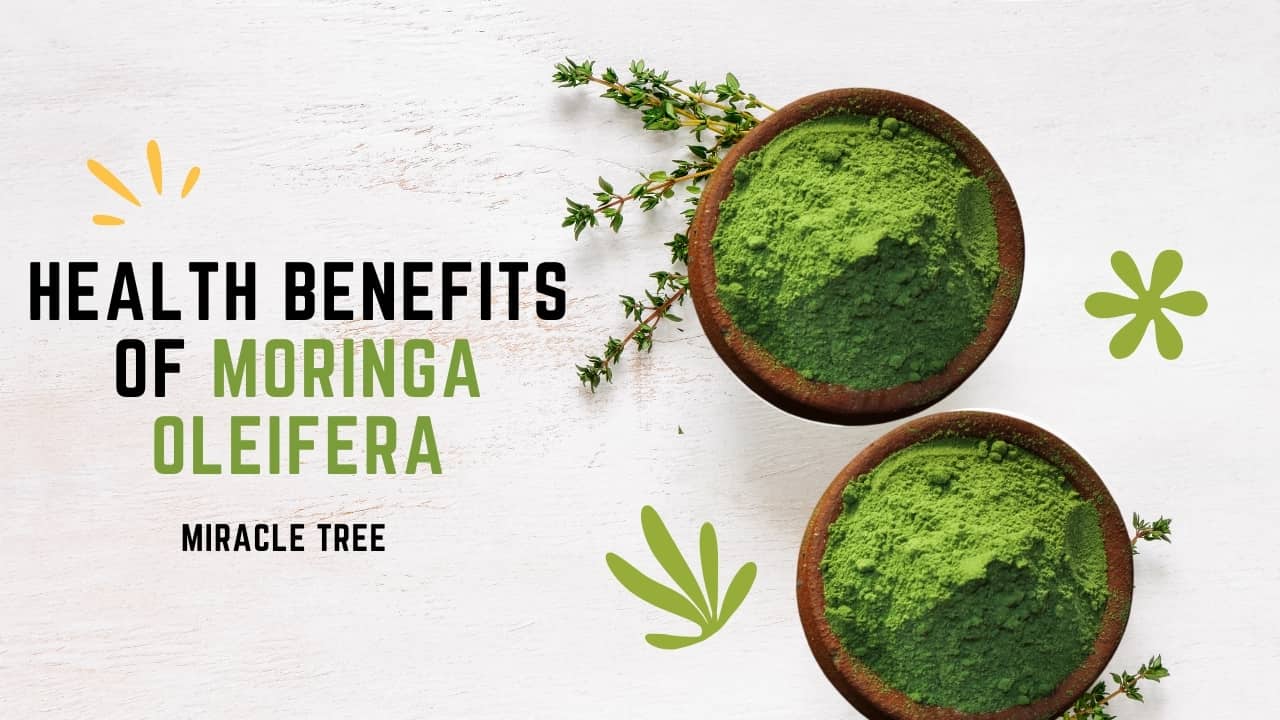
    moringa benefits, moringa powder benefits, moringa leaves benefits A native to India, Moringa Oleifera is also known as the “Miracle Tree”. This plant has been used for ages in Ayurvedic and traditional medicine as it was growing native in many subtropical and tropical regions. The superfood is packed with all the required vitamins, minerals, and antioxidants, making it a great addition to a healthy lifestyle. From boosting immunity to enhancing skin health, the benefits of moringa are extensive.

    Whether consumed as fresh leaves, moringa powder, or in the form of tea and supplements, this plant can significantly improve overall well-being. Let’s explore the impressive moringa benefits and how it can transform your health.

    Moringa Nutritional Value: A Superfood Like No Other

    One of the main reasons that moringa is becoming very popular is because of its extraordinary nutritional value. The leaves, pods, and seeds of the moringa tree are replete with the following:

    • Protein: Has all nine essential amino acids that make it a complete protein source.
    • Vitamins: Very high levels of Vitamin A, Vitamin C, and B-complex vitamins.
    • Minerals: Rich in calcium, iron, potassium, and magnesium.
    • Antioxidants: Contains quercetin, chlorogenic acid, and beta-carotene that help combat oxidative stress.

    Due to its superior nutritional profile, moringa is mostly applied in the prevention of malnutrition and generally well-being.

    Moringa Benefits for Overall Health

    1. Enhances Immunity and Prevents Inflammation

      Moringa contains antioxidants and anti-inflammatory properties that enhance immunity. Its vitamin C and flavonoid contents ensure that the body’s immune response against diseases, infections, and chronic illnesses is enhanced.

    1. Enhances Heart Health

      It’s said to have a lowering effect on bad cholesterol, which is the LDL, and increases the good cholesterol, which is the HDL. Such substances reduce the risk of disease that causes heart failure. Also, it maintains healthy blood pressure levels since it contains anti-inflammatory properties.

    1. Balances Blood Sugar

      For people with diabetes and at-risk of it, moringa can stabilize blood sugar. Studies have proven that chlorogenic acid, which is present in moringa leaves, improves insulin sensitivity and reduces blood sugar spikes.

    1. Improves Brain Power

      Moringa, with its high content of antioxidants and neuroprotection agents, is believed to support cognitive functions, boost memory, and maybe even prevent neurodegenerative conditions, such as Alzheimer’s.

    1. Supports Digestion and Detoxification

      With many powers of a natural detoxifier, Moringa aids the liver in cleaning toxins from the body. Its rich fiber content helps in digestion; it prevents constipation and promotes good gut health.

    Moringa Leaves Benefits: The Green Superfood

    Moringa leaves are one of the most nutrient-dense parts of the plant. The moringa leaves benefits include:

    • Improving energy levels naturally without caffeine.
    • Providing a rich source of iron, making it great for individuals with anemia.
    • Supporting lactation in breastfeeding mothers by enhancing milk production.

    Moringa Powder Benefits: Convenient Nutrition on the Go

    Moringa powder, a product of dried moringa leaves is one of the simplest ways to enjoy this superfood. Some of the good perks that moringa powder has are:

    • Easy absorption: The powdered form makes nutrients easily absorbed in the body.
    • Rich source of plant protein: Perfect for vegetarians and vegans.
    • Versatile: Add it to smoothies, teas, soups, and even baked goods.
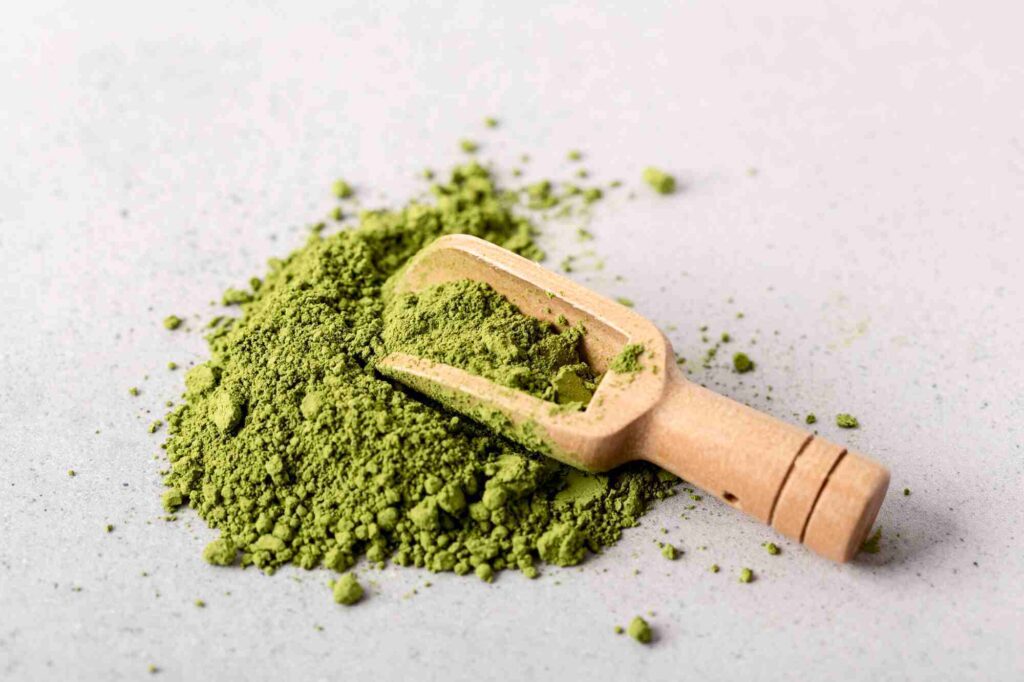
    moringa benefits, moringa powder benefits, moringa powder benefits for females, what is moringa powder good for

    How to Make Moringa Powder from Fresh Leaves

    Moringa powder is a nutrient-dense superfood made from dried moringa leaves. Making your own moringa powder at home ensures purity, freshness, and maximum nutritional value. Here’s a step-by-step guide to preparing moringa powder from fresh leaves.

    Step 1: Harvest Fresh Moringa Leaves

    • Collect fresh, young moringa leaves from the tree.
    • Choose healthy, green leaves and avoid yellow or damaged ones.
    • Ideally, harvest in the morning when leaves are fresh and rich in nutrients.

    Step 2: Rinse the Moringa Leaves Thoroughly

    • Rinse the leaves of the moringa tree under clean, running water to remove dirt, dust, and insects.
    • Submerge the leaves in a bowl of saltwater for 5–10 minutes to eliminate bacteria.
    • Drain and pat dry using a clean kitchen towel or paper towel.

    Step 3: Dry the Moringa Leaves

    Option 1: Air-Drying (Best Method for Nutrients Retention)

    • Spread the washed leaves on a clean, dry surface (tray, bamboo mat, or net).
    • Place them in a shaded, well-ventilated area (avoid direct sunlight to preserve nutrients).
    • Leave them to dry for 3–5 days, turning them occasionally.

    Option 2: Sun-Drying (Faster but May Reduce Nutrients)

    • If you must use sunlight, dry the leaves for a short time (1–2 days max).
    • Cover them with a fine mesh to prevent contamination.

    Option 3: Using a Dehydrator or Oven

    • Dehydrator: Set at 100–110°F (38–43°C) and dry for 6–8 hours.
    • Oven: Use the lowest temperature setting and dry for 2–3 hours, checking frequently.

    The leaves should be completely dry and brittle before grinding.

    Step 4: Grind the Dried Leaves into Powder

    • Use a mortar and pestle, blender, food processor, or coffee grinder.
    • Grind until you obtain a fine green powder.
    • If necessary, sift the powder through a fine mesh to remove any coarse particles.

    Step 5: Store Moringa Powder Properly

    • Transfer moringa powder into a glass jar with a tight lid or a sealed jar.
    • Keep in a cool, dry, dark place, away from sunlight and moisture.
    • If stored properly, moringa powder remains potent for up to 6 months.

    How to use Moringa Powder

    You can have moringa powder in various ways such as:

    • Adding it to your smoothies or shakes for nutritional purposes.
    • Sprinkling it over salads or soups for vitamins.
    • Steeping it in tea for a calming, antioxidant-rich drink.
    • Adding it to face masks to tap into the benefits of moringa powder for skin.

    Moringa Benefits for Skin: A Natural Beauty Secret

    The benefits of moringa powder for skin are tremendous. Moringa contains vitamins A and E, which moisturize the skin and help reduce wrinkles and fine lines. The antibacterial quality reduces acne and blemishes, leaving your skin healthy and radiant. Daily application of skincare products or face masks with moringa content will definitely enhance the texture of your skin.

    Moringa Benefits for Hair: Thicker, Healthier Locks

    Packed with essential amino acids and vitamins, the moringa benefits for hair include:

    • Strengthening hair follicles and preventing breakage.
    • Promotes hair growth by improving scalp health.
    • Reduces dandruff and dryness as it is moisturizing.

    You can apply moringa oil or make a hair mask using moringa powder to rejuvenate the scalp and get fantastic textures on your hair.

    Moringa Benefits for Men: Energy Strength

    Moringa provides men with energy-boosting properties, increases stamina, and even helps in reproductive functions. Some of the benefits that accrue to men include:

    • High antioxidant content that improves testosterone levels.
    • It is excellent for athletes and bodybuilders because it enhances muscle recovery.
    • Increased sperm count and quality enhance reproductive health.

    Moringa Powder Benefits for Females: Women’s Health Support

    For women, moringa powder benefits females by offering the following:

    • Hormonal balance: Moringa regulates estrogen levels and supports menstrual health.
    • Bone health: The rich calcium and magnesium content is good for osteoporosis.
    • Supports during pregnancy and lactation: Nutrients for mother and baby are well provided in Moringa.

    What Is Moringa Powder Good For?

    Moringa powder is an all-round superfood for several health parameters. These are as follows

    • Improves immune power and gives more energy.
    • It improves skin and hair care.
    • Help in digestion and detoxifies the body.
    • Regulation of blood sugar and cholesterol level
    • Improves general well-being.

    Conclusion

    The nutrition in a moringa tree is incomparable, placing it among the most powerful superfoods. To improve skin health, boost immunity, or achieve overall well-being, the choice of including it in your diet is simply perfect. Being among the benefits it offers to men and women, moringa indeed lives up to its name as the “Miracle Tree.

    Start adding moringa powder in your daily diet today and benefit from its incredible health benefits yourself!

    Frequently Asked Questions Regarding Health Benefits of Moringa Oleifera

    1. What are the major health benefits of Moringa Oleifera?

    Moringa is rich in vitamins, minerals, and antioxidants, which can improve immunity, help with digestion, and enhance heart health. It regulates blood sugar levels, fights inflammation, and boosts energy levels naturally. Moringa may also be able to help the skin, hair, and the general body improve.

    2. Can Moringa aid weight loss?

    Yes, Moringa can help in weight loss by increasing metabolism, reducing hunger, and breaking down fats. It has a high fiber content that helps in digestion and keeps you full for a longer time. Its detoxifying properties also help cleanse the body and promote better digestion.

    3. Is Moringa good for skin and hair health?

    Rich in vitamins A, C, and E, Moringa nourishes skin, reduces symptoms of aging, and fights acnes. Besides, it increases the strength in hair follicles, promotes their growth, prevents dandruff, and represents a great source of natural means for healthy-looking skin and healthy hair.

    4. How many Moringas should I be taking daily?

    For general health, 1–2 teaspoons of Moringa powder per day is recommended. When using fresh leaves, a handful in meals or tea works well. It’s best to start with small amounts and gradually increase to avoid digestive discomfort.


  • Is Barley Good for You? Unlocking Its Nutrition and Health Benefits

    Is Barley Good for You? Unlocking Its Nutrition and Health Benefits

    health benefits of barleyBarley, the forgotten grain, is one of the richest nutritional powerhouses with an impressive list of health benefits. From its traditional form to barley water, this ancient grain offers much more than just a pleasant addition to your meals; it’s a nutritious ingredient that deserves a place in your diet.

    What is Barley?

    Barley is a cereal grain belonging to the grass family, which has been cultivated for thousands of years. It is known for its high fiber content and rich nutrients. Barley comes in several forms: whole barley (hulled), pearl barley (partially refined), and barley flour. It is widely used in cooking, brewing, and as animal feed. Barley is also a key ingredient in soups, stews, salads, and even health drinks like barley water.

    Barley Benefits: A Nutrient Powerhouse

    • High in Fiber: One of the primary barley benefits is its high fiber content. Barley is rich in both soluble and insoluble fiber, which promotes digestive health and regularity. The fiber in barley helps prevent constipation and supports a healthy gut by feeding beneficial bacteria.
    • Heart Health: Barley is known to lower cholesterol levels. The soluble fiber in barley binds to bile acids in the digestive system, helping reduce bad cholesterol (LDL) levels. This lowers the risk of cardiovascular diseases, making barley a heart-healthy addition to your diet.
    • Blood Sugar Control: With their low glycemic index, it is a more complex carbohydrate type that is most suitable for sugar control. So, barley may help stabilize one’s blood sugars, preventing too much of spiking and subsequent crashing, good for diabetics or trying to maintain their energy levels appropriately.

    Barley Water Benefits

    Barley water is the most traditional health drink, made by boiling barley in water, straining it, and then consuming the liquid. This simple drink has been around for thousands of years and is highly prized for its health-giving properties. Given below are various barley water benefits:

    • Detoxifying and Hydrating: Barley water is detoxifying. Rich in antioxidants and essential minerals, it aids in detoxification and maintains healthy kidney and liver functions. It’s also an excellent hydrating beverage that replenishes your body with essential electrolytes.
    • Digestive Health: Barley water facilitates good digestion by it high presence of fiber, meaning it assists a person get over digestive malaises such as bloating and constipation thus creating a refreshing means for digestive ailments.
    • Skin Health: Barley water is often consumed to improve skin health. The antioxidants in barley help fight off free radicals, reducing signs of aging and promoting clearer, healthier skin. Additionally, drinking barley water may help with acne and skin irritation due to its anti-inflammatory properties.

    Barley Water image

    Barley Rice: A Healthier Alternative

    Barley rice is an excellent alternative to white rice as it provides more nutritional value. It’s prepared by cooking barley grains like rice and retains all the grain’s fiber and essential nutrients. The barley rice benefits include:

    • It is Rich in Nutrients : Barley rice is richer in vitamins, minerals, and fiber than white rice. It acts as an excellent source of B vitamins, magnesium, iron, and zinc, making it a very nutritious dish served with any meal.
    • Helps in Weight Control : As the fiber content of barley rice is high, one tends to remain full for longer hours, thereby helping in controlling weight. Since the glycemic index is lower, energy levels are released at a steady pace without causing an increase in blood sugar levels associated with white rice.
    • Supports Heart Health : Barley rice, like any other product containing barley, helps bring down cholesterol levels and contributes to healthy blood circulation. It’s also a good source of antioxidants that will help prevent inflammation and lower the level of oxidative damage to the heart.

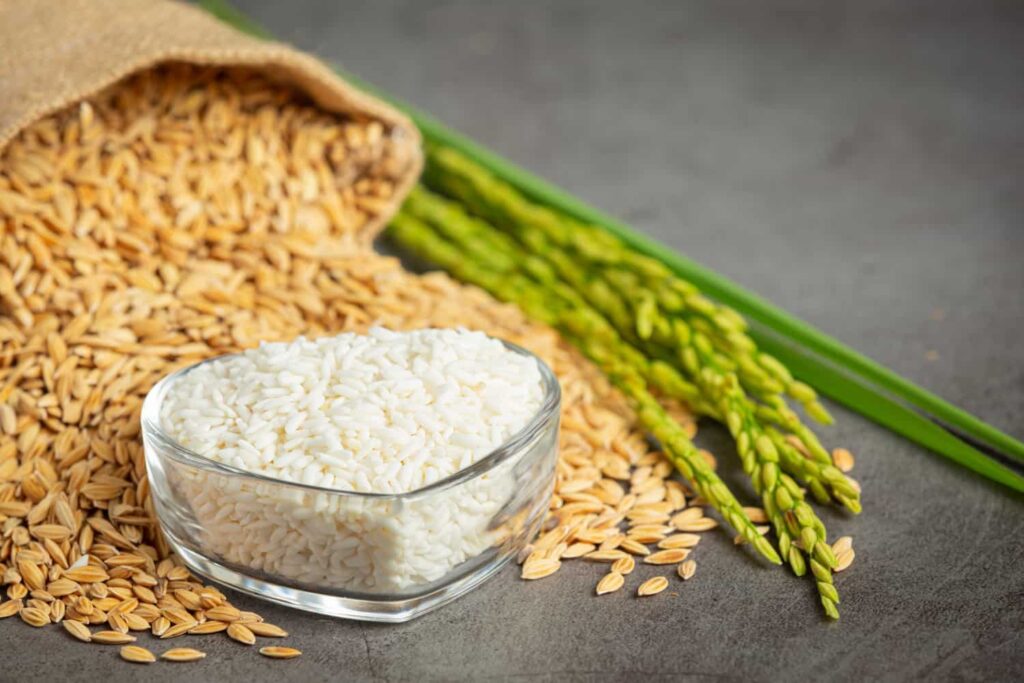
    Barley Rice photo

    Barley Nutrition: What Makes Barley So Healthy?

    Barley is replete with nutrients that are important for maintaining general well-being. Here’s a quick look at the key components of barley nutrition:

    • Protein: It is a plant-based protein that makes it one of the excellent foods for vegetarian and vegan diets.
    • Vitamins and Minerals: Barley contains a rich amount of vitamins and minerals like vitamin B6, folate, iron, and magnesium.
    • Antioxidants: The antioxidants in barley reduce harmful free radicals in the body and prevent the aging effects along with chronic diseases.

    Barley Uses: From Cooking to Brewing

    Barley isn’t only for soups or as a side dish; it has many uses:

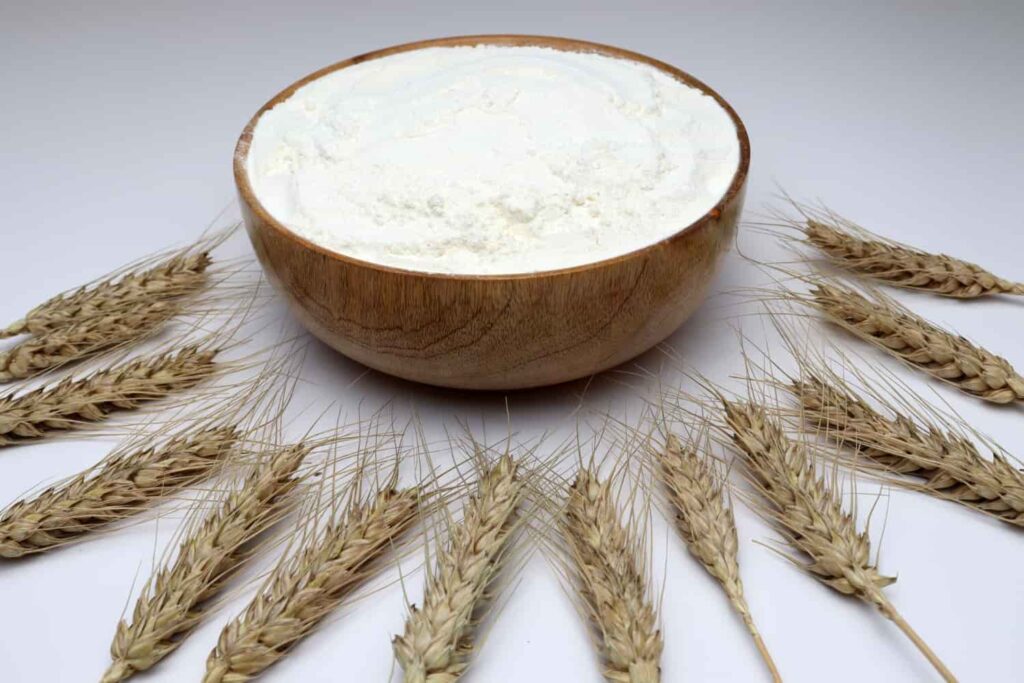
    • Barley Flour: It can be employed in baking, as it is the perfect wheat flour alternative by infusing a mild, nutty flavor in bread, cakes, and cookies. It can also be used in gluten-free baking when combined with other gluten-free flours.
    • Barley in Soups and Stews: Barley can be added to soups and stews, where its hearty texture and nutritional value can make the meal better and more filling. It thins out soups as well and adds fiber, vitamins, and minerals.
    • Barley for Breakfast: As a breakfast cereal, barley flakes, like oatmeal, can be used for a healthy start toward your day.

    Barley Grass Powder Benefits

    The young leaves of the barley plant, now made into powder form, is another useful form of barley. It’s packed with nutrients that offer a lot of health benefits:

    • Rich in Chlorophyll: Barley Grass Powder contains quite a high level of chlorophyll that has natural detoxifying properties. It helps cleanse the body, improve digestion, and promote healthy blood circulation.
    • Boosts Immunity: It helps boost the immunity system, since it is packed with vitamins and minerals. It is full of vitamin C, which helps to boost the immune system to fight infections.
    • Anti-Inflammatory Properties: It contains anti-inflammatory compounds that can reduce inflammation in the body and relieve conditions like arthritis or other inflammatory diseases.

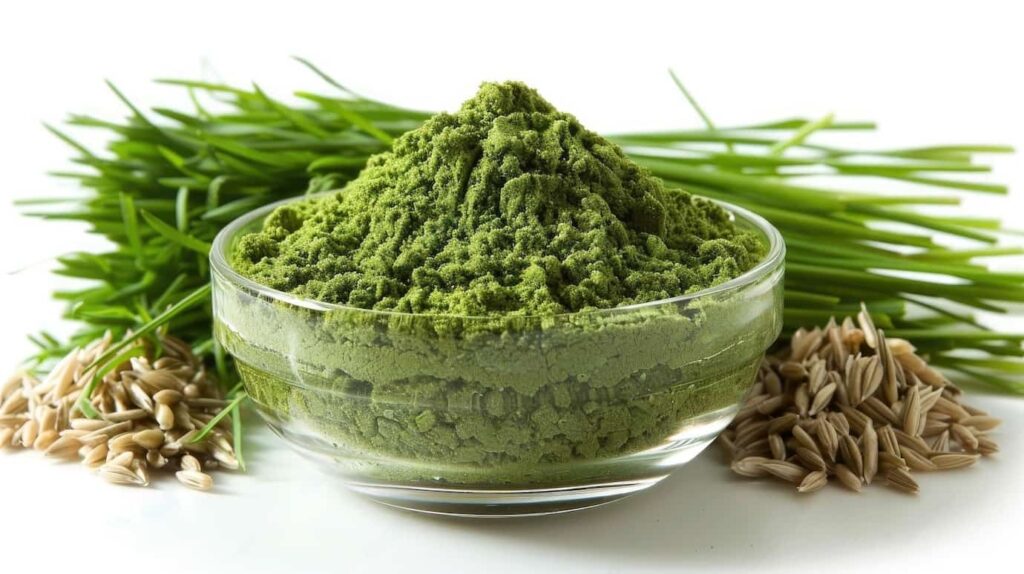
    Barley Grass Powder image

    Barley Powder Benefits

    Barley powder is another form of barley, which is made from powdered barley grains. It is a concentrated source of the nutrients found in barley and offers a variety of health benefits:

    • Promotes Digestion: Barley powder aids in digestion by improving the health of your digestive tract, supporting the growth of beneficial gut bacteria, and alleviating bloating or constipation.
    • Boosts Energy: Rich in complex carbohydrates and protein, barley powder provides a sustained release of energy, which makes it excellent for athletes or anyone who requires an energy boost.
    • Supports Weight Loss: Since barley powder is high in fiber, it can help to control hunger and prevent overeating, thus bringing about healthy weight loss.

    Barley Powder photo

    How to Make Barley Water

    Making barley water is simple and can be done with minimal ingredients. Here’s a basic recipe:
    1. Ingredients:

    • 1/4 cup of barley (whole or pearl barley)
    • 4 cups of water
    • Optional: lemon juice, mint, or sweetener (like honey)

    2. Instructions:

    • Rinse the barley thoroughly to remove any impurities.
    • In a pot, combine the barley and water and bring it to a boil.
    • Once boiling, reduce the heat and let it simmer for about 30-40 minutes.
    • Strain the barley water into a jug, discarding the grains.
    • Optionally, add a splash of lemon juice or a few mint leaves for flavor.

    3. Consumption: Drink the barley water throughout the day to enjoy its hydrating and detoxifying benefits.

    Conclusion

    Ingesting more barley in your diet can improve your health greatly. From the hydration and detoxification effects of barley water to the high fiber content in barley rice and barley powder that aids in digestion, this ancient grain provides nutrients that promote wellness. Whether it is enjoyed as a drink, part of your meals, or as a supplement like barley grass powder, barley’s versatility and health benefits make it a must-have in any balanced diet.

    FAQs On Is Barley Good for You? Unlocking Its Nutrition and Health Benefits

    1. What are the best benefits of barley to your health?

    Barley is rich in fiber, vitamins, and minerals, which have benefits for your digestive system, heart, and blood sugar level. It decreases cholesterol levels and promotes weight control while boosting your immune system. So, introducing barley into your diet will contribute to a general state of health.

    2. What are the main benefits of barley water?

    Barley water is said to have detoxifying properties and hence aids in kidney function and digestion. It is used to promote weight loss, hydration, and skin health by providing the body with nutrients and antioxidants. Its help to prevent or treat metabolic diseases when taken regularly.

    3. How can barley water be used for health and wellness?

    Barley water uses include promoting digestion, reducing acidity, and improving hydration. It can be consumed as a cooling drink, used in skincare routines, or as a natural remedy for urinary tract infections. Drinking it regularly enhances overall detoxification.

    4. Can barley water help with weight loss?

    Yes, barley water benefits weight loss by keeping you full for longer and boosting metabolism. Its high fiber content aids digestion and prevents overeating. Drinking barley water daily can support healthy weight management.

  • Fascinating Benefits and Uses of Basil Seeds

    Fascinating Benefits and Uses of Basil Seeds

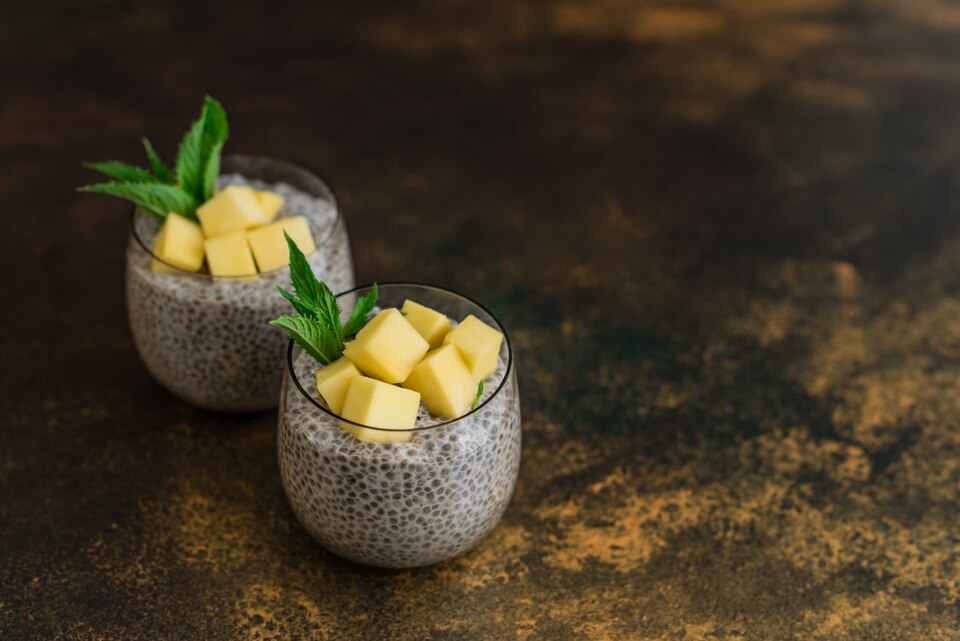
    basil seeds benefits, basil seeds benefits for skin, benefits of basil seedsBasil seeds were overshadowed to a great degree by their hot cousin, which is chia, but they can be considered powerhouse nutrition and age-old traditional remedies. These dark-colored tiny little seeds are basically derived from sweet basil (Ocimum basilicum) known for its incredibly beneficial health profile and versatility with uses. Used either for medication or as food, basil seeds are a required superfood diet.


    What Are Basil Seeds?

    Basil seeds, also known as Sabja seeds in Hindi (basil seeds in Hindi: सब्जा बीज), are small black seeds that resemble chia seeds but have distinct properties. These seeds swell up and develop a gelatinous outer layer when soaked in water, making them an excellent ingredient for hydrating and cooling beverages.

    Basil Seeds Benefits: Why You Should Add Them to Your Diet

    Basil seeds are filled with dietary nutrients such as fiber, protein, omega-3 fatty acids, and antioxidants. Here are some of the best basil seeds benefits:

    1. Aids in Weight Loss

    Basil seeds have dietary fiber, which makes you feel full for more time. This helps reduce hunger pangs and the tendency of gobbling anything. Their gelatinous properties when soaked in water help control appetite and aid digestion.

    2. Maintains Blood Sugar Levels

    For diabetic patients, basil seeds slow down the rate of sugar absorption in the blood, and therefore, keeps blood sugar in control. It is especially effective when taken before meals.

    3. Digestive aid and relief from acidity

    Basil seeds act as a natural coolant to the stomach. They soothe acid reflux, relieve bloating, and promote smooth digestion by enhancing gut health.

    4. Good for Heart Health

    Rich in omega-3 fatty acids and also in fiber, the basil seed helps in reducing the bad cholesterol of LDL and enhances good cholesterol of HDL which is healthy for the heart.

    5. Boosts Immunity

    Basil seeds are a rich source of antioxidants; it keeps our immune system strong and helps fight infection, which is a way toward overall wellness.

    6. Enhances Detoxification

    Basil seeds act as a natural detoxifier, flushing out toxins from the body and promoting better kidney and liver function.

    Basil Seeds Benefits for Skin

    Apart from internal health, basil seeds have remarkable effects on skin health. Here are some of the basil seeds benefits for skin:

    1. Anti-Aging Properties

    The antioxidant properties of basil seeds help prevent free radicals and reduce wrinkles and fine lines, thus promoting glowing and youthful skin.

    2. Acne and Skin Infection Treatment

    With antibacterial and antifungal properties, basil seeds help prevent acne and many other skin disorders such as eczema and psoriasis, thus cleansing blood to provide brighter skin.

    3. Hydrates and Moisturizes Skin

    Since basil seeds absorb water, they contribute to keeping the body hydrated. This hydration is reflected on the skin, making it soft, supple, and naturally radiant.

    Basil Seed Drink Benefits: Enjoy a Hydrating and Healthy Drink

    Among the most popular ways of taking basil seeds is in a basil seed drink. The use of basil seeds in making a drink offers hydration, cooling effects, and improved digestion.

    How to Make a Basil Seed Drink:

    1. Soak 1-2 teaspoons of basil seeds in warm water for 10-15 minutes.
    2. Once they swell up, mix them with a glass of lemonade, coconut water, or fruit juice.
    3. Add honey or natural sweeteners for taste.
    4. Enjoy a refreshing, nutrient-packed drink!

    Basil seed drinks are especially beneficial during summer, as they help in cooling the body and preventing heat strokes.

    basil seed drink benefits

    Basil Seeds vs Chia Seeds: Which One is Better?

    Many people confuse basil seeds with chia seeds, but they are quite different. Let’s explore the difference between chia seeds and basil seeds:

    Feature Basil Seeds Chia Seeds
    Appearance Small, black, oval Tiny, round, black/white
    Swelling Time Swell quickly (in 10-15 minutes) Take longer (30-60 minutes)
    Taste Mild, slightly herbal Neutral
    Water Absorption Forms a thick gel layer Forms a thinner gel layer
    Best For Cooling body, digestion, detoxification Omega-3 intake, prolonged hydration

    Chia Seeds vs Basil Seeds: Which One to Choose?

    • If you are looking for instant hydration and cooling properties, basil seeds are the better option.
    • If you need more omega-3 fatty acids and longer-lasting energy, chia seeds are preferable.

    Both seeds have their unique benefits, so incorporating both into your diet can be a great idea!

    How to Use Basil Seeds in Your Diet

    Now that you’ve learned of its numerous health advantages, here’s how you might creatively include this seed in your diet:

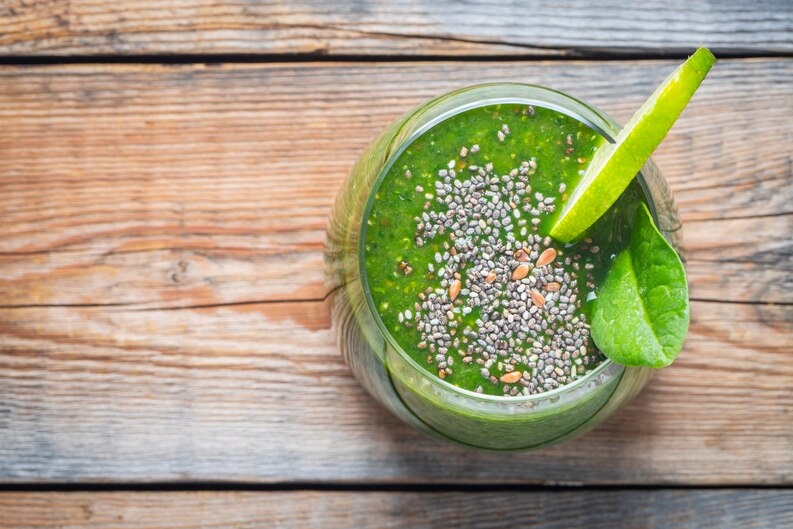
    1. Use soaked basil seeds in your fruit smoothies; add it on top for additional texture and nutrient intake.
    2. Throw basil seeds as a topping in yogurt, ice creams, and puddings – fun, tasty, and nutrient-rich.
    3. Soups & Salads – Add basil seeds to soups or salads to add nutritional value.
    4. Baked Goods – Make your own muffins, energy bars, or bread with basil seeds and reap fiber benefits.
    5. Detox Water – Add lemon and honey to basil seeds with water for a refreshing detoxifying drink.

    How to Make Smoothies with Basil Seeds:

    Step 1: Preparing Basil Seeds for Smoothies

    Before adding basil seeds to smoothies, they need to be soaked. Here’s how:

    How to Soak Basil Seeds

    1. Take 1-2 teaspoons of basil seeds.
    2. Add them to half a cup of warm water.
    3. Let them soak for 10-15 minutes until they swell up and form a gel-like coating.
    4. Stir well and then add them to your smoothie.

    Tip: You can store soaked basil seeds in the refrigerator for up to two days for convenience.

    Delicious Basil Seed Smoothie Recipes

    1. Tropical Basil Seed Smoothie

    A refreshing and hydrating smoothie packed with tropical flavors.

    Ingredients:

    • 1 cup coconut water
    • ½ cup pineapple chunks
    • ½ banana
    • 1 tablespoon soaked basil seeds
    • ½ teaspoon honey (optional)
    • Ice cubes

    Instructions:

    1. Blend all ingredients except basil seeds until smooth.
    2. Stir in the soaked basil seeds and mix well.
    3. Pour into a glass and enjoy a tropical treat!

    Tropical Basil Seed Smoothie

    2. Berry Basil Seed Antioxidant Smoothie

    This smoothie is rich in antioxidants and great for skin health.

    Ingredients:

    • 1 cup almond milk
    • ½ cup mixed berries (strawberries, blueberries, raspberries)
    • ½ banana
    • 1 tablespoon soaked basil seeds
    • ½ teaspoon chia seeds (optional)
    • 1 teaspoon honey or maple syrup

    Instructions:

    1. Blend all ingredients except basil seeds until smooth.
    2. Stir in the soaked basil seeds for extra nutrition.
    3. Serve chilled and enjoy!

    Berry Basil Seed Antioxidant Smoothie

    3. Green Detox Basil Seed Smoothie

    A perfect detox smoothie loaded with fiber and vitamins.

    Ingredients:

    • 1 cup spinach or kale
    • ½ cucumber
    • 1 green apple (chopped)
    • 1 tablespoon soaked basil seeds
    • 1 cup coconut water or almond milk
    • ½ teaspoon lemon juice

    Instructions:

    1. Blend everything except basil seeds until smooth.
    2. Add soaked basil seeds and mix well.
    3. Serve immediately for a refreshing detox drink!

    Green Detox Basil Seed Smoothie

    4. Chocolate Basil Seed Smoothie

    A guilt-free chocolate treat that satisfies sweet cravings while being healthy.

    Ingredients:

    • 1 cup unsweetened almond milk
    • 1 tablespoon cocoa powder
    • ½ banana
    • 1 tablespoon soaked basil seeds
    • 1 teaspoon peanut butter (optional)
    • ½ teaspoon honey

    Instructions:

    1. Blend everything except basil seeds until creamy.
    2. Stir in the soaked basil seeds for a unique texture.
    3. Enjoy a rich, chocolaty smoothie!

    Chocolate Basil Seed Smoothie

    Conclusion

    Basil seeds are perhaps one of the best-kept secrets in superfoods. These tiny seeds hold basil seeds benefits ranging from healthy digestion and weight management to good skin health and hydration. It doesn’t matter whether you’re comparing chia seeds vs basil seeds or making a refreshing basil seed drink; these tiny seeds pack a powerful punch of nutrition.

    FAQs On Fascinating Benefits and Uses of Basil Seeds

    1. How are chia seeds different from basil seeds?

    Basil seeds and chia seeds are very much alike in appearance, but different in texture, taste, and nutritional profile. Basil seeds absorb water much quicker and create a thicker gel. Chia seeds take longer to absorb water, but they contain more omega-3 fatty acids.

    2. How do basil seeds help in weight loss?

    Basil seeds are rich in fiber, which makes you feel full for a longer time and decreases hunger pangs. When soaked, they swell up and give a gel-like texture, which helps to control hunger and prevents overeating.

    3. Can basil seeds help improve skin health?

    Yes, basil seeds are rich in antioxidants and anti-inflammatory compounds, which reduce acne, fight aging, and give a glowing skin. Hydration is also provided by basil seeds, keeping the skin moist and young.

    4. How can I include basil seeds in my diet?

    You can soak basil seeds in water and add them to lemonade, smoothies, yogurt, or detox drinks. They can also be used in desserts, soups, and salads for an added nutritional boost.

  • Apple Cider Vinegar Benefits: What Science Says About Its Healing Powers

    Apple Cider Vinegar Benefits: What Science Says About Its Healing Powers

    apple cider vinegar benefits, apple cider vinegar benefits for skin

    Apple cider vinegar has been saluted for years as a savior of many health and beauty issues. This healthy tonic has been attributed to aiding digestion, weight loss, and skin care, among other health benefits. The science on apple cider vinegar benefits is coming out; the healing powers that this natural solution promises are significant.

    Science Behind Apple Cider Vinegar

    Apple cider vinegar is a product of fermentation, which changes the apple sugars into acetic acid, its main active compound. This acetic acid is responsible for most of the benefits of apple cider vinegar, such as antibacterial, anti-inflammatory, and blood sugar regulation.

    Benefits of Drinking Apple Cider Vinegar

    1. Digestion and Gut Health

    One of the primary benefits of drinking apple cider vinegar is its positive impact on digestion. ACV has acetic acid, which aids in the stimulation of stomach acid production, leading to better breakdown of food, and hence the reduction of bloating, indigestion, and acid reflux in low stomach acid individuals.

    How ACV Supports Digestive Health:

    • Boosts the activity of digestive enzymes.
    • Reduces bloating and discomfort after eating.
    • Maintains a healthy gut microbiome through good bacteria promotion.

    How to Use:

    • Mix 1 tablespoon of ACV in a glass of water and drink before meals to aid digestion.

    2. Supports Weight Loss and Fat Burning

    Many studies suggest that ACV can play a role in weight management. Drinking ACV may help with appetite suppression, fat metabolism, and improved digestion, leading to natural weight loss.

    How ACV Helps with Weight Loss:

    • It Reduces Hunger: ACV makes you feel fuller for longer and hence reduces calorie intake.
    • It Boosts Metabolism: Acetic acid might improve the body’s fat-burning processes.
    • It Reduces Fat Accumulation: It has been found that acetic acid reduces fat storage in the liver and belly.

    3. Regulates Blood Sugar Levels

    One of the best-researched benefits of drinking apple cider vinegar is that it can help balance blood sugar. This is extremely helpful for individuals who are in a state of prediabetes or have developed type 2 diabetes.

    How ACV Works to Regulate Blood Sugar

    • Reduces the digestion rate of carbohydrates so sugars don’t rise too quickly.
    • Improves sensitivity to insulin; it enables your body to utilize glucose better.
    • Helps in reducing fasting blood sugar when consumed before sleeping time.

    How to Use

    • Drink 1 tablespoon of ACV diluted in water before meals to help manage blood sugar levels.
    • Do not drink undiluted ACV as it can irritate the stomach and esophagus.

    4. Improves Heart Health

    Drinking ACV may contribute to better cardiovascular health by reducing risk factors such as high cholesterol and high blood pressure.

    How ACV Benefits Heart Health :

    • Lowers bad cholesterol (LDL) while increasing good cholesterol (HDL).
    • Helps reduce blood pressure by promoting better circulation.
    • Contains antioxidants that protect the heart from oxidative stress.

    How to Use :

    • Mix 1–2 tablespoons of ACV into your diet via drinks, salads, or detox beverages.

    5. Improves Skin and Hair Health

    Though ACV is primarily applied topically, consuming it can also benefit the skin from within. It balances the body’s pH and detoxifies the body, thus making the skin clearer.

    How ACV Benefits Skin and Hair :

    • Reduces acne and blemishes by eliminating toxins.
    • Enhances hydration and skin glow.
    • Improves scalp health, reducing dandruff and itchiness.

    How to Use:

    • Drink diluted ACV daily and apply it as a toner (diluted with water) for maximum apple cider vinegar benefits for skin and hair.

    6. Boosts Immunity and Fights Infections

    ACV has antimicrobial and antibacterial properties that may help boost immunity and fight infections. It is traditionally used as a natural remedy for colds and sore throats.

    How ACV Strengthens Immunity :

    • Kills harmful bacteria and pathogens.
    • Helps soothe sore throats when gargled.
    • Provides antioxidants that strengthen the immune system.

    How to Use:

    • Mix 1 tablespoon of ACV in warm water with honey for a natural cold remedy.
    • gargling ACV in water helps reduce the sore throat pain.

    7. Detoxes the Body

    ACV naturally detoxifies your body. Toxins will be cleansed out of your liver and kidneys. The system is encouraged with the stimulation of lymphatic drainage to naturally purify your body.

    How ACV Aids Detoxification:

    • Improves liver function by eliminating toxins.
    • Stimulates circulation and lymphatic drainage.
    • Balances pH levels to promote overall wellness.

    How to Use:

    • Start your day with apple cider vinegar on an empty stomach mixed in water to kickstart the detox process.

    8. Oral Health

    Though acidic, diluted ACV can help kill bacteria in the mouth and freshen breath. However, overuse can erode enamel, so it must be consumed carefully.

    How ACV Benefits Oral Health:

    • It helps eliminate bad breath caused by bacteria.
    • Reduces oral infections due to its antibacterial properties.
    • Helps remove stains when used sparingly.

    How to Take It:

    • Always dilute ACV in water before drinking.
    • Rinse your mouth with plain water after consumption to protect tooth enamel.

    How to Drink Apple Cider Vinegar for Weight Loss

    If you are wondering how to drink apple cider vinegar for weight loss, here are some effective ways:

    • Dilution is the Key: Mix one to two tablespoons of ACV in a glass of water before meals to aid digestion and boost metabolism.
    • Drink on an Empty Stomach: Consuming ACV on an empty stomach may enhance its effects on appetite control and fat loss.
    • Combine with Other Ingredients: Mixing ACV with honey, lemon, or cinnamon can improve its taste and benefits.

    how to drink apple cider vinegar for weight loss

    Apple Cider Vinegar Benefits for Women

    Women, in particular, may experience additional apple cider vinegar benefits such as:

    • Hormonal Balance: ACV may help regulate insulin and estrogen levels, reducing hormonal imbalances.
    • Menstrual Relief: Some women report that ACV reduces bloating and cramps during menstruation.
    • Skin Health: ACV’s antibacterial properties help fight acne and other skin problems.

    Apple Cider Vinegar Benefits for Skin

    Fights Acne and Blemishes

    The apple cider vinegar benefits for skin include its ability to kill bacteria and reduce inflammation, making it effective for treating acne.

    Soothes Skin Irritation

    Anti-inflammatory properties of ACV can also be used in relieving conditions such as eczema, psoriasis, and sunburn.

    How to Use Apple Cider Vinegar for Skin

    • As a Toner : One part ACV mixed with two parts water can be applied with a cotton pad.
    • For Exfoliation : The natural acids in ACV help remove dead skin cells and leave the skin smoother and brighter.
    • Spot Treatment : Dabbing diluted ACV on pimples can provide a natural remedy.

    Benefits of Apple Cider Vinegar on Face

    Using apple cider vinegar for facial care brings about:

    • Tighter Pores: ACV balances the pH of your skin by reducing sebum production that causes enlarged pores.
    • Brighter Complexion: Continuous application will make your skin look smoother and lighter while fading dark spots

    Apple Cider Vinegar Benefits for Hair

    Hair health is also improved through use. The benefits of ACV to hair include:

    • Dandruff Elimination: Apple cider for dandruff works by eliminating the fungus causing such an issue and bringing back the balance of the scalp.
    • Shine Enhancement: ACV smoothens the hair cuticle, making hair shiny and less frizzy.
    • Hair Strengthening: The acidity of ACV strengthens hair strands and prevents breakage.

    Apple Cider Vinegar Tablets Benefits

    For those who find ACV’s taste too strong, ACV tablets offer a convenient alternative. The apple cider vinegar tablets benefits include:

    • Easier Digestion : No strong taste or acidity concerns.
    • Portability : Convenient for those on the go.
    • Controlled Dosage : Reduces the risk of overconsumption.

    Apple Cider Vinegar Side Effects on Kidneys

    Even though ACV has a lot of benefits, overuse may lead to some problems. One of the issues is the side effects of apple cider vinegar on kidneys.

    • Risk of Low Potassium Levels : Overuse may lead to hypokalemia, which can affect kidney function.
    • Increased Acidity : Too much ACV can strain the kidneys, especially in people who already have some kidney problems.

    Apple Cider Vinegar on Empty Stomach: Benefits and Precautions

    Drinking apple cider vinegar on an empty stomach is a popular health practice believed to enhance digestion, boost metabolism, and support detoxification. Drinking it before meals can help stabilize blood sugar, reduce appetite, and burn fats, making it a good product for weight loss. The acetic acid present in ACV also helps in breaking down the food and helps in gut health by promoting the beneficial bacteria.
    However, drinking ACV undiluted on an empty stomach will irritate the esophagus, stomach lining, and enamel of the tooth because of its high acidity. To avoid the side effects of ACV, it is always advisable to mix 1-2 tablespoons with a large glass of water for consumption. You can take your ACV with food if it causes discomfort in your body.

    Conclusion

    Apple cider vinegar has been used for ages as a natural remedy with many benefits for health, skin, and hair. The benefits of drinking apple cider vinegar include improved digestion, blood sugar control, and weight loss, while its topical applications offer clear skin and shiny hair. However, it is very important to use ACV correctly to avoid side effects. Whether it is in liquid form, tablets, or applied externally, ACV is an addition that can prove useful to your health.

    FAQs: Apple Cider Vinegar Benefits – What Science Says About Its Healing Powers

    1. What are some common apple cider vinegar uses for skin?

    Apple cider vinegar can be used as a toner to balance skin pH, reduce acne, and soothe irritation. It also helps exfoliate dead skin cells, leaving the skin brighter and smoother. Always dilute it with water before applying to prevent irritation.

    2. Is it safe to use apple cider vinegar for face care?

    Yes, ACV has antibacterial and anti-inflammatory properties that can help with acne, blemishes, and skin tone. However, it must be diluted (1 part ACV to 2 parts water) to avoid burning or dryness. Patch test first to check for sensitivity.

    3. How to use apple cider vinegar for weight loss effectively?

    Mix 1–2 tablespoons of ACV in a glass of water and drink it before meals to suppress appetite and boost metabolism. For best results, pair it with a balanced diet and regular exercise. Avoid drinking it undiluted to prevent digestive discomfort.

  • Broccoli Benefits for Your Health and Nutrition Facts

    Broccoli Benefits for Your Health and Nutrition Facts

    health benefits of broccoli

    Broccoli is often hailed as a superfood, and for good reason! This cruciferous vegetable is packed with essential nutrients, antioxidants, and health-promoting compounds that make it a must-have in any balanced diet. Whether you’re looking to boost your immune system, enhance muscle growth, or simply maintain overall well-being, broccoli has something to offer.

    Broccoli Nutrition: A Powerhouse of Essential Nutrients

    Broccoli is a food that is rich in vitamins, minerals, and bioactive compounds that explain this excellent nutritional profile. The following explains why broccoli nutrition is so beneficial:

    • Rich in Vitamins and Minerals: One serving of broccoli contains high levels of vitamin C, vitamin K, folate, and potassium. These nutrients are important in enhancing immunity, improving bone health, and aiding heart function.
    • Loaded with Antioxidants: Broccoli contains powerful antioxidants such as sulforaphane, which helps detoxify the body, reduce inflammation, and lower the risk of chronic diseases.
    • High in Fiber: It supports digestion and health of the gut, preventing constipation and enhances nutrient absorption.

    Broccoli Protein: A Source of Plant-Based Protein

    Whereas broccoli might not be a food that people first think about when they think of protein sources, it surprisingly contains a high amount of protein for a vegetable. The broccoli protein per 100g is approximately 2.8 grams, making it an excellent addition to a vegetarian or vegan diet.

    Why is broccoli protein important?

    • Muscle Repair & Growth: Protein repairs and builds muscles. Including broccoli in your diet will contribute to your general daily intake.
    • Supports Metabolism: A high protein diet boosts metabolism, which contributes to weight management and fat loss.
    • Good for Vegetarians: For the vegetarians, the inclusion of broccoli supplements or provides proteins where sources include lentils, quinoa, nuts, etc.

    Broccoli Benefits: Why You Should Eat More of It

    There are countless broccoli benefits and therefore a significant addition to healthy diets. The following are the top advantages.

    1. Boosts Immunity – A high vitamin C content in broccoli helps strengthen the immune system in the body for fighting infections.
    2. Promotes Heart Health – It reduces cholesterol levels, regulates blood pressure, and lowers the chances of heart diseases.
    3. Helps in Purification – Its antioxidants and fibre help remove various toxins from the body.
    4. May Help Prevent Some Age-Related Conditions of Eyes – Lutein and Zeaxanthin in broccoli assist in protecting your eyes from those age-related macular conditions. 
    5. Help Manage Blood Sugar- Its fiber contents delay sugar release, which could be helpful in diabetics.

    Broccoli Benefits for Male Health

    Broccoli is more beneficial to men because it enhances testosterone production and general health. Here’s how:

    • It maintains prostate health: Sulforaphane found in broccoli reduces the risk of prostate cancer.
    • Testosterone Levels: Cruciferous vegetables, including broccoli, can help keep the estrogen level balanced, resulting in higher testosterone levels in men.
    • Muscle Building: Broccoli is high in protein content, hence used to aid the repairing and regaining of muscle strength for the athletes and other bodybuilding people.

    Benefits of Eating Broccoli: Why It Should Be a Staple in Your Diet

    The benefits of eating broccoli go beyond just vitamins and minerals. It provides long-term health benefits in various ways:

    • Maintains the healthy weight as it is low-calorie but with high fiber.
    • It has antioxidant effect, hence inhibiting the cases of cancer.
    • It has got a high value of vitamin K and choline that enhances your brain functions.

    Broccoli Nutritional Value Per 100g

    For those who like to track their nutrient intake, here is the broccoli nutrition 100g breakdown:

    • Calories: 34 kcal
    • Protein: 2.8g
    • Carbohydrates: 6.6g
    • Fiber: 2.6g
    • Fat: 0.4g
    • Vitamin C: 89.2 mg (99% of the daily recommended intake)
    • Vitamin K: 102 mcg (127% of the daily recommended intake)
    • Calcium: 47 mg
    • Iron: 0.7 mg

    Broccoli Calories: A Low-Calorie Superfood

    Broccoli is an excellent choice for those watching their weight since it has low calories. With just 34 calories per 100g, it is a nutrient-dense food that keeps you full without adding excess calories to your diet.

    Is Broccoli Good for Health?

    Absolutely! If you are wondering, “Is broccoli good for health?”, the answer is a resounding YES! It is one of the most nutritious vegetables you can eat. Regular consumption of broccoli can help prevent chronic diseases, improve digestion, enhance skin health, and even contribute to longevity.

    Uses of Broccoli: How to Include It in Your Diet

    Broccoli is incredibly versatile and can be used in various dishes, including:

    • Steamed or roasted as a side dish
    • Added to stir-fries or salads
    • Blended into soups
    • Used in pasta and casseroles
    • Made into smoothies for a nutrient boost

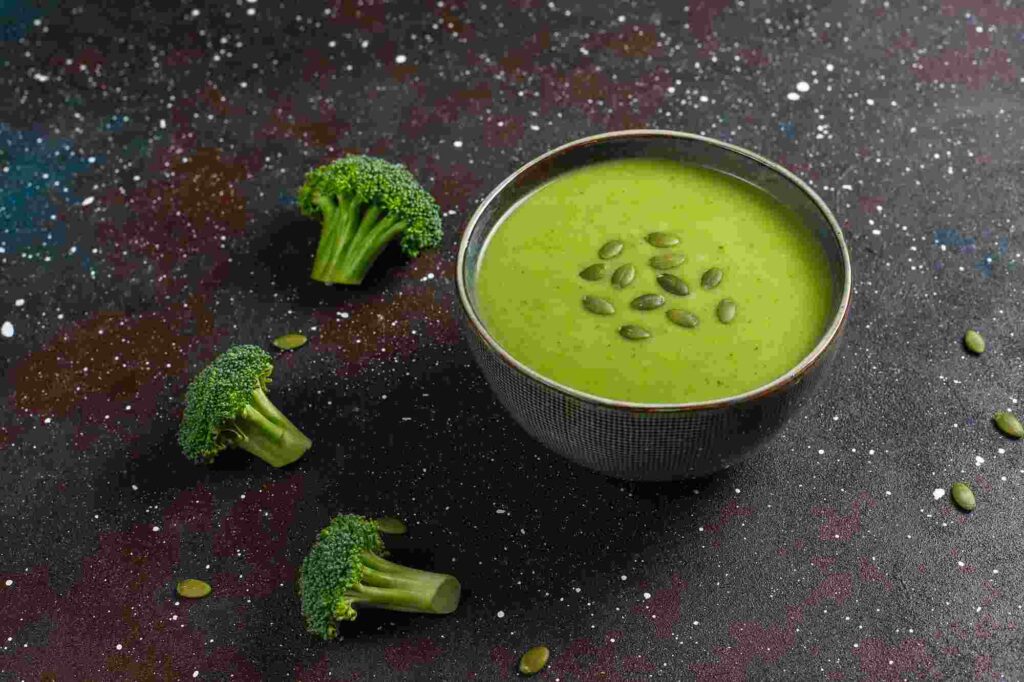
    Broccoli Soup Benefits: A Nutritious Comfort Food

    Broccoli soup is a great way to enjoy this vegetable, especially in colder months. The broccoli soup benefits include:

    • Retains most of the nutrients while providing a comforting and warm meal.
    • Easy to digest, making it perfect for those with digestive issues.
    • Can be combined with protein sources like chicken or tofu for a balanced meal.

    Here are some delicious and healthy broccoli recipes and a meal plan to help you incorporate this superfood into your diet effortlessly!

    Broccoli Recipes for a Healthy Lifestyle

    Healthy Broccoli Recipes

    1. Creamy Broccoli Soup (Low-Calorie & Nutritious)

    Ingredients:

    • 2 cups broccoli florets
    • 1 small onion, chopped
    • 2 cloves garlic, minced
    • 1 small potato, diced (for creaminess)
    • 3 cups vegetable broth
    • ½ cup low-fat milk or coconut milk
    • Salt & black pepper to taste
    • 1 tbsp olive oil

    Instructions:

    1. Heat olive oil in a pot and sauté onion and garlic until soft.
    2. Add potato, broccoli, and vegetable broth. Let it simmer for 10-15 minutes.
    3. Blend the soup until smooth. Add milk, salt, and pepper.
    4. Simmer for another 2 minutes and serve hot.

    broccoli soup benefits

    Broccoli Soup Benefits:

    • Helps in detoxification
    • Keeps you full and supports weight loss
    • Easy to digest and packed with fiber

    2. Garlic Parmesan Roasted Broccoli

    Ingredients:

    • 2 cups broccoli florets
    • 2 tbsp olive oil
    • 3 cloves garlic, minced
    • ¼ cup grated Parmesan cheese
    • Salt & black pepper to taste

    Instructions:

    1. Preheat the oven to 200°C (400°F).
    2. Toss broccoli with olive oil, garlic, salt, and pepper.
    3. Spread on a baking tray and roast for 15 minutes.
    4. Sprinkle Parmesan cheese and roast for another 5 minutes.
    5. Serve as a side dish with grilled chicken or fish.

    benefits of eating broccoli

    3. Broccoli & Chickpea Stir-Fry (High-Protein Vegan Dish)

    Ingredients:

    • 1 cup broccoli florets
    • 1 cup cooked chickpeas
    • 1 bell pepper, sliced
    • 1 tbsp soy sauce
    • 1 tbsp olive oil
    • ½ tsp ginger, grated
    • 1 tbsp sesame seeds

    Instructions:

    1. Heat olive oil in a pan, add ginger and stir for a few seconds.
    2. Add chickpeas, bell peppers, and broccoli. Stir-fry for 5-7 minutes.
    3. Add soy sauce and cook for another 2 minutes.
    4. Sprinkle sesame seeds and serve warm.

    Why This Recipe?

    • High in plant-based protein (great for vegetarians)
    • Boosts digestion with fiber-rich chickpeas and broccoli
    • Quick and easy – ready in just 15 minutes!

    High-Protein Vegan Dish

    4. High-Protein Broccoli & Egg Breakfast Scramble

    Ingredients:

    • 1 cup steamed broccoli, chopped
    • 2 eggs
    • ¼ cup shredded cheese (optional)
    • Salt & pepper to taste
    • 1 tbsp butter

    Instructions:

    1. Heat butter in a pan, add steamed broccoli and sauté for 2 minutes.
    2. Beat the eggs and pour them into the pan.
    3. Stir continuously until eggs are cooked.
    4. Add cheese, season with salt & pepper, and serve.

    Why This Recipe?

    • Boosts energy in the morning
    • Rich in protein for muscle repair
    • Quick & easy breakfast

    Conclusion

    Broccoli is a nutritional powerhouse that offers countless health benefits. Whether you are looking to improve your overall health, enhance muscle growth, or simply enjoy a delicious and healthy meal, broccoli is an excellent choice. With its high protein content, low-calorie count, and rich vitamin profile, there’s no reason not to include more of it in your diet.

    So next time you’re planning your meals, don’t forget to add this green superfood to your plate!

    FAQs On Broccoli Benefits for Your Health and Nutrition Facts

    1.What are the top health benefits of eating broccoli?

    Broccoli is rich in vitamins, antioxidants, and fiber, which help boost immunity, support heart health, and improve digestion. It also contains sulforaphane, a powerful compound that may reduce the risk of cancer. Regular consumption can aid in detoxification and weight management.

    2.How much protein does broccoli contain per 100g?

    Broccoli provides approximately 2.8 grams of protein per 100g, making it a great plant-based protein source. While it may not replace animal proteins, it complements a balanced diet, especially for vegetarians and vegans.

    3.Is broccoli good for male health?

    Yes, broccoli benefits male health by supporting prostate health, testosterone balance, and muscle growth. The sulforaphane in broccoli may reduce prostate cancer risk, while its high protein and fiber content help with metabolism and fitness.

  • How to Increase Height Naturally: The Complete Guide

    How to Increase Height Naturally: The Complete Guide


    how to increase heightHeight plays a very significant role in boosting confidence and overall personality. Genetics determine around 60–80% of a person’s height, but lifestyle choices such as diet, exercise, sleep, and posture contribute to the remaining 20–40%. So, if you’re wondering how to increase height, the good news is that there are several natural methods to maximize your growth potential.


    Understanding Growth and Height

    Your height is, to a great extent, hereditary, but the Human Growth Hormone has a significant impact on increasing the height. Secreted by the pituitary gland, the HGH contributes to the acceleration of bone growth, muscle formation, and growth of the entire body.

    However, most growth happens during puberty, but certain techniques can still be used for increasing height even after 18, 21, or after periods fast, but the outcomes are different from person to person.

    Best Height Increase Exercises

    Physical activity stimulates HGH production and stretches the spine, contributing to better posture and potential height gain. If you’re wondering how to increase height by exercise, here are the most effective height-boosting exercises:

    a) Hanging Exercises

    Hanging from a bar helps elongate the spine and improves posture.
    How to do it:

    • Hang from a sturdy bar with your arms fully extended.
    • Keep your body relaxed and hold for 20–30 seconds.
    • Repeat 3–4 times daily.

    b) Stretching Exercises

    Stretching helps improve flexibility and enhances spinal elongation. The best exercises for increasing height include the following:

    1.Cobra Stretch:

    • Lie on your stomach and put your hands on the floor, pushing your upper body upwards.
    • Hold for 15-20 seconds and repeat 3-5 times.

    2.Forward Bend:

    • Stand upright and bend forward to touch your toes.
    • Hold for a few seconds and repeat multiple times.

    c) Jumping Exercises

    Jumping activities like skipping rope or basketball elongate bones and stimulate HGH.

    d) Swimming

    Swimming stretches out your body, so it’s a great overall exercise for growth in height.

    e) Yoga for Height Gain

    Some yoga poses help to increase height as they improve your posture and flexibility. Try the following:

    • Tadasana (Mountain Pose)
    • Bhujangasana (Cobra Pose)
    • Surya Namaskar (Sun Salutation)

    If you’re looking for how to increase height in 1 week, consistent stretching and yoga may offer slight improvements in posture, making you appear taller.

    Nutrition: Best Height Increase Foods

    Proper nutrition is essential for maximizing height growth, especially during childhood and adolescence. While genetics play a major role in determining height, a well-balanced diet ensures that bones, muscles, and tissues develop properly. Eating the right foods can stimulate Human Growth Hormone (HGH) production, strengthen bones, and improve overall growth. Here are the best height increase foods that promote bone strength and growth:

    1. Protein-Rich Foods (Muscle & Tissue Growth)

    Proteins are vital for the development of bone and muscles; they also stimulate cell repair and help in the production of HGH.
    Best sources: eggs, chicken, fish, dairy – milk, yogurt, cheese, lentils, nuts, and seeds

    2. Calcium & Vitamin D-Rich Foods (Bone Strength & Growth)

    Calcium is the most important nutrient for bones, and Vitamin D enhances the absorption of calcium to ensure strong bones
    Best source: milk, cheese, yogurt, leafy greens, spinach, and kale – tofu, almonds, and fatty fish, such as salmon or tuna.

    3. Zinc & Magnesium-Rich Foods (Boost Growth Hormones)

    Zinc and magnesium enhance growth hormone production and cell growth that are required to increase height.
    Best sources: Nuts (almonds, cashews), pumpkin seeds, whole grains (oats, quinoa), and beans.

    4. Iron-Rich Foods (Blood Circulation & Bone Health)

    Iron helps in supplying oxygen to the bones and muscles properly so stunted growth cannot occur.
    Best sources: Red meat, leafy greens, lentils, shellfish, and beans.

    5. Omega-3 Fatty Acids (Bone Elongation & Growth)

    Omega-3s increase bone density and the release of HGH, thus supporting growth in height.
    Best sources: Fatty fish, flaxseeds, chia seeds, and walnuts.

    A nutrient-rich diet combined with exercise, proper sleep, and a healthy lifestyle is key to achieving maximum height growth naturally! For those wondering how to increase height after periods fast, nutrient-rich foods can support bone growth during puberty.

    How Much Sleep Do You Need for Maximum Height Growth?

    The number of hours you sleep directly impacts your height growth. The recommended sleep duration varies by age:

    Age Group Recommended Sleep Duration
    Newborns (0–3 months) 14–17 hours per day
    Infants (4–11 months) 12–15 hours per day
    Toddlers (1–2 years) 11–14 hours per day
    Children (3–12 years) 9–12 hours per day
    Teenagers (13–18 years) 8–10 hours per day
    Adults (18+ years) 7–9 hours per day

    Teenagers and children need more sleep because their bodies are still growing. If a teenager consistently sleeps less than 6–7 hours per night, it can negatively affect their height potential.

    Best Sleep Practices for Height Growth

    Best Sleep Practices for Height Growth

    a) Keep a Regular Sleep Schedule

    • Retire to bed and wake up at the same time every day, even during weekends.
    • This calibrates your body’s internal biological clock and enhances quality deep sleep.

    b) Set Up a Growth-Promoting Sleeping Environment

    • Ensure your bedroom is cool and dark.
    • Use a supportive mattress and pillow.
    • Anticipate a peaceful, quiet, silent environment with minimal disturbances that might disrupt the deep sleeping stages.

    c) Sleep in the Correct Posture

    Height is actually impacted by how people sleep. The good sleeping position that would help in developing a lot of height:

    • Lie on your back in a straight spinal position.
    • Avoid curling up in a fetal position, as this can compress the spine.

    d) Avoid Blue Light Before Bed

    • Exposure to blue light (from phones, tablets, or computers) before bed can suppress melatonin, the sleep hormone.
    • Turn off screens 30–60 minutes before bedtime to improve sleep quality.

    e) Eat a Light Dinner

    • Eating heavy meals before bed can disrupt sleep and reduce HGH release.
    • Instead, try to have a light meal rich in sleep-boosting nutrients such as tryptophan, magnesium, and calcium.

    Can I Increase Height After 18, 21 or Later?

    Many ask questions such as how to increase height after 18? Or how to increase height after 21? Most people recognize that growth plates typically close with puberty (around 18–21 years). Any method can help you appear taller:

    • Correct Your Posture: Stand and sit upright to avoid a hunched back.
    • Strengthen Your Core & Back Muscles: Exercises like planks and bridges can improve posture.
    • Wear Height-Enhancing Shoes: Special insoles can add a few inches.

    While it is difficult to grow taller naturally after 21, height increase exercises and good posture can still help you maximize your height potential.

    Lifestyle Tips for Height Growth

    Apart from diet and exercise, a couple of other habits can be useful in increasing height:

    • Avoid Growth-Retarding Factors: Refrain from smoking, alcohol, and excessive consumption of caffeine.
    • Hydrate: Water removes toxins and aids in metabolic functions.
    • Outdoor Activities: Getting sunlight enhances the Vitamin D levels required for growth in bones.

    Can You Grow Taller by 4 Inches?

    A common question is “how to increase height by 4 inches?” The answer depends on your age and genetics. If you’re still in your growth phase (teenage years), a combination of proper nutrition, exercise, and sleep can help. If you’re older, improving posture, wearing elevated shoes, and practicing stretching exercises can make you appear taller.

    Height Growth for Girls and Teenagers

    For those who wonder how to increase height for girls or how to increase height as a teenager, puberty is the best time to maximize growth. Teenage girls can boost height naturally by:

    • Eating a balanced diet rich in proteins and calcium.
    • Engaging in regular physical activity, including height increase exercises.
    • Maintaining a healthy sleep schedule.
    • Even after puberty, proper posture and stretching exercises can help improve height appearance.

    how to increase height for girls


    Conclusion

    While genetics are a significant determining factor for height, a healthy lifestyle can ensure you reach your maximum growth potential. If you want to know how to increase my height, then focus on the following:

    • A healthy diet with foods that increase height
    • Regular exercises and stretches that help increase height
    • Sufficient sleep to produce HGH
    • Proper posture to appear taller

    If you are still in your growth years, then regular efforts can help you grow taller naturally. Even if you have passed your prime growth phase, improving posture and flexibility can make a big difference.

    Start practicing these habits today and reach your maximum height potential naturally!

    FAQs On How to Increase Height Naturally

    1. Can I still grow taller after 18?

    Yes, the potential of acquiring maximum height by focusing on ‘how to gain height naturally’. Proper nutrition is followed with daily exercise, better sleep. Closing of the plates of growth due to age of puberty; stretching, posture correction as well as better lifestyle make individuals appear tall enough.

    2. How to increase height by exercise?

    It includes some kind of stretching, hanging, swimming, and doing yoga to keep the posture well and in a straight position as much as possible. Doing exercises that stimulate your growth hormone include strength training, high-intensity activities such as jumping and sprinting.

    3. How does sleep affect height growth?

    Deep sleep is essential for increasing height naturally since it increases the production of Human Growth Hormone, which catalyzes bone and muscle growth. Try to get at least 8–10 hours of good sleep to increase height, specifically during adolescence.

  • Best Foods to Block DHT and Fight Hair Loss Naturally

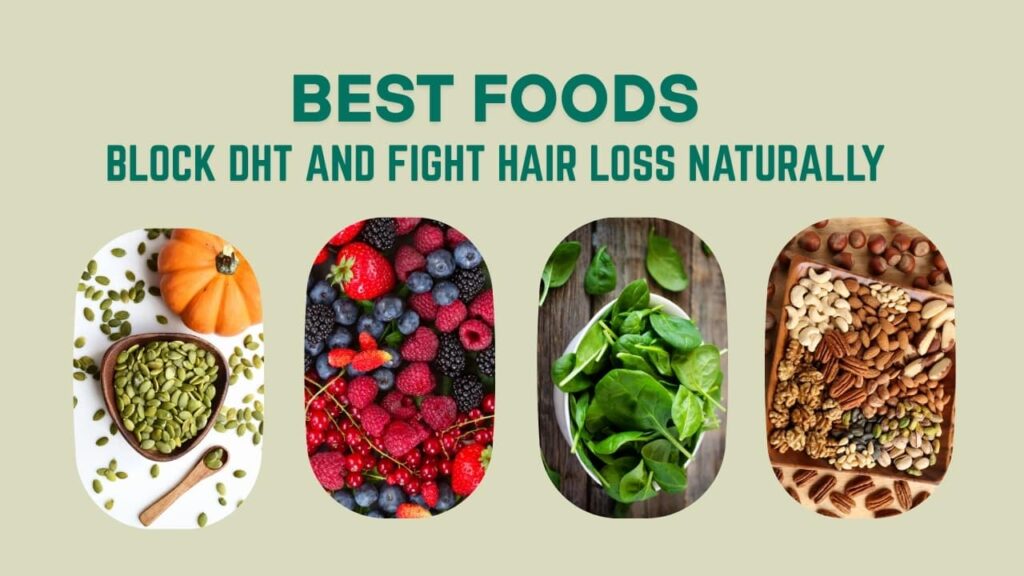
    Best Foods to Block DHT and Fight Hair Loss Naturally

    dht blocker food, how to reduce dht

    Hair loss can be distressing, whether it is male or female pattern hair loss. One of the major culprits behind thinning hair is dihydrotestosterone, a hormone derived from testosterone. High levels of DHT can shrink hair follicles, eventually leading to hair loss. Fortunately, incorporating certain foods into your diet can help block DHT naturally and even promote regrowth.

    Understanding DHT and Hair Loss

    Dihydrotestosterone hair loss is where DHT goes and causes binding to receptors on the scalp. This leads to the reduction of the sizes of follicles, and their intervals become shorter for their growth cycles. It affects males and females, though it shows up differently. In males, it causes a receding hairline and bald spots. Females are presented with thinning hair spread along the scalp, which is popularly known as female pattern hair loss.

    So how would one block DHT or the means of regrowing hair naturally? Diet and lifestyle adjustments could make a big difference. Here are foods and strategies that help reduce DHT levels.

    Top DHT Blocker Foods

    1. Pumpkin Seeds

    Pumpkin seeds are high in zinc, a mineral that inhibits the enzyme 5-alpha-reductase, which converts testosterone into DHT. Natural consumption can help block DHT. Snack on a handful of raw pumpkin seeds daily or add them to salads and smoothies.

    2. Green Tea

    Green tea contains catechins, such as epigallocatechin gallate (EGCG), which inhibit the production of DHT by preventing 5-alpha-reductase. Drinking two to three cups of green tea every day can decrease DHT and prevent hair loss.

    3. Spinach

    Spinach is a rich source of magnesium, iron, and vitamins that promote hair growth. Magnesium helps in reducing the production of DHT by keeping the hormone in balance. It also enhances overall scalp health with spinach in the diet.

    4. Tomatoes

    Rich in lycopene, tomatoes are great for DHT control. Lycopene is a very strong antioxidant that blocks 5-alpha-reductase activity. Cooked tomatoes increase lycopene absorption, so it is an excellent food to block DHT.

    5. Nuts, especially almonds and walnuts

    Nuts are rich in biotin, zinc, and healthy fatty acids, which help nourish hair. Zinc, as stated above, is a natural DHT blocker, and biotin helps strengthen hair strands. Eating a handful of nuts daily will surely enhance hair growth.

    6. Flaxseeds

    Flaxseeds are rich in lignans and omega-3 fatty acids. These compounds work as DHT blockers. Also, they help minimize inflammation in the scalp, allowing the hair follicles to function properly. Add flaxseeds to your breakfast cereals, yogurt, or smoothies.

    7. Berries

    Berries contain a lot of antioxidants. They protect against oxidative stress, which contributes to hair loss. Vitamin C helps to boost collagen and strengthens hair follicles, reducing DHT impact indirectly.

    How to Reduce DHT Naturally

    In addition to diet, there are other measures you can take to regulate DHT levels:

    • Healthy Lifestyle: Exercise regularly as it helps regulate hormones and decrease excess testosterone, which in turn reduces DHT.
    • Manage Stress: High stress levels can affect hormone levels, thereby indirectly increasing DHT. Meditation and yoga can help manage stress.
    • Avoid Foods That Raise DHT: Processed foods, junk food, and red meat are known to increase the production of testosterone and DHT. These should be avoided in the diet to keep hair healthy.

    how to reduce dht

    How to Block DHT and Regrow Hair Naturally

    The combination of a DHT-blocking diet with natural remedies can prove to be quite effective. Here are some of them:

    • Essential Oils: Massage the scalp with rosemary, peppermint, or pumpkin seed oil to block DHT.
    • Scalp Exfoliation: Removing dead skin and excess sebum may improve hair follicle health and prevent DHT buildup.
    • Herbal Supplements: Saw palmetto is the most famous herbal remedy for DHT hair loss. It inhibits 5-alpha-reductase just like some foods do.

    Key Foods That Increase DHT

    While some foods naturally help block dihydrotestosterone (DHT), others can inadvertently increase its production, accelerating hair loss. Knowing which foods to limit or avoid is essential if you’re trying to manage hair health.

    1. Red Meat

    Red meat, especially the fat cuts, has saturated fats and cholesterol. These elements increase the testosterone levels in the body, which further transform into DHT by the enzyme 5-alpha-reductase. Thus, higher consumption of red meat helps increase the levels of DHT and also promotes hair follicle shrinkage.

    2. Dairy Products

    Hormones produced by cows and also found in dairy products include hormones such as precursors for testosterone that stimulate DHT. Furthermore, higher fat intake within the higher-fatty food sources can facilitate greater activity from the 5-alpha-reductase.

    Nutritional tip: While DHT blocker foods help, hair health also depends on having enough iron and vitamins. Supplements like Haem Up Syrup 200 ml support healthy hair growth by helping reduce iron deficiency and nourishing hair from within.

    3. Sugary and processed foods

    High sugar diets cause spikes in insulin levels, which in turn indirectly raise DHT. High insulin enhances the production of androgens, which contributes to DHT-related hair loss. Processed snacks, sugary drinks, and desserts should be minimized to maintain balanced hormones.

    4. Fried and oily foods

    Trans fats and unhealthy oils in fried foods can disrupt hormonal balance and elevate testosterone, subsequently increasing DHT levels. These fats may also contribute to scalp inflammation, further damaging hair follicles.

    5. Alcohol

    Excessive alcohol consumption can disrupt liver function, which plays a role in hormone regulation. This disruption can lead to increased levels of DHT and other androgens in the body.
    Limit these foods and instead, include DHT-blocking alternatives such as pumpkin seeds, green tea, and flaxseeds in your diet. Maintaining a well-balanced diet rich in nutrients is the key to protecting your hair from damage caused by DHT.

    How to Control DHT Levels for Long-Term Hair Health

    Consistency is key when it comes to managing DHT hair loss. Here’s a summary of actionable steps:

    • Incorporate DHT blocker foods like pumpkin seeds, green tea, and flaxseeds into your daily diet.
    • Steer clear of food items that boost DHT levels, such as red meat and processed snacks.
    • Use a healthy diet in combination with natural treatments, such as scalp massages and essential oils.
    • Maintain an active lifestyle and minimize stress to ensure proper hormone regulation.

    Female Pattern Hair Loss

    Female pattern hair loss is also referred to as androgenetic alopecia. It’s the most common form of female hair loss and is different from male pattern baldness as it causes the hair to thicken across the scalp, while in males it leads to bald spots or a receding hairline.

    The chief cause of FPHL is hormonal changes with the effects of dihydrotestosterone (DHT). DHT binds to follicles and causes them to shrink, thereby shortening the hair growth cycle leading to finer, weaker hairs. Other associated contributions include genetics, aging, and conditions such as polycystic ovary syndrome.

    The advancement of FPHL is progressive. However, there is a possibility for controlling it. For this purpose, DHT blockers are used both medically and naturally such as pumpkin seeds, green tea, and minoxidil. Besides, a proper diet, reduced stress, and proper scalp care can help promote hair health while slowing down hair loss.

    While dietary changes can help manage DHT levels internally, individuals experiencing progressive hair loss may also benefit from clinically recommended topical treatments like Mintop Forte 2% Solution, which contains minoxidil to stimulate hair growth and slow down hair thinning.

    Conclusion

    Knowing how to block DHT naturally is a game-changer in fighting hair loss. By focusing on DHT blocker foods, avoiding triggers, and adopting a healthy lifestyle, you can control DHT levels and promote hair regrowth. Whether it’s female pattern hair loss or general thinning, these natural methods provide a holistic approach to achieving stronger, healthier hair.

    FAQs on Best Foods to Block DHT and Fight Hair Loss Naturally

    1. What are the best foods to block DHT and promote hair growth?

    Pumpkin seeds, green tea, flaxseeds, and tomatoes are some natural DHT blockers. These foods have nutrients like zinc, lycopene, and omega-3 fatty acids that will prevent the enzyme 5-alpha-reductase from converting testosterone into DHT. Their regular consumption reduces DHT levels and promotes a healthier scalp environment.

    2. How to reduce DHT through diet alone?

    For the reduction of DHT through diet, one needs to focus on zinc, antioxidant, and omega-3 food items, including nuts, berries, and green vegetables, while avoiding the intake of red meat and dairy, which increase the DHT production. It is essential for hormonal balance with a balanced diet for managing DHT levels.

    3. Can green tea reduce DHT levels?

    Yes, green tea is a very effective natural remedy to reduce DHT levels. It contains catechins like EGCG that inhibit the production of 5-alpha-reductase. Drinking two to three cups of green tea daily can significantly reduce DHT and support hair health.

    4. How to lower DHT levels naturally without medication?

    You can naturally reduce DHT levels by consuming DHT-blocking foods, reducing stress, and maintaining a healthy lifestyle. Scalp massages with essential oils like rosemary and regular exercise can also help balance hormones. These natural methods are effective and have minimal side effects.

  • Fish Oil Benefits: A Comprehensive Guide to Better Health

    Fish Oil Benefits: A Comprehensive Guide to Better Health

    fish oil benefits

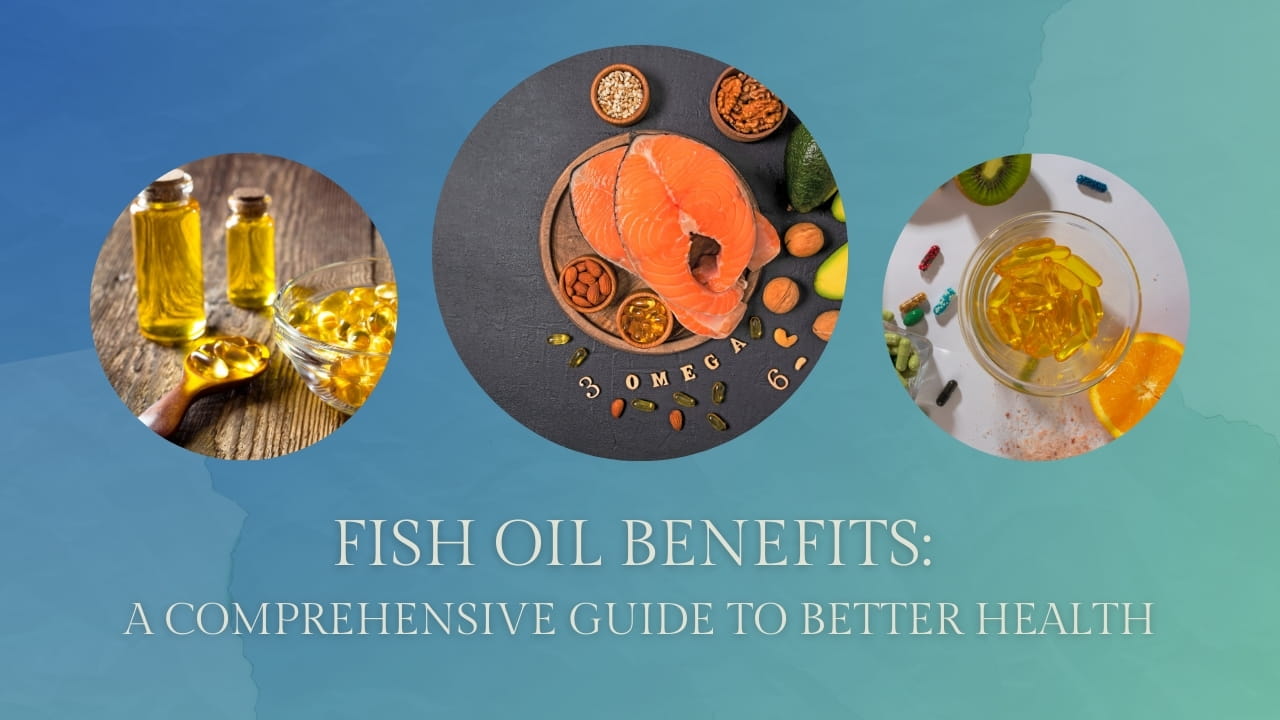
    Fish oil is a natural oil extracted from the tissues of fatty fish, such as salmon, mackerel, sardines, tuna, herring, and anchovies. This oil is rich in omega-3 fatty acids, a type of polyunsaturated fat essential for various bodily functions but cannot be synthesized by the human body. Due to its many health benefits, fish oil is a popular dietary supplement available in capsules, liquid form, and even added to certain fortified foods.

    What Makes Fish Oil Special?

    Fish oil is a rich source of omega-3 fatty acids, especially EPA and DHA. These are very important in heart health and brain function. Omega-3 also prevents inflammation in the body. These nutrients, which can be obtained through either dietary sources or fish oil supplements, have improved numerous health issues once taken.

    omega 3 fish oil benefits

    Benefits of Fish Oil

    1. Cardiovascular Health

    The most important fish oil benefits are associated with heart health. Omega-3 fatty acids in fish oil contribute to the following:

    • Triglycerides: High levels of triglycerides are linked with an increased risk of heart disease. Intake of fish oil can reduce these levels.
    • Blood Pressure: Fish oil helps dilate blood vessels, improving blood flow and reducing hypertension.
    • Preventing Arrhythmias: Omega-3s help in maintaining heart rhythms; thereby reducing the incidence of sudden cardiac events.
    • Inhibition of Plaque Formation: Fish oil prevents the accumulation of plaques within arteries and decreases the chances of developing atherosclerosis.

    2. Anti-Inflammatory Action

    Fish oil possesses high anti-inflammatory properties, which can benefit all the diseases linked to chronic inflammation. This includes:

    • Arthritis and Joint Pain: EPA and DHA alleviate stiffness, swelling, and pain in the joints, thus making fish oil an excellent supplement for patients suffering from rheumatoid arthritis or osteoarthritis.
    • Autoimmune Diseases: Lupus, psoriasis, and inflammatory bowel disease may respond well to fish oil’s ability to reduce inflammation.

    3. Brain and Mental Health

    Omega-3 fatty acids play a vital role in brain functions and mental health. Fish oil provides

    • Improved Brain Activity: DHA is an essential part of brain cells; it improves memory, concentration, and learning.
    • Decreased Neurodegenerative Diseases: Fish oil slows down the progression of Alzheimer’s and other forms of dementia.
    • Mood and Mental Well-being: The research shows that fish oil could help alleviate depression, anxiety, and bipolar disorders by controlling the neurotransmitter.

    4. Is Fish Oil Good for the Liver?

    Fish oil is good for liver health. It helps:

    • Decrease Liver Fat: Especially for people with NAFLD, fish oil reduces the amount of fat in the liver.
    • Enhance Liver Function: By reducing inflammation, fish oil improves the overall health and function of the liver.

    5. Eye Health

    DHA is a significant component of the retina and is essential for maintaining vision. Fish oil:

    • Reduces the risk of AMD.
    • Prevents dry eyes by enhancing tear production and eye lubrication.

    6. Weight Management

    This fish oil helps people lose and maintain weight through;

    • Enhanced Fat Breakdown: Omega-3 helps in breaking down reserve fat.
    • Appetite Regulation: Fish oil helps regulate hunger hormones that minimize cravings and over-eating.

    7. Immunity

    Fish oil helps boost the immune system by reducing inflammation and working on white blood cells. This gives the body an easy time dealing with infections and experiencing recovery from diseases.

    8. Bone and Joint Health

    Omega-3 improves bone density and reduces fractures by increasing the absorption of calcium. They also ease joint stiffness and pain; that’s why fish oil is great for people with arthritis.

    Benefits of Fish Oil to the Skin

    Fish oil, rich in omega-3 fatty acids such as eicosapentaenoic acid (EPA) and docosahexaenoic acid (DHA), is a powerhouse for improving skin health. Its ability to nourish, protect, and repair the skin makes it an essential component of any skincare routine. Whether consumed as a supplement or applied topically, fish oil benefits skin from the inside out.

    1. Deep Hydration for Dry Skin

    Fish oil is a natural moisturizer that works from within to keep the skin hydrated. Omega-3 fatty acids strengthen the skin’s barrier, reducing water loss and ensuring that the skin remains soft, supple, and well-moisturized. This is especially beneficial for individuals dealing with:

    • Chronic dryness or flaky skin.
    • Seasonal dryness during colder months.

    2. Soothes Inflammatory Skin Conditions

    Some of the significant advantages of fish oil for the skin relate to its properties as a potential anti-inflammatory compound, rich in EPA. So, if one suffers from inflammation, it means that the cause and effect will likely be fought out by the administration of fish oil, especially among patients suffering from:

    • Eczema: it calms itchiness, redness, and irritation of the skin.
    • Psoriasis: scaling and flare-ups that characterize this disease are decreased
    • Rosacea: This skin disorder also reduces inflammation due to its reduced redness and swelling.

    3. Fights Acne and Breakouts

    The anti-inflammatory properties of fish oil also prevent acne. Usually, acne results from inflamed pores and the overproduction of sebum, which clogs them. Omega-3s in fish oil work to:

    • Reduce inflammation in the sebaceous glands.
    • Regulate oil production, preventing clogged pores.
    • Speed up healing of the skin, avoiding long-term scarring from acne.

    4. Protects Against Premature Aging

    Aging skin often presents with loss of elasticity, fine lines, and wrinkles. Fish oil fights these lines of ageing in the following ways:

    • Collagen Production: Omega-3 helps improve the skin’s elasticity and firmness through the stimulation of collagen synthesis.
    • Neutralizing Free Radicals: Antioxidants found in fish oil protect the skin from oxidative stress induced by UV rays and pollution.
    • Improvement in Skin Texture: The regular application of fish oil makes the skin smoother and more evenly toned.

    5. Helps to Reverse Sun Damage

    UV radiation is one of the major causes of early skin ageing and damage. Fish oil protects the skin in the following ways:

    • Inhibiting UV-Induced Inflammation: EPA diminishes the detrimental effects of UV exposure, which include redness and swelling.
    • Repairing Damaged Skin Cells: Omega-3s improve faster healing and regeneration of the skin affected by sunburn or prolonged sun exposure.

    6. Gives the Skin an Overall Glowing Appearance

    Fish oil enhances blood circulation, ensuring that nutrients and oxygen reach the skin cells. This makes the skin glow naturally and gives it a radiant look. Omega-3s also enhance the ability of the skin to retain nutrients, making it healthier and more vibrant over time.

    Fish Oil Benefits for Hair

    If you want to have luscious locks, fish oil could be your new best friend. Fish oil benefits for hair include:
    Nourished Scalp
    Omega 3 fish oil benefits by enhancing blood flow to the scalp, and hair follicles get all the nutrients they require.

    Reduced Hair Fall

    Fish oil decreases inflammation, and thus, the hair follicles get less damage; hence, hair falls out less and becomes healthier.

    Improved Hair Texture

    Fish oil for hair growth enhances the shine and strength of hair, making it less prone to breakage. Regular intake ensures hair remains silky and manageable.

    Fish Oil Benefits for Men

    Fish oil offers numerous benefits for men, enhancing overall health and well-being. Rich in omega-3 fatty acids, it supports heart health by lowering triglycerides, reducing blood pressure, and preventing heart disease. For men’s reproductive health, omega-3s improve sperm quality, motility, and fertility. Fish oil also aids in muscle recovery by reducing inflammation, making it a valuable supplement for active men and athletes. Additionally, it promotes mental clarity and reduces stress, contributing to better focus and productivity. Regular intake can improve joint health, boost immunity, and even support prostate health, making fish oil an essential addition to men’s wellness routines.

    fish oil benefits for men

    Fish Oil Benefits for Women

    Fish oil offers numerous health benefits, specifically for women. Rich in omega-3 fatty acids, it supports hormonal balance, reducing symptoms of PMS and easing menopausal discomforts like hot flashes and mood swings. During pregnancy, fish oil promotes fetal brain and eye development while reducing the risk of preterm labor. It also improves bone health by enhancing calcium absorption, crucial for preventing osteoporosis in postmenopausal women. Additionally, fish oil nourishes skin and hair, providing hydration and promoting growth. Its anti-inflammatory properties support joint health and reduce the risk of chronic conditions like heart disease, making it an essential supplement for women’s well-being.

    Fish Oil Benefits for Women


    Selecting Good Fish Oil Supplements

    Quality counts in selecting a good fish oil supplement. Therefore, choose supplements that are:

    • Molecularly Distilled: Removes impurities and heavy metals
    • High in EPA and DHA: Ensure your supplement contains at least 500 mg of combined EPA and DHA per serving
    • Third-Party Tested: It should pass all the contaminants tests and standards.

    Conclusion

    From healthy glowing skin and hair to healthy liver and robust heart, omega-3 fish oil benefits cannot be denied. For a man seeking to fit himself up or for a woman to attain overall well-being, using fish oil supplements would make the world of a difference. Keep in mind that this only becomes a reality through daily consistency; think about it today and try adding fish oil to your daily health routine.

    FAQs on Fish Oil Benefits

    1. What are the main health benefits of fish oil?

    Fish oil is rich in omega-3 fatty acids, which support heart health, reduce inflammation, improve brain function, and promote healthy skin and hair. It also benefits mental health and boosts immunity, making it a versatile supplement for overall well-being.

    2. Can fish oil improve skin and hair health?

    Yes, fish oil deeply hydrates the skin, reduces inflammation, and promotes a radiant complexion. Fish oil benefits for hair include strengthening of strands, growth stimulation, nourishing of the scalp, reduction in dryness and hair loss.

    3. Are there any side effects of taking fish oil supplements?

    While fish oil is generally safe, excessive intake may cause digestive discomfort, fishy burps, or thinning blood. Always consult a healthcare professional before starting supplementation, especially if you are on medication.

  • What Are Normal Glucose Levels After Eating?

    What Are Normal Glucose Levels After Eating?

    sugar level after food

    Managing blood sugar is important for overall health, especially for those at risk of or living with diabetes. Understanding normal glucose levels after eating, also known as postprandial glucose levels, is a key part of this process.

    What Are Normal Glucose Levels?

    Normal glucose levels are described as the concentration of glucose in the blood. Glucose is an essential source of energy for the body, but proper levels must be maintained not to cause a problem. A range for normal blood glucose varies based on several factors, including age, activity level, and the timing after a meal.

    Fasting vs. Postprandial Glucose Levels

    • Fasting Glucose Levels: This is the measurement of blood sugar levels after not eating for at least 8 hours. The normal range is usually between 70–100 mg/dL for healthy individuals.
    • Blood Sugar Levels After Food (Postprandial): This is the time when glucose levels increase due to the digestion of food. The normal sugar level after food for most healthy adults is less than 140 mg/dL two hours after eating. However, this varies with age and general health.

    Why Monitor Blood Sugar Levels After Food?

    Monitoring your blood sugar level after food provides insights into how your body processes glucose. A consistently high level may indicate insulin resistance or diabetes, while low levels could point to hypoglycemia. Understanding your body’s response to meals helps in managing your diet and preventing complications.

    Normal Blood Sugar Levels for Adults

    For adults without diabetes, the normal range for glucose levels is as follows:
    Fasting Glucose Levels: 70–100 mg/dL
    Random Blood Sugar Normal Range: Lower than 140 mg/dL
    Blood Sugar Level After Food (2 hours after eating): Lower than 140 mg/dL
    A normal blood sugar levels chart can be used to keep track of these values and to make comparisons with standard ranges. A person with diabetes may have more elevated target ranges, which should be determined by a healthcare provider.

    Factors That Affect Postprandial Glucose Levels

    Several factors affect your normal sugar level after food:
    Meal Composition: Carbohydrate- or sugar-rich foods lead to an increase in blood glucose.
    Physical Activity: Insulin sensitivity increases with regular physical activity, thereby keeping blood glucose within normal ranges.
    Timing of Meals: Irregular meal times interfere with your body’s glucose control.
    Age: Elderly people may have higher glucose levels after eating.
    Health Conditions: Diseases like diabetes or insulin resistance affect how the body uses glucose.

    How to Maintain Normal Sugar Levels After Food

    To keep your normal blood sugar levels for adults within the healthy range, consider the following tips:

    • Balanced Diet: Concentrate on a diet with high fiber, lean proteins, and good fats. Stay away from processed sugars and refined carbohydrates.
    • Portion Control: Eat smaller meals at more frequent intervals to prevent spikes in blood sugar.
    • Check regularly: Use a glucometer to measure your blood sugar after food and track patterns.
    • Stay Active: Exercise helps improve insulin sensitivity and keeps glucose levels in check.
    • Hydration: Drink plenty of water to support metabolic processes and glucose regulation.

    Diabetes Care


    The Importance of Maintaining Normal Glucose Levels

    Glucose is the major sugar that circulates in your blood. Its role is to provide energy for your body, but the normal range is of utmost importance in maintaining a good health condition. Whether fasting, eating, or at any time of the day, maintaining normal glucose levels prevents chronic diseases, helps improve daily functioning, and contributes to a longer life span.

    Key Reasons Why Normal Glucose Levels Matter

    1. Energy and Cellular Function

    Glucose is the body’s primary fuel for energy, powering both the movement of your body and the functioning of your brain. Steady normal blood glucose levels ensure your cells get the energy they need without overwhelming your system.

    2. Prevention of Chronic Conditions

    Diabetes: High blood sugar levels over time can cause prediabetes or diabetes, which brings your risk factor for heart disease, kidney damage, nerve problems, and vision loss to a whole new level.
    Hypoglycemia: Hypoglycemia occurs when your blood glucose level falls below the normal range, causing dizziness, confusion, fainting, or even seizures.
    Maintaining your glucose level can prevent these complications and ensure you enjoy a quality life.

    3. Healthy Cardiovascular System

    High glucose levels damage the blood vessels and increase the risk of hypertension, stroke, and heart disease. A normal sugar level protects your cardiovascular system and promotes long-term health.

    4. Improved Mental Function

    The brain requires glucose as a source of energy. Maintaining stable glucose levels enhances concentration, memory, and the overall sharpness of one’s mind. Deviations from normal adult blood sugar may eventually cause brain fogginess or cognitive dysfunction.

    5. Improved Physical Activity

    Well-regulated normal blood glucose levels enable muscles to work more effectively for longer periods, greatly enhancing endurance and recovery from the endeavours of physical activities. High blood sugar spikes and crashes may cause fatigue or drowsiness during exercise.

    Lifestyle Advantages of Normal Glucose Levels

    • Healthy Weight: Blood glucose stability decreases cravings or overeating, and overall, it becomes easy to manage weight.
    • Insulin Function: Within the normal range, insulin acts more efficiently to maintain glucose, which further helps in other hormonal functions in one’s body.
    • Longevity: Tight glucose control has been linked to a reduced risk of age-related diseases, thus extending life and enhancing its quality.

    Understanding Abnormal Blood Sugar Levels

    If your glucose levels fall outside the normal blood glucose level range, it is essential to determine the cause:
    Hyperglycemia (High Blood Sugar): This may be a sign of diabetes, stress, or a lack of an appropriate insulin response.
    Hypoglycemia (Low Blood Sugar): Often caused by skipping meals, excessive insulin, or extended periods of exercise.

    Normal Blood Sugar Levels Chart

    Here is a table outlining normal blood sugar levels for different age groups, including before eating (fasting), after eating (postprandial), and random levels:

    Age Group

    Fasting Glucose Levels

    2 Hours After Eating (Postprandial)

    Random Blood Sugar

    Children (Under 6)

    80–100 mg/dL

    Less than 140 mg/dL

    100–180 mg/dL

    Children (6–12)

    80–100 mg/dL

    Less than 140 mg/dL

    90–180 mg/dL

    Teens (13–19)

    70–100 mg/dL

    Less than 140 mg/dL

    90–150 mg/dL

    Adults (20–59)

    70–100 mg/dL

    Less than 140 mg/dL

    Less than 140 mg/dL

    Older Adults (60+)

    80–110 mg/dL

    Less than 160 mg/dL

    Less than 150 mg/dL

    Blood Glucose Chart

    Notes:
    These ranges serve as general recommendations for healthy nondiabetic persons with no complications in glucose homeostasis.
    Random blood glucose: This represents values obtained at any time during the day regardless of meals
    Individuals with diabetes or with specific diseases would have different targets. Always see a healthcare provider for professional recommendations
    Older adults may need a higher target value to minimize the risk of hypoglycemia.

    Sometimes, even with diet and exercise, blood sugar levels may stay above target. In such cases, doctors may consider advanced combination medicines like Linares E Tablet, specifically designed to support better glycemic control in type 2 diabetes patients.

    Conclusion

    Understanding and maintaining normal blood glucose levels is important for long-term health. By monitoring your blood sugar level after food and healthy habits, you prevent complications such as diabetes and can maintain your energy levels throughout the day. You can use a normal blood sugar levels chart for information and talk to a healthcare professional for personalized advice.
    Whether you’re managing a health condition or simply aiming for better wellness, keeping your glucose levels within the normal blood sugar levels for adults range is a powerful step toward achieving your goals.

    FAQs on What Are Normal Glucose Levels After Eating?

    1. What is the normal blood sugar level after eating?

    The normal level of blood glucose after a meal, referred to as the postprandial glucose level, is below 140 mg/dL two hours after the time someone eats in healthy people. The values may vary among patients with diabetes or other related diseases. These are held at proper levels through frequent checks and an appropriate diet.

    2. When can the blood sugar level start measuring postprandium?

    Postprandial glucose is usually checked two hours after eating for blood sugar levels. It allows enough time for food to be digested and glucose to enter the bloodstream. Monitoring at this time helps assess how well your body processes sugar.

    3. Why do blood sugar levels rise after eating?

    After consuming, your body metabolizes carbohydrates into glucose, which gets absorbed into the bloodstream. As a result, there is an increase in the concentration of glucose in the blood. Insulin, a hormone secreted by the pancreas, facilitates glucose to enter the cells to provide energy, thereby normalizing the levels.

    4. What are the determinants of postprandial glucose?

    All these factors can influence postprandial glucose, including meal composition (high-carb or sugary foods), portion sizes, level of physical activity, and the presence of underlying health conditions such as diabetes. Stress, sleep quality, and hydration also play a role in regulating blood sugar following meals.

  • Health Benefits of Cinnamon You Need to Know

    Health Benefits of Cinnamon You Need to Know

    benefits of cinnamon

    Cinnamon is a spice that is loved for its fragrant aroma and distinctive flavour, but its use extends far beyond the kitchen. This ancient spice, derived from the inner bark of Cinnamomum trees, has been prized for centuries in traditional medicine, and modern science continues to uncover its extensive health benefits. Cinnamon is a natural remedy with multiple uses, from improving digestion to enhancing brain health.

    Cinnamon Benefits

    Cinnamon contains antioxidants that prevent oxidative stress in the body, thus reducing inflammation. It contains a compound called cinnamaldehyde, responsible for its distinct flavour and health benefits. Some of the most important cinnamon benefits include the following:

    1. Packed with Antioxidants

    Cinnamon is one of the spices with the most antioxidant content; it contains such compounds as polyphenols, flavonoids, and phenolic acid. These antioxidants combat oxidative stress caused by free radicals in the body. By decreasing oxidative damage, cinnamon benefits in:

    • Protecting cells from ageing and degeneration.
    • Reduce the risk of chronic diseases such as cancer and heart disease.
    • Enhancing skin health and slowing down visible signs of ageing.

    2. Anti-Inflammatory Properties

    Chronic inflammation is linked to numerous health problems, including arthritis, heart disease, and autoimmune disorders. Cinnamon contains anti-inflammatory compounds that can reduce swelling and pain, making it particularly helpful for:

    • Managing joint and muscle discomfort.
    • Easing symptoms of inflammatory conditions like rheumatoid arthritis.
    • Improving recovery after physical exertion or injury.

    3. Regulates Blood Sugar Levels

    One of the most widely studied benefits of cinnamon is its ability to regulate blood sugar levels. This is particularly beneficial for individuals with Type 2 diabetes or insulin resistance. Cinnamon achieves this by:

    • Enhancing Insulin Sensitivity: It helps cells respond more effectively to insulin, lowering blood sugar levels.
    • Slowing Carbohydrate Breakdown: By slowing the breakdown of carbohydrates in the digestive tract, cinnamon prevents blood sugar spikes after meals.

    Tip: A pinch of cinnamon powder added to your meals or drinks can be a simple way to stabilize blood sugar.

    4. Supports Heart Health

    Cinnamon is a natural ally for maintaining cardiovascular health. Its heart-protective effects are attributed to its ability to:

    • Reduce levels of “bad” LDL cholesterol while maintaining or increasing “good” HDL cholesterol.
    • Lower triglycerides, a type of fat found in the blood can contribute to heart disease.
    • Improves circulation and reduces blood pressure, promoting better heart function.
      Adding cinnamon to your diet may reduce the risk of heart attacks, strokes, and other cardiovascular complications.

    5. Boosts Brain Function

    Cinnamon is not only good for the body but also for the brain. Its neuroprotective properties have made it a focus of research for preventing and managing cognitive decline. Cinnamon Benefits include:

    • Improved Memory: Cinnamon enhances brain function by increasing blood flow and protecting neurons.
    • Fighting Neurodegenerative Diseases: Studies suggest that cinnamon may inhibit the buildup of tau proteins in the brain, a hallmark of Alzheimer’s disease.
    • Mood Enhancer: The aroma of cinnamon can reduce stress and anxiety, creating a sense of calm and well-being.

    Cinnamon and It's Benefits

    6. Antimicrobial and Antibacterial Benefits

    Cinnamon contains potent antimicrobial, antiviral, and antifungal properties, making it a natural remedy for fighting infections. These properties are especially useful for:

    • Preventing bacterial infections like E. coli and Salmonella.
    • Treating fungal infections such as athlete’s foot and candida.
    • Acting as a natural preservative in foods, preventing spoilage.

    7. Aids in Digestion and Gut Health

    Cinnamon has long been used to soothe digestive issues. It works by stimulating enzymes that break down food, improving nutrient absorption. Key cinnamon benefits include:

    • Reducing Bloating and Gas: Cinnamon can alleviate discomfort caused by indigestion.
    • Preventing Ulcers: Its antibacterial properties help protect the stomach lining from Helicobacter pylori, a bacteria associated with ulcers.
    • Supporting Gut Flora: Cinnamon may promote the growth of healthy gut bacteria, which is essential for digestion and immunity.

    8. A Natural Remedy for Cold and Flu

    Cinnamon is a warming spice that can help combat symptoms of colds and flu. It works by:

    • Boosting the immune system with its antimicrobial properties.
    • Acting as a natural decongestant, providing relief from nasal congestion.
    • Easing a sore throat when combined with honey in warm water.

    Drinking cinnamon tea or cinnamon water during the colder months can be particularly beneficial for warding off seasonal illnesses.

    9. Skin Health and Anti-Aging Benefits

    The antioxidants and anti-inflammatory properties in cinnamon make it a popular ingredient in skincare routines. Benefits include:

    • Acne Treatment: A mix of cinnamon powder and honey can act as a natural antibacterial mask.
    • Anti-Aging: Its antioxidants combat free radicals, reducing the appearance of wrinkles and fine lines.
    • Healing Properties: Cinnamon promotes rapid healing of wounds and can diminish scars.

    10. Enhances Oral Health

    Cinnamon acts as a good bactericide, enhancing oral hygiene due to its eradication of bad breath-causing bacteria, tooth-decaying bacteria, and gum infection-causing bacteria. Many toothpastes and mouthwashes are prepared with the use of natural cinnamon oil in them.

    Cinnamon Water Benefits

    Cinnamon stick infusion in water helps in preparing an invigorating drink rich with health benefits. Cinnamon water benefits include:

    • Aiding Digestion: It helps soothe the digestive system, reducing bloating and discomfort.
    • Detoxification: Drinking cinnamon water regularly can flush out toxins, promoting better liver function.
    • Boosting Immunity: The antimicrobial properties of cinnamon support your body’s defences against infections.

    Cinnamon for Weight Loss

    Cinnamon is a game-changer for anyone on a weight loss journey. By adding cinnamon to your daily diet, you can enhance your metabolism and control your appetite. Here’s how cinnamon supports weight loss:

    • Curbing Cravings: Cinnamon helps regulate blood sugar levels, reducing sudden hunger pangs and sugar cravings.
    • Improving Fat Metabolism: It boosts the breakdown of fats, aiding in weight management.
    • Cinnamon Water for Weight Loss: Drinking cinnamon water first thing in the morning kickstarts your metabolism and keeps you hydrated throughout the day.

    Cinnamon Powder Benefits

    Cinnamon powder can be added in the simplest ways. Sprinkled on oatmeal, in smoothies, or even over coffee, it offers:

    • Antibacterial and Antifungal Benefits: The active constituents of cinnamon can kill harmful bacteria and fungi.
    • Skin Health: A paste prepared from cinnamon powder and honey may be applied topically to prevent acne and improve the complexion.
    • Arthritis Relief: Its anti-inflammatory properties may soothe the discomforts of the disease.

    Cinnamon Powder Benefits

    Benefits Of Cinnamon Tea

    Cinnamon tea is a warming beverage that offers a plethora of health benefits:

    • Supports Weight Loss: Drinking cinnamon tea promotes fat burning and improves digestion.
    • Relieves Menstrual Cramps: It has muscle relaxant properties, easing menstrual discomfort.
    • Promotes Relaxation: The calming aroma of cinnamon tea helps reduce stress and improves sleep quality.

    Cinnamon Tea

    Exploring Cinnamon Oil

    Cinnamon oil is a concentrated extract of the spice’s beneficial compounds from cinnamon bark or leaves. Some of its uses include:

    • Pain Relief: When diluted with a carrier oil, it can be massaged on sore muscles and joints.
    • Aromatherapy: Its warm, spicy scent reduces stress and uplifts mood.
    • Natural Disinfectant: Cinnamon oil has potent antimicrobial properties, making it a great choice for cleaning and sanitizing.

    Why Cinnamon Sticks Are a Great Choice

    Cinnamon sticks are less processed than ground cinnamon, retaining more of their natural oils and benefits. They are perfect for making cinnamon water, and tea, or infusing their flavour into dishes. Plus, they are visually appealing and can double as a garnish.

    Incorporating Cinnamon into Your Daily Routine

    Here are some simple tips to enjoy the benefits of cinnamon every day:

    • Start your morning with a cup of cinnamon water for weight loss.
    • Sprinkle cinnamon powder on your breakfast pancakes, smoothies, or cereal.
    • Drink cinnamon tea in the evening to unwind and relax.
    • Add a drop of cinnamon oil to a diffuser for a cosy, fragrant home atmosphere.
    • Store a few cinnamon sticks in your kitchen to enhance soups, stews, and desserts.

    Conclusion

    Cinnamon is a small spice with significant health benefits. From cinnamon for weight loss to improved immunity, it’s a natural remedy worth including in your lifestyle. Whether you enjoy cinnamon water, sprinkle cinnamon powder on your meals, or indulge in a comforting cup of cinnamon tea, you will feel its positive impact on your well-being.
    Remember, moderation is key—consuming excessive amounts may lead to adverse effects. Always opt for high-quality, organic cinnamon to maximize its health benefits.
    So, what are you waiting for? Start exploring the incredible world of cinnamon today!
    Image Suggestion: A close-up of cinnamon sticks, cinnamon powder in a wooden bowl, and a glass of cinnamon-infused water with a sprinkle of cinnamon on the rim.

    FAQs on Health Benefits of Cinnamon You Need to Know

    1. What are the main cinnamon benefits for overall health?

    Cinnamon is packed with antioxidants, anti-inflammatory compounds, and antimicrobial properties. It supports heart health, regulates blood sugar levels, and boosts brain function. Additionally, it promotes digestion and helps strengthen the immune system.

    2. What are the top cinnamon water benefits?

    Cinnamon water aids digestion, detoxifies the body, and boosts metabolism. It is especially effective in reducing inflammation and supporting weight loss by curbing cravings. Drinking it regularly also helps regulate blood sugar and enhance overall hydration.

    3. How does cinnamon for weight loss work?

    Cinnamon helps manage weight by improving metabolism, stabilizing blood sugar levels, and reducing appetite. It also promotes fat burning, especially when consumed as cinnamon water or cinnamon tea. Including it in your diet supports a balanced and sustainable weight-loss journey.

    4. What are the key benefits of cinnamon powder?

    Cinnamon powder is versatile and easy to use in cooking and beverages. It provides antibacterial and antifungal benefits, supports healthy skin, and helps reduce inflammation. Adding it to your meals can also aid digestion and improve heart health.