
Blog

  • Indian Pregnancy Diet Plan For Women – Diet Chart

    Indian Pregnancy Diet Plan For Women – Diet Chart

    indian pregnancy diet planPregnancy is a magical journey filled with anticipation, excitement, and the joy of creating new life. Alongside this incredible experience comes the responsibility of nurturing both the mother and the growing baby. One of the most crucial aspects of a healthy pregnancy is maintaining a balanced diet rich in essential nutrients. In India, where food is not just sustenance but also deeply ingrained in culture and tradition, crafting a pregnancy diet plan that aligns with nutritional needs can be both fulfilling and enriching. 

    Nutritional Needs During Pregnancy

    Throughout pregnancy, a woman’s physiology undergoes profound transformations to nurture and facilitate the growth and maturation of the developing baby. As such, it’s essential to consume a diverse range of nutrients to ensure optimal health for both mother and child. Some of the key nutrients to focus on during pregnancy include:

    1. Folic Acid:

    • Foods Rich in Folic Acid: Leafy greens such as spinach, methi (fenugreek), and mustard greens are excellent sources of folic acid. Other foods include lentils, beans, avocados, oranges, and fortified cereals.
    • Benefits: Folic acid is crucial for the development of the baby’s neural tube, which eventually forms the brain and spinal cord. Adequate intake of folic acid during pregnancy helps prevent neural tube defects such as spina bifida and anencephaly.
    • Ways to Eat Them: Incorporate leafy greens into your meals by making spinach dal, methi paratha, or adding them to soups and salads. Lentils and beans can be included in dishes like dal, sprouts chaat, or mixed vegetable curry. Avocados can be enjoyed in smoothies, salads, or mashed on toast.

    2. Iron:

    • Foods Rich in Iron: Red meat, poultry, fish, lentils, beans, tofu, spinach, broccoli, and fortified cereals are excellent sources of iron.
    • Benefits: Iron is necessary for the production of red blood cells and to prevent anemia, which is common during pregnancy due to increased blood volume and the baby’s growth needs.
    • Ways to Eat Them: Prepare iron-rich meals such as chicken curry, fish fry, lentil soup, or tofu stir-fry. Include leafy greens like spinach or broccoli in salads, soups, or as side dishes. Lentils and beans can be used to make dal, salads, or wraps.

    3. Calcium:

    • Foods Rich in Calcium: Dairy products such as milk, yogurt, and cheese are primary sources of calcium. Other sources include leafy greens, tofu, almonds, sesame seeds, and fortified plant-based milk.
    • Benefits: Calcium is vital for the development of the baby’s bones and teeth, as well as for maintaining bone health in the mother.
    • Ways to Eat Them: Start your day with a glass of milk or yogurt smoothie. Include dairy products in dishes like paneer tikka, yogurt-based curries, or cheese sandwiches. Incorporate leafy greens like spinach into soups, omelets, or pasta dishes. Snack on almonds or sesame seeds for a calcium boost.

    4. Protein:

    • Foods Rich in Protein: Eggs, lean meats, poultry, fish, dairy products, lentils, beans, tofu, nuts, and seeds are excellent sources of protein.
    • Benefits: Protein is essential for the growth and repair of tissues, including those of the baby. It also helps in maintaining the mother’s muscle mass and supporting overall health.
    • Ways to Eat Them: Enjoy protein-rich meals such as egg curry, grilled chicken, fish curry, or paneer tikka. Include lentils and beans in dishes like dal, salads, or wraps. Snack on nuts and seeds, or add them to yogurt or smoothies for an extra protein boost.

    5. Omega-3 Fatty Acids:

    • Foods Rich in Omega-3 Fatty Acids: Fatty fish such as salmon, mackerel, and sardines are excellent sources of omega-3 fatty acids. Other sources include flaxseeds, chia seeds, walnuts, and soybeans.
    • Benefits: Omega-3 fatty acids are important for the development of the baby’s brain and eyesight. They also help reduce inflammation and support heart health.
    • Ways to Eat Them: Include fatty fish in your diet by preparing dishes like grilled salmon, fish curry, or tuna salad. Sprinkle ground flaxseeds or chia seeds on yogurt, oatmeal, or salads. Snack on walnuts or add them to baked goods for a nutty flavor and omega-3 boost.

    Incorporating these nutrient-rich foods into your Indian pregnancy diet plan can help ensure optimal health for both you and your baby. Remember to consult with your healthcare provider or a nutritionist for personalized dietary recommendations during pregnancy.

    Crafting a Balanced Pregnancy Diet Plan

    Building a balanced diet plan during pregnancy involves incorporating a variety of nutrient-dense foods into daily meals. In an Indian context, this often means drawing from the rich tapestry of regional cuisines and traditional ingredients. Here’s a sample pregnancy diet plan tailored to Indian tastes:

    1. Breakfast:

    • Start the day with a nutritious breakfast such as poha (flattened rice) cooked with vegetables and peanuts for added protein.
    • Accompany it with a glass of freshly squeezed orange juice for a boost of vitamin C.

    1. Mid-Morning Snack:

    • Enjoy a small bowl of sprouts chaat seasoned with lemon juice, chopped onions, and chaat masala for a crunchy and refreshing snack packed with protein, fiber, and vitamins.
    1. Lunch:

    • Opt for a balanced meal of dal (lentils), roti (whole wheat flatbread), a serving of green vegetables like spinach or methi (fenugreek), and a side of yogurt for calcium.
    1. Afternoon Snack:

    • Indulge in a fruit salad comprising seasonal fruits like mangoes, bananas, and pomegranates, sprinkled with a dash of chaat masala for added flavor.
    1. Dinner:

    • Keep dinner light yet nutritious with a bowl of vegetable khichdi made with rice, lentils, and assorted vegetables cooked with spices like cumin, turmeric, and ginger.
    • Pair it with a side of raita (yogurt dip) for added calcium and probiotics.
    1. Bedtime Snack:

    • Sip on a warm glass of turmeric milk infused with a pinch of cinnamon and honey to promote relaxation and aid digestion.

    Tips for a Healthy Pregnancy Journey

    In addition to following a well-rounded diet plan, here are some additional tips to support a healthy pregnancy:

    1. Stay Hydrated: Drink plenty of water throughout the day to stay hydrated and support healthy blood flow to the baby.
    2. Listen to Your Body: Pay attention to your body’s cues and eat when hungry. Aim for smaller, frequent meals to avoid discomfort and maintain steady energy levels.
    3. Practice Safe Food Handling: Ensure that all fruits and vegetables are thoroughly washed, and meats are cooked thoroughly to prevent foodborne illnesses.
    4. Incorporate Physical Activity: Engage in gentle exercises such as prenatal yoga or walking to promote circulation, flexibility, and overall well-being.
    5. Get Sufficient Rest: Prioritize adequate rest and relaxation to support your body’s changing needs and promote healthy sleep patterns.

    Conclusion

    Pregnancy is a sacred time filled with wonder and anticipation. By nurturing your body with a wholesome and balanced diet plan, you can embark on this journey with confidence, knowing that you are providing the best possible start for your little one. Through the rich tapestry of Indian cuisine and age-old traditions, you can savor each moment of this miraculous experience, celebrating the gift of life in all its abundance. Here’s to nourishing beginnings and a joyous pregnancy journey ahead!

    FAQs On Indian Pregnancy Diet Plan For Women

    1. Is it safe to consume spices during pregnancy in an Indian diet?

    Answer: Yes, it is generally safe to consume spices in moderation during pregnancy as they add flavor and nutritional benefits to meals. However, some spices like fenugreek, turmeric, and cumin are commonly used in Indian cuisine and are known to have health benefits. It’s essential to avoid excessive intake of spicy foods and consult with your healthcare provider if you have any concerns.

    2. How can I ensure I’m getting enough protein in my Indian pregnancy diet plan if I’m vegetarian?

    Answer: There are plenty of vegetarian sources of protein in Indian cuisine, such as lentils (dal), beans, tofu, paneer (cottage cheese), nuts, and seeds. Including a variety of these protein-rich foods in your meals, such as lentil soup, tofu stir-fry, or paneer curry, can help ensure you meet your protein requirements during pregnancy.

    3. Are there any traditional Indian foods I should avoid during pregnancy?

    Answer: While many traditional Indian foods are nutritious and safe to consume during pregnancy, some should be consumed in moderation or avoided altogether. These include unpasteurized dairy products, raw sprouts, and undercooked meats or eggs, as they may pose a risk of foodborne illnesses. It’s also advisable to limit the intake of high-mercury fish such as king mackerel and swordfish. Consulting with your healthcare provider or a nutritionist can help you make informed choices about your diet during pregnancy.

    Also Read:- 

  • What Is The Double Marker Test Used For? | Pregnancy Test

    What Is The Double Marker Test Used For? | Pregnancy Test

    uses of double marker test in pregnancyIn the realm of prenatal care, expectant mothers are often bombarded with various tests and procedures aimed at ensuring the health and well-being of both mother and baby. One such test that has gained prominence in recent years is the Double Marker Test. This diagnostic tool serves a crucial role in identifying potential risks associated with pregnancy, particularly concerning chromosomal abnormalities and neural tube defects. In this comprehensive guide, we delve into what the Double Marker Test entails, its significance, benefits, and alternative approaches.



    What is the Double Marker Test?

    The Double Marker Test, also known as the Dual Marker Test, is a blood test primarily performed during the first trimester of pregnancy, typically between 8 to 14 weeks. It involves measuring two specific biochemical markers in the maternal bloodstream: pregnancy-associated plasma protein-A (PAPP-A) and free beta-human chorionic gonadotropin (β-hCG). These markers are indicative of the risk of certain chromosomal abnormalities, notably Down syndrome (trisomy 21), Edwards syndrome (trisomy 18), and neural tube defects such as spina bifida.

    How Does the Double Marker Test Work?

    During pregnancy, the placenta plays a pivotal role in supplying essential nutrients and hormones to support fetal development. Among these hormones are PAPP-A and β-hCG, which enter the maternal bloodstream. Abnormal levels of these markers may indicate an increased risk of certain chromosomal abnormalities, such as Down syndrome (trisomy 21), Edwards syndrome (trisomy 18), or neural tube defects like spina bifida, in the developing fetus.

    The Double Marker Test analyzes the concentrations of PAPP-A and β-hCG in the maternal blood sample. These measurements are then interpreted alongside maternal age and gestational age to calculate the overall risk of chromosomal abnormalities and neural tube defects. The test results are typically reported as multiples of the median (MoM), comparing the measured values to expected normal ranges for the corresponding gestational age.


    double marker test

    Purpose and Utility of the Double Marker Test

    Screening for Chromosomal Abnormalities

    One of the primary purposes of the Double Marker Test is to screen for chromosomal abnormalities, particularly Down syndrome (trisomy 21) and Edwards syndrome (trisomy 18). Elevated or decreased levels of PAPP-A and β-hCG in the maternal bloodstream may indicate an increased risk of these chromosomal abnormalities in the developing fetus.

    Detection of Neural Tube Defects

     In addition to chromosomal abnormalities, the Double Marker Test is also used to assess the risk of neural tube defects, such as spina bifida. While less common than chromosomal abnormalities, neural tube defects can have significant implications for the baby’s health and development. Abnormal levels of the biochemical markers may prompt further evaluation and monitoring for the presence of neural tube defects.

    Early Risk Assessment

    By conducting the Double Marker Test during the first trimester of pregnancy, healthcare providers can identify potential risks early on, allowing for timely intervention, counseling, and appropriate prenatal care. Early detection of chromosomal abnormalities and neural tube defects enables expectant parents to make informed decisions about their pregnancy and plan for any necessary medical interventions or support services.

    Non-Invasive Nature

    Unlike invasive procedures such as amniocentesis or chorionic villus sampling (CVS), which carry a small risk of miscarriage, the Double Marker Test is non-invasive and poses minimal risk to both the mother and the fetus. This makes it a safer option for prenatal screening, particularly for women who may be reluctant to undergo invasive procedures.

    Guidance for Further Testing and Counseling

    Depending on the results of the Double Marker Test, healthcare providers may recommend additional diagnostic testing, such as amniocentesis or cell-free DNA testing, to confirm or rule out the presence of chromosomal abnormalities or neural tube defects. Genetic counseling is often provided to help expectant parents understand the implications of the test results and make informed decisions about their pregnancy.

    Peace of Mind

    For many expectant parents, undergoing prenatal screening tests such as the Double Marker Test can offer peace of mind by either confirming a low-risk pregnancy or identifying potential issues early on, enabling them to prepare emotionally and practically for any eventualities.

    Alternatives to the Double Marker Test

    While the Double Marker Test is widely used and considered effective in screening for chromosomal abnormalities and neural tube defects, there are alternative tests available, each with its own set of advantages and limitations:

    1. First-Trimester Combined Screening: This screening combines the measurement of maternal serum markers (PAPP-A and β-hCG) with ultrasound imaging, specifically nuchal translucency (NT) measurement. It offers similar information to the Double Marker Test but may provide a slightly different risk assessment.
    2. Cell-Free DNA Testing (cfDNA): Also known as non-invasive prenatal testing (NIPT), cfDNA testing analyzes fetal DNA fragments circulating in the maternal bloodstream. It is highly accurate in detecting chromosomal abnormalities, including Down syndrome, but may be more expensive than traditional screening tests.
    3. Second-Trimester Quadruple Marker Test: This test measures four biochemical markers in the maternal bloodstream—alpha-fetoprotein (AFP), unconjugated estriol (uE3), β-hCG, and inhibin A. It is typically performed between 15 to 22 weeks of gestation and can provide additional information about the risk of certain birth defects, such as neural tube defects and chromosomal abnormalities.

    double marker test

    Conclusion

    The Double Marker Test plays a crucial role in prenatal care by offering early detection and risk assessment for chromosomal abnormalities and neural tube defects. Its non-invasive nature, coupled with its ability to provide valuable information during the early stages of pregnancy, makes it a preferred choice for many expectant parents. However, it’s essential to understand that no screening test is 100% accurate, and further diagnostic testing may be recommended based on the results of the Double Marker Test or other screening modalities. Ultimately, the decision to undergo prenatal screening should be made in consultation with healthcare providers, taking into account individual circumstances and preferences.

    FAQs on What Is The Double Marker Test Used For?

    1. What Is The Double Marker Test Used For?

    Answer: The Test is primarily used to screen for chromosomal abnormalities, such as Down syndrome (trisomy 21) and Edwards syndrome (trisomy 18), as well as neural tube defects like spina bifida. It measures the levels of two biochemical markers, PAPP-A and β-hCG, in the maternal bloodstream during the first trimester of pregnancy.

    2. When is the Double Marker Test typically performed?

    Answer: The Test is usually conducted between 8 to 14 weeks of gestation, during the first trimester of pregnancy. This early screening allows healthcare providers to assess the risk of chromosomal abnormalities and neural tube defects in the developing fetus, providing expectant parents with valuable information early on in their pregnancy journey.

    3. How is the Double Marker Test different from other prenatal screening tests?

    Answer: Unlike some other prenatal screening tests, such as ultrasound scans or quad marker tests, the Test specifically measures the levels of two biochemical markers—PAPP-A and β-hCG—in the maternal bloodstream. It offers early detection and risk assessment for chromosomal abnormalities and neural tube defects with minimal risk to both the mother and the fetus.

    4. What are the implications of a positive Double Marker Test result?

    Answer: A positive Test result may indicate an increased risk of chromosomal abnormalities or neural tube defects in the developing fetus. However, it’s important to note that the Test is a screening tool and not a definitive diagnostic test. Further diagnostic testing, such as amniocentesis or cell-free DNA testing, may be recommended to confirm or rule out the presence of these conditions, followed by genetic counseling to guide expectant parents through their options and next steps.

    Also Read:-

  • Best Creams for fungal infection in private area – Buy Fungal Infection Creams Online

    Best Creams for fungal infection in private area – Buy Fungal Infection Creams Online

    best creams for fungal in private area image

    Which Cream Is Best For Fungal Infection In Private Area?

    Fungal infections in private areas can be uncomfortable, embarrassing, and even painful. However, they’re also quite common and treatable. With a plethora of creams available in the market, it’s crucial to make an informed decision about which one is best suited for your needs. 

    Fungal infections in private areas, commonly referred to as jock itch (tinea cruris) in men and yeast infection or vaginal thrush in women, are caused by the overgrowth of fungi in warm and moist areas of the body. These infections often lead to symptoms such as itching, redness, burning sensation, and sometimes even discharge. The most common fungi responsible for these infections are Candida albicans and dermatophytes.

    Causes of Fungal Infections in Private Areas

    1. Candida Overgrowth

    Candida, a type of yeast, is the most common cause of fungal infections in private areas. Candida naturally resides in the body, particularly in warm and moist areas like the genitals. However, factors such as weakened immune system, poor hygiene, or the use of antibiotics can disrupt the natural balance of microorganisms, leading to candida overgrowth and infection.

    2. Poor Hygiene

    Insufficient personal hygiene practices, such as not washing the genital area regularly or wearing tight-fitting, non-breathable underwear, can create an environment conducive to fungal growth. Sweat and moisture trapped in clothing can further exacerbate the problem, providing an ideal breeding ground for fungi.

    3. Weakened Immune System

    Individuals with compromised immune systems are more susceptible to fungal infections in private areas. Health conditions such as HIV/AIDS, diabetes, or receiving immunosuppressive therapy can compromise the body’s ability to fend off fungal overgrowth, heightening susceptibility to infections.

    4. Sexual Activity

    Engaging in sexual activity, particularly unprotected intercourse, can introduce fungi and bacteria into the genital area, leading to infections. Practices such as sharing sex toys or having multiple sexual partners can also contribute to the spread of fungal infections.

    5. Antibiotic Use

    Antibiotics can disrupt the balance of microorganisms in the body by killing both harmful and beneficial bacteria. This disruption can promote the overgrowth of fungi like Candida, increasing the likelihood of developing a fungal infection in private areas.

    6. High Blood Sugar Levels

    Individuals with uncontrolled diabetes often have elevated blood sugar levels, which can create an environment conducive to fungal growth. Excess glucose in bodily fluids, such as urine, can provide nourishment for fungi, leading to recurrent infections in the genital area.

    7. Warm and Humid Environment

    The genital area, particularly in India’s tropical climate, can become warm and humid, creating favorable conditions for fungal growth. Prolonged exposure to moisture, such as wearing wet clothing or staying in sweaty conditions, can increase the risk of developing a fungal infection.

    8. Tight Clothing

    Wearing tight-fitting clothing, especially synthetic materials that do not allow proper ventilation, can trap heat and moisture around the genital area. This creates an ideal environment for fungi to thrive and multiply, leading to infections.

    Fungal infections in private areas can be uncomfortable and disruptive to daily life, but understanding their underlying causes is essential for effective prevention and treatment. By maintaining good personal hygiene, wearing breathable clothing, and addressing underlying health conditions, individuals can reduce their risk of developing fungal infections in the genital area. Additionally, seeking prompt medical attention and using appropriate antifungal treatments can help alleviate symptoms and prevent recurrence.

    Key Considerations When Choosing a Cream

    1. Antifungal Ingredients

    Look for creams containing antifungal agents such as clotrimazole, miconazole, ketoconazole, or terbinafine. These ingredients effectively combat fungal overgrowth and relieve symptoms.

    2. Safety

    Ensure that the cream is safe for use in sensitive areas like the groin or genital region. Avoid creams containing harsh chemicals or irritants that may exacerbate the condition.

    3. Effectiveness

    Choose a cream with a proven track record of effectively treating fungal infections. Reading reviews or consulting healthcare professionals can help you gauge the cream’s efficacy.

    4. Formulation

    Creams come in various formulations, including creams, ointments, and powders. Consider your preference and the severity of your condition when selecting the formulation.

    5. Price

    While cost shouldn’t be the sole determining factor, consider the cream’s affordability, especially if you anticipate needing it for an extended period.

    Which Cream Is Best For Fungal Infection In Private Area?

    1. Candid B Cream

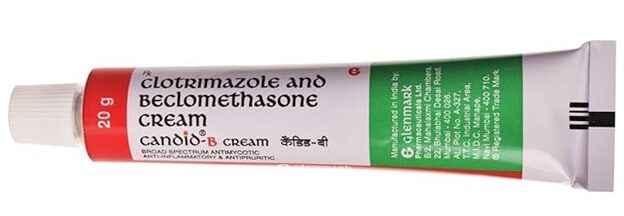
    Candid B contains beclomethasone and clotrimazole, making it effective against fungal infections and associated inflammation. It’s widely available in pharmacies across India and is known for its efficacy.

    Buy Candid B Cream – Buy (15% Discount)

    Fungal Cream image

    2. Terbinaforce Plus Cream

    Terbinaforce Plus combines terbinafine and clobetasol, providing potent antifungal and anti-inflammatory properties. It’s particularly effective against stubborn fungal infections.

    Buy Terbinaforce Plus Cream – Buy (15% Discount)

    3. Zole F Cream

    Zole F Cream contains fluconazole and clobetasol, offering dual action against fungi and associated inflammation. It’s recommended for severe or recurrent fungal infections.

    Buy Zole F Cream – Buy (15% Discount)

    4. Ring Guard Cream

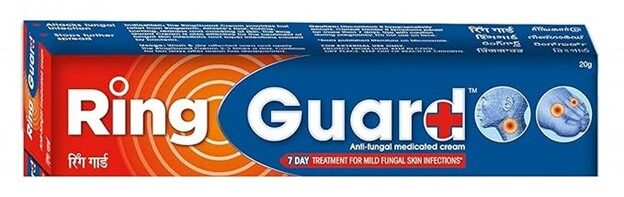
    Ring Guard is a popular over-the-counter cream containing clotrimazole and chlorhexidine. It effectively treats fungal infections while preventing secondary bacterial infections.

    Buy Ring Guard Cream – Buy (15% Discount)

    Fungal ring guard Cream image

    5. Itch Guard Cream

    Itch Guard contains miconazole and menthol, providing relief from itching and discomfort associated with fungal infections. It’s suitable for mild to moderate cases.

    Buy Itch Guard Cream – Buy Online

    Besides creams, oral medications such as Vizylac Capsule can be effective in preventing infections in the private area. Antibiotics like Nole Tablet (a combination of Ofloxacin and Ornidazole) can also be effective in preventing or treating mixed infections in the private area, especially when bacterial involvement is suspected.

    Usage Tips for Fungal Infection Creams

    • Follow the instructions provided on the cream’s packaging or as directed by your healthcare provider.
    • Clean and dry the affected area before applying the cream to ensure optimal absorption.
    • Use the cream consistently for the prescribed duration, even if symptoms improve before completion.
    • Avoid tight-fitting clothing and maintain good hygiene to prevent recurrence of fungal infections.

    Conclusion

    Dealing with fungal infections in private areas can be challenging, but choosing the right cream can make a significant difference in your comfort and recovery. By considering factors such as antifungal ingredients, safety, effectiveness, formulation, and price, you can select a cream that suits your needs. Remember to consult a healthcare professional if you have any doubts or concerns about your condition. With the right cream and proper care, you can effectively treat fungal infections and restore comfort to your private areas.

    FAQs on Which Cream Is Best For Fungal Infection In Private Area?

    1. What are some common antifungal creams available for treating fungal infections in the private area?

    Some commonly used antifungal creams for treating fungal infections in the private area include Clotrimazole, Miconazole, and Terbinafine. These creams are readily available over-the-counter at pharmacies and are effective in treating various types of fungal infections.

    2. Which factors should I consider when choosing the best cream for a fungal infection in my private area?

    When selecting a cream for treating fungal infections in the private area, it’s essential to consider factors such as the specific type of infection, any underlying health conditions, and personal preferences. Consulting a healthcare professional for a proper diagnosis and recommendation can help determine the most suitable cream for your needs.

    3. How should I use antifungal creams to treat a fungal infection in my private area effectively?

    To effectively treat a fungal infection in the private area with antifungal creams, it’s important to clean and dry the affected area thoroughly before applying the cream. Follow the instructions provided by the manufacturer or healthcare provider regarding the frequency and duration of application. It’s also advisable to continue using the cream for the full course of treatment, even if symptoms improve, to prevent recurrence.

    4. Are there any natural or home remedies that can help alleviate fungal infections in the private area?

    While antifungal creams are the primary treatment for fungal infections in the genital area, some individuals may find relief from symptoms by practicing good hygiene, wearing breathable clothing, and keeping the affected area clean and dry. Additionally, certain natural remedies like tea tree oil or yogurt with probiotics may have antifungal properties, but their effectiveness can vary, and it’s essential to use them with caution. Consulting a healthcare professional is recommended for proper diagnosis and treatment of fungal infections.

    Related Links:

  • When Should I Start Using A Pregnancy Pillow? – How to Use a Pregnancy Pillow

    When Should I Start Using A Pregnancy Pillow? – How to Use a Pregnancy Pillow

    when to start using pregnancy pillowPregnancy is a beautiful journey filled with excitement, anticipation, and a myriad of changes in a woman’s body. As your body undergoes various transformations to accommodate the growing life within, comfort becomes paramount. One of the tools that can greatly enhance comfort during pregnancy is a pregnancy pillow. But the question arises: When is the right time to start using one? 

    A pregnancy pillow, also known as a maternity pillow or a body pillow, is specially designed to provide support and comfort to expectant mothers during pregnancy. These cushions are available in a multitude of forms and dimensions, adeptly crafted to accommodate diverse requirements and tastes.

    When Should I Start Using A Pregnancy Pillow?

    The ideal time to start using a pregnancy pillow varies from woman to woman and can depend on several factors such as the stage of pregnancy, individual comfort levels, and specific discomforts experienced. However, Below there are a few general guidelines to consider:

    1. First Trimester

    During the first trimester, many women may not feel the need for a pregnancy pillow as their bodies haven’t yet undergone significant changes. However, if you’re already experiencing discomfort due to breast tenderness, nausea, or difficulty finding a comfortable sleeping position, it’s perfectly fine to start using a pregnancy pillow early on.

    2. Second Trimester

    The middle trimester is commonly known as the “golden phase” of pregnancy, marked by diminished nausea and heightened vitality levels. It’s during this time that many women begin to experience physical changes such as a growing belly, back pain, and hip discomfort. This is an excellent time to introduce a pregnancy pillow into your routine to provide support and alleviate pressure on your body as it adjusts to accommodate your growing baby.

    3. Third Trimester

    By the third trimester, your belly has significantly expanded, and you may find it increasingly challenging to get comfortable while sleeping or resting. This is when a pregnancy pillow can be most beneficial. Whether you’re struggling with back pain, hip pain, or simply finding it hard to get comfortable due to the size of your belly, a pregnancy pillow can provide the support you need to get a good night’s sleep and relieve discomfort.

    pregnancy pillow

    Benefits of Using a Pregnancy Pillow

    Using a pregnancy pillow offers numerous benefits throughout all stages of pregnancy, including:

    1. Improved Sleep Quality: Pregnancy can make it difficult to find a comfortable sleeping position. A pregnancy pillow helps alleviate pressure on your back, hips, and joints, allowing you to enjoy a more restful night’s sleep.
    2. Alleviation of Discomfort: Whether you’re experiencing back pain, hip pain, or pelvic pressure, a pregnancy pillow provides targeted support to relieve discomfort and promote better posture.
    3. Enhanced Relaxation: Pregnancy pillows aren’t just for sleeping; they can also be used for lounging and relaxation during the day. By providing support to your body, a pregnancy pillow allows you to rest more comfortably while watching TV, reading, or simply unwinding.
    4. Support for Breastfeeding: Many pregnancy pillows can also be used postpartum to provide support while breastfeeding or bottle-feeding your baby. Their versatile design makes them a valuable tool for new moms as well.

    Types of Pregnancy Pillows

    Pregnancy pillows are a blessing for expectant mothers, offering support and comfort during a time when the body undergoes significant changes. However, knowing how to use a pregnancy pillow effectively can make all the difference in experiencing its full benefits. Let’s understand the various types of pregnancy pillows available:

    1. Full-Length Body Pillows: These pillows are long and typically shaped like a letter ‘C’ or ‘U’, providing support to the entire body from head to toe.
    2. Wedge Pillows: Wedge-shaped pillows are designed to provide targeted support to specific areas such as the back, belly, or knees.
    3. Bean-Shaped Pillows: These pillows have a bean-like shape and can be maneuvered to support different parts of the body, including the back, belly, and legs.
    4. Convertible Pillows: Some pregnancy pillows come with adjustable components, allowing you to customize the support based on your needs.

    pregnancy pillow

    How to Use a Pregnancy Pillow

    Now, let’s explore how to use each type of pregnancy pillow effectively:

    Full-Length Body Pillows:

    • Lie on your side with the pregnancy pillow positioned alongside your body.
    • Place the bottom curve of the pillow between your knees to align your hips and relieve pressure on your lower back.
    • Wrap the top part of the pillow around your shoulder and tuck it between your arm and the mattress for added support to your upper body.
    • If you prefer sleeping on your back, position the pillow behind you to prevent rolling onto your back while providing support to your spine.

    Wedge Pillows:

    • Slide the wedge pillow under your belly to provide support and alleviate pressure.
    • Alternatively, place the wedge pillow behind your back while sitting or reclining to provide lumbar support.
    • For added elevation and support, place the wedge pillow under your knees while lying on your back.

    Bean-Shaped Pillows:

    • Use the bean-shaped pillow to support your belly while lying on your side.
    • Position the pillow behind your back to provide lumbar support while sitting or reclining.
    • Place the pillow between your knees to align your hips and reduce strain on your lower back.

    Convertible Pillows:

    •  Adjust the components of the convertible pillow based on your specific needs.
    •  Experiment with different configurations to find the most comfortable setup for sleeping, lounging, or breastfeeding.

    Additional Tips for Using Pregnancy Pillows

    • Experiment with different pillow placements and configurations to find what works best for you.
    • Consider using a pillowcase or cover to keep your pregnancy pillow clean and extend its lifespan.
    • If sharing a bed with a partner, ensure there’s enough space for both of you and the pregnancy pillow.

    pregnancy pillow

    Conclusion

    The right time to start using a pregnancy pillow is ultimately a personal decision based on your individual needs and comfort levels. Whether you choose to start using one early in your pregnancy or wait until later stages, a pregnancy pillow can be a valuable investment in your comfort and well-being throughout this beautiful journey. By providing targeted support and alleviating discomfort, a pregnancy pillow can help you enjoy a more restful sleep and make the entire experience of pregnancy more enjoyable. So listen to your body, prioritize your comfort, and don’t hesitate to introduce a pregnancy pillow into your routine whenever you feel the need.

    FAQs On When Should I Start Using A Pregnancy Pillow?

    1. When should I start using a pregnancy pillow?

    Answer: The ideal time to start using a pregnancy pillow varies for each woman. However, many find it beneficial to introduce a pregnancy pillow during the second trimester when physical discomforts such as back pain and hip discomfort commonly arise. Some women may even start using a pregnancy pillow earlier if they experience discomfort or difficulty sleeping in the first trimester.

    2. Can I start using a pregnancy pillow if I’m not experiencing discomfort yet?

    Answer: Absolutely! Using a pregnancy pillow early on can help prevent discomfort and ensure you’re well-supported as your body undergoes significant changes throughout pregnancy, while also promoting better sleep from the early stages.

    3. Is it too late to start using a pregnancy pillow if I’m already in my third trimester?

    Answer: It’s never too late to start using a pregnancy pillow, even if you’re in your third trimester. Many women find relief from discomfort and improved sleep quality by introducing a pregnancy pillow during the later stages of pregnancy. Whether you’re experiencing back pain, hip discomfort, or simply struggling to find a comfortable sleeping position, a pregnancy pillow can provide the support you need to rest more comfortably.

    Also Read:- 

    First-Time Sex: Can it lead to pregnancy? | Pregnancy Chances for Teens and Adults

    Pregnancy Test Kit | Pregnancy Test Instructions Manual
    Maximum How Many Days to confirm Pregnancy?

  • First-Time Sex: Can it lead to pregnancy? | Pregnancy Chances for Teens and Adults

    First-Time Sex: Can it lead to pregnancy? | Pregnancy Chances for Teens and Adults

    can first time sex lead to pregnancy

    The chances of pregnancy during first-time sex depend on various factors, including the timing of sexual activity, contraceptive use, sperm viability, and individual fertility levels. While pregnancy can only occur during the fertile window around ovulation, sperm can remain viable within the female reproductive tract for several days, increasing the potential for fertilization. 

    Effective contraceptive methods, such as condoms and hormonal contraceptives, significantly reduce the risk of pregnancy by preventing sperm from reaching the egg. However, despite the use of contraception, there is still a possibility of pregnancy, particularly if contraceptive methods fail or are not used consistently. Therefore, it’s essential for individuals engaging in first-time sex to be aware of the risks and take proactive measures to prevent unplanned pregnancy, such as open communication with partners and access to emergency contraception when needed.

    First Time Sex Pregnancy Chances

    Entering into the realm of sexual intimacy for the first time can be a momentous occasion filled with excitement, curiosity, and perhaps a hint of apprehension. Among the myriad of considerations, one of the foremost concerns for many individuals is the risk of pregnancy. While the topic may evoke a range of emotions and uncertainties, it’s crucial to approach it with knowledge, awareness, and preparedness. Pregnancy occurs when a sperm fertilizes an egg, leading to the formation of a zygote that eventually implants itself in the uterus, initiating the process of gestation. This typically transpires through sexual intercourse, wherein sperm is ejaculated into the vagina, making its way towards the egg.

    Embarking on the journey of first-time sex entails a myriad of emotions and considerations. It’s a moment of exploration, vulnerability, and trust shared between individuals. However, amidst the excitement and anticipation, the specter of pregnancy often looms large, prompting individuals to contemplate the likelihood of conception during this pivotal moment.

    Assessing Pregnancy Risks

    Several factors influence the likelihood of pregnancy during first-time sexual encounters. These include:

    1. Timing of Sexual Activity:

    Pregnancy hinges on the fertile window, usually a brief period surrounding ovulation within the menstrual cycle. This timeframe, when the egg is viable for fertilization, is pivotal for conception. By gaining insight into one’s menstrual cycle and pinpointing the timing of ovulation, individuals can better gauge their chances of becoming pregnant. This understanding empowers individuals to make informed decisions regarding sexual activity and contraception, ultimately aiding in the prevention of unintended pregnancies.

    2. Contraceptive Use:

    Contraception plays a crucial role in reducing the risk of pregnancy during sexual intercourse. Methods such as condoms, hormonal contraceptives, and other barrier methods are highly effective in preventing sperm from fertilizing the egg. By creating a physical barrier or altering hormonal processes, these contraceptives effectively hinder the chances of conception. Therefore, individuals can rely on these methods to safeguard against unintended pregnancies and enjoy their sexual experiences with greater peace of mind.

    3. Sperm Viability:

    Sperm can survive within the female reproductive system for extended periods, enhancing the chances of fertilization. This means that sexual intercourse conducted before ovulation could still lead to pregnancy if viable sperm are present when ovulation occurs. Understanding this extended window of opportunity underscores the importance of considering the timing of sexual activity when assessing pregnancy risks.

    4. Individual Factors:

    Individual factors like fertility levels, health conditions, and adherence to contraceptives play a significant role in determining the chances of pregnancy. These factors must be carefully considered when evaluating the risk of pregnancy. Fertility status, overall health, and consistent use of contraception all contribute to the complexity of predicting pregnancy outcomes.

    Communication and Preparedness

    Effective communication between partners plays a pivotal role in navigating the complexities surrounding first-time sex and pregnancy risks. Open dialogue regarding contraceptive options, sexual health, and mutual expectations fosters a sense of trust and understanding, empowering individuals to make informed decisions.

    Moreover, preparedness is key to mitigating the uncertainties associated with first-time sex. Equipping oneself with knowledge about contraceptive methods, reproductive health, and available resources ensures that individuals approach the experience with confidence and agency.

    Related insight for Men: Apart from understanding safe sex and pregnancy prevention, it’s also important for adult men to be informed about common sexual health issues like erectile dysfunction (ED). Vigora 100mg Tablet/Tadapcip 20mg Tablet is one of the prescription-based treatments used for ED under medical guidance.

    pregnancy chances on first time sex

    Addressing Common Concerns about Pregnancy Chances

    Avoiding first-time sex pregnancy chances requires careful planning, communication, and responsible decision-making. Here are some key strategies to mitigate the risk of pregnancy during initial sexual encounters:

    1. Contraceptive Use: Consistently and correctly using contraception is one of the most effective ways to prevent pregnancy. Explore various contraceptive options such as condoms, birth control pills, patches, or intrauterine devices (IUDs). Choose a method that aligns with your preferences, lifestyle, and health considerations.
    2. Dual Protection: Using dual protection, such as combining condoms with another form of contraception like hormonal birth control, provides an extra layer of protection against pregnancy and sexually transmitted infections (STIs).
    3. Communication with Partner: Open and honest communication with your partner about sexual health, contraceptive preferences, and expectations is crucial. Discussing contraception and establishing a plan together fosters mutual understanding and ensures that both parties are actively involved in preventing pregnancy.
    4. Emergency Contraception: Familiarize yourself with emergency contraception options, such as the morning-after pill, in case of contraceptive failure or unprotected sex. Accessing emergency contraception promptly can help reduce the risk of pregnancy after a sexual encounter.
    5. Understanding Fertility: Recognize the signs of fertility and ovulation to avoid intercourse during the most fertile days of the menstrual cycle. Tools such as fertility tracking apps or ovulation predictor kits can assist in identifying fertile days and planning sexual activity accordingly.
    6. Access to Healthcare: Ensure access to reproductive healthcare services, including contraception counselling, STI testing, and regular gynaecological exams. Seek medical advice and guidance from healthcare professionals to address any concerns or questions about contraception and pregnancy prevention.
    7. Consent and Boundaries: Prioritize mutual consent and respect for each other’s boundaries during sexual encounters. Consent should be enthusiastic, ongoing, and freely given by all parties involved. Establishing clear boundaries and respecting each other’s decisions contribute to a positive and healthy sexual experience.

    By implementing these strategies, individuals can proactively reduce the chances of pregnancy during first-time sexual encounters and navigate intimate relationships with confidence, responsibility, and respect for each other’s well-being.

    Conclusion

    Navigating the terrain of first-time sex entails a myriad of considerations, with pregnancy risks being a primary concern for many individuals. By understanding the factors influencing pregnancy likelihood, communicating openly with partners, and prioritizing preparedness, individuals can approach this significant milestone with confidence and agency. Remember, knowledge, awareness, and proactive measures are invaluable allies in navigating the complexities of sexual intimacy and reproductive health.

    FAQs on First-Time Sex Pregnancy Chances

    1. What are the chances of getting pregnant during first-time sex?

    The likelihood of pregnancy during first-time sex varies based on factors such as timing, contraceptive use, and individual fertility levels. Pregnancy can occur if sexual activity coincides with the fertile window, typically around ovulation. However, the use of effective contraceptives, such as condoms or hormonal methods, significantly reduces the risk of pregnancy by preventing sperm from fertilizing the egg.

    2. How can I minimize the risk of pregnancy during my first sexual experience?

    To minimize the risk of pregnancy during first-time sex, it’s essential to use reliable contraceptive methods consistently and correctly. Condoms, for instance, serve as a barrier method that prevents sperm from entering the vagina. Additionally, exploring other contraceptive options, such as hormonal birth control pills or long-acting reversible contraceptives (LARCs), can provide added protection against unintended pregnancy.

    3. What should I do if I’m worried about pregnancy after first-time sex?

    Answer: If you’re worried about pregnancy after first-time sex, it’s crucial to take prompt action. Consider accessing emergency contraception, such as the morning-after pill, within the recommended timeframe to reduce the risk of pregnancy. Additionally, communicating openly with your partner and seeking support from healthcare professionals can provide guidance and resources to address your concerns effectively. Remember, timely intervention and proactive measures are key to managing anxieties surrounding pregnancy after first-time sexual experiences.

    Also Read:- 


  • Pregnancy Test Kit | Pregnancy Test Instructions Manual

    Pregnancy Test Kit | Pregnancy Test Instructions Manual

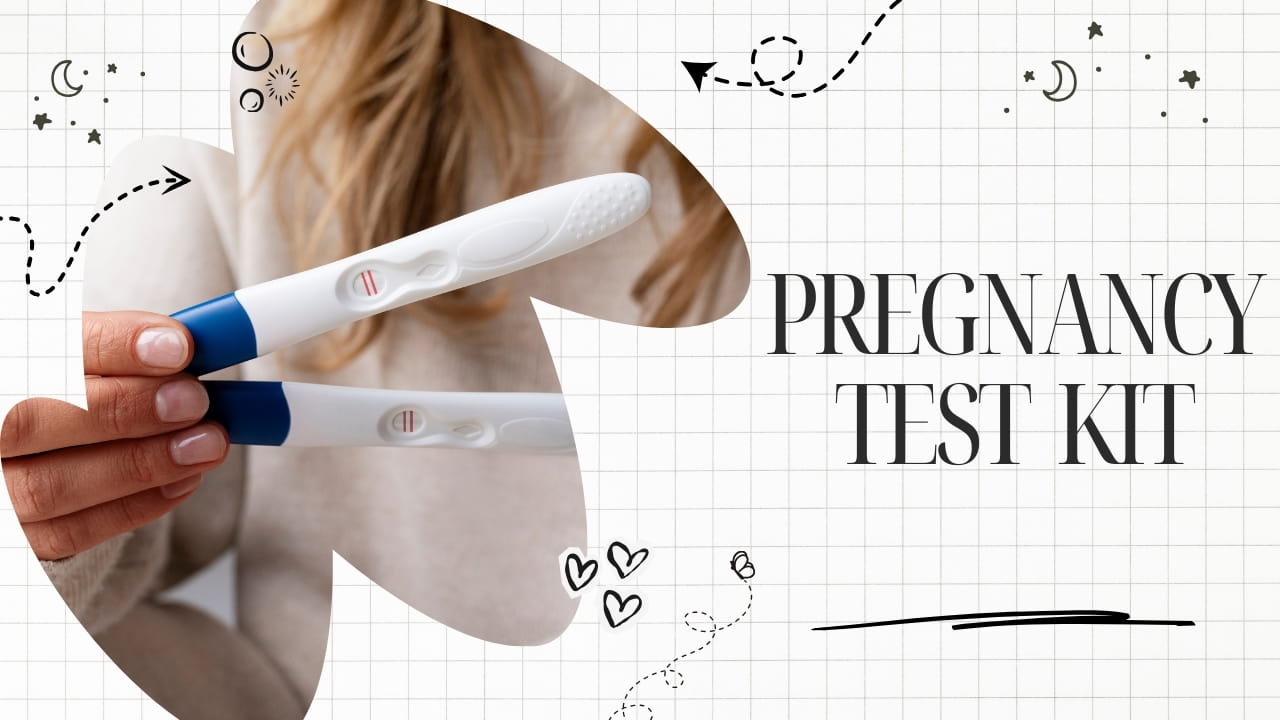
    how to use pregnancy test kitPregnancy Test Kit | Pregnancy Test Instructions

    Bringing a new life into the world is one of the most significant and joyous events in many people’s lives. However, the journey to parenthood often begins with the anticipation and uncertainty of whether or not a pregnancy has occurred. This is where pregnancy test kits come into play, offering a quick and convenient way to confirm whether or not conception has taken place. 

    Over-the-counter products widely available are pregnancy test kits, designed to detect the presence of human chorionic gonadotropin (hCG), a hormone produced during pregnancy when a fertilized egg implants itself in the uterus, causing the body to begin producing hCG, which can be detected in urine and blood.Pregnancy test kits primarily detect hCG levels in urine, providing a reliable indication of pregnancy within minutes.

    How Do Pregnancy Test Kits Work?

    Most pregnancy test kits utilize a simple mechanism to detect hCG in urine. The typical pregnancy test kit consists of a plastic casing, a test strip or stick, and a cap. The test strip contains antibodies that specifically react with hCG. When a urine sample is applied to the designated area on the test strip, any hCG present binds to the antibodies, initiating a chemical reaction that produces visible lines or symbols that indicate a positive or negative result.

    Pregnancy Test kit

    How to Use a Pregnancy Test Kit: A Step-by-Step Guide

    Taking a pregnancy test can be a momentous occasion, filled with anticipation and excitement. Whether you’re eagerly hoping for a positive result or nervously awaiting confirmation, knowing how to use a pregnancy test kit correctly is essential for accurate results. In this step-by-step guide, we’ll walk you through the process of using a pregnancy test kit effectively.

    Choose the Right Test Kit:

    • Before purchasing a pregnancy test kit, consider factors such as sensitivity, ease of use, and digital versus traditional readouts. Choose a test kit that aligns with your preferences and needs.

    Read the Instructions:

    • Take a few moments to carefully read the instructions provided with the pregnancy test kit. Each brand may have specific guidelines for usage, so it’s essential to familiarize yourself with the process beforehand.

    Collect Urine Sample:

    •    If you’re using a traditional strip test:
    •    Use a clean cup to collect a small amount of urine, preferably using the first-morning urine for the highest concentration of hCG.
    •    Alternatively, you can hold the absorbent tip of the test stick in your urine stream for a few seconds if you’re using a midstream test.

    Perform the Test:

    •    Remove the pregnancy test kit from its packaging, taking care not to touch the absorbent tip or any other sensitive areas.
    •    If you’re using a traditional strip test:
    •    Dip the absorbent tip of the test strip into the urine sample for the specified duration, usually a few seconds.
    •    Alternatively, you can use a dropper to apply a few drops of urine to the designated area on the test strip.

    pregnancy test kit check

    Wait for Results:

    •   Place the test kit on a flat surface and wait for the specified amount of time, typically between 3 to 5 minutes, before interpreting the results.
    •   Avoid moving or disturbing the test kit during this time to prevent inaccurate results.

    Interpret the Results:

    •   After the designated waiting period, check the test for the appearance of lines, symbols, or digital readouts.
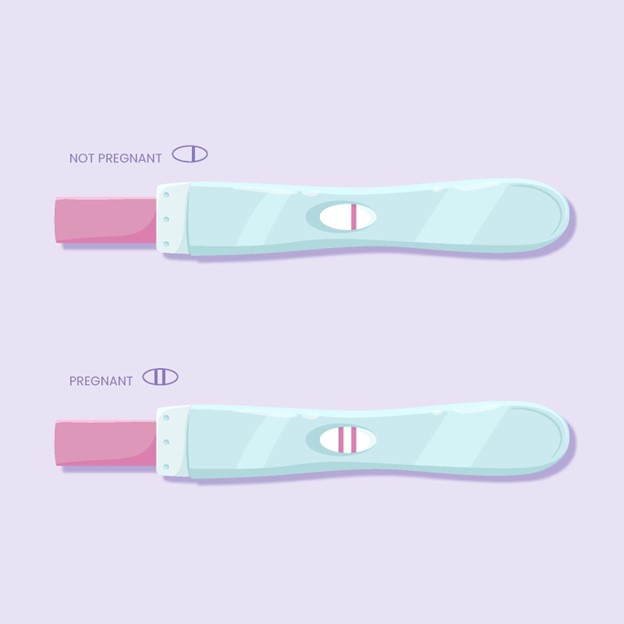
    •   Depending on the brand and type of test kit, a positive result may be indicated by the appearance of one or two lines, a plus sign, the word “pregnant,” or a similar indication.
    •    A negative result typically displays as a single line, a minus sign, the words “not pregnant,” or a similar indication.

    Dispose of the Test Properly:

    •    Once you’ve interpreted the results, dispose of the pregnancy test kit according to the manufacturer’s instructions.
    •    Most test kits can be discarded in the regular trash, but be sure to check for any specific disposal guidelines provided.

    Seek Further Guidance if Necessary:

    •    If you receive a positive result, consider scheduling an appointment with your healthcare provider to confirm the pregnancy and discuss next steps.
    •    If you receive a negative result but suspect you may still be pregnant or if your period is significantly delayed, consider repeating the test after a few days or seeking guidance from a medical expert for additional assessment and examination.

    If your pregnancy test result is positive and you’re seeking information on medical termination options, medicines like Misoprost 200mcg Tablet may be prescribed under a doctor’s supervision for early pregnancy termination.

    By following these step-by-step instructions and exercising patience and care during the testing process, you can effectively use a pregnancy test kit to determine whether or not you’re pregnant. Remember, while using pregnancy test kits correctly generally yields accurate results, it’s always advisable to consult with a healthcare professional for confirmation and guidance, ensuring peace of mind and comprehensive care.

    Types of Pregnancy Test Kits

    There are several types of pregnancy test kits available on the market, each offering its own set of features and benefits:

    1. Traditional Strip Tests:

      These are the most common type of pregnancy test kits. Users collect a urine sample in a cup and then dip the test strip into the sample or use a dropper to apply urine directly onto the test strip. Results typically appear within a few minutes.

    2. Midstream Tests:

      Midstream tests are designed for convenience, allowing users to hold the test stick directly in their urine stream. These tests often come with a cap to cover the absorbent tip, which is removed before testing. Outcomes typically become evident within a matter of minutes.

    3. Digital Tests:

      Digital pregnancy test kits provide a clear digital readout of the results, eliminating the need for interpretation of lines or symbols. These tests often feature a screen that displays “pregnant” or “not pregnant” rather than traditional line indicators.

    4. Early Detection Tests:

      Some pregnancy test kits claim to detect lower levels of hCG, allowing for earlier detection of pregnancy before a missed period. These tests may be more sensitive, but are typically more expensive.

    5. Rapid Tests:

      Rapid pregnancy tests provide results in as little as one minute, offering quick confirmation of pregnancy without the need to wait several minutes for results to appear.

    Conclusion

    Pregnancy test kits offer a simple and convenient way to confirm pregnancy in the comfort of your own home. With a variety of options available, including traditional strip tests, midstream tests, digital tests, early detection tests, and rapid tests, individuals can choose the product that best suits their needs. By following the tips outlined in this guide and using pregnancy test kits correctly, individuals can achieve accurate results and gain peace of mind during the early stages of pregnancy. Remember, if you have any concerns about pregnancy or the results of a pregnancy test, consult with a healthcare professional for further guidance and support.

    FAQs On Pregnancy Test Kit

    1. What is a pregnancy test kit?

    Answer: A pregnancy test kit is a diagnostic tool used to detect the presence of human chorionic gonadotropin (hCG), a hormone produced during pregnancy, in a woman’s urine. It typically consists of a test strip or stick that reacts with hCG to indicate whether or not a woman is pregnant. These kits provide a quick and convenient way for individuals to confirm pregnancy in the privacy of their own homes.

    2. How soon can I take a pregnancy test after a missed period?

    Answer: You can take a pregnancy test as early as the first day of your missed period. However, for the most accurate results, it’s advisable to wait at least one week after your missed period to ensure sufficient levels of the pregnancy hormone, hCG, have built up in your system.

    3. Can medications or medical conditions affect the accuracy of a pregnancy test?

    Answer: Certain medications, medical conditions, and fertility treatments can potentially interfere with pregnancy test results. It’s essential to consult with a healthcare professional if you’re taking any medications or have medical conditions that may impact the accuracy of the test.

    Also Read:- 

  • Jock Itch Treatment – Best Treatment of Jock Itch, Symptons, Causes

    Jock Itch Treatment – Best Treatment of Jock Itch, Symptons, Causes

    jock itch treatment

    Introduction

    Many guys, especially those who enjoy fitness, suffer from the irritating but common illness known as jock itch. Jockey scratch is a condition that causes an itchy, red rash to appear in the groin area. It can make even the most basic tasks intolerable. You’re not the only one who has experienced this unpleasant situation; there are practical ways to restore your skin to its previous state of not being bothersome. We’ll look at the top jock itch remedies in this blog post, as well as if coconut oil is a good alternative and offer helpful advice on how to stop outbreaks in the future. Come on, let’s get comfortable again!

    Understanding Jock Itch

    What Is It Jock Itch?

    Tinea cruris, the medical term for jock itch, is a fungal infection that thrives in warm, humid conditions. This example typically results in an itchy, pink, and occasionally painful rash that primarily affects the buttocks, interior thighs, and groin. Jock itch is caused by a fungus that is related to ringworm and athlete’s foot, making it a persistent annoyance.

    Signs of Itchy Jocks

    Jock itch symptoms are difficult to ignore. Among them is a rash in the groin area that is red and scaly.

    1. continuous discomfort and itching.
    2. a feeling of burning, especially when exercising.
    3. Skin that peels or flake off.
    4. Being aware of these signs aids in prompt diagnosis and treatment, halting the progression of the illness.

    Gaining an understanding of these symptoms facilitates prompt diagnosis and treatment, thereby halting the progression of the illness.

    Causes of Jock Itch

    Jockey scratch is caused by a number of variables, including:

    1. Moisture and Sweat: Fungal growth thrives in an environment that is ideal for excessive sweating.
    2. Clothing That Is Too Tight: Clothes that are too tight or don’t breathe well might retain heat and moisture.
    3. Direct Touch: Jockey scratch can result from sharing personal things, clothing, towels, or other items with an infected person.

    Induced fungal infections are more common in those whose immune systems are compromised.

    Best Treatments for Jock Itch

    Antifungal Creams Available Over-the-Counter

    OTC (over-the-counter) antifungal treatments are frequently the first line of defence against jock itch. Clotrimazole, miconazole, or terbinafine are examples of active chemicals in these lotions that specifically target and destroy the fungus.

    Application Advice

    • To apply the cream, first clean and dry the afflicted region.
    • Layer on a small amount and massage it in gently.
    • Even if symptoms subside and continue using it consistently for the entire recommended period.

    Prescription drugs

    A doctor may recommend stronger antifungal drugs for situations that are severe or chronic. These may consist of topical medications with increased potency or oral antifungals. For treatment to be effective, pay close attention to the doctor’s directions.

    Organic Treatments

    Due to their mild nature on the skin and general health benefits, natural medicines are favored by many men. Several natural remedies that work well include:

    • Apple cider vinegar: It can help stop the growth of fungi because of its antifungal qualities. Apply using a cotton ball after diluting with water.
    • Tea tree oil:  can be applied straight to the skin after being diluted with a carrier oil. It is well-known for having antifungal and antibacterial qualities.
    • Garlic: Garlic powder naturally contains antifungal properties. To provide relief, make a paste and apply it to the affected area.

    Is Coconut Oil Good for Jock Itch?

    Coconut oil has become well-known as a natural treatment for a number of skin issues.

    Is Coconut Oil Good for Jock Itch?

    The benefits:

    • Lauric acid, which is present in coconut oil, has been established to have antifungal properties against fungus infections.
    • Moisturizing Effect: It helps ease skin irritation and lessen itching.
    • Kind and Secure: Fit for delicate skin types, this is an excellent choice for people who experience negative reactions to traditional therapies.

    Method of Use:

    • Dry and clean the impacted area completely.
    • Coconut oil should be used sparingly and massaged into the skin.
    • Until the symptoms go away, repeat this procedure two to three times a day.
    • As beneficial as coconut oil is, it’s important to keep an eye on your symptoms. Consider seeking switch treatments from a healthcare provider if, after a week, there’s still no change.

    Preventing Jock Itch

    Always choose prevention over treatment. Use the following tactics to lower your chance of developing jock itch again:

    • Preserve cleanliness: Maintain a clean and dry groin area by taking regular showers, especially after exercise.
    • Don Air-Transome Clothing: Reduce sweat accumulation by wearing loose-fitting, moisture-wicking apparel.
    • Keep Personal Items Separated: To stop the spread of fungi, don’t share towels, clothes, or athletic equipment.
    • Put Antifungal Powders to Use: To prevent moisture buildup, apply antifungal powders to the groin area.

    Conclusion

    Although jock itch can be an annoying and persistent ailment, it can be avoided with the correct care and precautions. There are a variety of solutions available to suit your preference, ranging from over-the-counter treatments to natural cures like coconut oil. Recall that preventing future outbreaks requires practising excellent hygiene and taking preventative action.

    Never hesitate to contact a healthcare provider if you require specific guidance or further help. Taking preventative measures will guarantee that you remain itch-free and active. Your comfort and health are of utmost importance.

    Enjoy your workouts without itching while being at ease and self-assured.

    FAQs on Jock Itch Treatment

    1. What is the duration of the healing process for jock itch?

    The amount of infection and the type of treatment utilized determine how long jock itch takes to recover. Within two weeks, mild cases that are treated with over-the-counter antifungal treatments will go away. If prescription medications are required, more severe instances could take a month or longer to resolve. Effective healing requires the consistent administration of medicine.

    2. Can an itching jock cause damage to other body parts?

    In reality, in the event that it is not swiftly treated, jock itch might spread to other parts of the body. Direct touch, as well as the use of infected towels and clothing, can result in the fungus spreading to the feet (athlete’s foot) or other regions. treating the infection as soon as possible and ensuring proper hygiene

    3. Is there a spread of jock itch?

    When two people come into close proximity to each other or share personal objects like clothing and towels, the slightly contagious rock itch can spread. Save personal belongings for different people, and practice proper hygiene to lower the danger of transmission.

    4. Can I work out while taking care of jock itch?

    While taking care of jock itch, you can still work out, just be careful not to let the condition become worse. Take a shower right away after working out, and dress in loose-fitting, moisture-wicking clothing to keep the region dry. Treat the afflicted area with an antifungal medication as prescribed, making sure it stays dry and clean.

  • Hyperpigmentation Treatment – Best Treatment for Hyperpigmentation

    Hyperpigmentation Treatment – Best Treatment for Hyperpigmentation

    hyperpigmentation treatmentHyperpigmentation, often referred to as the bane of flawless skin, is a common dermatological concern that affects individuals of all ages and skin types. Characterized by dark patches or spots on the skin, hyperpigmentation can arise due to various factors, including sun exposure, hormonal changes, inflammation, and skin injuries. Fortunately, advancements in dermatology have led to a plethora of treatment options aimed at effectively addressing hyperpigmentation and restoring skin clarity and radiance.

    Melanocytes, residing within the skin, diligently produce melanin, the intricate pigment dictating the vast spectrum of skin hues. When these cells become overactive or are stimulated excessively, they produce more melanin, leading to hyperpigmentation. This excessive melanin production can manifest in various forms, such as sunspots, melasma, and post-inflammatory hyperpigmentation.

    Hyperpigmentation Treatment

    The best treatment of hyperpigmentation are mentioned below:

    1. Topical Treatments

    Hydroquinone: A widely used topical agent that inhibits melanin production, effectively lightening dark spots over time.

    Tyromax Cream is one such cream that contains Hydroquinone.

    Retinoids: Derived from vitamin A, retinoids promote skin cell turnover, aiding in the fading of hyperpigmented areas.

    Vitamin C: A potent antioxidant that not only brightens the skin but also helps to inhibit melanin production.

    Kojic Acid: Derived from fungi, kojic acid is known for its skin-lightening properties and is often used in hyperpigmentation treatments.

    Alpha Hydroxy Acids (AHAs) and Beta Hydroxy Acids (BHAs): These chemical exfoliants help to remove dead skin cells and promote cell turnover, revealing brighter, more even-toned skin.

    Topical Treatments

    2. Laser Therapy

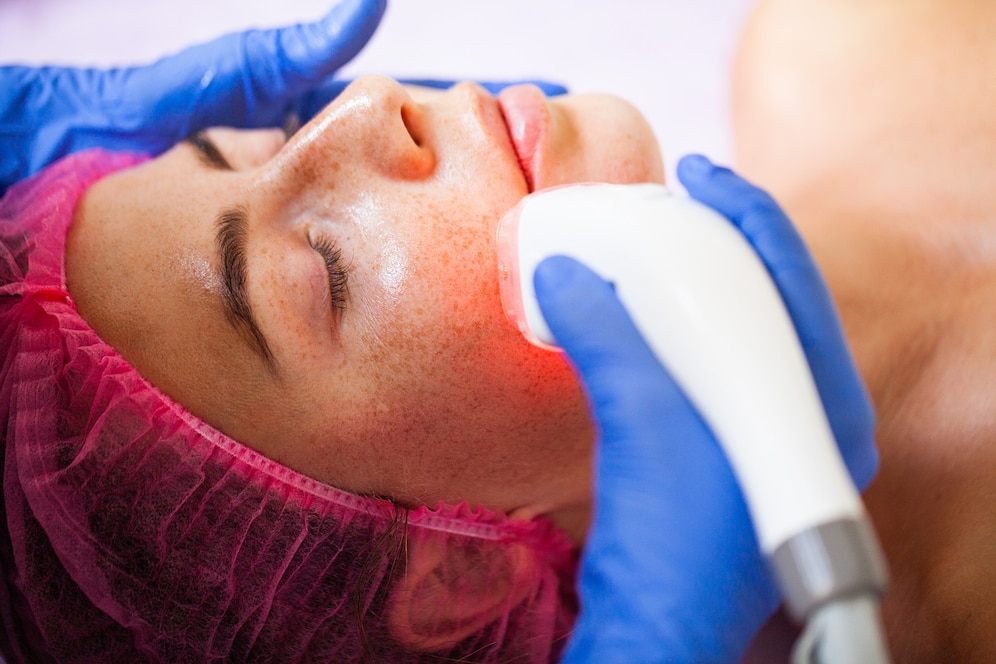
    Intense Pulsed Light (IPL): Utilizes broad-spectrum light to target and break down melanin deposits in the skin, effectively reducing hyperpigmentation.

    Fractional Laser Therapy: Targets specific areas of hyperpigmentation with intense laser energy, promoting collagen production and skin renewal.

    Q-Switched Nd:YAG Laser: Specifically targets melanin in the skin without causing damage to surrounding tissues, resulting in clearer, more even-toned skin.

    Laser Therapy

    3. Chemical Peels

    Glycolic Acid Peel: A superficial peel that exfoliates the outer layer of the skin, revealing fresher, more evenly pigmented skin beneath.

    TCA (Trichloroacetic Acid) Peel: Penetrates deeper into the skin, effectively targeting moderate to severe hyperpigmentation and improving skin texture.

    4. Microdermabrasion

    A non-invasive procedure that uses a diamond-tipped wand or fine crystals to gently exfoliate the skin, diminishing the appearance of hyperpigmentation and promoting cell turnover.

    5. Combination Therapies

    Dermatologists often recommend combining different treatment modalities for optimal results. For example, a combination of topical agents, laser therapy, and chemical peels may be prescribed based on the individual’s skin type and the severity of hyperpigmentation.

    Hyperpigmentation Treatment at Home

    Hyperpigmentation, while a common skin concern, can often be treated effectively at home with various natural remedies and over-the-counter products. Here are some popular options:

    Sunscreen: Protecting your skin from harmful UV rays is crucial in preventing further darkening of hyperpigmented areas. Choose a broad-spectrum sunscreen with a high SPF and apply it daily, even on cloudy days.

    Natural Remedies:

    • Lemon Juice: The natural acidity of lemon juice can help to lighten dark spots. Dilute lemon juice with water and apply it to hyperpigmented areas, but be cautious as it can cause skin irritation in some individuals.
    • Aloe Vera: Known for its soothing properties, aloe vera gel can help to reduce inflammation and promote skin healing, which may aid in fading hyperpigmentation.
    • Green Tea Extract: Rich in antioxidants, green tea extract can help to protect the skin from damage and reduce the appearance of dark spots.

    Skin Brightening Masks:

    • DIY masks using ingredients such as turmeric, honey, yogurt, and oatmeal can help to brighten the skin and reduce hyperpigmentation when used regularly.
    • While these home remedies can be effective for mild cases of hyperpigmentation, it’s important to note that results may vary, and it may take time to see significant improvement.

    Additionally, it’s crucial to practice good skincare habits, including cleansing, moisturizing, and protecting your skin from sun damage, to support the effectiveness of at-home treatments.

    > Consult a Doctor and Medkart will help you Order Medicines Online

    Conclusion:

    Hyperpigmentation can be a stubborn skin concern, but with the array of treatment options available today, achieving a more even-toned complexion is certainly within reach. From topical agents and laser therapies to chemical peels and microdermabrasion, there’s a treatment approach suited to every skin type and concern.

    However, it’s important to consult with a qualified dermatologist to determine the most appropriate treatment plan tailored to your specific needs and to ensure safe and effective results. With patience, consistency, and professional guidance, you can bid farewell to hyperpigmentation and unveil brighter, more radiant skin.

    Read: What are Generic Medicines?

    FAQs on Hyperpigmentation Treatment

    Q1. What is hyperpigmentation treatment?

    Hyperpigmentation treatment encompasses various methods aimed at reducing or eliminating dark patches or spots on the skin caused by excess melanin production. This can include topical agents, such as hydroquinone and retinoids, professional procedures like laser therapy and chemical peels, as well as at-home remedies like sunscreen and exfoliation to promote skin clarity and even tone.

    Q2. Is it possible to treat hyperpigmentation at home?

    Yes, mild cases of hyperpigmentation can be treated at home using topical agents like vitamin C and niacinamide, along with regular exfoliation and sunscreen application for sun protection.

    Q3. What are the professional treatment options for hyperpigmentation?

    Professional treatment options for hyperpigmentation include laser therapy, chemical peels, and microdermabrasion, which are performed by dermatologists or licensed skincare professionals to target and reduce the appearance of dark spots effectively.

  • Hydrocele Treatment: Best Treatment for Hydrocele, Symptoms and Causes

    Hydrocele Treatment: Best Treatment for Hydrocele, Symptoms and Causes


    hydrocele treatmentHydrocele treatment typically involves surgical options like hydrocelectomy, where the fluid-filled sac around the testicle is removed, or needle aspiration to drain excess fluid. Medication may be prescribed to manage symptoms like pain and inflammation, but surgery is often the most effective long-term solution for hydrocele.


    Hydrocele is a common condition that affects males, occurring when fluid accumulates in the sac around the testes, causing swelling. While it’s generally not painful, it can be concerning for individuals experiencing it.

    What is Hydrocele?

    Hydrocele is characterized by the accumulation of fluid in the sac surrounding the testes, called the tunica vaginalis. This fluid buildup leads to swelling in the scrotum.

    Although it can affect males of any age, it’s most commonly found in newborns, typically resolving without treatment within the first year of life. However, hydrocele can also develop later in life due to various reasons.

    Causes of Hydrocele

    The primary causes of Hydrocele are mentioned below:

    • Congenital: In newborns, hydrocele often occurs due to the failure of the connection between the abdomen and the scrotum to close properly during development.
    • Injury or Infection: Trauma or infections in the scrotum or groin area can lead to the development of hydrocele.
    • Inflammation: Inflammatory conditions such as epididymitis or orchitis can cause fluid accumulation.
    • Blockage: Blockage or damage to the lymphatic system can hinder the drainage of fluid from the scrotum, leading to hydrocele.
    • Idiopathic: In some cases, the cause of hydrocele may not be apparent, and it’s termed idiopathic hydrocele.

    Symptoms of Hydrocele

    The primary symptom of hydrocele is swelling in the scrotum and it may vary in size. Other symptoms may include:

    • Heaviness or discomfort in the scrotum
    • Feeling of pressure in the groin area
    • Enlargement of the affected testicle
    • Difficulty in walking or performing physical activities in severe cases

    > Consult a Doctor and Medkart will help you Order Medicines Online

    Hydrocele Treatment

    The best treatment of hydrocele are mentioned below:

    Observation: In newborns, hydrocele often resolves on its own within the first year of life without any intervention. Doctors may advise monitoring the condition and opting for treatment only if it persists or causes discomfort.

    Medication: In cases where hydrocele is caused by infection or inflammation, such as epididymitis or orchitis, antibiotics or anti-inflammatory medications may be prescribed to alleviate symptoms.

    Aspiration (Needle Drainage): In this procedure, a needle is inserted into the scrotum to drain the accumulated fluid. While this provides temporary relief, there’s a risk of recurrence, and it’s not considered a permanent solution.

    Hydrocelectomy: Hydrocelectomy is a surgical procedure performed to remove the hydrocele sac. It’s typically recommended for large or symptomatic hydroceles that do not resolve on their own or through other treatments. During the procedure, the surgeon makes an incision in the scrotum or groin, drains the fluid, and removes the sac. This is a relatively safe and effective procedure with a low risk of complications.

    Sclerotherapy: In this minimally invasive procedure, a sclerosing agent is injected into the hydrocele sac to cause it to shrink and eventually close off. It’s often used as an alternative to surgery, particularly in cases where surgery poses a higher risk or for individuals who prefer a less invasive option.

    Read: What are Generic Medicines?

    Hydrocele Treatment

    Conclusion:

    Hydrocele is a common condition characterized by fluid accumulation in the sac surrounding the testes, leading to scrotal swelling. While it’s usually harmless and resolves on its own in newborns, it may require treatment in some cases, especially if it causes discomfort or persists into adulthood.

    Treatment options range from observation and medication to minimally invasive procedures like aspiration or sclerotherapy, and surgical intervention with hydrocelectomy. Consulting a healthcare professional is essential for proper diagnosis and determining the most appropriate treatment approach based on individual circumstances.

    FAQs on Hydrocele Treatment

    Q1. What is Hydrocele Treatment?

    Hydrocele treatment typically involves surgical intervention to remove the fluid-filled sac around the testicle, known as a hydrocelectomy. Alternatively, needle aspiration may be performed to drain the excess fluid, although this method often results in temporary relief. In some cases, medication may be prescribed to manage symptoms such as pain and inflammation, but surgery remains the most effective long-term solution.

    Q2. Can hydrocele be treated with medication alone?

    Medication can help manage symptoms such as pain and inflammation associated with hydrocele, but it typically doesn’t resolve the condition itself. Surgery is often necessary for a permanent solution, especially if the hydrocele is large, causes discomfort, or persists over time.

    Q3. What surgical options are available for hydrocele treatment?

    Surgical options for hydrocele treatment include hydrocelectomy, a procedure where the excess fluid is drained and the sac causing the fluid buildup is removed. Another approach is needle aspiration, where a needle is used to drain the fluid from the scrotum. However, aspiration is often temporary and may require repeated procedures.

    Q4. How long does it take to recover from hydrocele surgery?

    Recovery time can vary depending on the individual and the type of surgery performed. In general, most people can return to normal activities within a few days to a week after surgery. However, it’s essential to follow the surgeon’s post-operative instructions carefully to minimize complications and ensure proper healing.

    Related Links:

    Blog | Medkart Pharmacy - Generic Medicine Online

  • Hand Foot and Mouth Disease Treatment

    Hand Foot and Mouth Disease Treatment

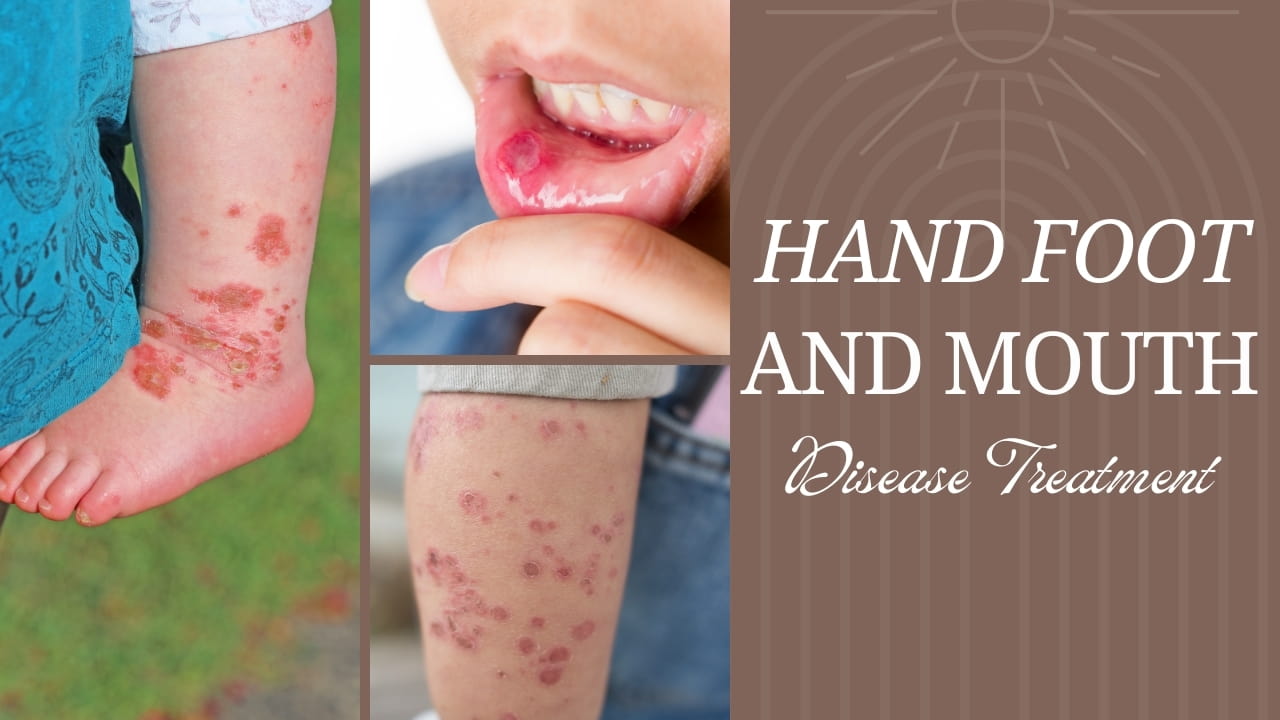
    hand, foot & mouth disease treatmentHand, Foot, and Mouth Disease (HFMD) treatment primarily focuses on alleviating symptoms and preventing complications. Over-the-counter pain relievers like acetaminophen or ibuprofen can help reduce fever and discomfort from mouth sores while staying hydrated with cool, soothing liquids and consuming soft, easy-to-swallow foods can aid in preventing dehydration and minimising discomfort during eating.
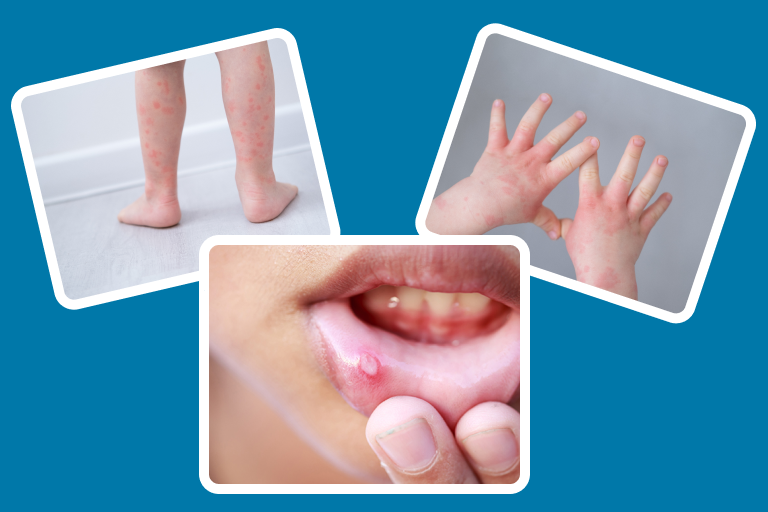
    Topical numbing agents may provide additional relief for mouth sores. Hand, Foot, and Mouth Disease (HFMD) stands as a prevalent viral ailment primarily impacting toddlers and youngsters under five years old, although it may manifest in older juveniles and adults as well. HFMD is caused by various strains of viruses, most commonly the Coxsackievirus.

    It spreads through close personal contact, as well as through respiratory droplets from coughing or sneezing, and contact with contaminated surfaces. The virus can survive on surfaces for several days, making it highly contagious.

    Symptoms Of HFMD

    1. Fever: Often the first sign of the illness, a fever may precede other symptoms.
    2. Sore throat: Painful blisters or ulcers may develop in the mouth and throat, making swallowing difficult.
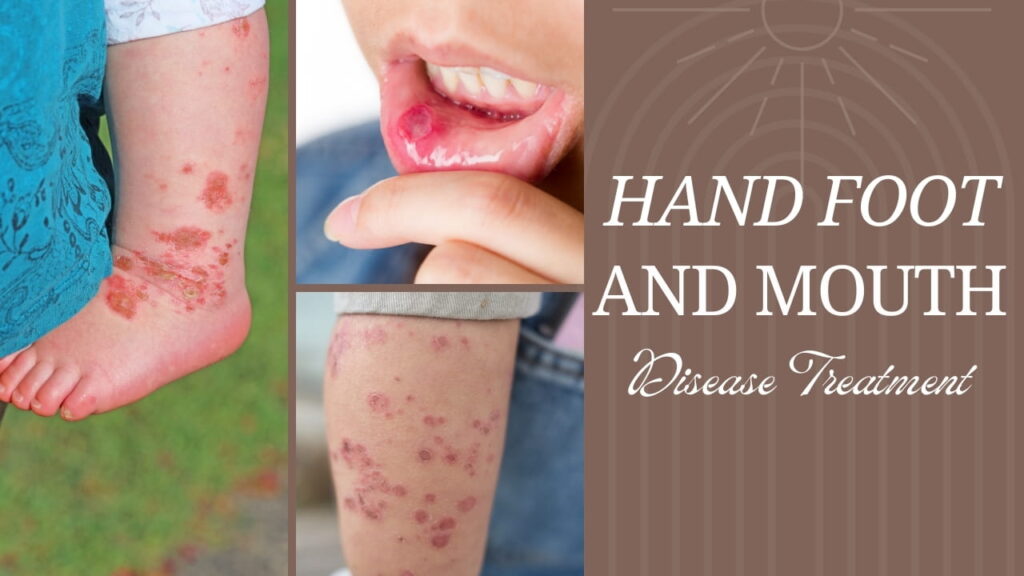
    3. Rash: Small red spots or bumps may appear on the palms of the hands, soles of the feet, and sometimes on the buttocks. These may progress to fluid-filled blisters.
    4. Loss of appetite: Due to discomfort from mouth sores, children may refuse to eat or drink.

    It’s important to note that not everyone infected with the virus will display all these symptoms, and some individuals may have a mild case with minimal or no symptoms at all.

    Hand Foot and Mouth Disease Treatment

    Hand Foot and Mouth Disease Treatment

    While there is no specific cure for HFMD, treatment focuses on relieving symptoms and preventing complications. Here are some effective treatment approaches:

    Pain Relief: Over-the-counter pain relievers such as acetaminophen (Tylenol) or ibuprofen (Advil, Motrin) can help reduce fever and alleviate discomfort from mouth sores. Aspirin should be avoided in children due to the risk of Reye’s syndrome, a rare but serious condition.

    Hydration: Encourage plenty of fluids to prevent dehydration, especially if your child has a fever or is reluctant to eat or drink due to mouth sores. Offer cool, soothing liquids such as water, diluted fruit juices, or popsicles.

    Soft Foods: Stick to soft, easy-to-swallow foods to minimize discomfort when eating. Avoid acidic or spicy foods that may irritate mouth sores. Cold foods like yogurt or smoothies can provide relief.

    Topical Treatments: For pain relief from mouth sores, topical numbing agents such as lidocaine or benzocaine can be applied to the affected areas. Be sure to use these medications as directed and consult with a healthcare professional if you have any concerns.

    Isolation and Hygiene: Since HFMD is highly contagious, it’s essential to practice good hygiene to prevent the spread of the virus. Encourage frequent handwashing with soap and water, especially after using the bathroom or changing diapers, and disinfect commonly touched surfaces and toys regularly. Keep infected individuals isolated from others, especially young children and pregnant women, until they are no longer contagious.

    When to Seek Medical Attention

    In most cases, HFMD is a mild and self-limiting illness that resolves on its own within a week to ten days. However, complications can occur, particularly in rare cases or in individuals with weakened immune systems. Seek medical attention if you notice any of the following warning signs:

    • High fever (above 102°F or 38.9°C)
    • Symptoms indicating dehydration such as reduced frequency of urination, parched oral cavity, or feelings of sluggishness and lethargy.
    • Difficulty breathing or swallowing
    • Severe headache, neck stiffness, or irritability
    • Persistent vomiting or abdominal pain

    Your healthcare provider can evaluate your child’s condition and recommend appropriate treatment if necessary.

    Conclusion:

    While Hand, Foot, and Mouth Disease can be uncomfortable for children and caregivers alike, most cases can be managed effectively at home with supportive care. By following these treatment approaches and practicing good hygiene, you can help alleviate symptoms and prevent the spread of the virus within your family and community.

    If you have any concerns or questions about HFMD or your child’s health, don’t hesitate to consult with a healthcare professional for guidance and support.

    Read: What are Generic Medicines?

    FAQs on Hand Foot and Mouth Disease Treatment

    Q1. What is Hand Foot And Mouth Disease Treatment?

    Hand, Foot, and Mouth Disease treatment primarily involves managing symptoms such as fever and mouth sores with over-the-counter pain relievers and topical numbing agents. It also includes staying hydrated with cool liquids and consuming soft, easy-to-swallow foods to prevent dehydration and minimize discomfort during eating.

    Q2. What are the best over-the-counter medications for relieving symptoms of Hand, Foot, and Mouth Disease?

    Acetaminophen (Tylenol) or ibuprofen (Advil, Motrin) can help reduce fever and alleviate discomfort from mouth sores.

    Q3. Are there any topical treatments that can help with the pain from mouth sores in Hand, Foot, and Mouth Disease?

    Yes, topical numbing agents such as lidocaine or benzocaine can be applied to the affected areas for pain relief.

    Q4. How important is hydration in the treatment of Hand, Foot, and Mouth Disease?

    Staying hydrated with cool, soothing liquids like water, diluted fruit juices, or popsicles is crucial to prevent dehydration, especially if fever or mouth sores are present.

    Related Links: