Blog

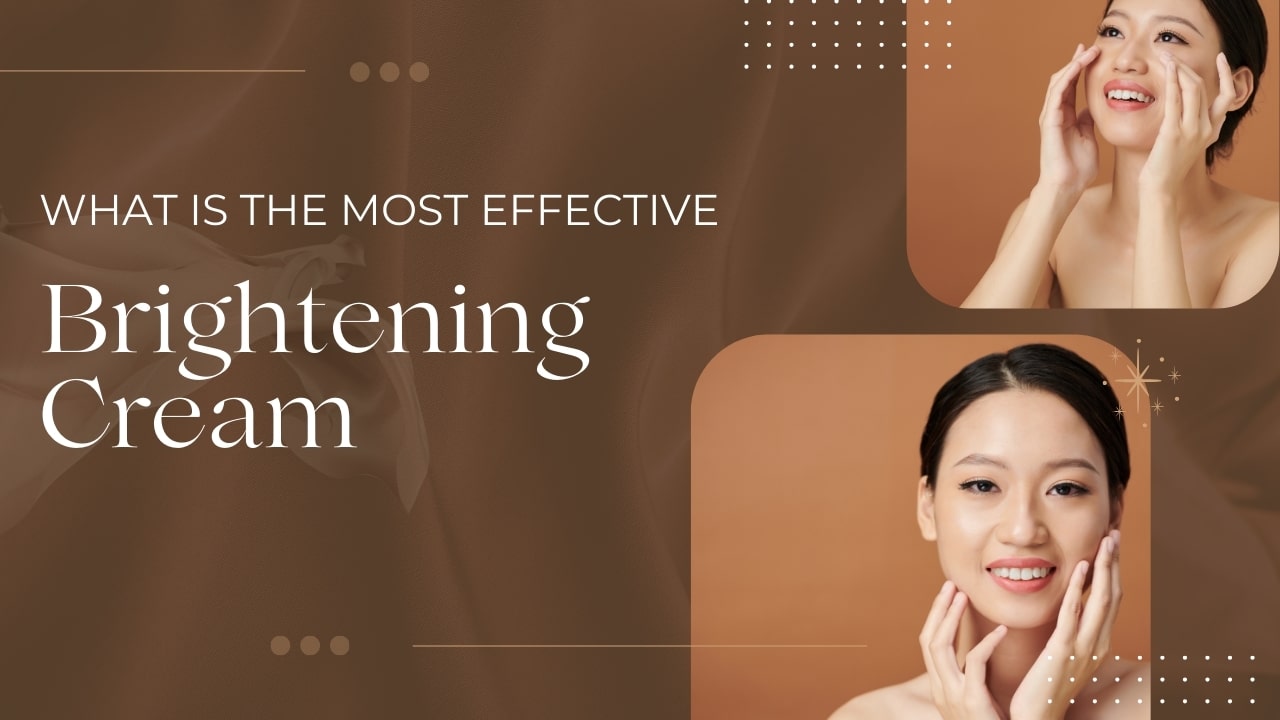
  • What Is The Most Effective Brightening Cream – Buy Brightening Creams Online

    What Is The Most Effective Brightening Cream – Buy Brightening Creams Online

    effective skin brightening creamIn a country as diverse as India, where beauty is celebrated in myriad shades and tones, the quest for radiant, glowing skin is a common pursuit. With a market flooded with skincare products promising luminosity and brightness, choosing the most effective brightening cream can be overwhelming. India’s climatic conditions, coupled with factors such as pollution, sun exposure, and lifestyle stressors, often take a toll on the skin, leading to dullness, uneven skin tone, and pigmentation. Consequently, the demand for brightening creams has surged, with consumers seeking solutions to restore their skin’s natural radiance.

    Key Considerations for Effective Brightening Creams

    Before delving into specific product recommendations, it’s essential to understand the key factors that contribute to the effectiveness of brightening creams:

    1. Ingredients: Look for brightening agents such as niacinamide, vitamin C, kojic acid, licorice extract, and alpha hydroxy acids (AHAs) like glycolic acid. These ingredients work to inhibit melanin production, reduce hyperpigmentation, and promote cell turnover, thereby enhancing skin brightness.
    2. Sun Protection: Sun exposure is a primary cause of skin darkening and pigmentation. Opt for brightening creams with adequate sun protection, preferably with broad-spectrum SPF to shield the skin from harmful UV rays.
    3. Skin Type Compatibility: Consider your skin type and any specific concerns you may have, such as sensitivity or acne-prone skin, when selecting a brightening cream. Look for formulations tailored to your skin type to ensure optimal results without triggering adverse reactions.
    4. Clinical Evidence: Look for products backed by scientific research and clinical trials demonstrating their efficacy in brightening the skin. Customer reviews and testimonials can also provide valuable insights into real-world results.Most Effective Brightening Cream

    Top Picks for the Most Effective Brightening Creams in India

    Brightening creams, often referred to as skin lightening or whitening creams, are popular skincare products in India and around the world. They are designed to address issues such as dark spots, hyperpigmentation, uneven skin tone, and dullness, resulting in a brighter and more radiant complexion. After careful consideration of the aforementioned factors, here are some top recommendations for brightening creams available in India:

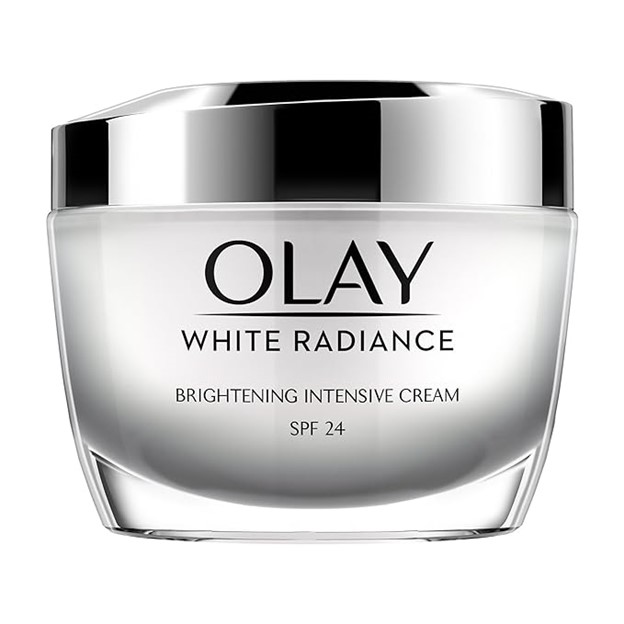
    1. Olay White Radiance Brightening Intensive Cream:

    Buy Most Effective Brightening Cream – At 15% Discount

    • Olay is a well-known skincare brand globally, trusted for its quality products.
    • The White Radiance Brightening Intensive Cream contains Vitamin B3 (Niacinamide) and Sepiwhite, which help reduce dark spots and even out skin tone.
    • It moisturizes the skin, leaving it soft and supple while also providing SPF 24 protection against harmful UV rays.
    • Suitable for all skin types, this cream is known for its lightweight texture and non-greasy finish.
    Most Effective Brightening Cream

    1. Lotus Herbals Whiteglow Skin Whitening & Brightening Gel Crème:

    Buy Most Effective Brightening Cream – At 15% Discount

    • Lotus Herbals stands as a renowned Indian label celebrated for its array of herbal skincare solutions, capturing hearts with its natural essence and effective formulations.
    • The Whiteglow Gel Crème contains extracts of Grape, Mulberry, Saxifraga, and Milk enzymes, which help lighten the skin tone and reduce pigmentation.
    • It has a gel-based formula that hydrates the skin without making it oily, making it suitable for combination to oily skin types.
    • This cream also contains SPF 25 PA+++ for sun protection, making it ideal for daytime use.
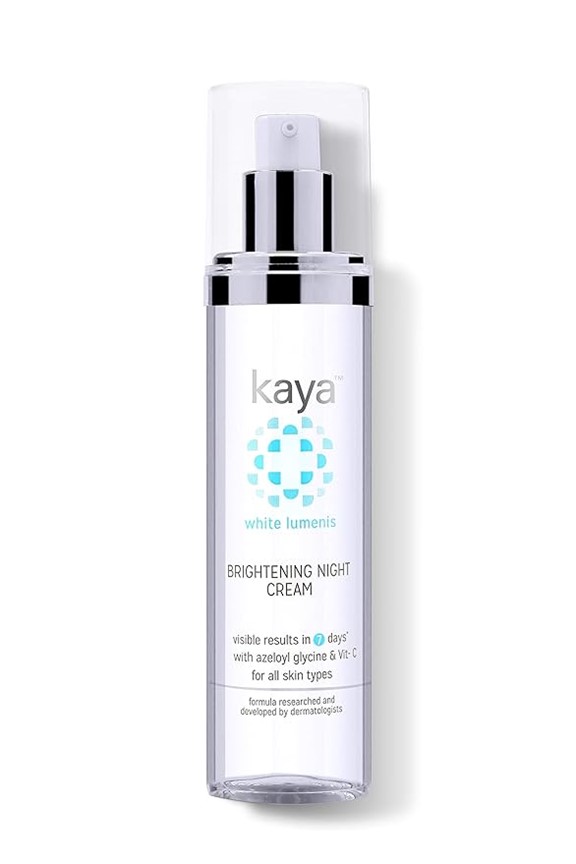
    1. Kaya Brightening Night Cream:

    Buy Most Effective Brightening Cream – At 15% Discount

    • Kaya Skin Clinic is a well-known skincare clinic chain in India, offering a range of dermatologist-tested products.
    • The Brightening Night Cream is enriched with potent skin brightening agents like Vitamin C, Azelaic Acid, and Niacinamide.
    • It works overnight to repair and renew the skin, reducing dark spots and pigmentation while promoting a more luminous complexion.
    • This cream is suitable for all skin types and is particularly beneficial for those dealing with dullness and uneven skin tone.
    Most Effective Brightening Cream

    1. L’Oreal Paris White Perfect Day Cream:

    Buy Most Effective Brightening Cream – At 15% Discount

    • L’Oreal Paris is a leading global beauty brand, known for its innovative skincare formulations.
    • The White Perfect Day Cream contains Melanin-Vanish and Tourmaline Gemstone, which help reduce dark spots and brighten the skin.
    • It has a lightweight texture that absorbs quickly into the skin, providing hydration and a radiant glow.
    • This cream also offers SPF 17 PA++ protection against sun damage, making it suitable for daytime use.
    1. VLCC Snigdha Skin Whitening Night Cream:

    Buy Most Effective Brightening Cream – At 15% Discount

    • VLCC is a popular Indian brand offering a wide range of skincare and wellness products.
    • The Snigdha Skin Whitening Night Cream contains extracts of Liquorice, Mulberry, and Lemon Peel, which help lighten dark spots and rejuvenate the skin overnight.
    • It is enriched with natural oils and vitamins to nourish and hydrate the skin, promoting a more even-toned complexion.
    • This cream is suitable for all skin types and is particularly effective in reducing pigmentation caused by sun exposure and environmental factors.

    Note: If your skin concerns include infections, irritation, or inflammation rather than pigmentation or dullness, using a brightening cream may not be the right solution. In such cases, dermatologists often recommend topical treatments like 3D Skin Cream, which is specifically formulated to treat bacterial and fungal skin infections effectively.

    What Does A Brightening Cream Do

    Brightening creams have become increasingly popular in skincare regimens, promising to illuminate the complexion and fade dark spots. But what exactly do these creams do, and how do they achieve their claimed results?

    1. Evens Out Skin Tone:

      One of the primary functions of brightening creams is to even out skin tone. They target areas of hyperpigmentation, such as dark spots, sun spots, and acne scars, by inhibiting the production of melanin, the pigment responsible for skin coloration. Ingredients like niacinamide, vitamin C, and kojic acid work to fade these dark patches, resulting in a more uniform complexion.

    2. Reduces Hyperpigmentation:

      Hyperpigmentation occurs when excess melanin production leads to darkening of certain areas of the skin. Brightening creams contain ingredients that interfere with the melanin synthesis process, effectively reducing hyperpigmentation and promoting a brighter appearance. Over time, consistent use of these creams can lead to a significant reduction in the intensity and size of dark spots.

      For those struggling with hyperpigmentation, dermatologist-recommended treatments like Tretin 0.025% Cream can significantly improve results. For deeper pigmentation conditions such as melasma, doctors may recommend medicated creams like Tyromax Cream, formulated specifically to target stubborn dark patches.

    3. Promotes Cell Turnover:

      Many brightening creams contain exfoliating ingredients such as alpha hydroxy acids (AHAs) or beta hydroxy acids (BHAs). These compounds help to slough off dead skin cells and promote cell turnover, revealing fresh, radiant skin underneath. By accelerating the skin’s natural renewal process, brightening creams can improve overall skin texture and luminosity.

    4. Enhances Radiance:

      Brightening creams are formulated to impart a radiant glow to the skin. They often contain light-reflecting particles or optical diffusers that instantly brighten the complexion and blur imperfections. Additionally, some creams contain moisturizing ingredients that plump the skin, creating a dewy, luminous look.

    5. Provides Sun Protection:

      Many brightening creams come with added sun protection factor (SPF) to shield the skin from harmful ultraviolet (UV) rays. Sun exposure is a leading cause of dark spots and uneven skin tone, so incorporating SPF into a brightening cream helps prevent further pigmentation and maintains the results achieved through lightening existing spots.

    6. Hydrates and Nourishes:

      To maintain a healthy, radiant complexion, skin needs adequate hydration and nourishment. Brightening creams often contain moisturizing ingredients like hyaluronic acid, glycerin, or ceramides, which help to replenish the skin’s moisture barrier and keep it supple and smooth.

    7. Addresses Signs of Aging:

      Some brightening creams also target signs of aging, such as fine lines, wrinkles, and dullness. Ingredients like retinol, peptides, and antioxidants help to stimulate collagen production, improve skin elasticity, and combat free radical damage, resulting in a more youthful and vibrant appearance.

    Conclusion

    Achieving a radiant, luminous complexion is attainable with the right skincare regimen, including the use of effective brightening creams. By considering factors such as ingredients, sun protection, skin type compatibility, and clinical evidence, individuals in India can make informed choices to address their skin’s specific needs. Whether combating hyperpigmentation, dullness, or uneven skin tone, incorporating a high-quality brightening cream into your skincare routine can help unveil the glowing complexion you desire. Remember to complement your skincare routine with healthy lifestyle habits, including adequate hydration, balanced nutrition, and sun protection, for optimal results in the quest for radiant skin.

    FAQs On What Is The Most Effective Brightening Cream

    1. Which is the most effective brightening cream?

    Answer: “Kaya Brightening Day Cream” is widely regarded as the most effective brightening cream in India, featuring potent ingredients like vitamin C and licorice extract to target hyperpigmentation and achieve a luminous complexion suited for diverse skin tones. With dermatologist-tested formulations and SPF protection, it addresses Indian skin concerns, ensuring safe and effective results in varying climates.

    2. What are the key considerations when choosing the most effective brightening cream?

    Answer: Look for creams with ingredients like vitamin C, kojic acid, licorice extract, and niacinamide, which are known to inhibit melanin production and brighten skin. SPF protection is crucial to prevent further darkening due to sun exposure. Additionally, opt for products suitable for your skin type and concerns.

    3. Are there any precautions to consider when using brightening creams in India, especially for sensitive skin?

    Answer: It’s important to perform a patch test before applying any new product to check for allergic reactions or sensitivity. Avoid overuse or combining multiple potent ingredients, as this may cause irritation or adverse reactions. Consulting a dermatologist for personalized recommendations can help address specific concerns and ensure safe usage.


  • Best Pimple Cream To Cure Acne | Buy Pimple Cream Online

    Best Pimple Cream To Cure Acne | Buy Pimple Cream Online

    best pimple cream for acneAcne, a prevalent dermatological issue impacting countless individuals globally, often serves as a catalyst for frustration and self-doubt, triggering feelings of insecurity and discomfort. From adolescence to adulthood, battling acne is a journey many embark on. Fortunately, the skincare industry offers a plethora of products promising to banish those pesky pimples and unveil clear, radiant skin. Among these, pimple creams stand out as a popular choice for targeted treatment. Acne typically occurs when hair follicles become clogged with oil and dead skin cells, leading to the formation of pimples, blackheads, and whiteheads. Factors such as hormonal fluctuations, genetics, diet, and skincare habits can exacerbate acne.
    Causes for Pimples

    Pimples, or acne, can arise from various factors, often stemming from the complex interplay of hormones, genetics, and environmental influences. One primary cause is the overproduction of sebum, an oily substance produced by the skin’s sebaceous glands. Excess sebum can clog pores, trapping bacteria and dead skin cells inside, leading to inflammation and the formation of pimples. Hormonal fluctuations, particularly during puberty, menstruation, pregnancy, or times of stress, can stimulate sebum production and exacerbate acne. Additionally, certain medications, such as corticosteroids or oral contraceptives, may contribute to acne development. 

    Genetics also play a significant role, as individuals with a family history of acne are more prone to developing it themselves. Environmental factors like pollution, humidity, and exposure to comedogenic substances can further aggravate acne. Poor skincare habits, such as using harsh products or not properly cleansing the skin, can also contribute to pimple formation. Overall, addressing the multifactorial nature of acne requires a comprehensive approach that includes proper skincare, lifestyle modifications, and sometimes medical intervention.

    For Infected or Persistent Acne: If you notice pus-filled, red, or spreading acne lesions, it may be more than just clogged pores. In such cases, dermatologists may prescribe topical treatments like 3D Skin Cream, which helps fight underlying bacterial or fungal infections contributing to acne flare-ups.

    Pimple Cream

    Choosing the Right Pimple Cream

    With an array of pimple creams saturating the market, selecting the right product can feel overwhelming. When searching for the best pimple cream, it’s essential to consider several factors:

    1. Ingredients:

      Look for pimple creams containing active ingredients known for their acne-fighting properties. These may include benzoyl peroxide, salicylic acid, retinoids, sulfur, or tea tree oil. Each ingredient targets acne in different ways, from unclogging pores to reducing inflammation.

    2. Skin Type:

      Consider your skin type when choosing a pimple cream. Some products may be too harsh for sensitive skin, while others might not provide sufficient hydration for dry skin. Opt for formulations tailored to your specific skin concerns to achieve optimal results without causing irritation.

    3. Formulation:

      Pimple creams come in various formulations, including gels, creams, serums, and spot treatments. Determine which type of product aligns with your skincare routine and preferences. Spot treatments are ideal for targeting individual pimples, while creams or serums may be better suited for widespread acne.

    4. Reviews and Recommendations:

      Researching product reviews and seeking recommendations from dermatologists or skincare experts can help narrow down your options. Real-life experiences and professional insights provide valuable guidance in selecting the best pimple cream for your needs.

      Here’s the dermatologist’s recommended cream to cure acne: TRETIN 0.025% CREAM

    Top Pimple Creams for Acne-Prone Skin


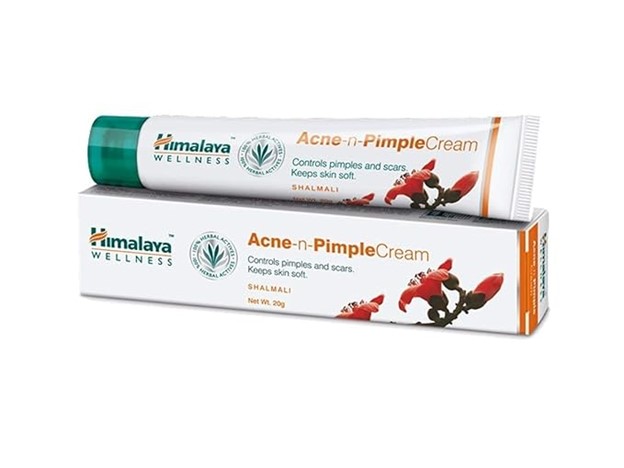
    1. Himalaya Herbals Acne-n-Pimple Cream:

    Buy Pimple Cream – At 15% Discount

    Formulated with natural ingredients like Neem and Turmeric renowned for their antibacterial properties. Helps control excess oil secretion and prevents acne flare-ups. Gentle on the skin, suitable for daily use, and ideal for those with sensitive skin.

    Pimple Cream

    1. Sebamed Clear Face Care Gel:

    Buy Pimple Cream – At 15% Discount

    Contains active ingredients like hyaluronic acid and aloe vera, offering hydration without clogging pores. Regulates sebum production and soothes inflammation, promoting clearer skin. Dermatologically tested and suitable for oily, acne-prone skin, including sensitive types.

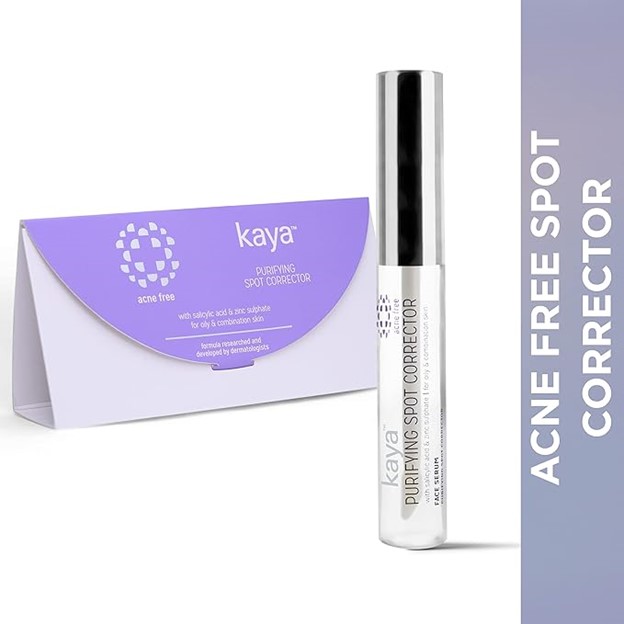
    1. Kaya Clinic Acne-Free Purifying Spot Corrector:

    Buy Pimple Cream – At 15% Discount

    Infused with potent ingredients like zinc sulfate and salicylic acid, effectively targeting acne-causing bacteria. Helps fade acne scars and prevents new breakouts, promoting a smoother complexion. Recommended by dermatologists, especially for individuals struggling with stubborn acne and PIH.

    Pimple Cream

    1. La Roche-Posay Effaclar Duo(+):

    Buy Pimple Cream – At 15% Discount

    Features a dual-action formula enriched with niacinamide and LHA (Lipo Hydroxy Acid) to unclog pores and reduce inflammation. Clinically proven to reduce acne lesions and prevent recurrence without causing dryness. Suitable for acne-prone, sensitive skin, offering visible results within weeks of regular use.

    1. Benzac AC Gel:

    Buy Pimple Cream – At 15% Discount

    Contains benzoyl peroxide, a potent antibacterial agent, effective against acne-causing bacteria. Penetrates deep into pores, eliminating existing acne and preventing new breakouts. Gradually fades acne scars, restoring skin’s clarity and radiance.

    Tip for Acne Marks: Even after pimples heal, many people are left with stubborn dark spots or pigmentation. For deeper discoloration like melasma or post-inflammatory hyperpigmentation, dermatologists may prescribe targeted creams such as Tyromax Cream 20 gm to help lighten those patches gradually.

    Tips for Maximizing Results

    While incorporating a pimple cream into your skincare routine is a crucial step in combating acne, there are several additional measures you can take to maximize results:

    1. Cleanse Thoroughly: Begin and end each day with a gentle cleanser to remove dirt, oil, and impurities from the skin’s surface. Opt for non-comedogenic formulas that won’t clog pores or exacerbate acne.
    2. Moisturize Regularly: Hydrated skin is healthy skin. Incorporate a lightweight, oil-free moisturizer into your skincare regimen to maintain optimal hydration levels without clogging pores.
    3. Protect with SPF: Shield your skin from harmful UV rays by applying a broad-spectrum sunscreen with an SPF of 30 or higher daily, even on overcast days. Sun exposure can exacerbate acne and cause post-inflammatory hyperpigmentation.
    4. Avoid Over-Exfoliation: While exfoliation is essential for removing dead skin cells and preventing clogged pores, overdoing it can strip the skin’s natural barrier and exacerbate acne. Limit exfoliation to 2-3 times per week and opt for gentle formulations.
    5. Practice Patience: Achieving clear, radiant skin takes time and consistency. Be patient and stick to your skincare routine, giving products ample time to deliver results.

    Conclusion

    Bid adieu to acne woes with the right pimple cream tailored to Indian skin’s unique needs. Whether combating occasional breakouts or persistent acne, the Indian market offers a plethora of effective solutions. Embrace a holistic approach, incorporating a balanced diet, adequate hydration, and stress management alongside your chosen pimple cream for optimal results. Flaunt clear, radiant skin as you conquer acne with confidence, courtesy of these top-notch pimple creams meticulously curated for the Indian populace.

    FAQs on Best Pimple Cream to Cure Acne in India

    1. Which is the best pimple cream to cure acne?

    Answer: One of the best pimple creams for acne in India is Himalaya Herbals Acne-n-Pimple Cream, renowned for its herbal ingredients like neem and turmeric, effectively reducing inflammation and preventing bacterial growth. Another top choice is Garnier Skin Naturals Pure Active Neem Purifying Face Wash, which deeply cleanses the skin with neem extracts, preventing acne recurrence and promoting clearer skin. Neutrogena Oil-Free Acne Wash is also highly recommended, containing salicylic acid to cleanse pores, remove excess oil, and prevent future breakouts without over-drying the skin.

    2. What are the key ingredients to look for in the best pimple cream for acne?

    Answer: Look for ingredients like salicylic acid, tea tree oil, neem, turmeric, and myristica, which are known for their anti-inflammatory and antibacterial properties. These ingredients help in unclogging pores, reducing inflammation, and preventing bacterial growth, effectively treating and preventing acne breakouts.

    3. How long does it take to see results from using the best pimple cream for acne?

    Answer: Results can vary depending on the severity of acne and individual skin types, but noticeable improvement is often seen within a few weeks of consistent use. It’s essential to follow the recommended usage instructions and maintain a regular skincare routine for best results.

    4. Are there any precautions to consider when using pimple creams to cure acne?

    Answer: Avoid using pimple creams excessively, as overuse can lead to dryness, irritation, and other skin issues. It’s also crucial to protect your skin from sun exposure while using certain pimple creams, as they can increase sensitivity to UV radiation. Additionally, if you experience severe or persistent acne, it’s advisable to consult a dermatologist for personalized treatment recommendations.


  • Which Is The Best Cream To Remove Pigmentation? – Buy Cream Online

    Which Is The Best Cream To Remove Pigmentation? – Buy Cream Online

    Best cream for pigmentation

    Pigmentation, a common skin woe, often stems from various factors such as sun exposure, hormonal changes, genetics, and even environmental pollutants. In India, where the tropical climate amplifies skin issues, finding the right cream to tackle pigmentation becomes crucial. With a plethora of products flooding the market, choosing the best cream can be overwhelming. 

    Pigmentation refers to the uneven coloring of the skin, manifesting as dark spots, patches, or freckles. Melanin, the pigment responsible for skin color, can become hyperactive due to various triggers, leading to excess production and deposition, resulting in pigmentation.

    Factors Affecting Pigmentation

    Pigmentation, often seen as patches or uneven skin tone, is a common concern for many individuals. While it may not pose a serious health risk, it can significantly impact one’s self-esteem and confidence. Understanding the factors that contribute to pigmentation is crucial in effectively addressing this issue. In India, where factors like climate, lifestyle, and genetic predisposition play significant roles, it’s essential to delve deeper into the complexities of pigmentation.


    1. Sun Exposure:

      One of the primary causes of pigmentation is exposure to ultraviolet (UV) radiation from the sun. In India, where sunlight is abundant throughout the year, prolonged exposure without adequate protection can lead to increased melanin production. This results in the formation of dark spots, commonly known as sunspots or solar lentigines.

    2. Skin Type and Ethnicity:

      Different skin types react differently to UV radiation. People with fair skin are more susceptible to sun damage and pigmentation compared to those with darker skin tones. In India, where there is a diverse range of skin tones due to the country’s ethnic diversity, pigmentation concerns can vary widely among individuals of different ethnicities.

    3. Hormonal Changes:

      Hormonal fluctuations, particularly during pregnancy (melasma) or due to hormonal disorders like polycystic ovary syndrome (PCOS), can trigger pigmentation issues. This type of pigmentation, known as hormonal pigmentation or melasma, often appears as dark patches on the face and is commonly referred to as the “mask of pregnancy.”

    4. Genetics:

      Genetic predisposition plays a significant role in determining an individual’s susceptibility to pigmentation. People with a family history of pigmentation disorders are more likely to develop similar concerns themselves. In India, where consanguineous marriages are not uncommon, certain genetic factors may be more prevalent within specific communities or regions.

    5. Environmental Factors:

      Pollution, heat, and humidity can exacerbate pigmentation issues by causing inflammation and oxidative stress on the skin. In urban areas of India, where pollution levels are high, individuals may experience accelerated skin aging and increased pigmentation due to prolonged exposure to environmental pollutants.

    6. Skin Trauma and Inflammation:

      Any form of skin trauma, such as acne, cuts, or burns, can lead to post-inflammatory hyperpigmentation (PIH). This occurs as a result of the skin’s natural response to injury, where melanin production increases in the affected areas. Improper skincare practices, such as aggressive exfoliation or using harsh chemical products, can also contribute to skin inflammation and pigmentation problems.

    7. Nutritional Deficiencies:

      Poor dietary habits and nutritional deficiencies can impact skin health and contribute to pigmentation issues. Inadequate intake of vitamins and minerals essential for skin regeneration and protection, such as vitamin C, vitamin E, and antioxidants, can compromise the skin’s ability to repair and defend against damage.

    8. Medications and Medical Conditions:

      Certain medications, such as oral contraceptives and antibiotics, can cause pigmentation as a side effect. Additionally, underlying medical conditions like autoimmune disorders and liver disease can manifest with pigmentation abnormalities, indicating systemic issues affecting skin health.

    Important Note: Not all pigmentation is caused by sun damage or aging. Sometimes, fungal infections or allergic reactions can leave behind dark patches, especially in body folds or underarms. In such cases, dermatologists may prescribe 3D Skin Cream to treat the underlying infection first before recommending a pigmentation cream.

    Which Is The Best Cream To Remove Pigmentation?

    When selecting a pigmentation cream, several factors come into play, including skin type, ingredients, effectiveness, and affordability. Here are some top recommendations for pigmentation creams in India:

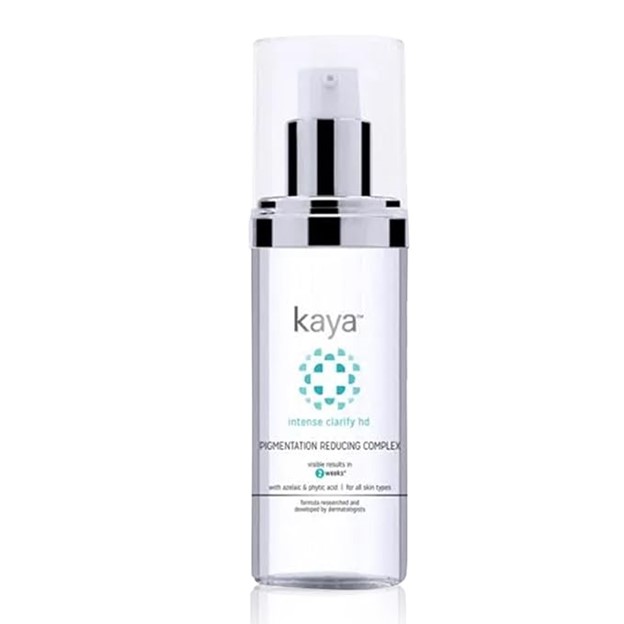
    1. Kaya Pigmentation Reducing Complex:

    Cream To Remove PigmentationBuy at 15% 

    Kaya Skin Clinic is renowned for its dermatologically-tested products, and the Pigmentation Reducing Complex is no exception. Enriched with potent actives like azelaic acid, phytic acid, and glycolic acid, this cream effectively targets dark spots and uneven skin tone. Regular use can visibly reduce pigmentation, revealing clearer, brighter skin.

    pigmentation cream

    2. Lotus Herbals Whiteglow Skin Whitening & Brightening Gel Crème:

    Lotus Herbals offers a budget-friendly option with its Whiteglow Gel Crème. Infused with SPF 25 and extracts of grape, mulberry, saxifrage, and milk enzymes, this cream not only combats pigmentation but also provides sun protection and hydration. Its lightweight formula absorbs quickly, making it suitable for all skin types, especially oily or combination skin.

    Cream To Remove PigmentationBuy at 15%

    3. Biotique Bio Dandelion Ageless Lightening Serum:

    Biotique, known for its Ayurvedic formulations, presents a natural solution to pigmentation woes with its Bio Dandelion Ageless Lightening Serum. Featuring dandelion, nutmeg oil, and Vitamin E, this serum lightens pigmentation, minimizes dark spots, and evens out skin tone. Its gentle, herbal ingredients make it suitable for sensitive skin types as well.

    Cream To Remove PigmentationBuy at 15%

    4. Olay White Radiance Brightening Intensive Cream Moisturizer:

    Olay’s White Radiance range is tailored to address pigmentation concerns, and the Brightening Intensive Cream Moisturizer is a standout product. Infused with Vitamin B3, pro-Vitamin B5, and antioxidants, this cream deeply hydrates the skin while reducing dark spots and improving overall skin radiance. Its non-greasy formula makes it ideal for daily use, imparting a luminous glow with regular application.

    Cream To Remove PigmentationBuy at 15%

    5. Neutrogena Rapid Tone Repair Dark Spot Corrector:

    Neutrogena’s Rapid Tone Repair Dark Spot Corrector is formulated with accelerated retinol SA and Vitamin C to fade stubborn pigmentation and reveal brighter, more even-toned skin. This fast-acting serum absorbs quickly and is suitable for all skin types, including sensitive skin. With continued use, it effectively diminishes the appearance of dark spots, sun damage, and age spots.

    Cream To Remove PigmentationBuy at 15% 

    6. TRETIN 0.025% CREAM 30 GM

    Tretin 0.025% Cream 30 gm is a topical retinoid used to treat acne, hyperpigmentation, rough skin texture, and signs of photoaging. It promotes skin cell turnover, helping to reduce dark spots, acne scars, and fine lines over time. Ideal for those seeking a clearer, smoother, and brighter complexion under dermatological guidance.

    Conclusion

    In the quest for flawless, radiant skin, combating pigmentation is a crucial step, and choosing the right cream can make all the difference. From dermatologist-recommended formulations to Ayurvedic remedies and budget-friendly options, the Indian market offers a diverse range of pigmentation creams to suit every need and preference. Whether you opt for Kaya’s clinical expertise, Lotus Herbals’ botanical wonders, or Biotique’s Ayurvedic prowess, consistency and patience are key to achieving visible results. Remember to complement your skincare routine with sun protection, healthy lifestyle habits, and regular consultations with a dermatologist for personalized recommendations and optimal skin health. Say goodbye to pigmentation woes and hello to luminous, even-toned skin with the best cream suited for your needs.

    FAQs On Which Is The Best Cream To Remove Pigmentation?

    1. Which Is The Best Cream To Remove Pigmentation?

    Melacare Cream” is widely regarded as one of the best pigmentation removal creams in India, containing a combination of hydroquinone, tretinoin, and mometasone. However, it’s essential to use it under medical supervision due to potential side effects and to ensure it’s suitable for individual skin types and conditions. Consulting a dermatologist for personalized recommendations is advised.

    2. What are the key factors to consider when choosing a pigmentation removal cream in India?

    Look for creams containing ingredients like hydroquinone, kojic acid, or retinoids, which are known to fade pigmentation effectively. Consider your skin type and any sensitivities you may have to certain ingredients. Consult a dermatologist for personalized recommendations based on your specific pigmentation issues and skin concerns.

    3. Are there any over-the-counter pigmentation removal creams widely available in India?

    Yes, several over-the-counter creams are available in India, such as Melacare, Kojivit, and Glyaha-Koj. However, it’s essential to use them cautiously and follow the recommended usage guidelines. Always check the ingredients list and ensure that the cream is suitable for your skin type. Consider the reputation of the brand and any reviews or testimonials from users before making a purchase.

    4. How long does it typically take to see results from using pigmentation removal creams in India?

    Results can vary depending on the severity of the pigmentation, the ingredients in the cream, and individual skin factors. In many cases, noticeable improvement may be seen within a few weeks of consistent use, but it may take several months to achieve significant results. Patience and consistency are key, along with following a proper skincare routine and protecting your skin from further sun damage by using sunscreen regularly.

  • Best Anti-Aging Wrinkle Creams Of 2025 For Looking Younger

    Best Anti-Aging Wrinkle Creams Of 2025 For Looking Younger

    anti aging wrinkle creamIn the ever-evolving world of skincare, finding the perfect anti-aging wrinkle cream can feel like navigating a labyrinth. With an abundance of options flooding the market each year, it’s crucial to stay informed about the latest breakthroughs and innovations. In 2025, the quest for youthful radiance in India is met with a plethora of cutting-edge anti-aging creams designed to combat the visible signs of aging effectively. 
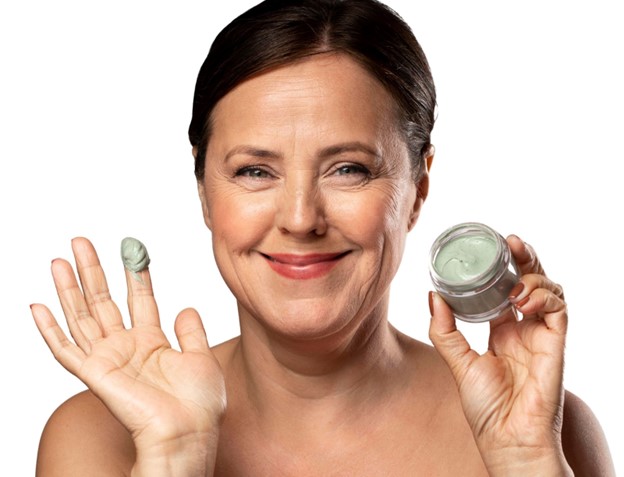
    Aging is a natural process characterized by a gradual decline in cellular function, collagen production, and elasticity. As we age, our skin loses its firmness, leading to the formation of wrinkles, fine lines, and sagging. Factors such as sun exposure, pollution, lifestyle choices, and genetics accelerate the aging process, making it imperative to adopt a comprehensive skincare regimen that targets these concerns.

    anti aging cream

    Causes of Skin Aging and Wrinkles

    1. Intrinsic Factors:

    Genetics: Genetic predisposition plays a significant role in determining how quickly skin ages. Some individuals may inherit genes that promote collagen and elastin breakdown, leading to premature wrinkles.

    Hormonal Changes: Fluctuations in hormone levels, particularly during menopause or as a result of thyroid disorders, can accelerate the aging process and contribute to the formation of wrinkles.

    Natural Aging Process: As we progress through life, our bodies gradually decrease the synthesis of collagen and elastin, pivotal proteins crucial for preserving the structure and suppleness of our skin. This leads to thinning of the skin, loss of firmness, and the development of wrinkles.

    2. Extrinsic Factors:

    UV Radiation: Prolonged exposure to ultraviolet (UV) radiation from the sun is one of the primary causes of premature skin aging. UV rays penetrate the skin, triggering oxidative stress, DNA damage, and degradation of collagen and elastin fibers.

    Environmental Pollution: Air pollutants such as particulate matter, ozone, and heavy metals generate free radicals that damage skin cells, accelerate collagen breakdown, and contribute to wrinkle formation.

    Lifestyle Choices: Unhealthy habits such as smoking, excessive alcohol consumption, poor diet, and inadequate sleep can exacerbate skin aging by impairing cellular function, depleting antioxidant defenses, and promoting inflammation.

    Repeated Facial Expressions: Dynamic wrinkles, such as crow’s feet and frown lines, develop over time due to repetitive facial movements and muscle contractions. These wrinkles become more pronounced with age as collagen and elastin fibers weaken.

    Top Anti-Aging Wrinkle Creams of 2025

    1. Olay Regenerist Micro-Sculpting Cream:

    Renowned for its potent anti-aging properties, Olay Regenerist Micro-Sculpting Cream tops the list of must-have skincare essentials in 2025. Infused with hyaluronic acid, amino peptides, and vitamin B3, this luxurious cream deeply hydrates the skin, diminishes the appearance of wrinkles, and improves elasticity. Its lightweight texture absorbs quickly, making it suitable for all skin types, including sensitive skin.

    Buy Anti-Aging Wrinkle Creams – Buy at 15%

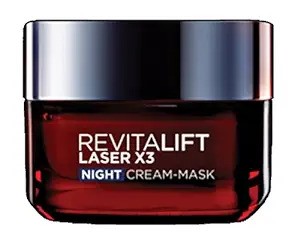
    2. L’Oreal Paris Revitalift Laser X3 Night Cream:

    Harnessing the power of pro-xylane and hyaluronic acid, L’Oreal Paris Revitalift Laser X3 Night Cream is a nighttime elixir that works tirelessly to combat signs of aging while you sleep. This intensive treatment targets wrinkles, uneven skin tone, and loss of firmness, revealing smoother, firmer, and more radiant skin by morning. With continued use, it helps in refining the skin’s texture and restoring its youthful vitality.

    anti aging cream

    Buy Anti-Aging Wrinkle Creams – Buy at 15%

    3. Forest Essentials Advanced Eternal Youth Formula Date & Litchi:

    Inspired by ancient Ayurvedic wisdom, Forest Essentials Advanced Eternal Youth Formula combines the richness of date and litchi with modern skincare technology to deliver age-defying results. Enriched with potent botanical extracts, this decadent cream replenishes moisture, enhances collagen production, and diminishes the appearance of fine lines and wrinkles. Its exquisite fragrance and luxurious texture provide a sensorial experience, making it a cherished addition to your skincare ritual.

    Buy Anti-Aging Wrinkle Creams – Buy at 15%

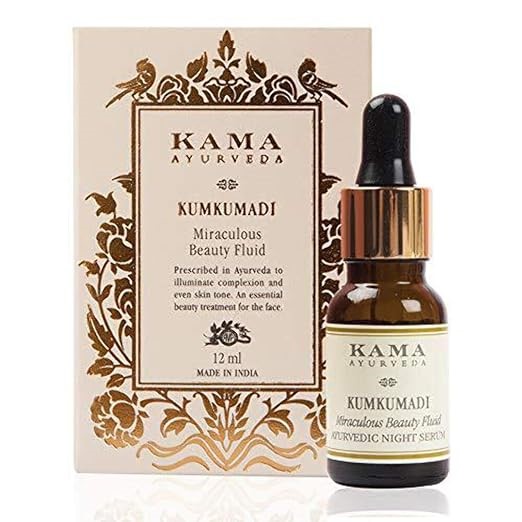
    4. Kama Ayurveda Kumkumadi Miraculous Beauty Ayurvedic Night Serum:

    Infused with the legendary Kumkumadi tailam, Kama Ayurveda Kumkumadi Miraculous Beauty Ayurvedic Night Serum is a time-honored elixir revered for its transformative properties. This potent serum penetrates deep into the skin to repair damage, stimulate cell renewal, and fade away imperfections, leaving behind a luminous and youthful complexion. Formulated with saffron, sandalwood, and rose extracts, it nourishes and rejuvenates the skin, unveiling a radiant glow with every application.

    Buy Anti-Aging Wrinkle Creams – Buy at 15%

    anti aging cream

    5. The Body Shop Drops of Youth™ Youth Cream:

    Embrace the power of plant-based skincare with The Body Shop Drops of Youth™ Youth Cream. Enriched with edelweiss stem cells, this lightweight yet nourishing cream revives tired-looking skin, smoothens fine lines, and restores youthful resilience. Its fast-absorbing formula hydrates the skin without weighing it down, making it an ideal choice for those seeking a natural and cruelty-free solution to aging concerns.

    Buy Anti-Aging Wrinkle Creams – Buy at 15%

    6. TRETIN 0.025% CREAM 30 GM

    Tretin 0.025% Cream (30 gm) contains tretinoin, a vitamin A derivative used to treat acne, fine lines, uneven skin tone, and sun damage. It works by increasing cell turnover and boosting collagen production, revealing clearer, smoother skin. Apply a small amount at night on clean, dry skin, and always use sunscreen during the day. Mild irritation, redness, or dryness may occur initially and usually subsides with regular use.

    In case you’re having skin infection, 3D SKIN CREAM 10 GM can be an effective remedy option.

    Prevention of Skin Aging and Wrinkles

    1. Sun Protection:

    Wear Sunscreen: Use a broad-spectrum sunscreen with an SPF of 30 or higher daily, even on cloudy days. Apply again every two hours and following any instances of swimming or perspiration.

    Seek Shade: Minimize direct sun exposure during its peak hours (10 a.m. to 4 p.m.) and seek shade whenever possible, especially in tropical climates.

    2. Healthy Lifestyle Choices:

    Quit Smoking: Smoking accelerates skin aging by reducing blood flow, depleting collagen levels, and promoting the formation of fine lines and wrinkles. Quitting smoking can significantly improve skin health.

    Maintain a Balanced Diet: Consume a diet rich in antioxidants, vitamins, minerals, and omega-3 fatty acids to support skin health and combat oxidative stress. Craft balanced meals by integrating an array of fruits, vegetables, whole grains, lean proteins, and nourishing fats, ensuring your dietary choices are rich in diverse nutrients.

    Stay Hydrated: Drink an adequate amount of water daily to keep the skin hydrated and supple. Limit intake of sugary beverages and caffeinated drinks, as they can dehydrate the skin.

    3. Skincare Routine:

    Use Retinoids: Incorporate retinoid-based products into your skincare routine to stimulate collagen production, improve skin texture, and reduce the appearance of wrinkles. Initiate with a minimal concentration and increment gradually as per individual tolerance levels.

    Moisturize Regularly: Hydrate the skin with a moisturizer containing humectants, emollients, and occlusives to replenish lost moisture and maintain skin barrier function.

    Apply Antioxidants: Use skincare products containing antioxidants such as vitamin C, vitamin E, and green tea extract to neutralize free radicals, protect against environmental damage, and promote collagen synthesis.

    Be Gentle: Avoid harsh skincare products and aggressive exfoliation, as they can strip the skin of its natural oils, disrupt the barrier function, and exacerbate inflammation.

    In addition to topical treatments, dermatologists often recommend antioxidants like Vitamin E to support skin health from within. Evion LC Tablet, which contains skin-friendly nutrients such as Vitamin E and L-carnitine, is known for its moisturizing and anti-aging properties. For stubborn pigmentation or melasma, a targeted topical like Tyromax Cream 20 gm may also be prescribed. Always use under medical guidance.

    4. Minimize Facial Expressions:

    Practice Facial Yoga: Engage in facial yoga exercises and massage techniques to relax facial muscles, improve circulation, and prevent the formation of expression lines.

    Consider Botox: For individuals with dynamic wrinkles, Botox injections can temporarily relax facial muscles, reducing the appearance of fine lines and wrinkles.

    Conclusion

    In the pursuit of ageless beauty, the journey begins with the right skincare regimen tailored to your unique needs. With the advent of 2025, Indian consumers are spoiled for choice with a diverse array of anti-aging wrinkle creams that promise to turn back the hands of time. Whether you prefer luxurious formulations infused with exotic botanicals or cutting-edge serums backed by scientific research, there’s a perfect anti-aging solution waiting to unveil your youthful radiance. Embrace the transformative power of these top anti-aging wrinkle creams and embark on a journey towards timeless beauty and confidence.

    FAQs On Best Anti-Aging Wrinkle Creams Of 2025 For Looking Younger

    1. Which are the best anti-aging wrinkle creams of 2025 for looking younger?

    In India, the best anti-aging wrinkle creams of 2025 include Olay Regenerist Micro-Sculpting Cream, renowned for its hydrating hyaluronic acid and rejuvenating amino peptides. L’Oreal Paris Revitalift Laser X3 Night Cream stands out with its pro-xylane and hyaluronic acid formula, ideal for targeting wrinkles and uneven skin tone. Forest Essentials Advanced Eternal Youth Formula Date & Litchi integrates ancient Ayurvedic ingredients like date and litchi to replenish moisture and enhance collagen production, offering a luxurious solution for youthful radiance.

    2. What are the key ingredients to look for in the best anti-aging wrinkle creams of 2025 for Indian consumers?

    Look for creams containing ingredients like hyaluronic acid, vitamin C, retinoids, and peptides. These ingredients help hydrate the skin, stimulate collagen production, and reduce the appearance of wrinkles. Additionally, natural extracts such as licorice root, turmeric, and Indian gooseberry (amla) offer antioxidant protection and promote skin rejuvenation.

    3. How can I incorporate anti-aging wrinkle creams into my skincare routine for optimal results?

    Begin with a clean and toned face, then apply a small amount of the cream to your face and neck using gentle upward motions. For daytime use, follow up with a broad-spectrum sunscreen to protect your skin from UV damage. Consistency is key, so use the cream morning and night as part of your daily skincare regimen to see visible improvements in skin texture and elasticity.

  • 4 Best Hair Spa Cream For All Types Of Hair – Guide for Good Hair

    4 Best Hair Spa Cream For All Types Of Hair – Guide for Good Hair

    best hair spa cream

    In a country like India, where diverse cultures, climates, and lifestyles converge, hair care holds a significant place in personal grooming routines. With the multitude of hair textures and concerns that individuals in India encounter, finding the perfect hair spa cream becomes paramount. A luxurious hair spa session not only rejuvenates your hair but also revitalizes your spirit. 

    Hair spa creams are specially formulated treatments designed to nourish, moisturize, and repair hair, providing it with essential nutrients and hydration. These creams typically contain a blend of natural oils, vitamins, and proteins that work together to improve hair texture, manageability, and overall health. Whether you have dry, damaged, oily, or normal hair, there’s a hair spa cream tailored to meet your specific needs.

    Factors to Consider for Good Hair

    Selecting the right hair spa cream is crucial for achieving the desired results and maintaining the health of your hair. With a plethora of options available in the market, it’s essential to consider several factors to ensure that you choose a product that suits your hair type, concerns, and preferences. Let’s delve into the key factors to consider while selecting a hair spa cream:

    • Hair Type:

    One of the primary considerations when choosing a hair spa cream is your hair type. Whether you have dry, oily, curly, straight, fine, or thick hair, there are specific formulations designed to address the unique needs of each hair type. For example, if you have dry or damaged hair, opt for a cream that offers intense hydration and repair. Conversely, if you have oily hair, choose a lightweight formula that won’t weigh your hair down or leave it feeling greasy.

    • Ingredients:

    Pay attention to the ingredients list to ensure that the hair spa cream contains nourishing and beneficial components that promote hair health. Look for ingredients such as natural oils (e.g., argan oil, coconut oil, olive oil), vitamins (e.g., vitamin E, B vitamins), proteins (e.g., keratin), and botanical extracts (e.g., aloe vera, chamomile). Avoid products containing harsh chemicals like sulfates, parabens, and silicones, as these can strip the hair of its natural oils and cause damage in the long run.

    • Specific Hair Concerns:

    Consider any specific concerns or issues you want to address with the hair spa cream. Whether it’s dryness, frizz, split ends, breakage, or lack of volume, choose a product that targets these concerns. Some hair spa creams are formulated for specific purposes, such as repairing damage, enhancing shine, controlling frizz, or promoting hair growth. Select a cream that aligns with your specific needs and goals.

    • Texture and Consistency:

    The texture and consistency of the hair spa cream play a significant role in how it performs on your hair. Lightweight creams are ideal for fine or thin hair as they provide hydration without weighing the hair down. Thicker creams or masks are more suitable for thicker or curly hair types, as they can penetrate deeply to moisturize and nourish the strands.

    • Fragrance:

    The fragrance of the hair spa cream can enhance your overall experience and contribute to a luxurious sensory experience. Choose a product with a scent that you enjoy, whether it’s floral, fruity, herbal, or citrusy. However, be mindful of any allergies or sensitivities to certain fragrances.

    • Brand Reputation and Reviews:

    Research the brand reputation and read reviews from other users to gauge the effectiveness and reliability of the hair spa cream. Look for brands known for their quality hair care products and positive customer feedback. Additionally, consider factors such as ethical practices, sustainability, and cruelty-free certifications.

    • Price and Value for Money:

    Determine your budget and compare the prices of different hair spa creams to find one that offers good value for money. Keep in mind that quality often comes at a higher price, but there are also affordable options available that deliver excellent results. Consider factors such as the size of the product, the frequency of use, and the results it promises to determine its overall value for money.

    Best Hair Spa Cream For All Types Of Hair

    • L’Oréal Professionnel Hair Spa Deep Nourishing Creambath:

    Renowned for its luxurious salon treatments, L’Oréal Professionnel offers an indulgent hair spa cream that caters to all hair types. Enriched with water lily and purified water, this deep nourishing cream bath revitalizes dry and damaged hair, leaving it soft, smooth, and manageable. Its lightweight formula ensures quick absorption without leaving behind any greasy residue.

    Buy at 15% Discount – Buy

    • Wella Professionals SP Luxe Oil Keratin Restore Mask:

    Ideal for those with chemically treated or heat-damaged hair, the Wella Professionals SP Luxe Oil Keratin Restore Mask works wonders to repair and strengthen strands from within. Infused with keratin and almond oil, this intensive treatment deeply nourishes and restores hair’s natural elasticity, resulting in noticeably smoother and healthier-looking locks.

    Buy at 15% Discount – Buy

    • Schwarzkopf Bonacure Repair Rescue Reversilane Treatment:

    Formulated with Reversilane Technology, the Schwarzkopf Bonacure Repair Rescue Treatment is a game-changer for damaged and over-processed hair. This creamy mask penetrates deep into the hair shaft, replenishing moisture and sealing split ends for a silky-smooth finish. With regular use, hair becomes more resilient, manageable, and resistant to future damage.

    Buy at 15% Discount – Buy

    4 Best Hair Spa Cream


    • Forest Essentials Intensive Hair Repair Masque Japapatti & Brahmi:

    Drawing inspiration from traditional Ayurvedic remedies, Forest Essentials Intensive Hair Repair Masque is a luxurious treat for the senses. Infused with potent botanicals such as japapatti and brahmi, this nutrient-rich masque nourishes the scalp and strengthens hair from root to tip. Its lightweight yet deeply conditioning formula is perfect for all hair types, imparting a healthy shine and bounce with each use.

    Buy at 15% Discount – Buy

    Pro Tip: If you’re experiencing hair thinning or early-stage hair loss, a hair spa alone might not be enough. In such cases, dermatologists often recommend clinically tested solutions like Mintop Forte 2% Solution, which contains Minoxidil — a proven ingredient to stimulate hair regrowth and improve scalp circulation.

    Conclusion

    Embark on a journey to hair rejuvenation with the best hair spa creams tailored for all hair types in India. Whether you seek intense hydration, repair, or nourishment, these top picks offer salon-quality results in the comfort of your own home. Elevate your hair care routine and indulge in the luxury of silky-smooth, healthy locks that radiate beauty and vitality.

    FAQs On Best Hair Spa Cream For All Types Of Hair

    1. Which is the best hair spa cream for all types of hair?

    Determining the absolute best hair spa cream for all hair types can be subjective, as it depends on individual preferences and specific hair concerns. However, some popular choices in India include L’Oréal Professionnel Hair Spa Deep Nourishing Creambath, Wella Professionals SP Luxe Oil Keratin Restore Mask, and Schwarzkopf Bonacure Repair Rescue Reversilane Treatment. These products are renowned for their nourishing ingredients and ability to cater to a wide range of hair types, providing hydration, repair, and rejuvenation for luscious locks.

    2. What makes a hair spa cream suitable for all hair types in India?

     A hair spa cream ideal for all hair types in India typically features a balanced formulation enriched with nourishing ingredients like coconut oil, argan oil, and keratin. These ingredients cater to diverse hair textures prevalent in India, providing hydration, repair, and protection against environmental stressors.

    3. How often should I use the best hair spa cream for optimal results?

    For optimal results, it’s recommended to use the best hair spa cream at least once a week. However, individuals with particularly dry or damaged hair may benefit from using it twice a week. Adjust the frequency based on your hair’s specific needs and concerns for best results.

    4. Can I use the best hair spa cream along with other hair care products in my routine?

    Yes, you can incorporate the best hair spa cream into your existing hair care routine. It’s compatible with other products such as shampoos, conditioners, and styling treatments. For enhanced benefits, consider using complementary products from the same range or brand to maximize results and achieve healthier, more manageable hair.


  • What a Positive Pregnancy Test Really Looks Like – Pregnancy Test

    What a Positive Pregnancy Test Really Looks Like – Pregnancy Test

    positive pregnancy testA positive pregnancy test typically displays distinct indicators confirming the presence of human chorionic gonadotropin (hCG), a hormone produced by the placenta during pregnancy. In most cases, a positive result manifests as two visible lines on a strip or a plus sign on the test window. The appearance of these lines or symbols varies depending on the brand and type of test used, but they consistently signify pregnancy. While the control line assures the test’s functionality, the second line or the formation of the plus sign represents the detection of hCG, indicating a positive result. Additionally, digital pregnancy tests provide a clear “Pregnant” message, eliminating any ambiguity in interpretation. Overall, a positive pregnancy test serves as a definitive confirmation, marking the beginning of an extraordinary journey towards parenthood.

    Types of Pregnancy Tests

    Pregnancy tests play a pivotal role in confirming one of life’s most significant milestones. With advancements in technology, there are various types of pregnancy tests available, each with its own set of features, accuracy levels, and convenience factors. In this article, we will explore the different types of pregnancy tests, including urine tests and blood tests, highlighting their mechanisms, advantages, and considerations.

    1. Urine Tests:

    Urine-based pregnancy tests are the most commonly used and readily available tests, often found in pharmacies and drug stores. They are designed for home use and offer a convenient and private way to determine pregnancy status. Here are the main types of urine pregnancy tests:

    • Strip Tests: Strip tests are simple and affordable. They consist of a paper or plastic strip coated with antibodies that react to the presence of hCG in urine. To use a strip test, a woman must collect a urine sample in a clean container and then dip the strip into the urine for the specified duration. Results typically appear within a few minutes, displaying lines or symbols indicating whether the test is positive or negative.
    • Midstream Tests: Midstream tests are slightly more user-friendly than strip tests. They come in a plastic casing with an absorbent tip that can be held directly in the urine stream. This type of test usually provides results within a few minutes and may feature lines, symbols, or digital displays to indicate pregnancy status.
    • Digital Tests: Digital pregnancy tests offer a clear and easy-to-read result in words, such as “Pregnant” or “Not Pregnant.” These tests eliminate the need for interpretation of lines or symbols, making them particularly suitable for those who prefer a straightforward answer. Digital tests typically have a higher price point than traditional strip or midstream tests but offer added convenience and clarity.

    2. Blood Tests:

    Blood tests for pregnancy are conducted in medical settings, typically by healthcare professionals. While less accessible than urine tests, blood tests offer certain advantages, particularly in terms of accuracy and early detection. There are two main types of blood tests for pregnancy:

    • Qualitative hCG Blood Test: This type of blood test confirms the presence of hCG in the blood, indicating pregnancy. It provides a simple “yes” or “no” answer and is highly accurate, capable of detecting pregnancy earlier than urine tests. Qualitative blood tests are often recommended for confirming pregnancy in early stages or in cases where urine test results are inconclusive.
    • Quantitative hCG Blood Test: Quantitative blood tests measure the exact amount of hCG present in the blood. They provide a numerical value, known as the hCG level, which can be useful for monitoring the progression of pregnancy or assessing the risk of complications, such as ectopic pregnancy or miscarriage. Quantitative blood tests are also used in fertility treatments to track hormone levels during ovulation induction or embryo transfer.

    pregnancy testDeciphering a Positive Pregnancy Test

    When interpreting the results of a pregnancy test, a positive result indicates that hCG has been detected in the urine or blood sample. But what does a positive test actually look like?

    1. Two Lines: Many pregnancy tests, especially the traditional strip tests, display results with two lines. One line indicates the control line, which shows that the test is working correctly. The second line, if present, indicates a positive result. The intensity of the second line may vary depending on the concentration of hCG in the urine.
    2. Plus Sign: Some pregnancy tests use a plus sign (+) to indicate a positive result. Similar to the two lines, one line represents the control, while the other line forms the vertical line of the plus sign, indicating a positive result.
    3. Digital Display: Digital pregnancy tests provide a clear “Pregnant” or “Not Pregnant” result, eliminating any ambiguity in interpretation.

    Factors Influencing Pregnancy Test Results

    While a positive pregnancy test typically indicates pregnancy, there are certain factors that can affect the accuracy of the results:

    1. Timing: Taking a pregnancy test too early after conception can result in a false negative. For the most precise outcomes, it’s advisable to hold off testing until post a missed menstrual cycle.
    2. Medications: Certain medications, such as fertility drugs containing hCG or medications that interfere with hormone levels, can affect pregnancy test results.
    3. Evaporation Lines: Sometimes, faint lines may appear on pregnancy tests due to evaporation of urine on the test strip. These lines should not be mistaken for positive results.
    4. Chemical Pregnancy: In some cases, a positive pregnancy test may indicate a chemical pregnancy, where implantation occurs but is not sustained, resulting in early pregnancy loss.

    In medically advised scenarios where pregnancy termination is required, tablets like Misoprost 200mcg may be prescribed by a certified healthcare professional. It is crucial to use such medications strictly under medical supervision to avoid complications.

    Conclusion

    Deciphering a positive pregnancy test can be a momentous occasion for individuals hoping to conceive. Understanding what a positive test looks like and the factors that can influence the results is crucial for accurate interpretation. Whether it’s the joy of confirming a long-awaited pregnancy or the beginning of a new chapter, a positive pregnancy test signifies a significant milestone in the journey to parenthood.

    FAQs on What a Positive Pregnancy Test Really Looks Like

    1. What does a positive pregnancy test look like?

    Answer: A positive pregnancy test typically displays two lines, where one line indicates the control and the second line signifies a positive result. Alternatively, some tests use a plus sign or digital display to confirm pregnancy.

    2. Can a faint line indicate a positive result?

    Answer: Yes, a faint line on a pregnancy test can indicate a positive result. It often suggests that hCG, the hormone detected in pregnancy tests, is present in the urine, albeit in lower concentrations. It’s important to read the test within the specified timeframe to avoid confusion with evaporation lines.

    3. Are digital pregnancy tests more accurate than traditional strip tests?

    Answer: Digital pregnancy tests offer clarity with a straightforward “Pregnant” or “Not Pregnant” result, but they are not necessarily more accurate than traditional strip tests. Both types of tests rely on the detection of hCG in urine, and their accuracy depends on factors such as sensitivity and timing of testing.

    4. What factors can cause a false positive pregnancy test?

    Answer: False positives on pregnancy tests are rare but can occur due to factors such as certain medications containing hCG, evaporation lines mistaken for positive results, or chemical pregnancies where implantation occurs but is not sustained. It’s essential to follow the instructions carefully and, if in doubt, consult a healthcare professional for confirmation.

    Also Read:-

  • How To Avoid Pregnancy After Missing Period Naturally – Pregnancy Guide

    How To Avoid Pregnancy After Missing Period Naturally – Pregnancy Guide

    avoid pregnancy after missing periods naturallyFacing the possibility of an unintended pregnancy can be a daunting experience, especially after missing a period. While there are several contraceptive methods available, many individuals may prefer to explore natural options for avoiding pregnancy. Avoiding pregnancy after missing a period naturally involves several strategies centered around understanding and tracking one’s menstrual cycle. One effective approach is to monitor changes in basal body temperature (BBT) and cervical mucus consistency, which can indicate fertile days. By abstaining from intercourse or using barrier methods during these fertile windows, the risk of pregnancy can be minimized. 

    Additionally, tracking menstrual cycles through calendar methods can help predict ovulation and inform decisions about when to engage in sexual activity. While these natural methods can be reliable when practiced consistently, it’s essential to recognize their limitations and consider consulting a healthcare provider for personalized advice and additional contraceptive options.

    How To Avoid Pregnancy image

    Understanding the Menstrual Cycle

    Before delving into natural methods of avoiding pregnancy, it’s essential to understand the menstrual cycle. The menstrual cycle spans approximately 28 days on average, although individual variations exist. It encompasses distinct phases: menstruation, the follicular phase, ovulation, and the luteal phase, each contributing to the intricate rhythm of the reproductive system.

    Ovulation, which typically occurs around the middle of the menstrual cycle, is the release of an egg from the ovary. This is the most fertile time in the menstrual cycle, as the egg is viable for fertilization for about 12-24 hours after release. Sperm can survive in the female reproductive tract for up to five days, so having intercourse in the days leading up to ovulation can result in pregnancy.

    How To Avoid Pregnancy After Missing Period Naturally

    Avoiding pregnancy after a missed period can be a concerning situation for many individuals. While there are several contraceptive methods available, including emergency contraception, some people may prefer to explore natural options. It’s crucial to note that natural methods may not be as reliable as medical contraception, and their effectiveness can vary from person to person. However, here are some strategies that individuals may consider:

    1. Emergency Contraception (Plan B)

    How To Avoid Pregnancy After Missing Period Naturally

    If you’ve had unprotected intercourse and are worried about pregnancy after a missed period, emergency contraception can be an option. Plan B, also known as the morning-after pill, is available over the counter at pharmacies in many countries. Its mechanism entails inhibiting or postponing ovulation, thus diminishing the likelihood of fertilization occurring. It’s most effective when taken within 72 hours (three days) after unprotected intercourse, although it may still be somewhat effective up to 120 hours (five days) later. It’s essential to follow the instructions carefully and consult a healthcare provider if you have any concerns.

    2. Tracking Fertility Signs

    Monitoring your fertility signs can help you identify fertile and non-fertile days in your menstrual cycle. This includes tracking changes in cervical mucus, basal body temperature (BBT), and using fertility awareness methods (FAM). By abstaining from unprotected intercourse during fertile days, you can reduce the risk of pregnancy. However, it’s important to note that these methods require consistency, awareness, and education to be effective.

    3. Avoiding Unprotected Intercourse

    One of the most straightforward ways to avoid pregnancy after a missed period is to abstain from unprotected intercourse until you are sure about your pregnancy status or until you’re ready for pregnancy. This may involve using barrier methods such as condoms or other forms of contraception consistently and correctly.

    4. Healthy Lifestyle Choices

    While not a direct method of contraception, maintaining a healthy lifestyle can support reproductive health and potentially reduce the likelihood of pregnancy. This includes eating a balanced diet, exercising regularly, managing stress, getting enough sleep, and avoiding harmful substances like tobacco, alcohol, and recreational drugs. While these lifestyle factors may not directly prevent pregnancy, they contribute to overall well-being, which can positively impact fertility and reproductive health.

    5. Herbal Remedies and Supplements

    Some people explore herbal remedies and supplements as a way to support contraception naturally. While scientific evidence for their effectiveness is limited, herbs like dong quai, wild yam, and chasteberry have been traditionally used for their purported contraceptive properties. However, it’s essential to approach herbal remedies with caution and consult with a healthcare provider before using them, as they may interact with medications or have adverse effects.

    6. Seeking Professional Guidance

    If you’re unsure about how to proceed after missing a period and want to avoid pregnancy, it’s crucial to seek guidance from a healthcare provider. They can provide personalized advice, discuss contraceptive options, and address any concerns you may have. They can also offer pregnancy testing, counseling, and support services to help you make informed decisions about your reproductive health.

    While there are natural methods and strategies that individuals may consider to avoid pregnancy after a missed period, it’s important to remember that none of these methods are foolproof. Emergency contraception, tracking fertility signs, avoiding unprotected intercourse, maintaining a healthy lifestyle, exploring herbal remedies cautiously, and seeking professional guidance are all options to consider based on individual preferences and circumstances. Ultimately, choosing the most suitable contraceptive approach involves careful consideration, education, and communication with healthcare providers.

    Natural Methods to Avoid Pregnancy

    1. Temperature Charting: Basal Body Temperature (BBT) charting involves taking your temperature every morning before getting out of bed. Your BBT tends to rise slightly after ovulation due to increased progesterone levels. Tracking these temperature changes can help identify when ovulation has occurred, allowing you to avoid unprotected intercourse during fertile days.
    2. Cervical Mucus Monitoring: The consistency and appearance of cervical mucus change throughout the menstrual cycle. During the time of ovulation, cervical mucus undergoes a transformation, adopting a transparent, slick, and elastic consistency akin to the texture of raw egg whites. Monitoring these changes can help predict ovulation and avoid unprotected intercourse during fertile days.
    3. Withdrawal Method (Coitus Interruptus): While not the most reliable method, the withdrawal method involves withdrawing the penis from the vagina before ejaculation. This method requires precise timing and control and may not be effective in preventing pregnancy due to pre-ejaculate containing sperm.
    4. Abstinence: The most foolproof way to avoid pregnancy is abstinence from sexual intercourse. While it may not be the preferred option for everyone, it ensures zero risk of pregnancy.
    5. Fertility Awareness-Based Methods (FAM): Fertility awareness methods involve combining various natural indicators of fertility, such as BBT, cervical mucus, and calendar tracking, to identify fertile days and avoid unprotected intercourse during those times.

    Conclusion

    While natural methods of contraception can be appealing to some individuals, it’s essential to recognize their limitations and effectiveness. None of these methods provide 100% protection against pregnancy, and they require diligence, consistency, and awareness of one’s body and menstrual cycle. For those seeking reliable contraception, consulting with a healthcare provider to explore other contraceptive options may be advisable. Additionally, it’s crucial to remember that sexually transmitted infections (STIs) cannot be prevented through natural contraception methods, so using barrier methods like condoms is essential for STI protection. Ultimately, the choice of contraception should be based on individual preferences, lifestyle, and healthcare provider recommendations.

    FAQs on How to Avoid Pregnancy After Missing Period Naturally

    1. Is it possible to avoid pregnancy naturally after missing a period?

    Answer: Yes, it is possible to employ natural methods to reduce the risk of pregnancy after missing a period. These methods typically involve tracking your menstrual cycle and avoiding intercourse during fertile days.

    2. What are some natural methods to prevent pregnancy after a missed period?

    Answer: Natural methods include tracking menstrual cycles, monitoring basal body temperature (BBT), observing changes in cervical mucus consistency, and practicing abstinence or using withdrawal methods during fertile windows.

    3. How effective are natural methods in preventing pregnancy after a missed period?

    Answer: The effectiveness of natural methods varies. While they can be reliable when practiced consistently and correctly, they may not offer the same level of protection as other contraceptive methods. It’s essential to understand their limitations and consider consulting a healthcare provider for personalized advice.

    4. Are there any risks associated with relying on natural methods after a missed period?

    Answer: While natural methods are generally considered safe, there is a risk of unintended pregnancy if these methods are not followed meticulously. Additionally, natural methods do not protect against sexually transmitted infections (STIs), so it’s crucial to consider using barrier methods like condoms for STI prevention.

    Also Read:-

  • Dydrogesterone Tablets Uses In Pregnancy | Side Effects, Dosage, Precautions

    Dydrogesterone Tablets Uses In Pregnancy | Side Effects, Dosage, Precautions

    dydrogesterone tablets uses in pregnancy

    Dydrogesterone Tablets Uses In Pregnancy | Side Effects, Dosage, Precautions. Dydrogesterone is a synthetic hormone, structurally similar to the hormone progesterone. Progesterone plays a vital role in maintaining a healthy pregnancy by supporting the lining of the uterus, preventing contractions, and facilitating the implantation of the fertilized egg. Dydrogesterone acts as a progestogen, mimicking the actions of progesterone in the body.

    The experience of pregnancy embodies a captivating voyage imbued with a tapestry of emotions, from elation and eager anticipation to occasional moments of apprehension. As expectant mothers navigate through this transformative phase, ensuring maternal and fetal health becomes paramount. In certain instances, healthcare providers may prescribe medications to manage specific conditions and promote a healthy pregnancy. One such medication gaining attention is dydrogesterone tablets. 

    Buy Dydrogesterone Tablets at 15% Discount – Buy Tablet

    Dydrogesterone Tablets Uses In Pregnancy

    Healthcare providers may prescribe dydrogesterone tablets for various purposes during pregnancy:

    1. Threatened Miscarriage: Dydrogesterone is often prescribed to prevent miscarriage in cases of threatened miscarriage, where the mother experiences symptoms such as vaginal bleeding or abdominal cramps, indicating a potential risk to the pregnancy.
    2. Recurrent Pregnancy Loss: Women who have experienced recurrent pregnancy loss or multiple miscarriages may benefit from dydrogesterone therapy to support their pregnancies and reduce the risk of further miscarriages.
    3. Assisted Reproduction: In assisted reproduction techniques such as in vitro fertilization (IVF), dydrogesterone may be used to support the early stages of pregnancy following embryo transfer.
    4. Progesterone Supplementation: Some women may have naturally low levels of progesterone, which can affect the ability to maintain a pregnancy. Dydrogesterone can be prescribed as a supplement to ensure adequate progesterone levels during pregnancy.

    Dydrogesterone Tablets Uses In Pregnancy

    Dydrogesterone Tablets Side Effects In Pregnancy

    While dydrogesterone is generally considered safe for use during pregnancy, it can still cause side effects in some women. It’s essential for expectant mothers to be aware of these potential side effects and to discuss any concerns with their healthcare providers. Some of the common side effects associated with dydrogesterone tablets in pregnancy include:

    1. Nausea and Vomiting: Like many medications, dydrogesterone can cause nausea and vomiting in some pregnant women. These symptoms are usually mild and may improve over time as the body adjusts to the medication.
    2. Headache: Headaches are another common side effect of dydrogesterone tablets. These headaches may be mild to moderate in intensity and can usually be managed with over-the-counter pain relievers, but it’s essential to consult a healthcare provider before taking any medication during pregnancy.
    3. Breast Tenderness: Some women may experience breast tenderness or swelling while taking dydrogesterone tablets. This side effect is usually mild and temporary but can be uncomfortable for some women.
    4. Bloating and Abdominal Discomfort: Dydrogesterone can sometimes cause bloating, gas, or abdominal discomfort in pregnant women. These symptoms are generally mild and may improve with time or with adjustments to the dosage or timing of the medication.
    5. Fatigue: Fatigue or drowsiness is another potential side effect of dydrogesterone tablets. Pregnant women may find themselves feeling more tired than usual while taking this medication, particularly in the early stages of treatment.

    Serious Side Effects and When to Seek Medical Attention

    While most side effects of dydrogesterone tablets in pregnancy are mild and temporary, there are some less common but more serious side effects that require immediate medical attention. These may include:

    1. Allergic Reactions: Some women may experience allergic reactions to dydrogesterone, such as rash, itching, swelling, or difficulty breathing. Should you encounter any of these indications, it is imperative to promptly seek medical assistance.
    2. Signs of Thromboembolism: Dydrogesterone, like other progestogens, may increase the risk of blood clots in some women. Seek medical attention if you experience symptoms of a blood clot, such as sudden pain, swelling, warmth, or redness in the legs, chest pain or discomfort, difficulty breathing, or sudden changes in vision.
    3. Signs of Liver Problems: In rare cases, dydrogesterone may cause liver problems such as jaundice (yellowing of the skin or eyes), dark urine, or persistent abdominal pain. Should you encounter any of these indications, it is imperative that you promptly reach out to your healthcare practitioner for assistance.
    4. Signs of Depression or Mood Changes: While uncommon, some women may experience mood changes or symptoms of depression while taking dydrogesterone tablets. If you notice changes in your mood or emotional well-being, it’s essential to discuss them with your healthcare provider.

    Dydrogesterone Tablets Dosage In Pregnancy 

    The dosage of dydrogesterone tablets can vary depending on the specific indication and the individual’s medical history. It’s crucial to follow the dosage instructions provided by the healthcare provider or as indicated on the prescription label. Generally, dydrogesterone tablets are taken orally with or without food.

    For threatened miscarriage, the typical dosage of dydrogesterone is 10-20 mg taken once daily. However, this dosage may be adjusted based on the severity of symptoms and the individual’s response to treatment.

    In cases of recurrent pregnancy loss, the dosage of dydrogesterone may be similar, with the aim of providing ongoing support throughout the first trimester of pregnancy.

    For women undergoing assisted reproduction techniques such as IVF, the dosage and duration of dydrogesterone therapy may vary depending on the specific protocol followed by the fertility specialist.

    It’s essential to adhere to the prescribed dosage and schedule of dydrogesterone tablets to optimize its effectiveness and minimize the risk of side effects. If an instance of forgetting a dose arises, it is advisable to administer it promptly upon recollection, unless it coincides closely with the scheduled time for the subsequent dose. If such a scenario arises, it is prudent to forego the missed dose and adhere to the regular dosing regimen thereafter.

    Dydrogesterone Tablets Uses In Pregnancy | Side Effects, Dosage, Precautions

    Dydrogesterone Tablets Precautions In Pregnancy 

    While dydrogesterone is considered safe for use in pregnancy, certain precautions should be taken:

    1. Medical History: Before initiating dydrogesterone therapy, it’s essential to inform the healthcare provider about any pre-existing medical conditions, allergies, or medications being taken, including over-the-counter supplements.
    2. Monitoring: Regular prenatal check-ups and monitoring are crucial throughout the course of dydrogesterone therapy to assess the progress of the pregnancy and ensure maternal and fetal well-being.
    3. Risk of Thromboembolism: Like other progestogens, dydrogesterone may increase the risk of thromboembolic events such as blood clots. Women with a history of thromboembolic disorders should be closely monitored while taking dydrogesterone.
    4. Breastfeeding: While dydrogesterone is generally considered safe for use during breastfeeding, it’s essential to consult a healthcare provider before taking any medications while breastfeeding.
    5. Potential Interactions: Dydrogesterone may interact with certain medications, including anticoagulants and drugs metabolized by the liver. It’s important to inform the healthcare provider about all medications being taken to avoid potential drug interactions.
    6. Allergic Reactions: Individuals who experience allergic reactions such as rash, itching, swelling, or difficulty breathing while taking dydrogesterone should seek immediate medical attention.

    Conclusion

    Dydrogesterone tablets play a valuable role in supporting pregnancy and reducing the risk of complications such as miscarriage, particularly in cases of threatened miscarriage or recurrent pregnancy loss. By understanding its uses, potential side effects, dosage, and precautions, expectant mothers can make informed decisions in collaboration with their healthcare providers to ensure a safe and healthy pregnancy journey. As always, it’s essential to follow medical advice and seek prompt attention for any concerns or questions regarding dydrogesterone therapy during pregnancy.


    FAQs On Dydrogesterone Tablets Uses In Pregnancy

    1. What are the uses of dydrogesterone tablets in pregnancy?

    Dydrogesterone tablets are commonly prescribed during pregnancy to support the uterine lining and prevent miscarriage in women at risk of pregnancy loss. They are also used to supplement progesterone levels in cases of progesterone deficiency, which can contribute to miscarriage or other complications during pregnancy.

    2. How do dydrogesterone tablets work to support pregnancy?

    Dydrogesterone is a synthetic hormone that acts similarly to natural progesterone. It helps maintain the uterine lining, supports embryo implantation, and prevents contractions that could lead to miscarriage. By supplementing progesterone levels, dydrogesterone tablets help create a favorable environment for a healthy pregnancy to thrive.

    3. Are dydrogesterone tablets safe to use during pregnancy?

    Dydrogesterone tablets are generally considered safe for use during pregnancy when prescribed by a healthcare provider. They have been extensively studied and are commonly used to prevent miscarriage and support pregnancies at risk of complications. However, as with any medication, potential risks and benefits should be discussed with a healthcare provider to ensure the safest and most appropriate treatment plan for individual needs.


  • The Most Popular Items In Pregnancy Tests – List of Pregnancy Test Items

    The Most Popular Items In Pregnancy Tests – List of Pregnancy Test Items

    Most Popular Items in Pregnancy TestsPregnancy tests have become an indispensable tool for millions of women worldwide. Whether eagerly anticipating or apprehensive about the result, the popularity of pregnancy tests underscores their significance in family planning and reproductive health. As technology advances, the market is inundated with a plethora of options, each claiming accuracy, convenience, and reliability. 
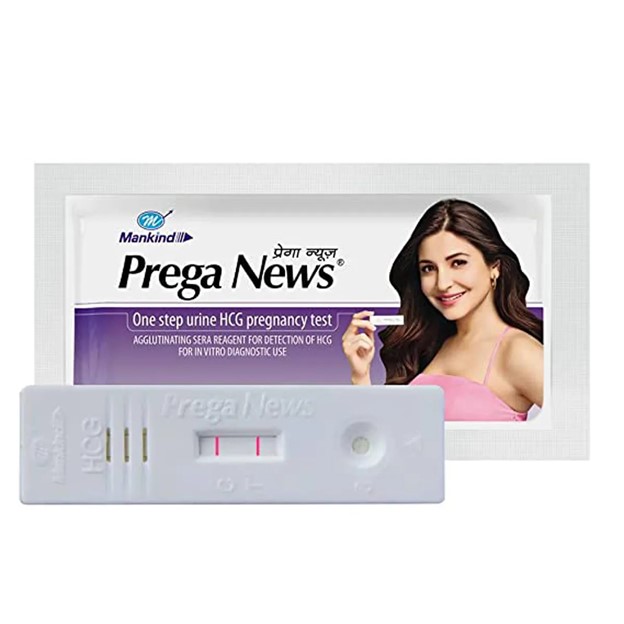
    Basic Types Of Pregnancy Tests

    Before diving into the specifics of popular pregnancy tests, it’s crucial to understand the basic types available:

    • Urine Tests:

    Urine tests are the most common type of pregnancy tests and are widely available over-the-counter at pharmacies and online stores. These tests detect the presence of human chorionic gonadotropin (hCG), a hormone produced by the placenta during pregnancy, in the urine. Urine tests typically involve either dipping a test strip into a urine sample or holding the test strip directly in the urine stream. The results are indicated by the appearance of lines or symbols on the test strip, with one line typically indicating a negative result and two lines indicating a positive result.

    • Blood Tests:

    Blood tests for pregnancy, also known as serum tests, are conducted in a medical setting, usually by a healthcare professional. These tests measure the level of hCG in the bloodstream, providing a more accurate and sensitive indication of pregnancy compared to urine tests. There are two types of blood tests for pregnancy: qualitative hCG tests and quantitative hCG tests. Qualitative tests determine whether hCG is present in the blood, while quantitative tests measure the exact amount of hCG present, which can help determine the stage of pregnancy or detect certain complications. 

    • Digital Tests:

    Digital pregnancy tests are a modern variation of urine tests that provide digital results, usually displayed as words such as “Pregnant” or “Not Pregnant” rather than lines or symbols. These tests typically use the same technology as traditional urine tests but offer the added benefit of clear and unambiguous results, eliminating any confusion or uncertainty associated with interpreting lines. Digital tests are user-friendly and easy to read, making them a popular choice for individuals who prefer a straightforward indication of pregnancy status.

    • Early Detection Tests:

    Early detection pregnancy tests are designed to detect pregnancy before a missed period, offering individuals the opportunity to confirm pregnancy at the earliest possible stage. These tests are typically more sensitive than standard urine tests, capable of detecting lower levels of hCG in the urine. Early detection tests may be particularly beneficial for individuals who are actively trying to conceive or who are experiencing early pregnancy symptoms and wish to confirm their suspicions. However, it’s essential to note that while early detection tests can provide results sooner, they may be less accurate than tests conducted after a missed period, and false negatives are still possible, especially if testing too early.

    Most Popular Items in Pregnancy Tests

    In India, as in many parts of the world, pregnancy testing is a crucial step for millions of women and couples planning to start or expand their families. With a plethora of options available in the market, choosing the right pregnancy test kit can be overwhelming. To aid in this decision-making process, we’ve compiled a list of the top five recommended pregnancy test kits in the Indian context, along with the reasons for their popularity.

    • Prega News:

    Prega News is one of the most trusted and widely used pregnancy test kits in India. Its popularity stems from its affordability, accessibility, and reliability. The kit is easy to use, providing results within minutes with a high degree of accuracy. Prega News is readily available at pharmacies across the country, making it a convenient choice for women seeking a dependable pregnancy testing solution.

    Pregnancy Item

    • Velocit:

    Velocit pregnancy test kits have gained popularity among Indian consumers for their sensitivity and early detection capabilities. These kits claim to detect pregnancy as early as seven days after conception, offering peace of mind to individuals anxious to know their status. Velocit kits are known for their user-friendly design and clear result interpretation, making them a preferred choice for many women.

    • Clearview:

    Clearview pregnancy test kits, manufactured by Alere Medical Pvt. Ltd., are renowned for their accuracy and reliability. Clinical settings across India widely use these kits due to their reputation for precision. Clearview tests are designed to detect pregnancy early, providing results within minutes. Although slightly more expensive than some other options, individuals seeking medical-grade accuracy and assurance prefer Clearview kits.

    • iCan:

    iCan pregnancy test kits have gained popularity for their affordability and ease of use. These kits are designed for home use, providing quick and accurate results within minutes. iCan kits come with clear instructions and are suitable for women of all ages. Their compact size and discreet packaging make them a convenient choice for individuals who value privacy and convenience.

    • Dr. Gene:

    Dr. Gene pregnancy test kits utilize advanced technology and high sensitivity, detecting the presence of hCG with a combination of antibodies, ensuring reliable results even at low hormone levels. They minimize the risk of false positives or negatives, offering accuracy when used correctly. Though slightly pricier than some alternatives, individuals prioritizing accuracy and reliability prefer Dr. Gene kits.

    Reasons for Popularity:

    Several factors contribute to the popularity of these pregnancy test kits in the Indian context:

    1. Affordability: All the recommended kits offer reasonable pricing, ensuring accessibility to a wide range of consumers, including those from diverse socioeconomic backgrounds.
    2. Accuracy: Accuracy remains paramount in pregnancy testing, with all the listed kits known for delivering reliable results, minimizing the risk of false positives or negatives.
    3. Early Detection: Many of the recommended kits offer early detection capabilities, allowing individuals to test for pregnancy sooner and alleviate anxiety.
    4. Ease of Use: User-friendly design and clear result interpretation make these kits suitable for individuals of all ages and backgrounds, ensuring a positive user experience.
    5. Accessibility: The availability of these kits at pharmacies and online stores across India enhances their accessibility, making them a convenient choice for women in both urban and rural areas.
    6. Brand Reputation: Established brands with a history of quality and trustworthiness tend to dominate the market. Positive word-of-mouth recommendations and endorsements from healthcare professionals further bolster brand reputation and consumer confidence.

    Conclusion

    The popularity of pregnancy test items is influenced by various factors, including accuracy, early detection capabilities, ease of use, and brand reputation. Clearblue, First Response, EPT, and Clearblue Rapid Detection are among the most popular brands, offering a range of features to cater to diverse consumer needs and preferences. Ultimately, regardless of the brand chosen, the primary goal of a pregnancy test remains the same: to provide accurate and timely information to individuals navigating the journey of family planning and reproductive health.

    FAQs on The Most Popular Items in Pregnancy Tests

    1. What are the Most Popular Items in Pregnancy Tests?

    In India, the most popular items in pregnancy tests include brands like Prega News, Velocit, and Clearview. These kits are widely trusted for their affordability, reliability, and ease of use, catering to the diverse needs of individuals seeking accurate and timely confirmation of pregnancy.

    2. Why are digital pregnancy tests preferred by many users?

    Digital pregnancy tests provide clear results in words rather than lines, eliminating any ambiguity associated with traditional line tests. They offer convenience and ease of interpretation, making them a popular choice among individuals seeking clarity and reassurance.

    3. What makes early detection pregnancy tests desirable for users?

    Early detection pregnancy tests claim to detect pregnancy even before a missed period, offering peace of mind or confirmation at the earliest possible stage. These tests cater to individuals actively trying to conceive or anxious about a potential pregnancy, providing timely information and reducing uncertainty.

    Also Read:-

  • Which food is best for pregnancy? – pregnancy Food Chart

    Which food is best for pregnancy? – pregnancy Food Chart

    best pregnancy foodPregnancy is a miraculous journey marked by numerous changes, both physically and emotionally. Among the most crucial aspects of this journey is nutrition. The food you consume during pregnancy plays a pivotal role in ensuring the health and well-being of both you and your developing baby. 

    The significance of proper nutrition during pregnancy cannot be overstated. It directly impacts the baby’s growth and development, as well as the mother’s overall health. Adequate nutrition helps prevent birth defects, ensures a healthy birth weight, reduces the risk of complications during childbirth, and supports postpartum recovery. Moreover, a well-balanced diet during pregnancy can alleviate common discomforts such as nausea, fatigue, and constipation, while promoting optimal maternal health.

    Essential Nutrients for Pregnancy

    1. Folic Acid: Crucial for neural tube development and preventing birth defects.
    2. Iron: Supports the increased blood volume and prevents maternal anemia.
    3. Calcium: Vital for bone development in the fetus and maintaining maternal bone health.
    4. Protein: Essential for fetal growth and development of organs, muscles, and tissues.
    5. Omega-3 Fatty Acids: Support brain and vision development in the fetus.
    6. Vitamin D: Facilitates calcium absorption and supports bone health.
    7. Vitamin C: Boosts immune function and aids in iron absorption.
    8. Fiber: Prevents constipation and supports digestive health during pregnancy.

    Best Foods for Pregnancy

    During pregnancy, a woman’s body undergoes significant changes, and proper nutrition becomes paramount to support both maternal health and the optimal development of the growing fetus. Let’s delve into some of the best foods for pregnancy, along with ways to incorporate them into your diet and their associated benefits.

    1. Leafy Greens (Spinach, Kale, Swiss Chard):

    • Ways to Eat: Incorporate into salads, smoothies, stir-fries, soups, or omelets.
    • Benefits: Rich in folate, iron, calcium, and vitamins A, C, and K. Folate helps prevent neural tube defects, iron supports the increased blood volume during pregnancy, and calcium aids in fetal bone development.

    food for pregnancy

    1. Lean Protein (Chicken, Turkey, Fish, Legumes):

    • Ways to Eat: Grill, bake, or stir-fry lean meats; add beans or lentils to salads, soups, or stews.
    • Benefits: Essential for fetal growth and development, protein also helps repair and build tissues in both the mother and baby. Lean protein sources are also low in saturated fats, promoting heart health.
    1. Whole Grains (Brown Rice, Quinoa, Whole Wheat Bread):

    • Ways to Eat: Replace refined grains with whole grain alternatives in meals such as rice dishes, salads, sandwiches, and breakfast cereals.
    • Benefits: Rich in fiber, B vitamins, and essential minerals like magnesium and selenium. Whole grains provide sustained energy, aid digestion, and help prevent constipation, a common pregnancy discomfort.
    1. Dairy Products (Milk, Yogurt, Cheese):

    •   Ways to Eat: Enjoy as a snack, incorporate into smoothies, oatmeal, or use in cooking and baking.
    •   Benefits: Excellent sources of calcium, protein, and vitamin D. Calcium supports fetal bone development, while protein helps with muscle and tissue formation. Vitamin D aids calcium absorption and promotes maternal bone health.
    1. Fruits (Berries, Citrus Fruits, Apples, Bananas):

    •   Ways to Eat: Eat fresh as snacks, add to yogurt, cereal, or salads, or blend into smoothies.
    •   Benefits: Packed with vitamins, minerals, fiber, and antioxidants. Fruits provide essential nutrients like vitamin C, which boosts immunity and aids iron absorption, crucial during pregnancy.

    food for pregnancy

    1. Fatty Fish (Salmon, Trout, Sardines):

    •   Ways to Eat: Bake, grill, or steam fish fillets; add canned fish to salads or sandwiches.
    •   Benefits: Excellent sources of omega-3 fatty acids, particularly DHA and EPA, which are vital for fetal brain and eye development. Fatty fish also provide protein and vitamin D.
    1. Nuts and Seeds (Almonds, Walnuts, Chia Seeds, Flaxseeds):

    •   Ways to Eat: Enjoy as a snack, sprinkle on yogurt, oatmeal, or salads, or use as toppings for baked goods.
    •   Benefits: Rich in healthy fats, protein, fiber, vitamins, and minerals. Nuts and seeds provide energy, support fetal development, and help maintain maternal health.
    1. Legumes (Beans, Lentils, Chickpeas):

    •   Ways to Eat: Cook into soups, stews, or curries, blend into dips like hummus, or add to salads and wraps.
    •   Benefits: High in protein, fiber, folate, iron, and other essential nutrients. Legumes support fetal growth, aid digestion, and help prevent anemia and constipation.
    • Incorporating a variety of these nutrient-dense foods into your daily meals and snacks ensures you’re meeting your increased nutritional needs during pregnancy. Remember to also stay hydrated by drinking plenty of water and to consult with your healthcare provider or a registered dietitian for personalized dietary recommendations based on your individual needs and preferences. By nourishing your body with wholesome foods, you’re providing the best possible start for both you and your baby.

    Pregnancy Food Chart

    Below is a sample pregnancy food chart to help you plan nutritious meals throughout your pregnancy. This chart is customizable based on individual dietary preferences and nutritional needs.


    Meal Foods
    Breakfast – Whole wheat toast with avocado
    – Scrambled eggs with spinach
    – Greek yogurt with berries and granola
    – Oatmeal with sliced bananas and nuts
    – Smoothie with spinach, banana, and almond milk


     Whole grain cereal with milk and fruit
    Snack – Apple slices with peanut butter
    – Carrot sticks with hummus
    – Greek yogurt with honey and almonds


     Trail mix with dried fruits and nuts
    Lunch – Grilled chicken salad with mixed greens
    – Quinoa and black bean wrap
    – Lentil soup with whole grain bread
    – Tuna salad sandwich on whole wheat bread


     Veggie stir-fry with tofu and brown rice
    Snack – Cottage cheese with pineapple chunks
    – Whole grain crackers with cheese
    – Smoothie with spinach, mango, and yogurt


     Handful of almonds and dried apricots
    Dinner – Baked salmon with sweet potato and asparagus
    – Beef stir-fry with mixed vegetables and brown rice
    – Stuffed bell peppers with quinoa and black beans
    – Lentil curry with whole wheat naan


     Grilled tofu with broccoli and brown rice
    Dessert – Greek yogurt with honey and berries
    – Dark chocolate dipped strawberries
    – Homemade fruit sorbet


    Conclusion

    Your diet during pregnancy lays the foundation for your baby’s health and development, as well as your own well-being. By focusing on nutrient-dense foods and maintaining a balanced diet, you can ensure optimal outcomes for both you and your baby. Remember to consult with your healthcare provider or a registered dietitian for personalized dietary recommendations tailored to your specific needs and preferences. Embrace this transformative journey with nourishment and care, as you prepare to welcome your little one into the world.


    FAQs On Which Food Is Best For Pregnancy?

    1. Which Food Is Best For Pregnancy?

    Answer: The best foods for pregnancy include nutrient-dense options like leafy greens, lean proteins, whole grains, dairy products, fruits, and fatty fish. Incorporating these foods into your diet supports fetal development, ensures maternal health, and helps alleviate common pregnancy discomforts.

    2. What are the best sources of folate for pregnancy?

    Answer: Folate, a crucial nutrient for fetal development, can be found abundantly in leafy greens such as spinach and kale, as well as in fortified cereals, citrus fruits like oranges, and legumes like lentils and chickpeas. Incorporating these foods into your diet ensures you meet your daily folate requirements, reducing the risk of neural tube defects in the developing baby.

    3. How can I incorporate enough protein into my pregnancy diet?

    Answer: Lean protein sources such as poultry, fish, eggs, tofu, and legumes are excellent choices for meeting increased protein needs during pregnancy. Incorporate these foods into meals and snacks throughout the day, aiming for a balanced intake to support fetal growth and development while also maintaining maternal muscle and tissue health.

    4. What are some healthy snack options for pregnancy?

    Answer: Healthy snack options during pregnancy include fruits like apples, berries, and bananas, Greek yogurt with nuts or seeds, whole grain crackers with cheese or hummus, and vegetable sticks with guacamole or cottage cheese. These snacks provide essential nutrients like vitamins, minerals, protein, and fiber, helping to sustain energy levels and curb hunger between meals while promoting overall maternal and fetal health.

    Also Read:-