Blog

  • Best Chiropractic Treatment: Chiropractic Adjustment, Benefits

    Best Chiropractic Treatment: Chiropractic Adjustment, Benefits

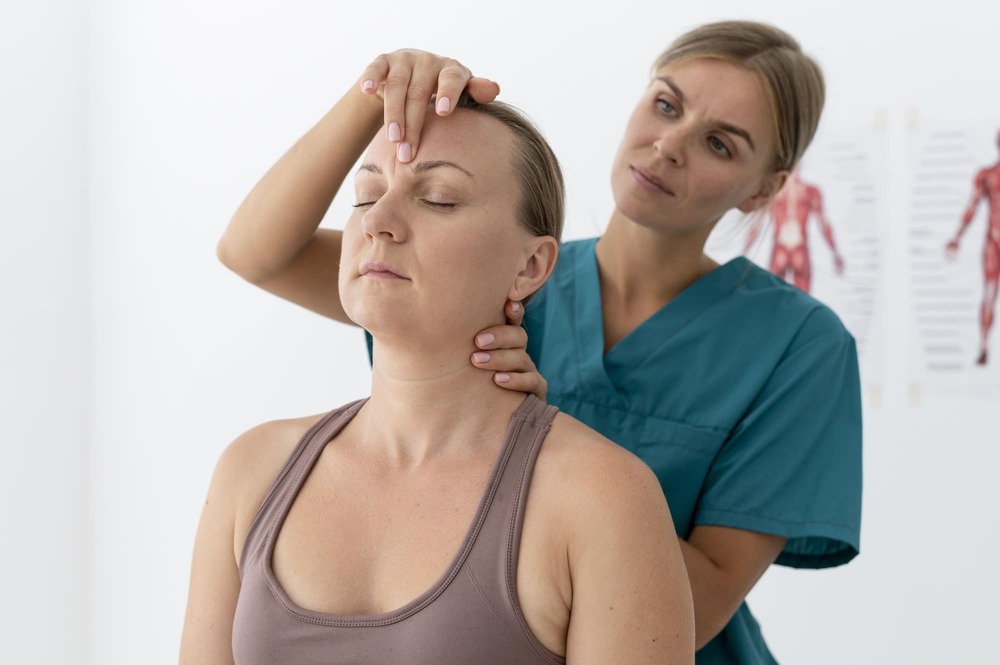
    chiropractic treatmentChiropractic treatment is a holistic healthcare discipline that focuses on diagnosing and treating musculoskeletal disorders, primarily those related to the spine. Chiropractors are trained healthcare professionals who specialize in spinal adjustments and manipulation techniques to alleviate pain and improve the body’s natural ability to heal itself.

    The central idea behind chiropractic treatment is that a properly functioning spine can positively impact the nervous system, which, in turn, can promote optimal health and well-being.

    Principles of Chiropractic Treatment

    The primary principles of treatment of Chiropractic are as follows:

    • The Spinal Adjustment: The cornerstone of chiropractic care is the spinal adjustment, also known as spinal manipulation. Chiropractors use their hands or specialized instruments to apply controlled force to the spine, correcting misalignments or subluxations. This adjustment aims to restore proper spinal function, reduce pain, and enhance mobility.
    • Holistic Approach: Chiropractic care emphasizes the interconnectedness of the body’s systems. Chiropractors consider how lifestyle, diet, exercise, and mental health affect a patient’s overall well-being. They work with patients to create customized treatment plans that address these factors.
    • Patient-Centered Care: Chiropractors take a patient-centered approach, considering individual needs, goals, and preferences. Treatment plans are tailored to each patient, and the emphasis is on natural healing without resorting to medication or surgery whenever possible.
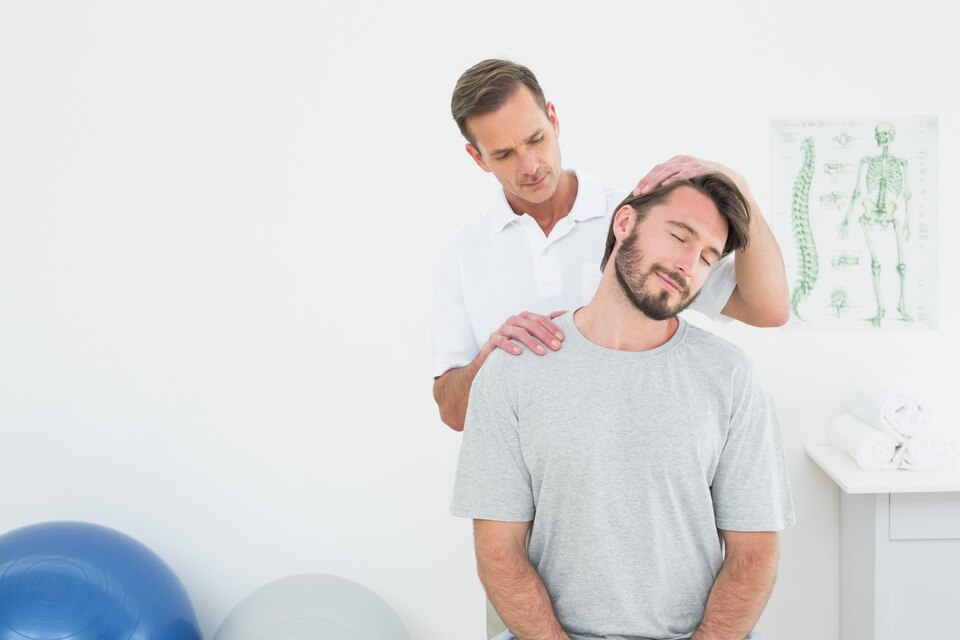
     

    benefits of chiropractic treatmentBenefits of Chiropractic Treatment

    The advantages and benefits of treatment of Chiropractic are listed below:

    • Pain Relief: Chiropractic adjustments can effectively alleviate pain, especially in the back, neck, and joints. Many patients find relief from conditions such as sciatica, migraines, and chronic lower back pain through regular chiropractic care.
    • Improved Mobility: Chiropractic adjustments can enhance joint mobility and flexibility, allowing patients to regain their range of motion and improve their quality of life.
    • Enhanced Nervous System Function: Correcting spinal misalignments can optimize nervous system function, which may positively impact various bodily functions, including immune response and organ function.
    • Drug-Free and Non-Invasive: Chiropractic care emphasizes natural healing and minimizes the need for prescription medications or invasive surgeries, reducing the risk of side effects and complications.
    • Wellness Promotion: Chiropractors often encourage healthy lifestyle choices, such as proper nutrition, exercise, and stress management, to help patients achieve long-term wellness goals.

    > Consult a doctor and Order Medicine Online

    Common Misconceptions in Chiropractic Treatment

    The major common misconceptions in chiropractic treatment are listed below:

    • Chiropractors Are Not Real Doctors: Chiropractors undergo rigorous education and training, including a doctoral-level program, to become licensed healthcare professionals. They are trained to diagnose, treat, and manage various musculoskeletal conditions.
    • Chiropractic Care Is Only for Back Pain: While chiropractic care is known for its effectiveness in treating back pain, it can also address a wide range of conditions, including headaches, migraines, sports injuries, and even pediatric issues like colic.
    • Chiropractic Adjustments Are Dangerous: When performed by a qualified chiropractor, spinal adjustments are generally safe and well-tolerated. Chiropractors are trained to assess a patient’s medical history and suitability for treatment.


    Conclusion:

    Chiropractic treatment offers a holistic and drug-free approach to healthcare, focusing on improving overall well-being by enhancing spinal health and optimizing nervous system function.

    It has gained recognition as a valuable complementary therapy alongside conventional medical care. However, it’s essential to consult with a licensed chiropractor to determine the suitability of chiropractic care for your specific health concerns.

    By working together with healthcare professionals, patients can make informed decisions about their well-being and explore the benefits of chiropractic treatment as part of their healthcare journey.

    Read: What are Generic Medicines?

    Advantages Of Generic Medicines

    Generic medicines offer several advantages, including cost-effectiveness, as they are typically more affordable than brand-name equivalents. They are rigorously tested for safety and efficacy, ensuring their quality and reliability.

    Generic drugs also promote healthy competition in the pharmaceutical market, leading to lower prices and increased accessibility for patients.

    Additionally, they are often interchangeable with brand-name drugs, providing patients with more treatment options while maintaining the same therapeutic benefits, which can enhance patient choice and healthcare affordability.

    FAQs On Chiropractic Treatment

    Q1. What is chiropractic treatment?

    Chiropractic treatment is a holistic healthcare approach focused on diagnosing and treating musculoskeletal disorders, primarily related to the spine. Chiropractors use spinal adjustments and manipulation techniques to correct misalignments, alleviate pain, and improve the body’s natural healing abilities. It emphasizes a drug-free, patient-centered approach to promote overall well-being.

    Q2. Is chiropractic treatment safe?

    Chiropractic treatment is generally regarded as safe when conducted by a licensed and trained chiropractor. However, like any medical intervention, there may be risks and contraindications, so it’s crucial to consult with a qualified professional and discuss your specific health concerns before starting treatment.

    Q3. What is the best chiropractic treatment?

    The best chiropractic treatment involves a thorough assessment of the patient’s condition, personalized care plans, and skilled, gentle spinal adjustments to address musculoskeletal issues, alleviate pain, and enhance overall well-being. The effectiveness of treatment depends on the chiropractor’s expertise and the patient’s active participation in their care.

    Q4. Is chiropractic treatment suitable for all ages?

    Chiropractic care can help individuals of all ages, from newborns to seniors. Chiropractors adapt their techniques to suit the patient’s age and condition, making it a versatile option for family healthcare.

    Related Links:
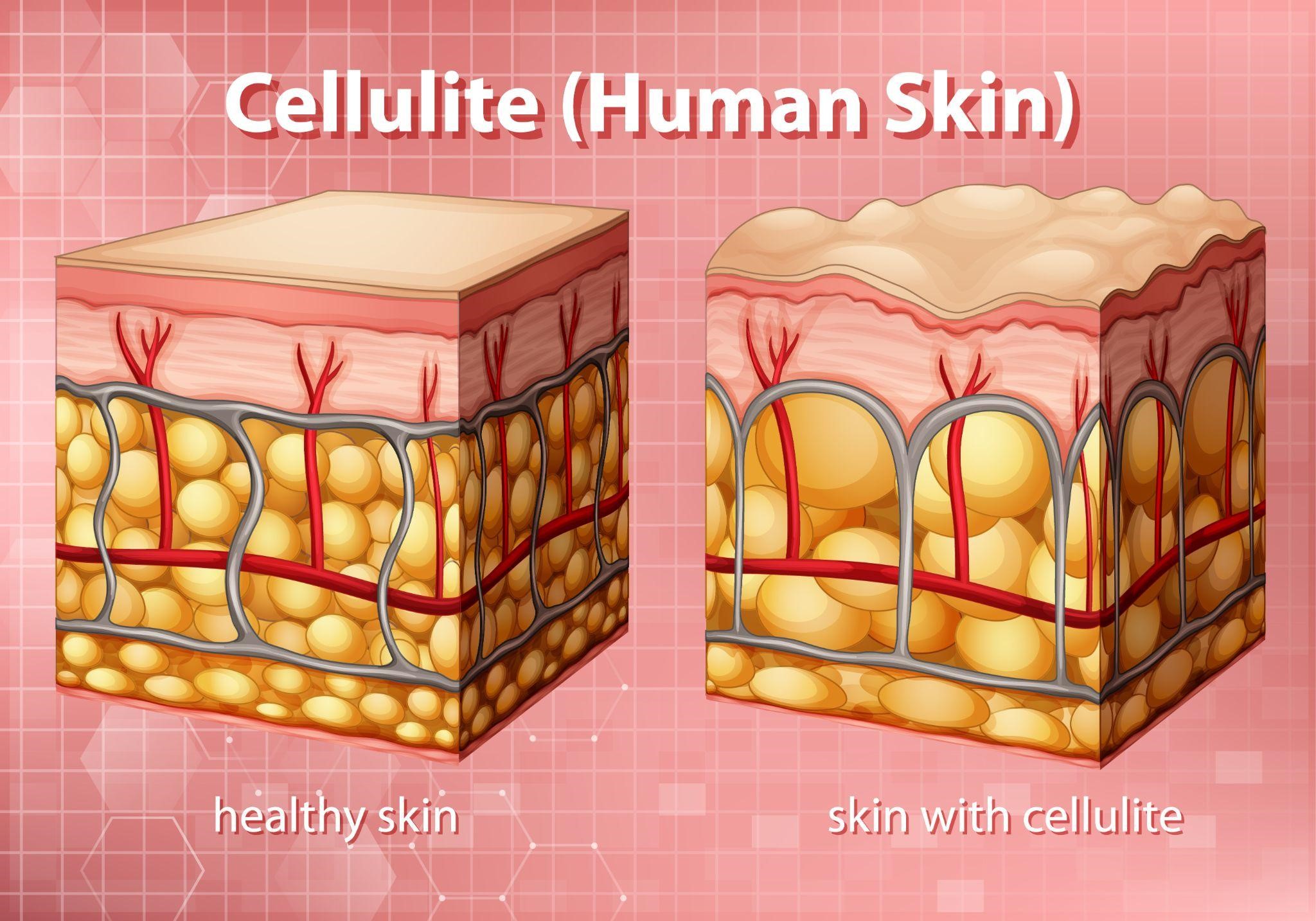
  • Cellulitis Treatment: Antibiotic Cream, Cellulitis Treatment at Home

    Cellulitis Treatment: Antibiotic Cream, Cellulitis Treatment at Home

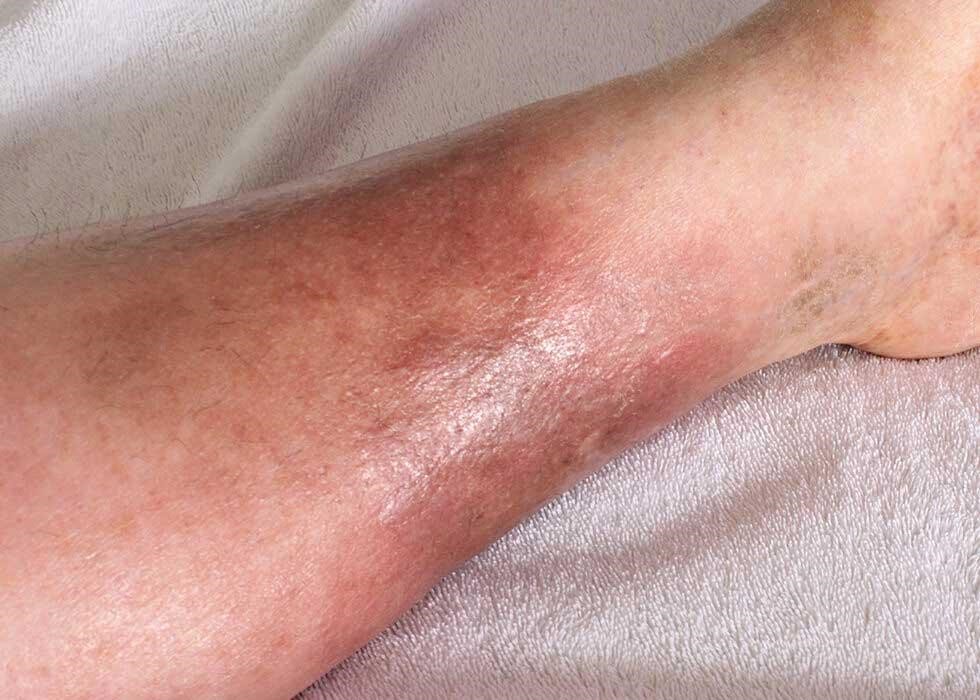
    Cellulitis treatment primarily involves antibiotics to combat the bacterial infection. Cellulitis is a bacterial skin infection that can affect any part of your body, although it most commonly occurs on the legs and face. It typically begins as a red, swollen area that feels warm to the touch. As the infection progresses, it can cause fever, chills, and pain.

    Cellulitis is usually caused by streptococcus or staphylococcus bacteria, which can enter your body through a break in the skin, such as a cut, scrape, or insect bite. The choice of antibiotic depends on the severity and causative bacteria. Pain relievers may be used for comfort for cellulitis treatment. Elevating the affected area can reduce swelling. Rest, hydration, and wound care are essential.

    In instances of extreme severity, hospitalisation and the administration of intravenous antibiotics may become imperative. Prompt treatment is crucial to prevent complications. Always follow your healthcare provider’s recommendations for effective cellulitis treatment.

    Cellulitis Diagnosis and Treatment

    Cellulitis diagnosis typically involves a thorough physical examination by a healthcare provider who assesses the affected skin area for redness, warmth, tenderness, and swelling. Medical history, including recent skin injuries or infections, is also considered.

    In some cases, a culture of the affected skin may be taken to identify the specific bacteria responsible. Imaging tests like ultrasounds or MRIs might be ordered to assess the extent of infection or rule out other underlying conditions.

    Prompt and accurate diagnosis is essential to initiate appropriate treatment promptly and prevent cellulitis from worsening or leading to complications.

    Cellulitis Treatment

    Cellulitis Treatment

    The Treatment of Cellulitis is as follows:

    Antibiotics

    Antibiotics are the cornerstone of cellulitis treatment. Your doctor will prescribe antibiotics to combat the bacterial infection. The choice of antibiotic may vary depending on the severity of the infection and the type of bacteria responsible.

    It’s crucial to complete the entire course of antibiotics, even if you start feeling better before you finish the medication. Stopping antibiotics prematurely can allow the bacteria to become resistant to the drugs.

    Pain Management

    Over-the-counter pain relievers, such as ibuprofen or acetaminophen, can help alleviate the discomfort associated with cellulitis.

    Elevation

    Elevating the affected limb, such as your leg or arm, can help reduce swelling and discomfort. Keep the area elevated whenever possible, especially when resting.

    Rest and Hydration

    Resting and staying hydrated can aid in your body’s recovery process. Adequate rest allows your immune system to work efficiently, while hydration helps flush toxins from your body.

    Wound Care

    Proper wound care is essential to prevent cellulitis from recurring. Keep any cuts, scrapes, or other skin injuries clean and covered with a sterile dressing. Follow your healthcare provider’s instructions for wound care, which may include cleaning the area with mild soap and water, applying antibiotic ointment, and keeping it covered with a bandage.

    Surgical Drainage (in some cases)

    If an abscess forms within the infected area, your doctor may need to drain it surgically to remove the pus and alleviate pressure.

    > Consult a Doctor and Medkart will help you Order Medicines Online

    Cellulitis Treatment at Home – Cellulitis Leg Treatment

    Cellulitis of the leg is typically treated with a course of oral antibiotics, with a specific choice of antibiotic depending on the severity and causative bacteria. Elevating the affected leg, maintaining good hygiene, and keeping the area clean and covered are essential steps.

    Pain management may include over-the-counter or prescription pain relievers. In severe cases, hospitalization and intravenous antibiotics might be necessary. Prompt treatment is vital to prevent complications and ensure a full recovery. Always follow your healthcare provider’s recommendations for the most effective cellulitis leg treatment.

    Cellulitis Treatment

    Cellulitis Home Treatment

    While cellulitis often requires medical intervention, certain home-care practices can complement treatment. Rest and elevation can reduce swelling and discomfort. Over-the-counter pain relievers help manage pain and fever.

    Keep the affected area clean, apply antibiotic ointment, and cover it with a sterile bandage. Staying well-hydrated and completing prescribed antibiotics are essential.

    However, home treatment should not replace professional medical care, and seeking prompt medical attention is crucial for proper cellulitis management and prevention of complications.

    Conclusion:

    Cellulitis is a treatable skin infection that should not be ignored. Timely medical intervention, including antibiotics and proper wound care, is key to a successful recovery and preventing complications. If you suspect you have cellulitis or notice any signs of infection, consult a healthcare professional promptly.

    Remember that prevention is just as important as treatment. Take steps to protect your skin from injuries and practice good hygiene to reduce your risk of developing cellulitis in the first place. With the right treatment and care, you can quickly overcome cellulitis and get back to enjoying a healthy, active life.

    Read: What are Generic Medicines?

    Do Generic Medicines work the same?

    Yes, generic medicines work the same as brand-name counterparts in terms of safety, efficacy, and quality. They contain the same active ingredients, have the same intended use, and meet the same rigorous standards set by regulatory authorities.

    Generic drugs may have slight differences in non-active ingredients, such as fillers or binders, which do not affect their performance. These cost-effective alternatives provide the same therapeutic benefits, making them a reliable option for many patients.

    Always consult your healthcare provider or pharmacist for advice on switching to generics.

    FAQs on Cellulitis Treatment

    Q1. What is cellulitis treatment?

    Cellulitis home treatment involves prescribed oral antibiotics, rest, and elevation of the affected area. Keep the area clean, apply antibiotic ointment, and cover it with a sterile bandage. However, it’s crucial to consult a healthcare professional for proper guidance and to ensure the infection doesn’t worsen.

    Q2. Can cellulitis be treated at home?

    Mild cases may be managed at home with prescribed antibiotics and proper wound care, but it’s crucial to consult a healthcare professional for guidance.

    Q3. How long does cellulitis treatment typically last?

    The duration of cellulitis treatment with antibiotics is typically 7 to 14 days, but it can vary depending on the severity and individual response to medication.

    Q4. What should I do if my cellulitis doesn’t improve with treatment?

    If you see no improvement or experience worsening symptoms, contact your healthcare provider immediately, as it may require a change in antibiotics or further evaluation for complications.

    Related Links:

  • Bell’s Palsy Therapies – Facial Paralysis Treatment at Home

    Bell’s Palsy Therapies – Facial Paralysis Treatment at Home

    Bells Palsy Treatment image

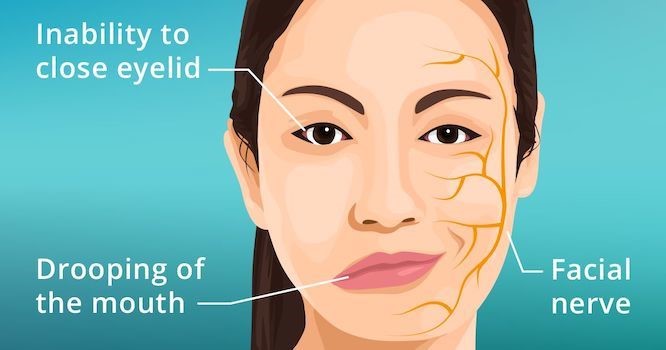
    Bells Palsy treatment aims to alleviate the symptoms, promote recovery, and prevent complications associated with this condition, which causes sudden paralysis or weakness in the facial muscles, typically on one side of the face.

    Bell’s Palsy is a sudden, unexplained weakness or paralysis of the facial muscles, typically on one side of the face. It can cause facial drooping, difficulty closing one eye, and impaired ability to smile or make facial expressions. Although it can be alarming, Bell’s Palsy is usually temporary and, in most cases, resolves on its own over weeks to months.

    Bells Palsy Treatment

    The treatment for Bells Palsy is as follows:

    1. Corticosteroids

    Corticosteroids like prednisone are often prescribed to reduce inflammation and swelling of the facial nerve. These medications can help speed up the recovery process and improve outcomes. Early administration is crucial, so seeking medical attention promptly is essential.

    2. Antiviral Medications

    In some cases, antiviral medications such as acyclovir may be prescribed if there is suspicion of a viral infection contributing to Bell’s Palsy. However, the efficacy of antivirals in Bell’s Palsy treatment remains a topic of debate among medical professionals.

    3. Eye Care

    Proper eye care is crucial, as the inability to close one eye fully can lead to dryness and potential damage. Lubricating eye drops, eye patches, or protective glasses may be recommended to prevent complications.

    Bell’s Palsy Physiotherapy Treatment

    Bell’s Palsy Physiotherapy Treatment – Complementary Therapies

    1. Physical Therapy

    Physical therapy can play a significant role in Bell’s Palsy recovery. Exercise and massage techniques can help maintain muscle tone and improve facial mobility.

    2. Acupuncture

    Some individuals with Bell’s Palsy have reported positive outcomes with acupuncture. This traditional Chinese therapy involves inserting thin needles into specific points on the body to stimulate healing and improve nerve function.

    3. Electrical Stimulation

    In certain cases, electrical stimulation devices may be prescribed by a healthcare provider. These devices send electrical impulses to the affected facial muscles, which can help improve muscle strength and control.

    4. Relaxation Techniques

    Stress and anxiety can exacerbate symptoms of Bell’s Palsy. Relaxation techniques such as meditation and deep breathing exercises can help reduce stress and support the body’s natural healing processes.

    Consult a Doctor and Medkart will help you Order Medicines Online

    Home Remedies for Bell’s Palsy Treatment

    Home remedies can complement medical treatments for Bell’s Palsy by promoting relaxation, reducing inflammation, and supporting overall well-being during recovery. Here are some effective home remedies:

    1. Facial Massage

    Gently massaging the affected side of the face can help improve blood circulation and muscle tone. Use a mild, natural oil like coconut or olive oil to avoid skin irritation.

    2. Heat Therapy

    Applying a warm compress to the paralyzed side of the face for about 15-20 minutes several times a day can help alleviate pain and relax facial muscles.

    3. Eye Care

    To prevent eye dryness and irritation, use lubricating eye drops and cover the affected eye with a patch or protective eyewear, especially during sleep.

    4. Diet and Nutrition

    Consume a balanced diet rich in vitamins and minerals, particularly those that support nerve health, such as B vitamins and antioxidants. Stay hydrated to aid in overall recovery.

    5. Stress Reduction

    High stress levels can exacerbate Bell’s Palsy symptoms. Practice relaxation techniques like meditation, deep breathing exercises, and yoga to manage stress effectively.

    6. Herbal Supplements

    Some individuals find relief from Bell’s Palsy symptoms by taking herbal supplements like ginseng or turmeric. However, consult with a healthcare specialist before beginning any new supplements.

    7. Facial Exercises

    Gentle facial exercises, like smiling, frowning, and puffing out your cheeks, can help maintain muscle tone and promote facial symmetry.

    Remember that while these home remedies can be beneficial, they should complement medical treatment, not replace it. Always consult with a healthcare provider to ensure you’re following the most appropriate and effective treatment plan for your specific condition.

    Bells Palsy Physiotherapy

    Bell’s Palsy physiotherapy treatment involves targeted exercises and techniques to improve facial muscle strength and mobility. Physiotherapists design customized regimens to help patients regain control over their facial expressions and functions.

    These exercises may include facial massages, muscle stretches, and electrical stimulation to stimulate nerve recovery. By working closely with a physiotherapist, individuals with Bell’s Palsy can enhance their chances of a quicker and more complete recovery, ultimately restoring their facial symmetry and function.

    Conclusion

    While a Bell’s Palsy diagnosis can be unsettling, the good news is that most individuals with this condition experience a full recovery over time. Seeking prompt medical attention and following a treatment plan, which may include corticosteroids, antiviral medications, and physical therapy, can significantly improve outcomes. Complementary therapies and emotional support also play essential roles in the healing process.

    Remember that each person’s journey with Bell’s Palsy is unique. Maintaining a positive outlook, staying informed, and seeking support can help you navigate this temporary challenge and look forward to regaining full facial function. With the right treatment and care, there is hope for a bright and smile-filled future.

    Why do Generic and Brand-name drugs look different?

    Generic and brand-name drugs can look different primarily due to trademark laws and regulations. While the active ingredients in both versions are the same, manufacturers of generic drugs are not allowed to copy the exact appearance of the brand-name medication.

    This distinction helps consumers and healthcare professionals differentiate between the two and prevents confusion. However, the quality, safety, and effectiveness of generic drugs are rigorously tested and regulated to ensure they are equivalent to their brand-name counterparts.

    Read: What are Generic Medicines?

    FAQs on Bells Palsy Treatment

    Q1. What is Bells Palsy treatment?

    Bell’s Palsy treatment typically involves corticosteroids to reduce inflammation, antiviral medications if infection is suspected, and supportive measures like eye care. Physical therapy and complementary therapies may be used to enhance facial muscle recovery.

    Q2. What is the best bell’s palsy treatment?

    The best Bell’s Palsy treatment typically involves early administration of corticosteroids and, if appropriate, antiviral medications, along with eye care. Consulting a healthcare professional for a tailored treatment plan is essential for the best outcomes.

    Q3. Can Bell’s Palsy be treated at home without medical intervention?

    While home remedies like facial exercises and warm compresses can help, it’s crucial to consult a healthcare provider for proper diagnosis and treatment, which often includes corticosteroids and eye care.

    Q4. Is surgery required for Bells Palsy treatment?

    Surgery is rarely necessary for Bell’s Palsy. Medical treatments, physical therapy, and complementary therapies are usually sufficient to promote recovery. Surgery may be considered in exceptional cases with severe complications.

    Related Links:

  • Best Ayurvedic Treatment: Home Remedies and List of Ayurvedic Treatments

    Best Ayurvedic Treatment: Home Remedies and List of Ayurvedic Treatments

    Ayurvedic treatment is a holistic and traditional system of healing that originated in India over 5,000 years ago. Rooted in ancient Vedic texts, Ayurveda views health and wellness as a state of balance between an individual’s physical, mental, and spiritual aspects. The core principle of Ayurvedic treatment is to promote and maintain this balance, which is believed to be essential for overall well-being.

    Ayurvedic Treatment

    The best treatment of Ayurvedic are as follows:

    • Diet and Nutrition: Ayurveda places immense importance on food as medicine. Dietary recommendations are tailored to an individual’s dosha, ensuring that they eat foods that maintain or restore balance. For example, a person with excess Vata may be advised to consume warm, nourishing foods, while someone with excessive Pitta should opt for cooling and calming foods.
    • Herbal Medicine: Ayurveda boasts an extensive pharmacopoeia of herbs and plants. Herbal remedies are prescribed to address specific health issues and balance doshas. Common Ayurvedic herbs include turmeric, ashwagandha, triphala, and holy basil.
    • Yoga and Meditation: Yoga and meditation are integral components of Ayurvedic treatment. These practices help align the body, mind, and spirit, reducing stress and promoting overall wellness. Different yoga poses and meditation techniques may be recommended based on an individual’s constitution.
    • Ayurvedic Massage (Abhyanga): Ayurvedic massage involves the use of warm, herbal oils specifically chosen for an individual’s dosha. This therapeutic massage not only relaxes the body but also helps detoxify and rejuvenate.
    • Panchakarma: Panchakarma is an intensive detoxification process in Ayurveda. It involves a series of therapies like Virechana (purgation), Basti (enema), and Nasya (nasal administration of oils) to remove toxins from the body and restore balance.
    • Acupuncture and Acupressure: Ayurveda also includes practices similar to acupuncture and acupressure to stimulate specific energy points in the body and balance doshas.
    • Lifestyle Recommendations: Ayurvedic practitioners guide daily routines, including sleep patterns, exercise, and mental wellness practices, to maintain a balanced and harmonious life.

    Ayurvedic Treatment

    Advantages of Ayurvedic Treatment

    Ayurveda focuses on addressing the root causes of ailments rather than merely treating symptoms. This approach leads to long-lasting relief and improved overall health.

    Ayurvedic therapies and remedies are typically natural and derived from herbs and plants. This means they have minimal side effects compared to synthetic drugs. Another advantage is personalization. Ayurvedic practitioners tailor treatments to an individual’s unique constitution, ensuring that they receive customized care that aligns with their specific needs.

    Ayurvedic Treatment

    Furthermore, Ayurveda emphasizes prevention, helping individuals maintain good health through lifestyle and dietary recommendations. It enables individuals to proactively assume control of their well-being.

    Ayurveda fosters balance not only in the body but also in the mind and spirit. Through practices like yoga and meditation, it promotes mental clarity, emotional stability, and spiritual growth, fostering a holistic sense of wellness.

    Medkart Pharmacy Offer

    List of Ayurvedic Treatments

    The list of treatments of ayurvedic are as follows:

    • Abhyanga: Ayurvedic oil massage, using specific herbal oils tailored to an individual’s dosha.
    • Shirodhara: A calming therapy involving a continuous stream of warm oil poured onto the forehead to relax the nervous system.
    • Panchakarma: A comprehensive detoxification process that includes therapies like Virechana (purgation), Basti (enema), and Nasya (nasal administration of oils).
    • Ayurvedic Herbal Remedies: The use of specific herbs and herbal formulations to address various health issues.
    • Dietary Counseling: Personalized dietary recommendations based on an individual’s dosha to promote balance and well-being.
    • Yoga and Pranayama: Tailored yoga postures and breathing exercises to balance doshas and enhance overall health.
    • Meditation and Mindfulness: Practices to calm the mind, reduce stress, and improve mental clarity.
    • Udvartana: A therapeutic massage using herbal pastes and powders to exfoliate and revitalize the skin.
    • Neti: Nasal cleansing using a saline solution to alleviate sinus issues.
    • Dhara: A therapy involving the continuous pouring of herbal liquids or decoctions over the body to promote relaxation.
    • Kati Basti: A localized treatment where warm herbal oil is pooled on the lower back to alleviate back pain.
    • Gandusha and Kavala: Mouth rinsing and oil pulling for oral health and detoxification.
    • Nadi Pariksha (Pulse Diagnosis): An Ayurvedic practitioner assesses an individual’s health by analyzing the pulse.
    • Marma Therapy: Gentle pressure on specific energy points to release blocked energy and promote healing.
    • Swedana: Herbal steam therapy to induce sweating and eliminate toxins.
    • Lifestyle and Daily Routine Guidance: Recommendations for daily routines, sleep patterns, and exercise regimens.
    • Herbal Steam Inhalation (Nasya): Inhaling herbal steam to clear the nasal passages and promote respiratory health.
    • Rasayana: Rejuvenation therapy aimed at enhancing vitality and longevity.
    • Karna Purana: Ear oiling to improve ear health and balance.
    • Aromatherapy: The use of aromatic oils and herbs for therapeutic purposes.

    Best Ayurvedic Treatment

    Conclusion:

    Ayurvedic treatment offers a holistic approach to health and wellness, addressing not only physical but also mental and spiritual well-being. By understanding and balancing the doshas, individuals can achieve optimal health and vitality.

    While Ayurveda may not replace modern medicine for all ailments, it can complement it by promoting preventive health practices and addressing chronic conditions from a holistic perspective.

    Embracing Ayurvedic principles can lead to a more balanced and harmonious life, in tune with the rhythms of nature and the wisdom of the ages.

    Read: What are Generic Medicines?

    Difference Between Generic and non-generic Medicine

    Generic and non-generic medicines differ in their branding and pricing. Non-generic, often brand-name drugs, are developed and marketed by pharmaceutical companies, featuring a patented name and higher cost due to research and development expenses.

    Generics contain the same active ingredients but are produced by different manufacturers and sold under their chemical names. They are typically more affordable due to reduced marketing costs. Both types must meet the same safety and efficacy standards, providing consumers with options based on budget and brand preference.

    FAQs on Ayurvedic Treatment

    Q1. What is Ayurvedic treatment?

    Ayurvedic treatment is a holistic system of natural medicine rooted in ancient Indian wisdom. It aims to balance the body, mind, and spirit by addressing individual doshic imbalances using herbal remedies, dietary adjustments, lifestyle changes, and therapeutic practices, fostering overall health and well-being.

    Q2. How does Ayurvedic treatment work?

    Ayurvedic treatment works by identifying and balancing an individual’s doshas (Vata, Pitta, and Kapha) to harmonize the body’s natural energies, utilizing personalized herbal remedies, dietary adjustments, and lifestyle changes to promote holistic well-being and health.

    Q3. How long does it take to see results from Ayurvedic treatment?

    The timeline for experiencing the benefits of Ayurvedic treatment varies depending on individual factors, the nature of the health issue, and the specific therapies used. Some people may notice improvements in a matter of weeks, while chronic conditions may require longer treatment periods.

    Related Links:

    Blog | Medkart Pharmacy - Generic Medicine Online

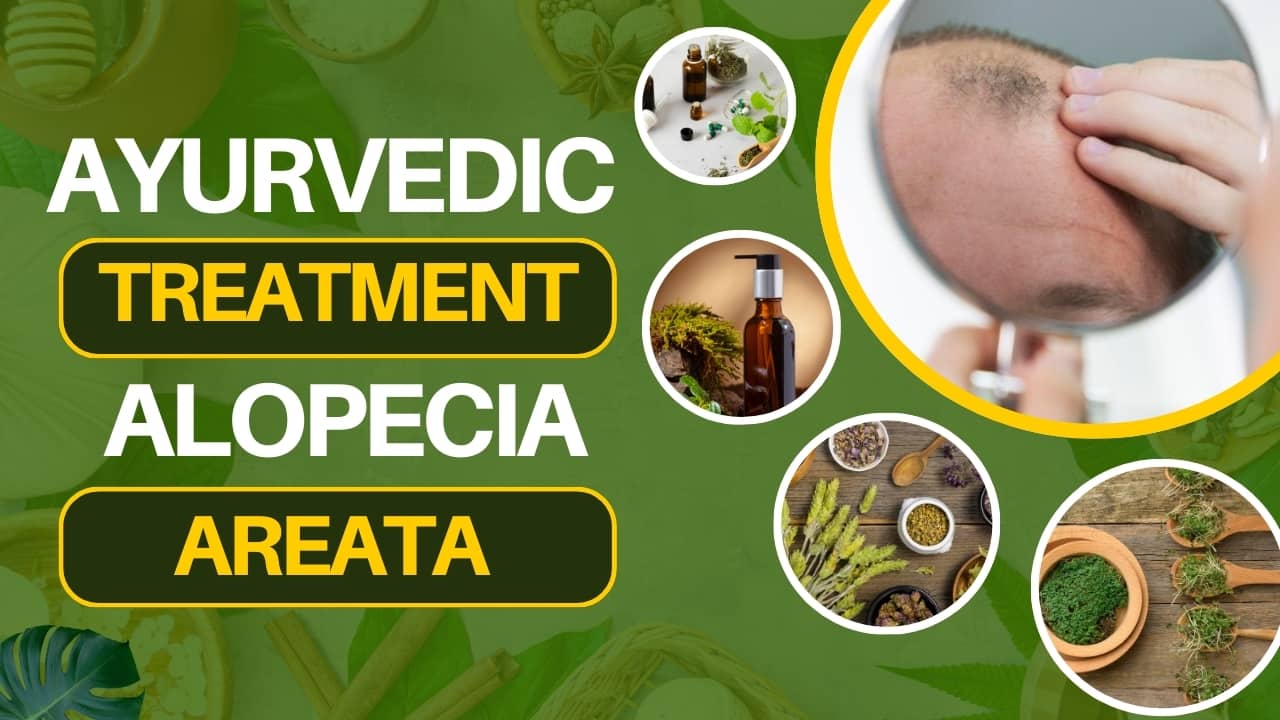
  • Alopecia Areata Treatment – Ayurvedic Medicine for Alopecia Areata

    Alopecia Areata Treatment – Ayurvedic Medicine for Alopecia Areata

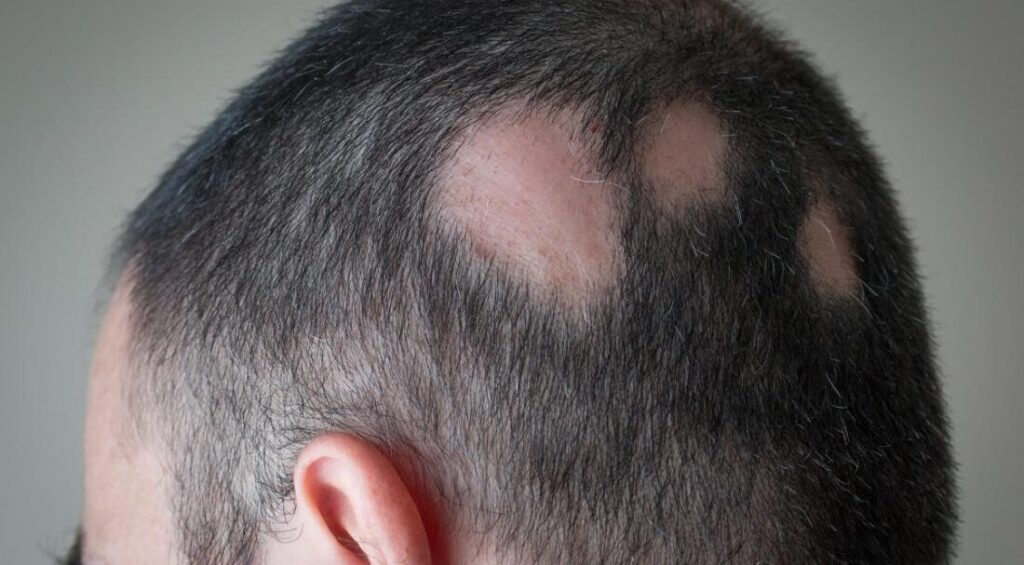
    alopecia areata treatment image

    Are you looking for secure and successful natural treatments for Alopecia Areata? You’re not by yourself. Millions of people worldwide are afflicted by this chronic illness, which results in unexpected hair loss. However, trust continues! Natural, holistic treatments are available in Ayurvedic medicine that may aid in the treatment of Alopecia Areata. We’ll go over Ayurvedic treatments, do-at-home solutions, and frequently asked concerns regarding Alopecia Areata in this blog. Together, we will take a step toward unlocking the potential of your hair.

    Conditions of Alopecia Areata

    In autoimmune conditions like alopecia areata, hair follicles are incorrectly attacked by the immune system, leading to hair loss. Anybody, regardless of age or gender, can be impacted by the illness. It normally starts sudden hair loss in small, circular areas on the scalp, but it can also develop to whole body hair loss (Alopecia Universalis) or total scalp hair loss (Alopecia Totalis).

    Alopecia Areata is thought to be caused by a combination of immunological, environmental, and biological variables, while the precise reason is yet unknown. Studies reveal that the condition may be brought on by or made worse by stress and trauma. For management and treatment to be effective, it is essential to understand these root causes.

    Smooth, round patches of hair loss, feeling or itching in the affected areas, and changes in the texture or appearance of the nails are all signs of alopecia areata. In order to stop additional deterioration and encourage hair regrowth, early identification and therapy are essential.

    Conditions of Alopecia Areata image

    Alopecia Areata Treatment

    Alopecia Areata treatment is multidisciplinary, covering the root of the problem as well as the symptoms. Typically, topical vaccinations, minoxidil, and corticosteroids are used as conventional treatments. Although these treatments have a high rate of success, they frequently have negative side effects and might not treat the underlying cause of the condition.
    An complete option, ayurvedic treatments for alopecia aretatia stress regulating the body’s energies (Pitta, Kapha, and Vata) to improve general health. Ayurveda is a holistic approach to solving Alopecia Areata since it treats the patient as a whole, not just the symptoms.

    Alopecia Areata can be successfully controlled with a combination of medical treatments and changes in lifestyle such regular exercise, a balanced diet, and stress management. Combining these methods can increase overall wellbeing and boost the results of treatments.

    Alopecia Areata Treatment

    Alopecia Areata Treatment Cream

    Alopecia Areata is frequently managed with topical treatments like lotions and lotions and creams These treatments seek to improve the scalp’s health, boost hair growth, and lessen irritation. Minoxidil, immunomodulators, and corticosteroid creams are a few of the most widely used alternatives.

    Creams containing corticosteroids help in reducing irritation and immune response suppression, which in certain situations might encourage hair growth. Long-term usage of these lotions, however, may cause severe negative effects, including skin thinning. It’s important to heed the advice of a medical professional and keep a careful eye on your development.

    Hair regrowth is promoted and the immune response is modified by immunomodulators such dinitrochlorobenzene (DNCB) and anthralin. Although there’s a chance of skin irritation and other adverse effects, some therapies can be somewhat successful. Before beginning any new treatment, always get advice from a medical practitioner.

    Reducing blood flow to the hair follicles is how minoxidil, a common over-the-counter medication, promotes hair growth. Though outcomes may vary and changes may not be seen for several months, it can be beneficial for certain people. Minoxidil use requires persistence and patience.

    Ayurvedic Medicine for Alopecia Areata

    Alopecia Areata can be managed naturally and comprehensively with the use of Ayurvedic medication. Ayurveda seeks to address the underlying cause of the issue and stimulate hair development by emphasizing the balancing of the body’s doshas and the promotion of general wellness. Herbal therapies, dietary adjustments, and lifestyle alterations are important aspects of Ayurvedic treatment.

    An important part of the Ayurvedic treatment for Alopecia Areata is the use of herbal treatments. A few of the best herbs are Amla, Brahmi, and Bhringraj. These herbs have a reputation for fortifying hair follicles, encouraging hair development, and enhancing scalp health. They can be utilized as supplements, oils, or powders, among other forms.

    In Ayurvedic treatment, changes in diet are also important. Hair growth and general health can be supported by a well-balanced diet high in vitamins, minerals, and antioxidants. Your regular meals should include foods like fruits, nuts, seeds, and leafy greens. Also, keeping a good balance of doshas can be achieved by avoiding processed foods, extra sugar, and harmful fats.

    Making lifestyle changes, such as exercising less stress as well as regular exercise, is essential for controlling alopecia areata. Stress reduction and general well-being can be improved by engaging in activities like yoga, meditation, and deep breathing. Ayurvedic treatments can be more effective if you include these techniques into your regular routine.

    Alopecia Areata Home Treatment

    Alopecia Areata home remedies might supplement Ayurvedic and conventional methods in controlling the problem. Hair growth and general health can be greatly enhanced by easy cures and lifestyle changes.

    Warm oil, such as castor, coconut, or almond oil, massaged into the scalp is a useful at-home remedy. Massaging nourishes the scalp, encourages hair development, and helps increase blood flow to the hair follicles. The advantages of the massage can be increased by adding essential oils like peppermint, lavender, or rosemary.
    Natural hair masks are another helpful at-home cure that you should try. We can supply vital nutrients and hydration to the scalp and hair with foods like yogurt, honey, aloe vera, and eggs. The health, strength, and gloss of hair can all be enhanced by regular use of these masks.

    For at-home management of Alopecia Areata, maintaining a healthy lifestyle is also essential. Make sure to maintain proper hydration, obtain adequate sleep, and exercise on a daily basis. The efficacy of various treatments can be enhanced and general well-being can be supported by these behaviors.

    Conclusion

    Even though Alopecia Areata can be difficult to manage, there are ways to encourage hair growth and enhance general health. Balancing the body’s doshas and treating the underlying cause of the ailment are the main goals of Ayurvedic medicine, which provides a comprehensive and natural alternative to traditional treatments.
    You may improve the health of your hair and your life by implementing Ayurvedic treatments, DIY cures, and lifestyle modifications. Remain dedicated to your selected course of action and don’t forget to get medical advice before beginning any additional treatments.

    Please schedule a consultation with an Ayurvedic practitioner if you would want to learn more about Ayurvedic therapies. As you travel the path to improved hair health, they may offer you individualized advice and assistance. Using Ayurvedic therapies for Alopecia Areata, rediscover the potential of your hair.

    Examples of Generic Medicines

    Generic medicines are cost-effective alternatives to brand-name drugs, containing the same active ingredients and offering similar therapeutic effects. Examples are

    1. Ibuprofen: A generic of Advil, used for pain relief and reducing inflammation.
    2. Metformin: A generic alternative to Glucophage, prescribed for managing type 2 diabetes.
    3. Amoxicillin: A generic form of Amoxil, used to treat bacterial infections.
    4. Simvastatin: A generic counterpart of Zocor, employed to lower cholesterol levels.
    5. Omeprazole: A generic of Prilosec, used to reduce stomach acid and treat acid-related conditions.

    FAQS on Alopecia Areata Treatment

    Q1. What is alopecia areata treatment?

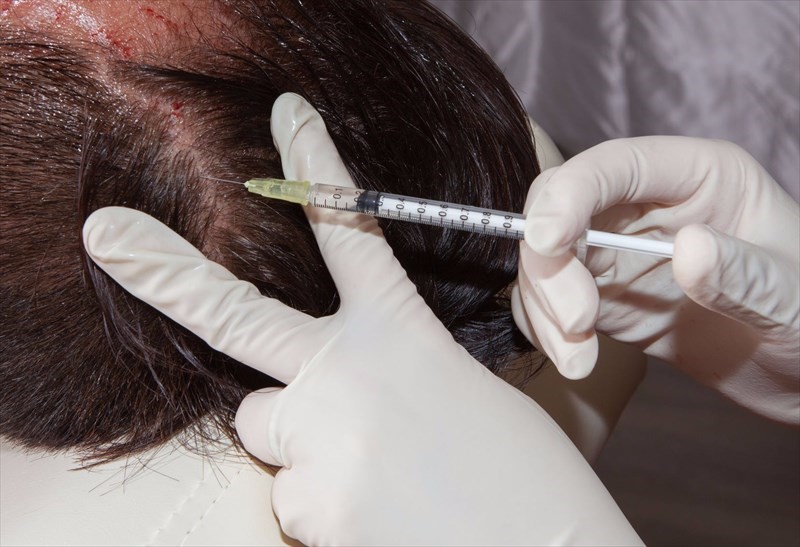
    Answer: Alopecia areata treatment involves various approaches to manage hair loss caused by autoimmune reactions. Options include corticosteroids (topical or injections), minoxidil, JAK inhibitors, and platelet-rich plasma therapy. Treatment choice depends on individual factors, and consultation with a healthcare provider is essential.

    Q2. What is the best treatment for alopecia areata?

    Answer: The best treatment for alopecia areata varies from person to person, depending on the severity and individual response. Dermatologist-recommended options include corticosteroids (topical or injections), JAK inhibitors, and topical immunotherapy.

    Q3. Is there a cure for alopecia areata?

    Answer: There is no guaranteed cure for alopecia areata, but various treatments can help manage and stimulate hair regrowth.

    Q4. Are there any natural remedies for alopecia areata?

    Answer: Some individuals explore natural remedies like essential oils and dietary changes, but their effectiveness varies, and it’s essential to consult a healthcare professional for a comprehensive treatment plan.

  • Home Remedies for Vertigo: Ayurvedic Treatment for Vertigo

    Home Remedies for Vertigo: Ayurvedic Treatment for Vertigo

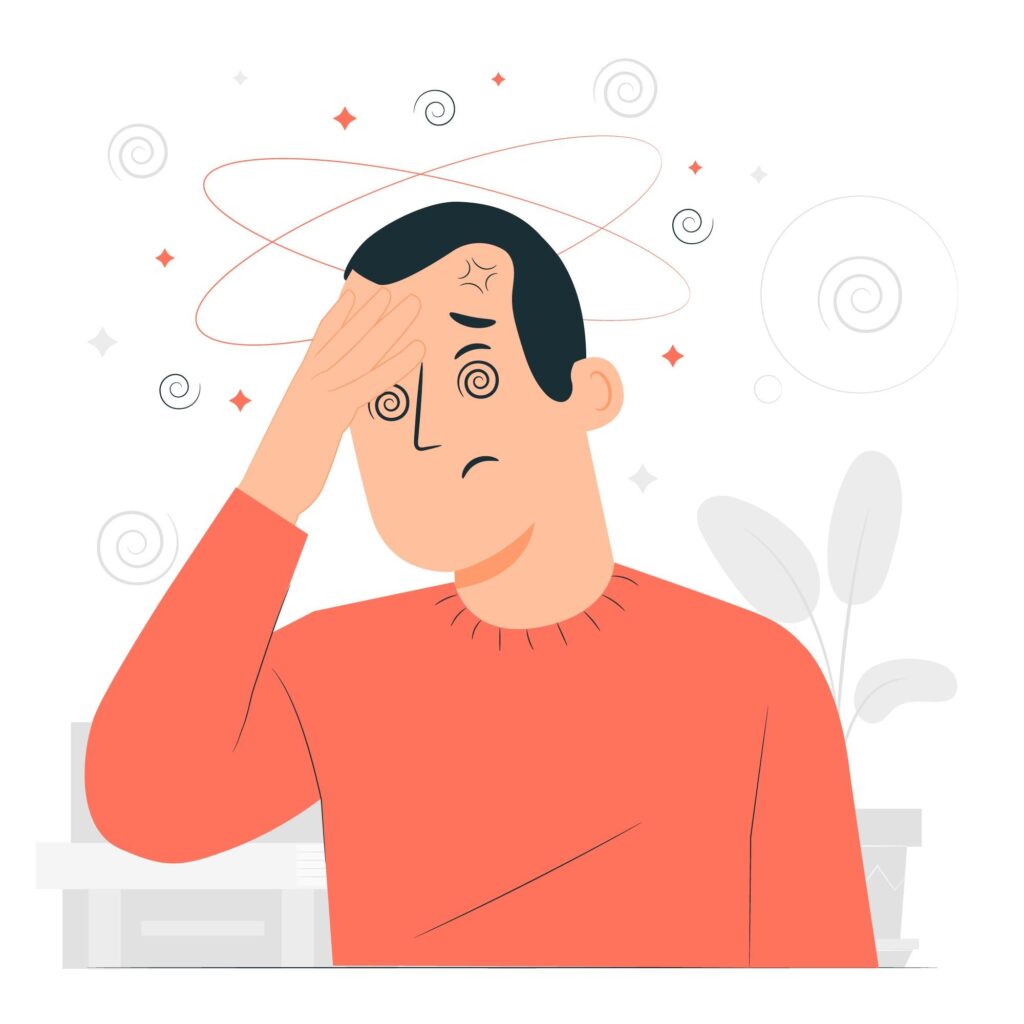
    Vertigo treatment refers to the medical or therapeutic approaches used to alleviate the symptoms of vertigo, a condition characterized by a false sensation of spinning or movement. It can strike suddenly, causing a spinning sensation that makes even simple tasks like standing or walking a challenge.

    While vertigo can be caused by various underlying conditions, the good news is that there are effective treatments available to help alleviate its symptoms and improve your quality of life.

    Vertigo is not a disease in itself, but rather a symptom of an underlying issue. It is often described as a spinning or whirling sensation as if the world around you is in motion when it’s not. This false sensation of movement can lead to dizziness, nausea, and a sense of unsteadiness.

    Types of Vertigo

    The two most common types of vertigo are:

    1. Peripheral Vertigo: This type of vertigo is typically caused by problems within the inner ear, such as benign paroxysmal positional vertigo (BPPV), Meniere’s disease, or vestibular neuritis.
    2. Central Vertigo: Central vertigo is usually the result of issues within the central nervous system, such as a brain injury, tumour, or multiple sclerosis.

    Vertigo Treatment

    Vertigo Treatment

    Treatment for vertigo depends on its underlying cause. Here are some of the most common vertigo treatment options:

    • Vestibular Rehabilitation: This is a specialized form of physical therapy that focuses on exercises and movements designed to improve your balance and reduce vertigo symptoms. A trained therapist can guide you through exercises that help your brain adapt to the false signals causing vertigo.
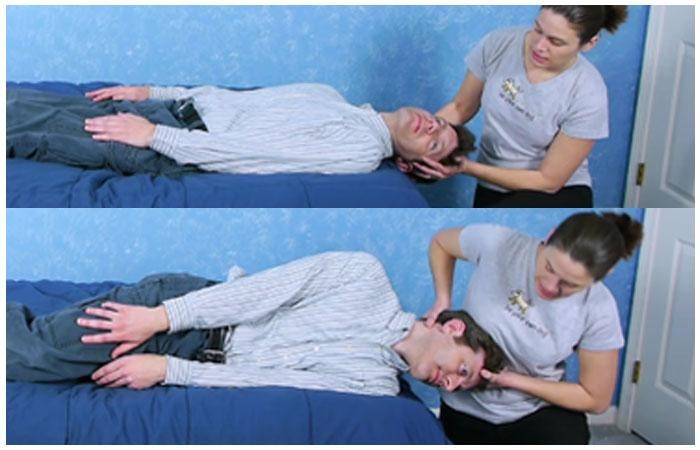
    • Epley Maneuver: If your vertigo is due to BPPV, a healthcare provider may perform or teach you the Epley manoeuvre. This series of head movements can reposition the displaced inner ear crystals, relieving vertigo symptoms.
    • Medications: In some cases, medications may be prescribed to alleviate vertigo symptoms or treat underlying causes. These medications can include antihistamines, antiemetics, and steroids.
    • Surgery: Surgery is typically considered a last resort for vertigo treatment and is reserved for cases where other treatments have been unsuccessful. Surgical options may include procedures to repair the inner ear, remove tumours, or alleviate pressure on the vestibular nerve.
    • Lifestyle and Dietary Changes: For conditions like Meniere’s disease, lifestyle modifications, such as reducing salt intake, may help manage symptoms. Avoiding known triggers, like caffeine and alcohol, can also be beneficial.
    • Vertigo Treatment at Home: Some people find relief from vertigo symptoms through home remedies like the Brandt-Daroff exercises, which can help with habituation to the false sensations of motion.

    Vertigo Treatment

    Benign Paroxysmal Positional Vertigo

    Benign Paroxysmal Positional Vertigo (BPPV) is a common and often unsettling vestibular disorder that results from the displacement of tiny calcium crystals (otoconia) within the inner ear’s semicircular canals. This displacement can lead to brief but intense vertigo episodes triggered by specific head movements, such as rolling over in bed or looking up.

    > Consult a doctor and Order Medicine Online

    Benign Paroxysmal Positional Vertigo Treatment

    Benign Paroxysmal Positional Vertigo treatment is available and the choice of treatment depends on factors such as the severity of your symptoms and the underlying cause. Here are some of the most common benign paroxysmal positional vertigo treatment approaches:

    • Epley Maneuver (Canalith Repositioning Procedure): This is the most widely recognized and successful Benign Paroxysmal Positional Vertigo treatment. A healthcare provider or physical therapist performs a series of carefully controlled head and body movements to guide the displaced otoconia back into the utricle of the inner ear. This manoeuvre helps to reduce or eliminate vertigo symptoms in a matter of minutes. In many cases, patients experience immediate relief, though some may require multiple sessions.
    • Semont Maneuver: Similar to the Epley manoeuvre, the Semont manoeuvre is designed to move displaced otoliths out of the semicircular canals. This manoeuvre involves a quick change in body position while sitting on the edge of a bed.
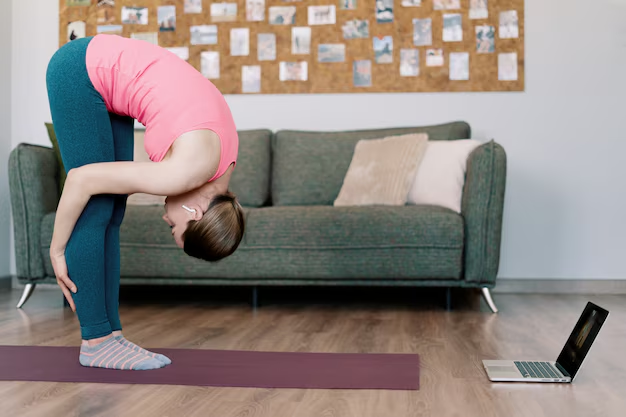
    • Home Exercises: In some cases, healthcare providers may teach patients how to perform certain BPPV exercises at home, such as the Brandt-Daroff exercises. These exercises can help habituate your brain to the unusual signals from the inner ear and reduce the frequency and intensity of vertigo episodes.
    • Medication: Medications are not typically the first-line treatment for BPPV, but they may be prescribed in cases where other treatments are not effective or if the vertigo is severe. These medications are often used to control nausea and dizziness symptoms.

    Home Exercises

    Conclusion:

    Vertigo can be a debilitating condition, but with the right treatment, it’s often manageable. If you experience recurring or severe vertigo symptoms, it’s crucial to seek medical attention to determine the underlying cause and explore appropriate treatment options.

    Whether it’s physical therapy, medication, or lifestyle changes, finding the right approach to manage your vertigo can help you regain your balance and improve your overall quality of life.
    Read: What are Generic Medicines?

    Definition of Generic Medicine

    Generic medicine refers to a pharmaceutical product that is equivalent to a brand-name medication in terms of its active ingredients, dosage, strength, route of administration, and intended use.

    While brand-name drugs are developed and patented by pharmaceutical companies, generic medicines are produced and sold after the patent expires. They are often more affordable than their brand-name counterparts and must meet strict regulatory standards to ensure safety, quality, and effectiveness.

    FAQs on Vertigo Treatment

    Q1. What is vertigo treatment?

    Vertigo treatment involves addressing the underlying cause and managing its symptoms. Common treatments include the Epley manoeuvre to reposition inner ear crystals, medication for symptom relief, and vestibular rehabilitation exercises to improve balance and reduce dizziness. The choice of vertigo treatment depends on the type and severity of vertigo.

    Q2. What is vertigo treatment at home?

    Vertigo treatment at home includes specific exercises like Brandt-Daroff manoeuvres, maintaining hydration, and minimizing triggers. While effective for some, it’s crucial to consult a healthcare professional for a proper diagnosis.

    Q3. What is cervical vertigo treatment?

    Cervical vertigo treatment focuses on addressing neck-related issues causing dizziness. Physical therapy and exercises to improve neck mobility and strength are often employed. Pain management techniques and lifestyle adjustments may also be recommended to alleviate symptoms.

    Q4. What is the Ayurvedic treatment for vertigo?

    Ayurvedic treatment for vertigo emphasizes herbal remedies, dietary adjustments, and holistic therapies to balance doshas and alleviate vertigo symptoms, tailored to individual constitution and causes.

    Related Links:

  • Best Uric Acid Treatment at Home – How to Cure Uric Acid Permanently?

    Best Uric Acid Treatment at Home – How to Cure Uric Acid Permanently?

    Best Uric Acid Treatment at Home – How to Cure Uric Acid Permanently?

    Uric acid treatment refers to medical interventions and lifestyle changes aimed at managing and reducing high levels of uric acid in the body. Elevated uric acid levels can lead to health issues like gout and kidney stones.

    Uric acid is a naturally occurring waste product that results from the breakdown of purines, substances found in foods and produced by the body. Typically, the body eliminates uric acid through urine. However, when uric acid levels become too high, it can lead to a state known as hyperuricemia.

    Causes For High Uric Acid Levels

    Before diving into the uric acid treatment options, it’s important to grasp the causes of elevated uric acid levels. Numerous elements may play a role in the development of this ailment:

    • Diet: Consuming purine-rich foods like red meat and seafood.
    • Genetics: A family history of high uric acid can increase the risk.
    • Medications: Certain drugs, such as diuretics, can raise uric acid levels.
    • Health Conditions: Conditions like obesity, hypertension, and metabolic syndrome.
    • Dehydration: Insufficient fluid intake can hinder uric acid excretion.
    • Alcohol: Excessive alcohol consumption, particularly beer, can elevate uric acid.

    High Uric Acid Treatment

    Managing high uric acid levels involves a combination of lifestyle changes, dietary adjustments, and, in some cases, medication. Here are some effective strategies for treating hyperuricemia:

    1. Dietary Modifications

    • Limit Purine-Rich Foods: Reduce or eliminate foods high in purines, such as red meat, organ meats, shellfish, and alcoholic beverages, especially beer.
    • Increase Water Intake: Staying well-hydrated helps dilute uric acid in the bloodstream and supports its excretion through urine.
    • Embrace a Balanced Diet: Focus on consuming a diet rich in fruits, vegetables, whole grains, and low-fat dairy products.

    2. Lifestyle Changes

    • Maintain a Healthy Weight: Losing excess weight can reduce uric acid production and decrease the risk of gout attacks.
    • Exercise Regularly: Engaging in regular physical activity not only aids in weight management but also improves overall metabolic health.
    • Limit Alcohol Consumption: Alcohol can raise uric acid levels, so it’s wise to moderate or eliminate alcohol intake.
    • Avoid Crash Diets: Rapid weight loss diets can trigger the release of uric acid, increasing the risk of gout attacks.

    3. Medication

    • Allopurinol and Febuxostat: These medications are known as xanthine oxidase inhibitors and work by reducing uric acid production in the body.
    • Probenecid: This medication increases uric acid excretion through the kidneys.
    • Colchicine and NSAIDs: These are often prescribed to manage pain and inflammation during gout attacks.
    • Pegloticase: Reserved for severe cases, this medication helps break down uric acid.

    > Consult a Doctor and Medkart will help you Order Medicines Online

    Uric Acid Treatment at Home

    Managing high uric acid levels at home can be an effective complement to medical treatment and lifestyle changes. Here are some high uric acid home remedies and lifestyle adjustments:

    • Stay Hydrated: Adequate water intake is crucial for flushing out excess uric acid from the body. Strive to consume a minimum of 8 to 10 glasses of water every day.
    • Cherries: Cherries, particularly tart cherries, have been associated with lower uric acid levels. Incorporate fresh cherries or cherry juice into your diet.
    • Baking Soda: A small amount of baking soda (half a teaspoon) mixed in a glass of water can help alkalize the urine, making it easier for the body to eliminate uric acid.
    • Low-Purine Diet: Avoid or limit high-purine foods like red meat, organic meats, seafood, and beer. Opt for low-purine options like vegetables, fruits, and whole grains.
    • Apple Cider Vinegar: Some people find relief from drinking diluted apple cider vinegar daily, as it may help alkalize the body and reduce uric acid levels.
    • Lemon Juice: Lemon juice can be beneficial due to its alkalizing properties. Squeeze fresh lemon juice into water and drink it regularly.
    • Celery Seed Extract: Some herbal supplements, like celery seed extract, may help lower uric acid levels, but consult your healthcare provider before using them.
    • Limit Alcohol: Alcohol can raise uric acid levels, so consider reducing or eliminating alcohol consumption.
    • Weight Management: Achieving and maintaining a healthy weight can significantly reduce uric acid production.
    • Exercise: Regular physical activity not only helps with weight management but also improves overall metabolic health, which can help control uric acid levels.

    Uric Acid Treatment in Ayurveda

    Ayurveda, the ancient Indian system of medicine, offers holistic approaches to managing uric acid levels. Ayurvedic treatments focus on balancing bodily energies (doshas) and improving overall health.

    Herbs like giloy, guggulu, and triphala are commonly used to detoxify the body and reduce uric acid. Dietary recommendations include avoiding high-purine foods and favouring anti-inflammatory ingredients like ginger and turmeric.

    Panchakarma therapies, such as virechana (purgation) and basti (enema), can help eliminate excess uric acid. Ayurveda’s emphasis on individualized treatments makes it a valuable option for those seeking natural ways to address uric acid issues, but consultation with an experienced Ayurvedic practitioner is essential for a tailored approach.

    Conclusion

    High uric acid levels can lead to painful and debilitating conditions like gout. However, with the right treatment approach, individuals can effectively manage and lower their uric acid levels.

    Remember that lifestyle changes, including dietary modifications and regular exercise, play a vital role in controlling hyperuricemia. Moreover, medication may be necessary in some cases, and consulting a healthcare professional is essential for tailored treatment plans.

    Read: What are Generic Medicines?

    Benefits of Generic Medicine

    Generic medicines offer a range of benefits. They are more affordable than their brand-name counterparts, making healthcare more accessible to a wider population. These drugs are just as safe and effective, as they undergo rigorous testing and regulation to ensure their quality.

    Generic medications also promote competition in the pharmaceutical industry, driving down prices further. With the same active ingredients, generic drugs are a cost-effective and equally reliable alternative to brand-name medications, allowing individuals to receive necessary treatments without straining their budgets.

    FAQs on Uric Acid Treatment

    Q1. What is uric acid treatment?

    Uric acid treatment involves lifestyle modifications like dietary changes, weight management, and hydration to lower elevated uric acid levels. Medications, such as xanthine oxidase inhibitors or uricosuric agents, may be prescribed by a healthcare professional to further control uric acid production or enhance its elimination.

    Q2. Can dietary changes alone effectively lower uric acid levels?

    While dietary modifications can help reduce uric acid, they are often insufficient for individuals with severe hyperuricemia. Medications like allopurinol or probenecid may be necessary for more effective control.

    Q3. What are the best home remedies for uric acid?

    The best home remedies for uric acid are listed below:

    Cherry Juice: Consuming tart cherry juice may help lower uric acid levels due to its anti-inflammatory properties.

    Apple Cider Vinegar: Some people find relief by mixing a teaspoon of apple cider vinegar with water and drinking it regularly, as it may help alkalize the body and reduce uric acid. However, consult a healthcare provider before starting any home remedy.

    Q4. How to cure uric acid permanently?

    To control uric acid, adopt a low-purine diet by reducing the consumption of high-purine foods like red meat and alcohol while favouring fruits, vegetables, and whole grains. Stay well-hydrated by drinking plenty of water to help the body effectively flush out excess uric acid.

    Related Links:

    Blog | Medkart Pharmacy - Generic Medicine Online

  • Best Home Remedies for Premature Ejaculation

    Best Home Remedies for Premature Ejaculation

    Home Remedies for Premature Ejaculation

    Premature ejaculation treatment refers to the various strategies and approaches aimed at helping individuals who experience premature ejaculation, a condition where ejaculation occurs sooner than desired during sexual activity.

    The goal of premature ejaculation treatment is to increase the individual’s control over ejaculation, improve sexual satisfaction, and alleviate any emotional distress or relationship issues associated with PE.

    Premature ejaculation can lead to frustration, anxiety, and relationship problems. However, the good news is that there are effective Premature ejaculation treatments available to help you gain control over your ejaculation and enjoy a more satisfying and fulfilling sexual life.

    Causes of Premature Ejaculation

    The possible causes of Premature Ejaculation are as follows:

    • Psychological Factors: Anxiety, stress, depression, or relationship problems can contribute to premature ejaculation.
    • Biological Factors: Certain medical conditions, hormonal imbalances, and abnormalities in the neurotransmitters responsible for ejaculation can lead to PE.
    • Behavioral Factors: Learned behaviour patterns, such as rushing through sexual encounters, can contribute to premature ejaculation.

    Premature Ejaculation Diagnosis

    Premature Ejaculation Diagnosis

    Diagnosing premature ejaculation typically involves a comprehensive evaluation that takes into account both physical and psychological factors. The steps involved in the diagnostic process are as follows:

    Medical History: Your healthcare provider will begin by taking a detailed medical history, including questions about your sexual history, any underlying medical conditions, medications you are taking, and any recent life changes or stressors.

    Physical Examination: A physical examination may be performed to rule out any physical causes of premature ejaculation, such as hormonal imbalances or prostate issues.

    Psychological Assessment: Your healthcare provider may ask questions about your mental and emotional well-being, as anxiety, stress, and relationship issues can contribute to premature ejaculation.

    Premature Ejaculation Assessment: To determine if you have PE, your healthcare provider may use specific diagnostic criteria, such as the “Diagnostic and Statistical Manual of Mental Disorders (DSM-5)” criteria. PE is diagnosed when ejaculation regularly occurs within one minute of penetration and causes distress.

    Other Tests: In some cases, additional tests, such as blood tests or neurological evaluations, may be conducted to rule out underlying medical conditions contributing to PE.

    > Consult a doctor and Order Medicine Online

    Premature Ejaculation Treatment

    The Best Home Remedies and treatments for Premature Ejaculation are as follows:

    Behavioural Techniques:

    • The Start-Stop Technique: This involves pausing sexual activity when you feel like you’re getting close to ejaculation and resuming once the urge subsides. This technique helps you gain more control over your arousal.
    • The Squeeze Technique: Similar to the start-stop method, this technique involves squeezing the base of the penis for about 30 seconds when you feel you’re about to climax. This can delay ejaculation and allow for more extended sexual activity.

    Kegel Exercises: These exercises strengthen the pelvic floor muscles, which play a crucial role in ejaculation control. Regular practice of Kegel exercises can improve your ability to delay ejaculation.

    Medications:

    • Topical Anesthetics: Over-the-counter or prescription numbing creams or sprays can be applied to the penis to reduce sensitivity and delay ejaculation.
    • Selective Serotonin Reuptake Inhibitors (SSRIs): Some antidepressant medications, like sertraline or dapoxetine, have been found to help delay ejaculation when taken before sexual activity.

    Psychological Counseling: Therapy, such as cognitive-behavioural therapy (CBT) or sex therapy, can be beneficial for addressing the underlying psychological factors contributing to premature ejaculation. Counselling can help you manage anxiety, stress, and relationship issues.

    Prescription Medications: In some cases, your healthcare provider may prescribe medications that affect serotonin levels in the brain, like SSRIs or tricyclic antidepressants, to help delay ejaculation. These should only be used under medical supervision.

    Natural Supplements: Some natural supplements, such as ginseng or L-arginine, have been explored as potential treatments for PE. However, their effectiveness is still debated, and it’s crucial to consult with a healthcare professional before using them.

    In some men, premature ejaculation is linked with performance anxiety or difficulty in maintaining erections. In such cases, doctors may recommend a PDE5 inhibitor like Vigora 100mg Tablet/Tadacip 20mg Tablet, which helps improve blood flow and enhance erection quality. While it’s not a direct treatment for PE, improving erection confidence can sometimes help delay climax. Always use under medical guidance.

    Note: Vigora 100mg is not a primary treatment for premature ejaculation but may be used alongside other therapies if erectile dysfunction is also present. Consult your doctor for a tailored approach.

    Conclusion:

    Premature ejaculation is a common concern, but it’s treatable. The right approach to treatment depends on the underlying causes and your individual needs. It’s essential to remember that seeking help for premature ejaculation is a positive step towards a healthier, more satisfying sex life and improved overall well-being.

    Don’t hesitate to consult with a healthcare professional or a therapist who specializes in sexual health to explore the most suitable treatment options for you. With the right strategies and support, you can gain control over your ejaculation and enjoy a more fulfilling sexual experience.

    Read: What are Generic Medicines?

    Why do Generic And Brand Name Drugs Look Different?

    Generic and brand-name drugs may appear different due to variations in their appearance, such as colour, shape, or packaging. This is primarily because generic drugs are required to meet the same safety, quality, and efficacy standards as their brand-name counterparts but are often produced by different manufacturers.

    The variations in appearance are permitted by regulatory agencies to distinguish between different manufacturers’ products while ensuring that the active ingredients remain identical, allowing consumers to access affordable alternatives without compromising on quality.

    FAQs on Premature Ejaculation Treatment

    Q1: What is premature ejaculation treatment?

    Premature ejaculation treatment involves various approaches, including behavioural techniques (e.g., start-stop and squeeze techniques), medications (such as SSRIs and topical anaesthetics), and psychological counselling (like CBT or sex therapy). The choice of treatment depends on individual needs, and a healthcare provider can provide personalized guidance to improve ejaculatory control and enhance sexual satisfaction.

    Q2: What are the common medications used to treat premature ejaculation?

    Common medications for premature ejaculation include selective serotonin reuptake inhibitors (SSRIs) like sertraline and dapoxetine, as well as topical anaesthetics that reduce sensitivity.

    Q3: What are the best home remedies for premature ejaculation?

    Effective home remedies for premature ejaculation include practising pelvic floor exercises (Kegels), engaging in mindfulness and relaxation techniques to reduce anxiety, and maintaining a healthy lifestyle with regular exercise and a balanced diet. These remedies can help improve ejaculatory control and overall sexual performance. Some individuals explore natural supplements like ginseng and L-arginine, but their effectiveness varies, and it’s important to consult a healthcare professional before using them.

    Q4: Can psychological counselling help with premature ejaculation?

    Yes, psychological counselling, such as cognitive-behavioural therapy, can be beneficial for addressing the psychological factors contributing to premature ejaculation, helping manage anxiety, stress, and relationship issues.

    Related Links:

  • Phimosis Treatment and Diagnosis: Causes, Symptoms of Phimosis

    Phimosis Treatment and Diagnosis: Causes, Symptoms of Phimosis

    Phimosis treatment involves various medical approaches aimed at alleviating the discomfort and functional limitations associated with this condition. Phimosis refers to a medical condition in which the foreskin of the penis cannot be retracted over the glans (head).

    This condition can cause discomfort, and pain, and even interfere with daily activities and intimate relationships. However, the good news is that phimosis is treatable, and there are several options available to regain comfort and confidence.

    Phimosis Treatment

    Phimosis Treatment

    The Treatment of Phimosis is as follows:

    • Topical Steroids: In cases of mild phimosis, a doctor may prescribe topical corticosteroid creams. These creams can help reduce inflammation and gradually soften the foreskin, making it easier to retract. Patients should follow their doctor’s instructions carefully when using these creams.
    • Stretching Exercises: Gentle stretching exercises, under medical supervision, can be effective in treating mild to moderate phimosis. This involves manually stretching the foreskin to gradually increase its flexibility. It’s essential to be cautious and not force the foreskin, as this can cause injury.
    • Circumcision: In more severe cases of phimosis or when conservative treatments have not been successful, circumcision may be recommended. Circumcision is a surgical operation that entails the complete removal of the foreskin. It is a permanent solution and can effectively treat phimosis.
    • Preputioplasty: This is a surgical procedure that preserves the foreskin while making a small incision to widen the opening. Preputioplasty is less invasive than circumcision and may be preferred by some individuals who wish to retain their foreskin.
    • Dorsal Slit: Another surgical option is a dorsal slit, where a small incision is made on the top of the foreskin to create a larger opening. This procedure can also help alleviate the symptoms of phimosis while preserving most of the foreskin.

    If you suspect you have phimosis or are experiencing symptoms such as pain, discomfort, or difficulty retracting the foreskin, it’s crucial to seek medical advice. A healthcare provider can diagnose the type and severity of phimosis and recommend the most appropriate treatment option based on individual circumstances.

    Phimosis Causes

    Phimosis can be caused by various factors, and its symptoms can range from mild discomfort to more severe complications.

    Physiological Phimosis: In infants and young children, it’s normal for the foreskin to be tight, resulting in a natural inability to retract it. This condition usually resolves as the child grows and the foreskin gradually becomes more flexible.

    Pathological Phimosis: This form of phimosis can occur due to several reasons, including:

    • Infections: Infections of the foreskin or urinary tract can lead to scarring and tightening of the foreskin.
    • Inflammation: Conditions like balanitis (inflammation of the glans) or balanoposthitis (inflammation of the glans and foreskin) can contribute to phimosis.
    • Injury: Trauma to the foreskin, such as repeated forceful retraction, can cause scarring and narrowing.
    • Underlying Medical Conditions: Some individuals may have a predisposition to phimosis due to conditions like lichen sclerosis, a chronic skin disorder that affects the genitals.

    Symptoms of Phimosis

    The symptoms of phimosis can vary depending on its severity. Common symptoms include:

    • Difficulty Retracting the Foreskin: The primary symptom is the inability to pull back the foreskin over the glans. In mild cases, this may only be noticeable during an erection.
    • Pain and Discomfort: Attempting to retract the foreskin can lead to pain, discomfort, or a tight, constricting sensation.
    • Swelling and Redness: Inflammation and irritation of the foreskin can result in swelling and redness.
    • Difficulty Urinating: Severe phimosis can obstruct the flow of urine, leading to difficulty and discomfort during urination.
    • Recurrent Infections: Phimosis can increase the risk of recurrent infections of the urinary tract or foreskin due to poor hygiene and trapping of bacteria.
    • Painful Erections: Individuals with phimosis may experience pain or discomfort during erections.
    • Frequent Urinary Tract Infections (UTIs): In some cases, recurrent UTIs may occur due to the difficulty in maintaining proper genital hygiene.

    It’s essential to seek medical attention if you experience symptoms of phimosis. A healthcare provider can diagnose the condition and recommend an appropriate treatment plan, which may include topical steroids, stretching exercises, surgery (such as circumcision or preputioplasty), or other interventions to alleviate discomfort and improve overall penile health. Early diagnosis and intervention can prevent complications and improve the quality of life for those affected by phimosis.

    > Consult a doctor and Order Medicine Online

    Diagnosing Phimosis

    Diagnosing phimosis typically involves a physical examination by a healthcare provider. During this examination, the doctor assesses the ability to retract the foreskin over the glans (head) of the penis.

    They may also inquire about symptoms such as pain, discomfort, or difficulty urinating. In some cases, additional tests, such as urine analysis or swabs to rule out infections, may be conducted. The type and severity of phimosis are determined during this evaluation, guiding the selection of an appropriate treatment plan.

    Conclusion:

    Phimosis treatment is essential for those affected by this condition, as it can significantly improve their quality of life. Whether it’s through topical steroids, stretching exercises, circumcision, preputioplasty, or a dorsal slit procedure, there are various effective treatment options available.

    It’s important to consult with a healthcare specialist to determine the most suitable procedure for your specific situation. With the right treatment, individuals can regain comfort and confidence in their daily lives and relationships. Remember, there is no need to suffer in silence when effective phimosis treatments are available.

    Read: What are Generic Medicines?

    Are generic drugs as safe as brand-name drugs?

    Generic drugs are generally as safe and effective as their brand-name counterparts. They contain the same active ingredients, undergo rigorous CDSCO testing for quality, safety, and efficacy, and are required to meet the same standards.

    Generic drugs are often more affordable because they don’t carry the marketing and research costs of brand-name drugs. However, minor differences in inactive ingredients can affect absorption or tolerability for a small number of individuals. In most cases, they offer a safe and cost-effective alternative.

    FAQs on Phimosis Treatment

    Q1: What is phimosis treatment?

    Phimosis treatment typically involves topical steroids or stretching exercises for mild cases. In more severe instances, surgical options like circumcision, preputioplasty, or dorsal slit procedures may be recommended to alleviate symptoms and improve penile health. Consulting with a healthcare provider is essential to determine the most suitable treatment approach.

    Q2: Can phimosis be treated without surgery?

    Yes, mild to moderate cases of phimosis can often be treated without surgery through methods like topical steroids and gentle stretching exercises, under medical supervision.

    Q3: Is circumcision the only surgical option for severe phimosis?

    No, besides circumcision, there are less invasive surgical options like preputioplasty and dorsal slit procedures that can address severe phimosis while preserving some or all of the foreskin.

    Related Links:

  • Treatment of MPox: Prevention and Home Remedies of Monkeypox

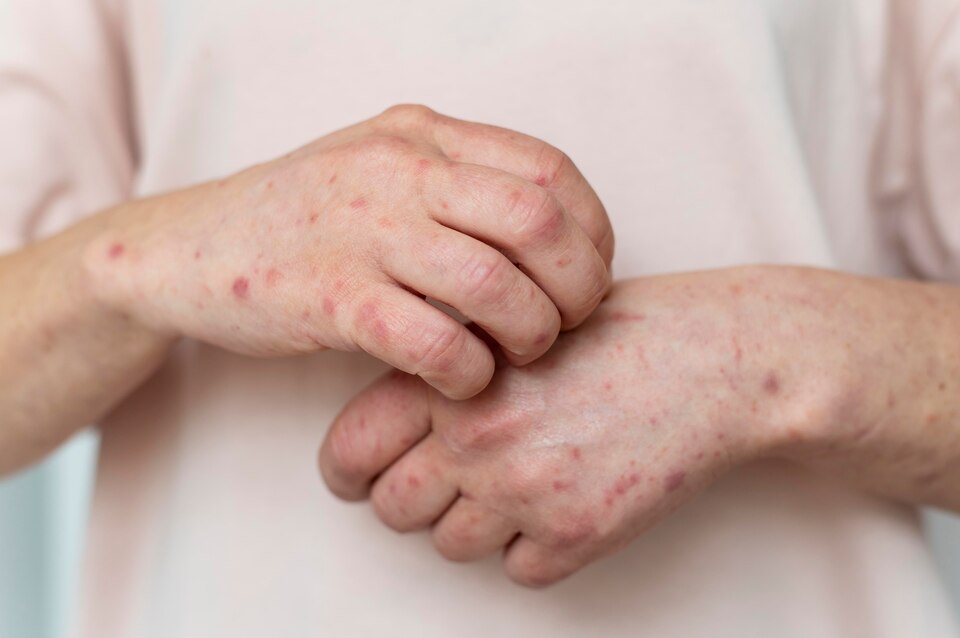
    monkey pox treatmentMonkeypox treatment involves supportive care to manage symptoms, such as fever and pain relief, isolation to prevent transmission, and wound care for skin lesions. Mpox is a rare viral disease with origins in Central and West Africa.

    Monkeypox treatment has been a topic of concern for both healthcare professionals and the general public. While it shares similarities with its more notorious cousin, smallpox, monkeypox is generally less severe. However, understanding how to manage and treat this illness is crucial for those affected.

    Monkeypox Treatment

    Mpox treatment typically requires a multifaceted approach to address the wide range of symptoms and potential complications. Here, we delve into the crucial aspects of managing Monkeypox:

    1. Supportive Care – Easing the Journey

    At the heart of Mpox treatment lies supportive care. This encompasses a variety of measures aimed at alleviating symptoms and maintaining the patient’s overall well-being:

    • Hydration: Fever is a common symptom of Monkeypox, which can lead to dehydration. Adequate fluid intake is crucial to counteract this effect and prevent complications.
    • Fever and Pain Management: Over-the-counter medications like acetaminophen (paracetamol) can help reduce fever and alleviate pain and discomfort.

    2. Antiviral Medications – Targeting the Virus

    In severe cases of Monkeypox, antiviral medications may be considered. One such medication is cidofovir, which has shown potential in reducing the severity and duration of symptoms. However, its application is closely observed and regulated owing to the possible occurrence of adverse effects.

    3. The Role of Vaccination – A Line of Defense

    While no specific Monkeypox vaccine exists, the smallpox vaccine, which contains a related virus called vaccinia, may provide some degree of cross-protection. However, it’s essential to note that routine smallpox vaccination programs have been discontinued globally.

    4. Infection Control – Preventing Further Spread

    Limiting the transmission of Monkeypox is paramount. Rigorous infection control measures should be implemented in healthcare settings, and isolation of infected individuals is essential. Healthcare workers and caregivers should wear Personal Protective Equipment (PPE) to minimize the risk of transmission.

    5. Wound Care – Tending to Skin Lesions

    Proper care of skin lesions associated with Monkeypox is vital for healing and preventing secondary infections. This includes keeping the lesions clean and dry and using antiseptic solutions.

    6. Hospitalization and Monitoring – Critical Care

    Severe cases of Monkeypox may necessitate hospitalization for close monitoring and specialized care. Patients with respiratory distress or other life-threatening complications require immediate medical attention.

    Prevention of Mpox

    While Monkeypox treatment is vital, prevention remains the primary strategy. Given that Monkeypox is zoonotic, meaning it can be transmitted from animals to humans, avoiding direct contact with potential carriers such as rodents and primates is crucial for preventing infection.

    > Consult a doctor and Order Medicine Online

    Monkeypox Treatment at Home

    Monkeypox mild cases can be managed at home with careful self-care. If you or a loved one has been diagnosed with monkeypox, here are some key steps to consider as Monkeypox treatment at home:

    • Isolation: To prevent the spread of the virus, the infected person should be isolated from others, preferably in a separate room with a bathroom. Close contact with family members and pets should be minimized.
    • Hydration: Drinking plenty of fluids is crucial to prevent dehydration, especially if there’s a fever. Water, clear broths, and oral rehydration solutions can help maintain hydration levels.
    • Fever Management: Over-the-counter fever-reducing medications like acetaminophen (paracetamol) can be used as directed to alleviate discomfort and reduce fever.
    • Pain Relief: Over-the-counter pain relievers can also help manage aches and pains associated with monkeypox.
    • Wound Care: Keep skin lesions clean and dry. Use antiseptic solutions and cover open sores with sterile dressings to prevent infection.
    • Rest and Monitoring: Rest is essential for recovery. Monitor symptoms closely, and seek medical attention if they worsen or if respiratory or neurological symptoms develop.

    Remember that while home care can manage mild cases, severe monkeypox requires immediate medical attention. It is crucial to always seek the advice of a qualified healthcare practitioner when dealing with your individual circumstances.

    Conclusion:

    While monkeypox is generally a self-limiting disease, it can be severe, especially in individuals with compromised immune systems. Understanding the various facets of monkeypox treatment is essential for healthcare professionals and those affected by the disease.

    Early recognition of symptoms, prompt medical attention, and adherence to treatment protocols can make a significant difference in alleviating symptoms, reducing complications, and speeding up recovery. As we continue to learn more about this rare virus, staying informed about the latest developments in mpox treatment remains a critical part of our collective health efforts.

    Read: What are Generic Medicines?

    What is Generic Medicine?

    A generic medicine is a pharmaceutical product that contains the same active ingredients, dosage form, strength, and intended use as a brand-name drug. However, unlike branded medications, generics are typically produced and sold after the patent on the original drug expires.

    Generic drugs are equivalent in quality, safety, and efficacy but are often more affordable because generic manufacturers don’t bear the costs of research, development, and marketing. Generic drugs must meet strict regulatory standards to ensure they are as effective and safe as their brand-name counterparts.

    FAQs on Monkeypox Treatment

    Q1. What is monkeypox treatment?

    Monkeypox treatment typically involves supportive care to manage symptoms, such as fever and pain relief, injury care for skin lesions, and isolation to prevent information. In severe cases, antiviral medications like cidofovir may be considered, and hospitalization may be necessary for close monitoring and specialized care. Prevention through vaccination and avoiding contact with potential animal carriers is also crucial.

    Q2. Can monkeypox be treated at home?

    Mild cases of monkeypox can be managed at home with isolation, hydration, and over-the-counter medications for fever and pain. However, severe cases require medical attention.

    Q3. Are there specific antiviral drugs for monkeypox?

    Cidofovir, an antiviral medication, has been used in some cases to treat monkeypox. Its use is carefully monitored due to potential side effects.

    Q4. Is there a vaccine for monkeypox?

    While there is no specific monkeypox vaccine, the smallpox vaccine can provide partial cross-protection. However, routine smallpox vaccination programs have been discontinued globally.

    Related Links: