Blog

  • Understanding Grade 1, 2 and 3 Fatty Liver: Symptoms and Prevention Techniques

    Understanding Grade 1, 2 and 3 Fatty Liver: Symptoms and Prevention Techniques

    Understanding Grade 1, 2 and 3 Fatty Liver image

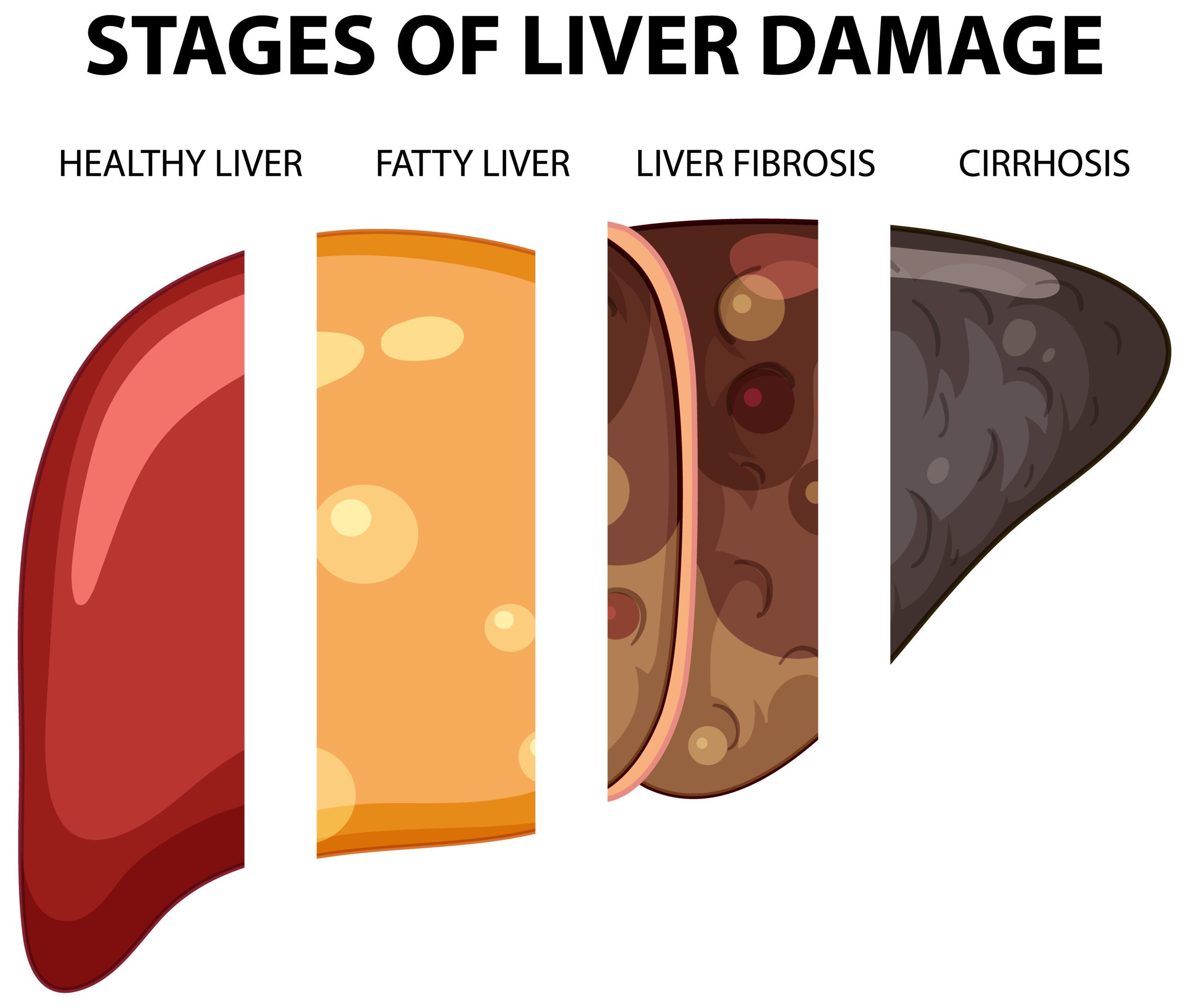
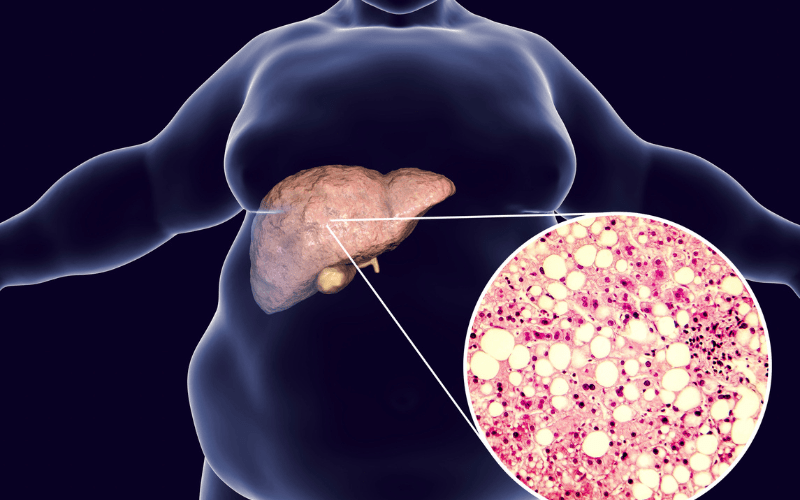
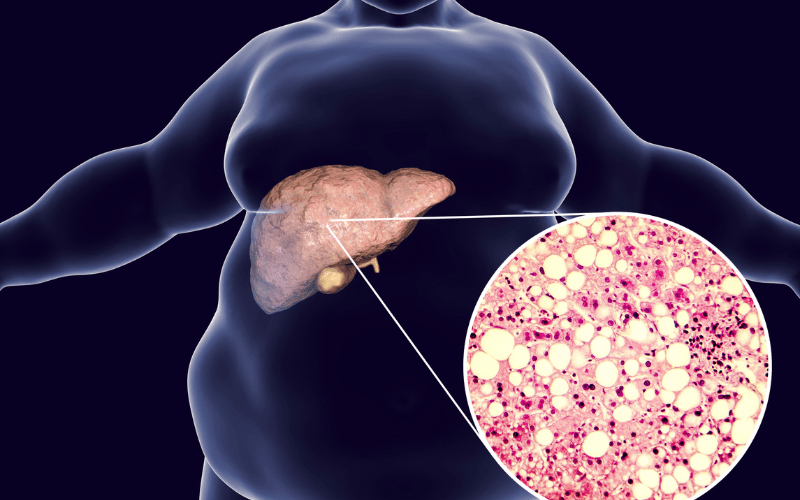
    Fatty liver disease occurs when fat builds up inside the cells of the liver. This condition can range from mild to severe, and is categorized into three grades – grade 1, grade 2 and grade 3. Each grade is distinguished by the amount of fat present in the liver and the severity of the condition.

    Introduction to Fatty Liver Disease

    Fatty liver disease affects millions of people worldwide. It is caused by the accumulation of fat in the liver cells, which can lead to inflammation, scarring and liver damage. The most common form is non-alcoholic fatty liver disease (NAFLD), which occurs in people who do not consume excessive amounts of alcohol. NAFLD is often associated with other health conditions such as obesity, type 2 diabetes, and high cholesterol.

    Fatty Liver Grade 1

    Fatty liver Grade 1, also known as mild fatty liver, is a condition where there is a slight accumulation of fat in the liver cells. It is often diagnosed incidentally during routine medical check-ups, as it usually does not cause any symptoms.

    Symptoms

    Fatty liver Grade 1 usually does not cause any noticeable symptoms. However, in some cases, people may experience fatigue, weakness, or discomfort in the upper right side of the abdomen.

    Causes

    The exact cause of fatty liver grade 1 is not known, but it is often associated with obesity, insulin resistance, and high cholesterol levels. Other risk factors include a sedentary lifestyle, a diet high in saturated fats and processed foods, and certain medications.

    Prevention Techniques

    The best way to prevent fatty liver grade 1 is to maintain a healthy lifestyle. This includes eating a balanced diet that is low in saturated fats and processed foods, exercising regularly, and maintaining a healthy weight. It is also important to avoid alcohol and limit the use of certain medications that can cause liver damage.

    Fatty Liver Grade 2

    Fatty liver Grade 2, also known as moderate fatty liver, is a condition where there is a moderate accumulation of fat in the liver cells, which can lead to inflammation and scarring.

    Symptoms

    Fatty liver Grade 2  may cause symptoms such as fatigue, weakness, discomfort in the upper right side of the abdomen, and mild jaundice.

    Causes

    The causes of fatty liver grade 2 are similar to those of grade 1 fatty liver, and include obesity, insulin resistance, high cholesterol levels, a sedentary lifestyle, a diet high in saturated fats and processed foods, and certain medications.

    Fatty Liver Disease Symptoms image

    Is Grade 2 Fatty Liver Dangerous?

    Grade 2 fatty liver can lead to more serious complications if left untreated. It may lead to more serious liver conditions including cirrhosis or liver cancer. It is important to seek medical attention if you suspect you have grade 2 fatty liver.

    Prevention Techniques

    The prevention techniques for fatty liver grade 2 are similar to those for grade 1 fatty liver. Maintaining a healthy lifestyle is key to preventing fatty liver disease. It is also important to manage any underlying health conditions, such as obesity, type 2 diabetes, and high cholesterol levels.

    Fatty Liver Grade 3

    Fatty liver Grade 3, also known as severe fatty liver, is a condition where there is a significant accumulation of fat in the liver cells, which can lead to inflammation, scarring and liver damage.

    Symptoms

    Fatty liver Grade 3  may cause symptoms such as fatigue, weakness, discomfort in the upper right side of the abdomen, jaundice, and fluid accumulation in the abdomen.

    Causes

    The causes of Fatty liver grade 3 are similar to those of grade 1 and 2 fatty liver, and include obesity, insulin resistance, high cholesterol levels, a sedentary lifestyle, a diet high in saturated fats and processed foods, and certain medications.

    Prevention Techniques

    The prevention techniques for fatty liver grade 3 are similar to those for grade 1 and 2 fatty liver. Maintaining a healthy lifestyle is key to preventing fatty liver disease. It is also important to manage any underlying health conditions, such as obesity, type 2 diabetes, and high cholesterol levels.

    Life Expectancy with Fatty Liver Disease

    The life expectancy depends on the severity of the condition and the presence of other health conditions. In general, people with mild to moderate fatty liver disease have a good prognosis, while those with severe may have a shorter life expectancy.

    Conclusion

    Millions of people all around the world suffer from the common condition known as fatty liver disease. It is categorized into three grades – grade 1, grade 2 and grade 3 – each with its own set of symptoms, causes and prevention techniques. Maintaining a healthy lifestyle and managing underlying health conditions are key to preventing fatty liver disease. It is important to seek medical attention to prevent serious complications.

    FAQs on Understanding Grade 1, 2 and 3 Fatty Liver

    Q1. Are there any specific dietary recommendations for preventing fatty liver disease?

    Maintaining a healthy diet is essential for preventing fatty liver disease. A diet low in saturated fats, sugars, and processed foods, and high in fruits, vegetables, and whole grains can help prevent the accumulation of fat in the liver.

    Q2. Are there any specific exercises that can help prevent or manage fatty liver disease?

    Regular exercise, especially aerobic exercise such as walking, jogging, or swimming, can help prevent and manage fatty liver disease. Exercise helps improve insulin sensitivity, promotes weight loss, and reduces fat accumulation in the liver.

    Q3. Can fatty liver disease affect children?

    It can affect children, especially those who are overweight or obese. This condition, known as pediatric nonalcoholic fatty liver disease (NAFLD), is becoming increasingly common and can lead to serious health problems if not addressed.

    Q4. Can fatty liver disease affect people who don’t drink alcohol?

    It can affect people who do not drink alcohol. Non-alcoholic fatty liver disease (NAFLD) is the most common form that occurs in people who do not consume excessive amounts of alcohol. It is often associated with obesity, type 2 diabetes, and high cholesterol.

    Related Links:

  • શું સૌંદર્ય પ્રસાધનોમાં જેનરિક ઉપલબ્ધ છે?

    હા, સૌંદર્ય પ્રસાધનોની જેનરિક આવૃત્તિઓ ઉપલબ્ધ છે. સૌંદર્ય પ્રસાધનો એ વ્યક્તિગત સંભાળ ઉત્પાદનો છે જેનો ઉપયોગ લોકો તેમના દેખાવને સુધારવા અથવા વધારવા માટે કરે છે, જેમ કે મેકઅપ, ત્વચા સંભાળ ઉત્પાદનો અને વાળની સંભાળ ઉત્પાદનો.

    મેકઅપના જેનરિક સંસ્કરણો, ત્વચા સંભાળ ઉત્પાદનો અને વાળ સંભાળ ઉત્પાદનો સહિત ઘણા સૌંદર્ય પ્રસાધનોના જેનરિક સંસ્કરણો ઉપલબ્ધ છે. આ જેનરિક ઉત્પાદનોમાં બ્રાન્ડ-નામ સંસ્કરણો જેવા જ સક્રિય ઘટકો હોય છે અને તે વપરાશકર્તાઓની જરૂરિયાતોને સંતોષવા માટે તેટલા જ અસરકારક હોય છે. www.medkart.in/blog પર તમારા જેનરિક અને બ્રાન્ડેડ કોસ્મેટિક્સ શોધો અને તમારી બચતની ગણતરી કરો. 

    વધુ જાણવા માટે જુઓ- https://youtube.com/shorts/3fPk3iYF7Bw

  • શું માનસિક સ્વાસ્થ્ય સ્થિતિઓ માટે જેનરિક ઉપલબ્ધ છે?

    હા, માનસિક સ્વાસ્થ્યની સ્થિતિઓની સારવાર માટે જેનરિક દવાઓ ઉપલબ્ધ છે. માનસિક સ્વાસ્થ્યની સ્થિતિ એ એક શબ્દ છે જે વ્યક્તિના મૂડ, વિચાર અને વર્તનને અસર કરતી પરિસ્થિતિઓની શ્રેણીનો ઉલ્લેખ કરે છે. જેનરિક માનસિક બીમારીઓમાં હતાશા, ચિંતા, બાયપોલર ડિસઓર્ડર અને સ્કિઝોફ્રેનિયાનો સમાવેશ થાય છે.

    માનસિક બીમારીની સારવાર માટે ઘણી જેનરિક દવાઓ ઉપલબ્ધ છે, જેમાં એન્ટીડિપ્રેસન્ટ્સ, એન્ટિસાઈકોટિક્સ અને મૂડ સ્ટેબિલાઇઝર્સના જેનરિક સંસ્કરણોનો સમાવેશ થાય છે. આ જેનરિક દવાઓમાં બ્રાન્ડ-નામ વર્ઝન જેવા જ સક્રિય ઘટકો હોય છે અને તે માનસિક બીમારીની સારવારમાં એટલી જ સલામત અને અસરકારક હોય છે. મેડકાર્ટ પર તમે માનસિક સ્વાસ્થ્ય માટે જેનરિક અને બ્રાન્ડેડ દવાઓ મેળવી શકો છો.

    જેનરિક વૈકલ્પિક એ એવા દર્દીઓ માટે એક વિકલ્પ છે જેઓ તેમની દવાના ખર્ચ પર નાણાં બચાવવા માગે છે. દર્દીઓએ તેમના ફાર્માસિસ્ટ સાથે જેનરિક વિકલ્પોની ઉપલબ્ધતા અંગે ચર્ચા કરવી જોઈએ. મેડકાર્ટ પર તમે માનસિક સ્વાસ્થ્યની સ્થિતિ માટે જેનરિક અને બ્રાન્ડેડ દવાઓ મેળવી શકો છો. 

    વધુ જાણવા માટે જુઓ- https://youtube.com/shorts/22FhiARl3QY 

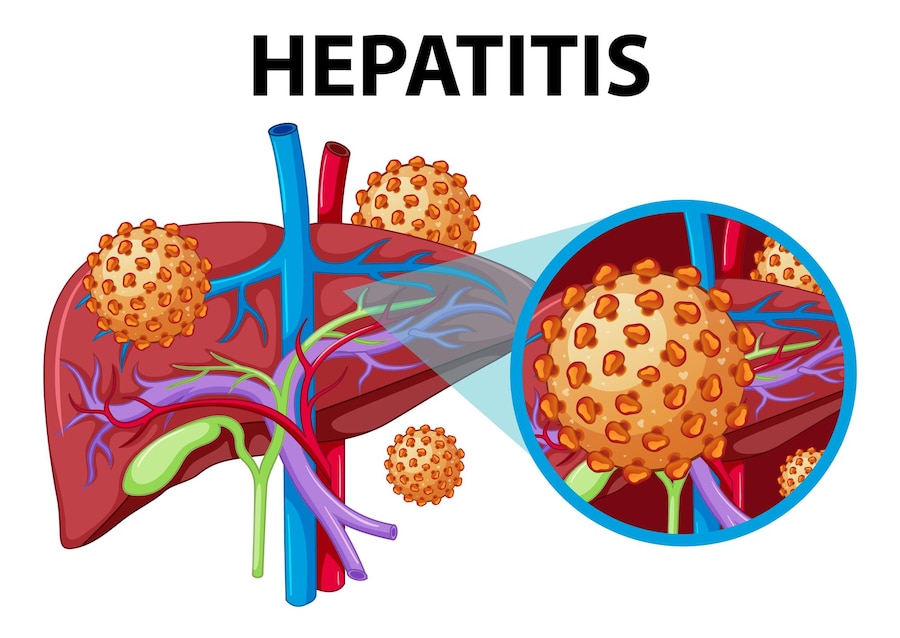
  • Hepatitis A & Hepatitis B: Diagnosis & treatment | Inflammation of liver

    Hepatitis A & Hepatitis B: Diagnosis & treatment | Inflammation of liver

    Hepatitis A & Hepatitis B

    Both hepatitis A and B are viral illnesses of the liver. They can cause inflammation of the liver and lead to serious health complications if left untreated. In this article, we will discuss the causes, symptoms, diagnosis, and treatment options for hepatitis A and B. We will also talk about the importance of hepatitis A and B vaccines and lifestyle changes that can help manage liver inflammation.

    Introduction to Hepatitis A and B

    Hepatitis A and B are both caused by viruses that attack the liver. Hepatitis A is usually transmitted through contaminated food or water, while hepatitis B is spread through blood, semen, or other body fluids. Both viruses can cause similar symptoms, including fatigue, abdominal pain, nausea, and jaundice.

    Hepatitis A is usually a short-term illness that does not cause long-term liver damage, while hepatitis B can lead to chronic liver disease and liver cancer. It is important to seek medical attention if you experience symptoms of hepatitis A or B, as early treatment can prevent serious health complications.

    Understanding Inflammation of Liver

    Inflammation of liver is a common symptom of hepatitis A and B. It occurs when the liver becomes swollen and inflamed in response to the viral infection. Inflammation can cause damage to liver cells and affect the liver’s ability to function properly. This could have serious health consequences if left unchecked.

    Inflammation of liver can also be caused by other factors, such as alcohol abuse, obesity, and certain medications. It is important to identify the underlying cause of liver inflammation in order to determine the best course of treatment.

    Causes and Symptoms of Hepatitis A and B

    Hepatitis A is caused by the hepatitis A virus, which is usually transmitted through contaminated food or water. Symptoms of hepatitis A usually appear within 2 to 6 weeks of exposure and can include fatigue, abdominal pain, nausea, vomiting, and jaundice.

    Hepatitis B is caused by the hepatitis B virus, which is spread through blood, semen, or other body fluids. Symptoms of hepatitis B can vary widely and may include fatigue, abdominal pain, joint pain, and jaundice. Some people with hepatitis B may not experience any symptoms at all, which can make it difficult to diagnose.

    Diagnosis of Hepatitis A and B

    Diagnosing hepatitis A and B usually involves a blood test to detect the presence of antibodies to the virus. In some cases, additional tests may be needed to determine the extent of liver damage and to rule out other causes of liver inflammation.

    It is important to seek medical attention if you experience symptoms of hepatitis A or B, as early diagnosis and treatment can prevent serious health complications.

    Treatment options for Hepatitis A and B

    There is no specific hepatitis A treatment, as the virus usually runs its course within a few weeks. Treatment for hepatitis A usually involves rest, fluids, and over-the-counter medications to relieve symptoms.

    Hepatitis B treatment may involve antiviral medications to reduce the amount of virus in the body and slow the progression of liver damage. If the liver is significantly damaged, a liver transplant may be required in some instances.

    Medications for Hepatitis A and B

    Antiviral medications are the mainstay of treatment for hepatitis B. These medications work by reducing the amount of virus in the body and slowing the progression of liver damage. Some common antiviral medications used to treat hepatitis B include entecavir, tenofovir, and lamivudine.

    There is no specific medication for treating hepatitis A, as the virus usually runs its course within a few weeks. Over-the-counter medications can be used to relieve symptoms, such as fever and pain.

    Lifestyle Changes to Manage Hepatitis A and B

    Making lifestyle changes can help manage liver inflammation and prevent serious health complications. These changes may include:

    Avoiding medications and alcohol that can harm the liver

    Consuming a diet high in fruits, vegetables, and whole grains

    Exercising frequently to keep a healthy weight

    Getting enough rest and managing stress

    Avoiding exposure to other people’s blood and body fluids

    Prevention of Hepatitis A and B through Vaccination

    Vaccination is the most effective method for prevention of hepatitis A and B. The hepatitis A vaccine is recommended for all children at age 1 year and for adults who are at risk of infection, such as travelers to areas with high rates of hepatitis A.

    The hepatitis B vaccine is recommended for all infants at birth and for adults who are at risk of infection, such as healthcare workers and people who have unprotected sex with multiple partners.

    Hepatitis A Vaccine: Who should get it?

    The hepatitis A vaccine is recommended for all children at age 1 year and for adults who are at risk of infection, such as travelers to areas with high rates of hepatitis A. The vaccine is also recommended for people with chronic liver disease, as they are at higher risk of developing serious health complications from hepatitis A.

    Hepatitis B Vaccine: Who should get it?

    The hepatitis B vaccine is recommended for all infants at birth and for adults who are at risk of infection, such as healthcare workers and people who have unprotected sex with multiple partners. The vaccine is also recommended for people with chronic liver disease, as they are at higher risk of developing serious health complications from hepatitis B.

    Hepatitis A and B Treatment: FAQs

    Q: Is there a cure for hepatitis A and B?

    A: There is no cure for hepatitis A or B, but early treatment can prevent serious health complications.

    Q: How long does it take for hepatitis A patients to recover?

    A: Most people with hepatitis A recover within a few weeks, but some may experience symptoms for up to 6 months.

    Q: Can you get hepatitis A or B more than once?

    A: It is possible to get hepatitis A or B more than once, although this is rare.

    Q: What level of efficacy do the hepatitis A and B vaccinations have?

    A: The hepatitis A and B vaccines are highly effective at preventing infection.

    Conclusion

    Hepatitis A and B are both viral infections that can cause inflammation of the liver and lead to serious health complications if left untreated. It is important to seek medical attention if you experience symptoms of hepatitis A or B, as early treatment can prevent serious health complications.

    Vaccination is the most effective method of preventing hepatitis A and B. The hepatitis A vaccine is recommended for all children at age 1 year and for adults who are at risk of infection. The hepatitis B vaccine is recommended for all infants at birth and for adults who are at risk of infection.

    Making lifestyle changes can also help manage liver inflammation and prevent serious health complications. These changes may include avoiding alcohol and drugs that can damage the liver, eating a healthy diet, getting regular exercise, and managing stress.

    Remember, prevention is key when it comes to hepatitis A and B.

    Call To Action

    Visit Medkart to get the best generic medicines at the lowest prices, today!

  • 7 Best Fatty Liver Diet to Follow | Liver Diet Guide

    7 Best Fatty Liver Diet to Follow | Liver Diet Guide

    Best Fatty Liver Diet to Follow

    Fatty liver is a condition where fat accumulates in the liver cells, leading to inflammation and damage to the organ. This condition is becoming increasingly common due to the unhealthy lifestyle choices people make. While in the early stages the condition is reversible, it can lead to serious complications like liver cirrhosis and liver failure if not treated on time. One of the most effective ways to manage and treat fatty liver is through dietary changes. In this article, we will discuss the 7 highly effective diet tips for fatty liver.

    What is Fatty Liver?

    Hepatic steatosis, another name for fatty liver, is a disorder where fat builds up in the liver cells. In a healthy liver, a small amount of fat is present, but when the fat content exceeds 5-10% of the liver’s weight, it is considered a fatty liver. The condition is more common in people who consume excessive alcohol, have diabetes, are obese, or have high cholesterol or triglycerides.

    Causes of Fatty Liver

    The main cause of fatty liver is an unhealthy lifestyle, which includes excessive alcohol consumption, a high-fat diet, and a sedentary lifestyle. Other factors that can lead to the condition are obesity, diabetes, high cholesterol, and metabolic syndrome. Certain medications and medical conditions like hepatitis C and Wilson’s disease can also lead to fatty liver.

    Symptoms of Fatty Liver

    In the early stages, fatty liver may not cause any symptoms, and it is often discovered during routine medical check-ups. The following signs may develop as the illness worsens:

    • Fatigue
    • Weakness
    • Weight loss
    • Abdominal pain and swelling
    • Jaundice
    • Confusion
    • Itchy skin

    Importance of Fatty Liver Diet

    Diet plays a crucial role in managing and treating fatty liver. A healthy diet can help reduce inflammation and the accumulation of fat in the liver cells. It can also help improve insulin resistance, which is a common cause of fatty liver. A healthy diet can also help lower cholesterol levels and maintain a healthy weight.

    7 Highly Effective Fatty Liver Diet Tips 

    Fatty Liver diet diet is an essential part of managing liver disease, and here are some highly effective fatty liver diet tips:

    • Eat a balanced diet: A balanced diet that includes whole grains, fruits, vegetables, lean protein, and healthy fats is essential for managing fatty liver. Avoid fried foods, processed foods, and sugary beverages.
    • Increase fiber intake: Fiber-rich foods like fruits, vegetables, and whole grains can help reduce inflammation and improve insulin resistance.
    • Limit alcohol consumption: Alcohol is a major contributor to fatty liver. Avoid alcohol or limit consumption to one drink per day for women and two drinks per day for men.
    • Choose healthy fats: Healthy fats like those found in nuts, seeds, and fatty fish can help reduce inflammation and improve liver function.
    • Avoid saturated and trans fats: Saturated and trans fats found in processed foods, fried foods, and high-fat meats can increase inflammation and contribute to fatty liver.
    • Drink plenty of water: Drinking plenty of water can help flush out toxins from the liver and improve liver function.
    • Avoid added sugars: Added sugars found in sweets, desserts, and sugary drinks can contribute to fatty liver and increase inflammation.

    Foods to Avoid with Fatty Liver

    When you have fatty liver disease, it’s important to avoid certain foods that can contribute to liver damage and inflammation. Here are some foods to avoid with fatty liver disease:

    • Fried foods: Fried foods are high in unhealthy fats and can contribute to the accumulation of fat in the liver. Stay away from fried items like onion rings, fried chicken, and fries.
    • Sugary foods and drinks: Sugary foods and drinks like candy, soda, and baked goods can lead to weight gain and contribute to liver damage. Choose low-sugar options or limit your intake of these foods.
    • Processed meats: Processed meats like bacon, sausage, and deli meat are high in saturated fat and can contribute to liver damage. Leaner protein options to choose from include tofu, fish, and chicken.
    • High-fat dairy products: High-fat dairy products like cheese and whole milk are high in saturated fat and can contribute to liver damage. Instead, pick low- or no-fat dairy products.
    • Alcohol: Excessive alcohol consumption is a leading cause of fatty liver disease and can lead to liver damage and inflammation. Avoid alcohol or limit your intake to one drink per day for women and two drinks per day for men.
    • Salt: Consuming too much salt can lead to fluid retention and contribute to liver damage. Avoid adding salt to your food and choose low-salt options when available.
    • Foods that have been processed and packaged: Foods that have been processed and packed frequently contain a lot of salt, sugar, and bad fats. Choose whole, unprocessed foods whenever possible.

    Remember, a healthy diet is an essential part of managing fatty liver disease. Work with your healthcare provider and a registered dietitian to develop a personalised diet plan that includes foods to avoid with fatty liver and meets your individual needs and health goals.

    Best Medication for Fatty Liver

    Fatty liver disease can be a serious condition that requires treatment to prevent further liver damage. While diet and lifestyle changes are the first line of defence, medication can also be helpful in managing the condition. Here are some of the best medication for fatty liver disease.

    1. Vitamin E: Vitamin E is an antioxidant that can help reduce inflammation and damage in the liver. It is considered one of the best medications for fatty liver disease, especially in people with non-alcoholic fatty liver disease (NAFLD). Studies have shown that vitamin E can improve liver function and reduce the severity of liver disease in some patients.
    2. Metformin: one of the fatty liver medicineMetformin is a medication commonly used to treat type 2 diabetes, but it can also be helpful in managing fatty liver disease. It works by reducing insulin resistance, which can improve liver function and reduce the amount of fat in the liver. It is considered one of the best medications for fatty liver disease in people with diabetes.
    3. Ursodeoxycholic acid (UDCA): UDCA is a medication that can be used to treat certain types of liver disease, including fatty liver disease. It works by reducing the amount of bile acids in the liver, which can help reduce inflammation and damage. It is considered one of the best medications for fatty liver disease in people with primary biliary cirrhosis (PBC) or primary sclerosing cholangitis (PSC).

    It’s important to note that while the best medication for fatty liver can be helpful in managing liver disease, it should always be used in conjunction with diet and lifestyle changes. It’s also important to work with a healthcare provider to determine the best course of treatment for your individual situation. By following a comprehensive treatment plan that includes medication, diet, and lifestyle changes, you can effectively manage fatty liver disease and reduce your risk of further liver damage.

    Exercise for Fatty Liver

    When there is an excessive buildup of fat in the liver, fatty liver disease develops. This can lead to inflammation, scarring, and even liver damage if left untreated. One way to manage and even reverse fatty liver disease is through exercise. Here are some exercises that can be helpful for people with fatty liver disease.

    1. Aerobic exercise: Aerobic exercise, such as walking, jogging, swimming, or cycling, can help burn fat and improve cardiovascular health. Additionally, it can enhance liver function and lessen liver inflammation. On most days of the week, try to get in at least 30 minutes of moderate-intensity aerobic activity. Regular exercise can be one of the best ways to manage fatty liver disease through physical activity.
    2. Resistance training: Resistance training, such as weightlifting, can help increase muscle mass and improve insulin sensitivity. This can be particularly helpful for people with non-alcoholic fatty liver disease (NAFLD), as insulin resistance is a common feature of this condition. Focus on all of the major muscle groups throughout at least two weekly workouts. Resistance training is an excellent Exercise for Fatty Liver.
    3. High-intensity interval training (HIIT) is a type of exercise that alternates short bursts of high intensity with rest or moderate intensity exercise. This type of exercise has been shown to be particularly effective at burning fat and improving cardiovascular health. It may also be helpful for people with fatty liver disease, but it’s important to start slowly and work up to higher intensities gradually.
    4. Yoga and stretching: Yoga and stretching can help improve flexibility, reduce stress, and improve overall well-being. They can also be helpful for people with fatty liver disease, as stress can contribute to inflammation and liver damage. Plan to attend at least one session each week.

    It’s important to start slowly and work up gradually when starting an exercise program. It’s also important to consult with a healthcare provider before starting any new exercise program, especially if you have advanced liver disease. By incorporating exercise into your overall treatment plan for fatty liver disease, you can improve liver function, reduce inflammation, and improve overall health. Exercise for Fatty Liver can be an effective way to manage the disease.

    Fatty Liver Home Remedies

    While medical treatment and lifestyle changes are often recommended for managing fatty liver disease, there are also several fatty liver home remedies that may be helpful. Here are some examples

    • Drinking green tea
    • Consuming turmeric
    • Eating garlic
    • Drinking lemon water
    • Consuming apple cider vinegar

    While these fatty liver home remedies may be helpful in managing fatty liver disease, it’s important to remember that they are not a substitute for medical treatment or lifestyle changes recommended by your healthcare provider. If you have fatty liver disease, it’s important to work closely with your healthcare provider to develop a comprehensive treatment plan that may include a combination of medical treatment, lifestyle changes, and home remedies.

    Conclusion

    Fatty liver is a common condition that can lead to serious complications if not treated on time. Dietary changes play a crucial role in managing and treating the condition. Following a healthy diet, avoiding certain foods, limiting alcohol consumption, and regular exercise can help improve liver function and reduce inflammation. It is important to consult a healthcare professional before making any significant dietary or lifestyle changes.

    Call To Action

    For access to more such interesting articles on healthcare, visit Medkart today!
  • The Dos and dont’s of a Diabetic

    The Dos and dont’s of a Diabetic

    The Dos and dont's of a Diabetic

    Diabetes: why it matters

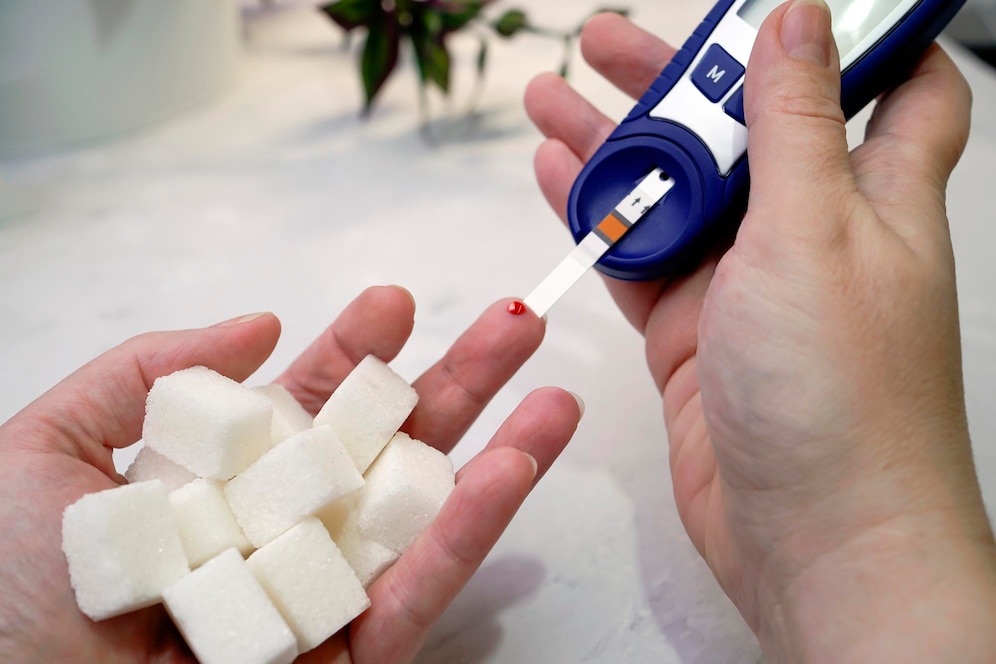
    Diabetes is a chronic disease that occurs when there is a high level of sugar in the blood. It can be caused by either too much sugar in the diet, or the body not producing enough insulin to properly metabolise the sugar. Over time, diabetes can lead to serious health complications like heart disease, stroke, kidney disease, and blindness.

    There are 537 million adults living with diabetes around the world. In India, there are 77 million people who have diabetes. So, let’s understand the dos and don’ts if you are a diabetic.

    Meal Timings

    DO understand the importance of meal timings

    For a diabetic, food timing is as important as the food they eat. Eating food at the right time boosts immunity, regulates sleep, aids digestion, and controls weight. Research suggests eating at regular intervals helps to maintain the blood sugar level. This helps avoid complications arising from diabetes.

    DON’T skip your meals

    Skipping meals tends to alter the balance between food intake and the production of insulin. This can lead to a dip in blood glucose levels, leading to conditions like hypoglycemia. Skipping meals also result in gastrointestinal side effects like nausea. Thus, this should be avoided at all costs if you are a diabetic.

    Lifestyle Habits

    DO exercise regularly

    Regular exercise improves blood sugar levels in those with type 2 diabetes. It promotes weight loss, which improves your overall well-being and keeps your blood glucose under control. It also reduces the chances of any cardiovascular complications as a result of uncontrolled sugar levels. Exercise boosts the body’s sensitivity to insulin, countering insulin resistance and other signs of diabetes.

    DON’T smoke and drink

    Smoking increases the chances of getting type 2 diabetes and its complications such as heart disease, eye disease, infections, stroke, and nerve damage. Alcohol can also interfere with your blood sugar levels.

    Parameters in control

    DO keep blood pressure under control

    Hypertension can damage your blood vessels, and when you team that up with uncontrolled diabetes, it can result in a heart attack or stroke. Switch to a healthy, low-fat, low-sodium diet. It can help control both your sugar levels and blood pressure. Checking your blood sugar levels daily also helps.

    DON’T miss regular check-ups

    Schedule regular diabetes checkups a year to ensure that your blood sugar levels are in control. Also, schedule yearly master health checkups and eye examinations. This helps you put the brakes on diabetes and its complications and get your health back on track.

    Pay Attention

    DO care for your eyes, teeth, and feet

    Diabetes may cause gum and foot infections as well as eye damage. Consult your dentist if your gums bleed or look red or swollen. Similarly, pay attention to your feet. High blood sugar can damage the nerves in your feet. If you notice any cuts or sores, speak to your doctor to prevent serious infections.

    DON’T lose sleep

    Lack of sleep can increase insulin resistance, which can in turn make it harder to control the blood sugar levels in a diabetic. If you have trouble sleeping, talk to your doctor about ways to improve your sleep habits.

    Meal choices

    DO develop healthy eating habits

    Get on a healthy-eating plan to control blood sugar, manage weight, and control heart disease and high blood pressure.

    Choose healthy carbohydrates, fibre-rich foods, and “good” fats. Stick to whole grains, legumes, low-fat milk and cheese, vegetables, nuts, and fruits, as these are some of the best foods for diabetes control. Salmon and mackerel must also be included on a diabetic food chart as these are rich sources of omega-3 fatty acids, which may prevent heart disease.

    DON’T eat unhealthily

    Avoid saturated fats such as those found in butter, beef, hot dogs, and palm oil; trans fats such as those found in processed snacks and baked goods; and foods with high sodium levels such as processed food.

    Conclusion

    Keeping your blood sugar levels under control can delay or prevent long-term, serious health problems, such as heart disease, kidney failure, and loss of vision. Diabetes is a lifelong condition. Although it cannot be cured, it can be managed with a positive attitude, a healthy diet, and regular exercise.

    Managing diabetes occasionally requires medical intervention. With the right lifestyle choices and safe medications, you can manage diabetes with ease. For the best generic medicines at competitive prices, visit the Medkart website today!

    FAQs

    1. What foods and drinks should I avoid if I have diabetes?

    Diabetics should avoid processed and fried foods and foods high in saturated fat, trans fat, and sodium. Also, avoid beverages with added sugars, such as soda, sweetened fruit juice, and sports, or energy drinks.

    2. What are the signs of diabetes?

    Frequent urination, increased thirst, unexplained weight loss, blurry vision, tingling in the hands or feet, fatigue, and dry skin are some of the signs of diabetes.

    3. Which breakfast is good for diabetics?

    Eggs, Greek yoghurt, oatmeal, whole grain toast, cottage cheese, fruits, and nuts make for a good nutritious breakfast in a diabetic food chart.

    4. What is the difference between diabetes mellitus and diabetes insipidus?

    Diabetes mellitus is a condition that occurs when the body does not regulate blood sugar levels. Diabetes insipidus occurs when the body cannot regulate fluids. The condition is caused by an imbalance of hormones and is not necessarily related to type 1 or 2 diabetes.

    5. Is potato good for diabetes?

    A diabetic can consume potatoes in moderation. Potatoes contain starch which takes a longer time to be broken down.

  • Thyroid function tests – What are they and what do the tests mean?

    Thyroid function tests – What are they and what do the tests mean?

    thyroid function test

    Importance of the thyroid gland

    The thyroid gland is about two inches long and lies on either side of the windpipe. It seems tiny, doesn’t it? But this tiny gland produces the hormones thyroxine (T4) and triiodothyronine (T3), which are absolutely critical for the proper functioning of your body.

    It controls metabolic processes in the body, for instance, your heart rate, blood pressure, and even body weight. If this little gland begins to malfunction – becoming underactive or overactive – you can develop hypothyroidism or hyperthyroidism, respectively.

    ​More than 42 million Indians are affected by a malfunctioning thyroid. But once diagnosed, thyroid disorders can be treated, which is why thyroid function tests are important.

    What is a thyroid function test? And what do the results mean?

    Thyroid function tests are blood tests done to evaluate the working of the thyroid gland. The types of thyroid tests are T3, TSH, and T4.

    T4 or thyroid-stimulating hormone (TSH) tests is a broad thyroid function test. If the results come back abnormal, a doctor usually orders further tests to understand the underlying problem.

    The TSH test is often done first because it’s the best way to determine thyroid function initially. It determines hypothyroidism or hyperthyroidism.

    The TSH test measures the level of thyroid-stimulating hormone in your blood. The normal thyroid function test range of TSH equals 0.4-4.0 milli-international units of hormone per litre of blood (mIU/L).

    The T4 test is otherwise known as the thyroxine test. In the thyroid test results chart, a high level of T4 indicates hyperthyroidism.

    Interpretation of thyroid function tests

    A TSH reading above 4.5 mIU/L indicates hypothyroidism and/or risk of hypothyroidism.

    Both T4 and TSH tests are routinely performed on newborns to see if the thyroid gland is underactive.

    If T4 tests show elevation, then the T3 test is ordered to check the triiodothyronine hormone levels. Excessive amounts of T3 indicate Grave’s disease, which is an autoimmune disorder. In the thyroid function test interpretation, low T3 levels indicate hypothyroidism.

    The thyroid function test normal values for total T4 levels in adults range from 5.0 to 12.0 μg/dL. A normal total T3 level in adults ranges from 80-220 ng/dL.

    T3 test results are often compared with T4 and TSH test results to help diagnose thyroid disease.

    How do you know you need a TSH test?

    Doctors may ask you to take a TSH test if your symptoms indicate abnormal levels of thyroid hormone in your blood.

    Symptoms of excessive thyroid hormone include:

    • Weight loss
    • Rapid heartbeat
    • Irregular heartbeat
    • Nervousness
    • Irritability
    • Trouble sleeping
    • Fatigue
    • Muscle weakness
    • Sweating
    • Frequent bowel movements
    • Goiter

    Symptoms of insufficient production of thyroid hormone include:

    What can affect the results of thyroid function tests?

    • Studies show that time of day and fasting can affect the thyroid test result chart. For example, if tests are done in the early morning after overnight fasting, they may exhibit higher TSH levels compared to a test done later in the day and with no fasting.
    • Lifestyle-related issues such as stress, lack of sleep, diet, and the menstrual cycle may also affect the thyroid test results.
    • Certain medications may alter your TSH levels. Medications such as Lithobid (lithium), Pacerone (amiodarone), and Iodine or kelp supplements are reported to affect thyroid test results.

    Conclusion

    Most thyroid problems are not life-threatening, but they can cause a variety of complications, including fatigue, weight gain or loss, hair loss, mood swings, and difficulty concentrating. If you suspect you have a thyroid problem, it’s important to see a doctor and get a thyroid function test done. There are many treatments available that can help you manage the symptoms and live a normal, healthy life.

    Maintaining your thyroid function may require you to take specific medications. Often, some medicines are difficult to source at your local stores. With Medkart, you can find generic medicines at the best prices at your convenience. Visit the Medkart website today to know more!

    FAQs

    1. Does the thyroid test need fasting?

    No, you don’t need special preparations like fasting for a thyroid function test.

    2. What are the symptoms of hyperthyroidism?

    Nervousness, irritability, anxiety, mood swings, muscle weakness, difficulty sleeping, and diarrhoea are some of the symptoms of an overactive thyroid.

    3. Can I drink water before the thyroid test?

    Yes, you can have water before a thyroid function test. In fact, there are no restrictions in terms of water or food before a thyroid function test.

    4. What foods are good for the thyroid?

    Salted nuts such as macadamia and hazelnuts are good sources of selenium, which supports thyroid functioning. Baked fish, dairy products like yoghurt and cottage cheese, and eggs are also recommended.

    5. What food should be avoided if I have thyroid problems?

    If you have thyroid problems, you should avoid eating foods that contain goitrogens, such as broccoli and cabbage. You should also avoid eating soy products, as they can also interfere with the functioning of your thyroid gland.

  • Understanding 4 Stages of Liver Cancer: Warning Signs and Symptoms

    Understanding 4 Stages of Liver Cancer: Warning Signs and Symptoms

    4 Stages of Liver Cancer, Liver Cancer Symptoms, treatment and diagnosis

    Liver cancer is a serious medical condition that can be life-threatening if not diagnosed and treated in time. It is a specific kind of cancer that develops in the liver and has the potential to spread to other body organs. In this article, we will discuss the four stages of liver cancer and the warning signs and symptoms to look out for. We will also explore the diagnosis and treatment options available for each stage of liver cancer.

    Introduction to Liver Cancer

    The liver is a vital organ in the body responsible for filtering toxins and producing bile to aid in digestion. Primary liver cancer is the name for cancer that develops in the liver. However, cancer that starts in other parts of the body and spreads to the liver is called secondary liver cancer. Hepatocellular carcinoma (HCC), which accounts for 75% of all occurrences of primary liver cancer, is the most prevalent form. Other types of liver cancer include cholangiocarcinoma and angiosarcoma.

    What are the Four Stages of Liver Cancer?

    Liver cancer is divided into four stages based on the size of the tumor and how far it has spread. The stages are as follows:

    Stage 1: The tumor is less than 2 cm and has not spread to nearby blood vessels.

    Stage 2: The tumor is between 2 and 5 cm and has not spread to nearby blood vessels.

    Stage 3: The tumor has spread to nearby blood vessels or organs.

    Stage 4: Other body components including the lungs or bones have been affected by the cancer’s spread.

    The earlier the stage of liver cancer, the better the chances of successful treatment and recovery.

    Understanding Liver Cancer Stage 1 and 2

    In liver cancer stage 1 and 2, the tumor is still limited to the liver and has not spread to nearby blood vessels or organs. This means that it is easier to treat and has a higher chance of successful treatment.

    Liver Cancer Symptoms and Warning Sign – Stage 1 and Stage 2

    Liver Cancer Symptoms can vary depending on the stage of the cancer. Here are some common symptoms associated with stage 1 and stage 2 liver cancer:

    Stage 1 liver cancer:

    • Often no symptoms in the early stages
    • As the tumor grows, you may experience pain in the upper right side of your abdomen
    • Unexplained weight loss
    • Loss of appetite
    • After consuming a tiny amount of food, you feel full
    • Fatigue and weakness

    Stage 2 liver cancer:

    • Symptoms are similar to stage 1, but may be more severe
    • The tumor may grow larger and extend to nearby blood vessels, causing pain and discomfort
    • Jaundice (yellowing of the skin and eyes)
    • Itching
    • Enlarged liver or spleen
    • Nausea and vomiting
    • Fever

    It is crucial to consult a doctor for an assessment if you have any of these symptoms.

    Liver Cancer treatment and diagnosis of Stage 1 and Stage 2

    If liver cancer is suspected, the doctor may perform several tests to confirm the diagnosis, including blood tests, imaging tests, and a biopsy.

    Liver Cancer treatment and diagnosis of Stage 1 and Stage 2 may include surgery to remove the tumor, ablation therapy, and liver transplant. The choice of treatment depends on the size, location, and stage of the tumor, as well as the overall health of the patient.

    Understanding Liver Cancer Stage 3

    In liver cancer stage 3, the tumor has spread to nearby blood vessels or organs. This makes it more challenging to treat and reduces the chances of successful treatment.

    Liver Cancer Symptoms and Warning Sign – Stage 3

    Liver cancer symptoms of stage 3 are similar to those of earlier stages, but they may be more severe. They include:

    • Abdominal swelling and pain
    • Jaundice
    • Nausea and vomiting
    • Loss of appetite and weight loss
    • Fatigue and weakness

    It is crucial to consult a doctor for an assessment if you have any of these symptoms.

    Liver Cancer treatment and diagnosis of Stage 3

    Liver Cancer treatment and diagnosis of Stage 3 is the same as earlier stages. However, the treatment options may be more limited. In addition to surgery, ablation therapy, and liver transplant, other treatment options may include chemotherapy and radiation therapy. The choice of treatment depends on the size, location, and stage of the tumor, as well as the overall health of the patient.

    Understanding Liver Cancer Stage 4

    In liver cancer stage 4, the disease has metastasized to the lungs or bones, among other organs. This makes it the most challenging stage to treat and usually has a poor prognosis.

    Liver Cancer Symptoms and Warning Sign – Stage 4

    Liver Cancer Symptoms and Warning Sign – Stage 4 are similar to those of earlier stages, but they may be more severe. They include:

    • Abdominal swelling and pain
    • Jaundice
    • Nausea and vomiting
    • Loss of appetite and weight loss
    • Fatigue and weakness
    • Shortness of breath
    • Bone pain

    It is crucial to consult a doctor for an assessment if you have any of these symptoms.

    Liver Cancer treatment and diagnosis of Stage 4

    Liver Cancer treatment and diagnosis of Stage 4 is the same as earlier stages. However, the treatment options may be more limited, and the focus may be on palliative care to improve the quality of life for the patient. Chemotherapy, radiation therapy, and targeted therapy are possible treatment choices.

    Is liver cancer curable?

    The prognosis and treatment options for liver cancer depend on several factors, including the stage of the cancer, the location and size of the tumor, and the overall health of the patient. In general, early-stage liver cancer (such as stage 1 and some stage 2 cases) can be curable with treatment.

    Surgery is often the preferred treatment for early-stage liver cancer, as it offers the best chance for a cure. If the cancer has not spread beyond the liver, surgery may be able to completely remove the cancer. Other treatment options for liver cancer include ablation therapy, radiation therapy, and chemotherapy. Depending on each individual case, either one of these treatments may be administered alone or in combination.

    However, advanced-stage liver cancer is typically not curable. Treatment can help manage the symptoms and prolong survival, but the cancer may not be completely eliminated. In some cases, liver transplantation may be an option for certain patients with advanced liver cancer.

    It’s important to note that early detection and treatment are key to improving the chances of a cure for liver cancer. Regular check-ups and screenings are recommended for those at risk, such as individuals with a history of liver disease, hepatitis B or C, or heavy alcohol use. If you experience any symptoms or have concerns about your liver health, it’s important to speak with a healthcare professional to get a proper diagnosis and develop a treatment plan.

    Coping Strategies for Stage 4 Liver Cancer Patients and Their Families

    A diagnosis of stage 4 liver cancer can be overwhelming for both the patient and their family members.It is crucial to ask family, friends, and medical experts for help. Palliative care can help manage symptoms and improve the quality of life for the patient.

    Conclusion

    Liver cancer is a serious medical condition that can be life-threatening if not diagnosed and treated in time. Understanding the four stages of liver cancer and the warning signs and symptoms to look out for is essential for early detection and successful treatment. If you experience any symptoms of liver cancer, it is essential to see a doctor for an evaluation. With timely diagnosis and treatment, the chances of successful treatment and recovery are higher

     For access to more such interesting articles on healthcare, visit Medkart today!
  • Anxiety Disorder – Symptoms, Treatment, Types, Causes, Self Care

    Anxiety Disorder – Symptoms, Treatment, Types, Causes, Self Care

    Anxiety Disorder

    Anxiety is a familiar feeling for many people, often manifesting as an uneasy feeling, nervousness, or uneasiness in certain situations. While some degree of anxiety is normal and can even be helpful in certain situations, persistent and excessive anxiety can interfere with daily life and make it difficult to function. This article aims to help readers better understand anxiety, its various types, and the treatment options available to manage and overcome it.

    What is Anxiety Disorder?

    The uneasy feeling that comes with anxiety is a natural response to stress or perceived danger. This response is designed to help individuals cope with challenges or threats, but when anxiety becomes overwhelming or chronic, it can be detrimental to mental and emotional well-being. By exploring the different types of anxiety disorders, their symptoms, and causes, readers can gain a better understanding of how to recognize and address anxiety in their own lives.

    In the following sections, this article will delve into the different types of anxiety disorders, discuss how to determine if you have an anxiety disorder through an anxiety disorder test, and examine various treatment options for anxiety disorders, including medications, therapies, and lifestyle changes. A special focus will be placed on social anxiety disorder treatment, as social anxiety is a common and often misunderstood form of anxiety.

    What is Anxiety?

    Anxiety is a natural emotion that can manifest as an uneasy feeling, apprehension, or worry in response to a perceived threat or uncertainty. This feeling can range from mild to severe and may be accompanied by physical symptoms such as rapid heart rate, sweating, and trembling. Though anxiety can be a normal part of life, excessive or persistent anxiety can be indicative of an anxiety disorder.

    Anxiety disorders are the most common mental health disorders in the United States, affecting millions of people each year. These disorders can significantly impact an individual’s quality of life, causing them to avoid situations or experiences that might trigger their anxiety. By understanding the different types of anxiety disorders, individuals can better recognize the signs and symptoms of these conditions in themselves or others and seek appropriate treatment.

    What is Autism spectrum disorder? How to diagnose and treat it?

    Read: What is Autism spectrum disorder?

    Types of Anxiety Disorders

    There are several types of anxiety disorders, each with its own unique set of symptoms and causes. While all anxiety disorders share the common feature of excessive anxiety or fear, the specific manifestations and triggers of these disorders can vary widely. Some of the most common types of anxiety disorders include Generalized Anxiety Disorder (GAD), Social Anxiety Disorder (SAD), and Illness Anxiety Disorder (IAD).

    1. Generalized Anxiety Disorder (GAD)

    Generalised anxiety disorder, or GAD, is characterised by excessive worry and persistent anxiety over several ordinary occurrences or circumstances. Individuals with GAD often find it difficult to control their anxiety, which can lead to significant distress and impairment in daily functioning. Symptoms of GAD may include feeling restless or on edge, being easily fatigued, difficulty concentrating, irritability, muscle tension, and sleep disturbances.

    2. Social Anxiety Disorder (SAD)

    Social Anxiety Disorder, also known as social phobia, is characterized by a persistent and excessive fear of social situations or performance situations in which an individual believes they may be judged, embarrassed, or humiliated. This fear can lead to avoidance of social situations, resulting in significant distress and impairment in daily functioning. Symptoms of SAD may include intense anxiety or fear in social situations, avoidance of social situations, excessive self-consciousness, and physical symptoms such as rapid heart rate, sweating, and trembling.

    3. Illness Anxiety Disorder (IAD)

    Illness Anxiety Disorder, formerly known as hypochondriasis, is characterized by excessive worry about having a serious illness, despite having little or no medical evidence to support this concern. Individuals with IAD may be preoccupied with bodily sensations or changes, fearing that these could be signs of a serious illness. Symptoms of IAD may include excessive worry about illness, frequent medical visits, reassurance-seeking behaviors, and avoidance of situations or activities that may trigger health concerns.

    Anxiety Disorders Symptoms

    Anxiety disorders can manifest in a variety of ways, with symptoms ranging from mild to severe. Common symptoms of anxiety disorders include feeling nervous or restless, experiencing a sense of impending doom or danger, increased heart rate, rapid breathing, sweating, trembling, difficulty concentrating, and sleep disturbances. The specific symptoms experienced may vary depending on the type of anxiety disorder and the individual’s unique circumstances.

    The exact causes of anxiety disorders are not fully understood, but they are believed to result from a combination of genetic, environmental, and psychological factors. Some individuals may be more susceptible to developing anxiety disorders due to a family history of mental health disorders or other genetic predispositions. Environmental factors such as exposure to trauma, chronic stress, or substance abuse can also contribute to the development of anxiety disorders.

    Anxiety Disorder Test: How to Know if You Have an Anxiety Disorder

    If you suspect that you may have an anxiety disorder, it is important to seek a professional evaluation by a mental health professional, such as a psychologist or psychiatrist. These professionals can administer an anxiety disorder test, which typically involves a thorough evaluation of your symptoms, medical history, and overall functioning. This assessment may include self-report questionnaires, interviews, or other diagnostic tools to determine if your anxiety is consistent with a specific anxiety disorder.

    It is important to remember that only a qualified mental health professional can accurately diagnose and treat anxiety disorders. If you are concerned about your anxiety, it is important to seek help from a professional who can provide the appropriate guidance and support.

    > Consult a doctor and Order Medicine Online for less contact with Anxiety Disorders.

    Anxiety Disorders Treatment Process

    There are several treatment options available for individuals with anxiety disorders, including medications, therapies, and lifestyle changes. The specific treatment approach that is most effective for you will depend on the severity of your symptoms, the type of anxiety disorder you have, and your individual needs and preferences.

    1. Medications for Anxiety Disorders

    Medications can be an effective option for managing the symptoms of anxiety disorders. Some of the most commonly prescribed medications for anxiety disorders include selective serotonin reuptake inhibitors (SSRIs), Placida Tablet, serotonin-norepinephrine reuptake inhibitors (SNRIs), benzodiazepines, and beta-blockers. It is important to discuss the potential benefits and risks of medications with your healthcare provider, as each medication may have different side effects or interactions.

    2. Therapies for Anxiety Disorders

    Therapy can be a highly effective treatment option for individuals with anxiety disorders, helping them to better understand and manage their symptoms. Cognitive-behavioural therapy (CBT) is one of the most well-established and researched therapies for anxiety disorders, focusing on helping individuals identify and change negative thought patterns and behaviours that contribute to their anxiety. Other types of therapy, such as exposure therapy or acceptance and commitment therapy (ACT) may also be effective for certain types of anxiety disorders. It is important to work with a qualified mental health professional to determine which type of therapy may be best for you.

    3. Lifestyle Changes to Manage Anxiety Disorders

    In addition to medication and therapy, lifestyle changes can be an effective way to manage the symptoms of anxiety disorders. Some lifestyle changes that may help to reduce anxiety include regular exercise, healthy eating habits, getting enough sleep, practising relaxation techniques such as deep breathing or meditation, and avoiding substances that can worsen anxiety, such as caffeine or alcohol. Making small changes to your daily routine can have a big impact on your overall well-being and may help to reduce the severity of your anxiety symptoms.

    4. Social Anxiety Disorder Treatment

    Social anxiety disorder treatment often involves a combination of medication and therapy. Exposure therapy, which involves gradually exposing individuals to social situations or performance situations in a controlled and supportive environment, can be particularly effective for individuals with social anxiety disorder. Other types of therapy, such as cognitive-behavioural therapy or group therapy, may also be helpful in managing the symptoms of social anxiety disorder.

    Conclusion:

    Anxiety is a common experience for many people, but when it becomes excessive or chronic, it can significantly impact daily life and well-being. By understanding the different types of anxiety disorders, their symptoms, and their causes, individuals can better recognize when they may be experiencing an anxiety disorder and seek appropriate treatment.

    Treatment options for anxiety disorders include medications, therapies, and lifestyle changes, and it is important to work with a qualified mental health professional to determine the best course of treatment for your individual needs. With the right support and resources, it is possible to manage and overcome the unsettling effects of anxiety.

    Also Read:

    Call To Action

    For access to more such interesting articles on healthcare, visit Medkart today!
  • Obsessive Compulsive Disorder (OCD): Treatment and Cure

    Obsessive Compulsive Disorder (OCD): Treatment and Cure

    Understanding OCD and its Types

    Millions of people throughout the world suffer from obsessive-compulsive disorder (OCD), a psychiatric illness. It is characterized by a pattern of uncontrollable thoughts (obsessions) and repetitive behaviors (compulsions) that the person feels the urge to perform. The obsessions and compulsions can significantly interfere with a person’s daily life and cause significant distress.

    There are several types of OCD, each with its own unique set of obsessions and compulsions. The four main types of OCD are contamination, checking, symmetry, and intrusive thoughts. Contamination OCD is characterized by an excessive fear of germs and the need to constantly clean or avoid certain situations. Checking OCD involves the need to repeatedly check things, such as locks or appliances, to ensure they are safe. Symmetry OCD is characterized by a desire for perfect symmetry, order, and organization. Intrusive thoughts OCD involves unwanted and distressing thoughts, images, or impulses that are difficult to control.

    Understanding the different types of OCD is essential for developing an effective ocd treatment plan. By recognizing the specific obsessions and compulsions associated with each type, individuals and mental health professionals can work together to create a tailored treatment approach that addresses the unique challenges of each type of OCD.

    OCD Test and Diagnosis

    If you suspect that you or a loved one may have OCD, it is important to seek professional help for a proper ocd test and diagnosis. A mental health professional, such as a psychologist or psychiatrist, can assess your symptoms and determine if they meet the criteria for an OCD diagnosis. The diagnostic process usually involves a thorough interview, during which the mental health professional will ask about your thoughts, behaviors, and the impact they have on your daily life.

    In some cases, the mental health professional may use standardized questionnaires and assessments to help determine the severity of your symptoms and guide the ocd treatment process. These tools can provide valuable insight into the specific types of obsessions and compulsions you experience, as well as any related mental health conditions that may be present.

    A proper ocd test and diagnosis is essential for developing an effective ocd treatment plan. With an accurate understanding of your symptoms and challenges, you and your mental health professional can work together to identify the most appropriate treatment options and develop a plan for recovery.

    Common OCD Symptoms

    While the specific obsessions and compulsions associated with OCD can vary widely, there are some common symptoms that many people with the condition experience. These include:

    • Recurrent and persistent thoughts, impulses, or images that are unwanted, intrusive, and cause significant anxiety or distress.
    • Attempts to ignore, suppress or neutralize these thoughts with other thoughts or actions, which often lead to compulsions.
    • repetitive actions that a person feels compelled to take in order to satisfy an obsession or in accordance with strict standards.
    • The actions or thoughts are intended to avoid or lessen anxiety or suffering or to avoid a feared circumstance. These compulsions, however, are either obviously excessive or not adequately related to the feared event.

    Recognizing these common OCD symptoms can help individuals and mental health professionals identify the presence of the disorder and develop an appropriate ocd treatment plan. It is important to note that the severity and specific manifestations of these symptoms can vary greatly between individuals.

    Obsessive Compulsive Disorder (OCD): Meaning and Psychology

    Importance of Seeking Professional Help

    Seeking professional help for OCD is crucial for several reasons. First, a mental health professional can provide an accurate diagnosis and identify any co-occurring mental health conditions that may be present, such as anxiety or depression. This information is essential for developing an effective ocd treatment plan that addresses all aspects of the individual’s mental health needs.

    Second, OCD is a complex and often misunderstood condition. Mental health professionals are trained to understand the nuances of the disorder and can provide guidance and support that is tailored to the individual’s unique challenges and goals. This personalized approach can greatly improve the chances of a successful recovery.

    Finally, untreated OCD can have a significant impact on a person’s quality of life, relationships, and overall well-being. Seeking professional help can help to prevent or minimize these negative consequences and set the stage for a healthier, happier future.

    OCD Treatment Options

    There are several evidence-based ocd treatment options available for individuals living with the condition. These treatments have been shown to be effective in reducing symptoms and improving overall functioning. The most common ocd treatment options include medications, Exposure and Response Prevention (ERP) therapy, and Cognitive Behavioral Therapy (CBT).

    Each of these ocd treatment options has its own unique advantages and challenges, and the best approach for any given individual will depend on their specific symptoms, preferences, and circumstances. In many cases, a combination of treatment approaches may be the most effective strategy for promoting lasting recovery.

    Medications for OCD

    Medications can be a helpful component of an ocd treatment plan for many individuals. The most commonly prescribed medications for OCD are selective serotonin reuptake inhibitors (SSRIs), a type of antidepressant that has been shown to be effective in reducing obsessive thoughts and compulsive behaviors.

    SSRIs work by increasing the levels of serotonin, a neurotransmitter that plays a role in regulating mood, anxiety, and obsessive-compulsive symptoms. Common SSRIs prescribed for OCD include fluoxetine (Prozac), sertraline (Zoloft), and fluvoxamine (Luvox).

    In some cases, other types of medications may be used to treat OCD, such as tricyclic antidepressants or benzodiazepines. However, these medications are typically reserved for cases where SSRIs are not effective or are not well-tolerated.

    It is important to work closely with your mental health professional to determine the most appropriate medication regimen for your specific needs. This may involve adjusting the dosage, trying different medications, or combining medications with other ocd treatment options.

    Exposure and Response Prevention (ERP) Therapy

    Specifically designed to treat OCD, exposure and response prevention (ERP) therapy is a type of cognitive behavioural therapy. ERP involves exposing the individual to the thoughts, images, objects, or situations that trigger their obsessions and compulsions, while helping them resist the urge to engage in compulsive behaviors.

    The goal of ERP is to help the individual learn that their fears and anxieties are irrational, and that they can tolerate the discomfort associated with their obsessions without resorting to compulsive behaviors. Over time, this process can help to break the cycle of obsessions and compulsions, leading to a significant reduction in symptoms and improved overall functioning.

    ERP is considered the gold standard ocd treatment and has been shown to be highly effective for many individuals. However, it can also be challenging and requires a high degree of motivation and commitment on the part of the individual undergoing treatment. Working with a skilled mental health professional who is experienced in ERP can help to ensure the best possible outcomes.

    Cognitive Behavioral Therapy (CBT) for OCD

    Cognitive Behavioral Therapy (CBT) is a well-established and widely-used form of psychotherapy that has been shown to be effective for a wide range of mental health conditions, including OCD. CBT for OCD typically involves helping the individual identify and challenge the irrational thoughts and beliefs that underlie their obsessions and compulsions.

    CBT can help individuals with OCD develop healthier, more adaptive ways of thinking and behaving, leading to a significant reduction in symptoms and improved overall functioning. CBT can be used in conjunction with other ocd treatment options, such as medications or ERP, to provide a comprehensive approach to recovery.

    Working with a mental health professional who is experienced in CBT for OCD can help to ensure the best possible outcomes. It is important to find a therapist who is a good fit for your needs and with whom you feel comfortable discussing your challenges and goals.

    Other OCD Treatment Strategies

    In addition to the more traditional ocd treatment options discussed above, there are several other strategies that can be helpful for individuals living with OCD. These include:

    • Acceptance and Commitment Therapy (ACT): ACT is a form of psychotherapy that focuses on helping individuals accept their thoughts and feelings, rather than trying to change or control them. This approach can be particularly helpful for individuals with intrusive thoughts OCD, as it encourages a more compassionate and accepting attitude towards one’s thoughts and experiences.
    • Mindfulness-Based Therapy: Mindfulness-based therapies, such as Mindfulness-Based Cognitive Therapy (MBCT) orMindfulness-Based Stress Reduction (MBSR), can be helpful for managing OCD symptoms. These therapies involve developing a greater awareness and acceptance of one’s thoughts and experiences, which can help reduce anxiety and improve overall well-being.
    • Relaxation Techniques: Relaxation techniques, such as deep breathing, progressive muscle relaxation, or meditation, can be helpful for managing anxiety and reducing the frequency and intensity of OCD symptoms. These techniques can be practiced on their own or in conjunction with other ocd treatment options.
    • Support Groups: Joining a support group for individuals with OCD can provide valuable social support, encouragement, and a sense of community. Support groups can be found online or in person, and can be a helpful addition to other ocd treatment options.

    Working with a mental health professional can help you identify which treatment options are best suited to your specific needs and circumstances. By developing a comprehensive ocd treatment plan that addresses all aspects of your mental health, you can increase your chances of a successful recovery.

    Coping with OCD

    Living with OCD can be challenging, but there are several coping strategies that can help you manage your symptoms and improve your overall well-being. These include:

    • Education: Learning as much as you can about OCD can help you better understand your condition and develop effective coping strategies. There are many resources available online, including websites, books, and support groups.
    • Healthy Lifestyle: Maintaining a healthy lifestyle can help reduce stress and improve your overall well-being. This include maintaining a nutritious diet, exercising frequently, and obtaining adequate rest.
    • Stress Reduction: Stress can exacerbate OCD symptoms, so it is important to find ways to manage stress in your life. This may include relaxation techniques, mindfulness practices, or engaging in enjoyable activities.
    • Self-Care: Taking care of yourself is an important part of managing OCD. This may involve setting boundaries, saying no to things that are too stressful or overwhelming, and taking time to engage in activities that bring you joy and fulfillment.

    By incorporating these coping strategies into your daily life, you can improve your ability to manage your symptoms and increase your overall well-being.

    Lifestyle Changes for Managing OCD Symptoms

    In addition to coping strategies, making lifestyle changes can also be helpful for managing OCD symptoms. These changes may include:

    • Organization: For individuals with symmetry OCD, organizing one’s environment can help reduce anxiety and promote a sense of control.
    • Avoidance: Avoiding situations or triggers that exacerbate OCD symptoms can be helpful for some individuals. However, it is important to find a balance between avoiding triggers and engaging in activities that bring joy and fulfillment.
    • Limiting Exposure to Media: For individuals with intrusive thoughts OCD, limiting exposure to media that is violent or graphic can help reduce anxiety and distress.
    • Setting Realistic Expectations: Setting realistic expectations for oneself can help reduce stress and promote a sense of accomplishment. This may involve breaking tasks down into smaller, more manageable steps, or seeking support from others.

    By making these lifestyle changes, individuals with OCD can improve their ability to manage their symptoms and increase their overall well-being.

    OCD Cure – Is it Possible?

    While there is no known cure for OCD, many individuals are able to successfully manage their symptoms and lead fulfilling lives with the help of ocd treatment options and coping strategies. The goal of ocd treatment is not necessarily to eliminate all symptoms, but rather to reduce their severity and impact on daily functioning.

    It is important to remember that recovery from OCD is a process, and it may take time and effort to find the right combination of treatment options and coping strategies that work for you. However, with the help of a mental health professional and a commitment to self-care and self-improvement, recovery is possible.

    What are the 4 Types of OCD?

    As previously mentioned, the four main types of OCD are contamination, checking, symmetry, and intrusive thoughts. Each type is characterized by a specific set of obsessions and compulsions. By understanding the specific symptoms associated with each type, individuals and mental health professionals can develop a tailored ocd treatment plan that addresses the unique challenges of each type.

    1: What are the common treatment options for OCD?

    Answer: The common treatment options for OCD include cognitive-behavioral therapy (CBT), particularly Exposure and Response Prevention (ERP), which helps confront fears and reduce compulsions. Medications like selective serotonin reuptake inhibitors (SSRIs) can also be prescribed to manage symptoms.

    2:How effective is therapy in treating OCD?

    Answer: Therapy, especially CBT with ERP, has been shown to be highly effective in treating OCD. Many individuals experience significant reduction in obsessions and compulsions through regular sessions with a qualified therapist.

    3: Can medication alone cure OCD?

    Answer:While medication can help manage OCD symptoms, it is often more effective when used in combination with therapy. Medication alone may not provide a complete cure, but it can contribute to symptom relief.

    4: Are there any self-help strategies for managing mild OCD symptoms?

    Answer:Yes, there are self-help strategies that can be beneficial. These include practicing mindfulness and relaxation techniques, setting specific goals to gradually reduce compulsive behaviors, and maintaining a structured daily routine.

    5: Can lifestyle changes make a difference in OCD treatment?

    Answer: Yes, lifestyle changes can have a positive impact. Regular exercise, a balanced diet, sufficient sleep, and stress reduction techniques can all contribute to overall well-being and complement OCD treatment.

    Remember, it’s important to consult with a mental health professional for personalized guidance and treatment recommendations based on individual needs and severity of the condition.

    Conclusion

    OCD can be a challenging and distressing condition, but there are several effective ocd treatment options and coping strategies available that can help individuals manage their symptoms and improve their overall well-being. Seeking professional help, understanding the different types of OCD, and developing a comprehensive treatment plan that addresses all aspects of one’s mental health are essential steps towards recovery.

    By incorporating coping strategies, making lifestyle changes, and committing to self-care and self-improvement, individuals with OCD can increase their ability to manage their symptoms and lead fulfilling, meaningful lives. If you or a loved one is struggling with OCD, don’t hesitate to seek professional help and begin the journey towards recovery today.

    Call To Action

    For access to more such interesting articles on healthcare, visit Medkart today!