Search results for: “all”

  • Allergy Relief Tablets: Top Options for Fast Results

    Struggling with sneezing, itchy eyes, or a runny nose? Allergy relief tablets can offer fast, effective relief from common allergy symptoms. Whether you’re dealing with seasonal allergies, dust, pet dander, or food sensitivities, the right tablet can make a big difference in how you feel. Let’s explore the top allergy relief tablets available, their benefits, and how to choose the best one for your needs.

    Why Choose Allergy Relief Tablets?

    Allergy relief tablets are a convenient and effective way to manage allergy symptoms. They work by blocking the effects of histamine, a substance released by the body during an allergic reaction. This helps reduce symptoms such as sneezing, a runny nose, itchy eyes, and congestion. Allergy tablets are available in various forms, including tablets, capsules, and chewables, making them easy to use for people of all ages.

    • Allergy relief tablets block the effects of histamine.
    • They help reduce symptoms such as sneezing, runny nose, itchy eyes, and congestion.
    • Allergy tablets are available in various forms, including tablets, capsules, and chewables.

    How Allergy Relief Tablets Work

    Allergy relief tablets work by blocking the effects of histamine, a substance released by the body during an allergic reaction. Histamine is responsible for many allergy symptoms, including sneezing, runny nose, itchy eyes, and congestion. By blocking histamine, allergy tablets help reduce these symptoms and provide relief.

    • Allergy relief tablets block the effects of histamine.
    • They help reduce symptoms such as sneezing, runny nose, itchy eyes, and congestion.
    • By blocking histamine, allergy tablets provide relief from allergy symptoms.

    Top Allergy Relief Tablets for Fast Results

    Here are some of the top allergy relief tablets available, chosen for their effectiveness, safety, and fast-acting results.

    1. Cetirizine Tablets

    Best for: Allergy symptoms such as sneezing, runny nose, itchy eyes, and congestion.
    Key Ingredients: Cetirizine
    Why we recommend it: Cetirizine is a non-drowsy antihistamine that provides fast relief from allergy symptoms. It is effective for both seasonal and year-round allergies and is suitable for adults and children over 6 years old.

    Buy Cetirizine Tablets at MedKart

    2. Levocetirizine Tablets

    Best for: Allergy symptoms such as sneezing, runny nose, itchy eyes, and congestion.
    Key Ingredients: Levocetirizine
    Why we recommend it: Levocetirizine is a non-drowsy antihistamine that provides fast relief from allergy symptoms. It is effective for both seasonal and year-round allergies and is suitable for adults and children over 6 years old.

    Buy Levocetirizine Tablets at MedKart

    3. Fexofenadine Tablets

    Best for: Allergy symptoms such as sneezing, runny nose, itchy eyes, and congestion.
    Key Ingredients: Fexofenadine
    Why we recommend it: Fexofenadine is a non-drowsy antihistamine that provides fast relief from allergy symptoms. It is effective for both seasonal and year-round allergies and is suitable for adults and children over 6 years old.

    Buy Fexofenadine Tablets at MedKart

    4. Loratadine Tablets

    Best for: Allergy symptoms such as sneezing, runny nose, itchy eyes, and congestion.
    Key Ingredients: Loratadine
    Why we recommend it: Loratadine is a non-drowsy antihistamine that provides fast relief from allergy symptoms. It is effective for both seasonal and year-round allergies and is suitable for adults and children over 6 years old.

    Buy Loratadine Tablets at MedKart

    5. Desloratadine Tablets

    Best for: Allergy symptoms such as sneezing, runny nose, itchy eyes, and congestion.
    Key Ingredients: Desloratadine
    Why we recommend it: Desloratadine is a non-drowsy antihistamine that provides fast relief from allergy symptoms. It is effective for both seasonal and year-round allergies and is suitable for adults and children over 6 years old.

    Buy Desloratadine Tablets at MedKart

    6. Montelukast Tablets

    Best for: Allergy symptoms such as sneezing, runny nose, itchy eyes, and congestion.
    Key Ingredients: Montelukast
    Why we recommend it: Montelukast is a leukotriene receptor antagonist that provides fast relief from allergy symptoms. It is effective for both seasonal and year-round allergies and is suitable for adults and children over 6 years old.

    Buy Montelukast Tablets at MedKart

    7. Azelastine Tablets

    Best for: Allergy symptoms such as sneezing, runny nose, itchy eyes, and congestion.
    Key Ingredients: Azelastine
    Why we recommend it: Azelastine is a non-drowsy antihistamine that provides fast relief from allergy symptoms. It is effective for both seasonal and year-round allergies and is suitable for adults and children over 6 years old.

    Buy Azelastine Tablets at MedKart

    8. Rupatadine Tablets

    Best for: Allergy symptoms such as sneezing, runny nose, itchy eyes, and congestion.
    Key Ingredients: Rupatadine
    Why we recommend it: Rupatadine is a non-drowsy antihistamine that provides fast relief from allergy symptoms. It is effective for both seasonal and year-round allergies and is suitable for adults and children over 6 years old.

    Buy Rupatadine Tablets at MedKart

    9. Bilastine Tablets

    Best for: Allergy symptoms such as sneezing, runny nose, itchy eyes, and congestion.
    Key Ingredients: Bilastine
    Why we recommend it: Bilastine is a non-drowsy antihistamine that provides fast relief from allergy symptoms. It is effective for both seasonal and year-round allergies and is suitable for adults and children over 6 years old.

    Buy Bilastine Tablets at MedKart

    10. Ebastine Tablets

    Best for: Allergy symptoms such as sneezing, runny nose, itchy eyes, and congestion.
    Key Ingredients: Ebastine
    Why we recommend it: Ebastine is a non-drowsy antihistamine that provides fast relief from allergy symptoms. It is effective for both seasonal and year-round allergies and is suitable for adults and children over 6 years old.

    Buy Ebastine Tablets at MedKart

    How to Choose the Right Allergy Relief Tablet

    When choosing an allergy relief tablet, consider your specific symptoms and needs. Look for products with ingredients that target your type of allergy, such as cetirizine for general allergies and montelukast for asthma-related allergies. Always read the label and follow the instructions for use.

    • Consider your specific symptoms and needs.
    • Look for products with ingredients that target your type of allergy.
    • Always read the label and follow the instructions for use.

    Additional Tips for Allergy Relief

    In addition to using allergy tablets, there are several lifestyle changes that can help relieve allergy symptoms.

    • Stay hydrated and drink plenty of water.
    • Use a humidifier to keep the air moist.
    • Avoid irritants such as smoke and dust.
    • Get plenty of rest and sleep.
    • Practice good hygiene to prevent the spread of germs.

    When to See a Doctor

    While allergy tablets can help manage many symptoms of allergies, it is important to see a doctor if your symptoms are severe, persistent, or accompanied by other concerning signs. A healthcare professional can provide additional treatment options and help you manage your health.

    By understanding the benefits and usage instructions for the top allergy relief tablets, you can support better management of allergy symptoms and improve your overall health. For more information and trusted allergy relief products, visit MedKart and explore solutions that work for your needs.

  • Duonase Nasal Spray: How It Helps with Allergy Relief & How to Use It

    Struggling with sneezing, a runny nose, or nasal congestion due to allergies? Duonase Nasal Spray could be your go-to solution for fast, effective relief. This combination spray is designed to tackle the most common allergy symptoms, helping you breathe easier and feel more comfortable. Let’s explore how Duonase Nasal Spray works, its benefits, and the best way to use it for optimal results.

    What Is Duonase Nasal Spray?

    Duonase Nasal Spray is a combination medication that contains two active ingredients: Fluticasone Propionate and Azelastine Hydrochloride. Fluticasone Propionate is a corticosteroid that reduces inflammation in the nasal passages, while Azelastine Hydrochloride is an antihistamine that blocks the effects of histamine, a substance responsible for causing allergic reactions. Together, these ingredients provide comprehensive relief from allergy symptoms.

    • Duonase Nasal Spray contains Fluticasone Propionate and Azelastine Hydrochloride.
    • Fluticasone Propionate is a corticosteroid that reduces inflammation.
    • Azelastine Hydrochloride is an antihistamine that blocks histamine effects.

    How Duonase Nasal Spray Works

    Duonase Nasal Spray works by combining the benefits of a corticosteroid and an antihistamine. Fluticasone Propionate acts inside the cells of the nasal lining, stopping the release of certain chemicals that cause inflammatory reactions. This helps relieve sneezing, runny or blocked nose, and sinus discomfort. Azelastine Hydrochloride blocks the action of histamine, providing relief from symptoms such as sneezing, runny nose, watery eyes, itching, swelling, and congestion or stiffness.

    • Duonase Nasal Spray combines a corticosteroid and an antihistamine.
    • Fluticasone Propionate reduces inflammation and relieves nasal symptoms.
    • Azelastine Hydrochloride blocks histamine effects and provides relief from allergy symptoms.

    Benefits of Duonase Nasal Spray

    Duonase Nasal Spray offers several benefits for those dealing with allergy symptoms. Its multi-faceted approach addresses both symptoms and underlying causes, providing effective relief.

    • Relieves sneezing, runny nose, nasal congestion, and sinus discomfort.
    • Reduces inflammation in the nasal passages.
    • Provides relief from watery or itchy eyes.
    • Helps manage both seasonal and perennial allergic rhinitis.
    • Improves quality of life by reducing the impact of allergy symptoms on daily activities.

    How to Use Duonase Nasal Spray

    Using Duonase Nasal Spray is simple and straightforward. Follow these steps to get the best results:

    • Shake the bottle well before use.
    • Blow your nose gently to clear your nasal passages.
    • Prime the spray by pressing the pump a few times until a fine mist appears.
    • Tilt your head slightly forward and insert the nozzle into one nostril.
    • Breathe in gently through your nose while pressing the pump to release the spray.
    • Repeat the process for the other nostril.
    • Wipe the nozzle with a clean tissue and replace the cap.
    • Use the spray as directed by your doctor, typically once or twice daily.

    Safety and Precautions

    Duonase Nasal Spray is generally safe when used as directed. However, there are some precautions to keep in mind to ensure optimal safety.

    • Consult a healthcare professional before using Duonase Nasal Spray, especially for children, elderly patients, or those with underlying health conditions.
    • Do not use the spray if you are allergic to any of its ingredients.
    • Be aware of potential side effects, such as headache, cough, upper respiratory tract infection, dryness in the mouth, nasopharyngitis, stomach discomfort, voice change, taste change, and nosebleeds.
    • Seek medical advice if side effects persist or worsen.
    • Store Duonase Nasal Spray in a cool, dry place, away from direct sunlight.
    • Keep the spray out of reach of children.
    • Do not exceed the recommended dosage.

    Extra Tips for Allergy Relief

    In addition to using Duonase Nasal Spray, there are several lifestyle changes that can help manage allergy symptoms.

    • Avoid exposure to allergens such as pollen, dust, and pet dander.
    • Keep your home clean and free of allergens.
    • Use air purifiers and humidifiers to improve indoor air quality.
    • Wash your hands and face regularly to remove allergens.
    • Stay hydrated and drink plenty of water.
    • Get regular exercise to improve circulation and overall health.
    • Get enough sleep and manage stress.

    When to See a Doctor

    While Duonase Nasal Spray can help manage many symptoms of allergies, it is important to see a doctor if your symptoms are severe, persistent, or accompanied by other concerning signs. A healthcare professional can provide additional treatment options and help you manage your health.

    By understanding the benefits and usage instructions for Duonase Nasal Spray, you can support better management of allergy symptoms and improve your overall health. For more information and trusted allergy relief products, visit MedKart and explore solutions that work for your needs.

  • Allegra 120: How It Helps Relieve Allergy Symptoms

    Allegra 120 is a widely used antihistamine medication designed to relieve allergy symptoms. It is effective for managing symptoms such as watery eyes, runny or blocked nose, itching, sneezing, and swelling. With the right information, choosing Allegra 120 can be a simple and informed decision.


    What Is Allegra 120?

    Allegra 120 is an antihistamine medication that contains fexofenadine as its active ingredient. Fexofenadine works by blocking the effects of histamine, a substance that causes allergy symptoms. Allegra 120 is available in tablet form and is suitable for adults and children over 12 years of age.

    • Allegra 120 contains fexofenadine as its active ingredient.
    • Fexofenadine works by blocking the effects of histamine, a substance that causes allergy symptoms.
    • Allegra 120 is available in tablet form and is suitable for adults and children over 12 years of age.

    How Does Allegra 120 Work?

    Allegra 120 works by blocking the effects of histamine, a substance that causes allergy symptoms. Histamine is released by the body in response to allergens such as pollen, dust, or pet dander. By blocking the effects of histamine, Allegra 120 helps relieve symptoms such as watery eyes, runny or blocked nose, itching, sneezing, and swelling.

    • Allegra 120 blocks the effects of histamine, a substance that causes allergy symptoms.
    • It helps relieve symptoms such as watery eyes, runny or blocked nose, itching, sneezing, and swelling.
    • Allegra 120 is effective for managing symptoms of seasonal allergies and chronic idiopathic urticaria.

    Key Benefits of Allegra 120

    Allegra 120 offers several benefits for those dealing with allergy symptoms. Its multi-faceted approach addresses both symptoms and underlying causes, providing effective relief.

    • Relieves symptoms such as watery eyes, runny or blocked nose, itching, sneezing, and swelling.
    • Helps manage symptoms of seasonal allergies and chronic idiopathic urticaria.
    • Improves quality of life by reducing the impact of allergy symptoms on daily activities.
    • Allegra 120 is non-drowsy, making it suitable for use during the day.

    Allegra 120 Dosage Guidelines

    It is important to follow the recommended dosage to ensure safe and effective use of Allegra 120. The dosage may vary based on age, weight, and the specific condition being treated.

    • For adults and children over 12 years: 120 mg once daily.
    • Take Allegra 120 as advised by your doctor for the prescribed duration.
    • You can take this medicine with or without food.
    • It is advised to take this medication at the same time every day.
    • Do not miss or skip the dose of Allegra 120.

    Safety and Precautions

    Allegra 120 is generally safe when used as directed. However, there are some precautions to keep in mind to ensure optimal safety.

    • Consult a healthcare professional before using Allegra 120, especially for children, elderly patients, or those with underlying health conditions.
    • Do not use Allegra 120 if you are allergic to any of its ingredients.
    • Be aware of potential side effects, such as dizziness, drowsiness, or headache.
    • Seek medical advice if symptoms persist or worsen after a few days.
    • Store Allegra 120 in a cool, dry place, away from direct sunlight.

    When to Use Allegra 120

    Allegra 120 is particularly useful for managing allergy symptoms caused by seasonal allergies, chronic idiopathic urticaria, and other allergic conditions. It is also effective for relieving symptoms of skin allergies, such as hives, itching, and swelling.

    • Use Allegra 120 for managing symptoms of seasonal allergies and chronic idiopathic urticaria.
    • It is helpful for relieving symptoms of skin allergies, such as hives, itching, and swelling.
    • Allegra 120 can provide symptomatic relief in mild to moderate cases of allergic conditions.

    Choosing the Right Medicine

    When it comes to managing allergy symptoms, choosing the right medicine is important. Allegra 120 is a reliable option that offers effective relief and is easy to use. Always check the active ingredient and dosage, and look for DCGI approval to ensure safety and quality.

    • Allegra 120 is approved by the DCGI and meets strict safety standards.
    • It is available in forms suitable for both adults and children.
    • Buy from trusted sources like MedKart to ensure authenticity and compliance with industry standards.

    Additional Tips for Allergy Relief

    In addition to using Allegra 120, there are several lifestyle changes that can help manage allergy symptoms.

    • Avoid exposure to the substance you’re allergic to whenever possible.
    • Keep your home clean and free of allergens such as dust, pollen, and pet dander.
    • Use air purifiers and humidifiers to improve indoor air quality.
    • Wash your hands and face regularly to remove allergens.
    • Stay hydrated and drink plenty of water.

    When to See a Doctor

    While Allegra 120 can help manage many symptoms of allergy, it is important to see a doctor if your symptoms are severe, persistent, or accompanied by other concerning signs. A healthcare professional can provide additional treatment options and help you manage your health.

    By getting DCGI-approved and trusted medicines like Allegra 120 from MedKart, you can look after your health and save money. With MedKart, you will find budget-friendly, effective, and safe medications and supplements because your savings and health matter equally.

  • Normoz Tablet: How It Supports PCOS Management Naturally

    Normoz Tablet: How It Supports PCOS Management Naturally

    Polycystic Ovary Syndrome (PCOS) affects millions of women worldwide, often leading to fertility challenges, weight fluctuations, hormonal imbalances, and irregular menstrual cycles. Managing PCOS is not about curing the condition, but rather about supporting long-term hormonal health and alleviating symptoms. Among the available options, Normoz tablets are widely used due to their unique formulation designed to support women naturally. In this blog, we’ll explore the uses, potential side effects, and more, helping you make an informed decision regarding this treatment.

    Normoz Tablet

    What is Normoz Tablet?

    Normoz Tablet is a nutritional and therapeutic supplement commonly recommended for women with Polycystic Ovary Syndrome (PCOS). Rather than being a hormone-based medication, it works by supporting the body’s natural hormonal and metabolic balance. It is composed of key ingredients such as:

    • Folic Acid: Supports reproductive health and helps reduce the risk of neural tube defects in women trying to conceive.
    • Myo-Inositol and D-Chiro-Inositol: These compounds help improve insulin sensitivity, restore hormonal balance, and support ovarian function.
    • Other vitamins and minerals: These contribute to improved menstrual regularity, metabolic function, and overall energy levels.

    Normoz Tablet Uses in PCOS Management

    Normoz tablets address many challenges that women experience with PCOS. Here are some of the key benefits of this supplement:

    • Supports Hormonal Balance: Normoz contains myo-inositol and D-chiro-inositol, which help regulate hormonal activity and improve ovarian function. These ingredients are especially helpful for women’s reproductive health and managing symptoms of PCOS, such as irregular periods.
    • Helps Maintain Insulin Sensitivity: Chromium picolinate, an ingredient in Normoz, plays a role in regulating blood sugar levels and enhancing insulin sensitivity. This can support healthy weight management and reduce the risk of insulin resistance, which is common in PCOS.
    • Supports Bone Health: Vitamin D2, present in Normoz, aids in calcium absorption, which is essential for maintaining strong bones and reducing the risk of osteoporosis, particularly in women with hormonal imbalances.
    • May Support Joint Health: While not a primary function, improved bone and muscle health from vitamin D2 may indirectly support joint function. However, this is not a specifically indicated use of Normoz.
    • Improves Metabolic Health: Several ingredients in Normoz support healthy metabolism, helping the body use energy more efficiently. This can be particularly beneficial for managing weight and improving energy levels in women with PCOS.

    How Normoz Tablet Works

    Unlike synthetic hormone therapies, Normoz works by targeting the underlying metabolic and hormonal imbalances associated with PCOS. The inositols (myo-inositol and D-chiro-inositol) in this supplement help improve the body’s insulin sensitivity, which in turn reduces excess insulin levels.

    High insulin levels are often linked to hormonal imbalances in PCOS. By regulating insulin, Normoz indirectly supports the balance of reproductive hormones such as luteinizing hormone (LH) and follicle-stimulating hormone (FSH). This hormonal balance can promote more regular menstrual cycles and support healthy ovulation.

    Possible Side Effects of Normoz Tablet

    Common Side Effects:

    • Nausea
    • Vomiting
    • Diarrhea
    • Constipation
    • Headache
    • Dizziness
    • Fatigue
    • Rash
    • Allergic reactions

    Serious Side Effects (Rare):

    • Hypoglycemia (low blood sugar, especially if combined with diabetes medications)
    • Severe allergic reactions (anaphylaxis)

    How to consume Normoz Tablet

    Normoz tablet is usually taken orally, meaning it should be swallowed whole with a glass of water. Always follow the dosage instructions provided on the label or as directed by your healthcare provider. Do not exceed the recommended dose.

    Safety Advice and Precautions

    • Alcohol: Avoid consuming alcohol while taking Normoz, as it may increase the risk of side effects such as drowsiness and dizziness.
    • Liver: If you have liver disease or any liver-related issues, consult your doctor before using Normoz to ensure it is safe for you.
    • Driving and Operating Machinery: Normoz may cause dizziness, drowsiness, or impaired coordination. Avoid driving or operating heavy machinery until you know how the medicine affects you.
    • Avoid Self-Medication: Do not self-medicate. Always follow the prescribed dosage and duration recommended by your healthcare provider.
    • Regular Monitoring: Keep track of your menstrual cycles and symptoms to monitor improvements and report any concerns to your doctor promptly.

    Closing Thoughts

    The Normoz tablet is a widely used option for women aiming to manage PCOS naturally. By supporting hormonal balance, enhancing fertility, and improving overall health, this medicine helps in managing the symptoms and underlying metabolic aspects of PCOS. It is important to understand that the Normoz tablet does not cure PCOS but aids in symptom management and improving quality of life. When combined with appropriate lifestyle changes, Normoz can make living with PCOS more manageable.

    Consult your healthcare provider to determine if Normoz is suitable for you. You can access Normoz at affordable prices from Medkart, ensuring you receive quality care without excessive costs.

    FAQs

    1. What is the primary use of the Normoz tablet?

    The Normoz tablet is primarily prescribed for women with PCOS. It helps support natural hormone balance, improve ovulation, regulate menstrual cycles, and support fertility.

    1. Can the Normoz tablet help in getting pregnant?

    Yes, the Normoz tablet may help improve hormonal balance and ovulation, potentially increasing the chances of natural conception. However, results vary, and it should be used under medical supervision.
    3. How long should I take the Normoz tablet for PCOS?

    The duration depends on individual conditions. Many women take it for 3 to 6 months to observe improvements, but always follow your doctor’s recommendations.

    1. Are there any side effects of the Normoz tablet?

    Normoz tablets are generally safe, as they are nutrient-based. Some women may experience mild side effects such as headache, bloating, or nausea, but serious side effects are rare.

    1. Can the Normoz tablet be consumed during pregnancy?

    If you are pregnant or planning to conceive, consult your doctor before using Normoz. It may be continued under medical supervision to support reproductive health in some cases.

    1. Is the Normoz tablet safe for long-term use?

    Yes, the Normoz tablet is considered safe for long-term use when prescribed by a healthcare provider, due to its natural ingredients like inositols and folic acid. Regular medical monitoring is recommended.

  • Top 10 High Fiber Rich Foods for Better Digestion, Weight Loss & Overall Health

    Top 10 High Fiber Rich Foods for Better Digestion, Weight Loss & Overall Health


    high fiber rich foods

    You may not produce sufficient fiber if you usually feel bloated, sluggish, or have abnormal digestion. Despite its risky aspect to our health, fiber usually gets overshadowed by more well-known nutrients like protein or fats. But here’s the reality: a diet rich in fiber-rich meals can transform your gut strength, sustain blood sugar, and support complete weight control. The best part? Fiber-packed ingredients are both versatile and delicious.
    In this guide, we will walk you through the top 10 fiber foods, provide a helpful chart for high-fiber foods beneficial for constipation, and explore meal ideas that are friendly to Indian cuisine, making high-fiber-rich foods easy to incorporate. Whether you’re looking to add fiber-rich foods to your breakfast, explore high-fiber options for pregnancy, or discover foods high in fiber suitable for kids and adults in India, you’re in the right place.

    What Is Fiber and Why Does Your Body Need It?

    Fiber is a plant-based carbohydrate that doesn’t get digested also as sugars or starches. Instead of being broken down, this moves through your whole body, aiding digestion, and if you ever experience throat dryness or minor discomfort during this digestive process, Kushal Kanthil tablets can offer herbal relief with their soothing properties,  stabilizing the level of glucose in your blood, along with maintaining consistency in your complexion.

    There are two main types of dietary fiber:

    • Soluble Fiber: This absorbs water and converts into a gel-like substance. Helps the lowering of cholesterol and regulates the level of glucose in the blood.
    • Insoluble Fiber: Add bulk to your stool, making it easier to prevent constipation. Found in whole grains and vegetables.

    Here’s a quick guide on what to avoid for cholesterol.

    Why High Fiber Foods Matter

    • Encourage regular bowel movements
    • Help in controlling appetite
    • Lower bad cholesterol
    • Improve gut microbiome
    • Aids in weight loss and energy regulation

    Top 10 Fiber-Rich Foods to Add to Your Daily Diet

    Let’s break down the best high fiber foods in India that are tasty, filling, and great for digestion:

    1. Oats

    High in soluble fiber, oats are great breakfast fiber foods that keep you full and stabilize blood sugar. Explore healthy Indian breakfast ideas to include more oats in your meals.

    2. Lentils (Moong, Chana, Masoor)

    Staples in most Indian kitchens, lentils are protein-packed and loaded with accompanying fiber. Also great for iron intake.

    3. Apples (With Skin)

    Crunchy and naturally sweet, apples are ideal high fiber foods for kids and digestion.

    4. Broccoli

    This cruciferous vegetable is rich in both insoluble and soluble fiber. Great steamed or sautéed.

    5. Chia Seeds

    A tiny seed with mighty fiber. Ideal for fiber-rich foods in the form of smoothies or overnight puddings.

    6. Quinoa

    One of the most balanced grains, it offers fiber, protein, and minerals in one bowl.

    7. Flaxseeds

    They’re perfect for boosting fiber in yogurt, smoothies, or roti dough.

    8. Sweet Potatoes

    Comfort food that’s also nutritious. Great roasted or in soups.

    9. Peas

    Affordable and easy to cook, peas add fiber and sweetness to any dish.

    10. Almonds

    A fiber-rich snack that’s also high in healthy fats and protein. Great for all ages.
    These are the top 10 fiber foods you can include daily to support your overall wellness.

    While fruits, legumes, and whole grains are great sources of fiber, pairing them with nutrient-rich supplements such as Nurokind Gold Sachet and Geomax Plus 4g Tablet can ensure your body gets everything it needs to function at its best.

    fiber-rich foods image, Top 10 fiber foods list

    High Fiber Foods Chart for Constipation Relief

    Food Item Fiber per 100g Type
    Oats 10g Soluble
    Moong Dal 7.6g Mixed
    Guava 5.4g Insoluble
    Chia Seeds 34g Mixed
    Flaxseeds 27g Soluble

    This list is especially useful for people seeking high fiber foods for constipation and high fiber foods for piles.

    High Fiber Recipes for Everyday Use

    You don’t need to overhaul your kitchen. Try these high fiber diet recipes to naturally increase your fiber intake:

    • Oats Upma – Made with veggies, it’s a wholesome breakfast.
    • Quinoa Pulao – A flavorful twist on regular rice pulao.
    • Banana-Chia Smoothie – Excellent for high fiber foods for pregnancy.
    • Masoor Dal Soup – Warming and gut-friendly.

    Fiber Needs Based on Age & Lifestyle

    • Pregnant Women: Should aim for 28g/day. Focus on lentils, fruits, and whole grains.
    • Kids: Need 14–20g/day. Apple slices, dal, and oats are great choices.
    • Adults: Require 25–38g/day. A mix of lentils, seeds, and veggies works well.

    Balanced Nutrition Tip: A high-fiber diet supports digestive health, but for complete nutritional support—especially if your meals lack variety—adding a daily multivitamin like Briq Capsule can help. It provides essential vitamins and minerals to support energy, immunity, and overall wellness alongside dietary fiber.

    Final Thoughts: Add Fiber, Feel the Difference

    Combining fiber-rich foods inside your food is one of the best unattained health upgrades you can achieve. Fiber plays a fundamental part in well-being, from evolving metabolism to managing weight. The top 10 fiber foods we’ve listed are cost-effective, broadly accessible, and leisurely to arrange.
    👉 Explore Medkart’s expert health tips and digestive care products to make your fiber journey easier. A healthier gut starts with a smarter plate.

    FAQs on High Fiber Foods

    Q1. What are easy breakfast fiber foods?

    Oats, chia pudding, bananas, and multigrain parathas are excellent options.

    Q2. Can fiber help during pregnancy?

    Yes, fiber helps prevent contraction and supports overall metabolism in expecting mothers.

    Q3. What are some high fiber, low-carb foods?

    Try chia seeds, flaxseeds, spinach, and avocados.

    Q4. Are high fiber low carb foods good for kids?

    Absolutely. Fruits, oats, and lentils can be added to meals or snacks.

    Q5. How do I know if I need more fiber?

    Frequent constipation, bloating, or sugar cravings may be signs. Gradually increase fiber-rich foods.

    Note: Some people may also feel mild nausea when changing their diet; if this becomes uncomfortable, consult your doctor. They might suggest medicines like Avishal Tablet to manage nausea and help you adjust smoothly.

    Q6. What are some everyday foods high in fiber that I can start with?

    Great question! Some of the easiest foods high in fiber include oats, whole grain breads, lentils, beans, guava, broccoli, chia seeds, and sweet potatoes. Including even one of these with each meal can improve your fiber intake significantly.

    Related Links :

  • How to Increase Height Naturally: The Complete Guide

    How to Increase Height Naturally: The Complete Guide


    how to increase heightHeight plays a very significant role in boosting confidence and overall personality. Genetics determine around 60–80% of a person’s height, but lifestyle choices such as diet, exercise, sleep, and posture contribute to the remaining 20–40%. So, if you’re wondering how to increase height, the good news is that there are several natural methods to maximize your growth potential.



    Understanding Growth and Height

    Your height is, to a great extent, hereditary, but the Human Growth Hormone has a significant impact on increasing the height. Secreted by the pituitary gland, the HGH contributes to the acceleration of bone growth, muscle formation, and growth of the entire body.

    However, most growth happens during puberty, but certain techniques can still be used for increasing height even after 18, 21, or after periods fast, but the outcomes are different from person to person.

    Best Height Increase Exercises

    Physical activity stimulates HGH production and stretches the spine, contributing to better posture and potential height gain. If you’re wondering how to increase height by exercise, here are the most effective height-boosting exercises:

    a) Hanging Exercises

    Hanging from a bar helps elongate the spine and improves posture.
    How to do it:

    • Hang from a sturdy bar with your arms fully extended.
    • Keep your body relaxed and hold for 20–30 seconds.
    • Repeat 3–4 times daily.

    b) Stretching Exercises

    Stretching helps improve flexibility and enhances spinal elongation. The best exercises for increasing height include the following:

    1.Cobra Stretch:

    • Lie on your stomach and put your hands on the floor, pushing your upper body upwards.
    • Hold for 15-20 seconds and repeat 3-5 times.

    2.Forward Bend:

    • Stand upright and bend forward to touch your toes.
    • Hold for a few seconds and repeat multiple times.

    c) Jumping Exercises

    Jumping activities like skipping rope or basketball elongate bones and stimulate HGH.

    d) Swimming

    Swimming stretches out your body, so it’s a great overall exercise for growth in height.

    e) Yoga for Height Gain

    Some yoga poses help to increase height as they improve your posture and flexibility. Try the following:

    • Tadasana (Mountain Pose)
    • Bhujangasana (Cobra Pose)
    • Surya Namaskar (Sun Salutation)

    If you’re looking for how to increase height in 1 week, consistent stretching and yoga may offer slight improvements in posture, making you appear taller.

    Nutrition: Best Height Increase Foods

    Proper nutrition is essential for maximizing height growth, especially during childhood and adolescence. While genetics play a major role in determining height, a well-balanced diet ensures that bones, muscles, and tissues develop properly. Eating the right foods can stimulate Human Growth Hormone (HGH) production, strengthen bones, and improve overall growth. Here are the best height increase foods that promote bone strength and growth:

    1. Protein-Rich Foods (Muscle & Tissue Growth)

    Proteins are vital for the development of bone and muscles; they also stimulate cell repair and help in the production of HGH.
    Best sources: eggs, chicken, fish, dairy – milk, yogurt, cheese, lentils, nuts, and seeds

    2. Calcium & Vitamin D-Rich Foods (Bone Strength & Growth)

    Calcium is the most important nutrient for bones, and Vitamin D enhances the absorption of calcium to ensure strong bones
    Best source: milk, cheese, yogurt, leafy greens, spinach, and kale – tofu, almonds, and fatty fish, such as salmon or tuna.

    3. Zinc & Magnesium-Rich Foods (Boost Growth Hormones)

    Zinc and magnesium enhance growth hormone production and cell growth that are required to increase height.
    Best sources: Nuts (almonds, cashews), pumpkin seeds, whole grains (oats, quinoa), and beans.

    4. Iron-Rich Foods (Blood Circulation & Bone Health)

    Iron helps in supplying oxygen to the bones and muscles properly so stunted growth cannot occur.
    Best sources: Red meat, leafy greens, lentils, shellfish, and beans.

    5. Omega-3 Fatty Acids (Bone Elongation & Growth)

    Omega-3s increase bone density and the release of HGH, thus supporting growth in height.
    Best sources: Fatty fish, flaxseeds, chia seeds, and walnuts.

    A nutrient-rich diet combined with exercise, proper sleep, and a healthy lifestyle is key to achieving maximum height growth naturally! For those wondering how to increase height after periods fast, nutrient-rich foods can support bone growth during puberty.

    How Much Sleep Do You Need for Maximum Height Growth?

    The number of hours you sleep directly impacts your height growth. The recommended sleep duration varies by age:

    Age Group Recommended Sleep Duration
    Newborns (0–3 months) 14–17 hours per day
    Infants (4–11 months) 12–15 hours per day
    Toddlers (1–2 years) 11–14 hours per day
    Children (3–12 years) 9–12 hours per day
    Teenagers (13–18 years) 8–10 hours per day
    Adults (18+ years) 7–9 hours per day

    Teenagers and children need more sleep because their bodies are still growing. If a teenager consistently sleeps less than 6–7 hours per night, it can negatively affect their height potential.

    Best Sleep Practices for Height Growth

    Best Sleep Practices for Height Growth

    a) Keep a Regular Sleep Schedule

    • Retire to bed and wake up at the same time every day, even during weekends.
    • This calibrates your body’s internal biological clock and enhances quality deep sleep.

    b) Set Up a Growth-Promoting Sleeping Environment

    • Ensure your bedroom is cool and dark.
    • Use a supportive mattress and pillow.
    • Anticipate a peaceful, quiet, silent environment with minimal disturbances that might disrupt the deep sleeping stages.

    c) Sleep in the Correct Posture

    Height is actually impacted by how people sleep. The good sleeping position that would help in developing a lot of height:

    • Lie on your back in a straight spinal position.
    • Avoid curling up in a fetal position, as this can compress the spine.

    d) Avoid Blue Light Before Bed

    • Exposure to blue light (from phones, tablets, or computers) before bed can suppress melatonin, the sleep hormone.
    • Turn off screens 30–60 minutes before bedtime to improve sleep quality.

    e) Eat a Light Dinner

    • Eating heavy meals before bed can disrupt sleep and reduce HGH release.
    • Instead, try to have a light meal rich in sleep-boosting nutrients such as tryptophan, magnesium, and calcium.

    Can I Increase Height After 18, 21 or Later?

    Many ask questions such as how to increase height after 18? Or how to increase height after 21? Most people recognize that growth plates typically close with puberty (around 18–21 years). Any method can help you appear taller:

    • Correct Your Posture: Stand and sit upright to avoid a hunched back.
    • Strengthen Your Core & Back Muscles: Exercises like planks and bridges can improve posture.
    • Wear Height-Enhancing Shoes: Special insoles can add a few inches.

    While it is difficult to grow taller naturally after 21, height increase exercises and good posture can still help you maximize your height potential.

    Lifestyle Tips for Height Growth

    Apart from diet and exercise, a couple of other habits can be useful in increasing height:

    • Avoid Growth-Retarding Factors: Refrain from smoking, alcohol, and excessive consumption of caffeine.
    • Hydrate: Water removes toxins and aids in metabolic functions.
    • Outdoor Activities: Getting sunlight enhances the Vitamin D levels required for growth in bones.

    Can You Grow Taller by 4 Inches?

    A common question is “how to increase height by 4 inches?” The answer depends on your age and genetics. If you’re still in your growth phase (teenage years), a combination of proper nutrition, exercise, and sleep can help. If you’re older, improving posture, wearing elevated shoes, and practicing stretching exercises can make you appear taller.

    Height Growth for Girls and Teenagers

    For those who wonder how to increase height for girls or how to increase height as a teenager, puberty is the best time to maximize growth. Teenage girls can boost height naturally by:

    • Eating a balanced diet rich in proteins and calcium.
    • Engaging in regular physical activity, including height increase exercises.
    • Maintaining a healthy sleep schedule.
    • Even after puberty, proper posture and stretching exercises can help improve height appearance.

    how to increase height for girls


    Conclusion

    While genetics are a significant determining factor for height, a healthy lifestyle can ensure you reach your maximum growth potential. If you want to know how to increase my height, then focus on the following:

    • A healthy diet with foods that increase height
    • Regular exercises and stretches that help increase height
    • Sufficient sleep to produce HGH
    • Proper posture to appear taller

    If you are still in your growth years, then regular efforts can help you grow taller naturally. Even if you have passed your prime growth phase, improving posture and flexibility can make a big difference.

    Start practicing these habits today and reach your maximum height potential naturally!

    FAQs On How to Increase Height Naturally

    1. Can I still grow taller after 18?

    Yes, the potential of acquiring maximum height by focusing on ‘how to gain height naturally’. Proper nutrition is followed with daily exercise, better sleep. Closing of the plates of growth due to age of puberty; stretching, posture correction as well as better lifestyle make individuals appear tall enough.

    2. How to increase height by exercise?

    It includes some kind of stretching, hanging, swimming, and doing yoga to keep the posture well and in a straight position as much as possible. Doing exercises that stimulate your growth hormone include strength training, high-intensity activities such as jumping and sprinting.

    3. How does sleep affect height growth?

    Deep sleep is essential for increasing height naturally since it increases the production of Human Growth Hormone, which catalyzes bone and muscle growth. Try to get at least 8–10 hours of good sleep to increase height, specifically during adolescence.

  • Best Foods to Block DHT and Fight Hair Loss Naturally

    Best Foods to Block DHT and Fight Hair Loss Naturally

    dht blocker food, how to reduce dht

    Hair loss can be distressing, whether it is male or female pattern hair loss. One of the major culprits behind thinning hair is dihydrotestosterone, a hormone derived from testosterone. High levels of DHT can shrink hair follicles, eventually leading to hair loss. Fortunately, incorporating certain foods into your diet can help block DHT naturally and even promote regrowth.

    Understanding DHT and Hair Loss

    Dihydrotestosterone hair loss is where DHT goes and causes binding to receptors on the scalp. This leads to the reduction of the sizes of follicles, and their intervals become shorter for their growth cycles. It affects males and females, though it shows up differently. In males, it causes a receding hairline and bald spots. Females are presented with thinning hair spread along the scalp, which is popularly known as female pattern hair loss.

    So how would one block DHT or the means of regrowing hair naturally? Diet and lifestyle adjustments could make a big difference. Here are foods and strategies that help reduce DHT levels.

    Top DHT Blocker Foods

    1. Pumpkin Seeds

    Pumpkin seeds are high in zinc, a mineral that inhibits the enzyme 5-alpha-reductase, which converts testosterone into DHT. Natural consumption can help block DHT. Snack on a handful of raw pumpkin seeds daily or add them to salads and smoothies.

    2. Green Tea

    Green tea contains catechins, such as epigallocatechin gallate (EGCG), which inhibit the production of DHT by preventing 5-alpha-reductase. Drinking two to three cups of green tea every day can decrease DHT and prevent hair loss.

    3. Spinach

    Spinach is a rich source of magnesium, iron, and vitamins that promote hair growth. Magnesium helps in reducing the production of DHT by keeping the hormone in balance. It also enhances overall scalp health with spinach in the diet.

    4. Tomatoes

    Rich in lycopene, tomatoes are great for DHT control. Lycopene is a very strong antioxidant that blocks 5-alpha-reductase activity. Cooked tomatoes increase lycopene absorption, so it is an excellent food to block DHT.

    5. Nuts, especially almonds and walnuts

    Nuts are rich in biotin, zinc, and healthy fatty acids, which help nourish hair. Zinc, as stated above, is a natural DHT blocker, and biotin helps strengthen hair strands. Eating a handful of nuts daily will surely enhance hair growth.

    6. Flaxseeds

    Flaxseeds are rich in lignans and omega-3 fatty acids. These compounds work as DHT blockers. Also, they help minimize inflammation in the scalp, allowing the hair follicles to function properly. Add flaxseeds to your breakfast cereals, yogurt, or smoothies.

    7. Berries

    Berries contain a lot of antioxidants. They protect against oxidative stress, which contributes to hair loss. Vitamin C helps to boost collagen and strengthens hair follicles, reducing DHT impact indirectly.

    How to Reduce DHT Naturally

    In addition to diet, there are other measures you can take to regulate DHT levels:

    • Healthy Lifestyle: Exercise regularly as it helps regulate hormones and decrease excess testosterone, which in turn reduces DHT.
    • Manage Stress: High stress levels can affect hormone levels, thereby indirectly increasing DHT. Meditation and yoga can help manage stress.
    • Avoid Foods That Raise DHT: Processed foods, junk food, and red meat are known to increase the production of testosterone and DHT. These should be avoided in the diet to keep hair healthy.

    how to reduce dht

    How to Block DHT and Regrow Hair Naturally

    The combination of a DHT-blocking diet with natural remedies can prove to be quite effective. Here are some of them:

    • Essential Oils: Massage the scalp with rosemary, peppermint, or pumpkin seed oil to block DHT.
    • Scalp Exfoliation: Removing dead skin and excess sebum may improve hair follicle health and prevent DHT buildup.
    • Herbal Supplements: Saw palmetto is the most famous herbal remedy for DHT hair loss. It inhibits 5-alpha-reductase just like some foods do.

    Key Foods That Increase DHT

    While some foods naturally help block dihydrotestosterone (DHT), others can inadvertently increase its production, accelerating hair loss. Knowing which foods to limit or avoid is essential if you’re trying to manage hair health.

    1. Red Meat

    Red meat, especially the fat cuts, has saturated fats and cholesterol. These elements increase the testosterone levels in the body, which further transform into DHT by the enzyme 5-alpha-reductase. Thus, higher consumption of red meat helps increase the levels of DHT and also promotes hair follicle shrinkage.

    2. Dairy Products

    Hormones produced by cows and also found in dairy products include hormones such as precursors for testosterone that stimulate DHT. Furthermore, higher fat intake within the higher-fatty food sources can facilitate greater activity from the 5-alpha-reductase.

    Nutritional tip: While DHT blocker foods help, hair health also depends on having enough iron and vitamins. Supplements like Haem Up Syrup 200 ml support healthy hair growth by helping reduce iron deficiency and nourishing hair from within.

    3. Sugary and processed foods

    High sugar diets cause spikes in insulin levels, which in turn indirectly raise DHT. High insulin enhances the production of androgens, which contributes to DHT-related hair loss. Processed snacks, sugary drinks, and desserts should be minimized to maintain balanced hormones.

    4. Fried and oily foods

    Trans fats and unhealthy oils in fried foods can disrupt hormonal balance and elevate testosterone, subsequently increasing DHT levels. These fats may also contribute to scalp inflammation, further damaging hair follicles.

    5. Alcohol

    Excessive alcohol consumption can disrupt liver function, which plays a role in hormone regulation. This disruption can lead to increased levels of DHT and other androgens in the body.
    Limit these foods and instead, include DHT-blocking alternatives such as pumpkin seeds, green tea, and flaxseeds in your diet. Maintaining a well-balanced diet rich in nutrients is the key to protecting your hair from damage caused by DHT.

    How to Control DHT Levels for Long-Term Hair Health

    Consistency is key when it comes to managing DHT hair loss. Here’s a summary of actionable steps:

    • Incorporate DHT blocker foods like pumpkin seeds, green tea, and flaxseeds into your daily diet.
    • Steer clear of food items that boost DHT levels, such as red meat and processed snacks.
    • Use a healthy diet in combination with natural treatments, such as scalp massages and essential oils.
    • Maintain an active lifestyle and minimize stress to ensure proper hormone regulation.

    Female Pattern Hair Loss

    Female pattern hair loss is also referred to as androgenetic alopecia. It’s the most common form of female hair loss and is different from male pattern baldness as it causes the hair to thicken across the scalp, while in males it leads to bald spots or a receding hairline.

    The chief cause of FPHL is hormonal changes with the effects of dihydrotestosterone (DHT). DHT binds to follicles and causes them to shrink, thereby shortening the hair growth cycle leading to finer, weaker hairs. Other associated contributions include genetics, aging, and conditions such as polycystic ovary syndrome.

    The advancement of FPHL is progressive. However, there is a possibility for controlling it. For this purpose, DHT blockers are used both medically and naturally such as pumpkin seeds, green tea, and minoxidil. Besides, a proper diet, reduced stress, and proper scalp care can help promote hair health while slowing down hair loss.

    While dietary changes can help manage DHT levels internally, individuals experiencing progressive hair loss may also benefit from clinically recommended topical treatments like Mintop Forte 2% Solution, which contains minoxidil to stimulate hair growth and slow down hair thinning.

    Conclusion

    Knowing how to block DHT naturally is a game-changer in fighting hair loss. By focusing on DHT blocker foods, avoiding triggers, and adopting a healthy lifestyle, you can control DHT levels and promote hair regrowth. Whether it’s female pattern hair loss or general thinning, these natural methods provide a holistic approach to achieving stronger, healthier hair.

    FAQs on Best Foods to Block DHT and Fight Hair Loss Naturally

    1. What are the best foods to block DHT and promote hair growth?

    Pumpkin seeds, green tea, flaxseeds, and tomatoes are some natural DHT blockers. These foods have nutrients like zinc, lycopene, and omega-3 fatty acids that will prevent the enzyme 5-alpha-reductase from converting testosterone into DHT. Their regular consumption reduces DHT levels and promotes a healthier scalp environment.

    2. How to reduce DHT through diet alone?

    For the reduction of DHT through diet, one needs to focus on zinc, antioxidant, and omega-3 food items, including nuts, berries, and green vegetables, while avoiding the intake of red meat and dairy, which increase the DHT production. It is essential for hormonal balance with a balanced diet for managing DHT levels.

    3. Can green tea reduce DHT levels?

    Yes, green tea is a very effective natural remedy to reduce DHT levels. It contains catechins like EGCG that inhibit the production of 5-alpha-reductase. Drinking two to three cups of green tea daily can significantly reduce DHT and support hair health.

    4. How to lower DHT levels naturally without medication?

    You can naturally reduce DHT levels by consuming DHT-blocking foods, reducing stress, and maintaining a healthy lifestyle. Scalp massages with essential oils like rosemary and regular exercise can also help balance hormones. These natural methods are effective and have minimal side effects.

  • How to Gain Weight Fast and Naturally ?

    How to Gain Weight Fast and Naturally ?

    how to gain weight fast

    Being underweight is often due to factors like genetics, high metabolism, or certain medical conditions. Gaining weight isn’t just about eating more; it’s about consuming the right nutrients to build lean mass, not just fat. For many, gaining weight can be as challenging as losing it. While numerous guides focus on weight loss, finding reliable information on how to gain weight naturally and sustainably can be tricky. To achieve a healthy weight, you need a combination of a calorie-rich diet, proper exercise, and consistency. Here’s how to get started.

    How to Gain Weight at Home: Tips and Strategies

    Increase Calorie Intake

    To gain weight fast, consume more calories than you burn. Calculate your daily calorie needs using an online calculator and add an additional 300–500 calories per day for steady weight gain.

    Eat Nutrient-Dense Foods

    Focus on high-calorie, nutrient-rich foods rather than junk food. Options include:

    • Whole grains (brown rice, quinoa, oats)
    • Lean proteins (chicken, eggs, fish)
    • Healthy fats (avocado, nuts, seeds)

    Meal Frequency

    Eat 5–6 smaller meals a day instead of three large ones. This approach ensures consistent calorie intake throughout the day.

    Weight Gain Smoothies

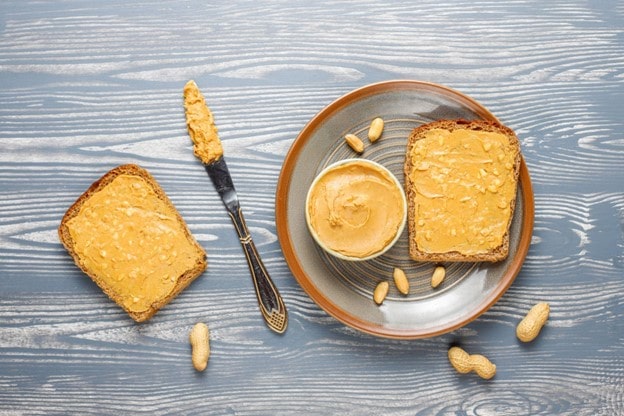
    Homemade smoothies are a great way to pack in calories. Use whole milk, fruits for weight gain like bananas and mangoes, and calorie boosters like peanut butter.

    What to Eat to Gain Weight Fast

    Here’s a breakdown of foods that can help you pack on pounds naturally:

    Proteins

    • Eggs: A rich source of high-quality protein and healthy fats.
    • Chicken and Fish: Excellent for building muscle.
    • Dairy: Whole milk, cheese, and yogurt are calorie-dense and nutritious.

    Carbohydrates

    • Oats: Is oats good for weight gain? Yes, oats are excellent, especially when combined with whole milk, nuts, and fruits.
    • Sweet Potatoes and Quinoa: Healthy carb sources with added nutrients.

    Fruits for Weight Gain

    • Bananas: High in calories and easy to digest.
    • Mangoes and Avocados: Both calorie-dense and nutrient-packed.

    Healthy Fats

    • Peanut Butter: Is peanut butter good for weight gain? Absolutely! It’s calorie-rich, nutritious, and easy to incorporate into meals.
    • Olive Oil and Ghee: Great for adding extra calories to your diet.

    is peanut butter good for weight gain

    Dry Fruits and Nuts

    • Which dry fruit is best for weight gain? Almonds, walnuts, cashews, and raisins are excellent choices. They’re calorie-dense, portable, and packed with healthy fats.

    Diet Chart for Weight Gain

    Here’s a simple diet chart for weight gain that you can follow at home:

    Morning:

    • 1 glass of whole milk with oats or granola.
    • Add a handful of nuts and a banana.

    Mid-Morning Snack:

    • A smoothie made with whole milk, peanut butter, and fruits like mangoes or berries.

    Lunch:

    • A bowl of brown rice or quinoa.
    • Grilled chicken or fish.
    • Steamed vegetables with olive oil.

    Evening Snack:

    • A handful of dry fruits like almonds and raisins.
    • A slice of whole-grain bread with avocado or peanut butter.

    Dinner:

    • Whole wheat pasta or sweet potatoes.
    • Lean protein like grilled fish or tofu.
    • A side of vegetables sautéed in ghee.

    Before Bed:

    • A glass of warm milk with honey or a small bowl of yogurt with nuts.

    Weight Gain Exercises: Build Muscle and Gain Healthy Weight Naturally

    While a calorie-rich diet is essential for gaining weight, combining it with the right exercises ensures that you gain lean muscle mass rather than accumulating fat. Weight gain exercises are designed to stimulate muscle growth, improve strength, and enhance overall fitness. This section explores effective exercises for gaining weight, tips to maximize results, and how to create a personalized workout plan.

    Why Exercise is Important for Weight Gain

    Exercise is a crucial component of a weight gain plan for several reasons:

    1. Stimulates Muscle Growth: Resistance training and weightlifting promote muscle hypertrophy, which increases muscle size.
    2. Improves Appetite: Intense workouts can boost your hunger, making it easier to consume the necessary calories.
    3. Enhances Metabolism: Regular exercise builds lean muscle, which burns more calories at rest, contributing to healthy weight gain.
    4. Improves Body Composition: Instead of gaining fat, exercise ensures your added weight comes from muscle.

    Types of Exercises for Weight Gain

    Here are the most effective types of exercises for gaining healthy weight:

    1. Strength Training Exercises

    Strength training involves lifting weights or using resistance to build muscle. These exercises are fundamental for anyone looking to gain weight.
    Compound Exercises:
    Compound movements target multiple muscle groups simultaneously, making them highly efficient for muscle growth. Examples include:

    • Squats: Build strength in your legs, glutes, and core.
    • Deadlifts: Work your back, legs, and core while improving overall strength.
    • Bench Press: Targets the chest, shoulders, and triceps.
    • Pull-Ups/Chin-Ups: Strengthen the back and biceps.
    • Overhead Press: Builds strong shoulders and arms.

    weight gain exercise

    Isolation Exercises:
    These focus on a single muscle group and are great for enhancing specific areas:

    • Bicep Curls: Strengthen and tone the arms.
    • Leg Curls: Target the hamstrings.
    • Tricep Extensions: Build stronger, toned triceps.

    2. Bodyweight Exercises

    Bodyweight exercises are excellent for beginners or those without access to a gym. They use your body as resistance to build strength and muscle.

    • Push-Ups: Strengthen the chest, shoulders, and triceps.
    • Planks: Improve core strength and stability.
    • Lunges: Build muscle in the legs and glutes while improving balance.
    • Dips: Work on chest, shoulders, and triceps.

    how to gain weight for females

    3. Yoga for Strength and Flexibility

    Yoga can help build strength, improve flexibility, and enhance muscle tone. Poses like the Warrior Pose, Downward Dog, and Plank Pose are excellent for strength-building and complement weight gain routines.

    4. Cardio in Moderation

    While cardio is often associated with weight loss, incorporating light to moderate cardio can enhance your fitness and support weight gain. Activities like walking or cycling improve cardiovascular health without burning excessive calories.

    Weight Gain Workout Plan for Beginners

    Here’s a sample weekly workout plan to help you gain weight effectively:

    Day 1: Full-Body Strength Training

    • Squats: 3 sets of 8–12 reps
    • Bench Press: 3 sets of 8–12 reps
    • Deadlifts: 3 sets of 8–12 reps
    • Pull-Ups or Lat Pulldowns: 3 sets of 8–12 reps

    Day 2: Active Rest or Light Cardio

    • Light jogging or yoga for 20–30 minutes.

    Day 3: Upper Body Focus

    • Push-Ups: 3 sets of 15 reps
    • Dumbbell Shoulder Press: 3 sets of 8–12 reps
    • Bicep Curls: 3 sets of 10 reps
    • Tricep Dips: 3 sets of 12 reps

    Day 4: Rest Day

    Day 5: Lower Body Focus

    • Lunges: 3 sets of 10 reps per leg
    • Leg Press: 3 sets of 10 reps
    • Romanian Deadlifts: 3 sets of 8–12 reps
    • Calf Raises: 3 sets of 15 reps

    Day 6: Core and Stability

    • Planks: 3 sets of 30–60 seconds
    • Russian Twists: 3 sets of 15 reps per side
    • Hanging Leg Raises: 3 sets of 12 reps

    Day 7: Rest or Light Activity

    Tips to Maximize Weight Gain with Exercise

    1. Progressive Overload
      Gradually increase the weight or resistance you use during workouts to continuously challenge your muscles, promoting growth.
    2. Adequate Protein Intake
      Ensure your diet includes enough protein to repair and grow muscles after workouts. Aim for 1.6–2.2 grams of protein per kilogram of body weight daily.
    3. Consistency is Key
      Stick to your workout schedule consistently for at least 8–12 weeks to see noticeable results.
    4. Get Enough Rest
      Muscles grow during rest, not during workouts. Aim for 7–9 hours of sleep per night and allow at least 48 hours of rest between training the same muscle group.
    5. Stay Hydrated
      Proper hydration is essential for muscle recovery and performance during workouts.

    Home vs. Gym: Where Should You Work Out?

    Home Workouts: Ideal if you’re a beginner or have limited access to equipment. Bodyweight exercises, resistance bands, and small weights are sufficient to start.
    Gym Workouts: Recommended for intermediate and advanced levels. Gyms offer a variety of equipment, such as barbells, dumbbells, and machines, to target different muscle groups effectively.

    How to Gain Weight at Home: Practical Tips

    1. Meal Prep

      Prepare your meals ahead of time to ensure you never miss a calorie-rich meal.

    2. Stay Consistent

      Gaining weight is a gradual process. Stick to your plan for at least 4–6 weeks to see results.

    3. Track Your Progress

      Monitor your weight weekly to adjust your calorie intake and exercise routine as needed.

    Conclusion

    Remember, gaining weight fast doesn’t mean resorting to unhealthy eating habits. Focus on nourishing your body and making sustainable changes. Stay patient, consistent, and celebrate small victories along the way. Knowing how to gain weight fast is about balancing calorie intake, nutrient quality, and exercise. Whether you’re aiming for muscle mass or just trying to reach a healthy weight, the tips above will set you on the right path. By incorporating the right foods, such as fruits, oats, and peanut butter, and following a structured exercise plan, you’ll be well-equipped to achieve your weight goals naturally and effectively.

    FAQs On How to Gain Weight Fast and Naturally

    1. How to Gain Weight Fast for Skinny People?

    Skinny individuals often have high metabolisms, making it harder to gain weight. Focus on calorie-dense foods, avoid skipping meals, and include protein and healthy fats in every meal.

    2. How to Gain Weight for Females?

    For women, weight gain may focus on specific areas like hips and thighs. Resistance training combined with a protein-rich diet can help build muscle in these areas.

    3. Is Oats Good for Weight Gain?

    Yes, oats are excellent for weight gain, especially when prepared with whole milk and topped with fruits and nuts.

    4. Is Peanut Butter Good for Weight Gain?

    Yes, peanut butter is a calorie-dense, nutritious food that’s easy to incorporate into snacks and meals. Spread it on bread, mix it in smoothies, or eat it with fruits.

    Related Links:

    Types of Cardio exercises
    9 Positive lifestyle changes for healthy life
    Role of sleep and workout in living a healthy life

  • Best Homemade Face Masks for Glowing Skin & All Skin Types

    Best Homemade Face Masks for Glowing Skin & All Skin Types

    homemade face masks

    In our journey towards healthy, radiant skin, it’s easy to feel overwhelmed by the sheer number of skincare products out there. But sometimes, the best remedies come straight from your kitchen, using ingredients you can trust. Homemade face masks are a natural, cost-effective way to pamper yourself while addressing your unique skin needs.

    1. Homemade Face Pack for Glowing Skin

    Achieving a natural glow is often the primary goal in skincare. Who doesn’t want that fresh, healthy look? When it comes to brightening your skin, certain natural ingredients stand out for their rich nutrients and gentle exfoliation properties.

    Turmeric & Yogurt Face Mask

    Ingredients:

    • 1 teaspoon turmeric powder
    • 1 tablespoon yogurt
    • 1 teaspoon honey

    Why it works: Turmeric is known for its anti-inflammatory and brightening properties. Yogurt contains lactic acid, which gently exfoliates dead skin cells, revealing fresh, glowing skin underneath. Honey, a natural humectant, locks in moisture, adding a dewy effect to the skin.

    How to use: Mix the ingredients in a bowl until smooth. Apply an even layer over your face and let it sit for about 15 minutes. Rinse with warm water and gently pat dry. Repeat twice a week for the best results.

    homemade face pack for glowing skin2. Face Mask for Oily Skin

    Oily skin can often feel heavy and clogged, leading to breakouts and blackheads. The key to balancing oily skin is using ingredients that help control excess sebum while keeping the skin hydrated.

    Clay & Tea Tree Oil Mask

    Ingredients:

    • 2 tablespoons bentonite or kaolin clay
    • A few drops of tea tree oil
    • Enough water or rosewater to form a paste

    Why it works : Clay has natural detoxifying properties, pulling out impurities and excess oils without being overly harsh. Tea tree oil is a natural antibacterial, ideal for acne-prone skin.

    How to use :Mix clay and water or rosewater to form a thick paste, then add 2–3 drops of tea tree oil. Apply evenly to your face, avoiding the eye area. Leave the mask on until it’s partially dry (around 10 minutes). Rinse with lukewarm water and pat dry. Use this mask once a week to keep oil and breakouts in check.

    Pro tip: Follow up with a lightweight, non-comedogenic moisturizer to keep the skin balanced.

    face mask for oily skin3. Face Pack for Dry Skin

    Dry skin often craves moisture and nourishment. Ingredients that provide hydration, vitamins, and fatty acids are excellent choices for restoring softness and resilience to parched skin.

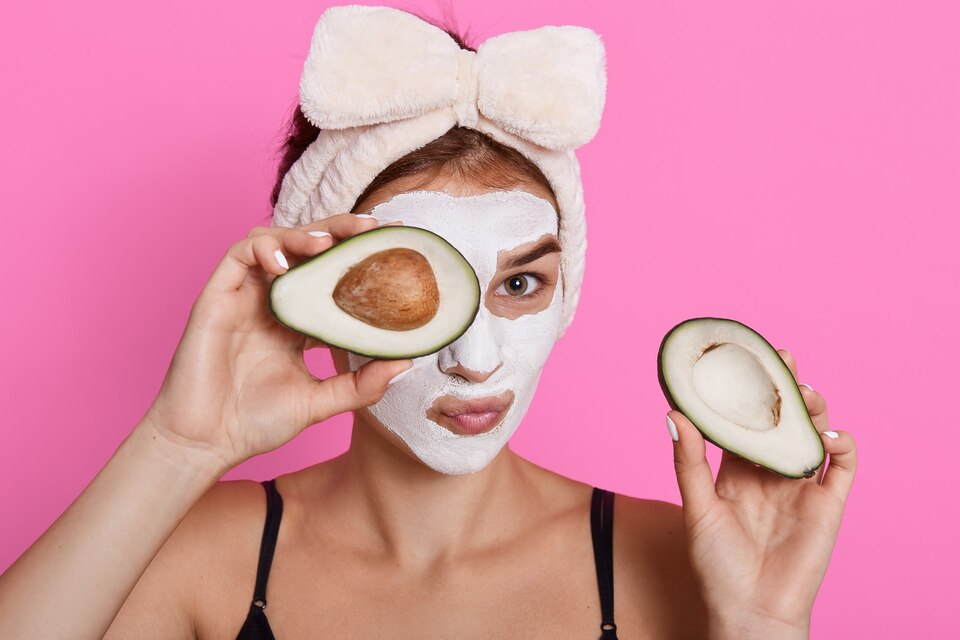
    Avocado & Honey Face Pack

    Ingredients :

    • ¼ ripe avocado
    • 1 tablespoon honey
    • 1 teaspoon olive oil (optional, for extra hydration)

    Why it works : Avocado is rich in healthy fats, vitamins E and C, and antioxidants that nourish and deeply moisturize the skin. Honey is a natural humectant, drawing moisture to the skin, while olive oil adds an extra layer of hydration.

    How to use : Mash the avocado until smooth, then mix in honey and a little olive oil if desired. Apply the mixture to your face and let it sit for 15–20 minutes. Rinse with warm water and pat dry. Use this mask once a week for hydrated, supple skin.

    Pro tip : Make sure the avocado is ripe for a smoother consistency that’s easier to apply.

    face pack for dry skin4. Natural Face Pack for Combination Skin
    Combination skin, which has both oily and dry areas, benefits from a mask that balances hydration with oil control.

    Banana & Honey Face Mask

    Ingredients :

    • ½ ripe banana
    • 1 teaspoon honey
    • 1 teaspoon lemon juice (optional for oily T-zone areas)

    Why it works : Bananas are rich in vitamins and have soothing properties that can help balance combination skin. Honey hydrates without clogging pores, and lemon juice (optional) acts as a mild astringent for oily zones like the T-zone.

    How to use : Mash the banana and mix it with honey (and lemon juice, if needed). Apply an even layer across your face. Leave it on for 15 minutes, then rinse with warm water. Use twice a week to maintain balanced skin.

    Pro tip : You can apply lemon juice only to the oily areas if the rest of your skin is on the drier side.

    5. Best Face Mask for Sensitive Skin

    Sensitive skin needs the gentlest ingredients that nourish without causing irritation. Simple oat and chamomile face masks for skin that is sensitive can calm redness and provide comfort.

    Oatmeal & Chamomile Mask

    Ingredients :

    • 2 tablespoons ground oats
    • 1 tablespoon chamomile tea (cooled)
    • 1 teaspoon honey

    Why it works : Oats have anti-inflammatory and soothing properties, perfect for sensitive skin. Chamomile tea adds an extra soothing effect, reducing redness and irritation.

    How to use : Mix ground oats with chamomile tea and honey until it forms a thick paste. Apply gently to your face and let sit for 10–15 minutes. Rinse with cool water and pat dry. Use this mask once a week to keep sensitive skin calm and happy.

    Pro tip: Make sure the chamomile tea is cooled before mixing to avoid any irritation.

    Conclusion

    There’s something genuinely satisfying about creating a home made face pack tailored to your skin type. Not only do you have full control over the ingredients, but the experience itself feels nurturing and grounding. From a home made face pack for glowing skin to a face mask for oily skin or a face pack for dry skin, these recipes ensure you can tackle any skin need with nature’s finest ingredients.

    Incorporating these natural, simple recipes into your routine could be just the step your skin needs to look and feel its best! Remember, beautiful skin is about balance, so listen to your skin’s needs and enjoy the process of self-care.

    For long-term skin health, it’s also important to support your skin from within. Antioxidant-rich supplements like Eqoq Tablet 10s may help protect skin cells from oxidative stress, which contributes to dullness, dryness, and early signs of aging.

    FAQs On Homemade Face Masks for Every Skin Type

    1. How often can I use these home made face pack?

    Generally, it’s best to use a home made face pack once or twice a week. Overuse might irritate the skin, especially for those with sensitive or dry skin types.

    2. Are home made face pack effective for long-term skincare?

    While homemade face masks are excellent for an instant glow, soothing dryness, or controlling oil, they work best as a supplement to a regular skincare routine that includes cleansing, moisturizing, and sunscreen.

    3.Can I store these face for skin for future use?

    Most DIY face masks are best used immediately to preserve the freshness and potency of the ingredients. However, some, like honey-based masks, may last up to a week in the fridge.

    Related Links : 

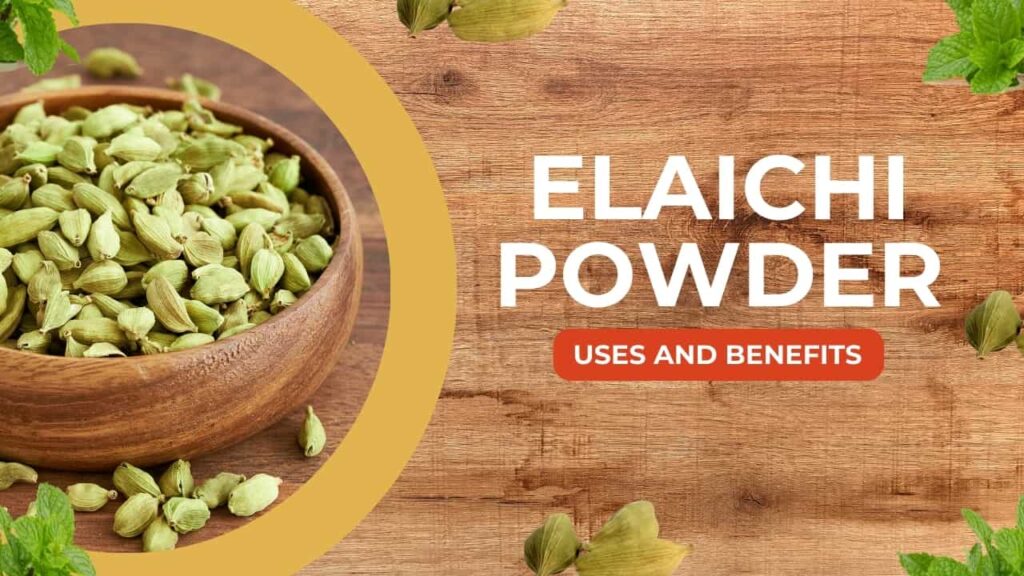
  • All About Elaichi Powder: Uses and Benefits | Cardamom

    All About Elaichi Powder: Uses and Benefits | Cardamom

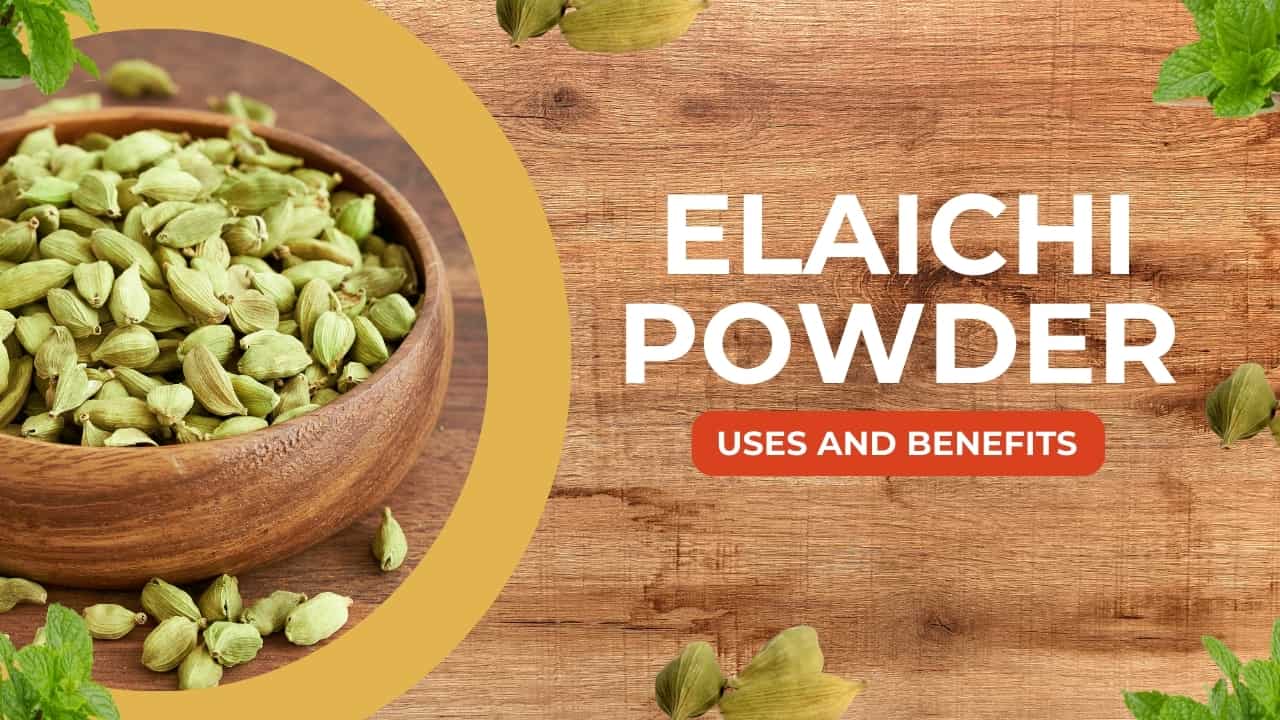
    benefits of elaichi powderElaichi Powder or Cardamom is a powerful ingredient that has been cherished for centuries. This aromatic seed, native to the Indian subcontinent, carries within it a plethora of uses and benefits that extend far beyond just adding flavor to our dishes. 
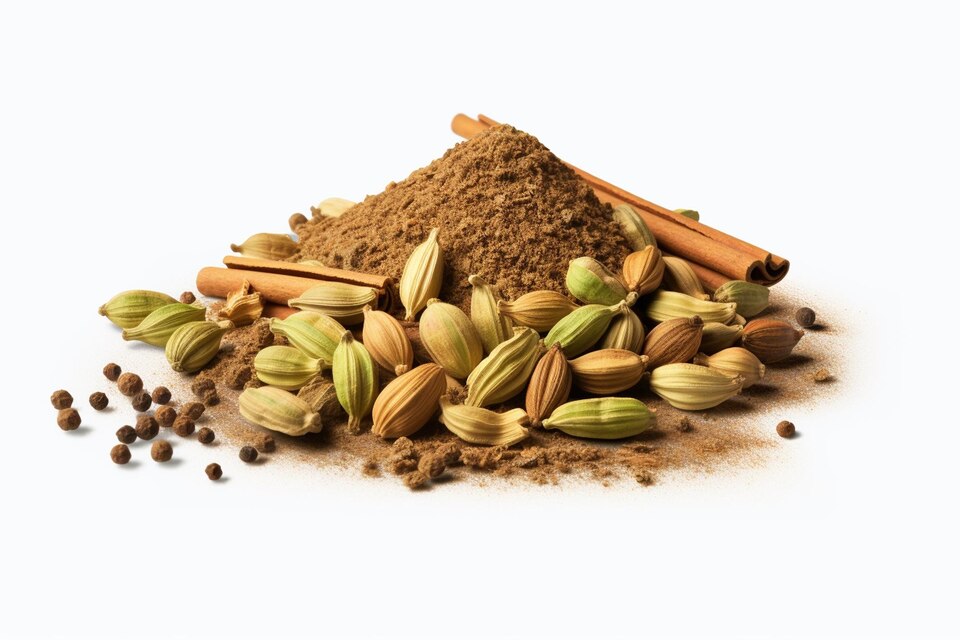
    Scientifically known as Elettaria cardamomum, Elaichi Powder belongs to the ginger family and is widely cultivated in tropical regions. It boasts a distinct sweet and floral aroma and a warm, slightly spicy flavor profile. Small pods encapsulate the seeds, which farmers harvest and dry before use. Elaichi is a common ingredient in culinary and medicinal practices due to its rich composition of essential oils, antioxidants, and other bioactive compounds.

    Culinary Applications

    1. Flavor Enhancer:

    Elaichi powder serves as a versatile flavor enhancer in various culinary creations, ranging from savory curries to indulgent desserts. Its unique blend of sweet and spicy notes adds depth and complexity to dishes, elevating the overall taste profile.

    2. Baking Ingredient:

    In the realm of baking, Elaichi powder finds its way into an array of confections, including cookies, cakes, and bread. It imparts a subtle yet distinct fragrance, transforming ordinary treats into aromatic delights.

    3. Beverage Infusion:

    Whether in traditional chai tea or exotic cocktails, Elaichi powder lends its aromatic essence to beverages, infusing them with warmth and sophistication. Its inclusion in hot drinks provides comfort during chilly evenings, while its presence in cold beverages offers a refreshing twist.

    Health Benefits of Elaichi Powder

    1. Digestive Aid:

    Elaichi powder is renowned for its digestive properties, helping to alleviate indigestion, bloating, and gas. It stimulates the secretion of digestive enzymes, promoting smoother digestion and relieving discomfort.

    2. Oral Health:

    The antimicrobial properties of Elaichi powder make it an effective remedy for oral health issues such as bad breath and cavities. Chewing on Elaichi seeds can freshen breath and inhibit the growth of bacteria in the mouth.

    3. Respiratory Support:

    Inhalation of the aromatic vapors from Elaichi powder can provide relief from respiratory ailments like coughs, colds, and congestion. Its expectorant properties help to loosen phlegm and clear the airways, facilitating easier breathing.

    4. Heart Health:

    Studies suggest that Elaichi powder may contribute to heart health by reducing blood pressure and cholesterol levels. Its antioxidant compounds help to protect against oxidative stress and inflammation, which are risk factors for cardiovascular disease.

    elaichi powder imageBeauty and Wellness

    1. Skin Care:

    Elaichi powder can be incorporated into homemade face masks and scrubs, offering nourishment and rejuvenation to the skin. Its antioxidant properties combat free radicals, promoting a youthful complexion and reducing signs of aging.

    2. Hair Care:

    When applied topically or consumed internally, Elaichi powder can enhance hair health by strengthening follicles, preventing hair loss, and imparting a natural shine. It is often included in hair masks and herbal remedies for its revitalizing effects.

    3. Stress Relief:

    The soothing aroma of Elaichi powder has a calming effect on the mind and body, making it a popular ingredient in aromatherapy. Its fragrance helps to alleviate stress, anxiety, and fatigue, promoting relaxation and mental well-being.

    How to Use Elaichi Powder

    1. Culinary Use

    • For culinary purposes, the dosage of elaichi powder can vary based on personal preference and recipe requirements.
    • Usually, 1/4 to 1/2 teaspoon of elaichi powder is enough to flavor dishes like curries, rice, desserts, and beverages.
    • Beginning with a modest quantity and fine-tuning to suit personal preferences is recommended.

    2. Medical Use

    • When using elaichi powder for its medicinal properties, such as digestive aid or oral health benefits, the dosage may vary.
    • Consult a healthcare provider before using elaichi powder, especially if taking medications or undergoing medical treatment, to ensure safety.
    • For oral health benefits, mixing a small amount of elaichi powder with water to form a paste and using it as a mouthwash or applying it directly to the gums can be effective.

    Consultation with a Healthcare Professional

    It’s important to consult with a healthcare professional or an Ayurvedic practitioner for personalized dosage recommendations, especially if using elaichi powder for specific health concerns or in conjunction with other medications. By following these dosage recommendations and precautions, individuals can safely incorporate elaichi powder into their culinary creations and enjoy its potential health benefits. However, it’s always wise to exercise caution, especially if using it medicinally or in higher doses, and consult with a healthcare professional when in doubt.

    Precautions and Potential Side Effects of Elaichi Powder

    1. Allergic Reactions

    • While elaichi is generally considered safe for most people when consumed in moderate amounts, allergic reactions can occur in some individuals.
    • Symptoms of an allergic reaction may include itching, swelling, hives, difficulty breathing, or dizziness. Should you experience any of these indications, cease usage immediately and consult with a medical professional.

    2. Gastrointestinal Upset

    • Excessive consumption of elaichi powder may lead to gastrointestinal upset, including stomach pain, nausea, or diarrhea.
    • Individuals with pre-existing gastrointestinal conditions should consume elaichi powder in moderation and monitor their tolerance.

    3. Drug Interactions

    • Elaichi powder may interact with certain medications, including anticoagulants, antiplatelet drugs, and medications metabolized by the liver.
    • Consult a healthcare provider before using elaichi powder, especially if taking medications or undergoing medical treatment, to ensure safety.

    4. Pregnancy and Breastfeeding

    • Pregnant and breastfeeding women should exercise caution when using elaichi powder.
    • Use small amounts in cooking, but avoid excessive consumption or medicinal use without consulting a healthcare professional.

    5. Children and Infants

    • Care should be taken when giving elaichi powder to children and infants, as their tolerance may differ from adults.
    • Consult a pediatrician before giving elaichi powder to a child or using it for medicinal purposes.

    6. Quality and Purity

    • Ensure that the elaichi powder is of high quality and free from contaminants or adulterants.
    • Purchasing elaichi powder from reputable sources and checking for certifications can help ensure its safety and efficacy.

    Conclusion:

    Elaichi powder stands as a testament to the remarkable synergy between flavor and function, offering a myriad of uses and benefits that span culinary, medicinal, and wellness domains. Whether sprinkled into a simmering curry, brewed into a comforting cup of tea, or infused into a rejuvenating skincare routine, this aromatic treasure continues to captivate hearts and minds around the world, enriching lives one seed at a time.

    FAQs on Elaichi Powder: Uses and Benefits

    Q1. What are the main culinary uses of elaichi powder?

    Derived from the seeds of the green cardamom plant, elaichi powder finds wide usage in culinary applications, imparting a distinctive and fragrant essence to both desserts and savory creations. Common culinary uses include flavoring desserts such as rice puddings, kheer (Indian rice pudding), and gulab jamun (a popular Indian sweet). It is also employed in curries, biryanis, teas, and beverages like chai (spiced tea) and lassi (yogurt drink).

    Q2. What are the potential health benefits of consuming elaichi powder?

    Elaichi powder is not only prized for its culinary versatility but also offers potential health benefits due to several bioactive compounds, including antioxidants and essential oils, contributing to its medicinal properties. Some of the potential health benefits associated with elaichi powder include aiding digestion, relieving gastrointestinal discomfort, freshening breath, promoting oral health, and potentially supporting cardiovascular health. Additionally, some research suggests that elaichi powder may have antimicrobial and anti-inflammatory properties, although further studies are needed to confirm these effects.

    Q3. How can one incorporate elaichi powder into skincare and beauty routines?

    Beyond its culinary and medicinal uses, elaichi powder has also found its way into skincare and beauty routines. Its aromatic properties and beneficial compounds make it a popular ingredient in homemade face masks, scrubs, and hair treatments. Elaichi powder helps cleanse and exfoliate the skin, promotes a healthy complexion, and adds shine to hair. In skincare, one can mix it with other natural ingredients like honey, yogurt, or rose water to create nourishing face packs or toners. In haircare, combining elaichi powder with oils or herbal extracts makes conditioning treatments that may help strengthen hair follicles and improve scalp health.

    Buy Generic Medicines – Upto 85% Off