Search results for: “all”

  • Amazing Health Benefits of Mung Beans

    Amazing Health Benefits of Mung Beans


    Health Benefits of Mung Beans

    The traditional Asian cuisine now uses mung beans as their main ingredient since people grew these green legumes thousands of years ago. Any diet should include mung beans because they pack essential nutrients together with several health benefits which function as a powerful source of nutrition. Mung beans work as powerful natural aids which benefits your heart health while showing positive effects on skin quality to create a healthier you.

    Mung Beans Nutrition: A Powerhouse of Essential Nutrients

    The nutritional value of mung beans includes essential vitamins together with minerals and antioxidants and high-quality protein. Plant-based nutrition from mung beans proves exceptional which makes them suitable for all vegetarian and vegan consumers. The following explanation demonstrates the nutritional characteristics of mung beans:

    1. Mung Beans Protein per 100g

    Raw mung beans contain 24 grams of protein in each 100-gram portion thereby constituting them a premier protein source for vegetarian diets. Mung beans function as an outstanding plant-based option instead of animal proteins for building muscles and managing weight and improving wellness.

    2. Mung Bean Calories

    The nutritional value in a 100g serving of uncooked mung beans consists of 347 calories. Mung beans supply 347 calories per 100g before cooking yet lose most of these calories during preparation because they turn into a food choice with only 105 calories per 100g.

    3. Rich in Fiber

    Mung beans contain a substantial amount that promotes digestive health and supports both gut health and blood sugar control.

    4. Essential Vitamins and Minerals

    • Iron: Supports healthy red blood cells and prevents anemia.
    • Magnesium: Promotes heart health and muscle function.
    • Potassium: Helps regulate blood pressure.
    • Folate: Essential for pregnancy and fetal development.

    Top Mung Beans Benefits for Health

    1. Rich Source of Plant-Based Protein

    Mung bean stands as one of the best vegetarian proteins making it an ideal nutritional choice for people following vegetarian or vegan lifestyle practices. Mung beans deliver 24 grams of protein for every 100 grams of raw content and these proteins work to fix muscles and build new ones while creating functional body capabilities. Mung bean protein provides better digestion compared to other legumes and thus represents an ideal protein source for people who experience stomach sensitivities.

    2. Promotes Heart Health

    The main advantage of mung beans as a food is their protective effects on cardiovascular wellness. Mung beans contain three essential nutritional components: Fiber, Antioxidants and Potassium which has these health benefits:

    • Reduce bad cholesterol (LDL)
    • Increase good cholesterol (HDL)
    • Lower blood pressure
    • Prevent heart diseases

    Mung beans provide regular consumption benefits to cardiovascular health and reduce the chances of experiencing strokes and heart attacks.

    3. Supports Weight Loss and Digestion

    An ideal low-calorie food rich in fiber is mung beans which provide excellent nutritional benefits. With only about 105 calories per 100g (cooked) mung beans serve as an exceptional food choice for weight management. The high fiber content helps:

    • The nutritive content of mung beans creates feelings of fullness and controls hunger pangs.
    • Mung beans have dual benefits by enhancing digestive function and stopping constipation.
    • The nutritional composition of mung beans effectively controls blood sugar which makes them suitable for diabetic patients.

    4. Mung Bean Benefits for Skin

    People should use mung beans because they bring excellent internal benefits along with fantastic outcomes for their skin condition. The antioxidants together with vitamins and minerals in Mung Beans benefit your health through following ways:

    • Reduce acne and blemishes
    • Free radicals responsible for aging processes receive defense through their consumption.
    • Mung bean uses provide both skin hydration and skin brightness to the complexion.
    • A mung bean face mask provides natural skin cleansing and exfoliating properties which create a fresh glowing appearance.

    5. Enhances Immunity and Reduces Inflammation

    Within mung beans exist flavonoids and phenolic acids that perform two functions by fighting inflammation and strengthening your immune system. The body fights infections while healing rapidly because mung beans act as protectors against different diseases.

    6. Regulates Blood Sugar Levels

    The most crucial advantage of mung beans involves their capability to control blood sugar levels. People who consume these beans benefit because their low glycemic index supports:

    • Prevent sugar spikes after meals
    • Improve insulin sensitivity
    • Reduce the risk of Type 2 diabetes

    The benefits of mung beans for diabetes management make them suitable for people following diabetes-friendly diets.

    Mung Bean Sprouts: A Superfood for Health

    Mung bean sprouts retain all the nutritional qualities as they are the nutritious version of mung beans. Bean sprouts provide numerous health benefits because they contain vitamins C and K and enzymes along with amino acids.

    Mung Bean Sprouts Nutrition

    • High in Protein: A great source of plant-based protein.
    • Low in Calories: The diet content of mung bean sprouts falls to 30 calories for every 100 grams while promoting weight reduction.
    • Rich in Antioxidants: Mung bean sprouts contain antioxidants which fight inflammation while supporting complete health benefits.
    • High in Fiber: Supports gut health and digestion.

    How to Use Mung Bean Sprouts

    Add mung bean sprouts to your dishes through salads as well as stir-fries and both soups and sandwiches. These sprouts provide a tasty crunch while also being smoothly digestible in your dishes.

    Mung Bean Sprouts Recipe: A Quick and Healthy Meal

    To create this quick and tasty mung bean sprouts dish try this recipe at your residence:

    Mung Bean Sprouts Salad

    Ingredients:
    • 1 cup fresh mung bean sprouts
    • 1 small cucumber (chopped)
    • 1 small carrot (grated)
    • ½ red bell pepper (chopped)
    • 2 tbsp lemon juice
    • 1 tsp olive oil
    • Salt and pepper to taste
    Instructions:
    1. Rinse the mung bean sprouts thoroughly.
    2. Place the sprouts together with cucumber along with carrot and bell pepper in a large mixing bowl.
    3. Drizzle with lemon juice and olive oil.
    4. Season with salt and pepper.
    5. Toss well and serve fresh!

    The simple salad contains essential nutrients which make it an excellent nutritional choice for any diet.

    Conclusion

    The nutritional content of mung beans provides many health advantages to the body. The small mung beans deliver all necessary body components alongside their skin-health advantages known as mung bean benefits. Mung beans belong to your diet essentials since you can eat them as filling meals or cooling salads or satisfying delicate sprouts.

    FAQs On Amazing Health Benefits of Mung Beans

    1. Are mung beans a good source of protein?

    The protein content in mung bean protein matches or exceeds the quantity of protein in animal-based sources and reaches 24g per 100 g (raw weight). These legumes are straightforward to process and help develop muscular tissues thus being appropriate for people following vegetarian or vegan diets.

    2. How do mung beans benefit skin health?

    Mung beans contain antioxidants alongside vitamins and minerals that reduce acne while brightening the skin complexion while also preventing aging effects. When used as a face mask mung beans provide two benefits: first they exfoliate and cleanse the skin then they leave your skin feeling fresh with a glowing appearance.

    3. Can mung beans help with weight loss?

    Mung beans serve as a nutritious food option since they contain 105 calories per 100g cooked and abundant fiber content that manages hunger and boosts fullness sensation. Mung beans provide a perfect food solution for people who want to manage their weight.

    4. Are mung bean sprouts healthy?

    Absolutely! Mung bean sprouts offer a nutritious profile with protein content and low-calorie and fiber and antioxidant values which benefit digestion and immunity and overall health. The food value of mung bean sprouts makes them suitable for adding to salads and stir frying and making into soups.

    5. How do you sprout mung beans?

    Soaking mung beans in water for an overnight period of 8-12 hours will let them sprout properly. Set the drained beans inside damp fabric or place them in a sprouting jar while covering the surface. It should be kept between 8 and 12 hours to achieve moist conditions without waterlogging. The fresh crunchy mung bean sprouts will mature within 1-3 days for your daily consumption.


  • Best Forearm Workouts to Increase Strength & Grip

    Best Forearm Workouts to Increase Strength & Grip

    best forearm workouts

    The forearm muscles usually receive no attention during strength training sessions. Powerful forearms provide better grip strength that increases performance outcomes for deadlifts pull-ups and basic daily tasks including grocery transport and jar opening. People who want either gym forearm exercises or forearm workouts within their home environment should look for appropriate movements because proper exercise selection leads to major results.

    Understanding Forearm Muscles

    Knowledge about forearm muscle arrangements must come before starting workout exercises. Two main muscle groups exist within the forearm structure.

    • Flexors: The inner part of the forearm has flexors which perform wrist flexion motions along with gripping movements.
    • Extensors: Located on the outer side of the forearm, responsible for wrist extension and stability.

    The hand grip workout should include exercises for flexors and extensors because this will create balanced strength with improved endurance in the forearms.

    Best Forearm Workouts for Strength & Grip

    1. Dumbbell Forearm Exercises

    The use of dumbbells serves as perfect equipment for gaining strength in your forearms. The following is a list of effective forearm exercises that can be performed with dumbbells:

    Wrist Curls (Flexors Focus)

    • Seated on a bench position your palm toward the ceiling while holding a dumbbell.
    • Rest your forearm on your thigh while cuing towards your upper thigh to complete wrist curls.
    • Perform each repetition by raising the weight slowly toward the sky and lowering it gradually.
    • Reps: 3 sets of 12-15 reps.

    Reverse Wrist Curls (Extensors Focus)

    • Perform wrist curls while facing down with your palm.
    • To activate your extensors lift your forearm with the dumbbell at your side.
    • Exercise the movement from a controlled descent.
    • Reps: 3 sets of 12-15 reps.

    Farmer’s Walk

    • You should walk while holding two heavy dumbbells by your sides for either a specific range or time period.
    • Maintain an upright posture position while gripping firmly.
    • Duration: 3 sets of 30-60 seconds.

    2. Forearm Workout at Home (No Equipment Required)

    The lack of access to forearm exercise equipment does not prevent you from doing many effective forearm workouts in your home setting.

    Towel Squeeze

    • Take a thick towel in your hands then pull it as though you would squeeze water from it.
    • Maintain the squeezed towel position during a period of 10 to 15 seconds before decreasing the pressure.
    • Reps: 3 sets of 10 reps per side.

    Dead Hangs

    • Use a pull-up bar to hang while spreading your hands at shoulder distance.
    • Perform the hold until grip fatigue to strengthen forearm hold times.
    • Duration: 3 sets of 20-60 seconds.

    Push-up Variations (Fingertip Push-ups)

    Push-ups performed with fingertips help strengthen the flexor muscles in your forearms.
    Reps: 3 sets of 8-12 reps.

    3. Gym Forearm Workouts

    People who exercise in gyms can enhance their grip strength by using appropriate forearm equipment.

    Reverse Grip Barbell Curl

    • You should hold a barbell using an overhand position as you lift it towards the ceiling.
    • Control the weight lowering procedure.
    • Reps: 3 sets of 10-12 reps.

    Plate Pinches

    • Hold a weight plate using your fingers together with your thumbs for maximum time duration.
    • Gradually enhance the weight and timeframe according to your training progression.
    • Duration: 3 sets of 30-45 seconds.

    Rope Climbs

    Leaping up a rope effectively works your forearm muscles to a powerful extent thus becoming one of the most beneficial exercises for grip strength.

    4. Exercises to Improve Grip Strength

    For complete strength training obtaining and maintaining a firm grip on equipment stands as an essential requirement. Several exercises exist to enhance your grip strength through the following steps:

    Hand Grippers

    • You should use a hand grip workout tool to build your grasp strength.
    • Hold pressure on the grip tool for around a few seconds then let it go.
    • Reps: 3 sets of 10-15 reps per hand.

    Wrist Roller

    • You should attach a weight to a rod that has a rope then perform upward and downward motions with the rod.
    • Using this exercise you work all joints in both your wrist flexors and extensors.
    • Reps: 3 sets of 10 reps.

    Sandbag Carries

    • The instability of sandbags during their hold makes the forearms adapt while building their grip endurance capabilities.
    • Duration: 3 sets of 20-40 meters.

    forearm workout at home

    Forearm Workout Chart for Strength & Grip

    For an effective routine, follow this forearm workout chart:

    Exercise Sets Reps/Duration Equipment Needed
    Wrist Curls 3 12-15 Dumbbells
    Reverse Wrist Curls 3 12-15 Dumbbells
    Farmer’s Walk 3 30-60 sec Dumbbells
    Dead Hangs 3 20-60 sec Pull-up Bar
    Plate Pinches 3 30-45 sec Weight Plate
    Hand Grippers 3 10-15 reps Hand Grippers
    Fingertip Push-ups 3 8-12 reps Bodyweight
    Rope Climb 3 As needed Rope

    Why Is It Important to Do Forearm Workouts?

    The force capacity and muscle strength in the forearms constitute vital components for complete fitness and regular activities. Most individuals neglect working their forearms while deducing their physical activity toward major muscle group areas such as chest and back and legs. Strong forearm muscles serve as a required foundation to achieve better results in weightlifting as well as sporting activities together with daily responsibilities.

    1. Improved Grip Strength

    The grip serves as your bond that attaches your hands to weights as well as other lifting objects. You need exercises that strengthen your grip to support a firm grip when performing any activity including deadlifts, pull-ups or when carrying heavy items. Weak forearm strength has an impact on gym progress since your fingers may give out before your intended muscles fully exhaust. A well-built hand grip exercise ensures you maintain hold to avoid earlier failure compared to your more substantial muscle groups.

    2. Enhanced Athletic Performance

    All athletes who participate in rock climbing and basketball athletics require strong forearms to succeed. Your ability to control ball and racket implements or bat through sports improves dramatically when your forearms develop stronger capabilities. Martial artists together with wrestlers build their performance by incorporating forearm training because this strength allows better contact with opponents as well as secure holds in grappling.

    3. Injury Prevention & Wrist Stability

    Weak forearms make joints more vulnerable to injuries alongside causing tendonitis or carpal tunnel syndrome. When the forearm muscles are strong they create more support for the wrist that helps decrease exercise and task-based tension. The prevention of sprains and other injuries becomes simpler by including gym forearm workouts and dumbbell forearm exercise routines.

    4. Better Endurance in Daily Activities

    A person needs grip strength to do simple activities that include opening jars or carrying heavy shopping bags. Your hand performance during everyday activities will become smoother and wrist fatigue will decrease through a combination of exercise training for your forearms in gym or home environments.

    5. Increased Lifting Strength & Muscle Gains

    Multiple compound lifts become limited because weak grip strength prevents you from achieving proper execution. You will have difficulties performing deadlifts, pull-ups or rows when your forearms lack strength. Forearm exercise equipment and proper use of a forearm workout chart enables systematic muscle overload that results in improved lifting strength.

    Conclusion

    Your gym performance and your ability to avoid injuries together with improving your grip strength depend heavily on having strong forearms. Your success depends on maintaining steady practice regardless of whether you work out at home with forearm exercise equipment or exercise at the gym.

    The guide has disclosed its most effective forearm exercises so implement them coupled with systematic progress tracking through a forearm workout chart. Begin integrating these workout moves right now to experience strong grip control alongside improved endurance capabilities.

    FAQs On Best Forearm Workouts to Increase Strength & Grip

    1. How to Increase Forearm Size?

    The development of forearm size requires performing resistance exercises which should include wrist curls reverse curls and farmer’s walks. Perform dumbbell forearm exercises while also including workouts that strengthen your grip to develop forearm muscles. Accomplished growth demands both consistent practice together with progressive overload along with suitable nutrition.

    2. Can Hand Grips Provide Any Effect on Forearm Dimension?

    The exercise of hand grips helps develop forearm strength and endurance yet fails to generate substantial size improvements. An effective combination for building noticeable muscle comes from using grip exercises with weighted forearm exercises. Better hypertrophy results from the combination of resistance with increased volume.

    3. How to Grow Forearms?

    Your forearm muscle growth will benefit from using both gym-based exercises with home-made forearm exercises. The development of wrist flexors and extensors requires you to perform wrist curls along with dead hangs and grip exercises. The combination of a high-protein diet plan with regular muscle overload progression will yield your optimal outcomes.

    RELATED LINKS

    Types of Cardio exercises and it’s health benefits
    Exercise for Diabetes
    Exercise for High Blood Pressure
    Ways to Increase Testosterone Levels Naturally
    Effective Steps to Lose Belly Fat

  • Powerful Benefits and Uses of Carom Seeds (Ajwain)

    Powerful Benefits and Uses of Carom Seeds (Ajwain)

    ajwain benefits

    Indians have been utilizing the traditional medicinal and culinary ajwain seeds known as Carom seeds since centuries. Ajwain has earned significant recognition in Ayurveda for its therapeutic properties because people use its raw seeds together with ajwain water and leaves from the plant. This article provides detailed information about the medicinal value of ajwain alongside its water benefits and usage along with possible adverse effects of this important spice.

    What is Ajwain?

    Among all its names including “carom seeds” in English Ajwain maintains membership in the Apiaceae family that also includes cumin and fennel. The spice has strong bitter bitterness accompanied with a pungent flavor which many find resemble thyme due to thymol concentrations. Succeeding plants in dry land grow small herbaceous ajwain which produces compact oval-shaped pods containing powerful nutritional and flavorful assets.

    Ajwain Plant and Its Uses

    The ajwain herb stands strong although small with its feathery leaves delivering essential medicinal properties. Ajwain seeds remain the most popular product yet health advantages from using its leaves are equally notable. Participants use raw ajwain plant leaves to prepare herbal teas and function as a treatment for coughs and contribute their flavor to traditional recipes.

    Ajwain Benefits : A Treasure Trove of Health Advantages

    The entire health value of ajwain seeds extends beyond their role as a culinary spice. Many important health advantages emerge from consuming ajwain in your meals according to these top benefits.

    1. Aids Digestion

    Among the many advantages of ajwain its healing effects on digestive health represent its most recognized use. Ajwain releases active enzymes that assist in properly activating gastric juices to eliminate digestive issues and gut discomfort and flatulence. Ajwain seeds mixed with warm water constitute an immediate remedy for stomach discomfort.

    2. Helps in Weight Loss

    People who are interested to reduce weight frequently use ajwain water as part of their weight management routine. Then you can achieve faster fat loss through improved metabolism because of ajwain. The water retains minimal fluids and reduces belly inflation thus offering a natural remedy to lose weight.

    3. Relieves Acidity and Gastric Issues

    Natural antacid properties of Ajwain contribute to minimizing acid reflux together with heartburn symptoms. Stomach acids find neutralization when drinking ajwain water while heat-sensitive meals such as spicy or large portions result in discomfort which the water alleviates.

    4. Provides Relief from Cough and Cold

    The antimicrobial together with anti-inflammatory mechanisms of Ajwain make it an efficient treatment option for cough and cold complications. Patients can benefit from the relief of respiratory issues and nasal congestion by boiling ajwain with water to produce steam.

    5. Regulates Blood Pressure

    The blood vessels in the body relax through intake of thymol found in ajwain which affects blood pressure levels. Coefficients of blood pressure appear to normalize when people consume ajwain on a regular basis.

    6. Boosts Immunity

    Ajwain provides multiple antioxidants to support immune system functioning because of its antioxidant content. Intake of ajwain regularly serves to defend against infections while preventing the occurrence of seasonal illnesses.

    7. Improves Oral Health

    Bad breath and oral infections can benefit from natural antibacterial treatment within a cup of ajwain seeds because of their medical properties. Dental care benefits surround the consumption of a few seeds which both freshen mouth odor while stopping gum infections.

    8. Beneficial for Skin and Hair

    When applied to the skin ajwain provides treatment against acne and pimples together with skin infections. The application of ajwain paste on the scalp minimizes the occurrence of dandruff and scalp-based infections.

    ajwain images

    Ajwain Benefits for Male Health

    Men receive special health benefits through the consumption of ajwain. Its main advantages consist of:

    • Enhances Sexual Health – The use of ajwain can both increase libido and improve all functions related to sexual health.
    • Boosts Stamina – The energy-boosting property of thymol within ajwain leads to improved stamina together with higher energy levels.
    • Supports Prostate Health – Research demonstrates that ajwain operates as an anti-inflammatory agent to preserve prostate health.

    Ajwain Water Benefits

    • The traditional remedy known as Ajwain water brings numerous health advantages to Ayurvedic medicine according to traditional healing practices.
    • The process of treating Ajwain (also known as carom seeds in English) with water creates a basic solution that benefits digestion and assists weight reduction while enhancing overall health status.
    • This piece investigates all the essential advantages of ajwain water and provides compelling reasons to try it as a daily habit.

    1. Aids Digestion and Relieves Acidity

    The primary benefit of using ajwain water against digestion problems is its ability to enhance digestive health. The active compound called thymol in Ajwain activates digestive enzymes which enable better food breakdown during digestion.

    Drinking ajwain water at regular intervals helps control both indigestion and acidity as well as prevents bloating and gas development. People who experience irritable bowel syndrome (IBS) benefits greatly from ajwain water use alongside individuals suffering from chronic digestive issues.

    2. Helps in Weight Loss

    People use Ajwain water as an organic solution against body fat for their weight loss efforts. Ajwain stimulates the metabolic rate and enables the body to burn fat at higher efficiency. Cold ajwain water serves as a superior detoxifying agent because it minimizes body water and flattens abdominal swelling. Drinking warm ajwain water as the first morning drink before eating anything can produce the greatest advantages.

    3. Detoxifies the Body

    Ajwain water functions as a natural detox substance which removes bodily toxins to achieve improved liver functionality. The beneficial effects of ajwain water clean the digestive system while simultaneously enhancing gut health thereby helps in improving skin health while promoting overall well-being.

    4. Provides Relief from Cough and Cold

    Drinking hot ajwain water serves as an effective remedy to reduce cough symptoms in combination with cold issues.
    The antimicrobial characteristics along with anti-inflammatory properties of Ajwain turn it into a valuable medical solution for colds, coughs and congestion treatment.

    Drinking warm solutions containing ajwain serves to reduce sore throat discomfort and clear nasal congestion in addition to removing mucus from respiratory passages. The steam from ajwain inhalation will provide further relief when treating cold symptoms.

    5. Improves Heart Health

    Your body will benefit from the heart-friendly effects that result from drinking ajwain water on a regular basis. Thymol found in ajwain works to reduce blood vessel tension which controls blood pressure levels while minimizing heart diseases. The substance decreases LDL bad cholesterol while simultaneously enhancing blood circulation functions.

    6. Relieves Menstrual Pain

    • The water solution of ajwain serves as a relief remedy for females experiencing menstrual cramps and irregular menstruation.
    • Drinking water mixed with ajwain contains natural components which activate uterine muscle relaxation to manage menstrual symptoms better.
    • Drinking ajwain water during menstrual periods has the ability to minimize both bloating symptoms and feelings of fatigue.

    7. Supports Oral Health

    The medicinal properties within ajwain water allow people to use it as a natural antimicrobial solution which helps fight oral infections while preventing bad breath. Ajwain water works as an antibacterial solution that defends against dental issues while defending against gum disease and tooth cavity formation.

    8. Boosts Immunity

    Drinking water with ajwain gives the body antioxidants along with anti-inflammatory compounds that enhance immune strength to fight infections. Drinking ajwain water frequently prevents against common winter illnesses such as colds, flu and fever.ajwain water benefits image

    How to Prepare Ajwain Water?

    Simple Ajwain Water Recipe:

    • Using one teaspoon of boiling ajwain seeds in five to ten minutes of water preparation creates the drink.
    • The mixture needs to cool down before straining and drinking warm.
    • Take the water on an empty stomach because that will maximize the benefits.

    Ajwain Water with Honey for Weight Loss:

    • Prepare ajwain water as above.
    • Mix one teaspoon of honey before stirring the solution.
    • Warm drinking of this water each morning activates metabolism.

    Ajwain Side Effects: Things to Keep in Mind

    The consumption of excessive ajwain produces several side effects despite its numerous health advantages.

    • Gastric Irritation – Drinking too much water with ajwain may trigger stomach acid that leads to gastric distress.
    • Allergic Reactions – A small number of people may develop allergic symptoms like skin rashes together with itchiness after consuming Ajwain products.
    • Not Safe for Pregnant Women in High Doses – High doses of ajwain are unsafe for pregnant people because excessive consumption could cause contractions of the uterus.

    Conclusion

    Ajwain serves as an outstanding spice which delivers wide-ranging health benefits because it supports digestion while strengthening immunity. You can obtain the medicinal benefits of ajwain seeds either by drinking ajwain water or by using leaves from the ajwain plant in various home treatments for your health needs. The integration of moderation prevents any undesirable effects from occurring. Leaving some space to introduce ajwain within your regular diet will allow you to experience its remarkable healthy advantages.

    FAQs On Powerful Benefits and Uses of Carom Seeds (Ajwain)

    1. Can I drink ajwain water daily?

    Ajwain water serves as a suitable daily beverage most effective when consumed first thing in the morning without food consumption. Daily consumption of ajwain water provides three benefits for digestion and weight loss and detoxification. People need to use ajwain water in moderate amounts to prevent stomach acidity and related discomforts.
    2. How does ajwain water help in weight loss?

    Ajwain water supports faster metabolic function and promotes fat conversion while cutting down both water weight and stomach bloating. The body becomes better able to use nutrients thanks to improved digestion which results from consuming ajwain water. The periodic consumption of this water aids in maintaining a successful weight reduction process.

    3. Does drinking ajwain water result in any adverse effects for the body?

    Excessive drinking of this water might trigger acidity symptoms together with heartburn and occasional dizziness for certain people. Women who are pregnant need to obtain medical advice before they repeatedly drink ajwain water. People who have liver complications or ulcers should restrict their intake of this beverage.

    4. Are there benefits of using ajwain water to treat cough and cold conditions?

    Ajwain water contains antimicrobial and anti-inflammatory compounds which enable it to relieve cough together with congestion and sore throat symptoms. Warm drinking of the solution helps both thin mucus and the respiratory system. Everyone can benefit from this natural substance as a seasonal infection treatment.

  • Black Coffee: Benefits, Side Effects & How to Make It

    Black Coffee: Benefits, Side Effects & How to Make It

    benefits of black coffee, side effects of black coffee

    What is Black Coffee?

    Black caffeine is a powerful, zero-calorie drink created by brewing roasted coffee beans without cream, condensed, or any milk or carbohydrates. Popular for its insulating flavor and stimulating properties, it’s full of accompanying antioxidants and caffeine. But further, the morning stamina boost, black coffee benefits lead to metabolic switching, improved focus, and even diabetes control. Curious whether black coffee is good for weight loss or fasting? Or wondering about the side effects of black coffee when consumed daily? In this guide, we’ll explore how this simple drink can support your fitness goals, metabolic health, and even skin and hair. You’ll also learn how to make black coffee the right way, discover its top uses, nutrition facts, and how it compares to milk coffee. Still wondering, is black coffee good for health? Let’s find out everything you need to know.

    Nutrition Facts of Black Coffee

    Knowing the nutrition facts of black coffee helps you make informed dietary choices. Here’s what’s typically found in one 240 ml (8 oz) serving :

    Nutrient Amount
    Calories 2 kcal
    Caffeine 95 mg
    Carbohydrates 0 g
    Protein 0.3 g
    Fat 0 g
    Potassium 116 mg
    Magnesium 7 mg

    Calories in black coffee are minimal, making it an ideal choice during intermittent fasting and weight loss programs.

    Top Black Coffee Benefits

    • Boosts metabolism and energy
    • Aids in weight loss
    • Improves focus and alertness
    • Abundant in antioxidants
    • May inferior the possibility of type 2 diabetes
    • Supports heart and liver health

    Benefits of Drinking Black Coffee on an Empty Stomach

    Including black coffee on an empty stomach is a well-known practice among intermittent fasters and morning exercise followers. It boosts adrenaline, jumpstarts fat metabolism, and betters bowel activities. It boosts adrenaline, jumpstarts fat metabolism, and betters bowel activities. However, it may not suit everyone — for those with acidity or ulcers, drinking black coffee first thing might cause discomfort.

    Black coffee benefits on an empty stomach include :

    • Enhanced fat-burning in a fasted state
    • Suppressed appetite and calorie control
    • Natural detox and digestion boost
    • Increased mental clarity

    🔎 Tip: If you feel jittery or acidic, try adding a pinch of cinnamon or have it post-breakfast.

    Black Coffee Uses in Daily Life

    Black coffee uses go beyond just a morning beverage :

    • As a pre-workout energizer
    • Appetite suppressant during fasting
    • Natural diuretic
    • Enhances concentration during work or study
    • Can be mixed into protein shakes or smoothies

    How to Make Black Coffee

    Here are popular brewing methods to explore if you’re wondering how to make black coffee that suits your taste:

    1. French Press

    • Add 2 tablespoons of ground coffee to a French press
    • Pour 1 cup of hot water (not boiling)
    • Let it steep for 4 minutes
    • Press and serve

    2. Espresso Machine

    • Use fine coffee grounds
    • Add water and extract a shot
    • Best for a bold and rich flavor

    3. Pour Over

    • Place a filter on a cup or carafe
    • Add ground coffee
    • Pour hot water slowly in a circular motion
    • Ideal for a clean taste

    How to Make Black Coffee

    Is Black Coffee Good for Weight Loss ?

    Yes, black coffee boosts metabolism and provokes the burning of body fat. Drinking it before an exercise increases strength. It’s poor in calories and curbs appetite, helping in calorie control. This is the reason black coffee benefits are regularly underlined in weight loss diets.

    Is Black Coffee Good for Health ?

    Yes, black coffee is good for health when absorbed in moderation. It improves brain function, supports liver strength, and contains important antioxidants. Routine consumption is also associated with decreased risks of Parkinson’s, Alzheimer’s, and undoubtedly cancers.

    Black Coffee for Skin & Hair

    • Antioxidants in black coffee protect skin cells from damage
    • May reduce inflammation and acne when applied topically
    • Caffeine improves scalp circulation, supporting hair growth

    Black Coffee Before Workout

    Black espresso is an everyday pre-workout supporter. It improves endurance, readiness, and fat decomposition

    Black Coffee During Fasting

    Drinking black coffee during fasting helps suppress appetite without breaking your fast. Its low calorie count and metabolism-boosting properties make it perfect for intermittent fasting.

    Black Coffee for Diabetes : Is It Good or Bad?

    Studies promise that moderate black coffee consumption may lower the risk of type 2 diabetes on account of its antioxidant content. But excessive caffeine can affect insulin sensitivity — regularly ask your doctor.

    Black Coffee Side Effects

    While it has many benefits, overconsumption may cause :

    Black Coffee Disadvantages

    • May increase acidity and lead to heartburn
    • Can interfere with calcium absorption
    • Over-reliance may lead to caffeine addiction
    • Can spike anxiety in sensitive individuals

    Milk Coffee vs. Black Coffee : Benefits, Calories & Fasting Impact

    Feature Black Coffee Milk Coffee
    Calories (per cup) 2 kcal 50–150 kcal
    Suitable for fasting ✅ Yes ❌ No
    Weight-loss friendly ✅ Yes ❌ Limited
    Caffeine content Higher Lower
    Sugar-free ✅ Yes ❌ Often contains sugar

    Black Coffee Recipe Variations

    • Iced Black Coffee : Brew and chill over ice
    • Cinnamon Black : Add cinnamon for extra antioxidants
    • Lemon Coffee : Add lemon juice for a zesty fat-burner
    • Protein Coffee : Mix with unflavored whey

    Final Thoughts

    Black coffee is a natural, strong drink that helps energy, focus, weight loss, and metabolic health. Whether you’re utilizing it during fasting, in consideration of diabetes control, or to kickstart workouts, its uses are continuous. Want to know how to make black coffee part of your healthful routine ?

    Start today with small, mindful changes.

    👉 Explore our wellness collection at Medkart Pharmacy
    👉 Check weight loss-friendly foods & supplements for better health today!

    FAQs on Black Coffee

    1. Can we drink black coffee daily?

    Yes, sipping black coffee day-to-day (1–2 cups) is reliable for most folk and can offer fitness benefits.

    2. Is black coffee better than green tea?

    Both have antioxidants, but black coffee provides a greater strength boost and may aid faster fat burn.

    3. Does black coffee help reduce belly fat?

    It helps excite absorption and fat oxidation, indirectly helping in stomach fat decline when linked accompanying diet and exercise.

    4. Is black coffee good for diabetic patients?

    Yes, hopeless espresso can reduce the risk of type 2 diabetes, but it must be drunk to a degree.

    5. When is the best time to drink black coffee?

    Morning (before brunch) or 30 minutes before an exercise is ideal. Avoid draining it late in the duskiness.

    6. What are the disadvantages of black coffee?

    Overconsumption possibly provokes sleep disturbances, digestive issues, and dependency on caffeine.

    7. Can black coffee be harmful if consumed on an empty stomach?

    Yes, for a few people, quaffing dirty espresso fasting may grant permission to bring about acidity or stomach sensitivity. It’s best to monitor in what way or manner your frame reacts and regulate your organisation if needed.


  • Best Foods to Eat for Breakfast

    Best Foods to Eat for Breakfast

    healthy breakfast

    The first meal of your day represents the most essential nutritional point because it determines how your energy operates as well as your metabolic functions and physical health. Downsizing makes no difference whether you seek healthy breakfast ideas or quick preparation methods or Indian breakfast alternatives since many nutritious options exist. This blog evaluates multiple diet-friendly breakfast options that serve different health requirements with a special focus on food choices for weight management.

    Why Is Breakfast Important?

    Numerous experts consider breakfast the most vital meal of daily routines. The body depends heavily on breakfast because it enables metabolic activation while providing vital nutrients and sustaining individuals through their daily tasks.

    Eating a nutritious breakfast in the morning ensures great health conditions while improving concentration and facilitating weight management. The numerous advantages of breakfast do not prevent people from skipping their morning meal because of time constraints and reduced hunger feelings.

    1. Boosts Metabolism and Energy Levels

    Due to prolonged fasting, the body requires nutrients to activate its metabolic functions. Food digestion begins after eating breakfast which leads to efficient energy production from food sources.

    Not consuming breakfast results in decelerated metabolic rates which produces mind and body exhaustion during all hours of the day.

    The combination of protein and healthy fats and complex carbohydrates in a nutritious breakfast will deliver enduring energy throughout the morning which stops mid-morning energy dips.

    2. Improves Concentration and Brain Function

    The consumption of a nutritious breakfast demonstrates positive effects on mental abilities such as cognition, memory retention and concentration ability.

    The brain needs glucose as its constant source of fuel to operate at its best level. Eating a balanced breakfast both clears brain fog and enhances mood while enhancing decision-making abilities.

    Academic performance improves among children and students when they consume breakfast compared to students who abstain from eating in the morning.

    3. Helps with Weight Management

    Eating breakfast foods as part of a weight loss plan will control your hunger to reduce your chances of eating excessive food in the afternoon.

    Missing breakfast triggers both hunger and unwanted unhealthy snacks that can lead to weight increase.

    The combination of protein-rich with high-fiber breakfast foods lengthens your feeling of fullness while decreasing your daily caloric intake.

    The weight management success of persons who aim to lose or keep weight comes from consuming eggs, oats, Greek yogurt, and whole grains as healthy breakfast options.

    4. Supports Heart Health

    Scientific research shows that omitting breakfast can cause an elevation in heart disease threats as well as raise blood pressure while disrupting cholesterol levels.

    Eating nutritious breakfast foods helps stabilize blood sugar along with reducing food cravings that lead to heart disease prevention.

    Different types of fiber-packed foods such as nuts and oats as well as fruits can benefit your cardiovascular health by reducing bad cholesterol.

    5. Stabilizes Blood Sugar Levels

    A properly balanced breakfast controls both rapid blood sugar level rises and the subsequent drops. Individuals who either have diabetes or insulin resistance need breakfast to maintain steady blood sugar levels.

    Eating a breakfast containing protein and healthy fats with complex carbohydrates will preserve smooth energy levels and prevent the emergence of type 2 diabetes.

    Best Healthy Breakfast Foods

    1. Oats – A Powerhouse of Nutrients

    Oats stand as an ideal choice for healthy breakfast consumption since they deliver fiber, protein and important vitamins. These foods facilitate digestion control and keep hunger at bay throughout the day.
    How to Enjoy:

    • Overnight oats with fruits and nuts
    • The breakfast combination of oat porridge serves honey alongside seeds generating an excellent breakfast meal.
    • Masala oats (spiced Indian-style oats)

    2. Eggs – A Protein-Rich Superfood

    The nutrient content of eggs includes high-quality protein and healthy fats so they form the base of numerous simple breakfast dish ideas. Eggs along with oat products help your body develop muscles and maintain your fullness while delivering important vitamin B12 and vitamin D to your system.

    How to Enjoy:

    • A perfect breakfast consists of soft eggs scrambled over whole-grain wheat bread.
    • Boiled eggs with a side of vegetables
    • Indian-style masala omelet

    3. Greek Yogurt – Gut-Friendly and Protein-Rich

    The healthy ingredients in Greek yogurt include both probiotics along with protein and calcium content. This nutritious food provides benefits to digestion and constitutes an accessible option for healthy breakfast consumption.
    How to Enjoy:

    • With granola and berries
    • Mixed with honey and nuts
    • As a base for smoothies

    4. Fruits – A Natural Energy Booster

    Bananas, apples, and berries contain vitamins together with fiber and antioxidants in their composition. These foods supply quick bursts of energy and also stimulate digestive processes.

    How to Enjoy:

    • Banana and peanut butter on whole wheat toast
    • Nuts and seeds accompany the smoothie made from fruits
    • A bowl of mixed fruits with yogurt

    5. Whole Grain Toast with Nut Butter

    Whole grain bread contains plenty of dietary fiber that matches perfectly with the protein content in nut butter including peanut butter and almond butter.

    How to Enjoy:

    • Toast with peanut butter and banana
    • Whole grain toast with avocado and eggs
    • Multigrain bread with cottage cheese

    6. Chia Seeds – A Superfood for Weight Loss

    Chia seeds deliver three major health benefits which include high fiber content together with omega-3 fatty acids and protein. This food group supports digestion system functions while creating a sense of fullness in the stomach.

    How to Enjoy:

    • Chia pudding with coconut milk and fruits
    • Sprinkled over yogurt or smoothies
    • Mixed into oats or porridge

    Indian Breakfast Ideas

    A variety of nutritious and nourishing Indian breakfast dishes exist within Indian cuisine. Here are some top choices:

    1. Poha (Flattened Rice) – Light and Nutritious

    People in India commonly eat Poha as their morning meal since they mix flattened rice with vegetables and then season it with light spices. Its gentle digestion properties make this dish heavy enough to satisfy your appetite.

    2. Upma – A Fiber-Rich South Indian Delight

    Upma consists of semolina or millet which creates a complete nutritious breakfast dish rich in fiber and important nutrients.

    3. Dosa and Idli – Fermented and Probiotic-Rich

    The process of fermenting rice and lentils in dosa and idli creation results in these two foods becoming beneficial for intestinal health.

    4. Moong Dal Chilla – High-Protein Pancakes

    The High-Protein Pancakes referred to as Moong Dal Chilla serve as a nutritious Indian mouthwatering breakfast.
    The light and protein-rich moong dal chilla acts as an excellent weight loss food while replacing traditional pancakes in convenience and preparation.

    5. Sprouts Salad – A Power-Packed Meal

    A nutritious breakfast starts best with sprout foods because they carry high levels of protein and fiber content.

    Breakfast Foods for Weight Loss

    The ideal breakfast to support weight loss contains proteins coupled with fiber elements along with healthy fat molecules. The following weight-loss breakfast options include:

    • Vitamin-rich avocado toast with eggs serves as an excellent weight-control breakfast because healthy fats and protein maintain extended satiation.
    • Having almonds or walnuts or consuming flaxseeds as a small portion offers essential nutritional value.
      Green tea or black coffee works as metabolite boosters to accelerate fat-burning processes.
    • The ingestion of rich vegetable smoothies represents an effective method to obtain fiber along with antioxidants.

    Conclusion

    People who like traditional Indian breakfast ideas alongside modern easy breakfast recipes or seek weight loss breakfast foods should keep meals balanced with protein, fiber, and healthy fats. Having a proper morning breakfast creates the foundation for productive activities combined with daily energy levels.

    FAQs On Best Foods to Eat for Breakfast

    1. Is it okay to skip breakfast?

    Intermittent fasting is practiced by some individuals yet frequent abstention from breakfast leads to decreased energy levels diminished concentration capabilities and increased desire for unhealthy food during daytime. Your body needs a well-balanced breakfast to maintain metabolic functions and good wellness. People who do not experience morning hunger should consume nutritious and light breakfast choices such as smoothies or yogurt.

    2. What are the best foods for a healthy breakfast?

    Healthy breakfast meals should contain protein-rich items including eggs, Greek yogurt and nuts together with fiber-rich food choices that include oats and whole grains and fruits. bổnlý meals that include protein and healthy fat with complex carbs produce sustained energy levels. Steer clear of sweetened cereals as well as other processed foods during your meals.

    3. Can breakfast help with weight loss?

    Breakfast foods prove beneficial for weight loss by providing hunger control together with metabolic efficiency which results in limiting excessive eating throughout the rest of the day. Breakfast options that contain high protein together with fiber like oatmeal, eggs and smoothies maintain your feeling of satisfaction throughout the morning. Do not choose foods that are high in sugar and calories because they cause weight increase.

    4. What are some quick and easy breakfast recipes?

    People who need fast morning meals should make overnight oats, avocado toast, smoothies or boiled eggs with whole-grain toast because they are both easy and healthy to prepare. You can prepare simple breakfast dishes including poha upma or a peanut butter combined with banana within few minutes. The selection of nutritious ingredients creates a balanced meal according to recommendations.

  • Alkaline Water for Health: Benefits and Side Effects

    Alkaline Water for Health: Benefits and Side Effects

    alkaline water benefits, alkaline water side effects

    Consumption of alkaline water surged in popularity as a health option during recent times. Fans believe alkaline drinking water offers various advantages to users such as better hydration plus detox action together with weight reduction potential and anti-aging functionality. Research indicates how beneficial alkaline water is towards human health.

    What is Alkaline Water?

    A water solution’s acidity depends on its measurement of pH. The normal pH scale of alkaline water exceeds that of typical drinking water because it falls between 8 and 9. Tap water exhibits a pH value which falls at the neutral level of 7.
    The pH elevation in alkaline water can occur by adding minerals such as calcium together with potassium and magnesium while ionization is another method. Supporters suggest that the higher alkalinity of this water type helps treat body acid levels while bringing various wellness benefits.

    How to Make Alkaline Water at Home

    Different methods exist for creating alkaline water within the home environment.

    • Using Baking Soda: A solution made from baking soda at a half teaspoon dosage per liter of water will create alkaline conditions.
    • Lemon Water Method: Despite its acidic nature lemons produce alkaline effects during their metabolic process in the human body.
    • Alkaline Drops: Alkaline Drops serve as a store-bought solution which users can mix with water to raise its pH value.
    • Water Ionizers: Electrolysis-powered Water Ionizers effectively increase the pH values of water.
    • Adding pH Boosting Minerals: Minerals including potassium along with magnesium and calcium can improve water pH through addition to the solution.

    Home-made alkaline water offers affordable benefits to consumers but alkaline water products at stores differ substantially in price from both bottled and ionized water versions.

    Alkaline Water Benefits

    People who support alkaline water say that it brings numerous health benefits to users. These are the main advantages of alkaline water according to proponents of this hydration method:

    1. Superior Hydration and Detoxification

    Among the main assertions regarding alkaline water it delivers better hydration capacity compared to standard drinking water. The body absorbs alkaline water because its water molecules stay small at the cellular level. Such efficient hydration properties are advantageous, particularly for the following groups and purposes:

    • Athletic performers along with fitness enthusiasts find it advantageous to use alkaline water for instant hydration.
    • People residing in hot regions along with those who perspire heavily benefit from alkaline water intake.
      Specific individuals who face fatigue due to dehydration need this solution.
    • Higher hydration levels through alkaline water help the body eliminate toxins along with metabolic waste from the body effectively.

    2. Helps with Acid Reflux and Digestion

    Heartburn along with esophageal discomfort occurs when acid from the stomach flows backward into the esophagus. Research indicates that water with a pH level of 8.8 shows the potential to counteract stomach acid overproduction thus stopping acid reflux indicators.

    When alkaline water works to decrease stomach acidity it helps digestion while supporting a balanced gut environment.

    3. Alkaline Water Benefits for Skin Health

    The consumption of sufficient water amounts is vital for your skin health since alkaline water contains multiple benefits for your skin.

    • A hydrated body produces skin with suppleness and elasticity.
    • The flushing action of hydration leads to fewer skin breakouts because impurities leave the skin.
    • This water promotes anti-aging properties because it fights aging cells responsible for developing early wrinkles.

    People sometimes apply alkaline water to their faces as a way to maintain pH balance according to certain individuals.

    4. Potential Aid in Weight Loss

    Does the consumption of alkaline water have any impact on weight loss? Signs indicate that alkaline water helps support metobolic health although it does not provide instant miraculous effects.
    The scientific community has found preliminary evidence which shows that alkaline water has the following effects:

    • Approval has emerged regarding the benefits of alkaline water to increase energy metabolism rates and fat decomposition processes.
    • The body’s metabolic processes become more efficient therefore it burns calories with greater effectiveness.
    • The proper hydration turns down food cravings by ensuring appropriate hydration which stops unwanted snacking.

    The weight loss benefits of alkaline water function most effectively in combination with proper diet and exercise routines.

    5. Supports Bone Health and Prevents Osteoporosis

    Drinking alkaline water shows evidence of supporting strong bones through these possible benefits:

    • The body preserves calcium contained in bones against loss which happens because of excessive body acidity.
    • Better bone mineral density may help prevent osteoporosis by potential reduction of risk.

    The evidence needs additional long-term studies for confirmation of these findings.

    6. Boosts the Immune System

    Scientifically it seems that body fluids remain healthier in an alkaline state because it controls inflammation levels and eliminates excessive acidity. A healthy immune system depends on maintaining a balanced pH in the body though alkaline water has not been scientifically proven to stop diseases.

    7. Enhances Energy Levels

    The consumption of alkaline water seems to give many users an increase in their energy levels. This could be due to:

    • Better hydration, which prevents fatigue
    • The elimination of acid accumulation contributed to better body functions.
    • Potassium and magnesium electrolytes conserve muscle and nerve operation.

    Drinking alkaline water may benefit those who struggle with tiredness because hydration with alkaline water shows promise as a remedy.

    8. Helps with Kidney Health (With Caution)

    The potential therapeutic value of alkaline water for kidneys creates some disagreement among experts.

    • Increasing water intake with alkaline content allows healthy individuals to decrease acid amounts reaching their kidneys.
    • People who suffer from kidney disease should limit their intake of alkaline water since it might disrupt mineral levels within their bodies.

    People with kidney problems should seek medical advice to determine if regular alkaline water consumption suits their health situation.

    alkaline water benefits

    Alkaline Water vs. RO Water: Which is Better?

    Alkaline Water holds a dispute for health superiority against Reverse Osmosis Water.
    At present various people examine the health comparison between alkaline water and RO water (Reverse Osmosis Water).

    • The purification process of RO water destroys many essential minerals through removal of all contaminants while creating a slightly acidic water mixture.
    • The pH level in alkaline water remains high while retaining essential mineral contents according to some individuals who support health benefits.

    A mixture of alkaline water and RO water represents the most suitable choice for regular consumption. Drinking RO water stands for purity while consuming alkaline water allows you to obtain minerals together with its elevated pH level.

    alkaline water vs ro water

    Potential Side Effects: Alkaline Water Risks

    Excessive consumption of alkaline water leads to various alkaline water side effects together with possible health risks.

    1. Digestive Issues

    Using an excessive amount of alkaline water disrupts stomach acidity and produces three negative effects including bloating along with nausea and indigestion.

    2. Reduced Stomach Acid Production

    High-pH water consumed daily might disturb gastric acid production which creates negative impacts on digestive health and nutrient absorption.

    3. Alkalosis Risk

    Your body may develop alkalosis from alkaline water consumption which results in muscle twitching with confusion and nausea due to a rise in body alkalinity.

    4. Kidney Problems

    Those with kidney disease should avoid using alkaline water since it raises mineral accumulations that bring additional health risks. People must check with their doctor first to determine proper regular consumption of alkaline water.

    5. Imbalance of Natural pH Levels

    The human body possesses natural processes to control pH levels. Self-regulating mechanisms of the body face disruption when people consume excessive amounts of alkaline water.

    How Much Alkaline Water Can I Drink a Day?

    The proper amount of alkaline water intake depends on the circumstances of each person. A person’s health needs determine daily alkaline water intake between 2 to 3 liters according to expert opinions. People starting with alkaline water should begin by drinking little amounts while keeping an eye on their bodily reactions.

    Conclusion

    Research about alkaline water shows positive effects exist but such benefits do not turn the water into an all-encompassing solution. Alkaline water tends to improve hydration while supporting digestion and delivering possible advantages for weight loss together with skin health benefits.

    Extensive consumption of alkaline water can produce two main medical risks which include alkalosis and kidney damage. Start your alkaline water consumption with small amounts then monitor your body reactions before seeking medical guidance if required.

    FAQs On Alkaline Water for Health: Benefits and Side Effects

    1. When to drink alkaline water?

    Drinking alkaline water offers its most beneficial effects during morning hydration and 30-minute pre-meal consumption as well as post-workout recovery. You should wait to drink the water between meals to prevent disturbance of stomach acid and digestive processes. The daily consumption of alkaline water at controlled quantities leads to maximum advantages.

    2. Is alkaline water good for daily consumption?

    Personally and scientifically it is safe to drink up to 3 liters per day of alkaline water. Excessive alkaline water intake results in stomach acid disruption although it could benefit hydration and digestion and acid regulation functions. A proper starting dosage allows you to check your body’s reaction.

    3. Can alkaline water help with weight loss?

    The fat-metabolizing effects of alkaline water do not make it a complete weight loss system. Using alkaline water with proper nutrition and exercise practice enables improved hydration and decreases food cravings.

    4. Does alkaline water have side effects?

    Alkalosis and reduced stomach acid together with digestive discomfort become possible when someone consumes too much alkaline water. Consultation with a doctor is necessary for persons with kidney disease who want to drink alkaline water on a regular basis.

  • After-Workout Food for Muscle Gain, Weight Loss & Fast Recovery

    After-Workout Food for Muscle Gain, Weight Loss & Fast Recovery

    After-Workout Food for Muscle Gain, Weight Loss & Fast Recovery

    After a workout, food choices matter more than ever. Your physique needs a high-quality post-workout meal to recover, restore strength, and restore stamina levels. Whether your intention is muscle gain, fat loss, or fast muscle improvement, the right after-workout food can build up efficiency and results. So, what is the post-workout meaning? It refers to the essential food your body needs immediately after practice to advance recovery and fuel growth. Consuming the right muscle recovery foods not only reduces aches but also develops capacity, making every session count. Whether you’re concentrated on a post-workout meal for muscle gain or selecting feed for weight loss, your improvement starts accompanying what’s on your plate.

    1. Post-Workout Meaning & Its Importance

    Since the post-workout meaning is crucial for constructing a strong and effective health routine, Post-exercise, your body bears muscle micro-tears, glycogen exhaustion, and damage to fluids. Therefore, choosing healthy after-workout food is essential—it supports refuelling energy, restores muscle tissue, and controls fast muscle recovery. A comfortable post-workout meal can produce a noteworthy difference in how rapidly and completely your physique recovers, whether your target is muscle gain, power, or endurance.

    Why Is a Post-Workout Meal for Muscle Gain Important?

    • Rebuilds muscle fibers using amino acids
    • Rehydrates the body by restoring electrolytes
    • Replenishes glycogen stores with quality carbohydrates
    • Minimises muscle soreness (DOMS)
    • Supports metabolic function and immune health

    Without proper recovery nutrition, your body remains in a catabolic state—breaking down muscle instead of building it.

    Also Read: Learn how protein and other nutrients work best in the post-workout food for muscle recovery.

    2. What Happens to Your Muscles After a Workout?

    During exercise, especially resistance training, muscle fibers undergo controlled damage or “micro-tears.” These tears trigger inflammation and repair processes. This is when your body rebuilds the muscle stronger and denser—but only if it has the raw materials: protein, carbohydrates, and hydration.

    Post-Workout Catabolic Phase:

    • Muscle protein breakdown increases
    • Insulin sensitivity is high (ideal for nutrient absorption)
    • Energy stores are low
    • Dehydration risk increases

    That’s why post-exercise is a crucial anabolic window—a short period where the body maximizes nutrient uptake for repair and growth.

    3. Best Post-Workout Meal Components: Protein, Carbs & Fats

    An ideal best post-workout meal consists of the following macronutrients :

    Protein :

    • Repair muscle damage
    • Builds lean muscle mass
    • Prevents muscle loss

    Sources : Whey protein, chicken, eggs, paneer, tofu

     Carbohydrates :

    • Refill depleted glycogen
    • Boost energy recovery
    • Improve protein absorption

    Sources : Brown rice, oats, fruits, sweet potato

     Fats (in moderation) :

    • Reduce inflammation
    • Aid in joint health
    • Prolong nutrient absorption

    Sources : Avocado, flaxseeds, almonds, olive oil

    Sample Balanced Ratio :

    • 40% carbs
    • 30% protein
    • 30% fat (optional or lower for weight loss)

    4. Best Foods for Muscle Recovery & Strength

    Here are some highly effective after-workout food options to consider :

    Food Item Why It Works
    Eggs High-quality complete protein with essential amino acids
    Greek Yogurt Protein + gut-friendly probiotics
    Cottage Cheese (Paneer) Contains casein for sustained muscle repair
    Banana + Peanut Butter Replenishes energy and adds healthy fats
    Protein Smoothie Quick, customizable, easily digestible
    Chicken Breast Lean and packed with muscle-repairing protein
    Quinoa A rare plant-based complete protein with fiber and iron

    These will help you with the best foods for muscle recovery.

    Bonus Add-ons :

    • Add chia seeds or flaxseeds for omega-3s
    • Toss in spinach or kale for iron and antioxidants
    • Use almond or low-fat milk for smoothies

    5. After a Workout, Food for Weight Loss

    If your focus is fat loss, post-workout meals should be :

    Smart Choices :

    • Tofu with steamed broccoli
    • Boiled eggs with tomato slices
    • Whey protein + water + berries
    • Oats + almond milk + chia seeds

    Tips for Fat Loss Nutrition:

    • Eat within 30–60 minutes post-exercise
    • Drink at least 500ml of water immediately after
    • Avoid sugary “health bars” and fruit juices
    • Choose high-fiber foods to stay full longer

    These are the chief meals after a workout, food for weight loss.

    After a Workout Food

    6. Sample Meals (Veg + Non-Veg Options)

    Here are some quick meal ideas for different fitness goals:

     For Muscle Gain (Vegetarian) :

    • Quinoa salad with chickpeas, cucumber, olive oil, and lemon
    • Paneer bhurji + multigrain roti + spinach

     For Muscle Gain (Non-Vegetarian) :

    • Grilled chicken + brown rice + sauteed veggies
    • Scrambled eggs + roasted sweet potato + avocado

     Low-Calorie Meals for Weight Loss :

    • Egg whites + spinach stir fry
    • Low-fat Greek yogurt + chia seeds + fresh berries
    • Moong dal chilla + mint chutney

    These are the simple and home-friendly Post-workout meals for muscle gain

    7. Best Pre-Workout Meal vs Post-Workout Food

    While post-workout meals focus on recovery, pre-workout meals are all about performance.

    Pre-Workout Meal (Eat 1–2 hours before) :

    • Provides sustained energy
    • Enhances endurance
    • Delays fatigue

    Examples :

    • Peanut butter toast + banana
    • Oatmeal + almond milk + raisins
    • Boiled eggs + sweet potato

    Post-Workout Food (Within 30–60 mins) :

    • Repairs muscles
    • Refuels glycogen
    • Reduces soreness

    Examples :

    • Protein shake + fruit
    • Grilled chicken + brown rice
    • Quinoa salad + cottage cheese

    8. Foods to Avoid After Workout

    Some foods may seem healthy, but can hinder recovery. Avoid these after working out:

    •  Sugary sodas – spike insulin, offer zero nutrition
    •  Fried snacks – delay digestion, increase inflammation
    •  Alcohol – dehydrates, disrupts protein synthesis
    •  Processed meats or sugary cereals – high in sodium and added sugar

    9. Expert Tips for Post-Workout Success

    • Hydrate : Drink 2–3 glasses of water or an electrolyte drink
    • Don’t Skip Meals : Skipping post-workout meals leads to fatigue and muscle loss
    • Meal Prep : Plan and prep meals in advance for consistency
    • Listen to Your Body : Cravings and hunger are signs your body needs refueling
    • Use Supplements Wisely : Whey protein or BCAAs can help if your diet lacks key nutrients

    Along with proper nutrition, muscle recovery plays a vital role in achieving your fitness goals. Supplements that support nerve health and post-workout recovery can be helpful. For instance, products like Nurewire Capsule 10s are often recommended to support nerve regeneration and overall wellness, especially if you’re undergoing intense physical training.”

    Conclusion 

    Whether you’re building muscle, improving efficiency, or losing weight, after-workout food is non-debatable. The best post-workout meal inflames your recovery, reduces irritation, and steps up results. By containing the proper combination of muscle recovery foods, healthful carbs, and protein-rich ingredients, you supply your body with what it requires to grow stronger with each workout.
    Remember : You don’t grow in the gym—you grow when you recover. So eat smart and power up!

     FAQs on After-Workout Food for Muscle Gain

    Q1. What to eat after training?

    • Eggs and toast
    • Greek yogurt with fruit
    • Protein smoothie
    • Grilled chicken and brown rice

    Eating right after training boosts fast muscle recovery and replenishes energy.

    Q2. How to recover muscles faster?

    • Stay hydrated
    • Consume muscle recovery foods
    • Get 7–8 hours of quality sleep
    • Light stretching and foam rolling

    All these speed up fast muscle recovery and prevent injuries.

    Q3. Can I skip eating after a workout?

    It’s not advisable. Skipping post-workout meals can lead to:

    • Muscle loss
    • Fatigue
    • Slower results
    • Hormonal imbalances

    Q4. Is protein powder necessary after workout?

    Not necessary, but helpful if:

    • You’re short on time
    • You struggle to meet protein goals
    • You prefer a quick, digestible meal

    Opt for clean, low-sugar whey protein.

    Related Links :

  • Magnesium Glycinate: A Complete Guide to Its Health Benefits

    Magnesium Glycinate: A Complete Guide to Its Health Benefits

    magnesium glycinate, magnesium glycinate benefits

    As a fundamental mineral that activates more than 300 body processes the human body utilizes magnesium to operate all its essential functions including muscle control and brain operations. Magnesium glycinate stands as an effective and easily absorbed form of the mineral due to its combination with glycine amino acid.

    What Is Magnesium Glycinate?

    The connection of magnesium to glycine in magnesium glycinate furnishes magnesium in a formulation that human bodies can easily process. Intestinal absorption of magnesium glycinate becomes more efficient by chelation yet patients experience reduced laxative symptoms that often appear in other magnesium supplement forms. Medical experts favor magnesium glycinate supplements as this form avoids gastrointestinal distress that helps patients who react poorly to other magnesium supplements.

    Magnesium Glycinate Benefits

    1. Supports Muscle and Nerve Function

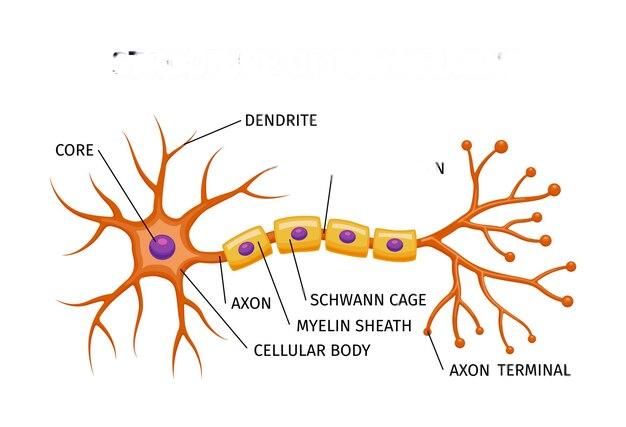
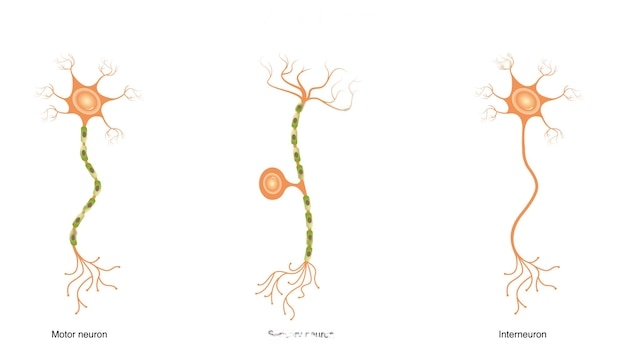
    Muscle contractions together with nerve signal communication operate through magnesium which functions as a vital element. Low body magnesium levels cause both muscle cramps and spasms together with neurological disturbances. Supplements containing magnesium glycinate benefits people with muscle tension along with active individuals because it helps maintain both nerve operation and muscle health.

    2. Promotes Better Sleep and Relaxation

    Ingesting magnesium glycinate with its glycine amino acid has a brain-calming effect which leads to improved sleep quality. When consumed magnesium works by controlling GABA neurotransmitters that produce relaxing effects and reduces stress levels. Some people use magnesium glycinate supplements as a sleep aid at bedtime when they combine it with structured sleep habits for treating their insomnia.

    3. Reduces Stress and Anxiety

    Body stress regulation requires magnesium as an essential component. This compound controls cortisol production while helping brain neurotransmitters function thus delivering both anxiety relief along with serenity. The magnesium glycinate benefits become useful for people dealing with extended stress episodes and anxiety disorders together with inconsistent emotional behaviors.

    4. Enhances Bone and Heart Health

    The proper absorption of calcium depends on magnesium thus helping maintain strong bones and reducing osteoporosis risk. The heart receives health benefits through magnesium glycinate because it controls blood pressure levels and reduces arterial stiffness. People who have either heart disease risks or osteoporosis may find extra benefit from consuming magnesium glycinate supplements.

    5. Improves Blood Sugar Control

    Multiple research findings indicate that magnesium glycinate helps people manage their insulin sensitivity together with blood sugar regulation capabilities. People with diabetes or those who run a risk of metabolic problems will receive advantages from using this product.

    Magnesium Glycinate Uses

    Who Should Take Magnesium Glycinate?

    • People lacking magnesium exhibit symptoms of fatigue and irritability together with muscle cramps.
    • People with anxiety or sleep disorders
    • The compound works well with digestive systems because it shows gentleness toward stomach health.
    • People who face muscle pain along with cramps and spasms would benefit from taking Magnesium Glycinate.
    • Athletes needing muscle recovery support
    • People with osteoporosis or heart conditions

    How to Take Magnesium Glycinate

    Eating food when taking magnesium glycinate helps absorption while it minimizes gastrointestinal discomfort. Patients need different amounts of daily magnesium glycinate intake which falls between 200-400 mg. Talk to your healthcare provider before beginning any magnesium glycinate supplement course.

    Magnesium Glycinate Side Effects

    The gastrointestinal tolerability of magnesium glycinate exceeds that of magnesium oxide or magnesium citrate but it might lead to slight stomach disruptions in certain users.

    1. Diarrhea or Loose Stools

    The main problem resulting from consuming high amounts of magnesium is the development of diarrhea. The side effect of diarrhea from magnesium glycinate occurs less frequently compared to other magnesium versions yet very high doses may stimulate laxative effects. Unabsorbed magnesium leads to diarrhea through the process that draws water into the intestines thus producing loose stools or gastrointestinal discomfort.

    How to Avoid It:

    • The dose of magnesium glycinate should start low and be increased only when your body shows signs of tolerance.
    • Cope with magnesium glycinate supplements best when you consume them together with food to regulate absorption levels.
    • Maintain usage within the approved amount of daily medication ranging from 200 to 400 mg each day.

    2. Nausea or Stomach Upset

    A few individuals might experience light nausea together with stomach cramps and minor gastrointestinal distress after consuming magnesium glycinate but especially when using the supplement before eating. People normally experience light reactions from supplements which typically stop when their body adjusts.

    How to Avoid It:

    • A meal can reduce stomach irritation when you take the supplement.
    • On the market you should select magnesium glycinate supplements with high quality from brands known for their authenticity to minimize stomach disturbances caused by potential additives.

    3. Drowsiness or Fatigue

    The nervous system benefits greatly from magnesium intake so people often use magnesium glycinate as their sleep and relaxation method. The combination of high dosages and other calming medications might cause particular individuals to experience excessive drowsiness and fatigue.

    How to Avoid It:

    • Take your magnesium in the evening to avoid sleepiness particularly when taking it at night.
    • Lower your intake when you experience excessive sluggishness together with fatigue.

    4. Low Blood Pressure (Hypotension)

    Magnesium functions to control blood pressure by activating blood vessel muscles to relax. High doses of magnesium glycinate tend to affect blood pressure and result in these symptoms:

    • Dizziness
    • Lightheadedness
    • Fainting

    How to Avoid It:

    • Check your blood pressure readings regularly when you face risks of low blood pressure and take hypertension medication.
    • People should not take excessive magnesium unless they consult with a healthcare professional first.

    5. Irregular Heartbeat (Arrhythmia)

    The necessity of magnesium for heart health becomes dangerous when high doses trigger heart rhythm disorders (arrhythmia) particularly in people with a susceptible heart. The effect of magnesium on electrolyte balance causes abnormal heart rhythms in susceptible individuals.

    How to Avoid It:

    • Using medicinal magnesium according to recommended amounts requires medical consultations when you have heart conditions.
    • Other essential electrolyte balance requires equal attention through proper dietary consumption of potassium and calcium.

    6. Interactions with Medications

    When taking magnesium glycinate supplements they may interfere with specific medications which could result in weaker drug effects or unfavorable side effects. Some common medications that may interact with magnesium include:

    • Magnesium creates absorption issues for antibiotics which include tetracyclines and fluoroquinolones.
    • The consumption of blood pressure prescription drugs with magnesium can result in intolerable pressure drops.
    • Different types of diuretics have opposite effects on magnesium levels because some diuretics make the body lose magnesium and others increase its levels.
    • The absorption of osteoporosis medications known as bisphosphonates becomes reduced when magnesium is consumed too closely in time to their intake.

    How to Avoid It:

    • It is best to take magnesium supplements twice as much further away from your medication time periods.
    • You need to seek medical advice if your treatment includes any prescribed drugs.

    Magnesium Glycinate vs. Magnesium Bisglycinate

    The chemical name which refers to magnesium glycinate is known as magnesium bisglycinate. Bisglycinate describes the combination of two glycine molecules with magnesium which improves its absorption stability in the body. Different terminology exists for the same compound which appears in supplement labels.

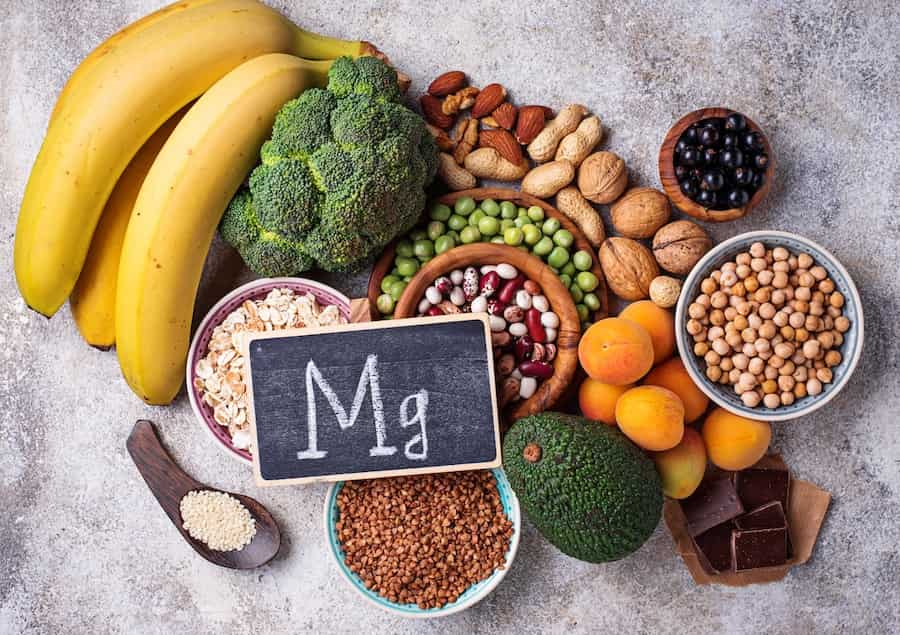
    Natural Sources of Magnesium

    Taking magnesium glycinate supplements for increasing magnesium in the body should be combined with consumption of magnesium through natural food sources. Consumers should focus on these food items to obtain their magnesium content:

    • Leafy greens (spinach, kale)
    • Almonds together with cashews and pumpkin seeds make up natural sources of magnesium.
    • Legumes (black beans, lentils)
    • Whole grains (quinoa, brown rice)
    • Fish (salmon, mackerel)
    • Dark chocolate

    A combination of magnesium glycinate supplements and these dietary food items helps sustain proper magnesium levels in the body.

    Natural Sources of Magnesium

    Conclusion

    Magnesium glycinate functions as an optimal magnesium supplement because it combines high availability with pleasant digestive management properties. As a dietary supplement magnesium glycinate benefits its users who experience supportive effects that rarely cause adverse reactions.

    A healthcare professional should examine your case first to verify the proper dosage of supplementation matches your health requirements. The combination of magnesium glycinate supplements with a nutritious dietary plan will lead to optimal health benefits for your body.

    FAQs On Magnesium Glycinate: A Complete Guide to Its Health Benefits

    1. How much magnesium glycinate should I take?

    A person should consume magnesium glycinate daily within a recommended 200 to 400 milligrams each day though individual needs may require different levels. The dosing of magnesium glycinate starts low and individuals should modify their consumption based on their tolerance capacity. Always seek healthcare provider guidance first before receiving individual product recommendations.

    2. How much magnesium is needed per day?

    The daily requirement of magnesium measures between 200 to 400 milligrams. Each RDV value for magnesium differs across age groups and genders since women need 310-320 mg daily and men 400-420 mg daily. Marginal magnesium increases are required for pregnant mothers who also breastfeed. Those who combine natural food nutrition with dietary supplements achieve their necessary daily mineral consumption levels.

    3. What is magnesium glycinate?

    The reaction between magnesium and glycine amino acid generates absorbable magnesium glycinate as a form of magnesium compound. The chemical union between magnesium and glycine provides better absorption into the body while reducing gut-side adverse effects thus making it an optimal compound for muscle care and relaxation benefits. Medical workers use this substance for treating anxiety and maintaining muscle health and stabilizing sleep patterns effectively.

    4. Is magnesium glycinate safe?

    When consumed at suggested dosage levels the public population faces no safety risks from magnesium glycinate intake. Magnesium glycinate shows better stomach compatibility than other magnesium compounds because it easily tolerates the body. The acceptable limits of magnesium glycinate consumption exist to prevent blood pressure drops which can accompany digestive disturbances.

  • Health Benefits of Coconut Oil: A Natural Wonder for Your Body and Mind

    Health Benefits of Coconut Oil: A Natural Wonder for Your Body and Mind

    benefits of coconut oil

    Coconut oil has been awarded for centuries for its many uses, from skincare to cooking. With growing popularity over the years, coconut oil has created a strong place in the daily routine of people all over the world. Be it to moisturize your skin, strengthen your hair, or improve your health, coconut oil works beautifully.

    Key Nutrients in Coconut Oil:

    There are several key nutrients in coconut oil:

    • Lauric acid- a powerful antimicrobial combatant that helps deal with bacteria and infection
    • Caprylic and Capric acid- helps with intestine health and enhances digestion capabilities.
    • Antioxidant- aids with reduction of inflammation and aging process.

    Coconut Oil Benefits

    1. Boosts Heart Health

    2. Aids in Weight Loss

    • MCTs in coconut oil promote metabolism and promote fat burning.
    • It helps in reducing abdominal fat and supports weight management.

    3. Improves Digestion

    • Coconut oil has antibacterial and antifungal properties, which help to balance intestine bacteria and reduce digestive issues.
    • It helps in the absorption of nutrients and calms the digestive system.

    4. Strengthens the Immune System

    • Coconut oil contains lauric acid, which has strong antiviral, antifungal and antibacterial properties.
    • It helps in fighting infection and increases immunity.

    5. Enhances Brain Function

    • MCTS in coconut oil is quickly converted to ketones, which provides an alternative energy source for the brain.
    • Can help improve memory and reduce the risk of neurodynative diseases such as Alzheimer’s.

    6. Balances Blood Sugar and Prevents Diabetes

    • Coconut oil improves insulin sensitivity and helps to regulate blood sugar levels.
    • It prevents energy crashes and keeps glucose levels stable.

    Coconut Oil Benefits for Hair

    Haircare is one of the most popular uses of coconut oil. The benefits of coconut oil for hair include deep nutrition, strengthening and protection against damage.

    How Does Coconut Oil Help Hair?

    • Prevents hair damage: Fatty acids in coconut oil enter the hair shaft deeply, preventing protein loss.
    • Fights dandruff: Coconut oil has antimicrobial properties that help reduce infection of dandruff.
    • Promotes hair growth: Regular scalp massage with coconut oil increases blood circulation, which has strong and healthy hair.
    • Acts as a natural hair conditioner: Coconut oil hydrates the hair and prevents the frizz, making it smooth and shiny.

    How to Use Coconut Oil for Hair?

    • Apply hot coconut oil on the scalp and hair before washing.
    • Leave it overnight as a deep conditioning treatment.
    • Mix with essential oils for additional nourishment of nutrition.

    How to Use Coconut Oil for Hair image

    Benefits of Coconut Oil On Face

    Coconut oil is a powerful natural moisturizer that provides many skin benefits.

    Benefits of Applying Coconut Oil on Face Overnight

    • Deep Hydration: Locks in coconut oil moisture, this overnight treatment makes an excellent.
      Fights acne and inflammation: its antibacterial properties help reduce acne and redness.
    • Anti-aging effects: Rich in antioxidants, coconut oil helps premature aging and prevent wrinkles.
    • Natural Makeup Remover: It nourishes the skin and gently removes makeup.

    How to use:
    Take a small amount of virgin coconut oil and apply equally to your face before bedtime. Use this for a wash in the morning to keep your skin soft and glowing.

    Benefits of Coconut Oil on Skin Everyday

    Applying coconut oil on the skin daily provides long-lasting hydration and nourishment.

    Why Should You Use Coconut Oil on Your Skin?

    • For dry skin: This oil helps in healing dry and cracked skin.
    • Relief from other irritations: Aiding in the treatment of various irritating skin conditions, such as eczema and psoriasis.
    • Acts as a natural sunscreen: Light protection from the sun while providing soothing relief to sunburned areas.
    • Reduces stretch-marks: When applied regularly, it can help against stretch marks during pregnancy.

    The Best Way To Use:
    Use coconut oil like a lotion on the body after the shower. Rub it on dry areas like the elbow and knees.

    benefits of coconut oil on face

    Coconut Oil In Navel Benefits

    The application of coconut oil in the navel is an age-old Ayurvedic custom adorned with plenty of health advantages.

    Why should you apply coconut oil to the navel?

    • Detox the body: It helps to remove toxins and improve digestion.
    • Skin glow improves: Applying coconut oil in the navel can increase the glow of your skin.
    • Relieves menstrual cramps: Massaging coconut oil around the navel can reduce the pain of duration.

    How to use:
    Heat some coconut oil and gently apply it to your navel before bedtime.

    Benefits Of Drinking Coconut Oil

    Consuming daily coconut oil can improve overall health.

    Health Benefits of Drinking Coconut Oil:

    • Promotes metabolism: Coconut oil contains medium-series triglycerides (MCT) that increase energy levels.
    • Heart health supports: It helps to increase good cholesterol (HDL) and lower bad cholesterol (LDL).
    • Increases digestion: Coconut oil has antimicrobial properties that help intestinal health.
    • Helps in weight loss: MCTs in coconut oil help burn fat rapidly.

    How to consume:

    • Add one teaspoon of virgin coconut oil to your morning coffee or smoothie.
    • Use it in a salad dressing or take it straight.

    Benefits Of Cooking With Coconut Oil

    Coconut oil is one of the healthy oils to cook due to its heat stability and many health benefits.

    Why should you cook with coconut oil?

    • Opposes high temperatures: unlike other oils, coconut oil remains stable at high heat.
    • Enhances the taste: It adds a subtle, delicious coconut taste to dishes.
    • Supports weight management: Healthy fat in coconut oil aid in fat loss.

    Best ways to use:

    • Use coconut oil for frying, sootting and baking.
    • Place it for butter in dishes.

    Benefits of Oil Pulling with Coconut Oil

    Oil pulling is an ancient practice that involves swinging coconut oil in the mouth to improve oral health.

    Coconut Oil pulling Benefits:

    • Kills harmful bacteria: reduces cavities and bad breath risk.
    • White the teeth: Naturally removes stains.
    • Gum improves health: inflammation and bleeding reduces gums.
    • Detoxifys to the body: pulls out toxins out of the mouth.

    How to do oil pulling:

    • Take a tablespoon of virgin coconut oil.
    • Swish in your mouth for 15-20 minutes.
    • Spit it out and rinse it with warm water.

    Conclusion

    Coconut oil is a natural miracle remedy that gives you infinite benefits. Be it for your hair, skin, digestion, or oral health, everyday use of coconut oil in your life is just good for you and for a healthier and brighter life. Choose virgin coconut oil for a maximum boost and enjoy this miracle of a superfood!

    FAQs About Coconut Oil

    1. Does coconut oil Darken skin?

    No, coconut oil does not blacken skin. Instead, it hydrates and nourishes the skin, giving it a natural glow. However, excessive use without proper cleaning can make buildups, which makes the skin look dull.

    2. Does Coconut Oil for Skin Whitening work?

    Coconut oil helps to brighten the skin by moisturizing and reduced pigmentation. Its antioxidants and vitamin E improve skin tone and are bang. For best results, mix it with lemon juice or turmeric and apply regularly.

    3. Is coconut oil good for oily skin?

    Coconut oil is comedogenic and can prevent pores, making it unsuitable for oily and acne-prone skin. However, when used in small amounts, it can balance oil production and reduce acne -causing bacteria. Always patch-test before applying on the face.

    4. Does coconut oil remove dark spots?

    Yes, coconut oil can help lighten black spots over time due to its vitamin E and antioxidant ingredients. Regular application reduces pigmentation and also promotes skin tone. Mixing it with lemon juice or turmeric can increase its effects.

    5. What is Virgin Coconut Oil?

    Coconut oil extracted from the milk of the tender coconut is called virgin coconut oil. It is very beneficial for human beings as it has its nutrient intact. Virgin Coconut Oil is generally used for the treatment of skin, hair, and also cooking.

    6. Is coconut healthy for weight loss?

    Coconut oil contains Medium-chain Triglycerides, which help boost metabolism and help to burn fat. It will be helpful in losing abdominal fat and curbing the desire to eat in small portions. It supports weight loss when used with a balanced diet.

    7. How to use coconut oil for skin?

    A small quantity is mixed gently into cleaned and moistened skin; then a massage follows. This can act as a moisturizer, makeup remover, or antidote to dryness and irritation. Added benefit is obtained by mixing with honey, turmeric, or essential oils.

    Related Links:

  • Neuron Anatomy 101: Diagrams & Simple Explanations

    Neuron Anatomy 101: Diagrams & Simple Explanations

    what is a neuron

    Neurons constitute the basic part of our nervous system. They are a key element in the manner in which our body captures, analyzes, and gives response to any information. Knowing the anatomy of a neuron enables one to understand how our brain and nervous system function.

    What Is a Neuron?

    A neuron is also referred to as a nerve cell, and it serves to be the structural and functional unit of the nervous system. Its role includes receiving, processing, and sending chemical and electrical signals across the body. The basic unit of communication in the nervous system is synapse which allow for smooth action in movement, sensation, thinking, and other bodily functions working together seamlessly.
    What sets neuron apart is its inability to form anew as easily as other body cells. Therefore, it is imperative to case and earn our nervous system health.

    Neuron Structure and Function

    A neuron consists of several specialized structures that help it perform its function. Let’s explore the parts of a neuron and their roles:
    1. Dendrites

    • Short, branching extensions of the neuron
    • Receive incoming signals from other neurons
    • Transmit signals toward the cell body

    2. Cell Body (Soma)

    •  The central part of the neuron that contains the nucleus
    •  Processes incoming information from dendrites
    •  Responsible for cellular metabolism and maintenance

    3. Axon

    •  A long, tube-like extension that carries electrical signals away from the cell body
    •  Can be covered in a myelin sheath, which speeds up signal transmission

    4. Myelin Sheath

    •  A fatty layer that insulates the axon
    •  Speeds up nerve impulses, ensuring quick and efficient communication

    5. Axon Terminals

    •  The branching ends of the axon that connect with other neurons, muscles, or glands
    •  Release neurotransmitters, chemical messengers that cross the signals between neurons.

    A neuron diagram helps imagine these structures, making it easy to understand how they function together.

    neuron structure and function

    Types of neurons

    Neurons come in different types, each is special for a unique function. There are three main types of neurons:

    1. Sensory Neurons

    • Found in peripheral nervous system.
    •  Find out external stimuli (eg: touch, temperature, pain) and send signals to the central nervous system (CNS)
    •  Example: Nerve endings in the skin which is a feeling of heat.

    2. Motor Neurons

    • Control muscle movements by transmitting signals from the CNS to muscles or glands
    •  Essential for voluntary and involuntary movements

    3. Interneurons

    •  Found in the CNS (brain and spinal cord)
    • Act as connectors, relaying signals between sensory and motor neurons

    A nerve cell diagram often distinguishes these types of neurons by showing their distinct structures and pathways.

    types of neurons,

    Nervous System Parts: How Neurons Fit In

    The nervous system is a huge network of neurons working together. It is divided into two main parts:

    1. Central nervous system (CNS)

    • Consists of Brain and spinal cord
    • Processes and explains sensory information
    • Sends signals to start action

    2. Peripheral nervous system (PNS)

    •  These consists of nerves outside the brain and spinal cord
    •  Further divided into somatic nervous system (voluntary movements) and autonomic nervous system (involuntary functions like heartbeat and digestion)

    The peripheral nervous system plays an important role in connecting the body to CNS, allowing movement, sensation and reactions to stimuli.

    Neuron Picture: A Visual Representation

    A neuron picture or diagram is an essential teaching tool that simplifies the understanding of the neuron anatomy. This clearly laces parts of a neuron, showing how to travel from signal dendrite to exon terminals. Looking at a neuron diagram makes it easy to understand how neurons interact within the nervous system.

    Neuron Function: How Neurons Work in the Nervous System

    Neurons communicate using electrical and chemical signals, causing rapid transmission of information across the body. His primary function is:

    1. Get information from sensory receptors or other neurons.
    2.  Process and integrate information within the central nervous system.
    3. Send signals to muscles, glands, or other neurons to generate reaction.

    This complex process ensures that we can think efficiently, move and react to our environment.

    Electrical Transmission: The Action Potential

    Neurons generate and transmit signals through electrical impulses, which are called action potential. This process takes place in several stages:

    1. Resting Potential: The Neuron at Rest

    • A neuron at rest has a slightly more negative charge inside than outside.
    • This charge is maintained by ion pumps that regulate sodium (NA⁺) and potassium (K⁺) levels.

    2. Stimulus & Threshold: The Triggering Event

    • When a neuron receives a strong enough signs, it reaches a threshold level.
    •  This causes an opening on sodium channels, allowing Na⁺ to rush in the neuron.

    3. Depolarization: The Action Potential Begins

    • The influx of Na⁺ changes the charge from negative to positive inside the neuron.
    • This electrical impulse takes the axon down like a wave.

    4. Repolarization: Resetting the Neuron

    • Potassium (K⁺) channels opens, allowing K⁺ to leave, the negative charge is restored.
    • Neuron returns to its rest position, which is ready for the next signal.

    5. Signal Transmission to the Next Neuron

    • Once the action potentials reach the axon terminals, it triggers the release of the neurotransmitters into the synapse.
    • These chemicals take the message to the next neuron or muscle cell.

    The entire process is only in the millisecond, which gives rapid reactions to stimuli.

    Chemical Transmission: The Role of Neurotransmitters

    While neurons use electrical impulses to carry signals with their length, they use chemical messengers to pass the signal to the next neuron or target cell. It occurs on special junctions called synapses.

    Steps in Chemical Transmission

    1. Electric signal reaches the Axon terminal.
    2. It triggers the release of neurotransmitters (chemical messengers).
    3. Neurotransmitters cross the synaptic gap and bind receptors on the next neuron.
    4. The obtained neuron generates a new electrical signal if stimulation is strong enough.

    Types of Neurotransmitters & Their Functions

    Neurotransmitter Function Example of Effect
    Acetylcholine (ACh) Muscle movement, learning Controls muscle contractions
    Dopamine Pleasure, reward, motivation Affects mood & voluntary movement
    Serotonin Mood regulation, sleep Linked to depression & happiness
    GABA (Gamma-Aminobutyric Acid) Inhibitory neurotransmitter Reduces brain activity, prevents overstimulation
    Glutamate Excitatory neurotransmitter Enhances learning & memory

    FAQs Neuron Anatomy 101: Diagrams & Simple Explanations

    1. What does a neuron look like?

    Answer: A neuron has a star -shaped cell body (Soma), with a branch -like dendrites that extend outwards. It also contains a long axon that ends the signal in axon terminals which connects to other neurons. Some axons are covered with a myelin sheath, which speeds up signal transmission. A neuron diagram represents these parts visually.

    2. How many neurons are there in the human body?

    Answer: The human body consists of about 86 billion neurons, which are mostly concentrated in the brain and spinal cord. There are also millions of neurons in the peripheral nervous system that connect the brain to muscles and organs. These neurons create giant networks enabling complex ideas, movements and sensations. The exact number differs slightly between individuals.

    3. How do neurons communicate with each other?

    Answer: Neurons communicate through electrical impulses (action potential) and chemical signals (neurotransmitters) on the synapses. Electrical signals move the axon down and trigger the release of the neurotransmitter. These chemicals cross the synaptic gap to stimulate the next neuron.

    4. What are different types of neurons?

    Three main types of neurons sensory neurons (carrying signs from sensory organs to brain), motor neurons (sending commands from brain to muscles), and interneurons (connect neurons within the brain and spinal cord). Each nervous system plays a unique role in function.

    5. Why is myelin sheath important?

    Answer: Myelin sheath is a fatty layer that insulations the axon, allowing nerve impulses to travel faster. This helps improve communication between neurons and prevents signal loss. Damage to myelin sheath, as seen in diseases such as multiple sclerosis, slows down nerve signaling.