Search results for: “all”

  • Best Face Cream With Vitamin C And Suitable For All Skin Types – Buy Face Cream Online

    Best Face Cream With Vitamin C And Suitable For All Skin Types – Buy Face Cream Online

    best vitamin c face creamIn the pursuit of flawless, radiant skin, one ingredient stands out as a powerhouse: Vitamin C. Known for its brightening, antioxidant, and anti-aging properties, Vitamin C has become a staple in skincare routines worldwide. In India, where diverse skin types are prevalent, finding the perfect face cream with Vitamin C that suits all skin types can be a daunting task. However, fear not! We’ve curated a comprehensive list of the best Vitamin C face creams suitable for all skin types, to help you achieve that coveted glow.

    Understanding Vitamin C and Its Benefits

    Face creams enriched with Vitamin C offer a plethora of benefits that can transform your skin’s health and appearance. Let’s delve into the elaborate details of these benefits:

    1. Powerful Antioxidant Protection:

      Vitamin C is a potent antioxidant that helps neutralize free radicals generated by exposure to environmental stressors such as UV radiation, pollution, and cigarette smoke. Free radicals have the potential to harm skin cells, resulting in premature aging, the formation of fine lines, and wrinkles. By scavenging these free radicals, Vitamin C protects the skin from oxidative stress and maintains its youthful vitality.

    2. Boosts Collagen Production:

      Collagen is a protein that provides structural support to the skin, keeping it firm, plump, and elastic.As individuals progress through life, the body’s natural collagen synthesis diminishes over time, resulting in a loss of skin elasticity and the emergence of wrinkles and sagging. Vitamin C plays a crucial role in collagen synthesis by stimulating the activity of collagen-producing cells called fibroblasts. By promoting collagen production, Vitamin C helps maintain skin firmness and resilience, reducing the appearance of wrinkles and fine lines.

    3. Brightens Skin Tone:

      One of the most sought-after benefits of Vitamin C is its ability to brighten and even out the skin tone. Vitamin C has been shown to effectively impede the production of melanin, the natural pigment responsible for the formation of dark spots, hyperpigmentation, and irregular skin tone. By regulating melanin production, Vitamin C helps fade dark spots, reduce discoloration, and promote a more radiant complexion. Regular use of Vitamin C face cream can impart a healthy, luminous glow to dull, tired-looking skin.

    4. Fades Dark Spots and Pigmentation:

      Sun exposure, hormonal changes, and acne can often result in the formation of dark spots, age spots, and post-inflammatory hyperpigmentation. Vitamin C possesses skin-lightening properties that can effectively fade these unwanted pigmentation marks over time. By inhibiting tyrosinase, the enzyme responsible for melanin synthesis, Vitamin C helps diminish the appearance of dark spots and achieve a more even skin tone.

      For those struggling with persistent acne and hyperpigmentation, pairing a gentle Vitamin C cream with dermatologist-recommended treatments like Tretin 0.025% Cream can significantly improve results.

    5. Enhances Skin Hydration:

      Vitamin C face creams often contain moisturizing ingredients such as hyaluronic acid or glycerin, which help attract and retain moisture in the skin. Hydrated skin appears plump, supple, and youthful, with reduced fine lines and wrinkles. By providing intense hydration, Vitamin C face creams replenish the skin’s moisture barrier, improving its texture and overall health.

    6. Protects Against Sun Damage:

      While Vitamin C itself does not offer significant sun protection, it can complement the efficacy of sunscreen in preventing sun damage. Vitamin C neutralizes free radicals generated by UV radiation, reducing oxidative stress and inflammation in the skin. When used in conjunction with a broad-spectrum sunscreen, Vitamin C enhances the skin’s defense mechanisms against harmful UV rays, minimizing the risk of sunburn, premature aging, and skin cancer.

    7. Promotes Healing and Repair:

      Vitamin C accelerates the skin’s natural healing process by promoting the synthesis of collagen and elastin fibers. It helps repair damaged skin cells, diminish scars, and improve overall skin texture. Whether you’re dealing with acne scars, wounds, or sunburns, Vitamin C aids in tissue regeneration, allowing the skin to recover faster and maintain its resilience.

    8. Suitable for All Skin Types:

      Unlike some skincare ingredients that may be harsh or irritating for certain skin types, Vitamin C is generally well-tolerated by all skin types, including sensitive skin. It is non-comedogenic, meaning it won’t clog pores or exacerbate acne. Moreover, Vitamin C offers anti-inflammatory properties, making it beneficial for calming redness, soothing irritation, and reducing skin sensitivity.

    Choosing the Right Face Cream for All Skin Types

    When selecting a Vitamin C face cream, it’s essential to consider various factors such as skin type, formulation, concentration of Vitamin C, additional ingredients, and budget. Opting for a product suitable for all skin types ensures inclusivity and caters to the diverse needs of individuals.

    Best Face Cream With Vitamin C And Suitable For All Skin Types

    1. The Body Shop Vitamin C Glow Boosting Moisturiser:

    • Suitable for all skin types, especially dull and tired-looking skin.
    • Enriched with Amazonian Camu Camu berries, known for their high Vitamin C content.
    • Lightweight, non-greasy formula that provides hydration and radiance.
    • Helps revive the skin’s natural glow and improve texture over time.

    Body Shop Vitamin C Glow Boosting Moisturiser:- Buy Now at 15%

    1. WOW Skin Science Vitamin C Face Cream:

       – Formulated with 20% Vitamin C, hyaluronic acid, and sunflower oil.

       – Ideal for normal to oily skin types, offering hydration without clogging pores.

       – Fades pigmentation, reduces fine lines, and promotes an even skin tone.

       – Free from harmful chemicals such as parabens, sulfates, and mineral oils.

    1. L’Oreal Paris Revitalift Crystal Micro-Essence:

       – Combines the power of brightening actives with 92% pure Centella Asiatica.

       – Suitable for all skin types, including sensitive skin.

       – Lightweight, water-like texture that penetrates deeply to hydrate and rejuvenate the skin.

       – Visibly reduces dark spots, evens out skin tone, and enhances skin clarity.

    1. Plum Bright Years All-Day Defence Cream:

       – Infused with Kakadu plum, the richest natural source of Vitamin C.

       – Designed for all skin types, including sensitive and acne-prone skin.

       – Provides broad-spectrum SPF 45 PA+++ protection against UVA and UVB rays.

       – Fights environmental aggressors, reduces dullness, and prevents premature aging.

    1. Mamaearth Skin Illuminate Vitamin C Face Cream:

       – Contains pure Vitamin C, turmeric, and saffron extracts for glowing skin.

       – Suitable for normal to dry skin types, offering intense hydration and nourishment.

       – Lightens dark spots, evens skin tone, and boosts collagen production.

       – Dermatologically tested, hypoallergenic, and free from harmful chemicals.

    Tips for Incorporating Vitamin C Face Cream into Your Routine

    1. Perform a patch test before using any new product to check for allergic reactions.
    2. Apply Vitamin C face cream onto clean, dry skin, preferably in the morning for added protection against environmental stressors.
    3. Follow up with a broad-spectrum sunscreen during the day to prevent sun damage.
    4. Consistency is key! Incorporate Vitamin C face cream into your daily skincare routine for optimal results.
    5. Store the product in a cool, dark place away from direct sunlight to maintain its potency.

    Conclusion

    Achieving radiant, youthful-looking skin is within reach with the right Vitamin C face cream. By considering factors such as formulation, skin type, and additional benefits, you can select a product that caters to your specific skincare needs. Whether you’re battling dark spots, dullness, or fine lines, these top picks for the best Vitamin C face creams in India offer effective solutions for all skin types. So, embrace the glow and unveil your skin’s luminous potential with Vitamin C-infused skincare delights!

    FAQs On Best Face Cream With Vitamin C And Suitable For All Skin Types

    1. Which is the best face cream with vitamin c and suitable for all skin types?

    Answer: In India, the best face cream with Vitamin C suitable for all skin types is The Body Shop Vitamin C Glow Boosting Moisturiser. Enriched with Amazonian Camu Camu berries, it revitalizes dull skin, promotes radiance, and provides lightweight hydration without clogging pores. Its potent antioxidant properties and gentle formulation make it an ideal choice for achieving luminous, healthy-looking skin for all skin types.

    2. Is Vitamin C face cream suitable for oily or acne-prone skin?

    Answer: Yes, many Vitamin C face creams are formulated to be lightweight and non-comedogenic, making them suitable for oily and acne-prone skin types. Look for oil-free formulations and avoid heavy creams that may exacerbate oiliness or clog pores.

    3. How long does it take to see results from using Vitamin C face cream?

    Answer: Results from using Vitamin C face cream may vary depending on individual skin concerns and consistency of use. However, many users report noticing improvements in skin tone, texture, and overall radiance within a few weeks of regular application. For optimal results, incorporate Vitamin C face cream into your daily skincare regimen and be patient with the process.
  • 4 Best Hair Spa Cream For All Types Of Hair – Guide for Good Hair

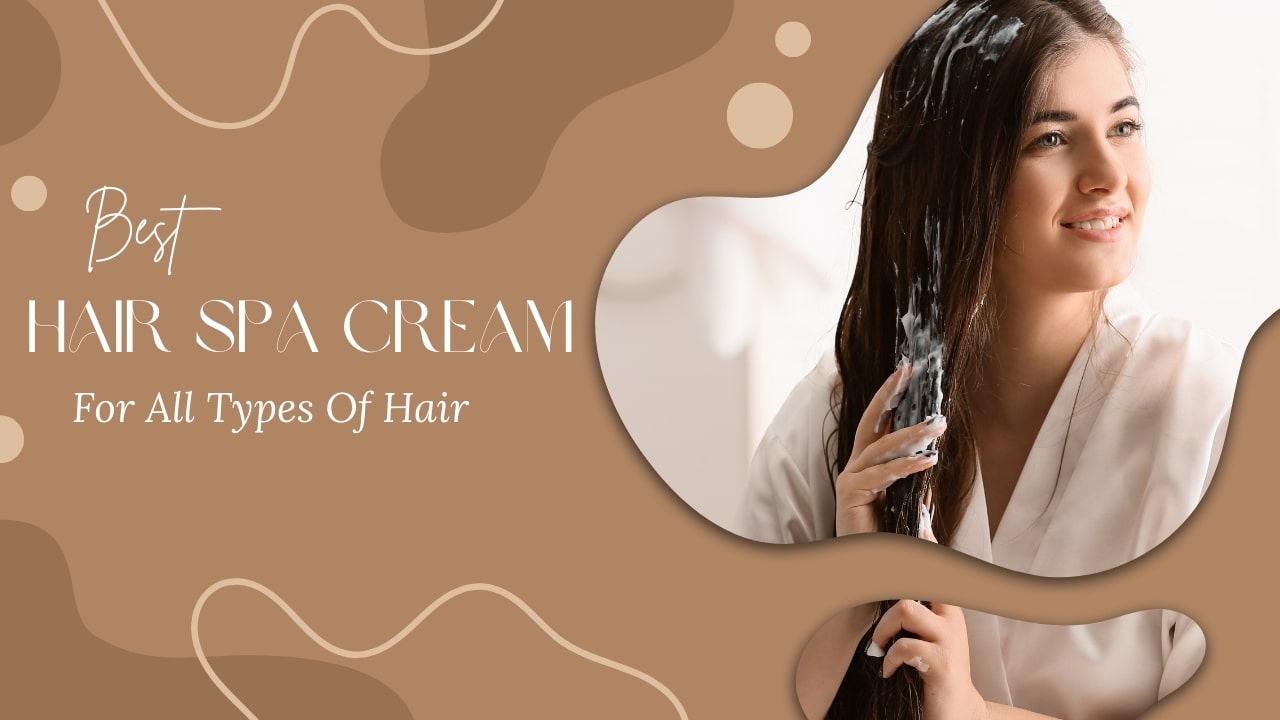
    4 Best Hair Spa Cream For All Types Of Hair – Guide for Good Hair

    best hair spa cream

    In a country like India, where diverse cultures, climates, and lifestyles converge, hair care holds a significant place in personal grooming routines. With the multitude of hair textures and concerns that individuals in India encounter, finding the perfect hair spa cream becomes paramount. A luxurious hair spa session not only rejuvenates your hair but also revitalizes your spirit. 

    Hair spa creams are specially formulated treatments designed to nourish, moisturize, and repair hair, providing it with essential nutrients and hydration. These creams typically contain a blend of natural oils, vitamins, and proteins that work together to improve hair texture, manageability, and overall health. Whether you have dry, damaged, oily, or normal hair, there’s a hair spa cream tailored to meet your specific needs.

    Factors to Consider for Good Hair

    Selecting the right hair spa cream is crucial for achieving the desired results and maintaining the health of your hair. With a plethora of options available in the market, it’s essential to consider several factors to ensure that you choose a product that suits your hair type, concerns, and preferences. Let’s delve into the key factors to consider while selecting a hair spa cream:

    • Hair Type:

    One of the primary considerations when choosing a hair spa cream is your hair type. Whether you have dry, oily, curly, straight, fine, or thick hair, there are specific formulations designed to address the unique needs of each hair type. For example, if you have dry or damaged hair, opt for a cream that offers intense hydration and repair. Conversely, if you have oily hair, choose a lightweight formula that won’t weigh your hair down or leave it feeling greasy.

    • Ingredients:

    Pay attention to the ingredients list to ensure that the hair spa cream contains nourishing and beneficial components that promote hair health. Look for ingredients such as natural oils (e.g., argan oil, coconut oil, olive oil), vitamins (e.g., vitamin E, B vitamins), proteins (e.g., keratin), and botanical extracts (e.g., aloe vera, chamomile). Avoid products containing harsh chemicals like sulfates, parabens, and silicones, as these can strip the hair of its natural oils and cause damage in the long run.

    • Specific Hair Concerns:

    Consider any specific concerns or issues you want to address with the hair spa cream. Whether it’s dryness, frizz, split ends, breakage, or lack of volume, choose a product that targets these concerns. Some hair spa creams are formulated for specific purposes, such as repairing damage, enhancing shine, controlling frizz, or promoting hair growth. Select a cream that aligns with your specific needs and goals.

    • Texture and Consistency:

    The texture and consistency of the hair spa cream play a significant role in how it performs on your hair. Lightweight creams are ideal for fine or thin hair as they provide hydration without weighing the hair down. Thicker creams or masks are more suitable for thicker or curly hair types, as they can penetrate deeply to moisturize and nourish the strands.

    • Fragrance:

    The fragrance of the hair spa cream can enhance your overall experience and contribute to a luxurious sensory experience. Choose a product with a scent that you enjoy, whether it’s floral, fruity, herbal, or citrusy. However, be mindful of any allergies or sensitivities to certain fragrances.

    • Brand Reputation and Reviews:

    Research the brand reputation and read reviews from other users to gauge the effectiveness and reliability of the hair spa cream. Look for brands known for their quality hair care products and positive customer feedback. Additionally, consider factors such as ethical practices, sustainability, and cruelty-free certifications.

    • Price and Value for Money:

    Determine your budget and compare the prices of different hair spa creams to find one that offers good value for money. Keep in mind that quality often comes at a higher price, but there are also affordable options available that deliver excellent results. Consider factors such as the size of the product, the frequency of use, and the results it promises to determine its overall value for money.

    Best Hair Spa Cream For All Types Of Hair

    • L’Oréal Professionnel Hair Spa Deep Nourishing Creambath:

    Renowned for its luxurious salon treatments, L’Oréal Professionnel offers an indulgent hair spa cream that caters to all hair types. Enriched with water lily and purified water, this deep nourishing cream bath revitalizes dry and damaged hair, leaving it soft, smooth, and manageable. Its lightweight formula ensures quick absorption without leaving behind any greasy residue.

    Buy at 15% Discount – Buy

    • Wella Professionals SP Luxe Oil Keratin Restore Mask:

    Ideal for those with chemically treated or heat-damaged hair, the Wella Professionals SP Luxe Oil Keratin Restore Mask works wonders to repair and strengthen strands from within. Infused with keratin and almond oil, this intensive treatment deeply nourishes and restores hair’s natural elasticity, resulting in noticeably smoother and healthier-looking locks.

    Buy at 15% Discount – Buy

    • Schwarzkopf Bonacure Repair Rescue Reversilane Treatment:

    Formulated with Reversilane Technology, the Schwarzkopf Bonacure Repair Rescue Treatment is a game-changer for damaged and over-processed hair. This creamy mask penetrates deep into the hair shaft, replenishing moisture and sealing split ends for a silky-smooth finish. With regular use, hair becomes more resilient, manageable, and resistant to future damage.

    Buy at 15% Discount – Buy

    4 Best Hair Spa Cream


    • Forest Essentials Intensive Hair Repair Masque Japapatti & Brahmi:

    Drawing inspiration from traditional Ayurvedic remedies, Forest Essentials Intensive Hair Repair Masque is a luxurious treat for the senses. Infused with potent botanicals such as japapatti and brahmi, this nutrient-rich masque nourishes the scalp and strengthens hair from root to tip. Its lightweight yet deeply conditioning formula is perfect for all hair types, imparting a healthy shine and bounce with each use.

    Buy at 15% Discount – Buy

    Pro Tip: If you’re experiencing hair thinning or early-stage hair loss, a hair spa alone might not be enough. In such cases, dermatologists often recommend clinically tested solutions like Mintop Forte 2% Solution, which contains Minoxidil — a proven ingredient to stimulate hair regrowth and improve scalp circulation.

    Conclusion

    Embark on a journey to hair rejuvenation with the best hair spa creams tailored for all hair types in India. Whether you seek intense hydration, repair, or nourishment, these top picks offer salon-quality results in the comfort of your own home. Elevate your hair care routine and indulge in the luxury of silky-smooth, healthy locks that radiate beauty and vitality.

    FAQs On Best Hair Spa Cream For All Types Of Hair

    1. Which is the best hair spa cream for all types of hair?

    Determining the absolute best hair spa cream for all hair types can be subjective, as it depends on individual preferences and specific hair concerns. However, some popular choices in India include L’Oréal Professionnel Hair Spa Deep Nourishing Creambath, Wella Professionals SP Luxe Oil Keratin Restore Mask, and Schwarzkopf Bonacure Repair Rescue Reversilane Treatment. These products are renowned for their nourishing ingredients and ability to cater to a wide range of hair types, providing hydration, repair, and rejuvenation for luscious locks.

    2. What makes a hair spa cream suitable for all hair types in India?

     A hair spa cream ideal for all hair types in India typically features a balanced formulation enriched with nourishing ingredients like coconut oil, argan oil, and keratin. These ingredients cater to diverse hair textures prevalent in India, providing hydration, repair, and protection against environmental stressors.

    3. How often should I use the best hair spa cream for optimal results?

    For optimal results, it’s recommended to use the best hair spa cream at least once a week. However, individuals with particularly dry or damaged hair may benefit from using it twice a week. Adjust the frequency based on your hair’s specific needs and concerns for best results.

    4. Can I use the best hair spa cream along with other hair care products in my routine?

    Yes, you can incorporate the best hair spa cream into your existing hair care routine. It’s compatible with other products such as shampoos, conditioners, and styling treatments. For enhanced benefits, consider using complementary products from the same range or brand to maximize results and achieve healthier, more manageable hair.


  • What a Positive Pregnancy Test Really Looks Like – Pregnancy Test

    What a Positive Pregnancy Test Really Looks Like – Pregnancy Test

    positive pregnancy testA positive pregnancy test typically displays distinct indicators confirming the presence of human chorionic gonadotropin (hCG), a hormone produced by the placenta during pregnancy. In most cases, a positive result manifests as two visible lines on a strip or a plus sign on the test window. The appearance of these lines or symbols varies depending on the brand and type of test used, but they consistently signify pregnancy. While the control line assures the test’s functionality, the second line or the formation of the plus sign represents the detection of hCG, indicating a positive result. Additionally, digital pregnancy tests provide a clear “Pregnant” message, eliminating any ambiguity in interpretation. Overall, a positive pregnancy test serves as a definitive confirmation, marking the beginning of an extraordinary journey towards parenthood.

    Types of Pregnancy Tests

    Pregnancy tests play a pivotal role in confirming one of life’s most significant milestones. With advancements in technology, there are various types of pregnancy tests available, each with its own set of features, accuracy levels, and convenience factors. In this article, we will explore the different types of pregnancy tests, including urine tests and blood tests, highlighting their mechanisms, advantages, and considerations.

    1. Urine Tests:

    Urine-based pregnancy tests are the most commonly used and readily available tests, often found in pharmacies and drug stores. They are designed for home use and offer a convenient and private way to determine pregnancy status. Here are the main types of urine pregnancy tests:

    • Strip Tests: Strip tests are simple and affordable. They consist of a paper or plastic strip coated with antibodies that react to the presence of hCG in urine. To use a strip test, a woman must collect a urine sample in a clean container and then dip the strip into the urine for the specified duration. Results typically appear within a few minutes, displaying lines or symbols indicating whether the test is positive or negative.
    • Midstream Tests: Midstream tests are slightly more user-friendly than strip tests. They come in a plastic casing with an absorbent tip that can be held directly in the urine stream. This type of test usually provides results within a few minutes and may feature lines, symbols, or digital displays to indicate pregnancy status.
    • Digital Tests: Digital pregnancy tests offer a clear and easy-to-read result in words, such as “Pregnant” or “Not Pregnant.” These tests eliminate the need for interpretation of lines or symbols, making them particularly suitable for those who prefer a straightforward answer. Digital tests typically have a higher price point than traditional strip or midstream tests but offer added convenience and clarity.

    2. Blood Tests:

    Blood tests for pregnancy are conducted in medical settings, typically by healthcare professionals. While less accessible than urine tests, blood tests offer certain advantages, particularly in terms of accuracy and early detection. There are two main types of blood tests for pregnancy:

    • Qualitative hCG Blood Test: This type of blood test confirms the presence of hCG in the blood, indicating pregnancy. It provides a simple “yes” or “no” answer and is highly accurate, capable of detecting pregnancy earlier than urine tests. Qualitative blood tests are often recommended for confirming pregnancy in early stages or in cases where urine test results are inconclusive.
    • Quantitative hCG Blood Test: Quantitative blood tests measure the exact amount of hCG present in the blood. They provide a numerical value, known as the hCG level, which can be useful for monitoring the progression of pregnancy or assessing the risk of complications, such as ectopic pregnancy or miscarriage. Quantitative blood tests are also used in fertility treatments to track hormone levels during ovulation induction or embryo transfer.

    pregnancy testDeciphering a Positive Pregnancy Test

    When interpreting the results of a pregnancy test, a positive result indicates that hCG has been detected in the urine or blood sample. But what does a positive test actually look like?

    1. Two Lines: Many pregnancy tests, especially the traditional strip tests, display results with two lines. One line indicates the control line, which shows that the test is working correctly. The second line, if present, indicates a positive result. The intensity of the second line may vary depending on the concentration of hCG in the urine.
    2. Plus Sign: Some pregnancy tests use a plus sign (+) to indicate a positive result. Similar to the two lines, one line represents the control, while the other line forms the vertical line of the plus sign, indicating a positive result.
    3. Digital Display: Digital pregnancy tests provide a clear “Pregnant” or “Not Pregnant” result, eliminating any ambiguity in interpretation.

    Factors Influencing Pregnancy Test Results

    While a positive pregnancy test typically indicates pregnancy, there are certain factors that can affect the accuracy of the results:

    1. Timing: Taking a pregnancy test too early after conception can result in a false negative. For the most precise outcomes, it’s advisable to hold off testing until post a missed menstrual cycle.
    2. Medications: Certain medications, such as fertility drugs containing hCG or medications that interfere with hormone levels, can affect pregnancy test results.
    3. Evaporation Lines: Sometimes, faint lines may appear on pregnancy tests due to evaporation of urine on the test strip. These lines should not be mistaken for positive results.
    4. Chemical Pregnancy: In some cases, a positive pregnancy test may indicate a chemical pregnancy, where implantation occurs but is not sustained, resulting in early pregnancy loss.

    In medically advised scenarios where pregnancy termination is required, tablets like Misoprost 200mcg may be prescribed by a certified healthcare professional. It is crucial to use such medications strictly under medical supervision to avoid complications.

    Conclusion

    Deciphering a positive pregnancy test can be a momentous occasion for individuals hoping to conceive. Understanding what a positive test looks like and the factors that can influence the results is crucial for accurate interpretation. Whether it’s the joy of confirming a long-awaited pregnancy or the beginning of a new chapter, a positive pregnancy test signifies a significant milestone in the journey to parenthood.

    FAQs on What a Positive Pregnancy Test Really Looks Like

    1. What does a positive pregnancy test look like?

    Answer: A positive pregnancy test typically displays two lines, where one line indicates the control and the second line signifies a positive result. Alternatively, some tests use a plus sign or digital display to confirm pregnancy.

    2. Can a faint line indicate a positive result?

    Answer: Yes, a faint line on a pregnancy test can indicate a positive result. It often suggests that hCG, the hormone detected in pregnancy tests, is present in the urine, albeit in lower concentrations. It’s important to read the test within the specified timeframe to avoid confusion with evaporation lines.

    3. Are digital pregnancy tests more accurate than traditional strip tests?

    Answer: Digital pregnancy tests offer clarity with a straightforward “Pregnant” or “Not Pregnant” result, but they are not necessarily more accurate than traditional strip tests. Both types of tests rely on the detection of hCG in urine, and their accuracy depends on factors such as sensitivity and timing of testing.

    4. What factors can cause a false positive pregnancy test?

    Answer: False positives on pregnancy tests are rare but can occur due to factors such as certain medications containing hCG, evaporation lines mistaken for positive results, or chemical pregnancies where implantation occurs but is not sustained. It’s essential to follow the instructions carefully and, if in doubt, consult a healthcare professional for confirmation.

    Also Read:-

  • How To Avoid Pregnancy After Missing Period Naturally – Pregnancy Guide

    How To Avoid Pregnancy After Missing Period Naturally – Pregnancy Guide

    avoid pregnancy after missing periods naturallyFacing the possibility of an unintended pregnancy can be a daunting experience, especially after missing a period. While there are several contraceptive methods available, many individuals may prefer to explore natural options for avoiding pregnancy. Avoiding pregnancy after missing a period naturally involves several strategies centered around understanding and tracking one’s menstrual cycle. One effective approach is to monitor changes in basal body temperature (BBT) and cervical mucus consistency, which can indicate fertile days. By abstaining from intercourse or using barrier methods during these fertile windows, the risk of pregnancy can be minimized. 

    Additionally, tracking menstrual cycles through calendar methods can help predict ovulation and inform decisions about when to engage in sexual activity. While these natural methods can be reliable when practiced consistently, it’s essential to recognize their limitations and consider consulting a healthcare provider for personalized advice and additional contraceptive options.

    How To Avoid Pregnancy image

    Understanding the Menstrual Cycle

    Before delving into natural methods of avoiding pregnancy, it’s essential to understand the menstrual cycle. The menstrual cycle spans approximately 28 days on average, although individual variations exist. It encompasses distinct phases: menstruation, the follicular phase, ovulation, and the luteal phase, each contributing to the intricate rhythm of the reproductive system.

    Ovulation, which typically occurs around the middle of the menstrual cycle, is the release of an egg from the ovary. This is the most fertile time in the menstrual cycle, as the egg is viable for fertilization for about 12-24 hours after release. Sperm can survive in the female reproductive tract for up to five days, so having intercourse in the days leading up to ovulation can result in pregnancy.

    How To Avoid Pregnancy After Missing Period Naturally

    Avoiding pregnancy after a missed period can be a concerning situation for many individuals. While there are several contraceptive methods available, including emergency contraception, some people may prefer to explore natural options. It’s crucial to note that natural methods may not be as reliable as medical contraception, and their effectiveness can vary from person to person. However, here are some strategies that individuals may consider:

    1. Emergency Contraception (Plan B)

    How To Avoid Pregnancy After Missing Period Naturally

    If you’ve had unprotected intercourse and are worried about pregnancy after a missed period, emergency contraception can be an option. Plan B, also known as the morning-after pill, is available over the counter at pharmacies in many countries. Its mechanism entails inhibiting or postponing ovulation, thus diminishing the likelihood of fertilization occurring. It’s most effective when taken within 72 hours (three days) after unprotected intercourse, although it may still be somewhat effective up to 120 hours (five days) later. It’s essential to follow the instructions carefully and consult a healthcare provider if you have any concerns.

    2. Tracking Fertility Signs

    Monitoring your fertility signs can help you identify fertile and non-fertile days in your menstrual cycle. This includes tracking changes in cervical mucus, basal body temperature (BBT), and using fertility awareness methods (FAM). By abstaining from unprotected intercourse during fertile days, you can reduce the risk of pregnancy. However, it’s important to note that these methods require consistency, awareness, and education to be effective.

    3. Avoiding Unprotected Intercourse

    One of the most straightforward ways to avoid pregnancy after a missed period is to abstain from unprotected intercourse until you are sure about your pregnancy status or until you’re ready for pregnancy. This may involve using barrier methods such as condoms or other forms of contraception consistently and correctly.

    4. Healthy Lifestyle Choices

    While not a direct method of contraception, maintaining a healthy lifestyle can support reproductive health and potentially reduce the likelihood of pregnancy. This includes eating a balanced diet, exercising regularly, managing stress, getting enough sleep, and avoiding harmful substances like tobacco, alcohol, and recreational drugs. While these lifestyle factors may not directly prevent pregnancy, they contribute to overall well-being, which can positively impact fertility and reproductive health.

    5. Herbal Remedies and Supplements

    Some people explore herbal remedies and supplements as a way to support contraception naturally. While scientific evidence for their effectiveness is limited, herbs like dong quai, wild yam, and chasteberry have been traditionally used for their purported contraceptive properties. However, it’s essential to approach herbal remedies with caution and consult with a healthcare provider before using them, as they may interact with medications or have adverse effects.

    6. Seeking Professional Guidance

    If you’re unsure about how to proceed after missing a period and want to avoid pregnancy, it’s crucial to seek guidance from a healthcare provider. They can provide personalized advice, discuss contraceptive options, and address any concerns you may have. They can also offer pregnancy testing, counseling, and support services to help you make informed decisions about your reproductive health.

    While there are natural methods and strategies that individuals may consider to avoid pregnancy after a missed period, it’s important to remember that none of these methods are foolproof. Emergency contraception, tracking fertility signs, avoiding unprotected intercourse, maintaining a healthy lifestyle, exploring herbal remedies cautiously, and seeking professional guidance are all options to consider based on individual preferences and circumstances. Ultimately, choosing the most suitable contraceptive approach involves careful consideration, education, and communication with healthcare providers.

    Natural Methods to Avoid Pregnancy

    1. Temperature Charting: Basal Body Temperature (BBT) charting involves taking your temperature every morning before getting out of bed. Your BBT tends to rise slightly after ovulation due to increased progesterone levels. Tracking these temperature changes can help identify when ovulation has occurred, allowing you to avoid unprotected intercourse during fertile days.
    2. Cervical Mucus Monitoring: The consistency and appearance of cervical mucus change throughout the menstrual cycle. During the time of ovulation, cervical mucus undergoes a transformation, adopting a transparent, slick, and elastic consistency akin to the texture of raw egg whites. Monitoring these changes can help predict ovulation and avoid unprotected intercourse during fertile days.
    3. Withdrawal Method (Coitus Interruptus): While not the most reliable method, the withdrawal method involves withdrawing the penis from the vagina before ejaculation. This method requires precise timing and control and may not be effective in preventing pregnancy due to pre-ejaculate containing sperm.
    4. Abstinence: The most foolproof way to avoid pregnancy is abstinence from sexual intercourse. While it may not be the preferred option for everyone, it ensures zero risk of pregnancy.
    5. Fertility Awareness-Based Methods (FAM): Fertility awareness methods involve combining various natural indicators of fertility, such as BBT, cervical mucus, and calendar tracking, to identify fertile days and avoid unprotected intercourse during those times.

    Conclusion

    While natural methods of contraception can be appealing to some individuals, it’s essential to recognize their limitations and effectiveness. None of these methods provide 100% protection against pregnancy, and they require diligence, consistency, and awareness of one’s body and menstrual cycle. For those seeking reliable contraception, consulting with a healthcare provider to explore other contraceptive options may be advisable. Additionally, it’s crucial to remember that sexually transmitted infections (STIs) cannot be prevented through natural contraception methods, so using barrier methods like condoms is essential for STI protection. Ultimately, the choice of contraception should be based on individual preferences, lifestyle, and healthcare provider recommendations.

    FAQs on How to Avoid Pregnancy After Missing Period Naturally

    1. Is it possible to avoid pregnancy naturally after missing a period?

    Answer: Yes, it is possible to employ natural methods to reduce the risk of pregnancy after missing a period. These methods typically involve tracking your menstrual cycle and avoiding intercourse during fertile days.

    2. What are some natural methods to prevent pregnancy after a missed period?

    Answer: Natural methods include tracking menstrual cycles, monitoring basal body temperature (BBT), observing changes in cervical mucus consistency, and practicing abstinence or using withdrawal methods during fertile windows.

    3. How effective are natural methods in preventing pregnancy after a missed period?

    Answer: The effectiveness of natural methods varies. While they can be reliable when practiced consistently and correctly, they may not offer the same level of protection as other contraceptive methods. It’s essential to understand their limitations and consider consulting a healthcare provider for personalized advice.

    4. Are there any risks associated with relying on natural methods after a missed period?

    Answer: While natural methods are generally considered safe, there is a risk of unintended pregnancy if these methods are not followed meticulously. Additionally, natural methods do not protect against sexually transmitted infections (STIs), so it’s crucial to consider using barrier methods like condoms for STI prevention.

    Also Read:-

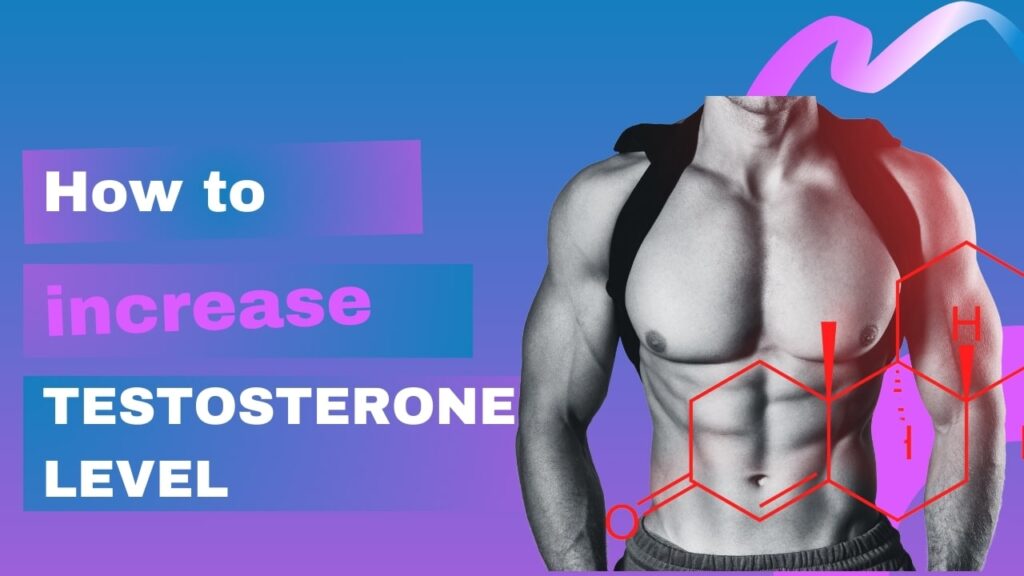
  • How to increase Testosterone Level? – Ways to Increase Testosterone Levels Naturally

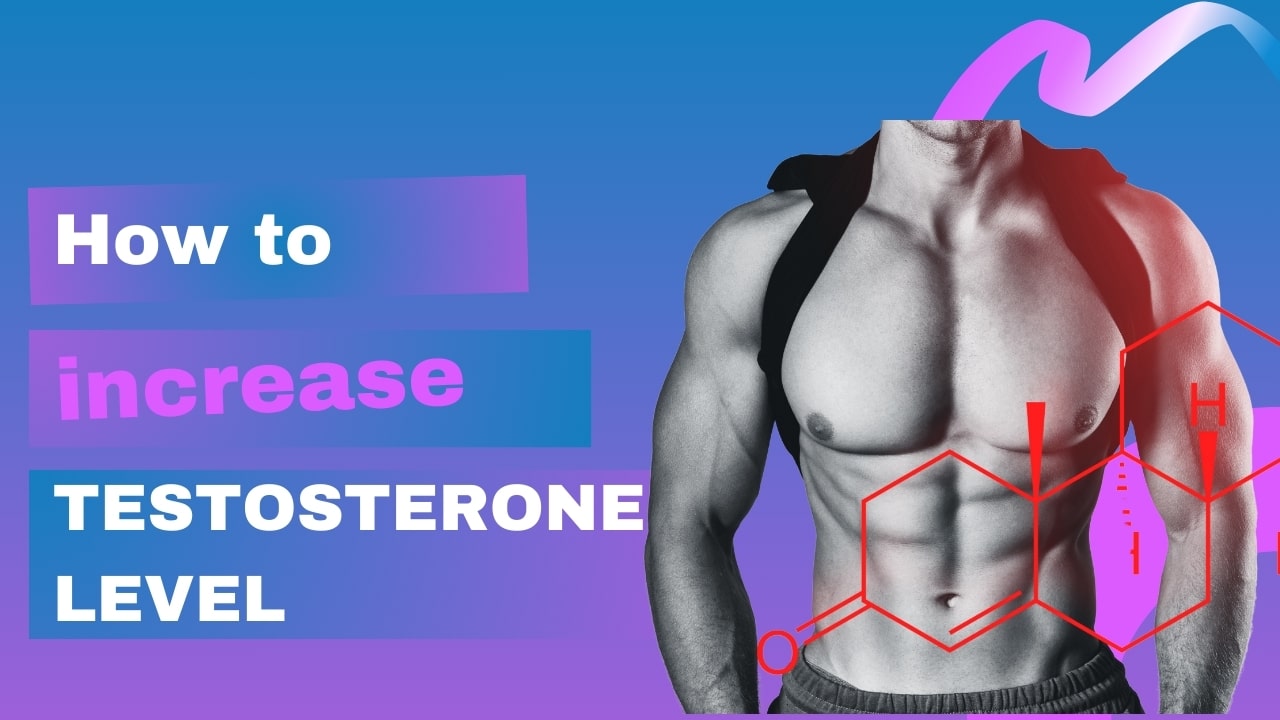
    How to increase Testosterone Level? – Ways to Increase Testosterone Levels Naturally

    how to increase testosterone levelWays to increase Testosterone Level: Testosterone is a vital hormone for both men and women, although it’s often associated with masculinity and male traits. It plays a crucial role in various bodily functions, including muscle mass, bone density, libido, mood regulation, and overall energy levels. As individuals age, testosterone levels tend to decline naturally, leading to various health issues.
    Testosterone is a hormone primarily produced in the testes for men and in smaller quantities in the ovaries for women. In men, it regulates sperm production, libido, muscle mass, and bone density, while in women, it contributes to libido, bone health, and overall well-being.

    Factors Affecting Testosterone Levels

    • Several factors can influence testosterone levels, including age, genetics, lifestyle, diet, exercise, stress levels, sleep quality, and underlying health conditions.
    • By addressing these factors, individuals can naturally optimize their testosterone levels and improve their overall health and well-being.

    How to increase testosterone levels naturally?

    The best ways to increase testosterone levels naturally are mentioned below:

    Maintain a Healthy Diet

    • Consume a balanced diet rich in whole foods, including lean proteins, healthy fats, complex carbohydrates, fruits, and vegetables.
    • Incorporate foods known to support testosterone production, such as:
    • Zinc-rich foods like oysters, beef, poultry, nuts, and seeds.
    • Foods abundant in vitamin D, such as oily fish (like salmon and mackerel), egg yolks, and fortified food products, are excellent sources to ensure adequate intake of this essential nutrient.
    • Foods high in healthy fats like avocados, olive oil, coconut oil, and nuts.
    • Cruciferous vegetables like broccoli, cauliflower, and Brussels sprouts, which may help regulate estrogen levels.

    Exercise Regularly

    • Engage in both aerobic and resistance training exercises.
    • High-intensity interval training (HIIT) and weightlifting are particularly effective for boosting testosterone levels.
    • Aim for at least 150 minutes of moderate aerobic activity or 75 minutes of vigorous aerobic activity per week, along with strength training exercises at least twice a week.

    Maintain a Healthy Weight

    • Excess body fat, especially visceral fat, can contribute to lower testosterone levels.
    • Maintain a healthy weight through a combination of diet and exercise.
    • Aim for a balanced calorie intake and focus on reducing body fat through regular physical activity and a nutritious diet.

    Get Adequate Sleep

    • Make quality sleep your top priority, striving for a solid 7 to 9 hours of uninterrupted rest each night.
    • Poor sleep quality or insufficient sleep can negatively impact hormone production, including testosterone.
    • Create a relaxing bedtime routine, avoid electronic devices before bed, and ensure your sleep environment is conducive to rest.

    Manage Stress

    • Prolonged exposure to stress can result in heightened cortisol levels, potentially causing a decrease in the production of testosterone.
    • Incorporate stress-relief methods like mindfulness meditation, deep breathing exercises, yoga, or indulging in enjoyable hobbies and activities to cultivate relaxation.

    Limit Alcohol Consumption

    • Excessive alcohol consumption can impair testosterone production and lead to hormonal imbalances.
    • Moderate alcohol consumption is generally considered safe, but excessive or binge drinking should be avoided.

    Consider Supplements

    • Please seek advice from a qualified healthcare provider before incorporating any supplements into your regimen to confirm their safety and suitability for your individual needs.
    • Certain supplements like vitamin D, zinc, magnesium, and D-aspartic acid may help support healthy testosterone levels in individuals with deficiencies.

    Concerned About Sexual Performance Too?

    If low testosterone has also affected your sexual health, your doctor may recommend additional support. Vigora 100mg Tablet/Tadacip 20mg Tablet is a common prescription medication used for erectile difficulties and may be part of your treatment plan under proper guidance.

    > Consult a Doctor and Medkart will help you Order Medicines Online

    Conclusion:

    Optimizing testosterone levels naturally is achievable through a combination of lifestyle modifications, including dietary changes, regular exercise, adequate sleep, stress management, and maintaining a healthy weight.

    By implementing these strategies, individuals can not only enhance their testosterone levels but also improve their overall health, vitality, and well-being. It’s essential to approach testosterone optimization holistically and consult with healthcare professionals if necessary to ensure safe and effective results.

    Read: What are Generic Medicines?

    FAQs on How to increase Testosterone Level

    Q1. How to increase testosterone level?

    To naturally increase testosterone levels, focus on maintaining a balanced diet rich in protein, healthy fats, and essential nutrients like vitamin D and zinc. Regular exercise, including both resistance training and cardiovascular workouts, can stimulate testosterone production.

    Additionally, prioritizing quality sleep, managing stress levels, and avoiding unhealthy habits such as excessive alcohol consumption can support optimal hormone balance and overall well-being.

    Q2. Can certain foods help increase testosterone levels?

    Yes, certain foods can help increase testosterone levels. Foods rich in protein, such as lean meats, fish, eggs, and legumes, provide the building blocks for testosterone production. Additionally, incorporating healthy fats from sources like avocados, nuts, seeds, and olive oil can support hormone synthesis.

    Moreover, consuming foods high in vitamins and minerals like vitamin D, zinc, and magnesium can also positively impact testosterone levels.

    Q3. Is exercise important for boosting testosterone levels?

    Absolutely, regular exercise, particularly resistance training and high-intensity interval training (HIIT), has been shown to increase testosterone levels and promote overall hormonal balance.

    Q4. Are there any lifestyle habits that can negatively impact testosterone levels?

    Yes, several lifestyle habits can negatively impact testosterone levels. Poor sleep quality, chronic stress, excessive alcohol consumption, and a sedentary lifestyle are known to contribute to lower testosterone levels over time.

    Adopting healthier habits such as prioritizing quality sleep, managing stress effectively, moderating alcohol intake, and engaging in regular exercise can help support optimal testosterone production and overall well-being.

    Related Links:

  • How to Increase Platelet Count? Ways to Increase Platelet Count Naturally

    How to Increase Platelet Count? Ways to Increase Platelet Count Naturally

    how to increase platelet countTo increase platelet count naturally, focus on incorporating a balanced diet rich in foods known to support platelet production, such as leafy greens, citrus fruits, and foods high in folate and omega-3 fatty acids. Additionally, staying hydrated, managing stress levels through relaxation techniques like meditation or yoga, and maintaining a regular exercise routine can promote optimal blood circulation and platelet function.


    Herbal remedies like papaya leaf extract or turmeric may also be beneficial, but it’s essential to consult with a healthcare professional before incorporating them into your routine, especially If you have preexisting health conditions or are currently on any medications, please make sure to disclose this information.

    By adopting these lifestyle changes and dietary modifications, you can help increase your platelet count naturally and support overall well-being.

    What are Platelets?

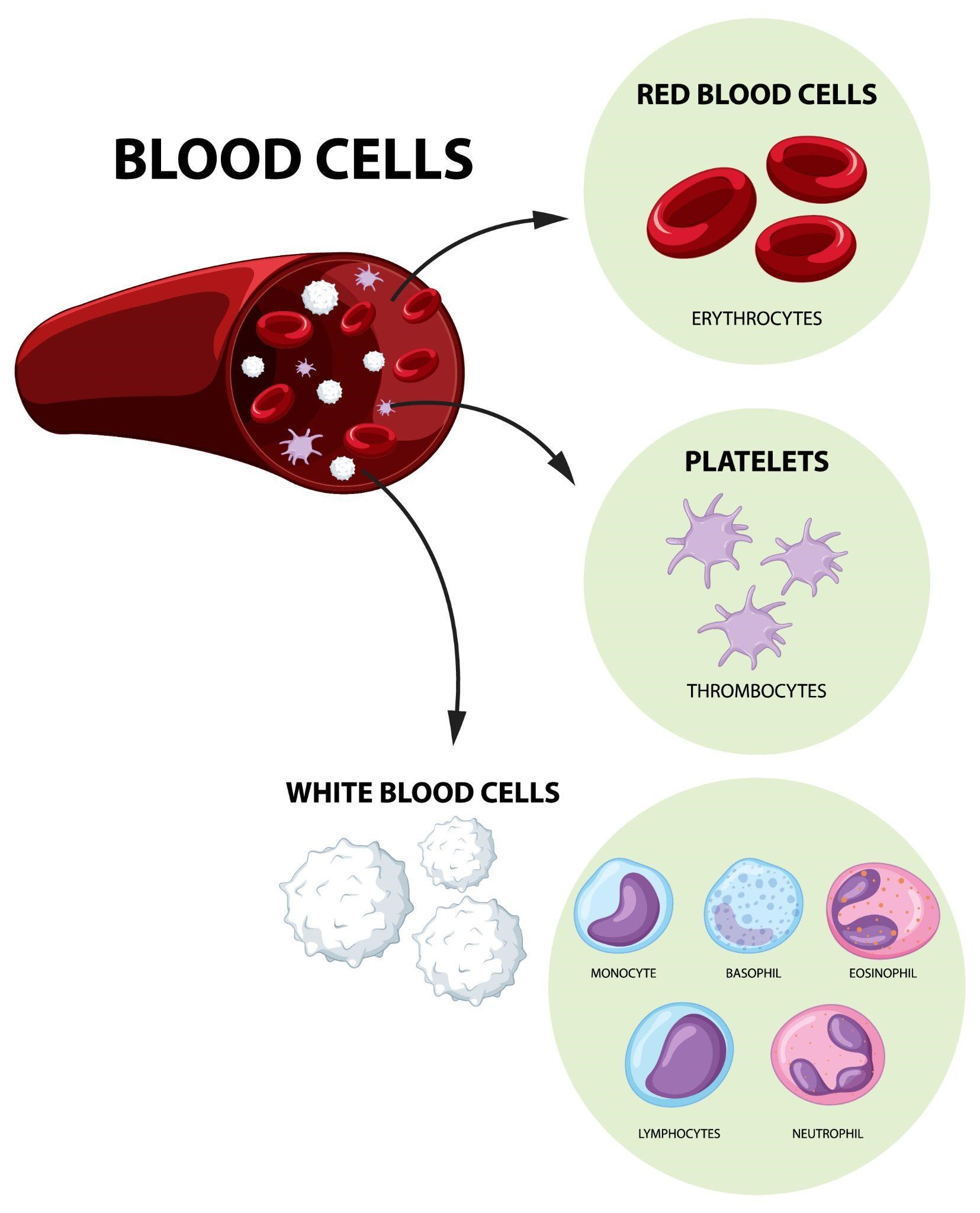
    Platelets are tiny cell fragments in our blood that play a crucial role in clotting and stopping bleeding. When our platelet count drops too low, it can lead to excessive bleeding and bruising, a condition known as thrombocytopenia. Low platelet count can result from various factors such as certain medications, medical conditions, or even lifestyle choices.

    Platelet levels in the bloodstream typically fall within the range of 150,000 to 450,000 platelets per microliter, constituting a normal count. Values below 150,000 are considered low and may require medical attention, especially if they drop significantly.

    How to Increase Platelet Count

    How To Increase Platelet Count Naturally

    The best ways to increase platelet count naturally are mentioned below:

    Diet Modification

    • Incorporate foods rich in vitamins and minerals essential for platelet production, such as:
    • Leafy greens like spinach and kale, which are high in vitamin K.
    • Citrus fruits like oranges and lemons, which provide vitamin C necessary for platelet function.
    • Foods rich in folate, such as lentils, beans, and fortified grains.
    • Omega-3 fatty acids are plentiful in fatty fish such as salmon, as well as in sources like flaxseeds.
    • Avoid excessive consumption of alcohol and foods high in saturated fats, which can hinder platelet production.

    Omega-3 fatty acids

    Herbal Remedies

    Certain herbs and spices are believed to boost platelet count. These include:

    • Papaya leaf extract: Studies suggest that papaya leaf extract may stimulate platelet production.
    • Turmeric: Known for its anti-inflammatory properties, turmeric may help increase platelet count.
    • Ginseng: This traditional herb has been associated with increased platelet count in some studies.

    It’s crucial to consult with a healthcare professional before using herbal remedies, as they may interact with medications or have side effects.

    Hydration

    Staying hydrated is essential for overall health and can indirectly affect platelet count. Adequate hydration ensures proper blood flow and supports optimal blood cell function.

    Lifestyle Changes

    • Manage stress: Chronic stress can suppress the immune system and affect platelet production. Integrate calming practices like meditation, yoga, or deep breathing exercises into your daily regimen to alleviate stress.
    • Exercise regularly: Regular physical activity promotes circulation and overall cardiovascular health, which can contribute to optimal platelet function.
    • Quit smoking: Smoking not only damages blood vessels but also impairs platelet function. Quitting smoking can improve overall health and potentially increase platelet count.

    Medical Treatment

    In cases of severe thrombocytopenia or underlying medical conditions, medical intervention may be necessary. This can include prescription medications, platelet transfusions, or other treatments prescribed by a healthcare professional.

    Also Read:

    Fruits to Increase Platelets

    Here’s a concise overview of fruits known to help increase platelet count:

    • Papaya: Rich in vitamins A, C, and E, as well as folate, papaya is believed to aid in boosting platelet production.
    • Pomegranate: Packed with antioxidants and vitamin C, pomegranate may help increase platelet count and improve overall blood circulation.
    • Kiwi: High in vitamin C and antioxidants, kiwi fruit can support healthy platelet function and enhance immune system function.
    • Berries (Strawberries, Blueberries, Blackberries): These fruits are excellent sources of antioxidants and vitamin C, which can aid in increasing platelet count and improving overall blood health.
    • Oranges: Rich in vitamin C, oranges are known to support collagen production and enhance platelet function.

    Incorporating these fruits into your diet can contribute to overall health and help promote optimal platelet production.

    > Consult a Doctor and Medkart will help you Order Medicines Online

    Conclusion

    Increasing platelet count naturally involves adopting a holistic approach that includes dietary modifications, lifestyle changes, and possibly herbal remedies.

    While these strategies can support platelet production and overall health, it’s essential to consult with a healthcare professional, especially if you have a pre-existing medical condition or are taking medications.By prioritizing a balanced diet, staying hydrated, managing stress, and making healthy lifestyle choices, you can optimize your platelet count and promote overall well-being.

    Read: What are Generic Medicines?

    FAQs on Ways to Increase Platelet Count

    Q1. How to increase platelet count?

    Answer : To increase platelet count, focus on consuming foods rich in vitamin C and K, staying hydrated, managing stress, and incorporating herbal remedies like papaya leaf extract or turmeric, but consult a healthcare professional for personalized advice.

    Q2. What foods can help increase platelet count?

    Answer : Foods rich in vitamin C, such as citrus fruits (oranges, lemons), leafy greens (spinach, kale), and berries (strawberries, blueberries), along with those high in vitamin K (like broccoli and Brussels sprouts), are known to support platelet production.

    Q3. Are there any lifestyle changes that can boost platelet count?

    Answer : Yes, staying hydrated, managing stress levels through relaxation techniques like yoga or meditation, and engaging in regular exercise can promote optimal blood circulation and platelet function, contributing to an increase in platelet count.

    Related Links:

    Blog | Medkart Pharmacy - Generic Medicine Online

  • How to get Rid of Dandruff? Home Remedies to get Rid of Dandruff Naturally

    How to get Rid of Dandruff? Home Remedies to get Rid of Dandruff Naturally

    home remedies for dandruffTo effectively get rid of dandruff, start by using an anti-dandruff shampoo containing active ingredients like pyrithione zinc, selenium sulfide, ketoconazole, or coal tar. Wash your hair regularly with lukewarm water, gently massaging your scalp to loosen dead skin cells. Additionally, maintain scalp hydration by using a moisturizing conditioner and avoiding hot water.

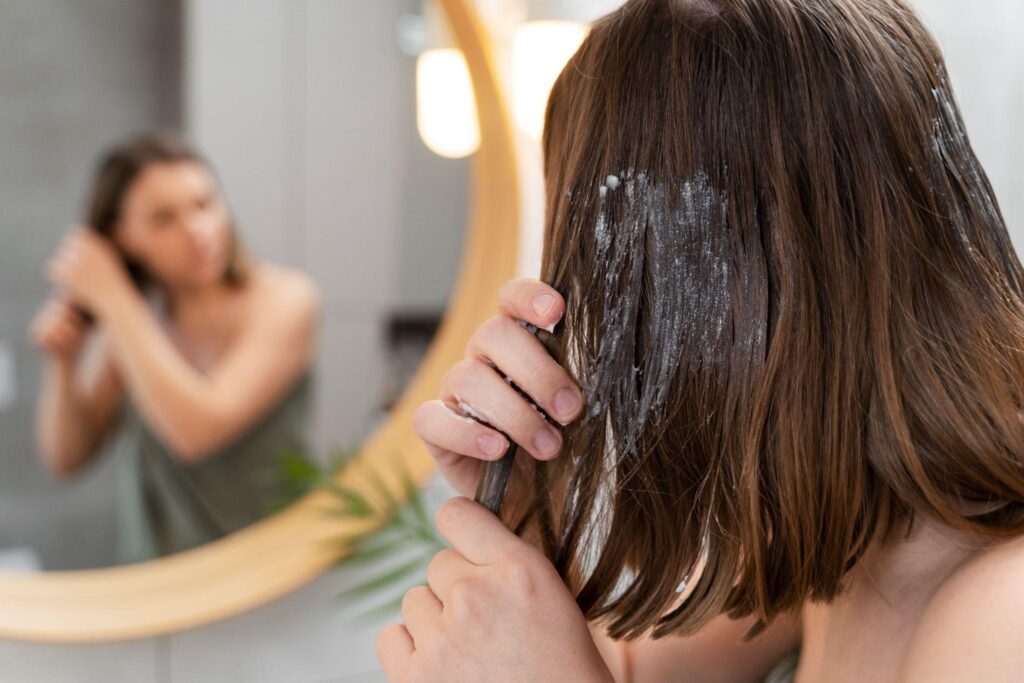
    Make dietary adjustments by incorporating foods rich in vitamins, minerals, and omega-3 fatty acids, while also managing stress levels through relaxation techniques. Consider natural remedies like tea tree oil or apple cider vinegar for added relief.

    Effective Strategies to Combat Dandruff

    Dandruff can be an irritating and embarrassing problem for many people. Those pesky white flakes not only affect our appearance but can also lead to discomfort and self-consciousness. While the exact cause of dandruff isn’t fully understood, factors such as an overgrowth of yeast-like fungus, dry skin, sensitivity to hair care products, and certain medical conditions can contribute to its development.

    1. Proper Hair Care Routine

    Use a gentle, pH-balanced shampoo: Choose a shampoo specifically formulated to combat dandruff. Look for active ingredients such as pyrithione zinc, selenium sulfide, ketoconazole, or coal tar, which help to control dandruff-causing fungus and reduce flaking.

    Wash your hair regularly: Regular shampooing helps to remove excess oil, dead skin cells, and buildup of product residue, preventing dandruff formation. However, avoid overwashing, as it can strip the scalp of natural oils, leading to dryness and exacerbating dandruff.

    Massage your scalp: While shampooing, gently massage your scalp with your fingertips to loosen dead skin cells and improve blood circulation, promoting a healthier scalp.

    How to get Rid of Dandruff

    2. Maintain Scalp Hydration

    Condition your hair: Use a moisturizing conditioner after shampooing to keep your scalp and hair hydrated. Look for conditioners containing ingredients such as glycerin, panthenol, or natural oils like coconut oil or argan oil, which help to nourish and hydrate the scalp.

    Avoid hot water: Washing your hair with hot water can strip the scalp of its natural oils, leading to dryness and exacerbating dandruff. Opt for lukewarm or cool water instead to maintain scalp hydration.

    Also, Read:

    How to get Rid Of Dandruff Naturally?

    Getting rid of dandruff naturally involves utilizing ingredients and methods that are gentle yet effective in addressing the underlying causes of flaky scalp. Here are several natural approaches:

    • Tea Tree Oil: Renowned for its antifungal and antibacterial properties, tea tree oil can combat the fungus responsible for dandruff. Blend a small quantity of tea tree oil with a carrier oil such as coconut or olive oil and gently massage it onto your scalp. Allow it to sit for approximately 30 minutes before proceeding with your regular shampoo routine.
    • Apple Cider Vinegar: The acidity of apple cider vinegar helps restore the scalp’s pH balance and prevent the growth of dandruff-causing yeast. Mix equal parts of apple cider vinegar and water, then apply the mixture to your scalp after shampooing. Allow a brief interval for it to settle before proceeding to thoroughly rinse.
    • Coconut Oil: Coconut oil is an excellent natural moisturizer that can help soothe dry, flaky scalp. Warm up a small amount of coconut oil and massage it into your scalp, focusing on areas with dandruff. Allow it to remain overnight and cleanse your hair the following morning.
    • Aloe Vera: Aloe vera possesses anti-inflammatory and moisturizing properties that can alleviate itching and reduce dandruff. Apply fresh aloe vera gel directly to your scalp, leave it on for about 30 minutes, then rinse off with lukewarm water.
    • Baking Soda: Baking soda exfoliates the scalp, removing dead skin cells and reducing dandruff. Mix a tablespoon of baking soda with water to form a paste, then massage it into your scalp. Rinse thoroughly and follow up with a mild shampoo.
    • Probiotics: Consuming probiotic-rich foods like yogurt and kefir can help restore the balance of beneficial bacteria in your gut, which may indirectly improve dandruff symptoms by strengthening the immune system.
    • Essential Oils: In addition to tea tree oil, other essential oils like lavender, rosemary, and peppermint have antimicrobial properties that can help combat dandruff. Dilute a few drops of your chosen essential oil in a carrier oil and massage it into your scalp.

    > Consult a Doctor and Medkart will help you Order Medicines Online

    Consistency is key when using natural remedies for dandruff. Experiment with different methods to find what works best for your scalp, and be patient as it may take time to see significant improvements.

    How to get Rid of Dandruff

    Conclusion:

    Dandruff may be a common scalp condition, but it’s certainly not something you have to live with indefinitely. By adopting a comprehensive approach that includes proper hair care, scalp hydration, dietary and lifestyle changes, and occasional use of natural remedies, you can effectively manage and even banish dandruff for a healthier, flake-free scalp. Remember, consistency and patience are key, so stick to your dandruff-fighting routine, and you’ll soon enjoy the confidence of a scalp that’s free from flakes.

    Read: What are Generic Medicines?

    FAQs on How to get Rid of Dandruff

    Q1. How to get rid of dandruff?

    To get rid of dandruff, use an anti-dandruff shampoo containing active ingredients like ketoconazole or zinc pyrithione at least three times a week. Additionally, maintain a balanced diet rich in vitamins, minerals, and omega-3 fatty acids to promote scalp health and reduce inflammation. Incorporating natural remedies such as tea tree oil, apple cider vinegar, or coconut oil can also effectively combat dandruff.

    Q2. How often should I wash my hair to get rid of dandruff?

    Washing your hair at least three times a week with an anti-dandruff shampoo containing active ingredients like ketoconazole or zinc pyrithione can help effectively reduce dandruff.

    Q3. Can diet influence dandruff?

    Yes, consuming a balanced diet rich in vitamins, minerals, and omega-3 fatty acids can promote scalp health and reduce inflammation, potentially minimizing dandruff flare-ups.

    Related Links:

    Blog | Medkart Pharmacy - Generic Medicine Online

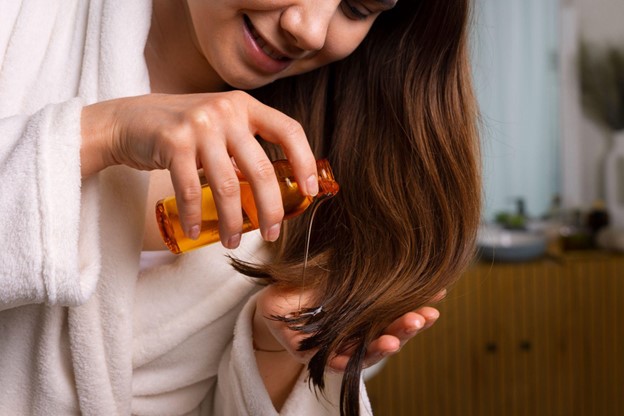
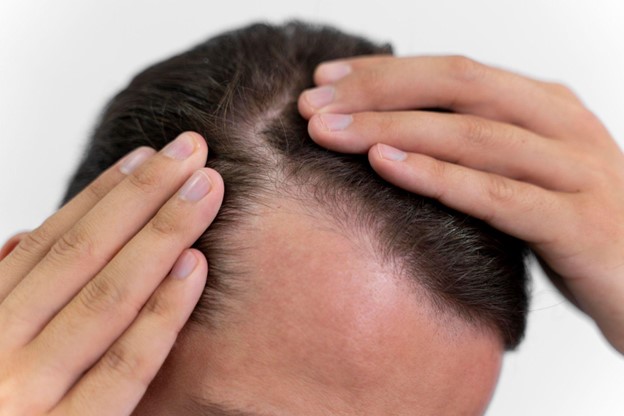
  • How to Prevent Hair Fall? Natural Remedies to Stop Hair Fall

    How to Prevent Hair Fall? Natural Remedies to Stop Hair Fall

    best way to prevent hair fall

    To prevent hair fall, adopt a holistic approach that encompasses both lifestyle changes and proper hair care. Maintain a well-balanced diet rich in essential nutrients like vitamins, minerals, and proteins. Choose gentle hair care products, avoiding harsh chemicals that could lead to damage. Practice regular scalp massages to enhance blood circulation and stimulate hair follicles. Manage stress through activities like meditation and exercise, as stress can contribute to hair fall.

    Protect your hair from excessive heat styling, and if hair loss persists, consult a healthcare professional for personalized guidance. Having a luscious mane is not just about aesthetics; it’s a reflection of our overall health and well-being. Experiencing hair fall can be distressing, but the good news is that there are numerous preventive measures and lifestyle changes you can adopt to maintain healthy and beautiful hair.

    Best Way to Prevent Hair Fall

    Let’s explore effective strategies to prevent hair fall and promote strong, vibrant locks.

    Nutrient-Rich Diet

    A well-balanced diet plays a crucial role in maintaining the health of your hair. Ensure that your meals include a variety of nutrients such as vitamins, minerals, and proteins. Foods rich in iron, zinc, vitamin E, and omega-3 fatty acids contribute to hair strength and vitality. Include leafy greens, nuts, fish, eggs, and whole grains in your diet for optimal hair health.

    Nutritional deficiencies, especially of biotin, zinc, iron, and amino acids, can weaken hair roots and trigger excessive shedding. To support healthy hair from within, consider a multivitamin like Geomax Plus 4G Tablet and Briq Capsule that combines essential vitamins, minerals, and natural extracts to promote hair strength and reduce fall.

    Stay Hydrated

    Hydration is key not only for your overall health but also for maintaining the moisture balance in your hair. Ensure proper hydration for your hair by consuming a sufficient amount of water daily. Hydrated hair is less prone to dryness and brittleness, reducing the risk of breakage.

    Gentle Hair Care

    Choose hair care products that are gentle and suitable for your hair type. Harsh chemicals in some shampoos and conditioners can strip your hair of its natural oils, leading to damage and breakage. Opt for sulfate-free and paraben-free products that nourish and strengthen your hair without causing harm.

    Recommended product: Mintop Forte 2% Solution – Helps stimulate hair growth and reduce hair fall. Suitable for men and women facing early to moderate hair loss.

    How To Prevent Hair Fall

    Regular Scalp Massage

    Scalp massage promotes blood circulation, which in turn stimulates hair follicles. Use natural oils like coconut or almond oil to massage your scalp regularly. This not only enhances hair growth but also helps in reducing stress, a known factor for hair fall.

    Protect Your Hair

    Excessive heat styling, colouring, and tight hairstyles can contribute to hair damage and breakage. Limit the use of heat styling tools, and when you do use them, apply a heat protectant. Choose hairstyles that do not pull on your hair follicles, and consider letting your hair down whenever possible to reduce stress on your strands.

    Manage Stress

    Managing stress is essential for maintaining optimal hair health. Engaging in stress-reducing activities like meditation, yoga, or deep breathing exercises can play a crucial role in achieving a harmonious balance. Additionally, ensuring sufficient and quality sleep is paramount for overall well-being, directly impacting the health and vitality of your hair.

    Regular Exercise

    Exercise improves blood circulation, which is vital for delivering nutrients to your hair follicles. Engage in regular physical activity to promote overall health, including the health of your hair.

    Medical Checkup

    If you notice persistent and excessive hair fall, it’s essential to consult a healthcare professional. Hair loss can be a symptom of underlying health issues such as hormonal imbalances or nutritional deficiencies. A thorough medical checkup can help identify and address the root cause.

    Hair fall is often linked to hidden nutrient deficiencies. Including a supplement like Nurokind Gold Sachet can help bridge these gaps, especially if your diet lacks essential vitamins like B12, folic acid, or iron.

    Also, Read:

    How to Prevent Hair Fall For Male

    For men looking to prevent hair fall, maintaining a nutrient-rich diet, avoiding excessive heat styling, and opting for gentle hair care products are essential. Regular scalp massages, stress management through activities like exercise, and prompt consultation with a healthcare professional for persistent hair loss can contribute to a healthier and fuller head of hair.

    How To Prevent Hair Fall

    How to Prevent Hair Fall For Female

    Women can prevent hair fall by ensuring a balanced diet rich in vitamins and minerals, incorporating regular scalp massages, and using gentle hair care products. Avoiding excessive heat styling, managing stress through activities like yoga, and seeking professional advice for persistent hair loss is crucial. A healthy lifestyle and prompt attention to any concerns contribute to maintaining strong and vibrant hair in women.

    > Consult a Doctor and Medkart will help you Order Medicines Online

    Conclusion:

    Preventing hair fall involves a combination of healthy lifestyle choices, proper hair care, and a nutrient-rich diet. By incorporating these practices into your routine, you can promote strong, resilient hair and enjoy the confidence that comes with a vibrant mane. Remember, consistency is key, and patience is a virtue when it comes to achieving and maintaining healthy hair.

    Read: What are Generic Medicines?

    FAQs on Ways to Prevent Hair Fall

    Q1. How to prevent hair fall?

    To prevent hair fall, maintain a balanced diet rich in vitamins and minerals, stay hydrated, use gentle hair care products, and avoid excessive heat styling. Additionally, manage stress through activities like meditation and regular exercise, and consult a healthcare professional if hair loss persists for personalized advice.

    Q2. What role does diet play in preventing hair fall?

    A well-balanced diet with adequate nutrients such as iron, zinc, and omega-3 fatty acids is crucial for promoting hair health. Include foods like leafy greens, nuts, fish, and whole grains to strengthen your hair and reduce the risk of hair fall.

    Q3. How can I protect my hair from damage during styling?

    Limit the use of heat styling tools, apply a heat protectant before styling, and choose hairstyles that don’t cause strain on your hair. Avoid tight hairstyles, excessive colouring, and chemical treatments to prevent damage and breakage.

    Q4. When should I seek professional help for hair fall?

    If you experience persistent and excessive hair fall, it’s advisable to consult a healthcare professional. Hair loss can be a sign of underlying health issues, such as hormonal imbalances or nutritional deficiencies. A medical checkup can help identify and address the root cause of the problem.

    Related Links:

  • How to Increase Breast Size Naturally? Exercise to Increase Breast Size

    How to Increase Breast Size Naturally? Exercise to Increase Breast Size

    increase breast size naturally imageWays to Increase Breast Size: Every woman is unique, and so are her body preferences. While there’s no one-size-fits-all definition of beauty, many women express a desire to enhance certain aspects of their appearance, such as breast size. It’s important to note that self-love and body positivity should always be at the forefront of any beauty journey.


    If you’re considering ways to increase your breast size, there are natural and holistic approaches that prioritize overall well-being. Let’s explore some healthy lifestyle choices and exercises that may contribute to a fuller bust.

    Natural Ways to Increase the Breast Size

    Eating a balanced and nutritious diet is essential for overall health, including breast health. Incorporate foods rich in estrogen, the hormone responsible for breast development. Soy products, flaxseeds, fenugreek, and fennel are known to contain phytoestrogens, which may contribute to breast enhancement. Include a variety of fruits, vegetables, whole grains, and lean proteins to support your body’s overall vitality.

    1. Essential Fats for Breast Tissue

    Including healthy fats in your diet is crucial for overall health and can potentially play a role in promoting breast fullness. Omega-3 fatty acids, found in fatty fish, flaxseeds, and walnuts, have anti-inflammatory properties that may benefit breast tissue. Avocado and olive oil are also excellent sources of monounsaturated fats that support skin elasticity.

    2. Protein for Muscle Support

    Breast tissue sits on the chest muscles, and ensuring these muscles are well-supported can contribute to a lifted and toned appearance. Incorporate lean protein sources such as chicken, turkey, tofu, and legumes into your diet. Protein is essential for muscle repair and development.

    3. Antioxidants for Skin Health

    The skin around the breasts plays a significant role in their appearance. Antioxidant-rich foods, such as berries, citrus fruits, and leafy greens, can help protect the skin from oxidative stress, promoting a healthy and youthful look.

    4. Vitamins and Minerals

    • Vitamin A: Found in sweet potatoes, carrots, and leafy greens, vitamin A supports skin health and may contribute to breast tissue integrity.
    • Vitamin C: Citrus fruits, strawberries, and bell peppers are rich in vitamin C, which supports collagen production and skin elasticity.
    • Vitamin E: Nuts, seeds, and spinach are sources of vitamin E, known for its skin-nourishing properties.
    • Zinc: Found in pumpkin seeds, chickpeas, and lentils, zinc supports the body’s natural collagen production.

    5. Hydration

    Maintaining optimal hydration levels is crucial for overall well-being, with a profound impact on the health of your skin. Drink an adequate amount of water throughout the day to keep your skin and body hydrated.

    Exercise to Increase Breast Size

    While exercise won’t directly increase breast size, it can help tone and lift the chest muscles, providing a more defined and perky appearance. Focus on strength training exercises that target the chest muscles, such as chest presses, push-ups, and dumbbell flies. Additionally, maintaining good posture can create the illusion of a fuller bust.

    • Push-Ups: Push-ups are a classic and effective exercise that targets the chest muscles, particularly the pectoralis major. This compound movement engages the entire upper body, including the shoulders and triceps, promoting overall upper body strength.
    • Chest Press: The chest press, whether performed with dumbbells or a barbell, is an excellent isolation exercise that specifically targets the chest muscles.
    • Dumbbell Flyes: Dumbbell flyes are an isolation exercise that focuses on the chest muscles and helps improve the overall shape of the breasts.
    • Chest Dips: Chest dips are a bodyweight exercise that targets the chest, shoulders, and triceps.
    • Wall Press: Wall presses are a beginner-friendly exercise that provides a gentle yet effective workout for the chest muscles:

    Remember to include these exercises in your fitness routine at least two to three times per week, allowing for adequate rest between sessions. Additionally, maintaining good posture throughout your daily activities can further enhance the appearance of your chest.

    How to increase breast size?

    Also Read:

    How to Increase Breast Size?

    Various herbs have been traditionally used to support breast health and development. Fenugreek, fennel, and wild yam are popular choices. These herbs are often found in supplements or teas designed to promote breast enhancement. However, it’s crucial to consult with a healthcare professional before incorporating any new supplements into your routine.

    While scientific evidence on their efficacy is limited, some herbs are believed to have properties that could potentially support breast health and fullness.

    • Fenugreek: Fenugreek is often touted for its potential to increase estrogen levels in the body. This herb is commonly consumed in supplement form or as a tea. However, its effectiveness varies among individuals, and more research is needed to establish its impact on breast size.
    • Fennel: Fennel is another herb rich in phytoestrogens, which are plant compounds that mimic estrogen. Some people use fennel seeds or tea with the belief that it may contribute to breast enhancement. As with other herbs, individual responses may vary.
    • Saw Palmetto: Saw palmetto is derived from the berries of a small palm tree and is believed by some to have hormonal effects. It’s often used in supplements and creams, with some individuals claiming it supports breast growth. However, scientific evidence backing these assertions lacks conclusive support.
    • Wild Yam: Wild yam contains diosgenin, a compound that can be converted into estrogen in a laboratory setting. Some herbal remedies include wild yam extract with the belief that it may influence hormonal balance and promote breast health.
    • Red Clover: Red clover is rich in isoflavones, which are compounds with estrogen-like effects. While red clover supplements are sometimes used by individuals seeking natural breast enhancement, the evidence supporting their efficacy is limited.

    Best Breast Massage

    Breast massage is a non-invasive practice believed by some to enhance breast appearance and health. Advocates suggest that regular, gentle massages improve blood circulation and lymphatic drainage, promoting tissue elasticity and potentially contributing to a fuller look. Using natural oils like almond or olive oil, circular motions during massage may stimulate collagen production.

    While there’s limited scientific evidence supporting a direct increase in breast size, the practice is often embraced for its relaxing and self-care benefits. It’s essential to approach breast massage with realistic expectations and consider consulting with a healthcare professional before incorporating it into your routine.

    Wearing the Right Bra

    Choosing the right bra is a simple yet effective way to enhance the appearance of your breasts. A well-fitted bra provides essential support, shaping, and lift, creating a flattering silhouette. Bras with padding or push-up features can add volume and fullness, enhancing your natural curves. Additionally, wearing the correct size minimizes sagging and maintains proper posture, giving the illusion of a fuller bust.

    Prioritize comfort and fit, as an ill-fitted bra can lead to discomfort and affect your overall confidence. Invest in bras that celebrate your body’s unique shape, promoting self-assurance and highlighting your natural beauty.

    Consult a Doctor and Medkart will help you Order Medicines Online

    Conclusion

    Enhancing breast size naturally involves a combination of lifestyle choices, exercises, and self-care practices. It’s essential to approach this journey with a focus on overall well-being and self-love.

    Remember that beauty comes in various shapes and sizes, and the key is to embrace and celebrate your unique self. Before making significant changes to your lifestyle or considering supplements, it’s crucial to consult with a healthcare professional to ensure the safety and effectiveness of your chosen approach.

    Read: What are Generic Medicines?

    FAQs on How to Increase Breast Size?

    Q1. How to increase breast size?

    Enhance breast appearance by incorporating chest-focused exercises like push-ups, maintaining a balanced diet rich in nutrients, and wearing well-fitted bras that provide lift and support. However, note that natural methods may have limited impact, and individual results vary.

    Q2. Can exercises increase breast size?

    While exercises can’t directly increase breast size, they can strengthen chest muscles, providing lift and a more defined appearance. Incorporate chest-focused workouts like push-ups and chest presses for a toned look.

    Q3. Do herbal supplements work for breast enhancement?

    The efficacy of herbal supplements like fenugreek and fennel is inconclusive. Consult a healthcare professional before trying, as individual responses vary, and safety concerns may arise.

    Q3. Is there a specific diet to boost breast size?

    While no specific diet guarantees breast enlargement, a balanced diet rich in healthy fats, proteins, and antioxidants supports overall health, contributing to skin elasticity and breast health.

  • How to Lose Weight Fast? – Ways to Lose Weight Naturally And Permanently

    How to Lose Weight Fast? – Ways to Lose Weight Naturally And Permanently


    lose weight fast

    To lose weight fast a thorough and balanced approach is required that focuses on sustainable lifestyle changes. Instead of extreme diets, opt for a well-rounded diet rich in whole foods such as fruits, vegetables, lean proteins, and whole grains. Portion control, mindful eating, and staying hydrated are essential components. Combine this with regular exercise, including both cardiovascular activities and strength training, to create a calorie deficit and promote healthy weight loss.

    Losing weight quickly is a goal that many individuals aspire to achieve for various reasons, such as improving overall health, boosting confidence, or preparing for a special event. While it’s important to approach rapid weight loss with caution and prioritize health over speed, some strategies can help expedite the process. Keep in mind that extreme measures or crash diets are not sustainable in the long term and may have adverse effects on your health.

    Lose Weight Fast Naturally And Permanently

    Losing weight naturally and permanently involves adopting sustainable lifestyle changes that promote a healthy balance between diet, exercise, and overall well-being. Quick fixes and extreme measures are often temporary and can lead to health issues. Let’s discuss how to lose weight fast naturally and permanently:

    Create a Realistic Plan

    • Set achievable and realistic goals.
    • Understand that healthy weight loss typically ranges from 1 to 2 pounds per week.
    • Consider factors such as your starting point, target weight, and the time frame within which you want to achieve your goals.

    Revise Your Diet

    • Calorie Deficit: Weight loss fundamentally requires burning more calories than you consume. Aim for a moderate calorie deficit of about 500 calories per day.
    • Balanced Nutrition: Emphasize whole foods, including fruits, vegetables, lean proteins, and whole grains. These foods are filled with nutrients and can keep you feeling full for a longer period.

    Intermittent Fasting

    • Time-Restricted Eating: Consider adopting intermittent fasting, where you limit your eating window each day. One of the common methods is the 16/8 or the 5:2 approach.
    • Benefits: Intermittent fasting can help control calorie intake, improve insulin sensitivity, and promote fat loss.

    High-Protein Diet

    • Muscle Preservation: Increase your protein intake to support muscle preservation, which is crucial during weight loss.
    • Satiety: Protein-rich foods can help you feel full and satisfied, reducing the likelihood of overeating.

    Watch Your Portions

    • Mindful Eating: Pay attention to the portion sizes of your meals and practice mindful eating. Eating slowly and savouring your meals can help prevent overconsumption.

    Stay Hydrated

    • Water Intake: Stay adequately hydrated by consuming ample water throughout the day. Sometimes, feelings of hunger are signs of thirst and dehydration.
    • Substitute Sugary Drinks: Replace sugary beverages with water, herbal teas, or other low-calorie options.

    How To Lose Weight Fast

    Regular Exercise

    • Cardiovascular Exercise: Include moderate-intensity and high-intensity cardio workouts to burn calories and improve cardiovascular health.
    • Strength Training: Incorporate resistance training to build muscle, boost metabolism, and enhance overall body composition.

    High-Intensity Interval Training (HIIT)

    • Efficiency: HIIT workouts involve short bursts of intense exercise followed by brief rest periods. They can be time-efficient and effective for calorie burning.
    • Metabolic Boost: HIIT can elevate your metabolism, promoting continued calorie burning after the workout.

    Adequate Sleep

    • Hormonal Balance: Ensure you get enough quality sleep. Lack of sleep can disrupt hormones related to hunger and satiety, which could ultimately lead to overeating.
    • Recovery: Quality sleep is essential for muscle recovery, especially if you are engaging in regular exercise.

    Stress Management

    • Impact on Weight: Chronic stress can contribute to weight gain. We must practice stress-reducing activities daily such as meditation, yoga, or deep breathing exercises.
    • Mind-Body Connection: Building a positive mind-body connection is crucial for overall well-being.

    Professional Guidance

    • Consultation: Before embarking on any rapid weight loss plan, consult with healthcare professionals, registered dietitians, or fitness experts.
    • Individualized Approach: A personalized approach ensures that your plan aligns with your unique needs, health status, and any underlying medical conditions.

    Also, Know about:

    Steps to Lose Weight Fast at Home

    Losing weight at home offers the convenience of working towards your fitness goals in a familiar and comfortable environment. With dedication and the right strategies, you can achieve significant results. Let’s discuss on how to lose weight fast at home:

    Create a Dedicated Workout Space

    • Allocate a dedicated space within your living environment exclusively for physical activity.
    • You could choose a spare room, a corner of the living room, or even your backyard.
    • Having a dedicated space helps create a routine and mentally prepares you for your workout sessions.

    Bodyweight Exercises

    • Strength Training: Incorporate bodyweight exercises like squats, lunges, push-ups, and planks to build muscle and boost metabolism.
    • HIIT Workouts: High-intensity interval Training (HIIT) with exercises like burpees, mountain climbers, and jumping jacks can be done at home and is effective for burning calories.

    Cardiovascular Workouts

    • Jump Rope: A simple yet effective cardiovascular exercise that can be done indoors or in your backyard.
    • Dance Workouts: Follow online dance workout videos or apps for a fun and engaging way to burn calories at home.

    How To Lose Weight Fast

    Home-Friendly Equipment

    • Resistance Bands: Compact and versatile, resistance bands add intensity to strength training exercises.
    • Dumbbells: Invest in a set of dumbbells for various strength training exercises.
    • Yoga Mat: Useful for floor exercises, yoga, and stretching.

    Online Fitness Classes

    • Virtual Workouts: Many fitness instructors and platforms offer virtual classes, covering a range of exercises from yoga to high-intensity workouts.
    • Apps and YouTube: Utilize fitness apps and YouTube channels for guided workouts tailored to different fitness levels.

    Healthy Eating at Home

    • Meal Prep: Plan and prepare healthy meals at home to have more control over your food choices.
    • Portion Control: Be mindful of portion sizes to avoid overeating, even when enjoying homemade meals.

    Hydration

    • Water Intake: Stay hydrated throughout the day, as water can help control appetite and support overall health.
    • Herbal Teas: Enjoying herbal teas can be a comforting and low-calorie way to stay hydrated.

    Sleep Hygiene

    • Quality Sleep: Ensure you get adequate, quality sleep as it is crucial in weight management.
    • Establish a Routine: Create a consistent sleep schedule to optimise your body’s natural circadian rhythms.

    Daily Movement

    • Incorporate Activity: Find opportunities to move throughout the day. Simple activities like taking the stairs or doing household chores can contribute to your daily calorie expenditure.

    Mindful Eating

    • Eat Without Distractions: Avoid eating in front of the TV screen or computer. Instead, savour your meals and pay attention to your body’s hunger and fullness signals.
    • Plan Snacks: Have healthy snacks readily available to avoid reaching for less nutritious options.

    Track Your Progress

    • Keep a Journal: Record your workouts, meals, and any challenges you overcome. Tracking progress can provide motivation and insights into your habits.

    > Consult a Doctor and Medkart will help you Order Medicines Online

    Conclusion:

    Losing weight at home is achievable with the right mindset, dedication, and a well-rounded approach. By incorporating a mix of cardiovascular exercises, strength training, and healthy eating habits, you can make significant progress towards your weight loss goals without the need for a gym membership.

    Tailor your routine to your preferences and fitness level, making the process enjoyable and sustainable for the long term. Losing weight fast is possible through a combination of strategic dietary changes, regular exercise, and lifestyle modifications.

    Seek professional guidance, be patient with the process, and adopt sustainable habits that you can maintain in the long run. Remember, a healthy and balanced approach to weight loss is more likely to yield lasting results and contribute to a healthier lifestyle.

    Read: What are Generic Medicines?

    FAQs on How to Lose Weight Fast

    Q1. how to lose weight fast naturally and permanently?

    To lose weight fast, focus on a balanced diet with an emphasis on whole foods, control portion sizes, and stay hydrated. Integrate consistent physical activity into your routine, encompassing both aerobic exercises to enhance cardiovascular health and strength training to fortify your muscles. Prioritize adequate sleep and manage stress for optimal results. Recall that enduring success hinges on embracing sustainable lifestyle modifications.

    Q2. Can I lose weight fast without exercising at a gym?

    Absolutely! You can lose weight fast at home by incorporating bodyweight exercises, cardio workouts like jumping rope, and high-intensity interval training (HIIT). Consistency is key to achieving results without the need for a gym membership.

    Q3. Is it possible to lose weight fast without strict diets?

    Yes, you can lose weight quickly without resorting to extreme diets. Focus on a balanced, whole-foods-based diet with proper portion control. Emphasise nutrient-dense foods like fruits, vegetables, lean proteins, and whole grains for sustainable weight loss.

    Related Links: