Search results for: “all”

  • गॉलब्लैडर की पथरी का इलाज और घरेलू ट्रीटमेंट, Gallbladder Stones Treatment in Hindi

    गॉलब्लैडर की पथरी का इलाज और घरेलू ट्रीटमेंट, Gallbladder Stones Treatment in Hindi

    gallbladder stones treatment in hindi

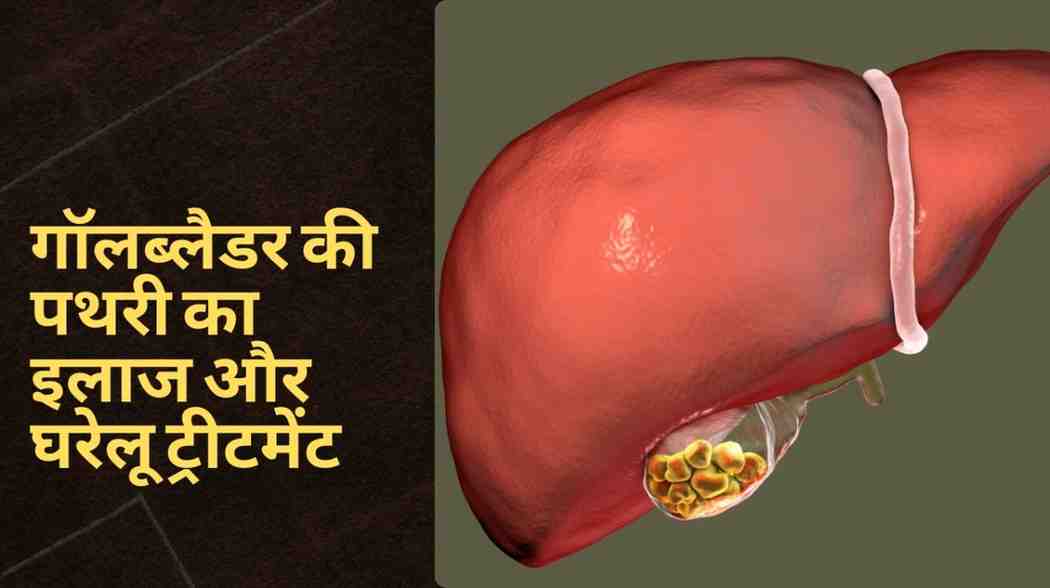
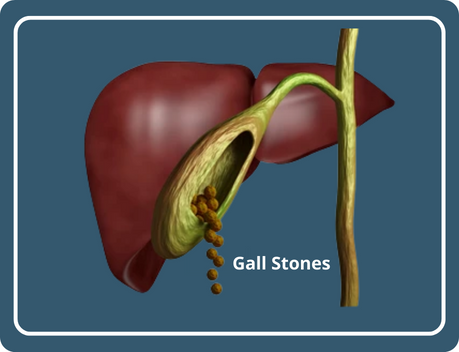
    गॉलब्लैडर की पथरी का इलाज के लिए नियोजित चिकित्सा हस्तक्षेप और प्रक्रियाओं को संदर्भित करता है, जो है पाचन द्रव का कठोर जमा होगा वह रूप गॉलब्लैडर में होता है।गॉलब्लैडर की पथरी, जिसे पित्त पथरी भी कहा जाता है, इससे असहनीय दर्द और पाचन संबंधी समस्याएं हो सकती हैं।

    गॉलब्लैडर की थैली की पथरी इनका आकार रेत के छोटे कणों से लेकर बड़े, संगमरमर के आकार के पत्थरों तक हो सकता है। गॉलब्लैडर की पथरी के ट्रीटमेंट के विकल्प लक्षणों की गंभीरता और रोगी की विशिष्ट परिस्थितियों के आधार पर भिन्न होते हैं।

    लक्षण और गॉलब्लैडर की पथरी का ट्रीटमेंट

    गॉलब्लैडर की पथरी के लक्षणों में अक्सर गंभीर पेट दर्द, मतली और उल्टी शामिल होती है, खासकर वसायुक्त भोजन खाने के बाद। ट्रीटमेंट के विकल्प जीवनशैली में बदलाव और दवाओं से लेकर सर्जिकल प्रक्रियाओं तक हैं।

    हल्के मामलों के लिए, आहार समायोजन और दर्द प्रबंधन पर्याप्त हो सकता है। उर्सोडॉक्सिकोलिक एसिड जैसी दवाएं छोटी पथरी को घोल सकती हैं। हालाँकि, जब लक्षण बने रहते हैं या बिगड़ जाते हैं, तो गॉलब्लैडर की थैली को शल्य चिकित्सा से हटाना (लैप्रोस्कोपिक कोलेसिस्टेक्टोमी) सबसे आम और प्रभावी ट्रीटमेंट है।

    यह शीघ्र स्वास्थ्य लाभ प्रदान करता है और बार-बार होने वाली पित्त पथरी के खतरे को समाप्त करता है। ट्रीटमेंट का चुनाव लक्षणों की गंभीरता और रोगी के समग्र स्वास्थ्य पर निर्भर करता है।
    Gallbladder Stones Treatment in Hindi

    गॉलब्लैडर की पथरी का इलाज

    गॉलब्लैडर की पथरी का ट्रीटमेंट इस प्रकार है:

    • सतर्क प्रतीक्षा: ऐसे मामलों में जहां गॉलब्लैडर की पथरी छोटी और लक्षण रहित होती है, डॉक्टर “प्रतीक्षा करें और देखें” दृष्टिकोण अपना सकते हैं। इसका अर्थ है तत्काल हस्तक्षेप के बिना रोगी की स्थिति की निगरानी करना। स्पर्शोन्मुख पित्त पथरी के लिए ट्रीटमेंट की आवश्यकता नहीं हो सकती है जब तक कि वे समस्याएँ पैदा न करने लगें।
    • जीवनशैली में बदलाव: आहार और जीवनशैली में संशोधन करने से पित्त पथरी के लक्षणों को प्रबंधित करने में मदद मिल सकती है। वसायुक्त और तले हुए खाद्य पदार्थों का सेवन कम करने से असुविधा कम हो सकती है। नियमित व्यायाम और स्वस्थ वजन बनाए रखने से भी पित्त पथरी बनने का खतरा कम हो सकता है।
    • मेडिकेशन्स: कुछ मामलों में पित्त पथरी को घोलने के लिए दवाएं दी जा सकती हैं। उर्सोडॉक्सिकोलिक एसिड (उर्सोडिओल) का उपयोग छोटे कोलेस्ट्रॉल पित्त पथरी को महीनों या वर्षों तक घोलने के लिए किया जा सकता है। हालाँकि, यह दृष्टिकोण हमेशा प्रभावी नहीं होता है, और ट्रीटमेंट बंद होने पर गॉलब्लैडर की पथरी वापस आ सकती है।
    • एंडोस्कोपिक प्रक्रियाएं: उन रोगियों के लिए जो सर्जरी बर्दाश्त नहीं कर सकते हैं या जिनकी विशिष्ट चिकित्सीय स्थितियाँ हैं, एंडोस्कोपिक प्रक्रियाओं की सिफारिश की जा सकती है। एक सामान्य प्रक्रिया स्फिंक्टरोटॉमी और पथरी हटाने के साथ एंडोस्कोपिक रेट्रोग्रेड कोलेजनो पैंक्रेटोग्राफी (ERCP) है। ईआरसीपी के दौरान, पित्त नलिकाओं से पित्त पथरी का पता लगाने और निकालने के लिए मुंह के माध्यम से और छोटी आंत में एक छोटा कैमरा डाला जाता है।
    • लेप्रोस्कोपिक कोलेसिस्टेक्टोमी: गॉलब्लैडर की पथरी के लिए सबसे आम और प्रभावी ट्रीटमेंट गॉलब्लैडर की शल्य चिकित्सा द्वारा निकालना है, जिसे लेप्रोस्कोपिक कोलेसिस्टेक्टोमी के रूप में जाना जाता है। इस न्यूनतम आक्रामक प्रक्रिया में गॉलब्लैडर को हटाने के लिए छोटे चीरे लगाना और विशेष उपकरणों का उपयोग करना शामिल है। मरीज़ आमतौर पर जल्दी ठीक हो जाते हैं और कुछ ही हफ्तों में अपनी सामान्य गतिविधियों में लौट सकते हैं।
    • ओपन कोलेसिस्टेक्टोमी: कुछ मामलों में, ओपन सर्जरी आवश्यक हो सकती है, खासकर यदि जटिलताएं हों या यदि सर्जन सुरक्षित रूप से लैप्रोस्कोपिक कोलेसिस्टेक्टोमी नहीं कर सकता है। इसमें एक बड़ा चीरा शामिल हैघ एक लंबाआरोग्यलाभअवधि।
    • लेजर लिथोट्रिप्सी: इस प्रक्रिया में गॉलब्लैडर की पथरी को तोड़ने के लिए लेजर का उपयोग शामिल है, जिससे उन्हें निकालना आसान हो जाता है। इसका उपयोग अक्सर अन्य तरीकों, जैसे ईआरसीपी, के साथ संयोजन में किया जाता है।
    • एक्स्ट्राकोर्पोरियल शॉक वेव लिथोट्रिप्सी (ईएसडब्ल्यूएल): ईएसडब्ल्यूएल गॉलब्लैडर की पथरी को तोड़ने के लिए शॉक तरंगों का उपयोग करता है, जिससे वे स्वाभाविक रूप से बाहर निकल जाती हैं। यह विधि आमतौर पर विशिष्ट स्थितियों के लिए आरक्षित है और अन्य ट्रीटमेंटों की तुलना में कम आम है।

    Also Read: Gallbladder Stones Treatment

    गॉलब्लैडरकी पथरी का आयुर्वेदिक ट्रीटमेंट

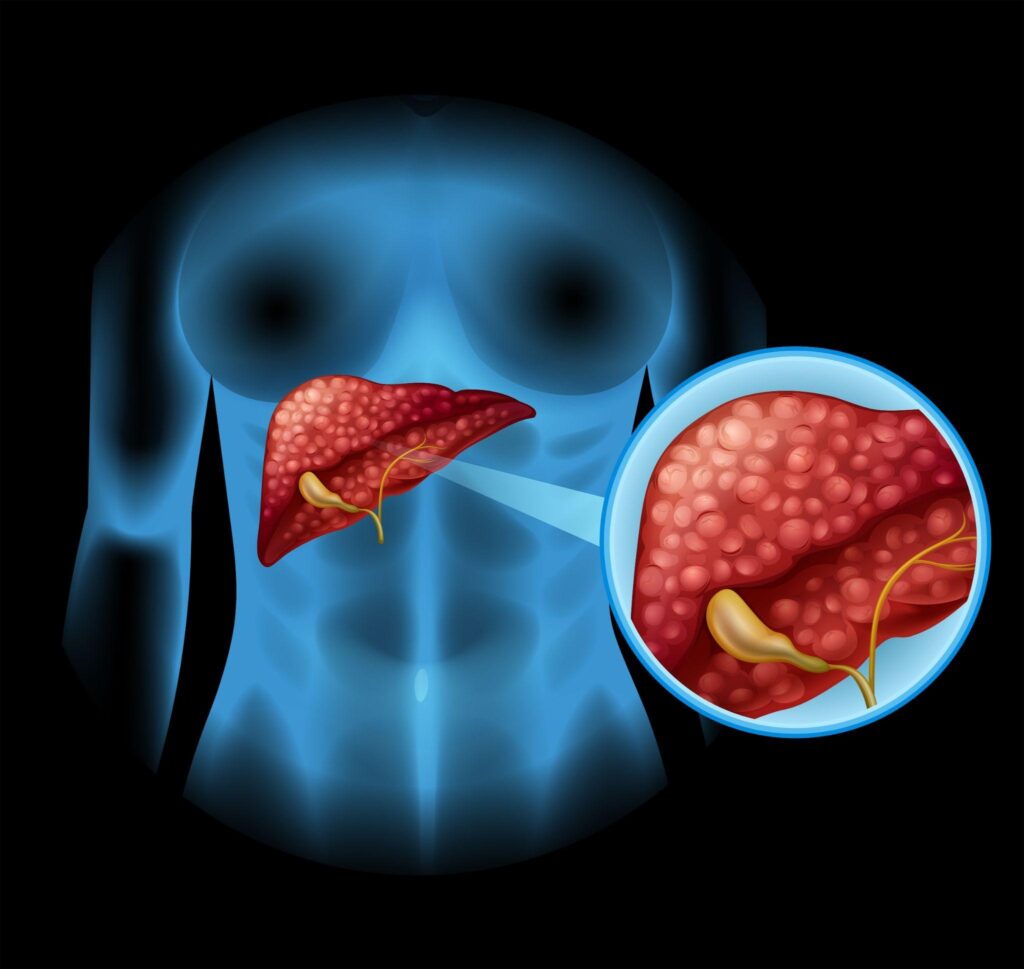
    घर पर गॉलब्लैडर की पथरी का प्रबंधन करने में मुख्य रूप से लक्षण राहत और आहार समायोजन शामिल है। असुविधा को कम करने के लिए, ओवर-द-काउंटर दर्द निवारक मदद कर सकते हैं, लेकिन पहले किसी स्वास्थ्य देखभाल पेशेवर से परामर्श लें। आहार परिवर्तन महत्वपूर्ण हैं; दर्दनाक लक्षणों के जोखिम को कम करने के लिए फाइबर, फलों और सब्जियों से भरपूर कम वसा वाले आहार का विकल्प चुनें।

    कुछ लोग सेब साइडर सिरका या नींबू का रस जैसे प्राकृतिक ट्रीटमेंट सुझाते हैं, हालांकि उनकी प्रभावशीलता भिन्न होती है। हालाँकि, व्यक्तिगत दृष्टिकोण के लिए स्वास्थ्य सेवा प्रदाता से परामर्श करना आवश्यक है, क्योंकि गंभीर मामलों के लिए घरेलू ट्रीटमेंट पर्याप्त नहीं हो सकता है, और उचित चिकित्सा मार्गदर्शन के बिना जटिलताएँ उत्पन्न हो सकती हैं।
    Gallbladder Stones Treatment in Hindi

    घर पर सभी गॉलब्लैडर की पथरी का इलाज

    गॉलब्लैडर की पथरी का घरेलू ट्रीटमेंट इसमें लक्षण राहत और आहार समायोजन शामिल है। असुविधा को कम करने के लिए, ओवर-द-काउंटर दर्द निवारक मदद कर सकते हैं, लेकिन पहले किसी स्वास्थ्य देखभाल पेशेवर से परामर्श लें। आहार परिवर्तन महत्वपूर्ण हैं; दर्दनाक लक्षणों के जोखिम को कम करने के लिए फाइबर, फलों और सब्जियों से भरपूर कम वसा वाले आहार का विकल्प चुनें।

    खूब पानी पीना और स्वस्थ वजन बनाए रखना भी फायदेमंद है। कुछ लोग सेब साइडर सिरका या नींबू का रस जैसे प्राकृतिक ट्रीटमेंट सुझाते हैं, हालांकि उनकी प्रभावशीलता भिन्न होती है। हालाँकि, व्यक्तिगत दृष्टिकोण के लिए स्वास्थ्य सेवा प्रदाता से परामर्श करना आवश्यक है, क्योंकि गंभीर मामलों के लिए घरेलू ट्रीटमेंट पर्याप्त नहीं हो सकता है, और उचित चिकित्सा मार्गदर्शन के बिना जटिलताएँ उत्पन्न हो सकती हैं।

    Consult a Doctor and Medkart will help you Order Medicines Online

    Gallbladder Stones Treatment at home

    निष्कर्ष:

    गॉलब्लैडर की पथरी के ट्रीटमेंट का विकल्प विभिन्न कारकों पर निर्भर करता है, जिसमें गॉलब्लैडर की पथरी का आकार और प्रकार, रोगी का समग्र स्वास्थ्य और लक्षणों की गंभीरता शामिल है। गॉलब्लैडर की पथरी वाले व्यक्तियों को कार्रवाई का सबसे उपयुक्त तरीका निर्धारित करने के लिए एक स्वास्थ्य देखभाल पेशेवर से परामर्श करना चाहिए।

    अनुपचारित पित्त पथरी गॉलब्लैडर की सूजन जैसी जटिलताओं को जन्म दे सकती है, संक्रमण, या पित्त नली में रुकावट, इसलिए इन समस्याओं को रोकने के लिए समय पर ट्रीटमेंट लेना आवश्यक है।

    जेनरिक दवाएँ समान रूप से काम करती हैं?

    हां, जेनरिक दवाएं अपने ब्रांड-नाम समकक्षों की तरह ही काम करती हैं। उनमें समान सक्रिय तत्व होते हैं, सुरक्षा और प्रभावशीलता के लिए कठोर परीक्षण से गुजरते हैं, और ब्रांड-नाम दवाओं के समान गुणवत्ता मानकों को पूरा करते हैं।

    जेनरिक दवाएं अधिक किफायती होती हैं क्योंकि उन्हें समान अनुसंधान और विकास लागत की आवश्यकता नहीं होती है। सीडीएससीओ प्रभावकारिता और सुरक्षा के उच्च मानकों को बनाए रखते हुए उपभोक्ताओं के लिए लागत प्रभावी विकल्प प्रदान करते हुए, ब्रांड-नाम दवाओं के साथ उनकी समकक्षता सुनिश्चित करता है।

    Read: What are Generic Medicines?

    FAQs on Gallbladder Stones Treatment in Hindi

    Q1. गॉलब्लैडर की पथरी का इलाज क्या है?

    गॉलब्लैडर की पथरी का इलाज आम तौर पर इसमें आहार परिवर्तन, दर्द प्रबंधन और, गंभीर मामलों में, गॉलब्लैडर की थैली को शल्य चिकित्सा से हटाना (लैप्रोस्कोपिक कोलेसिस्टेक्टोमी) शामिल होता है। जीवनशैली में बदलाव, जैसे कम वसा वाला आहार, लक्षणों को कम करने में मदद कर सकता है। बार-बार होने वाली पित्त पथरी और संबंधित जटिलताओं को रोकने के लिए अक्सर सर्जरी की सिफारिश की जाती है।

    Q2. क्या गॉलब्लैडर की पथरी का इलाज बिना सर्जरी के किया जा सकता है?

    छोटी कोलेस्ट्रॉल की पथरी दवा से घुल सकती है, लेकिन सर्जरी अक्सर सबसे प्रभावी और स्थायी समाधान है।

    Q3. गॉलब्लैडर की पथरी के प्रबंधन के लिए आहार संबंधी सिफारिशें क्या हैं?

    लक्षणों को कम करने और पथरी बनने के जोखिम को कम करने के लिए उच्च फाइबर, फलों और सब्जियों के साथ कम वसा वाले आहार की सलाह दी जाती है।

    Q4. क्या गॉलब्लैडर की पथरी का कोई प्राकृतिक ट्रीटमेंट है?

    कुछ लोग सेब साइडर सिरका या नींबू का रस आज़माते हैं, लेकिन उनकी प्रभावशीलता भिन्न होती है, और ऐसे ट्रीटमेंटों पर मार्गदर्शन के लिए स्वास्थ्य सेवा प्रदाता से परामर्श करना महत्वपूर्ण है।
    Related Links:

  • Home Remedies Gallbladder Stones Treatment

    Home Remedies Gallbladder Stones Treatment

    Gallbladder stone treatment is a procedure operated gallstones, which are hardened deposits of digestive fluid that form in the gallbladder. It is also known as gallstones, and can lead to excruciating pain and digestive issues.

    Gallbladder stones can range in size from tiny grains of sand to larger, marble-sized stones. The options vary depending on the severity of symptoms and the specific circumstances of the patient.

    Gallbladder Stone Symptoms

    Gallbladder stone symptoms often include severe abdominal pain, nausea, and vomiting, particularly after consuming fatty foods. Treatment options range from lifestyle changes and medications to surgical procedures.

    For mild cases, dietary adjustments and pain management may suffice. Medications like ursodeoxycholic acid can dissolve small stones. However, when symptoms persist or worsen, surgical removal of the gallbladder (laparoscopic cholecystectomy) is the most common and effective treatment.

    It offers a quick recovery and eliminates the risk of recurrent gallstones. The choice of treatment depends on the severity of symptoms and the patient’s overall health.

    Gallbladder Stone Treatment

    Gallbladder Stone Treatment

    The Treatment for Gallstones is as follows:

    • Watchful Waiting: In cases where gallstones are small and asymptomatic, doctors may adopt a “wait and see” approach. This means monitoring the patient’s condition without immediate intervention. Asymptomatic gallstones may not require treatment unless they start causing problems.
    • Lifestyle Changes: Making dietary and lifestyle modifications can help manage gallstone symptoms. Reducing the intake of fatty and fried foods can ease discomfort. Regular exercise and maintaining a healthy weight can also reduce the risk of gallstone formation.
    • Endoscopic Procedures: For patients who cannot tolerate surgery or have specific medical conditions, endoscopic procedures may be recommended. One common procedure is endoscopic retrograde cholangiopancreatography (ERCP) with sphincterotomy and stone removal. During ERCP, a tiny camera is inserted through the mouth and into the small intestine to locate and remove gallstones from the bile ducts.
    • Laparoscopic Cholecystectomy: The most common and effective treatment for gallstones is surgical removal of the gallbladder, known as a laparoscopic cholecystectomy. This minimally invasive procedure involves making small incisions and using specialized tools to remove the gallbladder. Patients typically recover quickly and can return to their normal activities within a few weeks.
    • Open Cholecystectomy: In some cases, open surgery may be necessary, especially if there are complications or if the surgeon cannot safely perform a laparoscopic cholecystectomy. This involves a larger incision and a longer recuperation period.
    • Laser Lithotripsy: This procedure involves the use of lasers to break up gallstones, making them easier to remove. It’s often used in conjunction with other methods, such as ERCP.
    • Extracorporeal Shock Wave Lithotripsy (ESWL): ESWL uses shock waves to break up gallstones, allowing them to pass naturally. This method is typically reserved for specific situations and is less common than other treatments.

    Gallbladder Stone Treatment

    Gallbladder Stone Treatment Medication

    In some cases, doctors may prescribe medications to dissolve gallstones. Ursodeoxycholic acid (ursodiol) can dissolve small cholesterol gallstones over the course of several months or even years. However, this approach does not always prove effective, and gallstones may reappear once the treatment is discontinued.

    > Consult a doctor and Order Medicine Online

    Gallbladder Stone Ayurvedic Treatment

    Managing gallbladder stones at home primarily involves symptom relief and dietary adjustments. To alleviate discomfort, over-the-counter pain relievers can help, but consult a healthcare professional first. Dietary changes are crucial; opt for a low-fat diet rich in fibre, fruits, and vegetables to reduce the risk of triggering painful symptoms.

    Some suggest natural remedies like apple cider vinegar or lemon juice, though their efficacy varies. However, it’s essential to consult a healthcare provider for a personalized approach, as home treatments may not be sufficient for severe cases, and complications can arise without proper medical guidance.

    apple cider vinegar uses

    Home Remedies of Gallbladder Stones

    Gallbladder stone treatment at home involves symptom relief and dietary adjustments. To alleviate discomfort, over-the-counter pain relievers can help, but consult a healthcare professional first. Dietary changes are crucial; opt for a low-fat diet rich in fibre, fruits, and vegetables to reduce the risk of triggering painful symptoms.

    Drinking plenty of water and maintaining a healthy weight are also beneficial. Some suggest natural remedies like apple cider vinegar or lemon juice, though their efficacy varies. However, it’s essential to consult a healthcare provider for a personalized approach, as home treatments may not be sufficient for severe cases, and complications can arise without proper medical guidance.

    Conclusion:

    The choice of gallbladder stone treatment depends on various factors, including the size and type of gallstones, the patient’s overall health, and the severity of symptoms. Individuals with gallbladder stones must consult with a healthcare professional to determine the most appropriate course of action.

    Untreated gallstones can lead to complications such as gallbladder inflammation, infection, or bile duct blockage, so seeking timely treatment is essential to prevent these issues.

    Read: What are Generic Medicines?

    Do Generic Medicines work the same?

    Yes, generic medicines work the same as their brand-name counterparts. They contain the same active ingredients, undergo rigorous testing for safety and effectiveness, and meet the same quality standards as brand-name drugs.

    Generic medications are more affordable because they don’t require the same research and development costs. The CDSCO ensures their equivalence to brand-name drugs, providing a cost-effective option for consumers while maintaining high standards of efficacy and safety.

    FAQs on Treatment of Gallbladder Stones

    Q1. What is gallbladder stone treatment?

    Gallbladder stone treatment typically involves dietary changes, pain management, and, in severe cases, surgical removal of the gallbladder (laparoscopic cholecystectomy). Lifestyle modifications, such as a low-fat diet, can help alleviate symptoms. Surgery is often recommended to prevent recurrent gallstones and associated complications.

    Q2. Can gallbladder stone treatment be done without surgery?

    Small cholesterol stones may be dissolved with medication, but surgery is often the most effective and permanent solution.

    Q3. What are the dietary recommendations for gallbladder stone management?

    A low-fat diet with increased fibre, fruits, and vegetables is advised to minimize symptoms and reduce the risk of stone formation.

    Q4. Is there any gallbladder stone natural treatment?

    Some people try apple cider vinegar or lemon juice, but their effectiveness varies, and it’s important to consult a healthcare provider for guidance on such remedies.

    Related Links:

  • What is Allergy? – Testing, Types of Allergies and Symptoms

    What is Allergy? – Testing, Types of Allergies and Symptoms

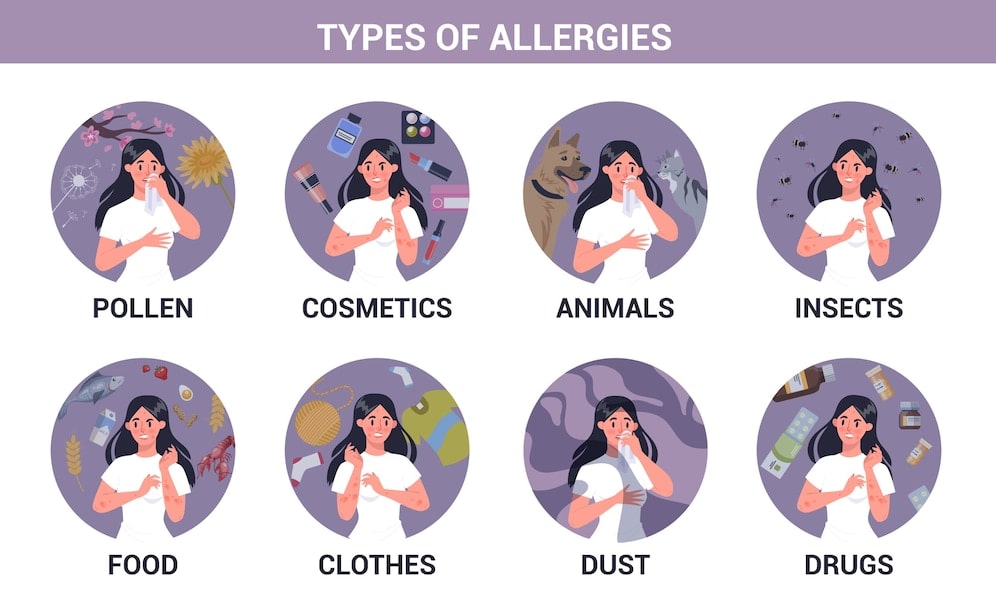
    Millions of individuals worldwide suffer from allergies, a widespread health problem. These hypersensitive reactions occur when the immune system overreacts to certain substances, known as allergens, which can include pollen, dust, pet dander, and food among others. Allergy types vary in severity and can manifest in various ways, such as skin rashes, respiratory issues, and digestive problems. This comprehensive guide focuses on two specific allergy types: eye and throat allergies. By understanding the symptoms, causes, and treatments related to these conditions, individuals can better manage their allergies and improve their overall quality of life.

    Allergies can be categorized into several different types based on the allergen, the affected body part, or the mechanism by which the immune system reacts. For example, food allergies involve an abnormal immune response to certain foods, while contact dermatitis occurs when the skin comes into direct contact with an allergen. In this article, the focus will be on allergy types that primarily affect the eyes and throat, as well as the various symptoms, treatments, and preventive measures that can help individuals manage these conditions.

    It is important to note that allergies can have a significant impact on daily life, causing discomfort, inconvenience, and even serious health complications in some cases. As such, gaining a thorough understanding of the different allergy types, their triggers, and their symptoms is crucial for those who suffer from these conditions. With the right knowledge and tools, individuals can effectively manage their allergies and enjoy a healthier, more comfortable existence.

    What are Eye Allergies?

    Eye allergies, also known as allergic conjunctivitis, are a common type of allergy that affects the eyes. They occur when the immune system overreacts to allergens in the environment, causing inflammation and irritation of the conjunctiva – the translucent layer that protects the inner surface of the eyelids and the white area of the eye. Common allergens that can cause eye allergies include pollen, dust mites, pet dander, and mold spores.

    There are two main types of eye allergies: seasonal allergic conjunctivitis (SAC) and perennial allergic conjunctivitis (PAC). SAC is the most common type and is typically triggered by pollen from trees, grasses, and weeds during the spring, summer, and fall seasons. PAC, on the other hand, occurs year-round and is usually caused by indoor allergens such as dust mites, pet dander, and mould.

    Eye allergies can affect people of all ages, although they are more common in children and young adults. Additionally, individuals with a family history of allergies or those who have other types of allergies, such as hay fever or asthma, are at an increased risk of developing eye allergies.

    Symptoms and Treatment for Eye Allergies

    The symptoms of eye allergies can vary in severity and may include itchiness, redness, swelling, tearing, and a burning sensation in the eyes. Some people may also experience sensitivity to light, blurred vision, or a gritty feeling in the eyes. In severe cases, eye allergies can interfere with daily activities and affect an individual’s quality of life.

    To diagnose eye allergies, a healthcare professional will typically examine the eyes and review the patient’s medical history, symptoms, and potential allergen exposure. In some cases, additional tests may be needed to confirm the diagnosis, such as a skin prick test, blood test, or conjunctival allergen challenge test.

    Treatment for eye allergies typically involves a combination of medication and self-care measures. Over-the-counter (OTC) or prescription antihistamine eye drops, mast cell stabilizers, or corticosteroid eye drops may be recommended to relieve symptoms and reduce inflammation. In addition to medication, individuals with eye allergies can take several steps to manage their condition, such as:

    • Avoiding allergens by staying indoors when pollen counts are high, using air purifiers, and regularly cleaning the home to reduce dust and pet dander
    • Applying a cold compress to the eyes to help alleviate itching and swelling
    • Wearing sunglasses to protect the eyes from pollen and other airborne allergens
    • Washing hands frequently and avoiding rubbing the eyes to prevent the spread of allergens

    Types of Allergy Coughs

    Allergy coughs are another common manifestation of allergies and can be caused by various allergens, such as pollen, dust, pet dander, and mould spores. These coughs occur when the immune system overreacts to allergens, leading to inflammation and irritation of the respiratory tract.

    There are several types of allergy coughs, including:

    Postnasal drip cough

    •  This type of cough occurs when excess mucus from the nasal passages drips down the back of the throat, irritating the airways and causing a cough reflex.

    Asthmatic cough

    • This cough is associated with allergic asthma and is triggered by allergens that cause inflammation and constriction of the airways, leading to coughing, wheezing, and shortness of breath.

    Chronic cough

    • This type of cough lasts for more than eight weeks and may be caused by a variety of factors, including allergies, asthma, or other respiratory conditions.
    • Several Medications like Ascoril D Plus Syrup are used to treat chronic cough.

    types of allergies

    Common Allergy Cough Symptoms

    Allergy cough symptoms can vary depending on the type of cough and the specific allergen involved. However, some common symptoms associated with allergy coughs include:

    • Persistent coughing, often worse at night or when lying down
    • Itchy, watery eyes
    • Sneezing
    • Runny or stuffy nose
    • Postnasal drip
    • Wheezing or shortness of breath (in cases of asthmatic cough)

    In some cases, allergy cough symptoms may be accompanied by other signs of an allergic reaction, such as skin rashes, digestive problems, or fatigue.

    Also Read: What are Generic Medicine?

    Allergy Test Names and How They Work

    To accurately diagnose and treat allergy types, healthcare professionals may recommend allergy testing. There are several types of allergy tests that can help identify specific allergens and determine the most appropriate treatment plan.

    Some common allergy test names and their methods include:

    • Skin prick test: Also known as a puncture or scratch test, this test involves placing a small amount of a suspected allergen on the skin and then pricking the skin with a needle to introduce the allergen into the body. If the individual is allergic to the substance, a red, itchy bump will form within 15-20 minutes.
    • Intradermal test: This test involves injecting a small amount of the suspected allergen into the skin. Similar to a skin prick test, if the individual is allergic to the substance, a red, itchy bump will form within a short period of time.
    • Patch test: This test applies a small amount of the suspected allergen to a patch, which is then placed on the skin for 48 hours to identify contact allergens, such as those causing contact dermatitis. If the individual is allergic to the substance, a skin reaction will occur at the site of the patch.
    • Blood test: Also known as a radioallergosorbent test (RAST), this test measures the amount of allergy-specific antibodies in the blood. The test can identify allergens that may be causing allergic reactions and can be useful for individuals who cannot undergo skin testing.

    Allergy tests are typically performed by healthcare professionals in a clinical setting, such as an allergist’s office. They are generally safe and well-tolerated, although some individuals may experience mild itching, swelling, or redness at the site of the test.

    What are Throat Allergies?

    Throat allergies, also known as allergic pharyngitis, occur when the immune system reacts to allergens in the environment, leading to inflammation and irritation of the throat. Common allergens that can cause throat allergies include pollen, dust mites, pet dander, and mold.

    Throat allergies can affect people of all ages, although they are more common in individuals with a history of allergies or asthma. Additionally, factors such as exposure to air pollution, smoking, or changes in weather can exacerbate throat allergies.

    > Consult a doctor and Order Medicine Online

    Symptoms and Treatment for Throat Allergies

    The symptoms of throat allergies can vary in severity and may include:

    • Sore throat
    • Itchy throat
    • Difficulty swallowing
    • Hoarseness or loss of voice
    • Coughing

    In some cases, individuals with throat allergies may also experience other symptoms, such as nasal congestion, sneezing, or itchy eyes.

    To diagnose throat allergies, a healthcare professional will typically examine the throat and review the patient’s medical history, symptoms, and potential allergen exposure. Additional tests, such as a skin prick test or blood test, may be necessary to confirm the diagnosis.

    Treatment for throat allergies typically involves a combination of medication and self-care measures. Over-the-counter antihistamines, decongestants, or nasal corticosteroids may be recommended to relieve symptoms and reduce inflammation.

    For symptomatic relief from throat discomfort associated with an allergic cold, Cheston Cold Tablet 10s is a commonly recommended medicine. It contains a combination of ingredients that help reduce sneezing, runny nose, and congestion caused by seasonal allergies or infections.

    In addition to medication, individuals with throat allergies can take several steps to manage their condition, such as:

    • Avoiding allergens by staying indoors when pollen counts are high, using air purifiers, and regularly cleaning the home to reduce dust and pet dander
    • Drinking plenty of fluids to soothe the throat and prevent dehydration
    • Gargling with warm salt water to alleviate soreness and irritation
    • Using a humidifier to add moisture to the air and reduce throat dryness

    Tips for Managing Allergies

    In addition to the specific treatments outlined above, there are several general tips that can help individuals manage their allergies and reduce the risk of allergic reactions. These include:

    • Identifying and avoiding allergens: By understanding the specific triggers that cause allergic reactions, individuals can take steps to avoid or minimize exposure to these substances.
    • Keeping a clean home: Regular cleaning, vacuuming, and dusting can help reduce the amount of allergens in the home and improve air quality.
    • Using air purifiers: Air purifiers can help filter out allergens and improve indoor air quality.
    • Monitoring pollen counts: By keeping track of local pollen counts, individuals can plan outdoor activities when pollen levels are lower and take preventive measures, such as wearing sunglasses and using nasal sprays.
    • Seeking medical help: Individuals with severe or chronic allergies may benefit from working with an allergist or other healthcare professional to develop a comprehensive treatment plan.

    Conclusion: How to Live with Allergies

    Allergies can be a frustrating and uncomfortable health issue, but with the right knowledge and tools, individuals can effectively manage their symptoms and improve their quality of life. Understanding the different types of allergies, their symptoms, and their triggers is the first step in developing an effective treatment plan.

    For individuals with eye allergies, treatment may involve medication, self-care measures, and avoidance of allergens such as pollen, dust, and pet dander. Those with allergy coughs may require medication to relieve symptoms and reduce inflammation, as well as preventive measures to avoid triggers such as air pollution and allergens in the home.

    For individuals with throat allergies, treatment may involve medication, self-care measures, and avoiding allergens such as pollen, dust, and mold. Additionally, drinking plenty of fluids and using a humidifier can help soothe the throat and reduce dryness.

    By following these tips and working with a healthcare professional as needed, individuals can effectively manage their allergies and live a healthier, more comfortable life.

    FAQs on Types of Allergy

    Q.1. How many Types of Allergy?

    Answer: There are several types of allergies, including food allergies, pollen allergies, pet allergies, drug allergies, and more. Each triggers specific symptoms and reactions.

    Q.2. How many Types of Skin Allergy?

    Answer: There are numerous types of skin allergies, including hives, eczema, contact dermatitis, and psoriasis, each displaying unique symptoms and triggers.

    Read: Skin Allergy

    Call To Action

    For access to more such interesting articles on healthcare, visit Medkart today!

  • Skin Allergy: Cream, Ointment, Skin Allergy Medicine, Anti Allergy Medicine for Skin

    Skin Allergy: Cream, Ointment, Skin Allergy Medicine, Anti Allergy Medicine for Skin

    skin allergy, cream, ointment, & medicineSkin Allergy is a common and frustrating problem that affects millions of people worldwide. They occur when the immune system overreacts to a substance called allergen, that comes into contact with the skin. This overreaction can cause symptoms such as redness, itching, swelling, and even blisters. Skin allergies may result from various triggers like foods, meds, insect bites, and chemicals in personal care items. It’s essential to understand the different skin allergy types to effectively manage and treat these conditions.
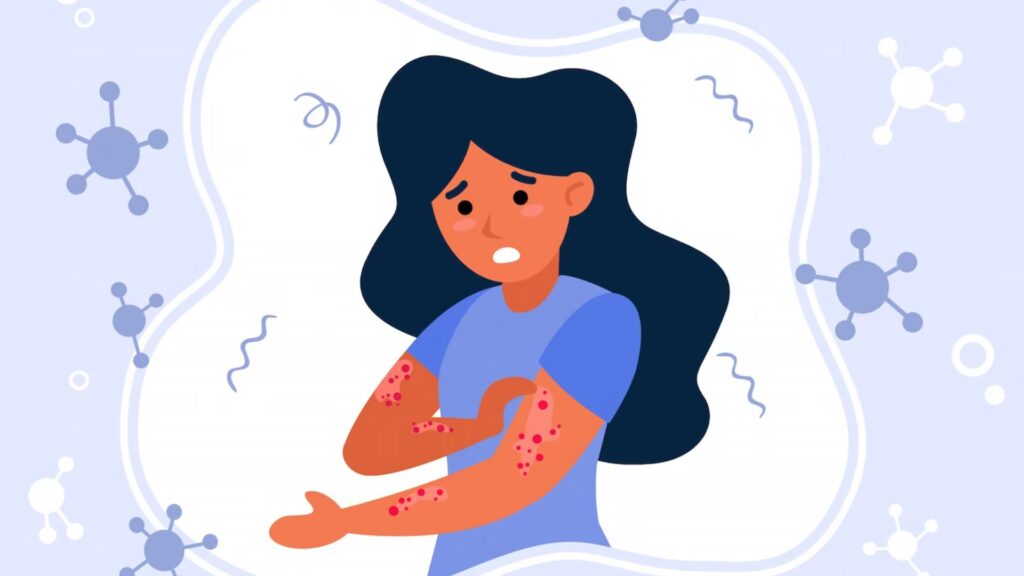

    Some skin allergies are mild, causing temporary discomfort, while others, if not addressed, can lead to chronic skin problems. By knowing the various skin allergy types and the best treatments available, individuals can make informed decisions to keep their skin healthy and allergy-free. Moreover, it is crucial to recognize the signs and symptoms of a skin allergy, as this can help a person determine whether they are dealing with an allergic reaction or another skin condition.

    Symptoms of skin allergies can include redness, itching, swelling, and rash, and may vary in severity depending on the individual and the allergen involved. If a person suspects they have a skin allergy, they should consult with a healthcare professional to receive an accurate diagnosis and determine the best course of treatment.

    Types of Skin Allergy

    There are several common skin allergy types that individuals should be aware of. One of the most prevalent types is contact dermatitis, which occurs when the skin comes into direct contact with an allergen. This can be further divided into irritant contact dermatitis, which is caused by harsh chemicals or substances, and allergic contact dermatitis, which is an immune system reaction to a specific allergen. Common allergens that can cause contact dermatitis include nickel, poison ivy, and certain fragrances and preservatives found in personal care products.

    Another common skin allergy type is atopic dermatitis, also known as eczema. This is a chronic skin condition characterized by itchy, red, and inflamed skin. Atopic dermatitis is often caused by a combination of genetic and environmental factors and can be triggered by allergens such as pollen, pet dander, and certain foods.

    Urticaria, or hives, presents as sudden, itchy, red welts on the skin, indicative of yet another type of skin allergy. Hives can be triggered by various allergens, including medications, insect bites, and exposure to heat or cold temperatures. In some cases, the cause of hives may be unknown, and the condition can be chronic and difficult to manage.

    Ointment and Treatment

    Skin allergy creams and ointments are topical treatments that can help alleviate the symptoms of skin allergies, such as itching, redness, and inflammation. They work by delivering active ingredients directly to the affected area of the skin, providing targeted relief and promoting healing. For skin allergies, different creams are recommended based on type and severity to address symptoms and underlying causes effectively.

    For eg, corticosteroid creams ease skin allergies by lessening inflammation and itching, serving as common remedies for such conditions. These medications work by suppressing the immune system’s response to allergens, thereby reducing the symptoms of an allergic reaction. Corticosteroid creams and ointments are available in various strengths and should be used as directed by a healthcare professional.

    Antihistamine creams and ointments are another option for treating skin allergies. These medications work by blocking the action of histamine released during an allergic reaction that causes itching and inflammation. By inhibiting the effects of histamine, antihistamine creams and ointments can help reduce the symptoms of skin allergies. In addition to corticosteroid and antihistamine creams and ointments, there are also topical immunomodulators and emollients available for skin allergy treatment.

    Topical immunomodulators, such as tacrolimus and pimecrolimus, work by suppressing the immune system’s overreaction to allergens, while emollients help to soothe and moisturize the skin, relieving dryness and itching.

    Skin Allergy Medicines

    Selecting the appropriate skin allergy cream or ointment depends on several factors, including the specific skin allergy type, the severity of symptoms, and individual preferences. It’s essential to consult with a healthcare professional before starting any new treatment, as they can help determine the best course of action based on the patient’s unique needs. When choosing the best cream for skin allergy or ointment, one should consider the active ingredients and their potential side effects.

    For example, corticosteroid creams and ointments can be very effective in treating skin allergies, but they can also cause thinning of the skin and other side effects if used for extended periods. Therefore, it’s important to follow the healthcare professional’s recommendations and use these medications as directed to minimize potential risks.

    Another factor to consider when selecting a skin allergy cream or ointment is the product’s consistency and ease of application. Some prefer thick, rich ointments for lasting moisture; others favor light creams for quick absorption into the skin.

    Personal preferences and the specific needs of the affected skin area can help guide this decision. Additionally, individuals with skin allergies should always choose fragrance-free and hypoallergenic creams and ointments, as these products are less likely to cause further irritation or trigger an allergic reaction.

    What is the Skin Allergy Tablet’s Name?

    In some cases, skin allergy tablets may be recommended as part of a comprehensive treatment plan. Oral meds manage skin allergies by addressing internal causes, alleviating symptoms from within the body, tackling allergic reactions. Skin allergy tablets typically fall into two main categories: antihistamines and corticosteroids.

    Antihistamine tablets are one of the most common types of skin allergy tablets. As mentioned earlier, these medications work by blocking the action of histamine, thereby reducing the symptoms of an allergic reaction. Oral antihistamines can be particularly useful for individuals with skin allergies who do not respond well to topical treatments or who experience symptoms over a large area of the body. Corticosteroid tablets, on the other hand, are generally reserved for severe skin allergies or cases where other treatments have proven ineffective.

    These medications work by suppressing the immune system’s response to allergens, reducing inflammation and relieving symptoms. However, due to the potential side effects associated with long-term corticosteroid use, these medications are typically prescribed for short periods and under the close supervision of a healthcare professional. While skin allergy tablets can be an effective treatment option, it’s essential to remember that they may not be suitable for everyone, and their use should be guided by the advice of a healthcare professional.

    Skin Allergy images

    Treatment at Home

    For those seeking more natural alternatives to skin allergy treatment, several home remedies may help alleviate symptoms and promote healing. These remedies aren’t substitutes for professional medical advice but can complement conventional therapies for additional relief if used wisely.

    One popular natural remedy for skin allergies is aloe vera. This plant has long been used for its soothing and anti-inflammatory properties, making it an excellent choice for treating skin irritation and inflammation caused by allergies. To use aloe vera for skin allergies, one can apply pure aloe vera gel directly to the affected area or choose a hypoallergenic and fragrance-free aloe vera-based cream or ointment.

    Natural Remedy for Skin Allergies

    A natural remedy for skin allergies is oatmeal. Oatmeal contains avenanthramides, compounds with anti-inflammatory and skin-soothing properties. An oatmeal bath or paste made from ground oatmeal and water can help relieve itching/inflammation associated with skin allergies. Simply mix one cup of ground oatmeal with warm water to create a paste and apply it to the affected area for 10-15 minutes before rinsing off with cool water.

    Tea tree oil is another natural remedy that has been shown to have anti-inflammatory and antimicrobial properties, making it an ideal choice for treating skin allergies. One can mix a few drops of tea tree oil with a carrier oil, such as coconut oil, and apply it to the affected area for relief. Finally, chamomile is a natural anti-inflammatory and antihistamine, making it an effective treatment for skin allergies. One can brew a cup of chamomile tea and apply the cooled tea bags directly to the affected area, or make a chamomile-infused oil or cream for topical application.

    Also Read: What is Generic Medicine?

    Anti Allergy Medicine for Skin

    For individuals with severe or chronic skin allergies, anti-allergy medicine may be necessary to manage symptoms effectively. These medications work by blocking the immune system’s response to allergens, reducing inflammation and relieving symptoms. One common type of anti-allergy medicine for skin allergies is oral antihistamines. These medications can help relieve itching, redness, and swelling by blocking the action of histamine.

    Antihistamines are available OTC or by prescription, chosen based on individual needs, symptoms, and availability. Corticosteroids are another type of anti-allergy medicine that can be effective in treating skin allergies. These medications work by reducing inflammation and suppressing the immune system’s response to allergens. Corticosteroids come in oral tablets, creams, and ointments, and must be used only as directed by a healthcare professional.

    In some cases, immunomodulators may be prescribed to treat skin allergies. These medications work by suppressing the immune system’s overreaction to allergens, reducing inflammation and relieving symptoms. Topical immunomodulators require close healthcare supervision for safe use and are available in creams or ointments.

    Tips for Managing Skin Allergies

    In addition to medical treatments, there are several lifestyle changes and tips that individuals can implement to manage their skin allergies effectively:

    • Avoid known allergens: It’s essential to identify and avoid allergens that trigger skin allergies. This may involve reading labels, changing personal care products, and avoiding certain foods or medications.
    • Moisturize regularly: Keeping the skin moisturized can help prevent dryness and reduce the risk of allergic reactions. Choosing fragrance-free and hypoallergenic moisturizers can help minimize the risk of further irritation.
    • Wear protective clothing: Wearing gloves or long sleeves reduces skin contact with allergens, helping minimize potential allergic reactions from exposure.
    • Keep the skin clean: Regularly washing skin with gentle, fragrance-free soap can remove allergens and prevent irritation
    • Manage stress: Stress can exacerbate skin allergies, so implementing stress-reducing techniques, such as meditation or yoga, can help manage symptoms.

    Consult a doctor and Order Medicine Online for less contact with the skin allergy disease.

    Best Skin Allergy Creams and Ointments

    When it comes to choosing the best skin allergy creams and ointments, there are several options available. Some popular choices include:

    • Hydrocortisone cream: This over-the-counter cream contains a mild corticosteroid that can help reduce inflammation and relieve itching.
    • Calamine lotion: Zinc oxide and ferric oxide mixture soothes irritated skin with cooling relief, making it an effective topical treatment.
    • Eucerin cream: This fragrance-free and hypoallergenic cream contains oatmeal and can help relieve itching and inflammation associated with skin allergies.
    • Aveeno eczema therapy cream: This cream contains colloidal oatmeal and ceramides and can help soothe and moisturize dry, itchy skin.
    • Cetaphil restoraderm lotion: This lotion is formulated for individuals with eczema and can help restore the skin’s natural barrier function.
    • TRETIN 0.025% CREAM 30 GM: TRETIN 0.025% CREAM is a derivative used to treat acne, fine lines, uneven skin tone, and sun damage.
    • EQOQ TABLET 10’S: EQOQ Tablet 10’s is a nutritional supplement containing L-Ergothioneine and Nicotinamide (Vitamin B3). It helps support cellular health, enhances antioxidant defense, and may improve skin repair and energy metabolism. Often used in managing fatigue, oxidative stress, and skin-related concerns.
    • 3D SKIN CREAM 10 GM: 3D SKIN CREAM 10 GM treats skin infection effectively.

    It’s essential to consult a healthcare professional before trying new skin allergy creams to find the best product.

    Conclusion

    Skin allergies are frustrating, but with proper treatment, they can be managed effectively, improving comfort and quality of life. Understanding the different skin allergy types, choosing the right skin allergy cream or ointment, and implementing lifestyle changes can all help reduce the risk of allergic reactions and promote healthy skin.

    One should consult a healthcare professional before starting any new treatment for personalized guidance based on individual needs and symptoms. However, with the right approach, individuals can say goodbye to skin allergies and enjoy healthy, allergy-free skin.

    Related Links:

  • Gallbladder Stone Surgery: All you need to Know

    Gallbladder Stone Surgery: All you need to Know

    Gallbladder Stone Surgery

    Gallbladder Definition 

    The gallbladder is a little, pear-shaped organ that is situated beneath the liver in the upper right abdomen. Its main function is to store bile, a digestive fluid produced by the liver, which helps break down fats in the food we eat.

    Gallbladder stone surgery is a common procedure carried out to remove gallstones from the gallbladder. Gallstones are small, hard deposits that form in the gallbladder, which can cause severe pain and discomfort. This guide provides a comprehensive overview of the different parts of your gallbladder, how to prepare for surgery, what to expect during and after the procedure, and tips for a smooth recovery.

    Introduction to Gallbladder Stone Surgery

    Gallbladder stone surgery, also known as cholecystectomy, is a surgical procedure that removes the gallbladder or the gallstones from it. The gallbladder is a little, pear-shaped organ that is situated beneath the liver in the upper right abdomen. It stores bile, a digestive fluid produced by the liver, which helps break down fats in the food we eat. Gallstones form when the bile contains too much cholesterol or bilirubin, a waste product of red blood cells.

    Understanding the Parts of Gallbladder

    The fundus, body, and neck are all constituent elements of the gallbladder. The fundus is the rounded portion of the gallbladder, while the body is the main part of the organ. The neck is the narrow part that connects the gallbladder to the bile ducts, which are tubes that carry bile from the liver to the small intestine. The cystic duct is the tube that connects the gallbladder to the common bile duct, which carries bile to the small intestine.

    Understanding the different parts of gallbladder is important for managing issues that may arise, such as the formation of gallstones. In some cases, gallbladder stone surgery may be necessary to remove the gallbladder or gallstones. This surgical procedure, also known as cholecystectomy, can be performed using laparoscopic or open techniques, and involves removing the gallbladder or stones from it.

    If the gallbladder is removed, bile will still be produced by the liver, but it will no longer be stored in the gallbladder. Instead, it will flow directly from the liver to the small intestine through the common bile duct. While this can cause changes in digestion, most people are able to adjust to these changes and lead normal, healthy lives without a gallbladder.

    Regular check-ups and screenings are recommended for those at risk for gallbladder issues, such as individuals with a history of gallstones, obesity, or rapid weight loss. By understanding the different parts of gallbladder and its role in digestion, individuals can take steps to manage their digestive health and prevent complications related to gallbladder issues.

    Common Causes of Gallbladder Stones

    Gallstones can form when the bile contains too much cholesterol or bilirubin. Gallstone formation may also be influenced by the following additional factors:

    • Obesity

    • Rapid weight loss

    • A high-fat diet

    • Hormonal therapy

    • Family history of gallstones

    Symptoms of Gallbladder Stones

    Gallstones do not always cause symptoms, but when they do, they can be severe. Gallstones’ most typical signs and symptoms include:

    • Pain in the upper right abdomen

    • Nausea and vomiting

    • Fever and chills

    • Yellowing of the skin and eyes (jaundice)

    • Clay-colored stools

    • Dark urine

    Diagnosis of Gallbladder Stones

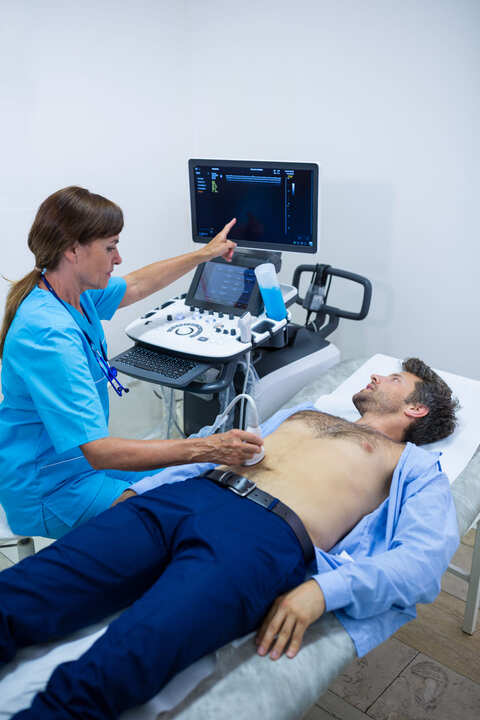
    To diagnose gallstones, your doctor may perform an ultrasound, CT scan, or MRI to look for the presence of stones in your gallbladder. They may also perform blood tests to check for signs of infection or inflammation.

    Types of Gallbladder Stone Surgery

    There are two main types of gallbladder stone surgery: open cholecystectomy and laparoscopic cholecystectomy. Open cholecystectomy involves making a large incision in the abdomen to remove the gallbladder. Laparoscopic cholecystectomy is a minimally invasive procedure that involves making several small incisions in the abdomen and using a tiny camera and surgical instruments to remove the gallbladder.

    Preparing for Gallbladder Stone Surgery

    Before your surgery, your doctor will give you instructions on how to prepare. This may include avoiding food and drink for several hours before the procedure, taking prescribed medications, and arranging for someone to drive you home after surgery. You will also need to discuss any existing medical conditions and medications with your doctor.

    What to Expect During Gallbladder Stone Surgery

    During the surgery, you will be given anesthesia to ensure that you are asleep and pain-free throughout the procedure. If you are having open cholecystectomy, the surgeon will make a large incision in your abdomen to remove the gallbladder. If you are having laparoscopic cholecystectomy, the surgeon will make several small incisions in your abdomen and use a tiny camera and surgical instruments to remove the gallbladder.

    Recovery from Gallbladder Stone Surgery

    After your surgery, you will need to rest and recover for several days before returning to your normal activities. Your doctor will give you instructions on how to care for your incision sites, such as keeping them clean and dry.Additionally, you can feel some discomfort and pain, which can be treated with painkillers. You should avoid heavy lifting and strenuous activity for several weeks after surgery.

    How to Sleep after Gallbladder Surgery

    Sleeping after gallbladder surgery can be challenging due to pain and discomfort. To make sleeping more comfortable, you can try sleeping on your back or side with pillows to support your incision sites. You should also avoid sleeping on your stomach and elevate your head slightly to reduce pressure on your abdomen.

    The Importance of Post-Operative Care

    Post-operative care is essential for a smooth recovery from gallbladder stone surgery. This may include following a special diet, taking prescribed medications, and attending follow-up appointments with your doctor. You should also avoid smoking and alcohol, as these can slow down the healing process and increase the risk of complications.

    Conclusion

    Gallbladder stone surgery is a common procedure that can help relieve the pain and discomfort caused by gallstones. Understanding the different parts of your gallbladder, how to prepare for surgery, what to expect during and after the procedure, and tips for a smooth recovery can help you feel more informed and prepared for the process. If you are experiencing symptoms of gallstones, it is important to seek medical attention as soon as possible to prevent potential complications.

    Call To Action

    Visit Medkart to get the best generic medicines at the lowest prices, today!

  • Non-Surgical Solutions: Treating Gallbladder Stones Without an Operation

    Non-Surgical Solutions: Treating Gallbladder Stones Without an Operation

    Gallbladder Stone Remove without Operation

    Gallstones are small, hard deposits that form in the gallbladder. They are made of cholesterol or bilirubin and can cause severe pain and discomfort. Gallstones are a common problem, affecting millions of people worldwide. Traditionally, surgery has been the main treatment option for gallstones, but there are now non-surgical solutions available. This article will explore the different non-surgical options for treating gallstones and provide advice on how to choose the right treatment for you.

    What are gallstones and how are they formed?

    Hard deposits called gallstones develop in the gallbladder, a little organ under the liver. They can range in size from being the size of a golf ball to a grain of sand. Gallstones are formed when there is an imbalance in the substances that make up bile, a fluid that helps digest fat. If there is too much cholesterol or bilirubin in the bile, it can harden and form stones.

    Gallstone development is potentially influenced by a number of risk factors. These include being overweight or obese, being female, having a family history of gallstones, and having certain medical conditions such as diabetes or Crohn’s disease. Gallstones can cause symptoms such as severe abdominal pain, nausea, vomiting, and fever.

    Conventional treatment options for gallstones

    The conventional treatment for gallstones is surgery, specifically cholecystectomy, which involves removing the gallbladder. This is a relatively safe and effective procedure, but it does involve risks such as bleeding, infection, and damage to nearby organs. Recovery time can also be lengthy, and there may be some dietary restrictions after surgery.

    For patients who are not suitable candidates for surgery, there are other conventional treatment options available. These include medications such as ursodiol, which can dissolve some types of gallstones, and lithotripsy, a procedure that uses shock waves to break up gallstones. These treatments are not as effective as surgery and may take longer to produce results.

    Gallbladder Stones Treatment Without Operation

    For people who cannot undergo surgery or prefer not to, there are non-surgical solutions available. These treatments aim to dissolve or break up the gallstones, allowing them to pass through the bile ducts and out of the body naturally. Gallbladder Stones Treatment without Operation include:

    ·  Oral bile acid therapy: This involves taking medication that dissolves cholesterol gallstones over time. The success rate is around 50%, but it can take several months to see results.

    · Shock wave lithotripsy: This uses sound waves to break up the gallstones into smaller pieces, which can then pass through the bile ducts. This treatment is most effective for smaller stones and has a success rate of around 70%.

    · Endoscopic retrograde cholangiopancreatography (ERCP): This involves inserting a small tube into the mouth and down into the small intestine, allowing doctors to see the bile ducts and remove any stones. This treatment is most effective for smaller stones and has a success rate of around 85%.

    Endoscopic retrograde cholangiopancreatography

    Home remedies for gallstone removal

    Some people may prefer gallbladder stone removal without surgery by trying home remedies for gallstone removal before turning to medical treatments. While there is little scientific evidence to support these remedies, some people find them helpful. Home remedies for gallstone removal include:

    · Apple cider vinegar: Some people believe that drinking apple cider vinegar can help dissolve gallstones. However, there is no empirical evidence to support this claim.

    · Lemon juice: Drinking lemon juice mixed with warm water is another popular home remedy for gallstones. Again, there is little scientific evidence to support this remedy.

    · Peppermint tea: Peppermint tea is thought to help stimulate bile flow and aid digestion, which may help prevent gallstones from forming.

    It is crucial to remember that home cures shouldn’t be used in place of professional care. If you are experiencing symptoms of gallstones, it is important to speak to your doctor and discuss your treatment options.

    Homeopathic medicine for gallbladder stone treatment

    Homeopathic medicine for gallbladder stones is a form of alternative medicine that uses natural remedies to treat a range of conditions, including gallstones. Some homoeopathic medicines for gallbladder stone treatment include:

    · Chelidonium: This remedy is often used for gallbladder pain and digestive issues.

    · Lycopodium: This remedy is often used for digestive issues, including gallbladder pain and bloating.

    · Nux vomica: This remedy is often used for digestive issues, including gallbladder pain and nausea.

    While there is little scientific evidence to support the use of homoeopathic remedies for gallstones, some people find them helpful. It is important to speak to a qualified homoeopathic practitioner before using any homeopathic remedies.

    Diet and lifestyle changes for preventing and managing gallstones

    Making changes to your diet and lifestyle can help prevent gallstones from forming and manage symptoms if you already have them. Some dietary and lifestyle changes that may be helpful include:

    · Eating a low-fat diet: Reducing your intake of fat and cholesterol can help prevent gallstones from forming.

    · Losing weight: If you are overweight or obese, losing weight can help reduce your risk of developing gallstones.

    · Exercising regularly: Regular exercise can help reduce your risk of developing gallstones and manage symptoms if you already have them.

    · Drinking plenty of water: Staying hydrated can help prevent gallstones from forming and aid in their elimination if you already have them.

    Success rates of non-surgical gallstone treatments

    The effectiveness of non-surgical gallstone treatments can vary depending on the individual patient and the severity of their condition. Home remedies and homoeopathic medicine may provide temporary relief from symptoms, but they are unlikely to actually remove the gallstones. Diet and lifestyle changes can be effective in preventing gallstones from forming, but they may be less effective for managing existing gallstones.

    Comparing non-surgical and surgical options for gallstone treatment

    When choosing a treatment option for gallstones, it is important to consider the pros and cons of both surgical and non-surgical options. Surgery is the most effective treatment for gallstones and can provide permanent relief from symptoms. However, it does involve some risks and may not be suitable for all patients. Non-surgical options may be less effective, but they are generally safer and less invasive.

    Choosing the right treatment option for you

    The best treatment option for gallstones will depend on several factors, including the severity of your symptoms, your overall health, and your personal preferences. Before making a decision, it is important to speak with your healthcare provider and discuss the risks and benefits of each treatment option. They can help you make an informed decision and provide guidance on how to manage your condition.

    Conclusion

    Gallstones can be a painful and uncomfortable condition, but there are several treatment options available. While surgery is the most effective treatment, there are non-surgical options that may be suitable for some patients. Home remedies, homeopathic medicine, and diet and lifestyle changes can all be effective in preventing and managing gallstones, but they may not be suitable for everyone. If you are experiencing symptoms of gallstones, speak with your healthcare provider to discuss your treatment options and find the best solution for you.

    Call To Action

     Visit Medkart to get the best generic medicines at the lowest prices, today!

  • All you need to know about Dengue: Types, Blood Test & Warning Signs

    All you need to know about Dengue: Types, Blood Test & Warning Signs

    Dengue

    Introduction to Dengue

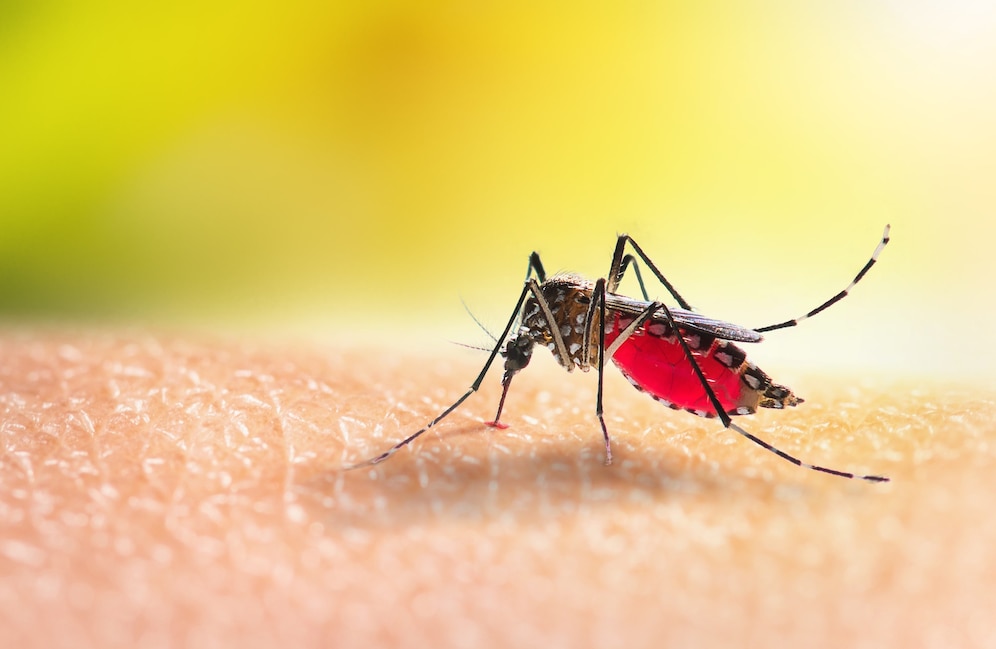
    The dengue virus, which causes the viral ailment dengue, is mostly spread via the bite of an infected Aedes mosquito. This illness is prevalent in tropical and subtropical regions, affecting millions of people worldwide every year. The World Health Organization (WHO) estimates that around 390 million dengue infections occur each year, with approximately 96 million cases presenting clinical symptoms. With such staggering numbers, it is crucial for individuals living in or traveling to dengue-prone areas to be well-informed about the disease and the importance of getting a dengue test.

    Dengue has become a significant public health concern due to its rapid global spread and increasing incidence over the past few decades. Although dengue is not usually fatal, severe cases can lead to complications such as dengue hemorrhagic fever (DHF) and dengue shock syndrome (DSS), which can be life-threatening. Therefore, early diagnosis and proper medical care are essential in preventing the progression of the disease and reducing the risk of complications.

    This article aims to provide a comprehensive understanding of dengue, its causes, transmission, warning signs, and the importance of getting a dengue test. Additionally, it will discuss where to get a dengue test and the types of tests available for dengue diagnosis.

    Understanding Dengue: Types and Transmission

    There are four distinct types of dengue virus (DENV-1, DENV-2, DENV-3, and DENV-4), and infection with one type does not provide lifelong immunity against the other types. This means that a person can be infected with dengue multiple times in their lifetime, with each subsequent infection carrying a higher risk of developing severe complications.

    Dengue is primarily transmitted through the bite of an infected Aedes mosquito, particularly the Aedes aegypti and Aedes albopictus species. These mosquitoes are known to thrive in urban and semi-urban areas, breeding in stagnant water found in various containers such as flower pots, discarded tires, and water storage containers. The dengue virus is transmitted to humans when an infected mosquito bites a person, injecting the virus into the bloodstream.

    There is currently no specific antiviral treatment for dengue, and management of the disease mainly involves supportive care to alleviate symptoms and prevent complications. Vaccines are available for dengue prevention, but their effectiveness varies depending on the individual’s previous exposure to the virus and the specific dengue serotype involved.

    Dengue Warning Signs and Symptoms


    Dengue symptoms typically appear 4 to 10 days after being bitten by an infected mosquito. The illness usually begins suddenly and is characterized by high fever, severe headache, pain behind the eyes, muscle and joint pain, nausea, vomiting, and a skin rash. The rash typically appears 3 to 4 days after the onset of fever and may spread from the torso to the arms, legs, and face. In some cases, the symptoms can be mild and may be mistaken for the flu or another viral infection.

    Dengue hemorrhagic fever (DHF) is a severe form of the disease, which can occur when the body’s immune system overreacts to the virus, leading to increased vascular permeability and bleeding. DHF is characterized by symptoms such as persistent vomiting, severe abdominal pain, rapid breathing, bleeding gums, blood in vomit or stool, and cold, clammy skin. Dengue shock syndrome (DSS) is the most severe form of dengue and is characterized by a sudden drop in blood pressure, leading to shock and potentially fatal complications.

    Is Dengue Contagious?

    Dengue is not contagious and cannot be spread directly from person to person. The infection can only be transmitted through the bite of an infected mosquito. However, a person infected with dengue can serve as a source of the virus for uninfected mosquitoes. If an uninfected mosquito bites an infected person, it can pick up the virus and transmit it to another person during subsequent bites. Therefore, it is essential to take preventive measures against mosquito bites to reduce the risk of dengue transmission.

    How Dengue Spreads and Its Causes

    Dengue spreads primarily through the bite of infected Aedes mosquitoes, which are the main carriers of the dengue virus. These mosquitoes breed in stagnant water and can be found in both urban and rural environments. The spread of dengue is influenced by various factors, including climate, urbanization, population growth, and international travel.

    Climate plays a significant role in the spread of dengue, as warmer temperatures and increased rainfall create favorable conditions for mosquito breeding. Rapid urbanization and population growth also contribute to the spread of dengue, as overcrowded living conditions and inadequate sanitation can create more breeding sites for Aedes mosquitoes. International travel can introduce dengue to new areas, as infected travelers can serve as a source of the virus for local mosquito populations.

    Importance of Getting a Dengue Test

    Early diagnosis of dengue is crucial for several reasons. Firstly, it allows for timely medical intervention to alleviate symptoms and prevent complications. This is particularly important in cases of severe dengue, where prompt and appropriate treatment can significantly reduce the risk of fatal outcomes. Secondly, a confirmed dengue diagnosis can help inform public health authorities, enabling them to implement appropriate control measures to prevent the further spread of the disease.

    A dengue test can also help differentiate dengue from other illnesses with similar symptoms, such as influenza, chikungunya, or Zika virus infections. This is important because the management of these diseases may differ, and an accurate diagnosis can guide appropriate treatment and care.

    Where to Get a Dengue Test

    Dengue tests can be performed at hospitals, clinics, or laboratories that offer diagnostic services for infectious diseases. In some countries, public health facilities may offer dengue testing services for free or at a reduced cost. It is essential to consult a healthcare professional if you suspect that you or someone you know may have dengue, as they can provide guidance on the most appropriate course of action and the most suitable testing options.

    In some cases, rapid diagnostic tests for dengue may be available for use at home or in remote settings. These tests are designed to detect dengue-specific antibodies or viral components and can provide results within a few hours. However, their accuracy may be lower than laboratory-based tests, and it is essential to confirm the results with a healthcare professional.

    Dengue Diagnosis: Types of Tests

    Several types of tests are available for the diagnosis of dengue, each targeting different components of the infection process. These include:

    • Viral detection tests: These tests detect the presence of the dengue virus itself, either by identifying viral genetic material (through nucleic acid amplification tests such as polymerase chain reaction or PCR) or by detecting viral antigens (through enzyme-linked immunosorbent assays or ELISA). Viral detection tests are most effective during the early stages of infection when the virus is present in high concentrations.
    • Antibody tests: These tests detect the presence of antibodies produced by the immune system in response to dengue infection. Two types of antibodies are typically measured: IgM, which is produced during the initial stages of infection, and IgG, which is produced later and can persist for years. Antibody tests are most effective during the later stages of infection and can help confirm a previous exposure to dengue.
    • Platelet count and hematocrit tests: These tests are not specific for dengue but can provide supportive evidence for a dengue diagnosis. A low platelet count and an elevated hematocrit can be indicative of dengue hemorrhagic fever and should prompt further investigation.

    It is essential to consult a healthcare professional for guidance on the most appropriate testing options based on the individual’s symptoms, history of exposure, and the timing of the infection.

    Conclusion: Staying Informed and Protected Against Dengue

    Dengue is a significant global health concern, with millions of people affected each year. It is essential to be well-informed about the disease, its transmission, and the importance of getting a dengue test. Early diagnosis can help prevent complications, inform appropriate treatment, and contribute to the control of dengue transmission.

    Preventive measures against dengue include using insect repellent, wearing protective clothing, and sleeping under mosquito nets. Additionally, efforts should be made to eliminate mosquito breeding sites by disposing of stagnant water and maintaining a clean environment. Staying informed and protected against dengue is crucial in reducing the burden of the disease and its impact on global health.

    Call To Action


     Visit Medkart to get the best generic medicines at the lowest prices, today!

  • Quality by Design (Qbd) For Generic Products: Opportunities and Challenges

    Quality by Design (Qbd) For Generic Products: Opportunities and Challenges

    Quality by Design For Generic Products

    Science and innovation often introduce new concepts and ideas into the actual world. While many pharmaceutical businesses have that as their primary goal, many drug development programmes need to catch up regarding the formulation, engineering, and manufacturing of new drugs. This also opens the market for popular generic medicines to leverage the formulation and use it post its patent expiry.

    Quality by design (QbD) is a systematic approach to pharmaceutical manufacturing that focuses on product and process understanding and process control. It involves designing and developing a product and its manufacturing process to consistently meet its quality attributes, safety, and efficacy requirements. QbD is based on risk management principles and process understanding, using quality risk management tools and statistical process control.

    The Food and Drug Administration in the USA requires that QbD components be included in all submissions. In particular, as products become more complicated in design, generics companies have already faced the burden as the FDA has expanded beyond just analyzing generics’ equivalencies to reference pharmaceuticals. If you are searching for branded substitutes, you can search for a generic medicine shop near you that offers quality drugs.

    Quality by Design For Generic medicine image

    What are the Pillars of Quality by design (QbD)

    The Pillars of QbD (Quality by Design) in the pharmaceutical industry are principles based on risk-based and scientific approaches for drug development. These principles focus on designing and controlling the quality of the product from the beginning, as well as understanding the sources of variability in the manufacturing process. The goal is to ensure that drugs are designed, manufactured, and tested to meet predetermined specifications and quality standards.

    State the product design goal

    Describe the quality target product profile (QTPP) and list all of the product’s critical quality attributes (CQA). The QTPP includes components that specify the desired product, such as dosage form, dose strength, route of administration, delivery mechanism, and intended application. You can Google a generic medicine store near me to find the best ones.

    The CQAs and QTPP offer a framework for product design and understanding by characterizing a substance’s solubility, compatibility, stability, etc., through experiments on various formulations (such as gels, ointments, and sprays). A CQA is a chemical, physical, biological, or microbiological property that has to be within an acceptable limit, range, or distribution to assure the required product quality.

    Discovering the process design space

    The process design space for QbD in the pharmaceutical industry is a complex concept that allows for optimizing processes to meet desired outcomes. It involves understanding the relationships between design parameters, materials and process variables and how they interact to produce a product with the desired attributes.

    This needs adopting a holistic approach that considers the entire lifecycle of a product and its development, from inception to manufacturing and final product release. This is accomplished through advanced statistical techniques, such as the Design of Experiments (DOE), to identify the most influential parameters and allow for the optimization of processes accordingly.

    Defining control space

    The process design space can define a controlled space. This makes it possible to comprehend procedures in a way that protects product quality from known production process unpredictability.

    The term “quality by design” (QbD) describes a method of drug development that emphasizes the need to adhere to quality standards at every production stage and mathematical models are used to ensure that the knowledge is established and utilized in an autonomous and integrated fashion.

    The first stage in launching a fruitful QbD programme is to determine which manufacturing process elements are pivotal to maintaining product quality and then to create analytical methods that have been well-tested and can reliably measure those parameters. This review article aims to do just that by addressing the difficulties linked to QbD’s implementation and providing a thorough grasp of the many facets of QbD.

    Conducting a design of experiments research on a product while still developing is one method to help prevent discrepancies. This method reduces significant effort waste, and root causes of unanticipated negative consequences can be identified at earlier manufacturing stages.

    Targeting the operating space

    The optimal set of settings to accommodate any inherent variation in CPPs and CQAs is known as the functional space. This set of parameters is calculated statistically.

    The operating space must fall within the control space to test a reference product using the same set of parameters. The operating space for new items must comply with regulatory requirements within the design space. Innovators can obtain a competitive advantage by thoroughly examining the design space and testing several batches of formulas to develop their product truly.

    Conclusion

    The argument in favour of applying QbD is strengthening from both a scientific and commercial perspective. Although setting up a QbD investment involves time and money, the overall costs are minimal and allow for more effective use of development funding. QbD is a realistic way to find insights upstream during your development process. The FDA views QbD as a tool to improve drug product quality.

    You can Google the govt generic medical shops near me from where you can get drugs at cheap rates. Or you can order from an online generic medicine store.

    Navigate to www.medkart.in/blog and browse a range of quality generic medicines that are of WHO-GMP standards. You can also download Medkart’s iOS andAndroidapplications to order generic medicines online. Simply upload your prescription, search for generics, and order to get it delivered at your doorstep. Moreover, you can visit any of our 107 medical stores, pan-India and show your prescriptions to get generic medicines.

  • 10 foods to avoid for Gallbladder Stones | Diet Guide

    10 foods to avoid for Gallbladder Stones | Diet Guide


    foods to avoid for Gallbladder Stones

    Introduction
    to Gallstones and the Gallbladder

    Gallstones are tiny, hard deposits that develop in
    the gallbladder, a little organ beneath the liver. The gallbladder plays a
    crucial role in the digestive system by storing and releasing bile, a fluid
    that helps break down fats in the small intestine. However, when bile contains
    too much cholesterol, it can harden and form gallstones.

     Gallstones can cause a wide range of symptoms,
    including abdominal pain, nausea, and vomiting. In some cases, they can lead to
    serious complications such as pancreatitis and cholecystitis. While medical
    treatment is often necessary to remove gallstones, making dietary changes can
    help prevent their formation and reduce symptoms.

    Foods
    to Avoid with Gallbladder Stones

    Certain foods can increase the risk of developing
    gallstones or exacerbate symptoms in those who already have them. Here are ten
    gallbladder foods to avoid:


    • Fried
      Foods: Fried foods are high in fat and can be difficult to digest, which
      can put a strain on the gallbladder.
    • High-Fat
      Dairy Products: Full-fat cheese, milk, and yogurt can all trigger
      gallbladder symptoms.
    • Processed
      Meats: Deli meats, sausage, and bacon are high in saturated fat and should
      be avoided.
    • Refined
      Carbohydrates: White bread, pasta, and rice can raise blood sugar levels
      and increase the risk of gallstones.
    • Sugar:
      Too much sugar can lead to weight gain, which is a risk factor for
      gallstones.
    • Alcohol:
      Alcohol can damage the liver and gallbladder and should be consumed in
      moderation or avoided altogether.
    • Spicy
      Foods: Spicy foods can irritate the digestive system and exacerbate
      gallbladder symptoms.
    • Sodas
      and Other Sugary Drinks: These beverages are high in sugar and can
      contribute to weight gain and gallstone formation.
    • High-Fat
      Snacks: Chips, crackers, and other high-fat snacks should be avoided.
    • Red
      Meat: Beef, pork, and lamb are high in saturated fat and can increase the
      risk of gallstones.

    These
    are the gallbladder foods to avoid in order to keep your gallbladder stone diet
    on point.


    Why Certain Foods to Avoid with Gallbladder stones

    Listed above are the foods to
    avoid with gallbladder stones because they can increase the risk of gallstone
    formation or worsen symptoms in those who already have them. High-fat foods,
    for example, can put a strain on the gallbladder and make it more difficult to
    digest foods properly. Refined carbohydrates and sugar can raise blood sugar
    levels, which can contribute to weight gain and increase the risk of
    gallstones.

     Alcohol and spicy foods can both irritate the
    digestive system and exacerbate gallbladder symptoms. Processed meats and
    high-fat snacks are also high in saturated fat, which can contribute to
    gallstone formation. Red meat is another food to avoid with gallstones because
    it is high in cholesterol and saturated fat.

    Foods
    Good for Gallbladder


    While there are many foods to avoid with
    gallbladder stones, there are also plenty of foods good for gallbladder. Here
    are some examples:


    • Fruits
      and Vegetables: Fruits and vegetables are high in fiber and low in fat,
      making them an excellent choice for those with gallstones.


    • Lean
      Protein: Chicken, fish, and tofu are all low in saturated fat and can be a
      healthy source of protein.


    • Whole
      Grains: Whole grains with a high fibre content, such as brown rice and
      quinoa, can help control blood sugar levels.


    • Nuts
      and Seeds: Nuts and seeds are high in healthy fats and can be a great
      addition to a gallbladder-friendly diet.


    • Low-Fat
      Dairy Products: Low-fat cheese, milk, and yogurt can be a healthy source
      of calcium without triggering gallbladder symptoms.


    Gallbladder-Friendly
    Meal Ideas

    Here are some meal ideas that incorporate foods
    that are good for the gallbladder:


    • Breakfast:
      Oatmeal with berries and a sprinkle of nuts or seeds.


    • Lunch:
      Grilled chicken or tofu with a side salad of mixed greens and vegetables.


    • Dinner:
      Baked salmon or white fish with roasted vegetables and brown rice.


    • Snacks:
      Carrot sticks with hummus or apple slices with almond butter.


    Tips
    for Maintaining a Healthy Gallbladder

    In addition to making dietary changes, there are
    other steps you can take to maintain a healthy gallbladder:


    • Exercise
      Regularly: Exercise can help prevent gallstone formation and improve
      overall health.


    • Maintain
      a Healthy Weight: Being overweight or obese is a risk factor for
      gallstones, so maintaining a healthy weight is important.


    • Stay
      Hydrated: Drinking plenty of water can help flush toxins out of the body
      and prevent gallstones.


    • Limit
      Alcohol Consumption: Alcohol can damage the liver and gallbladder, so it
      should be consumed in moderation or avoided altogether.


    • Quit
      Smoking: Smoking can increase the risk of gallstones, so quitting smoking
      is important for overall health.


    Common
    Myths about Gallstones and Diet

    There are many myths about gallstones and diet that
    can be confusing. Here are a few common ones:


    • Eating
      a Low-Fat Diet Will Prevent Gallstones: While it is true that a low-fat
      diet can help prevent gallstone formation, it is not a guarantee. In
      addition, other elements including genetics and general health are
      important.


    • Eating
      Spicy Foods Will Cause Gallstones: While spicy foods can exacerbate
      gallbladder symptoms, they do not cause gallstones.


    • Eating
      a High-Fat Diet Will Cause Gallstones: While a high-fat diet can
      contribute to gallstone formation, it is not the only risk factor. In
      addition, other elements including genetics and general health are
      important.


    Gallstones
    Foods to Avoid at Restaurants

    Eating out can be challenging when you have
    gallstones, but there are still ways to enjoy restaurant meals while avoiding
    trigger foods. Here are some tips:


    • Check
      the Menu: Look for dishes that are low in fat and avoid items that are
      fried or high in saturated fat.


    • Ask
      for Substitutions: Ask the server to substitute high-fat ingredients for
      healthier options, such as grilled chicken instead of fried chicken.


    • Be
      Specific with Your Order: Ask for your food to be cooked without butter or
      oil, and request sauces and dressings on the side.


    • Ask
      for Recommendations: Don’t be afraid to ask your server for
      recommendations on gallbladder-friendly dishes.


    Medical
    Treatment for Gallstones

    While dietary changes can help prevent gallstone
    formation and reduce symptoms, medical treatment may be necessary in some
    cases. Here are some common medical treatments for gallstones:


    • Laparoscopic
      Cholecystectomy: This is the most common surgical procedure for
      gallstones. It involves removing the gallbladder through small incisions
      in the abdomen.


    • Oral
      Dissolution Therapy: This treatment involves taking medication to dissolve
      gallstones over a period of months or years.


    • Endoscopic
      Retrograde Cholangiopancreatography (ERCP): This is a procedure that uses
      an endoscope to remove gallstones from the bile duct.


    Conclusion
    and Final Thoughts

    Gallstones can cause a wide range of symptoms and
    can lead to serious complications if left untreated. While medical treatment is
    often necessary, making dietary changes can help prevent their formation and
    reduce symptoms. By avoiding foods that are high in fat, sugar, and
    cholesterol, and incorporating foods that are good for the gallbladder, you can
    promote a healthy digestive system and reduce the risk of gallstones. Remember
    to stay hydrated, exercise regularly, and maintain a healthy weight to keep
    your gallbladder functioning properly.


    Call
    To Action


     Visit Medkart to get the best generic
    medicines at the lowest prices, today!

  • Gallbladder Cancer: Early Detection and Effective Treatment Strategies

    Gallbladder Cancer: Early Detection and Effective Treatment Strategies

    Gallbladder Cancer

    Gallbladder cancer is a rare type of cancer that
    affects the gallbladder, a small organ located below the liver. It can be
    difficult to detect in its early stages, which is why it’s important to
    understand the risk factors, symptoms, and available treatment options. In this
    article, we will provide an overview of gallbladder cancer, including its
    causes and risk factors, symptoms, diagnostic tests, treatment options, and
    prevention strategies.


    Introduction
    to Gallbladder Cancer

    Gallbladder cancer is a type of cancer that
    develops in the gallbladder, a small pear-shaped organ located below the liver.
    It is more common in women than in men and is often diagnosed in people over
    the age of 65. Gallbladder cancer is rare, with only about 4,000 cases diagnosed
    in the United States each year.

    The exact cause of gallbladder cancer is unknown,
    but several risk factors have been identified. These include a history of
    gallstones, obesity, smoking, and a family history of gallbladder cancer.


    Gallbladder
    Cancer Causes and Risk Factors

    Gallbladder cancer can be caused by several
    factors, but the exact cause is not yet known. One of the most significant risk
    factors for gallbladder cancer is a history of gallstones. Gallstones are
    small, hard deposits that form in the gallbladder and can cause inflammation
    and damage to the organ. Over time, this can lead to the development of cancer.

    Other risk factors for gallbladder cancer include
    obesity, smoking, and a family history of the disease. Women are also more likely
    to develop gallbladder cancer than men.


    Gallbladder
    Cancer Symptoms

    Gallbladder cancer symptoms do not often appear in
    its early stages, and as a result, it is often not diagnosed until it has
    spread to other parts of the body. However, some of the symptoms that can occur
    include:


    • Abdominal
      pain
    • Jaundice
      (yellowing of the skin and eyes)
    • Nausea
      and vomiting
    • Loss
      of appetite and weight loss
    • Fever
    • Itching


    If you are experiencing any of these symptoms, it
    is important to seek medical attention as soon as possible.


    Early
    Detection of Gallbladder Cancer

    Early detection of gallbladder cancer is essential
    for successful treatment. Unfortunately, the early stages of the disease often
    have no symptoms, which can make it difficult to detect. However, there are
    several screening tests that can be used to detect gallbladder cancer early.

    Ultrasound is one of the most common screening
    tests used for gallbladder cancer. This test uses sound waves to create images
    of the gallbladder and can detect abnormalities in its size or shape. Other
    imaging tests, such as CT scans and MRIs, may also be used to detect
    gallbladder cancer.


    Diagnostic
    Tests for Gallbladder Cancer

    If gallbladder cancer is suspected, your doctor may
    perform a number of diagnostic tests to confirm the diagnosis. These tests may
    include:


    • Ultrasound
    • CT
      scan
    • MRI
    • PET
      scan
    • Biopsy


    Once the diagnosis of gallbladder cancer has been
    confirmed, your doctor will determine the stage of the cancer to determine the
    best treatment options.


    Gallbladder
    Cancer Treatment Options

    The options for gallbladder cancer treatment,
    includes surgery, chemotherapy, and radiation therapy. The best treatment
    option will depend on the stage and location of the cancer, as well as the
    patient’s overall health and preferences.


    Surgical
    Treatment for Gallbladder Cancer


    Surgery is often the primary treatment for
    gallbladder cancer. The type of surgery used will depend on the stage and
    location of the cancer. In some cases, the entire gallbladder may need to be
    removed, while in others, only a portion of the gallbladder may need to be
    removed.


    In more advanced cases of gallbladder cancer,
    surgery may be combined with chemotherapy or radiation therapy to help improve
    the chances of a successful outcome.


    Chemotherapy
    and Radiation Therapy for Gallbladder Cancer

    Chemotherapy and radiation therapy may be used to
    treat gallbladder cancer in conjunction with surgery. These treatments are
    often used to shrink the tumor before surgery or to kill any remaining cancer
    cells after surgery.

    Chemotherapy uses drugs to kill cancer cells, while
    radiation therapy uses high-energy radiation to destroy cancer cells. Both
    treatments can cause side effects, which can be managed with medication and
    other therapies.


    Palliative
    Care for Advanced Gallbladder Cancer

    In cases where the cancer has spread beyond the
    gallbladder, treatment may focus on managing symptoms and improving quality of
    life. This is known as palliative care and may include medications to control
    pain and other symptoms, as well as emotional and spiritual support.


    Coping
    with Gallbladder Cancer

    A diagnosis of gallbladder cancer can be
    overwhelming, but there are many resources available to help patients cope with
    the disease. Support groups, counseling, and other resources can provide
    emotional support and information about treatment options and lifestyle
    changes.


    Prevention
    of Gallbladder Cancer

    While there is no sure way to prevent gallbladder
    cancer, there are several steps that can be taken to reduce the risk of
    developing the disease. Maintaining a healthy weight, quitting smoking, and
    eating a healthy diet rich in fruits and vegetables can all help reduce the
    risk of gallbladder cancer.


    Conclusion

    Gallbladder cancer is a rare but serious disease
    that requires early detection and effective treatment for the best chance of a
    successful outcome. By understanding the risk factors, symptoms, and available
    treatment options, patients and their families can work with healthcare
    providers to develop a comprehensive treatment plan that meets their unique
    needs and preferences. With the right care and support, patients with
    gallbladder cancer can live full and meaningful lives.


    Call
    To Action

     For access to more such interesting articles
    on healthcare, visit Medkart today!