Search results for: “all”

  • All about Tuberculosis: Types, Prevention & drugs for treatment

    All about Tuberculosis: Types, Prevention & drugs for treatment

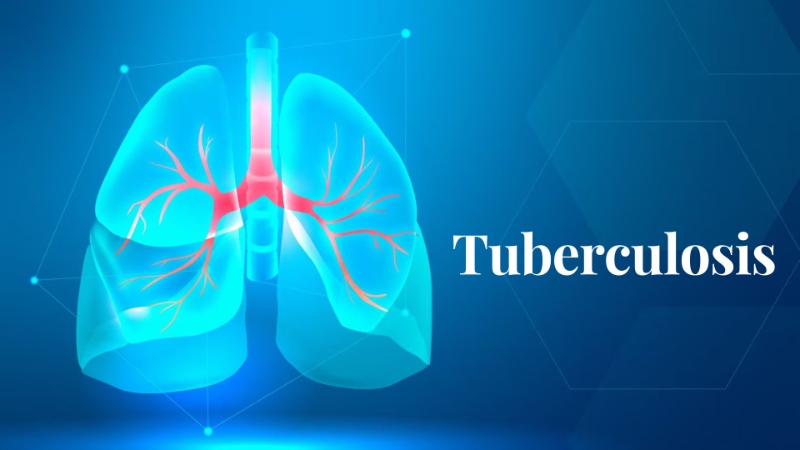
    Tuberculosis (TB) is a serious infectious disease that mainly affects the lungs but can also impact other organs. The World Health Organization (WHO) estimates that around 10 million people fell ill with TB in 2019, and 1.4 million died from the disease. Understanding the mode of transmission of tuberculosis and implementing effective prevention measures are crucial to protect yourself and others from this potentially deadly infection. In this guide, we will discuss the various aspects of tuberculosis prevention, the effectiveness of anti-tuberculosis drugs, common side effects of TB medicine, and the importance of completing TB treatment.

    What is Tuberculosis?

    The bacteria Mycobacterium tuberculosis is the source of the infectious illness tuberculosis. It is a major public health concern worldwide, particularly in low- and middle-income countries. TB primarily affects the lungs, but it can also involve other organs like the kidneys, brain, and spine. The symptoms of TB include persistent cough, fever, night sweats, fatigue, and unintentional weight loss. TB can be lethal if neglected.

    Latent and active tuberculosis are the two kinds of the disease. In latent TB, the bacteria are present in the body but do not cause any symptoms. Individuals with latent TB are not contagious and cannot spread the infection. However, they may develop active TB later in life, especially if their immune system weakens. In active TB, the bacteria multiply and cause symptoms. People with active TB can transmit the infection to others.

    Understanding the Mode of Transmission of Tuberculosis

    It is essential to understand the mode of transmission of tuberculosis to implement effective prevention strategies. TB spreads through the air when a person with active TB in their lungs coughs, sneezes, speaks, or sings. The bacteria travel in tiny droplets called aerosols, which can be inhaled by people nearby. Once inhaled, the bacteria can settle in the lungs and begin to multiply, potentially leading to an active TB infection.

    It is important to note that not everyone who breathes in the TB bacteria will become infected. Factors such as the duration and proximity of exposure, the immune system’s strength, and the presence of underlying health conditions can influence the likelihood of developing TB. In general, people with weakened immune systems, such as those living with HIV, are at a higher risk of contracting the infection.

    Is Tuberculosis Contagious?

    The contagiousness of tuberculosis depends on whether an individual has latent or active TB. As mentioned earlier, people with latent TB do not show any symptoms and cannot spread the infection to others. In contrast, individuals with active TB can transmit the bacteria through the air, making it a contagious disease.

    It is important to remember that TB is not as contagious as other respiratory infections like the common cold or flu. Prolonged close contact with a person with active TB is usually required for the bacteria to spread. Transmission is more likely to occur between family members, friends, or coworkers who spend extended periods together.

    Tuberculosis Prevention Methods

    There are several tuberculosis prevention methods that can be implemented to reduce the spread of the disease. Some of these methods include:

    • Prompt diagnosis and treatment: Early detection and appropriate treatment of active TB cases are vital to reduce the transmission of the infection. If you suspect that you or someone you know may have TB, it is crucial to seek medical advice immediately.
    • Vaccination: The Bacillus Calmette-Guérin (BCG) vaccine can offer some protection against TB, particularly in children. The vaccine is not widely used in countries with low TB rates, but it is recommended for children and adults at high risk of exposure in certain situations.
    • Infection control measures: Health care facilities should follow strict infection control guidelines to minimize the risk of TB transmission. These measures include proper ventilation, use of protective equipment like masks, and isolation of patients with suspected or confirmed TB.
    • Education and awareness: Raising awareness about the symptoms, transmission, and prevention of TB can encourage people to seek timely medical care and follow recommended prevention measures.
    • Addressing social determinants: Poverty, overcrowding, and malnutrition can increase the risk of TB infection and the development of active disease. Addressing these underlying factors is essential to reduce the burden of TB worldwide.

    Anti-Tuberculosis Drugs and Their Effectiveness

    The primary treatment for active tuberculosis involves a combination of anti-tuberculosis drugs, also known as TB drugs or TB medicine. These drugs work by killing the TB bacteria and preventing their multiplication. The standard treatment regimen for drug-susceptible TB includes four medications: isoniazid, rifampicin, ethambutol, and pyrazinamide. The treatment typically lasts for six months, with the first two months involving all four drugs, followed by four months of isoniazid and rifampicin alone.

    Anti-tuberculosis drugs are highly effective in curing the disease and preventing its spread when taken correctly and for the full duration of the treatment. However, the emergence of drug-resistant TB strains poses a significant challenge to TB control efforts. Drug-resistant TB requires more prolonged and complex treatment regimens with less effective and more toxic medications. Ensuring proper use of anti-tuberculosis drugs and adherence to treatment guidelines is crucial to prevent the development of drug resistance.

    Common Side Effects of TB Medicine

    While anti-tuberculosis drugs are generally safe and well-tolerated, they can cause side effects in some individuals. Some common side effects of TB medicine include:

    • Gastrointestinal symptoms: Nausea, vomiting, and abdominal pain are common side effects of TB drugs. These symptoms can usually be managed by taking the medications with food or using over-the-counter remedies.
    • Liver problems: Isoniazid, rifampicin, and pyrazinamide can cause liver inflammation, leading to symptoms like jaundice, dark urine, and abdominal pain. Regular monitoring of liver function tests is essential during TB treatment to detect and manage liver-related side effects.
    • Skin reactions: Some individuals may experience skin rashes or itching while taking TB medicine. Severe skin reactions, although rare, should be reported to a healthcare provider immediately.
    • Nerve damage: Isoniazid can cause peripheral neuropathy, a condition characterized by tingling, numbness, or pain in the hands and feet. This side effect can be prevented or managed by taking vitamin B6 (pyridoxine) supplements during TB treatment.
    • Vision problems: Ethambutol can cause optic neuritis, leading to blurred vision or color vision changes. Regular eye examinations are recommended during treatment with ethambutol to detect and manage this side effect.

    It is important to discuss any side effects experienced during TB treatment with a healthcare provider. In some cases, the medication regimen may need to be adjusted or alternative drugs prescribed to manage side effects.

    Foods to Avoid While Undergoing TB Treatment

    A healthy diet is essential during TB treatment to support the immune system and promote recovery. However, certain foods and substances can interact with TB medicine and should be avoided. Some of the foods to avoid while undergoing TB treatment include:

    • Alcohol: Alcohol can increase the risk of liver damage while taking TB drugs, particularly isoniazid and rifampicin. It is advisable to avoid or limit alcohol consumption during TB treatment.
    • Tyramine-rich foods: Foods high in tyramine, such as aged cheeses, cured meats, and fermented foods, can cause severe hypertension when consumed with isoniazid. It is best to avoid these foods during treatment.
    • Grapefruit and grapefruit juice: Grapefruit and its juice can interfere with the metabolism of rifampicin, potentially reducing its effectiveness. It is recommended to avoid grapefruit products while taking rifampicin.

    A well-balanced diet rich in fruits, vegetables, lean proteins, and whole grains can provide the necessary nutrients for an optimal recovery from TB. Itis important to discuss any dietary concerns or restrictions with a healthcare provider.

    Importance of Completing TB Treatment

    Completing the full course of TB treatment is crucial to cure the disease and prevent its spread. Stopping treatment prematurely or skipping doses can lead to the development of drug-resistant TB and other complications. It is common for people to start feeling better after a few weeks of treatment and assume that they no longer need to take the medications. However, TB bacteria can persist in the body even after symptoms disappear, and stopping treatment too early can lead to a relapse.

    It is essential to follow the treatment regimen as prescribed by a healthcare provider and complete the full course of medication, even if symptoms disappear. Skipping doses or stopping treatment prematurely can lead to treatment failure, the development of drug resistance, and the need for more extended and more expensive treatment regimens.

    TB Prevention in High-Risk Populations

    Certain populations are at a higher risk of contracting TB and developing active disease. These populations include:

    • People living with HIV/AIDS: HIV weakens the immune system, making it more susceptible to TB infection and the development of active disease.
    • Close contacts of TB patients: Family members, friends, and coworkers who spend extended periods with a person with active TB are at a higher risk of contracting the infection.
    • Prisoners: Overcrowding and poor ventilation in prisons can increase the risk of TB transmission among inmates and staff.
    • Healthcare workers: Healthcare workers who care for TB patients are at a higher risk of contracting the infection, especially in settings with inadequate infection control measures.
    • Migrants and refugees: Migrants and refugees from countries with a high TB burden may be at a higher risk of contracting the infection and developing active disease.

    Preventive measures, such as screening, testing, and treatment for latent TB, can help reduce the risk of TB infection and the development of active disease in high-risk populations.

    Conclusion

    Tuberculosis remains a significant public health concern worldwide, causing millions of deaths each year. Understanding the mode of transmission of tuberculosis and implementing effective prevention measures, such as prompt diagnosis, treatment, vaccination, infection control, and education, are crucial to reduce the spread of the disease. Anti-tuberculosis drugs are highly effective in curing TB when taken correctly and for the full duration of the treatment, but they can cause side effects that need to be managed appropriately. Completing the full course of TB treatment is essential to prevent the development of drug resistance and the need for more prolonged and complicated treatment regimens. Protecting high-risk populations, such as people living with HIV/AIDS, close contacts of TB patients, prisoners, healthcare workers, and migrants and refugees, requires targeted prevention strategies and interventions.

    Call To Action

    For access to more such interesting articles on healthcare, visit Medkart today!
  • Are there Generics available   for all disease?

    Are there Generics available for all disease?

    Generics available for all disease

    The availability of generic medications depends on a variety of factors, including the patent status of the original branded medication and the regulatory approval process for generic drugs.

    When a new medication is developed, the company that developed the drug is granted a patent. This gives the company exclusive rights to sell the drug for a certain period of time. Once the patent expires, other companies can start selling generic versions of the drug. However, it can take time for generic versions of a medication to become available, as the generic drug company must go through a regulatory approval process before they can start selling the generic version of the drug.

    In some cases, the branded medication may not have a patent that has expired, or there may be legal or regulatory barriers to the development of a generic version of the drug. In these cases, a generic version of the medication may not be available.

    At Medkart you can find Generics in your prescription and can save up to 85% on your medicine bills.

    To know more watch –  https://youtube.com/shorts/3fPk3iYF7Bw


  • What if generic does not suit my bodies and cause any allergic reaction?

    It is possible that a person may experience an allergic reaction to a medicine, just as they may experience an allergic reaction to a brand-name medicine. Allergic reactions are not subject to branded or generic as both the medicines have same quality, efficacy and standards.

    If you experience an allergic reaction to a medication, it is important to seek medical attention right away. Symptoms of an allergic reaction can include rash, itching, swelling, difficulty breathing, and chest tightness.

    If you have a history of allergies or have had an allergic reaction to a medication in the past, it is important to inform your healthcare provider before starting a new medication. They can help determine if a particular medicine is suitable for you based on your allergy history.

    Looking for quality generics??? Visit www.medkart.in/blog and find WHO-GMP certified generics in your prescription.

    To know more watch –  https://youtube.com/shorts/9H0LpXB_GFM

  • Are all the active ingredients available in one tablet or you need to take more than one in case of generic medicines?

    Are all the active ingredients available in one tablet or you need to take more than one in case of generic medicines?

    generic medicines

    It is possible for a generic medicine to contain all the active ingredients in a single tablet.

    This can depend on the specific active ingredients and their dosages, as well as other factors such as the form of the medicine (e.g., tablet, capsule, etc.) and the desired strength of the medicine. Check the availability of your generics at www.medkart.in/blog.​

    To know more watch – https://youtube.com/shorts/Kop2tfT1G4I

  • Creatine Monohydrate: Benefits, Safety & Side Effects

    Looking to boost your athletic performance, build muscle, or support overall health? Creatine monohydrate is one of the most researched and trusted supplements available. Used by athletes, fitness enthusiasts, and even those seeking cognitive benefits, creatine monohydrate offers a wide range of advantages. Let’s explore the science-backed benefits, safety guidelines, and potential side effects of creatine monohydrate.

    What Is Creatine Monohydrate?

    Creatine monohydrate is a naturally occurring compound found in small amounts in foods like meat and fish. It is also produced by the body, primarily in the liver, kidneys, and pancreas. Creatine plays a crucial role in energy production, particularly during short bursts of high-intensity activity. As a supplement, creatine monohydrate is widely used to enhance athletic performance, increase muscle mass, and support overall health.

    • Creatine monohydrate is a naturally occurring compound found in foods and produced by the body.
    • It plays a crucial role in energy production during high-intensity activity.
    • Creatine monohydrate is widely used to enhance athletic performance, increase muscle mass, and support overall health.

    How Creatine Monohydrate Works

    Creatine monohydrate works by increasing the availability of phosphocreatine in the muscles. Phosphocreatine helps regenerate ATP (adenosine triphosphate), the primary energy currency of the body, during high-intensity exercise. This leads to improved performance, increased strength, and faster recovery.

    • Creatine monohydrate increases the availability of phosphocreatine in the muscles.
    • Phosphocreatine helps regenerate ATP during high-intensity exercise.
    • This leads to improved performance, increased strength, and faster recovery.

    Benefits of Creatine Monohydrate

    Creatine monohydrate offers several benefits for athletes, fitness enthusiasts, and those seeking overall health improvements. Its multi-faceted approach addresses both symptoms and underlying causes, providing effective relief.

    • Boosts Athletic Performance: Creatine monohydrate helps increase strength, power, and endurance during high-intensity exercise.
    • Increases Muscle Mass: It supports muscle growth and helps build lean muscle mass.
    • Improves Recovery: Creatine monohydrate helps reduce muscle soreness and speeds up recovery after exercise.
    • Supports Brain Health: Some studies suggest that creatine may improve cognitive function and memory.
    • Enhances Overall Health: Creatine monohydrate supports overall health by improving energy levels and reducing fatigue.

    Dosage and Usage Guidelines

    It is crucial to follow the recommended dosage and usage instructions for creatine monohydrate to ensure safety and effectiveness.

    • The typical dosage is 3-5 grams per day, taken with water or a carbohydrate-rich drink.
    • Some people choose to do a loading phase, taking 20 grams per day for 5-7 days, followed by a maintenance phase of 3-5 grams per day.
    • Take creatine monohydrate at the same time each day for consistency.
    • Stay hydrated and drink plenty of water to support overall health.
    • Monitor your progress with periodic blood tests as recommended by your healthcare provider.

    Safety and Precautions

    Creatine monohydrate is generally safe when used as directed. However, there are some precautions to keep in mind to ensure optimal safety.

    • Consult a healthcare professional before using creatine monohydrate, especially for children, elderly patients, or those with underlying health conditions.
    • Do not use creatine monohydrate if you are allergic to any of its ingredients.
    • Be aware of potential side effects, such as mild stomach upset, nausea, or allergic reactions.
    • Seek medical advice if side effects persist or worsen.
    • Store creatine monohydrate in a cool, dry place, away from direct sunlight.
    • Keep it out of reach of children.
    • Do not take more than the prescribed amount, as this may lead to overdose and other complications.
    • Inform your doctor about all the medicines you use, including prescription, over-the-counter medications, and herbal supplements.

    When to See a Doctor

    While creatine monohydrate can help manage many symptoms of athletic performance and muscle growth, it is important to see a doctor if your symptoms are severe, persistent, or accompanied by other concerning signs. A healthcare professional can provide additional treatment options and help you manage your health.

    By understanding the benefits and usage instructions for creatine monohydrate, you can support better management of athletic performance and muscle growth and improve your overall health. For more information and trusted supplements, visit MedKart and explore solutions that work for your needs.

  • Vitamin E for Healthy, Glowing Skin

    Want healthy, glowing skin and strong, shiny hair? Vitamin E is a powerful antioxidant that can help nourish your skin and hair, protect against damage, and promote a radiant complexion. Let’s explore the benefits of vitamin E for skin and hair, and how to use it for the best results.

    What Is Vitamin E?

    Vitamin E is a fat-soluble vitamin that acts as a powerful antioxidant. It helps protect your skin and hair from damage caused by free radicals, which are unstable molecules that can harm cells and accelerate ageing. Vitamin E is found in many foods, such as nuts, seeds, and leafy greens, and is also available as a supplement or topical oil.

    • Vitamin E is a fat-soluble vitamin that acts as a powerful antioxidant.
    • It helps protect your skin and hair from damage caused by free radicals.
    • Vitamin E is found in many foods and is also available as a supplement or topical oil.

    Benefits of Vitamin E for Skin

    Vitamin E offers several benefits for the skin, making it a valuable addition to your skincare routine.

    • Moisturising: Vitamin E helps keep your skin hydrated by strengthening its natural barrier and preventing moisture loss.
    • Anti-Ageing: It supports collagen production and improves skin elasticity, which makes the skin look firmer and younger.
    • Scar and Spot Healing: Vitamin E promotes skin regeneration and can help lighten scars, dark spots, and stretch marks over time.
    • Sun Protection Support: Although it should not replace sunscreen, vitamin E can help reduce damage caused by UV rays when used together with sun protection.
    • Soothing Inflammation: Vitamin E has anti-inflammatory properties that help calm irritated or sensitive skin.

    Benefits of Vitamin E for Hair

    Vitamin E also offers several benefits for hair, making it a valuable addition to your hair care routine.

    • Moisturising: Vitamin E helps keep your hair hydrated and prevents dryness and breakage.
    • Strengthening: It strengthens hair follicles and reduces hair fall.
    • Shine: Vitamin E adds shine and smoothness to your hair.
    • Growth: It promotes hair growth by improving blood circulation to the scalp.
    • Protection: Vitamin E protects hair from damage caused by free radicals and environmental stressors.

    How to Use Vitamin E for Skin and Hair

    Using vitamin E for skin and hair is simple and straightforward. Here are some tips to get the best results:

    • Direct Application: Simply pierce a capsule and apply the vitamin E oil directly onto your face or hair. This delivers a concentrated dose of vitamin E to nourish your skin and hair deeply.
    • Mix with Moisturiser: Add a few drops of vitamin E oil to your regular moisturiser or facial cream. This enhances the moisturising and antioxidant benefits without making your skin feel too oily.
    • Body Care: You can also use vitamin E oil on your body, especially on dry areas like elbows, knees, and heels.
    • Massage for Absorption: Massage the oil gently into your skin or scalp in circular motions. This helps improve blood circulation and allows the oil to absorb better.
    • Leave It On or Wash Off: Depending on your skin type, you can either leave the vitamin E oil on overnight as a nourishing treatment or wash it off after 20-30 minutes if your skin tends to be oily or prone to breakouts.
    • Follow Up with Your Regular Skincare Routine: After vitamin E oil application, you can follow with your usual moisturiser or sunscreen during the day. Vitamin E works best when combined with a well-rounded skincare regimen.

    Safety and Precautions

    Vitamin E is generally safe when used as directed. However, there are some precautions to keep in mind to ensure optimal safety.

    • Perform a Patch Test: Before applying vitamin E oil all over your face, do a patch test on a small area of your skin (like behind your ear or on your wrist) to check for any allergic reactions or irritation. Wait 24 hours to see if any redness or itching occurs.
    • Apply Vitamin E Oil: If the patch test is successful, apply a thin layer of vitamin E oil onto your face using gentle upward strokes. Focus on dry areas or places where you want to reduce scars and fine lines. Avoid the delicate eye area unless the product is specifically designed for it.
    • Be Aware of Potential Side Effects: Some people may experience mild stomach upset or allergic reactions. Seek medical advice if side effects persist or worsen.
    • Store Vitamin E Capsules in a Cool, Dry Place: Keep the capsules out of reach of children.
    • Do Not Exceed the Recommended Dosage: Overuse can lead to clogged pores, especially for oily skin.

    Extra Tips for Skin and Hair Care

    In addition to using vitamin E, there are several lifestyle changes that can help support healthy skin and hair.

    • Eat a Balanced Diet: Include foods rich in vitamins and antioxidants, such as fruits, vegetables, and whole grains.
    • Stay Hydrated: Drink plenty of water throughout the day to keep your skin and hair hydrated.
    • Avoid Processed Foods: Limit your intake of processed foods, sugary snacks, and high-fat foods.
    • Get Regular Exercise: Exercise improves circulation and overall health.
    • Get Enough Sleep: Adequate sleep supports skin and hair repair and regeneration.
    • Manage Stress: Stress can affect your skin and hair, so find ways to relax and manage stress.
    • Practice Mindful Eating: Chew your food thoroughly and eat slowly to support digestion and nutrient absorption.

    When to See a Doctor

    While vitamin E can help manage many symptoms of dryness and skin issues, it is important to see a doctor if your symptoms are severe, persistent, or accompanied by other concerning signs. A healthcare professional can provide additional treatment options and help you manage your health.

    By understanding the benefits and usage instructions for vitamin E, you can support better management of skin and hair issues and improve your overall health. For more information and trusted skincare and hair care products, visit MedKart and explore solutions that work for your needs.

  • Gripe Water for Babies: Benefits & Safety Guidelines

    Is your little one fussy, gassy, or struggling with colic? Gripe water is a popular remedy used by parents to soothe digestive discomfort in babies. Made from a blend of water, herbs, and sometimes sodium bicarbonate, gripe water is believed to help relieve gas, colic, and other tummy troubles. Let’s explore the benefits, safety guidelines, and what you need to know before giving gripe water to your baby.

    What Is Gripe Water?

    Gripe water is an over-the-counter liquid supplement given to infants to ease symptoms of stomach discomfort, gas, colic, and hiccups. It typically contains a combination of herbal extracts such as fennel, ginger, chamomile, and lemon, and sometimes sodium bicarbonate, a mild antacid that helps neutralize stomach acid. Modern formulations are alcohol-free and have reduced sugar content to ensure the safety of babies.

    • Gripe water is a liquid supplement for infants.
    • It contains herbal extracts and sometimes sodium bicarbonate.
    • Modern formulations are alcohol-free and have reduced sugar content.

    How Gripe Water Works

    Gripe water works by using herbal extracts that have carminative properties, which means they help relieve gas and bloating. The soothing properties of certain herbs can help ease digestive discomfort and calm a fussy baby. While gripe water can provide temporary relief for babies, it’s essential to consult with your paediatrician before using it to ensure it’s suitable for your baby’s specific needs.

    • Gripe water uses herbal extracts with carminative properties.
    • It helps relieve gas and bloating.
    • It can ease digestive discomfort and calm a fussy baby.

    Benefits of Gripe Water for Babies

    Gripe water offers several potential benefits for babies experiencing digestive discomfort. Its multi-faceted approach addresses both symptoms and underlying causes, providing effective relief.

    • Eases Colic and Digestive Discomfort: Gripe water ingredients like dill oil, fennel, and ginger are traditionally used to ease digestive problems by relaxing the gastrointestinal muscles and alleviating colic symptoms.
    • Reduction in Excessive Gas and Bloating: Gripe water can be effective in reducing gas-related issues by relaxing the muscles in the baby’s digestive tract. It helps to relieve trapped gas and allows for easier passage of gas, thus providing relief from bloating.
    • Facilitates Better Sleep Patterns: Babies experiencing discomfort due to gas or indigestion can have disrupted sleep patterns. While there is anecdotal evidence suggesting that gripe water may help babies sleep better, there is a lack of scientific studies to support this claim. It’s important to consult with your paediatrician before using gripe water solely for improving sleep.
    • Relieves Teething Discomfort: Teething in babies can cause symptoms such as drooling, irritability, swollen gums, and discomfort. Some babies may also experience pain and inflammation during this time. Gripe water is believed to relieve teething discomfort; however, you must consult your paediatrician for safe and effective options.

    When to Give Gripe Water to a Baby

    You can offer gripe water when your baby seems uncomfortable due to gas, bloating, hiccups, or general fussiness. Many parents give gripe water shortly after feedings to help digestion and prevent gas. Others use it before bedtime to help their baby settle. However, there are no strict guidelines around timing. It’s crucial to talk to your paediatrician before starting gripe water and follow dosing instructions carefully.

    • Give gripe water when your baby seems uncomfortable due to gas, bloating, hiccups, or general fussiness.
    • Many parents give gripe water shortly after feedings to help digestion and prevent gas.
    • Others use it before bedtime to help their baby settle.
    • Talk to your paediatrician before starting gripe water and follow dosing instructions carefully.

    Safety and Precautions

    Gripe water is generally considered safe for babies over 2 weeks old. However, check with your paediatrician before giving it to a newborn, especially if they are premature or have any health concerns. Gripe water is not recommended for newborns as their digestive systems are still developing. It’s best to consult a paediatrician for appropriate remedies.

    • Gripe water is generally considered safe for babies over 2 weeks old.
    • Check with your paediatrician before giving it to a newborn, especially if they are premature or have any health concerns.
    • Gripe water is not recommended for newborns as their digestive systems are still developing.
    • Consult a paediatrician for appropriate remedies.

    When to See a Doctor

    While gripe water can help manage many symptoms of digestive discomfort, it is important to see a doctor if your symptoms are severe, persistent, or accompanied by other concerning signs. A healthcare professional can provide additional treatment options and help you manage your health.

    By understanding the benefits and safety guidelines for gripe water, you can support better management of digestive discomfort in your baby. For more information and trusted remedies, visit MedKart and explore solutions that work for your needs.

  • Omega-3 Rich Foods: Top 10 Sources for Better Health

    Want to boost your heart, brain, and overall health? Omega-3 fatty acids are essential nutrients that play a vital role in supporting your body’s functions. Found in a variety of foods, omega-3s help reduce inflammation, support brain health, and promote heart wellness. Let’s explore the top 10 omega-3-rich foods and how you can include them in your diet for better health.

    Why Omega-3 Fatty Acids Matter

    Omega-3 fatty acids are essential fats that your body cannot produce on its own. They must be obtained through your diet. Omega-3s are crucial for maintaining heart health, reducing inflammation, supporting brain function, and promoting overall well-being. There are three main types of omega-3s: ALA (alpha-linolenic acid), EPA (eicosapentaenoic acid), and DHA (docosahexaenoic acid). ALA is found in plant sources, while EPA and DHA are found in fatty fish and seafood.

    • Omega-3s are essential for heart health, brain function, and reducing inflammation.
    • They must be obtained through your diet.
    • ALA is found in plant sources, while EPA and DHA are found in fatty fish and seafood.

    Top 10 Omega-3 Rich Foods

    Here are the top 10 omega-3-rich foods, chosen for their high omega-3 content and health benefits.

    1. Mackerel

    Best for: Heart and brain health
    Omega-3 Content: 4,580 mg per 100 g
    Why we recommend it: Mackerel is one of the richest sources of omega-3 fatty acids. It is also high in protein, vitamin B12, and selenium. Mackerel can be grilled, baked, or smoked and is delicious in salads, sandwiches, or as a main dish.

    2. Salmon

    Best for: Heart and brain health
    Omega-3 Content: 2,150 mg per 100 g
    Why we recommend it: Salmon is a nutrient-dense food that is rich in omega-3s, protein, vitamin D, and selenium. It can be grilled, baked, or poached and is great in salads, sandwiches, or as a main dish.

    3. Cod Liver Oil

    Best for: Heart and brain health
    Omega-3 Content: 2,438 mg per tablespoon
    Why we recommend it: Cod liver oil is a concentrated source of omega-3s, vitamin A, and vitamin D. It is available as a supplement and can be taken daily to support heart and brain health.

    4. Herring

    Best for: Heart and brain health
    Omega-3 Content: 2,150 mg per 100 g
    Why we recommend it: Herring is a small, oily fish that is rich in omega-3s, protein, and vitamin D. It can be grilled, baked, or smoked and is delicious in salads, sandwiches, or as a main dish.

    5. Sardines

    Best for: Heart and brain health
    Omega-3 Content: 1,463 mg per 100 g
    Why we recommend it: Sardines are small, oily fish that are rich in omega-3s, protein, and vitamin B12. They can be grilled, baked, or canned and are great in salads, sandwiches, or as a main dish.

    6. Anchovies

    Best for: Heart and brain health
    Omega-3 Content: 1,400 mg per 100 g
    Why we recommend it: Anchovies are small, oily fish that are rich in omega-3s, protein, and vitamin B12. They can be grilled, baked, or canned and are great in salads, sandwiches, or as a main dish.

    7. Caviar

    Best for: Heart and brain health
    Omega-3 Content: 1,046 mg per tablespoon
    Why we recommend it: Caviar is a luxury food item that is rich in omega-3s, choline, and vitamin B12. It is typically used in small quantities as an appetizer, taster, or garnish.

    8. Flaxseeds

    Best for: Heart and brain health
    Omega-3 Content: 5,050 mg per 28 g
    Why we recommend it: Flaxseeds are a plant-based source of omega-3s, fiber, and protein. They can be ground and added to smoothies, oatmeal, or baked goods.

    9. Chia Seeds

    Best for: Heart and brain health
    Omega-3 Content: 5,050 mg per 28 g
    Why we recommend it: Chia seeds are a plant-based source of omega-3s, fiber, and protein. They can be added to smoothies, oatmeal, or baked goods.

    10. Walnuts

    Best for: Heart and brain health
    Omega-3 Content: 2,570 mg per 28 g
    Why we recommend it: Walnuts are a plant-based source of omega-3s, fiber, and protein. They can be eaten on their own, in granola, or in a trail mix, snack bar, yogurt, salad, or cooked dish.

    How to Include Omega-3 Rich Foods in Your Diet

    Incorporating omega-3-rich foods into your diet is simple and delicious. Here are some practical tips:

    • Add fatty fish like salmon, mackerel, and sardines to your meals at least twice a week.
    • Use flaxseeds, chia seeds, and walnuts in smoothies, oatmeal, or baked goods.
    • Include cod liver oil as a supplement if you don’t eat fish.
    • Use mustard oil in cooking or as a salad dressing for a vegetarian source of omega-3s.
    • Add spinach, cauliflower, and rajma to your meals for a boost of omega-3s.

    Benefits of Omega-3 Rich Foods

    Omega-3-rich foods offer several benefits for your health. Their multi-faceted approach addresses both symptoms and underlying causes, providing effective relief.

    • Supports Heart Health: Omega-3s help reduce inflammation and lower the risk of heart disease.
    • Boosts Brain Function: Omega-3s support brain health and cognitive function.
    • Reduces Inflammation: Omega-3s help reduce inflammation in the body.
    • Supports Eye Health: Omega-3s support eye health and reduce the risk of age-related macular degeneration.
    • Improves Mood: Omega-3s support mood and emotional well-being.

    When to See a Doctor

    While omega-3-rich foods can help manage many symptoms of heart and brain health, it is important to see a doctor if your symptoms are severe, persistent, or accompanied by other concerning signs. A healthcare professional can provide additional treatment options and help you manage your health.

    By understanding the benefits and ways to include omega-3-rich foods in your diet, you can support better management of heart and brain health and improve your overall well-being. For more information and trusted nutritional products, visit MedKart and explore solutions that work for your needs.

  • Dapoxetine Tablet: Benefits, Dosage & Side Effect Profile

    Struggling with premature ejaculation? Dapoxetine Tablet is a trusted medication designed to help men gain better control over ejaculation and improve sexual satisfaction. Let’s explore the benefits, recommended dosage, and side effect profile of Dapoxetine Tablet to help you make informed decisions about your sexual health.

    What Is Dapoxetine Tablet?

    Dapoxetine Tablet is a selective serotonin reuptake inhibitor (SSRI) specifically designed for the treatment of premature ejaculation (PE) in adult men. It works by increasing serotonin levels in the nervous system, which helps delay ejaculation and improve control over sexual activity. Dapoxetine is taken on demand, meaning it is only used when sexual activity is anticipated, rather than as a daily medication.

    • Dapoxetine Tablet is an SSRI for premature ejaculation.
    • It increases serotonin levels to delay ejaculation.
    • Dapoxetine is taken on demand, not daily.

    How Dapoxetine Tablet Works

    Dapoxetine Tablet works by enhancing the communication between nerve cells in the brain by preventing serotonin from being rapidly reabsorbed. This leads to improved control over ejaculation and helps prolong the time before climax. The effects of Dapoxetine are usually noticeable within 1 to 3 hours after taking the tablet, making it an effective on-demand treatment for premature ejaculation.

    • Dapoxetine enhances nerve communication by preventing serotonin reabsorption.
    • It improves control over ejaculation and prolongs the time before climax.
    • Effects are noticeable within 1 to 3 hours.

    Benefits of Dapoxetine Tablet

    Dapoxetine Tablet offers several benefits for men dealing with premature ejaculation. Its multi-faceted approach addresses both symptoms and underlying causes, providing effective relief.

    • Improves Control Over Ejaculation: Dapoxetine helps men gain better control over ejaculation, leading to increased sexual satisfaction.
    • Extends Time Before Ejaculation: The medication helps prolong the time before ejaculation, reducing performance anxiety.
    • Boosts Confidence: By improving control and extending time, Dapoxetine can boost confidence and reduce stress related to sexual performance.
    • Non-Daily Use: Dapoxetine is taken on demand, making it convenient for men who do not want to take a daily medication.
    • Safe and Effective: When used as directed, Dapoxetine is a safe and effective option for managing premature ejaculation.

    Dosage and Usage Guidelines

    It is crucial to follow the recommended dosage and usage instructions for Dapoxetine Tablet to ensure safety and effectiveness.

    • The usual starting dose is 30 mg, taken 1 to 3 hours before sexual activity.
    • If well tolerated but not sufficiently effective, the dosage may be increased to 60 mg as per a doctor’s recommendation.
    • Dapoxetine should only be taken when sexual activity is anticipated and not more frequently than once every 24 hours.
    • Do not exceed the recommended dosage.
    • Swallow the tablet whole with water. Do not crush or chew the tablet.
    • Take the tablet at the same time each day for consistency.
    • Stay hydrated and drink plenty of water to support overall health.
    • Monitor your progress with periodic blood tests as recommended by your healthcare provider.

    Side Effect Profile of Dapoxetine Tablet

    Dapoxetine Tablet is generally safe when used as directed. However, there are some potential side effects to be aware of.

    • Nausea
    • Diarrhoea
    • Headache
    • Dizziness
    • Fatigue
    • Insomnia
    • Increased Blood Pressure
    • Allergic Reactions (rare)

    Safety and Precautions

    Dapoxetine Tablet is generally safe when used as directed. However, there are some precautions to keep in mind to ensure optimal safety.

    • Consult a healthcare professional before using Dapoxetine Tablet, especially for children, elderly patients, or those with underlying health conditions.
    • Do not use Dapoxetine Tablet if you are allergic to dapoxetine or any of its ingredients.
    • Be aware of potential side effects, such as nausea, diarrhoea, headache, dizziness, fatigue, insomnia, increased blood pressure, and allergic reactions.
    • Seek medical advice if side effects persist or worsen.
    • Store Dapoxetine Tablet in a cool, dry place, away from direct sunlight.
    • Keep the tablet out of reach of children.
    • Do not take more than the prescribed amount, as this may lead to overdose and other complications.
    • Inform your doctor about all the medicines you use, including prescription, over-the-counter medications, and herbal supplements.

    When to See a Doctor

    While Dapoxetine Tablet can help manage many symptoms of premature ejaculation, it is important to see a doctor if your symptoms are severe, persistent, or accompanied by other concerning signs. A healthcare professional can provide additional treatment options and help you manage your health.

    By understanding the benefits and usage instructions for Dapoxetine Tablet, you can support better management of premature ejaculation and improve your overall sexual health. For more information and trusted sexual health products, visit MedKart and explore solutions that work for your needs.

  • Unwanted Tablet: How It Works, Dosage & Side Effects

    Unwanted Tablet is a widely used emergency contraceptive pill designed to prevent pregnancy after unprotected sex or contraceptive failure. It is a safe and effective option for women who need quick action to avoid an unplanned pregnancy. Let’s explore how Unwanted Tablet works, its recommended dosage, and important safety information to help you make informed decisions about your reproductive health.

    What Is Unwanted Tablet?

    Unwanted Tablet is an emergency contraceptive pill that contains levonorgestrel, a synthetic hormone similar to progesterone. It is designed to prevent pregnancy after unprotected sex or contraceptive failure. Unwanted Tablet is not intended for regular use as a birth control method, but is a reliable option for emergency situations. It is available over the counter and can be taken without a prescription in many countries.

    • Unwanted Tablet contains levonorgestrel, a synthetic hormone similar to progesterone.
    • It is designed to prevent pregnancy after unprotected sex or contraceptive failure.
    • Unwanted Tablet is not intended for regular use as a birth control method.

    How Unwanted Tablet Works

    Unwanted Tablet works by preventing ovulation, fertilisation, or implantation of a fertilised egg. Levonorgestrel, the active ingredient, delays or inhibits ovulation, making it less likely for an egg to be released from the ovary. If ovulation has already occurred, levonorgestrel can prevent fertilisation by altering the cervical mucus, making it difficult for sperm to reach the egg. If fertilisation has already occurred, levonorgestrel can prevent implantation of the fertilised egg in the uterus.

    • Unwanted Tablet prevents ovulation, fertilisation, or implantation of a fertilised egg.
    • Levonorgestrel delays or inhibits ovulation.
    • Levonorgestrel alters cervical mucus, making it difficult for sperm to reach the egg.
    • Levonorgestrel can prevent implantation of a fertilised egg in the uterus.

    Benefits of Unwanted Tablet

    Unwanted Tablet offers several benefits for women seeking emergency contraception. Its multi-faceted approach addresses both symptoms and underlying causes, providing effective relief.

    • Prevents Pregnancy: Unwanted Tablet is effective in preventing pregnancy after unprotected sex or contraceptive failure.
    • Convenience: It is available over-the-counter and can be taken without a prescription in many countries.
    • Non-Invasive: Unwanted Tablet is a non-invasive method of emergency contraception.
    • Safe and Effective: When used correctly, Unwanted Tablet is a safe and effective option for emergency contraception.

    Dosage and Usage Guidelines

    It is crucial to follow the recommended dosage and usage instructions for Unwanted Tablet to ensure safety and effectiveness.

    • Take Unwanted Tablet as soon as possible after unprotected sex or contraceptive failure, ideally within 72 hours (3 days).
    • Swallow the tablet whole with water. Do not crush or chew the tablet.
    • Take the tablet at the same time each day for consistency.
    • Do not exceed the recommended dosage.
    • If you vomit within 2 hours of taking the tablet, take another dose.
    • Use a backup method of contraception, such as condoms, for the rest of your cycle.

    Side Effects of Unwanted Tablet

    Unwanted Tablet is generally safe when used as directed. However, there are some potential side effects to be aware of.

    • Nausea
    • Vomiting
    • Headache
    • Dizziness
    • Fatigue
    • Breast Tenderness
    • Irregular Bleeding
    • Allergic Reactions (rare)

    Safety and Precautions

    Unwanted Tablet is generally safe when used as directed. However, there are some precautions to keep in mind to ensure optimal safety.

    • Consult a healthcare professional before using Unwanted Tablet, especially for children, elderly patients, or those with underlying health conditions.
    • Do not use Unwanted Tablet if you are allergic to levonorgestrel or any of its ingredients.
    • Be aware of potential side effects, such as nausea, vomiting, headache, dizziness, fatigue, breast tenderness, and irregular bleeding.
    • Seek medical advice if side effects persist or worsen.
    • Store Unwanted Tablet in a cool, dry place, away from direct sunlight.
    • Keep the tablet out of reach of children.
    • Do not take more than the prescribed amount, as this may lead to overdose and other complications.
    • Inform your doctor about all the medicines you use, including prescription, over-the-counter medications, and herbal supplements.

    When to See a Doctor

    While Unwanted Tablet can help manage many symptoms of emergency contraception, it is important to see a doctor if your symptoms are severe, persistent, or accompanied by other concerning signs. A healthcare professional can provide additional treatment options and help you manage your health.

    By understanding the benefits and usage instructions for Unwanted Tablet, you can support better management of emergency contraception and improve your overall health. For more information and trusted emergency contraception products, visit MedKart and explore solutions that work for your needs.