Search results for: “all”

  • Are there different types of  arthritis?

    Are there different types of arthritis?

    If you’ve encountered an old person or if you are old, then you have probably heard about arthritis. If you haven’t, don’t worry. Here, we’ll discuss what arthritis is, its types, and how to manage it.

    What is arthritis?

    Arthritis is inflammation or swelling. It occurs within joints. It is not a single disease. It is a term for swelling and degeneration in the joints due to degeneration. In addition to joint degeneration, it can also cause severe joint pain and stiffness.

    Normally, arthritis damages the soft tissues surrounding the joint. This in turn causes pain during joint movement. The exact symptoms of arthritis differ based on its cause and type. It typically occurs with age but can result from trauma, poor lifestyle choices, etc.

    It is a progressive condition. So, the symptoms often start worsening over time. In the initial stages, it is mild and easily manageable through medications. But in severe cases, most arthritis patients need to undergo surgery for correction.

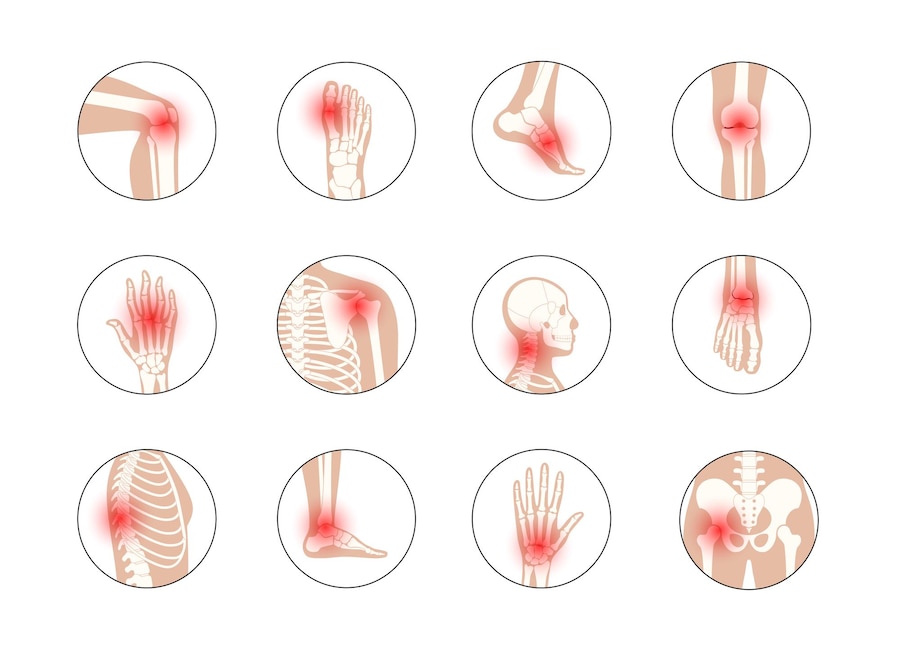
    different types of  arthritis image

    Different types of arthritis

    Arthritis is one of the most common bone and joint issues prevalent in today’s world. There are more than 100 documented types of arthritis. This is based on their causes and symptoms. Of these, 5 types of arthritis are the most common. Let’s discuss these types of arthritis and how they can affect you.

    The most common types of arthritis are:

    • Osteoarthritis (OA)

    It is also known as degenerative joint disease or “wear and tear” arthritis. It is the most common type of arthritis. It generally affects the hands, hips, and knees.

    It can also occur due to improperly managed fractures or trauma in the joint. During OA, the cartilage supporting the joint starts breaking down. This causes stress on the underlying bone.

    Its symptoms are joint pain, stiffness, and swelling, along with a severe inability to perform joint movements.

    • Rheumatoid Arthritis (RA)

    RA is an autoimmune condition. In this, your body’s immune system starts attacking the healthy joint tissues by error. This can further lead to painful inflammation of the joints.

    RA frequently affects multiple joints at the same time. Some of the most commonly affected joints from RA are the hands, wrists, and knees.

    It is signified by symptoms like chronic pain, joint instability, joint deformity, weakness, etc. In some cases, it can even spread to other organs like the lungs, heart, and eyes.

    • Childhood Arthritis

    Childhood or juvenile arthritis is another type of autoimmune disorder. Its exact cause is unknown. But due to its similarity to rheumatoid arthritis, it is also known as juvenile idiopathic arthritis (JIA) and juvenile rheumatoid arthritis.

    It causes severe pain in the joints, along with symptoms like joint swelling, fever, stiffness, rashes on the body, fatigue, loss of appetite, etc. If not managed properly, it can cause permanent damage to the joints, even making simple activities like walking difficult.

    • Psoriatic Arthritis

    Psoriatic arthritis is a combination of psoriasis and arthritis, i.e., patients have inflammation in their skin and joints. It is most commonly associated with patchy and scaly skin, with raised red and white inflamed areas.

    Normally, signs of psoriasis appear before signs of arthritis. It can affect virtually any joint, i.e., knee, spine, elbow, etc. It generally affects people between 30 to 40 years of age, but it can affect children too in some cases.

    • Gout

    Gout is an inflammatory type of arthritis. It is incurable. It occurs due to the deposition of uric acid crystals in the joints. If gout keeps recurring, it eventually leads to gouty arthritis, i.e., joint degeneration.

    It commonly affects only one joint at a time. It normally occurs in the feet (big toe joint, ankle, etc.) The symptoms of gout can get worse sometimes, called flares, and can recede sometimes on their own, called remission.

    You can manage it using medications and self-management strategies.

    How can arthritis be managed?

    You can manage arthritis by following the given tips:

    • Manage your lifestyle. Take your medicines as prescribed. Manage your stress levels. Try to improve your mood.

    • Be physically active. It will help with your symptoms. It will also boost your mood, and slow down joint degeneration. It will reduce further risk of chronic diseases.

    • Talk to your doctor. They will actively help you manage your pain and make sure you get the best treatment possible.

    • Don’t stress out your joints. Try to make sure you only perform light activities and maintain a healthy weight.

    With arthritis, it is very important to take proper care. If you have already been diagnosed, then you probably know how important it is to take control of the condition in time. Follow these steps to manage arthritis and lead a healthy life.

    Know more about your Medicines at Medkart, which is an online pharmacy platform that makes buying medicines convenient & cost-effective. To place your orders, download the app today!

    FAQs

    What is the most painful type of arthritis?

    Rheumatoid arthritis is the most painful type of arthritis. It affects the soft tissues and organs surrounding the joint. It causes inflammation there.

    Can arthritis be cured completely?

    There is no actual cure for arthritis. It occurs due to wear in the joints. But it can be effectively managed via medicines, physiotherapy, and in severe cases, surgery.

    What is the main cause of arthritis?

    Arthritis mainly occurs due to natural wear and tear in the joints. However, it can also occur due to autoimmune disorders and certain inflammatory conditions. The exact cause differs from patient to patient.

  • What is the Difference Between Malaria and Dengue?

    What is the Difference Between Malaria and Dengue?

    Difference Between Malaria and Dengue

    Malaria and dengue fever are two of the most common mosquito-borne diseases worldwide. Both are prevalent in tropical regions, and since they share similar symptoms, they are often confused with each other. However, they are caused by different parasites and viruses and have unique treatments. In this article, we will explore the key differences between malaria and dengue to help you better understand and prevent these diseases.

    Introduction to Malaria and Dengue

    The deadly parasite Plasmodium, which infects female Anopheles mosquitoes, is the cause of malaria. It spreads through the bites of these insects. The disease is prevalent in Africa, Asia, and South America and is responsible for more than 400,000 deaths annually. Malaria can cause fever, headache, chills, and flu-like symptoms, which can progress to severe complications such as anemia, organ failure, and coma.

    On the other hand, dengue fever is caused by a virus transmitted through the bites of infected Aedes mosquitoes. The disease is widespread in tropical regions, including Southeast Asia, Latin America, and the Caribbean. Dengue fever can cause high fever, severe headache, joint pain, and a skin rash, which can progress to a potentially fatal condition called dengue hemorrhagic fever.

    Causes and Transmission of Malaria and Dengue

    As mentioned earlier, malaria is caused by the Plasmodium parasite, which can infect humans through the bites of infected female Anopheles mosquitoes. The parasite multiplies in the liver and then infects red blood cells, leading to the typical symptoms of malaria. Malaria can also be transmitted through blood transfusion, organ transplantation, or sharing of needles.

    On the other hand, dengue fever is caused by four different serotypes of the dengue virus, which are transmitted through the bites of infected Aedes mosquitoes. Once infected, the virus replicates in the human body and causes symptoms such as fever, headache, and joint pain. Unlike malaria, dengue fever is not directly transmitted from person to person, but it can be indirectly transmitted through blood transfusion or vertical transmission from mother to child.

    Symptoms of Malaria and Dengue

    Malaria and dengue fever share similar symptoms, such as fever, headache, and muscle pain. The two illnesses do differ in a few ways, though. Malaria typically causes cyclical fever, which occurs every 48 to 72 hours, depending on the type of parasite. The fever is usually accompanied by chills, sweating, and fatigue. In severe cases, malaria can cause seizures, confusion, and loss of consciousness.

    On the other hand, dengue fever usually begins with a sudden onset of high fever, which can last up to a week. The fever is often accompanied by severe headache, joint pain, and a skin rash. In some cases, dengue fever can progress to dengue hemorrhagic fever, which is characterized by bleeding from the nose, gums, or under the skin, and can lead to shock and death.

    Diagnosis and Treatment of Malaria and Dengue

    Diagnosis of malaria and dengue fever usually involves a combination of clinical examination, blood tests, and imaging studies. In the case of malaria, blood tests can detect the presence of the parasite and determine the type of parasite. In the case of dengue fever, blood tests can detect the presence of the dengue virus and determine the serotype.

    Treatment of malaria usually involves a combination of antimalarial drugs, such as chloroquine, artemisinin, and mefloquine. The choice of drug depends on the type of parasite and the severity of the disease. In severe cases, hospitalization may be required, and intravenous antimalarial drugs may be administered.

    Treatment of dengue fever is mainly supportive, as there is no specific antiviral therapy available. Patients are advised to rest, drink plenty of fluids, and avoid medications that can worsen bleeding. In severe cases, hospitalization may be required, and intravenous fluids and blood transfusions may be given.

    Prevention of Malaria and Dengue

    Prevention of malaria and dengue fever mainly involves avoiding mosquito bites. This can be done by combining various strategies, like:
    • Using mosquito repellents containing DEET or picaridin
    • Wearing long-sleeved clothing and pants
    • Sleeping under mosquito nets
    • Using screens on windows and doors
    • Removing standing water where mosquitoes breed

    In addition, travelers to areas with high malaria or dengue fever transmission are advised to take prophylactic medications, such as chloroquine or doxycycline for malaria, or a vaccine for dengue fever.

    Key Difference between Malaria and Dengue

    The key difference between malaria and dengue fever can be summarised as follows:

    • Malaria is caused by a parasite, while dengue fever is caused by a virus
    • Malaria is transmitted through the bites of infected Anopheles mosquitoes, while dengue fever is transmitted through the bites of infected Aedes mosquitoes
    • Malaria causes cyclical fever, while dengue fever causes sudden onset of high fever
    • Malaria can be treated with antimalarial drugs, while there is no specific antiviral therapy for dengue fever
    • Malaria can be prevented by taking prophylactic medications, while a vaccine is available for dengue fever

    Geographic Distribution of Malaria and Dengue

    Malaria and dengue fever have different geographic distributions. Malaria is prevalent in sub-Saharan Africa, South Asia, and parts of Latin America. In contrast, dengue fever is prevalent in Southeast Asia, Latin America, and the Caribbean. However, both diseases are spreading to new areas due to factors such as climate change, urbanization, and international travel.

    Public Health Concerns of Malaria and Dengue

    Dengue fever and malaria are serious global public health issues. Malaria is responsible for more than 400,000 deaths annually, mostly among young children in sub-Saharan Africa. In addition, malaria contributes to poverty and economic instability in endemic regions. Dengue fever, on the other hand, affects millions of people annually, and its incidence is increasing worldwide. Dengue hemorrhagic fever can lead to high morbidity and mortality, particularly among children.

    Conclusion and Final Thoughts

    Malaria and dengue fever are two of the most common mosquito-borne diseases worldwide. While they share some similarities, they are caused by different parasites and viruses and have unique treatments. Prevention of these diseases mainly involves avoiding mosquito bites and taking prophylactic medications when necessary. It is essential to raise awareness about these diseases and invest in research and control measures to reduce their burden on public health.

    Call To Action

     Visit Medkart to get the best generic medicines at the lowest prices, today!

  • Malaria Life Cycle: Diagnosis, Stages and Mode of Transmission

    Malaria Life Cycle: Diagnosis, Stages and Mode of Transmission

    Introduction to Malaria

    Infected female Anopheles mosquitoes bite humans to spread the potentially fatal parasitic disease known as malaria. It is preventable and curable. Malaria occurs mostly in tropical and subtropical regions where the climate provides a suitable environment for malaria parasites to develop and multiply. The World Health Organisation (WHO) estimates that there were 229 million cases of malaria worldwide in 2019, with 409,000 deaths as a result.

    The fight against malaria is a global health priority, as it not only affects the health of millions of people but also has socio-economic consequences, especially in developing countries. This article aims to provide an in-depth understanding of the malaria life cycle, its stages, mode of transmission, the malaria mosquito name, diagnosis, prevention, control, treatment, and research and development.

    Understanding the Malaria Life Cycle

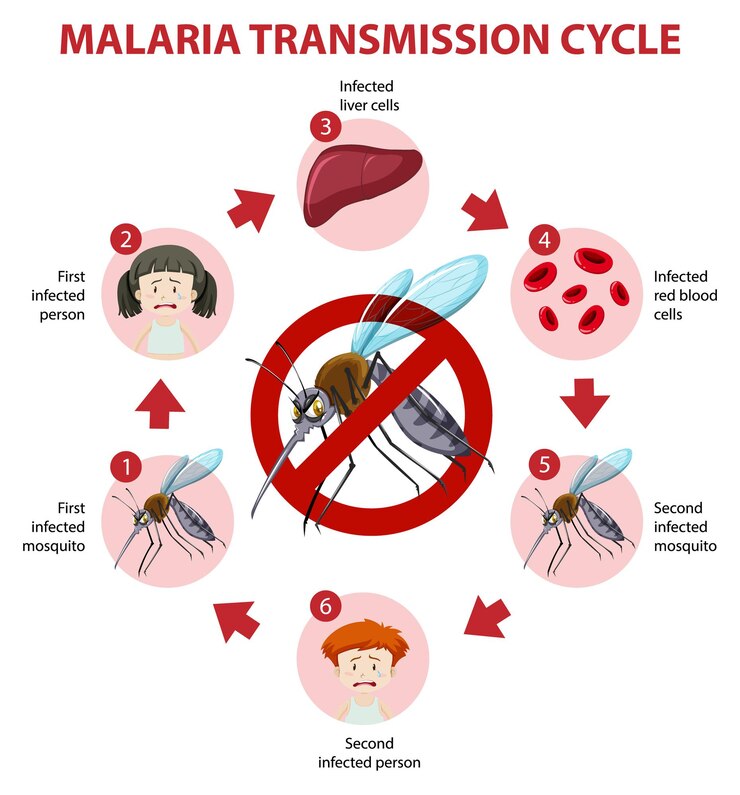
    The malaria life cycle is a complex process involving both the human host and the Anopheles mosquito vector. The cycle begins when an infected female Anopheles mosquito takes a blood meal from a human host, transmitting the malaria parasites (Plasmodium species) into the bloodstream. The liver is the next stop for the parasites, where they mature and reproduce. After maturation, the parasites enter the red blood cells, multiply again, and cause the blood cells to rupture. This release of new parasites leads to recurring fever and other symptoms associated with malaria.

    Understanding the malaria life cycle is crucial for developing effective prevention and treatment strategies. As the malaria parasites go through several stages during their life cycle, each stage presents a potential target for intervention. By targeting the different stages of the malaria life cycle, researchers can develop drugs and vaccines to interrupt the transmission of the disease and reduce its impact on human health.

    Stages of Malaria

    The stages of malaria are divided into three main stages: the exoerythrocytic stage, the erythrocytic stage, and the sexual stage.

    • Exoerythrocytic stage: This stage occurs in the human liver. When the malaria parasite enters the human bloodstream through a mosquito bite, it quickly travels to the liver and invades the liver cells. Here, the parasite multiplies asexually, forming thousands of new parasites called merozoites. This stage is asymptomatic and can last anywhere from 5 to 16 days, depending on the Plasmodium species.
    • Erythrocytic stage: The merozoites released from the liver cells enter the red blood cells and multiply, forming a structure called a schizont. The infected red blood cells eventually rupture, releasing more merozoites into the bloodstream, which can invade other red blood cells. This stage is responsible for the clinical symptoms of malaria, such as fever, chills, and anaemia.
    • Sexual stage: Some of the merozoites differentiate into sexual forms called gametocytes. When a female Anopheles mosquito bites an infected human, it ingests the gametocytes, which then mature into male and female gametes in the mosquito’s gut. The gametes fuse to form a zygote, which becomes an ookinete that penetrates the mosquito’s gut wall and forms an oocyst. The oocyst releases sporozoites, which migrate to the mosquito’s salivary glands, ready to be transmitted to another human host during the next blood meal.

    Malaria Life Cycle

    The Mode of Transmission of Malaria

    The main mode of transmission of malaria is through being bitten by an infected female Anopheles mosquito. The mosquito becomes infected when it feeds on a human carrying the malaria parasites. Once inside the mosquito, the parasites go through several stages of development before they are ready to be transmitted to another human host. It is important to note that malaria is not contagious and cannot be directly transmitted from person to person.

    There are other, less common modes of transmission of malaria, such as congenital malaria (from mother to infant during pregnancy or childbirth), transfusion malaria (through contaminated blood transfusions), and needle-stick injuries or contaminated needles. However, these modes of transmission are rare compared to mosquito-borne transmission.

    The Malaria Mosquito Name

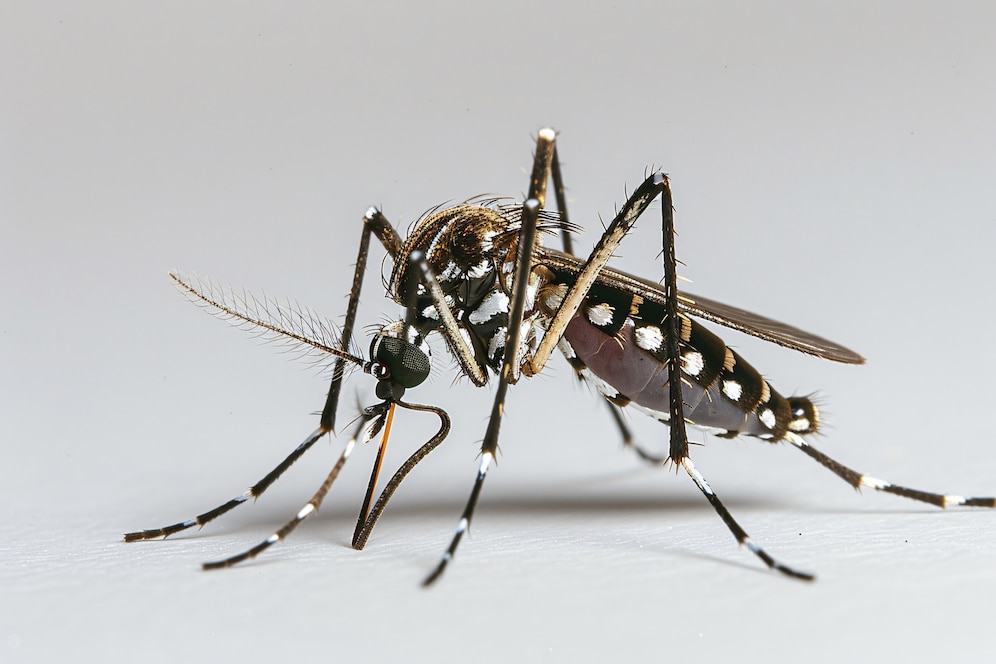
    The Anopheles mosquito is responsible for transmitting malaria. There are over 400 species of Anopheles mosquitoes, but only about 30 of them are considered major vectors of malaria. Different species of Anopheles mosquitoes have different feeding and breeding habits, which can influence the transmission of the disease. The primary Anopheles species that transmit malaria include Anopheles gambiae, Anopheles funestus, Anopheles arabiensis, and Anopheles stephensi.

    Malaria Diagnosis

    Early and accurate diagnosis of malaria is essential for effective disease management and control. Malaria diagnosis is based on clinical symptoms, such as fever, chills, and headache, combined with laboratory confirmation. The gold standard for malaria diagnosis is a microscopic examination of blood samples, which allows the identification of the malaria parasites and the determination of the Plasmodium species.

    Rapid diagnostic tests (RDTs) are another method used for malaria diagnosis, especially in areas with limited access to microscopy. RDTs are easy to use, provide results within 20 minutes, and do not require electricity or specialized equipment. However, RDTs have some limitations, such as lower sensitivity compared to microscopy and the inability to differentiate between Plasmodium species.

    Polymerase chain reaction (PCR) and other molecular techniques can also be used for malaria diagnosis, but these methods are usually reserved for research purposes or for confirming difficult cases, as they are more complex and expensive compared to microscopy and RDTs.

    Malaria Research and Development

    Malaria research and development is an ongoing process that aims to improve existing interventions and develop new tools for malaria prevention, control, and treatment. Some of the main research fields are as follows:

    • Drug development: The emergence of drug-resistant malaria parasites necessitates the continuous development of new and effective antimalarial drugs.
    • Vaccine development: Although there is currently no licensed malaria vaccine, several candidates are in various stages of clinical trials. The most advanced candidate is the RTS,S/AS01 vaccine, which has shown partial protection against malaria in children.

    Malaria

    • Vector control: Research on novel vector control strategies, such as genetic modification of mosquitoes to reduce their ability to transmit malaria or the development of new insecticides with different modes of action, is essential for maintaining effective malaria control.
    • Diagnostics: The development of new and improved diagnostic tools, such as more sensitive and specific RDTs or point-of-care molecular tests, can help improve malaria case management and surveillance.

    Conclusion

    Understanding the malaria life cycle, from transmission to diagnosis, is essential for the effective prevention, control, and treatment of this life-threatening disease. The malaria life cycle is a complex process involving both the human host and the Anopheles mosquito vector, with each stage presenting potential targets for intervention. By combining a range of strategies, such as insecticide-treated mosquito nets, indoor residual spraying, antimalarial drugs, and health education, the global community can continue to make progress towards reducing the burden of malaria and ultimately achieving its eradication.

    Call To Action

     Visit Medkart to get the best generic medicines at the lowest prices, today!

  • Malaria Blood Test: Prevention, Treatment & Vaccination

    The potentially fatal parasitic disease known as malaria is contracted by humans through female Anopheles mosquitoes that have been infected with it. This disease is preventable and curable, yet it continues to affect millions of people worldwide, particularly those living in sub-Saharan Africa and South Asia. According to the World Health Organization (WHO), there were estimated 229 million cases of malaria in 2019, resulting in 409,000 deaths, with children under the age of five being the most vulnerable.

    Malaria Symptoms and Causes

    Understanding the symptoms, causes, and methods of prevention is essential for reducing the risk of infection and minimizing the global impact of the disease. This article aims to provide a comprehensive overview of malaria, discussing its symptoms, causes, and available prevention methods, including malaria vaccinations and medications.

    The parasite Plasmodium, which causes malaria, is spread to people through the bite of an infected female Anopheles mosquito. There are five different species of Plasmodium parasites that cause malaria in humans, with Plasmodium falciparum and Plasmodium vivax being the most common.

    The symptoms of malaria typically manifest within 10-15 days after the infective mosquito bite. Fever, chills, headaches, muscle aches, and weariness are typical symptoms. Severe malaria can cause complications such as organ failure, severe anaemia, jaundice, seizures, and even coma, which can be life-threatening.

    Early diagnosis and treatment are crucial to prevent complications and reduce the risk of death. You must get medical help right away if you think you might have malaria or that someone you know could.

    Understanding Malaria Prevention and Control

    Prevention and control of malaria involve a combination of strategies aimed at reducing the risk of infection, minimizing the spread of the disease, and providing effective treatment to those infected. These strategies include the use of insecticide-treated mosquito nets (ITNs), indoor residual spraying (IRS), antimalarial medications, and malaria vaccines.

    Prevention and control of malaria have been successful in reducing the global burden of the disease. Between 2000 and 2019, the incidence of malaria decreased by 29%, and malaria-related deaths declined by 60%. However, challenges such as insecticide resistance, inadequate funding, and lack of access to essential prevention tools and treatment continue to hinder progress in the fight against malaria.


    Most Effective Malaria Precautions

    Taking malaria precautions is a critical aspect of preventing infection, especially for those living in or travelling to malaria-endemic areas. Some of the most effective malaria precautions include:

    • Using insecticide-treated mosquito nets (ITNs): Sleeping under an ITN can significantly reduce the risk of being bitten by an infected mosquito. Ensure that the net is intact, without any holes or tears, and tucked under the mattress to provide full protection.
    • Applying insect repellent: Use insect repellents containing DEET or picaridin on exposed skin and clothing to repel mosquitoes. Reapply as directed by the product label.
    • Wearing protective clothing: Wear long-sleeved shirts, long pants, and socks to minimize the amount of exposed skin. Light-coloured clothing may also be less attractive to mosquitoes.
    • Implementing indoor residual spraying (IRS): This involves spraying the interior walls of homes with insecticides to kill mosquitoes and disrupt the transmission of malaria.

    Also Read: What are Generic Medicine?

    Malaria Vaccination and Blood Test

    Malaria vaccination is an essential component of malaria prevention efforts. The RTS,S/AS01 (RTS,S) vaccine, developed by GlaxoSmithKline in partnership with the PATH Malaria Vaccine Initiative, is the first and only malaria vaccine to date that has demonstrated partial protection against malaria in young children.

    The RTS,S vaccine works by targeting the Plasmodium falciparum parasite, which is responsible for the majority of malaria-related deaths. The vaccine has shown a 39% reduction in malaria cases in children aged 17 months to 5 years and a 29% reduction in severe malaria cases. Although the vaccine’s efficacy is modest, it can still have a significant impact on reducing the burden of malaria in highly endemic areas when used in conjunction with other prevention methods.

    A malaria blood test is used to diagnose malaria and determine the specific type of Plasmodium parasite causing the infection. The test involves examining a blood sample under a microscope to detect the presence of the parasite. Rapid diagnostic tests (RDTs) are also available, which can provide results within 15-20 minutes.

    Malaria Medicines and Treatment

    Malaria medicines play a vital role in both the prevention and treatment of the disease. Malaria tablets, also known as prophylactic antimalarial drugs, are used to prevent infection in individuals travelling to malaria-endemic areas. Some of the most commonly prescribed malaria tablets include:

    • Chloroquine: An antimalarial drug used for both prevention and treatment. However, resistance to chloroquine is widespread, limiting its effectiveness in many regions.
    • Doxycycline: An antibiotic that is also effective in preventing malaria. It is typically taken daily, starting 1-2 days before travel and continuing for four weeks after returning.
    • Mefloquine: A weekly prophylactic drug that is started at least two weeks before travel and continued for four weeks after returning.
    • Atovaquone-proguanil (Malarone): A daily combination drug that is started 1-2 days before travel and continued for seven days after returning.

    Treatment of malaria involves the use of antimalarial medications, such as artemisinin-based combination therapy (ACT). ACT is the recommended first-line treatment for uncomplicated Plasmodium falciparum malaria, as it is highly effective and has a low risk of resistance.

    Order Medicine – Online Generic Medicine Store

    Malaria Infection

    Effective management of malaria involves prompt diagnosis and appropriate treatment to prevent complications and reduce the risk of death. If you suspect that you or someone you know has contracted malaria, it is essential to seek medical attention immediately.

    Upon confirmation of a malaria diagnosis, a healthcare provider will prescribe the appropriate antimalarial medication based on the type of Plasmodium parasite causing the infection and the patient’s overall health. It is crucial to complete the full course of treatment, even if symptoms improve before the medication is finished.

    In addition to medication, supportive care may be necessary for individuals with severe malaria. This can include intravenous fluids, blood transfusions, and respiratory support.

    How to Stay Protected During Malaria Season?

    Malaria transmission typically peaks during the rainy season, as the increased rainfall creates ideal breeding conditions for mosquitoes. To stay protected during malaria season, ensure that you are taking appropriate malaria precautions, such as using ITNs, applying insect repellent, and wearing protective clothing.

    If you live in an area with seasonal malaria transmission or are travelling to such a region, consult your healthcare provider about the potential need for malaria prophylaxis. They can recommend the most appropriate malaria tablets or other preventive medications based on your specific circumstances.

    Malaria Prevention Tips for Travelers

    Travellers visiting malaria-endemic areas should take necessary precautions to minimize the risk of infection. Some essential tips for preventing malaria while travelling include:

    • Consulting a healthcare provider before travel: Discuss your travel plans with a healthcare provider to determine the risk of malaria at your destination and receive recommendations for appropriate prophylactic medications.
    • Taking malaria tablets as prescribed: If prescribed, ensure that you take your malaria tablets according to the recommended schedule and continue taking them for the required duration after returning from your trip.
    • Using ITNs and insect repellent: Sleep under an ITN and use insect repellent on exposed skin and clothing to minimize the risk of mosquito bites.
    • Being vigilant during peak mosquito activity: Mosquitoes that transmit malaria are most active during dusk and dawn. Stay indoors during these hours, if possible, or take extra precautions to avoid mosquito bites.

    Conclusion:

    Malaria continues to be a significant global health concern, particularly in sub-Saharan Africa and South Asia. Prevention and control of malaria are essential for reducing the burden of the disease and improving the health and well-being of those living in affected areas. By understanding the symptoms, causes, and methods of prevention, such as malaria vaccinations and medications, individuals can minimize the risk of infection and contribute to the global effort to combat this deadly disease.

    Related Links:

    Call To Action

     Visit Medkart to get the best generic medicines at the lowest prices, today!

  • How to Cure Depression? – Tips and Tricks

    How to Cure Depression? – Tips and Tricks

    How to Cure Depression

    This article sheds light on the potential role of homoeopathic medicine in combating stress and anxiety. It explores the possibility of managing and alleviating depression through homoeopathy, discussing its approach to holistic well-being. The article touches on how homoeopathic remedies may contribute to easing symptoms and promoting emotional balance, providing a comprehensive perspective on managing depression with alternative therapies.

    What is Depression?

    Depression is a widespread mental health disorder that affects millions of people across the globe. It is characterized by a persistent feeling of sadness, hopelessness, and a lack of interest or pleasure in activities. The symptoms of depression can vary from mild to severe and can interfere with an individual’s daily life, work, and relationships.

    The emergence of depression can be influenced by a number of variables. These include genetic predisposition, environmental factors, and personal experiences. Some common causes of depression include a family history of mental health issues, a history of abuse or trauma, chronic medical conditions, and substance abuse. Additionally, certain personality traits, such as low self-esteem and pessimism, can make an individual more susceptible to depression.

    Depression Symptoms

    Understanding the causes and symptoms of depression is an essential first step in finding the right treatment. By recognizing the signs of depression, individuals can seek help from mental health professionals and explore various treatment options to overcome this debilitating disorder.

    Can Recession be Cured?

    The question of whether or not depression can be cured is a complex one. While some people may experience a single episode of depression and fully recover, others may struggle with recurring episodes throughout their lives. The severity and duration of depressive episodes can also vary greatly from person to person.

    There is no one-size-fits-all cure for depression, but there are various treatments available that can help individuals manage their symptoms and improve their quality of life. These treatments may include a combination of psychotherapy, medication, and lifestyle changes. For some people, a single treatment may be effective, while others may require a more comprehensive approach.

    Ultimately, the goal of treatment is to help individuals achieve a state of remission, where they no longer experience depressive symptoms. However, even in remission, it is essential to maintain a proactive approach to mental health and continue implementing healthy habits to prevent relapse.

    Homoeopathic Medicine for Depression

    Homoeopathic medicine is a holistic approach to treating various health conditions, including depression. It involves the use of natural substances to stimulate the body’s self-healing abilities. Homoeopathic remedies are made from plants, minerals, and other organic materials, and they are administered in highly diluted forms to ensure safety and minimize side effects.

    The principle behind homoeopathy is the “law of similars,” which states that a substance that causes symptoms in a healthy person can, in small doses, help to treat those same symptoms in someone who is unwell. In the case of depression, homoeopathic practitioners may prescribe remedies that are believed to address the emotional and physical imbalances that contribute to the disorder.

    Some commonly used homoeopathic remedies for depression include Arsenicum album, Aurum metallicum, Ignatia amara, and Natrum muriaticum. Each of these remedies is selected based on the individual’s unique symptoms and emotional state.

    While there is still ongoing debate regarding the effectiveness of homoeopathy, some studies have suggested that it may be a valuable adjunctive therapy for individuals with depression. However, it is essential to consult with a qualified homoeopath and mental health professional before starting any homoeopathic treatment for depression.

    Depressive Medicines

    Pharmacological treatment is a common approach to managing depression, particularly in cases of moderate to severe depression. Medications for depression, also known as antidepressants such as MODALERT 100MG TABLET/Placida Tablet, work by altering the levels of certain chemicals in the brain called neurotransmitters, which are responsible for regulating mood, emotions, and other cognitive functions.

    There are several classes of antidepressants, including selective serotonin reuptake inhibitors (SSRIs), serotonin-norepinephrine reuptake inhibitors (SNRIs), tricyclic antidepressants (TCAs), and monoamine oxidase inhibitors (MAOIs). Each of these medications works in different ways to address the imbalances in the brain that contribute to depression.

    The pros of using major depressive disorder medication include rapid symptom relief, improved daily functioning, and a reduced risk of relapse. Additionally, these medications can be easily adjusted or combined to find the most effective treatment for each individual.

    However, there are also potential cons associated with antidepressant use. These can include side effects such as weight gain, insomnia, sexual dysfunction, and an increased risk of suicidal thoughts in some individuals. Additionally, some people may not respond to the initial medication prescribed and may require trial and error to find the most effective treatment.

    It is crucial to work closely with a healthcare provider when considering the use of medication for depression to weigh the potential benefits and risks and find the most appropriate treatment plan.

    Home Remedies for Curing Depression

    In addition to professional treatments, individuals with depression can benefit from incorporating self-help strategies into their daily lives. These strategies can help to manage symptoms, improve mood, and enhance overall well-being.

    One effective self-help strategy is engaging in regular physical activity. Exercise has been shown to have a positive impact on mood by releasing feel-good chemicals called endorphins, reducing stress, and promoting a sense of accomplishment.

    Another essential self-help strategy is maintaining a healthy diet. Consuming a balanced diet rich in fruits, vegetables, whole grains, lean proteins, and healthy fats can help to stabilize mood and support overall brain health.

    Practising good sleep hygiene is also crucial for overcoming depression. Establishing a consistent sleep schedule, creating a relaxing bedtime routine, and ensuring a sleep-conducive environment can help to promote restorative sleep and improve mood.

    Finally, seeking social support is a vital component of overcoming depression. Connecting with friends, family, or support groups can provide a sense of belonging and help individuals navigate the challenges of depression.

    > Consult a doctor and Order Medicine Online

    Depressant Drugs: Are They Effective?

    Depressant drugs, also known as central nervous system (CNS) depressants, are a class of medications that are used to treat various conditions, including anxiety, insomnia, and seizures. These drugs work by slowing down brain activity, which can help to reduce feelings of anxiety and promote relaxation.

    However, it is essential to note that depressant drugs are not typically prescribed for depression. In fact, they can sometimes worsen depressive symptoms due to their sedating effects. While these medications may be useful for managing anxiety or sleep disturbances, they should not be considered a primary treatment for depression.

    If you are struggling with depression, it is crucial to consult with a healthcare professional to discuss the most appropriate treatment options for your specific needs.

    How to Avoid Depression?

    Implementing certain lifestyle changes can help individuals to maintain mental health and prevent the onset of depression. These changes may include:

    • Engaging in regular physical activity: Exercise has been shown to improve mood, reduce stress, and promote overall well-being.
    • Eating a balanced diet: Consuming a nutrient-rich diet can support brain health and help to stabilize mood.
    • Prioritizing sleep: Ensuring adequate restorative sleep is crucial for maintaining mental health and preventing depression.
    • Managing stress: Learning healthy stress management techniques, such as deep breathing, meditation, or progressive muscle relaxation, can help to prevent the negative effects of stress on mental health.
    • Building a strong social support network: Connecting with friends, family, and support groups can provide a sense of belonging and help to buffer against the development of depression.

    By incorporating these lifestyle changes, individuals can take a proactive approach to maintaining mental health and minimizing the risk of depression.

    Also Read: What are Generic Medicine?

    Yoga for Anxiety and Depression

    Yoga is an ancient practice that combines physical postures, breath control, and meditation to promote overall health and well-being. In recent years, yoga has gained attention as a natural remedy for anxiety and depression.

    Research has shown that practising yoga can help to reduce the symptoms of depression by increasing the production of brain chemicals, such as serotonin and gamma-aminobutyric acid (GABA), which are associated with mood regulation. Additionally, yoga can help to lower levels of the stress hormone cortisol, which can contribute to anxiety and depression.

    Yoga also encourages mindfulness and self-awareness, which can help individuals to get a better understanding and manage their emotions. By cultivating a regular yoga practice, individuals can develop a greater sense of calm and inner peace, which can benefit their overall mental health.

    There are many different types of yoga, and it is essential to find a practice that resonates with your specific needs and preferences. Some styles of yoga that may be particularly beneficial for anxiety and depression include:

    • Hatha yoga: A gentle, slow-paced practice that focuses on breath control and relaxation.
    • Restorative yoga: A practice that utilizes props, such as blankets and bolsters, to support the body in passive postures that encourage deep relaxation and stress relief.
    • Yin yoga: A practice that involves holding poses for several minutes at a time to release tension and promote flexibility.

    If you are interested in using yoga as a natural remedy for anxiety and depression, it is essential to work with a qualified yoga instructor who can guide you through a safe and effective practice.

    Depression Treatment

    The most effective approach to treating depression may involve a combination of traditional and alternative treatments. By combining different modalities, individuals can address the physical, emotional, and spiritual aspects of their condition and create a holistic treatment plan that supports their overall well-being.

    For example, someone with depression may benefit from combining antidepressant medication with psychotherapy, such as cognitive-behavioural therapy (CBT), and incorporating self-help strategies, such as regular exercise and mindfulness practices.

    In addition, alternative treatments, such as homoeopathic medicine, acupuncture, or massage therapy, may also be incorporated into the treatment plan to provide additional support and address underlying imbalances.

    It is essential to work closely with a healthcare professional to find the right balance of treatments that work best for your individual needs and preferences.

    FAQs on Depression

    Q: Can depression be cured?

    The concept of a complete “cure” for depression is complex and varies for individuals. While some may achieve full remission of symptoms, others might experience ongoing management. Homoeopathic medicine offers an alternative approach that aims to address the underlying causes and provide relief from stress and anxiety associated with depression.

    Q: How can homoeopathic medicine assist in fighting stress and anxiety?

    A: Homeopathic medicine emphasizes a holistic approach to healing, considering physical, emotional, and mental aspects. It utilizes highly diluted substances to stimulate the body’s self-healing mechanisms. While scientific evidence on its efficacy is mixed, some individuals report positive effects on their mood, stress levels, and overall well-being through homoeopathic remedies.

    Q: Is homoeopathy a standalone solution for managing depression?

    A: Homeopathic medicine is not typically considered a standalone solution for managing depression. It is often used as a complementary or integrative approach alongside conventional treatments like therapy and medication. Consulting a qualified healthcare professional is crucial for a comprehensive treatment plan tailored to individual needs.

    Q: What role does holistic well-being play in depression management?

    A: Holistic well-being, as promoted by homoeopathy, recognizes the interconnectedness of physical, emotional, and mental health. Addressing all these aspects can contribute to better overall mental and emotional resilience, potentially aiding in managing stress, anxiety, and depression symptoms.

    Q: Are there any precautions or considerations when using homoeopathic remedies for depression?

    A: It’s important to consult a qualified homoeopathic practitioner or medical doctor before starting any new treatment regimen. Homoeopathic remedies should not replace prescribed medications or evidence-based therapies. Individual responses to homoeopathy can vary, so regular monitoring and open communication with healthcare providers is essential.

    Conclusion:

    Depression is a complex mental health disorder that can have a significant impact on an individual’s quality of life. While there is no one-size-fits-all cure for depression, there are various treatments available that can help individuals manage their symptoms and improve their overall well-being.

    By taking a holistic approach to treating depression, individuals can address the physical, emotional, and spiritual aspects of their condition and create a comprehensive treatment plan that supports their overall health and well-being.

    Whether you choose to incorporate traditional treatments, such as medication and psychotherapy, or alternative treatments, such as homoeopathic medicine and yoga, Working with a healthcare professional is crucial to determining the best course of action for your unique needs.

    With the right treatment and support, it is possible to overcome depression and achieve a state of mental and emotional balance and well-being.

    Related Links:

    Call To Action:

    For access to more such interesting articles on healthcare, visit Medkart today!
  • Pathophysiology of Depression: Causes and Symptoms of Depression in Teens and Men

    Pathophysiology of Depression: Causes and Symptoms of Depression in Teens and Men

    Depression image

    This article delves into the pathophysiology of depression, exploring its underlying causes and manifestations in both teenagers and men. It examines the intricate interplay of biological, psychological, and environmental factors that contribute to the development of depression. Additionally, the article highlights the distinct symptoms and expressions of depression in these specific demographics, shedding light on potential variations in presentation and experiences.

    Introduction to Depression

    Depression is a complex and severe mood disorder that affects millions of people worldwide. It is characterised by enduring melancholy, pessimism, and a lack of interest in once-enjoyed activities. Depression can have a profound impact on a person’s physical and mental health, as well as their relationships and overall quality of life.

    The World Health Organization (WHO) estimates that over 264 million people globally suffer from depression, making it one of the leading causes of disability worldwide. Despite its prevalence, there is still much to learn about the underlying causes of depression, as well as how to effectively diagnose and treat it. In recent years, researchers have made significant strides in understanding the pathophysiology of depression in an effort to improve treatment options and outcomes for those affected by this debilitating condition.

    What is the Pathophysiology of Depression?

    The pathophysiology of depression refers to the complex biological, psychological, and social factors that contribute to the development of depressive symptoms. This includes alterations in brain chemistry, genetic predispositions, environmental triggers, and the interplay between these factors. By examining the pathophysiology of depression, researchers and mental health professionals can gain valuable insights into the root causes of the disorder and develop more targeted and effective treatments.

    One key aspect of the pathophysiology of depression involves changes in neurotransmitter levels in the brain. Neurotransmitters are chemical messengers that help transmit signals between nerve cells, playing a crucial role in regulating mood, cognition, and behavior. Imbalances in neurotransmitters such as serotonin, norepinephrine, and dopamine have been implicated in the development of depression, although the exact mechanisms remain unclear.

    In addition to neurotransmitter imbalances, alterations in brain structures and neural circuits have also been observed in individuals with depression. For example, studies have shown that the hippocampus, a region of the brain involved in memory and emotional regulation, is often smaller in people with depression compared to those without the disorder. Furthermore, abnormal activity in the prefrontal cortex, which plays a key role in decision-making and impulse control, has been linked to depressive symptoms.

    Symptoms of Depression in Teens

    Depression in teens can manifest in various ways, and recognizing the symptoms is essential for early intervention and treatment. Some common symptoms of depression in teens include:

    • Persistent feelings of sadness, hopelessness, or irritability
    • loss of enjoyment or interest in once-enjoyed activities
    • Fatigue or low energy levels
    • alterations in appetite or weight, whether they are gains or losses
    • Difficulty concentrating, remembering, or making decisions
    • sleep disorders including insomnia or excessive sleeping
    • Physical symptoms, such as headaches or stomachaches, that do not have a clear cause or do not improve with treatment
    • Social exclusion or separation from family and friends
    • Thoughts of death or suicide

    It is important to note that not all teens with depression will exhibit every symptom, and the severity and duration of symptoms can vary greatly between individuals. In some cases, depression in teens may present as irritability or anger rather than sadness, making it more difficult to recognize and diagnose the disorder.

    Symptoms of Depression in Men

    Depression in men can also manifest differently than it does in women, and understanding these differences can help facilitate early detection and treatment. Men may have the following symptoms of depression:

    • Feelings of sadness, hopelessness, or emptiness
    • loss of interest in previously favoured pastimes or activities
    • Fatigue or low energy levels
    • Difficulty concentrating, making decisions, or remembering things
    • Irritability, anger, or aggression
    • alterations in appetite or weight, whether they are gains or losses
    • sleep issues like excessive or incontinence sleeping
    • Physical symptoms, such as headaches, digestive problems, or pain, that do not have a clear cause or do not improve with treatment
    • acting in a dangerous manner, such as abusing drugs or driving carelessly
    • Thoughts of death or suicide

    As with teens, not all men with depression will exhibit every symptom, and the severity and duration of symptoms can vary greatly between individuals. Men may be more likely to externalize their emotions, leading to increased irritability and aggression, making it more challenging to recognize and diagnose depression in this population.

    The Prevalence of Depression in Teens and Men

    Everyone, regardless of age, gender, or background, is susceptible to depression, a prevalent mental health issue. However, certain populations, such as teens and men, may be at a higher risk for developing depression or experiencing unique challenges in accessing appropriate care and support.

    According to the National Institute of Mental Health (NIMH), approximately 3.2 million adolescents aged 12 to 17 in the United States experienced at least one major depressive episode in the past year. This represents nearly 13% of the adolescent population, with girls being more likely to experience depression than boys.

    In men, the lifetime prevalence of depression is estimated to be around 9%, although this number may be higher due to the underdiagnosis and underreporting of depression in this population. Men may be less likely to seek help for their depressive symptoms, often due to societal expectations and stigma surrounding mental health issues.

    Understanding the Causes of Depression in Teens and Men

    There is no single cause of depression, but rather a complex interplay of genetic, biological, psychological, and environmental factors that contribute to its development. Some potential causes of depression in teens and men include:

    • Genetic predisposition: Individuals with a family history of depression may be at a higher risk of developing the disorder themselves.
    • Biochemical imbalances: Changes in the levels of certain neurotransmitters in the brain, such as serotonin, dopamine, and norepinephrine, have been implicated in the development of depression.
    • Hormonal fluctuations: In teens, the hormonal changes that occur during puberty may contribute to the onset of depressive symptoms. In men, decreasing testosterone levels as they age may also play a role.
    • Stressful life events: Experiencing significant stressors, such as the loss of a loved one, a breakup, or financial difficulties, can trigger the onset of depression in some individuals.
    • Environmental factors: Exposure to violence, abuse, or neglect can increase the risk of developing depression in both teens and men.
    • Substance abuse: The use of drugs or alcohol can exacerbate depressive symptoms or contribute to the development of depression in some cases.

    It is important to note that the causes of depression can vary greatly between individuals, and what may contribute to the development of depression in one person may not have the same effect on another.

    The Role of Genetics in Depression

    Genetics play a significant role in the development of depression, with research suggesting that individuals with a family historyof the disorder may be at a higher risk of developing depression themselves. While there is no single gene responsible for depression, studies have identified several genes that may increase the likelihood of developing the disorder.

    One gene that has received significant attention in depression research is the serotonin transporter gene (5-HTT). The 5-HTT gene regulates the reuptake of serotonin in the brain, which is a key neurotransmitter involved in the regulation of mood, among other functions. Studies have shown that individuals with a variant of the 5-HTT gene that reduces serotonin uptake may be more susceptible to developing depression in response to stressful life events.

    Other genes that may be involved in the development of depression include those related to the hypothalamic-pituitary-adrenal (HPA) axis, which is involved in the body’s stress response, and those related to the functioning of the prefrontal cortex, which plays a key role in emotion regulation.

    While genetic factors can contribute to the development of depression, it is essential to recognize that genes alone do not determine whether an individual will develop the disorder. Environmental factors, such as stressful life events or substance abuse, can also play a significant role in triggering or exacerbating depressive symptoms.

    The Importance of Seeking Depression Counseling and Treatment

    Depression is a treatable condition, and seeking professional help is essential for managing symptoms and improving overall quality of life. Depression counseling can provide individuals with the tools and strategies needed to cope with the challenges of the disorder, while medication like Placida Tablet can help regulate neurotransmitter levels in the brain, reducing symptoms of depression.

    The type of treatment recommended for depression will depend on the severity and duration of symptoms, as well as individual factors such as age, gender, and medical history. For teens with depression, family therapy may be particularly effective, as it can help improve communication and address any family dynamics that may be contributing to the disorder.

    In men, group therapy or support groups may be particularly beneficial, as they can provide an opportunity to connect with others who may be experiencing similar challenges. It is important to note that seeking professional help for depression is not a sign of weakness, but rather a brave and important step towards improved mental health and wellbeing.

    Finding the Right Depression Doctor

    Finding the right depression doctor is an essential part of the treatment process, as it can help ensure that individuals receive appropriate and effective care. When searching for a depression doctor, it is important to consider factors such as their qualifications, experience, and approach to treatment.

    Some questions to ask when considering a depression doctor may include:

    • What is their background and training in treating depression?
    • What approach do they take to treatment, and what types of therapies do they offer?
    • What is their experience working with individuals who have similar symptoms or challenges?
    • What is their philosophy on medication, and how do they determine whether medication is necessary?
    • What is their availability and accessibility, and what types of support do they offer outside of scheduled appointments?

    By taking the time to find a depression doctor who is a good fit for their needs and preferences, individuals can improve their chances of achieving positive outcomes and managing their symptoms effectively.

    Depression Medication: MODALERT 100MG TABLET

    Coping Mechanisms for Depression

    In addition to seeking professional help, there are several coping mechanisms that can be helpful for managing symptoms of depression. These may include:

    • Engaging in regular exercise or physical activity
    • Practicing mindfulness or meditation
    • eating a balanced diet and getting enough sleep
    • Spending time in nature or engaging in other activities that promote relaxation and stress reduction
    • Connecting with others through social support or therapy
    • Finding ways to express creativity or engage in hobbies and interests
    • establishing realistic expectations and emphasising modest victories

    It is important to note that coping mechanisms alone may not be sufficient for managing severe or persistent symptoms of depression, and seeking professional help is still essential. However, incorporating healthy coping mechanisms into daily life can help improve overall wellbeing and reduce the impact of depressive symptoms.

    Conclusion

    Millions of individuals worldwide suffer from depression, a complex and difficult mental health illness. While much is still unknown about the underlying causes of depression, researchers and mental health professionals have made significant strides in understanding the pathophysiology of the disorder, as well as developing effective treatments and coping mechanisms.

    For teens and men, who may face unique challenges in accessing appropriate care and support, seeking professional help is essential for managing symptoms and improving overall quality of life. By working with a trusted depression doctor, individuals can access the tools and strategies needed to cope with the challenges of the disorder and achieve improved mental health and wellbeing.

    Call To Action

    For access to more such interesting articles on healthcare, visit Medkart today!
  • Types of Asthma : How to Recognize and Manage Your Symptoms

    Types of Asthma : How to Recognize and Manage Your Symptoms


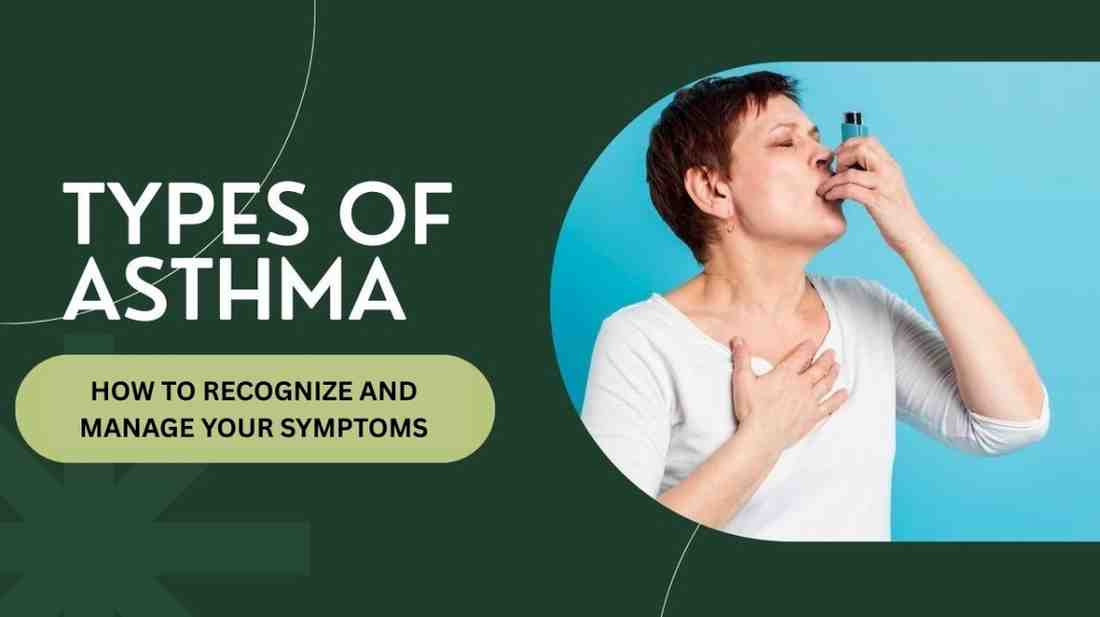
    types of asthma

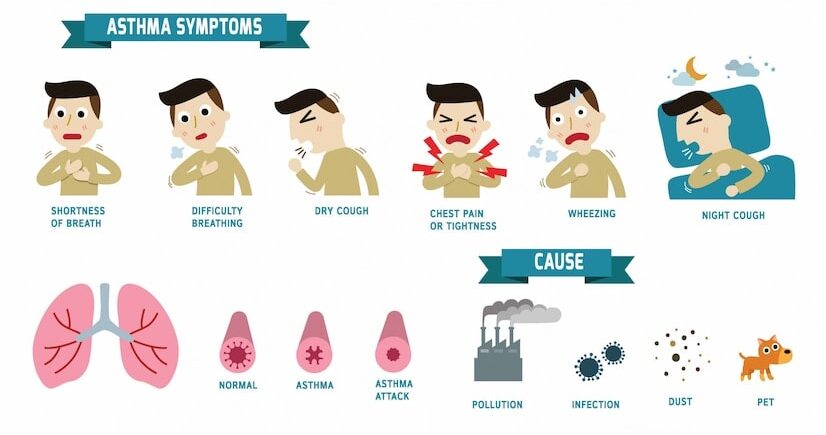
    A chronic respiratory condition called asthma affects millions of people worldwide. It is characterised by inflammation and narrowing of the airways, which can cause difficulty breathing, coughing, wheezing, and chest tightness. The severity of asthma varies from person to person, ranging from mild to life-threatening. Understanding the different types of asthma can help individuals recognize their symptoms and manage their condition more effectively.

    There are several types of asthma, each with its own unique set of triggers and symptoms. In general, asthma can be classified into allergic, non-allergic, occupational, exercise-induced, and cardiac asthma. By identifying the specific type of asthma one has, it becomes easier to determine the best course of action for treatment and prevention.

    This article will discuss the various types of asthma and their classifications, symptoms, and causes. Additionally, it will explore common asthma risk factors, tests for diagnosing asthma, and ways to manage symptoms. By understanding the complexities of asthma, individuals can take appropriate steps to ensure they maintain a high quality of life despite their condition.

    Asthma Classification and Symptoms

    Asthma classification is determined by the severity and frequency of symptoms, as well as how well a person responds to treatment. The Global Initiative for Asthma (GINA) classifies asthma into four categories: intermittent, mild persistent, moderate persistent, and severe persistent. Each classification is based on factors such as the frequency of symptoms, nighttime awakenings, and lung function tests.

    Symptoms of asthma can vary depending on the individual and the specific type of asthma they have. Common symptoms include shortness of breath, chest tightness or pain, coughing, wheezing, and difficulty breathing. These symptoms can be triggered by various factors, such as allergens, irritants, exercise, and even changes in weather.

    By understanding the classification of one’s asthma and being aware of their specific symptoms, individuals can work with their healthcare provider to develop a personalized treatment plan. This plan will often include medications, lifestyle changes, and preventive measures to help manage symptoms and reduce the risk of asthma attacks.

    Asthma Symptoms image

    Types of Asthma – Allergic, Non-Allergic, Occupational, and Exercise-Induced

    There are several different types of asthma, each with unique triggers and characteristics. The most common form of asthma is allergic asthma, which occurs when the immune system overreacts to allergens such as pollen, pet dander, and dust mites. This type of asthma is often associated with other allergic conditions, such as allergic rhinitis (hay fever) or atopic dermatitis (eczema).

    1. Non-allergic asthma, on the other hand, is triggered by factors other than allergens, such as respiratory infections, cold air, or exposure to irritants like smoke or strong odors. This type of asthma is more common in adults and may be more difficult to manage, as the triggers are often less obvious than those of allergic asthma.

    2. Occupational asthma is a form of asthma that is triggered by exposure to specific substances or conditions in the workplace. Common triggers include chemicals, dust, fumes, and animal proteins. This type of asthma can be difficult to diagnose, as symptoms may be similar to those of other types of asthma or may only occur when the individual is in the workplace.

    3. Exercise-induced asthma occurs when physical activity triggers asthma symptoms. This type of asthma is common in athletes and can be managed by using medication before exercise, warming up properly, and avoiding activities in cold or dry air.

    Understanding Cardiac Asthma and Its Causes

    Cardiac asthma is a term used to describe a condition that mimics asthma but is actually caused by heart failure. The symptoms of cardiac asthma, such as shortness of breath, wheezing, and coughing, can be very similar to those of bronchial asthma, making it difficult to distinguish between the two.

    The primary cause of cardiac asthma is the inability of the heart to pump blood efficiently, leading to fluid buildup in the lungs. This fluid buildup can cause the airways to narrow, resulting in the asthma-like symptoms. It is essential to distinguish cardiac asthma from other types of asthma, as the treatment for heart failure is different from that of bronchial asthma.

    Asthma Risk Factors and Triggers

    There are several risk factors and triggers for asthma, some of which are specific to the type of asthma one has. Common risk factors include a family history of asthma, a history of allergies or eczema, childhood respiratory infections, and exposure to tobacco smoke or other environmental pollutants.

    Asthma triggers can vary depending on the specific type of asthma an individual has. Some common triggers include allergens (such as pollen, dust mites, and pet dander), respiratory infections, cold air, exercise, and exposure to irritants (such as smoke, strong odors, or chemicals).

    Understanding one’s asthma risk factors and triggers can help individuals take preventive measures to reduce their risk of asthma attacks and improve their overall health.

    Tests for Diagnosing Asthma – Spirometry, Peak Flow, and Bronchial Challenge

    There are several tests that healthcare providers use to diagnose asthma and determine its severity. These tests can help to differentiate asthma from other respiratory conditions and ensure that an individual receives the appropriate treatment.

    Spirometry is a typical test for identifying asthma. It measures the amount of air an individual can inhale and exhale, as well as the speed at which they can do so. This test can help determine the severity of asthma and assess how well an individual is responding to treatment.

    Peak flow testing involves measuring the maximum speed at which an individual can exhale. This test is often used to monitor asthma symptoms and can help determine the effectiveness of treatment.

    Bronchial challenge tests involve exposing an individual to a specific substance that may trigger asthma symptoms. This test can help confirm an asthma diagnosis, particularly in cases where spirometry and peak flow tests are inconclusive.

    Is Asthma Curable? Exploring Homeopathic Medicines and Top Nebulizers for Effective Relief

    Causes of Bronchial Asthma and Its Treatment

    Bronchial asthma is a chronic respiratory condition that is caused by inflammation and narrowing of the airways. The exact cause of bronchial asthma is not fully understood, but it is believed to be a combination of genetic and environmental factors.

    Treatment for bronchial asthma typically involves a combination of medications, lifestyle changes, and preventive measures. Inhaled corticosteroids, long-acting beta-agonists, or leukotriene modifiers are examples of medications. Lifestyle changes may involve avoiding known triggers, maintaining a healthy weight, and managing stress.

    Preventive measures for bronchial asthma can include receiving allergy shots, using air purifiers, and regularly cleaning the home to reduce exposure to allergens and irritants.

    Is Asthma Contagious? Myth and Facts

    A common misconception about asthma is that it is contagious. Asthma is not an infections disease and cannot be transmitted from one person to another. However, respiratory infections, which can trigger asthma symptoms, are contagious. It is important to understand that while asthma itself is not contagious, individuals with asthma should take precautions to avoid respiratory infections that may worsen their condition.

    Managing Asthma Symptoms – Medication, Lifestyle Changes, and Preventive Measures

    Managing asthma symptoms involves a combination of medication, lifestyle changes, and preventive measures. Medications can help control inflammation and prevent asthma attacks, while lifestyle changes can help individuals avoid triggers and maintain overall health.

    Some common medications used to manage asthma symptoms include:

    • Inhaled corticosteroids: These medications help to reduce inflammation and prevent asthma attacks.
    • Long-acting beta-agonists: These medications help to relax the muscles around the airways, making it easier to breathe.
    • Leukotriene modifiers: These medications help to prevent inflammation and constriction of the airways.

    1. Lifestyle changes that can help manage asthma symptoms include:

    • Avoiding triggers: Individuals with asthma should identify their triggers and take steps to avoid them. Common triggers include allergens, respiratory infections, and irritants like smoke and air pollution.
    • Eating a healthy diet: A diet rich in fruits, vegetables, and whole grains may help reduce inflammation and improve overall health.
    • Maintaining a healthy weight: Obesity can worsen asthma symptoms, so it is important to maintain a healthy weight.
    • Getting regular exercise: Exercise can be a trigger for some individuals with asthma, but regular physical activity can also improve lung function and overall health.

    2. Preventive measures that can help manage asthma symptoms include:

    • Using air purifiers: Air purifiers can help remove allergens and irritants from the air, making it easier to breathe.
    • Getting allergy shots: Allergy shots can help reduce sensitivity to allergens and may help prevent asthma attacks.
    • Regularly cleaning the home: Regular cleaning can help reduce exposure to allergens and irritants.

    Conclusion

    In conclusion, millions of individuals around the world suffer from asthma, a chronic respiratory ailment. There are several types of asthma, each with unique triggers and symptoms. Understanding one’s asthma and taking appropriate steps to manage symptoms can improve overall health and quality of life.

    It is essential to seek medical help if one suspects they may have asthma. A healthcare provider can diagnose asthma, determine its severity, and develop a personalized treatment plan. With proper treatment and management, individuals with asthma can lead healthy and active lives.

    Remember, asthma can be a life-threatening condition if left untreated or unmanaged. If you think you have asthma or are experiencing asthma-like symptoms, seek medical help immediately.

  • How to Increase Platelet Count in Dengue? Diet for Dengue Treatment


    Increase Platelet Count In Dengue

    Dengue and Its Impact on Platelet Count

    Dengue fever is a mosquito-borne viral infection that has become a major global health concern. Dengue can lead to dengue hemorrhagic fever, a severe and potentially fatal complication. One of the main characteristics of dengue infection is the significant decrease in platelet count, which can result in life-threatening bleeding. Platelets are crucial for blood clotting and preventing excessive bleeding, so maintaining a healthy platelet count is essential during dengue treatment.

    To better understand the impact of dengue on platelet count, it is necessary to be aware of the normal range of platelets in the blood. A healthy platelet count ranges from 150,000 to 450,000 platelets per microliter of blood. In dengue patients, the platelet count can drop dramatically, sometimes to as low as 10,000 platelets per microliter. This can lead to dengue hemorrhagic fever (DHF) and dengue shock syndrome (DSS), which require immediate medical intervention.

    The severity of dengue and its impact on platelet count vary from person to person. Some individuals may experience only mild symptoms, while others may require hospitalization and intensive care. Early diagnosis and proper treatment are essential for improving the prognosis and reducing the risk of complications. This includes timely administration of dengue treatment foods that can help boost the patient’s platelet count and support recovery.

    The Importance of Proper Nutrition for Dengue Patients

    Proper nutrition plays a critical role in the recovery of dengue patients. A well-balanced diet consisting of dengue treatment foods can provide the necessary nutrients and energy needed to fight the infection and support the immune system. Dengue patients often experience a loss of appetite, nausea, and vomiting, making it difficult to consume adequate amounts of food. Therefore, it is essential to focus on nutrient-dense foods that are easy to digest and can help replenish the body’s resources.

    A dengue diet should be rich in vitamins, minerals, and antioxidants, which can help strengthen the immune system and support the body’s ability to repair damaged cells. Foods high in vitamin C, vitamin K, and B-complex vitamins are particularly beneficial for dengue patients, as they can help boost platelet production and promote overall health. Additionally, consuming protein-rich foods can support tissue repair and speed up recovery.

    It is also crucial to avoid foods and beverages that can worsen the symptoms of dengue or hinder the body’s healing process. These include processed foods, sugary drinks, and foods high in unhealthy fats. By focusing on a balanced diet of dengue treatment foods, patients can improve their chances of a faster and smoother recovery.

    Top Foods for Boosting Platelet Count in Dengue Patients


    Increase Platelet Count In DengueIncorporating specific foods into a dengue diet can help boost the patient’s platelet count and support recovery. Some of the top dengue treatment foods known to increase platelet count include:

    • Papaya: Papaya is considered one of the best foods for dengue patients due to its ability to boost platelet count. Papaya leaves, in particular, have been shown to possess compounds that can significantly increase platelet production.
    • Pomegranate: Pomegranate is rich in vitamins, minerals, and antioxidants, which can help strengthen the immune system and support platelet production. Consuming pomegranate juice or eating the seeds can provide the necessary nutrients for dengue patients.
    • Spinach: Spinach is an excellent source of vitamin K, which plays a crucial role in blood clotting and platelet formation. Including spinach in the dengue diet can help boost platelet count and promote overall health.
    • Kiwifruit: Kiwifruit is packed with vitamin C, which can help increase platelet count and support the immune system. Dengue patients can benefit from consuming kiwifruit regularly.
    • Lean protein sources: Protein-rich foods, such as lean meats, fish, eggs, and tofu, can support tissue repair and boost the production of platelets. Including these foods in a dengue diet can help speed up recovery.

    The Healing Properties of Papaya Leaves for Dengue Treatment

    Papaya leaves have gained significant attention as a potential dengue treatment due to their ability to boost platelet count. The leaves contain various bioactive compounds, including papain, chymopapain, and carpaine, which have been shown to possess anti-inflammatory, antioxidant, and immunomodulatory properties. These compounds can help reduce the severity of dengue symptoms and support the body’s natural healing process.

    Studies have shown that papaya leaf extract can significantly increase platelet count in dengue patients, reducing the risk of complications associated with low platelet count. Papaya leaves also contain high levels of vitamins and minerals that can support overall health and improve the patient’s immune response to the infection.

    In addition to boosting platelet count, papaya leaves have been found to possess anti-viral properties that can inhibit the replication of the dengue virus. This can help reduce the severity of the infection and support the body’s ability to recover from the illness.

    How to Make Papaya Leaf Juice for Dengue Platelet Count

    Papaya leaf juice is a popular and effective home remedy for dengue platelet count. Preparing papaya leaf juice is simple and can be done at home using fresh papaya leaves. Follow these steps to make papaya leaf juice for dengue platelet count:

    • Wash and clean 5-6 fresh papaya leaves thoroughly to remove any dirt or debris.
    • Remove the thick central vein and stems from the leaves.
    • Put the leaves in a blender after cutting them into small pieces.
    • Add a small amount of water to the blender and blend until a smooth paste is formed.
    • Strain the paste through a fine mesh strainer or cheesecloth to separate the juice from the pulp.
    • Store the papaya leaf juice in a sealed container and refrigerate until ready to use.

    Dengue patients can consume two tablespoons of papaya leaf juice twice a day for best results. It is essential to consult a healthcare professional before starting any home remedy or supplement, especially for dengue platelet count.

    Other Foods and Drinks for Dengue Treatment and Platelet Count Boosting

    In addition to the top foods mentioned earlier, several other foods and drinks can support dengue treatment and promote platelet count boosting. These include:

    • Beetroot: Beetroot is rich in iron, vitamins, and antioxidants, which can help increase platelet count and support overall health. Consuming beetroot juice or adding beetroot to salads and smoothies can provide the necessary nutrients for dengue patients.
    • Coconut water: Coconut water is a natural source of electrolytes, vitamins, and minerals that can help replenish the body’s resources and maintain hydration during dengue treatment. Drinking coconut water can also help alleviate symptoms such as nausea and vomiting.
    • Berries: Berries, such as strawberries, blueberries, and raspberries, are packed with antioxidants and vitamins that can support the immune system and boost platelet production. Including berries in the dengue diet can help improve the patient’s overall health.
    • Whole grains: Whole grains, such as brown rice, quinoa, and whole wheat bread, provide essential nutrients and fiber that can support digestion and overall health. Including whole grains in the dengue diet can help promote a faster recovery.
    • Green tea: Green tea is rich in antioxidants and has been shown to possess anti-viral properties that can help fight the dengue virus. Drinking green tea during dengue treatment can provide additional health benefits and support recovery.

    Foods and Drinks to Avoid During Dengue Treatment

    Certain foods and drinks can worsen the symptoms of dengue or hinder the body’s healing process. Dengue patients should avoid the following:

    • Processed and junk foods: Processed foods, such as chips, cookies, and fast food, can contribute to inflammation and weaken the immune system. It is essential to focus on nutrient-dense foods during dengue treatment.
    • Sugary drinks: Sugary drinks, such as soda and fruit juices with added sugar, can cause blood sugar fluctuations and contribute to inflammation. Opt for water, coconut water, or herbal teas instead.
    • Alcohol: Alcohol can impair the immune system and hinder the body’s ability to fight the dengue virus. Dengue patients should avoid alcohol consumption during treatment.
    • Caffeine: Caffeine can cause dehydration and interfere with the absorption of essential nutrients. Limit caffeine intake during dengue treatment.
    • Spicy and oily foods: Spicy and oily foods can cause digestive issues and worsen symptoms such as nausea and vomiting. Stick to mild, easy-to-digest foods during dengue treatment.

    The Role of Hydration in Dengue Treatment and Platelet Count Boosting

    Proper hydration is essential during dengue treatment, as it helps maintain the body’s electrolyte balance and supports overall health. Dengue patients often experience symptoms such as fever, vomiting, and diarrhea, which can lead to significant fluid loss and dehydration. Maintaining adequate fluid intake is crucial for preventing complications and promoting a faster recovery.

    Water is the best source of hydration, but dengue patients can also benefit from consuming other hydrating fluids, such as coconut water, herbal teas, and fruit-infused water. These fluids can help replenish lost electrolytes and provide additional nutrients that can support platelet count boosting and overall health.

    It is also important to avoid dehydration during dengue treatment. Dehydration symptoms include weariness, dry lips, and dark urine. Dengue patients should aim to drink at least eight glasses of fluid per day and increase their intake if they experience symptoms of dehydration.

    Dengue Diet Plan and Sample Menu

    A dengue diet plan should focus on nutrient-dense, easy-to-digest foods that can help support recovery and boost platelet count. Here is a sample menu for a dengue diet plan:

    • Breakfast: Oatmeal with sliced banana and almond milk, or a spinach and mushroom omelet with whole wheat toast
    • Snack: Pomegranate seeds with Greek yogurt, or a kiwifruit smoothie with almond milk and honey
    • Lunch: Grilled chicken breast with roasted vegetables and quinoa, or a papaya salad with shrimp and brown rice
    • Snack: Beetroot hummus with carrot sticks, or a berry and coconut water smoothie
    • Dinner: Baked salmon with sweet potato and green beans, or a tofu and vegetable stir-fry with brown rice
    • Snack: Papaya leaf juice, or a small handful of almonds

    Conclusion

    Dengue fever is a serious health condition that can have severe consequences if not properly diagnosed and treated. A critical component of dengue treatment is proper nutrition, which can help support recovery and boost platelet count. Incorporating dengue treatment foods, such as papaya leaves, pomegranate, spinach, kiwifruit, and lean protein sources, can provide the necessary nutrients and energy needed to fight the infection and support the immune system.

    In addition to specific foods, it is important to avoid certain foods and drinks that can worsen symptoms or hinder the body’s healing process. Proper hydration is also crucial during dengue treatment, as it helps maintain the body’s fluid and electrolyte balance.

    By following a well-balanced dengue diet plan, patients can improve their chances of a faster and smoother recovery. It is important to consult a healthcare professional before starting any new diet or supplement, especially during dengue treatment. With the power of dengue treatment foods and proper medical care, patients can overcome this challenging health condition and regain their health and vitality.

    FAQs on How to Increase Platelet Count in Dengue

    Q1. Can papaya leaf juice really increase platelet count in dengue patients?

    Yes, papaya leaf juice has been shown to increase platelet count in dengue patients. Papaya leaves contain bioactive compounds like papain and carpaine, which have been found to boost platelet production. Studies have demonstrated significant increases in platelet count in patients who consumed papaya leaf extract regularly.

    Q2. What are some key foods recommended in a dengue diet to help boost platelet count?

    Some key foods recommended in a dengue diet to help boost platelet count include papaya, pomegranate, spinach, kiwifruit, and other fruits rich in vitamin C. Additionally, incorporating foods like beetroot, coconut water, and whole grains can provide essential nutrients that support platelet production and overall health.

    Q3. Why is proper hydration important during dengue treatment?

    Proper hydration is essential during dengue treatment to maintain the body’s electrolyte balance and support overall health. Dengue patients often experience symptoms like fever, vomiting, and diarrhea, which can lead to significant fluid loss and dehydration. Adequate fluid intake can prevent complications and promote a faster recovery.

    Q3. Are there any foods that dengue patients should avoid?

    Yes, there are several foods and drinks that dengue patients should avoid, as they can worsen symptoms or hinder the body’s healing process. These include processed and junk foods, sugary drinks, alcohol, caffeine, spicy and oily foods. It is important to focus on nutrient-dense, easy-to-digest foods during dengue treatment.

    Related Links:

    Call To Action


     Visit Medkart to get the best generic medicines at the lowest prices, today!

  • What is Dengue Fever Recovery Phase? Dengue Recovery Symptoms, Home Remedies

    What is Dengue Fever Recovery Phase? Dengue Recovery Symptoms, Home Remedies

    What is Dengue Fever Recovery Phase | Dengue Recovery Symptoms, Home Remedies

    Dengue Fever Recovery Phase – Dengue fever is a mosquito-borne viral infection that has become a significant public health concern worldwide. In this comprehensive guide, the focus is on understanding dengue fever, the importance of the dengue vaccine, recognizing the symptoms, and exploring various home remedies and prevention tips. The aim is to provide valuable information to help individuals recover from dengue fever and prevent its recurrence.

    Understanding Dengue Fever

    Dengue fever is caused by the dengue virus, which is transmitted through the bite of infected Aedes mosquitoes. These mosquitoes are mostly found in tropical and subtropical regions, making dengue fever a significant health concern in these areas. The disease is characterized by symptoms such as high fever, severe headache, joint and muscle pain, and sometimes a rash.

    There are four distinct serotypes of the dengue virus (DENV-1, DENV-2, DENV-3, and DENV-4), and infection with one serotype provides immunity to that specific serotype for life. However, subsequent infections with other serotypes can lead to more severe forms of the disease, such as dengue hemorrhagic fever (DHF) and dengue shock syndrome (DSS). These severe forms can be life-threatening and require immediate medical attention.

    The World Health Organization (WHO) estimates that around 390 million dengue infections occur each year, with approximately 96 million cases resulting in clinical symptoms. To combat this growing health concern, researchers have been working on developing a dengue vaccine that can provide long-lasting protection against all four serotypes of the virus.

    Dengue Fever Recovery Phase

    The development of a dengue vaccine has been a challenging task for researchers due to the complex nature of the dengue virus and its interaction with the human immune system. In recent years, however, progress has been made with the approval of the first dengue vaccine, Dengvaxia, in several countries.

    Dengvaxia is a live attenuated tetravalent vaccine that provides protection against all four dengue serotypes. It is effective in reducing the risk of severe dengue and hospitalization in individuals aged 9-45 years living in endemic areas. However, the vaccine’s efficacy varies depending on the individual’s prior dengue exposure and the specific serotype involved.

    While the dengue vaccine is a significant step forward in dengue fever prevention, it is not a complete solution. The vaccine is not recommended for individuals who have not been previously exposed to dengue, as it may increase the risk of severe dengue in these individuals. Moreover, the vaccine does not provide complete protection against the disease, and other preventive measures, such as mosquito control and personal protective measures, still play a crucial role in reducing the risk of dengue infection.

    Recovery Phase of Dengue Symptoms

    Early recognition of dengue fever symptoms is essential to ensure timely and appropriate medical care. Dengue fever’s symptoms typically appear suddenly 4-10 days after the incubation period and last for 2-7 days. Among the symptoms of dengue fever are the following:

    • High fever (104°F or 40°C)
    • Severe headache
    • Pain behind the eyes
    • Joint and muscle pain
    • Nausea and vomiting
    • Swollen glands
    • Rash

    Effective medication for reducing pain & fever during Dengue – RUMANIL TABLET 

    In some cases, dengue fever can progress to more severe forms, such as dengue hemorrhagic fever (DHF) and dengue shock syndrome (DSS). The following are indicators of severe dengue:

    • Severe abdominal pain
    • Persistent vomiting
    • Rapid breathing
    • Bleeding gums
    • Blood in vomit
    • Fatigue and restlessness

    Immediate medical attention is crucial if any severe dengue warning signs are observed, as it can be life-threatening..

    Dengue Recovery Time

    The dengue recovery time varies depending on the severity of the illness and the individual’s immune response. In most cases, individuals with mild dengue fever begin to recover within a week after the onset of symptoms. However, the recovery process may take longer for those who experience more severe symptoms or complications.

    During the dengue recovery time, it is essential to get plenty of rest, stay well-hydrated, and maintain a healthy diet to support the immune system’s fight against the virus. It is also crucial to monitor for any signs of worsening symptoms or complications and seek medical attention as needed.

    Related:

    Home Remedies for Dengue Fever

    While there is no specific treatment for dengue fever, several home remedies can help alleviate the symptoms and support the body’s natural healing process. These remedies include:

    • Hydration: Maintaining proper hydration is critical during dengue fever, as dehydration can exacerbate symptoms and lead to complications. Drinking water, coconut water, or oral rehydration solutions can help replace lost fluids and electrolytes.
    • Papaya leaf extract: Papaya leaf extract has been used in traditional medicine for its potential benefits in treating dengue fever. Some studies suggest that it may help increase platelet count and reduce symptoms such as fatigue and weakness. To verify these effects, more study is required.
    • Cold compress: Applying a cold compress to the forehead can help alleviate headaches and fever associated with dengue fever. This can be done by soaking a cloth in cold water, wringing out the excess water, and applying it to the forehead for 10-15 minutes.

    Herbal Remedies for Dengue Fever

    In addition to the home remedies mentioned above, several herbal remedies have been traditionally used to help alleviate dengue fever symptoms. These include:

    • Giloy: Also known as Tinospora cordifolia, giloy is an Ayurvedic herb with immunomodulatory and antiviral properties. It is believed to help boost the immune system and reduce fever, joint pain, and fatigue associated with dengue fever.
    • Tulsi: Ocimum sanctum, commonly known as holy basil or tulsi, is another Ayurvedic herb with potential benefits in treating dengue fever. It is thought to have antiviral and anti-inflammatory properties that can help reduce fever and inflammation.
    • Neem: Azadirachta indica, or neem, is a medicinal plant with antiviral and immunomodulatory properties. Neem leaves are traditionally used to help alleviate dengue fever symptoms, such as fever, joint pain, and rash.

    It is essential to consult with a healthcare professional before using any herbal remedies to ensure their safety and effectiveness.

    Dengue Fever Recovery Phase

    Dengue Medicine Names

    While there is no specific antiviral medication for dengue fever, over-the-counter pain relievers and fever reducers, such as acetaminophen (paracetamol), can help alleviate symptoms. However, it is essential to avoid aspirin and nonsteroidal anti-inflammatory drugs (NSAIDs), such as ibuprofen and naproxen, as these medications can increase the risk of bleeding complications.

    Severe dengue cases may need hospitalization for IV fluid therapy, blood transfusion, or other supportive care measures.

    Dengue Tablets

    There are no specific dengue tablets or antiviral medications available to treat dengue fever. However, over-the-counter pain relievers and fever reducers, such as acetaminophen (paracetamol), can help alleviate symptoms. As mentioned earlier, it is crucial to avoid aspirin and nonsteroidal anti-inflammatory drugs (NSAIDs), such as ibuprofen and naproxen, as they can increase the risk of bleeding complications.

    > Consult a Doctor and Medkart will help you Order Medicines Online

    Tips for Dengue Fever Recovery Phase

    Preventing dengue fever is essential, as there is no specific treatment for the illness. Dengue fever prevention focuses on reducing the risk of mosquito bites and controlling mosquito populations. The following tips can help prevent dengue fever:

    • Use mosquito repellents: Apply mosquito repellents containing DEET, picaridin, or IR3535 on exposed skin and clothing to protect against mosquito bites.
    • Wear protective clothing: Wear long sleeves, long pants, and socks to minimize skin exposure and reduce the risk of mosquito bites.
    • Eliminate mosquito breeding sites: Regularly check for and remove standing water around the home, such as in flower pots, containers, and tires, as these can serve as mosquito breeding sites.
    • Install screens and bed nets: Use window screens and mosquito nets to prevent mosquitoes from entering the home and protect against mosquito bites while sleeping.
    • Stay informed: Stay updated on local dengue fever outbreaks and take extra precautions during periods of increased dengue transmission.

    Read: What are Generic Medicines?

    Conclusion:

    Dengue fever is a significant public health concern worldwide, and understanding the disease, recognizing its symptoms, and employing preventive measures are crucial to combating its spread. While the development of the dengue vaccine is a significant step forward in dengue fever prevention, it is essential to continue practising personal protective measures, such as using mosquito repellents and eliminating mosquito breeding sites. In addition, home remedies such as hydration, papaya leaf extract, and cold compresses can help alleviate symptoms and support the body’s natural healing process.

    It is important to note that If severe dengue warning signs appear, seek immediate medical attention. Hospitalization may be required for intravenous fluid therapy, blood transfusion, or other supportive care measures.

    In conclusion, by taking preventive measures, recognizing the symptoms, and seeking appropriate medical care, individuals can recover from dengue fever and prevent its recurrence. Together, we can work towards reducing the global burden of this mosquito-borne viral infection.

    Related Links:

    Call To Action:

    Visit Medkart to get the best generic medicines at the lowest prices, today!

  • How to Cure Genital Herpes with Effective Ointments and Vaccines

    How to Cure Genital Herpes with Effective Ointments and Vaccines

    Cure Genital Herpes

    Introduction to Gential Herpes

    A widespread and extremely contagious STI, genital herpes is brought on by the herpes simplex virus (HSV). The condition is characterised by the appearance of genital ulcers, which can cause significant discomfort and emotional distress. Although there is currently no cure for genital herpes, advancements in medical research have led to the development of effective treatment options, such as ointments and vaccines, to help manage the symptoms and prevent the spread of the virus.

    In the United States alone, an estimated one in six people between the ages of 14 and 49 have genital herpes. The condition is more prevalent among women, as they are more likely to contract the virus during sexual intercourse. It is important to note that many individuals with genital herpes may not experience any symptoms, which makes it even more crucial to practice safe sex and get regularly tested for STIs.

    Causes of genital herpes

    Genital herpes is primarily caused by two types of herpes simplex viruses: HSV-1 and HSV-2. HSV-1 is commonly associated with oral herpes, which causes cold sores around the mouth. However, it can also lead to genital infections when transmitted through oral sex. HSV-2 is the primary cause of genital herpes and is typically transmitted through sexual contact.

    The virus enters the body through small breaks in the skin, such as mucous membranes in the genitals or mouth. Once inside, it travels along nerve pathways and settles in nerve cells, where it can remain dormant for long periods. The virus can reactivate and cause recurrent outbreaks of genital ulcers, often triggered by factors such as stress, illness, or a weakened immune system.

    Symptoms of genital herpes

    The initial outbreak of genital herpes usually occurs within two weeks of exposure to the virus. The following symptoms, which range in severity from mild to severe:

    • Painful genital ulcers or blisters on the genitals, buttocks, or thighs
    • Around the affected area, there may be burning or itching
    • fever, aches in the muscles, and weariness that are similar to the flu
    • Swollen lymph nodes in the groin
    • Painful urination

    It is important to note that some individuals may not experience any symptoms or may have such mild symptoms that they remain unnoticed. However, even asymptomatic carriers can still transmit the virus to their sexual partners.

    Diagnosis of genital herpes through testing

    A timely and accurate diagnosis of genital herpes is essential to ensure appropriate treatment and prevent the spread of the virus. Healthcare professionals can diagnose the condition by performing a physical examination and taking a sample from the genital ulcers for laboratory testing. Additional tests, such as blood tests and viral cultures, may also be conducted to confirm the presence of the herpes simplex virus.

    In the absence of visible symptoms or if the herpes on skin is mild, a herpes test can still detect the presence of the virus in the body. Regular testing for STIs is recommended for sexually active individuals, especially those with multiple partners or who engage in high-risk sexual behaviors.

    Treatment options for genital herpes


    While there is no genital herpes cure, several treatment options can help manage the symptoms and reduce the frequency of outbreaks. Antiviral medications, such as acyclovir, valacyclovir, and famciclovir, are commonly prescribed to suppress the virus and alleviate the symptoms. These medications can be taken orally or applied topically as a herpes ointment.

    In addition to antiviral medications, individuals with genital herpes can also take steps to manage their symptoms at home. This may include keeping the affected area clean and dry, wearing loose-fitting clothing to reduce irritation, and applying over-the-counter pain-relieving creams or ointments to alleviate discomfort.

    Importance of early treatment for genital herpes

    Early treatment for genital herpes is crucial to minimize the severity and duration of symptoms, reduce the risk of complications, and prevent transmission of the virus to sexual partners. Antiviral drugs work best when used within 72 hours of the appearance of symptoms. Prompt treatment can also help reduce the frequency and severity of recurrent outbreaks.

    Individuals who experience frequent or severe outbreaks may benefit from suppressive therapy, which involves taking antiviral medications daily to prevent or reduce the frequency of outbreaks. This approach can also help decrease the risk of transmitting the virus to uninfected sexual partners.

    Topical ointments for genital herpes – effectiveness and side effects

    Topical ointments containing antiviral medications are an effective option for treating genital herpes. These ointments can provide relief from itching, pain, and discomfort caused by genital ulcers while also helping to speed up the healing process. Some commonly used topical antiviral ointments include acyclovir and penciclovir.

    While generally considered safe, topical herpes ointments may cause some side effects, such as skin irritation, redness, or swelling at the application site. It is important to follow the instructions provided by the healthcare professional and apply the ointment only to the affected areas as directed.

    Vaccines for genital herpes – current research and development

    In recent years, there has been significant progress in the development of vaccines for genital herpes. Several experimental vaccines are currently being researched and tested in clinical trials, with promising results. While there is no herpes vaccine currently available on the market, these advancements offer hope for a future solution to prevent and potentially cure genital herpes.

    It is important to stay informed about the latest developments in herpes vaccine research and clinical trials. In the meantime, practicing safe sex, getting regularly tested for STIs, and seeking prompt treatment for genital herpes remain the best strategies for preventing the spread of the virus and managing its symptoms.

    Preventing the spread of genital herpes

    Preventing the spread of genital herpes is essential to protect oneself and one’s sexual partners from this highly contagious STI. Some effective strategies for prevention include:

    • Practicing safe sex by using condoms and dental dams during sexual activities
    • Getting regularly tested for STIs, especially if sexually active with multiple partners or engaging in high-risk behaviors
    • Avoiding sexual contact during active outbreaks of genital herpes
    • Informing sexual partners about one’s genital herpes status and discussing strategies for prevention
    • Seeking prompt treatment for genital herpes to reduce the risk of transmission and manage symptoms

    Living with genital herpes – coping strategies and support

    Living with genital herpes can be challenging, both physically and emotionally. However, with proper management and support, individuals with genital herpes can lead healthy, fulfilling lives. Some coping strategies and resources to consider include:

    • Educating oneself about genital herpes, its symptoms, treatment options, and prevention strategies
    • Establishing a support network of friends, family, or support groups to discuss experiences and emotions related to genital herpes
    • Practicing stress management techniques, such as mindfulness, meditation, or exercise, as stress can trigger outbreaks
    • Communicating openly and honestly with sexual partners about one’s genital herpes status and taking necessary precautions to prevent transmission
    • Seeking professional help from a healthcare provider or therapist to address physical and emotional concerns related to genital herpes

    Conclusion – hope for a future cure

    While there is currently no genital herpes cure, the development of effective ointments and promising research on herpes vaccines offer hope for a future solution to this common and often distressing STI. In the meantime, individuals with genital herpes can take steps to manage their symptoms, prevent the spread of the virus, and maintain their overall well-being by seeking prompt treatment, practicing safe sex, and accessing support from healthcare professionals and support networks.

    Call To Action


     Visit Medkart to get the best generic medicines at the lowest prices, today!