Search results for: “all”

  • Understanding cerebral palsy: Symptoms, causes, and treatment

    Understanding cerebral palsy: Symptoms, causes, and treatment

    cerebral palsy treatmentUnderstanding cerebral palsy

    Cerebral palsy (CP) is a neurological disorder affecting movement, posture, and muscle coordination. It is caused by abnormal development or damage to the brain that occurs before, during, or shortly after birth.

    Symptoms vary from person to person but may include muscle stiffness or spasticity (abnormal increase in muscle tone or stiffness of muscle), balance and coordination problems, speaking, eating, and learning difficulties. Cerebral Palsy is a lifelong condition, but treatment can help improve movement and lessen symptoms.

    CP is one of the most common childhood motor disabilities, affecting approximately two to three out of every 1,000 births in India. While there is no cure for the disorder, there are treatments that can help improve functioning and quality of life. Cerebral palsy is also a chronic ailment in children, where the symptoms and severity vary from person to person.

    Understand the Basics of Generic Medicines | Branded Medicines vs Generic Medicines

    Common symptoms of cerebral palsy

    Common symptoms of cerebral palsy can vary from person to person, depending on the severity of the condition.

    However, some of the more common symptoms of cerebral palsy include:

    1. Muscle spasticity:

    This is the most common symptom of cerebral palsy and is characterized by tight, stiff muscles that limit movement. This can cause jerky, awkward movements and can interfere with normal activities.

    2. Uncontrolled movements:

    People with cerebral palsy may also experience uncontrolled movements, such as tremors, writhing, and shaking. These involuntary movements can be frequent and unpredictable.

    3. Poor coordination:

    Cerebral palsy may lead to difficulty coordinating voluntary movements, such as walking or buttoning a shirt. They may also have trouble with activities that require fine motor skills, such as writing or cutting with scissors.

    4. Difficulty with posture and balance:

    People with cerebral palsy may have trouble maintaining their balance and posture, leading to frequent falls. They may also have trouble sitting up, standing, or walking.

    5. Speech difficulties:

    People with cerebral palsy may struggle with language or speaking. They may have trouble forming words, or their speech may be slurred or hard to understand.

    6. Difficulty with swallowing:

    Those with cerebral palsy may also experience difficulty swallowing, called dysphagia. This can lead to choking, coughing, or drooling when eating.

    7. Intellectual disabilities:

    Intellectual disabilities can range from mild to severe and affect a person’s ability to think, reason, and solve a problems.

    8. Vision, hearing, and dental problems:

    People with cerebral palsy may also have vision, hearing, and dental problems. They may have difficulty seeing, hearing, or speaking clearly, and may have poor oral hygiene due to difficulty brushing and flossing their teeth.

    9. Seizures:

    Seizures are a common symptom of cerebral palsy, ranging from mild to severe. Seizures can cause loss of consciousness, shaking, and changes in behavior. While the severity of cerebral palsy symptoms can vary from person to person, all people with the condition will experience some degree of physical, mental, and cognitive disability.

    cerebral palsy symptoms

    Causes of Cerebral Palsy

    The cause of cerebral palsy is often unknown, but it can be caused by various factors before, during, and shortly after birth.

    These include;

    1. Preterm birth:

    Babies born before 37 weeks are at risk for developing CP due to immature brain development.

    2. Lack of oxygen during birth:

    If the baby does not receive enough oxygen during birth, it can lead to brain damage, resulting in cerebral palsy.

    3. Complications during delivery:

    A prolapsed (displaced from its normal position) umbilical cord can prevent oxygen from reaching the baby’s brain and cause CP.

    4. Infections during pregnancy:

    Certain infections, such as rubella, can cause brain damage in a developing fetus, resulting in CP.

    5. Head injuries:

    Traumatic head injuries due to accidents or abuse can also cause CP. Diagnosis Cerebral palsy is usually diagnosed in infancy or early childhood.

    If your child has any of the symptoms listed above, you should talk to your pediatrician immediately.

    Diagnosis for cerebral palsy

    The first step in diagnosing cerebral palsy is to look at the infant or child’s history and physical development. The doctor will look for any signs that may indicate the presence of cerebral palsy. This includes slow or uneven physical development, delays in learning to sit up, crawl, or walk, and issues with balance or coordination.

    If there are any signs of cerebral palsy, the doctor may order additional tests to confirm the diagnosis. The most common test used to diagnose cerebral palsy is an MRI scan that can detect areas of the brain that have been damaged or not developed properly.

    Other tests that may be used to diagnose cerebral palsy include an electroencephalogram (EEG) to detect abnormal electrical activity in the brain, a CT scan to look for abnormalities in the brain’s structure, and a muscle biopsy to look for any abnormalities in the muscle tissue.

    Once the tests have been administered and the results obtained, the doctor will make a diagnosis based on the results. If the results are inconclusive, the doctor may recommend additional tests or refer the patient to a specialist for a more comprehensive evaluation. In some cases, a diagnosis of cerebral palsy may only be made once the child is older.

    If the child is not displaying any signs of cerebral palsy but has a family history of the disorder, the doctor may recommend genetic testing. This test can determine if the child is at risk of developing the disorder. It is important to remember that a diagnosis of cerebral palsy may only be made once the child reaches adulthood.
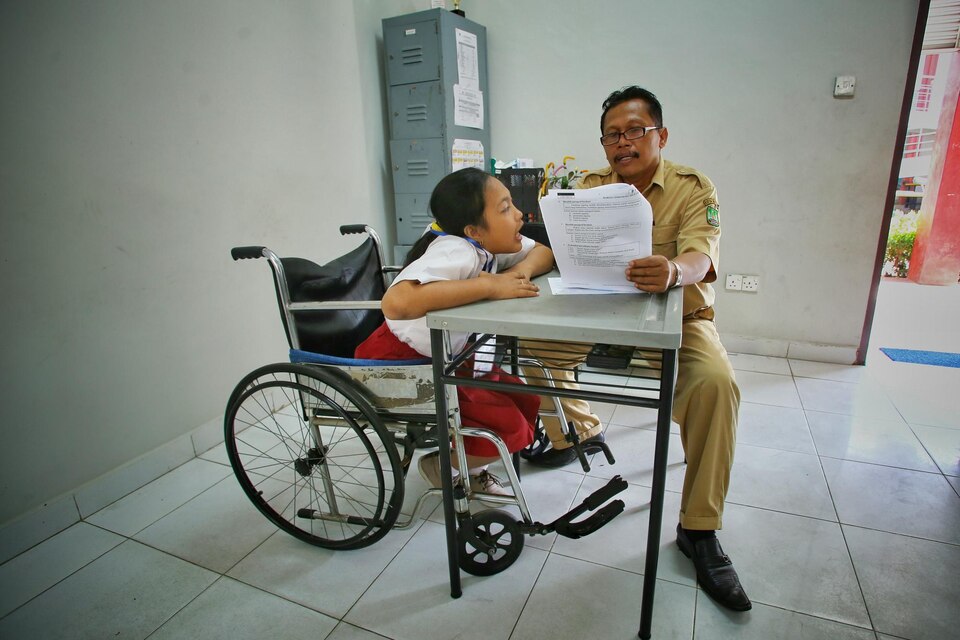
    celebral palsy imageTreatment of cerebral palsy

    There is no cure for cerebral palsy, but there are treatments available that can help improve functioning and quality of life. Physical therapy helps to strengthen muscles and improve balance and coordination.

    Occupational therapy helps with daily tasks such as dressing and eating. Speech therapy helps with communication and swallowing difficulties. Medications can help reduce muscle stiffness and spasms as well as reduce pain.

    Doctors may recommend surgery if the patient has severe spasticity or deformities affecting their daily functioning. Supporting devices such as wheelchairs and walkers can also help improve mobility.

    It is important to note that every individual with cerebral palsy is different and will respond differently to treatments. Talking with your doctor about what treatments may be right for you or your loved one is important.

    Generic medicines for Cerebral Palsy

    Generic medicines have been a game-changer in treating Cerebral Palsy (CP), a condition affecting over 17 million people worldwide. CP is caused by a disruption in the brain’s ability to control movement, often resulting in physical impairments like difficulty walking, speaking, and other activities. The condition can be managed through medications, which have traditionally been expensive and inaccessible to many people. Generic medicines, however, have become a viable option for individuals who cannot afford traditional medications.

    Generic drugs are copies of brand-name drugs produced by different companies and sold at a fraction of the cost. They all meet WHO-GMP standards, ensuring safety, effectiveness, and reliability as their brand-name counterparts. Generic drugs have been used to treat CP for decades, but their role has become increasingly important in recent years.

    Generic drugs can reduce the cost of treating CP, as many patients and their families are already struggling to afford the high cost of traditional treatments. Generic drugs can also treat many of the secondary symptoms associated with CP.

    For instance, they can control muscle spasms, reduce pain, and improve coordination and balance. In addition, they can help to reduce the risk of seizures, which can be a major problem for people with CP.

    Medkart is one of the leading generic pharmaceutical sellers in India with over 100+ stores. You can also order generic medicine online at www.medkart.in/blog or use our iOS and android applications.


  • Why should I choose Generics medicines?

    Why should I choose Generics medicines?

    Why should I choose Generics medicines

    There are several reasons why you might choose to use generic medicines:

    Cost: Generic medicines are generally less expensive than their brand-name counterparts, which can help to reduce the overall cost of your healthcare.

    Quality: Generic medicines must meet the same standards of safety, efficacy, and quality as brand-name drugs, and are subject to the same regulatory approval process. This means that they are just as effective and safe as brand-name drugs.

    Access to essential medications: The cost-effective generic medicines can help to increase access to essential medications, where the cost of brand-name drugs may be prohibitively expensive for many people.

    Overall, choosing to use generic medicines from Medkart can be a cost-effective and safe way to access the medications that you need. Looking for quality generics visit www.medkart.in/blog .​

    To know more watch – https://youtube.com/shorts/Kop2tfT1G4I

  • What are generic medicines?

    Generic medicines have the same active ingredients, indications, and dosage form as the original drug, but are less expensive than the brand-name drug. They are typically used as a more affordable alternative to the brand-name drug.

    In many countries, generic medicines must meet the same standards of safety, efficacy, and quality as brand-name drugs. They are also subject to the same regulatory approval process as brand-name drugs.

    The use of generic medicines can help to increase access to essential medications, it can also help to reduce healthcare costs for governments and insurance providers, as generic medicines are generally less expensive than their brand-name counterparts. You can find international quality Generics at www.medkart.in/blog.

    To know more watch – https://youtube.com/shorts/TKFv5Ls3CEA


  • How is the Quality of generics?

    How is the Quality of generics?

    Quality of generics medicine image

    The quality of generic medicines is typically held to the same standards as brand-name drugs. In India, generic medicines must meet the same standards of safety, efficacy, and quality as the original brand-name drug. They are also subject to the same regulatory approval process as brand-name drugs, which includes rigorous testing and review to ensure that they are safe and effective for use.

    Overall, at Medkart the quality of generic medicines is generally considered to be high, looking for access to essential medications while also reducing healthcare costs visit www.medkart.in/blog.

    To know more watch – https://youtube.com/shorts/GtPjRWILn6I


  • Which are the top Brands in generics?

    Some of the largest and most well-known generic drug manufacturers include:

    Cipla: Cipla is a global pharmaceutical company based in the India that is known for its generic drug portfolio.

    Dr. Reddy’s Laboratories: Dr. Reddy’s is an Indian pharmaceutical company that is known for its generic drug products.

    Lupin: Lupin is an Indian pharmaceutical company that is known for its generic drug products.

    These are just a few examples of the many companies that manufacture and sell generic drugs. There are many other brands that are also active in the generics market. At Medkart you will find all the top Brands Medkart assured alternatives in your prescription. What are you waiting for visit www.medkart.in/blog and witness he savings yourself.

    To know more watch – https://youtube.com/shorts/Jhn9LNQ6pC8


  • Why so much Price difference in branded and generic?

    There are several reasons why there may be a significant price difference between branded and generic drugs:

    Patent protection: Many brand-name drugs are protected by patents, which give the drug manufacturer exclusive rights to sell the drug for a certain period of time. This exclusivity allows the manufacturer to charge a higher price for the drug, as there is no competition from other manufacturers. Once the patent expires, other manufacturers can produce generic versions of the drug, which can lead to increased competition and lower prices.

    Marketing and advertising costs: Brand-name drugs often have higher marketing and advertising budgets, which can drive up the price of the drug. Generic drugs, on the other hand, generally have lower marketing and advertising costs, which can help to keep their prices lower.

    Development and production costs: Developing and producing a new drug can be a lengthy and expensive process, and these costs are typically passed on to the consumer in the form of a higher price for the brand-name drug. In contrast, generic drugs are copies of existing drugs that have already gone through the development and approval process, so they can be produced at a lower cost.

    Overall, the price difference between branded and generic drugs can be significant, but the cost- effectiveness of generic drugs can make them a more affordable option for many people. At Medkart you get choice of both branded and generic alternatives in your prescription. Visit www.medkart.in/blog for quality generics.

    To know more watch – https://youtube.com/shorts/Jhn9LNQ6pC8

  • What skill should pharmacist have for good resume? Pharmacist job Description

    What skill should pharmacist have for good resume? Pharmacist job Description

    Pharmacist job Description

    Contents

    What skill should pharmacist have for good resume?

    As a pharmacist, having a well-rounded skill set is crucial to create a strong resume that showcases your qualifications and makes you stand out to potential employers. Some key skills that can enhance your resume as a pharmacist include:

    Medication Dispensing and Management:

    Proficiency in accurately dispensing medications, managing drug interactions, dosage calculations, and providing patient counseling on medication use.

    Drug Information and Clinical Knowledge:

    In-depth knowledge of pharmaceuticals, pharmacology, pharmacokinetics, drug interactions, and the ability to stay updated with the latest clinical guidelines and evidence-based practice.

    Patient Care and Counseling:

    Excellent communication skills to effectively interact with patients, provide patient-centered care, and offer counseling on medication use, adverse effects, and lifestyle modifications.

    Pharmacy Software and Technology:

    Familiarity with pharmacy software and technology, such as electronic health records (EHRs), medication dispensing systems, and prescription processing software.

    Regulatory and Compliance:

    Understanding of local, state, and federal regulations governing pharmacy practice, including pharmacy laws, regulations, and guidelines, and adherence to pharmacy practice standards and ethical principles.

    Interdisciplinary Collaboration:

    Ability to work collaboratively with other healthcare professionals, such as physicians, nurses, and other members of the healthcare team, to optimize patient care outcomes.

    Attention to Detail and Accuracy:

    Strong attention to detail in medication dispensing, documentation, and record-keeping to ensure accuracy and minimize medication errors.

    Time Management and Organization:

    Effective time management skills to handle multiple tasks, prioritize workload, and manage deadlines in a fast-paced pharmacy environment.

    Problem-Solving and Critical Thinking:

    Analytical and critical thinking skills to assess complex medication-related issues, identify and resolve medication therapy problems, and make evidence-based decisions.

    Continuous Learning and Professional Development:

    Commitment to ongoing learning, staying updated with the latest advancements in pharmacy practice, and pursuing professional development opportunities, such as continuing education and certifications.

    Including these skills on your resume can demonstrate your competency and suitability for the role of a pharmacist, and highlight your ability to provide safe and effective medication management, patient care, and collaborative practice in the pharmacy setting. Remember to tailor your resume to the specific job you are applying for and provide specific examples of how you have demonstrated these skills in your past experiences to further strengthen your resume.

    Technical and Analytical skills required for a pharmacist 

    Yes, technical and analytical skills are important for pharmacists. Pharmacists are responsible for managing and distributing medications, and they need to have a strong understanding of how medications work, how they are used to treat different medical conditions, and how they interact with each other and with other substances.

    In order to do their jobs effectively, pharmacists must be able to analyze and interpret medical information, including prescriptions, patient medical histories, and lab test results. They must also be able to use this information to make informed decisions about which medications to prescribe or dispense, and to identify and resolve any potential problems or conflicts.

    Technical skills that are important for pharmacists

    1. Proficiency in pharmacy software and technology, such as electronic health records (EHRs), medication dispensing systems, and prescription processing software.
    2. Knowledge of compounding techniques and sterile preparations, including aseptic technique and cleanroom procedures.
    3. Familiarity with drug utilization review (DUR) software and medication therapy management (MTM) platforms for evaluating medication orders and optimizing drug therapy.
    4. Understanding of drug classification systems, drug identification, and drug utilization evaluation.
    5. Ability to operate and maintain pharmacy equipment, such as automated dispensing machines, medication packaging systems, and drug delivery devices.

    Analytical skills that are important for pharmacists

    1. Assess patient profiles, medication histories, and medical conditions to identify and prevent potential drug interactions, adverse effects, and medication-related problems.
    2. Review and interpret prescription orders, medication labels, and drug information resources to ensure appropriate drug selection, dosage, and route of administration.
    3. Evaluate medication-related data, such as laboratory results, pharmacokinetics, and patient responses to drug therapy, to optimize medication regimens and achieve desired therapeutic outcomes.
    4. Analyze and interpret research literature, clinical guidelines, and evidence-based practice to make informed decisions about medication therapy management.
    5. Problem-solve medication-related issues, such as drug allergies, drug shortages, and drug interactions, to ensure safe and effective medication use.

    In summary, technical and analytical skills are essential for pharmacists to perform their responsibilities effectively, ensure safe and optimal medication use, and provide high-quality patient care. These skills can be valuable assets to highlight on a pharmacist’s resume and demonstrate their competence in delivering quality pharmacy services.

    In addition to these analytical skills, pharmacists also need to have strong technical skills in order to use the various tools and equipment that are used in a pharmacy, such as computers, electronic prescribing systems, and automated dispensing machines. These skills are essential for pharmacists to be able to accurately and efficiently prepare and dispense medications, and to ensure the safety and quality of the medications they provide to patients.

    Pharmacist job title example

    An effective job title will typically include a general term, the level of experience and any special requirements. The general term will optimize your job title to show up in a general search for jobs of the same nature. The level of experience will help you attract the most qualified applicants by outlining the amount of responsibility and prior knowledge required. If your position is specialized, consider including the specialization in the job title as well. But avoid using internal titles, abbreviations or acronyms to make sure people understand what your job posting is before clicking.

    1. Pharmacist
    2. Senior Pharmacist
    3. Managed Care Pharmacist
    4. Pharmacist (Part-Time)
    5. Clinical Pharmacist

    Looking to be a hero of patients and a bright career in pharmacy with great for learning & development??? Visit www.medkart.in/blog and explore best opportunities and new openings in India’s top Generic pharmacy retail store.

    Pharmacist Job Description Examples 

    Example 

    ·  Receiving indents.

    ·  Dispatching medicine to inpatient.

    ·  Attending out patient.

    ·  Receiving Medicine from the supplier.

    ·  Arranging medicine according to their storage condition.

    ·  Making Purchase order (P.O.) & prepare GRN for the same.

    ·  Purchase return of medicine due to their expiry date.

    ·  Handling narcotic & keep record of it.

    ·  Arranging non-available medicine from near by chemist.

    ·  Hand over cash to cashier.

    Pharmacist registration is must.

    To know more watch – https://youtu.be/Y-nHH4f6fGA

  • 7 High Blood Pressure facts you should be aware about | Hypertension

    7 High Blood Pressure facts you should be aware about | Hypertension

    7 High Blood Pressure facts you should be aware about

    High Blood Pressure facts you should be aware about

    Blood pressure is not a disease; it is a blood force against the artery walls that is necessary for the pumping of blood throughout the body. Normal blood pressure range is about 120/80 in a healthy adult. In today’s fast life, 130/90 also considered normal but not healthy. Nowadays, the rate of high blood pressure complaints has increased. Life has become stressful, and diet has changed from healthy to junk foods. There are many certain factors, and to cope with that, we must understand certain things about blood pressure.

    1. Regular check-up for High Blood Pressure 

    Hypertension is also known as the silent killer because it increases pressure silently among arteries and creates life-threatening conditions. High blood pressure means rising pressure against the wall of arteries. Arteries can be of heart, kidney, eye, or any other organ. Unfortunately, when pressure is building up on arteries, it does not show any symptoms until it’s too late.

    So regular check-up at home and once or twice in a month with a doctor is necessary; to avoid severe damage like heart failure, kidney failure, vision damage, and so on.

    2. Stress management for happy life

    Everyone is stressed out in the world, be it a kid or an adult. But do you know that stress is one of the causes of the spike in blood pressure? When a person takes stress, the body releases hormones that increase blood pressure. However, it re-tunes to its normal state after some time, but chronic stress can lead to a constant spike in blood pressure. This can be risky for the heart. So to keep blood pressure within normal range and body healthy, stress management is necessary. One can,

    • Practice yoga and meditation.

    • Relaxation exercises or body massage is also beneficial.

    • Spend time with friends and family, listen to music, etc.

    • Scheduling a day and keep oneself calm is the best way to deal with day to day stress.

    • Avoid giving response to stress via overeating, smoking or drinking.

    3. Make change in Food habits

    It is true that” we are what we eat.” Food is the main element that creates or solves forty to fifty percent of problems in the body. Too much junk food or unhealthy or irregular eating habits can increase blood pressure. In other words, an unhealthy diet increases the chances of a weight gain, which leads to high pressure. Also, foods with excessive sodium/ salt are harmful as they build up pressure on blood pressure due to water retention. As a result, the kidney has to function more which will increase blood flow and pressure to eliminate salt or fluids from the body.

    • Eat more fresh vegetables and fruits.

    • Increase potassium intake as it reduces sodium retention in the body. Banana, milk, spinach, orange, sweet potatoes, and avocados are good sources of potassium.

    • Avoid or lessen processed foods as they have high sodium content.

    • Instead of having a meal anytime, eat time to time. Eat at the same time every day.

    • Reduce excessive caffeine or tea, switch to green tea or milk.

    4. Increase Physical activities

    Exercise is not a cause of high blood pressure instead, it makes a heart-healthy. Exercise can reduce or control risk or already high blood pressure. When you become active or do regular exercise, it makes your heart healthy. So then the heart will need less effort to pump blood. However, patients with too much high blood pressure or a history of heart attack should consult their doctors before starting any exercise.

    Today many people are in an eight to ten hours desk job. So, constant sitting causes fat storage and weight gain and, ultimately, high pressure. Thus, physical activity has become a necessity to avoid pressure problems.

    • 30 to 60 minutes of exercise, six days a week is good enough for everyone.

    • Aerobic activities or sports will give you health with fun.

    • Walking, swimming, dancing, cycling anything that increases heart rate is good for the body.

    • Move your body while working or avoid sitting for long hours.

    5. Stay away from Smoking

    Yes, smoking is one of the major factors for high blood pressure. Everyone believes smoking or drinking can only cause cancer, but it is wrong. Smoking is responsible for many other diseases than cancer. Smoking is hazardous for people who suffer from high blood pressure and for a healthy person too. When you smoke, nicotine and tobacco cause narrowing of blood vessels and damage to the wall and cells of vessels. This ultimately spikes in blood pressure. Even one cigarette can do this, though the effect is temporary, but the damage is long-lasting.

    So say no to smoke at all costs; because the damage is irreversible and dangerous. And the good news is as soon as one quits smoking risk of getting a heart attack reduces to half within two to three weeks. The same way alcohol in excess is also harmful. So try to reduce the consumption of alcohol for better health.

    6. Sound sleep

    Sleep is essential to keep the body healthy. Quality and quantity of sleep should be good enough. You must be wondering how sleep can lower blood pressure. When one gets sound sleep, the body reduces stress hormones and provides relaxation to organs. This ultimately reduces blood pressure. Sleep deprivation causes fatigue in the body and elevates stress hormones that lead to a spike in blood pressure. So it is necessary to take enough sleep, not less or more.

    So do some relaxation exercises or meditation before sleeping. Maintain a consistent sleep schedule and take six to eight hours of sleep to keep away heart risks.

    7. Medical conditions and medications

    Certain medical conditions and medicines, as they cause fluid retention, are responsible for blood pressure problems. And one cannot stop taking a drug which is necessary for health. People who suffer from kidney disease, ovary disease, mental illness, or any other diseases are on medicines such as antidepressants, birth control pills, decongestants, etc. These all are inevitable factors for high blood pressure risk. So to cope up with it, one has to change the lifestyle to remain healthy.

    Normal blood pressure range in adults

    Normal blood pressure range for adults, as defined by the American College of Cardiology (ACC) and American Heart Association (AHA) guidelines, is as follows:

    • Systolic blood pressure (the top number): Less than 120 mm Hg
    • Diastolic blood pressure (the bottom number): Less than 80 mm Hg

    Blood pressure is usually expressed as a ratio of systolic pressure over diastolic pressure, such as “120/80 mm Hg”. The systolic pressure represents the pressure in the arteries when the heart beats (during contraction), while the diastolic pressure represents the pressure in the arteries when the heart is at rest between beats (during relaxation).

    High blood pressure ranges in adults are as follows:

    Stage 1 hypertension:

    • Systolic blood pressure: 130-139 mm Hg
    • Diastolic blood pressure: 80-89 mm Hg

    Stage 2 hypertension:

    • Systolic blood pressure: 140 mm Hg or higher
    • Diastolic blood pressure: 90 mm Hg or higher

    How to check Blood pressure at home

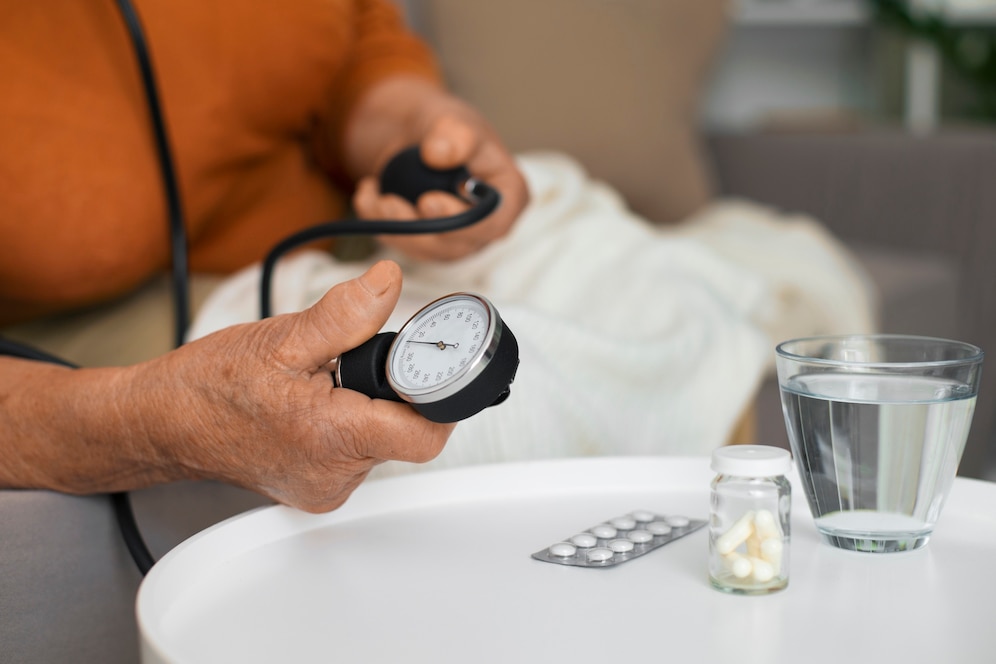
    Checking your blood pressure at home can be a simple and convenient way to monitor your health. Here are the steps to check your blood pressure at home in easy 7 steps guide:

    Get a blood pressure monitor: You will need a reliable blood pressure monitor that consists of an inflatable cuff, a pressure gauge, and a display for readings. There are two types of blood pressure monitors: manual and automatic. Manual monitors require a stethoscope to listen for the sounds of blood flow, while automatic monitors are easier to use as they provide digital readings.

    Choose the right cuff size: The cuff should fit snugly around your upper arm. Measure the circumference of your upper arm and choose a cuff size that matches your arm size. Using the wrong cuff size can result in inaccurate readings.

    Prepare for the measurement: Sit in a quiet room and relax for at least 5 minutes before taking your blood pressure. Avoid caffeine, nicotine, and exercise for at least 30 minutes before the measurement, as these can affect your blood pressure.

    Put on the cuff: If using a manual monitor, wrap the cuff around your upper arm, about 2.5 cm (1 inch) above the bend of your elbow. If using an automatic monitor, follow the manufacturer’s instructions to properly position the cuff.

    Take the measurement: If using a manual monitor, inflate the cuff by squeezing the bulb until the pressure gauge reads 30 mmHg higher than your usual systolic pressure. Then, slowly release the pressure by loosening the valve while listening for the sounds of blood flow with a stethoscope. Note the reading when you first hear the sound (systolic pressure) and when the sound disappears (diastolic pressure). If using an automatic monitor, simply press the start button and wait for the reading to display.

    Record the readings: Note down the systolic and diastolic readings, along with the date and time, in a log or a digital health tracker. This will help you track changes in your blood pressure over time.

    Repeat for accuracy: To ensure accuracy, take at least two consecutive measurements, waiting a few minutes between each measurement, and calculate the average of the readings. Avoid taking blood pressure measurements too frequently, as it may lead to false readings.

    It’s important to note that blood pressure readings can fluctuate throughout the day due to various factors, such as stress, physical activity, and time of day. Always consult with your healthcare provider for proper interpretation of your blood pressure readings and to discuss any concerns or questions you may have about your health.

    Many People are asking about Generic Medicines for High Blood Pressure kindley refer this to know more Are generics available for BP?

    Final Words…

    Blood pressure is good until the normal range when the range of pressure exceeds; it becomes harmful for the body. To combat high blood pressure problems and risks of organ failures, one should change his/her lifestyle by avoiding excessive alcohol and salt and incorporating a healthy diet, physical activities, sound sleep, and regular check-up with the doctor. Lastly, completely eradicate the habit of smoking as it worsens the condition of the heart.

    Buy Medicine Online


  • Are Generics Available for Cancer Treatment? | know about Generic Medicines for Cancer

    Are Generics Available for Cancer Treatment? | know about Generic Medicines for Cancer

    Contents

    Generic Medicines for Cancer

    Introduction to generic medicines

    A branded drug possesses 20 years of patent protection from the original maker. Only the firm in possession of a patent is permitted to manufacture and promote the drug during this time. They are also permitted to set the price to recoup their costs for the new drug’s development, production, and marketing.

    When the patent on the drug expires, other pharmaceutical companies are free to begin manufacturing and distributing the generic equivalent. The drug’s generic equivalent must adhere to the same safety and quality requirements as per WHO-GMP, and must have the same active ingredient. Since other businesses can create generic versions and do not need to engage in R&D, generic medications are less expensive.

    Are Generics Available for Cancer Treatment?

    Cancer is a major problem in terms of public health all around the world. Cancer has a multiple disease profile and consists of a “cluster” of diseases with vastly different syndromes and progression. Millions of individuals are diagnosed with cancer every year throughout the globe.

    The International Agency for Research on Cancer (IARC) forecasts that by 2040 there will be 29.5 million cases of cancer and 16.4 million deaths due to cancer globally , an increase of around 1.6–1.7 times over 2018 predictions.

    Different countries have different laws regarding marketing exclusivity for medications, such as orphan drugs (for uncommon disorders), creating biosimilar medicines, etc. Drug patents have been directly challenged in India, with Imatinib being India’s most noteworthy example of generic drug medicine. Its branded version was named Glivec.

    The following studies concluded that switching from brand-name to generic Imatinib was typically safe and did not compromise effectiveness.

    • Read Article 1
    • Read Article 2 
    • Read Article 3

    A larger sample size with a longer follow-up period is needed to confirm these conclusions further.

    Developing generics for cancer

    The price of generating generics is another factor. One of the causes of the well-publicized shortages of cancer medications in recent years is that incentives to continue production can diminish when costs for some therapies are dropped to only a few cents per dose.

    Small-molecule medications, such as tyrosine kinase inhibitors (TKIs) like imatinib and chemotherapy, such as cisplatin, differ from large-molecule “biologics,” like monoclonal antibodies. The latter is part of a developing industry for “biosimilars,” which have stricter regulatory requirements and cannot be reproduced similarly to small-molecule drugs.

    Are Generics available for cancer?

    A developing subcategory of medications, complicated non-biological pharmaceuticals (NBCDs), cannot be regulated like traditional generic medications. Doxil, a 1995-released nanotechnology-based doxorubicin formulation used in chemotherapy, is a suitable illustration in the context of Cancer.

    Here, the medicine is contained in nano-sized liposomes, making it difficult to determine how well a generic version would compare in terms of particle size and behavior.

    Top available generic medicine for cancer treatment

    1) Cisplatin

    The chemotherapy medication cisplatin is used to treat a variety of cancers, including blood cancer, cervix and uterine cancer, bladder cancer, ovarian Cancer, testicular Cancer, breast cancer, Cancer of the lip and oral cavity, and lung, oesophageal, stomach, and lip cancer. It is administered intravenously, alone or in conjunction with other drugs. This medicine inhibits the growth of cancer cells by altering their genetic makeup.

    2) Docetaxel

    Docetaxel is used to treat malignancies of the lungs, esophagus, uterus, cervix, oral cavity, stomach, ovary, prostate, head, and neck, among other cancers. It is administered intravenously and may be combined with anti-cancer medications. The cellular microtubules are suppressed by docetaxel. Tumor cell proliferation is slowed by the suppression of microtubule structures, which aid in the division and multiplication of tumor cells.

    3) Carboplatin

    Cancers of the breast, cervix, uterus, lungs, esophagus, ovaries, blood, lips and oral cavity can all be treated with carboplatin, a chemotherapy medication. Although often administered intravenously, this medicine can also be administered intraperitoneally (into the peritoneal cavity of the abdomen). Carboplatin creates reactive compounds that alter the structure of DNA (genetic material), prevent DNA synthesis, and halt the growth of tumor cells.

    4) Cyclophosphamide

    Breast cancer, blood cancer, ovarian cancer, eye cancer, and blood cancer are all treated with cyclophosphamide. Depending on the dosage and illness being treated, this medicine can be administered through various methods. It is typically administered intravenously or as tablets. Cyclophosphamide stops the growth of cancer cells by harming their RNA and DNA genetic makeup.

    5) Paclitaxel

    In addition to Kaposi’s sarcoma, paclitaxel is used to treat stomach, ovarian, oesophageal, lung, cervix-uterine, breast, and oral Cancer. Paclitaxel, like docetaxel, inhibits the cell’s microtubule structures to retard the growth of cancer cells. It may be taken along with other cancer medications and is administered as an injection or infusion into the vein.

    6) Irinotecan

    Colorectal cancer, uterine Cancer, cervix cancer, lung cancer, and stomach and esophageal Cancer are among the conditions for which irinotecan is prescribed. It can be given alone or along with other medications and is given intravenously. Irinotecan inhibits the enzyme topoisomerase, which prevents cancer cells from multiplying and spreading. Enzymes called topoisomerases regulate the modification of the DNA structure required for replication.

    7) 5-Fluorouracil

    This anti-cancer drug is used to treat a variety of cancers, including oesophageal, colorectal, stomach, oral, and breast cancers and many other common tumors. Depending on the disease and diagnosis, this drug may be administered as a topical ointment or as an injection into a vein. After being administered, the drug 5-fluorouracil creates a compound that obstructs the synthesis and operation of genetic material. This prevents the spread of cancer cells, which multiply quickly.

    Conclusion

    You can deal better and choose the best solutions if you understand the disease and the available treatments.

    At Medkart, we offer generic cancer medicines that benefit patients with reduced costs. We recommend bringing in the prescription of your cancer drug to avail its generic version unless recommended by the doctor — “Not to Substitute”.

    Our pharmacists will help you with generic drugs for cancer treatment that will be as effective as branded drugs. Once you are satisfied, order generic drugs for cancer online from www.medkart.in/blog or download our applications — iOS and Android.​

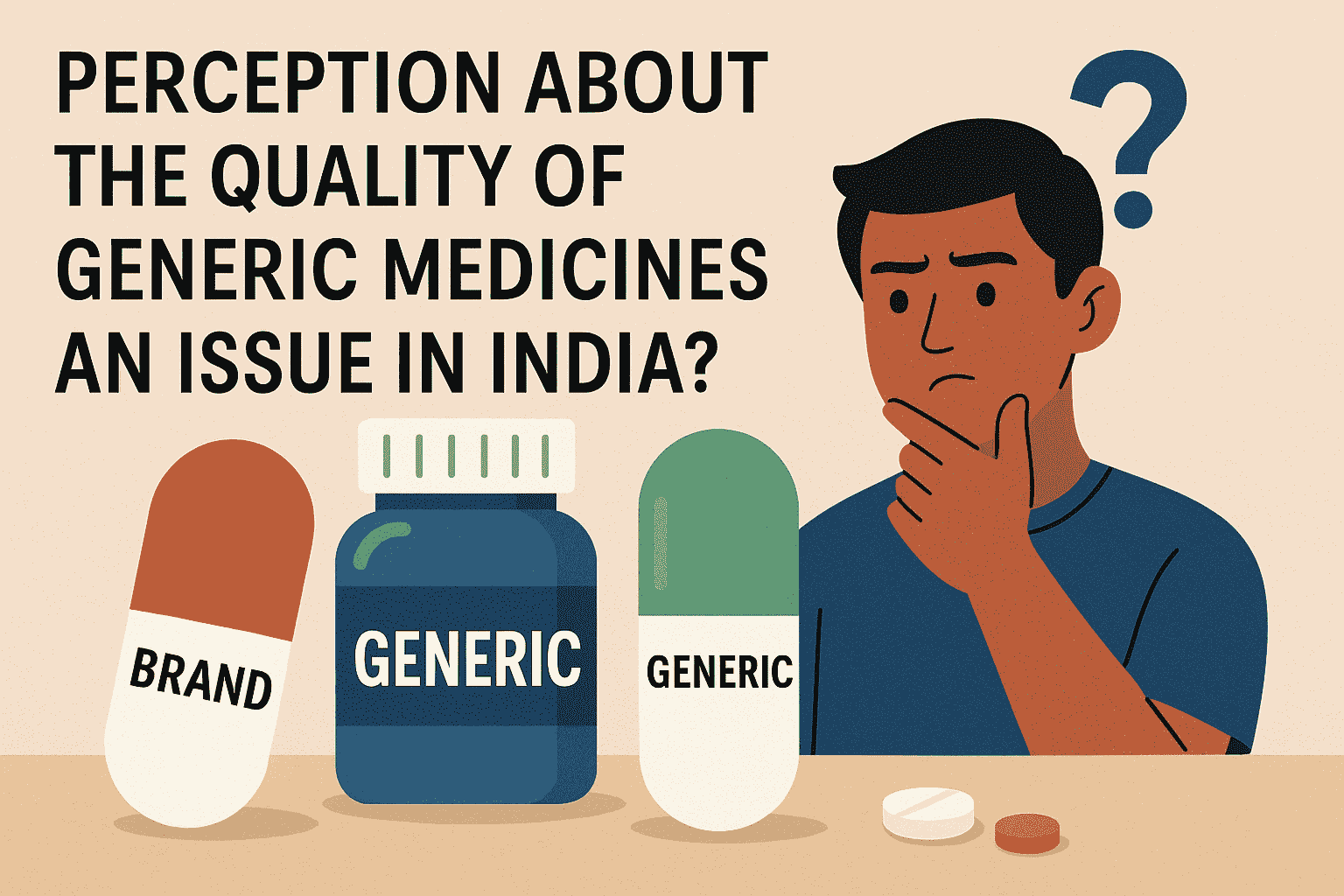
  • Perception about the quality of generic medicines an issue in India?

    Perception about the quality of generic medicines an issue in India?

    Perception about the quality of generic medicines an issue in India

    Patients in India are often trapped in the vicious circle of getting prescribed expensive, branded medicines and buying those regularly. This is true for patients on regular medication for diabetes, blood pressure, cholesterol, etc.

    Often, these branded medicines (which are expensive) are bought regularly. The cost of universal healthcare delivery in India would be around INR 1713 per person per annum in India. But, the cost would increase by 24% if branded medicines are used.

    ​Studies have compared generic and branded pharmaceuticals, concluding that generics are just as effective and contain the same high-quality components. Let’s look into the reasons for the widespread disapproval of the latter.

    – Medicine dispensers in India are usually selling fast-running medicines that are usually branded.

    – Doctors have tie-up with these medical dispensers who get their split share when patients buy their prescribed medicine.

    – Pharmaceutical companies have invested in patenting and advertising branded medicines. They create clout around such medicines, which makes patients skeptical of buying generics.

    Dispensing of medications is mostly handled by pharmacists and drug sellers or salespeople in India. The worldwide use of generic medications to lower drug prices benefits patients and their communities. Low-cost price is one of the key advantages of generic medicines, and replacing them with branded ones can bring down the burden of medical costs on India’s poor. Let’s understand the role of pharmacists dispensing medicines and doctors recommending the same.

    Role of pharmacists and doctors

    People working in a retail medical store must have the qualifications and education (as a pharmacist). But that’s not the case in India. These personnel rely on ERP systems and databases to pick up medicines and essentially work to distribute prescriptions properly.

    Visiting any local pharmacy store would let you discover that you can get medicine without a prescription for your ailments. Often, such retail pharmacy shops play a crucial role in facilitating the appropriate use of generic pharmaceuticals. Instead of distributing generics, they usually sell branded medicine.

    While the production of generic drugs is more, it was researched that many healthcare providers still have a poor perception of generics and are reluctant to prescribe them.

    Many medical professionals are against generic drug replacement because they think generic drugs are unsafe or ineffective. Plans to use generic substitution in primary care in the United Kingdom were met with significant resistance. The use of generic antiepileptic drugs and generic pregabalin for pain relief is also controversial.

    Buyers question the generic drug quality since medical professionals and pharmacists do not widely endorse it. They do not push for generic medicine because they benefit from the margin. Often, pharmaceutical companies produce branded and generic medicines. Still, they are pushed through a sales channel that benefits both — doctors get their share to prescribe branded medicines, and pharma stores get more sales margin.

    Another reason for such a perception of generic medicines in India is the lack of available information. Therefore, healthcare providers and governments need to educate the public and patients about the safety and efficacy of generic drugs.

    The Road Ahead

    As mentioned, the negative perception of generic medicines in India and the pharmaceutical lobby promoting branded medicines is already an issue. The patients are forced to pay more for lack of awareness, misinformation, and negative perception.

    Removing such a perception of generic medicine in India requires conducting programs with investments in information about the quality of medicines. The government, generic medicine sellers or non-government organizations should do this. The aim should be to build trust amongst the buyers that generic medicines in India are just as safe and effective as branded ones.

    This requires interventions addressing the general public and health professionals to combat the false belief that generic versions of a drug are not up to the mark. The Indian market also has another misconception that generics are only for the poor, partly because government initiatives promote generic drugs as cost-effective alternatives for marginalized populations. This makes the ones who can afford branded medicine believe that generic medicines’ quality could be better.

    The customers should rather be informed about —

    ● Bioequivalence of generic medicines

    ● The QA process that every generic medicine goes through, including GMP, as laid out by WHO

    ● Branding companies that are producing generic ones.

    Creating a level-playing field for generic and branded medicines requires publishing reports in the media. This includes showing a comparison between variants of branded and generic medicines.

    Here are some of the key researches that were carried out to show that generic medicines are equivalent to branded —

    ●https://www.nature.com/articles/s41598-020-62318-y

    ●https://www.ncbi.nlm.nih.gov/pmc/articles/PMC6415809/

    ●https://bmcpharmacoltoxicol.biomedcentral.com/articles/10.1186/2050-6511-14-1

    When discussing medical health reform, it is important to win customer trust. This begins by changing how the government operates Janaushadi stores and other healthcare initiatives to provide affordable generic medicines. Instead, it should improve the image and credibility of generic medicines. This requires allocating resources to foster customer trust and create an impact.

    Branded drug companies actively promote their branded products to Indian doctors and pharmacists. Regarding marketing, generic versions of popular brands get less attention. That’s why you need an expert to talk about generic drugs. Consider the impact of celebrity endorsements on mutual funds (AMFEE) or Mr. Amitabh Bachchan giving transaction security tips as provided by RBI on a show Kaun Banega Crorepati (KBC).

    How is Medkart creating a difference?

    We are against the long-known practice of health professionals receiving commissions for boosting prescriptions of expensive branded medicines. That’s why we provide generic alternatives to prescribed branded medicines. Even if you are prescribed medicines by your doctor, bring us the prescription and we will offer you its equivalent generic medicines — pocket-friendly and uncompromised quality.

    Walk into any of our 107 generic medical stores in India with a prescription to use generics and tap into effective cost savings.

    Click here to explore Medkart website and order generic medicines.

    Alternatively, you can use ourAndroid or iOS application for the same.