
Search results for: “all”

  • How to differentiate between generic and branded medicines in India

    How to differentiate between generic and branded medicines in India

    How to differentiate between generic and branded medicines in India

    What are generic drugs?

    Let’s start with the difference between generic and branded in terms of dose form, safety, strength, mode of administration, quality, and performance traits, approved generic medications are comparable to those brand-name medications. And you might be aware of popular genetic medicine as well.

    The amount to which the two medications would be absorbed into your body differs not noticeably. It may function just as well as a branded medication.

    Unlike branded medications, any medication marketed under its chemical name without advertising is also referred to as a generic drug. With the passing of the Patents Act in 1970, the Indian government started the domestic production of medicines by Indian businesses in the early 1960s.

    Except for composition patents for foods and medicines, the Patents Act covered the process patent, which was shortened to five to seven years. Low-cost drugs were produced as a result of this. The Medical Council of India’s 2002 code of ethics advises doctors only to prescribe drugs by their generic names. There are plenty of generic medical stores online where you can get popular generic drugs.

    Generic Medicines – Frequently Asked Questions | Trusted Generic Provider – Medkart

    What are branded drugs?

    is there any difference between generic and branded medicines? Branded drugs are precisely what they sound like: drugs marketed as a certain brand. A business that specializes in developing generic medications or the corporation that produced the original product will produce these drugs after the patent on the original drug has expired. The corporation may only use the brand name.

    The branded medicine needs to be biologically original. The branded drug must therefore have the same impact on the body as the generic. Numerous businesses manufacture generic birth control pills under various brand names.

    Difference between generic and branded

    The conditions under which medications are produced differ between brand-name and generic drugs. While a generic drug is made using the same active ingredient as a brand name drug, a brand name drug refers to the name provided by the producing business. Although they are sold with numerous names, generic drugs will share the same active ingredients as their branded counterparts.

    However, generic medications in India and elsewhere in the world have the same high-quality active component as brand-name medications in terms of efficacy. All medications must adhere to the tight regulations and oversight of the Food and Drug Administration (FDA) in the US and comparable organizations in other nations.

    These distinctions are between brand-name and generic medications and within generic medications. It implies that you will receive many medications with the same active ingredients; this active ingredient denotes the generic medication.

    1. Different inactive ingredients

    The distinction between brand-name and generic medications is the inactive ingredient that each drug contains. Since the FDA only pays attention to the active ingredients, there are differences between the inactive ingredients of generic and brand-name medications. It is crucial to check the drug’s component list to discover whether any ingredients are bad for you.

    2. Different manufacturer

    Various companies produce generic medications, and the manufacturer your local pharmacy chooses will determine the kind of medication you receive.

    3. Price

    Usually, the cash price and insurance co-pay are less high. Cost savings of 20% to 80% are possible. It is intended to be this way since manufacturers under generic medicine names do not incur the same capital expenses as brand-name manufacturers. Generic medicine shops online sell drugs at cheap prices.

    4. Different colors and flavors of generic drugs

    Trade regulations prohibit identically branded generic medicines, but they must all contain the same active ingredients to produce the same therapeutic benefits. These variations are frequently caused by non-active components like dyes, fillers, and preservatives that influence size, shape, and color.

    This is the rationale behind the advice given to patients to abide by their doctor’s prescription: only your doctor can match your medical history to certain inactive ingredients in a given generic drug that may result in an unfavorable reaction in your body, as opposed to another generic or branded version of the same drug. You can get cheap drugs from generic drug stores.

    The active component will be listed on the drug label if your doctor allows generic replacement, even though your prescription is for a brand-name product. As a result, the active components in brand-name and generic medications are identical. Market is full of online generic medicine stores.

    However, seeing your doctor before filling out your medication list helps ensure you receive the correct medication. You should only assume a drug is the same by looking at it; making a decision requires knowing the active ingredient composition.

    5. Quality of generic drugs

    You are not alone if you worry that generic medications are less expensive and could have lower quality. But the reality is that it won’t! The regulator strives to make generic medications as secure and efficient as brand-name medications. Imagine a world without sufficient access to inexpensive basic medications. The availability of more drugs at lower costs to those who need them is why generic medications are permitted.

    Since brand-name medicine development and marketing expenses are not included in the product price, generic medications are less expensive. New drugs will include the research, development, patent, marketing, and selling costs. Buying generic medications doesn’t have any of these costs. For this reason, before enabling generic drug manufacturers to create and market the same medication, the legislation first allows the brand-name firm to recoup its investment.

    Legalizing generic medications lowers costs and increases access to inexpensive medication for more individuals.

    How to differentiate between generic and branded medicines in India

    Does every branded drug have a generic counterpart?

    Originally, no. The development of new drugs is protected by patents, which typically last for 20 years after approval. However, developing and marketing the branded medication might take a long time. As the medicine’s patent expires, more pharmaceutical companies apply to get approval to sell the generic drug.

    Before the patent on the brand-name medication expires, the authority can give “tentative approval” to a generic version. Numerous businesses may produce and market generic versions of the same product under different brand names. However, it’s feasible that some drugs will never have a generic alternative. Because producing them is either too difficult or too expensive for their original creators.

    Conclusion

    Generic medications cost less than branded medications. Without brand names, generic medications are identified by their chemical names. Generic medications are given brand names to aid with patient identification. Patients, as a result, frequently utilize the same branded generic drugs.

  • Generics save money and give the power of choice to patients

    Generics save money and give the power of choice to patients

    Generics save money

    Role of Generic Medicines

    Generic medicines play an important role in managing diseases because they provide a safe and effective alternative to brand-name drugs. These medicines are often much less expensive than their brand-name counterparts and can be used to treat the same conditions. Additionally, generic medicines undergo many tests to meet the same safety, efficacy, and quality standards as brand-name drugs.

    Typically, patients suffering from any disease or pain would need the help of medicine to alleviate the symptoms. Medicines are created using a chemical compound to treat an illness. Finding a new drug requires many years to pass tests, clinical trials, etc., along with meeting CDSCO compliance in India.

    Due to the excessive expense of drug development, patents for medicines set an excessively high price. This may prove too expensive for an average person if it requires regular consumption. You can buy generic medicine online or offline based on a doctor’s prescription.

    A pharmaceutical company creates new medications after significant study and testing. Due to the non-generic medications’ patent protection, the business is guaranteed the exclusive right to produce and market them. The same business or other manufacturers can apply to create and market a generic version of the branded drug once the patent expires in 20 years.

    Patients can choose generics which are safe and effective

    All medicines come in branded and generic varieties, which should be reliable and secure. The active components in generic medications are the same as those in branded medications, so they share the same effectivity.

    But, there are concerns regarding the price of generic medications. The CDSCO in India subjected all generic medications to a thorough assessment process, which included a study of the scientific data regarding the components and functionality of the standard drug. Such an approach helps overcome the lack of popularity of generic medicines since it ensures www.medkart.in/blog safety, quality, and efficacy as per WHO-GMP standards.

    Manufacturers of branded products produce almost half of all generic medications. They can produce copies of their own or other companies’ branded pharmaceuticals, which they can subsequently market without the brand name. Government supports the development of generic drugs. Its widespread availability gives people the power to choose generic medicines, which help reduce costs without compromising effectiveness.

    Why are generic drugs important?

    A generic medicine is a pharmaceutical that, in terms of quality, dosage, strength, kinetics, and intended purpose, is the same as a branded product. It may also apply to any medication that is advertised-free in its chemical name. The pharma makers must submit an ANDA (for new drug application) to receive permission to promote the conventional medication. Since generic alternatives to branded products are invariably less expensive, they are crucial.

    Here’s why generic medicines are important:

    1) It brings down medical costs

    Generic drugs are important for the general public in many ways. First and foremost, they provide access to medications at a lower cost than brand-name drugs. Many people who would otherwise not be able to afford prescription medications can now purchase generic versions of these drugs at a fraction of the cost. This increased access has resulted in improved health outcomes for many individuals who would not have been able to receive treatment if generic drugs were not available.

    2) Reliable and effective

    In addition to providing lower-cost alternatives to brand-name medications, generic drugs can improve patient outcomes by providing reliable and consistent quality. Generic drugs must meet stringent standards set by the CDSCO in India and the WHO-GMP at a global level to ensure that all generic medications contain the same active ingredients and provide the same therapeutic effect as their brand-name counterparts. This consistency helps ensure that patients receive the same quality of care regardless of whether they take a brand-name or generic medication.

    3) It brings down healthcare costs

    Generic drugs also play a vital role in helping control healthcare costs. By providing lower-cost alternatives to expensive brand-name medications, they can help reduce overall healthcare spending while still providing patients with effective treatments. In addition, many insurance companies have begun offering incentives for patients who use generics instead of more expensive brand-name drugs. These incentives can include reduced copayments or even free prescriptions for certain generic drugs, further reducing out-of-pocket costs for patients needing medication.

    4) Keeps competition alive in the industry

    Generic drugs are important for maintaining competition within the pharmaceutical industry. By providing cheaper alternatives to expensive brand-name medications, generics encourage competition to remain competitive. Without generics, pharmaceutical companies would have little incentive to reduce prices. They could charge higher prices for their products without fear of losing market share.

    Advantages of generic medicines

    1) Cost-effective alternatives

    Generic medications cost less than branded medications. You can significantly decrease your costs by ordering generic medications from online stores. Unlike branded medications, generic drugs are cheaper because the clinical trials for the active ingredient do not need to be repeated. Generic medications include the same ingredients as branded medications, which have already received authorization and approval. Another effective method that makers of generic medications keep their costs down is that they rarely invest money in marketing and advertising.

    2) Effective and safe

    CDSCO-approved generic medications are a good choice for patients. Some medications are deemed bioequivalent if they are the same as their branded equivalent in various aspects, such as strength, dose, etc.

    3) Easy to find

    Patients can find alternatives to many well-known branded medications without doing much research. There are a surprisingly large number of well-liked prescriptions with top-notch generic medications available to customers.

    4) Stay the course with genetics

    Branded medicines are three times more likely to be abandoned by patients than generic alternatives, and frequently, this disregard is directly related to hefty copays. Generic medications are readily available and reasonably priced options that increase the likelihood that patients adhere to the treatment recommended by their doctors for the many people who need to take medication.

    Conclusion

    You will find the drug exceedingly pricey if your doctor prescribes one only offered under the brand name. Your doctor can request that the branded medication be reimbursed by insurance if they believe you must take it for medical reasons.

    Even though pharmaceutical firms are generating money, it is vital to keep in mind that it is in their best interests to keep finding and developing new medications that enhance the standard of our healthcare. Today, people still consume drugs that were well-designed 50 years ago regularly.

    How is Medkart helping consumers in India?

    Medkart is helping Indian customers by making generic medicines more accessible and affordable. It provides customers with an easy and convenient way to buy generic medicines online through Medkart.in. Medkart’s Android app and iOS apps. Also, we have over 100 stores pan India where our pharmacists educate customers about generic medicines and their effectiveness and deliver them to their doorstep.

    Medkart also gives customers detailed information about the medicines, including their composition, cost, indications, side effects, etc., to help customers make informed decisions.

  • Consider Switching to Generic Medicine for Therapies: Here’s Why!

    Consider Switching to Generic Medicine for Therapies: Here’s Why!

    Generic Medicine for Therapies

    What is Generic medicines

    A generic medicine is a pharmaceutical identical to an already-marketed brand-name drug. Moreover, dosage, efficacy, effectiveness, quality, and safety remain the same. Moreover, generic pharmaceuticals are just as effective, quality, and safe as their brand-name counterparts.

    To stay effective, generic versions of medications must demonstrate bioequivalence to their brand-name counterparts via Abbreviated New Drug Applications (ANDAs). Its inactive components may change, but any variations must be shown not to influence the drug’s efficacy.

    The Central Drugs Standard Control Organisation (CDSC)) oversees the production of generic medications. To guarantee the public’s safety, it is necessary to test how well the drugs work, and these should adhere to GMP standards.

    Generic drugs for chronic conditions have the same clinical effectiveness as their brand-name counterparts but are much less expensive, which may increase patient acceptance. These medicines address common illnesses and diseases like diabetes, arthritis, Parkinson’s, etc.

    Effectiveness of Generic Drugs

    The active chemicals in generic medications are similar to those in their brand-name counterparts, but the inactive ingredients may differ. Inactive components are introduced to the medicine during production but do not contribute to its chemical action. These may include preservatives, fillers, or diluents.

    When it comes to creating compositions to treat a certain drug, for instance, the FDA in the United States will only green-light generic versions of medicine if such tests show the drug is safe, pure, and effective. Therefore, it is true that generic drugs may be safely substituted for their brand-name counterparts. The researchers discovered no statistically significant differences when generic cardiac medicines were compared to their brand-name equivalents. The medical content to treat cardiac medicines remains the same, generic or branded.

    Generic drug therapies are much less expensive than their branded counterparts while being chemically equivalent and need less testing since the same formula is proven in branded. However, testing is still necessary since biosimilars differ from their brand-name equivalents and are derived from real content. Their price is higher than that of generics but lower than that of the name brand biologic.

    Overall, generic drugs cost 40%-50% less than brand products. Biosimilars, in contrast, are 15%- 20% cheaper because of the amount the drug manufacturer has to spend on testing. Since there are potential cost savings for the drug industry, there might be a slow-moving shift toward using biosimilars.

    Treatments by generic medicines 

    Adhering to treatment can drive better health outcomes. Several variables, including age, co-occurring conditions, and medications, may impact the success of therapy. For instance, a patient’s adherence to their diabetic medications remains unaffected by switching to generic medicine. Adherence is defined as dispensing two distinct items of the same ingredient in a sequence of two prescriptions.

    Similarly, switching to generic antihypertensive medications and alendronate had little effect on adherence in the cardiovascular environment or postmenopausal women with osteoporosis. However, a look at how generic replacement affects oral bisphosphonates’ persistence (days on therapy) found that it lowered persistence.

    There is still some uncertainty about how generic substitution will play out in settings like those dealing with psychiatric and neurological conditions. A research found the impact of generic substitution of antiepileptics (lamotrigine and topiramate, respectively) on a clinical outcome (i.e., the rate of hospitalization) and came out with contradictory results.

    The approach for switching to generics for a particular treatment

    The patient, doctor, and pharmacists — all have a role to play in ensuring patients stick with their treatment plans. Patients need the necessary information, mindset, and abilities to follow their treatment plans successfully.

    Similarly, doctors must stick to a standard treatment plan and explain to patients why they need to take prescribed drugs and what generic substitutes they can have. They should know how to take them (including any possible side effects or drug interactions) and ensure the treatment plan is as simple as possible.

    The patient should be informed of the rationale and support for converting to a generic version of a brand-name prescription. The onus is on doctors and pharmacists to inform customers about switching to generic treatments.

    Can you buy generic drugs for every branded one?

    The U.S. patent law grants protection to patented medicine formulas for 20 years. This patent protection began from the date when an application was submitted bearing a certain brand-name pharmaceutical product. This safeguards investments in discovering, developing, and promoting a new pharmaceutical product.

    Because of the patent, no other firm can legally produce or sell the medicine. After the patent has expired, other pharmaceutical firms may, subject to FDA approval, begin manufacturing and marketing a generic version of the medicine. And since generic medicines do not involve such costs, they are cheaper than branded ones.

    Due to the patent system, there is no generic counterpart to drugs that have been on the market for less than 20 years. However, your doctor may recommend an alternative drug for your illness that does have a generic equivalent.

    The same generic medicine may be manufactured by many firms, each of which may utilize a slightly different set of filler chemicals. This means that the two people taking the same medicine may have different absorption rates or distinct adverse effects.

    If a generic medicine works well for you, research the company that makes it. This data might be printed on the bottle of your prescription medication, depending on the law in your state. If you need more clarification, consult your pharmacist and when you need a certain formulation, specify it to doctors when you want to buy generics based on prescription.

    Switching to generic medicines from branded

    Many nations have witnessed significant price reductions in generic ones as many patents are expiring. However, there is still a wide range in the cost of therapy (as assessed by Defined Daily Dose) for the same seven therapeutic categories.​

    Drug labels should provide information on both active and inactive substances. Many drug manufacturers may market their products under a different brand name, and it is possible to identify the medicine by its generic name, which is shorthand for the drug’s active component.

    Different nations may use a different brand name for the same active component. The legal requirement worldwide is that the active drug should have the same active component and quality. If you are unsure of switching to generics, consult your healthcare provider or local pharmacy store.

    The next step

    The next step in switching to generics includes raising awareness to treat some existing diseases that need regular medications. Ideally, it should include changing the perception of generic medicines in India. Doctors can benefit from visiting factories producing generic drugs to learn more about the process and ensure quality control.

    Moreover, it also helps people feel more comfortable using products right away, increasing the likelihood that they will purchase them regularly. Also, consistently consuming generic medicines can help build trust among patients. It all begins with keeping confidence in quality and efficacy. Moreover, when generic medicines are licensed in a controlled market with specific directions for research and approval of these medications, doctors may feel more confident about the product’s safety. And this can also promote them to prescribe more generics.

    Medkart is creating the difference

    At Medkart, we offer people the right knowledge to buy generic medicines for all treatments. You can also check out Medkart.in website and order generic medicine online. Alternatively, you can download our android and iOS applications and order medicines. If you are consuming any branded medicine as a part of an ongoing treatment, speak to our qualified pharmacists at any of our 107 stores. Compare, decide, and buy generic as a part of your treatment plan.

  • 8 Common Myths and Facts about Generic Medicines in India

    8 Common Myths and Facts about Generic Medicines in India

    Common Myths and Facts about Generic Medicines

    Common Myths and Facts about Generic Medicines

    Once the patent for any medication is expired, other pharmaceutical companies can create medicines with the same chemical and market them as generic drugs. These companies use the parent composition’s molecules as their own.

    As a result, they spend much less money than the companies conducting the research, making generic medications less expensive than producing branded ones. In other words, generic drugs are less expensive variations of name-brand drugs.

    Generic medications generally cost up to 85% less than branded medications. However, despite their benefits, there still needs to be more clarity regarding generic vs. branded medicines.

    People frequently question the effectiveness and quality of generic medications made in India. Pharmacists are in the ideal position to inform patients about the popularity of generic medicine and reduce their concerns about the same.

    Generic medicine myths are spread rather by vested interests of individuals in the pharmaceutical supply chain. This misinformation affects the patients’ buying behaviour because of the unquestioning attitude in India regarding generic medicines. Many generic medicine stores online in India, like Medkart, are working to address such misinformation with the right data.

    Everything You Need to Know About Generic Medicines |Trusted Generic Medicine Provider

    Let’s take this chance to address the biggest misconceptions and falsehoods concerning generic drugs in India.

    1. Different formulations

    Generic medications frequently closely resemble branded medications. The formulation is the same for both. Although there may occasionally be some variation in mass manufacturing, the government only permits small variations.

    It is important to remember that the pharmaceutical industry already has a lengthy history of successfully branded medications before the development of a generic drug starts.

    2. Quality compromise as they are less expensive

    Another myth around generic medicine in India is that of quality. Consumers believe that generic medicines could be better quality because they are priced lower than their branded counterparts.

    But, the fact is that all branded-generic medications are produced following the same high standards as proprietary manufacturers in terms of their development, testing, and packaging. In certain cases, numerous branded-generic medications are made in the same plant where patented medications were made using the same procedures and standards. Also, all generic medicines are approved by CDSCO and need to follow WHO-GMP standards.

    3. All branded ones have a generic substitute

    The pharmaceutical business that invented the drug holds a patent when it is manufactured. The term of this patent may be two, five, or ten years. The branded medicine won’t have a generic alternative during this time. Only once the patent has expired do the generic alternatives enter the market. Therefore, not all branded medicines will have a generic substitute only those with expired patents are available for generic drug manufacturing.

    4. The government does not support generic drugs

    Nothing is more false than it is. The central and state governments have several programmes to provide the general population with inexpensive healthcare. This will help drive the popularity of generic medicines in India.

    The Jan Aushadhi scheme is a prime example. More than 8000 Jan Aushadhi stores in India are operated by Pharma & Medical Bureau of India (PMBI). This ensures that generic medicine is accessible to every individual at a fair price.

    Moreover, the government has also implemented legislation requiring doctors to write prescriptions under international guidelines and to use the drug’s “generic name” rather than its brand name. Such regulations can successfully reduce dependence on branded drugs that increases medical expenses.

    5. It takes more time to get results

    Generic or branded, both medications share the same active component and dosage form as the original product and the same active ingredient’s potency. As a result, generic medications are designed to be just as effective as brand-name medications.

    6. Generic drugs cause side effects

    The Central Drugs Standard Control Organization in India keeps an eye on generic and non-generic medications and checks for adverse drug reactions. There are no additional negative side effects associated with generic medications. But, if a certain branded drug can create a side effect in some patients, its generic alternative can also cause the same.

    7. They are priced low as they are not good enough

    A generic drug is identical to a non-generic drug in terms of therapeutics and pharmaceuticals. While generic medications are less expensive, their quality is unaffected. Generic drug manufacturers do not have to invest in marketing, testing, or research and development, which enables them to sell their products for less money.

    8. Generic drugs are those that are near the expiry date

    Generic drugs are approved by the Drugs Control Advisory Board. Meaning, it has to meet all safety and quality requirements. The low price of generics is because of lack of investment in research and patenting it. This does not imply that the medication is out-of-date or near its expiry date. Generic drugs has the same shelf life as its branded counterparts and they have same efficacy. Therefore, it is a complete myth to believe that generic medicines have nearer expiry date.

    Conclusion

    The rumors and falsehoods about generic medications don’t end here. There are many different types and stages of prejudice against generic medications. But we are certain that persistent efforts to dispel myths and fight the lack of awareness around generic medicines in India.​

    We must, as a society, look for innovative ways to support generic medications. It is possible to enhance accessible healthcare, prevent injury, and stop wasteful behaviors by encouraging generic medications.

    At Medkart, we provide generic alternatives for branded medicines across 100+ stores in India. You can walk into any of our stores with a prescription, and our pharmacist will help you with a generic substitute for prescribed branded medicines.

    Alternatively, you can downloadMedkart android app, Medkart iOS app, and visit the website www.medkart.in/blog to order medicines online in Inda.

  • Is Lack of Awareness a Hurdle in Penetrating Generic Medicines?

    Is Lack of Awareness a Hurdle in Penetrating Generic Medicines?

    Awareness about generics medicine in people

    Lack of awareness about the availability of generic medicines at medical shops and pharmacies forces the common public to spend more on branded medicines. Because of this, people are suffering due to the increasing healthcare costs.

    India is one of the largest producers of vaccines in the world and supplies 20% of the world’s supply of generic drugs. India is a growing thousand pharma companies that are manufacturing different varieties of generic medicines for various diseases and therapeutic uses and exporting low-cost, high-quality medicines to the world.

    How to differentiate between generic and branded medicines in India

    However, it is ironic that despite India being a global pharmacy of generic medicines, the people in this country cannot avail themselves of the same good quality low-cost generic medicines and are spending hugely on buying branded and imported medicines.

    Awareness about generics in people

    Due to the size of India’s pharmaceutical business, it has taken an extraordinary amount of time for to transition to low-cost generic drugs on a big scale. Also, doctors and pharmaceutical companies have personal interests in leveraging high price for more margins. As a result, people are only sometimes aware of the availability of less-priced alternatives to popular brands.

    A study suggested that the purchase of drugs constitutes 70% of the total out-of-pocket expenditure. Commercial health insurance holders may get treatment coverage but not regular medicines.

    Lack of availability and accessibility add to unawareness

    There are three primary categories of pharmaceutical products on the market —authorized generics, branded generics, and generic. Usually, pharmaceutical businesses that produce branded drugs also produce authorized generic medications to treat the same ailment. It’s worth noting that the cost of these three drugs, each of which is intended to treat the same illness, varies widely.

    There is a wide range in price for pharmaceuticals, from the higher prices of name-brand drugs to the middle ground of branded generics to the lower prices of generic alternatives. However, their quality and effectiveness in curing the illness are the same. But the general public needs to be made aware of this reality, and there are no effective means of getting the word out.

    The general public needs further explanation on this matter. There’s a common misconception that generic drugs sold at reduced cost also suffer from inferior quality. Because of this worry, the general population spends more money than necessary on name-brand medications, which drives up healthcare prices.

    Branded generics and branded pharmaceuticals are more expensive, yet low-cost generics contain the same medical formula. Low levels of education lead to overspending on expensive name-brand medications and unnecessary medical bills. Both the central and state governments should maintain their generic awareness campaigns.

    Lack of information about generics 

    Firstly, there are more resources needed regarding generic drugs in India. More individuals need generic medicine awareness along with the benefits they provide so that they may learn more about them.

    By law, generic versions of a medicine must be just as safe and effective as the original brand name version. They are created using the same chemical composition. Brand-name products are promoted and discussed more often than their generic medicines on television media, newspapers, and outdoor hoardings. And this is what makes them far more expensive.

    To avoid paying unnecessary medicine costs, consumers need to be aware of the existence of generic alternatives. In addition, additional study and teaching on generics are required in India. Just like how branded medicines are promoted, even generic medicines need visibility among people. Also, people can be more aware of generic drugs if they are widely distributed. People lose the chance to save money on prescription drugs because they need more information that promotes buying generic.

    No prescription from the doctors for generics 

    Even though generics are widely available, doctors often do not prescribe generic medicines in India. This has been due to many reasons.

    Firstly, doctors need to hold more information about generic medicines and often must be made aware of guidelines on their use. Also, doctors are incentivized by pharmaceutical companies to prescribe branded medications instead. This promotes more usage of branded medicines over generic ones. Doctors in India perceive that generic medicines are of lower quality and, therefore, not suitable for their patients.

    Lack of education related to generics 

    In India, a lack of education on safe and effective generic medicines is a major obstacle to promoting the use of generic amongst patients. Low awareness about generic medicines, their benefits and safety, and the implications of not using them have been identified as the primary causes of non-adoption. In addition, there is often a need for more trust in generic medicines and an unwillingness to take them due to a perception that they are of inferior quality and less effective than branded medicines.

    Wrapping up

    Poor understanding of the regulatory system and its implications on the quality and safety of generic medicines, especially among the general public, also leads to a lack of confidence in them.

    But, at Medkart, we run plenty of promotional campaigns to increase the reach of generic medicines in India.

    Our 100+ stores across India have pharmacists who can offer substitutes for branded medicines. Also, you can buy generic medicines online on www.medkart.in/blog, Android app, and iOS app. Switch to generic medicines and make big savings without affecting your health.

  • Who Started Generic Medicines in India?

    Generic Medicines in India – Many generic pharmaceuticals are produced in India and sent to other countries. The Indian pharmaceutical industry is catering to 25% of all medication in the United Kingdom and 40% of all generic drug demand in the United States.

    A doctor may prescribe medicine by its brand name or its generic name. The brand name of a drug is the name given to it by the medicine’s developer who holds the patent. The generic name is a different label for the same medication content.

    What is a Generic Medicine?

    The World Health Organization (WHO) defines generic drugs as pharmaceutical products used in place of the originator brand product (that holds a patent). Such medicines require no license from the patent holder to manufacture and market the medicines once the patent expires.

    Post the patent expiry, other generic medicine companies may produce and market the same medicine under an international nonproprietary name – often at a lower price. This generic drug overcame the cost barrier associated with patenting costs. Moreover, Indian law enforces prescribing generic medicines to physicians and pharmacists to sell the same.

    Importance of Generic Medicines in India – Power of Branding

    Lack of branding is one of the key reasons why generic medicines are not famous in India. Brand names matter in India — retail goods, electronics, groceries, and consumer durables. And even in the generic drug business, brand names still hold the major sales.

    On the other hand, branded medicines are leveraging their power of branding through different industry channels and advertisements to create an image that branded medicines have better quality successfully. Unfortunately, people fall prey to such agendas and prefer branded medicines only to pay premiums for no reason.

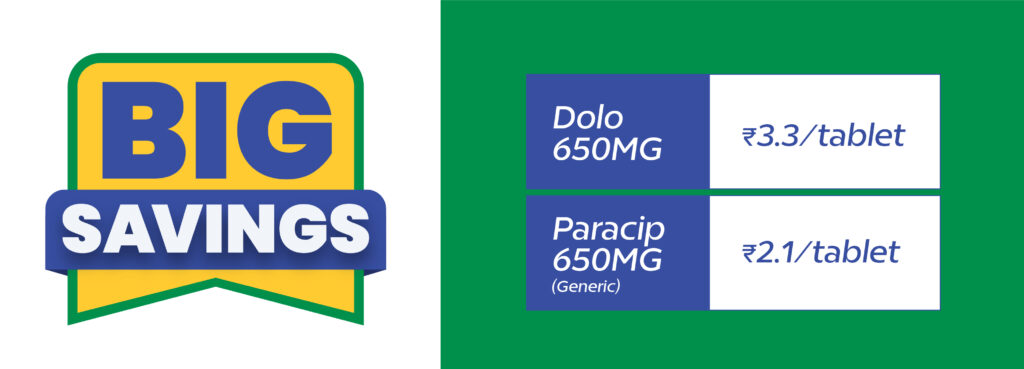
    Some drug brands have a well-known association with their treatments. The brand names have grown to mean the same thing as drugs. Dolo is a fever-reducing medicine in India, but its primary content is paracetamol. Here, people would ask for Dolo and not paracetamol or fever-reducing medicines.

    Comparion of Dolo & Paracip

    People need to become more familiar with generic drugs because pharmaceutical companies are using the power of branding to create an unnecessary divide between branded and generic medicines. The branded drugs are marketed to physicians in a manner that creates a wrong perception that branded medicines are better.

    It also incentivizes the medical lobby — drug stores, private hospitals, local clinics, etc., by offering a share of the sale. If patients are prescribed branded medicines by certain physicians or hospitals and buy them from a nearby store, the doctor gets the margin from every sale.

    Therefore, doctors’ endorsement of generic alternatives to brand-name drugs is crucial to increasing their usage. The health ministry has required all doctors nationwide to use generic medicine names.

    Government Initiatives Promoting Generic Medicines

    The Indian government launched the “Jan Aushadhi” initiative in 2008 under the Department of Pharmaceuticals. This initiative aimed to establish government-supported retail stores to sell generic versions of high-quality medicines. It successfully established Jan Aushadhi outlets, where pharmacy stores only offer generic brand medicines.

    This program aims to enhance people’s quality of life by lowering medical expenses. It offers high-quality generic medications at lower prices. It also spreads information about the effectiveness of generic medicines amongst physicians who prescribe more generic drugs.

    The Bureau of Pharma Sector Undertakings (BPSU) acts as the implementing agency, assisted by Central Pharma Public Sector Undertakings (CPSUs) and Janush Aushadhi. In an amendment to the code of conduct for doctors made in October 2016, the Medical Council of India recommended that all doctors prescribe drugs with clearly legible generic names. And they would do so in a way that encourages generics. The Indian government is mulling and considering whether to enact legislation requiring generic drugs in patient care.

    Know What Health Minister said about Generic MedicineDoctors must mention reason while prescribing antibiotics

    Common Challenges and Difference Between Generic and Branded Medicine

    The lack of strong regulatory criteria for the amount of medicine in its generic counterpart and its allowable contents has been a major factor for physicians’ (and patients’) lack of faith in generic pharmaceuticals. In contrast to their cheaper generic counterparts, branded generic medications command a higher price at retail pharmacies. On the other hand, it’s important to know that generic versions of popular brand-name pharmaceuticals work just as well.

    Research, processing, and production all affect the final product’s quality. As long as the manufacturers follow precautions to ensure product quality, these generic pharmaceuticals are just as effective in treating patients as the branded treatment. By strictly adhering to GMP norms, pharmaceutical manufacturers may become more accessible to the average person financially.

    Pharmaceutical equivalent reference products must be therapeutically equivalent to the standard reference product through bioequivalence studies as mandated by regulatory bodies. In vitro dissolution studies are useful for demonstrating drug-product equivalence in some cases. The lack of strong regulatory criteria for the amount of medicine in its generic counterpart and its allowable contents has been a major factor for physicians’ (and patients’) lack of faith in generic pharmaceuticals.

    Effective Generic Medicine Utilization

    There are 4 Es that help promote effective generic utilization: education, engineering, economics, and enforcement.

    Education: This involves creating initiatives that help spread information about generic prescribing to have an impact. Mostly, this is done by leveraging media publications.

    Engineering: Prioritizing production measures to drive medication, quality of production, and supply agreements. This ensures quality production and wider reach.

    Economics: This is done by providing positive and negative incentives to physicians and patients. Customers will be saving costs and be shown how physicians benefit from prescribing branded medicines.

    Enforcement: It involves keeping regulations in place of law enforcement, which may include obligatory generic substitution regulations that pharmacists and manufacturers must follow.

    Also Read:

    Quality Assurance of Generic Medicines

    Quality assurance by the government for any form of pharmaceutical manufacturing is essential. Many international agencies are accusing India of producing low-quality medicines that lead to the death of children in Gambia. The Drugs Technical Advisory Board (DTAB) has proposed implementing barcodes or QR codes for 300 drug product brands in India.

    The barcode information will include UPC, the name of the active pharmaceutical ingredient (API), the brand name (if any) along with the following –

    • manufacturer’s name and address
    • serial shipping container code
    • batch number & size
    • manufacturing date
    • expiry date
    • manufacturing licence or the import license number
    • any necessary storage instructions

    Are Generic Medicines Effective in India?

    Eradicating unawareness around generic medicines also requires well-designed survey studies that consider patients, community pharmacists, and physicians. Usually, generic medicines are perceived as drugs created for the low-income group. Many high-income groups often consider generic medicines a substandard product made for the marginal and poor. And this social perspective needs to be added across government communication. Therefore, future advertisements and communications should also target such groups, the goal should be to infer a general picture relevant to generic drug prescribing and buying attitudes.

    This includes the role of Janaushadi in increasing the reach of generic medicines to penetrate deeper into the rural market. Even those who can afford medicines in such a market are deprived of them because they lack access to medicines. Therefore, Jan Aushadi stores leverage information technology that enables an end-to-end supply chain system with a Point-of-Sale (PoS) application.

    This helps determine the stock and expected availability of products so that people can avoid visiting bigger cities to get medicines. Such an approach includes building a stronger system comprising warehouse management, multiple distributors strategically placed around the nation, and replacing expired medicines.

    Next, healthcare providers and government officials must provide drug costs at reasonable levels. An essential instrument in the fight against rising healthcare costs is the introduction of generic equivalents. More and more patents are expiring, and the market for generic copies of pharmaceuticals is projected to continue to see rising sales.

    PMBI government schemes for Generic Durgs

    The Pharmaceutical and Medical Devices Bureau of India (PMBI) is responsible for implementing government schemes and promoting generic medicines through a wide range of media. It includes running TV ads, banners on auto rickshaws, FM radio and cinema halls ads, flex banners on railway stations and state transport bus stands, etc. PMBI routinely informs the public how to best use Jan Aushadhi generic drugs through sites like Facebook, Twitter, Instagram, YouTube, and others.

    The Bureau also organizes seminars and workshops to spread awareness about the scheme. Moreover, the 7th of March is celebrated as Jan Aushadhi Diwas to create awareness about the program.

    Conclusion:

    There needs to be more understanding between drugstore employees and community pharmacists. Bridging such a gap helps promote generic medications amongst everyone, even in tier-I and metro cities. A better understanding of generic drugs amongst customers is crucial for replacing branded drugs.

    Moreover, recent government interventions, as mentioned above, are boosting the distribution of generic drugs. There are more than 8500 JAS in India across multiple states. Also, the government is targeting 10,500 such stores by 2023.

    The time has come to redefine how customers buy medicines in India, how they are distributed, and how physicians prescribe them. When treating the underlying cause of the disease, the original content prescribed to patients is equally effective, regardless of whether they are branded or generic. Since generic drug products greatly impact healthcare costs, medical professionals and patients need a thorough education. Government health authorities can also incentivize purchases by introducing loyalty discounts on generics.

    Blog | Medkart Pharmacy - Generic Medicine Online

    At Medkart, we drive awareness around generics through in-store walk-ins, marketing, and other efforts. We also encourage customers to switch to generic alternatives and save expenses by ordering generic medicine online in India. You can compare and order medicines on Medkart.in by uploading a prescription. Alternatively, you can also download the Medkart app from Google Play Store or Apple App Store to order medicines from mobile in India.

    For more, you can walk into Medkart’s 107 generic medicine stores in India and get detailed information about generic medicines. If you are searching for a generic store, head to Medkart and make an informed decision that saves more.

    Related Links:
  • Do Doctors get Commission for Prescribing Drugs – Doctor Commission

    Do Doctors get Commission for Prescribing Drugs – Doctor Commission

    Prescribing Drugs by Doctor

    Do Doctors get Commission for Prescribing Drugs – We have always been vocal about how the entire mechanism from visiting the doctor to getting the prescription and buying the medicine works. Even the way we buy medicines involves little to no brains as we simply go and buy what is written in the prescription and our non-questioning boils down to our exploitation by the following entities:

    • Doctors we visit
    • Hospitals where our loved ones or we are admitted/make a visit
    • Pharmaceutical companies
    • Medical Representatives
    • Drug Stores

    Most of you are handed the branded medicine prescription that is priced higher than the generic ones. Almost 75% of the branded medicine producers are manufacturing generics that are priced 60% less than the branded ones. Why so? They follow the same compliance and are made on the same premises. Still, there is such a stark price difference. The reason is simple – everyone in the nexus eats their share of the pie.

    Can Pharmacists Prescribe Medicine in India?

    These people are the reason why you are paying more for medicines. Let’s explore how medicine buyers are sold branded drugs at a higher price.

    A. The commission-driven business model of medical stores

    Whenever you go to buy medicines at a pharmaceutical store, you will merely hand over the prescription that bears the name of a doctor or his/her clinic. And most often, you will find a medicine store near the doctor’s clinic or vice versa wherein the prescribed medicines will only be available in the store next door to the clinic. Every drug you buy will have a cost that is split between the manufacturers, medical store owners, and doctors.

    Doctors get a commission for prescribing certain medicines that the nearby medical shop sells. Their network is vast and not just limited to a few shops in the nearby vicinity. As a medicine buyer, it is your right to know the medicines’ contents by questioning a doctor and even the medical store owner. You can also ask for the generic replacement and try it out for yourself to understand the difference as there is none.

    B. Medical Representatives tying up with small clinics

    As mentioned above, most small clinics and individual medical professionals tie up with the medical store; they also join hands with the Medical Representatives (MRs). Some medicines are given to doctors by MRs as gifts, and these come from leading pharma companies and agencies. Again, some of these medicines are provided on an experimental basis to check their implications on patients upon consumption.

    You can recall your last visit to a General Physician in the neighbourhood and think of those yellow, white, and pink capsules. The ones that have no brand or labels but are given to you without any charges. Such medicines are not documented, and there is no costing or billing done, which itself is alarming as this gets into the zone of sales promotion in the industry to claim tax benefits.

    C. Pharmaceutical Companies tying up with Hospital Chains

    Another entity in this network is that of the chain of hospitals that ties up with the big pharmaceutical companies. Since the amount of inward patients is high in big hospitals, the margin for profits gets more significant for everyone in the nexus – doctors, pharma stores, companies, and hospitals. The work is similar to the models we discussed above, albeit with a difference. Here, the hospital chains are getting a considerable share of profits by recommending medicines bearing a specific brand name.

    The pharma companies look to drive higher sales by tying up with hospitals that have a large number of beds. And since there are many agents in the supply chain, everyone gets their share of cut over here, including the visiting doctors in a hospital whose signature is your prescription.

    Remember, none of these agents recommend generics as it does not benefit them, and therefore you will always end up paying more for the medicines. The best way to save money and avoid being exploited is to stay vigilant and question the points of authorities. It means you should question doctors when they prescribe medicines, ask pharma sellers what they are giving it to you, and ask hospitals to write you generics as well. We already talked about how generics are as effective as branded ones, so you need not worry about the quality.

    Read: What are Generic Medicines?

    Conclusion

    It’s important to note that prescribing practices can vary among individual doctors, and not all doctors may follow the recommended guidelines for prescribing generic medicines. However, the government of India has been taking initiatives to promote the use of generic medicines, and patients are encouraged to discuss with their doctors the availability and suitability of generic alternatives for their specific medical conditions to make informed decisions about their healthcare.

    FAQs on Do Doctors Get Commission for Prescribing Drugs

    1. Can pharmacists prescribe medicine in India?

    pharmacists in India are not authorized to prescribe medicines independently. In India, only qualified medical practitioners who are registered with the Medical Council of India (MCI) or State Medical Councils are legally allowed to prescribe medicines. These medical practitioners include allopathic doctors (MBBS), dental practitioners (BDS), and some other recognized medical professionals with prescribing rights, such as Ayurvedic, Unani, and Homeopathic doctors.

    Pharmacists in India are responsible for dispensing medications based on prescriptions issued by qualified medical practitioners. They play a crucial role in providing medication-related information and counselling to patients, ensuring the safe and appropriate use of medications, and monitoring for potential drug interactions or adverse effects. However, pharmacists do not have the legal authority to independently prescribe medicines in India. Patients should always seek advice and prescriptions from qualified medical practitioners for their medical conditions.

    Also, Read:

    2. What are the prescription rules in India for doctors?

    In India, the rules governing doctor prescriptions are regulated by the Medical Council of India (MCI) and respective State Medical Councils. Here are some general guidelines related to doctor prescriptions in India:

    • Qualification: Only qualified medical practitioners who are registered with the MCI or State Medical Councils are authorized to issue prescriptions. This includes allopathic doctors (MBBS), dental practitioners (BDS), and some other recognized medical professionals with prescribing rights, such as Ayurvedic, Unani, and Homeopathic doctors, as per their scope of practice.
    • Personal Examination: In most cases, doctors are required to personally examine the patient before prescribing medication. Telemedicine or online consultations may be allowed in certain situations, but they are subject to specific guidelines and restrictions.
    • Legibility: Prescriptions should be written legibly clearly and understandably to avoid any confusion or errors in dispensing medication.
    • Prescription Format: Prescriptions should include the doctor’s name, registration number, address, contact details, and qualifications. The patient’s name, age, and sex should be mentioned along with the date of the prescription. The generic name of the medicine, dosage form, strength, dose, frequency, and duration of treatment should be clearly mentioned. Any specific instructions or precautions should also be provided.
    • Brand Substitution: Doctors may prescribe medicines by generic names or brand names, but it is encouraged to prescribe using generic names to promote the use of cost-effective and quality medicines. If a specific brand is intended, the doctor should mention “Brand Medically Necessary” or “Do not Substitute” on the prescription.
    • Controlled Substances: Prescriptions for controlled substances, such as narcotics or psychotropic drugs, are subject to stricter regulations and should be issued in compliance with the Narcotic Drugs and Psychotropic Substances (NDPS) Act and other applicable laws.
    • Signature: The prescription should be signed by the prescribing doctor, indicating their agreement and responsibility for the medication prescribed.

    3. What are the rights of pharmacists in India?

    In India, pharmacists have certain rights and responsibilities to the Pharmacy Practice Regulations, 2015, issued by the Pharmacy Council of India (PCI), which is the regulatory body governing pharmacy education and practice in the country. Some of the key rights of pharmacists in India include:

    • Dispensing Medications: Pharmacists have the right to dispense medications to patients based on valid prescriptions issued by qualified medical practitioners. They are responsible for ensuring that the dispensed medications are safe, appropriate, and comply with the prescription.
    • Patient Counseling: Pharmacists have the right to provide counselling and information to patients about the proper use, administration, dosage, potential side effects, interactions, and storage of medications to promote safe and effective medication use.
    • Drug Interactions and Adverse Effects Monitoring: Pharmacists have the right to identify and manage potential drug interactions or adverse effects of medications, and provide appropriate interventions or recommendations to patients and prescribers to minimize potential risks.
    • Generic Substitution: Pharmacists have the right to substitute a prescribed brand-name medication with a generic equivalent unless the prescriber has specifically mentioned “Brand Medically Necessary” or “Do not Substitute” on the prescription.
    • Quality Assurance: Pharmacists have the right to ensure that the medications dispensed are of appropriate quality, stored properly, and comply with relevant laws and regulations related to drug storage, handling, and dispensing.
    • Professional Autonomy: Pharmacists have the right to exercise their professional judgment and make decisions based on their education, training, and expertise in the best interest of patients, within the legal and ethical framework of pharmacy practice.
    • Continuing Education: Pharmacists have the right to engage in continuing education and professional development activities to update their knowledge and skills, and stay current with the latest advancements in pharmacy practice.

    Related – Roles of Pharmacists in India

    4. Why doctors are not prescribing generic medicines?

    Doctors in India are encouraged to prescribe generic medicines as per the guidelines and policies of the Government of India. Generic medicines are equivalent to brand-name medicines in terms of safety, efficacy, and quality, but they are generally cheaper because they do not carry the brand name and are not subject to the costs associated with marketing and promotion.

    However, there may be various reasons why doctors may not always prescribe generic medicines in practice. Some of the common reasons include

    • Lack of availability: In some cases, doctors may not have access to a sufficient supply of generic medicines or may not be familiar with the availability of generic alternatives for specific medications in their practice setting.
    • Patient preference or familiarity: Patients may have a preference for brand-name medicines or may be familiar with certain brands, and doctors may prescribe accordingly to meet patient expectations or preferences.
    • Lack of information or knowledge: Doctors may not have complete information or knowledge about the availability, safety, efficacy, or cost-effectiveness of generic medicines, and may choose to prescribe brand-name medicines due to lack of awareness or confidence in generic alternatives.
    • Influence of the pharmaceutical industry: The pharmaceutical industry may promote brand-name medicines through various marketing strategies, such as providing samples, sponsoring medical conferences or events, or offering incentives to doctors, which may influence prescribing practices.
    • Legal or regulatory constraints: In some cases, doctors may face legal or regulatory constraints that limit their ability to prescribe generic medicines, such as requirements from insurance companies or hospitals, or limitations imposed by specific drug formularies or protocols.

    > Consult a Doctor and Medkart will help you Order Medicines Online

    Related Links:

    Blog | Medkart Pharmacy - Generic Medicine Online

  • Why doctors prescribe only brand name and not generic medicine?

    Why doctors prescribe only brand name and not generic medicine?

    Why doctors prescribe only brand name and not generic medicineDoctors should be more cautious in prescribing generic medications whenever possible to help control rising prescription drug costs and to increase the likelihood that patients will adhere to their therapies. Prime Minister Narendra Modi mentioned in 2017 that the government would create “legal procedures” to guarantee that physicians would prescribe generic drugs.

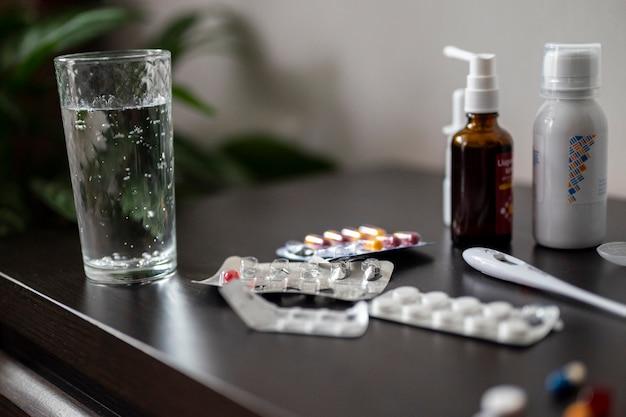
    Although generic medications have grown over time, generic medicines are less popular than branded ones and doctors still frequently prescribe more expensive, branded medicines. But the generics are equally effective, well-researched, and less expensive branded ones.

    One major barrier is that some patients, and even some doctors, view less expensive generic medications as inferior and link them to lesser efficacy.

    Additionally, the survey discovered that many doctors continue to use the original brand name of a drug even when generic equivalents are readily available. As a result, they may unintentionally prescribe more expensive medications.

    As a result of a patient request, several doctors have admitted to prescribing name brands rather than their generic equivalents. The likelihood of this activity was noticeably higher among doctors who additionally stated receiving food and samples from the company or meeting with [brand name] representatives. As a customer, you can upload the prescription on generic medicine websites and find alternatives to save money.

    When doing so is medically necessary, the authors of the new study claim that turning more frequently to generic medications could benefit the country’s healthcare system in additional ways. In the long run, it might also help certain patients better adhere to their treatment regimens.

    Brand-name prescriptions are roughly twice as likely to be “abandoned” (that is, never picked up after being filled) compared to generic prescriptions. Thus, increased use of generic medications may lead to long-term adherence to necessary treatments.

    The researchers also proposed that public awareness or advertising campaigns, as well as giving doctors free samples of generic medications for their patients, can help change attitudes towards generic medications and boost their usage. However, they recognized that more research is needed to determine whether such methods are successful. The suggestions are made when the high cost of prescription medications has attracted widespread attention.

    Generic drugs are no different than branded ones

    The scientists examined how frequently brand-name prescriptions are prescribed and discovered that, as was to be expected, doctors favour brand-name medications over generic alternatives.

    According to the doctors, despite some doctors’ concerns that generic treatments are less effective or have more severe side effects, most peer-reviewed research revealed that generic versions of brand-name drugs generated equal clinical outcomes.

    However, some acknowledge some circumstances in which a brand-name medication may be more clinically suitable than its generic equivalent or instances in which prescribing a substitute is not an option.

    The scientists discovered that prescribing more generic drugs could enhance long-term adherence to treatment, noting that brand-name prescriptions are almost twice as likely to go unfilled after being completed as generic ones.

    This is likely because name-brand drugs are much more expensive than generic drugs, even though the authors point out that the cost of generic drugs has been rising recently.

    Concerns about safety

    Generic medicines have long been a source of concern in terms of safety and efficacy. The pharmaceutical industry has perpetuated this myth, largely due to the pharmaceutical industry’s aggressive marketing tactics, which have created a wrong perception around generic medicines. Usually, there are differences in the appearance of generic medicines and branded ones. These differences in are due to color coding for generics have been linked to greater rates of non-adherence.

    The truth is generic medicines are just as safe and effective as their brand-name counterparts, meeting the same safety, efficacy, and quality standards as brand-name drugs. Generic medicines are also much more affordable than branded drugs, making them an attractive option for many consumers, leading to cost savings. Despite this, the myth surrounding generic medicines persists.

    In reality, generic medicines are safe, effective, and affordable and can be trusted to provide the same quality of care as brand-name drugs. This myth surrounding generic medicines only prevents people from accessing the healthcare they need, serving as a cost-effective alternative to the branded drug.

    Generic or branded?

    Should you accept the generic version of your existing drug if your doctor or pharmacist offers it? In most situations, the short response is “yes.” Unless the doctor writes “No Substitute” in the prescription.

    Almost all branded medicines are more expensive than generic ones. And, if you have to choose, it is best to go with a generic drug.

    Most of the available research demonstrates that using generic medication saves you money and gives you a medication that is just as effective as the original. Finding generic medicine online has become far easier with government initiatives of generic medicine stores and companies like Medkart promoting its use.

    How does Medkart help?

    Medkart is one of India’s leading pharmacy distribution companies that offers a wide range of generic medicines at affordable prices. Patients can buy generic medicines online from www.medkart.in/blog or through its stores. Medkart offers a hassle-free and convenient way for patients to purchase their medicines through its android and iOS applications.

  • Medicines Only From Medkart

    Medicines Only From Medkart

    generic Medicines Only From Medkart

    My father, Mr Ashok, is on dialysis and requires many medicines. These medicines are costly, and I pay for them from my pocket; the situation was challenging to manage. One of my friends took a franchisee of Medkart in Vadodara. When I learned about it, I asked him if I could get medicines at a discount. He told me about generic medicines. The price difference is astounding! I switched to generic medicines, and there was no adverse influence of the new medication on my father’s health, and at the same time, it was very cost-effective for us.

     Mangesh Holihosur (32)

    Private company employee

              (Baroda)

  • What Are the Common Views of Consumers on Generic Medicine in India?

    What Are the Common Views of Consumers on Generic Medicine in India?

    Generic medicines have become an important part of India’s healthcare system, allowing millions of people access to safe and affordable treatments. According to the Indian Pharmaceutical Alliance, generic drugs account for 80% of the pharmaceutical market in India.

    Why different packaging of Generic and branded drug

    Generic medicines are as effective and safe as their branded counterparts but cost less. This allows millions of Indians to access life-saving treatments, regardless of their financial circumstances.

    According to a survey conducted by Deloitte India in 2019, the Indian pharmaceutical market is expected to reach $55 billion by 2025, with branded medicines accounting for about 72% of that figure. This indicates that there is huge potential for doctors and pharmacists to earn from selling branded medicines in India.

    They have become an important part of India’s healthcare system, offering millions of people safe, effective, and affordable treatments.

    How misconceptions are depriving Indians of saving medical expenses

    One common myth is that generic medicines are less effective than brand-name drugs. This is simply not true. All generic medicines must meet the same standards of quality, purity, and potency as brand-name drugs. Another myth is that generic medicines may contain different ingredients than brand-name drugs. This is also not true.

    Generic medicines contain the same active ingredients as brand-name drugs and must meet the same standards for quality generic medicines and safety. All generic medicines must be approved by the Central Drugs Standard Control Organisation(CDSCO) and meet the same high standards as brand-name drugs, holding WHO-GMP standards.

    Viewing generic medicines as low-cost drugs with substandard quality

    A major misconception about generic medicines is that they cost less because they use lower-quality ingredients or have fewer active ingredients than brand-name drugs. However, this is also false; generic medications may cost less than their brand-name equivalents because it requires fewer expenses to reach the consumer.

    When a drug is mass-produced, the cost of production decreases due to the savings achieved from purchasing in bulk, streamlining processes, and reducing waste.

    Furthermore, generic drugs do not need to be subjected to costly clinical trials or advertising campaigns like branded medications, which reduces the overall cost even further. As a result, generic drugs cost less than their branded counterparts and offer an affordable option for those who need them.

    Questions about efficacy of generics

    Many buyers in India worry that generic medicines will take longer to work than their brand-name equivalents due to lower quality or fewer active ingredients. Again, this is untrue; all generic medicines contain the same active ingredients in the same quantities as their brand-name counterparts and should produce similar results in terms of effectiveness and speed of action.

    All CDSCO-approved generic medications contain the same active ingredients at the same concentrations as their branded equivalents. Furthermore, these medications also pass strict quality control tests before being released for sale, ensuring their safety and effectiveness.

    Finally, some people think that because generic medications cost lower than brand-name drugs, they must be inferior in quality or potency. However, this could not be further from the truth. At the same time, indeed, generics cost less due to a lack of advertising and research costs associated with bringing them to market, they are still subject to stringent quality control tests before being approved for sale on the market – ensuring their safety and efficacy remain at optimal levels regardless of cost.

    Lack of branding in generics

    Brand recognition is also a key factor in determining whether customers will choose to purchase generic medicines. Many customers prefer to buy brands they recognize and trust, so if a generic medicine has a recognizable brand name, it is less likely to be purchased. A branded product will also have higher perceived quality than its generic counterpart since consumers assume it has undergone extensive testing and quality assurance measures.

    Finally, it is important to consider the role of marketing when discussing why people do not buy generic medications without doctors prescribing them. Drugs bearing brand names typically receive far more attention from pharmaceutical stores, chains of hospitals, and pharmaceutical companies. And this leads to a greater familiarity with these drugs among consumers, influencing their decision-making when deviating from prescription and opting for generic medicines.

    The lack of advertising can also be an issue when selling generic medicines. Brands invest heavily in advertising campaigns designed to create awareness and loyalty among their target audiences; these campaigns are unlikely to be undertaken by companies selling generic medicines due to cost constraints. With effective advertising, potential customers may be aware of the existence or benefits of generic medicines, resulting in lower sales volumes than their branded equivalents.

    Why different packaging of Generic and branded drug?

    Lack of support from doctors and pharmacists for generics

    In India, doctors and pharma stores are often seen to be promoting branded medicines over generic ones. While it is true that generic medicines are cost-effective and can provide the same quality of care as their branded counterparts, there are several reasons why doctors and pharma stores only sometimes recommend them.

    Firstly, the pricing structure of generic medicines is not as lucrative as branded ones. Many generic drugs have a lower profit margin than their branded counterparts, so pharma stores often opt for the latter to maximize their profits. Similarly, doctors may prefer to prescribe branded drugs to earn higher consultation fees.

    Branded drugs generally cost more than generics, meaning doctors and pharmacists can charge a higher price for them and thus make more money. In addition, many branded drugs come with lucrative incentives from pharmaceutical companies, such as free samples, discounts on future purchases, and commissions on prescription and sales. These incentives further increase the potential earnings from branded drugs.

    Data from IMS Health suggests that around 20-30% of total prescriptions in India are filled with branded medicines each year. This means that doctors and pharmacists have plenty of opportunities to profit from selling these types of medications.

    Bottomline

    The wrong perception of generic medicines is an issue that needs to be addressed. While some misconceptions have an element of truth, it is important to remember that generics are safe and effective alternatives to their branded counterparts. Generics can provide cost savings for patients and help reduce overall healthcare costs.

    How Medkart Promotes the Use of Generics?

    Medkart is a platform that helps people in India access generic medicines quickly and easily. We aim to make life easier for millions of people looking for affordable generic drugs. The idea behind Medkart was to ensure that people in India have access to the best quality generic medicines at the most affordable prices.

    You can search for a generic store near you or visit any of Medkart’s 107 stores that help you search for the drugs you need, compare prices of different generics, and even place orders online on www.medkart.in/blog

    Medkart’s mobile app (onAndroid and iOS) is a convenient and easy way to order medicines online. It allows users to search for and purchase medicines from the comfort of their homes. The app lets you view detailed product information, compare prices, and place orders quickly and securely.