
Search results for: “all”

  • Who will tell patient the truth about Generic Medicines ? – Medkart

    Who will tell patient the truth about Generic Medicines ? – Medkart

    awareness about generic medicines

    Truth about Generic Medicines

    When patients have been prescribed medication, they often have questions about the safety and effectiveness of their products. The truth is that generic medicines are just as safe and effective as their branded equivalents. They contain the same active ingredients, medical uses, dosage forms and strengths as the original product. Generic medicines undergo rigorous testing to ensure quality, safety and efficacy before being approved for sale in India by CDSCO.

    However, some patients may not be confident about taking generic medicines in India due to the lack of brand recognition or a belief that generic medications are inferior to brand-name drugs. Healthcare professionals and pharmaceutical stores must reassure patients that generic medicines are just as effective and safe as their brand-name equivalents. It is also important for healthcare professionals to explain that generic medications can help save money while being effective.​

    Generic medicines and the role of pharmaceutical stores

    Generic medicines can be purchased from most pharmacies at a fraction of the cost of their branded counterparts. This is because generic drugs do not incur the same marketing, research and development costs as brand-name drugs. These savings can be passed on to consumers through lower prices.

    Pharmacists are an invaluable source of information about medications and will be able to provide further advice on which is the best generic drug replacement for a prescribed, branded drug. By providing the truth about generic medicines, pharma stores can help reassure patients that these products are safe and effective. Such actions can ensure that patients have the right knowledge and information when buying medicine.

    Generic medicines and the role of healthcare professionals

    Healthcare professionals should explain to customers that generic medicines offer the same quality and efficacy as branded drugs but at significantly lower prices. They should inform customers that generic medicines have undergone rigorous testing to ensure they meet all safety standards and are just as effective as their branded counterparts. Furthermore, they should explain that generic medicines contain only CDSCO-approved active ingredients, which are just as safe and effective as those in brand-name medications.

    When such information comes from doctors, patients are more likely to feel confident about buying generic medicines. They should clarify that generics are not inferior substitutes but perfectly safe and effective alternatives for managing various medical conditions.

    In addition, doctors can also encourage customers to ask their doctor or pharmacist about generic medicines if they want to save money on medications without compromising quality or efficacy.

    Healthcare providers should also advise patients on how to read drug labels carefully to understand which active ingredients are present in each medication and how much of each ingredient is in the product.

    This will help them make an informed decision about which product is best for them. Finally, healthcare providers should advise their patients to speak with their pharmacist if they have any additional questions or concerns about generic medications or other prescription drugs they are taking.

    How does Medkart Help?

    In India, however, more awareness about generic medicines and their various benefits is needed. Fortunately, Medkart, one of India’s leading online pharmacies, has taken it upon itself to spread awareness about generic medicines and make them more accessible to the public.

    Generic medicines are bioequivalent to branded drugs and much more cost-effective than branded ones. To spread awareness about generic medicine, Medkart provides the right education through blogs, articles, and one-on-one customer interaction at over 100+ stores. We collectively aim to educate people about the advantages of generic drugs over branded drugs.

    Our efforts are focused on creating awareness among people regarding the safety and efficacy of generic medicines and their availability and affordability. With this, we also try to address people’s misconceptions about generic medicines around their quality and effectiveness.

  • The Trust On Generics At Medkart

    Trust On Generics medicine At Medkart

    I have known about generic medicines for some time now. But usually, these medicines are not available at local pharmacies. I have been associated with Medkart since it started in Surendra Nagar. Hardik, a Health Advisor at Medkart, always supports me in reducing medical bills by suggesting best alternative medicines of my respective prescription, including generics. It has made a significant difference in our medical bills. We not only buy medicines for my aunt from Medkart but also for myself, my mother, and my wife.

    Nishit Seth (35)
    Private company employee
    (Surendranagar)

  • In the present situation, is only B.pharm knowledge enough to be pharmacist?

    In the present situation, is only B.pharm knowledge enough to be pharmacist?

    B.pharm knowledge enough to be pharmacist

    B.Pharm knowledge enough to be a pharmacist?

    To be a pharmacist, it is important to have a strong foundation in pharmaceutical science and a thorough understanding of how medications work and how they can be safely and effectively used to treat various health conditions. However, being a pharmacist also involves other skills and knowledge beyond the purely academic. For example, pharmacists need to be able to communicate effectively with patients, understand and follow ethical and legal standards, and be able to work effectively as part of a healthcare team.

    Additionally, pharmacists need to be able to stay up-to-date on new medications, treatments, and guidelines, and be able to apply this knowledge in their practice. Therefore, while a strong academic foundation in pharmaceutical science is important, it is not the only factor that determines a person’s ability to be a competent and effective pharmacist.

    Minimum training required to be a pharmacist in India

    In India, the minimum training required to become a pharmacist typically involves completing a Bachelor of Pharmacy (B.Pharm) program, which is a four-year undergraduate degree program. However, please note that the specific requirements may vary depending on the institution offering the program and the regulations of the Pharmacy Council of India (PCI), which is the regulatory authority governing pharmacy education and practice in the country.

    The B.Pharm program typically includes coursework in subjects such as pharmaceutical sciences, pharmacology, medicinal chemistry, pharmaceutical technology, pharmacy law and ethics, clinical pharmacy, and drug regulatory affairs. In addition to classroom instruction, students may also complete practical training in various pharmacy settings, such as community pharmacies, hospitals, and industrial pharmacies, to gain hands-on experience.

    After completing the B.Pharm program, graduates may need to register with the State Pharmacy Council to obtain a license to practice as a pharmacist in the state where they intend to work. Registration requirements may include passing a qualifying exam and fulfilling other criteria set by the State Pharmacy Council.

    It’s important to note that pharmacy education and practice in India are regulated by the Pharmacy Council of India (PCI), and it’s essential to comply with the regulations and guidelines set by the PCI to become a qualified pharmacist in India. As regulations and requirements may change over time, it’s recommended to stay updated with the latest information from the PCI or relevant authorities to ensure compliance with the current requirements for becoming a pharmacist in India.

    Experience required for a pharmacist in India

    The experience required for a pharmacist can vary depending on the country or region, as well as the specific role or practice setting. In general, after completing the required education and obtaining a pharmacist’s license, pharmacists typically gain experience through practice in various pharmacy settings, which may include:

    • Community Pharmacy: Working in a retail or community pharmacy, where pharmacists dispense medications, provide medication counseling to patients, manage medication-related issues, and offer health and wellness advice.
    • Hospital Pharmacy: Working in a hospital or clinical setting, where pharmacists collaborate with other healthcare professionals to ensure safe and effective medication use, manage complex medication therapies, and provide specialized services such as sterile compounding or medication management for hospitalized patients.
    • Clinical Pharmacy: Working as a clinical pharmacist in a specialized practice setting, such as ambulatory care clinics, geriatric care facilities, or specialty clinics, where pharmacists provide direct patient care services, manage chronic diseases, and optimize medication therapies.
    • Industrial Pharmacy: Working in the pharmaceutical industry, where pharmacists may be involved in drug development, quality control, drug manufacturing, regulatory affairs, or research and development.
    • Academia/Research: Working in academic institutions or research settings, where pharmacists may be involved in teaching, conducting research, or contributing to the advancement of the pharmacy profession through academia or scientific research.

    The specific duration of experience required can vary depending on the practice setting and the employer’s requirements. Some employers may require a minimum number of years of experience or specific expertise in a particular area of pharmacy practice. Additionally, pharmacists may also pursue post-graduate residency programs or other specialized training to gain additional experience and expertise in a particular area of pharmacy practice.

    It’s important to note that the experience requirements for pharmacists may vary depending on local regulations and practice standards, and it’s essential to comply with the requirements set by the relevant regulatory authorities and employers in your area. Keeping up-to-date with the latest advancements in the pharmacy field and engaging in continuous professional development can also help pharmacists gain valuable experience and expertise in their practice.

    Looking to be a hero of patients and a bright career in pharmacy??? Visit www.medkart.in/blog and explore best opportunities and new openings in India’s top Generic pharmacy retail store.

    To know more watch -https://youtube.com/shorts/9H0LpXB_GFM

  • Is it compulsory to be pharmacist to start a pharmacy business?

    Is it compulsory to be pharmacist to start a pharmacy business?

    pharmacist to start a pharmacy business

    It is generally required for a pharmacist to be involved in the ownership and operation of a pharmacy business. In many countries, including India, laws and regulations governing the pharmacy profession require that a pharmacist be responsible for the professional practice of pharmacy in a pharmacy setting.

    This means that a pharmacist must be on the premises of the pharmacy during business hours, and must be available to provide professional advice and oversight to other pharmacy staff. In some cases, the pharmacist may also be responsible for reviewing and approving prescriptions, ordering and managing the pharmacy’s drug inventory, and participating in the development of policies and procedures related to the practice of pharmacy.

    Overall, the involvement of a pharmacist in the ownership and operation of a pharmacy business is important to ensure that the pharmacy is providing safe and high-quality care to patients.

    Looking to start your own pharmacy??? Visit www.medkart.in/blog and be a partner of growth.

    To know more watch – https://youtube.com/shorts/3fPk3iYF7Bw

  • Why are medicines not expensive?

    There are several reasons why some medicines may not be expensive. Some of these reasons include:

    Generic medications: Generic medications are copies of brand-name drugs that have the same active ingredients, dosage form, and strength as the original drug, but are sold under a different name. Because they are not protected by patent, generic medications can be produced and sold more cheaply than brand-name drugs.

    Government price controls: In some countries, the government may regulate the price of certain medications in order to make them more affordable for consumers.

    Competition: When there are multiple manufacturers producing the same medication, competition can drive down the price of the drug.

    Manufacturer discounts: Pharmaceutical companies may offer discounts or rebates on their medications to certain groups of patients or to healthcare providers.

    Overall, the price of a medication may be influenced by a variety of factors, including the cost of research and development, production, marketing, and distribution.

    Want to know about Generics and are looking for quality generics then what are you waiting for visit www.medkart.in/blog and explore quality generics.

    To know more watch – https://youtube.com/shorts/TKFv5Ls3CEA

  • Why Symptoms of Diabetes are Not Detected Early

    Do you think you have diabetes but are unsure if you should be concerned? If so, you are not alone. diabetes is one of the most commonly occurring chronic conditions, affecting millions. Unfortunately, many of those affected may not be aware of the symptoms of diabetes or their significance. First, let’s find out about the types of diabetes.

    Type 1 diabetes

    Type 1 diabetes is an autoimmune condition wherein the body’s immune system attacks and terminates the pancreatic cells producing insulin.

    Type 2 diabetes

    Type 2 diabetes is an ailment in which the body cannot process and adequately use the insulin produced. This leads to a buildup of sugar in the bloodstream.

    What are the symptoms of early diabetes?

    The most common symptoms of diabetes are increased thirst, frequent urination, and unintended weight loss. These symptoms can occur in type 1 and type 2 diabetes, though they may be more pronounced in type 1. Other early symptoms may include:

    • Fatigue

    • Blurred vision

    • Slow healing of wounds

    • Frequent infections

    • Unexplained weight loss

    Other signs of early diabetes

    In addition to the symptoms listed above, some physical signs can indicate the presence of diabetes.

    • Darkened skin in certain areas

    • Numbness or tingling in the feet and hands

    • Itchy skin

    • Dry mouth

    • Excessive thirst

    • Unexplained weight loss

    • Frequent urination

    • Blurred vision

    Why is diabetes not detected early?

    Symptoms of diabetes are often not detected early because the condition often does not cause any noticeable symptoms in its early stages.

    It is known as silent diabetes, which arises when high blood sugar levels are present but not yet high enough to display symptoms such as frequent urination, thirst, and fatigue.

    Another reason why diabetes may not be detected early because the symptoms can be mistaken for other conditions. For example, frequent urination and thirst can be caused by a urinary tract infection, and a lack of sleep or anaemia can cause fatigue.

    Additionally, some people may not be aware of the risk factors for diabetes, such as:

    • Excess body weight

    • Having a family history of the condition

    • Aged above 45 years

    Without knowledge of these risk factors, people may not consider diabetes a possibility when experiencing symptoms.

    To help detect diabetes early, it is essential to be attentive to the risk factors and to plan regular check-ups with your healthcare provider. Your healthcare provider may also suggest testing for diabetes.

    By detecting diabetes early, you can take steps to manage the condition and lower your risk of difficulties such as heart disease, stroke, and kidney disease. This consists of eating a healthy diet, exercising regularly, and taking medication as prescribed by your healthcare provider.

    How to test for diabetes?

    Several tests can detect silent diabetes, which refers to the condition’s early stages when symptoms may not yet be present. Some commonly used tests include:

    • Fasting blood sugar test

    • Haemoglobin A1C test

    • Oral glucose tolerance test

    • Random blood sugar test

    It is essential to be mindful of the risk factors and schedule regular check-ups with your healthcare provider. They may suggest testing for diabetes if they suspect you are at high risk.

    Diabetes is manageable

    Diabetes is a condition that affects millions of people around the world.

    It is important to remember that early detection and management of diabetes can significantly improve your chances of successfully managing the condition.

    • Monitor your blood sugar levels regularly.

    • Follow a healthy diet.

    • Exercise for at least 30 minutes daily.

    • Quit smoking.

    • Maintain a healthy weight.

    • Take medication as prescribed.

    • Control stress levels.

    • Schedule regular check-ups with your healthcare provider.

    While lifestyle changes like diet and exercise are essential, doctors may also prescribe oral medications to help control blood sugar levels. For example, EMPAONE 25MG Tablet/Linares E Tablet is commonly used alongside diet and exercise to manage Type 2 Diabetes Mellitus effectively, supporting better long-term outcomes.

    Following these action points can help control your diabetes and lower your risk of complications. Managing diabetes is a long-term commitment, but you can successfully control the condition and maintain good health with the proper support and resources.

    You can buy all your medicines for diabetes on Medkart, your trusted online pharmacy.

    FAQs

    What is silent diabetes?

    It is a condition where diabetes goes undetected because the condition often does not cause any noticeable symptoms in its early stages. It occurs when blood sugar levels are high but not high enough to cause symptoms such as frequent urination, thirst, and fatigue.

    How helpful is early detection of diabetes?

    When diabetes is detected early, individuals can make necessary lifestyle changes and start treatment before serious complications develop. Early treatment can help lower the risk of heart disease, stroke, blindness, kidney disease, and other diabetes-related complications.

    Is pre-diabetes reversible?

    Pre-diabetes can sometimes be reversed through lifestyle changes, such as a healthy diet and increased physical activity. These changes can help lower the risk of type 2 diabetes and improve overall health.

  • Thyroid

    What does the thyroid gland do?

    The thyroid is a butterfly-shaped gland that produces thyroid hormones (T3, T4). Thyroid causes various metabolic changes in the body.

    Thyroid issues occur when there is an abnormal production of thyroid hormones. Excessive hormone production results in hyperthyroidism, whereas inadequate hormone production leads to hypothyroidism.

    The treatment of thyroid problems involves medications that balance the levels of both hormones. Most thyroid issues can be effectively managed if properly diagnosed and treated.

    Effects of thyroid hormones on the body

    The thyroid hormones impact the entire body. Some major effects of thyroid hormones include:

    • Controlling the body’s metabolic rate, which impacts weight

    • Regulating the heartbeat and body temperature

    • Impacting brain development

    • Controlling muscle contractions

    • Affecting bone growth

    Thyroid types and symptoms

    Thyroid problems fall under two categories: hypothyroidism and hyperthyroidism. The symptoms of thyroid problems vary according to their types.

    Hypothyroidism

    Hypothyroidism is caused due to low production of thyroid hormones. The manifestations of hypothyroidism are:

    • Hashimoto’s thyroid disease is an autoimmune disorder that causes your metabolism to slow down, affecting your bodily functions. It is one of the most common causes of hypothyroidism in women.

    • Goitre occurs due to a deficiency of iodine in the diet.

    • Postpartum thyroiditis is a lack of thyroid function in a woman after childbirth.

    • Thyroidectomy following thyroid cancer surgery is another common cause of hypothyroidism.

    Symptoms or side effects of hypothyroidism

    • Neck swelling, known as goitre, especially in Hashimoto’s thyroid disease

    • Weight gain

    • Lethargy and chronic fatigue

    • Low body temperature

    • Constipation

    • Puffy face and eyes

    • Depression

    • Hair loss

    • Irregular periods

    • Infertility

    • Confused mind

    • Low heart rate

    • Hoarseness of voice

    Hyperthyroidism

    When your thyroid gland produces more thyroid hormones than your body requires, the condition is known as hyperthyroidism. The manifestations of hyperthyroidism are:

    • Graves’ disease: The exact cause of Grave’s disease is unknown; however, genetics and environmental factors play significant roles.

    • Toxic multinodular goitre: This accounts for most cases of hyperthyroidism after Grave’s disease.

    • Thyroid adenoma: The benign thyroid gland tumour that produces an excess of thyroid hormones.

    Symptoms or side effects of hyperthyroidism

    • Unexplained weight loss

    • Arrhythmia or abnormal heartbeat

    • Heart palpitations

    • Tremors and muscle weakness

    • Increased hunger

    • Anxiety and irritability

    • Sweating

    • High sensitivity to heat

    • Diarrhoea

    • Chronic fatigue

    • Hair loss

    • Irregular periods in women

    Diagnosis of thyroid problems

    Hyperthyroidism and hypothyroidism diagnosis involves physical examinations, blood tests for thyroid hormones, and thyroid gland scans. The various tests for thyroid problems include:

    • Physical tests: For hypothyroidism, some symptoms of thyroid disease that include recent weight gain, skin condition, or history of thyroid issues like goitre are assessed by the doctor. Following this, a thyroid function test is recommended.

    • For hyperthyroidism, the doctor checks for tenderness or enlargement of your thyroid gland, overactive reflexes, changes in your eyes, skin condition, and a slight tremor in your fingers when extended.

    • Doctor’s also conduct a blood test that screens thyroid stimulating hormone (TSH), which signals the production of other thyroid hormones.

    • When thyroxine is low and TSH is high, it could indicate hypothyroidism.

    • When thyroxine is high and TSH is almost nonexistent, it could indicate hyperthyroidism.

    • The thyroid peroxidase antibody test checks for an enzyme, TPO, essential for synthesising thyroid hormones. A TPO test helps detect TPO-specific blood antibodies. TPO antibodies in your blood indicate that an autoimmune condition like Graves’ disease or Hashimoto’s thyroid disease is the root cause of your thyroid problems.

    • Radioiodine reuptake test (RAIU): Radiation iodine uptake measures the thyroid gland’s capacity to absorb radioactivity, which allows medical professionals to assess the gland’s health. Individuals with hyperthyroidism exhibit a very high RAIU, whereas those with an underactive thyroid gland exhibit a low RAIU.

    • Thyroid scans and ultrasounds produce images of the thyroid gland.

    Treatment of thyroid problems

    Thyroid disease treatment involves balancing healthy levels of thyroid hormones in hypothyroidism and hyperthyroidism.

    For hypothyroidism, doctors may prescribe Levothyroxine, a synthetic thyroid hormone.

    For hyperthyroidism, doctors may prescribe anti-thyroid medications to stop the thyroid gland from producing excessive hormones, gradually reducing the symptoms of hyperthyroidism.

    Oral medication with radioactive iodine shrinks your thyroid gland.

    You may have to take medicines every day to substitute thyroxine.

    Precautions for thyroid problems

    A good mix of lifestyle changes and nutritious food can help prevent thyroid issues. Regular exercise, avoiding certain goitrogenic foods like cabbage and cauliflower, and taking an iodine-rich diet can help prevent thyroid diseases.

    Myths related to thyroid disease

    You can’t lose weight if you have a thyroid problem.

    This is the biggest myth associated with hypothyroidism. With a balanced diet and regular exercise, you can lose weight. It helps decrease the severity of the symptoms of thyroid disease.

    You can cure hypothyroidism naturally.

    Hypothyroidism occurs due to a lack of thyroid hormones. Unless thyroid hormone production is boosted, you will need tablets to meet your body’s requirements. However, the effects of thyroid deficiency can be managed using a lifestyle approach.

    Thyroid can be managed

    Thyroid problems can harm many bodily functions and your quality of life. Tests for thyroid problems are available, and the good news is that the symptoms can be controlled with an early diagnosis.

    If you are looking to buy quality generic medicines at competitive prices, Medkart has you covered. Our pricing is completely transparent. You can go on Medkart | Generic Medicines Online – Best Online Pharmacy App and compare the prices of the medicines you would like to purchase.

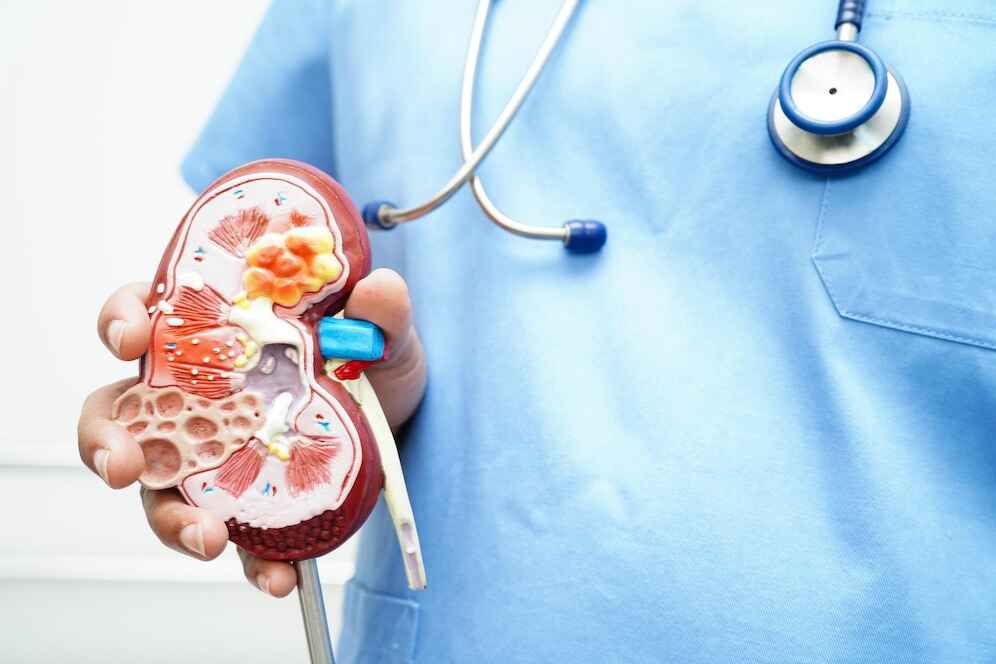
  • Chronic Kidney Disease

    Chronic Kidney Disease

    Chronic Kidney Disease

    What is chronic kidney disease?

    Do you experience swelling in your feet and ankles? Or do you have urinary issues, like passing urine more or less often? If you experience either of these regularly, you must consult your doctor for chronic kidney disease.

    Your kidneys remove waste and extra fluid from your blood through your urine. However, when they get damaged, it affects their functioning and leads to excess fluid and waste accumulation in your body. This causes swelling in your feet and ankles or changes in your urine.

    Read on to learn more about chronic kidney disease, the causes of chronic kidney disease, and chronic kidney disease treatment.

    What are the types of kidney disease?

    There are two types of kidney disease:

    • Acute kidney injury

    Acute kidney injury occurs due to an injury, illness, kidney stones, or drugs. It lasts for a short duration and needs a short course of medication or dialysis to recover.

    • Chronic kidney disease

    Chronic kidney disease is when the kidneys have been damaged for more than three months, and their normal functioning is affected.

    What are the causes of chronic kidney disease?

    Chronic kidney disease occurs due to the following health conditions:

    • Diabetes

    • High blood pressure

    • HIV and AIDS

    • Hepatitis B and hepatitis C (Inflammation of the liver)

    • Urinary tract infection

    • Infection in the filters of the kidneys

    • Immune system diseases, like Lupus

    • Polycystic kidney disease (fluid-filled sacs in the kidneys)

    • Long-term use of drugs like NSAIDs (nonsteroidal anti-inflammatory drugs)

    What are the symptoms of chronic kidney disease?

    Chronic kidney disease symptoms develop gradually. You may not notice the signs initially. But over time, you will experience the following:

    • High blood pressure

    • Swelling in the ankles and feet

    • Urinating more or less

    • Change in the colour of the urine

    • Fatigue

    • Loss of appetite

    • Nausea and vomiting

    • Disturbed sleep

    • Itchy skin

    • Muscle cramps

    • Chest pain (due to fluid accumulation around the heart)

    • Trouble breathing (due to fluid accumulation in the lungs)

    What are the treatment options for kidney disease?

    Your doctor will prescribe options for chronic kidney disease treatment after a complete diagnosis that includes:

    • Blood tests

    • Urine tests

    • Imaging tests

    • Kidney biopsy

    Your doctor will create a chronic kidney disease treatment plan to help slow down the disease and its complications. This will depend upon the causes of chronic kidney disease.

    The treatment plan will typically consist of-

    • Medications to control high blood pressure

    • Medications to bring down the swelling in the feet and ankles; these consist of diuretics to maintain fluid balance in the body

    • Medications to treat anaemia and get relief from fatigue and weakness

    • Medicines to lower cholesterol levels

    • Medicines and vitamin D and calcium supplements to protect your bones

    • A diet low in protein, sodium and potassium, to reduce the waste products in the blood and help lessen the amount of work your kidneys have to do

    • Regular health check-ups to determine if the disease is stable or progressing

    Kidney failure occurs when your kidneys don’t function normally and clear the waste and fluids.

    Patients with chronic kidney disease often experience fatigue, muscle weakness, or oxidative stress due to carnitine deficiency and cellular damage. In such cases, supplements like Evion LC Tablet, which combine Vitamin E and L-carnitine, may be recommended to help protect kidney cells, support cardiovascular health, and improve energy levels. Always consult your doctor before adding any supplements to your treatment plan.

    Treatment for end-stage kidney disease consists of-

    • Dialysis: Artificial removal of fluid and waste products from the blood.

    • Kidney transplant: Surgically placing a healthy kidney into your body.

    Can you prevent kidney disease?

    You can reduce the risk of chronic kidney disease by practising the following:

    • Maintain a healthy weight: Eat a balanced diet of whole grains, fruits, vegetables, and healthy fats. Exercise regularly to maintain a healthy weight.

    • Manage your health conditions: Maintaining healthy blood sugar, cholesterol, and blood pressure levels is crucial in preventing chronic kidney disease. Go for regular health check-ups and blood tests.

    • Quit smoking: As cigarette smoking can damage your kidneys, it is advisable to quit smoking.

    • Check for instructions on over-the-counter medications: Long-term consumption of painkillers, like Ibuprofen or aspirin, can damage the kidneys. Always consult your doctor before taking these painkillers. Avoid self-medication.

    Myths and facts about chronic kidney disease

    Here are some myths and facts about chronic kidney disease that will help you stay aware and seek timely medical help.

    Myth: If I pass a lot of urine, my kidneys are healthy.

    Fact: In the early stages of the disease, the kidneys gradually lose their ability to function normally. So, initially, you may have to pass urine more often.

    Myth: Kidney disease is curable.

    Fact: Kidney diseases, like acute kidney injury, can be reversed with timely treatment. The progression of other kidney diseases can be slowed by managing health conditions and a diet low in salt and sodium.

    Myth: Only dialysis helps treat kidney disease.

    Fact: Medication, diet, and exercise can help slow the progression of early-stage chronic kidney disease. Dialysis is required only if the condition worsens and leads to kidney failure.

    Takeaway

    Medication and a low-protein, low-sodium diet can help manage acute kidney injury. A healthy diet and lifestyle can also help prevent the condition. Timely medical help goes a long way in getting the right treatment and controlling your symptoms.

    Check out Medkart for all your medical requirements for kidney disease treatment. Now, medications are just a click away. At our online pharmacy, you can select the medicines you need and get them delivered to your doorstep in no time!

  • Is Communication Skill Important for a Pharmacist? – Communication in Pharmacy

    Is Communication Skill Important for a Pharmacist? – Communication in Pharmacy

    Communication Skills of Pharmacists – Yes, communication skills are important for pharmacists. Pharmacists are responsible for providing information and advice to patients and other healthcare professionals about medications, and they need to be able to communicate this information clearly and accurately.

    Communication in Pharmacy

    Importance of Communication in Pharmacy

    Effective communication is important for building trust and rapport with patients, and for ensuring that patients understand how to take their medications safely and correctly. It is also important for pharmacists to be able to communicate effectively with other members of the healthcare team, such as doctors, nurses, and other pharmacists, to coordinate patient care and ensure that patients receive the most appropriate treatment.

    In addition to verbal communication skills, pharmacists should also be proficient in written communication, as they may need to write prescriptions, fill out medical records, or prepare reports. Overall, good communication skills are essential for pharmacists to provide high-quality care to patients.

    Looking to be a hero of patients and have a bright career in pharmacy with great learning & development??? Visit www.medkart.in/blog and explore the best opportunities and new openings in India’s top Generic pharmacy retail store.

    To know more watch – https://youtube.com/shorts/Kop2tfT1G4I

    Blog | Medkart Pharmacy - Generic Medicine Online

    Related Link:

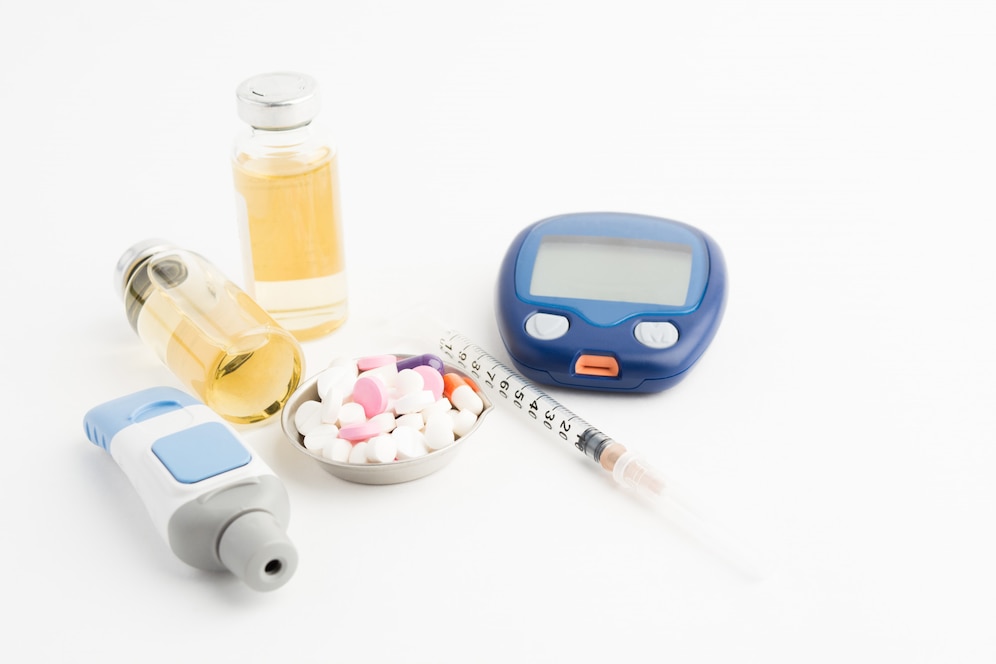
  • Are Generics Available for Diabetes Treatment? | Buy Generic Medicines for Diabetes

    Are Generics Available for Diabetes Treatment? | Buy Generic Medicines for Diabetes

    Generic Medicines for Diabetes

    Generic Medicines for Diabetes

    People with diabetes frequently take various medications, such as insulin, blood glucose, blood pressure, and cholesterol-lowering medications. Because research suggests that patients suffering from diabetes are twice as likely to suffer from blood pressure and other chronic illnesses. Consuming medicines for all such health issues regularly can increase medicine expense. If generic versions of the medication are available, taking them can help you save money.

    However, some detractors have cast doubt on generic medicine for diabetes, suggesting they are inferior. Are branded medications much different from generic versions? If not, why don’t they exist in greater numbers, and why aren’t they consumed more frequently?

    Branded Medicine price vs Generic Medicine price for Diabetes

    What are generic drugs?

    All medications have generic names, whether prescribed or purchased over the counter. These names are not subject to trademark protection. The patent owned by the drug’s creator must expire before a drug can be offered as a generic. A patent grants the drug’s creator the sole authority to market the medication under its brand name for a predetermined period.

    For instance, Bristol-Myers Squibb sells metformin(first-line medication for the treatment of type 2 diabetes) under the brand name Glucophage. For many years, Glucophage was the only metformin brand available worldwide. However, in 2002, when the drug’s patent expired, other pharmaceutical companies received the approval to market their metformin brands. Currently, there are

    over 200 Metformin tablets that have the same composition and effect as Glucophage being sold in India.

    Typically, generic medications cost a small percentage of what branded medications do. For instance, the cost of generic metformin costs three times less than that brand-name Metformin.

    5 rules Diabetic patients must follow – Diabetes care guide

    Available Generic medicines for diabetes

    There are generic versions of some of the medications used to treat Diabetes, including the following;

    • Only the generic version of the rarely used first-generation sulfonylurea acetohexamide is offered. (Drug interactions are more likely with first-generation sulfonylureas.)
    • Another first-generation sulfonylurea, tolazamide (Tolinase), is offered in generic form.
    • Generic glimepiride (Amaryl) is accessible.
    • There is also a generic version of glipizide, marketed under the brand names Glucotrol and Glucotrol XL.
    • There is a generic version of glibenclamide, known by the brand names DiaBeta, Micronase, and Glynase.

    Patent expiration dates indicate when brand-name medications might become generic versions. Still, they provide estimates because patent extensions and litigation for patent infringement might force. The Drug Controller General of India (DCGI) issues marketing clearances while the Indian Patent Office issues patents; the two departments don’t cross-check their work.

    For patients with Type 2 diabetes, generic versions of modern medicines like Empagliflozin are now available, making treatment more affordable. EMPAONE 25MG Tablet is one such generic option that helps manage blood sugar levels when used alongside diet and exercise.

    While generic medicines offer cost savings, some patients may benefit from branded or newer combination treatments like Linares E Tablet. The choice depends on medical advice, individual response, and affordability.

    1) Insulins for Diabetes

    A hormone called insulin aids in controlling blood sugar. As a pharmaceutical, various forms of insulin are offered, some of which act for up to a day and others for just a few hours.

    However, those with type 1 diabetes and those with type 2 diabetes who have not reacted well to oral treatment are offered insulin (tablets).

    Buy Insulin

    2) Oral combination therapy

    Generic medication therapy, including all the above list, works in various ways to lower blood glucose levels. Thus they can be combined. For instance, a biguanide and a sulfonylurea (types of drugs) could be combined. Numerous combinations are possible.

    Combining oral drugs can enhance blood glucose management when taking only one pill does not have the intended benefits, even if doing so can be more expensive and raise the risk of side effects. It is less effective to add another type of Diabetes medication than to switch from one pill to another.

    Benefits of Generic Medicines for Diabetes

    Generic medicines offer several benefits for people with diabetes, including:

    1) Cost savings:

    The biggest benefit of generic medicines is that they are much less expensive than brand-name versions. This can help people with diabetes save money on their medications and make them more accessible.

    2) Efficacy:

    Generic medicines are as effective as brand-name versions in treating diabetes symptoms and controlling blood sugar levels. Studies have shown that generic medicines are just as safe and effective as their brand-name counterparts.

    3) Easy access:

    Generic medicines are available at most pharmacies and drug stores, making them easy to obtain. This makes them a convenient option for people with diabetes who need access to medication regularly. For instance, at Medkart, we promote generic medicines through our 100+ stores pan India.

    4) Safety:

    Generic medicines must meet stringent safety standards like brand-name versions to be just as safe. All the generic medicines are WHO-GMP-certified and CDSCO-approved.

    However, it is important to talk to your doctor before starting a new medication to ensure it will not interact with any other medications you are taking or cause any adverse effects.

    Conclusion

    The best diabetic treatment does not apply to everyone. One person’s solution might not be suitable for another. Your doctor can explain how one drug or a combination of drugs can work in your diabetes treatment.

    Combining medications can make each drug more effective at lowering blood sugar. Ultimately, generic medicines can be an effective treatment option for people with diabetes who need access to affordable medication regularly. However, it is important to talk to your doctor before starting a new medication and follow their instructions carefully when taking generic medicines for diabetes.

    Order generic medicines for diabetes at Medkart

    Medkart is an online pharmacy that provides generic medicines for diabetes at a discounted rate. It offers a wide range of diabetic medications, such as metformin, glipizide, and glyburide, as well as dietary supplements and blood sugar monitors.

    All generic medicines are sourced directly from the manufacturer, ensuring high-quality products. Customers can also order generic medicines for diabetes on www.medkart.in/blog. Also, you can download Medkart application on android and iOS and order medicines.