Search results for: “all”

  • Diabetes Meal Planning: A Quick  Guide to Your Rescue!

    Diabetes Meal Planning: A Quick Guide to Your Rescue!

    Diabetes Meal Planning

    Diabetes is manageable

    The number of people who have diabetes has been increasing yearly. Diabetes is caused by multiple hereditary and lifestyle factors that impact the body’s ability to produce enough insulin or to utilise it effectively. This leads to your body showing symptoms such as weight loss, increased urination, fatigue, stress, blurred vision, etc.

    Many diabetic symptoms can be relieved by just taking care of how you live your life. If you are diabetic or prediabetic, this article will be the perfect guide to diabetic meal planning for you.

    Include foods and vegetables in your diet plan

    Diabetes meal planning includes cutting down on sugar or restricting its intake. Fruits and vegetables are a good option because they contain natural sugar, which is not harmful, unlike refined sugar from candies, chocolates, cakes, and packaged food. You should also avoid drinking cold drinks and fruit juices and add buttermilk, low-fat milk, lemonade, etc., to your diet.

    Eat good carbohydrates

    Educate yourself about the carbohydrates you include in your diet plan for diabetes. A diabetic meal plan should include high-fibre, nutrient-dense carbohydrates such as whole wheat, brown rice, chickpeas, whole oats, and more. You should ditch low-fibre, processed foods such as white bread, white rice, etc.

    Include protein in your diet

    Adding protein to your diabetic diet plan is vital because proteins lower blood glucose levels and prevent damage to blood vessels. Eat high-fibre foods such as pulses, raw or boiled veggies, beans, lentils, a handful of nuts, and eggs.

    Don’t overeat red meat

    Red meat is rich in saturated fats that can result in high blood glucose levels, triggering diabetic symptoms and putting pressure on your blood vessels. Eat lean protein such as chicken or omega-3-rich fish like salmon. Even if you are eating red meat like mutton, pork, etc., you need to moderate and monitor the quantity you consume.

    Vitamins and minerals are vital

    Vitamins prevent diabetes-related health complications. When your body is already fighting the symptoms of diabetes, a lack of vitamins can cause trouble. Eat more citrus fruits such as oranges, melons, strawberries, etc., as they are rich in vitamins A and C. Minerals such as zinc and magnesium help control blood glucose levels and diabetes-related complications.

    The plate method

    The plate method ensures you get all your body’s nutrition without going overboard on food portions. Fill half your plate with vegetables or leafy greens such as salad, broccoli, etc. Fill one-quarter with high-fibre foods like whole wheat, pasta, brown rice, and more. You can fill the remaining quarter with lean protein-rich foods such as eggs, fish, chicken, or tofu.

    Here are a few tips to help you plan your diabetic meals better:

    • Limit salt intake. Higher salt consumption increases diabetes symptoms as it increases blood pressure and heart disease risk.

    • Eat at the right intervals. Timing your meals will help your body utilize the insulin generated effectively.

    • Remember to make exercise or any form of physical activity a part of your routine.

    Diabetes is a metabolic disorder that causes your body’s blood sugar levels to rise. Following these diabetic meal planning tips will control your blood sugar level. Consult a dietician or nutritionist to get customized diabetic meal plans. With a few lifestyle and dietary changes, you can lead a healthy, fit, and happy life ahead.

    Buying medicines at competitive prices is now easier than ever with Medkart. Visit the Medkart website today for more information!

    Diet Alone Isn’t Always Enough:

    While healthy meal planning is a cornerstone of managing Type 2 diabetes, many people also require oral medicines to help keep blood sugar levels in check. EMPAONE 25MG Tablet/Linares E Tablet is one such option often prescribed by doctors to work alongside diet and exercise for more effective diabetes control.

    FAQs

    1. Can I eat snacks between meals?

    Eating a snack once a day is recommended. You must time your meals properly so that the insulin produced in the body is utilized effectively. You can have a healthy green sprout salad or fruit in the evening.

    2. Fruits also have sugar. Is it harmful to people with diabetes?

    Fruits have natural sugar, unlike refined sugar in processed and packaged foods. Eating whole fruits is recommended as it is also a good source of vitamins and fibre.

    3. Can diabetes increase the risk of heart conditions? How can I prevent it?

    Research has found that people with diabetes are at a higher risk of heart conditions as high blood glucose levels are said to damage blood vessels. But with a proper diet plan and changes in your lifestyle, you can prevent such conditions.

    4. Is it necessary to take diabetes medicines along with a strict diet plan?

    Yes, it’s important to follow a proper diet and take diabetes medicines like Sitamet 50/500mg tablet. A healthy diet helps the medicine work better and keeps your blood sugar levels more stable.

  • Even Heart Attack Gives YOU A Second Chance At Life

    Even Heart Attack Gives YOU A Second Chance At Life

    Heart Attack Gives YOU A Second Chance

    Heart attack is one of the most common and dangerous cardiovascular conditions. Did you know heart attacks cause approximately 25,000 to 28,000 deaths in India alone? Globally, this number is even more shocking. Moreover, around 1 in 5 people get admitted to hospitals upon experiencing a second heart attack.

    A heart attack occurs when the heart muscles do not get enough blood due to blood clots or blood vessels getting clogged. If you have suffered from a heart attack or know someone who has, this article lists all the preventive measures you can take to stay healthy and lead a happy, productive life.

    How can you prevent a second heart attack?

    Your lifestyle has a significant impact on your overall health. Changing your lifestyle can help you return to regular activities more quickly, reduce the risk of another heart attack, and set the course for a healthier future.

    Quit smoking

    Tobacco kills more than 8 million people worldwide and accounts for over a million deaths yearly. A major cause of heart attack, smoking damages blood vessels and causes blood clots, making it difficult for oxygen to reach your heart and other organs. It’s advisable to cut down on smoking and eventually stop, as there are multiple health benefits of not smoking tobacco. It reduces the risk of a second heart attack, regulates blood pressure, and promotes blood circulation.

    Track your blood pressure and cholesterol

    High blood pressure stresses your blood vessels and the heart. You are recommended to maintain a healthy weight, lower your salt intake and work out regularly to keep your blood pressure in check. Pay attention to the bad cholesterol (LDL) range in your blood test reports. You can control a high LDL and change it into a low LDL by eating a healthy diet and exercising. Do not consume excessive saturated fats, red meat, high dairy products, etc.

    Don’t miss your medicines

    Do not slack on taking medicines on time. Always stick to the medicine prescribed by your doctor and take the right medicines at the right time, in the right manner. Doctors advise the intake of beta-blockers, statins, anti-coagulants, and more as they reduce the workload on the heart, prevent blood clots and protect your blood vessels. This will help reduce the chances of having a second heart attack.

    Make exercise your friend!

    You should live an active lifestyle involving moving, walking, running, or any form of exercise or yoga that will benefit your cardio-metabolic health. Adopt any form of physical activity, be it walking, jogging, dancing, or swimming, and follow it regularly. It will lower your blood pressure, strengthen your heart and improve your heart’s health.

    Don’t ignore the symptoms!

    Symptoms are just your body’s way of telling you something is wrong. You shouldn’t ignore those. Read the signs and get help at the earliest. This way, you can increase your chances of surviving a second heart attack.

    The major symptoms of a heart attack are:

    • Shortness of breath

    • Chest pain

    • Shooting pain in one or both arms or shoulders

    • Feeling dizzy

    • Excessive fatigue

    • Unexplained nausea

    Get regular check-ups

    Prioritize your health, specifically your heart health. Your doctor might advise you to take regular ECGs, lipid profile tests, and other assessments to know the functioning of your heart.

    The way forward…

    With the right measures, you can live a healthy and peaceful life even after you have a heart attack. To take care of yourself after a heart attack, monitor your blood pressure levels regularly, maintain a healthy body weight, and limit your stress. With these, you are sure to give your heart health and yourself a second chance at life!

    Buying medicines is now simpler. With Medkart, you get the best prices and doorstep delivery! Visit Medkart today!

    FAQs

    1. What dietary changes can I make to my diet to reduce my chance of a second heart attack?

    Include more vegetables, fruits, whole grains, and lentils in your diet plan. Cut down your salt intake. Eat good carbs, such as whole wheat and brown rice, and avoid red meat.

    2. I am diabetic. Am I at a higher risk of a heart attack?

    Diabetes puts you at a higher risk because of high sugar levels in the blood. It can damage blood vessels and make heart tissue weaker. You should consult a doctor and a nutritionist who will help you keep your health in check.

    3. Can you recommend a few safe exercises or physical activities that one can do during their heart attack recovery?

    Walking, brisk walking or jogging are a few safe physical activities that you can do for at least 15-20 minutes or up to half an hour. If you feel better and want to increase the duration, consult a doctor.

  • When You Ask You Gain

    When I saw the Medkart store for the first time, I just thought, “Let’s try this new store once.” But after going inside and seeing the display there, I asked them about generic medicines. Only then did I find many options for the medicines I generally consume. Initially, the price difference made me a little sceptical but the store owner Mr Ankit Agarwal explained and assured me about the medicine’s quality and the reason behind the cost.

    It has been a few months since then; I only consume generic medicines and monitor my health regularly, and there are no issues. The medicine I was paying Rs 1000 per strip is now available to me at Rs 300 only. I am glad I went to the Medkart store and asked them about generic medicines that day.

     Mahendra Kothari (59)
    Company manager
    (Jaipur)

  • Obsessive Compulsive Disorder (OCD) Meaning and Definition of OCD in Psychology

    Obsessive Compulsive Disorder (OCD) is a mental health issue where people have troubling thoughts that won’t go away (obsessions) and do things repeatedly to feel better or safer (compulsions). We’ll talk about why this happens in our minds, how things like genetics and the environment can make it more likely, and the ways therapy, medicine, and lifestyle changes can make things better for those dealing with OCD.

    Obsessive Compulsive Disorder (OCD) is characterized by intrusive, unwanted thoughts (obsessions) and repetitive behaviours or rituals (compulsions) that are performed to alleviate the distress caused by these thoughts. The condition affects millions of people worldwide and has a significant impact on their quality of life, often causing disruptions in their relationships, work, and daily activities.

    OCD Meaning

    Understanding the meaning of “obsessed” in OCD is crucial to recognising the severity of the condition and differentiating it from everyday worries or anxieties. In the context of OCD, obsessions are persistent, distressing thoughts that are difficult to control or dismiss. These obsessions often lead to compulsions, which are repetitive behaviours or mental acts performed to neutralize the obsessive thoughts and reduce the anxiety they cause.

    The journey to understanding Obsessive Compulsive Disorder (OCD) involves exploring what causes the disorder, how it is diagnosed, and the psychological factors that contribute to the development of obsessions and compulsions. In this article, we will delve into the science behind OCD and provide insights into the disorder’s meaning, the impact it has on people’s lives, and the various treatment options available.

    What Causes OCD – Exploring the Psychological and Biological Factors

    The exact cause of OCD remains unclear, but it is believed to result from a combination of genetic, neurological, and environmental factors. Research has shown that individuals with a family history of OCD are more likely to develop the disorder, suggesting a genetic component. Additionally, studies have identified differences in brain structure and function in people with OCD, indicating a possible neurological basis for the condition.

    Environmental factors, such as traumatic events or significant life changes, may also play a role in the development of the disorder. These events can trigger the onset of OCD symptoms or exacerbate existing ones. Furthermore, psychological factors, such as personality traits and cognitive processes, can contribute to the development of obsessions and compulsions. For example, individuals with a tendency toward perfectionism, a heightened sense of responsibility, or a predisposition for negative thinking may be more susceptible to developing OCD.

    Read: What are Generic Medicines?

    OCD Diagnosis – How It Is Diagnosed and Common Misconceptions

    Diagnosing OCD can be a complex process, as the symptoms of the disorder can be similar to those of other mental health conditions, such as anxiety disorders or tic disorders. A thorough evaluation by a mental health professional is necessary to accurately diagnose OCD and rule out other potential causes of the symptoms. This evaluation typically involves a detailed interview, a review of the individual’s medical and psychiatric history, and the use of standardized assessment tools to measure the severity of the obsessions and compulsions.

    There are several common misconceptions about OCD diagnosis. One misconception is that individuals with OCD are always neat, clean, and orderly. While some people with the disorder do exhibit these characteristics, others may have completely different types of obsessions and compulsions. Another misconception is that OCD is simply a “quirky” personality trait or a harmless habit. In reality, OCD is a debilitating condition that can have a significant impact on an individual’s quality of life.

    > Consult a doctor and Order Medicine Online

    The Psychology of Obsession in OCD

    The obsession psychology in OCD is complex and involves various cognitive processes. Obsessions are typically triggered by intrusive thoughts, images, or urges that the individual perceives as threatening or distressing. These thoughts are often irrational and unrealistic but can cause intense anxiety and discomfort for the person experiencing them. To cope with the distress caused by these obsessions, the individual may engage in compulsions, which are repetitive behaviours or mental acts performed to neutralize the threat and reduce anxiety.

    Cognitive theories of OCD suggest that certain cognitive biases, such as inflated responsibility, overestimation of threat, and thought-action fusion, play a role in the development and maintenance of obsessions. These biases can lead to faulty interpretations of normal, everyday thoughts and experiences, causing the individual to perceive them as dangerous and in need of immediate action.

    Decoding the Meaning of OCD – How It Affects People’s Daily Lives

    The disorder meaning of OCD is not limited to the presence of obsessions and compulsions. It also encompasses the significant impact the condition has on people’s daily lives. Individuals with OCD often experience disruptions in their relationships, work, and daily activities due to the time-consuming nature of their compulsions and the anxiety caused by their obsessions.

    In addition to the practical consequences of the disorder, people with OCD may also struggle with feelings of shame, guilt, and isolation. They may worry that others will find out about their obsessions and compulsions or judge them negatively because of their condition. This may result in a decline in quality of life and social isolation.

    Common Types of OCD and Their Meanings

    OCD can manifest in various forms, with different types of obsessions and compulsions. Some common types of OCD include:

    • Contamination OCD: This type of OCD is characterized by an intense fear of germs, dirt, or contamination, leading to compulsive cleaning or washing behaviours.
    • Harm OCD: This form of OCD involves intrusive thoughts about harming oneself or others, often accompanied by compulsive checking or reassurance-seeking behaviours.
    • Symmetry and Orderliness OCD: Individuals with this type of OCD experience a strong need for symmetry, order, or precision, which can lead to compulsive arranging, organizing, or counting behaviours.
    • Religious or Scrupulosity OCD: This form of OCD is characterized by obsessions related to religious or moral issues, often accompanied by compulsive praying, confessing, or seeking reassurance from religious authorities.

    Understanding the different types of OCD and their meanings can help individuals and their loved ones better recognize the disorder’s symptoms and seek appropriate treatment and support.

    Treatment Options for OCD – Therapy, Medication, and Self-Help Techniques

    There are various treatment options available for individuals with OCD, including therapy, medication, and self-help techniques. Cognitive-behavioural therapy (CBT), specifically a form called exposure and response prevention (ERP), is considered the gold standard treatment for OCD. This type of therapy involves gradually exposing the individual to their feared thoughts or situations while preventing them from engaging in their compulsive behaviours. Over time, this helps to reduce the anxiety associated with the obsessions and decrease the need to perform compulsions.

    Medication, such as selective serotonin reuptake inhibitors (SSRIs), can also help manage OCD symptoms. These medications work by increasing the availability of serotonin in the brain, which is thought to help regulate mood and anxiety.

    In addition to therapy and medication, individuals with OCD can benefit from self-help techniques, such as mindfulness practices, relaxation exercises, and self-directed exposure exercises. These strategies can help to manage anxiety and promote healthier responses to obsessive thoughts.

    Coping Strategies for People with OCD and Their Loved Ones

    Support from loved ones is crucial for individuals coping with OCD. Some strategies that can help people with OCD and their family members include:

    • Educating oneself about the disorder and its treatment: Understanding the nature of OCD and the various treatment options available can help both individuals with the condition and their loved ones better navigate the recovery process.
    • Encouraging open communication: Talking openly about OCD symptoms and experiences can help to reduce feelings of shame and isolation and foster a supportive environment for recovery.
    • Establishing healthy boundaries: It is essential for loved ones to avoid enabling compulsive behaviours and instead encourage individual with OCD to face their fears and engage in treatment.
    • Seeking support: Joining a support group or seeking therapy for themselves can also be helpful for family members and loved ones who are struggling to cope with the impact of OCD on their lives.
    Conclusion – Breaking the Stigma and Promoting Understanding of OCD

    In conclusion, grasping OCD’s meaning is crucial. It’s a complex mental disorder significantly impacting life. Causes of obsessions and compulsions are not fully understood. Treatments include therapy, medication, and self-help techniques.

    Breaking the stigma is vital for access to support. Education and open communication are critical strategies for managing daily life. Support is essential for individuals and loved ones. With proper help, those with OCD can lead fulfilling, meaningful lives.

    If you or someone you know is struggling with OCD, please seek professional help and support. Remember that recovery is possible, and there is no shame in seeking help for mental health concerns.

    FAQs on Obsessive Compulsive Disorder (OCD)

    Q1. What is the OCD meaning?

    Obsessive Compulsive Disorder (OCD) is a mental health condition where a person has unwanted thoughts (obsessions) and feels the need to do certain actions over and over (compulsions) to ease anxiety.

    Q2. What are some common obsessions and compulsions in OCD?

    Common obsessions include fears of contamination, harm, or making a mistake. Compulsions may involve washing, checking, or repeating tasks.

    Q3. What causes OCD?

    OCD results from a mix of genetic, brain-related, and environmental factors. It might also develop after a stressful event.

    Q4. How is OCD diagnosed and treated?

    Diagnosis involves evaluating symptoms, thoughts, and behaviours. Treatment often includes therapy (like Cognitive Behavioral Therapy) and medications (like selective serotonin reuptake inhibitors).

    Q5. Can people with OCD lead normal lives?

    Yes, with proper treatment, many individuals with OCD can manage their symptoms effectively and lead fulfilling lives, pursuing their goals and enjoying daily activities.

    Related Links:

    Call To Action

    For access to more such interesting articles on healthcare, visit Medkart today!

  • How to differentiate between generic and branded medicine by looking at its cover?

    How to differentiate between generic and branded medicine by looking at its cover?

    differentiate between generic medicine and branded medicine

    How to differentiate between generic medicine and branded medicine

    A generic drug is a replica of a branded drug. The generic medicine has the same active ingredient, efficiency, strength, reliability, dosage, route of administration, safety, quality, and expiry date like the branded medicine. The difference between them is of inactive ingredient or filler used in it. These all are the inner changes, but how can one differentiate between a generic and a branded one by just looking at a package?

    However, in some cases, the packaging or labeling of the drug may provide some clues as to whether it is a generic or brand drug. Here are some factors to consider:

    1) Name: 

    Brand drugs usually have a unique brand name that is recognizable and often easier to remember than the generic name. Generic drugs, on the other hand, typically have a simpler, more generic name that reflects the active ingredient.

    For example, Voveran 100 mg is the brand name of Diclofenac sodium 100. In contrast, the generic form will be available as Diclofenac sodium 50/100 gm.

    2) Price:

    Generic drugs are generally less expensive than brand drugs, so if you see a significantly lower price than you would expect for a certain drug, it may be a generic.

    For example, Crocin 500mg (Brand name of paracetamol) tablets are available at 30 rupees for 15 pills, while paracetamol 500mg (generic medicines) is available at Rs.14. Thus, by looking at a price, one can understand whether it is a generic or branded drug.

    3) Manufacturer: 

    Brand drugs are typically manufactured by the company that holds the patent for the drug, while generic drugs are produced by other companies after the patent has expired. Look for information about the manufacturer on the packaging.

    4) Appearance: 

    While the appearance of a drug is not a reliable indicator of whether it is a brand or generic drug, some manufacturers may choose to make their generic version of a drug look different from the brand name version. This is usually done to avoid confusion between the two products.

    However, the best way to determine whether a drug is a generic or brand drug is to check with a healthcare professional or pharmacist. They can provide you with accurate information about the drug and its origin.

  • What are some of the common chronic ailments among children?

    What are some of the common chronic ailments among children?

     common chronic ailments among children

    Children are prone to getting frequent infectious and injury-related issues. But, some chronic diseases might have either hereditary or environmental roots. Asthma, cystic fibrosis, diabetes, cerebral palsy (CP), and autism spectrum disorder (ASD) are all common chronic illnesses affecting children.

    Children suffering from chronic health disorders may only be able to do certain limited activities, may experience chronic pain or discomfort, and exhibit abnormal growth and development. Also, they would require more frequent hospitalizations, doctor’s visits, and other medical interventions than children without chronic ailments. Severe physical impairments include delayed language skills, hyperactivity, movement, etc. Often lead to children missing out on educational and social opportunities.

    Children in different stages of development differ in reactions to chronic health conditions. Some chronic conditions in children manifest in infancy, affecting their development differently than in adolescence. The inability to attend school and interact socially with peers may impact children the most.

    Growing up, children may struggle due to their incapacity to attain independence if they need support from parents and others for many of their everyday requirements. This demands parents promote self-reliance for children while they are near adolescence.

    In this piece, we’ll discuss some major chronic diseases children may face growing up.

    Asthma

    Asthma is different from COPD which stands for chronic obstructive pulmonary disease. It is a group of lung illnesses that make breathing hard and limit airflow. Refractory (severe) asthma, emphysema, and chronic bronchitis are all disorders that fall into this category. Asthmatics seldom progress to chronic obstructive pulmonary disease (COPD), and vice versa.

    One of the earlier research shows a link between family structure and asthma incidence, which found that children with asthma were more likely to live in a single-parent home compared to children without chronic diseases. Parents believe asthma affects the “physical” parts of health-related quality of life (HRQOL), such as the physical summary scale, physical functioning, and body discomfort.

    Asthma is a common chronic disease in children, and its symptoms may be severe enough to disrupt a child’s everyday activities. Uncontrolled asthma in children may lead to fatal asthma episodes, requiring consistent medicines.

    While childhood asthma and adult asthma are no different, children with asthma encounter certain special problems. This is a critical illness that will have parents visit ER frequently, longer stays in the hospital, and remain cut off from social life.

    There is currently no treatment for chronic ailment like childhood asthma, and symptoms might persist until adulthood. However, you and your kid can keep symptoms at bay and avoid harm to developing lungs with the help of appropriate medication.

    Obesity and diabetes

    While it may not be one of the chronic ailments among children, obesity can lead to many other diseases. Adult and pediatric obesity pose serious health risks to the community. Overweight and obese children may remain overweight as adults, putting them at risk for various health problems. Keeping a healthy diet and regularly exercising are two of the best ways to avoid developing diabetes. Therefore, it is ideal to take obese children to the doctor regularly so that any signs of an illness can be identified and treated early, reducing the risk of complications.

    Source

    A paediatrician will look at their growth chart, family history of obesity, and development before diagnosing. You may use this to see whether your kid’s weight is healthy or dangerously high.

    Cystic fibrosis

    Another chronic disease in children is cystic fibrosis, where mucus-producing organs are affected gradually. Children and young adults face problems with their respiratory and digestive systems. Cystic fibrosis cannot be cured and requires symptoms-specific medicines. Genetic disorders, like cystic fibrosis, can be traced back to a faulty gene sequence. Children with cystic fibrosis may benefit from prenatal genetic testing.

    The inability to make a bowel movement soon after birth may be the first indicator that a baby has cystic fibrosis (meconium). It happens when the meconium has thickened to the point that it blocks the intestines.

    When a baby isn’t eating or developing regularly, it might become apparent to parents. Lack of fat digestion will have the baby difficulty passing stools since they are large, smelly, and greasy.

    Eczema

    There is a link between eczema and family dynamics as eczema negatively impacted both the “physical” and “psychosocial” dimensions of HRQOL.

    The most common symptoms of eczema, such as itching and soreness, may discourage children from participating in physical activity and sports, which may account for this finding. The participants in this research hadlow levels of self-esteem.

    The root cause of childhood eczema is still unknown, but the leakiness of the skin barrier has been linked to this condition. This may cause the skin to dry up, increasing its susceptibility to irritation and inflammation.

    Children with a history of eczema, allergies, or asthma in the family are at a higher risk for having the condition themselves. Some gene mutations, including CARD11 and FLG, have also been linked to eczema.

    Eczema-suffering children are more likely to be the target of remarks about their appearance, taunting, bullying, or even peer rejection, which may result in feelings of humiliation and a lack of confidence. It was found that there was a difference related to gender.

    Migraine and severe headache

    Many individuals experience their first migraine while in childhood. However, around 28% of teenagers suffer migraines, with onset typically occurring between 7 and 10 for boys and 10 to 13 for girls. Many people who suffer from migraines have a history of the condition in their family.

    Severe headaches characterize migraines in a child who appears unwell and is often accompanied by photophobia and nausea. An ideal treatment for such a chronic ailment is getting sleep, taking over-the-counter medicines, and applying pain relief gels. Some patients’ headaches evolve into chronic migraines during late childhood and adolescence. Identifying environmental triggers, administering effective pain relief, and using preventative medication should become part of the treatment process.

    Around 10% of school-aged children suffer from pediatric migraine, a disabling illness. Migraines, like other pain problems, may cause disruptions in one’s sleep, emotions, and ability to think clearly, impacting their ability to complete work at home and in the classroom.

    Antiepileptics, antidepressants, antihistamines, antihypertensive drugs, and newer groups of pharmaceuticals are all used to prevent migraine episodes. However, there is a severe lack of controlled research on the juvenile population. The availability of drugs authorized by the Food and Drug Administration (FDA) for migraine patients depends on the results of further clinical trials.

    Cerebral Palsy in Children

    Infants and children affected by cerebral palsy often struggle to maintain motor control. This happens because of congenital disabilities or traumatic brain injuries due to cerebral palsy. As the most frequent disorder affects children’s motor skills, it is a serious issue that can have social repercussions.

    Source

    The symptoms of a chronic disease like cerebral palsy in children might vary widely. Mild cases of cerebral palsy may not prevent some children from learning to walk and run; they may do so at a later age than their typically developing peers. Still, others may need aids like walkers or leg braces to learn to walk while dealing with cerebral palsy. Some children with cerebral palsy have trouble eating and talking because of motor control issues.

    Brain damage sustained at a young age may determine the specific kind of cerebral palsy a kid will experience. Communicating your child’s diagnosis of cerebral palsy to healthcare providers, therapists, and educators is crucial. As a result, your kid can get the care they need.

    While motor control is affected by cerebral palsy, it is different from cognitive impairment. A child’s intelligence may shine through despite the challenges of living with cerebral palsy. Often, parents need to run frequent tests and consult the doctor. There may be some regular medicines that doctors will prescribe to manage symptoms of cerebral palsy better.

    Autism

    Autism spectrum disorder is prevalent in children and often occurs during their first three years. It can impact a child’s nervous system, overall growth, and development, making it difficult for them to carry out everyday tasks.

    Source

    Isolation is a common symptom of autism spectrum disorder in certain children. Autistic children are emotionally distant and do not understand how other kids feel. Normal behaviours may be part of a child’s routine who has autism spectrum disorder.

    They may also have trouble expressing themselves and often get irritated and angry if things don’t turn out how they want. They won’t start talking as soon as other kids do, and as they grow, they may avoid looking into other people’s eyes. In all, autism can affect self-esteem and may negatively affect the social life of young ones.

    A youngster with ASD may struggle to learn how to interact with others. One reason for this is that a kid with ASD may struggle to read the emotions and expressions of others around them.

    An autistic kid would experience the following —

    ● Refrain from physical contact

    ● Prefer to play alone

    ● Lack of motivation to make adjustments to daily habits

    There is a lack of consensus between experts as to what triggers ASD. Often, genetic factors are responsible. Normal brain development depends on neurotransmitters and neuropeptides that play a significant role in children’s memory, behavior, and motor activities. It also affects the proliferation, differentiation, synaptogenesis, apoptosis, and pruning of neurons. As a result, doctors can diagnose autism by problems with the neurotransmitter system that disrupt normal brain development.

    There are a few problems with the idea that children are getting too many vaccinations too young. Such immunizations either overload an immature immune system or cause a pathologic, autism-inducing autoimmune reaction.

    But, that is not the case since vaccination does not weaken immune systems. Although a child’s immunity is still developing, it has the potential to mount a wide variety of protective responses right away.

    The immune system does not deteriorate by receiving several vaccines early on. Vaccinated or unvaccinated, a child remains susceptible to ASD.

    Treatments for autism vary depending on the individual and may include speech and behavioral treatments and medicines for underlying medical issues. It is possible to buy generic medicines for autism symptoms and prevent the worsening of symptoms.

    Your child’s condition and requirements will determine which therapies are most effective for them, but ultimately, everyone wants to help your kid feel better and help them grow and learn.

    Here are some of the key reasons why children may have ASD—

    ● Getting affected by environmental contaminants either before or after birth.

    ● Conditions (or infections) that attack the nervous system can be fatal, like meningitis and encephalitis.

    ● Obstetric complications.

    ● Prenatal infections.

    Bottomline

    Prevalent chronic conditions during childhood can impact the HRQOL of school-aged children, parents, and families. However, more information is needed about the detailed profiles of the burden of the most common chronic conditions on HRQOL in school-aged children, particularly at a large population level.

    Chronic conditions have long-lasting effects on children, the adults they become, their families and the next generation. Administrative data can also directly inform clinical practice by identifying variations in past healthcare histories and child outcomes, the effectiveness of interventions or changes in practices, or by linkage to clinical trials to enable long-term follow-up.

    Parents of such children should be looking for cost-effective and valuable medical services. While doctor visits, surgeries, and some tests are unavoidable, managing costs gets difficult.

    But, what can be controlled is the medical costs. Instead of going with branded medicines, generic drugs are a better option. A study suggested savings of $338 billion using generics and biosimilars in the United States in 2020.

    How can Medkart help?

    Medkart adopts a “walk-in and asks for a generic medicine” policy. You can bring branded drug prescriptions, and our pharmacists will look for generic alternatives.

    Medkart is digitally omnipresent, enabling you to buy generic drugs onlinethrough the website,Medkart android app or Medkart iOS app. We aim to provide generic alternatives of branded drugs to treat chronic ailments in your children and bring down medical expenses.

    When buying medicines regularly for chronic illness, you are bound to incur many expenses. Cut it down to 60%-90% by using generic alternatives.

    For self-service, you can download the, upload the prescription, search for generics, and order them through such applications.


  • What are the signs and symptoms of HIV in women?

    What are the signs and symptoms of HIV in women?

    HIV in women

    Human immunodeficiency virus (HIV) is a virus that attacks your immune system. It is transmitted through sexual contact or body fluids, such as blood. HIV symptoms in women and men are mostly comparable. However, due to biological differences, women may experience some symptoms specific to them. In addition to flu-like symptoms and changes in the skin, signs and symptoms of HIV in women include irregular menstruation and more frequent vaginal infections. Let’s find out more about signs of HIV in women.

    Stages of HIV in women

    The stages of HIV are the same in men and women and are as follows.

    1. Acute Stage:

    This stage begins two to four weeks after you become infected with HIV. This stage is extremely contagious, implying that the risk of infection through sexual contact or exchange of body fluids (like blood) is the highest at this stage. In this stage, the symptoms are too subtle to be noticed. Due to the flu-like symptoms, you might think you have a cold. Other HIV symptoms in women include mouth ulcers, sore throat, body aches, night sweats, occasional fever, headache etc.

    2. Chronic stage:

    Although you don’t have any signs of HIV, the virus is still present in your body. You might occasionally experience symptoms like a high-grade fever, loss of weight, diarrhoea, etc. This stage continues for years.

    3. Acquired immunodeficiency syndrome (AIDS):

    In this stage, the body’s immune system has been severely compromised, making this the most severe of all.

    Symptoms of AIDS in women include severe opportunistic infections like tuberculosis, pneumonia, skin infections, and yeast infections; menstrual changes from light flow to very heavy flow, or no blood flow at all; and cancers like cervical cancer, Kaposi sarcoma, and non-Hodgkin’s lymphoma.

    What are the exclusive signs and symptoms of HIV/AIDS in women?

    There are various HIV symptoms in women that differ from those in men owing to biological differences. These can range from mild to severe and vary depending on the stage of infection. Some of the common HIV symptoms in women include:

    1. Changes in the menstrual cycle: lighter or heavier flow depending upon the stage of the disease.

    2. Sexually transmitted infections: Human papillomavirus (HPV) infections, sores on the vulva and vagina and frequent yeast infections.

    3. Pelvic inflammatory disease: PID, an infection of the uterus, fallopian tubes, and ovaries, that causes pain during penetrative sex and urinating. This is also accompanied by irregular bleeding and increased vaginal discharge.

    Early Signs of HIV Infection: What You Need to Know and Do

    HIV treatment in women

    Antiretroviral medications (ARTs) are used in combination therapy for HIV in women to lower virus levels in the blood and stop further immune system damage. The purpose is to suppress the virus to extremely low levels to improve HIV symptoms in women and their overall health and significantly lower the risk of transmission to others. However, since some ARVs can be harmful to a developing foetus or infant, women who are pregnant, planning a pregnancy, or who are nursing are given special consideration. Parallely, female HIV patients co-infected with other sexually transmitted infections (STIs), such as hepatitis C or syphilis, may also require testing and treatment.

    Conclusion

    HIV is a serious illness with no cure. However, HIV symptoms in women can be effectively managed with early detection and prompt treatment. It also helps to prolong your life and improve your quality of life. Therefore, it is important to be aware of the signs of HIV in women, which can differ from those in men. If you have symptoms, consult your doctor, get tested and get started on ART, as early diagnosis and treatment are critical in preventing serious health complications. Take preventive measures if you or your partner have a high risk of exposure. Use condoms during sex, avoid multiple sexual partners, avoid sharing needles, and get tested for HIV regularly. You can also take medications to prevent yourself from getting HIV if you are exposed to the virus, of ocurse, after you consult your doctor. Talk to your doctor to know more.

    For all your medical supplies, visit Medkart pharmacy, India’s most trusted medicine store.

    1. What are the symptoms of HIV in women?

    The early signs of HIV in women can vary, and some women may not experience any symptoms. However, as the disease progresses, HIV symptoms in women include menstrual changes, vaginal infections, PID, and cervical cancer.

    2. Can women transmit HIV to their unborn babies during pregnancy?

    Yes, HIV-positive women can pass the virus to their unborn children during pregnancy, childbirth, or breastfeeding. This is known as mother-to-child transmission (MTCT). However, the risk of mother-to-child HIV transmission can be significantly decreased with the right medical care and treatment. To lower the risk of MTCT, antiretroviral therapy (ART), which involves taking a combination of HIV medications, is advised for all pregnant women living with HIV.

    3. How can I prevent myself from getting HIV?

    There are several ways you can protect yourself from getting HIV. Use condoms during sex, avoid sharing needles, and get tested for HIV regularly if you are at risk. You can also take medications to prevent yourself from getting HIV if you are exposed to the virus. Talk to your doctor to know more.

  • What are The Symptoms of HIV? When Do They First Appear?

    What are The Symptoms of HIV? When Do They First Appear?

    Symptoms of HIV image

    What is HIV or human immunodeficiency virus?

    Human immunodeficiency virus (HIV) has infected millions of people around the world. HIV infection causes the immune system to deteriorate continuously, eventually leading to acquired immunodeficiency syndrome (AIDS).

    HIV, a type of RNA virus, on entering the body, attacks and destroys CD4 T lymphocytes. CD4 cells help fight against infection. The average CD4 cell count is 500-1500 cells/mm3. When the CD4 cell count decreases below 200 cells/mm3, it can indicate AIDS.

    How does HIV pass from one person to another?

    • Unprotected sexual intercourse
    • Infected blood through infected needles, infected syringes, and rarely through blood transfusion
    • Organ transplant
    • Mother to infant during pregnancy, delivery or breastfeeding
    • How does the body react to HIV infection?

    The virus has a varied effect on each person’s body. Some people may not have any symptoms. Symptoms of HIV vary depending on the stage of infection. The presence of HIV does not always imply the existence of AIDS.

    Stages of HIV symptoms

    Stage 1: Acute HIV infection

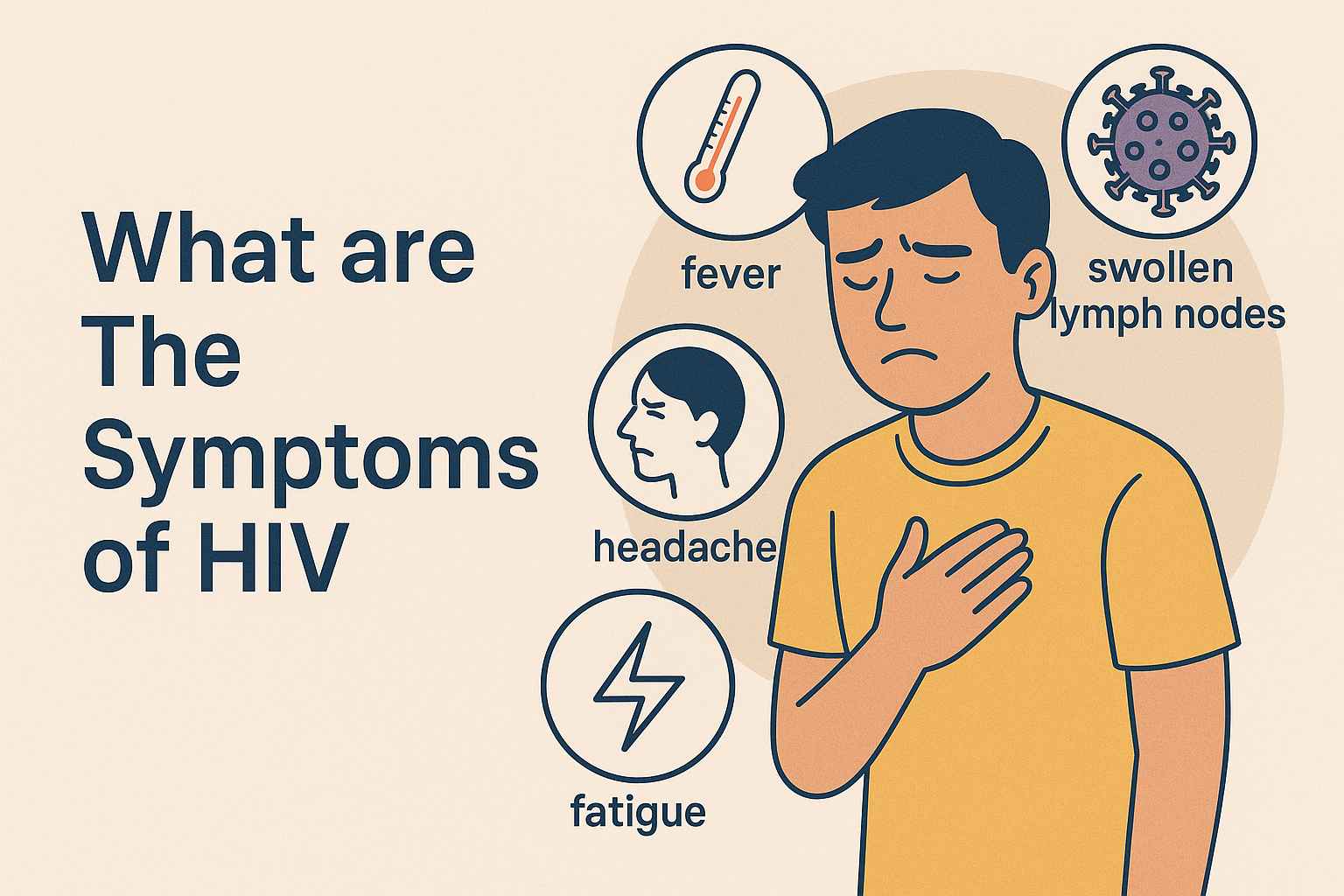
    During this time, the infection is contagious. In the initial 2 to 4 weeks of infection, the symptoms of HIV may resemble flu-like symptoms:

    • Fever
    • Fatigue
    • Body ache
    • Sore throat
    • Chills
    • Mouth ulcers
    • Rashes
    • Night sweats
    • Swollen glands
    • Nausea
    • Vomiting

    Stage 2: Asymptomatic stage

    After the initial stage, you may not show any symptoms of HIV for years. You can feel healthy throughout this time. As a result, you may be unaware that you have been infected. During this phase, however, the virus will continue to multiply and impair the immune system. If the prescribed HIV treatment regimen is followed, you may never reach Stage 3.

    Stage 3: Acquired immunodeficiency syndrome (AIDS)

    HIV infection affects your immune system and makes you susceptible to opportunistic infections or other serious illnesses. Harmful bacteria, fungi and viruses can cause more frequent and severe infections.

    Symptoms of HIV in this stage include:

    • Rapid weight loss, greater than 10% from baseline
    • Fever that lasts over a month
    • Diarrhoea that lasts over a week
    • Night sweats
    • Recurrent infections: bacterial, viral and fungal
    • Cough
    • Mouth ulcers
    • Oral thrush, or white patches in the mouth
    • White patches on the tongue
    • Skin problems: red, purple, brown or pinkish marks on or under the skin, warts, impetigo (red, itchy sores that form yellow scabs), shingles (painful rashes in groups)
    • Loss of memory
    • Depression
    • Pneumonia
    • Life-threatening conditions: tuberculosis, cryptococcus meningitis, serious bacterial infections, cancer

    Many people do not progress to this stage with timely and appropriate treatment. Without HIV medication, people with AIDS usually live for three years or less.

    Is there a difference between symptoms and signs of HIV between genders?

    Although most of the symptoms of HIV are similar in men and women, some are gender-specific.

    HIV symptoms in women

    • The symptoms are noted in the later stages of the condition.
    • Changes in the menstrual cycle: lighter or more bleeding, skip cycles, severe PMS
    • Belly pain
    • Pain during penetrative sex
    • Unusual discharge from the vagina

    HIV symptoms in men

    • Reduced sex drive
    • Ulcers on the penis and anus
    • Burning sensation while urinating
    • Belly and lower back pain
    • Bloody urine
    • Pain during ejaculation

    HIV testing

    Given that symptoms of HIV may not manifest for several years, an HIV test is the only way to determine if you are infected. If you suspect HIV exposure, seek medical attention as soon as possible. Post-exposure prophylaxis can be started immediately as soon as you get diagnosed.

    There are various tests with a specific window for testing. Your doctor will determine which test is best for you.

    How to live healthy with HIV?

    The human body cannot remove the HIV virus. Fortunately, anti-retroviral therapy (ART) can lower the viral load in your body. You can stay healthy if you combine this with a healthy lifestyle.

    Consultation with a doctor is a must if you experience symptoms of HIV infection. An early consultation with the right medication may help prevent extreme outcomes of HIV infection as well.

    Buying medicines is now simpler. With Medkart, you get the best prices and doorstep delivery! Visit Medkart today!

    FAQs related to HIV

    1. Does HIV spread by being around an infected person?

    No, it doesn’t. You can only contract the HIV virus by having unprotected sex with someone who has the virus or by sharing a needle with them.

    2. How do I deal with being HIV positive?

    Follow your doctor’s advice and medications. Talk to friends and family and join self-help groups.

    3. Do symptoms of HIV develop immediately after infection?

    No, HIV infection can remain latent for several years. As a result, symptoms of HIV may not develop immediately after infection.

  • Can Thyroid Disorders Be Managed By Lifestyle Changes?

    Can Thyroid Disorders Be Managed By Lifestyle Changes?

    Thyroid Disorders image

    Thyroid disorders are prevalent across the world. They make up a significant portion of all endocrine conditions. Research says thyroid diseases affect nearly 42 million people in India. The common causes of thyroid-related health conditions are – lifestyle, diet, eating habits, stress, iodine deficiency, autoimmune diseases, etc.

    ​Studies suggest that making lifestyle changes, such as maintaining a healthy body weight, exercising, eating right, and sleeping well, play a crucial role in thyroid management. Although thyroid disorders are often lifelong, you can manage them by modifying your diet and lifestyle alongside medication.

    Read on to learn about the changes you can incorporate into your daily routine to keep thyroid issues at bay. However, before moving on, let us get to know more about the thyroid gland.

    The thyroid gland and its function

    The thyroid gland is a butterfly-shaped gland that sits at the base of your neck. It constitutes a significant part of your endocrine system and produces three vital hormones T3, T4, and calcitonin. These hormones regulate your metabolism and other bodily functions.

    When this gland secretes too little or too high amounts of these hormones and develops inflammation or outgrowths, it may indicate thyroid disorders.

    List of Thyroid disorders

    Some of the most common thyroid-related conditions include the following:

    1. Hypothyroidism: The thyroid gland produces less than normal amounts of hormones
    2. Hyperthyroidism: The thyroid gland releases excess amounts of hormones
    3. Thyroid tumours: Non-cancerous outgrowths on the thyroid gland
    4. Hashimoto’s thyroiditis: An autoimmune condition that damages the thyroid gland leading to hypothyroidism and goitre (enlarged thyroid gland).

    Lifestyle changes to incorporate For Proper Management of thyroid disorders

    Lifestyle changes to manage thyroid disorders

    1. Tame your stress levels.

    Your thyroid works as a team with your adrenal gland (located on the top of your kidneys). When you are stressed, the adrenal gland releases cortisol, a stress hormone. When cortisol level goes up in your blood, it is likely to interfere with thyroid hormone secretion. Thus, to keep thyroid disorders at bay, it is crucial to manage your stress and anxiety levels. Including activities like yoga, meditation, and morning or evening walks can help.

    2. Too much sugar can be bitter on your thyroid gland.

    Excessive sugar intake may cause inflammation in your body, which eventually affects the conversion of T4 to T3. To kick-start your metabolism, your body needs to convert T4, the inactive hormone, to T3, the active one. When you have inflammation, the conversion of T4 to T3 slows down. This worsens the signs and symptoms of hypothyroidism. Therefore, cut down on your sugar intake to ensure a healthy thyroid gland.

    3. A healthy and iodine-rich diet can help maintain your thyroid gland function

    Your thyroid function largely relies on iodine. If your diet does not contain adequate iodine, you may develop hypothyroidism or goitre. Therefore, you need to include iodine-rich foods in your diet. These include dairy products, seaweed, shrimp, tuna, etc. However, if you suffer from hyperthyroidism, you may be prescribed a low-iodine diet. To help you maintain a healthy weight, eat fresh fruits, vegetables, whole grains, and lean protein. If you suffer from hypothyroidism, avoid soy-based foods; vegetables like cabbage, cauliflower, and broccoli; and frozen and processed food.

    4. Physical fitness is the way to good health

    Physical fitness is an important aspect of maintaining your health. So, whether you have a thyroid disorder or not, regular exercise can be beneficial. It helps improve your muscle mass, strength, cardiovascular health, and mood. When it comes to managing symptoms of a thyroid-related condition, cardio exercises are the safest bet. However, make sure to consult your doctor before starting any particular workout regime.

    To sum up

    If you have been diagnosed with thyroid disease, which is a chronic condition, do not worry. You can control your symptoms and lead a healthy and happy life with proper medication and lifestyle changes. Follow a healthy diet, exercise in moderation but regularly, and manage your stress levels with yoga and meditation. Consult your doctor routinely and take your prescribed medicines at the same time each day.

    To order your thyroid medications online, visit Medkart, India’s leading and most trusted online pharmacy that sells generic medicines at competitive prices. Visit their website to Know more about my Medicines and place your orders on the Medkart App.

    Frequently Asked Questions related Thyroid disorders

    1. What foods to steer away from if you have a thyroid disorder?

    If you suffer from hypothyroidism, to manage the health of your thyroid gland, you need to avoid certain food products. These include the following:

    • Cruciferous vegetables
    • Soy-based foods
    • Frozen meats
    • Processed foods

    If you suffer from hyperthyroidism you may have to follow a low-iodine diet and avoid foods like:

    • cheese
    • milk
    • eggs
    • iodized salt
    • saltwater fish

    2. Is drinking alcohol advisable if you have a thyroid disorder?

    Excessive alcohol intake can affect your thyroid function to a great extent. Therefore, it is wise to avoid it and drink occasionally in moderation if you have to.

    3. Which gland produces the Thyroid Stimulating Hormone (TSH)?

    Your pituitary gland produces the TSH. As the name suggests, it stimulates your thyroid gland to secrete T4 and T3 hormones.

  • High Blood Pressure(Hypertension) in Young | Reasons and Treatment

    High Blood Pressure(Hypertension) in Young | Reasons and Treatment

    High Blood Pressure in Young

    High Blood Pressure (Hypertension)

    Hypertension is a medical term used to describe high blood pressure. It is a common condition that affects millions of people around the world. It can affect people of all ages, including young adults and children.

    Many factors can contribute to hypertension, including lifestyle choices, genetics, and underlying health conditions. In some cases, it can be challenging to determine the causes of high blood pressure in young adults. However, treatments available can help lower blood pressure and reduce the risk of complications.

    What is hypertension and how does it affect young adults?

    The main difference between high blood pressure in young adults and older adults is that in the case of high blood pressure at a young age, diastolic BP (lower BP) is greater in contrast to systolic BP (upper BP), whereas in older adults, it is the opposite. Hypertension in young adults is frequently considered dangerous because it typically develops over time without warning signs.

    7 High blood pressure facts you should be aware about | Hypertension

    Symptoms of hypertension in young people

    Several symptoms can be seen due to hypertension in young adults, which can vary depending on the severity of the condition. In some cases, young people with hypertension may experience no symptoms. In other cases, the following symptoms may be present:

    • Headaches
    • Dizziness
    • Nausea or vomiting
    • Vision problems
    • Fatigue or weakness
    • Chest pain or tightness

    If you are experiencing any of these symptoms, it is essential to see your doctor so that they can properly diagnose and treat your condition.

    Generic Medicines in India and How to Identify Generics

    Causes of high blood pressure in young adults

    Causes of hypertension in young adults include the following:

    • Genetics: High blood pressure can be hereditary.
    • Obesity: Being obese or overweight can increase the risk of developing high blood pressure.
    • Poor diet: A diet low in fruits and vegetables and high in salt can lead to hypertension. Obesity and a high-calorie diet lead to artery narrowing, high blood pressure, and high blood sugar and cholesterol deposits.
    • Lack of exercise: A sedentary lifestyle (i.e., lack of movement) raises the risk of developing hypertension.
    • Substance abuse: Using illegal drugs, alcohol, and smoking tobacco can all increase the risk of developing high blood pressure.
    • Chronic stress: Long-term stress can cause blood pressure to rise.

    High blood pressure can be brought on by sleep apnea, a sleeping disorder in which your breathing repeatedly pauses and resumes.

    Disorders of the adrenal glands: The adrenal gland produces hormones that control bodily functions such as heart rate, metabolism, and stress management. Disorders of the adrenal gland, like primary aldosteronism (i.e., overproduction of aldosterone), lead to an imbalance of potassium levels in the body and causes hypertension.

    How is hypertension treated in the young?

    Young adults with hypertension should aim for similar treatments as other age groups. Hypertension in young adults can be treated in several ways, including lifestyle changes, medications, or a combination of both.

    Some of the lifestyle changes for hypertension in young adults include :

    • Maintaining a healthy diet that includes plenty of fruits, vegetables, and whole grains
    • Exercising regularly
    • Maintaining a healthy body weight
    • Limiting alcohol consumption
    • Quitting smoking
    • Reducing stress
    • Medication may be prescribed if lifestyle modifications are insufficient to control blood pressure. Drug classes frequently prescribed include beta-blockers, calcium channel blockers, ACE inhibitors, and diuretics.

    Conclusion

    Hypertension, or high blood pressure, can occur in people of any age, including young adults. However, the causes of hypertension in young patients can differ from those in older patients. It is important to check your blood pressure regularly if hypertension is a common lifestyle disease in your family. Also, avoid excess salt and processed food and maintain an active lifestyle. Working with your doctor to create a treatment plan that works for you is also important. Understanding the causes of high blood pressure in young adults is the first step toward managing the condition.

    Medkart pharmacy is India’s most trusted medicine store to buy generic medicines at competitive prices. Log on to Medkart for all your medicines today!

    FAQs related high blood pressure in young

    1. What are the symptoms of hypertension in young adults?

    The symptoms of hypertension in young adults can vary depending on the severity of the condition. In some cases, young people with hypertension may experience no symptoms. In other cases, symptoms such as headaches, dizziness, nausea or vomiting, vision problems, fatigue or weakness, and chest pain or tightness may be present.

    2. What are the reasons why young people are at risk for hypertension?

    There are many causes of high blood pressure in young adults. Genetic factors, increasing obesity due to poor lifestyle factors such as processed foods, and alcohol consumption put you at risk of hypertension.

    4. What are the complications of hypertension?

    In many cases, hypertension has no symptoms and is only discovered during a routine medical checkup. However, if left untreated, high blood pressure at a young age can lead to serious health complications such as heart disease, stroke, and kidney failure.