Search results for: “all”

  • Understanding Grade 1, 2 and 3 Fatty Liver: Symptoms and Prevention Techniques

    Understanding Grade 1, 2 and 3 Fatty Liver: Symptoms and Prevention Techniques

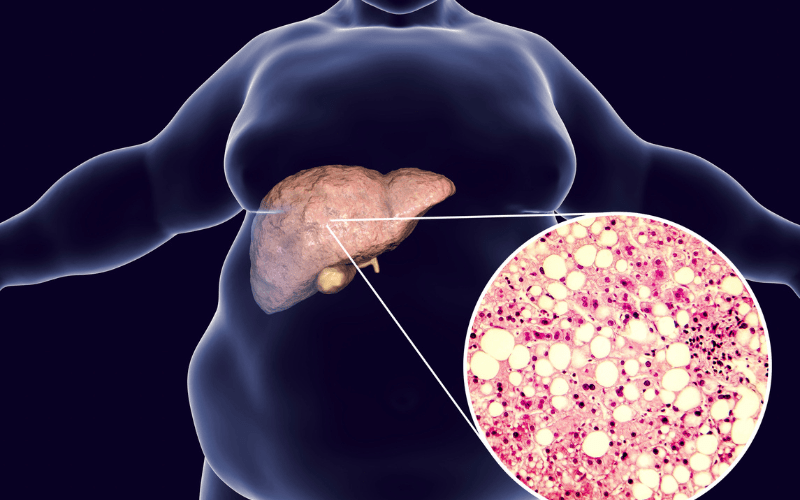
    Understanding Grade 1, 2 and 3 Fatty Liver image

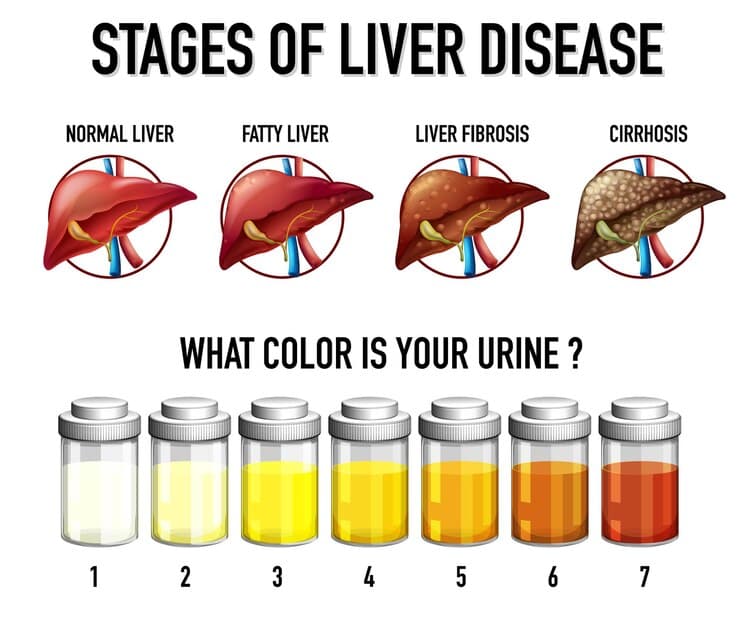
    Fatty liver disease occurs when fat builds up inside the cells of the liver. This condition can range from mild to severe, and is categorized into three grades – grade 1, grade 2 and grade 3. Each grade is distinguished by the amount of fat present in the liver and the severity of the condition.

    Introduction to Fatty Liver Disease

    Fatty liver disease affects millions of people worldwide. It is caused by the accumulation of fat in the liver cells, which can lead to inflammation, scarring and liver damage. The most common form is non-alcoholic fatty liver disease (NAFLD), which occurs in people who do not consume excessive amounts of alcohol. NAFLD is often associated with other health conditions such as obesity, type 2 diabetes, and high cholesterol.

    Fatty Liver Grade 1

    Fatty liver Grade 1, also known as mild fatty liver, is a condition where there is a slight accumulation of fat in the liver cells. It is often diagnosed incidentally during routine medical check-ups, as it usually does not cause any symptoms.

    Symptoms

    Fatty liver Grade 1 usually does not cause any noticeable symptoms. However, in some cases, people may experience fatigue, weakness, or discomfort in the upper right side of the abdomen.

    Causes

    The exact cause of fatty liver grade 1 is not known, but it is often associated with obesity, insulin resistance, and high cholesterol levels. Other risk factors include a sedentary lifestyle, a diet high in saturated fats and processed foods, and certain medications.
    Prevention Techniques

    The best way to prevent fatty liver grade 1 is to maintain a healthy lifestyle. This includes eating a balanced diet that is low in saturated fats and processed foods, exercising regularly, and maintaining a healthy weight. It is also important to avoid alcohol and limit the use of certain medications that can cause liver damage.

    Fatty Liver Grade 2

    Fatty liver Grade 2, also known as moderate fatty liver, is a condition where there is a moderate accumulation of fat in the liver cells, which can lead to inflammation and scarring.

    Symptoms

    Fatty liver Grade 2  may cause symptoms such as fatigue, weakness, discomfort in the upper right side of the abdomen, and mild jaundice.

    Causes

    The causes of fatty liver grade 2 are similar to those of grade 1 fatty liver, and include obesity, insulin resistance, high cholesterol levels, a sedentary lifestyle, a diet high in saturated fats and processed foods, and certain medications.

    Fatty Liver Disease Symptoms image

    Is Grade 2 Fatty Liver Dangerous?

    Grade 2 fatty liver can lead to more serious complications if left untreated. It may lead to more serious liver conditions including cirrhosis or liver cancer. It is important to seek medical attention if you suspect you have grade 2 fatty liver.

    Prevention Techniques

    The prevention techniques for fatty liver grade 2 are similar to those for grade 1 fatty liver. Maintaining a healthy lifestyle is key to preventing fatty liver disease. It is also important to manage any underlying health conditions, such as obesity, type 2 diabetes, and high cholesterol levels.

    Fatty Liver Grade 3

    Fatty liver Grade 3, also known as severe fatty liver, is a condition where there is a significant accumulation of fat in the liver cells, which can lead to inflammation, scarring and liver damage.

    Symptoms

    Fatty liver Grade 3  may cause symptoms such as fatigue, weakness, discomfort in the upper right side of the abdomen, jaundice, and fluid accumulation in the abdomen.

    Causes

    The causes of Fatty liver grade 3 are similar to those of grade 1 and 2 fatty liver, and include obesity, insulin resistance, high cholesterol levels, a sedentary lifestyle, a diet high in saturated fats and processed foods, and certain medications.

    Prevention Techniques

    The prevention techniques for fatty liver grade 3 are similar to those for grade 1 and 2 fatty liver. Maintaining a healthy lifestyle is key to preventing fatty liver disease. It is also important to manage any underlying health conditions, such as obesity, type 2 diabetes, and high cholesterol levels.

    Life Expectancy with Fatty Liver Disease

    The life expectancy depends on the severity of the condition and the presence of other health conditions. In general, people with mild to moderate fatty liver disease have a good prognosis, while those with severe may have a shorter life expectancy.

    Conclusion

    Millions of people all around the world suffer from the common condition known as fatty liver disease. It is categorized into three grades – grade 1, grade 2 and grade 3 – each with its own set of symptoms, causes and prevention techniques. Maintaining a healthy lifestyle and managing underlying health conditions are key to preventing fatty liver disease. It is important to seek medical attention to prevent serious complications.

    FAQs on Understanding Grade 1, 2 and 3 Fatty Liver

    Q1. Are there any specific dietary recommendations for preventing fatty liver disease?

    Maintaining a healthy diet is essential for preventing fatty liver disease. A diet low in saturated fats, sugars, and processed foods, and high in fruits, vegetables, and whole grains can help prevent the accumulation of fat in the liver.

    Q2. Are there any specific exercises that can help prevent or manage fatty liver disease?

    Regular exercise, especially aerobic exercise such as walking, jogging, or swimming, can help prevent and manage fatty liver disease. Exercise helps improve insulin sensitivity, promotes weight loss, and reduces fat accumulation in the liver.

    Q3. Can fatty liver disease affect children?

    It can affect children, especially those who are overweight or obese. This condition, known as pediatric nonalcoholic fatty liver disease (NAFLD), is becoming increasingly common and can lead to serious health problems if not addressed.

    Q4. Can fatty liver disease affect people who don’t drink alcohol?

    It can affect people who do not drink alcohol. Non-alcoholic fatty liver disease (NAFLD) is the most common form that occurs in people who do not consume excessive amounts of alcohol. It is often associated with obesity, type 2 diabetes, and high cholesterol.

    Related Links:

  • What you might not know about childhood obesity | Causes, effects, preventions

    Childhood Obesity image

    Introduction – Childhood Obesity

    Does your child regularly eat junk foods like burgers, pizzas and baked foods? Do they spend more time indoors? Are you worried about their weight gain?

    Childhood obesity is increasing at an alarming rate in India. It raises the risk of health conditions, such as diabetes, cholesterol, and high blood pressure in children and teenagers.

    Read on to learn more about the causes of childhood obesity and childhood obesity prevention. Consult your doctor to understand if your child’s excess weight lies within the unhealthy range and how to control it.

    Causes of childhood obesity

    An unhealthy lifestyle is the main cause of obesity in children. Other factors that lead to obesity are:

    • Unhealthy eating habits:

    Easy availability and regular consumption of fast foods, fried foods, desserts, colas, and sports drinks cause weight gain in children.

    • Lack of exercise:

    Today, children spend more time indoors watching TV or playing games on smartphones and tablets. The lack of physical activity leads to weight gain.

    • Stress:

    Children often overeat to cope with parental/peer pressure, boredom, loneliness, and family stress. This emotional eating is also a cause of obesity.

    • Family history:

    A family history of obesity increases the risk of obesity in your child. Furthermore, the availability of high-calorie foods at home and the lack of encouragement for physical activity lead to childhood obesity.

    • Socioeconomic conditions:

    Lack of resources to buy healthy foods, limited space for physical activity, and availability of unhealthy foods at schools or daycare centres contribute to weight gain in children.

    Effects of childhood obesity

    Childhood obesity leads to a higher risk of developing health conditions such as:

    1. Type 2 diabetes
    2. High blood pressure
    3. High cholesterol
    4. Heart disease
    5. Sleep apnea
    6. Stroke
    7. Asthma
    8. Osteoarthritis
    9. Fatty liver
    10. Depression
    11. Low self-esteem

    How can you prevent childhood obesity?

    As a parent, you can prevent obesity in your child by dealing with the issue with love, compassion, and empathy.

    Focus on your child’s health:

    Give importance to your child’s overall health instead of focusing only on their weight. Share your concerns about obesity with your child. Encourage him/her to make healthy choices. Avoid putting your child on a diet to lose weight. Instead, instil in him/her healthy eating habits and increase his/her physical activity.

    Set a good example:

    How you take care of your health impacts your child’s outlook towards their health. Let them know how you make an effort to stay physically active. Include the entire family in leading a healthy life.

    Replace junk food with healthy snacks:

    Stock healthy snacking options, such as fruits, vegetables, low-fat yoghurt, whole-grain cereal, low-fat milk, air-popped popcorn, and homemade snacks. Pack your child’s lunch with healthy foods. Involve your child in food shopping and cooking.

    Exercise together:

    Plan physical activities for the entire family. Participate in activities like walking, swimming, yoga or cycling, which everyone will enjoy.

    Reduce screen time:

    Reduce the amount of time you spend watching TV as a family. Also, encourage your child to limit their screen time to an hour a day.

    Reduce sugar intake:

    Avoid colas, sugary drinks, candies etc. Opt for fresh juices, coconut water, low-fat milkshakes and smoothies without sugar.

    Ensure your child gets enough sleep:

    Sleep deprivation also leads to hormonal imbalances and childhood obesity. Ensure your child gets enough sleep. Switch off digital devices an hour before bedtime for better sleep.

    Visit your doctor regularly:

    Take your child for regular check-ups to measure his/her weight and height. This will help your doctor to check your child’s overall health and advise dietary changes or treatment if required.

    Takeaway

    Dietary and lifestyle changes will help your child overcome obesity. As a parent, your choices impact your child’s health too. Involve the entire family in making healthy food choices. Engage in physical activities regularly to help motivate your child. Childhood obesity can have long-term consequences. Consult your family doctor for your child’s weight-related issues and get help today!

    For your convenience, we bring you the Medkart online pharmacy. Upload your prescriptions and get all your medicines delivered at your doorstep. To save money on quality generic medicines, download our app now!

    FAQs Related to childhood obesity

    1. How do sugary drinks cause weight gain in children?

    Sugary drinks, colas, and sports drinks are high in calories but low in nutrients. These drinks do not cause a feeling of fullness. Therefore, children tend to consume these in excess and in turn gain weight.

    2. What is BMI? How often should I calculate my child’s BMI?

    BMI (Body Mass Index) is a measure of weight with respect to a person’s height. It helps your doctor understand if your child belongs to the underweight, normal, overweight, or obese category. You must measure your child’s BMI once a year. BMI is calculated as follows:

    BMI = Kg/m2 (Kg = Weight, m2 = height in metres squared)

    3. How does childhood obesity affect a child’s quality of life?

    Childhood obesity can affect the child’s physical, emotional, and social functioning. It can lead to self-esteem issues, anxiety, depression, and aggression. It can cause weak bones and joints and postural problems. It can also cause diabetes, fatty liver, and heart disease. Further, childhood obesity can cause early puberty in girls. 

  • Why does pharmacy store ask for latest prescription?

    Pharmacies ask for a current prescription when filling a prescription for medication because it is a legal requirement in many places. A prescription is a written order from a healthcare provider that allows a patient to obtain a specific medication. The prescription includes important information about the medication, such as the name of the drug, the dose, the frequency of use, and any special instructions.

    There are several reasons why pharmacies require a current prescription when filling a prescription for medication. First and foremost, it helps to ensure that the patient is receiving the correct medication and that it is being used safely and appropriately. The prescription provides important information about the medication, such as the recommended dose and frequency of use, which helps the pharmacist ensure that the patient is taking the medication as directed.

    In addition, requiring a current prescription helps to prevent the misuse and abuse of medications. It ensures that patients are not obtaining medications without the supervision and guidance of a healthcare provider, which can be dangerous.

    Finally, requiring a current prescription helps to protect the privacy of the patient. It ensures that the patient’s medical information is only shared with those who are directly involved in their care, such as their healthcare provider and pharmacist.

    Overall, requiring a current prescription when filling a prescription for medication helps to ensure the safety, effectiveness, and appropriate use of medications, and protects the privacy of the patient.

    Bring your current prescription to Medkart pharmacy and get up to 85% discounts on medicines or upload the prescription.

    To know more watch – https://youtube.com/shorts/9H0LpXB_GFM

  • Understanding the Basics of Generic Medicines | Branded Medicines vs Generic Medicines

    Understanding the Basics of Generic Medicines | Branded Medicines vs Generic Medicines

    Branded Medicines vs Generic Medicines imageBasics of Generic Medicines

    Generic medicines are copies of brand-name drugs with the same dosage, safety, strength, quality, how it is taken, performance and intended use. They are identical to the original medicine, except in their color, shape, and packaging.

    Knowing the specifics of the medicines that your doctor recommends can be useful. The first step involves learning about generic versus branded drugs.

    A generic prescription is a medication made to resemble a branded drug that has already been sold in terms of dose form, protection, strength, route of administration, cost, qualities, and planned usage. These relationships influence the bioequivalence principle, which guarantees that a generic drug acts the same way as a brand drug and provides the same therapeutic benefit. In other words, generic medication can be used interchangeably with its brand equivalent.

    For instance, Crocin is a branded pharmaceutical product, whereas Paracetamol is a content (analgesic and antipyretic drug to reduce fever). Comparing generic medications to their branded counterparts, the former is more economical while branded are expensive. Pharmaceutical manufacturers make medicines bearing the same content but have different names and pricing.

    20 Questions to Ask Doctor About Your Prescribed Medication | Generic Medicine Buy

    Branded medicines cost more as they bear generic medicine. The medicine quality and efficacy remain the same as the generic medicine. Covering costs requires pharma companies to push MR (medical representative) chains and medical professionals to recommend their branded pharmaceuticals. Pharmacies and hospitals would opt to sell licensed medications over generic ones.


    The efficiency of generic drugs

    Every generic medication acts similarly to a brand medication in the body. Dosage, shape, protection, effectiveness, intensity, and marking remains the same as brand medication (with certain limited exceptions). High standards of manufacture, adoption and quality must also be adhered to and utilized in the same way as branded medicines. The generic drugs also adhere to GMP standards, often produced in the same facilities as branded ones.

    Are there any color codes for generic drugs?

    There is no generic medicine promotion policy in place by the Indian government. Indians have developed a culture of brand popularity in the pharmaceutical sector. Color coding could be of more utility in locating medications and keeping generic medications organized on several shelves. The CCI expressed dissatisfaction with the huge trade margin and asked for a prescription for a generic pharmaceutical strategy.

    The approach that would have genuinely reduced the price of all pharmaceuticals would have been safer for the CCI. The government would mandate that the pharmacy’s prices be available for public inspection. Patients can determine which medicine is more affordable in this scenario. Because they are less expensive, the notion that marketed products are of the highest consistency, effectiveness, and generics has yet to surface.

    Branded and generic drugs

    As discussed earlier, there are two types of medicines — generic and branded. In terms of purity, effectiveness, dosage, and use, the patent-protected medicinal product is an identical generic drug that is patented. Cheaper generic medications are available.

    The active ingredients are the same as those in branded drugs, all of which have received FDA approval. Generics are only eligible once the patent has expired. A pharmaceutical product’s patent length might be up to 20 years. The same business that makes the branded medication may produce a generic version, or a new manufacturer may.

    Frequently Asked Questions Related Generic medicines

    1) Why do generic drugs cost less?

    The lengthy, expensive laboratory and clinical experiments the developing business undertook to obtain FDA approval do not need to be repeated by generic medication manufacturers. Generic producers don’t have to spend time or money on their work; they can leverage the platform that branded medications have created. It includes supply chain, labeling, highlighting content, etc. Often, these pharma companies create generic drugs on the same premises, using the same equipment, and this helps produce quality medicines while being cheaper.

    Such a mechanism helps them sell the medication for less and yet turn a profit because they can produce it for much less. When numerous businesses start producing the same generic drug, competition further drives down costs. That is why generic drugs are used to complete almost 8 out of 10 prescriptions in the US.

    2) Does every brand of the drug have a generic alternative?

    Not initially. Patents protect the development of new drugs, which are authorized for twenty years following FDA approval. Brand medicine may take many years to develop and promote. Other pharmaceutical companies submit applications to the FDA seeking permission to dispense the drug’s generic form.

    Before the brand product’s patent runs out, the FDA can tentatively approve a generic medication. Numerous businesses may produce and sell generic versions of name-brand goods. However, some medications might never have a generic because the producers may believe that making them is too expensive or complicated.

    Wrapping up: Role of Medkart

    In third-world countries, many individuals are below the poverty threshold. Consuming branded medicines frequently may prove expensive. Those having it regularly may feel the burden of medical expenses.

    The generic drug uses the same active ingredient as the brand name but may not label it with a different name. Rather, they carry the name of active ingredients.

    At www.medkart.in/blog, we provide generic drugs along with branded medicines. You can walk into any of our stores across India and compare medicines to understand the difference between generic and branded medicines.

    Moreover, we have a digital presence as well. Visit www.medkart.in/blog to order generic medicines online in India. You can also download the Medkart android app or the Medkart iOS app to order generic medicines using a mobile device. Check out our website, application, or visit the store to buy generic medicines in India. Make the right choice by cutting down the cost of medicines by 60% without affecting the quality of medicines.

  • How to Identify Generic Medicine? Find Generic Medicines in India – Medkart Pharmacy

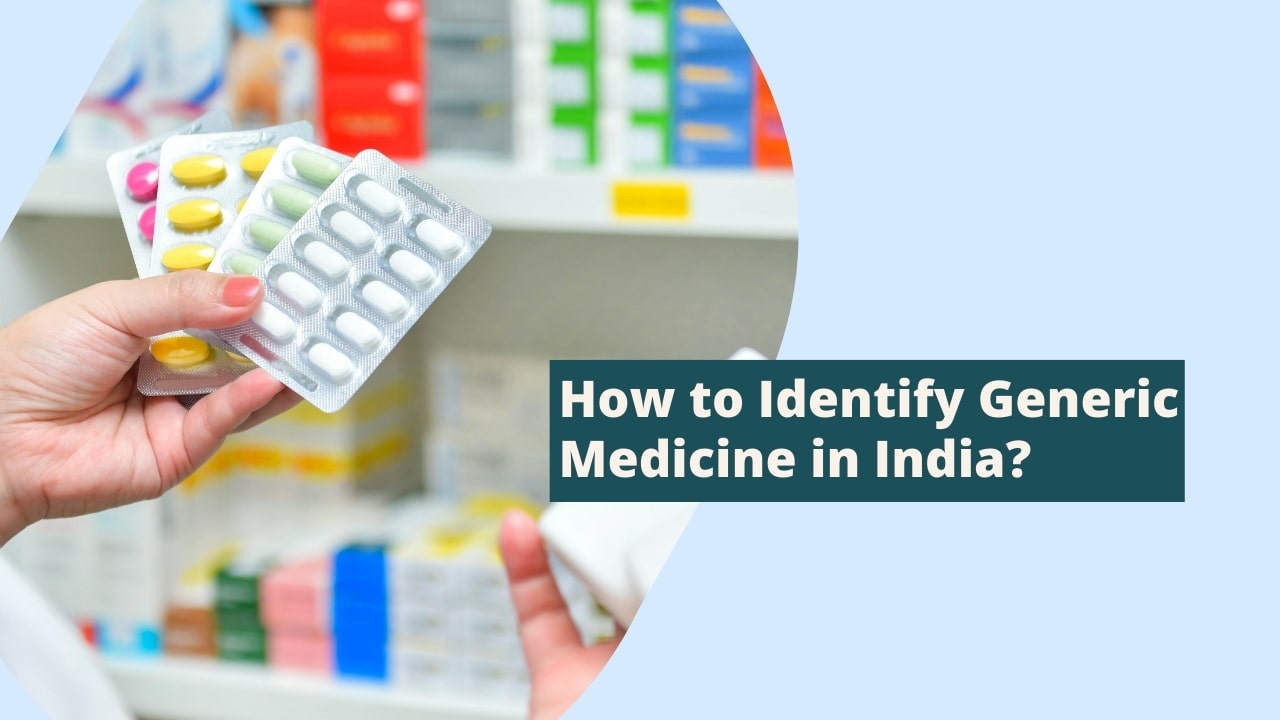
    How to Identify Generic Medicine? Find Generic Medicines in India – Medkart Pharmacy

    identify generic medicine

    A few years ago, while inaugurating a private hospital in Rajasthan, Prime Minister Narendra Modi announced that prescribing medicines in generic names shall be mandatory for all medical practitioners.

    This was strongly protested by many in the medical profession. Following this, the Union Ministry of Health informed that though a generic prescription is a must, brand names can be mentioned in parentheses. But, this again deviated from prescribing generic names with an intent to exclude branded names from prescriptions.

    This way, the Indian pharmaceutical industry has created an environment where branded drugs are considered superior to generic ones in terms of quality and efficacy. But, customers need to pay more attention to the availability of different generic drugs that are also cost-effective.

    About Generic Medicines

    Generic medicines in India are a cost-effective alternative to branded medicines, as they are chemically identical and have the same safety, quality and efficacy. These medicines are made available at lower prices than their branded counterparts, making them a viable option for those who cannot afford expensive treatments. Generic medicines can be found in both government and private hospitals, as well as pharmacies.

    Read: What are Generic Medicines?

    Generic medicines are an important part of healthcare and can provide significant cost savings for consumers. They contain the same active ingredients as brand-name medicines but may have different inactive ingredients, different dosages, and different labelling. Knowing how to identify generic medicines is important to ensure the most effective treatment at the lowest cost.

    Promoting Generics through Color Coding – Find Generic Medicine

    The use of colour codes to identify generic medicines and keeping them in stock is of no use as a chemist has no compulsion to keep generic medicines in stock. There is a wide difference in prices in generic medicines. The generic manufacturer often gives huge trade discounts but fails to reach the buyer. A chemist will always push medicines that offer more margin even if the generic medicine of that company remains higher than other generic medicines.

    The Indian pharma companies have formed a brand popularity culture in the pharmaceutical industry. Earlier, the government of India proposed to colour code the medicines of little importance in identifying medicinal products and maintaining generic medicinal products on different shelves.

    The objective was that this system of colour-coding would aid patients in distinguishing between generic and branded versions of the same medication. The government is working on further methods that go beyond the use of colour labelling to make generic drugs more readily identified.

    Separate shelves must now be provided for generic pharmaceuticals in all Indian pharmacies. The pharmaceutical watchdog has also requested that generic names appear on labels in a sizable typeface, preferably two times bigger than the brand name.

    Check: ​8 Common Myths and Facts about Generic Medicines in India

    How to Identify Generic Medicine?

    1. Check the Medicine’s Name

    Generic medicines typically have a name that does not include a trademark or brand name. Instead, the name of a generic pharmaceutical tablet will usually include the active ingredient and its strength (e.g., acetaminophen 500 mg). The medicine’s label should also list the manufacturer or distributor of the medicine.

    2. Compare Prices

    Generic medicines are priced lower than their brand-name counterparts because manufacturers do not have to bear the costs of research and development associated with creating a new drug. By comparing prices, you can easily determine whether a medicine is a generic version.

    3. Look for Different Packaging

    Brand-name drugs often come in unique packaging (that is easy to identify) which helps recognize them easily on store shelves or online. In contrast, generic drugs are sold in plain packaging without special logos or design elements that make them stand out from other products.

    4. Read Drug Information Leaflets

    The drug information leaflets provided by pharmacies or manufacturers typically include information about whether a medicine is a generic or brand-name drug. This helps determine which type of drug you are buying before making your purchase decision.

    5. Ask Your Pharmacist

    Pharmacists are knowledgeable about drugs and can easily help you identify whether a medicine is generic or brand-name based on its name and packaging. If you ever have any questions about your prescription medications, it is always best to consult your pharmacist before taking action on your behalf.

    > Consult a Doctor and Medkart will help you Order Medicines Online

    Conclusion

    In conclusion, identifying generic medicines is important to ensure patients receive the appropriate medication and save money. With the right information and resources, it is possible to find reliable and effective generic medicines that are safe for use.

    Medkart operates 100+ stores offering a variety of generic medicines at discounted prices, allowing customers to save money on their medications. In addition, the stores provide personalized advice from qualified pharmacists, who help customers choose the right generic medication for their needs.

    Check all store locations –  Medkart Medical Store Location

    Besides physical stores, Medkart helps customers buy generic medicines online in India through its iOS and Android apps. The mobile app provides customers an easy way to search for medications and order them directly from the store or website. Overall, Medkart’s commitment to providing access to quality generic medicines has been instrumental in improving the health outcomes of millions of people in India.

    Related Links:

  • Understanding the composition of generic paracetamol tablets | Buy Generic Paracetamol

    Understanding the composition of generic paracetamol tablets | Buy Generic Paracetamol

    What is Paracetamol image

    The brand name for a drug called acetaminophen, Tylenol, or Panadol is Paracetamol. It is widely used as a minor pain reliever and a fever reducer, among other things. For many years, people have used this drug. Continue reading to learn more.

    Details of Paracetamol

    The development of this non-addictive painkiller began in 1893. It had never been used in a clinical setting before. In the United States, it was made commercially usable in 1950. In 1956, Australia began exploiting it for profit. Initially marketed under Triagesic, this medication contained aspirin, caffeine, and Paracetamol.

    Paracetamol, when combined with cetirizine and phenylephrine, offers comprehensive relief from fever, nasal congestion, and allergic symptoms. Cheston Cold Tablet and Ultracet tablet 15s is a well-known medicine that contains this effective combination.

    The 1950 original introduction was discontinued from commercial use by the producers until 1953. The Sterling-Winthrop Company first sold it under the brand name Panadol. In 1955, Children’s Tylenol Elixir was the brand under which McNeil Laboratories marketed the product in the US. Up until 1959, Paracetamol could only be obtained with a prescription. Then it changed to an over-the-counter drug.

    Under the brand name Panadol, Frederick Stearns & Co. started distributing this medication in the UK in 500-milligram pills in 1956. The drug’s popularity rapidly increased between the 1960s and the 1980s. It is now regarded as a common drug. Many generic variants of Paracetamol are accessible since all patents have expired.

    What is Paracetamol?

    Paracetamol is an analgesic and antipyretic medication used to temporarily treat mild to moderate pain and fever. It is frequently used alone and as a component in treating the flu and the common cold.

    Paracetamol and acetaminophen are the same medication. While the International Nonproprietary Name (INN) system uses the generic name Paracetamol, the United States Adopted Names (USAN) system uses acetaminophen. As such, the drug is referred to as either Paracetamol or acetaminophen, with the name varying by country.

    In Europe, Australia, New Zealand, and India, the medication is called Paracetamol, while it is known as acetaminophen in the United States, Canada, and Japan. Generally. A drug’s INN and USAN generic names are identical regardless of location.

    The precise mechanism of Paracetamol’s action is unknown. It is believed to function by inhibiting the brain’s chemical messengers that alert us to pain and those that control our body’s temperature. According to a study, prostaglandins, which are created by the body to address disease and injury, are prevented by paracetamol. Cannabinoids, serotonergic, opioid, nitric oxide, and other pathways may also be impacted.

    Although Paracetamol was created for the first time in 1878, its use took off in the 1950s. One of the most often used painkillers in the world today is Paracetamol. There are two types of medicines — generic and branded ones. While the composition for both tablets remains Paracetamol, the prices would differ, with the generic being less expensive

    How does Paracetamol work?

    This medication’s specific mechanism of action is uncertain. But there are hundreds of definite possibilities out there. Scientists and medical professionals think this medication affects the central nervous system (CNS), specifically the brain and spine.

    This medication has a minimal analgesic effect. It aids in reducing the strength of the pain signal your body delivers to your brain. Your body’s production of prostaglandins may also be controlled or stopped by it. These substances may make you feel hotter or make your pain worse.

    How to take Paracetamol?

    One 500 mg pill is typically used by an adult every four to six hours. Only 2000 mg should be consumed in 24 hours. At least four hours should pass between doses. Additionally, the working time is up to one hour.

    Children are permitted to use Paracetamol. The proper amount is determined by weight. Typically, 15 mg is used for every kilogramme. Therefore, the recommended dosage for your youngster, who weighs 15 kilogrammes, would be 225 mg every four hours. Additionally, take only the advised dosage in 24 hours. You can get types of generic drugs as well.

    Side effects of Paracetamol

    The potential negative effects of each component that makes up a paracetamol tablet are listed below. This is a partial list. A few of the negative effects could be uncommon but severe. If you have any of the following adverse effects, especially if they persist, speak with your doctor.

    • Swollen Facial Features
    • Liver Damage
    • Feeling Of Sickness
    • Skin Reddening
    • Allergic Reactions
    • Shortness Of Breath

    Precaution

    Inform your doctor about your current prescriptions, over-the-counter products (such as vitamins, herbal supplements, etc.), allergies, pre-existing problems, and current health conditions before using this medication (e.g. pregnancy, upcoming surgery, etc.).

    You can be more susceptible to the drug’s side effects if you have certain medical conditions. The market has a range of generic medicines for Paracetamol, therefore, in case of preexisting conditions that require regular medicines, consult the doctor before taking one.

    When consuming, follow the doctor’s advice or the directions on the package insert. Your condition will determine your dosage. Inform your doctor if your problem continues or worsens. The important counselling points are mentioned in the list below. Avoid using Paracetamol if you have a sensitivity to it. Avoid taking Paracetamol if you frequently drink alcohol.

    Buying Generics for Paracetamol from Medkart

    We have a market presence across India with 107 stores and more opening soon. Since Paracetamol is over-the-counter (OTC), it does not require a prescription. Therefore, you can simply ask for paracetamol, and our chemist will provide you with the generic version, which is less costly than branded ones like Dolo, Crocin, Metacin, etc.

    Also, you can download Medkart iOS app or Medkart Android app or visit www.medkart.in/blog to order paracetamol online through mobile.

  • Things to avoid during pregnancy | Pregnancy guide

    Things to avoid during pregnancy | Pregnancy guide

    avoid during pregnancy image

    Common Things to avoid during pregnancy

    When you become pregnant, every body becomes expert and gives you advice on small steps such as wearing yoga pants or dying your hair or something else. They are just trying to be supportive, nothing else, but the fact is, ‘most things you can do before you are pregnant can also be done when you are pregnant. However, when you are pregnant and breastfeeding, you should certainly step up or avoid some activities for your own and your child’s safety. Here are the major five things a pregnant lady should not do.

    Buy Pregnancy Test Kit – Buy   (Starting from ₹ 35)

    Book Pregnancy Test with Free Home Sample – Book Pregnancy Test

    1. Don’t eat or drink these food items:

    You shouldn’t eat some foods when you’re pregnant because they could hurt you or your baby. Be careful about the food you eat because certain foods are considered toxins during pregnancy. Freshly cooked or freshly made food is the best food to consume. Foods such as soft cheese, raw or undercooked egg or meat, sushi, unpasteurized milk, and so on, contain Listeria, a toxic bacterium responsible for miscarriage or illness in the baby. Also, avoid excessive intake of peanuts as it can be allergic to baby. Besides, packaged foods or too much sugary food can shoot up blood pressure or insulin, which will be detrimental for your well being.

    Moreover, the risk of miscarriage, low birth weight, and difficult birth can increase by a high level of caffeine. Many foods, such as tea, coffee, chocolates, energy drinks, and soft drinks, contain caffeine. Also, some cold and flu medicines have caffeine. So, make sure you don’t increase caffeine intake more than 300mg per day, as it could be risky for your unborn baby.

    2. Avoid using hot tubs and saunas:

    You can find it appropriate to relax in a hot tub or take saunas when you experience pain and discomfort during pregnancy. However, this could be risky because when you spend more time in hot tubs or saunas, your body temperature can increase over 101. This is especially risky during the first half of your pregnancy, as it increases the chances of miscarriage.

    Thus, to your pain or to feel relax, pregnant ladies should take a warm tub and use hot and cold compresses instead of hot tubs or saunas.

    3. Don’t smoke or drink:

    There is no lower limit for alcohol or tobacco consumption because a small amount could be dangerous for the baby. The risk for Sudden Infant Death Syndrome increases due to prenatal exposure to smoking and alcohol. When the mother drinks alcohol, it crosses the placenta and reaches the growing fetus. Since a developing baby’s body breaks alcohol much slower than an adult, fetal blood alcohol can increase much more than his mother’s level and remain longer than his mother’s. This leads to damage that can be long-term and severe, from mental delay to heart damage.

    The same way, smoking is hugely detrimental to you and your baby. Nicotine, carbon monoxide, and many other cigarette-inhaled poisons pass through your bloodstream and go directly to your baby. Even passive smoking during pregnancy can lead to a miscarriage of low birth weight, early birth, or behavioral problems when your baby grows. The reason for this is the second-hand smoke is the combination of cigarette smoke with smoke excreted by smokers. The cigarette smoke typically contains more toxic substances (tar, carbon monoxide, nicotine, etc.) than the smoker inhaled smoke. This is why second-hand smoke is more dangerous.

    4. Don’t clean cat litters:

    During pregnancy, if you clean kitty’s litter, chances of toxoplasmosis increase because cat litter/poop has parasites responsible for such infection. The T. Gondii parasite can reach to your fetus and cause complications, including mental retardation, blindness, and epilepsy. Albeit very rare, the infection will transfer to, and affect the unborn child even if you come in contact with cat feces a few months before you get pregnant. So, be careful when you are pregnant or planning for pregnancy.

    Wear gloves, masks and wash your hands thoroughly afterward if you have to change kitty’s litter.

    5. Avoid paints and hair dye:

    The danger of fumes from modern household paints or hair dyes that hurt your baby is small, but you cannot know how little the risk is. Because the substances and chemicals that your body absorbs during activities like painting or hair dying are very difficult to measure. Chemicals in hair dye are minimal nowadays; however, it depends on company to company; thus, it is better to avoid hair colors during pregnancy.

    Home renovation will increase the lead. Also, lead-based paints can spread lead pollution in the air and in the house, which can be harmful to the baby. When your baby organ starts to grow, any slight risk to the baby is the highest in your first half. At this point, harmful smoke or chemicals could more seriously affect your kid. As a precaution, painting and decoration should be avoided until the 14th week of your pregnancy.

    Foods to avoid during pregnancy

    During pregnancy, it is important to pay close attention to your diet as it directly impacts the health and development of the growing baby. While most foods are safe to consume during pregnancy, there are some foods that are best avoided or consumed with caution due to potential risks. Here are some examples:

    1. High-mercury fish: Fish that are high in mercury, such as shark, swordfish, king mackerel, and tilefish, should be avoided during pregnancy as high levels of mercury can harm the baby’s developing nervous system.
    2. Raw or undercooked seafood, eggs, and meat: Raw or undercooked seafood, eggs, and meat can carry harmful bacteria such as salmonella or listeria, which can cause foodborne illnesses that can harm both the mother and the baby. It’s important to ensure that all seafood, eggs, and meat are thoroughly cooked to safe temperatures.
    3. Soft cheeses and unpasteurized dairy products: Soft cheeses like brie, camembert, and blue cheese, as well as unpasteurized dairy products, may contain harmful bacteria such as listeria, which can pose a risk to the developing baby. It’s best to choose pasteurized dairy products during pregnancy.
    4. High-caffeine beverages: High-caffeine beverages like coffee, tea, and energy drinks should be consumed in moderation during pregnancy, as excessive caffeine intake has been associated with an increased risk of miscarriage and low birth weight. It’s recommended to limit caffeine intake to no more than 200 milligrams per day during pregnancy.
    5. Raw or undercooked sprouts: Raw or undercooked sprouts, such as alfalfa, clover, mung bean, and radish sprouts, can carry harmful bacteria and should be avoided during pregnancy due to the risk of foodborne illnesses.
    6. Processed or high-sugar foods: Foods that are high in added sugars or processed, such as candies, cakes, cookies, and sodas, should be consumed in moderation during pregnancy. These foods can contribute to excessive weight gain and increase the risk of gestational diabetes.
    7. Excessive vitamin A-rich foods: While vitamin A is essential for fetal development, excessive intake of vitamin A-rich foods, such as liver and liver products, can be harmful during pregnancy as it has been linked to birth defects. It’s best to avoid consuming excessive amounts of vitamin A during pregnancy.

    It’s always recommended to consult with your healthcare provider or a registered dietitian for personalized dietary advice during pregnancy to ensure a healthy and safe diet for you and your baby.

    Things to avoid during early pregnancy

    During early pregnancy, it’s important to be mindful of certain things to help ensure the health and well-being of both the mother and the developing baby. Here are some things to avoid during early pregnancy:

    1. Alcohol: It’s crucial to avoid alcohol completely during early pregnancy, as it can harm the developing baby’s brain and cause birth defects. There is no safe level of alcohol consumption during pregnancy, so it’s best to abstain from alcohol entirely.
    2. Smoking and secondhand smoke: Smoking during pregnancy is associated with an increased risk of premature birth, low birth weight, birth defects, and other health issues. Exposure to secondhand smoke can also be harmful, so it’s important to avoid being around smokers during early pregnancy.
    3. Certain medications and herbal supplements: Some medications and herbal supplements can pose a risk to the developing baby during early pregnancy. It’s essential to consult with your healthcare provider before taking any medications or herbal supplements to ensure their safety during pregnancy.

      Avoid self-medication at all costs. Certain drugs like Misoprost 200mcg Tablet, which is used for medical termination of pregnancy, should never be taken during pregnancy without a doctor’s advice, as it can lead to miscarriage and serious complications.

    4. High-caffeine beverages: High levels of caffeine can increase the risk of miscarriage and low birth weight. It’s recommended to limit caffeine intake to no more than 200 milligrams per day during early pregnancy. Be cautious with coffee, tea, energy drinks, and other caffeinated beverages.
    5. Raw or undercooked seafood, eggs, and meat: Raw or undercooked seafood, eggs, and meat can carry harmful bacteria such as salmonella or listeria, which can cause foodborne illnesses that can harm both the mother and the baby. It’s important to ensure that all seafood, eggs, and meat are thoroughly cooked to safe temperatures during early pregnancy.
    6. Environmental toxins: Exposure to environmental toxins, such as lead, pesticides, and certain chemicals, can pose a risk to the developing baby during early pregnancy. It’s important to be cautious and avoid known environmental toxins as much as possible.
    7. Stress and excessive workload: High levels of stress and excessive workload during early pregnancy can have negative impacts on both the mother and the baby. It’s important to manage stress levels and avoid taking on excessive workload to prioritize the health and well-being of both the mother and the baby.
    8. Hot tubs, saunas, and excessive heat: Exposure to excessive heat, such as hot tubs, saunas, and high fever, especially during the first trimester, can increase the risk of birth defects. It’s best to avoid prolonged exposure to high temperatures during early pregnancy.

    It’s crucial to consult with your healthcare provider for personalized advice on what to avoid during early pregnancy, as individual circumstances may vary. Following a healthy lifestyle and avoiding potential risks can contribute to a safe and healthy pregnancy.

    Things to avoid during post pregnancy

    During the postpartum period, also known as the post-pregnancy or postpartum recovery period, it’s important for new mothers to take care of their physical and emotional well-being. Here are some things to avoid during post pregnancy:

    1. Overexertion: It’s essential to avoid overexertion and excessive physical activity during the postpartum period, as the body needs time to recover from childbirth. Avoid heavy lifting, strenuous exercise, and other activities that may strain the body, especially if you have had a cesarean section (C-section) or experienced complications during childbirth.
    2. Ignoring signs of postpartum complications: Postpartum complications, such as infection, bleeding, or mood disorders like postpartum depression or anxiety, can occur during the postpartum period. It’s crucial to pay attention to any signs of complications, such as fever, severe pain, heavy bleeding, or changes in mood, and seek medical attention promptly if needed.
    3. Neglecting self-care: Taking care of yourself, both physically and emotionally, is essential during the postpartum period. Avoid neglecting self-care, such as getting enough rest, eating a balanced diet, staying hydrated, and managing stress. Taking time for self-care can help promote a faster recovery and overall well-being.
    4. Skipping postpartum follow-up appointments: Postpartum follow-up appointments with your healthcare provider are crucial for monitoring your recovery and addressing any concerns or complications. Avoid skipping or delaying these appointments, as they are an important part of post-pregnancy care.
    5. Neglecting mental health: Postpartum mood disorders, such as postpartum depression or anxiety, can affect new mothers. It’s important to prioritize your mental health and seek help if you experience persistent feelings of sadness, anxiety, or mood swings during the postpartum period.
    6. Ignoring pelvic floor health: Childbirth can strain the pelvic floor muscles, which are responsible for supporting the bladder, uterus, and bowel. It’s important to avoid neglecting pelvic floor health during the postpartum period and engage in pelvic floor exercises as recommended by your healthcare provider.
    7. Skipping contraception: If you do not wish to become pregnant again soon after giving birth, it’s important to use contraception consistently and effectively. Avoid skipping or neglecting contraception, and discuss birth control options with your healthcare provider to determine the best method for you.
    8. Isolating yourself: The postpartum period can be challenging, and it’s important to avoid isolating yourself. Reach out to your support system, such as your partner, family, and friends, for emotional support, and consider joining a postpartum support group or seeking professional help if needed.

    It’s important to consult with your healthcare provider for personalized advice on post-pregnancy care and recovery. Following a healthy postpartum routine and prioritizing self-care can contribute to a smoother recovery and better overall well-being for new mothers.

    9 Positive and Negative Changes for Healthy Life Style

    Household activities to avoid during pregnancy

    During pregnancy, it’s important to be mindful of certain household activities that may pose a risk to the health and well-being of both the mother and the developing baby. Here are some household activities to avoid during pregnancy:

    1. Heavy lifting: Avoid lifting heavy objects, such as heavy furniture or appliances, as it can strain the muscles and potentially harm the developing baby. If lifting is necessary, use proper lifting techniques by bending your knees, keeping your back straight, and using your leg muscles to lift.
    2. Chemical exposure: Avoid exposure to harmful chemicals, such as cleaning products, pesticides, and paints, as they may contain potentially harmful substances that can be absorbed through the skin or inhaled. Use natural or less toxic cleaning products, wear gloves and use good ventilation when using cleaning products, and avoid painting or being in a freshly painted room.
    3. Hot tubs and saunas: Prolonged exposure to hot tubs, saunas, and excessive heat can raise the body temperature, which can be harmful to the developing baby. It’s best to avoid hot tubs, saunas, and other high-heat environments during pregnancy.
    4. Crouching or squatting for long periods: Avoid prolonged periods of crouching or squatting, as it can strain the muscles and joints and potentially harm the developing baby. If you need to crouch or squat, take breaks and change positions regularly to avoid strain.
    5. Excessive climbing or balancing: Avoid excessive climbing, balancing on ladders, or reaching for high objects, as it can increase the risk of falls and injuries during pregnancy. Falls can pose a serious risk to the developing baby, so it’s important to take precautions and avoid risky activities.
    6. Exposure to lead or lead-based paints: Avoid exposure to lead or lead-based paints, which can be found in older homes or buildings. Lead exposure during pregnancy can harm the developing baby’s brain and nervous system. If you are living in an older home, make sure it is lead-free or take appropriate precautions to avoid lead exposure.
    7. Handling cat litter or pet waste: Avoid handling cat litter or pet waste, as it may contain harmful bacteria, such as Toxoplasma, which can cause toxoplasmosis, a parasitic infection that can be harmful to the developing baby. If you have a cat or other pets, have someone else take care of litter box duties or wear gloves and wash hands thoroughly after handling pet waste.
    8. Standing for long periods: Avoid standing for long periods of time, as it can cause discomfort and potentially increase the risk of swelling and varicose veins during pregnancy. If you need to stand for extended periods, take frequent breaks, and wear supportive footwear.

    It’s important to discuss any concerns or questions about household activities with your healthcare provider for personalized advice during pregnancy. Taking appropriate precautions and avoiding potentially risky household activities can help promote a healthy and safe pregnancy for both the mother and the baby.

    To sum up…
    Other than the things mentioned above, during pregnancy, one should maintain good oral hygiene, stay hydrated, take plenty of fluid, eat fresh foods only, and not take undue stress, stay happy, and sleep well. Maintaining your health is the best gift a mother can give to a child.

    Pregnancy is the blessing with responsibility. You should take good care of yourself and your unborn baby by avoiding harmful foods and drinks, staying away from tobacco and alcohol, and keeping yourself away from the paint, hair dyes, cats, and saunas. Thus, these little precautions are needed during pregnancy.

  • How to Manage a Child Suffering from Fifth Disease? |Diagnosis and Treatment

    How to Manage a Child Suffering from Fifth Disease? |Diagnosis and Treatment

    How to Manage a Child Suffering from Fifth Disease

    How to Manage a Child Suffering from Fifth Disease?

    A sore throat, runny nose, and low-grade fever are frequently the first symptoms of the fifth sickness. Following these symptoms, a facial rash may turn red and spread to the arms, legs, and trunk. The disease is known as slapped cheek disease because the rash is typically most noticeable on the slapped cheeks.

    Normally, the fifth disease rash only lasts for two weeks. Occasionally, the rash may appear and disappear for several weeks. Fifth disease is often not critical, although those with compromised immune systems, such as young children and pregnant women, may experience more severe symptoms.

    Defining the fifth disease

    Erythema infectiosum, often known as the fifth sickness, is a common and typically contagious condition in kids. Because it ranks fifth in a chronological list of pediatric slapped cheek rash disorders, it is the fifth disease (the other four being measles, rubella, chicken pox, and roseola).

    An infection brings it on with human parvovirus B19. Most kids are exposed to parvovirus B19 and develop antibodies to it.

    Both kids and adults can contract the fifth illness, but kids between the ages of five and fifteen are more likely to get infected. Adults who work with children (such as teachers and childcare professionals) and who have never had the fifth illness infection are also more likely to get affected.

    Fifth disease symptoms

    The symptoms of the fifth illness are similar to those of other respiratory viruses: fever, sore throat, upset stomach, achy joints, and headaches. Unless your child is in pain, there is no need for treatment. You can search for generic medicines containing acetaminophen or ibuprofen to reduce fever and pain. There is no way to distinguish the fifth disease from any other virus.

    Causes of Fifth disease

    Human parvovirus B19, a virus that only affects humans, is the cause of the fifth disease. It spreads from person to person in the same manner as any viral cold. The infection is most frequently disseminated by sharing drinking or eating utensils or breathing in virus particles from the atmosphere after an infected person has coughed or sneezed.

    Additionally, it can be transferred through blood transfusions and from an infected pregnant mother to her unborn child. The fifth disease rash stages are numerous.

    Many children contract the illness during school or daycare outbreaks, and about half of them who live with someone with the fifth sickness do as well.

    Incubation and contagion period i fifth disease

    The virus typically takes four to fourteen days to incubate, but sometimes, it can take up to twenty days as well. Children and adults carrying the infection are contagious up to seven days before and up until the onset of the recognizable rash. A kid is no longer contagious once such symptoms of rash start to show.

    Therefore, children who have developed a rash due to the virus can go to daycare or school and not infect their classmates. If any child is diagnosed with the fifth disease in school, the school administration is responsible for informing parents of other children who may have interacted with an infected child.

    Diagnosis of fifth disease

    The fifth disease in adults frequently goes untreated. When symptoms manifest, a doctor can typically diagnose the condition based on the signs, particularly the recognizable rash. Slapped cheek in adults is rare.

    Blood tests can be used to determine a pregnant woman’s immunity to the virus or to look for antibodies to confirm the diagnosis. The fifth disease in pregnancy can be a cause of worry.

    Treatment and prevention of fifth disease in child

    Similar to treating a chronic ailment, you would need medicines for fifth disease. When children and adults are otherwise healthy, the fifth disease is typically a harmless disease that fades away without medical attention. The fifth disease has no specific treatment.

    Doctors typically prescribe over-the-counter drugs like acetaminophen or ibuprofen to address symptoms, including fever, discomfort, and headache. Never administer acetylsalicylic acid (ASA) to children who have a viral illness; doing so has been associated with the potentially fatal disorder Reye’s syndrome. Avoid exposure to intense heat or sunshine if you or your child gets a rash because doing so could make it worse or cause it to return.

    If your child is suspected of suffering from the fifth disease, consider generic medicine that can help address illness’ symptoms while being equally effective. Only the initial stages of the virus make the fifth sickness infectious. The infection is no longer contagious after the rash starts.

    A vaccine cannot prevent the fifth disease. However, maintaining excellent hygiene, which includes thorough hand washing, can help stop the infection from spreading.

    Conclusion

    The fifth disease, parvovirus B19, is a viral infection that primarily affects children. Although the ailment is typically not serious, If you or your child has a fifth illness, it’s crucial to keep an eye out for any potential long-term repercussions and seek medical help if they manifest further.

    What next?

    Visit the Medkart store to avail medicines for the fifth disease. Our pharmacists will recommend you generic substitutes for prescribed medicines across our 107+ stores in India. Alternatively, you can visit our site www.medkart.in/blog, download the Medkart android app or Medkart iOS app, and order from your mobile phone.

  • Are generic available in vaccines? Types of vaccines

    Are generic available in vaccines? Types of vaccines

    There are no generic vaccines currently available on the market. Vaccines are complex biological products that are produced using a variety of methods and are designed to stimulate the body’s immune system to protect against specific diseases. Because of the complex nature of vaccines and the specific requirements for their production, it is not possible to produce generic versions of vaccines in the same way that generic versions of other medications are produced.

    What is the difference between branded and generic?

    Branded and generic drugs are terms used to describe different types of pharmaceutical products.

    • Branded: Branded drugs are also known as brand-name drugs or innovator drugs. These drugs are developed, manufactured, and marketed by pharmaceutical companies that have obtained a patent for a new drug molecule or formulation. Branded drugs are typically sold under a specific brand name chosen by the manufacturer, and they are protected by patent law, which gives the manufacturer exclusive rights to sell the drug for a certain period of time. Branded drugs are usually more expensive than generic drugs, as the manufacturer has invested in research and development, clinical trials, and marketing to bring the drug to market.
    • Generic: Generic drugs are copies of branded drugs that contain the same active ingredients, dosage form, strength, route of administration, and intended use, but are marketed under their generic (chemical) name instead of a brand name. Generic drugs are typically manufactured by different pharmaceutical companies after the patent for the original branded drug has expired or when there are no more legal barriers to producing generic versions. Generic drugs are usually less expensive than branded drugs, as the manufacturers of generic drugs do not have to invest in research and development or extensive marketing efforts.

    It’s important to note that generic drugs are required by regulatory agencies, such as the U.S. Food and Drug Administration (FDA) and the European Medicines Agency (EMA), to undergo rigorous testing to demonstrate their safety, quality, and effectiveness before they can be approved for sale. Generic drugs are considered equivalent to their branded counterparts in terms of safety, efficacy, and quality, and they are often used as more cost-effective alternatives to branded drugs, especially when it comes to availability of affordable medicines in developing countries or in cost-conscious healthcare systems. However, it’s always recommended to consult with healthcare professionals and follow their advice when it comes to choosing between branded and generic drugs, as individual circumstances may vary.

    What is a branded generic?

    A branded generic, also known as a branded generic drug or brand-name generic, refers to a pharmaceutical product that is a generic version of a brand-name or innovator drug, but is marketed under a brand name by a pharmaceutical company. In other words, a branded generic is a generic drug that is given a brand name by the manufacturer or marketer, different from the brand name used by the original manufacturer of the innovator drug.

    Branded generics are typically equivalent to the original innovator drug in terms of active ingredients, dosage form, strength, route of administration, and intended use. They undergo regulatory approval and are required to meet the same standards for safety, efficacy, and quality as the innovator drug. However, branded generics are often priced lower than the innovator drug, making them more affordable options for patients.

    The branding of generic drugs can be done by pharmaceutical companies as a marketing strategy to differentiate their products and create brand recognition. Branded generics may also include additional features such as distinctive packaging, labeling, or formulation to further differentiate them from other generic versions of the same drug.

    It’s important to note that the availability and regulations regarding branded generics may vary by country and region. It’s always recommended to consult with healthcare professionals or local health authorities for accurate and up-to-date information on generic drugs, including branded generics, in your specific location.

    Total vaccines available in market

    There are currently numerous vaccines available for a wide range of diseases and conditions. The exact number of vaccines can vary over time as new vaccines are developed and approved, and as older vaccines may be phased out or updated. As of my knowledge cutoff date in September 2021, there are more than 150 vaccines that have been authorized or approved for use globally. This includes vaccines for infectious diseases such as influenza (flu), COVID-19, measles, mumps, rubella, polio, hepatitis B, human papillomavirus (HPV), tetanus, diphtheria, pertussis (Tdap), varicella (chickenpox), meningococcal disease, pneumococcal disease, and many others.

    It’s important to note that the number of vaccines may change over time as new vaccines are developed, approved, and introduced into healthcare systems. Vaccines are a vital tool in preventing the spread of infectious diseases, protecting individuals, and promoting public health. It’s recommended to consult with healthcare professionals or local health authorities for the most up-to-date and accurate information on vaccines.

    List of vaccines avaialable in india

    As of now cutoff date in September 2021, the following vaccines are available in India for various diseases and conditions:

    1. Covishield (AstraZeneca/Oxford vaccine) – Used for COVID-19
    2. Covaxin (Bharat Biotech) – Used for COVID-19
    3. Sputnik V (Gam-COVID-Vac) – Used for COVID-19
    4. Rotavirus vaccine (e.g. Rotavac, Rotasil) – Used for preventing rotavirus infection in infants
    5. Inactivated poliovirus vaccine (IPV) – Used for polio immunization
    6. Oral poliovirus vaccine (OPV) – Used for polio immunization
    7. BCG vaccine (Bacillus Calmette-Guérin) – Used for tuberculosis (TB)
    8. Hepatitis B vaccine – Used for hepatitis B prevention
    9. Measles, mumps, and rubella (MMR) vaccine – Used for measles, mumps, and rubella prevention
    10. Diphtheria, tetanus, and pertussis (DTP) vaccine – Used for diphtheria, tetanus, and pertussis prevention
    11. Haemophilus influenzae type b (Hib) vaccine – Used for Haemophilus influenzae type b prevention
    12. Pneumococcal conjugate vaccine (PCV) – Used for pneumococcal disease prevention
    13. Human papillomavirus (HPV) vaccine – Used for HPV prevention (specifically for females to prevent cervical cancer)

    What are the 5 most common vaccines in India?

    The most common vaccines used in India can vary depending on factors such as local health policies, vaccination programs, and prevalent diseases. However, some of the commonly used vaccines in India, based on their widespread use and impact on public health, include:

    Polio Vaccine

    1. Polio vaccine: India has made significant progress in polio eradication, and the polio vaccine is an essential part of routine immunization programs in the country. Both inactivated poliovirus vaccine (IPV) and oral poliovirus vaccine (OPV) are used in India to protect against polio, a viral disease that can cause paralysis and death.
    2. Measles, mumps, and rubella (MMR) vaccine: This vaccine is used to protect against measles, mumps, and rubella, which are viral infections that can cause serious complications, including pneumonia, encephalitis, and birth defects. MMR vaccination is typically administered as part of routine childhood immunization programs in India.
    3. Hepatitis B vaccine: This vaccine is used to protect against hepatitis B, a viral infection that affects the liver and can cause chronic liver disease, cirrhosis, and liver cancer. Hepatitis B vaccination is typically given as part of routine immunization programs for infants and children in India, as well as for high-risk populations such as healthcare workers and individuals with high-risk behaviors.
    4. Tuberculosis (TB) vaccine: The Bacille Calmette-Guérin (BCG) vaccine, which is a vaccine against tuberculosis, is commonly administered in India. TB is a bacterial infection that can affect the lungs and other organs and is a significant public health concern in India, with a high burden of TB cases.
    5. Tetanus-diphtheria-pertussis (Tdap) vaccine: This vaccine is used to protect against tetanus, diphtheria, and pertussis (whooping cough). Tdap vaccination is typically given as part of routine childhood immunization programs and may also be recommended for adolescents and adults in India to maintain immunity against these diseases.

    It’s important to note that vaccine recommendations and availability may change over time and vary by region, and it’s always recommended to consult with healthcare professionals or local health authorities for the most up-to-date and accurate information on commonly used vaccines in India. Vaccination is a critical public health measure to prevent the spread of diseases and protect individuals from infections.

    Please note that the availability and usage of vaccines may change over time, and it’s important to consult with healthcare professionals or local health authorities for the most up-to-date and accurate information on vaccines in India or any other location. Vaccination is an important public health measure to prevent the spread of diseases and protect individuals from infections.

    If you have any questions about vaccines, you should speak with your healthcare provider. They will be able to provide you with the most accurate and up-to-date information about the available vaccines and help you determine which vaccine is appropriate for you or your child.

    Visit Medkart.in website or download Medkart application and checkout availability of your medicines and vaccines.

    To know more watch –  https://youtube.com/shorts/3fPk3iYF7Bw

  • What is Autism spectrum disorder? How to diagnose and treat it?

    What is Autism spectrum disorder? How to diagnose and treat it?

    Autism spectrum disorder treatment

    What is Autism spectrum disorder?

    Autism is a developmental disorder that affects social interaction, communication, and behavior. While there is no single cause of autism, differences in the brain cause it. It’s symptoms are difficulty with social interaction, verbal and non-verbal communication, and repetitive behaviors. It is a spectrum disorder, meaning that the effects of autism can range from mild to severe.

    The ability to socialize and communicate and the development of many other fundamental abilities are all delayed in people with Autism spectrum conditions. Autism is an anonymous form of a pervasive development disorder considered part of the Autism spectrum disorder (ASD).

    Understanding Autism spectrum disorder

    The term “spectrum” refers to a continuum of Autism spectrum disorder symptoms. With varying degrees of support, some persons with the illness can do well in conventional schools, hold careers, and carry out daily tasks. Others suffer from serious intellectual disabilities and will require constant care and support.

    Autism spectrum disorder is a heterogeneous disorder (one having several root causes) where patients demonstrate certain repetitive behaviours and challenges with social interaction and communication are often used to describe the condition.

    Children with Autism do not meet developmental milestones like crawling, walking, or pronouncing the first word on schedule compared to typically developing children. Children with Autism do not have a lower IQ or are sluggish learners.

    Instead, they are special kids who struggle with social connection and communication. They frequently give the impression that people are stuck in constrained and repeated behavioural patterns. The symptoms of Autism vary from person to person.

    Autism spectrum disorder symptoms

    • Not making the customary pointing or chattering sounds that babies make.
    • Avoiding eye contact since early childhood.
    • Playing with or engaging with classmates is difficult.
    • Discussing feelings is difficult.
    • Loss of social or verbal abilities that were previously acquired, typically around the second year of life.
    • Strange reactions to sensory input.

    It’s crucial to remember that individuals may experience mild, moderate, or severe symptoms because it is a spectrum disorder. Some people may have many symptoms, though they may just be mildly felt.

    In certain instances, patients may only have a few symptoms in crucial regions, yet those symptoms cause serious impairments.

    Mild autistic symptoms often don’t come in the way of a person’s ability to go about everyday life. Still, they can increase the risk of other mental health difficulties like excessive stress, obsessive behaviours, sensory problems, anxiety, and depression.

    Autism can affect people from various socioeconomic backgrounds and racial and ethnic groups and is typically diagnosed in children.

    Types of Autism spectrum disorder

    A person’s functional level will be determined along with their Autism diagnosis. The 3 degrees of Autism spectrum disorder are as follows:

    Level 1 – high functioning

    This type of person may struggle with limiting behaviours and social interactions. Typically, they require little assistance to go about their normal lives.

    Level 2 – moderately severe

    More assistance is required for those with Level 2 Autism spectrum conditions. Their social challenges are obvious; they might have communication issues and need help controlling troublesome actions.

    Level 3 – severe

    Autism Spectrum Disorder (ASD) Level 3 symptoms affect a person’s capacity to live and work independently. This degree of Autism is characterized by repetitive or restricting activities, difficulty with change, difficulty speaking, and sensitivity to sensory stimulation.

    Diagnosing Autism spectrum disorder

    The typical age of diagnosis for ASD is about 4.5 years, although it can be detected as early as fifteen to eighteen months of age in some cases. But, that is not ideal because early intervention depends on the fast diagnosis. People withAutism spectrum disorder can experience significant improvements in their outcomes with intense early intervention. Don’t delay testing if your younger ones exhibit symptoms of the disease.

    The neurodevelopmental disease known as Autism spectrum disorder is believed to have a significant hereditary component. However, at this time, Autism spectrum disorder cannot be diagnosed through medical procedures like blood tests or brain scans. Instead, medical professionals diagnose based on the patient’s past and current behaviour.

    This diagnosis can be made by various professionals, such as psychologists, pediatricians, and neurologists. The diagnosis process frequently involves the involvement of psychologists, notably neuropsychologists, who specialize in the interaction between the brain and human cognitive, behavioural, and emotional functioning. The specialist making the diagnosis needs to have a lot of expertise in dealing with the vast range of symptoms connected to ASD.

    Treatment of spectrum disorder

    Children with ASD benefit from interdisciplinary treatment teams composed of specialists from several professions, given the complicated nature of the disorder. In addition to psychologists, these teams frequently include doctors, teachers, speech therapists, and occupational therapists. Many treatments for chronic ailments in children are easily accessible these days. This often involves taking medicines, getting therapies, and other activities for special kids. Since patients require frequent and regular medicines, it only makes sense to opt for generic medicines for autism. It saves money, they are equally effective, and they are easily available.

    1) Applied behaviour therapy

    ABA is a methodology that uses evidence-based teaching strategies to increase positive behaviours and decrease negative or learning-impairing behaviours. It has been demonstrated that ABA therapy enhances social, communication, and occupational abilities.

    2) Sensory integration therapy

    During this process, children are exposed to their senses, such as rolling, swinging, jumping, and spinning. Specialized therapists who have received training in these techniques carry out this.

    3) Music therapy

    Music is used in this therapy, including singing, playing instruments, and dancing to the beat. As play is encouraged and nonverbal interactions are used to enhance socialization, this benefits children with developmental difficulties.

    4) Lovass method

    Ivar Lovaas, Ph.D., of the UCLA Clinic for the Behavioral Treatment of Children, created the Lovaas approach. This type of behavior modification therapy helps certain kids. About 40 hours per week of one-on-one conversations are necessary for this. It teaches abilities in a controlled, step-by-step manner and is called discrete trial teaching (DTT).

    5) TEACCH Autism Program

    The TEACCH framework uses tactics focused on the learning strengths and challenges of people with Autism spectrum disorder to increase activity engagement, flexibility, independence, and self-efficacy.

    6) Developmental individual-difference relationship-based model

    In the DIR paradigm, commonly referred to as floor time treatment, parents and therapists play with the kid while encouraging them to engage in increasingly sophisticated interactions.

    It’s crucial to get your child assessed by a healthcare professional skilled in identifying and treating Autism so that they can suggest the best interventions. Psychologists, teachers, and board-certified behaviour analysts can all deliver these interventions.

    Additionally, psychologists are crucial in assisting adults and children with ASD to manage the disorder’s unique issues.

    7) Appointment with psychologist

    When diagnosing Autism spectrum disorder or seeing a patient with ASD for the first time, psychologists commonly perform a thorough evaluation. This assessment serves as a therapy plan by highlighting the patient’s assets and impoverished areas.

    Every person living with Autism spectrum disorder is unique and has a variety of strengths and struggles. Psychologists might offer recommendations based on a person’s cognitive, behavioural, emotional, and academic needs. These treatment strategies can assist ABA therapists, educators, and others in building on the person’s assets and addressing any issues.

    The symptoms of Autism spectrum disorder persist for a lifetime. Autism cannot be cured, but its symptoms can be managed with early intervention and appropriate therapies. Early detection and intervention are essential in helping children with autism reach their potential. With appropriate therapies, people with autism can learn to interact with others, communicate effectively, and manage their behavior.

    Families of individuals with autism often face difficulties due to the unique challenges associated with the condition. Many parents feel overwhelmed by the demands of caring for a child with autism and may feel isolated from their peers who do not have an autistic child. Families also face financial strain due to the costs associated with therapies and medical care.

    Who will tell patient the truth about Generic Medicines? – Medkart

    As their patients mature, psychologists develop new treatment strategies to support them and their families through significant life transitions like starting school, adolescence, or adulthood.

    Medkart provides generic medicines for Autism spectrum disorder

    Medkart offers a wide variety of generic medicines for chronic diseases, including Autism. Bring down the cost of treating Autism with generic medicines that are easily available through Medkart in the following ways —

    1. Visit Medkart stores in your city. We have a presence in over 100 cities in India where our pharmacists will help you provide the right substitute for branded medicines to treat Autism.

    2. Download Medkart iOS app or Medkart Android App. Order from these applications to get generic medicines for autism delivered to your doorstep.

    3. Order online on www.medkart.in/blog by uploading the prescription and searching for its generic alternatives.

    The team at Medkart will ensure that the medicines are delivered to the customers within the stipulated time frame.