Search results for: “all”

  • 5 rules Diabetic patients must follow – Diabetes care guide

    5 rules Diabetic patients must follow – Diabetes care guide

    5 rules Diabetic patients must follow

    Rules for Diabetic patients for Healthy life

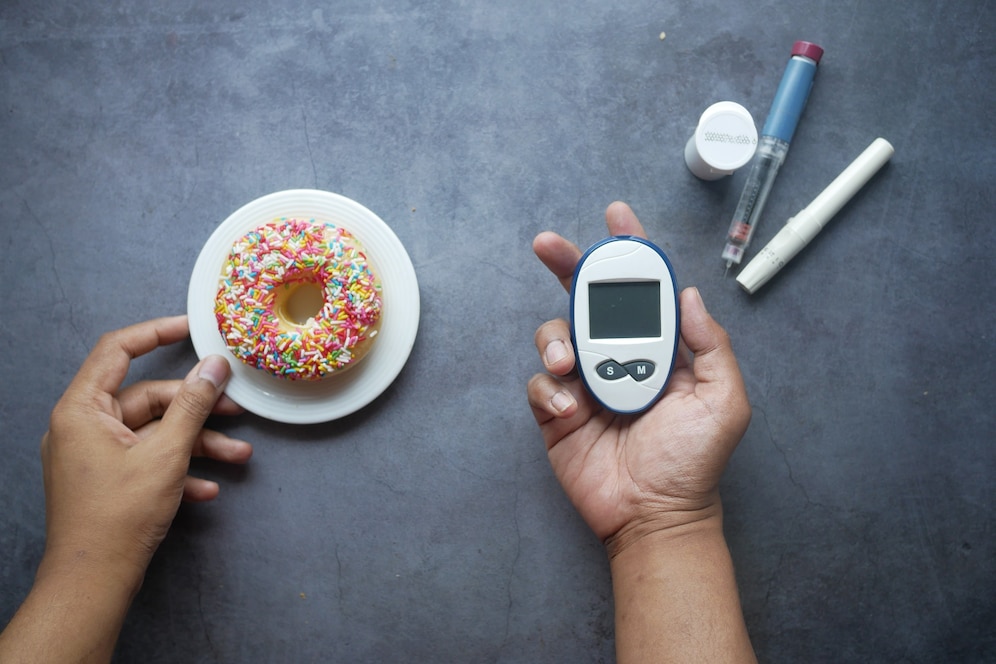
    Diabetes is a life-long and lethal disease that affects millions and millions of people throughout the country. In this 21st century, the indulgence of a digital and sedentary lifestyle has made this disease a part of human life. Most people believe that sugar is the only key reason for uncontrolled diabetes; if you say no to sugar, then you will get rid of this silent killer. However, it is not just about sugar. Many people say I don’t eat sugar still; my diabetes is not under control. But there are some rules which one has to follow if he/she has diabetes. Except for less sugar, many factors are there, which controls insulin levels in the human body, especially diabetic patients.

    CONTOUR PLUS DIABETES MACHINE ( 20 STRIP FREE ) – BUY

    Buy Generic Medicine for Diabetes – Buy Genric 

    Rules that shout not be broken:

    1. Never skip meals, especially breakfast:

    Skipping a meal is always dangerous for diabetes people as it disturbs the sugar level and makes a person hypoglycemic (low sugar level), especially when you are on insulin. This causes fatigue, dizziness, unconscious state, or blackout sometimes. So keeping sugar at the optimal level is very important.

    Have breakfast like a king. Breakfast is the first meal most people consume in a day. Skipping it has a significant role in all-day blood sugar spikes because it creates insulin resistance. This means when you eat food next time, your body will generate more insulin to control sugar. So, diabetic patients should not skip any meals, especially breakfast, as it regulates blood sugar levels. Have meals at regular intervals without skipping it.

    14 healthy foods to add in your diet to make healthy diet | Types of diet – Food List

    2. Maintain timing and type of food:

    The best way to regulate blood sugar levels in diabetic patients is by maintaining the type and time of food they take. When the daily meal routine is followed, blood sugar levels are better controlled. Every diabetic patient knows that he should not eat foods that have plain fat or carbohydrate or sugar. However, many of us don’t know that basic biscuit also contains these risky ingredients.

    • Eat food at the same time daily; it will help to keep blood sugar on the same level.
    • Instead of 2 or 3 meals, eat six meals a day. Many researches suggests that incorporating a six-meal pattern in daily lives is helpful instead of instead of three-meal. One need to ensure that the overall calories intact remain the same. It helps improving blood sugar control and plummets the hunger amongst those who are obese or having prediabetes and full-blown diabetes.
    • Do not eat processed, canned or sweet food.
    • Check to the label of every food packet though it claims best for diabetes. Sometimes simple cookie can have ingredients which can risk your life.
    • Incorporate fruits and green leafy vegetables.
    • Some sites show recipes for diabetic patients but eating any such food, inform your doctors about your diet.

    3. Don’t change or skip medicine time:

    Ant diabetic drugs are one of the key components of blood sugar management. So it is essential to take medication as per prescribed dosage and time. Most of the diabetic medicines are timed release, so it is necessary to take it on schedule. For example, if it is prescribed before a meal that means it will enhance insulin production to digest ingested sugar. If you change the time, then it will not reduce sugar and create complications. The dose and timing determined by your health professional will keep blood glucose level within range. So never change time intentionally. Try not to skip the medicine.
    • Make a pillbox.
    • Set a schedule so that it will become a habit, and you won’t forget it frequently.
    • Set reminders for medicines Keep medicine on the food table as it will remind you before or after a meal.

    Dr’s prescribe Sitamet 50/500mg Tablet for prediabetes, gestational diabetes, & type-2 diabetes.

    4. Never walk bare foot:

    The foot is the most ignorant part of the human body. No one generally cares for the foot. We often get foot injuries while walking. But diabetes patients cannot be neglected in their cases as they are more prone to infections. A small cut or wound takes time to heal and sometimes creates ulcer, which ultimately converts into gangrene due to high sugar level and lastly ends up in foot amputation. So for them, it is advisable not to walk barefoot even in the house. Diabetic people are more into foot surgery. So certain precautions should be taken.

    • Always wear footwear even in indoors.
    • Don’t step out on beach / in hot sand without protection don’t keep your foot wet.
    • Dry foot properly and moisturize. Excessive dryness can lead to the problem too.
    • Take care while trimming your nails.
    • Check your feet daily; if a cut, cracked skin, wound, or ulcer, you suspect then immediately consult your doctor

    5. Exercise regularly and stay away from stress:

    Physical activity is helpful to everyone. It keeps sugar at an optimal level and manages weight. Diabetic patients should incorporate exercise in a daily routine that not only controls insulin level but weight too. Also, it provides you more energy and regulates stress hormones.

    • Exercise daily for 30-40 min. or thrice a week is good enough.
    • Walking, swimming, dancing also helps a lot. Playing sports at a small or big level improves overall health.
    • Do yoga and Pranayama for stress management. As stress also plays a significant role as it directly affects glucose levels.
    However, specific rules are here to follow. Don’t do exercise at night as it could lower sugar while sleeping. Also, avoid exercising at an empty stomach. If you are on insulin, then schedule the time accordingly.

    Before you start any exercise, consult your doctor first, as certain activities are not recommended for diabetic people.

    Wrapping up,​

    Diabetes brings responsible living. So by taking care of all rules mentioned above and doctors’ advice will help one a lot in controlling this disease. So, don’t forget five important facts – Eating healthy and small frequent meals, daily exercise, stress management, scheduling meal and medicine time, take care of the foot, and most importantly, don’t skip breakfast.
  • Dispelling myths and misconceptions about generic medicines | Trusted Generics Provider

    Dispelling myths and misconceptions about generic medicines | Trusted Generics Provider

    myths and misconceptions about generic medicines

    Myths and misconceptions about generic medicines

    Medical researchers and pharmaceutical firms invest significant time and money in research to develop better, more potent medicines for different ailments. These organizations spend their resources on the invention and development of better drugs. Thus, when the medicine is finally developed and ready for mass consumption, the developer gets a patent for the medicine for a stipulated period.

    Once the patent period is over, other companies can produce the same medicines containing the same molecule and sell them in the market as generic medicines. These organisations adopt the molecule from the parent composition. Thus, they spend much less than the organizations that undertook the research. Hence, making generic medicines is affordable when compared to branded drugs.

    In other words, generic medicines are affordable versions of branded medicines.
    Overall, generic drugs are 40 to 60% lower in price compared to branded drugs. But despite their advantages, many people remain confused about generic vs. brand name drugs. It is not uncommon for people to doubt the efficacy and quality of generic medicines in India. Ideally, pharmacists are best positioned to provide patients with pertinent information about generic drugs and ease their concerns. Vested interests of those in the pharma channel supplying the medication – propagate myths about generic drugs rather than dispel them. In India, the unquestionable attitude towards certain professions makes these myths even more deep-rooted in patients.
    At Medkart, every patient with a prescription is informed about the available options. The staff also counsels patients about generic drugs versus brand-name drugs and answers questions about active versus inactive ingredients to ensure that patients thoroughly understand generic drugs.
    So, let me take this opportunity to dispel the four most common myths and misconceptions about generics in India.

    Myth 1: Generic Drugs have a different formulation compared to Branded Drugs.

    In most cases, generic medicines mimic branded medicine completely. There is no difference in the formulation. Sometimes, in mass manufacturing, some variability may occur, but these differences are minimal and allowed within limits by the government. We must not forget that the production of a generic drug begins when the pharma industry already has a long track record and history of the performance of branded medicine.

    Myth 2: All branded drugs have generic counterparts

    So, when a medicine is manufactured, the pharma company that developed it has a patent. This patent could be for two, five, or ten years. During this time, the branded drug will not have any generic counterpart. The generic counterparts come into the market only after the patent has expired.

    Myth 3: Generic drugs are not as effective as their brand-name counterparts

    We have battled against this misconception since day one. At Medkart, we ensure that the patient is entirely free of any doubts about the efficacy of the medicine before they make a purchase. And that’s why we insist on touch and feel. Generic medicines are indeed as effective as their branded counterparts, and the difference in price does not mean that the quality is different too.

    Myth 4: The Government does not support generic medicines.

    Nothing could be farther from the truth. The government has numerous schemes on the central and state level to create channels of affordable healthcare for the general public. One good example is the Jan Aushadhi scheme. It helps make medications available to patients who need them the most and adds the honourable Prime Minister’s credibility to generic medicines.
    The government has also put some laws in place to target the beginning of the chain, i.e., the physicians must follow international standards of prescription and mention the ‘generic name’ of the medicine instead of the brand. Such laws can effectively curtail the menace.
    The myths and misconceptions against generic medicines don’t stop here. Different forms and stages of bias exist everywhere against generic medication. But we feel confident that constant efforts to clear the misinformation and spread awareness can help patients make the best health choices.
    As a society, we must find new opportunities to give generic medicines a chance. Promoting the use of generic drugs is a way to promote affordable healthcare, avoid harm, and eliminate wasteful practices.

    – Ankur Agarwal
    The author is an IIM alumnus and founder of Medkart Pharmacy. He strongly believes in sharing knowledge to help people choose better, especially when it comes to medicine consumption. He talks passionately about generic medicines and entrepreneurship. You can follow him on (his LinkedIn profile)

  • Role of the company in learning & development of a pharmacist?

    The role of a company in the learning and development of a pharmacist can vary depending on the specific company and the resources it has available. Some possible ways in which a company might support the learning and development of its pharmacists include:

    Providing continuing education opportunities: Many companies offer their pharmacists the opportunity to participate in continuing education (CE) courses, either through in-house training or by reimbursing employees for courses taken through external providers.

    Offering professional development programs: Some companies offer professional development programs specifically designed to help pharmacists learn new skills and stay up-to-date on the latest developments in the field. These might include workshops, conferences, or online training programs.

    Providing opportunities for specialization: Some companies may offer pharmacists the opportunity to specialize in a particular area of practice, such as geriatric pharmacy or oncology pharmacy. This may involve additional training or certification, as well as ongoing learning and development in the specialized area.

    Encouraging research: Some companies may encourage pharmacists to engage in research, either as part of their job responsibilities or as a way to pursue their own interests. This may involve providing resources and support for pharmacists to conduct research, such as funding, mentorship, and access to data.

    Overall, the role of a company in supporting the learning and development of its pharmacists can be an important factor in helping pharmacists grow and succeed in their careers.

    Looking to be a hero of patients and a bright career in pharmacy with great for learning & development??? Visit www.medkart.in/blog and explore best opportunities and new openings in India’s top Generic pharmacy retail store.

    To know more watch – https://youtube.com/shorts/Kop2tfT1G4I

  • What does the future of retail pharmacy look like by 2030?

    It will likely depend on a variety of factors such as changes in healthcare policy, advances in technology, and shifts in consumer behavior. However, it is likely that retail pharmacy will continue to play an important role in providing access to medications and other healthcare products to the general public.

    One potential trend that could shape the future of retail pharmacy is the increasing use of technology and automation. For example, it is possible that pharmacies may use more automated dispensing systems to fill and dispense prescriptions, allowing pharmacists to focus on providing personalized care and consultation to patients. There may also be an increase in the use of telemedicine and other remote healthcare technologies, which could allow pharmacists to remotely monitor and manage patients’ medication regimens.

    Another trend that could impact the future of retail pharmacy is the growing emphasis on population health management and the prevention of chronic diseases. Pharmacists may be increasingly called upon to provide services such as screenings, immunizations, and lifestyle counseling to help prevent the onset of chronic conditions such as diabetes and heart disease.

    It is also possible that the role of retail pharmacy may change in response to shifts in the broader healthcare system. For example, as the cost of healthcare continues to rise, pharmacies may be asked to play a greater role in helping patients access and afford their medications. Additionally, as the healthcare industry continues to move towards value-based care models, pharmacies may be asked to demonstrate the value they provide in terms of improved patient outcomes and cost savings.

    Looking to start your own pharmacy??? Visit www.medkart.in/blog and be a partner of growth

    To know more watch – https://youtube.com/shorts/Kop2tfT1G4I

  • Whose responsibility is it to guide the patient about right brand for his medicines?

    It is generally the responsibility of the healthcare provider (such as a doctor or nurse practitioner) to recommend a specific medication to a patient based on their medical needs and any relevant contraindications or allergies. In some cases, the healthcare provider may have a preference for a specific brand of medication, but in most cases, they will consider a range of options and choose the one that is most appropriate for the patient.

    Once a specific medication has been prescribed, it is generally the responsibility of the pharmacist to dispense the medication and provide information to the patient about how to take it safely and effectively. This may include providing guidance on the correct dosage, potential side effects, and any necessary precautions or interactions with other medications.

    In some cases, the pharmacist may also be able to provide information about alternative brands or generic versions of the medication that may be available, and help the patient make an informed decision about which one to use. However, it is important to note that the pharmacist should not recommend a specific brand of medication without considering the patient’s individual needs and the recommendation of the prescribing healthcare provider.

    Ask the pharmacists at Medkart Pharmacy or visit www.medkart.in/blog and get support of skilled pharmacists for proper guidance for your medicines.

    To know more watch – https://youtu.be/Y-nHH4f6fGA

  • What should be an ideal practice to buy medicines?

    There are several steps you can take to ensure that you are buying the best quality medicines for your needs:

    Consult with a healthcare professional: It is important to consult with a healthcare professional, such as a doctor or pharmacist, before starting any new medication. They can help you understand the benefits and risks of different treatment options and determine the best course of action for your individual needs.

    Check the expiration date: Make sure to check the expiration date on any medication you purchase to ensure that it is still safe and effective to use.

    Look for trusted sources: It is generally best to purchase medications from a trusted pharmacy or healthcare provider. Visit www.medkart.in/blog trusted by 300+ cr customers and 4500+ doctors for their medicines.

    Be aware of any potential interactions: If you are taking multiple medications, it is important to be aware of any potential interactions between them. Your healthcare professional can help you understand any potential risks and help you manage your medications safely.

    Follow the dosing instructions: It is important to follow the dosing instructions for any medication you are taking to ensure that you are taking the correct amount. Do not alter the dosage or frequency of your medication without consulting with a healthcare professional.

    Store medications safely: Proper storage of medications is important to ensure their effectiveness and safety. Follow any storage instructions provided with the medication, and keep it out of reach of children and pets.

    Looking for an ideal pharmacy??? Visit www.medkart.in/blog.

    To know more watch – https://youtube.com/shorts/KecDZZ81MFE

  • Everything You Need to Know About Generic Medicines |Trusted Generic Medicine Provider

    Everything You Need to Know About Generic Medicines |Trusted Generic Medicine Provider

    India is the world’s 3rd largest producer of medicines and vaccines. In 2022, the Indian pharmaceutical market was valued at USD 41 Billion. It is expected to grow to USD 65 Billion by 2024. India’s ability to manufacture high-quality, affordable medication is an example for the rest of the world. And yet, we find ourselves in jeopardy whenever it’s time to foot the medical bills. Prices of pharmaceutical products always seem to be out of reach.
    The good news is that low-cost medication is attainable in India. All you need is awareness and knowledge about generic medicines. Medkart Pharmacy is devoted to making high-quality, affordable treatments available to patients in India. Generic drugs play an essential role in our mission.

    Generic Medicines – Frequently Asked Questions | Trusted Generic Provider – Medkart

    Everything You Need to Know About Generic Medicines

    What are Generic Medicines?

    Generic medicines are affordable versions of branded drugs that are introduced once the patent acquired by the drug manufacturer expires. These medicines are dispensed either by brand or salt name. The generic drug is the same in potency, quality, dose, and efficacy as branded . Here’s a look at the difference between generic and branded medication –

    • When a new medicine is manufactured, the original producer of the medication is protected under a patent for the first few years.
    • During the patent’s validity, the original producer is the sole producer and seller of the medicine; and within regulations – they decide the drug’s price.
    • Once the patent expires, other pharma manufacturers are free to produce and market the medicine, but their products should contain the same ingredients as the original medicine. These are known as generic medicines.
    • Prices of generic medicines are cheaper than the original as the manufacturers did not incur the cost of research or testing.
    • Generic medicines are bioequivalent of branded medicines. It implies that they have the same physiological action on a user. It also means that generic medicines are the same quality and potency as branded medicines – despite being cheaper.

    Beliefs & Attitudes Towards Generic Medicines in India

    If generic medicines are equally effective and cheaper – why doesn’t everyone buy them?

    A study conducted by the Journal of Drug Delivery and Therapeutics in 2019 revealed that 62% of healthcare providers are cynical about the efficacy of generic drugs. Physicians, too, expressed doubts and a lack of confidence in generics. 

    Among end-users of medicines, 92% of those surveyed knew about generic medicines; out of these, only 70% understood the difference between generic and branded medicines. Even so, 14% of aware users insisted that generic medicines are not cheaper than branded ones, and 47.8% of all users clearly preferred to buy branded medication instead of generic ones.

    Negative perceptions of generic medicines influence prescriber behaviour and affect patients’ trust in cheaper medications. With marketing forces poised against generic medicines, they are perceived as sub-standard versions of branded drugs. The answer lies in programs that invest in the systematic spread of information and strategies to build trust in generic medicines.

    Notably, the Ministry of Health and Family Welfare and the Medical Council of India has mandated that all doctors prescribe drugs with generic names mentioned legibly in their prescription.
    At Medkart Pharmacy, we often encounter customers who are uninformed about generic medicines and have been spending their hard-earned money on branded drugs. Watching the relief wash over their faces when they see their medical bills decline – is one of the reasons why we exist.

    Understanding Generic Medicines

    Let’s say you are in New Delhi for the first time in your life. And you want to go from Hauz Khas in South Delhi to DLF Cybercity in Gurgaon. You ask a resident of Delhi for advice, and they suggest taking an Uber. They’re more knowledgeable about the city than you are. You think it’s expensive, but what option do you have?

    But with a little more effort, you learn about the wonderful Delhi Metro Rail Network. You decide to take a metro instead. The following day, you reach your destination quickly and at a fraction of the cost.
    This analogy applies perfectly to the comparison between generic medicines and branded medicines. Two equally effective solutions to the same problem. But one is much easier on the pocket.

    Asking your doctor or pharmacist about generic medicines does not amount to questioning their opinion or knowledge. Buying generic medication does not mean you are doing something different from the doctor’s advice. Generic medicines are undoubtedly a smarter choice for your healthcare budget as long as you build awareness.
    If you wish to know more about generic medicines or you just want to check that the drug prescribed to you has a generic counterpart – get in touch with the Medkart team today. Visit our store or log on to www.www.medkart.in/blog and we would be happy to help you compare prices.
    Just ask.

    Also Read:- 


  • Be aware about top 5 common and chronic diseases in India

    Be aware about top 5 common and chronic diseases in India

    5 common and chronic diseases

    Today India, like other countries, is fighting against the Corona pandemic, but do you know that other than this corona pandemic, many non-communicable diseases are fastly growing in India? India is turning into a country where its citizens are vulnerable to many diseases, especially chronic ones. Well, this is not only happening in India, but the whole world is suffering from this.

    Chronic diseases are long-term diseases that take longer to develop and cause any significant harm to the body. Chronic diseases impair an individual’s immune system as well as other body functions. Approximately more than 20% of the country’s population is suffering from at least one non-communicable or chronic disease (NCDs). According to WHO, about 38 million people worldwide are affected by non-communicable diseases or chronic illnesses such as cancer, heart disorders, respiratory diseases, and diabetes. This means that 1 in 4 Indians have a risk of dying from an NCD before they reach the age of 70.

    Of all of India’s chronic diseases, here are 5 conditions having a greater presence, and more reported cases:

    Why Essential minerals are required for body | List of essential Minerals

    Top 5 common and chronic diseases in India

    1. Diabetes

    Diabetes has made India the capital of the world that houses the largest numbers of diabetic patients. Everyone thinks that diabetes occurs due to excessive intake of glucose. But, one gets affected due to excessive consumption of package or junk goods and carbohydrates, genetic susceptibility, obesity, and sedentary lifestyle. Diabetes is more of a hormonal condition where the body can not properly use/produce an insulin hormone that helps remove glucose in our food to turn it into energy.

    Diabetes has been classified into two types, based on the inability to use or produce insulin: Type I and Type II or prediabetics (elevated blood sugar but certainly in limits). Common signs of both forms include excessive urination, persistent thirst or need for water, tiredness, weight gain or loss, and slow healing of cuts and sores, blurred vision. High levels of unchecked bloodstream glucose can damage the kidneys, skin, nerves, and may even cause cardiac arrest. Here, the age spectrum is between 20 to 80 years.

    For prevention, regular workout-approximately 30 minutes, high intake of water, fruits and salads, and low intake of sugar or refined, and lastly active lifestyle is necessary.

    2. Poor heart conditions

    Heart disease is a term that covers almost all instances that affect the heart and prevent its optimal functioning. It ranges from elevated blood pressure to major coronary heart disease in India, which causes premature death. The most common in this category is hypertension, or high blood pressure that has two subcategories. One, the primary hypertension; appearing to develop over several years slowly without any identifiable source. In contrast, certain medical conditions cause secondary hypertension.

    Conditions affecting your kidneys, lungs, heart, or endocrine system may cause secondary hypertension. After that, coronary artery disease is another heart condition that is common amongst Indians and a dangerous life-taker. The common cause of coronary artery disease is plaque deposits containing cholesterol. Apart from these other causes, one artery is partially or fully blocked, restricting, or blocks blood passage.

    Like diabetes, high Blood Pressure (BP) is also known as the silent killer. However, it shows some signs such as left-armed pain and chest pain that may be confused due to indigestion, shortness of breath, heartburn, and nausea/vomiting, back pain, etc. Coronary artery disease has no signs, leading to a heart attack being the first sign of this condition.

    Cautions:

    In the case of moderate hypertension patients, improvements in lifestyle such as daily exercise, maintaining a healthy weight, reducing salt intake, reducing fat intake, etc. should be considered before taking any drug.

    3. Cholesterol

    Today, 79% of Indians suffer from high cholesterol which is one of India’s leading causes of cardiovascular diseases. An abnormality in lipid levels can contribute to the thickening of the arteries and leading to heart attacks. High cholesterol triggers the Low Density Lipoprotein (LDL) or “bad” cholesterol that carries cholesterol particles throughout your body and builds up plaque in walls of arteries, making it hard and narrow. Some of the reasons that create LDL are poor diet, physical inactivity, smoking, obesity, etc.

    High cholesterol is another silent killer that does not show any symptoms; only blood tests can reveal it. Prevention is a balanced diet low in saturated and trans-fat, regular exercise, less alcohol consumption, and no smoking.

    4. PCOS

    Poly Cystic Ovary syndrome/condition (PCOS from here on) is an ovarian cyst that has grown highly under 20 years. PCOS develops cysts that form a lining over the ovaries, preventing an egg from ejection or fertilization. People with acute PCOS may have as little as eight cycles in a year.

    Insulin resistance, genes, or obesity are known causes for PCOS. It affects a woman’s body’s hormonal balance, leading to missed periods, chest, back, and face acne, and face and breast hair growth.

    PCOS treatment typically starts with improvements in lifestyle such as weight loss, diet, and exercise. So, better to do it as prevention than treatment; otherwise, one has to bound herself with medication.

    5. Cancer

    Cancer is lethal because it not only resides in the region organs involved but may also be invasive and spread to other areas of the body. The most common cancers are prostate cancer in Indian men and breast cancer in women. However, breast cancer is second-highest cancer; the first is pelvic cancer to being the most common chronic disease among women.

    According to research, about 1,00,000 women per year had breast cancer, and 10 percent per 1,00,00 men suffer from prostate cancer. There are no specific causes of cancers. However, early detection can be helpful in some instances. Breast cancer usually shows symptoms like a breast lump, change in size and form, pigmented or crusted skin, redness, and tingling. While prostate cancer usually delivers pain during urination or ejaculation, blood in urine, weight loss, or fatigue.

    Prevention here is an adoption of a healthy lifestyle because indulgence of a sedentary lifestyle has been seen common amongst cancer patients.

    Conclusion

    These are the most common chronic diseases developing at certain ages. Therefore, it becomes essential for individuals to stay cautious and prevent such chronic illnesses by maintaining your overall health. Regular exercise, a balanced diet, and stress management are keys to a healthy life.

  • Are generics available for    common cold, fever, body ache    etc.?

    Are generics available for common cold, fever, body ache etc.?

    generics available for common cold, fever, body ache

    Yes, there are a wide variety of generic medications available for the treatment of common conditions such as the common cold, fever, and body aches. These conditions are typically caused by viral infections and do not require treatment with antibiotics. Instead, they can be treated with over-the-counter (OTC) medications that can help to alleviate the symptoms.

    For the common cold, OTC medications such as decongestants, antihistamines, and pain relievers can be helpful in relieving symptoms such as congestion, sneezing, and headache. For fever and body aches, OTC pain relievers such as acetaminophen or ibuprofen can be effective in reducing fever and relieving muscle aches and pains. Looking for quality generics??? Find effective and cost-effective medicines at www.medkart.in/blog

    To know more watch – https://youtube.com/shorts/3fPk3iYF7Bw

  • What Is Medical Therapy? How Generic Medicines Work for Multiple Diseases

    What Is Medical Therapy? How Generic Medicines Work for Multiple Diseases

    Medical Therapy image

    What Is Medical Therapy?

    Medical therapy involves treatment for a medical condition, including medication, physical therapy, or other medical interventions. This is to help manage symptoms and improve overall health.

    Medical therapy works by treating the symptoms of a disease or condition to improve the patient’s quality of life. Usually, doctors recommend medicines and other treatments, such as surgery or lifestyle modifications. The goal of any medical therapy is to improve the patient’s overall health and to prevent further complications from arising.

    Medicines play an important role in medical therapy as they can help to treat, prevent, and manage medical conditions, such as pain, infections, and other illnesses. You can use generic medicines for therapies as they work by targeting specific areas of the body to reduce symptoms and can also help to slow down or prevent the progress of a disease.

    The need for medicines in medical treatment

    1. They help treat many illnesses and conditions. They help reduce or eliminate symptoms, treat underlying causes, and prevent further disease progression.
    2. Medicines reduce pain, fever, or other inflammation associated with a particular condition. They may also reduce the risk of complications from some medical treatments, such as chemotherapy and radiation therapy.
    3. You can consume medicine to slow the progression of certain illnesses or help the body fight off infections. They can help people with chronic conditions manage their symptoms and improve their quality of life.
    4. Useful in preventing certain illnesses or helping people recover quickly after an illness or injury. For example, they can be used as part of a comprehensive treatment plan to prevent heart attacks, stroke, and other types of cardiovascular disease.
    5. Make medicine a part of a preventive health care program as it protects from developing certain illnesses and reduces the risk of complications from existing illnesses.

    Generic drugs for medical treatments

    Generic drugs are medical treatments with patients consuming medicines that are the same as brand-name drugs in terms of dosage, safety, strength, quality, how it is taken, and intended use.

    Generic drugs typically cost lower than their brand-name counterparts and are approved by the CDSCO for treating the same medical conditions. Common types of generic drugs include antibiotics, antidepressants, blood pressure medications, cholesterol medications, and diabetes medications.

    As effective as branded: A generic medicine is a medicine that does hold a brand name but rather goes by its content. Often, the same manufacturer makes generic drugs as the brand name drug, but the brand name drug’s patent has expired, allowing generic makers to produce a generic version.

    While one of the primary advantages of generic medicines includes being less expensive than branded drugs, they are of the same quality. The maker of a generic medicine must demonstrate that the drug’s rate and extent of absorption into the body are not significantly different from those of the brand-name drug.

    Scientists test to quantify the difference, and the results are reported in percentages. Most researchers think that a 20% variation in medication absorption is tolerable.

    A cost-effective alternative: Generic medicines cost less, but they are equally effective as branded ones. Makers of these medicines do not spend money on clinical trials, marketing, and advertising. A non-generic medicine with an expired patent can apply for a licence to sell generic medicine. The Central Drugs Standard Control Organisation (CDSCO) is evaluated and approved if it meets safety and quality standards.

    The active component in generic drugs is identical to its non-generic counterparts. Both have been subjected to the same rigorous clinical investigations and quality tests throughout the patent period. This means they are risk-free to use.

    ​Researchers at pharmacovigilance centres keep an eye out for any unwanted drug effects. They ensure that people are receiving safe and effective medicines. They examine consumer complaints and provide solutions to producers, doctors, and patients.

    Easy availability: Drugstores in every city and state sell generic versions of brand-name medications. Jan Aushadhi Stores are part of the PMBJP (Pradhan Mantri Bhartiya Janaushadhi Pariyojna) effort to provide access to therapeutic drugs.

    Because of a constitutional amendment made by India’s Drugs Technical Advisory Board, pharmacists may now legally offer generic medications to customers even when the customers’ prescriptions call for name-brand alternatives.

    Consult your doctor or pharmacist about the medicine’s active component to identify a generic equivalent. You can also order generic medicines online at www.medkart.in/blog and get them delivered to your doorstep.

    Switch to generics with Medkart

    We have 107 stores across India with qualified pharmacists providing you with a generic version of a branded medication. If you are worried about substituting your prescribed medicines, then insist your doctor write “Do Not Substitute” on the prescription. This explicitly says that the doctor recommends the brand-name medicine despite the availability of a generic.

    Alternatively, you can visit our site www.medkart.in/blog or download Medkart mobile app for android or iOS to order generic medicines online.