
Tag: arthritis symptoms

  • What is arthritis? What are its symptoms and its treatment?

    What is arthritis? What are its symptoms and its treatment?

    What is arthritis image

    What is arthritis?

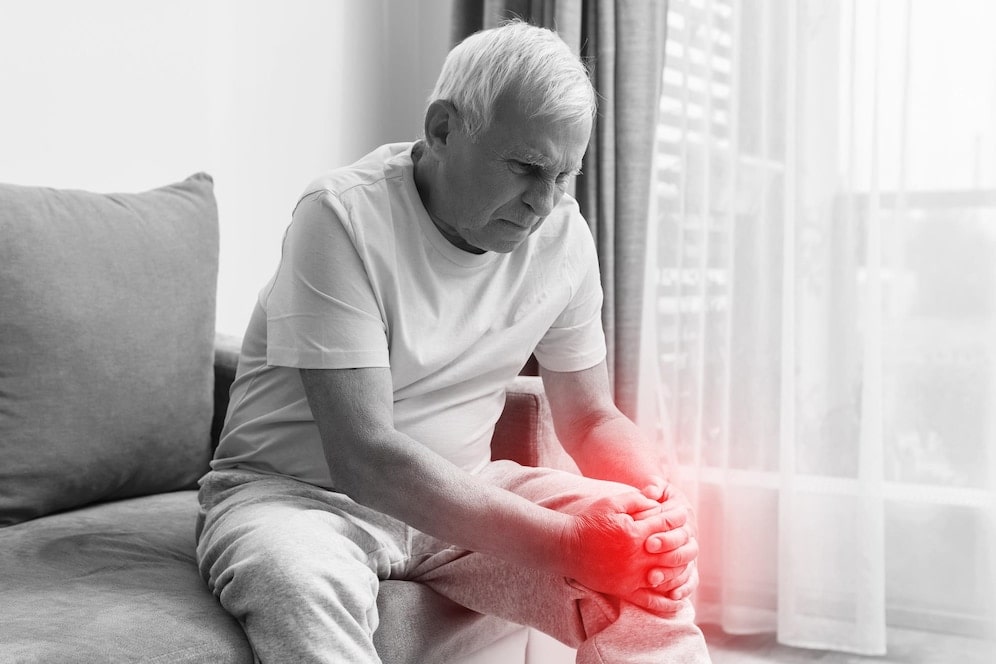
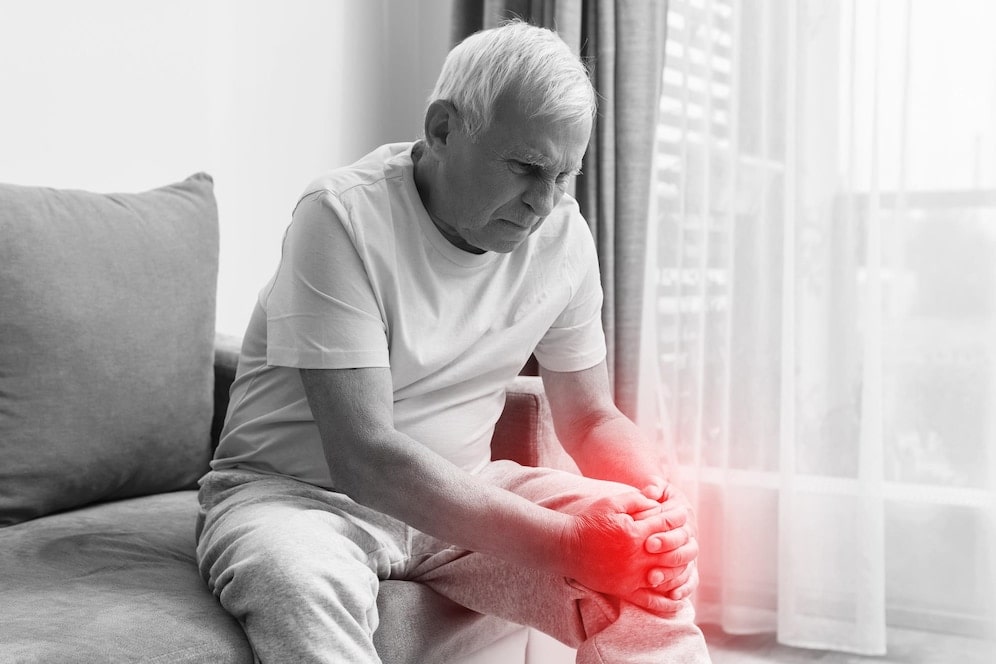
    Arthritis is inflammation (swelling) of the joints due to multiple reasons. The tissue present in your joints aids the proper functioning of joints and prevents friction between bones. Any damage to the tissue at joints results in inflammation. Common arthritis symptoms are pain, redness, difficulty in movement and stiffness of joints.

    About 15% of the population in India has arthritis. Arthritis symptoms are more common in women. People who are more active physically have fewer chances of having arthritis. The chances of experiencing arthritis symptoms increase with an increase in age.

    Types of Arthritis and Their Causes

    Commonly occurring types of arthritis include:

    Arthritis Symptoms

    The most commonly occurring signs and symptoms of arthritis include the following:

    • Pain and tenderness in the joints
    • Stiffness, particularly in the morning or after periods of inactivity
    • Swelling or redness in the affected joints
    • Reduced range of motion in the affected joints
    • A grinding sensation when moving the affected joints
    • Pain in the ankles when moving after sitting for a while
    • Feeling of numbness in affected joints

    Apart from this, some patients may experience nerve pain due to arthritis; this is similar to a stinging sensation. However, this is less common than the above mentioned symptoms.

    Treatment of Arthritis

    Treatment for different types of arthritis involves the use of the following medications:

    1. Analgesics: These are medications that help reduce your pain.
    2. Nonsteroidal anti-inflammatory drugs (NSAIDs): They reduce your pain as well as inflammation.
    3. Steroids: They help reduce inflammation.
    4. Disease-modifying antirheumatic drugs (DMARDs): These drugs help suppress one’s immune system, which then does not attack and damage the joints.
    5. Topical creams: These creams help reduce your feeling of pain.

    Patients should seek advice from a medical practitioner or doctor if they opt for a treatment option. Know more at Medkart Medicines.

    Complementary Therapies for Arthritis

    Complementary therapies are broadly classified into the following types:

    1. Nutritional Therapy

    Nutritional therapy includes the following:

    • Special diets, such as fruits, fish, dairy products, etc., help maintain good health. They also help in reducing or maintaining proper body weight. This partly reduces the burden on joint/s.
    • Dietary supplements like dimethyl sulphoxide (DMSO), methylsulphonylmethane (MSM), S-adenosyl-L-methionine (SAMe), glucosamine and chondroitin work in managing arthritis symptoms.
    • Probiotics are a good option for reducing arthritis symptoms.

    2. Psychological Therapy

    Various psychological therapies are suggested for arthritis, like hypnosis, meditation, music therapies, relaxation therapies, etc. They help in relieving pain and relaxing.

    3. Physical Therapy

    Physical therapies help improve your strength, flexibility and movement of joints and improve your ability to use the damaged joint. They include the following:

    • Acupuncture: Acupuncture proves considerably helpful in relieving arthritis pain.
    • Massage: Massage therapy helps in improving pain and mobility.

    4. Recreational Therapy

    Therapies like tai chi, yoga, dance and art therapies are included here.

    • Yoga: Yoga helps improve your strength, physical function, flexibility, relaxation and movement of joints.
    • Tai chi: It improves pain, physical function and stiffness. It also reduces depression and provides a better quality of life.

    5. Mindful Consumption

    Mindful eating is an alternative solution to treating arthritis. It involves training the mind to recognize physical cues, experiences and cravings while eating your food. It helps control your eating habits, leading to weight loss and reducing unnecessary food consumption.

    Multiple medications are available like analgesics, NSAIDs, steroids and topical creams, to manage arthritis and DMARDs to manage rheumatoid arthritis. Along with medications, various complementary treatments help in the better management of your arthritis symptoms. Make sure you take your medications timely and explore complementary treatments.

    To read more informative articles on arthritis, visit Medkart today!

    FAQs related to Arthritis

    1. Is arthritis curable?

    No, arthritis cannot be completely cured, but diagnosis and treatment at the right time can help manage the arthritis symptoms well and reduce its rate of progression.

    2. What are the symptoms of arthritis?

    As arthritis symptoms, you may usually observe pain in the affected joints, inflammation and stiffness of the joints.

    3. What are the treatments for arthritis?

    Arthritis treatment involves a combination of therapies. Along with medication, physical, psychological and nutritional therapies are also included. The treatment approaches focus on reducing pain, improving mobility and reducing joint damage.
  • Arthritis

    Arthritis

    What is arthritis

    What is arthritis?

    Do you or a loved one experience stiff and painful joints? Does the stiffness affect your movement? Stiffness and tenderness of joints are symptoms of arthritis. Timely medical treatment and therapy will help control your pain and improve your strength and mobility.

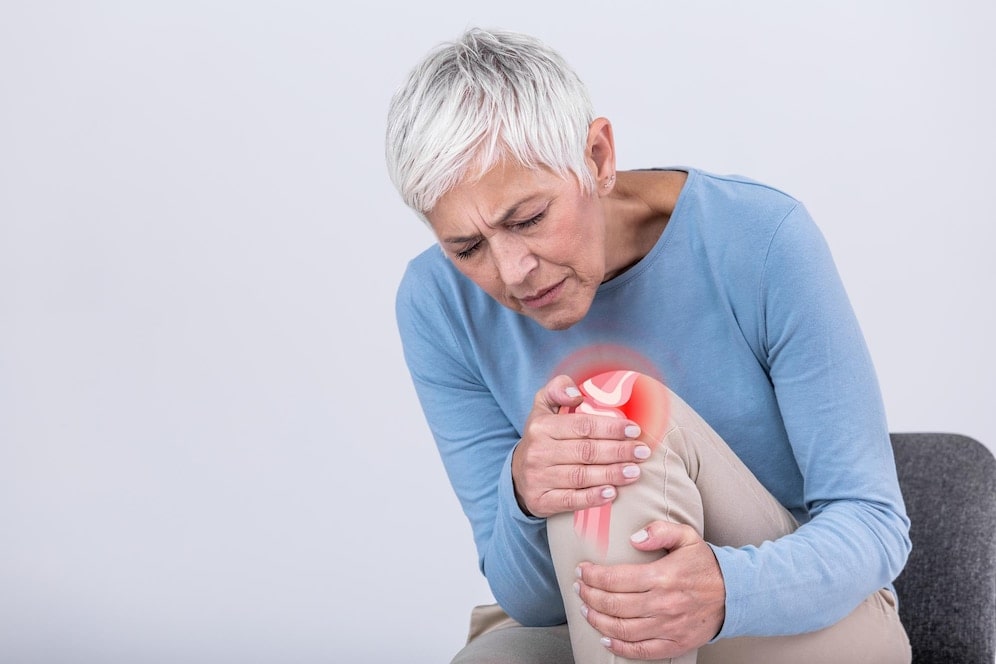
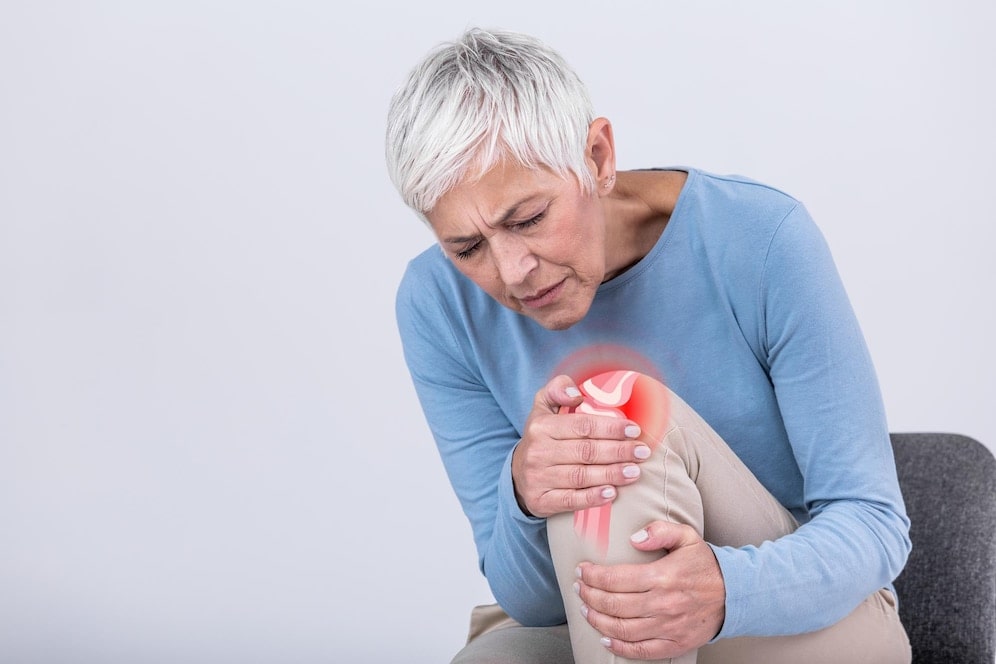
    Arthritis is a disorder of the joints. It causes pain, swelling, and stiffness, which makes movement difficult. Although there is no cure for arthritis, early detection will help you find relief from the symptoms.

    Read on to learn more about arthritis, types of arthritis, and arthritis treatment.

    What are the types of arthritis?

    The term arthritis describes several joint conditions. The common types of arthritis are:

    • Osteoarthritis

    • Rheumatoid arthritis

    • Ankylosing spondylitis

    • Gout

    • Psoriatic arthritis

    • Juvenile arthritis

    What causes arthritis?

    Factors that increase the risk of arthritis are:

    Heredity: If your parents have the disorder, you, too, may develop arthritis.

    Obesity: Excess weight puts pressure on your knees, hips and spine. So, people with obesity are at a higher risk of getting arthritis.

    Sedentary lifestyle: Lack of physical activity can cause weight gain. It also causes weak muscles and joints. This further increases the chances of stiffness, fractures and decreased mobility in your limbs, leading to arthritis.

    Arthritis causes depend upon the type of arthritis.

    • Osteoarthritis: This condition occurs due to the wear and tear of the joint cartilage from long-term stress. Cartilage is the tissue that protects your joints and bones. But, with prolonged pressure on the joints, the cartilage gets damaged and affects your movement.

    • Rheumatoid arthritis: It occurs when the immune system attacks the membrane surrounding the joint.

    • Gout: This condition occurs due to excess uric acid in your body.

    • Fibromyalgia: It causes pain all over the body, leading to sleep problems, exhaustion, and mental and emotional distress.

    • Childhood arthritis: Also called Juvenile Arthritis, it affects children and causes permanent damage to the joints.

    • Lupus: It causes inflammation in the joints apart from stiffness, tenderness and swelling.

    Other causes of arthritis are:

    • An activity, like a job or a sport, requires you to put pressure on your joints due to repeated movements.

    • Autoimmune diseases, where the immune system attacks the lining of your joints.

    • Viral infections where the infection causes pain, inflammation and swelling in your joints.

    What are the symptoms of arthritis?

    Arthritis symptoms can be mild or severe, depending upon the type of arthritis. These are:

    • Pain

    • Stiffness

    • Redness

    • Swelling

    • Tenderness

    • Decrease range of motion

    What are the arthritis treatment options?

    Arthritis treatment consists of medications and therapy that help manage your symptoms. Your doctor will recommend an arthritis treatment after studying your laboratory and imaging test results. They will create a treatment program that helps relieve your symptoms, improves your joint function, and suits you best.

    Arthritis treatment consists of-

    Medications:

    • NSAIDs (nonsteroidal anti-inflammatory drugs): These relieve pain and reduce inflammation.

    • Steroids, like corticosteroids: These medications reduce inflammation, slow joint damage, and relieve pain.

    • DMARDs (disease-modifying antirheumatic drugs): These drugs slow the progress of rheumatoid arthritis and save the joints from further damage.

    Physical therapy:

    Physical therapy helps improve your strength and your mobility. Your therapist will help you learn to adjust your daily activities to reduce the pain and discomfort.

    Surgery:

    Your doctor will suggest surgery only if you don’t get relief from the medications and therapy and your arthritis worsens. Surgery includes:

    • Joint repair: This surgery involves smoothening or realigning the joints to lessen the pain and improve mobility.

    • Joint replacement: This procedure is used for hips and knees. It consists of removing the damaged joint and replacing it with an artificial one.

    • Fusion: This procedure is used for smaller joints, such as the wrist, fingers, and ankles. It consists of removing the ends of the two bones in a joint and locking them together to help them heal into one fixed unit.

    What precautions can we take to reduce the risk of arthritis?

    You can reduce your risk of arthritis by:

    • Staying fit with regular exercise to keep the joints flexible.

    • Eating healthy fats, like Omega-3 fatty acids and unsaturated fats found in olive oil, nuts and seeds

    • Maintaining a healthy body weight.

    • Quitting smoking.

    • Reducing the risk of joint injuries by wearing protective gear while playing sports and lifting weights with the knees and hips, not the back.

    Home remedies for arthritis

    You can try the following home remedies for arthritis to control the symptoms:

    • Exercise regularly to strengthen the muscles around the joints and improve joint flexibility.

    • Try hot and cold therapy. This includes warm showers to help relieve the pain and stiffness and ice packs to reduce swelling and inflammation.

    • Get a body massage to improve blood circulation and relieve pain.

    • Practice yoga to keep the joints supple and improve flexibility.

    • Follow a plant-based diet for its antioxidant properties that help fight inflammation.

    • Include turmeric in your cooking. Its antioxidant and anti-inflammatory properties help reduce arthritic pain and inflammation.

    Myths and facts

    Here are some common myths about arthritis and facts that can help you understand the condition better.

    Myth: Arthritis occurs only in older people.

    Fact: The risk of arthritis increases with age. However, 3 out of 5 people who have arthritis are below 65 years. Arthritis also affects children and teenagers in the form of juvenile rheumatoid arthritis.

    Myth: Joints with arthritis need ample rest.

    Fact: Lack of exercise can weaken muscles and increase pain and stiffness. Regular exercise is a crucial aspect of an arthritis treatment plan. It helps maintain weight, reduces stiffness and pain, and improves strength and mobility. You may try yoga, walking, or cycling to improve physical and cardiovascular health and well-being.

    Myth: Arthritis can’t be managed.

    Fact: Timely diagnosis and treatment can help manage the disorder, relieve the symptoms and improve your quality of life. Staying physically active, maintaining your weight, following a plant-based diet, medications, and therapy can help you manage pain and stiffness and lead a normal life.

    Takeaway

    Medical treatment, changes in lifestyle, and adjusting daily activities to help ease tasks will help you manage your arthritis better. Home remedies also prove to be helpful. However, please consult your doctor before buying herbal supplements to reduce joint pain and stiffness.

    For your convenience, we bring you the Medkart online pharmacy. Here, with a click of a button, you can buy the generic medicines or supplements of your choice and save money. Your order will be delivered to your doorstep.