
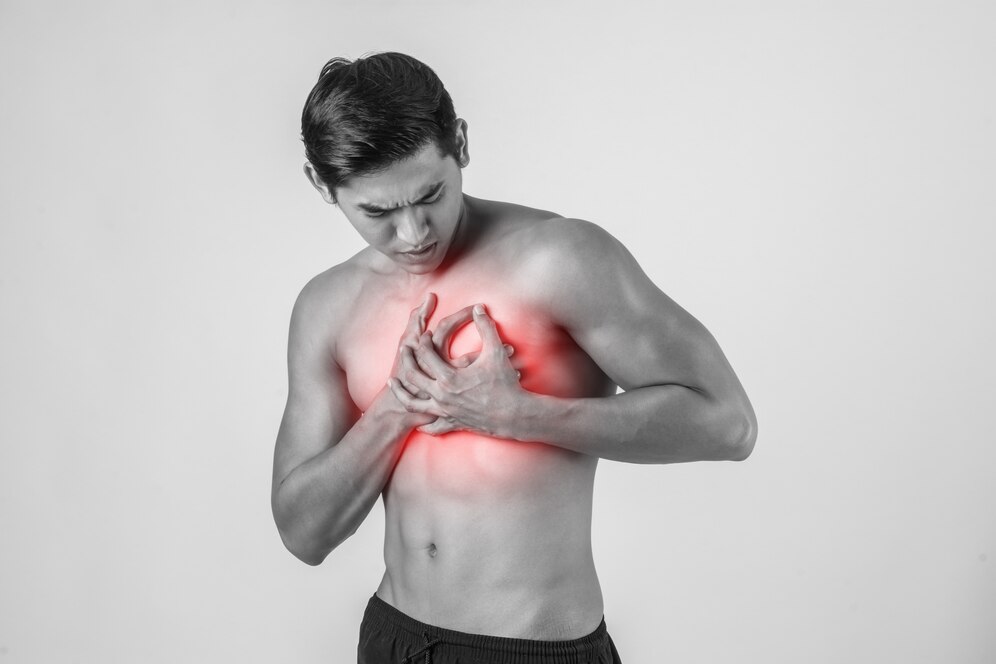
Tag: cardiovascular disease

  • Increasing Trend of Heart Attacks Among Youngsters

    Increasing Trend of Heart Attacks Among Youngsters

    Introduction

    Myocardial infarction is another name for a heart attack. The major reason for heart attack is the lack of sufficient blood flow to the heart. Coronary artery disease (CAD) is one of the leading causes of a heart attack. This usually occurs when a coronary artery closes suddenly due to blockage or has a severe spasm. As a result, the heart muscle doesn’t receive enough oxygen and nutrients. A weakened heart may lead to a fall in blood pressure, which can further compromise the flow of blood to the heart. If blood flow to the heart is not restored for a long time, the heart muscles suffer further damage.
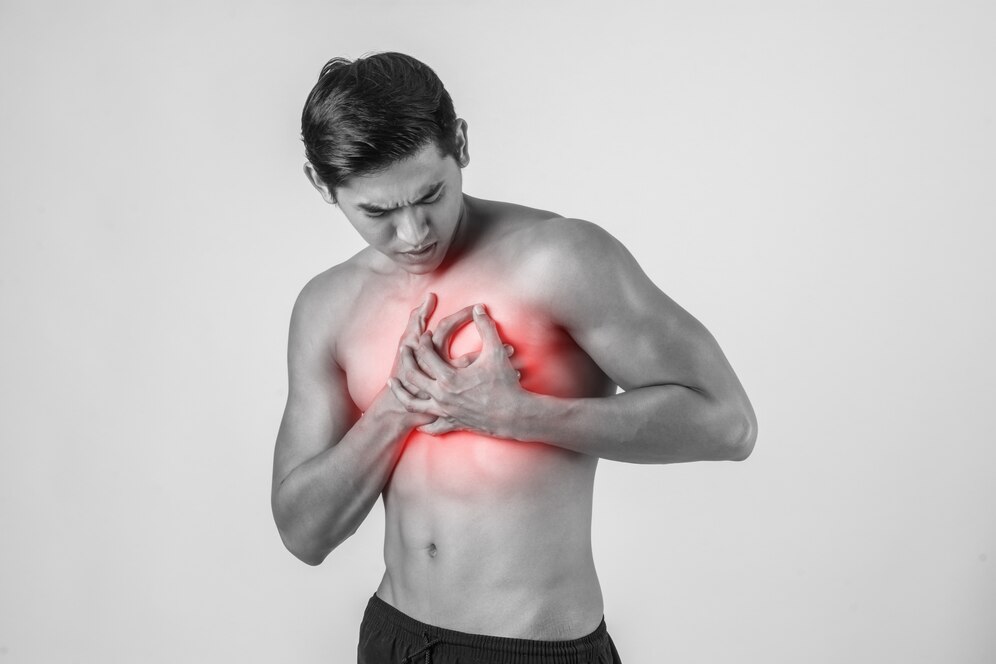
    Risk of heart attack by age

    Risk of heart attack by age

    Women over the age of 55 and men over the age of 45 have a risk of suffering a heart attack. Those under the age of 40 may also suffer a heart attack. The reasons for heart attack at such a young age include smoking, following an unhealthy lifestyle, having excess body fat, and suffering from long-term conditions, like high blood pressure and diabetes.

    Signs and symptoms of a potential heart attack

    Heart attacks often occur suddenly and without any prior symptoms. The following is a list of symptoms that may indicate a heart attack

    • Pain in the left side or middle of the chest that may radiate to jaws, arms, or back.

    • Breathing difficulty.

    • Weakness, lightheadedness, or fainting.

    • Nausea and vomiting

    • Sweating

    • Discomfort or pain in one or both arms or shoulders.

    Risk factors for heart attack at a young age

    The following are some of the factors that increase the risk of heart attacks in youngsters.

    1. Hypertension or high blood pressure causes heart attacks as it damages your blood vessels and heart muscles over time. Unfortunately, the number of hypertension cases in young adults is on the rise owing to unhealthy food habits and sedentary lifestyles.

    2. Being overweight or obese is a major cause of heart attacks. Carrying extra weight puts stress on your heart because it has to work harder. Even if you are healthy in other ways, if your body mass index (BMI) is high, you are more likely to have a heart attack.

    3. One of the main reasons for heart attacks in young-age people is smoking. There is a direct link between smoking and an increased risk of heart attacks and other diseases. Smoking makes you more than twice as likely to have a heart attack

    4. Abuse of drugs or alcohol is harmful to your cardiovascular system. Researchers are trying to pin down how marijuana affects the cardiovascular system. However, they do know that it elevates the heart rate and increases the possibility of a heart attack. Cocaine also has damaging effects on the heart. It causes heart attacks because it increases your heart rate, constricts your blood vessels, and elevates your blood pressure.

    Conclusion

    If you identify yourself with any of the risk factors mentioned above, do not worry. It is never too late to change. You can start making changes in your diet, habit, and lifestyle.

    Try to remain active, exercise moderately, eat heart-healthy foods, and quit drinking and smoking. If you are suffering from any chronic health issues, take your medicines on time and consult your doctor regularly. If you or your loved ones have any of the symptoms of a heart attack seek emergency medical help immediately.

    Order your medicines online from Medkart,India’s most trusted generic medical store that offers low prices on top-notch generic drugs.

    FAQs

    1. Can heart attacks occur in your 20s?

    Though heart attack is common in people above the age of 40, nowadays at least 1 in 5 heart attacks occurs in people in their 20s and early 30s.

    2. What is the biggest contributor to the rise of heart attack cases at a young age?

    Many research studies have linked unhealthy lifestyles and poor diets followed over the past few years to be directly related to the increase in the number of heart attacks in young people.

    3. Can I reduce my risk of a heart attack?

    Yes, even if you are at a high risk of heart attack, you can reduce your risk by following a healthy and active lifestyle, a heart-healthy diet, and good habits.


  • Importance Of Test For Cardiac Problems

    Importance Of Test For Cardiac Problems

    Cardiac Problems image

    Introduction

    Globally, cardiovascular diseases (CVDs) or cardiac problems are the leading cause of death. The World Health Organization datasheet states that 17.9 million people die of CVDs yearly, making up 32% of all deaths worldwide. Moreover, 30% of these deaths occur prematurely in people under the age of 70 years.What is cardiovascular disease?

    CVDs or cardiovascular disease refers to disorders of the heart and blood vessels. Cardiac issues usually result from the accumulation of fatty deposits inside the arteries (also known as atherosclerosis). It can put you at risk for blood clots and artery damage.

    What are the types of cardiac problems?

    There are four main types of cardiac problems, which are:

    1. Coronary heart disease: When the flow of oxygen-rich blood is blocked from entering the heart muscle, it can put increased strain on the heart. This is a sign of a cardiac issue developing. It can eventually lead to angina (chest pain), heart attacks, and heart failure.

    2. Strokes: Sometimes, the blood supply to certain parts of the brain is reduced or blocked, causing damage to the brain. In some cases, this can result in death. Sometimes people have a transient ischaemic attack (TIA) or a mini-stroke, where blood flow to the brain is disrupted temporarily.

    3. Peripheral arterial disease: Characterised by dull, numbing or cramping leg pain, hair loss on the legs and feet, and persistent ulcers in the feet, this cardiac issue occurs when the arteries to the limbs are blocked.

    4. Aortic disease: This is when the aorta is weakened and bulges outwards. If it bursts, it can be life-threatening.

    What are the risk factors for cardiac problems?

    The most common risk factors for cardiac problems include:

    • Age over 40

    • Unhealthy diet

    • Lack of physical activity

    • Smoking

    • Alcohol abuse

    • Obesity

    • Hypertension

    • High cholesterol

    • Diabetes

    • Family history of CVD

    Signs of cardiac distress

    Here are some signs of cardiac distress you must watch out for:

    • Chest pain, tightness, pressure, and discomfort

    • Shortness of breath

    • Pain in jaw, throat, neck, jaw, or back

    • Pain, weakness, numbness in limbs

    • Irregular heartbeat

    • Dizziness

    • Fainting

    • Heart flutter

    • Fatigue

    • Waking up short of breath

    • Swollen legs, ankles, or feet

    Ways to prevent cardiac problems

    Specific lifestyle changes such as cutting out smoking and tobacco, reducing alcohol intake, reducing salt in the diet, eating more fruit and vegetables, and engaging in regular physical activity can ensure you do not have cardiac issues. Also, ensure that you get a test for cardiac problems if you are over 40. A test for cardiac issues can identify if you are at risk of CVDs and ensure that you receive appropriate treatment in time.

    What are the ways to test for cardiac problems?

    While doctors may recommend different medical tests depending on the nature of cardiac problems, here are some of the common tests:

    1. Blood tests: Measure the levels of cholesterol, triglycerides, minerals, and vitamins

    2. Electrocardiogram (ECG): Reads the heart’s electrical impulses

    3. Treadmill test: Assesses how your heart responds to external stress

    4. Exercise thallium scan: Determines the blood flow to the heart

    5. Coronary angiogram: Prescribed only after a heart attack

    6. Coronary computed tomography angiogram: Diagnoses coronary artery disease

    Conclusion

    Routinely getting a heart check-up is the best way to diagnose any underlying conditions.

    Contact your healthcare provider for the right test for cardiac problems. Head to the Medkart website to learn more about cardiac issues and how to prevent such illnesses.

    FAQs

    1. What should your body mass index be to help prevent cardiac problems?

    Try and keep your BMI below 25. Men should try to keep their waist measurement under 94 cm (37 inches); for women, the measurement should be under 80 cm (31.5 inches).

    2. What is a balanced diet to prevent cardiac problems?

    In order to ensure heart health, your diet should have low levels of processed fats, salt, and sugar. On the other hand, make sure to add high levels of fibre, wholegrain foods, fruits, vegetables, and saturated fat (found in oily fish, nuts, seeds, avocados, and olive oil).

    3. What are the symptoms of heart failure?

    The major symptoms of cardiac problems or failure are:

    • Shortness of breath

    • Fatigue and weakness

    • Swelling in feet, ankles, and legs

    • Irregular heartbeat

    • Persistent coughing

    • Swelling of the abdomen.