
Tag: childhood obesity

  • Childhood Obesity – What is the impact of obesity on children’s health?

    Childhood Obesity – What is the impact of obesity on children’s health?

    Childhood Obesity

    Overview – Childhood Obesity 

    Childhood obesity is a global issue. By 2030, India is expected to have 27 million children with obesity. The effects of obesity on the body can be quite harmful. Obesity can cause health conditions such as diabetes, high blood pressure, and high cholesterol. These were earlier considered adult health problems. Sadly, that’s no longer the case.

    However, the good news is that obesity is a lifestyle disease and thus can be prevented and controlled with the right steps. Changes in dietary styles and lifestyle habits can keep children healthy, active, and away from obesity. Also, greater awareness about health can help parents make better choices for keeping their children healthy and avoid future health problems.

    Read on to learn about the effects of childhood obesity and how to prevent it.

    What is childhood obesity?

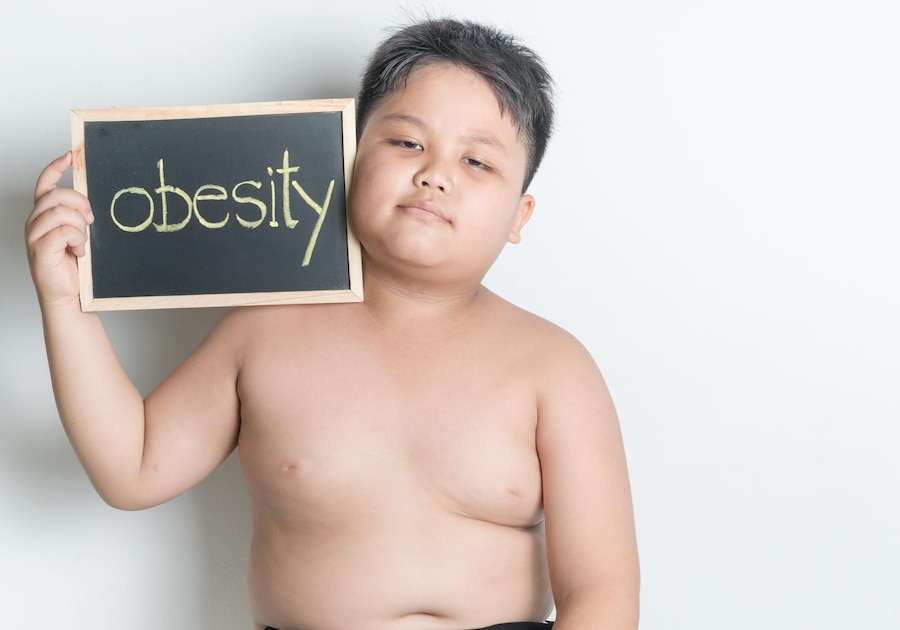
    Obesity is when the body stores excessive fat. The Body Mass Index helps determine if one is obese. If the BMI crosses 25, a person is considered overweight. If it crosses 30, the person is considered to have obesity.

    Obesity has proven to pose several health complications. Some of the primary issues are related to the heart and hormones. This is for both adults and children. But obesity among children is more concerning since their body is in the developing stage. Thus, hormonal disbalance in children can cause greater health risks.

    The effects of obesity on the body and the mind can impact your child’s overall well-being. Obesity is also a leading concern for teenage depression, body dysmorphia, and poor self-esteem.

    What causes childhood obesity?

    Childhood Obesity is a lifestyle disease. Several lifestyle factors contribute to this issue.

    1) Diet:

    The excessive consumption of high-calorie foods can lead to childhood obesity. Some examples are burgers, pizzas, cakes, pastries, cookies, and candies. Unfortunately, these have gained extreme popularity among children today.

    2) Lack of exercise:

    Lack of participation in sports or an active lifestyle is another cause of this lifestyle disease. Children spend more time indoors, glued to their screens. This lack of activity leads to childhood obesity and mental health issues.

    3) Family environment:

    Children whose parents and siblings are overweight or have obesity are likely to put on weight. Moreover, an environment where high-calorie food is preferred and physical activity is not encouraged increases the possibility of children developing weight issues.

    4) Environmental factors:

    Feeding practices at home influence a child’s eating habits. Increased consumption of processed food at home and proximity to food outlets and supermarkets increase the risk of obesity among children.

    5) Psychological factors:

    Stress owing to parental and study issues can leave the children emotionally disturbed. It can lead to anxiety, depression, or boredom. To cope with such difficult feelings, children often tend to overeat, which can cause excess weight gain, and eventually obesity.

    What are the effects of childhood obesity?

    The impact of obesity on children can be a major one. Some of them are as follows:

    1) Type 2 diabetes:

    Excessive body fat makes muscles and tissues resistant to insulin and increases the risk of diabetes. Diabetes is the body’s inability to process glucose. It is a harmful effect of obesity on the body and can lead to eye disease, nerve damage, and kidney disease.

    2) High cholesterol and blood pressure:

    Earlier considered adult health problems, high cholesterol and high blood pressure are now frequent among children with obesity. Foods high in fat and salt cause an increase in blood pressure and cholesterol levels. Cholesterol leads to the development of fatty deposits in the arteries, which blocks blood flow and leads to heart disease.

    3) Breathing problems:

    Asthma is common among children with obesity. Extra fat around the abdomen and the chest restricts the airway causing difficulty in breathing. The fat tissue produces inflammatory substances that affect the lungs and increase the risk of asthma.

    4) Joint pain:

    Excess weight puts pressure on the joints and causes stiffness and pain. It also limits the child’s movement, damages the cartilage early in life, and leads to arthritis.

    5) Menstrual issues:

    Girls with obesity may attain puberty at a comparatively earlier age. Obesity may also cause uterine fibroids and menstrual irregularities in the future.

    Summing up

    Parents are the best role models for children as they can inspire their children to follow a healthy lifestyle. Increase awareness among your children regarding their health and teach them the importance of staying physically fit and active. To start with, instilling healthy eating habits in children can prevent the effects of obesity on the body. Preventing weight gain in childhood goes a long way in ensuring your child’s physical, mental, and emotional well-being.

    Visit Medkart for more such interesting reads today!

    FAQs related Childhood Obesity

    1. How does childhood obesity affect the quality of life?

    Childhood obesity causes chronic health problems. Furthermore, it affects the emotional and mental health of children. Children suffer from poor self-image and self-esteem. They may also experience bullying, depression, and loneliness.

    2. How early does obesity start in childhood?

    Obesity in children begins between 2 and 6 years. A study shows how most adolescents become overweight and develop obesity by age 5.

    3. How can obesity in childhood be prevented?

    Obesity in childhood can be prevented by following a healthy diet and lifestyle. This would include,

    • Limiting high-calorie and high-fat foods
    • Including fruits, vegetables, whole grains, pulses, and nuts.
    • Staying well-hydrated
    • Engage in regular physical activity for at least 60 minutes every day.
    • Replace sugary drinks with homemade milkshakes or smoothies.
    • Reducing screen time to ensure proper sleep
  • What you might not know about childhood obesity | Causes, effects, preventions

    Childhood Obesity image

    Introduction – Childhood Obesity

    Does your child regularly eat junk foods like burgers, pizzas and baked foods? Do they spend more time indoors? Are you worried about their weight gain?

    Childhood obesity is increasing at an alarming rate in India. It raises the risk of health conditions, such as diabetes, cholesterol, and high blood pressure in children and teenagers.

    Read on to learn more about the causes of childhood obesity and childhood obesity prevention. Consult your doctor to understand if your child’s excess weight lies within the unhealthy range and how to control it.

    Causes of childhood obesity

    An unhealthy lifestyle is the main cause of obesity in children. Other factors that lead to obesity are:

    • Unhealthy eating habits:

    Easy availability and regular consumption of fast foods, fried foods, desserts, colas, and sports drinks cause weight gain in children.

    • Lack of exercise:

    Today, children spend more time indoors watching TV or playing games on smartphones and tablets. The lack of physical activity leads to weight gain.

    • Stress:

    Children often overeat to cope with parental/peer pressure, boredom, loneliness, and family stress. This emotional eating is also a cause of obesity.

    • Family history:

    A family history of obesity increases the risk of obesity in your child. Furthermore, the availability of high-calorie foods at home and the lack of encouragement for physical activity lead to childhood obesity.

    • Socioeconomic conditions:

    Lack of resources to buy healthy foods, limited space for physical activity, and availability of unhealthy foods at schools or daycare centres contribute to weight gain in children.

    Effects of childhood obesity

    Childhood obesity leads to a higher risk of developing health conditions such as:

    1. Type 2 diabetes
    2. High blood pressure
    3. High cholesterol
    4. Heart disease
    5. Sleep apnea
    6. Stroke
    7. Asthma
    8. Osteoarthritis
    9. Fatty liver
    10. Depression
    11. Low self-esteem

    How can you prevent childhood obesity?

    As a parent, you can prevent obesity in your child by dealing with the issue with love, compassion, and empathy.

    Focus on your child’s health:

    Give importance to your child’s overall health instead of focusing only on their weight. Share your concerns about obesity with your child. Encourage him/her to make healthy choices. Avoid putting your child on a diet to lose weight. Instead, instil in him/her healthy eating habits and increase his/her physical activity.

    Set a good example:

    How you take care of your health impacts your child’s outlook towards their health. Let them know how you make an effort to stay physically active. Include the entire family in leading a healthy life.

    Replace junk food with healthy snacks:

    Stock healthy snacking options, such as fruits, vegetables, low-fat yoghurt, whole-grain cereal, low-fat milk, air-popped popcorn, and homemade snacks. Pack your child’s lunch with healthy foods. Involve your child in food shopping and cooking.

    Exercise together:

    Plan physical activities for the entire family. Participate in activities like walking, swimming, yoga or cycling, which everyone will enjoy.

    Reduce screen time:

    Reduce the amount of time you spend watching TV as a family. Also, encourage your child to limit their screen time to an hour a day.

    Reduce sugar intake:

    Avoid colas, sugary drinks, candies etc. Opt for fresh juices, coconut water, low-fat milkshakes and smoothies without sugar.

    Ensure your child gets enough sleep:

    Sleep deprivation also leads to hormonal imbalances and childhood obesity. Ensure your child gets enough sleep. Switch off digital devices an hour before bedtime for better sleep.

    Visit your doctor regularly:

    Take your child for regular check-ups to measure his/her weight and height. This will help your doctor to check your child’s overall health and advise dietary changes or treatment if required.

    Takeaway

    Dietary and lifestyle changes will help your child overcome obesity. As a parent, your choices impact your child’s health too. Involve the entire family in making healthy food choices. Engage in physical activities regularly to help motivate your child. Childhood obesity can have long-term consequences. Consult your family doctor for your child’s weight-related issues and get help today!

    For your convenience, we bring you the Medkart online pharmacy. Upload your prescriptions and get all your medicines delivered at your doorstep. To save money on quality generic medicines, download our app now!

    FAQs Related to childhood obesity

    1. How do sugary drinks cause weight gain in children?

    Sugary drinks, colas, and sports drinks are high in calories but low in nutrients. These drinks do not cause a feeling of fullness. Therefore, children tend to consume these in excess and in turn gain weight.

    2. What is BMI? How often should I calculate my child’s BMI?

    BMI (Body Mass Index) is a measure of weight with respect to a person’s height. It helps your doctor understand if your child belongs to the underweight, normal, overweight, or obese category. You must measure your child’s BMI once a year. BMI is calculated as follows:

    BMI = Kg/m2 (Kg = Weight, m2 = height in metres squared)

    3. How does childhood obesity affect a child’s quality of life?

    Childhood obesity can affect the child’s physical, emotional, and social functioning. It can lead to self-esteem issues, anxiety, depression, and aggression. It can cause weak bones and joints and postural problems. It can also cause diabetes, fatty liver, and heart disease. Further, childhood obesity can cause early puberty in girls.