


Tag: diabetes

  • 6 Numbers You Must Know for a  Healthy Heart

    6 Numbers You Must Know for a Healthy Heart

    6 Numbers You Must Know for a Healthy Heart

    Overview

    Many people develop heart disease as they age. But did you know you can prevent heart disease, too? For an accurate understanding of your heart and to take better care, doctors suggest six numbers you need to track regularly. Do you know what these numbers are?

    Six numbers to know for a healthy heart

    LDL cholesterol

    Excess LDL (low-density lipoproteins) accumulate in the walls of your arteries in the form of plaque. This plaque causes the arteries to harden and narrow, which affects the blood flow to your heart. As the blood flow gets blocked, your heart does not receive enough oxygen. If the blood flow gets completely blocked, it leads to chest pain and increases your chances of a heart attack.

    Low LDL or bad cholesterol and a cardiac diet ensure a healthy heart. The ideal numbers for LDL are less than 100 mg/dL (milligrams per deciliter).

    HDL cholesterol

    HDL (high-density lipoproteins) is good cholesterol. It takes LDL to your liver, from where it is flushed out of your body and, thus, ensures a healthy heart.

    Higher levels of HDL lower the risk of heart disease. A heart-healthy diet will help you increase your HDL levels and reduce your LDL levels.

    The ideal numbers for HDL are:

    Desirable: 60 mg/dL or above

    Acceptable: 40 – 60 mg/dL

    Triglycerides

    Triglycerides are a type of fat found in your blood. Your body converts calories into triglycerides and stores them in your fat cells for energy. When you consume extra calories and do not burn them, it leads to a rise in triglycerides.

    High levels of triglycerides harden the walls of your arteries. This affects the blood flow to the heart and increases your risk of heart attack and heart disease.

    Desirable triglyceride numbers for a healthy heart are less than 150 mg/dL.

    Blood glucose

    Glucose comes from carbohydrates in the food you eat. Your body uses it for energy. However, when blood glucose levels increase, it affects every part of your body. It hardens your arteries and increases your risk of heart disease due to restricted blood flow to the heart.

    Maintaining normal blood glucose levels is crucial for a healthy heart.

    Desirable glucose numbers are:

    Before meals: 70 to 130 mg/dL

    After meals: Less than 180 mg/dL

    Blood pressure

    High blood pressure does not show symptoms but damages your body from within.

    High blood pressure, if left untreated, can cause stroke and heart attack. Knowing your blood pressure numbers will help you get the necessary medical treatment and make lifestyle changes to ensure a healthy heart.

    Your blood pressure consists of systolic (top number) and diastolic (bottom number) blood pressure. Ideal blood pressure numbers are below 130/80 mmHg (millimetres of mercury).

    Waist-to-hip ratio

    Abdominal obesity is a result of excessive fat around your stomach. It increases the risk of heart disease, diabetes and blood pressure. The waist-to-hip ratio helps you understand your abdominal obesity. It is calculated as waist measurement divided by hip measurement. Knowing your waist-to-hip ratio and following a cardiac diet is crucial for maintaining a healthy heart.

    Ideal waist-to-hip numbers are:

    >0.9 for men

    >0.85 for women

    Takeaway

    Annual health checks will help you stay aware of these numbers. If you are diagnosed with a health condition, such as diabetes, cholesterol or high blood pressure, your doctor will recommend these tests every three months. They will also prescribe an ideal treatment plan and advise you on a fitness regimen and heart-healthy diet. This will help manage your condition and improve your chances of a healthy heart.

    India’s trusted generic medical store, Medkart, brings quality generic medicines to your doorstep. With a click of a button, you can upload your prescriptions to place your order and save time and money.

    FAQs

    1. At what age should I begin screening for heart health?

    20 is the recommended age for checking cholesterol, blood pressure and waist circumference. You can start blood glucose screenings at around 45. If your numbers fall within the desirable range, you can repeat the tests every 2 to 3 years or as recommended by your doctor. If you are diagnosed with a health condition, your doctor will advise these tests every three months and then every six months after they are stabilized.

    2. How can I lower my triglycerides?

    To lower your triglyceride levels, avoid simple carbs, like sugary, fried foods, and switch to complex carbs, like whole grains and vegetables. Choose heart-healthy fats like olive oil and fish instead of trans fats and saturated fats. And most importantly, exercise at least 30 minutes a day, five days a week, quit smoking and limit your alcohol intake.

    3. What are the signs of heart disease?

    Chest pain, fatigue, difficulty breathing, dizziness, swelling in the legs, sweating, heartburn, and indigestion are signs of heart disease. Cholesterol, diabetes, high blood pressure, obesity, unhealthy diet and lack of exercise increase the risk of heart disease. Regular tests can help in timely diagnosis and treatment.
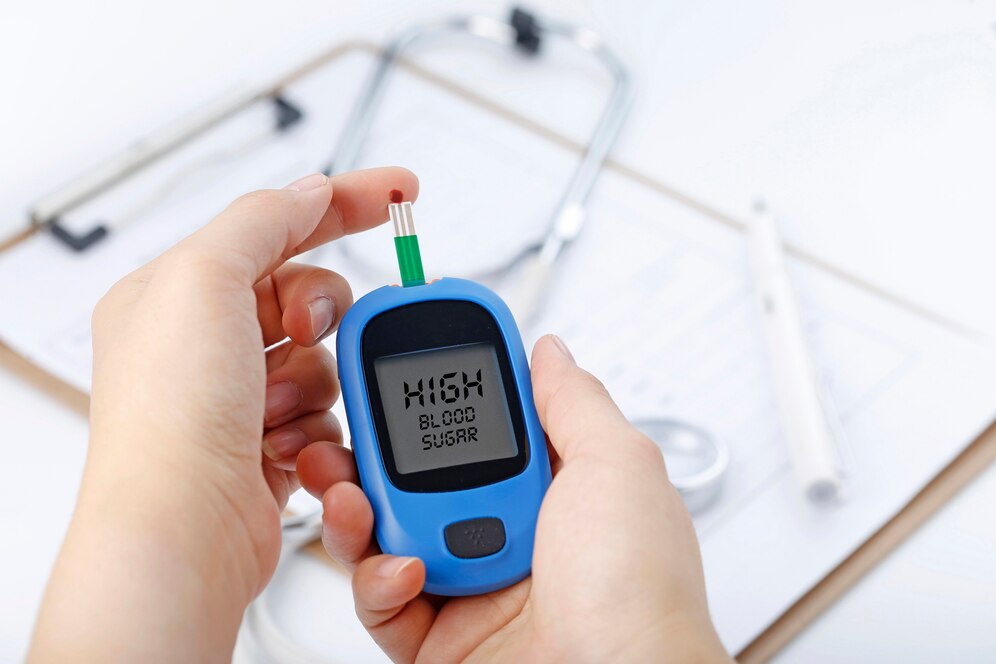
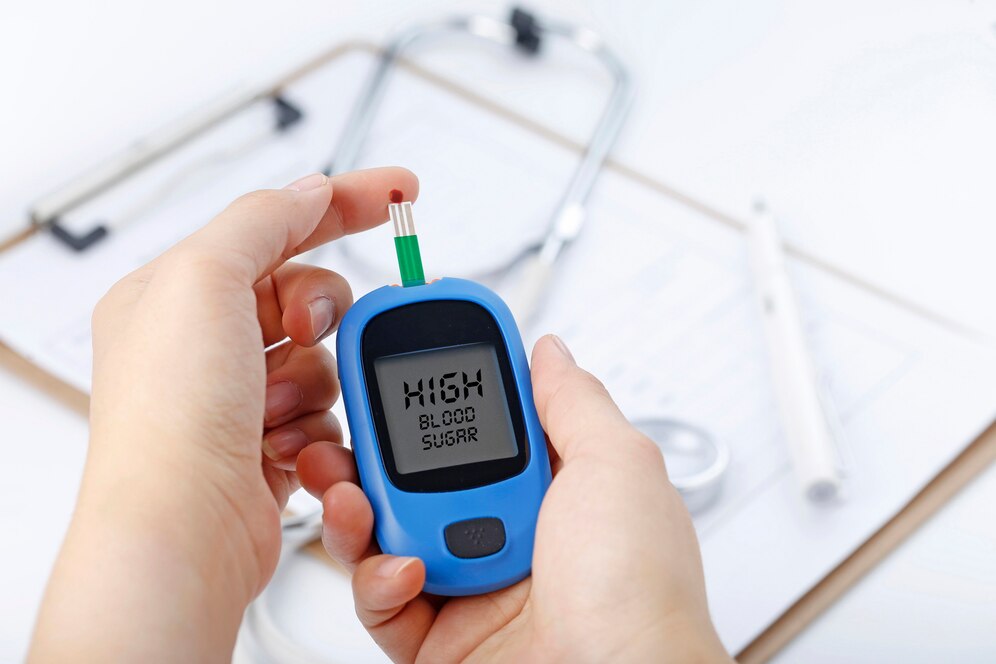
  • Why Symptoms of Diabetes are Not Detected Early

    Do you think you have diabetes but are unsure if you should be concerned? If so, you are not alone. diabetes is one of the most commonly occurring chronic conditions, affecting millions. Unfortunately, many of those affected may not be aware of the symptoms of diabetes or their significance. First, let’s find out about the types of diabetes.

    Type 1 diabetes

    Type 1 diabetes is an autoimmune condition wherein the body’s immune system attacks and terminates the pancreatic cells producing insulin.

    Type 2 diabetes

    Type 2 diabetes is an ailment in which the body cannot process and adequately use the insulin produced. This leads to a buildup of sugar in the bloodstream.

    What are the symptoms of early diabetes?

    The most common symptoms of diabetes are increased thirst, frequent urination, and unintended weight loss. These symptoms can occur in type 1 and type 2 diabetes, though they may be more pronounced in type 1. Other early symptoms may include:

    • Fatigue

    • Blurred vision

    • Slow healing of wounds

    • Frequent infections

    • Unexplained weight loss

    Other signs of early diabetes

    In addition to the symptoms listed above, some physical signs can indicate the presence of diabetes.

    • Darkened skin in certain areas

    • Numbness or tingling in the feet and hands

    • Itchy skin

    • Dry mouth

    • Excessive thirst

    • Unexplained weight loss

    • Frequent urination

    • Blurred vision

    Why is diabetes not detected early?

    Symptoms of diabetes are often not detected early because the condition often does not cause any noticeable symptoms in its early stages.

    It is known as silent diabetes, which arises when high blood sugar levels are present but not yet high enough to display symptoms such as frequent urination, thirst, and fatigue.

    Another reason why diabetes may not be detected early because the symptoms can be mistaken for other conditions. For example, frequent urination and thirst can be caused by a urinary tract infection, and a lack of sleep or anaemia can cause fatigue.

    Additionally, some people may not be aware of the risk factors for diabetes, such as:

    • Excess body weight

    • Having a family history of the condition

    • Aged above 45 years

    Without knowledge of these risk factors, people may not consider diabetes a possibility when experiencing symptoms.

    To help detect diabetes early, it is essential to be attentive to the risk factors and to plan regular check-ups with your healthcare provider. Your healthcare provider may also suggest testing for diabetes.

    By detecting diabetes early, you can take steps to manage the condition and lower your risk of difficulties such as heart disease, stroke, and kidney disease. This consists of eating a healthy diet, exercising regularly, and taking medication as prescribed by your healthcare provider.

    How to test for diabetes?

    Several tests can detect silent diabetes, which refers to the condition’s early stages when symptoms may not yet be present. Some commonly used tests include:

    • Fasting blood sugar test

    • Haemoglobin A1C test

    • Oral glucose tolerance test

    • Random blood sugar test

    It is essential to be mindful of the risk factors and schedule regular check-ups with your healthcare provider. They may suggest testing for diabetes if they suspect you are at high risk.

    Diabetes is manageable

    Diabetes is a condition that affects millions of people around the world.

    It is important to remember that early detection and management of diabetes can significantly improve your chances of successfully managing the condition.

    • Monitor your blood sugar levels regularly.

    • Follow a healthy diet.

    • Exercise for at least 30 minutes daily.

    • Quit smoking.

    • Maintain a healthy weight.

    • Take medication as prescribed.

    • Control stress levels.

    • Schedule regular check-ups with your healthcare provider.

    While lifestyle changes like diet and exercise are essential, doctors may also prescribe oral medications to help control blood sugar levels. For example, EMPAONE 25MG Tablet/Linares E Tablet is commonly used alongside diet and exercise to manage Type 2 Diabetes Mellitus effectively, supporting better long-term outcomes.

    Following these action points can help control your diabetes and lower your risk of complications. Managing diabetes is a long-term commitment, but you can successfully control the condition and maintain good health with the proper support and resources.

    You can buy all your medicines for diabetes on Medkart, your trusted online pharmacy.

    FAQs

    What is silent diabetes?

    It is a condition where diabetes goes undetected because the condition often does not cause any noticeable symptoms in its early stages. It occurs when blood sugar levels are high but not high enough to cause symptoms such as frequent urination, thirst, and fatigue.

    How helpful is early detection of diabetes?

    When diabetes is detected early, individuals can make necessary lifestyle changes and start treatment before serious complications develop. Early treatment can help lower the risk of heart disease, stroke, blindness, kidney disease, and other diabetes-related complications.

    Is pre-diabetes reversible?

    Pre-diabetes can sometimes be reversed through lifestyle changes, such as a healthy diet and increased physical activity. These changes can help lower the risk of type 2 diabetes and improve overall health.

  • Are You at Risk for Diabetes? This Simple Test Can Tell

    Are You at Risk for Diabetes? This Simple Test Can Tell

     Risk for Diabetes

    Diabetes Risk

    Knowing whether you are at risk of diabetes helps you to take the necessary steps early on. You can make the required changes in your lifestyle, like eating healthy, losing weight, exercising etc., and prevent this illness and other risks like stroke, heart disease, kidney disorders or nerve damage. To confirm whether you are at risk, doctors recommend the HbA1c test.

    What is HbA1c?

    The HbA1c test shows your average blood sugar levels for the last 2-3 months. It is the main test used for diagnosing diabetes.

    Sugar enters your blood from the food you eat. Your cells use it for energy. But if your sugar levels increase in the blood when it is not used by your cells or when your body makes less insulin, they stick to the haemoglobin in your blood. When the blood sugar levels increase, more haemoglobin is attached to sugar. The HbA1c test measures these sugar-coated haemoglobin levels.

    How is this test done?

    It is a simple test where a blood sample is taken from your finger or arm. You do not need to fast for this test. It would help if you have got this test done by a registered practitioner.

    What do the test results say?

    The below table mentions the test result ranges and what they mean.

    HbA1c test result range Interpretation Significance

    Below 5.7% Normal It means your blood sugar is normal and you do not have any risk of developing diabetes

    5.7 to 6.4% Prediabetes This means that you have slightly high blood sugar levels and you are at risk of developing diabetes

    6.5% or more Diabetes This result means you have diabetes and you need to follow your doctor’s recommendations

    How often should this test be done?

    Based on your condition, the frequency of this test varies.

    Condition Frequency of test

    Prediabetes About once every year

    Type 2 diabetes with blood sugar levels in a healthy range and no requirement for insulin About two times a year

    Effective medicine for prediabetes & type 2 diabetes 👉 Sitamet 50/500 mg tablet/Empaone 25mg Tablet/Linares E Tablet.

    Type 1 diabetes 3-4 times every year

    In case of a change of medication or other treatment As required

    Who needs to take this test?

    There are conditions that put you at high risk of diabetes and require you to take this test

    at regular intervals. These conditions are:

    • A family (parents or siblings) history of type 2 diabetes

    • High blood pressure or high cholesterol

    • Obesity

    • Stroke or heart problems

    • Less physical activity, exercising less than three times a week

    • A history of gestational diabetes (diabetes at the time of pregnancy)

    • Polycystic ovarian syndrome

    • Sleep disorders

    • Hormonal conditions

    Conditions that affect the results of this test

    The HbA1c test could give false results in the case of the following:

    • Anaemia or other haemoglobin-related diseases

    • Few medicines like vitamins C and E supplements, pain killers like opioids etc.

    • Kidney disorders

    • Liver disorders

    • Pregnancy

    • High cholesterol levels

    • Loss of blood or transfusion

    Diabetes is a serious condition that could cause other complications like heart problems, kidney disorders or nervous disorders. It is necessary to know whether you are at risk of diabetes. A simple HbA1c test can help you and your healthcare provider to decide on your treatment plans and medications. Know more about your Medicines at Medkart, which is an online pharmacy platform that makes buying medicines convenient & cost-effective. To place your orders, download the app today!

    FAQs

    1. Is there a test that tells if you are at risk of having diabetes?

    Yes. HbA1c is a basic test that helps to determine if you are at risk of diabetes or if you have prediabetes or diabetes.

    2. Can I do HbA1c test at home?

    No. You need to get this test done with a registered medical practitioner.

    3. Does this test require fasting?

    No. The HbA1c test does not require you to fast, but if you are taking any other test along with it, you might need to fast. Please consult your doctor about this.

    4. When can you say your result is normal?

    If your HbA1c test results are below 5.7%, then your result is normal, and you are not at risk of having diabetes.

  • What are some health risks of overweight and obesity?

    What are some health risks of overweight and obesity?

    Overview – Overweight and Obesity

    Do you know that excess weight or obesity can put pressure on the vital organs of your body? Obesity strains your heart, lungs, kidneys, liver, and joints. The risk factors of obesity include chronic health conditions, such as type 2 diabetes, heart disease, kidney disease, stroke, osteoarthritis and some cancers.

    However, the good news is that not everyone with obesity has these conditions. Furthermore, maintaining a healthy body weight can help you manage these health conditions and lead a healthy life.

    Read this article to understand the risks of obesity in detail.

    Obesity image

    The 10 risk factors of obesity

    1. Type 2 diabetes:

    Excessive abdominal fat in people with obesity leads to the production of excess fatty acids. This makes the body less sensitive to insulin, which results in high blood glucose levels or type 2 diabetes. Diabetes is a major risk factor for obesity and leads to health conditions such as heart disease, kidney disease, nerve damage and eye problems.

    2. High blood pressure:

    Excess fat tissue increases the need for oxygen and nutrients in your body. Your heart needs to work harder to pump more blood through your body. This increase in blood circulation puts more pressure on the walls of the arteries. The added pressure leads to hypertension, which can damage your arteries and heart. High blood pressure increases the risk of kidney disease, heart disease and stroke.

    3. High cholesterol:

    Obesity causes a rise in LDL or bad cholesterol and triglyceride levels. It also affects how your body manages cholesterol. Triglycerides from fatty acids give rise to high cholesterol. High cholesterol and triglyceride levels narrow the arteries, block the blood flow and increase the chances of a heart attack.

    4. Heart disease:

    Heart disease refers to conditions that adversely affect your heart. Heart disease is a severe risk factor resulting from obesity. With time, the fat deposits accumulate in your arteries and narrow them. Narrowed arteries cause a blockage in blood flow to your heart and increase the risk of a heart attack. High blood pressure, high blood glucose and high cholesterol increase the risk of heart disease.

    5. Stroke:

    When the blood supply to your brain gets cut off due to a blocked artery in the brain, it leads to a stroke. High blood pressure, a risk factor for obesity, is the primary cause of a stroke. A stroke can cause paralysis, difficulty eating, swallowing, mobility, depression and changes in behaviour.

    6. Kidney disease:

    High blood pressure and diabetes are the primary causes of kidney disease. These health conditions are also risk factors for obesity. In the case of kidney disease, your kidneys get damaged and thus fail to filter your blood. Obesity increases the chances of kidney disease and speeds up its progress.

    7. Gallbladder disease:

    Gallbladder diseases, such as gallbladder stones or cholecystitis (i.e., inflammation of the gallbladder) are some other risk factors for obesity. Gallstones are caused by excess cholesterol in your bile. Bile is a fluid stored in the gallbladder. It helps remove waste from the liver.

    8. Sleep apnea:

    Sleep apnea is a condition where you may stop breathing for a short time during sleep. This occurs due to excess fat stored around your neck, which obstructs your airway and causes it to shrink. Having a small airway may lead to difficulty breathing at night. It also causes loud snoring. Sleep apnea is closely linked to heart disease.

    9. Osteoarthritis:

    Osteoarthritis is also a risk factor for obesity. It causes pain and swelling in the joints and affects your movement. Lack of mobility causes weight gain. Being overweight puts pressure on your knees, joints and cartilage, which increases your risk of osteoarthritis.

    10. Cancer

    Obesity increases your chances of developing cancers like those of the breast, uterus, kidneys, pancreas, oesophagus and colon. These occur due to inflammation caused by visceral fat or fat surrounding the vital organs.

    Summing up

    Being overweight increases the risk factors for obesity. Losing as little as five kilos from your body weight can help reduce your abdominal fat. This, in turn, will ease your blood pressure, control your blood glucose, cholesterol and triglyceride levels, stop sleep apnea and reduce the pressure on your joints. A regular exercise regimen, such as walking or cycling, and a balanced diet will help you achieve your healthy weight goals.

    For more informative articles on chronic health conditions, visit the Medkart website today!

    FAQs related to overweight and obesity?

    1. Can obesity be treated?

    Obesity is a chronic condition that develops over time. You will need consistent medical treatment and strict dietary and lifestyle changes to lose weight. However, these treatments have limited benefits. If you discontinue them, you may experience weight regain.

    2. Can obesity affect fertility?

    In women, obesity causes hormonal imbalances that affect their menstrual cycles, hamper their ovulation and cause infertility. Obesity also causes PCOS, in which the ovaries do not produce enough hormones, due to which the egg does not mature. This may lead to infertility.

    3. Do children have obesity if their parents have obesity problems?

    Children have a high chance of having obesity if their parents have it. Maintaining a healthy lifestyle and following a proper diet right from the beginning may help prevent excess weight gain in children.