
Tag: heart attack

  • Heart Attack: Causes, Symptoms, Prevention, and Treatment

    Heart Attack: Causes, Symptoms, Prevention, and Treatment

    Causes of a heart attack

    Heart attacks (myocardial infarction) happen when a part of the heart muscle does not receive enough blood flow due to a blocked artery. This damages or destroys that part of the heart. Early intervention is crucial in the event of a heart attack. Hence, it’s critical to understand and recognize the symptoms of a heart attack.

    Causes of a heart attack

    A blockage in one or more of the heart’s arteries typically causes a heart attack. This blockage is caused by plaque (atherosclerosis), a sticky substance that can accumulate on the insides of your arteries. Plaque can rupture, form clots and get lodged within the artery. This restricts blood and oxygen supply to the heart muscle, resulting in a heart attack. If blood flow is not rapidly restored, a heart attack can result in permanent heart damage and death.

    Another cause of heart attack is spasms (sudden muscle contractions) of the coronary artery.

    Risk factors

    The following are some of the most common risk factors for a heart attack:

    • Increased low-density lipoprotein (LDL) cholesterol

    • Diabetes

    • Unhealthy lifestyle

    • Smoking

    • Obesity

    • High blood pressure

    • Family history of heart attack

    • Age above 45 years (high risk)

    Symptoms of a heart attack

    Symptoms may vary from person to person. For some, it may be mild symptoms, and for others, severe. Some people might have no symptoms of a heart attack at all.

    Here are some common symptoms:

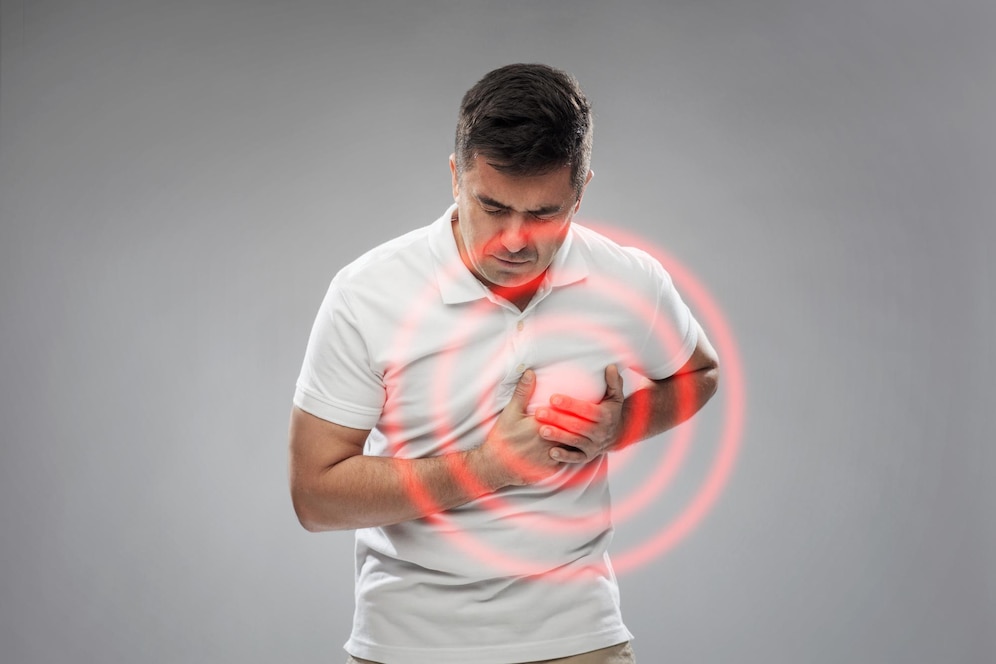
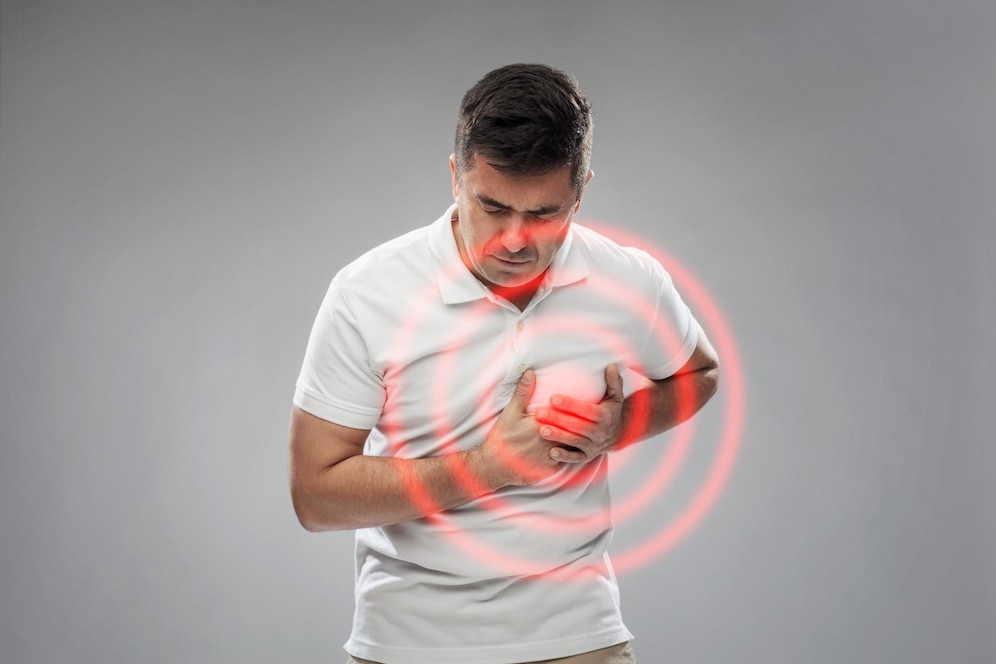
    • Chest pain (Angina)/discomfort: Pain/discomfort that lasts over a few minutes in the centre or left side of the chest. It may feel like squeezing, pressure, gripping pain, tightness/heaviness/fullness.

    • Pain may extend to the lower jaw, neck, throat, arm and/or neck.

    • Feeling faint and nauseous

    • Sweating

    • Increased heartbeat

    • Nausea, vomiting

    • Anxiety

    • Difficulty in breathing

    • Indigestion

    Men and women can experience different symptoms of a heart attack. Chest pain may not be the most typical symptom in women. Other symptoms of a heart attack, like shortness of breath, nausea, vomiting, and back or jaw pain, may predominate.

    Prevention

    Never hesitate to call for emergency help if you are experiencing symptoms of a heart attack.

    You can lower the chances of having a heart attack by:

    • Quitting smoking

    • Managing your weight

    • Following a healthy lifestyle

    • Regularly exercising: 2.5 hours of moderate-intensity exercise per week for adults and one hour of physical activity per day for children and adolescents.

    • Reducing foods high in trans fats, such as fried foods, cakes, cookies, etc.

    • Consuming foods rich in fibre, like whole grains, fruits and vegetables.

    • Limiting alcohol consumption

    • Reducing salt

    • Controlling sugar intake

    • Following the healthcare advisor’s guidelines

    • Taking medicines and following lifestyle modifications

    • Monitoring cholesterol, blood pressure and blood sugar.

    Treatment

    A heart attack is a medical emergency that requires quick attention. Thanks to modern treatment, many people today survive heart attacks. Oxygen is administered right away. Treatment includes medications and/or surgical intervention depending on the extent of the block.

    Medications that are usually administered include:

    • Anti-clotting medications: Aspirin, anti-platelet agents/blood thinners, heparin, thrombolytics, pain killers, morphine, and nitroglycerine, which increase blood artery width to facilitate easy blood flow

    • Blood pressure-reducing medicines: Beta-blockers, ACE inhibitors, and statins to lower cholesterol.

    Surgery or other interventions may be performed to open blocked arteries.

    • Coronary angioplasty and stent

    • Coronary artery bypass surgery

    In some cases, heart attacks can lead to complications such as heart failure, which may require long-term management. Evion LC Tablet and Prestel 40mg Tablet, containing Vitamin E and L-carnitine, is often prescribed to help treat heart failure by reducing oxidative stress and improving energy metabolism in heart muscles. Always consult your cardiologist before starting any new medication or supplement.

    Create a preventive strategy that is effective for you. You can minimize the risk of heart attack by leading a healthy lifestyle, which will also assist in maintaining normal blood pressure, cholesterol, and blood sugar levels.

    FAQs

    1. How can I get well after having a heart attack?

    Since every heart attack case is unique, your care team will create a thorough treatment strategy. Adapt a healthy lifestyle, and you could be back on your feet in two weeks to three months.

    2. What types of tests are used in heart attack diagnosis?

    Depending on the symptoms of a heart attack, blood tests and tests like ECG, ECHO, chest x-ray, angiogram, cardiac CT, or MRI may be advised.

    3. If I’ve already had a heart attack, am I more likely to have another one?

    Yes. You will need to take action to help lower your chance of experiencing another heart attack if the blockage in one or more of your coronary arteries has progressed to the point where it results in a heart attack.
  • Even Heart Attack Gives YOU A Second Chance At Life

    Even Heart Attack Gives YOU A Second Chance At Life

    Heart Attack Gives YOU A Second Chance

    Heart attack is one of the most common and dangerous cardiovascular conditions. Did you know heart attacks cause approximately 25,000 to 28,000 deaths in India alone? Globally, this number is even more shocking. Moreover, around 1 in 5 people get admitted to hospitals upon experiencing a second heart attack.

    A heart attack occurs when the heart muscles do not get enough blood due to blood clots or blood vessels getting clogged. If you have suffered from a heart attack or know someone who has, this article lists all the preventive measures you can take to stay healthy and lead a happy, productive life.

    How can you prevent a second heart attack?

    Your lifestyle has a significant impact on your overall health. Changing your lifestyle can help you return to regular activities more quickly, reduce the risk of another heart attack, and set the course for a healthier future.

    Quit smoking

    Tobacco kills more than 8 million people worldwide and accounts for over a million deaths yearly. A major cause of heart attack, smoking damages blood vessels and causes blood clots, making it difficult for oxygen to reach your heart and other organs. It’s advisable to cut down on smoking and eventually stop, as there are multiple health benefits of not smoking tobacco. It reduces the risk of a second heart attack, regulates blood pressure, and promotes blood circulation.

    Track your blood pressure and cholesterol

    High blood pressure stresses your blood vessels and the heart. You are recommended to maintain a healthy weight, lower your salt intake and work out regularly to keep your blood pressure in check. Pay attention to the bad cholesterol (LDL) range in your blood test reports. You can control a high LDL and change it into a low LDL by eating a healthy diet and exercising. Do not consume excessive saturated fats, red meat, high dairy products, etc.

    Don’t miss your medicines

    Do not slack on taking medicines on time. Always stick to the medicine prescribed by your doctor and take the right medicines at the right time, in the right manner. Doctors advise the intake of beta-blockers, statins, anti-coagulants, and more as they reduce the workload on the heart, prevent blood clots and protect your blood vessels. This will help reduce the chances of having a second heart attack.

    Make exercise your friend!

    You should live an active lifestyle involving moving, walking, running, or any form of exercise or yoga that will benefit your cardio-metabolic health. Adopt any form of physical activity, be it walking, jogging, dancing, or swimming, and follow it regularly. It will lower your blood pressure, strengthen your heart and improve your heart’s health.

    Don’t ignore the symptoms!

    Symptoms are just your body’s way of telling you something is wrong. You shouldn’t ignore those. Read the signs and get help at the earliest. This way, you can increase your chances of surviving a second heart attack.

    The major symptoms of a heart attack are:

    • Shortness of breath

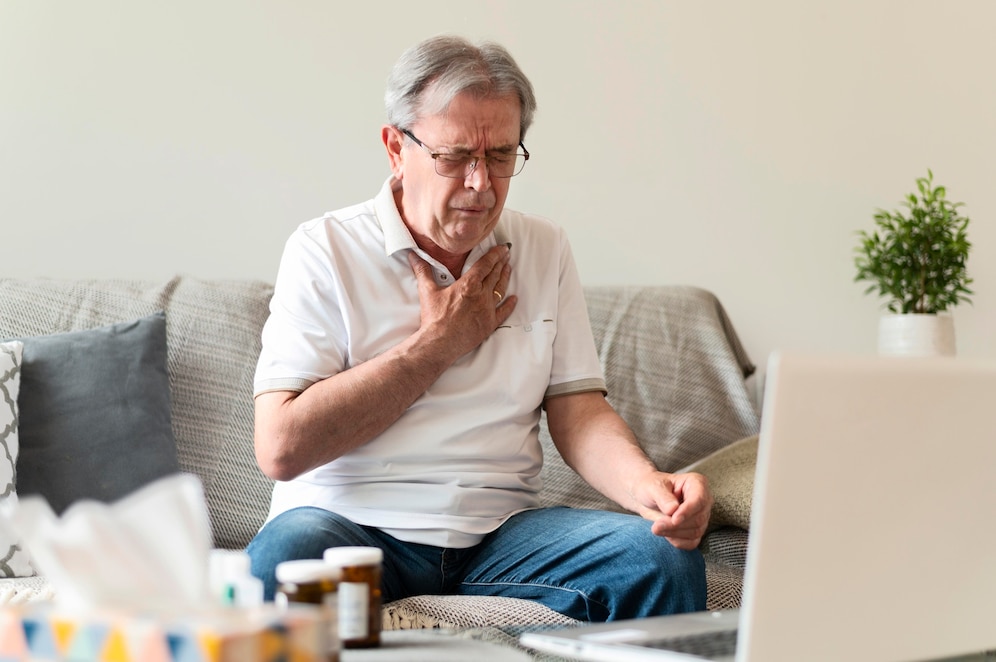
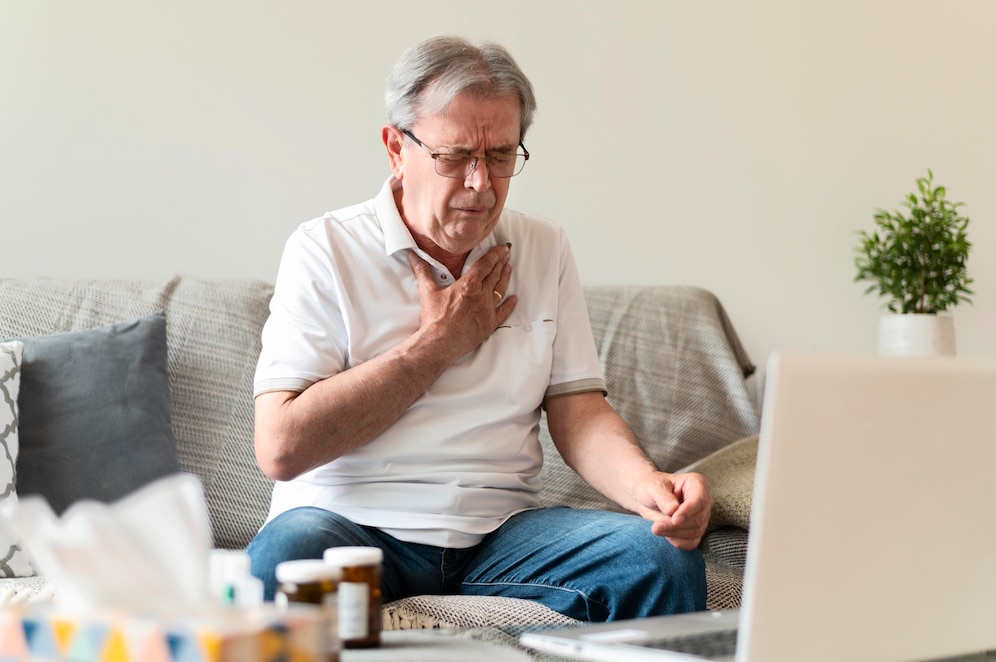
    • Chest pain

    • Shooting pain in one or both arms or shoulders

    • Feeling dizzy

    • Excessive fatigue

    • Unexplained nausea

    Get regular check-ups

    Prioritize your health, specifically your heart health. Your doctor might advise you to take regular ECGs, lipid profile tests, and other assessments to know the functioning of your heart.

    The way forward…

    With the right measures, you can live a healthy and peaceful life even after you have a heart attack. To take care of yourself after a heart attack, monitor your blood pressure levels regularly, maintain a healthy body weight, and limit your stress. With these, you are sure to give your heart health and yourself a second chance at life!

    Buying medicines is now simpler. With Medkart, you get the best prices and doorstep delivery! Visit Medkart today!

    FAQs

    1. What dietary changes can I make to my diet to reduce my chance of a second heart attack?

    Include more vegetables, fruits, whole grains, and lentils in your diet plan. Cut down your salt intake. Eat good carbs, such as whole wheat and brown rice, and avoid red meat.

    2. I am diabetic. Am I at a higher risk of a heart attack?

    Diabetes puts you at a higher risk because of high sugar levels in the blood. It can damage blood vessels and make heart tissue weaker. You should consult a doctor and a nutritionist who will help you keep your health in check.

    3. Can you recommend a few safe exercises or physical activities that one can do during their heart attack recovery?

    Walking, brisk walking or jogging are a few safe physical activities that you can do for at least 15-20 minutes or up to half an hour. If you feel better and want to increase the duration, consult a doctor.