
Tag: heart health

  • 6 Numbers You Must Know for a  Healthy Heart

    6 Numbers You Must Know for a Healthy Heart

    6 Numbers You Must Know for a Healthy Heart

    Overview

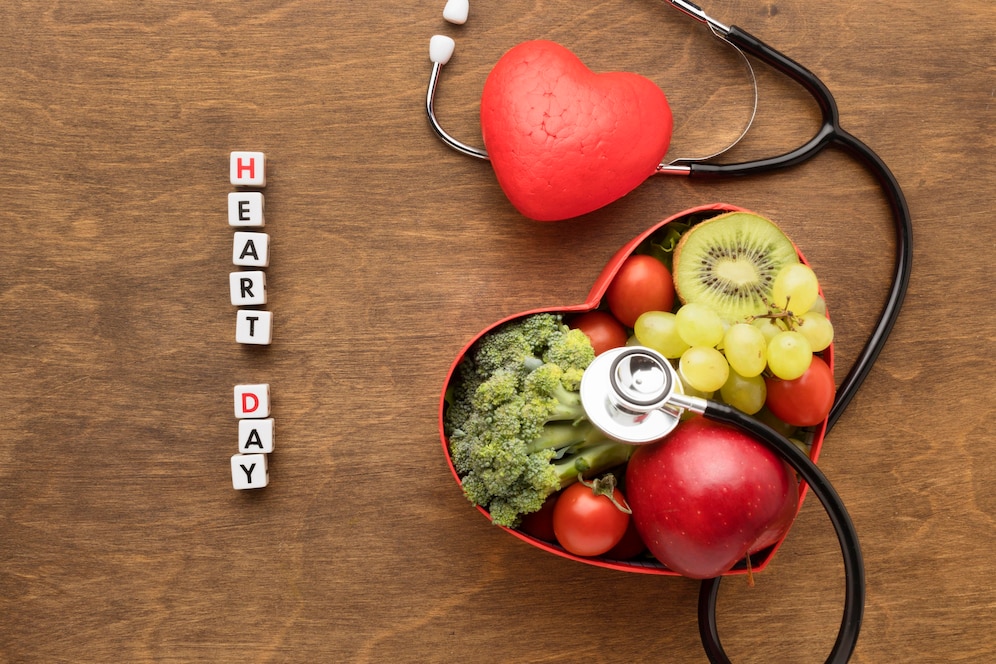
    Many people develop heart disease as they age. But did you know you can prevent heart disease, too? For an accurate understanding of your heart and to take better care, doctors suggest six numbers you need to track regularly. Do you know what these numbers are?

    Six numbers to know for a healthy heart

    LDL cholesterol

    Excess LDL (low-density lipoproteins) accumulate in the walls of your arteries in the form of plaque. This plaque causes the arteries to harden and narrow, which affects the blood flow to your heart. As the blood flow gets blocked, your heart does not receive enough oxygen. If the blood flow gets completely blocked, it leads to chest pain and increases your chances of a heart attack.

    Low LDL or bad cholesterol and a cardiac diet ensure a healthy heart. The ideal numbers for LDL are less than 100 mg/dL (milligrams per deciliter).

    HDL cholesterol

    HDL (high-density lipoproteins) is good cholesterol. It takes LDL to your liver, from where it is flushed out of your body and, thus, ensures a healthy heart.

    Higher levels of HDL lower the risk of heart disease. A heart-healthy diet will help you increase your HDL levels and reduce your LDL levels.

    The ideal numbers for HDL are:

    Desirable: 60 mg/dL or above

    Acceptable: 40 – 60 mg/dL

    Triglycerides

    Triglycerides are a type of fat found in your blood. Your body converts calories into triglycerides and stores them in your fat cells for energy. When you consume extra calories and do not burn them, it leads to a rise in triglycerides.

    High levels of triglycerides harden the walls of your arteries. This affects the blood flow to the heart and increases your risk of heart attack and heart disease.

    Desirable triglyceride numbers for a healthy heart are less than 150 mg/dL.

    Blood glucose

    Glucose comes from carbohydrates in the food you eat. Your body uses it for energy. However, when blood glucose levels increase, it affects every part of your body. It hardens your arteries and increases your risk of heart disease due to restricted blood flow to the heart.

    Maintaining normal blood glucose levels is crucial for a healthy heart.

    Desirable glucose numbers are:

    Before meals: 70 to 130 mg/dL

    After meals: Less than 180 mg/dL

    Blood pressure

    High blood pressure does not show symptoms but damages your body from within.

    High blood pressure, if left untreated, can cause stroke and heart attack. Knowing your blood pressure numbers will help you get the necessary medical treatment and make lifestyle changes to ensure a healthy heart.

    Your blood pressure consists of systolic (top number) and diastolic (bottom number) blood pressure. Ideal blood pressure numbers are below 130/80 mmHg (millimetres of mercury).

    Waist-to-hip ratio

    Abdominal obesity is a result of excessive fat around your stomach. It increases the risk of heart disease, diabetes and blood pressure. The waist-to-hip ratio helps you understand your abdominal obesity. It is calculated as waist measurement divided by hip measurement. Knowing your waist-to-hip ratio and following a cardiac diet is crucial for maintaining a healthy heart.

    Ideal waist-to-hip numbers are:

    >0.9 for men

    >0.85 for women

    Takeaway

    Annual health checks will help you stay aware of these numbers. If you are diagnosed with a health condition, such as diabetes, cholesterol or high blood pressure, your doctor will recommend these tests every three months. They will also prescribe an ideal treatment plan and advise you on a fitness regimen and heart-healthy diet. This will help manage your condition and improve your chances of a healthy heart.

    India’s trusted generic medical store, Medkart, brings quality generic medicines to your doorstep. With a click of a button, you can upload your prescriptions to place your order and save time and money.

    FAQs

    1. At what age should I begin screening for heart health?

    20 is the recommended age for checking cholesterol, blood pressure and waist circumference. You can start blood glucose screenings at around 45. If your numbers fall within the desirable range, you can repeat the tests every 2 to 3 years or as recommended by your doctor. If you are diagnosed with a health condition, your doctor will advise these tests every three months and then every six months after they are stabilized.

    2. How can I lower my triglycerides?

    To lower your triglyceride levels, avoid simple carbs, like sugary, fried foods, and switch to complex carbs, like whole grains and vegetables. Choose heart-healthy fats like olive oil and fish instead of trans fats and saturated fats. And most importantly, exercise at least 30 minutes a day, five days a week, quit smoking and limit your alcohol intake.

    3. What are the signs of heart disease?

    Chest pain, fatigue, difficulty breathing, dizziness, swelling in the legs, sweating, heartburn, and indigestion are signs of heart disease. Cholesterol, diabetes, high blood pressure, obesity, unhealthy diet and lack of exercise increase the risk of heart disease. Regular tests can help in timely diagnosis and treatment.
  • Hypertension causes -What leads to sudden high blood pressure

    Hypertension causes -What leads to sudden high blood pressure

    Hypertension causes

    Introduction to High Blood Pressure

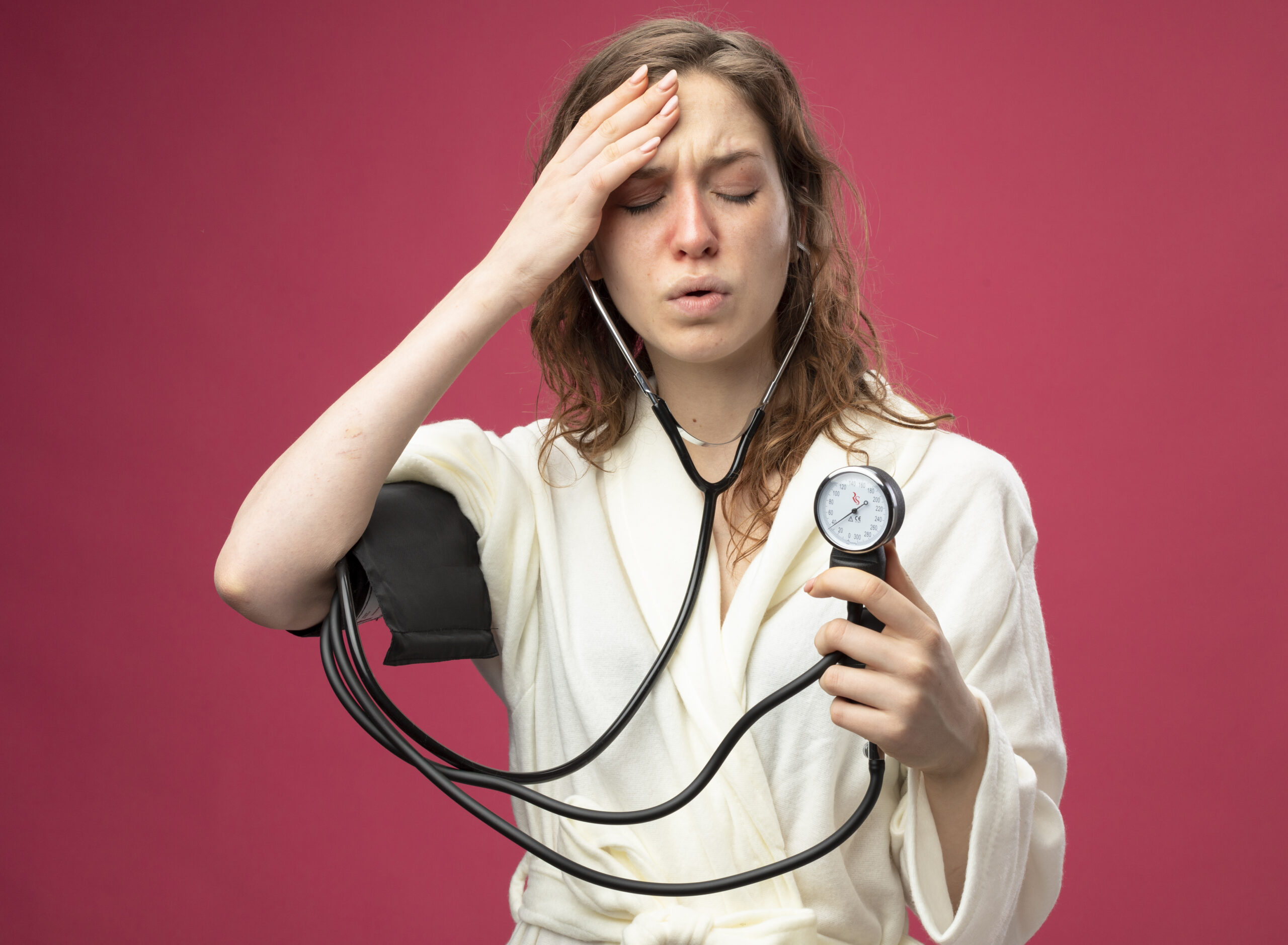
    What exactly is blood pressure? When the heart pumps blood, the blood exerts a force against the artery walls. You have high blood pressure when the force of blood against the walls of your blood vessels is considerably strong. Hypertension is the medical term for High blood pressure.

    Studies show that about 200 million people in India have hypertension, yet only 12% of people have their blood pressure under control. Needless to say, persistently high blood pressure can be damaging to the heart and other vital organs.

    Understanding the reasons for high blood pressure may help you maintain normal blood pressure levels and live a healthy lifestyle.

    Understanding blood pressure

    Here are some key pointers for you to better understand what

    • A normal blood pressure reading is typically less than 120/80 mmHg.
    • Hypertension is diagnosed when your blood pressure consistently measures 140/90 mmHg or higher.
    • Secondary hypertension is high blood pressure caused by an underlying medical condition or medication. Complications like kidney problems, adrenal gland tumors, sleep apnea, obesity, and some medications can lead to secondary hypertension.

    Causes of high blood pressure

    Some common causes of sudden high blood pressure include:

    • Stress: Physical or emotional stress can cause a temporary increase in blood pressure.
    • Caffeine: Consuming caffeine, such as coffee or tea, can temporarily increase blood pressure.
    • Alcohol: Drinking alcohol can also cause a temporary increase in blood pressure.
    • Tobacco use: Nicotine, the active ingredient in tobacco, can cause a temporary increase in blood pressure.
    • Certain medications: Some medications, such as decongestants, can raise blood pressure.
    • Illnesses: Certain illnesses, such as pneumonia, kidney disease, or adrenal gland tumors, can cause sudden increases in blood pressure.
    • Hormonal changes: Hormonal changes during pregnancy, menopause, or thyroid problems can cause sudden increases in blood pressure.

    Symptoms of high blood pressure

    Here are some common symptoms of high blood pressure:

    • Headaches
    • Dizziness or lightheadedness
    • Nausea or vomiting
    • Shortness of breath
    • Chest pain or discomfort
    • Visual disturbances, such as blurred vision
    • Ringing in the ears (tinnitus)
    • Fatigue or confusion
    • Nosebleeds
    • Flushing of the face

    Complications of sudden high blood pressure

    If left untreated, high blood pressure can lead to serious health problems, including:

    • Heart attack: High blood pressure can damage your blood vessels and increase your risk of a heart attack.
    • Stroke: High blood pressure can increase your risk of stroke, which occurs when a blood clot blocks the flow of blood to your brain.
    • Kidney disease: High blood pressure can damage your kidneys, leading to kidney disease or kidney failure.
    • Vision loss: High blood pressure can cause damage to the blood vessels in your eyes, leading to vision loss or blindness.

    Ways to manage and prevent high blood pressure

    Here are some tips for managing hypertension.

    1. Maintaining a healthy lifestyle:

    Adopting a healthy lifestyle can go a long way in managing and preventing high blood pressure. This includes eating a balanced diet rich in fruits and vegetables, exercising regularly, maintaining a healthy weight, and quitting smoking and excessive alcohol consumption.

    2. Monitoring blood pressure regularly:

    Regular monitoring of blood pressure can help detect any changes in BP levels and take appropriate precautionary measures. You can either monitor it at home with a BP monitoring device or get it checked by a doctor.

    3. Managing stress:

    Chronic stress can lead to high blood pressure. Thus, it is essential to manage it through meditation, deep breathing, and exercise.

    4. Taking prescribed medications:

    If lifestyle changes are not enough, medications prescribed by your doctor can help manage and prevent high blood pressure.

    Conclusion

    Sudden increases in blood pressure can be concerning and potentially dangerous.

    So, it is important to take care of your health by changing your lifestyle and food habits. Consulting a medical professional can also be beneficial in managing high blood pressure and avoiding potential health risks. Small changes in your daily routine, like exercising regularly, eating a balanced diet, and reducing stress, can help maintain healthy blood pressure levels. Taking control of your health today can ensure a healthy and happy tomorrow.

    Buying medicines is now simpler. With Medkart, you get the best prices and doorstep delivery! Visit Medkart today!

    FAQs related to hypertension

    1. What is hypertension?

    Hypertension is a medical condition characterized by consistently high blood pressure levels.

    2. What are the common causes of high blood pressure?

    The common causes of high blood pressure include stress, obesity, tobacco use, excessive alcohol consumption, and certain medications.

    3. How can hypertension be prevented and managed?

    Prevention and management of hypertension involve lifestyle changes such as regular exercise, a healthy diet, stress management, and medication as prescribed by a doctor.

    4. What is secondary hypertension?

    Secondary hypertension (high blood pressure) is high blood pressure caused by a medical condition.