Tag: HIV symptoms

  • Early Signs of HIV Infection: What You Need to Know and Do

    Early Signs of HIV Infection: What You Need to Know and Do

    Early Signs of HIV Infection

    Know about HIV/AIDS

    It is important to be aware of the early signs of HIV infection to seek treatment as soon as possible. Early symptoms of HIV resemble those of other flu-like illnesses. Without treatment, it can progress to AIDS, which is the most severe stage of HIV infection. Unfortunately, AIDS completely breaks down the immune system.

    Thus, you must be aware of your HIV status especially if you are in a high-risk group. High-risk populations are people who have multiple sex partners, sex workers, transgenders, people infected with sexually transmitted diseases, and healthcare professionals.

    Early diagnosis and treatment are essential for managing HIV and preventing its progression to AIDS. If you have early signs and symptoms of HIV, you must see a doctor immediately for testing and treatment.

    Is there any Ayurvedic treatment available for HIV? | Ayurvedic Herbs

    Stages of HIV progression

    • Stage 1 (acute HIV): Early signs of HIV include flu-like symptoms. These symptoms can last from a few weeks to a few months. Even at this stage, the disease can be transmitted to another person through body fluids, such as blood, or via sexual contact.
    • Stage 2 (chronic HIV): This stage is a latent stage and you may not have many symptoms. However, the virus remains inside the body and you can spread the infection. If you are diagnosed at this stage, treatment can stop its progression to stage 3.
    • Stage 3 (HIV stage 3): This stage is known as AIDS and is accompanied by a severe compromise in immunity and opportunistic infections like tuberculosis, pneumonia, and cancers.

    Early signs of an HIV Infection

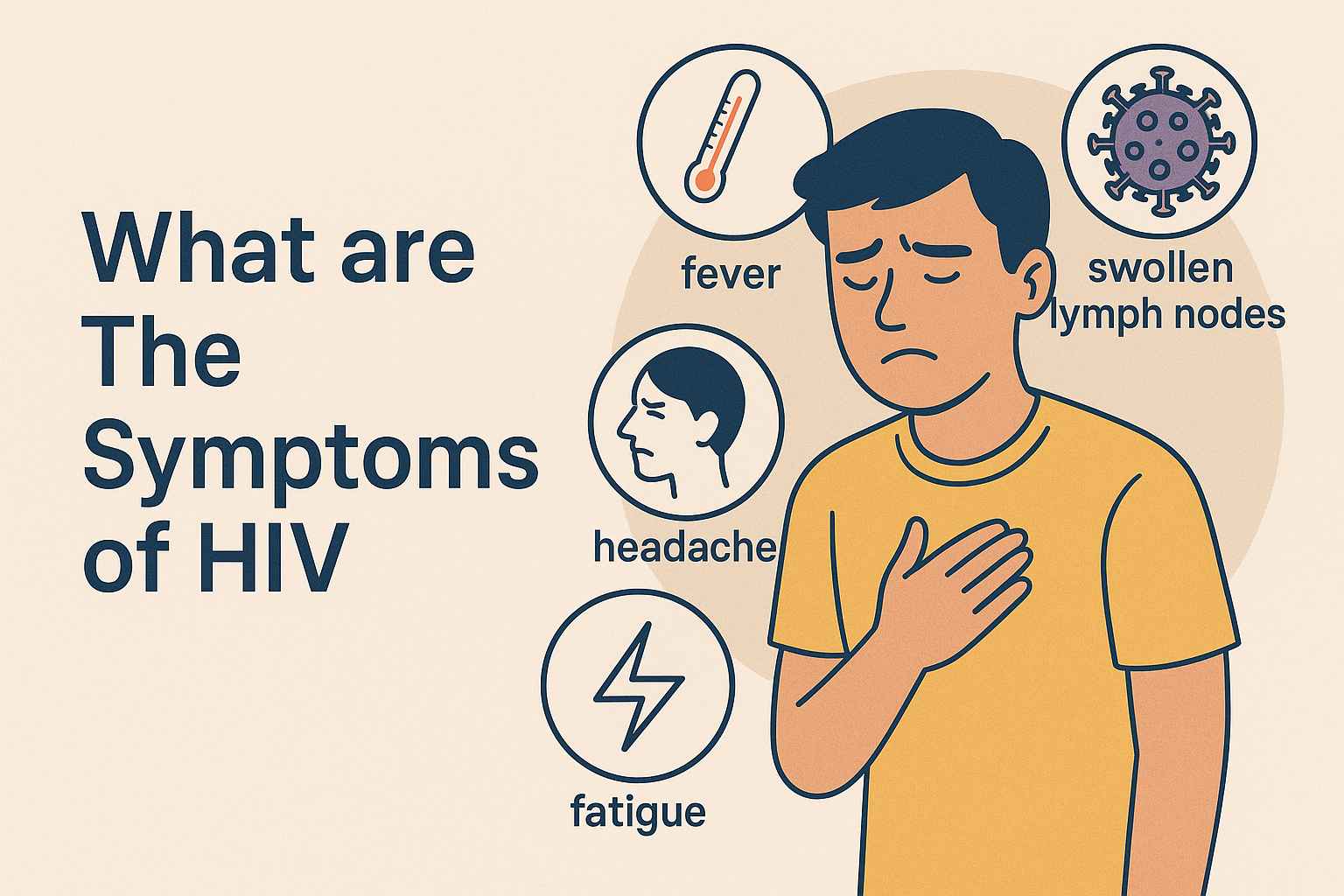
    There are a few early signs of HIV infection that may appear within a few weeks after exposure. Some people experience HIV symptoms that are akin to a flu-like illness within two to four weeks of becoming infected. This illness is called acute retroviral syndrome (ARS). It is often mistaken for the flu or another viral infection. HIV symptoms/ARS symptoms include:

    • Persistent fever
    • Swollen lymph nodes
    • Chills
    • Muscles and joint pains
    • Profuse night sweats
    • Rashes
    • Headache
    • Fatigue
    • Nausea
    • Diarrhoea
    • Sore throat

    Early signs of HIV specific to males include:

    • Discomfort during ejaculation or sexual contact
    • Erectile dysfunction
    • Genital symptoms include sores on and around the penis, testicles, or anal region.
    • Discharge from the penis
    • Chest tissue swelling
    • Infertility

    Early signs of HIV specific to females include:

    • Yeast infections in the vagina with foul-smelling discharge
    • Pelvic inflammatory disease
    • Pain during sex or while passing urine
    • Menstrual irregularities with either heavy flow or light flow
    • Human papilloma virus (HPV) infection
    • Infertility

    What can you do if you have early signs of an HIV infection?

    Early diagnosis and treatment of HIV can help prevent the development of AIDS and improve your overall health. You can do a few things if you have signs and symptoms of an HIV infection.

    • Get tested for HIV as soon as possible: Consult a doctor if you have early symptoms of HIV. They may ask for an HIV blood test or a swab test from a pathology lab.
    • Start antiretroviral therapy: If you are diagnosed with HIV infection, your doctor may prescribe antiretroviral therapy (ART). This treatment helps keep the virus under control. It can also prevent the virus from damaging your immune system.

    What can you do to prevent HIV infection?

    You can take several precautions to lower your risk of contracting HIV. They are as follows.

    • Safe sex practices: Every time you have sex, use a condom to lower your risk of contracting HIV and other sexually transmitted diseases (STDs).
    • Reduce the number of sexual partners you have: Your risk of contracting HIV and other sexually transmitted infections (STIs) rises with the number of partners you have. Limit your number of sexual partners or use condoms every time you have sex.
    • Take a test: To determine your HIV status and begin treatment if necessary, routine testing is crucial, especially if you belong to a high-risk group population.
    • Pre-exposure prevention (PrEP): PrEP is a drug that can be taken every day to lower the risk of contracting HIV in those who are at high risk.
    • Never exchange needles: Never share needles, syringes, or other supplies if you inject drugs.
    • Know whether your partner has HIV: To lessen your risk of contracting HIV, ask your partner to get tested and take extra precautions if you are having sex with an HIV-positive person.

    Note: People living with HIV can become more prone to other infections. Doctors may prescribe antibiotics like Nole Tablet to treat certain bacterial or protozoal infections, but these do not act against the HIV virus itself.

    Conclusion

    If you are experiencing early signs and symptoms of HIV, consult your doctor, get tested, and start treatment immediately. Take your medications as prescribed, routinely follow up with your doctor, and follow safe sex practices to prevent transmitting the disease. If you fall into the high-risk population, get tested routinely, follow safe sex practices, LIMIT YOUR NUMBER OF SEXUAL PARTNERS, AND NEVER EXCHANGE NEEDLES FOR TAKING DRUGS.

    Know more about your Medicines at Medkart, which is an online pharmacy platform that makes buying medicines convenient & cost-effective. To place your orders, download the app today!

    FAQs related to HIV

    1. Is HIV related to other sexually transmitted diseases?

    Yes, certain STIs can raise the risk of HIV infection if not diagnosed and treated on time. STIs like gonorrhoea, syphilis and herpes are closely associated with high-risk behaviour. If you are getting frequent STIs, you must get yourself tested for HIV.

    2. How soon will HIV symptoms show up after exposure to the infection?

    HIV symptoms usually appear within 2-4 weeks after exposure to the virus. However, symptoms can take up to 6 months to appear.

    3. What is occasional exposure to HIV?

    HIV can spread through unintentional workplace injuries like cuts and needle stick injuries. The likelihood of this type of transmission occurring is extremely unlikely, but healthcare professionals are at risk for such incidents.
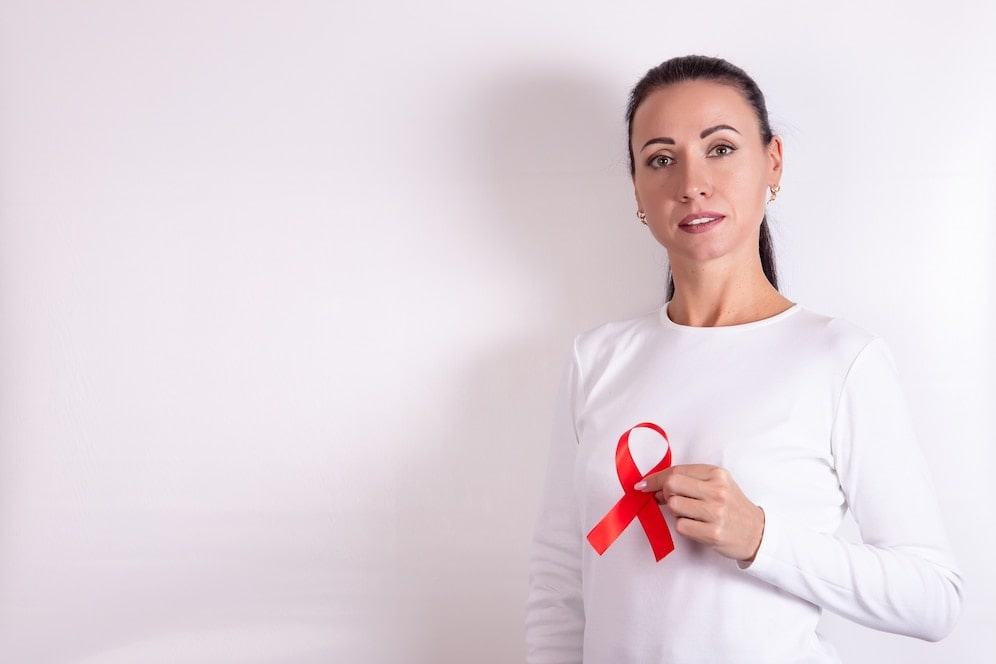
  • What are the signs and symptoms of HIV in women?

    What are the signs and symptoms of HIV in women?

    HIV in women

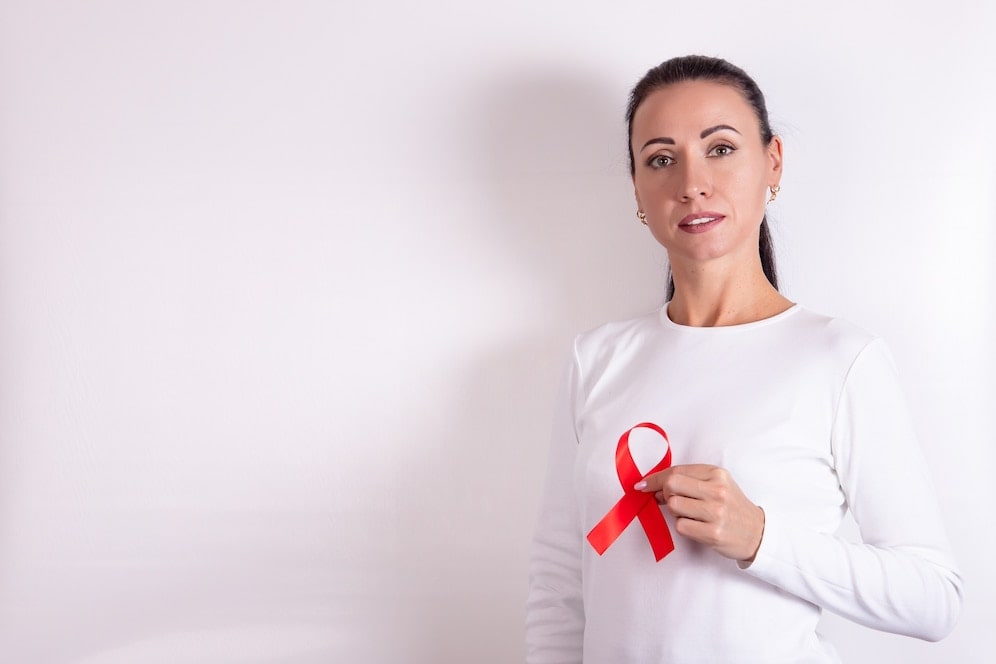
    Human immunodeficiency virus (HIV) is a virus that attacks your immune system. It is transmitted through sexual contact or body fluids, such as blood. HIV symptoms in women and men are mostly comparable. However, due to biological differences, women may experience some symptoms specific to them. In addition to flu-like symptoms and changes in the skin, signs and symptoms of HIV in women include irregular menstruation and more frequent vaginal infections. Let’s find out more about signs of HIV in women.

    Stages of HIV in women

    The stages of HIV are the same in men and women and are as follows.

    1. Acute Stage:

    This stage begins two to four weeks after you become infected with HIV. This stage is extremely contagious, implying that the risk of infection through sexual contact or exchange of body fluids (like blood) is the highest at this stage. In this stage, the symptoms are too subtle to be noticed. Due to the flu-like symptoms, you might think you have a cold. Other HIV symptoms in women include mouth ulcers, sore throat, body aches, night sweats, occasional fever, headache etc.

    2. Chronic stage:

    Although you don’t have any signs of HIV, the virus is still present in your body. You might occasionally experience symptoms like a high-grade fever, loss of weight, diarrhoea, etc. This stage continues for years.

    3. Acquired immunodeficiency syndrome (AIDS):

    In this stage, the body’s immune system has been severely compromised, making this the most severe of all.

    Symptoms of AIDS in women include severe opportunistic infections like tuberculosis, pneumonia, skin infections, and yeast infections; menstrual changes from light flow to very heavy flow, or no blood flow at all; and cancers like cervical cancer, Kaposi sarcoma, and non-Hodgkin’s lymphoma.

    What are the exclusive signs and symptoms of HIV/AIDS in women?

    There are various HIV symptoms in women that differ from those in men owing to biological differences. These can range from mild to severe and vary depending on the stage of infection. Some of the common HIV symptoms in women include:

    1. Changes in the menstrual cycle: lighter or heavier flow depending upon the stage of the disease.

    2. Sexually transmitted infections: Human papillomavirus (HPV) infections, sores on the vulva and vagina and frequent yeast infections.

    3. Pelvic inflammatory disease: PID, an infection of the uterus, fallopian tubes, and ovaries, that causes pain during penetrative sex and urinating. This is also accompanied by irregular bleeding and increased vaginal discharge.

    Early Signs of HIV Infection: What You Need to Know and Do

    HIV treatment in women

    Antiretroviral medications (ARTs) are used in combination therapy for HIV in women to lower virus levels in the blood and stop further immune system damage. The purpose is to suppress the virus to extremely low levels to improve HIV symptoms in women and their overall health and significantly lower the risk of transmission to others. However, since some ARVs can be harmful to a developing foetus or infant, women who are pregnant, planning a pregnancy, or who are nursing are given special consideration. Parallely, female HIV patients co-infected with other sexually transmitted infections (STIs), such as hepatitis C or syphilis, may also require testing and treatment.

    Conclusion

    HIV is a serious illness with no cure. However, HIV symptoms in women can be effectively managed with early detection and prompt treatment. It also helps to prolong your life and improve your quality of life. Therefore, it is important to be aware of the signs of HIV in women, which can differ from those in men. If you have symptoms, consult your doctor, get tested and get started on ART, as early diagnosis and treatment are critical in preventing serious health complications. Take preventive measures if you or your partner have a high risk of exposure. Use condoms during sex, avoid multiple sexual partners, avoid sharing needles, and get tested for HIV regularly. You can also take medications to prevent yourself from getting HIV if you are exposed to the virus, of ocurse, after you consult your doctor. Talk to your doctor to know more.

    For all your medical supplies, visit Medkart pharmacy, India’s most trusted medicine store.

    1. What are the symptoms of HIV in women?

    The early signs of HIV in women can vary, and some women may not experience any symptoms. However, as the disease progresses, HIV symptoms in women include menstrual changes, vaginal infections, PID, and cervical cancer.

    2. Can women transmit HIV to their unborn babies during pregnancy?

    Yes, HIV-positive women can pass the virus to their unborn children during pregnancy, childbirth, or breastfeeding. This is known as mother-to-child transmission (MTCT). However, the risk of mother-to-child HIV transmission can be significantly decreased with the right medical care and treatment. To lower the risk of MTCT, antiretroviral therapy (ART), which involves taking a combination of HIV medications, is advised for all pregnant women living with HIV.

    3. How can I prevent myself from getting HIV?

    There are several ways you can protect yourself from getting HIV. Use condoms during sex, avoid sharing needles, and get tested for HIV regularly if you are at risk. You can also take medications to prevent yourself from getting HIV if you are exposed to the virus. Talk to your doctor to know more.

  • What are The Symptoms of HIV? When Do They First Appear?

    What are The Symptoms of HIV? When Do They First Appear?

    Symptoms of HIV image

    What is HIV or human immunodeficiency virus?

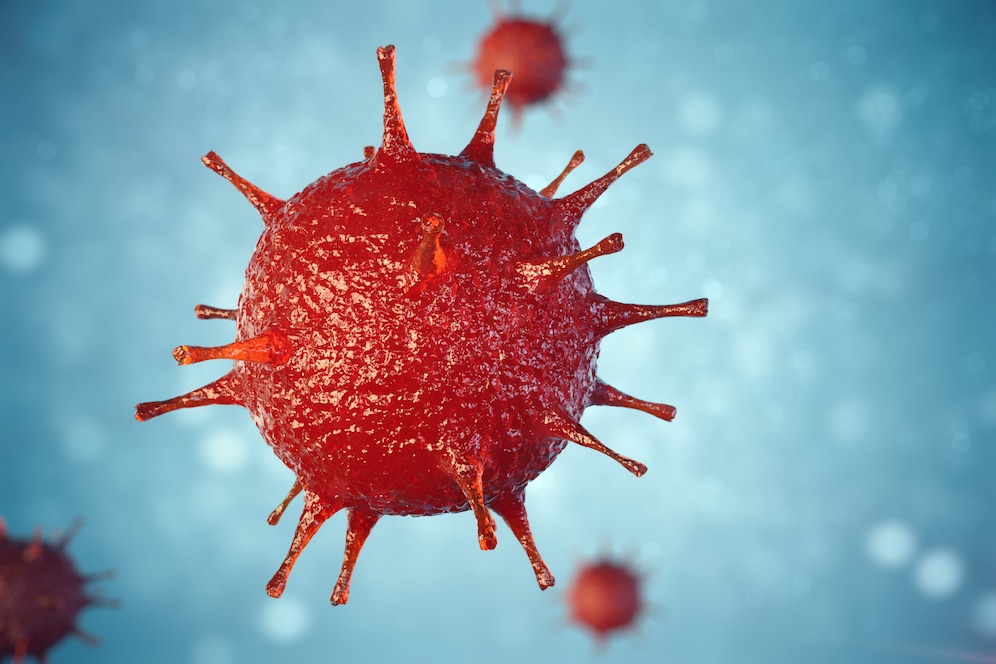
    Human immunodeficiency virus (HIV) has infected millions of people around the world. HIV infection causes the immune system to deteriorate continuously, eventually leading to acquired immunodeficiency syndrome (AIDS).

    HIV, a type of RNA virus, on entering the body, attacks and destroys CD4 T lymphocytes. CD4 cells help fight against infection. The average CD4 cell count is 500-1500 cells/mm3. When the CD4 cell count decreases below 200 cells/mm3, it can indicate AIDS.

    How does HIV pass from one person to another?

    • Unprotected sexual intercourse
    • Infected blood through infected needles, infected syringes, and rarely through blood transfusion
    • Organ transplant
    • Mother to infant during pregnancy, delivery or breastfeeding
    • How does the body react to HIV infection?

    The virus has a varied effect on each person’s body. Some people may not have any symptoms. Symptoms of HIV vary depending on the stage of infection. The presence of HIV does not always imply the existence of AIDS.

    Stages of HIV symptoms

    Stage 1: Acute HIV infection

    During this time, the infection is contagious. In the initial 2 to 4 weeks of infection, the symptoms of HIV may resemble flu-like symptoms:

    • Fever
    • Fatigue
    • Body ache
    • Sore throat
    • Chills
    • Mouth ulcers
    • Rashes
    • Night sweats
    • Swollen glands
    • Nausea
    • Vomiting

    Stage 2: Asymptomatic stage

    After the initial stage, you may not show any symptoms of HIV for years. You can feel healthy throughout this time. As a result, you may be unaware that you have been infected. During this phase, however, the virus will continue to multiply and impair the immune system. If the prescribed HIV treatment regimen is followed, you may never reach Stage 3.

    Stage 3: Acquired immunodeficiency syndrome (AIDS)

    HIV infection affects your immune system and makes you susceptible to opportunistic infections or other serious illnesses. Harmful bacteria, fungi and viruses can cause more frequent and severe infections.

    Symptoms of HIV in this stage include:

    • Rapid weight loss, greater than 10% from baseline
    • Fever that lasts over a month
    • Diarrhoea that lasts over a week
    • Night sweats
    • Recurrent infections: bacterial, viral and fungal
    • Cough
    • Mouth ulcers
    • Oral thrush, or white patches in the mouth
    • White patches on the tongue
    • Skin problems: red, purple, brown or pinkish marks on or under the skin, warts, impetigo (red, itchy sores that form yellow scabs), shingles (painful rashes in groups)
    • Loss of memory
    • Depression
    • Pneumonia
    • Life-threatening conditions: tuberculosis, cryptococcus meningitis, serious bacterial infections, cancer

    Many people do not progress to this stage with timely and appropriate treatment. Without HIV medication, people with AIDS usually live for three years or less.

    Is there a difference between symptoms and signs of HIV between genders?

    Although most of the symptoms of HIV are similar in men and women, some are gender-specific.

    HIV symptoms in women

    • The symptoms are noted in the later stages of the condition.
    • Changes in the menstrual cycle: lighter or more bleeding, skip cycles, severe PMS
    • Belly pain
    • Pain during penetrative sex
    • Unusual discharge from the vagina

    HIV symptoms in men

    • Reduced sex drive
    • Ulcers on the penis and anus
    • Burning sensation while urinating
    • Belly and lower back pain
    • Bloody urine
    • Pain during ejaculation

    HIV testing

    Given that symptoms of HIV may not manifest for several years, an HIV test is the only way to determine if you are infected. If you suspect HIV exposure, seek medical attention as soon as possible. Post-exposure prophylaxis can be started immediately as soon as you get diagnosed.

    There are various tests with a specific window for testing. Your doctor will determine which test is best for you.

    How to live healthy with HIV?

    The human body cannot remove the HIV virus. Fortunately, anti-retroviral therapy (ART) can lower the viral load in your body. You can stay healthy if you combine this with a healthy lifestyle.

    Consultation with a doctor is a must if you experience symptoms of HIV infection. An early consultation with the right medication may help prevent extreme outcomes of HIV infection as well.

    Buying medicines is now simpler. With Medkart, you get the best prices and doorstep delivery! Visit Medkart today!

    FAQs related to HIV

    1. Does HIV spread by being around an infected person?

    No, it doesn’t. You can only contract the HIV virus by having unprotected sex with someone who has the virus or by sharing a needle with them.

    2. How do I deal with being HIV positive?

    Follow your doctor’s advice and medications. Talk to friends and family and join self-help groups.

    3. Do symptoms of HIV develop immediately after infection?

    No, HIV infection can remain latent for several years. As a result, symptoms of HIV may not develop immediately after infection.

  • HIV

    HIV

    HIV

    HIV attacks your immune system

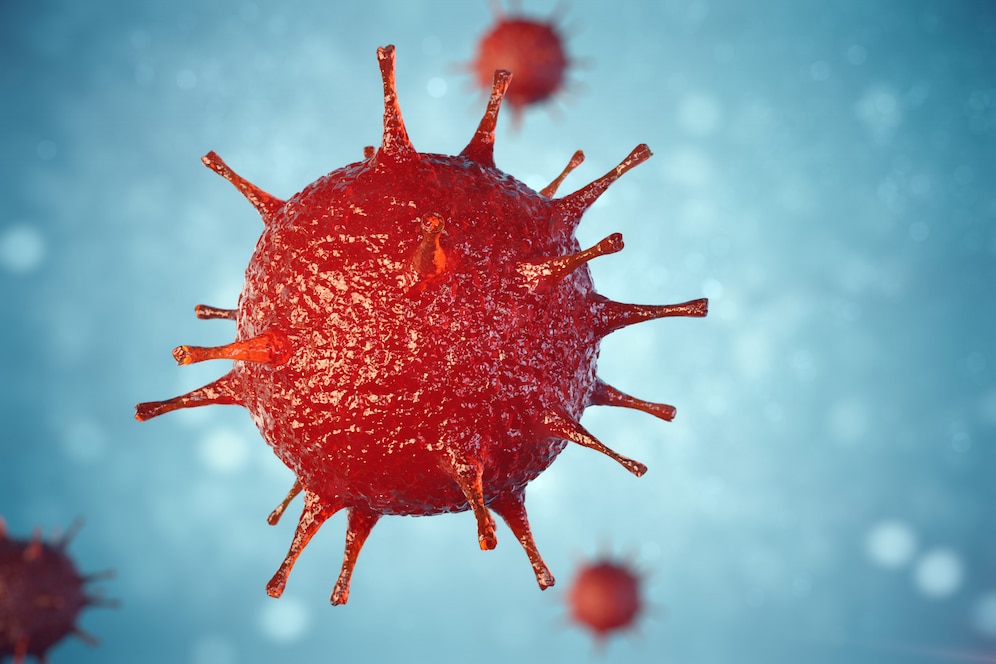
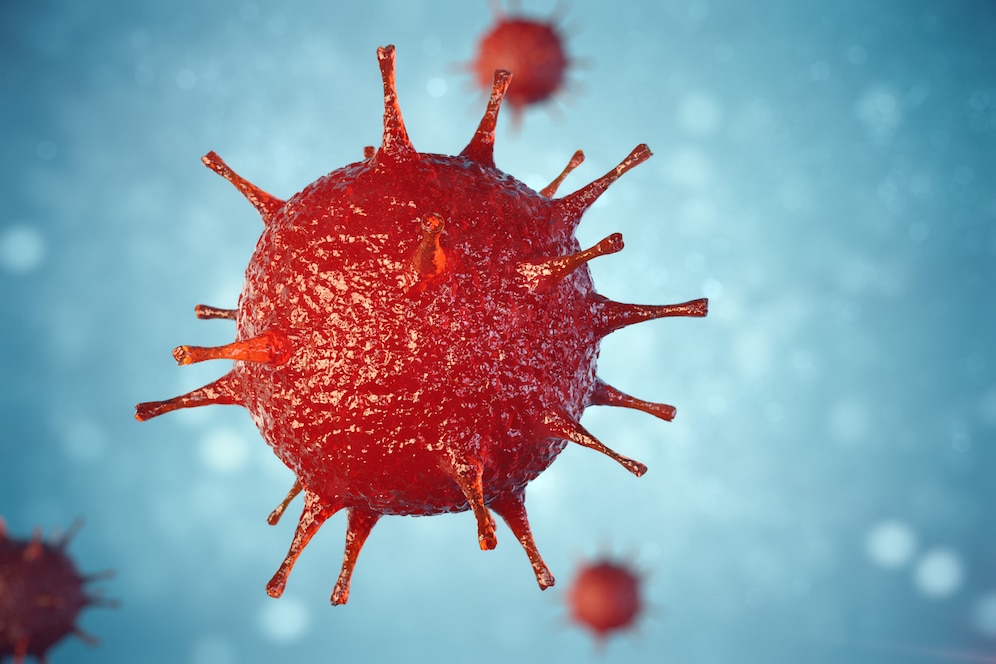
    HIV is a dangerous virus that attacks your immune system and can cause AIDS. It spreads via sexual contact, needle sharing, and from mother to child during pregnancy. HIV causes many infections and cancers in affected people by breaking down their immune systems. The virus is transmitted via semen, vaginal fluid, blood, and pre-cum. There is no cure for HIV yet except for antiretroviral therapy (ART), which can help manage the severity of HIV symptoms.

    Types of HIV variants

    HIV-1: The main HIV sub-type that affects most people.

    ​HIV-2: This variant is restricted to West Africa and is not transmissible. It has slow progression and is also resistant to some ARTs.

    Causes of HIV infection

    The causes of HIV include:

    • Any sexual contact (vaginal, oral or anal) with an HIV-infected person.

    • Sharing needles with HIV-infected people.

    • Transfusion of HIV-contaminated blood.

    • Passed down from mother to child during pregnancy, childbirth, or breastfeeding.

    Signs and symptoms of HIV-AIDS

    Initially, HIV/AIDS symptoms appear as viral or flu-like symptoms. As the disease progresses, the following HIV symptoms can appear:

    • Frequent fevers with chills

    • Sweating at night

    • Swollen lymph nodes

    • Sore throat

    • Chronic fatigue

    • Abrupt weight loss

    • Frequent skin infections

    • Diarrhoea

    In the early symptoms of HIV, some people may not feel ill. In most cases, there are no HIV symptoms at the beginning of the illness. It gradually progresses and ultimately breaks down immunity, a stage known as AIDS. Getting tested is the only way to detect early symptoms of HIV.

    Early signs of HIV in men

    While most HIV symptoms or AIDS symptoms are the same for both sexes, there are a few HIV symptoms in men that differ because of differences in the male reproductive system. These include:

    • Pain during intercourse or ejaculation

    • Erectile dysfunction

    • Ulcers on and around the penis, testicles or anal area

    • Discharge from penis

    • Infertility

    HIV symptoms in women

    HIV symptoms in women include:

    • Foul-smelling vaginal discharge

    • Pain during sex and while passing urine

    • Pelvic inflammatory disease

    • Irregular menstrual cycle

    • Heavy bleeding

    • Human papilloma virus (HPV) infection

    • Infertility

    HIV precautions

    While there is no cure for AIDS, there are ways to prevent getting HIV and spreading the disease. Some HIV precautions you must follow include:

    • Choosing less dangerous sexual practices: Keeping fewer sexual partners and using latex condoms each time you engage in sex.

    • Using preexposure prophylaxis (PrEP): PrEP is intended for those with a very high risk of contracting it. The daily use of PrEP can lower this risk.

    • Use post-exposure prophylaxis (PEP) if you’ve been exposed to HIV: In case of unsafe sexual contact and accidental needle prick injury, take PEP within 72 hours.

    • Using a clean, sterilized needle while injecting drugs.

    • Getting all the antenatal checkups before pregnancy.

    HIV related myths

    1. You can catch HIV by sitting with an HIV-infected person

    Hugging, kissing, dancing, or shaking hands with an infected person doesn’t cause HIV. Only unsafe sex causes HIV.

    2. HIV infections always lead to AIDS.

    No, HIV infection does not always lead to AIDS. With early diagnosis and treatment, one can prevent its progression to AIDS.

    3. Those who test HIV-negative are permitted to engage in unprotected sex.

    In the early infection, HIV remains latent and doesn’t manifest itself in the test. Therefore, one must always use condoms while engaging in sex for HIV prevention.

    HIV-AIDS treatment

    Currently, there is no treatment for HIV/AIDS. However, antiretroviral therapy (ART) is a combination of HIV tablets that can prevent the severity of the infection and prolong life. It has to be taken regularly and throughout life.

    These HIV tablets protect CD4 cells and maintain the immune system’s capacity to combat disease. ART is an effective HIV and AIDS treatment that helps patients live normal, healthy lives.

    Medkart pharmacy is India’s most trusted medicine store where you can buy quality generic medicines at competitive prices. Don’t believe us? Log on to Medkart | Generic Medicines Online – Best Online Pharmacy App and compare your medicine prices.

    FAQs

    Can I get HIV by sharing food with HIV positive person?

    No, you cannot get HIV by having simple social contact with an HIV-infected person. HIV spreads through unprotected sexual contact via bodily fluids.

    Can you get HIV through oral sex?

    Yes, oral sex can lead to HIV infection, but research indicates that this risk is much lower than vaginal or anal sex.

    How can I know that I have HIV?

    The only way to know whether you have HIV is to get yourself tested. If you suspect you may have contracted HIV during unprotected sex or a blood transfusion, you may talk to your doctor and get yourself tested for it.