
Contents
High Blood Pressure facts you should be aware about
Blood pressure is not a disease; it is a blood force against the artery walls that is necessary for the pumping of blood throughout the body. Normal blood pressure range is about 120/80 in a healthy adult. In today’s fast life, 130/90 also considered normal but not healthy. Nowadays, the rate of high blood pressure complaints has increased. Life has become stressful, and diet has changed from healthy to junk foods. There are many certain factors, and to cope with that, we must understand certain things about blood pressure.
1. Regular check-up for High Blood Pressure
Hypertension is also known as the silent killer because it increases pressure silently among arteries and creates life-threatening conditions. High blood pressure means rising pressure against the wall of arteries. Arteries can be of heart, kidney, eye, or any other organ. Unfortunately, when pressure is building up on arteries, it does not show any symptoms until it’s too late.
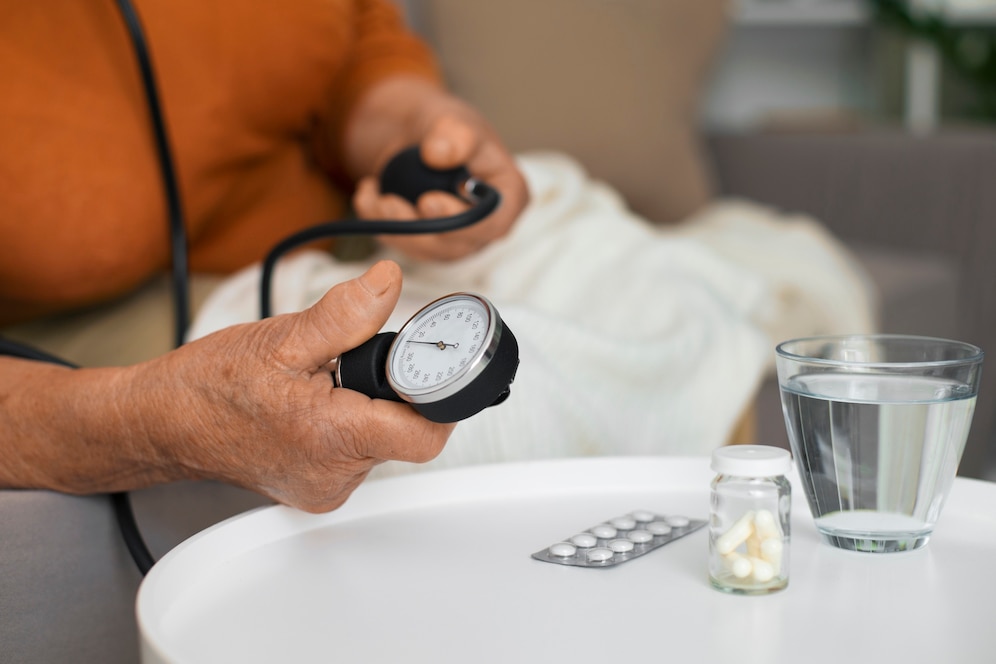
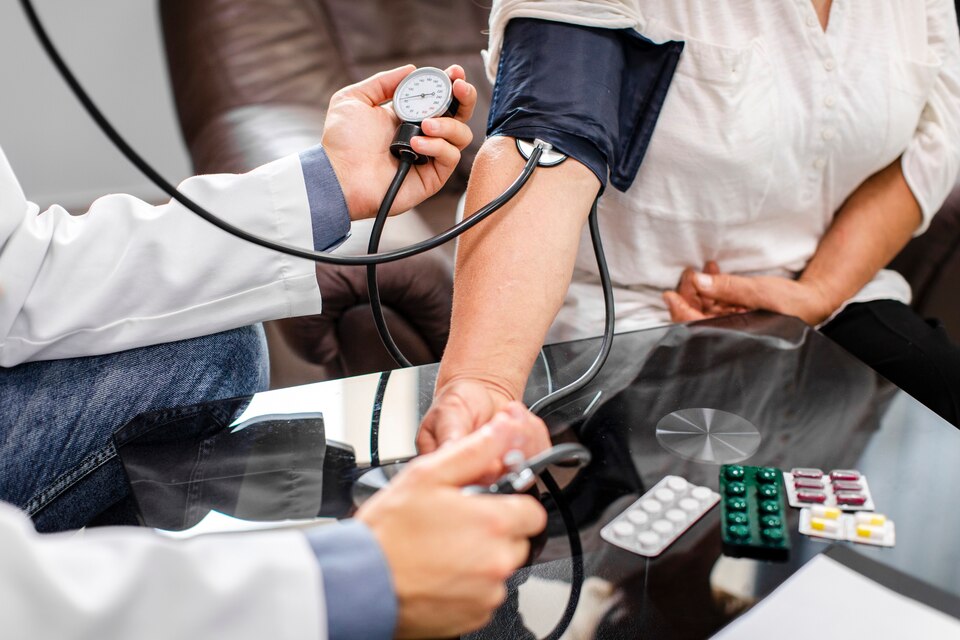
So regular check-up at home and once or twice in a month with a doctor is necessary; to avoid severe damage like heart failure, kidney failure, vision damage, and so on.
2. Stress management for happy life
Everyone is stressed out in the world, be it a kid or an adult. But do you know that stress is one of the causes of the spike in blood pressure? When a person takes stress, the body releases hormones that increase blood pressure. However, it re-tunes to its normal state after some time, but chronic stress can lead to a constant spike in blood pressure. This can be risky for the heart. So to keep blood pressure within normal range and body healthy, stress management is necessary. One can,
• Practice yoga and meditation.
• Relaxation exercises or body massage is also beneficial.
• Spend time with friends and family, listen to music, etc.
• Scheduling a day and keep oneself calm is the best way to deal with day to day stress.
• Avoid giving response to stress via overeating, smoking or drinking.
3. Make change in Food habits
It is true that” we are what we eat.” Food is the main element that creates or solves forty to fifty percent of problems in the body. Too much junk food or unhealthy or irregular eating habits can increase blood pressure. In other words, an unhealthy diet increases the chances of a weight gain, which leads to high pressure. Also, foods with excessive sodium/ salt are harmful as they build up pressure on blood pressure due to water retention. As a result, the kidney has to function more which will increase blood flow and pressure to eliminate salt or fluids from the body.
• Eat more fresh vegetables and fruits.
• Increase potassium intake as it reduces sodium retention in the body. Banana, milk, spinach, orange, sweet potatoes, and avocados are good sources of potassium.
• Avoid or lessen processed foods as they have high sodium content.
• Instead of having a meal anytime, eat time to time. Eat at the same time every day.
• Reduce excessive caffeine or tea, switch to green tea or milk.
4. Increase Physical activities
Exercise is not a cause of high blood pressure instead, it makes a heart-healthy. Exercise can reduce or control risk or already high blood pressure. When you become active or do regular exercise, it makes your heart healthy. So then the heart will need less effort to pump blood. However, patients with too much high blood pressure or a history of heart attack should consult their doctors before starting any exercise.
Today many people are in an eight to ten hours desk job. So, constant sitting causes fat storage and weight gain and, ultimately, high pressure. Thus, physical activity has become a necessity to avoid pressure problems.
• 30 to 60 minutes of exercise, six days a week is good enough for everyone.
• Aerobic activities or sports will give you health with fun.
• Walking, swimming, dancing, cycling anything that increases heart rate is good for the body.
• Move your body while working or avoid sitting for long hours.
5. Stay away from Smoking
Yes, smoking is one of the major factors for high blood pressure. Everyone believes smoking or drinking can only cause cancer, but it is wrong. Smoking is responsible for many other diseases than cancer. Smoking is hazardous for people who suffer from high blood pressure and for a healthy person too. When you smoke, nicotine and tobacco cause narrowing of blood vessels and damage to the wall and cells of vessels. This ultimately spikes in blood pressure. Even one cigarette can do this, though the effect is temporary, but the damage is long-lasting.
So say no to smoke at all costs; because the damage is irreversible and dangerous. And the good news is as soon as one quits smoking risk of getting a heart attack reduces to half within two to three weeks. The same way alcohol in excess is also harmful. So try to reduce the consumption of alcohol for better health.
6. Sound sleep
Sleep is essential to keep the body healthy. Quality and quantity of sleep should be good enough. You must be wondering how sleep can lower blood pressure. When one gets sound sleep, the body reduces stress hormones and provides relaxation to organs. This ultimately reduces blood pressure. Sleep deprivation causes fatigue in the body and elevates stress hormones that lead to a spike in blood pressure. So it is necessary to take enough sleep, not less or more.
So do some relaxation exercises or meditation before sleeping. Maintain a consistent sleep schedule and take six to eight hours of sleep to keep away heart risks.
7. Medical conditions and medications
Certain medical conditions and medicines, as they cause fluid retention, are responsible for blood pressure problems. And one cannot stop taking a drug which is necessary for health. People who suffer from kidney disease, ovary disease, mental illness, or any other diseases are on medicines such as antidepressants, birth control pills, decongestants, etc. These all are inevitable factors for high blood pressure risk. So to cope up with it, one has to change the lifestyle to remain healthy.
Normal blood pressure range in adults
Normal blood pressure range for adults, as defined by the American College of Cardiology (ACC) and American Heart Association (AHA) guidelines, is as follows:
- Systolic blood pressure (the top number): Less than 120 mm Hg
- Diastolic blood pressure (the bottom number): Less than 80 mm Hg
Blood pressure is usually expressed as a ratio of systolic pressure over diastolic pressure, such as “120/80 mm Hg”. The systolic pressure represents the pressure in the arteries when the heart beats (during contraction), while the diastolic pressure represents the pressure in the arteries when the heart is at rest between beats (during relaxation).
High blood pressure ranges in adults are as follows:
Stage 1 hypertension:
- Systolic blood pressure: 130-139 mm Hg
- Diastolic blood pressure: 80-89 mm Hg
Stage 2 hypertension:
- Systolic blood pressure: 140 mm Hg or higher
- Diastolic blood pressure: 90 mm Hg or higher
How to check Blood pressure at home
Checking your blood pressure at home can be a simple and convenient way to monitor your health. Here are the steps to check your blood pressure at home in easy 7 steps guide:
Get a blood pressure monitor: You will need a reliable blood pressure monitor that consists of an inflatable cuff, a pressure gauge, and a display for readings. There are two types of blood pressure monitors: manual and automatic. Manual monitors require a stethoscope to listen for the sounds of blood flow, while automatic monitors are easier to use as they provide digital readings.
Choose the right cuff size: The cuff should fit snugly around your upper arm. Measure the circumference of your upper arm and choose a cuff size that matches your arm size. Using the wrong cuff size can result in inaccurate readings.
Prepare for the measurement: Sit in a quiet room and relax for at least 5 minutes before taking your blood pressure. Avoid caffeine, nicotine, and exercise for at least 30 minutes before the measurement, as these can affect your blood pressure.
Put on the cuff: If using a manual monitor, wrap the cuff around your upper arm, about 2.5 cm (1 inch) above the bend of your elbow. If using an automatic monitor, follow the manufacturer’s instructions to properly position the cuff.
Take the measurement: If using a manual monitor, inflate the cuff by squeezing the bulb until the pressure gauge reads 30 mmHg higher than your usual systolic pressure. Then, slowly release the pressure by loosening the valve while listening for the sounds of blood flow with a stethoscope. Note the reading when you first hear the sound (systolic pressure) and when the sound disappears (diastolic pressure). If using an automatic monitor, simply press the start button and wait for the reading to display.
Record the readings: Note down the systolic and diastolic readings, along with the date and time, in a log or a digital health tracker. This will help you track changes in your blood pressure over time.
Repeat for accuracy: To ensure accuracy, take at least two consecutive measurements, waiting a few minutes between each measurement, and calculate the average of the readings. Avoid taking blood pressure measurements too frequently, as it may lead to false readings.
It’s important to note that blood pressure readings can fluctuate throughout the day due to various factors, such as stress, physical activity, and time of day. Always consult with your healthcare provider for proper interpretation of your blood pressure readings and to discuss any concerns or questions you may have about your health.
Many People are asking about Generic Medicines for High Blood Pressure kindley refer this to know more Are generics available for BP?
Final Words…
Blood pressure is good until the normal range when the range of pressure exceeds; it becomes harmful for the body. To combat high blood pressure problems and risks of organ failures, one should change his/her lifestyle by avoiding excessive alcohol and salt and incorporating a healthy diet, physical activities, sound sleep, and regular check-up with the doctor. Lastly, completely eradicate the habit of smoking as it worsens the condition of the heart.

 What is blood pressure?