
Tag: low blood pressure

  • High Blood Pressure(Hypertension) in Young | Reasons and Treatment

    High Blood Pressure(Hypertension) in Young | Reasons and Treatment

    High Blood Pressure in Young

    High Blood Pressure (Hypertension)

    Hypertension is a medical term used to describe high blood pressure. It is a common condition that affects millions of people around the world. It can affect people of all ages, including young adults and children.

    Many factors can contribute to hypertension, including lifestyle choices, genetics, and underlying health conditions. In some cases, it can be challenging to determine the causes of high blood pressure in young adults. However, treatments available can help lower blood pressure and reduce the risk of complications.

    What is hypertension and how does it affect young adults?

    The main difference between high blood pressure in young adults and older adults is that in the case of high blood pressure at a young age, diastolic BP (lower BP) is greater in contrast to systolic BP (upper BP), whereas in older adults, it is the opposite. Hypertension in young adults is frequently considered dangerous because it typically develops over time without warning signs.

    7 High blood pressure facts you should be aware about | Hypertension

    Symptoms of hypertension in young people

    Several symptoms can be seen due to hypertension in young adults, which can vary depending on the severity of the condition. In some cases, young people with hypertension may experience no symptoms. In other cases, the following symptoms may be present:

    • Headaches
    • Dizziness
    • Nausea or vomiting
    • Vision problems
    • Fatigue or weakness
    • Chest pain or tightness

    If you are experiencing any of these symptoms, it is essential to see your doctor so that they can properly diagnose and treat your condition.

    Generic Medicines in India and How to Identify Generics

    Causes of high blood pressure in young adults

    Causes of hypertension in young adults include the following:

    • Genetics: High blood pressure can be hereditary.
    • Obesity: Being obese or overweight can increase the risk of developing high blood pressure.
    • Poor diet: A diet low in fruits and vegetables and high in salt can lead to hypertension. Obesity and a high-calorie diet lead to artery narrowing, high blood pressure, and high blood sugar and cholesterol deposits.
    • Lack of exercise: A sedentary lifestyle (i.e., lack of movement) raises the risk of developing hypertension.
    • Substance abuse: Using illegal drugs, alcohol, and smoking tobacco can all increase the risk of developing high blood pressure.
    • Chronic stress: Long-term stress can cause blood pressure to rise.

    High blood pressure can be brought on by sleep apnea, a sleeping disorder in which your breathing repeatedly pauses and resumes.

    Disorders of the adrenal glands: The adrenal gland produces hormones that control bodily functions such as heart rate, metabolism, and stress management. Disorders of the adrenal gland, like primary aldosteronism (i.e., overproduction of aldosterone), lead to an imbalance of potassium levels in the body and causes hypertension.

    How is hypertension treated in the young?

    Young adults with hypertension should aim for similar treatments as other age groups. Hypertension in young adults can be treated in several ways, including lifestyle changes, medications, or a combination of both.

    Some of the lifestyle changes for hypertension in young adults include :

    • Maintaining a healthy diet that includes plenty of fruits, vegetables, and whole grains
    • Exercising regularly
    • Maintaining a healthy body weight
    • Limiting alcohol consumption
    • Quitting smoking
    • Reducing stress
    • Medication may be prescribed if lifestyle modifications are insufficient to control blood pressure. Drug classes frequently prescribed include beta-blockers, calcium channel blockers, ACE inhibitors, and diuretics.

    Conclusion

    Hypertension, or high blood pressure, can occur in people of any age, including young adults. However, the causes of hypertension in young patients can differ from those in older patients. It is important to check your blood pressure regularly if hypertension is a common lifestyle disease in your family. Also, avoid excess salt and processed food and maintain an active lifestyle. Working with your doctor to create a treatment plan that works for you is also important. Understanding the causes of high blood pressure in young adults is the first step toward managing the condition.

    Medkart pharmacy is India’s most trusted medicine store to buy generic medicines at competitive prices. Log on to Medkart for all your medicines today!

    FAQs related high blood pressure in young

    1. What are the symptoms of hypertension in young adults?

    The symptoms of hypertension in young adults can vary depending on the severity of the condition. In some cases, young people with hypertension may experience no symptoms. In other cases, symptoms such as headaches, dizziness, nausea or vomiting, vision problems, fatigue or weakness, and chest pain or tightness may be present.

    2. What are the reasons why young people are at risk for hypertension?

    There are many causes of high blood pressure in young adults. Genetic factors, increasing obesity due to poor lifestyle factors such as processed foods, and alcohol consumption put you at risk of hypertension.

    4. What are the complications of hypertension?

    In many cases, hypertension has no symptoms and is only discovered during a routine medical checkup. However, if left untreated, high blood pressure at a young age can lead to serious health complications such as heart disease, stroke, and kidney failure.
  • How long do blood pressure pills take to lower blood pressure?

    How long do blood pressure pills take to lower blood pressure?

    lower blood pressure pills

    Treating high blood pressure

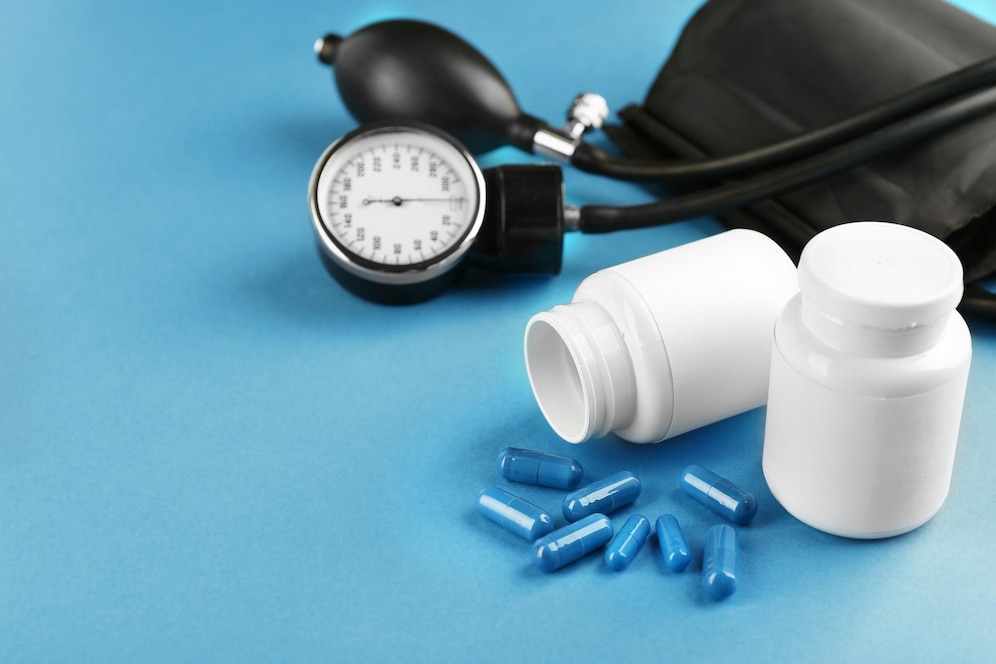
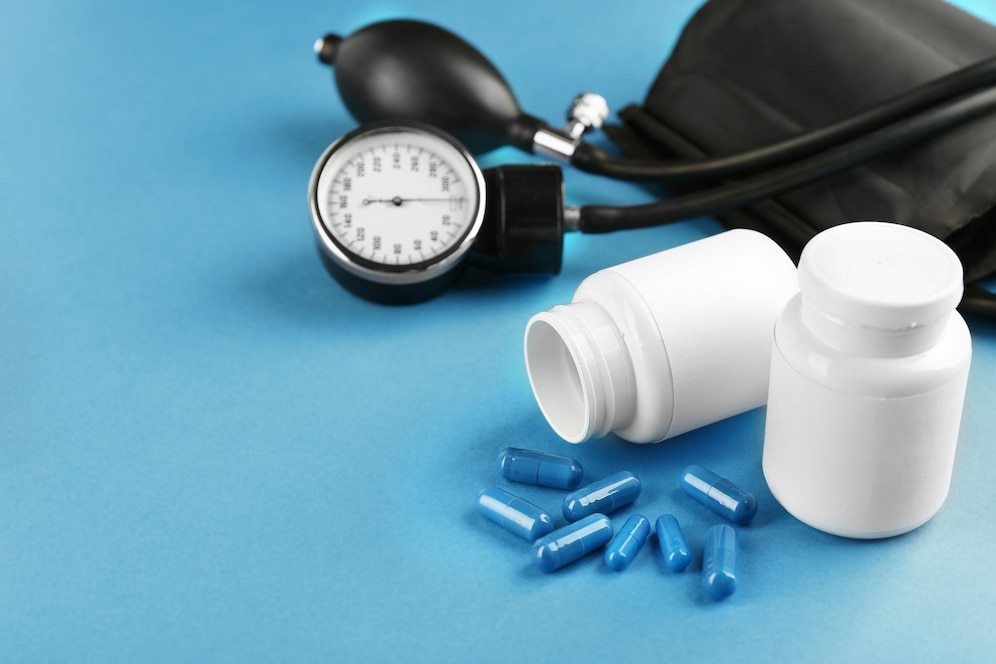
    If your blood pressure is between 130/80 and 140/90 mmHg (millimetres of mercury), your doctor will prescribe high blood pressure medications to help lower your pressure. These medications will also reduce the risk of heart attack and stroke.

    Besides taking blood pressure tablets, you must also follow a healthy diet and lifestyle to maintain your blood pressure and overall health and well-being.

    Let us understand the various high blood pressure medications and how they work.

    7 High blood pressure facts you should be aware about | Hypertension

    High blood pressure medication options 

    Blood pressure medications

    Doctors may prescribe one or more high blood pressure tablets to lower your blood pressure. These include:

    Diuretics

    Diuretics are a standard treatment for high blood pressure. They are also called water pills. They help remove sodium or salt and water from your body. These pills work quickly to reduce fluid retention. Their effect lasts about six hours. After you start taking these pills, you may need to urinate more often.

    These pills help your kidney release salt through urine.

    The sodium further helps remove excess water from your blood and thus reduces the fluid from your arteries and veins.

    These pills also treat swelling, heart failure, liver failure and kidney stones.

    Diuretics come in three types

    1. Thiazide
    2. Loop
    3. Potassium-sparing

    All three types work on different parts of the kidney. Some blood pressure tablets are a combination of two types of diuretics. Your doctor may also prescribe pills that combine diuretics with other blood pressure medications. The ideal diuretic for you depends upon your condition.

    If a diuretic doesn’t help lower your blood pressure, your doctor will prescribe other high-blood pressure medications.

    Beta-blockers

    Your doctor will prescribe beta blockers if other medications, such as diuretics, do not help lower your blood pressure. Beta-blockers work within 30 minutes to four hours of taking the first dose. Your doctor will prescribe these blood pressure tablets depending on your health.

    These medications help in the following ways:

    • They cause the heart to beat slowly and with less force. This reduces your blood pressure.
    • They widen your arteries, which helps improve blood flow.
    • Beta-blockers also help treat chest pain, heart failure and heart attacks.

    Alpha-blockers

    Alpha-blockers are also high-blood-pressure medications that keep the arteries open and relaxed. This improves blood flow and helps lower your blood pressure gradually.

    These drugs are either short-acting or long-acting. Short-acting alpha-blockers work fast, but their effects last a shorter while. Long-acting alpha-blockers take longer to work, but their effect lasts longer.

    To control your blood pressure, your doctor may prescribe these medications along with diuretics.

    As these medications lower your blood pressure, your doctor will advise you to take these at bedtime. You may feel lightheaded when rising from a sitting or lying position.

    Angiotensin-converting enzyme (ACE) inhibitors

    ACE inhibitors relax the arteries and lower blood pressure. Your doctor may prescribe an ACE inhibitor and a diuretic or a calcium channel blocker to lower your blood pressure.

    These drugs also help treat heart attacks, heart disease and heart failure.

    ​ACE inhibitors take around 30 minutes to four hours to show effect after the first dose and 2 to 4 weeks for better effect.

    Calcium channel blockers

    These high blood pressure medications prevent calcium from entering the heart and arteries. This helps relax and open up your arteries.

    Calcium channel blockers also slow the heart rate and lower blood pressure.

    Calcium channel blockers are short-acting or long-acting. Short-acting channel blockers work faster, but their effect lasts for a short time. Long-acting channel blockers work slowly, but their effect lasts longer.

    Your doctor will prescribe the ideal calcium channel blockers depending on your condition.

    Angiotensin II Receptor Blockers (ARBs)

    ARBs are high blood pressure medications that relax the arteries and lower blood pressure. They are also used to treat heart failure and kidney disease.

    Your doctor will prescribe an ARB if your blood pressure does not come under control with ACE inhibitors. You may have to take a single dose of this medication in the morning or as per the doctor’s instructions.

    ​ARBs start working within 1 to 4 hours of the first dose and take approximately 2 to 4 weeks for better effect.

    Summing up

    While high blood pressure medications are crucial in lowering your blood pressure, a balanced diet and healthy lifestyle also help maintain the pressure. Apart from relaxing techniques and yoga, you can also develop a hobby to manage stress and anxiety. Check your blood pressure regularly, and do not discontinue your medicines without consulting your doctor.

    You can now buy all your high blood pressure medications on Medkart, your trusted online pharmacy. To place your orders, download our app today!

    1. What are the side effects of blood pressure medications?

    The common side effects of high blood pressure medications are:

    • Diuretics: Low potassium levels and weakness
    • Beta-blockers: Dizziness, exhaustion and low heart rate
    • Ace-inhibitors: Diarrhoea, dry cough, headache and high potassium levels
    • Calcium channel blockers: Constipation, dizziness and swelling of ankles
    • Angiotensin receptor blockers: Diarrhoea, dizziness, exhaustion and congestion

    2. Which medications cause high blood pressure?

    Medications for other health conditions often cause high blood pressure. These are:

    • Birth control pills
    • Migraine medications
    • Amphetamines

    Over-the-counter medications prescribed for allergies and cold

    3. When should I consult my doctor about high blood pressure?

    Regular meetings with your doctor are crucial if you have high blood pressure. You can consult them if your blood pressure levels are not reducing or if you have side effects from high blood pressure medications. They will change the dosage or prescribe other medication.