
Stress and Mental Health have been linked to various health conditions, including Diabetes. Diabetes is an increasingly common medical condition, and research has shown how stress and mental health can influence the onset and progression of this serious metabolic disorder. This article will discuss how stress and mental health can lead to Diabetes, as well as some potential treatments for managing Diabetes.
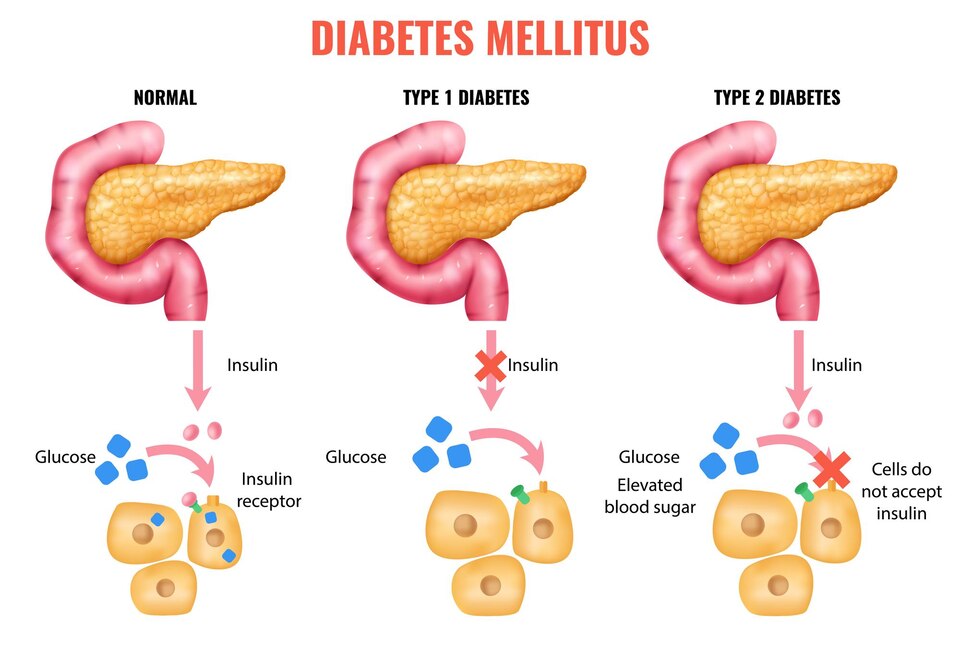
Diabetes is a chronic metabolic disorder in which the body’s blood sugar levels become too high due to a lack of insulin or impaired use of insulin. Insulin is a hormone that helps the body process sugar, and a lack of insulin or impaired use of insulin can lead to high blood sugar levels (hyperglycemia). If left untreated, diabetes can cause long-term complications, including organ damage, nerve damage, and stroke.
How Can Stress and Mental Health Lead to Diabetes?
Stress is one of the primary factors that can lead to the onset of diabetes. New age habits also contribute to chronic illnesses like diabetes, blood pressure, etc. And stress also has become a part of modern-day living.
The body responds to stress by releasing hormones such as cortisol, which can increase blood sugar levels. People with an already weakened immune system are more likely to experience increased stress hormones, resulting in higher glucose levels in the bloodstream over time. Mental health problems can also be a factor in the development of diabetes.
The effects of stress on diabetes are both physical and psychological. Stress can directly impact glucose levels and insulin resistance and increase the risk of developing diabetes. People living with diabetes can experience an increased risk of complications if their stress levels remain too high for extended periods.
Diabetes has been linked to stress long before the disease was even discovered. Stress can cause diabetes by leading the body to produce hormones such as cortisol and adrenaline, leading to elevated glucose levels in the bloodstream. When these hormones are produced for extended periods, it can cause the cells of the body to become resistant to insulin, a condition known as insulin resistance.
This can cause glucose levels to remain high, putting people living with diabetes at greater risk for developing dangerous and potentially fatal complications, including heart disease and stroke. The psychological effects of stress can also have a significant impact on diabetes. People under high stress levels may find it more difficult to manage their diabetes effectively.
Stress may make people forget to take medication or follow important dietary guidelines. Additionally, stress can affect the ability to make sound decisions and take necessary steps to prevent future complications. It is possible to reduce stress in several ways.
Regular exercise is a great way to reduce stress as it releases chemicals known as endorphins into the bloodstream, which can help reduce feelings of anxiety. Relaxation techniques such as yoga and meditation may also be beneficial in reducing stress levels.
Additionally, it may be helpful for people with diabetes to seek support from friends, family members or other healthcare professionals who can provide guidance and reassurance during difficult times.
Depression and anxiety can cause changes in appetite and metabolism, resulting in weight gain. This weight gain can lead to difficulty managing blood sugar levels since excess weight makes it harder for the body to use insulin efficiently. Additionally, depression and anxiety can lead to unhealthy lifestyle choices such as overeating or not exercising regularly, which further increases the risk of developing diabetes.
Treatments for Diabetes
Various treatments are available for people with diabetes, including lifestyle changes, medications, and insulin therapy. Lifestyle changes such as following a healthy diet and regular exercise routine can help manage blood sugar levels and reduce the risk of developing diabetes-related complications. A physician can also prescribe medications such as metformin and sulfonylureas to help manage blood sugar levels, while insulin therapy may be necessary if medications are ineffective.
Medicines like Sitamet 50/500 mg tablet/Empaone 25mg Tablet can help in the treatment of type-2 diabetes.
Living with diabetes
Living with diabetes is no easy feat, but with the right strategies and tools, managing your condition can be easier. One of the best ways to manage diabetes is through diet and exercise. Healthy foods and regular physical activity can help check your blood sugar levels. Your food choices should be low in fat and sugar, high in fibre and include foods from all the food groups. Look for ways to make healthy swaps – such as substituting whole-wheat bread for white bread – when possible.
Exercise is especially important for people with diabetes, as it helps your body utilize glucose for energy. Not only does exercise help manage weight, but it also decreases insulin resistance and helps improve your mood.
Another way to stay on top of your diabetes is to monitor your blood sugar levels closely. Regularly testing and tracking your blood sugar levels can help you identify trends in how food or activities affect your condition. Also, eating meals on time can bring significant benefits for anyone suffering from diabetes it can regulate blood sugar.
It’s also important to take all your medications as prescribed and remain proactive with any medical treatments prescribed by your doctor. If you have trouble taking pills or remembering to take them on time, talk to your doctor about other options, such as insulin injections or other medications that are taken in different ways, such as through inhalers or injections. Take time to learn about the side effects of any medications you are taking so you know what to expect.
In addition to managing your diabetes through diet and exercise, you can make a few other changes, such as quitting smoking and reducing alcohol intake, that may benefit your overall health. Smoking increases your risk of complications from diabetes, such as heart disease, stroke, eye damage, and even limb amputations.
Conclusion
At Medkart, we educate customers on diabetes and provide them with generic medicines based on their prescriptions. Our team of pharmacists across 100+ stores pan India constantly provides diabetes support and knowledge and helps live healthy life. The knowledgeable staff provides education on how to manage diabetes and how to live a healthier lifestyle effectively.
Follow the Medkart blog to learn more about managing diabetes and controlling the factors that affect it, including stress. You can purchase medications online from www.medkart.in/blog or download the iOS and Android applications.
As such, Medkart provides excellent educational resources for customers, making it easier for them to understand and manage their diabetes and purchase the necessary medications at an affordable cost.


 Symptoms of diabetes
 Summing up