
Prescription Required

Authentic Product

India's Leading Generic Pharmacy

Secure Payment

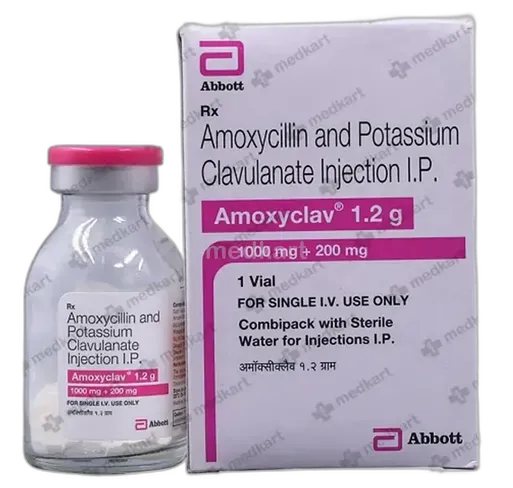
By ABBOTT HEALTH CARE PRIVATE LIMITED
MRP
₹
128.99
₹110
14.72 % OFF

Check Delivery
--

Content Reviewed By:
Dr. Manoj Shah
, (MBBS)
Written By:
Ms. Priyanka Shah
, (B.Pharm)
Like all medicines, AMOXYCLAV 1.2GM INJECTION 10 ML can cause side effects, although not everybody gets them. **Common Side Effects (may affect up to 1 in 10 people):** * Diarrhea * Nausea (feeling sick) * Vomiting * Skin rash **Uncommon Side Effects (may affect up to 1 in 100 people):** * Indigestion * Dizziness * Headache * Urticaria (hives) * Increase in some substances (enzymes) in the blood produced by the liver * Thrush (a yeast infection of the vagina, mouth or skin folds) **Rare Side Effects (may affect up to 1 in 1,000 people):** * Reversible leucopenia (decrease in the number of white blood cells) and thrombocytopenia (decrease in the number of platelets) * Erythema multiforme (red spots that look like small targets with rings around them) **Very Rare Side Effects (may affect up to 1 in 10,000 people):** * Allergic reactions (which can be serious, such as anaphylaxis) * Drug-induced aseptic meningitis * Convulsions (seizures) * Antibiotic-associated colitis * Black hairy tongue * Hepatitis (inflammation of the liver) * Cholestatic jaundice (a condition where bile is trapped in the liver) * Stevens-Johnson syndrome * Toxic epidermal necrolysis * Bullous exfoliative dermatitis * Crystalluria (presence of crystals in urine) **Other Possible Side Effects:** * Flu-like symptoms with a rash, fever, swollen glands, and increased levels of white blood cells (eosinophilia).

Gastrointestinal conditions
Use with cautionAmoxyclav injection can disturb normal gut flora and may cause diarrhea, which is usually mild and self‑limiting.
AMOXYCLAV 1.2GM INJECTION 10 ML is an antibiotic medication used to treat various bacterial infections.
It treats various bacterial infections including pneumonia, bronchitis, sinus infections, urinary tract infections, skin and soft tissue infections, and bone infections.
It is typically administered as an injection into a vein by a healthcare professional.
Common side effects may include nausea, vomiting, diarrhea, and reactions at the injection site.
It's important to consult a doctor before using AMOXYCLAV 1.2GM INJECTION 10 ML during pregnancy.
It's important to consult a doctor before using AMOXYCLAV 1.2GM INJECTION 10 ML during breastfeeding.
AMOXYCLAV 1.2GM INJECTION 10 ML can interact with certain medications, such as warfarin and probenecid. It's important to inform your doctor about all medications you are taking.
Store it at room temperature, away from heat and moisture.
Yes, AMOXYCLAV 1.2GM INJECTION 10 ML can cause allergic reactions in some people. Seek immediate medical attention if you experience symptoms of an allergic reaction such as rash, itching, swelling, or difficulty breathing.
AMOXYCLAV 1.2GM INJECTION 10 ML can be used in children, but the dosage will vary based on the child's weight and the severity of the infection.
It is not recommended to drink alcohol with AMOXYCLAV 1.2GM INJECTION 10 ML, as it may increase the risk of side effects such as nausea, vomiting, and dizziness.
The dosage will vary depending on the severity of the infection and your kidney function. Your doctor will determine the correct dosage for you.
If you miss a dose, take it as soon as possible. If it is almost time for your next dose, skip the missed dose and continue with your regular dosing schedule. Do not take a double dose.
Tell your doctor before taking AMOXYCLAV 1.2GM INJECTION 10 ML if you are allergic to penicillin or cephalosporin antibiotics. Also, tell your doctor if you have kidney disease, liver disease, or mononucleosis.
Yes, AMOXYCLAV 1.2GM INJECTION 10 ML can cause diarrhea. Tell your doctor if you experience severe diarrhea.
Amoxyclav injection is used to treat moderate to severe bacterial infections caused by susceptible organisms. These may include infections of the lower and upper respiratory tract (such as pneumonia and severe bronchitis), urinary tract, skin and soft tissues, bones and joints, intra‑abdominal and pelvic infections, and certain postoperative or hospital‑acquired infections. It is also sometimes used as peri‑operative prophylaxis in selected surgical procedures according to local guidelines. The decision to use this medicine is made by a doctor based on the type and severity of infection and local resistance patterns.
Amoxyclav injection contains two active components: amoxicillin and clavulanic acid. Amoxicillin is a beta‑lactam antibiotic that kills bacteria by inhibiting the synthesis of their cell wall, which is essential for bacterial survival. Some bacteria produce beta‑lactamase enzymes that can break down amoxicillin and make it ineffective. Clavulanic acid inhibits many of these beta‑lactamase enzymes, protecting amoxicillin from degradation and extending its spectrum of activity against beta‑lactamase–producing bacteria. Together, they provide broader and more reliable antibacterial coverage than amoxicillin alone.
Amoxyclav injection is administered only by healthcare professionals, usually in a hospital or clinical setting. It is given either as an intravenous injection, intravenous infusion, or intramuscular injection, depending on the specific product, clinical situation, and local protocols. The powder is reconstituted with an appropriate diluent before administration. The exact dose, frequency, and duration of treatment are determined by the doctor based on the patient’s age, body weight, kidney and liver function, type and severity of infection, and relevant treatment guidelines. Patients should not attempt to self‑inject or adjust their dose.
Common side effects of Amoxyclav injection include pain, redness, or swelling at the injection site, diarrhea, loose stools, nausea, vomiting, abdominal discomfort, and mild skin rash. Some patients may experience headache, dizziness, or mild increases in liver enzymes on blood tests. These effects are often mild and transient. However, if side effects are severe, persistent, or worsening, or if there are signs of an allergic reaction such as rash with itching, swelling of the face or throat, or difficulty breathing, medical attention should be sought immediately.
Yes, Amoxyclav injection can cause allergic reactions, particularly in individuals who are allergic to penicillins, cephalosporins, or other beta‑lactam antibiotics. Reactions may range from mild skin rashes and itching to severe, potentially life‑threatening anaphylaxis. Symptoms of a serious allergic reaction include sudden rash, hives, swelling of the lips, tongue, face, or throat, difficulty breathing, wheezing, and dizziness or fainting. If any of these occur, the injection should be stopped and emergency medical care must be sought immediately. Patients should always inform their doctor about any previous drug allergies before starting treatment.
Amoxyclav injection has been used during pregnancy when clearly needed, and available data do not suggest a high risk of major birth defects. However, as with all medicines, it should be used in pregnancy only if the potential benefit justifies any potential risk to the mother and fetus. The prescribing doctor will carefully assess the severity of the infection, alternative options, and the stage of pregnancy before recommending this medicine. Pregnant patients should not start or stop the injection on their own and should discuss any concerns with their obstetrician or treating physician.
Both amoxicillin and clavulanic acid pass into breast milk in small amounts. In most cases, they are considered compatible with breastfeeding, but there is a possibility of diarrhea, candidiasis (thrush), or rash in the breastfed infant. If Amoxyclav injection is required for the mother, the benefits of treatment are usually considered to outweigh the potential risks, especially for short courses. The infant should be monitored for gastrointestinal disturbances, rash, or signs of allergy. Any unusual symptoms in the baby should be reported to a pediatrician. The decision to continue breastfeeding while on therapy should be made in consultation with the treating doctor.
Yes, patients with impaired kidney or liver function may require dose adjustment or modified dosing intervals of Amoxyclav injection. In kidney impairment, accumulation of the drug can increase the risk of side effects, so the doctor will usually adjust the regimen based on kidney function tests. In liver disease, the medicine should be used with caution because it can occasionally cause liver‑related adverse effects such as cholestatic jaundice or hepatitis. Liver function tests may be monitored during treatment, especially with prolonged use. Patients should never change their dose on their own and must inform their doctor about any known kidney or liver problems before starting therapy.
Before and during treatment with Amoxyclav injection, inform your doctor about any history of allergy to penicillins, cephalosporins, or other medicines; any previous severe skin reactions to antibiotics; and any history of liver disease, kidney disease, or antibiotic‑associated colitis. Provide a complete list of all medicines, supplements, and herbal products you are taking, as some may interact with this antibiotic. Report symptoms such as persistent or severe diarrhea, abdominal cramps, yellowing of the skin or eyes, dark urine, unusual bruising or bleeding, or rash with blisters immediately. Do not skip doses or stop treatment early unless advised by your doctor, even if you feel better.
No, Amoxyclav injection is an antibiotic that is effective only against bacterial infections. It does not work against viruses that cause the common cold, influenza, or most cases of sore throat. Using antibiotics when they are not needed does not improve symptoms, may cause side effects, and contributes to the development of antibiotic resistance. The decision to use Amoxyclav injection should be based on a clinical assessment by a doctor, who may use examination findings and, when appropriate, laboratory tests to determine whether a bacterial infection is present.
Severe, persistent, or bloody diarrhea during or after treatment with Amoxyclav injection may indicate antibiotic‑associated colitis, including Clostridioides difficile–associated diarrhea, which can be serious. If you experience watery or bloody stools, abdominal cramps, or fever, you should contact your doctor immediately. Do not take anti‑diarrheal medicines on your own unless advised by a healthcare professional, as some can worsen the condition. Your doctor will assess the severity, may order tests, and decide whether to stop the antibiotic and start specific treatment for the colitis.
Amoxyclav 1.2GM Injection 10 ML is used for bacterial infections of the respiratory tract, ear, nose, throat, urinary tract, skin and soft tissue; part of H. pylori eradication regimens; and given only in combination with a penicillin such as amoxicillin, to overcome bacterial resistance caused by beta-lactamase enzymes. Amoxyclav 1.2GM Injection 10 ML contains Amoxicillin Trihydrate 1000 MG + Clavulanic Acid 200 MG. Always use Amoxyclav 1.2GM Injection 10 ML as advised by your doctor.
Amoxyclav 1.2GM Injection 10 ML contains Amoxicillin Trihydrate 1000 MG + Clavulanic Acid 200 MG. It is a aminopenicillin antibiotic; and beta-lactamase inhibitor.
Commonly reported side effects of Amoxyclav 1.2GM Injection 10 ML include diarrhoea, nausea, rash, vomiting; and diarrhoea (more than with amoxicillin alone), nausea, vomiting, rash. Not everyone gets side effects. Tell your doctor or pharmacist if any effect persists or worries you.
Amoxyclav 1.2GM Injection 10 ML is listed at Rs. 110 on Medkart. Prices can change — check the product page for the current price and pack size.
Not effective against viral infections such as colds and flu; and The clavulanate component is the main driver of diarrhoea in these combinations. Tell your doctor about all other medicines you take before starting Amoxyclav 1.2GM Injection 10 ML.
The dose of Amoxyclav 1.2GM Injection 10 ML depends on your condition, age, weight and other medicines you take, so it must be decided by your doctor. Follow the dose and duration on your prescription and do not change it on your own.
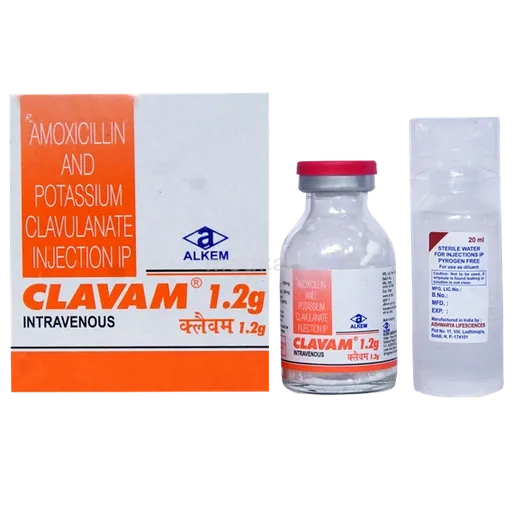
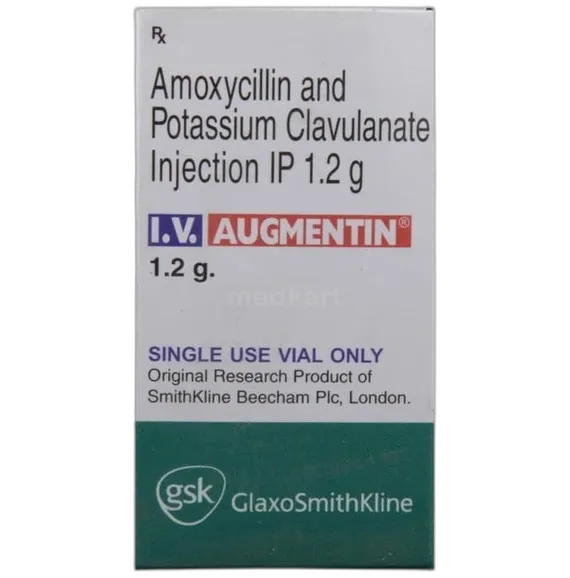
A generic medicine is one with the same active composition as the branded product — for Amoxyclav 1.2GM Injection 10 ML that is Amoxicillin Trihydrate 1000 MG + Clavulanic Acid 200 MG. Medkart lists generic options by composition so you can compare. Ask your doctor or pharmacist before switching from Amoxyclav 1.2GM Injection 10 ML.
Amoxyclav 1.2GM Injection 10 ML contains Amoxicillin Trihydrate 1000 MG + Clavulanic Acid 200 MG, a aminopenicillin antibiotic; and beta-lactamase inhibitor. It is used for bacterial infections of the respiratory tract, ear, nose, throat, urinary tract, skin and soft tissue.
Yes. Amoxyclav 1.2GM Injection 10 ML requires a valid doctor's prescription.
Amoxyclav 1.2GM Injection 10 ML is manufactured by Abbott Health Care Private Limited.
Amoxyclav 1.2GM Injection 10 ML is supplied as a injection and is taken by the parenteral route.
Amoxyclav 1.2GM Injection 10 ML contains Amoxicillin Trihydrate 1000 MG + Clavulanic Acid 200 MG. It is used for bacterial infections of the respiratory tract, ear, nose, throat, urinary tract, skin and soft tissue; part of H. pylori eradication regimens; and given only in combination with a penicillin such as amoxicillin, to overcome bacterial resistance caused by beta-lactamase enzymes. The benefit you get depends on the condition your doctor prescribed Amoxyclav 1.2GM Injection 10 ML for.
Whether Amoxyclav 1.2GM Injection 10 ML can be taken daily, and for how long, depends on your condition and must be decided by your doctor. Do not start, extend or repeat a course of Amoxyclav 1.2GM Injection 10 ML on your own.
The timing of Amoxyclav 1.2GM Injection 10 ML depends on the dose your doctor prescribes and on the other medicines you take. Follow the timing on your prescription or ask your pharmacist.
No. Amoxyclav 1.2GM Injection 10 ML is a prescription medicine and should only be taken on a doctor's advice.
Do not take Amoxyclav 1.2GM Injection 10 ML during pregnancy or while breastfeeding without asking your doctor. Safety depends on the medicine, the stage of pregnancy and your own health.
Check with your doctor before drinking alcohol while taking Amoxyclav 1.2GM Injection 10 ML. Alcohol can add to side effects such as drowsiness and can affect how some medicines work.
Amoxyclav 1.2GM Injection 10 ML is marked discontinued on Medkart and cannot be ordered. Speak to your doctor or pharmacist about alternatives with the same composition.


Best cooperation
Chirag Patel
•
Reviewed on 01-02-2024

(5/5)
Service and prize is good
Bhavin Shah
•
Reviewed on 13-04-2024
(5/5)
Very good place for medicine allmost all the medicine are available at discounted rate.
Sachin Dodhiwala
•
Reviewed on 10-03-2024
(5/5)
Best place best service best price u all should visit again and again We thank u for their setcices
Vijay Sharma
•
Reviewed on 12-12-2022
(5/5)
Can get the medicines here on pocket friendly rates !
Neha Pathak
•
Reviewed on 10-02-2024
(5/5)
ABBOTT HEALTH CARE PRIVATE LIMITED
Country of Origin -
India
MRP
₹
128.99
₹110
14.72 % OFF
Quick Links

Medkart's sole intention is to ensure that its consumers get information that is expert-reviewed, accurate and trustworthy. However, the information contained herein should NOT be used as a substitute for the advice of a qualified physician. The information provided here is for informational purposes only. This may not cover everything about particular health conditions, medicines, generic alternatives, all possible side effects, drug interactions, warnings, alerts, lab tests, etc. Please consult your doctor and discuss all your queries related to any disease or medicine. We intend to support, not replace, the doctor-patient relationship.
10 Lakh+
Happy customers
35000+
Pin-codes Covered
75 Lakh+
Orders Delivered

Authentic Products
All WHO-GMP Certified Medicines






©2025 Medkart Pharmacy. All Rights Reserved







 10's_1.webp)