
Prescription Required

Authentic Product

India's Leading Generic Pharmacy

Secure Payment

By OMEGA
MRP
₹
18.75
₹16
14.67 % OFF
₹1.6 Only /
Tablet
Check Delivery
--

Composition

Content Reviewed By:
Dr. Manoj Shah
, (MBBS)
Written By:
Ms. Priyanka Shah
, (B.Pharm)
Most side effects do not require any medical attention and disappear as your body adjusts to the medicine. Consult your doctor if they persist or if you’re worried about them.

Allergies
Contraindicated in known hypersensitivityRanitidine must not be used in individuals with a known allergy or hypersensitivity to ranitidine or other H2 receptor antagonists.
There is limited data available on whether RANITIDINE 150MG TABLET 10'S can be used for the long term or not, but it is a relatively safe medicine. You should take it for the duration advised by your doctor. Do not take over-the-counter RANITIDINE 150MG TABLET 10'S for longer than 2 weeks unless advised by your doctor.
RANITIDINE 150MG TABLET 10'S may be taken with or without food. It can be taken once daily before bedtime or twice daily in the morning and before bedtime, as recommended.
RANITIDINE 150MG TABLET 10'S would be effective only if used for the right indication in the dose and the duration as advised by the doctor. In case you do not find any change in your condition while taking this medicine, please talk to your doctor. Do not change the dose or stop taking the medicine without consulting your doctor.
Avoid taking aspirin and other painkillers used to treat arthritis, period pain, or headache. These medicines may irritate the stomach and make your condition worse. Contact your doctor who may suggest other medicines. Avoid coffee, tea, cocoa, and cola drinks because these contain ingredients that may irritate your stomach. Eat smaller, more frequent meals. Eat slowly and chew your food carefully. Try not to rush while having meals. You should stop or cut down on smoking.
Alcohol does not interfere with the working of RANITIDINE 150MG TABLET 10'S. But, you should avoid taking alcohol as it may further damage the stomach, delaying your recovery.
RANITIDINE 150MG TABLET 10'S starts working as fast as 15 minutes from when it is given. Its effect is seen to last all day or all night.
RANITIDINE 150MG TABLET 10'S and Omeprazole belong to different groups of medicines. While RANITIDINE 150MG TABLET 10'S belongs to histamine H2 antagonists group, Omeprazole belongs to proton pump inhibitors group. These medicines (RANITIDINE 150MG TABLET 10'S and Omeprazole) work by reducing the amount of acid made by the stomach, to give relief of symptoms and allow healing to take place.
Ranitidine tablets are acid-reducing medicines that have been used to treat and prevent conditions caused by excess stomach acid. These include heartburn, acid indigestion, gastroesophageal reflux disease (GERD), and peptic ulcers in the stomach and duodenum. They may also be used under specialist care for conditions with very high acid production, such as Zollinger–Ellison syndrome, and to help prevent ulcer recurrence in some patients. Because regulatory recommendations have changed in many countries due to safety concerns, you should check current local guidance and consult a healthcare professional before using ranitidine or considering alternatives.
Ranitidine works by blocking histamine H2 receptors located on the acid-producing cells of the stomach. Histamine normally stimulates these cells to release gastric acid. By blocking this signal, ranitidine reduces both the volume and acidity of stomach secretions. This decrease in acid helps relieve symptoms like burning pain and discomfort, allows inflamed tissue and ulcers to heal, and can reduce acid reflux into the esophagus. The effect is temporary and depends on continued use as directed by a healthcare professional.
Ranitidine is mainly eliminated by the kidneys, but it is also processed to some extent by the liver. Mild, reversible liver enzyme elevations have been reported in some patients. Rarely, more serious liver problems such as hepatitis or cholestatic jaundice have occurred. People with pre-existing liver disease should use ranitidine only under medical supervision, if it is still available and considered appropriate in their region. Any signs of liver trouble, such as yellowing of the skin or eyes, dark urine, severe fatigue, or persistent nausea, require prompt medical evaluation and discontinuation of the drug unless a doctor advises otherwise.
Ranitidine is largely removed from the body through the kidneys. In people with reduced kidney function, the medicine can accumulate, increasing the risk of side effects. For this reason, dose adjustments are usually recommended in patients with moderate to severe kidney impairment, and treatment should be supervised by a healthcare professional. If you have chronic kidney disease, are on dialysis, or have a history of kidney problems, you should not use ranitidine without medical advice. Your doctor may recommend a different medicine or a modified regimen based on your kidney function tests.
Ranitidine was previously used during pregnancy when the potential benefits were considered to outweigh possible risks, particularly for troublesome reflux or ulcer disease. Available human data did not show a clear increase in major birth defects, but controlled information is limited, and regulatory positions have changed due to impurity concerns. If you are pregnant or planning to become pregnant, you should not start or continue ranitidine on your own. Instead, consult your obstetrician or healthcare provider, who can assess your symptoms and recommend safer and better-studied alternatives for managing heartburn or acid-related problems during pregnancy.
Ranitidine passes into breast milk in small amounts. Earlier data suggested that the levels in breastfed infants were low and unlikely to cause harm, but comprehensive long-term safety information is limited. Because of concerns about impurities and changing regulatory guidance, many clinicians now prefer alternative medicines with more reassuring safety profiles in breastfeeding women. If you are nursing, do not take ranitidine without discussing it with your healthcare provider. They can help you weigh the potential benefits and risks and choose an appropriate treatment for acid-related symptoms while protecting your baby’s safety.
Ranitidine does not usually cause drowsiness or impair concentration in most people, so many patients can drive or operate machinery while taking it. However, some individuals may experience side effects such as dizziness, fatigue, or blurred vision. If you notice any of these symptoms after taking ranitidine, you should avoid driving, cycling, or using heavy machinery until you feel fully alert and stable. Always monitor how you personally react to the medicine, and consult your doctor if side effects interfere with daily activities or seem to worsen over time.
Alcohol itself can irritate the stomach lining and increase acid production, potentially worsening heartburn, gastritis, or ulcer symptoms. While there is no strong evidence that moderate alcohol intake directly interacts with ranitidine to cause dangerous reactions, drinking alcohol may reduce the benefit of acid-suppressing therapy and aggravate the underlying condition. Heavy alcohol use also increases the risk of liver disease and gastrointestinal bleeding. If you are being treated for an acid-related disorder, it is generally advisable to limit or avoid alcohol and to discuss your drinking habits with your healthcare provider.
Allergic reactions to ranitidine are uncommon but can be serious. Symptoms may include rash, itching, hives, swelling of the face, lips, tongue, or throat, difficulty breathing, or sudden dizziness. These signs require immediate medical attention and permanent discontinuation of the drug. Other possible side effects include headache, constipation or diarrhea, abdominal discomfort, nausea, and, rarely, changes in liver enzymes, blood counts, or heart rhythm. If you have a known allergy to ranitidine or other H2 blockers, you should not take this medicine. Always inform your doctor about any previous drug allergies before starting treatment.
In many regions, ranitidine products have been withdrawn, suspended, or heavily restricted because of contamination with N-nitrosodimethylamine (NDMA), an impurity classified as a probable human carcinogen. Testing showed that NDMA levels in some ranitidine batches could increase over time and with higher storage temperatures. As a precaution, regulatory agencies such as the FDA and EMA requested that manufacturers remove ranitidine from the market. Patients who previously relied on ranitidine are advised to speak with their healthcare providers about alternative acid-reducing medications and to follow current local guidance rather than using leftover or unregulated ranitidine products.
Long-term use of ranitidine for chronic heartburn or GERD was once common, but current practice has shifted due to safety concerns and the availability of other options. Prolonged acid suppression with any medicine should be regularly reviewed by a healthcare professional to ensure that benefits continue to outweigh risks and that more serious conditions are not being overlooked. If you have frequent or persistent heartburn, do not self-treat with ranitidine, especially if it is not recommended in your country. Instead, consult a doctor for proper evaluation, diagnosis, and selection of a suitable long-term management plan.
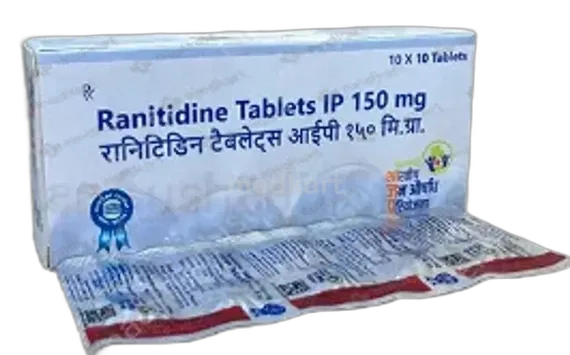
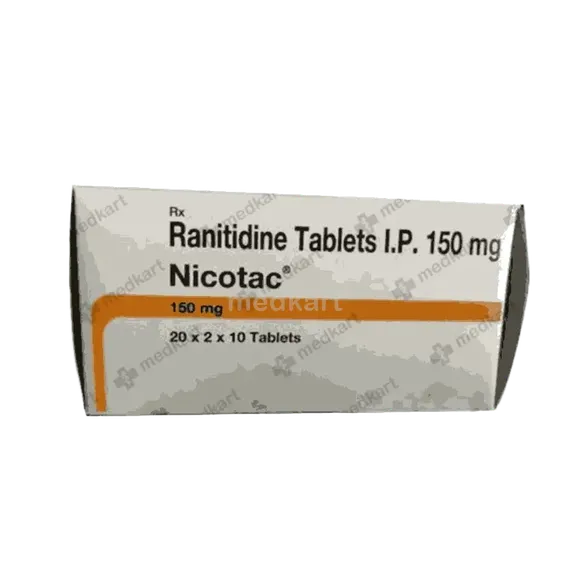
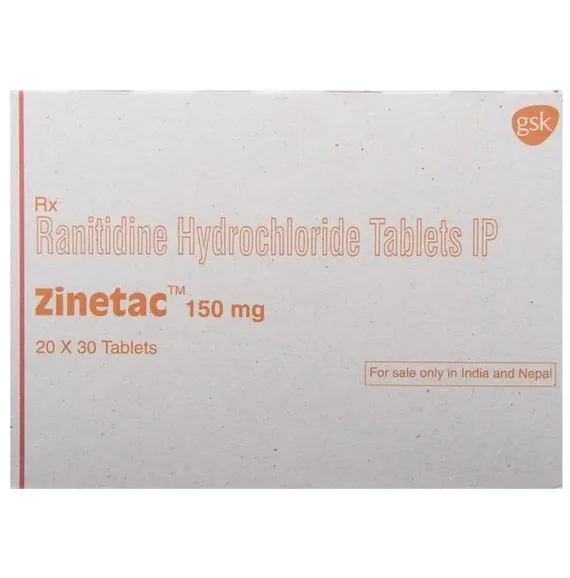
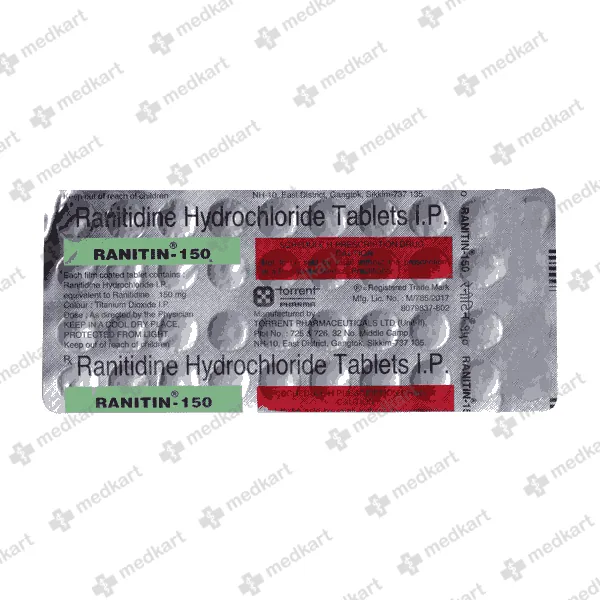
Ranitidine 150MG Tablet 10's contains Ranitidine 150 MG.
Ranitidine 150MG Tablet 10's is listed at Rs. 16 on Medkart. Prices can change — check the product page for the current price and pack size.
The dose of Ranitidine 150MG Tablet 10's depends on your condition, age, weight and other medicines you take, so it must be decided by your doctor. Follow the dose and duration on your prescription and do not change it on your own.
A generic medicine is one with the same active composition as the branded product — for Ranitidine 150MG Tablet 10's that is Ranitidine 150 MG. Medkart lists generic options by composition so you can compare. Ask your doctor or pharmacist before switching from Ranitidine 150MG Tablet 10's.
Yes. Ranitidine 150MG Tablet 10's requires a valid doctor's prescription.
Ranitidine 150MG Tablet 10's is manufactured by Omega.
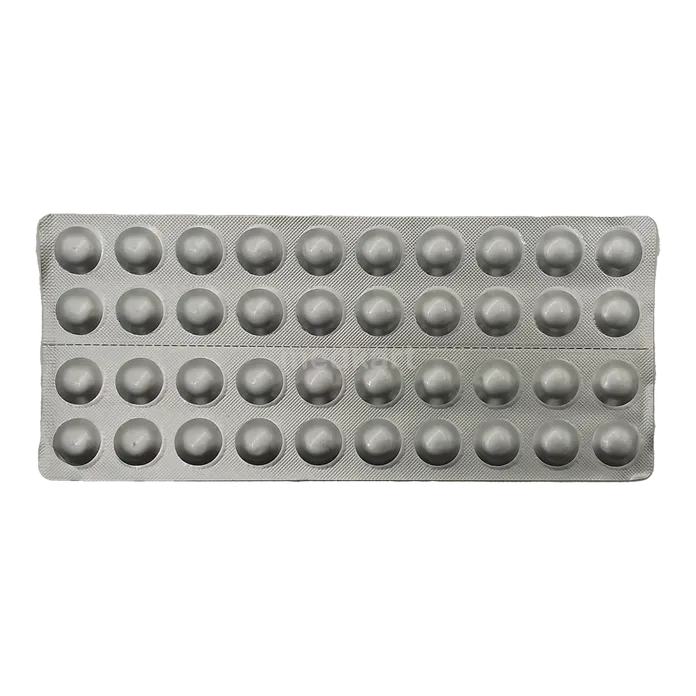
Ranitidine 150MG Tablet 10's is supplied as a tablet and is taken by the oral route.
Whether Ranitidine 150MG Tablet 10's can be taken daily, and for how long, depends on your condition and must be decided by your doctor. Do not start, extend or repeat a course of Ranitidine 150MG Tablet 10's on your own.
The timing of Ranitidine 150MG Tablet 10's depends on the dose your doctor prescribes and on the other medicines you take. Follow the timing on your prescription or ask your pharmacist.
No. Ranitidine 150MG Tablet 10's is a prescription medicine and should only be taken on a doctor's advice.
Store Ranitidine 150MG Tablet 10's in its original pack, below 25°C unless the pack states otherwise, away from direct sunlight and moisture, and out of the reach of children. Do not use it after the expiry date on the pack.
Ranitidine 150MG Tablet 10's is marked discontinued on Medkart and cannot be ordered. Speak to your doctor or pharmacist about alternatives with the same composition.


Good place to get your generic medicines.
shreyas potdar
•
Reviewed on 09-04-2024

(5/5)
Good service. Public relations are very good.
Pallav Bhatt
•
Reviewed on 22-11-2022
(5/5)
Best service ever.. I used to come down all the way from kerla to get medicines frm here
Mint Raj
•
Reviewed on 15-05-2023
(5/5)
Medicines available at good discounted rates and it really help the pockets of the customer...even they help in getting medicines when you order and give your number ..
Pashupati Nath Pandey
•
Reviewed on 03-02-2024
(5/5)
Good discount available on Generic medicines and supportive staff. Thank you.
ujjawal bhatt
•
Reviewed on 08-01-2024
(5/5)
OMEGA
Country of Origin -
India
MRP
₹
18.75
₹16
14.67 % OFF
Quick Links

Medkart's sole intention is to ensure that its consumers get information that is expert-reviewed, accurate and trustworthy. However, the information contained herein should NOT be used as a substitute for the advice of a qualified physician. The information provided here is for informational purposes only. This may not cover everything about particular health conditions, medicines, generic alternatives, all possible side effects, drug interactions, warnings, alerts, lab tests, etc. Please consult your doctor and discuss all your queries related to any disease or medicine. We intend to support, not replace, the doctor-patient relationship.
10 Lakh+
Happy customers
35000+
Pin-codes Covered
75 Lakh+
Orders Delivered

Authentic Products
All WHO-GMP Certified Medicines






©2025 Medkart Pharmacy. All Rights Reserved





 10's_1.webp)