
Prescription Required

Authentic Product

India's Leading Generic Pharmacy

Secure Payment

By SUN PHARMACEUTICAL INDUSTRIES LTD
MRP
₹
467.81
₹397.64
15 % OFF

Check Delivery
--

Composition

Content Reviewed By:
Dr. Manoj Shah
, (MBBS)
Written By:
Ms. Priyanka Shah
, (B.Pharm)
In most cases, side effects are temporary and resolve as your body adapts to the medication. However, if any side effects persist or cause concern, it is recommended to seek medical advice.

Pregnancy
Use with medical adviceLubricating eye drops like Soha Liquigel are expected to have low systemic absorption, and the risk to the developing fetus is likely to be low, but robust pregnancy-specific safety data may be limited.

BreastFeeding
Use with medical adviceSystemic exposure from Soha Liquigel eye drops is expected to be very low, so significant transfer into breast milk is unlikely, but specific lactation data may not be available.

Driving
CautionSoha Liquigel eye drops can cause temporary blurred vision or a filmy sensation immediately after application due to their thicker, gel-like consistency.

Alcohol
No direct interactionThere is no known direct interaction between Soha Liquigel eye drops and alcohol, as the drops act locally on the eye and systemic absorption is minimal.

Allergies
Contraindicated if allergicDo not use Soha Liquigel eye drops if you are known to be allergic to any of their ingredients, including the active lubricant or any preservative present in the formulation.
Yes, some patients may experience blurring of vision, but it is temporary and passes away quickly. It is recommended that after instilling the eye drops, blink your eyes several times to spread it over the eye surface.
Yes, SOHA LIQUIGEL EYE DROPS 10 ML can be used with contact lenses. However, your doctor will tell you whether you can use eye drops while wearing the contact lenses or you need to take out contact lenses and then instil the drops.
Continue using SOHA LIQUIGEL EYE DROPS 10 ML as long as your doctor has recommended. The time duration will depend on your eye condition. It can be used for an extended period of time, if required.
It is recommended to use SOHA LIQUIGEL EYE DROPS 10 ML 4 times a day or you can use it more than 4 times if your doctor has advised you, based on your eye condition.
SOHA LIQUIGEL EYE DROPS 10 ML is a naturally occurring substance in the body and is also present in the eye. SOHA LIQUIGEL EYE DROPS 10 ML eye drops are basically artificial tears which are required when there is a deficiency of hyaluronic acid in the eyes.
SOHA LIQUIGEL EYE DROPS 10 ML is used for the treatment of dry eye syndrome (keratoconjunctivitis sicca). In addition to treating dryness, it is also helpful in protecting eyes. It is also used to treat dryness of cornea caused by trauma to it or when the eyes cannot be closed due to nerve paralysis.
You should use SOHA LIQUIGEL EYE DROPS 10 ML exactly as directed by your doctor. Do not touch the tip of the container and avoid it coming in contact with eye or eyelid. After opening the eyelid, instil 1-2 drops in the eye with someone’s help. To prevent washout, try to avoid using any eye drop/eye ointment for 15 minutes at least.
Soha Liquigel Eye Drops are primarily used to relieve symptoms of dry eye, such as burning, stinging, grittiness, foreign-body sensation, and redness associated with insufficient tear production or increased tear evaporation. They act as a tear substitute, providing lubrication and moisture to the ocular surface. They may also be used to alleviate discomfort caused by environmental factors like wind, smoke, air conditioning, prolonged screen exposure, or after certain ophthalmic procedures, as advised by an eye specialist.
Soha Liquigel Eye Drops typically contain sodium hyaluronate, a viscoelastic polymer that binds water and forms a stable, lubricating film over the cornea and conjunctiva. This film helps stabilize the tear layer, reduces evaporation, and decreases friction between the eyelids and the eye surface during blinking. As a result, it improves ocular surface hydration, reduces irritation, and supports the natural healing of minor epithelial damage associated with dry eye.
Compatibility with contact lenses depends on the specific product labeling and excipients. Some sodium hyaluronate eye lubricants are suitable for use with contact lenses, while others are recommended only before insertion or after removal of lenses. Users should carefully read the package insert of Soha Liquigel Eye Drops and follow the manufacturer’s instructions. If the label is unclear, consult an eye care professional before using the drops with contact lenses.
The exact dosing frequency for Soha Liquigel Eye Drops should be determined by the prescribing doctor or according to the instructions on the product label. In general, artificial tears may be used several times a day as needed for symptom relief, but overuse without medical supervision is not advisable. Because individual severity of dry eye varies, patients should not exceed the recommended frequency and should seek medical advice if they feel the need to use the drops very frequently or if symptoms persist.
A transient blurring of vision may occur immediately after instillation of Soha Liquigel Eye Drops, especially because the formulation is more viscous than standard watery drops. This effect is usually short-lived and improves as the drop spreads evenly over the ocular surface. Patients should avoid driving or operating machinery until their vision becomes clear. If persistent or significant blurred vision continues after use, they should stop using the product and consult an eye specialist.
Soha Liquigel Eye Drops are generally well tolerated. Possible side effects include transient burning or stinging on instillation, mild redness, temporary blurred vision, or a sensation of stickiness. Rarely, hypersensitivity reactions such as persistent redness, swelling of the eyelids, itching, or increased irritation may occur. If any severe or prolonged symptoms develop, or if the eye becomes painful or vision changes significantly, the user should discontinue the drops and seek prompt medical evaluation.
Use of Soha Liquigel Eye Drops in children should be guided by a pediatric ophthalmologist or healthcare professional. While sodium hyaluronate-based lubricants are generally considered safe, data on routine use in very young children may be limited, and dosing frequency and duration should be individualized. Parents or caregivers should not start or continue eye drops in children without professional advice, especially if the child has eye pain, discharge, or visual complaints.
Sodium hyaluronate eye drops act locally on the ocular surface and have minimal systemic absorption, so they are generally considered to have a low risk during pregnancy. However, controlled data in pregnant women may be limited. Pregnant patients should inform their doctor about all medications they use, including eye drops, and should follow individualized medical advice before starting or continuing Soha Liquigel Eye Drops.
Soha Liquigel Eye Drops can often be used alongside other ophthalmic medications, but they should usually be instilled at a different time to avoid dilution or washout of other drops. Typically, medicated eye drops (such as those for glaucoma, allergy, or infection) are applied first, followed by lubricating drops after an appropriate interval, often at least 5–10 minutes, as advised by an eye care professional. Patients should ask their doctor or pharmacist for a clear schedule tailored to their treatment regimen.
Users should wash their hands before instilling Soha Liquigel Eye Drops and avoid touching the dropper tip to the eye, eyelids, or any surface to prevent contamination. The bottle should be tightly closed after each use and discarded after the recommended period following opening, as stated on the label. The solution should not be used if it becomes cloudy, changes color, or if the seal is broken. Individuals with known allergies to any component of the formulation should not use the product. Persistent or worsening symptoms require medical assessment.
Soha Liquigel eye drops are used to relieve symptoms of dry eyes, such as burning, stinging, grittiness, and irritation. They act as artificial tears, forming a lubricating film over the eye surface to keep it moist and comfortable. They may be recommended for dryness caused by prolonged screen time, environmental factors like wind or air conditioning, aging, certain medications, or underlying dry eye disease, as assessed by an eye specialist.
Soha Liquigel eye drops contain a lubricating polymer that mimics the natural tear film. When instilled into the eye, the solution spreads across the cornea and conjunctiva, forming a protective, moist layer. This reduces friction during blinking, stabilizes the tear film, and helps prevent rapid evaporation of tears. As a result, symptoms such as dryness, foreign-body sensation, and mild irritation are temporarily relieved.
Whether you can use Soha Liquigel eye drops with contact lenses depends on the specific product formulation and your eye specialist’s advice. Many thicker lubricating gels are intended for use without lenses in place. In such cases, you should remove your contact lenses before applying the drops and wait the recommended time before reinserting them. Always check the product label and follow your ophthalmologist or optometrist’s instructions regarding contact lens use.
Lubricating eye drops like Soha Liquigel are generally considered to have minimal systemic absorption, so the risk to pregnancy is expected to be low. However, safety data may be limited, and individual circumstances differ. Pregnant women should consult their ophthalmologist, obstetrician, or other healthcare provider before starting or continuing any eye medication, including lubricating drops, to ensure that use is appropriate for their specific situation.
Systemic absorption of lubricating eye drops is usually very low, and significant transfer into breast milk is unlikely. Nonetheless, formal data may be limited. If you are breastfeeding, discuss the use of Soha Liquigel eye drops with your doctor or eye specialist. They can weigh the benefits of symptom relief against any theoretical risks and advise you on proper technique, such as pressing on the inner corner of the eye after instillation to further reduce systemic absorption.
Because Soha Liquigel eye drops are thicker than standard artificial tears, they can cause temporary blurred vision immediately after application. You should not drive, cycle, or operate machinery until your vision becomes clear again. If blurring persists, or if you experience other visual disturbances, stop driving and seek medical advice. Always apply the drops at a time when you can safely wait for your vision to stabilize before engaging in tasks that require clear sight.
Soha Liquigel eye drops act locally on the surface of the eye, and systemic absorption is minimal. Therefore, they are not expected to have significant effects on the liver or kidneys. In most cases, people with liver or kidney impairment can use lubricating eye drops safely. However, if you have severe liver or kidney disease or are on multiple medications, it is still advisable to inform your doctor about all products you use, including eye drops, so they can provide individualized guidance.
If you are allergic to any component of Soha Liquigel eye drops, you should not use them. Symptoms of an allergic reaction may include redness, swelling of the eyelids, itching, increased irritation, or rash around the eyes. If you develop these symptoms after using the drops, stop using them immediately, rinse your eyes with clean water, and seek medical advice. People with a general history of allergies should review the ingredient list and consult their doctor or pharmacist before starting the product.
There is no direct interaction expected between topical lubricating eye drops like Soha Liquigel and alcohol consumption, because the drops act locally on the eye and have minimal systemic absorption. However, excessive alcohol intake can contribute to dehydration and may worsen dry eye symptoms in some individuals. Moderation in alcohol use is advisable, especially if you are prone to dry eyes or are being treated for dry eye disease.
Soha Liquigel eye drops are usually used as needed for symptom relief rather than on a strict dosing schedule. If your doctor has advised regular use and you forget a dose, apply it when you remember, unless it is almost time for the next application. Do not apply extra drops to make up for a missed dose. If you frequently forget or are unsure how often to use the drops, discuss a suitable regimen with your eye specialist.
Use of Soha Liquigel eye drops in children should be guided by a pediatrician or pediatric ophthalmologist. While lubricating drops are sometimes used in children with dry eye or eye surface irritation, the choice of product, frequency of use, and duration of treatment should be individualized. Parents or caregivers should not start any eye medication in a child without professional evaluation, especially if there is redness, pain, discharge, or vision complaints.
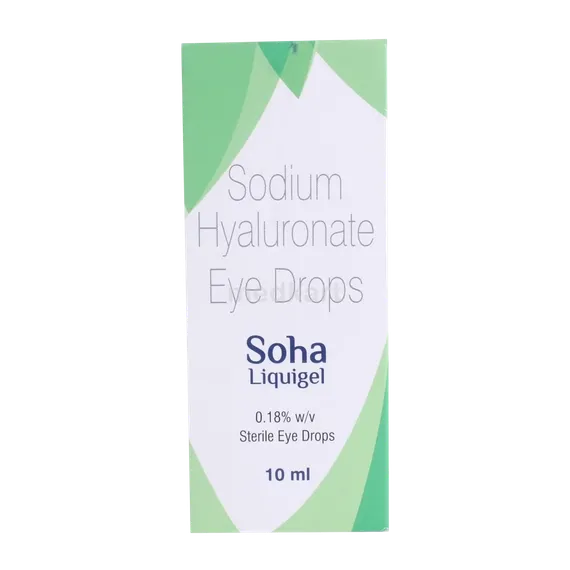
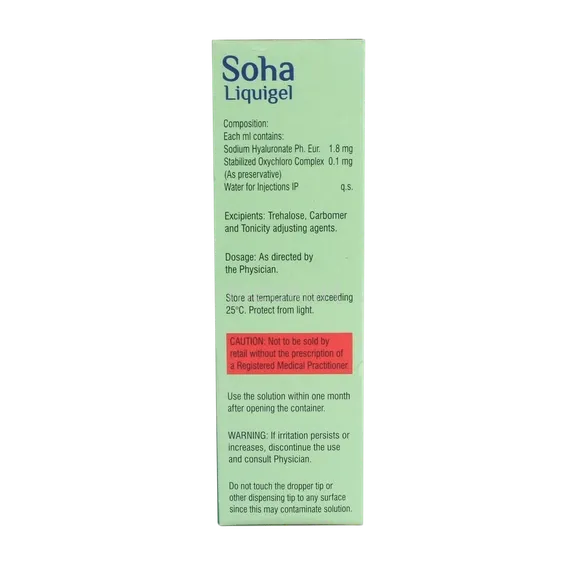
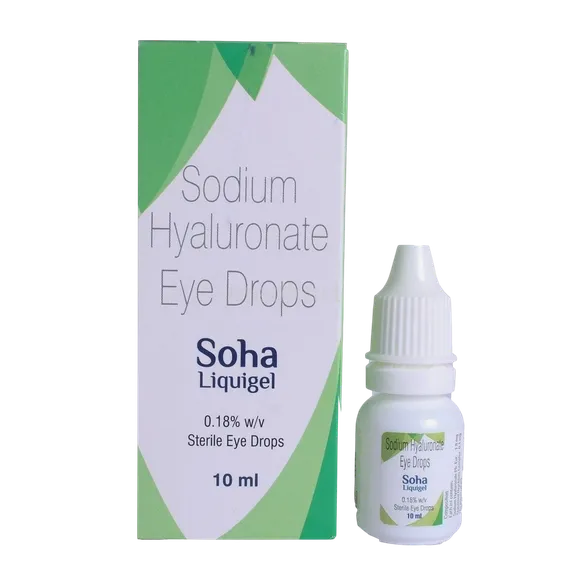
Soha Liquigel Eye Drops 10 ML contains Sodium Hyaluronate 0.18% W/v.
Soha Liquigel Eye Drops 10 ML is listed at Rs. 424.15 on Medkart. Prices can change — check the product page for the current price and pack size.
The dose of Soha Liquigel Eye Drops 10 ML depends on your condition, age, weight and other medicines you take, so it must be decided by your doctor. Follow the dose and duration on your prescription and do not change it on your own.
A generic medicine is one with the same active composition as the branded product — for Soha Liquigel Eye Drops 10 ML that is Sodium Hyaluronate 0.18% W/v. Medkart lists generic options by composition so you can compare. Ask your doctor or pharmacist before switching from Soha Liquigel Eye Drops 10 ML.
Yes. Soha Liquigel Eye Drops 10 ML requires a valid doctor's prescription.
Soha Liquigel Eye Drops 10 ML is manufactured by Sun Pharmaceutical Industries Ltd.
Soha Liquigel Eye Drops 10 ML is supplied as a gel and is taken by the topical route.
Whether Soha Liquigel Eye Drops 10 ML can be taken daily, and for how long, depends on your condition and must be decided by your doctor. Do not start, extend or repeat a course of Soha Liquigel Eye Drops 10 ML on your own.
The timing of Soha Liquigel Eye Drops 10 ML depends on the dose your doctor prescribes and on the other medicines you take. Follow the timing on your prescription or ask your pharmacist.
No. Soha Liquigel Eye Drops 10 ML is a prescription medicine and should only be taken on a doctor's advice.
Store Soha Liquigel Eye Drops 10 ML in its original pack, below 25°C unless the pack states otherwise, away from direct sunlight and moisture, and out of the reach of children. Do not use it after the expiry date on the pack.


वेरी गुड एक्सीलेंट
bhavtosh vyas
•
Reviewed on 31-01-2024

(5/5)
Best service ever.. I used to come down all the way from kerla to get medicines frm here
Mint Raj
•
Reviewed on 15-05-2023
(5/5)
Interactive and knowledgeable
Naval Kava
•
Reviewed on 01-04-2024
(5/5)
Got medicine which I was searching from yesterday thanks
Donisalya vines
•
Reviewed on 18-02-2024
(5/5)
Genuine handling person
Naresh Jangid
•
Reviewed on 30-03-2024
(5/5)
SUN PHARMACEUTICAL INDUSTRIES LTD
Country of Origin -
India
MRP
₹
467.81
₹397.64
15 % OFF
Quick Links

Medkart's sole intention is to ensure that its consumers get information that is expert-reviewed, accurate and trustworthy. However, the information contained herein should NOT be used as a substitute for the advice of a qualified physician. The information provided here is for informational purposes only. This may not cover everything about particular health conditions, medicines, generic alternatives, all possible side effects, drug interactions, warnings, alerts, lab tests, etc. Please consult your doctor and discuss all your queries related to any disease or medicine. We intend to support, not replace, the doctor-patient relationship.
10 Lakh+
Happy customers
35000+
Pin-codes Covered
75 Lakh+
Orders Delivered

Authentic Products
All WHO-GMP Certified Medicines





©2025 Medkart Pharmacy. All Rights Reserved






 10's_1.webp)