

Category: Health & Wellness

  • जेनिटल हर्पीस – कारण, हर्पिस के लक्षण, Genital Herpes in Hindi

    जेनिटल हर्पीस – कारण, हर्पिस के लक्षण, Genital Herpes in Hindi

    Genital Herpes in Hindi

    Genital Herpes in Hindi – जेनिटल हर्पीस एक व्यापक रूप से प्रचलित लेकिन अक्सर गलत समझा जाने वाला यौन संचारित संक्रमण (STI) है जो दुनिया भर में लाखों लोगों को प्रभावित करता है।. इसकी सामान्य घटना के बावजूद, यह एक ऐसा विषय बना हुआ है जो कलंक और गलत धारणाओं को वहन करता है। जेनिटल हर्पीस हर्पीज सिम्प्लेक्स वायरस (HIV) के कारण होता है, मुख्य रूप से एचएसवी-2 लेकिन कभी-कभी एचएसवी-1। यह वायरस जेनिटल हर्पीस और गुदा क्षेत्रों को संक्रमित करता है, जिससे विभिन्न लक्षण उत्पन्न होते हैं जो किसी व्यक्ति के जीवन को महत्वपूर्ण रूप से प्रभावित कर सकते हैं।

    जेनिटल हर्पीस के लक्षण – Genital Herpes Symptoms

    उचित चिकित्सा सहायता लेने, लक्षणों का प्रबंधन करने और संचरण के जोखिम को कम करने के लिए इस संक्रमण के सामान्य लक्षणों को समझना महत्वपूर्ण है। यहां जेनिटल हर्पीस के लक्षणों का व्यापक अवलोकन दिया गया है:

    • दर्दनाक घाव: सबसे पहचानने योग्य लक्षण जेनिटल हर्पीस या गुदा क्षेत्र में दर्दनाक घावों, छोटे लाल धक्कों, या तरल पदार्थ से भरे फफोले के समूहों की उपस्थिति है।
    • खुजली और जलन: कई व्यक्तियों को घाव विकसित होने से पहले खुजली, झुनझुनी या जलन का अनुभव होता है।
    • फ्लू जैसे लक्षण: शुरुआती प्रकोप के दौरान, कुछ लोग फ्लू जैसे लक्षणों से भी पीड़ित हो सकते हैं जैसे बुखार, सिरदर्द, मांसपेशियों में दर्द और सूजन लिम्फ नोड्स।
    • पेशाब करने में दर्द: घाव होने पर पेशाब करना दर्दनाक और असुविधाजनक हो सकता है।
    • योनि स्राव: प्रकोप के दौरान महिलाएं योनि स्राव में वृद्धि देख सकती हैं।
    • तंत्रिका दर्द: घाव ठीक हो जाने के बाद, कुछ व्यक्तियों को तंत्रिकाशूल का अनुभव हो सकता है, जो प्रभावित क्षेत्र में लगातार तंत्रिका दर्द है।
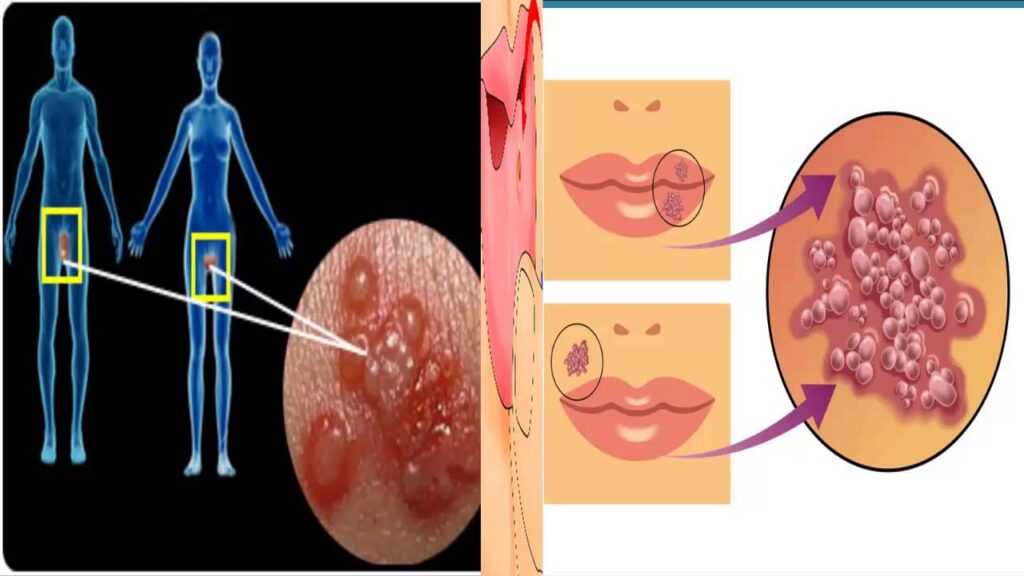
    genital herpes

    जेनिटल हर्पीस हरपीज उपचार – Genital Herpes Treatment

    जेनिटल हर्पीस का कोई इलाज नहीं है, लेकिन लक्षणों को प्रबंधित करने, प्रकोप की आवृत्ति और गंभीरता को कम करने और यौन साझेदारों में वायरस संचारित करने के जोखिम को कम करने के लिए प्रभावी जेनिटल हर्पीस उपचार विकल्प उपलब्ध हैं।

    मुख्य जेनिटल हर्पीस हरपीज उपचार का लक्ष्य जीवन की गुणवत्ता को बढ़ाना, असुविधा को कम करना और जिम्मेदार यौन स्वास्थ्य प्रथाओं को बढ़ावा देना है। यहां जेनिटल हर्पीस के उपचार के तरीकों पर एक व्यापक नज़र डाली गई है:

    • एपिसोडिक ट्रीटमेंट: एपिसोडिक उपचार में प्रकोप के पहले लक्षणों पर या जब लक्षण सबसे अधिक स्पष्ट होते हैं तो एंटीवायरल दवा लेना शामिल होता है। यह दृष्टिकोण प्रकोप की गंभीरता और अवधि को कम करने में मदद करता है, जिससे असुविधा और दर्द से राहत मिलती है।
    • सुप्प्रेसिव थेरेपी: दमनकारी चिकित्स में प्रतिदिन एंटीवायरल दवा लेना शामिल है, भले ही कोई लक्षण मौजूद न हो। यह सक्रिय दृष्टिकोण प्रकोप की आवृत्ति को कम करने में मदद करता है और वायरल शेडिंग और यौन साझेदारों तक संचरण के जोखिम को काफी कम कर देता है।
    • पैन मैनेजमेंट: एसिटामिनोफेन या इबुप्रोफेन जैसी ओवर-द-काउंटर दर्द निवारक दवाएं, जेनिटल हर्पीस के प्रकोप से जुड़े दर्द, बुखार और परेशानी को प्रबंधित करने में मदद कर सकती हैं।
    • टोपिकल क्रीम: लिडोकेन जैसे तत्वों से युक्त सामयिक क्रीम घावों और अल्सर के कारण होने वाली खुजली, जलन और दर्द से अस्थायी राहत प्रदान कर सकती है। ये क्रीम सीधे प्रभावित क्षेत्र पर लगाई जाती हैं।
    • हाइजीन और सेल्फ केयर: अच्छी स्वच्छता बनाए रखने और प्रभावित क्षेत्र को साफ और सूखा रखने से द्वितीयक संक्रमण को रोकने और उपचार को बढ़ावा देने में मदद मिल सकती है।
    • लाइफस्टाइल फैक्टर्स: उचित पोषण, तनाव प्रबंधन, नियमित व्यायाम और पर्याप्त नींद सहित एक स्वस्थ जीवन शैली, एक मजबूत प्रतिरक्षा प्रणाली में योगदान कर सकती है और संभावित रूप से प्रकोप की आवृत्ति को कम कर सकती है।

    जेनिटल हर्पीस दाद के उपचार को वैयक्तिकृत किया जाना चाहिए, जिसमें प्रकोप की आवृत्ति, लक्षणों की गंभीरता और व्यक्ति के समग्र स्वास्थ्य जैसे कारकों को ध्यान में रखा जाना चाहिए। जेनिटल हर्पीस के उपचार को जब जिम्मेदार यौन स्वास्थ्य प्रथाओं के साथ जोड़ा जाता है, तो यह व्यक्तियों को संक्रमण के प्रभाव को कम करते हुए पूर्ण जीवन जीने के लिए सशक्त बनाता है।

    > Consult a doctor and Order Medicine Online

    जेनिटल हर्पीस दवाई – Genital Herpes Medicine

    जेनिटल हर्पीस का कोई इलाज नहीं है, लेकिन लक्षणों को प्रबंधित करने, असुविधा को कम करने और यौन साझेदारों में वायरस के संचरण के जोखिम को कम करने के लिए कई दवाएं उपलब्ध हैं।

    एंटीवायरल दवाएं: एंटीवायरल दवाएं जेनिटल हर्पीस के उपचार का मुख्य आधार हैं। वे हर्पीस सिम्प्लेक्स वायरस की प्रतिकृति को रोककर काम करते हैं, जिससे प्रकोप को नियंत्रित किया जाता है और वायरल शेडिंग कम हो जाती है – वह प्रक्रिया जिसके माध्यम से वायरस दूसरों तक फैल सकता है। जेनिटल हर्पीस के लिए सबसे आम तौर पर निर्धारित एंटीवायरल दवाओं में शामिल हैं:

    एसाइक्लोविर: एसाइक्लोविर जेनिटल हर्पीस के इलाज के लिए सबसे पुरानी और सबसे व्यापक रूप से इस्तेमाल की जाने वाली एंटीवायरल दवाओं में से एक है। यह मौखिक गोलियों, सामयिक क्रीम और अंतःशिरा इंजेक्शन सहित विभिन्न रूपों में उपलब्ध है। एसाइक्लोविर प्रकोप की गंभीरता और अवधि को कम करने में मदद करता है।

    वैलेसीक्लोविर: वैलेसीक्लोविर एसाइक्लोविर का एक उत्पाद है, जिसका अर्थ है कि यह शरीर में एसाइक्लोविर में परिवर्तित हो जाता है। वैलेसीक्लोविर अपनी बेहतर जैवउपलब्धता और सुविधाजनक खुराक के लिए जाना जाता है। इसे अक्सर एपिसोडिक उपचार (व्यक्तिगत प्रकोप का इलाज) और दमनात्मक चिकित्सा (प्रकोप और संचरण जोखिम को कम करने के लिए दैनिक उपयोग) दोनों के लिए पसंद किया जाता है।

    फैम्सिक्लोविर: एसाइक्लोविर और वैलेसीक्लोविर के समान, फैम्सिक्लोविर जेनिटल हर्पीस के प्रकोप को प्रभावी ढंग से नियंत्रित करता है। इसका उपयोग एपिसोडिक और दमनकारी थेरेपी दोनों के लिए किया जा सकता है, जो उपचार के दृष्टिकोण में लचीलापन प्रदान करता है।

    निष्कर्ष:

    जेनिटल हर्पीस दाद एक प्रबंधनीय स्थिति है, जिसे सही उपचार और जिम्मेदार प्रथाओं के साथ एक स्वस्थ और पूर्ण जीवन में एकीकृत किया जा सकता है। इसके लक्षणों, उपचार के विकल्पों और जागरूकता और खुले संचार के महत्व को समझने से व्यक्तियों को आत्मविश्वास के साथ जेनिटल हर्पीस से निपटने और अपने यौन स्वास्थ्य के बारे में सूचित निर्णय लेने में सशक्त बनाया जा सकता है।

    Read: What are Generic Medicines?

    FAQs on Genital Herpes in Hindi

    Q1: जेनिटल हर्पीस क्या है?

    जेनिटल हर्पीस दाद एक यौन संचारित संक्रमण है जो हर्पीस सिम्प्लेक्स वायरस (एचएसवी), विशेष रूप से एचएसवी-1 या एचएसवी-2 के कारण होता है। यह मुख्य रूप से जेनिटल हर्पीस और गुदा क्षेत्रों को प्रभावित करता है, जिससे दर्दनाक घाव, छाले और अल्सर जैसे लक्षण होते हैं।

    Q2: जेनिटल हर्पीस कैसे फैलता है?

    जेनिटल हर्पीस दाद मुख्य रूप से संक्रमित साथी के साथ योनि, गुदा या मौखिक सेक्स सहित यौन संपर्क के माध्यम से फैलता है। कोई दृश्य लक्षण मौजूद न होने पर भी वायरस फैल सकता है, जिससे अनजाने में संक्रमण फैलना संभव हो जाता है। जेनिटल हर्पीस क्षेत्र में त्वचा से त्वचा का संपर्क, जिसमें आसपास की त्वचा और श्लेष्मा झिल्ली का संपर्क भी शामिल है, भी संचरण का कारण बन सकता है। कंडोम का उपयोग करना, सुरक्षित यौन संबंध बनाना और प्रकोप के दौरान यौन संपर्क से बचना संचरण के जोखिम को कम करने में मदद कर सकता है।

    Q3: क्या जेनिटल हर्पीस का कोई इलाज है?

    अभी तक, जेनिटल हर्पीस का कोई इलाज नहीं है। हालाँकि, लक्षणों को प्रबंधित करने और प्रकोप की आवृत्ति और गंभीरता को कम करने के लिए प्रभावी उपचार उपलब्ध हैं। एसाइक्लोविर, वैलेसीक्लोविर और फैम्सिक्लोविर जैसी एंटीवायरल दवाएं आमतौर पर प्रकोप को नियंत्रित करने, असुविधा को कम करने और यौन साझेदारों में वायरस प्रसारित करने के जोखिम को कम करने के लिए निर्धारित की जाती हैं।

    Related Links:

  • Best Chronic Pancreatitis Treatment: Ayurvedic, Home Chronic Pancreatitis Treatment

    Best Chronic Pancreatitis Treatment: Ayurvedic, Home Chronic Pancreatitis Treatment

    Chronic Pancreatitis image

    Chronic pancreatitis can make daily living very difficult. Life might be challenging because to the continual pain and food restrictions. Home remedies and Ayurvedic medicine provide a comprehensive strategy to treating this illness for anyone looking for alternatives to mainstream therapy. We will explore the top Ayurvedic and Homemade treatments for chronic pancreatitis in this extensive article, giving you helpful advice and insightful knowledge.

    What Is Chronic Pancreatitis?

    Long-term pancreatic inflammation that results in permanent damage is known as chronic pancreatitis. Chronic pancreatitis slowly reduces the pancreas’ capacity to function, in contrast to acute pancreatitis, which is a quick inflammation that is treatable. Diabetes and serious digestive problems can result from this illness. Recognizing the symptoms of chronic pancreatitis is vital for efficient handling and treatment.

    Reasons for Pancreatitis

    Effective treatment for chronic pancreatitis requires an understanding of its root cause. Consuming too much in drinking is one of the main causes. Long-term drinking can cause pancreatic tissue to become inflamed and scarred. Genetic predisposition is a crucial contributing factor. People may be more prone to pancreatitis if they have unique genetic variations. Moreover, autoimmune illnesses may also play a role, in which the pancreas is attacked by the body’s immune system. Patients can take preventative action to stop more problems by recognizing these reasons.

    Pancreatitis signs and symptoms

    For an early diagnosis and course of treatment, it is essential to identify the signs and symptoms of chronic pancreatitis. Persistent stomach pain that frequently radiates to the back is one of the common symptoms. This pain may be extreme and paralyzing. Additional signs and symptoms include nutritional malabsorption, which results in.

    Exploring Pancreatitis Treatments

    1. Conventional Medical Interventions

    Traditional treatment options for chronic pancreatitis concentrate on symptom management and damage control. Analgesics and nerve blocks are frequently used in pain management, which is an important component. Another popular treatment is pancreatic enzyme supplements, which patients take as part of enzyme replacement therapy to help with digestion. Surgical treatments may be required in extreme situations to empty tumors or remove damaged tissue. Even while these therapies have a high rate of success, they frequently have negative side effects and might not treat the root of the issue.

    2. Avoiding Pancreatitis Recurrence

    Changes in lifestyle and continued medical care are necessary to stop returning of chronic pancreatitis. Alcohol and smoking are discouraged for patients since they can make the illness worse. To ease the stress on the pancreas, a low-fat diet is advised. Blood sugar levels should be regularly monitored, especially for people who are at risk of developing diabetes. Patients can improve their quality of life and lessen the frequency of flare-ups by implementing these preventive actions.

    3. Pancreatitis Treatments with Ayurveda

    The traditional Indian medical system known as Ayurveda provides comprehensive care for chronic pancreatitis. The main goals of Ayurvedic medicine are to promote general health and balance the body’s energy. Ayurveda places a lot of value on herbal medicines. Herbal with anti-inflammatory qualities, such as Indian gooseberry, ginger, and turmeric, can help lessen pancreatic inflammation. Ayurvedic doctors also suggest making dietary adjustments, such as cutting back on spicy and fatty meals and increasing your intake of easily digested foods. In addition, Ayurvedic treatments frequently incorporate stress-reduction techniques like yoga and meditation because they might have harmful impacts on the pancreas.

    Integrating Home Remedies for Pancreatitis

    1. Home Remedies That Work

    For chronic pancreatitis, home remedies can be used in addition to traditional and Ayurvedic therapy. A useful treatment is to consume foods high in antioxidants. Nuts, spinach, and blueberries are a few foods that can lessen the pancreas’ oxidative stress. Ginger tea, which has anti-inflammatory and digestive benefits, is another natural treatment. By easing the strain on the pancreas, eating small, frequent meals rather than large ones additionally helps in the management of symptoms.

    2. The Value of Hydration

    For those who have chronic pancreatitis, keeping proper water intake is essential. Staying hydrated and keeping up healthy digestion are two benefits of drinking lots of water. Herbal teas with anti-inflammatory and digestive properties include peppermint and chamomile. It’s critical to stay away from sugary and caffeinated drinks as these can make symptoms better.

    3. Stress-Reduction Methods

    Stress may make chronic pancreatitis better. Your condition might be considerably improved by implementing stress management practices into your everyday routine. Stress reduction techniques like yoga, mindfulness meditation, and deep breathing exercises can be helpful. Frequent exercise, such as swimming or walking, can also improve general wellbeing and lessen the negative effects of stress on the body.

    Home Remedies for Pancreatitis image


    The Role of Diet in Managing Pancreatitis

    1. Anti-Inflammatory Food Plan

    When it comes to controlling chronic pancreatitis, an anti-inflammatory diet might be very important. Foods that support general health and minimize inflammation are part of this diet. Omega-3 fatty acid-rich foods like salmon and flaxseeds can aid in the decrease of inflammation. Berries, almonds, and leafy greens are other fantastic options. Because they may increase inflammation, processed foods, refined carbohydrates, and trans fats must be avoided.

    2. Reduced-Fat Diet

    A low-fat diet is suggested for those who struggle with chronic pancreatitis. Limiting back on fat consumption eases the pancreas’s strain. Choose lean proteins like fish and poultry, and make sure your diet includes healthy grains, fruits, and vegetables. Frying is not the best way to cook; baking, steaming, and grilling all better.

    3. Extra nutrients

    Supplements containing digestive enzymes can help with the breakdown of proteins, lipids, and carbs. These supplements can enhance nutrition digestion and help with symptoms such as the condition. To get the right protein supplement and dose for your condition, speak with a medical expert.

    Difference Between Generic and Non-Generic Medicine

    1. Understanding Generic Medicine

    Regarding dosage, safety, strength, quality, and intended usage, generic medications are similarly to name-brand medications. Compared to their name-brand alternatives, they are frequently more economical. Generic medications may be a more affordable option for treating the symptoms of chronic pancreatitis. It is crucial to speak with a medical expert to be sure generic medications are suitable for your condition.

    2. Advantages of Non-Generic Medicine

    Pharmaceutical companies are the ones who produce and market non-generic medications, usually referred to as brand-name drugs. To guarantee their safety and effectiveness, these medications are put through a comprehensive testing and research process. Because they are familiar with to or believe they work better than generic medications, some patients might prefer them. It is important to weigh the benefits and drawbacks of both generic and non-generic choices and select the one that best suits your needs.

    3. Choosing Professionally

    Think about things like price, connectivity, and personal choice when choosing between generic and non-generic medications. You can make an informed decision based on your unique condition and treatment objectives by speaking with a healthcare expert. Though individual requirements and situations may differ, both methods can be useful in managing chronic pancreatitis.

    Conclusion

    Because chronic pancreatitis is a challenging illnesses, treatment must take a multimodal strategy. People can control their illness improve their quality of life by learning the causes and symptoms, looking into traditional and Ayurvedic treatments, and utilizing successful home remedies. An anti-inflammatory, low-fat diet can greatly lessen symptoms of chronic pancreatitis. Diet is a key factor in managing the condition. It essential to make well-informed selections based on your requirements and situation while selecting medications, whether generic or non-generic.

    Consulting with medical professionals and experts in Ayurveda can offer informative advice and support to anyone looking for personalized guidance. People with chronic pancreatitis can improve their health and well-being by being proactive and investigating natural treatment options.

    Make an appointment for a consultation with a licensed Ayurvedic specialist if you’d like additional information about Ayurvedic therapies for chronic pancreatitis. Their knowledge can assist you in creating a personalized therapy that takes into account your particular requirements and enhances general health. Explore the advantages of holistic treatment for chronic pancreatitis and take control of your health right now.

    FAQs on Pancreatitis Treatment

    1. Which diet is ideal for people with chronic pancreatitis?

    It is important to follow a diet that promotes pancreatic health. Pay attention to foods that are low in fat and easily digested. Make sure to include lots of nutritious grains, fruits, veggies, and lean proteins. Steer clear of deep fried greasy, and industrially produced foods. Having more frequent, smaller meals can also aid with symptom management.

    2. Can traditional medical care be replaced by Ayurvedic medicine?

    While they can supplement traditional care, ayurvedic treatments shouldn’t take its place. Before beginning any new treatment, always get advice from your healthcare professional. Chronic pancreatitis can be managed holistically by combining medical treatments with Ayurvedic concepts.

    3. Are Ayurvedic treatments related to any side effects?

    When provided under the guidance of a licensed professional, ayurvedic treatments are usually safe. That being said, certain treatments and herbal extracts might have negative effects or interfere with medication. Before beginning any new treatment plan, always consult a healthcare provider.

  • Best Ayurvedic Panchakarma Treatment – What is Panchakarma Treatment Cost?

    Panchakarma Treatment is a comprehensive detoxification and rejuvenation therapy practised for thousands of years in India as part of the Ayurvedic system of medicine. A Sanskrit term Panchakarma translates to “Five Actions” or “Five Treatments.”

    Panchakarma treatment aims to restore balance in the body and mind by eliminating toxins, restoring the body’s natural healing mechanisms, and promoting overall health.

    In a world filled with stress, pollution, and unhealthy lifestyles, it’s crucial to find effective ways to detoxify and rejuvenate the body and mind. Panchakarma treatment, an ancient Ayurvedic therapy, offers a holistic approach to achieving this balance.

    Best Panchakarma Treatment

    The Five Actions of Panchakarma Treatment are as follows:

    • Vamana (Emesis): This involves inducing therapeutic vomiting to eliminate excess mucus and toxins from the upper respiratory and digestive tract.
    • Virechana (Purgation): A controlled purgative process that flushes out toxins from the intestines, promoting healthy digestion and metabolism.
    • Basti (Enema): Utilizes herbal preparations to cleanse and nourish the colon and rectum, helping to balance the Vata dosha.
    • Nasya (Nasal Administration): Administering medicated oils or herbal preparations into the nasal passages to clear and rejuvenate the head and neck region.
    • Raktamokshana (Bloodletting): Rarely used in modern practice, this treatment involves the controlled removal of small amounts of blood to purify it.

    Panchakarma Treatment

    Panchakarma Treatment Experience

    A typical Panchakarma treatment begins with a consultation with an Ayurvedic practitioner who assesses your constitution (Prakriti), imbalances (Vikriti), and health goals. Based on this examination, a personalised treatment plan is created.

    The Panchakarma treatment process is divided into three main stages:

    • Purva Karma (Preparatory Phase): This phase involves preparing the body for detoxification through therapies like oleation (external and internal application of oils) and sweating techniques.
    • Pradhana Karma (Main Phase): During this phase, the chosen Panchakarma treatments are administered under the guidance of trained therapists. The treatments vary based on individual needs and imbalances.
    • Paschat Karma (Post-treatment Phase): After the main treatments, a post-treatment plan is designed to support the body’s recovery and rejuvenation. This may include dietary guidelines, lifestyle recommendations, and herbal supplements.

    > Consult a Doctor and Medkart will help you Order Medicines Online

    Benefits of Panchakarma Treatment

    The main advantages of Ayurvedic panchakarma treatment are mentioned below:

    • Detoxification: Panchakarma eliminates accumulated toxins, purifying the body and improving overall health.
    • Stress Reduction: The calming and balancing effects of Panchakarma promote mental clarity and emotional well-being.
    • Improved Digestion: Panchakarma enhances digestion and metabolism by cleansing the digestive tract.
    • Enhanced Immunity: A strengthened immune system is a natural outcome of detoxification and rejuvenation.
    • Chronic Disease Management: Panchakarma can be effective in managing chronic conditions like arthritis, diabetes, and obesity.
    • Weight Management: It aids in healthy weight loss and maintenance.
    • Balanced Energy Levels: Panchakarma helps balance the doshas, leading to increased vitality and energy.

    Panchakarma Treatment

    Panchakarma Treatment Cost

    The cost of Panchakarma treatment in India can vary significantly depending on several factors. Generally, it ranges from INR 5,000 to INR 15,000 per day, with the entire treatment course typically spanning 7 to 21 days.

    Factors influencing the cost include the type of Panchakarma procedures, the location and reputation of the Ayurvedic centre, the duration of treatment, and whether accommodations and meals are included. It’s essential to consult with specific Ayurvedic centres or practitioners for accurate pricing information based on individual needs and preferences.

    Read: Panchakarma Treatment in Hindi

    Conclusion:

    Panchakarma is not just a physical detoxification process but a holistic journey toward balance and harmony in both the body and mind. It offers profound healing and rejuvenation, making it a valuable therapy in our modern, fast-paced world.

    However, it is essential to undergo Panchakarma under the guidance of a qualified Ayurvedic practitioner who can tailor the treatment to your unique constitution and health needs. If you seek a transformative experience that promotes long-term well-being, Panchakarma may be the ancient wisdom you’ve been searching for.

    Read: What are Generic Medicines?

    Advantages of Generic Medicines

    Generic medicines offer several advantages. Firstly, they are more affordable than their brand-name counterparts, making healthcare more accessible to a broader population. Secondly, they undergo rigorous testing to ensure safety and efficacy, providing a reliable alternative.

    Additionally, generic medications contribute to cost savings for healthcare systems and patients alike, reducing the overall burden of healthcare expenses. This affordability and reliability make generic medicines a valuable choice for many individuals in need of prescription drugs.

    FAQs on Panchakarma Treatment Cost

    Q1. What is panchakarma treatment?

    Panchakarma is an ancient Ayurvedic therapy that involves a series of five detoxification and rejuvenation procedures. These procedures, which include vomiting, purgation, enemas, nasal administration, and bloodletting (rarely used), aim to cleanse the body of toxins, balance the doshas, and promote overall health and well-being.

    Q2. What is the duration of a typical Panchakarma treatment?

    The duration of Panchakarma varies based on individual needs but often lasts from 7 to 21 days. It can be longer for more intensive treatments or shorter for maintenance and rejuvenation.

    Q3. Is Panchakarma safe for everyone?

    Panchakarma is generally safe when administered by qualified Ayurvedic practitioners. However, it may not be suitable for pregnant women, very elderly individuals, or those with certain medical conditions. Consultation with an Ayurvedic expert is crucial to determine suitability.

    Q4. What can I expect after undergoing Panchakarma treatment?

    After Panchakarma, you can expect improved digestion, increased vitality, mental clarity, and a sense of well-being. It’s essential to follow post-treatment guidelines, including diet and lifestyle recommendations, to maintain these benefits and support long-term health.

    Related Links:

    Blog | Medkart Pharmacy - Generic Medicine Online

  • Treatment of Myositis: Antibiotics, Medication, Natural Home remedies

    Treatment of Myositis: Antibiotics, Medication, Natural Home remedies

    Myositis treatment refers to the medical interventions and therapies used to manage and alleviate the symptoms of myositis, a group of rare autoimmune diseases characterized by inflammation of the muscles.

    While there is no cure for myositis, treatment aims to reduce muscle inflammation, improve muscle strength, and enhance the overall quality of life for individuals affected by the condition.

    Myositis is a group of rare autoimmune diseases characterized by inflammation of the muscles, which can lead to muscle weakness and pain. While there is no cure for myositis, several treatment options are available to manage the condition and improve the quality of life for those affected.

    Myositis Treatment

    The viral myositis treatments are mentioned below:

    1. Medications

    The primary approach to treating myositis involves the use of medications to reduce inflammation, suppress the immune system, and manage symptoms. The specific medication regimen may vary depending on the type and severity of myositis. Some common medications used in myositis treatment include:

    • Corticosteroids: Prednisone or prednisolone is often the first-line treatment for myositis. These drugs help reduce inflammation and control symptoms. However, long-term use can lead to side effects, such as weight gain, bone thinning, and increased infection risk.
    • Immunosuppressants: In cases where corticosteroids alone are not sufficient, immunosuppressive drugs like methotrexate, azathioprine, or mycophenolate mofetil may be prescribed to dampen the immune system’s response.
    • Biologics: Some patients with myositis may benefit from biologic drugs like rituximab or tocilizumab, which target specific immune system components involved in inflammation.

    > Consult a doctor and Order Medicine Online

    2. Physical Therapy

    Physical therapy plays a crucial role in myositis treatment. A trained physical therapist can design a personalized exercise program to help maintain muscle strength and mobility.

    This can include gentle stretching exercises, aerobic activities, and resistance training. Physical therapy also helps improve posture and can alleviate pain associated with myositis.

    Therapy in Myositis

    3. Occupational Therapy

    Occupational therapy can assist individuals with myositis in adapting to daily activities and maintaining independence. It can recommend assistive devices and techniques to make tasks like dressing, cooking, and bathing easier. They also provide strategies to conserve energy and reduce fatigue.

    4. Lifestyle Changes

    Making certain lifestyle modifications can complement medical treatments for myositis:

    • Rest and pacing: Adequate rest and pacing of activities can help manage fatigue and prevent muscle overuse.
    • Diet and nutrition: A balanced diet can support overall health and potentially reduce inflammation. Some people with myositis may benefit from dietary modifications, such as avoiding trigger foods.
    • Stress management: Stress can exacerbate myositis symptoms. Techniques like relaxation exercises, meditation, and counselling can help manage stress.
    • Smoking cessation: Smoking can worsen myositis symptoms and reduce the effectiveness of treatment. Giving up smoking is a pivotal move in effectively handling the situation.

    5. Research and Emerging Treatments

    Ongoing research efforts are exploring new treatment options for myositis. Some promising areas of research include:

    • Targeted therapies: Researchers are investigating medications that target specific molecules involved in myositis, potentially offering more effective and safer treatment options.
    • Stem cell therapy: Some studies are exploring the use of stem cell transplantation to reset the immune system in severe cases of myositis.
    • Gene therapies: Genetic factors may play a role in myositis. Researchers are investigating gene therapies to modify or regulate the immune system’s response.

    Myositis Treatment

    Viral Myositis Treatment

    Viral myositis, caused by viral infections like the flu or Coxsackievirus, usually does not require specific antiviral medications. Instead, treatment focuses on managing symptoms. Rest, hydration, and over-the-counter pain relievers can help alleviate muscle pain and fever.

    In the event of extreme cases, hospitalization might become essential to provide essential supportive care. It’s important to consult a healthcare professional for an accurate diagnosis and tailored treatment plan, as viral myositis symptoms can mimic those of other conditions, and the specific approach may vary depending on the virus involved and the patient’s overall health.

    Conclusion:

    Myositis is a complex autoimmune condition that requires a multidimensional approach to treatment. While there is no cure, a combination of medications, physical therapy, lifestyle changes, and ongoing research efforts can help manage the disease and improve the quality of life for those affected.

    It is crucial for individuals with myositis to work closely with healthcare professionals to develop a tailored treatment plan that addresses their specific needs and goals. As research continues, the hope for more effective and targeted treatments for myositis remains strong.

    Read: What are Generic Medicines?

    Advantages of Generic Medicines

    Generic medicines offer several advantages. First, they are more affordable than brand-name counterparts, making healthcare more accessible and cost-effective for patients. Second, they are rigorously tested and regulated for safety and efficacy, ensuring that they provide the same therapeutic benefits as brand-name drugs.

    Additionally, the availability of generic versions encourages competition in the pharmaceutical market, driving down overall drug prices. This affordability and reliability make generic medicines a crucial option for many people, especially in managing chronic conditions and reducing healthcare costs.

    FAQs on Myositis Treatment

    Q1. What is myositis treatment?

    Myositis treatment involves the use of medications, such as corticosteroids and immunosuppressants, to reduce muscle inflammation and manage symptoms. Physical therapy plays a crucial role in maintaining muscle strength and mobility, while lifestyle adjustments like rest, stress management, and a balanced diet can complement medical therapy to improve the quality of life for individuals with myositis.

    Q2. Can antibiotics be used in myositis treatment?

    No, antibiotics are generally not used as a primary treatment for myositis. Myositis is an autoimmune disease involving inflammation of the muscles, and antibiotics are designed to treat bacterial infections. Treatment for myositis typically involves immunosuppressive medications, physical therapy, and other supportive measures to manage the condition and its symptoms.

    Q3. Is there a cure for myositis?

    Currently, there is no cure for myositis. However, various treatment options, including medications and physical therapy, can help manage the condition, reduce inflammation, and improve muscle strength and quality of life.

    Q4. Are there alternative treatments, like herbal remedies or acupuncture, for myositis?

    While some individuals with myositis may explore complementary therapies like herbal remedies or acupuncture to manage symptoms, these approaches are not proven to be effective as primary treatments. It’s crucial to consult with a healthcare professional for evidence-based myositis treatment options.

    Related Links:

  • Best Leprosy Treatment: Drugs, Medication, Guidelines and Regimen

    Best Leprosy Treatment: Drugs, Medication, Guidelines and Regimen

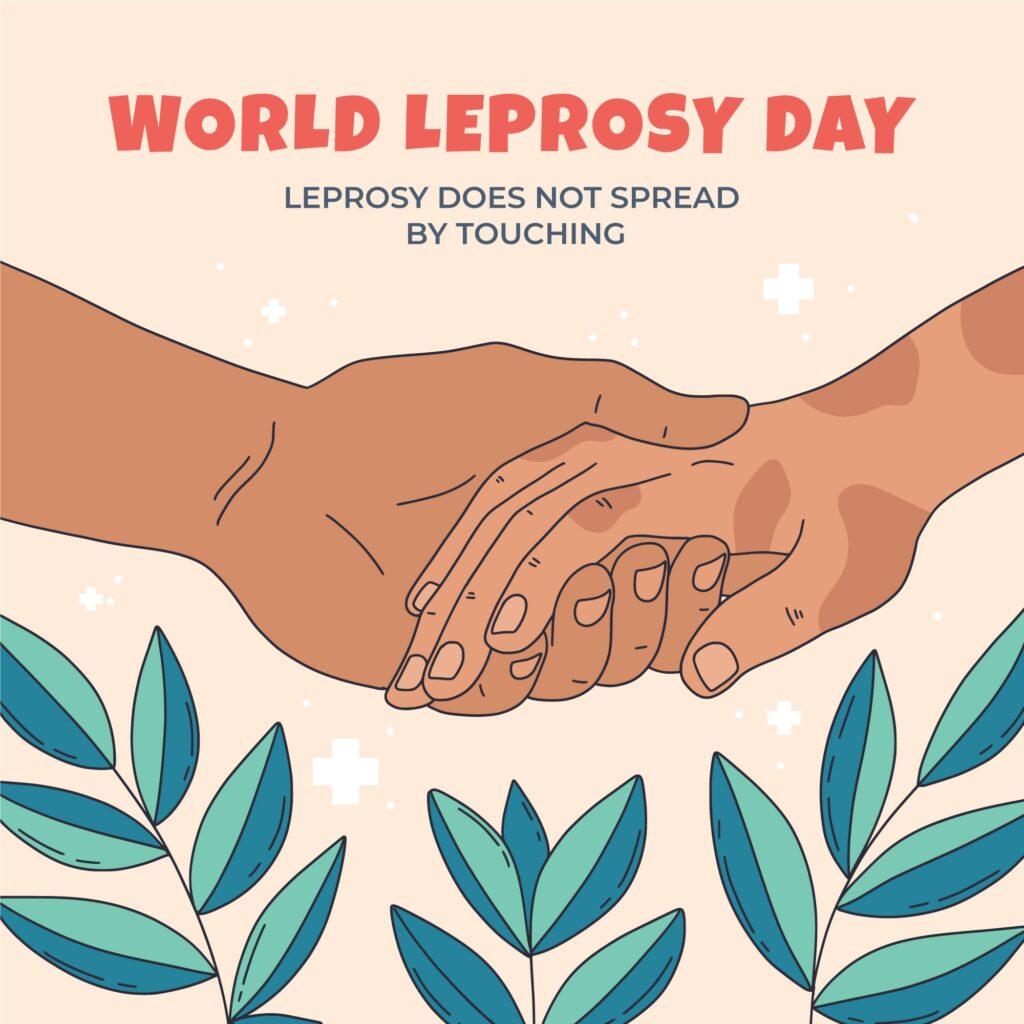
    Leprosy treatment involves the use of a combination of antibiotics to combat the bacterial infection caused by Mycobacterium leprae. The primary drugs used in leprosy treatment are dapsone, rifampicin, and clofazimine, administered in a regimen known as Multidrug Therapy (MDT). Leprosy, also known as Hansen’s disease, is one of the oldest and most stigmatized diseases in human history.

    Leprosy, an enduring infectious condition, is the consequence of an insidious invader known as Mycobacterium leprae, a cunning bacterium. It primarily affects the skin and nerves, leading to a wide range of symptoms, including skin lesions, numbness, and muscle weakness. If left untreated, leprosy can cause deformities and disabilities, which is why early diagnosis and treatment are crucial.

    Leprosy Treatment

    The primary therapy approach for leprosy is known as Multidrug Therapy (MDT), which is endorsed by the World Health Organization (WHO) as the most effective and widely used leprosy treatment regimen. Here’s an overview of leprosy treatment:

    Multidrug Therapy (MDT):

    MDT is the cornerstone of leprosy treatment. It involves the use of a combination of antibiotics to target and eliminate the M. leprae bacteria. The core components of leprosy treatment drugs are:

    • Dapsone (DDS): Dapsone is an antibacterial medication that inhibits the growth of M. leprae. It is usually taken in the form of oral tablets, typically once a day.
    • Rifampicin (RIF): Rifampicin is a potent antibiotic that kills M. leprae bacteria. It is administered once a month, often under direct observation by healthcare providers.
    • Clofazimine (CFZ): Clofazimine has both antibacterial and anti-inflammatory properties, helping control the symptoms of leprosy. It is taken once a month, usually in combination with rifampicin.

    Best Leprosy Treatment

    Leprosy Treatment Duration:

    The duration of MDT varies based on the type and severity of leprosy:

    • Paucibacillary (PB) Leprosy: For PB leprosy, which has a lower bacterial load, the standard MDT regimen lasts for six months and includes dapsone and rifampicin, without clofazimine.
    • Multibacillary (MB) Leprosy: MB leprosy, with a higher bacterial load, requires a longer treatment course. The standard MDT regimen for MB leprosy comprises 12 months of rifampicin, dapsone, and clofazimine.

    Nerve Damage Management:

    Leprosy can cause nerve damage, leading to loss of sensation and muscle weakness. Physiotherapy and rehabilitation programs help individuals regain function and prevent further disabilities.

    Surgery:

    In cases where leprosy has caused significant deformities, reconstructive surgery may be necessary. This can include procedures to correct clawed hands, foot drop, and facial deformities.

    Psychosocial Support:

    Leprosy not only affects the body but also the mental and emotional well-being of individuals. Psychosocial support is essential to help patients cope with the stigma and discrimination associated with the disease.

    Preventive Measures:

    Preventive measures, such as contact tracing and providing prophylactic remedies to close contacts of leprosy patients, are essential to halt the spread of the disease.

    Challenges and Stigma in Leprosy Treatment

    Despite significant progress in leprosy treatment, challenges remain. Stigma and discrimination against leprosy-affected individuals persist in many parts of the world. Addressing these social issues is just as crucial as providing medical treatment to combat the disease effectively.

    > Consult a doctor and Order Medicine Online

    Leprosy Treatment In Ayurveda

    Ayurveda, the traditional Indian system of medicine, it revolves around a holistic approach that aims to balance the body’s doshas (vata, pitta, and kapha). We employ herbal remedies, dietary modifications, and detoxification therapies to enhance immunity and eliminate toxins.

    Herbs like Neem, Manjistha, and Bakuchi are commonly used. Ayurvedic therapies like Panchakarma, which includes detoxifying treatments, play a crucial role in managing the condition. While Ayurveda can provide symptomatic relief and improve overall health, it is often used as a complementary therapy alongside modern medical treatment for leprosy to achieve comprehensive care.

    Leprosy

    Conclusion:

    Leprosy treatment has come a long way from the days of isolation and fear. Modern approaches, such as multidrug therapy, early diagnosis, and comprehensive care, have transformed the outlook for individuals affected by leprosy.

    While challenges and stigma persist, ongoing efforts to raise awareness, provide support, and improve access to treatment are essential to eradicate this ancient disease once and for all. With continued research, education, and compassion, we can move closer to a world free from the burden of leprosy.

    Read: What are Generic Medicines?

    Information about Generic Medicines

    Generic medicines are identical copies of brand-name drugs, containing the same active ingredients, dosage, safety, and efficacy. They offer a cost-effective alternative as they don’t involve the research and marketing expenses of brand-name drugs.

    Regulated by health authorities, generics must meet rigorous quality standards to ensure their safety and effectiveness. They have become an essential component of healthcare systems worldwide, making essential medications more affordable and accessible to patients while maintaining the same therapeutic benefits as their brand-name counterparts.

    FAQs on Leprosy Treatment

    Q1. What is leprosy treatment?

    Leprosy treatment involves a combination of antibiotics, primarily dapsone, rifampicin, and clofazimine, to cure the Mycobacterium leprae bacteria. The therapy duration varies based on the type and severity of leprosy, typically lasting six months for paucibacillary (PB) leprosy and 12 months for multibacillary (MB) leprosy. Regular monitoring, rehabilitation, and psychosocial support are essential components of leprosy remedy to prevent disability and address the associated stigma.

    Q2. What is the best leprosy treatment?

    The best leprosy medicine is Multidrug Therapy (MDT), a combination of antibiotics including dapsone, rifampicin, and clofazimine, recommended by the World Health Organization (WHO). MDT has proven highly effective in curing leprosy, preventing transmission, and minimizing complications when administered according to the prescribed regimen.

    Q3. Can leprosy be completely cured with treatment?

    Yes, early diagnosis and treatment with MDT can completely cure leprosy, preventing further progression of the disease and related complications.

    Related Links:

  • Best Laser Treatment for Eyes

    Best Laser Treatment for Eyes

    Laser Treatment for Eyes

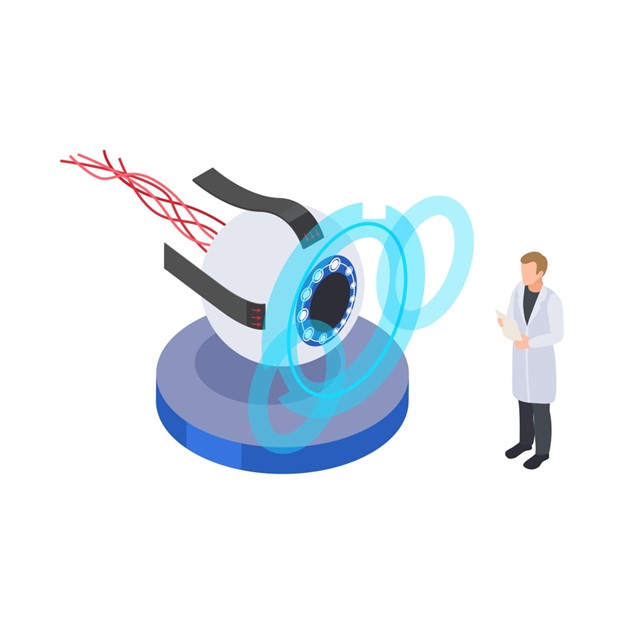
    Laser treatment for eyes also known as laser vision correction, is a medical procedure designed to improve a person’s vision by reshaping the cornea, the clear front surface of the eye. This reshaping is done using a highly focused laser beam, which corrects common vision problems such as nearsightedness (myopia), farsightedness (hyperopia), and astigmatism.

    There are two primary types of laser eye treatment: LASIK (Laser-Assisted In Situ Keratomileusis) and PRK (Photorefractive Keratectomy). Both procedures achieve the same goal but differ in their approach.

    Laser Treatment For Eyes

    The best treatments for Laser Eye Surgery are as follows:

    1. LASIK (Laser-Assisted In Situ Keratomileusis):

    LASIK is the most common and well-known laser eye treatment. It involves creating a thin flap on the cornea’s surface, lifting the flap, and using a laser to reshape the underlying corneal tissue. The flap is then repositioned, serving as a natural bandage, and typically heals without the need for stitches.

    2. PRK (Photorefractive Keratectomy):

    PRK is an alternative to LASIK and is suitable for individuals with thinner corneas or specific eye conditions. Instead of creating a corneal flap, PRK removes the corneal epithelium (outer layer) entirely before reshaping the cornea with a laser. The epithelium naturally regenerates over time.

    Laser Treatment For Eyes

    Benefits of Laser Eye Treatment

    The primary advantages of Laser Eye Treatment are mentioned below:

    • Improved Vision: The most obvious benefit of laser eye treatment is significantly improved vision. Many patients experience 20/20 vision or better after the procedure, reducing or eliminating the need for glasses or contact lenses.
    • Quick Recovery: Most people resume normal activities within 1–2 days after LASIK and about a week after PRK. After surgery, doctors often recommend eye drops to alleviate dryness and promote healing. Andre I Kul Eye Drops 10 ml may be prescribed to support recovery. Use as directed and avoid touching your eyes.
    • Long-Lasting Results: The effects of laser eye treatment are typically permanent, providing a lasting solution to vision problems.
    • Safety: Laser eye treatment is considered safe and highly effective when performed by experienced and qualified ophthalmologists.
    • Convenience: Freedom from glasses or contact lenses can enhance one’s quality of life, making activities like sports and travel more convenient.

    > Consult a doctor and Order Medicine Online

    Laser Treatment for Eyes – Considerations and Precautions

    While laser eye treatment offers numerous benefits, it’s essential to consider some important factors:

    • Eligibility: Not everyone is a suitable candidate for laser eye treatment. Factors such as age, corneal thickness, and eye health play a role in determining eligibility.
    • Potential Risks: As with any medical procedure, there are risks associated with laser eye treatment, including dry eyes, night vision issues, and glare sensitivity. Consultation with an eye specialist is crucial to understanding these risks.
    • Cost: Laser eye treatment is an investment in your vision. It’s crucial to take into account the expense and determine if it aligns with your financial plan.
    • Choosing a Surgeon: Selecting an experienced and reputable ophthalmologist or eye surgeon is critical to the success of the procedure. Research potential providers thoroughly and ask for recommendations.

    Laser eye surgery’s benefits include improved vision, quick recovery, and the potential for permanent results, making it a convenient alternative to traditional eyewear. However, potential candidates should carefully consider factors like eligibility, cost, and choosing a skilled surgeon. With the right precautions and professional guidance, laser eye surgery can provide a clearer, more liberated perspective on the world.

    Conclusion:

    Laser eye treatment has transformed the lives of countless individuals, offering a path to clearer vision and greater freedom from glasses and contact lenses. While it’s not a one-size-fits-all solution and requires careful consideration, the benefits of improved vision and enhanced quality of life are undeniable.

    If you’re tired of relying on corrective eyewear, consult with an eye specialist to determine whether laser eye treatment is the right choice for you. The world may soon become a much clearer and more vibrant place.

    Tip for long-term eye health: Beyond corrective procedures, maintaining healthy vision also depends on balanced nutrition. Supplements like Haem Up Syrup 200 ml, rich in iron and essential vitamins, can help support eye health and reduce the risk of nutritional deficiencies that may affect vision over time.

    Read: What are Generic Medicines?

    Difference Between Patent And Generic Medicine

    Patent medicine and generic medicine differ primarily in terms of brand exclusivity and cost. A patent medicine is the original, brand-name drug developed by a pharmaceutical company, protected by a patent for a certain period, usually around 20 years.

    During this time, only the patent holder can produce and sell the medication, often at a higher price. In contrast, generic medicines are copies of the patent-expired drug, typically more affordable, with the same active ingredients, quality, and effectiveness, though they may have different names and packaging.

    FAQs on Laser Treatment for Eyes

    Q1. What is laser treatment for the eyes?

    Laser treatment for the eyes is a medical procedure that uses a focused laser beam to reshape the cornea, which is the clear front surface of the eye. This reshaping corrects common vision problems like nearsightedness, farsightedness, and astigmatism, reducing or eliminating the need for glasses or contact lenses.

    Q2. What does laser treatment for eyes cost in India?

    The cost of laser treatment for eyes in India can vary widely depending on the type of procedure, location, and the specific clinic or hospital. On average, LASIK surgery can cost anywhere from INR 20,000 to INR 50,000 per eye, while PRK may range from INR 15,000 to INR 35,000 per eye. It’s essential to consult with eye care centres for accurate pricing details and potential additional charges for pre-operative and post-operative care.

    Q3. What is the laser treatment for eyes age limit?

    The age limit for laser treatment for eyes typically ranges from 18 to 45 years old. However, eligibility depends on individual factors such as eye health, stability of vision prescription, and overall health. Consultation with an eye specialist is essential to determine if the procedure is suitable for a specific person.

    Q4. Is laser eye treatment painful?

    No, laser eye treatment is typically not painful. Patients may experience minor discomfort or a burning sensation for a short time during the procedure, but it is usually well-tolerated with the use of numbing eye drops.

    Related Links:

  • Irritable Bowel Syndrome Treatment: IBS Treatment at Home

    Irritable Bowel Syndrome Treatment: IBS Treatment at Home

     irritable bowel syndrome treatmentIBS treatment typically involves a combination of lifestyle modifications, dietary changes, medications, and, in some cases, psychological interventions. The primary goals of IBS treatment are to alleviate symptoms, improve quality of life, and help individuals better manage their condition.
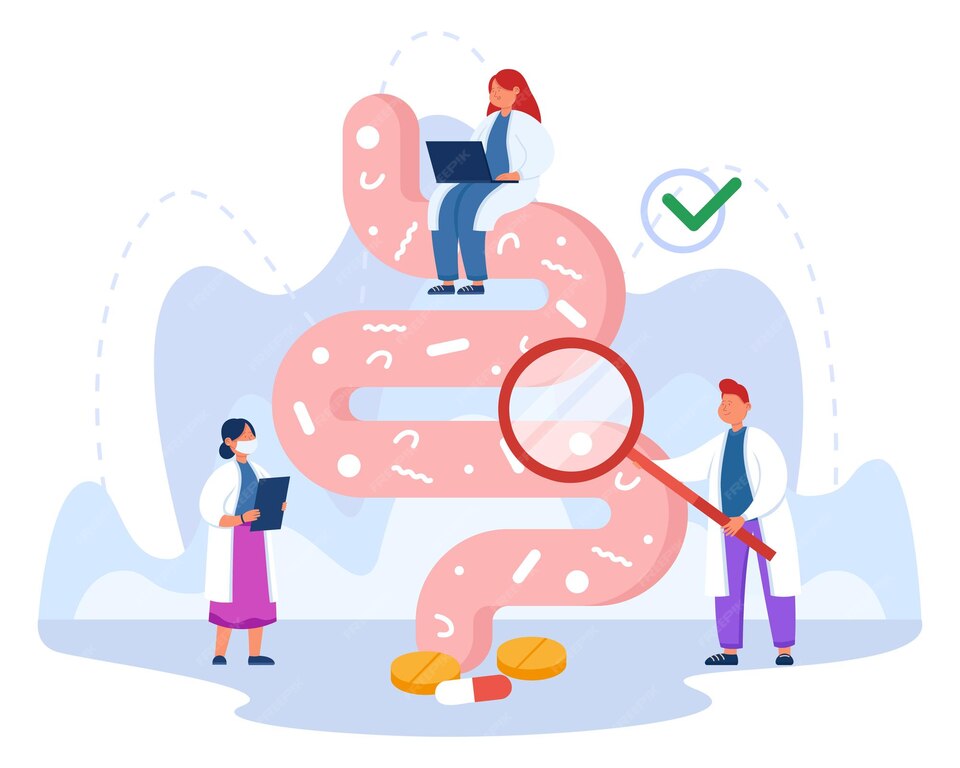
    Irritable Bowel Syndrome (IBS) is a common gastrointestinal disorder. It is characterized by a variety of symptoms, including abdominal pain, bloating, diarrhoea, and constipation. While IBS is a chronic condition with no known cure, several treatment strategies can help manage and alleviate its symptoms.

    IBS Treatment

    The Treatment for Irritable Bowel Syndrome is mentioned below with a deep explanation:

    1. Lifestyle Modifications

    One of the first steps in managing IBS is making lifestyle changes that can help reduce symptoms and improve overall quality of life. Here are some key lifestyle modifications to consider:

    1. Dietary Changes: Many individuals with IBS find relief by identifying and avoiding trigger foods. Typical suspects often involve dairy items, gluten-containing foods, caffeine, and artificial sweeteners. Keeping a food diary can help track which foods exacerbate symptoms.
    2. Fiber Intake: Adequate dietary fibre can help regulate bowel movements. However, it’s essential to choose soluble fibre sources like oats and psyllium rather than insoluble fibres, which may worsen symptoms.
    3. Stress Management: High levels of stress can exacerbate IBS symptoms. Relaxation techniques such as deep breathing, meditation, and yoga can help reduce stress and promote symptom relief.
    4. Regular Exercise: Physical activity can help improve digestive function and reduce IBS symptoms. Aim for at least 30 minutes of mild activity most days of the week.


    2. IBS Treatment Medicine

    In some cases, lifestyle modifications alone may not be sufficient to manage IBS symptoms. Doctors may prescribe medications to help alleviate specific symptoms. Common medications for IBS include:

    1. Antispasmodic Drugs: These medications help relax the muscles in the intestines, reducing abdominal pain and cramping.
    2. Anti-diarrheal Medications: For individuals with IBS-D (diarrhoea-predominant IBS), medications like loperamide can help control diarrhoea.
    3. Laxatives: Constipation-predominant IBS (IBS-C) may require the use of laxatives to promote regular bowel movements.
    4. Probiotics: Some individuals find relief from IBS symptoms by taking probiotic supplements, which can help balance the gut microbiome.

    > Consult a doctor and Order Medicine Online

    3. Cognitive Behavioral Therapy (CBT)

    CBT, or Cognitive-Behavioral Therapy, represents a therapeutic method centred on the transformation of both thought processes and behaviours. It is effective in treating IBS, particularly for those with a strong psychological component to their symptoms.

    CBT can help individuals better manage stress, anxiety, and the emotional impact of IBS, which, in turn, can lead to symptom improvement.

    4. Low FODMAP Diet

    FODMAPs, which stands for Fermentable Oligosaccharides, Disaccharides, Monosaccharides, and Polyols, represent a group of specific carbohydrates that have the potential to induce symptoms associated with Irritable Bowel Syndrome (IBS) in certain individuals.

    A low FODMAP diet involves temporarily eliminating high-FODMAP foods and then systematically reintroducing them to identify specific triggers. This approach is effective in managing IBS symptoms, but it should be done under the guidance of a registered dietitian.

    5. Alternative Therapies

    Some people with IBS explore alternative therapies such as acupuncture, herbal remedies, and hypnotherapy. While the effectiveness of these treatments can vary from person to person, some individuals report relief from their IBS symptoms with these approaches.


    irritable bowel syndrome medicineIBS Treatment at Home

    Managing Irritable Bowel Syndrome (IBS) at home involves several self-care strategies. Dietary adjustments, like avoiding trigger foods and increasing soluble fibre intake, can help alleviate symptoms. Stress reduction through relaxation techniques, exercise, and meditation plays a crucial role in IBS management. Over-the-counter medications like antispasmodics or laxatives can provide temporary relief.

    Probiotics and a food diary may aid in identifying problem foods. Maintaining a balanced lifestyle and seeking guidance from healthcare professionals ensure effective home-based IBS treatment. Always consult with a doctor for personalized advice and to rule out any underlying conditions.

    Conclusion:

    Irritable Bowel Syndrome is a complex and often frustrating condition, but it is manageable with the right treatment strategies. It’s important to work closely with a healthcare provider to create a personalized treatment plan tailored to your specific symptoms and needs.

    By making lifestyle modifications, considering medication options, exploring therapeutic approaches, and identifying trigger foods, individuals with IBS can significantly improve their quality of life and better manage their symptoms.

    Always consult with a healthcare professional before starting any new treatment for IBS to ensure it is safe and appropriate for your specific situation.

    Read: What are Generic Medicines?

    Difference Between Ethical And Generic Medicine

    The primary difference between ethical and generic medicines lies in their branding and pricing. Ethical medicines are brand-name drugs marketed by pharmaceutical companies. They are typically more expensive because they involve research, development, and marketing costs.

    In contrast, generic medicines contain the same active ingredients as their brand-name counterparts but are sold under their chemical names. Generics are more affordable as they don’t incur branding expenses.

    FAQs on IBS Treatment

    Q1. What is IBS treatment?

    IBS treatment involves a multifaceted approach that includes dietary modifications, lifestyle changes, and, if necessary, medications. It aims to alleviate symptoms such as abdominal pain, bloating, and irregular bowel movements, with a focus on individualized management tailored to the specific subtype of IBS. Psychological interventions like cognitive behavioural therapy may also be beneficial in addressing the emotional impact of the condition.

    Q2. Can I manage my IBS symptoms with diet alone?

    While dietary changes can be helpful, many individuals with IBS may require a combination of dietary modifications, medications, and lifestyle adjustments for effective symptom management.

    Q3. Is there a specific medication that works for all types of IBS?

    No, there isn’t a one-size-fits-all medication for IBS. Treatment varies depending on the predominant symptoms (constipation, diarrhoea, or mixed) and individual responses.

    Q4. Can stress reduction techniques like meditation help with IBS?

    Yes, stress management techniques like meditation, yoga, and deep breathing exercises can significantly improve IBS symptoms, as stress is known to exacerbate the condition.

    Related Links:

  • Best Treatment of HIV AIDS – Longest HIV Survivor without Treatment

    Best Treatment of HIV AIDS – Longest HIV Survivor without Treatment

    Best Treatment of HIV AIDS imageTreatment of AIDs – Medical interventions and therapies are used to manage and control HIV (Human Immunodeficiency Virus) infection and its progression to AIDS (Acquired Immunodeficiency Syndrome, in HIV AIDS treatment.
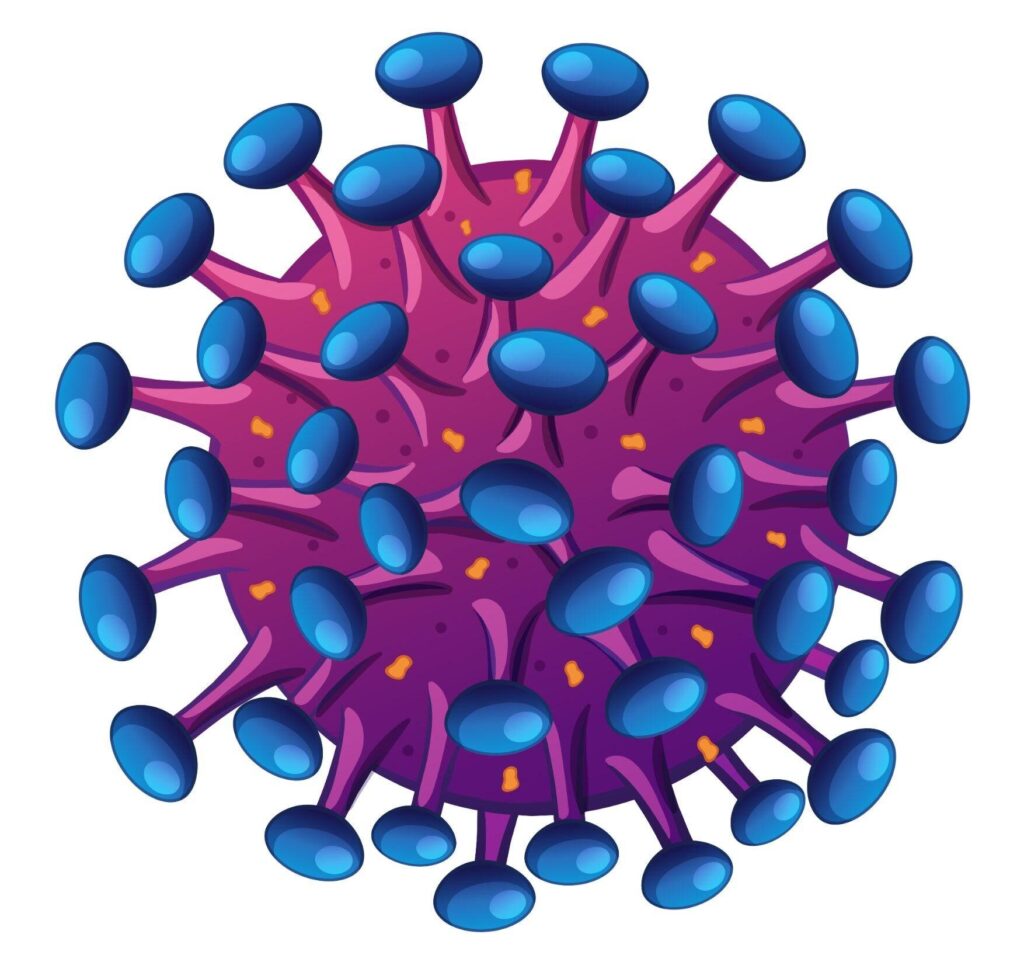

    HIV, a virus that specifically targets CD4 cells (T cells) crucial for the body’s ability to fight off infections, attacks the immune system. If left untreated, HIV can lead to a weakened immune system, making individuals more susceptible to opportunistic infections and certain cancers, defining the condition as AIDS.

    Treatment of AIDs

    Antiretroviral therapy, or ART, remains the cornerstone of HIV/AIDS treatment. This approach involves using a combination of different medications to suppress the virus, allowing individuals with HIV to lead longer and healthier lives. Over the years, ART has seen significant improvements in both effectiveness and tolerability.

    • Single-Pill Regimens: One of the most notable developments is the advent of single-pill regimens. Instead of taking multiple medications at different times, individuals can take a single pill daily, making adherence to the treatment regimen much more manageable.
    • Fewer Side Effects: Modern ART regimens are associated with fewer side effects than earlier versions, which often cause discomfort and reduce the quality of life for those living with HIV. Improved formulations have reduced the risk of adverse reactions, making treatment more tolerable.
    • Pre-Exposure Prophylaxis (PREP): In addition to treatment for HIV-positive individuals, there are now preventive measures available. PREP involves taking a daily pill to reduce the risk of contracting HIV, making it a vital tool in HIV prevention efforts.
    • Post-Exposure Prophylaxis (PEP): PEP is a short-term treatment option for individuals who have been exposed to HIV. When taken promptly after potential exposure, it can significantly reduce the risk of infection.

    Immune-Based Therapies

    While antiretroviral therapy effectively controls HIV replication, it does not cure the virus. Researchers have been exploring immune-based therapies to complement existing treatments and potentially lead to a functional cure or sustained remission.

    • Monoclonal Antibodies: Monoclonal antibodies have shown promise in suppressing HIV and enhancing the immune response. They can be used in conjunction with antiretroviral therapy to improve viral suppression.
    • Therapeutic Vaccines: Research into therapeutic vaccines aims to train the immune system to control the virus without needing ongoing medication. While this field is still in its infancy, it holds great potential for the future.

    HIV AIDS image

    Gene Therapy

    Another groundbreaking area of HIV/AIDS research is gene therapy. Scientists are investigating gene-editing techniques such as CRISPR-Cas9 to modify the DNA of cells in a way that makes them resistant to HIV infection. While this approach is still experimental and faces significant challenges, it represents a promising avenue for a potential cure.

    Read: HIV AIDS Treatment in Hindi

    Latest HIV Treatment

    The latest HIV treatments continue to build upon decades of research and innovation, offering hope for better outcomes and quality of life for individuals living with the virus. As of my last knowledge update in September 2021, here are some of the recent advancements in HIV treatment:

    • Long-Acting Medications: Researchers have developed long-acting antiretroviral drugs that can be administered through injections, allowing for less frequent dosing. This reduces the burden of daily pill regimens and improves treatment adherence.
    • Broadly Neutralizing Antibodies (bNAbs): bNAbs are a promising addition to HIV treatment. They can be infused periodically and have shown the potential to control the virus more effectively, even in cases of drug resistance.
    • Two-Drug Regimens: Simplified two-drug regimens are being explored as alternatives to the standard three-drug therapies. These regimens may offer similar viral suppression with potentially fewer side effects.
    • Personalized Medicine: Tailoring HIV treatment to an individual’s specific genetic and viral characteristics is becoming more common. This personalized approach enhances treatment effectiveness and minimizes side effects.
    • Gene Editing and Cure Research: Cutting-edge gene-editing techniques, such as CRISPR-Cas9, are being investigated for their potential to eradicate HIV from the body, offering the possibility of a functional cure.

    HIV AIDS Treatment

    It’s important to note that while these advancements are promising, HIV remains a complex virus, and a cure has not yet been achieved. Regular medical supervision and adherence to prescribed treatment plans remain crucial for individuals living with HIV. Additionally, it’s advisable to consult with a healthcare provider for the most up-to-date information on HIV treatment as new developments may have emerged since my last update.

    HIV After 5 Years Without Treatment

    Without treatment, HIV (Human Immunodeficiency Virus) can significantly weaken the immune system over five years. Typically, in this timeframe, HIV progresses through various stages, leading to a lower count of CD4 cells, vital for immune function.

    Without intervention, individuals may develop symptoms, such as frequent infections, weight loss, fatigue, and night sweats. Over time, HIV can advance to AIDS (Acquired Immunodeficiency Syndrome), making the person highly susceptible to life-threatening infections and cancers.

    Regular medical monitoring and antiretroviral treatment are crucial to slow or prevent this progression, maintaining better health and extending life expectancy for those with HIV.

    Consult a Doctor and Medkart will help you Order Medicines Online

    Conclusion

    The landscape of HIV/AIDS treatments has evolved significantly over the years, offering new hope and improved outcomes for individuals living with the virus. From more convenient antiretroviral therapies to innovative immune-based treatments and gene-editing approaches, the future of HIV/AIDS management looks promising.

    However, challenges remain, including ensuring equitable access to these treatments and continuing research efforts to find a cure. With continued dedication, collaboration, and investment in research and healthcare infrastructure, we can look forward to a future where HIV/AIDS is no longer a global pandemic but a manageable and ultimately eradicated disease.

    Do Generic Medicines work the same?

    Regulatory agencies require generic medicines to be bioequivalent to their brand-name counterparts, meaning they have the same active ingredients and meet the same quality and safety standards. As a result, they work the same way as brand-name drugs and are equally effective in treating medical conditions.

    The main difference is the cost, as generics are typically more affordable due to lower research and development expenses. Choosing generics can be a cost-effective way to access high-quality medications without compromising on efficacy.

    Read: What are Generic Medicines?

    FAQs on HIV AIDS Treatment

    Q1. What is HIV AIDS treatment?

    Treatments for HIV/AIDS are known as antiretroviral therapy (ART). It involves a combination of medications that suppress HIV, allowing individuals to lead healthier lives. It aims to reduce the viral load, boost the immune system, and prevent transmission. While it doesn’t cure HIV, effective treatment enables long-term viral control.

    Q2. What is the longest HIV survivor without treatment?

    Loreen Willenberg, who has been living with HIV for over 30 years without the need for antiretroviral therapy, is believed to be the longest-recorded HIV survivor without treatment.

    Q3. Can HIV/AIDS be cured with current treatments?

    No, current treatments cannot cure HIV/AIDS, but they can effectively control the virus, allowing individuals to lead healthy lives with suppressed viral loads.

    Q4. Are there any side effects associated with HIV/AIDS treatments?

    Yes, but modern regimens are designed to minimize side effects, some HIV/AIDS medications can have them. Regular monitoring and communication with healthcare providers help manage side effects effectively.

    Related Links:

  • Steps to Rid of Hiccups – Hiccups Treatment and Home Remedies

    Steps to Rid of Hiccups – Hiccups Treatment and Home Remedies

    Hiccups treatment encompasses a range of simple remedies aimed at disrupting the hiccup reflex. Common approaches include holding your breath, drinking cold water slowly, sipping a teaspoon of sugar, or applying pressure to certain points.

    Hiccups, those involuntary contractions of the diaphragm muscle followed by a sudden closure of the vocal cords, are not only annoying but can also be embarrassing when they strike at the wrong moment. While hiccups are usually harmless and tend to go away on their own, they can become persistent and bothersome.

    Hiccups Treatment

    The best treatments for hiccups are mentioned below:

    1. Hold Your Breath

    One of the oldest and most commonly used methods for hiccup relief is to hold your breath. Here’s how to do it:

    • Inhale deeply, embrace the air’s gentle embrace and maintain this tranquil breath within as long as your comfort allows.
    • Exhale slowly and repeat the process a few times if necessary.

    This method helps increase the carbon dioxide levels in your blood, which can interrupt the hiccup reflex.

    Hiccups Treatment

    2. Sip Cold Water

    Sipping cold water slowly is another effective way to stop hiccups. Here’s how it works:

    • Take small sips of ice-cold water.
    • The shock of cold can stimulate your vagus nerve and help put an end to those hiccups.

    3. Swallow a Teaspoon of Sugar

    Sugar might be the sweet solution to your hiccup troubles. Here’s what you need to do:

    • Take a teaspoon of granulated sugar and swallow it dry.
    • The grainy texture and the sudden change in taste can stimulate your throat and put an end to the hiccups.

    4. Try the Paper Towel Method

    The paper towel method is a lesser-known hiccup remedy but can be surprisingly effective. Follow these steps:

    • Take a single-ply paper towel and fold it up.
    • Place it on your tongue and let it soak up some saliva.
    • Swallow the paper towel slowly.

    This technique may stimulate your throat and help alleviate hiccups.

    5. Use the “Suprahyoid Breath Hold” Technique

    The Suprahyoid Breath Hold technique is a bit more complex but has been reported to be effective in stopping hiccups:

    • Inhale deeply.
    • Hold your breath and swallow twice.
    • While holding your breath, tilt your head back as if you were looking at the ceiling.
    • Swallow one more time.
    • Repeat this process as necessary until the hiccups stop.

    6. Breathe into a Paper Bag

    Breathing into a paper bag can help regulate your breathing and possibly put an end to hiccups:

    • Place a paper bag over your mouth and nose.
    • Inhale and exhale slowly and deeply into the bag for a few minutes.
    • The increased carbon dioxide levels from your exhalations can help alleviate hiccups.

    7. Acupressure

    Some individuals find relief from hiccups through acupressure. Apply gentle pressure to the area between your upper lip and nose, known as the “Philtrum.” Use your thumb or the rounded end of a spoon to apply the pressure.

    Hiccups Treatment

    Hiccups Treatment Medication

    Hiccups are generally short-lived and often resolve on their own. However, in cases of persistent or severe hiccups that disrupt daily life or are accompanied by underlying medical conditions, medical treatment may be necessary.

    Medications can be prescribed to alleviate chronic or severe hiccups. Here are some common medications used for hiccups treatment:

    • Chlorpromazine: This antipsychotic medication is known to have hiccup-suppressing properties. It affects the brain’s neurotransmitters and can help reduce the frequency and intensity of hiccups.
    • Metoclopramide: Often used to treat gastrointestinal disorders, metoclopramide can also be effective in stopping hiccups by affecting the digestive tract and the central nervous system.
    • Baclofen: This muscle relaxant may be prescribed to alleviate hiccups, particularly in cases where the diaphragm muscle is involved. It acts on the nervous system to reduce muscle spasms.
    • Gabapentin: Although primarily used to manage seizures and neuropathic pain, gabapentin is helpful in some cases of chronic hiccups. It works on the central nervous system to reduce nerve-related symptoms.
    • Haloperidol: Another antipsychotic medication, haloperidol, has been used to treat severe and persistent hiccups when other methods fail to provide relief.

    > Consult a doctor and Order Medicine Online

    Conclusion:

    Hiccups may be an annoyance, but there are several simple and effective hiccup treatments you can try before seeking medical attention. Most hiccups go away on their own, but if they persist for more than 48 hours or are accompanied by other concerning symptoms, it’s essential to consult a healthcare professional.

    In most cases, the hiccup remedies mentioned in this blog should provide you with relief and help you put an end to those pesky reflexes. Remember to stay calm, try these methods, and give them a chance to work before seeking further assistance.

    Read: What are Generic Medicines?

    Examples of Generic Medicines

    Generic medicines are cost-effective alternatives to brand-name drugs, containing the same active ingredients, safety, and efficacy. Examples include:

    1. Ibuprofen: A generic version of Advil, used for pain and inflammation.
    2. Metformin: A generic alternative for Glucophage, treating type 2 diabetes.
    3. Lisinopril: A generic counterpart of Prinivil, used to manage hypertension.
    4. Omeprazole: A generic form of Prilosec, used to reduce stomach acid.
    5. Simvastatin: A generic version of Zocor, prescribed for cholesterol control.
    6. Amoxicillin: A widely-used generic antibiotic, equivalent to Amoxil.
    7. Citalopram: A generic for Celexa, used in the treatment of depression and anxiety.

    FAQs on Hiccups Treatment

    Q1. What is Hiccups treatment?

    Hiccup treatment typically involves simple home remedies such as holding your breath, drinking cold water, or swallowing a teaspoon of sugar. If hiccups persist for an extended period or become severe, medical intervention may include medications like chlorpromazine or metoclopramide. In rare cases, a doctor may recommend further investigations or therapies for underlying causes of chronic hiccups.

    Q2. How to Get Rid of Hiccups?

    To get rid of hiccups, try holding your breath, sipping cold water slowly, or swallowing a teaspoon of sugar. These simple remedies can often interrupt the hiccup reflex. If hiccups persist for an extended period, consult a healthcare professional for further evaluation and treatment options.

    Q3. Can holding my breath stop hiccups?

    Yes, holding your breath can help stop hiccups by increasing carbon dioxide levels in your bloodstream, interrupting the hiccup reflex.

    Q4. Is it safe to use sugar as a hiccup remedy?

    Yes, swallowing a teaspoon of sugar can be a safe and effective home remedy for hiccups, as it stimulates the throat and may help stop the reflex.

    Related Links:

  • Gout Treatment: Home Remedies, Medication and Diagnosis, Treatment Gout

    Gout Treatment: Home Remedies, Medication and Diagnosis, Treatment Gout

    gout treatmentGout treatment lifestyle changes such as dietary adjustments to reduce purine intake, increased water consumption, weight management, and avoiding alcohol. Medications such as nonsteroidal anti-inflammatory drugs (NSAIDs), colchicine, corticosteroids, and uric acid-lowering drugs are prescribed to manage pain, inflammation, and uric acid levels.

    The choice of Gout Treatment depends on the severity of the condition and should be discussed with a healthcare provider. Gout, often referred to as the “disease of kings” or “rich man’s disease,” is a painful and potentially debilitating condition caused by the buildup of uric acid crystals in the joints.

    It commonly affects the big toe but can also affect other joints in the body. Gout occurs when uric acid, a waste product formed during the breakdown of purines (substances found in foods and naturally occurring in the body), accumulates in the blood. When uric acid levels become too high, crystals can form in joints, leading to inflammation, swelling, and excruciating pain.

    Gout Treatment

    The best treatments for Gout are as follows:

    1. Lifestyle Changes:

    • Diet: One of the primary causes of elevated uric acid levels is an unhealthy diet. Limiting purine-rich foods, such as red meat, organ meats, seafood, and alcohol, can help reduce the risk of gout attacks. Prioritize the importance of maintaining a well-rounded diet by incorporating a variety of fruits, vegetables, whole grains, and lean sources of protein into your daily meals.
    • Hydration: Staying well-hydrated can help flush excess uric acid out of your body. Strive to drink a minimum of 8 to 10 glasses of water every day.
    • Weight Management: Maintaining a healthy weight can decrease the risk of gout and improve its management. Weight loss can also reduce the severity and frequency of gout attacks.

    2. Medications:

    • Nonsteroidal Anti-Inflammatory Drugs (NSAIDs): NSAIDs like ibuprofen and naproxen can provide relief from pain and inflammation during gout attacks.
    • Colchicine: Colchicine is an anti-inflammatory medication used to prevent and treat gout attacks. It can be particularly effective when taken at the first sign of an attack.
    • Corticosteroids: In cases where NSAIDs or colchicine are ineffective, corticosteroids can be prescribed to reduce inflammation and pain.
    • Uric Acid-Lowering Medications: These drugs, such as allopurinol and febuxostat, are used to lower uric acid levels in the blood, preventing future gout attacks. They need to be taken consistently and monitored by a healthcare provider.

    > Consult a doctor and Order Medicine Online

    3. Holistic Approaches:

    • Cherry Juice: Some studies suggest that cherry juice may help reduce the frequency and severity of gout attacks due to its anti-inflammatory properties.
    • Dietary Supplements: Certain supplements, such as vitamin C and fish oil, may help lower uric acid levels and reduce the risk of gout attacks.
    • Herbal Remedies: Herbs like turmeric and ginger possess anti-inflammatory properties and can be incorporated into your diet or taken as supplements to help manage gout symptoms.
    • Lifestyle Modifications: Stress management techniques, regular exercise, and adequate sleep can all contribute to overall health and may help reduce the frequency of gout attacks.


    Gout Treatment Diet

    A crucial aspect of gout treatment is maintaining a gout-friendly diet. This means avoiding purine-rich foods like red meat, organ meats, seafood, and alcohol, which can elevate uric acid levels. Instead, focus on a diet rich in vegetables, whole grains, fruits, and lean proteins.

    Cherries and cherry juice may help reduce gout attacks due to their anti-inflammatory properties. Adequate hydration and weight management are also essential. Consult a healthcare professional or registered dietitian for personalized dietary recommendations to effectively manage gout symptoms and reduce the risk of painful flare-ups.

    diet for gout treatmentAyurvedic Treatment for Gout

    Ayurvedic treatment for gout focuses on balancing the body’s doshas (energies) to alleviate symptoms and prevent flare-ups. It typically includes dietary modifications, the use of herbal remedies like guggul, ashwagandha, and Triphala, as well as detoxification therapies such as Panchakarma.

    Ayurvedic Gout Treatment aims to reduce uric acid levels, control inflammation, and promote overall wellness. Ayurvedic practitioners also stress the importance of lifestyle changes, stress management, and maintaining a healthy weight.

    While Ayurveda can be a complementary approach to managing gout, it’s crucial to consult with a qualified Ayurvedic practitioner for personalized treatment plans and guidance.


    Conclusion:

    Gout can be a painful and disruptive condition, but with proper treatment and lifestyle modifications, it can be effectively managed. Remember that gout treatment should be personalized to your specific needs and monitored by a healthcare professional.

    By making dietary changes, staying hydrated, and taking medications as prescribed, you can reduce the frequency and severity of gout attacks, allowing you to live a more comfortable and active life.

    Additionally, holistic approaches can complement conventional treatment and contribute to your overall well-being. If you or someone you know is dealing with gout, consult a healthcare provider to develop a comprehensive treatment plan tailored to your needs.

    Read: What are Generic Medicines?

    How to find substitute Generic Medicine?

    To find substitute generic medicine, start by consulting your healthcare provider or pharmacist. They can recommend cost-effective generic alternatives with the same active ingredients as the brand-name medication.

    You can also check online resources and drug price comparison websites to identify generic options. Additionally, ask your healthcare provider if they can provide you with a prescription for a generic medication, which can often be more affordable than brand-name drugs.

    Always ensure that any generic medicine you consider is approved by regulatory agencies to guarantee safety and effectiveness.

    FAQs on Gout Treatment

    Q1. What is Gout treatment?

    Gout treatment typically involves lifestyle changes like diet modification to reduce purine intake and alcohol consumption, medication to manage pain and inflammation during attacks, and uric acid-lowering drugs to prevent future flare-ups. Hydration and weight management are essential components of gout management.

    Q2. What is the best natural treatment for gout?

    The best natural treatment for gout includes maintaining a gout-friendly diet low in purine-rich foods and increasing water intake to help reduce uric acid levels. Incorporating anti-inflammatory foods like cherries and managing stress can also aid in gout symptom relief.

    Q3. Can gout be managed without medication?

    While lifestyle changes like diet modification and weight management play a crucial role, many individuals with gout may require medication to control symptoms and prevent future attacks.

    Q4. Are there any dietary supplements that can help with gout?

    Some dietary supplements, like vitamin C and fish oil, have shown potential in lowering uric acid levels and reducing the risk of gout attacks, but consult a healthcare provider before adding them to your regimen.

    Related Links: