

Category: Women’s Health

  • What to Eat and Avoid During Periods

    What to Eat and Avoid During Periods

    food to eat during period

    Let’s Talk About Period Nutrition—Because You Deserve Better

    Let’s be honest—periods are tough. From bloating and mood swings to cramps and cravings, your body passes through a hormonal turbulence each period. But here’s the hidden advantage many look over: the meal to food to eat during period. Choosing the right meals is not almost feeling full—it is about advocating your body, balancing hormones, and lowering irritation.
    Whether you cry out for sugary food; like chocolates, feel exhausted, or just want to cuddle with entity warm, this guide will help you learn good food during periods and what to bypass. Because yes, what you eat matters—and your body deserves the best. Check our list of foods to avoid during period to ease bloating and cramps.

    Best Foods to Eat During Periods

    Your body needs a nutrient boost when menstruation hits. Think iron to fight fatigue, magnesium to ease cramps, and anti-inflammatory foods to calm your system. Here are some of the best choices:

     1. Whole Grains

    • Brown rice
    • Oats
    • Quinoa

    Why? Rich in B vitamins and magnesium, they support hormone balance and reduce mood swings.

    2. Leafy Greens

    • Spinach
    • Kale
    • Methi (fenugreek leaves)

    Why? Excellent sources of iron to replenish blood loss.

    3. Omega-3-Rich Foods

    • Salmon
    • Walnuts
    • Flaxseeds

    Why? Anti-inflammatory and known to ease period pain.

    4. Fruits

    • Bananas
    • Oranges
    • Berries

    Why? Loaded with potassium and antioxidants. Helps with bloating and mood.

    5. Dark Chocolate (Yes!)

    • Opt for 70% cocoa and above.

    Why? Iron-rich and a comforting pick-me-up.

    good food during periods Dark Chocolate image

    Top Food to Eat During Period to Avoid Cramps

    These are considered good food during periods for their anti-inflammatory and muscle-relaxing properties.

    Comfort Foods for Menstrual Days

    Sometimes, you just want something soothing. Here are some of the best comfort foods during the period days:

    • Warm soups (like tomato or lentil)
    • Herbal teas (chamomile, ginger, peppermint)
    • Mashed potatoes (with a dash of olive oil)
    • Dark chocolate squares
    • Warm milk with turmeric

    These help not just your body, but your mind too.

    What Foods to Avoid During Periods

    Your cravings may push you toward unhealthy options—but some can make symptoms worse. Here are the top foods to avoid during period:

    1. Salty Foods

    • Chips
    • Pickles
    • Instant noodles

    Why? They worsen bloating and water retention.

    2. Fried Foods

    • Pakoras
    • Burgers

    Why? Increases inflammation, may worsen cramps.

    3. Caffeine

    Why? Can trigger anxiety, disrupt sleep, and constrict blood vessels.

    4. High-Sugar Foods

    • Cakes
    • Candies
    • Colas

    Why? Spikes blood sugar, causes mood crashes.
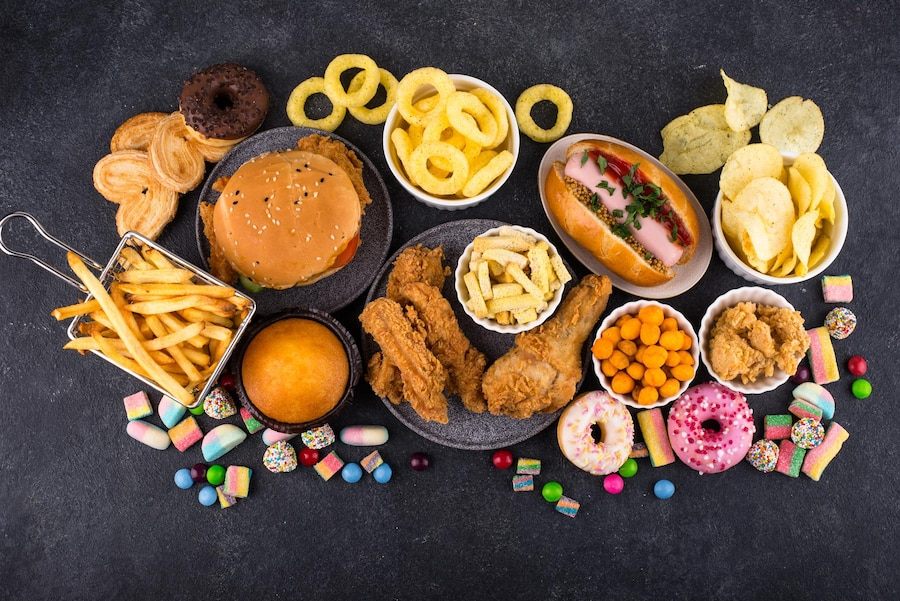
    foods to avoid during period image

    Food Cravings During Period – What They Mean

    We have all experienced. You crave sweets, carbs, or spicy refreshments like there is no time to come. These food cravings during period happen real—and hormonal shifts are to blame.
    Estrogen and progesterone fluctuations affect your appetite and serotonin levels, making you crave comfort and reward foods. The trick? Find smart swaps:

    • Craving sweets? Eat fruit with a spoon of nut butter.
    • Want chips? Try roasted makhana or popcorn.
    • Love chocolate? Go dark and limit to 1–2 pieces.

    Can We Eat Spicy Food During Period?

    This is a hot topic—literally. So, can we eat spicy food during period? Yes, but with a few cautions.
    Spicy food may:

    • Worsen heartburn
    • Irritate the gut
    • Trigger loose motions for some

    However, if your digestive system handles it well, there’s no reason to completely avoid spice. Just listen to your body and choose milder versions.

    Foods That May Increase Bleeding

    Wondering about foods to increase bleeding during periods? Certain foods may mildly stimulate uterine contractions:

    • Papaya – Contains papain enzyme that affects uterine walls
    • Pineapple – Bromelain promotes smooth muscle relaxation
    • Turmeric – Can stimulate blood flow

    Note: These may help with delayed or irregular periods but should be consumed in moderation.
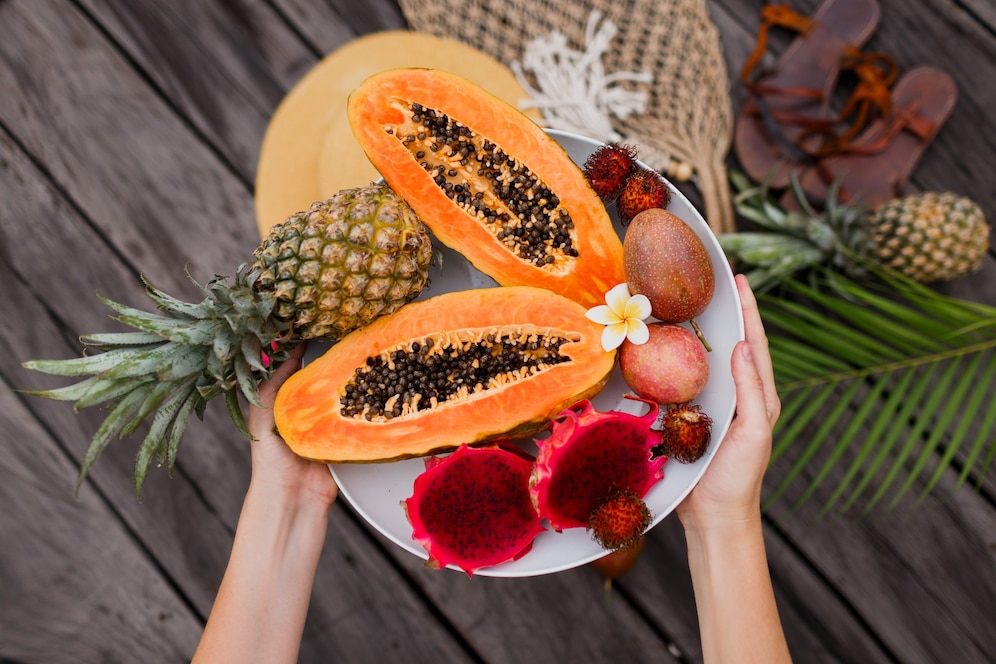
    foods to increase bleeding during periods image

    Pro Tips for Menstrual Nutrition

    Level up your period care with these smart tips:

    • Stay Hydrated – Aim for 2–3L/day
    • Eat Small, Frequent Meals – Keeps energy stable
    • Avoid Skipping Meals – Prevents blood sugar dips
    • Include Iron & Magnesium – Spinach, nuts, seeds, legumes
    • Track Symptoms – Helps you tweak your diet monthly
    • Stick to good food during periods to feel your best emotionally and physically

    Want quick relief? Check out Medkart’s women’s health collection for period support supplements.

    Final Thoughts: Nourish Your Cycle, Naturally

    Periods aren’t just about surviving—they’re about thriving. With the right food to eat during period, good food during periods, and smarter choices overall, you can reduce discomfort, support your hormones, and feel more like yourself.
    Explore Medkart collection of iron, calcium, and magnesium-rich supplements to support your monthly cycle. Because when your body feels better, everything feels better.

    FAQs About Period Nutrition

    1. Can we eat banana during period?

    Yes, bananas are rich in potassium and help reduce bloating and muscle cramps.

    2. Is curd good during periods?

    Absolutely. Curd is rich in calcium and probiotics, supporting digestion and mood.

    3. Does coffee worsen period cramps?

    It can. Caffeine constricts blood vessels and may intensify cramps for some.

    4. Can spicy food cause more bleeding during periods?

    Not always, but it may stimulate digestion and mild uterine activity in sensitive individuals.

    5. What to eat during heavy period bleeding?

    Iron-rich foods like spinach, dates, raisins, pomegranate, and jaggery help restore blood loss.

  • What a Positive Pregnancy Test Really Looks Like – Pregnancy Test

    What a Positive Pregnancy Test Really Looks Like – Pregnancy Test

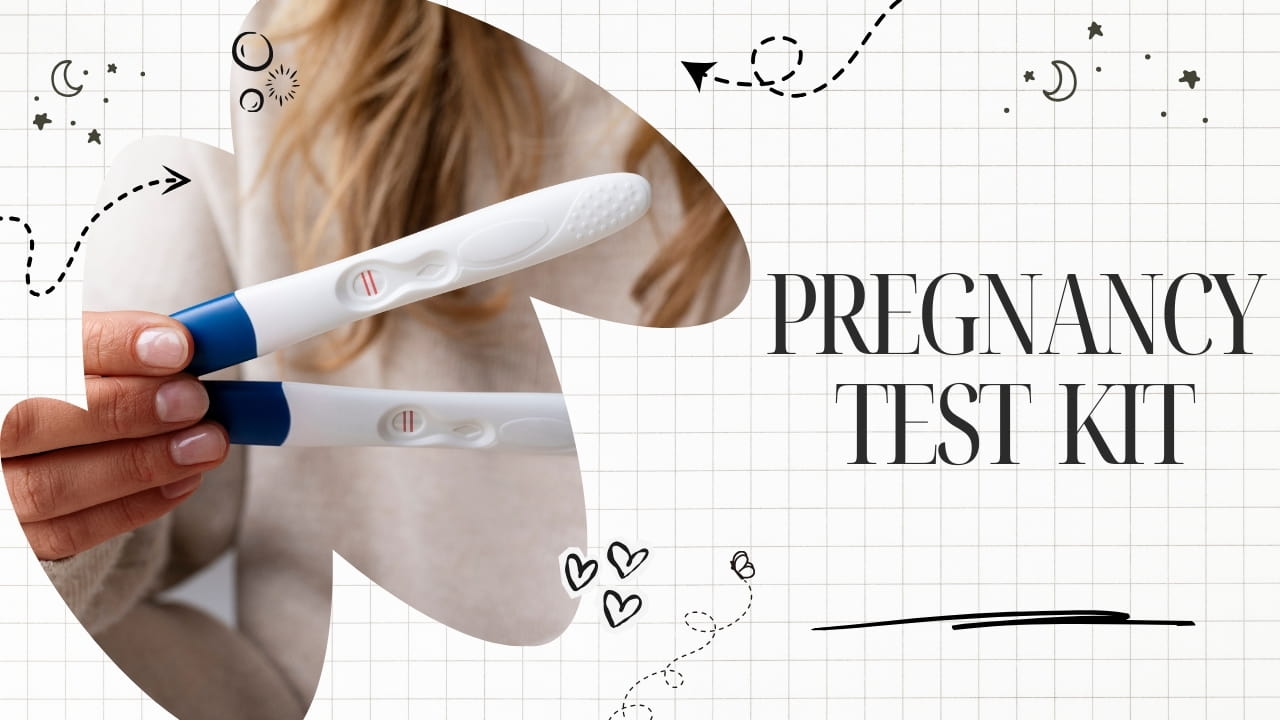
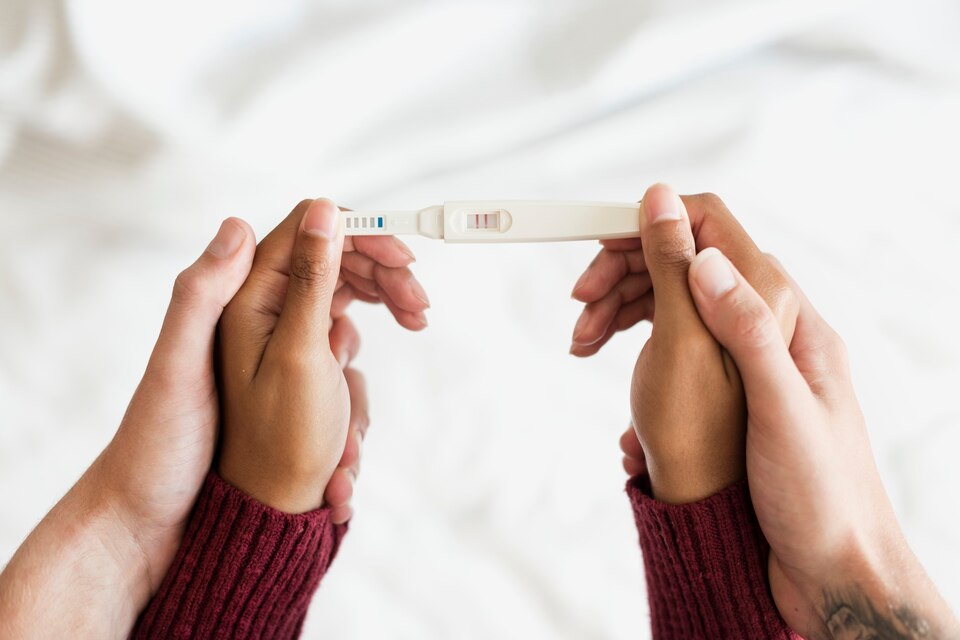
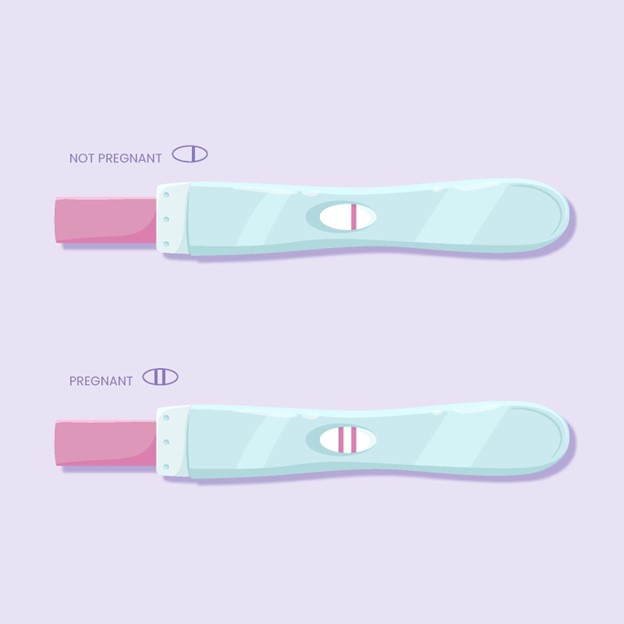
    positive pregnancy testA positive pregnancy test typically displays distinct indicators confirming the presence of human chorionic gonadotropin (hCG), a hormone produced by the placenta during pregnancy. In most cases, a positive result manifests as two visible lines on a strip or a plus sign on the test window. The appearance of these lines or symbols varies depending on the brand and type of test used, but they consistently signify pregnancy. While the control line assures the test’s functionality, the second line or the formation of the plus sign represents the detection of hCG, indicating a positive result. Additionally, digital pregnancy tests provide a clear “Pregnant” message, eliminating any ambiguity in interpretation. Overall, a positive pregnancy test serves as a definitive confirmation, marking the beginning of an extraordinary journey towards parenthood.
    Types of Pregnancy Tests

    Pregnancy tests play a pivotal role in confirming one of life’s most significant milestones. With advancements in technology, there are various types of pregnancy tests available, each with its own set of features, accuracy levels, and convenience factors. In this article, we will explore the different types of pregnancy tests, including urine tests and blood tests, highlighting their mechanisms, advantages, and considerations.

    1. Urine Tests:

    Urine-based pregnancy tests are the most commonly used and readily available tests, often found in pharmacies and drug stores. They are designed for home use and offer a convenient and private way to determine pregnancy status. Here are the main types of urine pregnancy tests:

    • Strip Tests: Strip tests are simple and affordable. They consist of a paper or plastic strip coated with antibodies that react to the presence of hCG in urine. To use a strip test, a woman must collect a urine sample in a clean container and then dip the strip into the urine for the specified duration. Results typically appear within a few minutes, displaying lines or symbols indicating whether the test is positive or negative.
    • Midstream Tests: Midstream tests are slightly more user-friendly than strip tests. They come in a plastic casing with an absorbent tip that can be held directly in the urine stream. This type of test usually provides results within a few minutes and may feature lines, symbols, or digital displays to indicate pregnancy status.
    • Digital Tests: Digital pregnancy tests offer a clear and easy-to-read result in words, such as “Pregnant” or “Not Pregnant.” These tests eliminate the need for interpretation of lines or symbols, making them particularly suitable for those who prefer a straightforward answer. Digital tests typically have a higher price point than traditional strip or midstream tests but offer added convenience and clarity.

    2. Blood Tests:

    Blood tests for pregnancy are conducted in medical settings, typically by healthcare professionals. While less accessible than urine tests, blood tests offer certain advantages, particularly in terms of accuracy and early detection. There are two main types of blood tests for pregnancy:

    • Qualitative hCG Blood Test: This type of blood test confirms the presence of hCG in the blood, indicating pregnancy. It provides a simple “yes” or “no” answer and is highly accurate, capable of detecting pregnancy earlier than urine tests. Qualitative blood tests are often recommended for confirming pregnancy in early stages or in cases where urine test results are inconclusive.
    • Quantitative hCG Blood Test: Quantitative blood tests measure the exact amount of hCG present in the blood. They provide a numerical value, known as the hCG level, which can be useful for monitoring the progression of pregnancy or assessing the risk of complications, such as ectopic pregnancy or miscarriage. Quantitative blood tests are also used in fertility treatments to track hormone levels during ovulation induction or embryo transfer.

    pregnancy testDeciphering a Positive Pregnancy Test

    When interpreting the results of a pregnancy test, a positive result indicates that hCG has been detected in the urine or blood sample. But what does a positive test actually look like?

    1. Two Lines: Many pregnancy tests, especially the traditional strip tests, display results with two lines. One line indicates the control line, which shows that the test is working correctly. The second line, if present, indicates a positive result. The intensity of the second line may vary depending on the concentration of hCG in the urine.
    2. Plus Sign: Some pregnancy tests use a plus sign (+) to indicate a positive result. Similar to the two lines, one line represents the control, while the other line forms the vertical line of the plus sign, indicating a positive result.
    3. Digital Display: Digital pregnancy tests provide a clear “Pregnant” or “Not Pregnant” result, eliminating any ambiguity in interpretation.

    Factors Influencing Pregnancy Test Results

    While a positive pregnancy test typically indicates pregnancy, there are certain factors that can affect the accuracy of the results:

    1. Timing: Taking a pregnancy test too early after conception can result in a false negative. For the most precise outcomes, it’s advisable to hold off testing until post a missed menstrual cycle.
    2. Medications: Certain medications, such as fertility drugs containing hCG or medications that interfere with hormone levels, can affect pregnancy test results.
    3. Evaporation Lines: Sometimes, faint lines may appear on pregnancy tests due to evaporation of urine on the test strip. These lines should not be mistaken for positive results.
    4. Chemical Pregnancy: In some cases, a positive pregnancy test may indicate a chemical pregnancy, where implantation occurs but is not sustained, resulting in early pregnancy loss.

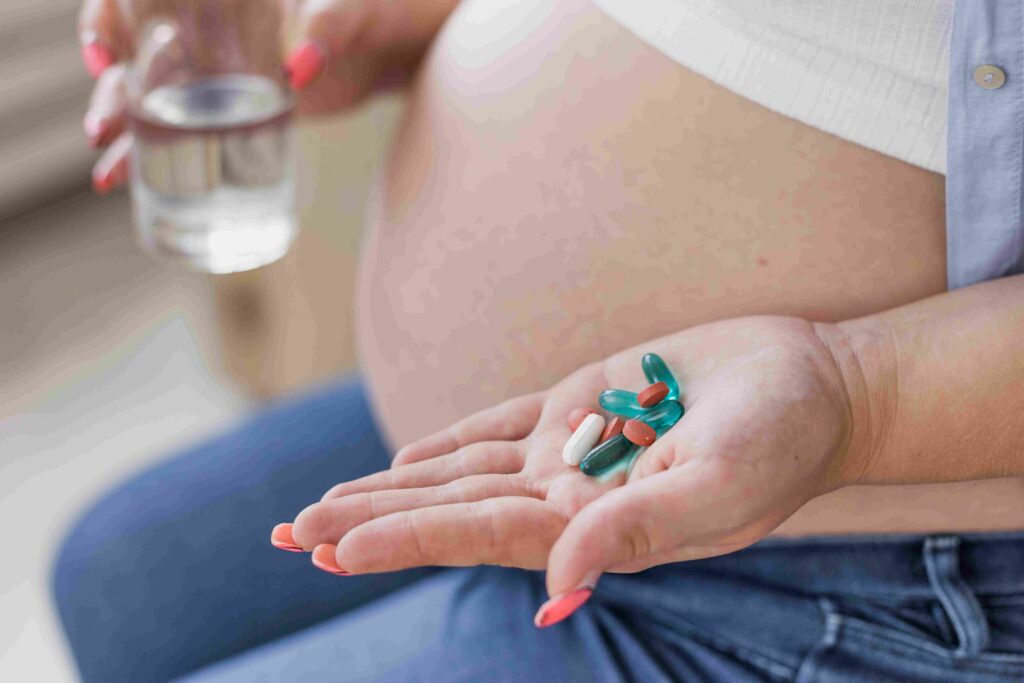
    In medically advised scenarios where pregnancy termination is required, tablets like Misoprost 200mcg may be prescribed by a certified healthcare professional. It is crucial to use such medications strictly under medical supervision to avoid complications.

    Conclusion

    Deciphering a positive pregnancy test can be a momentous occasion for individuals hoping to conceive. Understanding what a positive test looks like and the factors that can influence the results is crucial for accurate interpretation. Whether it’s the joy of confirming a long-awaited pregnancy or the beginning of a new chapter, a positive pregnancy test signifies a significant milestone in the journey to parenthood.

    FAQs on What a Positive Pregnancy Test Really Looks Like

    1. What does a positive pregnancy test look like?

    Answer: A positive pregnancy test typically displays two lines, where one line indicates the control and the second line signifies a positive result. Alternatively, some tests use a plus sign or digital display to confirm pregnancy.

    2. Can a faint line indicate a positive result?

    Answer: Yes, a faint line on a pregnancy test can indicate a positive result. It often suggests that hCG, the hormone detected in pregnancy tests, is present in the urine, albeit in lower concentrations. It’s important to read the test within the specified timeframe to avoid confusion with evaporation lines.

    3. Are digital pregnancy tests more accurate than traditional strip tests?

    Answer: Digital pregnancy tests offer clarity with a straightforward “Pregnant” or “Not Pregnant” result, but they are not necessarily more accurate than traditional strip tests. Both types of tests rely on the detection of hCG in urine, and their accuracy depends on factors such as sensitivity and timing of testing.

    4. What factors can cause a false positive pregnancy test?

    Answer: False positives on pregnancy tests are rare but can occur due to factors such as certain medications containing hCG, evaporation lines mistaken for positive results, or chemical pregnancies where implantation occurs but is not sustained. It’s essential to follow the instructions carefully and, if in doubt, consult a healthcare professional for confirmation.

    Also Read:-

  • How To Avoid Pregnancy After Missing Period Naturally – Pregnancy Guide

    How To Avoid Pregnancy After Missing Period Naturally – Pregnancy Guide

    avoid pregnancy after missing periods naturallyFacing the possibility of an unintended pregnancy can be a daunting experience, especially after missing a period. While there are several contraceptive methods available, many individuals may prefer to explore natural options for avoiding pregnancy. Avoiding pregnancy after missing a period naturally involves several strategies centered around understanding and tracking one’s menstrual cycle. One effective approach is to monitor changes in basal body temperature (BBT) and cervical mucus consistency, which can indicate fertile days. By abstaining from intercourse or using barrier methods during these fertile windows, the risk of pregnancy can be minimized. 

    Additionally, tracking menstrual cycles through calendar methods can help predict ovulation and inform decisions about when to engage in sexual activity. While these natural methods can be reliable when practiced consistently, it’s essential to recognize their limitations and consider consulting a healthcare provider for personalized advice and additional contraceptive options.

    How To Avoid Pregnancy image

    Understanding the Menstrual Cycle

    Before delving into natural methods of avoiding pregnancy, it’s essential to understand the menstrual cycle. The menstrual cycle spans approximately 28 days on average, although individual variations exist. It encompasses distinct phases: menstruation, the follicular phase, ovulation, and the luteal phase, each contributing to the intricate rhythm of the reproductive system.

    Ovulation, which typically occurs around the middle of the menstrual cycle, is the release of an egg from the ovary. This is the most fertile time in the menstrual cycle, as the egg is viable for fertilization for about 12-24 hours after release. Sperm can survive in the female reproductive tract for up to five days, so having intercourse in the days leading up to ovulation can result in pregnancy.

    How To Avoid Pregnancy After Missing Period Naturally

    Avoiding pregnancy after a missed period can be a concerning situation for many individuals. While there are several contraceptive methods available, including emergency contraception, some people may prefer to explore natural options. It’s crucial to note that natural methods may not be as reliable as medical contraception, and their effectiveness can vary from person to person. However, here are some strategies that individuals may consider:

    1. Emergency Contraception (Plan B)

    How To Avoid Pregnancy After Missing Period Naturally

    If you’ve had unprotected intercourse and are worried about pregnancy after a missed period, emergency contraception can be an option. Plan B, also known as the morning-after pill, is available over the counter at pharmacies in many countries. Its mechanism entails inhibiting or postponing ovulation, thus diminishing the likelihood of fertilization occurring. It’s most effective when taken within 72 hours (three days) after unprotected intercourse, although it may still be somewhat effective up to 120 hours (five days) later. It’s essential to follow the instructions carefully and consult a healthcare provider if you have any concerns.

    2. Tracking Fertility Signs

    Monitoring your fertility signs can help you identify fertile and non-fertile days in your menstrual cycle. This includes tracking changes in cervical mucus, basal body temperature (BBT), and using fertility awareness methods (FAM). By abstaining from unprotected intercourse during fertile days, you can reduce the risk of pregnancy. However, it’s important to note that these methods require consistency, awareness, and education to be effective.

    3. Avoiding Unprotected Intercourse

    One of the most straightforward ways to avoid pregnancy after a missed period is to abstain from unprotected intercourse until you are sure about your pregnancy status or until you’re ready for pregnancy. This may involve using barrier methods such as condoms or other forms of contraception consistently and correctly.

    4. Healthy Lifestyle Choices

    While not a direct method of contraception, maintaining a healthy lifestyle can support reproductive health and potentially reduce the likelihood of pregnancy. This includes eating a balanced diet, exercising regularly, managing stress, getting enough sleep, and avoiding harmful substances like tobacco, alcohol, and recreational drugs. While these lifestyle factors may not directly prevent pregnancy, they contribute to overall well-being, which can positively impact fertility and reproductive health.

    5. Herbal Remedies and Supplements

    Some people explore herbal remedies and supplements as a way to support contraception naturally. While scientific evidence for their effectiveness is limited, herbs like dong quai, wild yam, and chasteberry have been traditionally used for their purported contraceptive properties. However, it’s essential to approach herbal remedies with caution and consult with a healthcare provider before using them, as they may interact with medications or have adverse effects.

    6. Seeking Professional Guidance

    If you’re unsure about how to proceed after missing a period and want to avoid pregnancy, it’s crucial to seek guidance from a healthcare provider. They can provide personalized advice, discuss contraceptive options, and address any concerns you may have. They can also offer pregnancy testing, counseling, and support services to help you make informed decisions about your reproductive health.

    While there are natural methods and strategies that individuals may consider to avoid pregnancy after a missed period, it’s important to remember that none of these methods are foolproof. Emergency contraception, tracking fertility signs, avoiding unprotected intercourse, maintaining a healthy lifestyle, exploring herbal remedies cautiously, and seeking professional guidance are all options to consider based on individual preferences and circumstances. Ultimately, choosing the most suitable contraceptive approach involves careful consideration, education, and communication with healthcare providers.

    Natural Methods to Avoid Pregnancy

    1. Temperature Charting: Basal Body Temperature (BBT) charting involves taking your temperature every morning before getting out of bed. Your BBT tends to rise slightly after ovulation due to increased progesterone levels. Tracking these temperature changes can help identify when ovulation has occurred, allowing you to avoid unprotected intercourse during fertile days.
    2. Cervical Mucus Monitoring: The consistency and appearance of cervical mucus change throughout the menstrual cycle. During the time of ovulation, cervical mucus undergoes a transformation, adopting a transparent, slick, and elastic consistency akin to the texture of raw egg whites. Monitoring these changes can help predict ovulation and avoid unprotected intercourse during fertile days.
    3. Withdrawal Method (Coitus Interruptus): While not the most reliable method, the withdrawal method involves withdrawing the penis from the vagina before ejaculation. This method requires precise timing and control and may not be effective in preventing pregnancy due to pre-ejaculate containing sperm.
    4. Abstinence: The most foolproof way to avoid pregnancy is abstinence from sexual intercourse. While it may not be the preferred option for everyone, it ensures zero risk of pregnancy.
    5. Fertility Awareness-Based Methods (FAM): Fertility awareness methods involve combining various natural indicators of fertility, such as BBT, cervical mucus, and calendar tracking, to identify fertile days and avoid unprotected intercourse during those times.

    Conclusion

    While natural methods of contraception can be appealing to some individuals, it’s essential to recognize their limitations and effectiveness. None of these methods provide 100% protection against pregnancy, and they require diligence, consistency, and awareness of one’s body and menstrual cycle. For those seeking reliable contraception, consulting with a healthcare provider to explore other contraceptive options may be advisable. Additionally, it’s crucial to remember that sexually transmitted infections (STIs) cannot be prevented through natural contraception methods, so using barrier methods like condoms is essential for STI protection. Ultimately, the choice of contraception should be based on individual preferences, lifestyle, and healthcare provider recommendations.

    FAQs on How to Avoid Pregnancy After Missing Period Naturally

    1. Is it possible to avoid pregnancy naturally after missing a period?

    Answer: Yes, it is possible to employ natural methods to reduce the risk of pregnancy after missing a period. These methods typically involve tracking your menstrual cycle and avoiding intercourse during fertile days.

    2. What are some natural methods to prevent pregnancy after a missed period?

    Answer: Natural methods include tracking menstrual cycles, monitoring basal body temperature (BBT), observing changes in cervical mucus consistency, and practicing abstinence or using withdrawal methods during fertile windows.

    3. How effective are natural methods in preventing pregnancy after a missed period?

    Answer: The effectiveness of natural methods varies. While they can be reliable when practiced consistently and correctly, they may not offer the same level of protection as other contraceptive methods. It’s essential to understand their limitations and consider consulting a healthcare provider for personalized advice.

    4. Are there any risks associated with relying on natural methods after a missed period?

    Answer: While natural methods are generally considered safe, there is a risk of unintended pregnancy if these methods are not followed meticulously. Additionally, natural methods do not protect against sexually transmitted infections (STIs), so it’s crucial to consider using barrier methods like condoms for STI prevention.

    Also Read:-

  • Dydrogesterone Tablets Uses In Pregnancy | Side Effects, Dosage, Precautions

    Dydrogesterone Tablets Uses In Pregnancy | Side Effects, Dosage, Precautions

    dydrogesterone tablets uses in pregnancy

    Dydrogesterone Tablets Uses In Pregnancy | Side Effects, Dosage, Precautions. Dydrogesterone is a synthetic hormone, structurally similar to the hormone progesterone. Progesterone plays a vital role in maintaining a healthy pregnancy by supporting the lining of the uterus, preventing contractions, and facilitating the implantation of the fertilized egg. Dydrogesterone acts as a progestogen, mimicking the actions of progesterone in the body.

    The experience of pregnancy embodies a captivating voyage imbued with a tapestry of emotions, from elation and eager anticipation to occasional moments of apprehension. As expectant mothers navigate through this transformative phase, ensuring maternal and fetal health becomes paramount. In certain instances, healthcare providers may prescribe medications to manage specific conditions and promote a healthy pregnancy. One such medication gaining attention is dydrogesterone tablets. 

    Buy Dydrogesterone Tablets at 15% Discount – Buy Tablet

    Dydrogesterone Tablets Uses In Pregnancy

    Healthcare providers may prescribe dydrogesterone tablets for various purposes during pregnancy:

    1. Threatened Miscarriage: Dydrogesterone is often prescribed to prevent miscarriage in cases of threatened miscarriage, where the mother experiences symptoms such as vaginal bleeding or abdominal cramps, indicating a potential risk to the pregnancy.
    2. Recurrent Pregnancy Loss: Women who have experienced recurrent pregnancy loss or multiple miscarriages may benefit from dydrogesterone therapy to support their pregnancies and reduce the risk of further miscarriages.
    3. Assisted Reproduction: In assisted reproduction techniques such as in vitro fertilization (IVF), dydrogesterone may be used to support the early stages of pregnancy following embryo transfer.
    4. Progesterone Supplementation: Some women may have naturally low levels of progesterone, which can affect the ability to maintain a pregnancy. Dydrogesterone can be prescribed as a supplement to ensure adequate progesterone levels during pregnancy.

    Dydrogesterone Tablets Uses In Pregnancy

    Dydrogesterone Tablets Side Effects In Pregnancy

    While dydrogesterone is generally considered safe for use during pregnancy, it can still cause side effects in some women. It’s essential for expectant mothers to be aware of these potential side effects and to discuss any concerns with their healthcare providers. Some of the common side effects associated with dydrogesterone tablets in pregnancy include:

    1. Nausea and Vomiting: Like many medications, dydrogesterone can cause nausea and vomiting in some pregnant women. These symptoms are usually mild and may improve over time as the body adjusts to the medication.
    2. Headache: Headaches are another common side effect of dydrogesterone tablets. These headaches may be mild to moderate in intensity and can usually be managed with over-the-counter pain relievers, but it’s essential to consult a healthcare provider before taking any medication during pregnancy.
    3. Breast Tenderness: Some women may experience breast tenderness or swelling while taking dydrogesterone tablets. This side effect is usually mild and temporary but can be uncomfortable for some women.
    4. Bloating and Abdominal Discomfort: Dydrogesterone can sometimes cause bloating, gas, or abdominal discomfort in pregnant women. These symptoms are generally mild and may improve with time or with adjustments to the dosage or timing of the medication.
    5. Fatigue: Fatigue or drowsiness is another potential side effect of dydrogesterone tablets. Pregnant women may find themselves feeling more tired than usual while taking this medication, particularly in the early stages of treatment.

    Serious Side Effects and When to Seek Medical Attention

    While most side effects of dydrogesterone tablets in pregnancy are mild and temporary, there are some less common but more serious side effects that require immediate medical attention. These may include:

    1. Allergic Reactions: Some women may experience allergic reactions to dydrogesterone, such as rash, itching, swelling, or difficulty breathing. Should you encounter any of these indications, it is imperative to promptly seek medical assistance.
    2. Signs of Thromboembolism: Dydrogesterone, like other progestogens, may increase the risk of blood clots in some women. Seek medical attention if you experience symptoms of a blood clot, such as sudden pain, swelling, warmth, or redness in the legs, chest pain or discomfort, difficulty breathing, or sudden changes in vision.
    3. Signs of Liver Problems: In rare cases, dydrogesterone may cause liver problems such as jaundice (yellowing of the skin or eyes), dark urine, or persistent abdominal pain. Should you encounter any of these indications, it is imperative that you promptly reach out to your healthcare practitioner for assistance.
    4. Signs of Depression or Mood Changes: While uncommon, some women may experience mood changes or symptoms of depression while taking dydrogesterone tablets. If you notice changes in your mood or emotional well-being, it’s essential to discuss them with your healthcare provider.

    Dydrogesterone Tablets Dosage In Pregnancy 

    The dosage of dydrogesterone tablets can vary depending on the specific indication and the individual’s medical history. It’s crucial to follow the dosage instructions provided by the healthcare provider or as indicated on the prescription label. Generally, dydrogesterone tablets are taken orally with or without food.

    For threatened miscarriage, the typical dosage of dydrogesterone is 10-20 mg taken once daily. However, this dosage may be adjusted based on the severity of symptoms and the individual’s response to treatment.

    In cases of recurrent pregnancy loss, the dosage of dydrogesterone may be similar, with the aim of providing ongoing support throughout the first trimester of pregnancy.

    For women undergoing assisted reproduction techniques such as IVF, the dosage and duration of dydrogesterone therapy may vary depending on the specific protocol followed by the fertility specialist.

    It’s essential to adhere to the prescribed dosage and schedule of dydrogesterone tablets to optimize its effectiveness and minimize the risk of side effects. If an instance of forgetting a dose arises, it is advisable to administer it promptly upon recollection, unless it coincides closely with the scheduled time for the subsequent dose. If such a scenario arises, it is prudent to forego the missed dose and adhere to the regular dosing regimen thereafter.

    Dydrogesterone Tablets Uses In Pregnancy | Side Effects, Dosage, Precautions

    Dydrogesterone Tablets Precautions In Pregnancy 

    While dydrogesterone is considered safe for use in pregnancy, certain precautions should be taken:

    1. Medical History: Before initiating dydrogesterone therapy, it’s essential to inform the healthcare provider about any pre-existing medical conditions, allergies, or medications being taken, including over-the-counter supplements.
    2. Monitoring: Regular prenatal check-ups and monitoring are crucial throughout the course of dydrogesterone therapy to assess the progress of the pregnancy and ensure maternal and fetal well-being.
    3. Risk of Thromboembolism: Like other progestogens, dydrogesterone may increase the risk of thromboembolic events such as blood clots. Women with a history of thromboembolic disorders should be closely monitored while taking dydrogesterone.
    4. Breastfeeding: While dydrogesterone is generally considered safe for use during breastfeeding, it’s essential to consult a healthcare provider before taking any medications while breastfeeding.
    5. Potential Interactions: Dydrogesterone may interact with certain medications, including anticoagulants and drugs metabolized by the liver. It’s important to inform the healthcare provider about all medications being taken to avoid potential drug interactions.
    6. Allergic Reactions: Individuals who experience allergic reactions such as rash, itching, swelling, or difficulty breathing while taking dydrogesterone should seek immediate medical attention.

    Conclusion

    Dydrogesterone tablets play a valuable role in supporting pregnancy and reducing the risk of complications such as miscarriage, particularly in cases of threatened miscarriage or recurrent pregnancy loss. By understanding its uses, potential side effects, dosage, and precautions, expectant mothers can make informed decisions in collaboration with their healthcare providers to ensure a safe and healthy pregnancy journey. As always, it’s essential to follow medical advice and seek prompt attention for any concerns or questions regarding dydrogesterone therapy during pregnancy.


    FAQs On Dydrogesterone Tablets Uses In Pregnancy

    1. What are the uses of dydrogesterone tablets in pregnancy?

    Dydrogesterone tablets are commonly prescribed during pregnancy to support the uterine lining and prevent miscarriage in women at risk of pregnancy loss. They are also used to supplement progesterone levels in cases of progesterone deficiency, which can contribute to miscarriage or other complications during pregnancy.

    2. How do dydrogesterone tablets work to support pregnancy?

    Dydrogesterone is a synthetic hormone that acts similarly to natural progesterone. It helps maintain the uterine lining, supports embryo implantation, and prevents contractions that could lead to miscarriage. By supplementing progesterone levels, dydrogesterone tablets help create a favorable environment for a healthy pregnancy to thrive.

    3. Are dydrogesterone tablets safe to use during pregnancy?

    Dydrogesterone tablets are generally considered safe for use during pregnancy when prescribed by a healthcare provider. They have been extensively studied and are commonly used to prevent miscarriage and support pregnancies at risk of complications. However, as with any medication, potential risks and benefits should be discussed with a healthcare provider to ensure the safest and most appropriate treatment plan for individual needs.


  • The Most Popular Items In Pregnancy Tests – List of Pregnancy Test Items

    The Most Popular Items In Pregnancy Tests – List of Pregnancy Test Items

    Most Popular Items in Pregnancy TestsPregnancy tests have become an indispensable tool for millions of women worldwide. Whether eagerly anticipating or apprehensive about the result, the popularity of pregnancy tests underscores their significance in family planning and reproductive health. As technology advances, the market is inundated with a plethora of options, each claiming accuracy, convenience, and reliability. 
    Basic Types Of Pregnancy Tests

    Before diving into the specifics of popular pregnancy tests, it’s crucial to understand the basic types available:

    • Urine Tests:

    Urine tests are the most common type of pregnancy tests and are widely available over-the-counter at pharmacies and online stores. These tests detect the presence of human chorionic gonadotropin (hCG), a hormone produced by the placenta during pregnancy, in the urine. Urine tests typically involve either dipping a test strip into a urine sample or holding the test strip directly in the urine stream. The results are indicated by the appearance of lines or symbols on the test strip, with one line typically indicating a negative result and two lines indicating a positive result.

    • Blood Tests:

    Blood tests for pregnancy, also known as serum tests, are conducted in a medical setting, usually by a healthcare professional. These tests measure the level of hCG in the bloodstream, providing a more accurate and sensitive indication of pregnancy compared to urine tests. There are two types of blood tests for pregnancy: qualitative hCG tests and quantitative hCG tests. Qualitative tests determine whether hCG is present in the blood, while quantitative tests measure the exact amount of hCG present, which can help determine the stage of pregnancy or detect certain complications. 

    • Digital Tests:

    Digital pregnancy tests are a modern variation of urine tests that provide digital results, usually displayed as words such as “Pregnant” or “Not Pregnant” rather than lines or symbols. These tests typically use the same technology as traditional urine tests but offer the added benefit of clear and unambiguous results, eliminating any confusion or uncertainty associated with interpreting lines. Digital tests are user-friendly and easy to read, making them a popular choice for individuals who prefer a straightforward indication of pregnancy status.

    • Early Detection Tests:

    Early detection pregnancy tests are designed to detect pregnancy before a missed period, offering individuals the opportunity to confirm pregnancy at the earliest possible stage. These tests are typically more sensitive than standard urine tests, capable of detecting lower levels of hCG in the urine. Early detection tests may be particularly beneficial for individuals who are actively trying to conceive or who are experiencing early pregnancy symptoms and wish to confirm their suspicions. However, it’s essential to note that while early detection tests can provide results sooner, they may be less accurate than tests conducted after a missed period, and false negatives are still possible, especially if testing too early.

    Most Popular Items in Pregnancy Tests

    In India, as in many parts of the world, pregnancy testing is a crucial step for millions of women and couples planning to start or expand their families. With a plethora of options available in the market, choosing the right pregnancy test kit can be overwhelming. To aid in this decision-making process, we’ve compiled a list of the top five recommended pregnancy test kits in the Indian context, along with the reasons for their popularity.

    • Prega News:

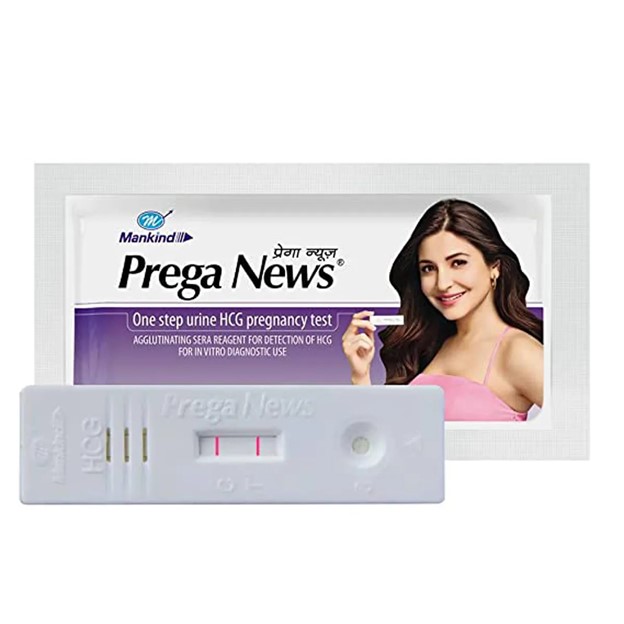
    Prega News is one of the most trusted and widely used pregnancy test kits in India. Its popularity stems from its affordability, accessibility, and reliability. The kit is easy to use, providing results within minutes with a high degree of accuracy. Prega News is readily available at pharmacies across the country, making it a convenient choice for women seeking a dependable pregnancy testing solution.

    Pregnancy Item

    • Velocit:

    Velocit pregnancy test kits have gained popularity among Indian consumers for their sensitivity and early detection capabilities. These kits claim to detect pregnancy as early as seven days after conception, offering peace of mind to individuals anxious to know their status. Velocit kits are known for their user-friendly design and clear result interpretation, making them a preferred choice for many women.

    • Clearview:

    Clearview pregnancy test kits, manufactured by Alere Medical Pvt. Ltd., are renowned for their accuracy and reliability. Clinical settings across India widely use these kits due to their reputation for precision. Clearview tests are designed to detect pregnancy early, providing results within minutes. Although slightly more expensive than some other options, individuals seeking medical-grade accuracy and assurance prefer Clearview kits.

    • iCan:

    iCan pregnancy test kits have gained popularity for their affordability and ease of use. These kits are designed for home use, providing quick and accurate results within minutes. iCan kits come with clear instructions and are suitable for women of all ages. Their compact size and discreet packaging make them a convenient choice for individuals who value privacy and convenience.

    • Dr. Gene:

    Dr. Gene pregnancy test kits utilize advanced technology and high sensitivity, detecting the presence of hCG with a combination of antibodies, ensuring reliable results even at low hormone levels. They minimize the risk of false positives or negatives, offering accuracy when used correctly. Though slightly pricier than some alternatives, individuals prioritizing accuracy and reliability prefer Dr. Gene kits.

    Reasons for Popularity:

    Several factors contribute to the popularity of these pregnancy test kits in the Indian context:

    1. Affordability: All the recommended kits offer reasonable pricing, ensuring accessibility to a wide range of consumers, including those from diverse socioeconomic backgrounds.
    2. Accuracy: Accuracy remains paramount in pregnancy testing, with all the listed kits known for delivering reliable results, minimizing the risk of false positives or negatives.
    3. Early Detection: Many of the recommended kits offer early detection capabilities, allowing individuals to test for pregnancy sooner and alleviate anxiety.
    4. Ease of Use: User-friendly design and clear result interpretation make these kits suitable for individuals of all ages and backgrounds, ensuring a positive user experience.
    5. Accessibility: The availability of these kits at pharmacies and online stores across India enhances their accessibility, making them a convenient choice for women in both urban and rural areas.
    6. Brand Reputation: Established brands with a history of quality and trustworthiness tend to dominate the market. Positive word-of-mouth recommendations and endorsements from healthcare professionals further bolster brand reputation and consumer confidence.

    Conclusion

    The popularity of pregnancy test items is influenced by various factors, including accuracy, early detection capabilities, ease of use, and brand reputation. Clearblue, First Response, EPT, and Clearblue Rapid Detection are among the most popular brands, offering a range of features to cater to diverse consumer needs and preferences. Ultimately, regardless of the brand chosen, the primary goal of a pregnancy test remains the same: to provide accurate and timely information to individuals navigating the journey of family planning and reproductive health.

    FAQs on The Most Popular Items in Pregnancy Tests

    1. What are the Most Popular Items in Pregnancy Tests?

    In India, the most popular items in pregnancy tests include brands like Prega News, Velocit, and Clearview. These kits are widely trusted for their affordability, reliability, and ease of use, catering to the diverse needs of individuals seeking accurate and timely confirmation of pregnancy.

    2. Why are digital pregnancy tests preferred by many users?

    Digital pregnancy tests provide clear results in words rather than lines, eliminating any ambiguity associated with traditional line tests. They offer convenience and ease of interpretation, making them a popular choice among individuals seeking clarity and reassurance.

    3. What makes early detection pregnancy tests desirable for users?

    Early detection pregnancy tests claim to detect pregnancy even before a missed period, offering peace of mind or confirmation at the earliest possible stage. These tests cater to individuals actively trying to conceive or anxious about a potential pregnancy, providing timely information and reducing uncertainty.

    Also Read:-

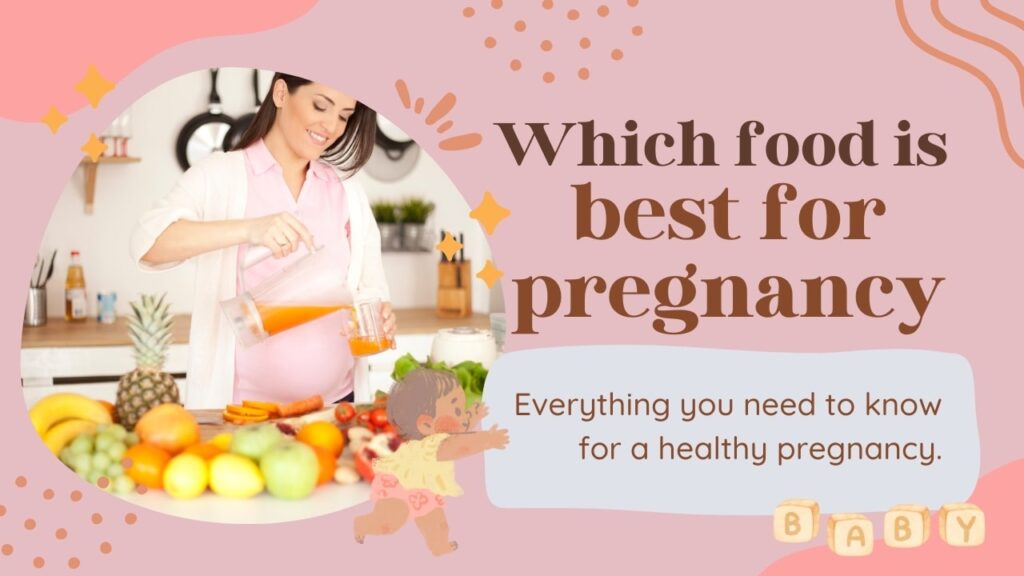
  • Which food is best for pregnancy? – pregnancy Food Chart

    Which food is best for pregnancy? – pregnancy Food Chart

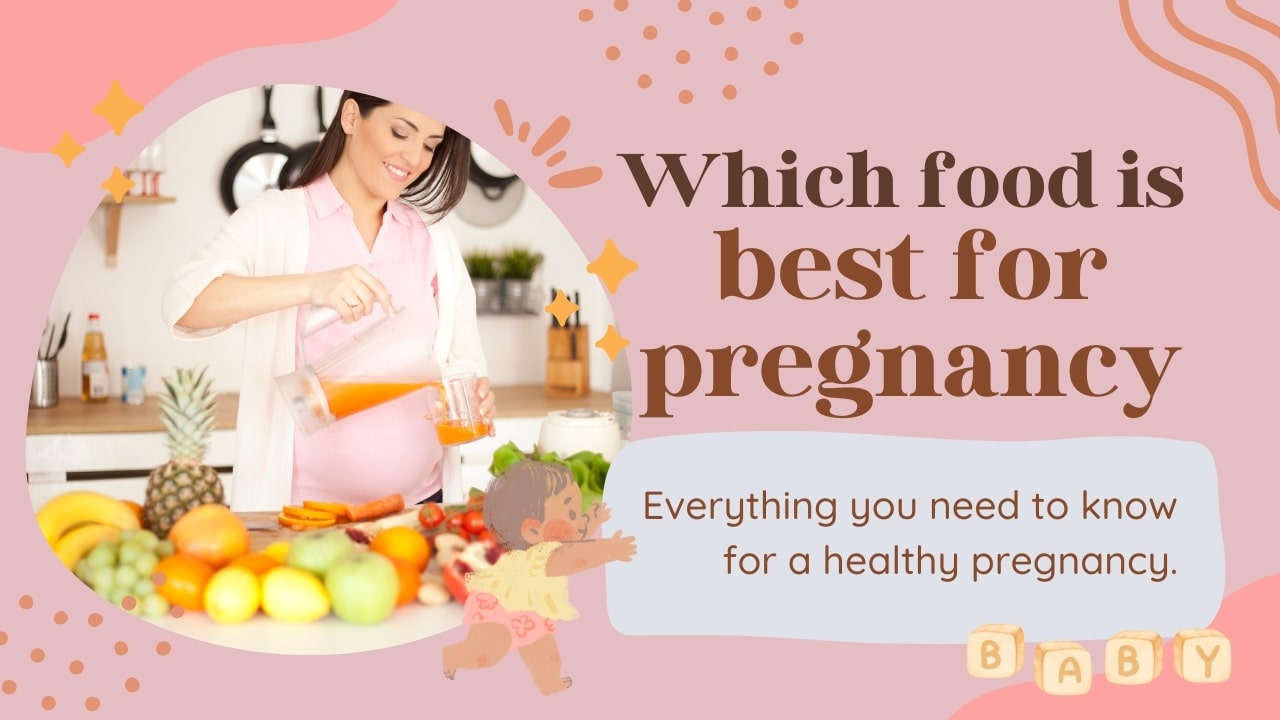
    best pregnancy foodPregnancy is a miraculous journey marked by numerous changes, both physically and emotionally. Among the most crucial aspects of this journey is nutrition. The food you consume during pregnancy plays a pivotal role in ensuring the health and well-being of both you and your developing baby. 
    The significance of proper nutrition during pregnancy cannot be overstated. It directly impacts the baby’s growth and development, as well as the mother’s overall health. Adequate nutrition helps prevent birth defects, ensures a healthy birth weight, reduces the risk of complications during childbirth, and supports postpartum recovery. Moreover, a well-balanced diet during pregnancy can alleviate common discomforts such as nausea, fatigue, and constipation, while promoting optimal maternal health.

    Essential Nutrients for Pregnancy

    1. Folic Acid: Crucial for neural tube development and preventing birth defects.
    2. Iron: Supports the increased blood volume and prevents maternal anemia.
    3. Calcium: Vital for bone development in the fetus and maintaining maternal bone health.
    4. Protein: Essential for fetal growth and development of organs, muscles, and tissues.
    5. Omega-3 Fatty Acids: Support brain and vision development in the fetus.
    6. Vitamin D: Facilitates calcium absorption and supports bone health.
    7. Vitamin C: Boosts immune function and aids in iron absorption.
    8. Fiber: Prevents constipation and supports digestive health during pregnancy.

    Best Foods for Pregnancy

    During pregnancy, a woman’s body undergoes significant changes, and proper nutrition becomes paramount to support both maternal health and the optimal development of the growing fetus. Let’s delve into some of the best foods for pregnancy, along with ways to incorporate them into your diet and their associated benefits.

    1. Leafy Greens (Spinach, Kale, Swiss Chard):

    • Ways to Eat: Incorporate into salads, smoothies, stir-fries, soups, or omelets.
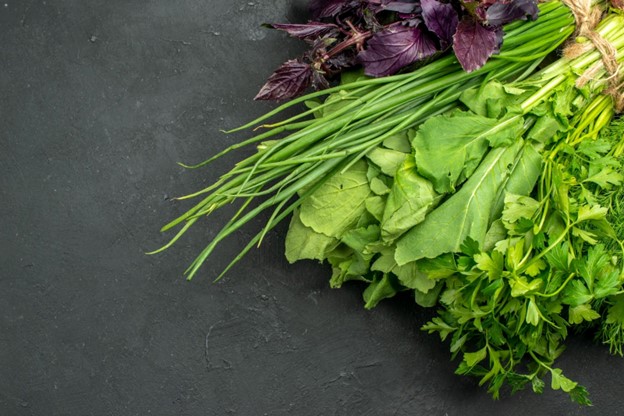
    • Benefits: Rich in folate, iron, calcium, and vitamins A, C, and K. Folate helps prevent neural tube defects, iron supports the increased blood volume during pregnancy, and calcium aids in fetal bone development.

    food for pregnancy

    1. Lean Protein (Chicken, Turkey, Fish, Legumes):

    • Ways to Eat: Grill, bake, or stir-fry lean meats; add beans or lentils to salads, soups, or stews.
    • Benefits: Essential for fetal growth and development, protein also helps repair and build tissues in both the mother and baby. Lean protein sources are also low in saturated fats, promoting heart health.
    1. Whole Grains (Brown Rice, Quinoa, Whole Wheat Bread):

    • Ways to Eat: Replace refined grains with whole grain alternatives in meals such as rice dishes, salads, sandwiches, and breakfast cereals.
    • Benefits: Rich in fiber, B vitamins, and essential minerals like magnesium and selenium. Whole grains provide sustained energy, aid digestion, and help prevent constipation, a common pregnancy discomfort.
    1. Dairy Products (Milk, Yogurt, Cheese):

    •   Ways to Eat: Enjoy as a snack, incorporate into smoothies, oatmeal, or use in cooking and baking.
    •   Benefits: Excellent sources of calcium, protein, and vitamin D. Calcium supports fetal bone development, while protein helps with muscle and tissue formation. Vitamin D aids calcium absorption and promotes maternal bone health.
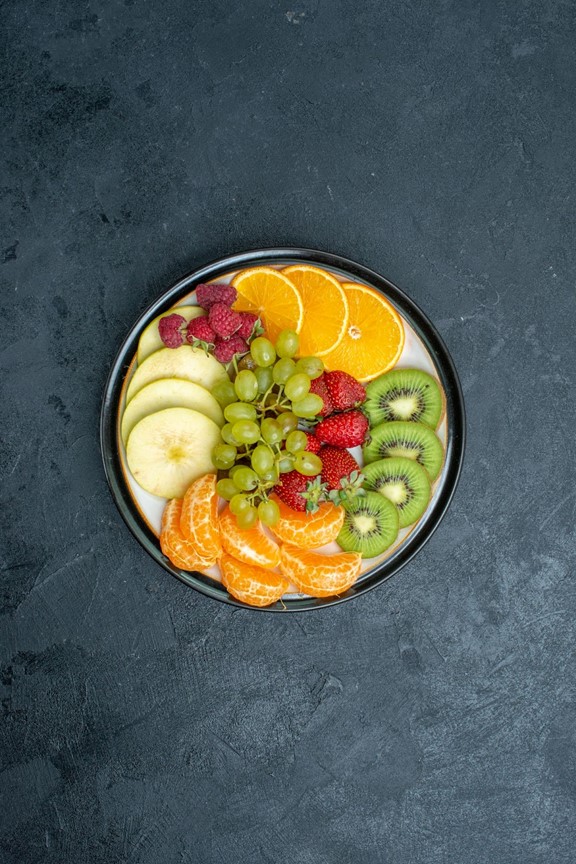
    1. Fruits (Berries, Citrus Fruits, Apples, Bananas):

    •   Ways to Eat: Eat fresh as snacks, add to yogurt, cereal, or salads, or blend into smoothies.
    •   Benefits: Packed with vitamins, minerals, fiber, and antioxidants. Fruits provide essential nutrients like vitamin C, which boosts immunity and aids iron absorption, crucial during pregnancy.

    food for pregnancy

    1. Fatty Fish (Salmon, Trout, Sardines):

    •   Ways to Eat: Bake, grill, or steam fish fillets; add canned fish to salads or sandwiches.
    •   Benefits: Excellent sources of omega-3 fatty acids, particularly DHA and EPA, which are vital for fetal brain and eye development. Fatty fish also provide protein and vitamin D.
    1. Nuts and Seeds (Almonds, Walnuts, Chia Seeds, Flaxseeds):

    •   Ways to Eat: Enjoy as a snack, sprinkle on yogurt, oatmeal, or salads, or use as toppings for baked goods.
    •   Benefits: Rich in healthy fats, protein, fiber, vitamins, and minerals. Nuts and seeds provide energy, support fetal development, and help maintain maternal health.
    1. Legumes (Beans, Lentils, Chickpeas):

    •   Ways to Eat: Cook into soups, stews, or curries, blend into dips like hummus, or add to salads and wraps.
    •   Benefits: High in protein, fiber, folate, iron, and other essential nutrients. Legumes support fetal growth, aid digestion, and help prevent anemia and constipation.
    • Incorporating a variety of these nutrient-dense foods into your daily meals and snacks ensures you’re meeting your increased nutritional needs during pregnancy. Remember to also stay hydrated by drinking plenty of water and to consult with your healthcare provider or a registered dietitian for personalized dietary recommendations based on your individual needs and preferences. By nourishing your body with wholesome foods, you’re providing the best possible start for both you and your baby.

    Pregnancy Food Chart

    Below is a sample pregnancy food chart to help you plan nutritious meals throughout your pregnancy. This chart is customizable based on individual dietary preferences and nutritional needs.


    Meal Foods
    Breakfast – Whole wheat toast with avocado
    – Scrambled eggs with spinach
    – Greek yogurt with berries and granola
    – Oatmeal with sliced bananas and nuts
    – Smoothie with spinach, banana, and almond milk


     Whole grain cereal with milk and fruit
    Snack – Apple slices with peanut butter
    – Carrot sticks with hummus
    – Greek yogurt with honey and almonds


     Trail mix with dried fruits and nuts
    Lunch – Grilled chicken salad with mixed greens
    – Quinoa and black bean wrap
    – Lentil soup with whole grain bread
    – Tuna salad sandwich on whole wheat bread


     Veggie stir-fry with tofu and brown rice
    Snack – Cottage cheese with pineapple chunks
    – Whole grain crackers with cheese
    – Smoothie with spinach, mango, and yogurt


     Handful of almonds and dried apricots
    Dinner – Baked salmon with sweet potato and asparagus
    – Beef stir-fry with mixed vegetables and brown rice
    – Stuffed bell peppers with quinoa and black beans
    – Lentil curry with whole wheat naan


     Grilled tofu with broccoli and brown rice
    Dessert – Greek yogurt with honey and berries
    – Dark chocolate dipped strawberries
    – Homemade fruit sorbet


    Conclusion

    Your diet during pregnancy lays the foundation for your baby’s health and development, as well as your own well-being. By focusing on nutrient-dense foods and maintaining a balanced diet, you can ensure optimal outcomes for both you and your baby. Remember to consult with your healthcare provider or a registered dietitian for personalized dietary recommendations tailored to your specific needs and preferences. Embrace this transformative journey with nourishment and care, as you prepare to welcome your little one into the world.


    FAQs On Which Food Is Best For Pregnancy?

    1. Which Food Is Best For Pregnancy?

    Answer: The best foods for pregnancy include nutrient-dense options like leafy greens, lean proteins, whole grains, dairy products, fruits, and fatty fish. Incorporating these foods into your diet supports fetal development, ensures maternal health, and helps alleviate common pregnancy discomforts.

    2. What are the best sources of folate for pregnancy?

    Answer: Folate, a crucial nutrient for fetal development, can be found abundantly in leafy greens such as spinach and kale, as well as in fortified cereals, citrus fruits like oranges, and legumes like lentils and chickpeas. Incorporating these foods into your diet ensures you meet your daily folate requirements, reducing the risk of neural tube defects in the developing baby.

    3. How can I incorporate enough protein into my pregnancy diet?

    Answer: Lean protein sources such as poultry, fish, eggs, tofu, and legumes are excellent choices for meeting increased protein needs during pregnancy. Incorporate these foods into meals and snacks throughout the day, aiming for a balanced intake to support fetal growth and development while also maintaining maternal muscle and tissue health.

    4. What are some healthy snack options for pregnancy?

    Answer: Healthy snack options during pregnancy include fruits like apples, berries, and bananas, Greek yogurt with nuts or seeds, whole grain crackers with cheese or hummus, and vegetable sticks with guacamole or cottage cheese. These snacks provide essential nutrients like vitamins, minerals, protein, and fiber, helping to sustain energy levels and curb hunger between meals while promoting overall maternal and fetal health.

    Also Read:-

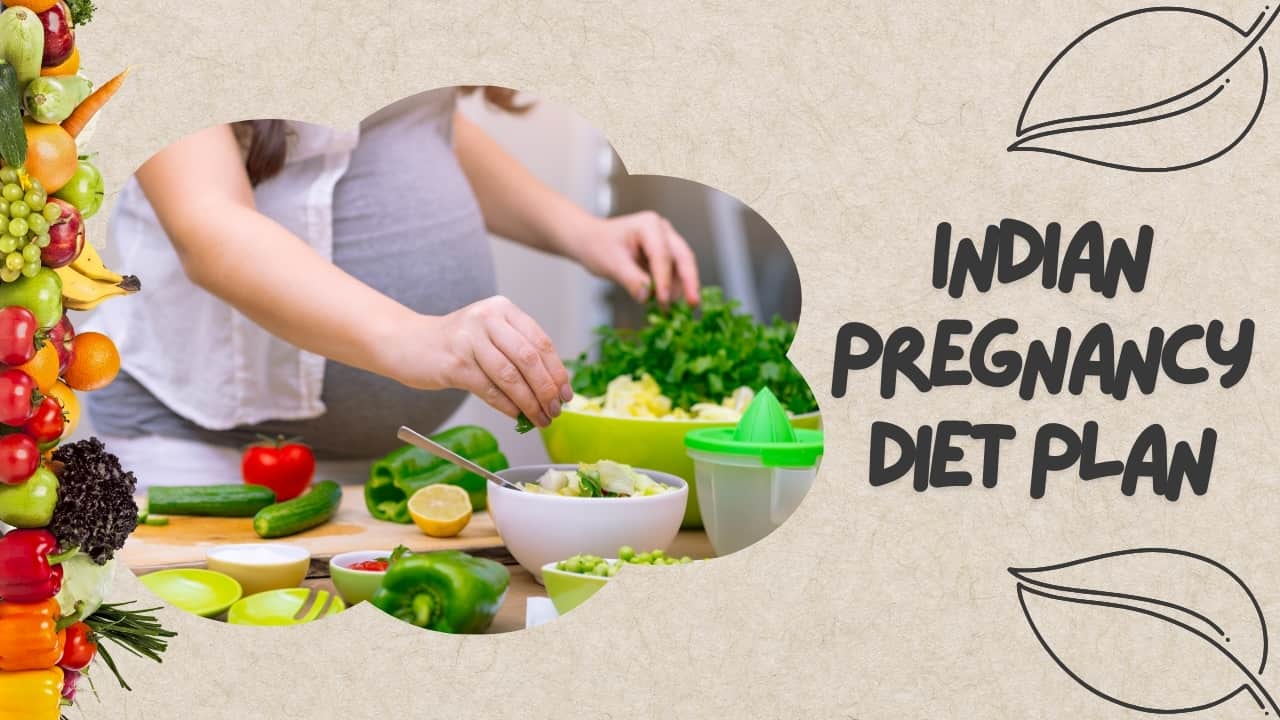
  • Indian Pregnancy Diet Plan For Women – Diet Chart

    Indian Pregnancy Diet Plan For Women – Diet Chart

    indian pregnancy diet planPregnancy is a magical journey filled with anticipation, excitement, and the joy of creating new life. Alongside this incredible experience comes the responsibility of nurturing both the mother and the growing baby. One of the most crucial aspects of a healthy pregnancy is maintaining a balanced diet rich in essential nutrients. In India, where food is not just sustenance but also deeply ingrained in culture and tradition, crafting a pregnancy diet plan that aligns with nutritional needs can be both fulfilling and enriching. 

    Nutritional Needs During Pregnancy

    Throughout pregnancy, a woman’s physiology undergoes profound transformations to nurture and facilitate the growth and maturation of the developing baby. As such, it’s essential to consume a diverse range of nutrients to ensure optimal health for both mother and child. Some of the key nutrients to focus on during pregnancy include:

    1. Folic Acid:

    • Foods Rich in Folic Acid: Leafy greens such as spinach, methi (fenugreek), and mustard greens are excellent sources of folic acid. Other foods include lentils, beans, avocados, oranges, and fortified cereals.
    • Benefits: Folic acid is crucial for the development of the baby’s neural tube, which eventually forms the brain and spinal cord. Adequate intake of folic acid during pregnancy helps prevent neural tube defects such as spina bifida and anencephaly.
    • Ways to Eat Them: Incorporate leafy greens into your meals by making spinach dal, methi paratha, or adding them to soups and salads. Lentils and beans can be included in dishes like dal, sprouts chaat, or mixed vegetable curry. Avocados can be enjoyed in smoothies, salads, or mashed on toast.

    2. Iron:

    • Foods Rich in Iron: Red meat, poultry, fish, lentils, beans, tofu, spinach, broccoli, and fortified cereals are excellent sources of iron.
    • Benefits: Iron is necessary for the production of red blood cells and to prevent anemia, which is common during pregnancy due to increased blood volume and the baby’s growth needs.
    • Ways to Eat Them: Prepare iron-rich meals such as chicken curry, fish fry, lentil soup, or tofu stir-fry. Include leafy greens like spinach or broccoli in salads, soups, or as side dishes. Lentils and beans can be used to make dal, salads, or wraps.

    3. Calcium:

    • Foods Rich in Calcium: Dairy products such as milk, yogurt, and cheese are primary sources of calcium. Other sources include leafy greens, tofu, almonds, sesame seeds, and fortified plant-based milk.
    • Benefits: Calcium is vital for the development of the baby’s bones and teeth, as well as for maintaining bone health in the mother.
    • Ways to Eat Them: Start your day with a glass of milk or yogurt smoothie. Include dairy products in dishes like paneer tikka, yogurt-based curries, or cheese sandwiches. Incorporate leafy greens like spinach into soups, omelets, or pasta dishes. Snack on almonds or sesame seeds for a calcium boost.

    4. Protein:

    • Foods Rich in Protein: Eggs, lean meats, poultry, fish, dairy products, lentils, beans, tofu, nuts, and seeds are excellent sources of protein.
    • Benefits: Protein is essential for the growth and repair of tissues, including those of the baby. It also helps in maintaining the mother’s muscle mass and supporting overall health.
    • Ways to Eat Them: Enjoy protein-rich meals such as egg curry, grilled chicken, fish curry, or paneer tikka. Include lentils and beans in dishes like dal, salads, or wraps. Snack on nuts and seeds, or add them to yogurt or smoothies for an extra protein boost.

    5. Omega-3 Fatty Acids:

    • Foods Rich in Omega-3 Fatty Acids: Fatty fish such as salmon, mackerel, and sardines are excellent sources of omega-3 fatty acids. Other sources include flaxseeds, chia seeds, walnuts, and soybeans.
    • Benefits: Omega-3 fatty acids are important for the development of the baby’s brain and eyesight. They also help reduce inflammation and support heart health.
    • Ways to Eat Them: Include fatty fish in your diet by preparing dishes like grilled salmon, fish curry, or tuna salad. Sprinkle ground flaxseeds or chia seeds on yogurt, oatmeal, or salads. Snack on walnuts or add them to baked goods for a nutty flavor and omega-3 boost.

    Incorporating these nutrient-rich foods into your Indian pregnancy diet plan can help ensure optimal health for both you and your baby. Remember to consult with your healthcare provider or a nutritionist for personalized dietary recommendations during pregnancy.

    Crafting a Balanced Pregnancy Diet Plan

    Building a balanced diet plan during pregnancy involves incorporating a variety of nutrient-dense foods into daily meals. In an Indian context, this often means drawing from the rich tapestry of regional cuisines and traditional ingredients. Here’s a sample pregnancy diet plan tailored to Indian tastes:

    1. Breakfast:

    • Start the day with a nutritious breakfast such as poha (flattened rice) cooked with vegetables and peanuts for added protein.
    • Accompany it with a glass of freshly squeezed orange juice for a boost of vitamin C.

    1. Mid-Morning Snack:

    • Enjoy a small bowl of sprouts chaat seasoned with lemon juice, chopped onions, and chaat masala for a crunchy and refreshing snack packed with protein, fiber, and vitamins.
    1. Lunch:

    • Opt for a balanced meal of dal (lentils), roti (whole wheat flatbread), a serving of green vegetables like spinach or methi (fenugreek), and a side of yogurt for calcium.
    1. Afternoon Snack:

    • Indulge in a fruit salad comprising seasonal fruits like mangoes, bananas, and pomegranates, sprinkled with a dash of chaat masala for added flavor.
    1. Dinner:

    • Keep dinner light yet nutritious with a bowl of vegetable khichdi made with rice, lentils, and assorted vegetables cooked with spices like cumin, turmeric, and ginger.
    • Pair it with a side of raita (yogurt dip) for added calcium and probiotics.
    1. Bedtime Snack:

    • Sip on a warm glass of turmeric milk infused with a pinch of cinnamon and honey to promote relaxation and aid digestion.

    Tips for a Healthy Pregnancy Journey

    In addition to following a well-rounded diet plan, here are some additional tips to support a healthy pregnancy:

    1. Stay Hydrated: Drink plenty of water throughout the day to stay hydrated and support healthy blood flow to the baby.
    2. Listen to Your Body: Pay attention to your body’s cues and eat when hungry. Aim for smaller, frequent meals to avoid discomfort and maintain steady energy levels.
    3. Practice Safe Food Handling: Ensure that all fruits and vegetables are thoroughly washed, and meats are cooked thoroughly to prevent foodborne illnesses.
    4. Incorporate Physical Activity: Engage in gentle exercises such as prenatal yoga or walking to promote circulation, flexibility, and overall well-being.
    5. Get Sufficient Rest: Prioritize adequate rest and relaxation to support your body’s changing needs and promote healthy sleep patterns.

    Conclusion

    Pregnancy is a sacred time filled with wonder and anticipation. By nurturing your body with a wholesome and balanced diet plan, you can embark on this journey with confidence, knowing that you are providing the best possible start for your little one. Through the rich tapestry of Indian cuisine and age-old traditions, you can savor each moment of this miraculous experience, celebrating the gift of life in all its abundance. Here’s to nourishing beginnings and a joyous pregnancy journey ahead!

    FAQs On Indian Pregnancy Diet Plan For Women

    1. Is it safe to consume spices during pregnancy in an Indian diet?

    Answer: Yes, it is generally safe to consume spices in moderation during pregnancy as they add flavor and nutritional benefits to meals. However, some spices like fenugreek, turmeric, and cumin are commonly used in Indian cuisine and are known to have health benefits. It’s essential to avoid excessive intake of spicy foods and consult with your healthcare provider if you have any concerns.

    2. How can I ensure I’m getting enough protein in my Indian pregnancy diet plan if I’m vegetarian?

    Answer: There are plenty of vegetarian sources of protein in Indian cuisine, such as lentils (dal), beans, tofu, paneer (cottage cheese), nuts, and seeds. Including a variety of these protein-rich foods in your meals, such as lentil soup, tofu stir-fry, or paneer curry, can help ensure you meet your protein requirements during pregnancy.

    3. Are there any traditional Indian foods I should avoid during pregnancy?

    Answer: While many traditional Indian foods are nutritious and safe to consume during pregnancy, some should be consumed in moderation or avoided altogether. These include unpasteurized dairy products, raw sprouts, and undercooked meats or eggs, as they may pose a risk of foodborne illnesses. It’s also advisable to limit the intake of high-mercury fish such as king mackerel and swordfish. Consulting with your healthcare provider or a nutritionist can help you make informed choices about your diet during pregnancy.

    Also Read:- 

  • When Should I Start Using A Pregnancy Pillow? – How to Use a Pregnancy Pillow

    When Should I Start Using A Pregnancy Pillow? – How to Use a Pregnancy Pillow

    when to start using pregnancy pillowPregnancy is a beautiful journey filled with excitement, anticipation, and a myriad of changes in a woman’s body. As your body undergoes various transformations to accommodate the growing life within, comfort becomes paramount. One of the tools that can greatly enhance comfort during pregnancy is a pregnancy pillow. But the question arises: When is the right time to start using one? 

    A pregnancy pillow, also known as a maternity pillow or a body pillow, is specially designed to provide support and comfort to expectant mothers during pregnancy. These cushions are available in a multitude of forms and dimensions, adeptly crafted to accommodate diverse requirements and tastes.

    When Should I Start Using A Pregnancy Pillow?

    The ideal time to start using a pregnancy pillow varies from woman to woman and can depend on several factors such as the stage of pregnancy, individual comfort levels, and specific discomforts experienced. However, Below there are a few general guidelines to consider:

    1. First Trimester

    During the first trimester, many women may not feel the need for a pregnancy pillow as their bodies haven’t yet undergone significant changes. However, if you’re already experiencing discomfort due to breast tenderness, nausea, or difficulty finding a comfortable sleeping position, it’s perfectly fine to start using a pregnancy pillow early on.

    2. Second Trimester

    The middle trimester is commonly known as the “golden phase” of pregnancy, marked by diminished nausea and heightened vitality levels. It’s during this time that many women begin to experience physical changes such as a growing belly, back pain, and hip discomfort. This is an excellent time to introduce a pregnancy pillow into your routine to provide support and alleviate pressure on your body as it adjusts to accommodate your growing baby.

    3. Third Trimester

    By the third trimester, your belly has significantly expanded, and you may find it increasingly challenging to get comfortable while sleeping or resting. This is when a pregnancy pillow can be most beneficial. Whether you’re struggling with back pain, hip pain, or simply finding it hard to get comfortable due to the size of your belly, a pregnancy pillow can provide the support you need to get a good night’s sleep and relieve discomfort.

    pregnancy pillow

    Benefits of Using a Pregnancy Pillow

    Using a pregnancy pillow offers numerous benefits throughout all stages of pregnancy, including:

    1. Improved Sleep Quality: Pregnancy can make it difficult to find a comfortable sleeping position. A pregnancy pillow helps alleviate pressure on your back, hips, and joints, allowing you to enjoy a more restful night’s sleep.
    2. Alleviation of Discomfort: Whether you’re experiencing back pain, hip pain, or pelvic pressure, a pregnancy pillow provides targeted support to relieve discomfort and promote better posture.
    3. Enhanced Relaxation: Pregnancy pillows aren’t just for sleeping; they can also be used for lounging and relaxation during the day. By providing support to your body, a pregnancy pillow allows you to rest more comfortably while watching TV, reading, or simply unwinding.
    4. Support for Breastfeeding: Many pregnancy pillows can also be used postpartum to provide support while breastfeeding or bottle-feeding your baby. Their versatile design makes them a valuable tool for new moms as well.

    Types of Pregnancy Pillows

    Pregnancy pillows are a blessing for expectant mothers, offering support and comfort during a time when the body undergoes significant changes. However, knowing how to use a pregnancy pillow effectively can make all the difference in experiencing its full benefits. Let’s understand the various types of pregnancy pillows available:

    1. Full-Length Body Pillows: These pillows are long and typically shaped like a letter ‘C’ or ‘U’, providing support to the entire body from head to toe.
    2. Wedge Pillows: Wedge-shaped pillows are designed to provide targeted support to specific areas such as the back, belly, or knees.
    3. Bean-Shaped Pillows: These pillows have a bean-like shape and can be maneuvered to support different parts of the body, including the back, belly, and legs.
    4. Convertible Pillows: Some pregnancy pillows come with adjustable components, allowing you to customize the support based on your needs.

    pregnancy pillow

    How to Use a Pregnancy Pillow

    Now, let’s explore how to use each type of pregnancy pillow effectively:

    Full-Length Body Pillows:

    • Lie on your side with the pregnancy pillow positioned alongside your body.
    • Place the bottom curve of the pillow between your knees to align your hips and relieve pressure on your lower back.
    • Wrap the top part of the pillow around your shoulder and tuck it between your arm and the mattress for added support to your upper body.
    • If you prefer sleeping on your back, position the pillow behind you to prevent rolling onto your back while providing support to your spine.

    Wedge Pillows:

    • Slide the wedge pillow under your belly to provide support and alleviate pressure.
    • Alternatively, place the wedge pillow behind your back while sitting or reclining to provide lumbar support.
    • For added elevation and support, place the wedge pillow under your knees while lying on your back.

    Bean-Shaped Pillows:

    • Use the bean-shaped pillow to support your belly while lying on your side.
    • Position the pillow behind your back to provide lumbar support while sitting or reclining.
    • Place the pillow between your knees to align your hips and reduce strain on your lower back.

    Convertible Pillows:

    •  Adjust the components of the convertible pillow based on your specific needs.
    •  Experiment with different configurations to find the most comfortable setup for sleeping, lounging, or breastfeeding.

    Additional Tips for Using Pregnancy Pillows

    • Experiment with different pillow placements and configurations to find what works best for you.
    • Consider using a pillowcase or cover to keep your pregnancy pillow clean and extend its lifespan.
    • If sharing a bed with a partner, ensure there’s enough space for both of you and the pregnancy pillow.

    pregnancy pillow

    Conclusion

    The right time to start using a pregnancy pillow is ultimately a personal decision based on your individual needs and comfort levels. Whether you choose to start using one early in your pregnancy or wait until later stages, a pregnancy pillow can be a valuable investment in your comfort and well-being throughout this beautiful journey. By providing targeted support and alleviating discomfort, a pregnancy pillow can help you enjoy a more restful sleep and make the entire experience of pregnancy more enjoyable. So listen to your body, prioritize your comfort, and don’t hesitate to introduce a pregnancy pillow into your routine whenever you feel the need.

    FAQs On When Should I Start Using A Pregnancy Pillow?

    1. When should I start using a pregnancy pillow?

    Answer: The ideal time to start using a pregnancy pillow varies for each woman. However, many find it beneficial to introduce a pregnancy pillow during the second trimester when physical discomforts such as back pain and hip discomfort commonly arise. Some women may even start using a pregnancy pillow earlier if they experience discomfort or difficulty sleeping in the first trimester.

    2. Can I start using a pregnancy pillow if I’m not experiencing discomfort yet?

    Answer: Absolutely! Using a pregnancy pillow early on can help prevent discomfort and ensure you’re well-supported as your body undergoes significant changes throughout pregnancy, while also promoting better sleep from the early stages.

    3. Is it too late to start using a pregnancy pillow if I’m already in my third trimester?

    Answer: It’s never too late to start using a pregnancy pillow, even if you’re in your third trimester. Many women find relief from discomfort and improved sleep quality by introducing a pregnancy pillow during the later stages of pregnancy. Whether you’re experiencing back pain, hip discomfort, or simply struggling to find a comfortable sleeping position, a pregnancy pillow can provide the support you need to rest more comfortably.

    Also Read:- 

    First-Time Sex: Can it lead to pregnancy? | Pregnancy Chances for Teens and Adults

    Pregnancy Test Kit | Pregnancy Test Instructions Manual
    Maximum How Many Days to confirm Pregnancy?

  • Pregnancy Test Kit | Pregnancy Test Instructions Manual

    Pregnancy Test Kit | Pregnancy Test Instructions Manual

    how to use pregnancy test kitPregnancy Test Kit | Pregnancy Test Instructions

    Bringing a new life into the world is one of the most significant and joyous events in many people’s lives. However, the journey to parenthood often begins with the anticipation and uncertainty of whether or not a pregnancy has occurred. This is where pregnancy test kits come into play, offering a quick and convenient way to confirm whether or not conception has taken place. 

    Over-the-counter products widely available are pregnancy test kits, designed to detect the presence of human chorionic gonadotropin (hCG), a hormone produced during pregnancy when a fertilized egg implants itself in the uterus, causing the body to begin producing hCG, which can be detected in urine and blood.Pregnancy test kits primarily detect hCG levels in urine, providing a reliable indication of pregnancy within minutes.

    How Do Pregnancy Test Kits Work?

    Most pregnancy test kits utilize a simple mechanism to detect hCG in urine. The typical pregnancy test kit consists of a plastic casing, a test strip or stick, and a cap. The test strip contains antibodies that specifically react with hCG. When a urine sample is applied to the designated area on the test strip, any hCG present binds to the antibodies, initiating a chemical reaction that produces visible lines or symbols that indicate a positive or negative result.

    Pregnancy Test kit

    How to Use a Pregnancy Test Kit: A Step-by-Step Guide

    Taking a pregnancy test can be a momentous occasion, filled with anticipation and excitement. Whether you’re eagerly hoping for a positive result or nervously awaiting confirmation, knowing how to use a pregnancy test kit correctly is essential for accurate results. In this step-by-step guide, we’ll walk you through the process of using a pregnancy test kit effectively.

    Choose the Right Test Kit:

    • Before purchasing a pregnancy test kit, consider factors such as sensitivity, ease of use, and digital versus traditional readouts. Choose a test kit that aligns with your preferences and needs.

    Read the Instructions:

    • Take a few moments to carefully read the instructions provided with the pregnancy test kit. Each brand may have specific guidelines for usage, so it’s essential to familiarize yourself with the process beforehand.

    Collect Urine Sample:

    •    If you’re using a traditional strip test:
    •    Use a clean cup to collect a small amount of urine, preferably using the first-morning urine for the highest concentration of hCG.
    •    Alternatively, you can hold the absorbent tip of the test stick in your urine stream for a few seconds if you’re using a midstream test.

    Perform the Test:

    •    Remove the pregnancy test kit from its packaging, taking care not to touch the absorbent tip or any other sensitive areas.
    •    If you’re using a traditional strip test:
    •    Dip the absorbent tip of the test strip into the urine sample for the specified duration, usually a few seconds.
    •    Alternatively, you can use a dropper to apply a few drops of urine to the designated area on the test strip.

    pregnancy test kit check

    Wait for Results:

    •   Place the test kit on a flat surface and wait for the specified amount of time, typically between 3 to 5 minutes, before interpreting the results.
    •   Avoid moving or disturbing the test kit during this time to prevent inaccurate results.

    Interpret the Results:

    •   After the designated waiting period, check the test for the appearance of lines, symbols, or digital readouts.
    •   Depending on the brand and type of test kit, a positive result may be indicated by the appearance of one or two lines, a plus sign, the word “pregnant,” or a similar indication.
    •    A negative result typically displays as a single line, a minus sign, the words “not pregnant,” or a similar indication.

    Dispose of the Test Properly:

    •    Once you’ve interpreted the results, dispose of the pregnancy test kit according to the manufacturer’s instructions.
    •    Most test kits can be discarded in the regular trash, but be sure to check for any specific disposal guidelines provided.

    Seek Further Guidance if Necessary:

    •    If you receive a positive result, consider scheduling an appointment with your healthcare provider to confirm the pregnancy and discuss next steps.
    •    If you receive a negative result but suspect you may still be pregnant or if your period is significantly delayed, consider repeating the test after a few days or seeking guidance from a medical expert for additional assessment and examination.

    If your pregnancy test result is positive and you’re seeking information on medical termination options, medicines like Misoprost 200mcg Tablet may be prescribed under a doctor’s supervision for early pregnancy termination.

    By following these step-by-step instructions and exercising patience and care during the testing process, you can effectively use a pregnancy test kit to determine whether or not you’re pregnant. Remember, while using pregnancy test kits correctly generally yields accurate results, it’s always advisable to consult with a healthcare professional for confirmation and guidance, ensuring peace of mind and comprehensive care.

    Types of Pregnancy Test Kits

    There are several types of pregnancy test kits available on the market, each offering its own set of features and benefits:

    1. Traditional Strip Tests:

      These are the most common type of pregnancy test kits. Users collect a urine sample in a cup and then dip the test strip into the sample or use a dropper to apply urine directly onto the test strip. Results typically appear within a few minutes.

    2. Midstream Tests:

      Midstream tests are designed for convenience, allowing users to hold the test stick directly in their urine stream. These tests often come with a cap to cover the absorbent tip, which is removed before testing. Outcomes typically become evident within a matter of minutes.

    3. Digital Tests:

      Digital pregnancy test kits provide a clear digital readout of the results, eliminating the need for interpretation of lines or symbols. These tests often feature a screen that displays “pregnant” or “not pregnant” rather than traditional line indicators.

    4. Early Detection Tests:

      Some pregnancy test kits claim to detect lower levels of hCG, allowing for earlier detection of pregnancy before a missed period. These tests may be more sensitive, but are typically more expensive.

    5. Rapid Tests:

      Rapid pregnancy tests provide results in as little as one minute, offering quick confirmation of pregnancy without the need to wait several minutes for results to appear.

    Conclusion

    Pregnancy test kits offer a simple and convenient way to confirm pregnancy in the comfort of your own home. With a variety of options available, including traditional strip tests, midstream tests, digital tests, early detection tests, and rapid tests, individuals can choose the product that best suits their needs. By following the tips outlined in this guide and using pregnancy test kits correctly, individuals can achieve accurate results and gain peace of mind during the early stages of pregnancy. Remember, if you have any concerns about pregnancy or the results of a pregnancy test, consult with a healthcare professional for further guidance and support.

    FAQs On Pregnancy Test Kit

    1. What is a pregnancy test kit?

    Answer: A pregnancy test kit is a diagnostic tool used to detect the presence of human chorionic gonadotropin (hCG), a hormone produced during pregnancy, in a woman’s urine. It typically consists of a test strip or stick that reacts with hCG to indicate whether or not a woman is pregnant. These kits provide a quick and convenient way for individuals to confirm pregnancy in the privacy of their own homes.

    2. How soon can I take a pregnancy test after a missed period?

    Answer: You can take a pregnancy test as early as the first day of your missed period. However, for the most accurate results, it’s advisable to wait at least one week after your missed period to ensure sufficient levels of the pregnancy hormone, hCG, have built up in your system.

    3. Can medications or medical conditions affect the accuracy of a pregnancy test?

    Answer: Certain medications, medical conditions, and fertility treatments can potentially interfere with pregnancy test results. It’s essential to consult with a healthcare professional if you’re taking any medications or have medical conditions that may impact the accuracy of the test.

    Also Read:- 

  • Endometriosis Treatment – Symptoms and Treatment of Endometriosis

    Endometriosis Treatment – Symptoms and Treatment of Endometriosis

    endometriosis treatmentEndometriosis, a condition where tissue similar to the lining of the uterus grows outside the uterus, affects millions of women worldwide. Beyond the physical pain, it can significantly impact quality of life, fertility, and mental health.
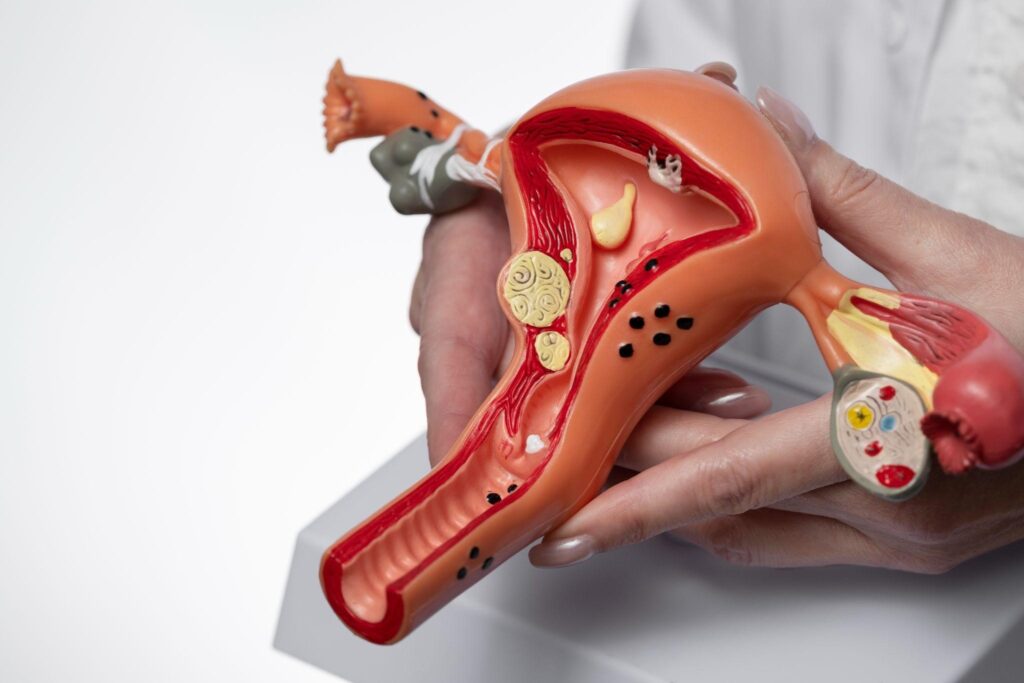
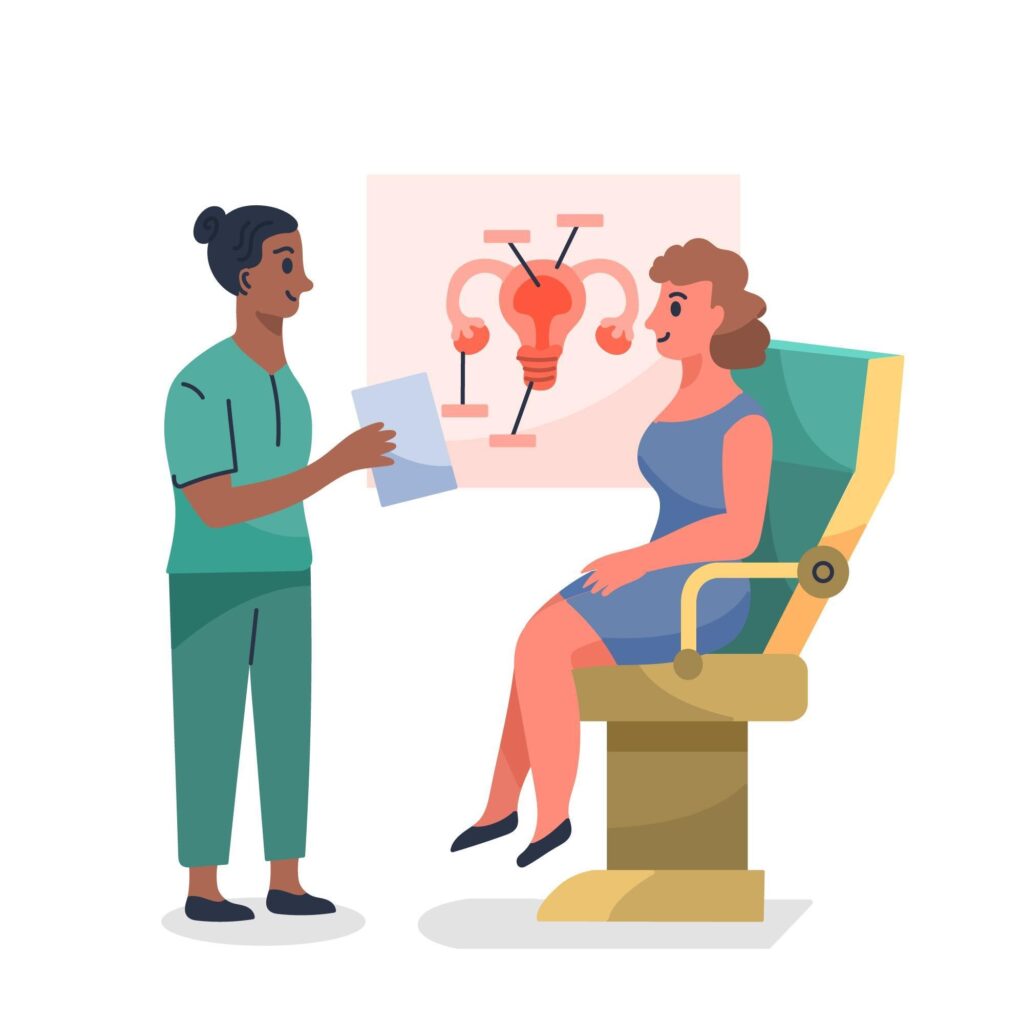

    Fortunately, various treatment options are available to manage symptoms and improve overall well-being. Endometriosis arises when tissue akin to the uterine lining, known as endometrium, proliferates beyond the confines of the uterus. This tissue can develop on the ovaries, fallopian tubes, outer surface of the uterus, and other pelvic organs.

    Each menstrual cycle, these abnormal tissue growths respond to hormonal changes, causing inflammation, pain, and sometimes scar tissue formation (adhesions). Symptoms vary widely among individuals but commonly include pelvic pain, heavy menstrual bleeding, painful intercourse, and infertility.

    Endometriosis Treatment

    The best treatment endometriosis are mentioned below:

    1. Pain Management

    Nonsteroidal Anti-Inflammatory Drugs (NSAIDs): Over-the-counter medications like ibuprofen and naproxen can help alleviate pain and inflammation associated with endometriosis.

    Hormonal Therapies: Hormonal contraceptives such as birth control pills, patches, and hormonal intrauterine devices (IUDs) may be prescribed to regulate menstrual cycles, reduce pain, and slow the growth of endometrial tissue.

    2. Gonadotropin-Releasing Hormone (GnRH) Agonists and Antagonists

    These medications work by suppressing ovarian function, thus reducing estrogen levels and halting menstruation. While effective in relieving symptoms, they may cause menopausal side effects like hot flashes and bone density loss.

    3. Progestins

    Progestin-based therapies, including oral contraceptives, progestin-only pills, injections, and intrauterine devices (IUDs), can help manage symptoms by thinning the endometrial tissue and reducing menstrual bleeding.

    > Consult a Doctor and Medkart will help you Order Medicines Online

    4. Surgery

    Laparoscopic Surgery: This minimally invasive procedure involves removing endometrial implants, scar tissue, and cysts while preserving the reproductive organs. It can provide significant pain relief and improve fertility for some individuals.

    Hysterectomy: In instances of severe conditions resistant to alternative treatments, a hysterectomy (the surgical removal of the uterus) might be advised. This is often considered a last resort, particularly for those not planning to conceive in the future.

    5. Alternative Therapies

    Complementary approaches like acupuncture, physical therapy, dietary changes, and stress management techniques may help alleviate symptoms and improve overall well-being. While these methods may not directly treat endometriosis, they can complement conventional treatments and enhance overall quality of life.

    Emerging Therapies

    Medical research continues to explore novel approaches to managing endometriosis. Some promising developments include:

    Immunomodulators: Drugs that target the immune system to reduce inflammation and immune responses associated with endometriosis.

    Targeted Therapies: Medications specifically designed to inhibit the growth and spread of endometrial tissue by targeting molecular pathways involved in its development.

    Regenerative Medicine: Innovative techniques utilizing stem cells or tissue engineering to repair damaged tissue and restore normal function in affected organs.

    Endometriosis Treatment

    Scar Endometriosis Treatment

    Scar endometriosis, a form of endometriosis where endometrial tissue implants itself within surgical scars, presents unique challenges in treatment. Typically, scar endometriosis manifests as painful nodules or lumps at the site of a previous surgery, such as a cesarean section or hysterectomy incision.

    Treatment options for scar endometriosis often involve a combination of surgical excision and medical management. Surgical removal of the affected tissue is typically necessary to provide long-term relief from symptoms, such as pain and swelling. However, given the high likelihood of recurrence, especially if not all endometrial tissue is removed during surgery, adjunctive medical therapies like hormonal treatments may be prescribed to suppress the growth of any remaining endometrial implants.

    Additionally, in cases where fertility preservation is a concern, a multidisciplinary approach involving fertility specialists may be warranted to explore options for preserving reproductive function while effectively managing scar endometriosis.

    Endometriosis Treatment

    Conclusion:

    Endometriosis is a complex condition with diverse manifestations and treatment needs. While there’s currently no cure, various medical and surgical interventions can effectively manage symptoms and improve quality of life for individuals with endometriosis.

    It’s essential for those affected by this condition to work closely with healthcare providers to explore treatment options tailored to their needs, preferences, and long-term goals. Additionally, ongoing research offers hope for more effective therapies in the future, highlighting the importance of continued investment in understanding and addressing endometriosis.

    Read: What are Generic Medicines?

    FAQs on Endometriosis Treatment

    Q1. What is endometriosis treatment?

    Endometriosis treatment involves a multifaceted approach aimed at managing symptoms, reducing inflammation, and preserving fertility. Options include medication such as hormonal therapies and pain relievers, surgical interventions like laparoscopic excision to remove endometrial tissue, and lifestyle modifications.

    The choice of treatment depends on factors such as the severity of symptoms, desire for fertility, and individual preferences, often requiring a personalized approach in consultation with healthcare providers.

    Q2. Is surgery always necessary for treating endometriosis?

    Surgery, particularly laparoscopic excision, is often recommended for severe cases or when conservative treatments fail to provide relief. However, hormonal therapies and pain management strategies can be effective alternatives, especially for those seeking non-surgical options.

    Q3. Are there any natural remedies or lifestyle changes that can help alleviate endometriosis symptoms?

    While natural remedies and lifestyle changes may offer some relief from endometriosis symptoms, such as dietary modifications, exercise, and stress reduction techniques, they’re typically used as complementary approaches alongside conventional medical treatments rather than standalone solutions. Always consult with a healthcare provider before trying any new treatment approach.

    Related Links:

    Blog | Medkart Pharmacy - Generic Medicine Online